
 Being Peace
Quotes from the Book
Nothing can survive without food. Everything we consume acts either to heal us or to poison us. We tend to think of nourishment only as what we take in through our mouths, but what we consume with our eyes, our ears, our noses, our tongues, and our bodies is also food. The conversations going on around us, and those we participate in, are also food. Are we consuming and creating the kind of food that is healthy for us and helps us grow? When we say something that nourishes us and uplifts the people around us, we are feeding love and compassion. When we speak and act in a way that causes tension and anger, we are nourishing violence and suffering.
23
Self-understanding is crucial for understanding another person; self-love is crucial for loving others. When you’ve understood your suffering, you suffer less, and you are capable of understanding another person’s suffering much more easily. When you can recognize the suffering in the other person and see how that suffering came about, compassion arises. You no longer have the desire to punish or blame the other person. You can listen deeply, and when you speak there is compassion and understanding in your speech. The person with whom you’re speaking will feel much more comfortable, because there is understanding and love in your voice.
20
But a lot of our thinking is caught up in dwelling on the past, trying to control the future, generating misperceptions, and worrying about what others are thinking.
18
Once you can communicate with yourself, you'll be able to communicate outwardly with more clarity. The way in is the way out.
15
Compassion is born from understanding suffering. We all should learn to embrace our own suffering, to listen to it deeply, and to have a deep look into its nature.
13
There are many ways to tell the truth. It’s an art.
10
Home is the place where loneliness disappears. When we’re home, we feel warm, comfortable, safe, fulfilled.
10
When you see the suffering inside yourself, you can see the suffering in the other person, and you can see your part, your responsibility, in creating the suffering in yourself and in the other person.
10
Speech: 1. Tell the truth. Don’t lie or turn the truth upside down. 2. Don’t exaggerate. 3. Be consistent. This means no double-talk: speaking about something in one way to one person and in an opposite way to another for selfish or manipulative reasons.
10
When you produce a thought that is full of understanding, forgiveness, and compassion, that thought will immediately have a healing effect on both your physical and mental health and on those around you. If you think a thought that is full of judgment and anger, that thought will immediately poison your body and mind and the people around you.
9
In a relationship, we are nourishment for each other. So we have to select the kind of food we offer the other person, the kind of food that can help our relationships thrive.
8
When we see that some suffering or some pain is coming up, we don't try to run away from it. In fact, we have to go back and take care of it.
6
You can’t take the other person out of you. You can’t take yourself out of others. The suffering still continues. So the question is not whether you will stay together or not; the question is whether you can focus on trying to understand each other using compassionate speech and deep listening, no matter what the outcome.
6
What you read and write can help you heal, so be thoughtful about what you consume.
5
If you think while you walk, you’re not really walking.
5
A lotus for you. A Buddha to be.
5
When you speak, allow the insight of our collective humanity to speak through you. When you walk, don't walk for yourself alone; walk for your ancestors and your community. When you breathe, allow the larger world to breathe for you.
5
Love, respect, and friendship all need food to survive.
3
You cannot love properly and deeply without mindfulness.
3
Where I live in Plum Village, every time you meet someone on your way somewhere, you join your palms and bow to him or to her with respect, because you know that there is a Buddha inside that person. Even if that person isn’t looking or acting like a Buddha, the capacity for love and compassion is in him or her. If you know how to bow with respect and freshness, you can help the Buddha in him or her to come out. To join your palms and bow like this isn’t mere ritual. It’s a practice of awakening.
3
We don't judge ourselves; we accept. I have these qualities and these weaknesses, but I will try to improve slowly, at my speed. If you can look at yourself like that, you can look at others like that too, without judgment.
2
In any relationship, you may want to check whether you have understood the other person. If it is a relationship that is harmonious, in which communication is good, then happiness is there. If communication and harmony exist, it means mutual understanding is there. Don’t wait until the other person has left or is full of anger to ask the important question “Do you think I understand you enough?” The other person will tell you if you haven’t understood enough. He will know if you’re able to listen with compassion. You may say, “Please tell me, please help me. Because I know very well that if I don’t understand you, I will make a lot of mistakes.” That is the language of love.
2
If I say "A lotus for you, a Buddha to be," it means, "I see clearly the Buddha nature in you.
2
When you work with your computer for three or four hours, you are totally lost. It’s like eating french fries. You shouldn’t eat french fries all day, and you shouldn’t be on the computer all day.
2
When your loved one is suffering, your impulse may be to want to do something to fix it, but you don’t need to do much. You just need to be there for him or her. That is true love. True love is made of mindfulness.
2
If a lotus is to grow, it needs to be rooted in the mind.
2
When we say something that nourishes us and uplifts the people around us, we are feeding love and compassion. When we speak and act in a way that causes tension and anger, we are nourishing violence and suffering.
2
When we’re still young, many of us are determined to be different from our parents. We say we’ll never make our children suffer. But when we grow up we tend to behave just like our parents, and we make others suffer because, like our ancestors, we don’t know how to handle the energies we’ve inherited. We’ve received many positive and negative seeds from our parents and ancestors. They transmitted their habit to us because they didn’t know how to transform it.
2
If you arrive at your workplace having already practiced mindfulness while getting ready at home and while on your way, you'll arrive happier and more relaxed than you have in the past, and successful communication will come a lot more easily.
1
In long-term relationships, as in families, we often get in the habit of thinking that change isn't possible. We think the other person should change and they won't, so we give up hope. But we need to stop judging and return to our own internal communication. If we wait for our parents or our partner to change, it may take a very long time. If we wait for the other person to change, we may spend all our time waiting. So it's better to change yourself. Don't try to force the other person to change. Even if it takes a long time, you will feel better when you are master of yourself and you are doing your best.
1
Watch on YouTube
About Thich Nhat Hanh
We have collected 629 quotes from 23 books by Thich Nhat Hanh on BookQuoters.
More about the author →
About the book
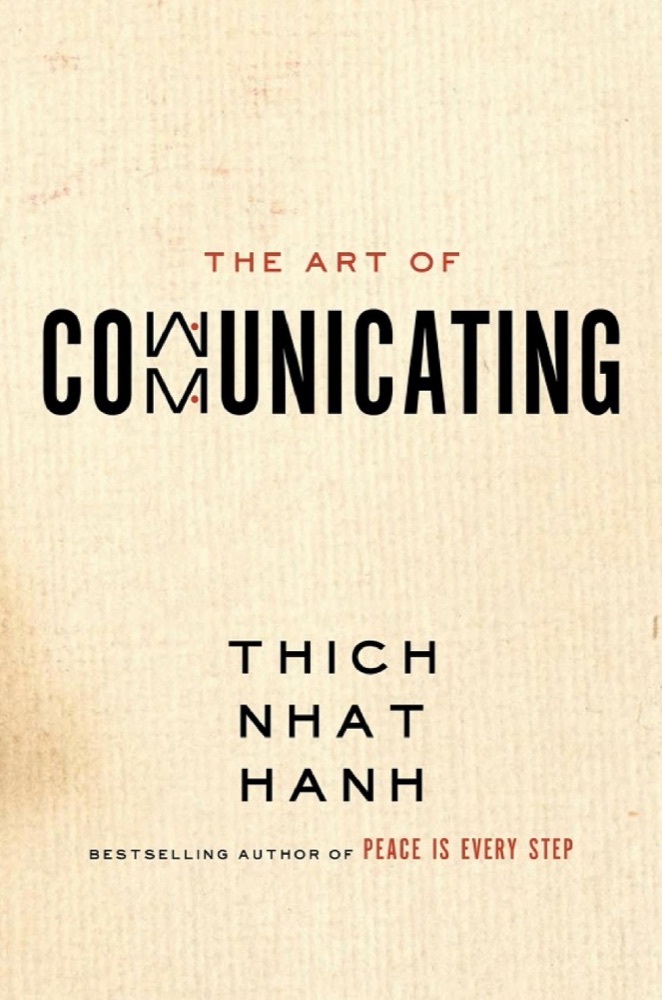
Zen master Thich Nhat Hanh, bestselling author of Peace is Every Step and one of the most respected and celebrated religious leaders in the world, delivers a powerful path to happiness through mastering life's most important skill.
How do we say what we mean in a way that the other person can really hear?
How can we listen with compassion and understanding?
Communication fuels the ties that bind, whether in relationships, business, or everyday interactions. Most of us, however, have never been taught the fundamental skills of communication—or how to best represent our true selves. Effective communication is as important to our well-being and happiness as the food we put into our bodies. It can be either healthy (and nourishing) or toxic (and destructive).
In this precise and practical guide, Zen master and Buddhist monk Thich Nhat Hanh reveals how to listen mindfully and express your
Book details
- First published
- 2013
- Author
- Thich Nhat Hanh
- Genre
- Nonfiction
- Goodreads rating
- 4.11 (12k ratings)
Keep reading
 Zen and the Art of Saving the Planet
 Buddha's Brain: The Practical Neuroscience of Happiness, Love, and Wisdom
 Peace Is Every Step: The Path of Mindfulness in Everyday Life
 Reconciliation: Healing the Inner Child
 The Things You Can See Only When You Slow Down: How to Be Calm in a Busy World
 How to Be an Adult in Relationships: The Five Keys to Mindful Loving
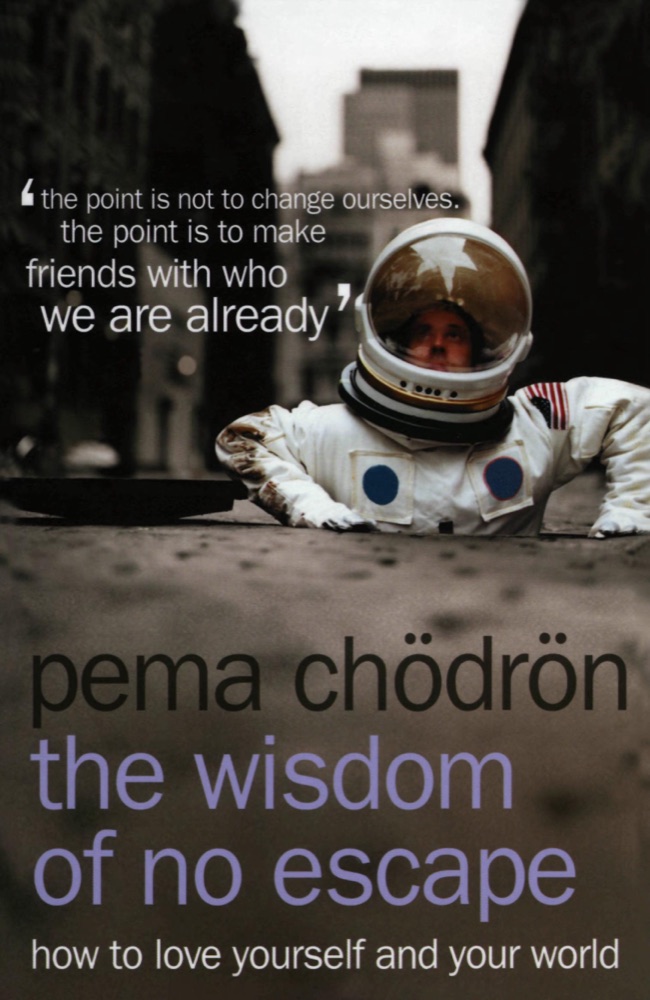 The Wisdom of No Escape: How to Love Yourself and Your World
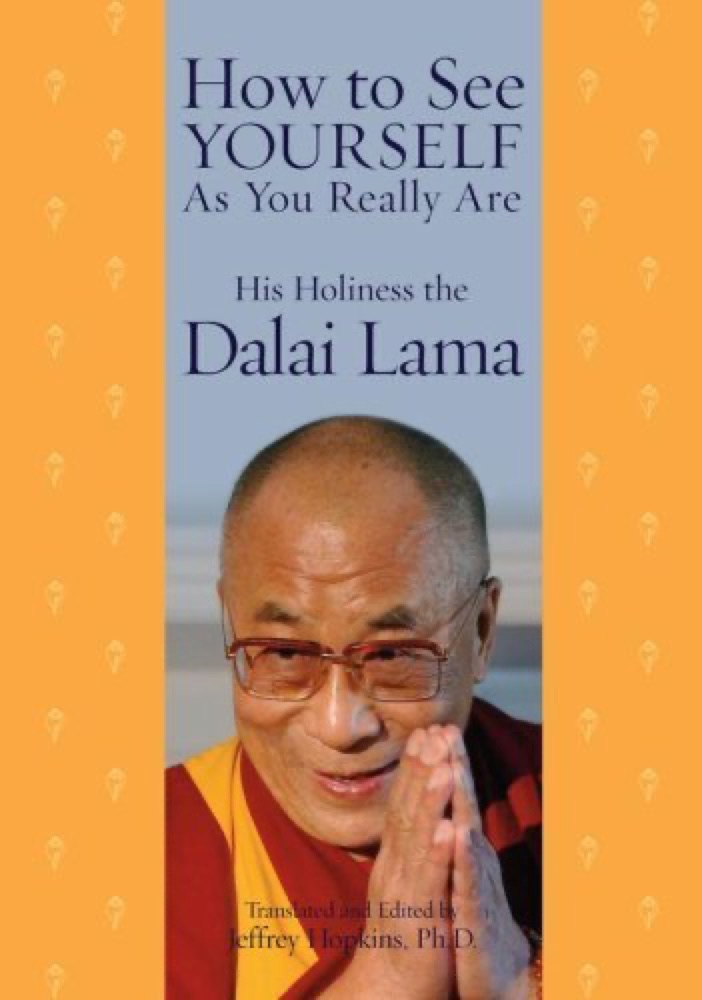 How to See Yourself As You Really Are
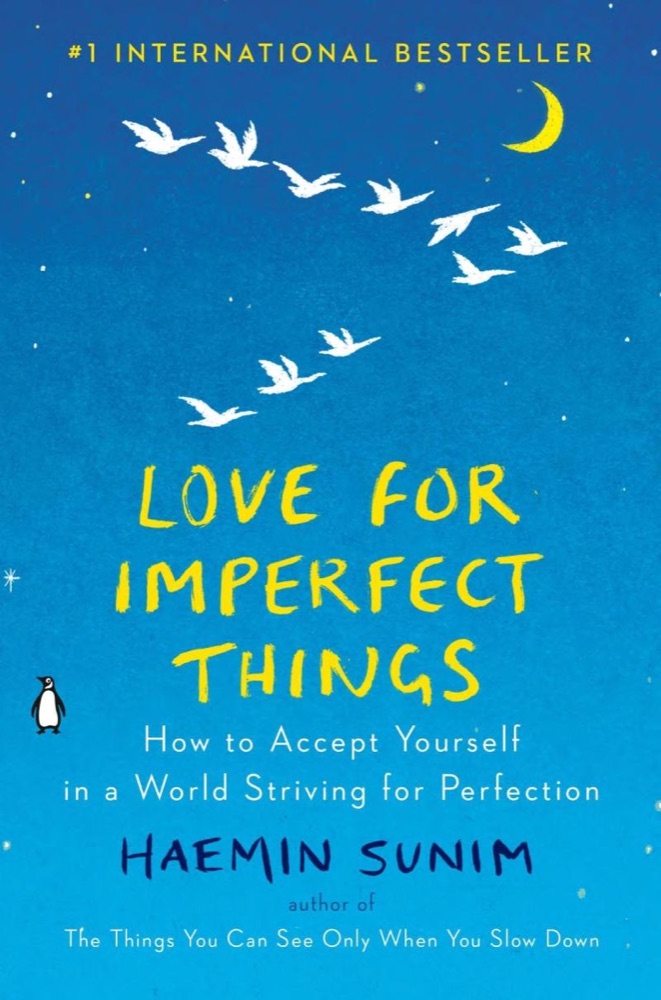 Love for Imperfect Things: How to Accept Yourself in a World Striving for Perfection
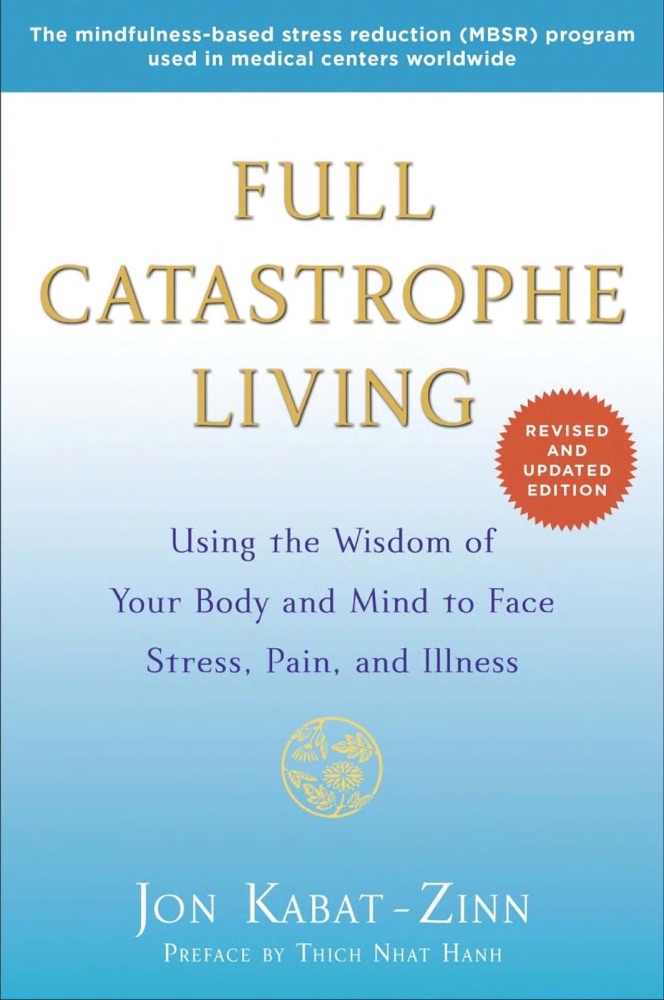 Full Catastrophe Living: Using the Wisdom of Your Body and Mind to Face Stress, Pain, and Illness
 The Four Agreements: A Practical Guide to Personal Freedom
 The Wise Heart: A Guide to the Universal Teachings of Buddhist Psychology
 The Buddha Walks into a Bar . . .: A Guide to Life for a New Generation
 How to Practice: The Way to a Meaningful Life
 Buddhist Boot Camp
 The Book of Joy: Lasting Happiness in a Changing World
 Heart Talk: Poetic Wisdom for a Better Life
 The Mastery of Love: A Practical Guide to the Art of Relationship: A Toltec Wisdom Book
 If the Buddha Dated: A Handbook for Finding Love on a Spiritual Path
 Comfortable with Uncertainty: 108 Teachings on Cultivating Fearlessness and Compassion
 Mindfulness in Plain English
 How to Know a Person: The Art of Seeing Others Deeply and Being Deeply Seen
 The Dalai Lama's Cat and the Power of Meow
 Everyday Zen: Love & Work
 Awakening the Buddha Within
 The Pocket Pema Chodron
 Nonviolent Communication: A Language of Life
 The Book of Secrets: Unlocking the Hidden Dimensions of Your Life
 You Can Heal Your Life
 Changes That Heal: How to Understand the Past to Ensure a Healthier Future
 True Refuge: Finding Peace and Freedom in Your Own Awakened Heart
 The Joy of Living: Unlocking the Secret and Science of Happiness
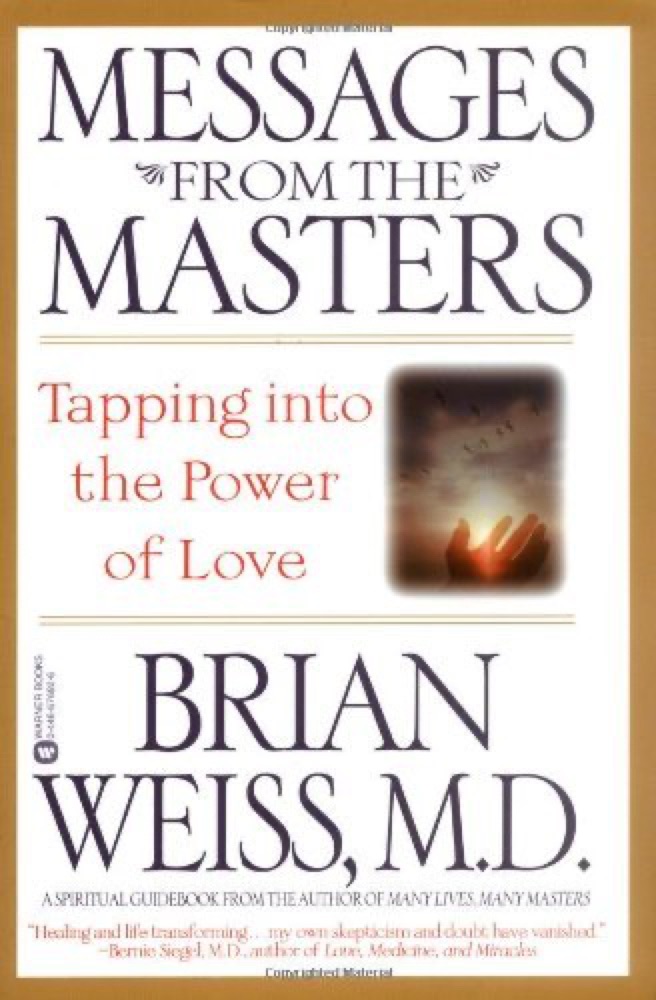 Messages from the Masters: Tapping into the Power of Love
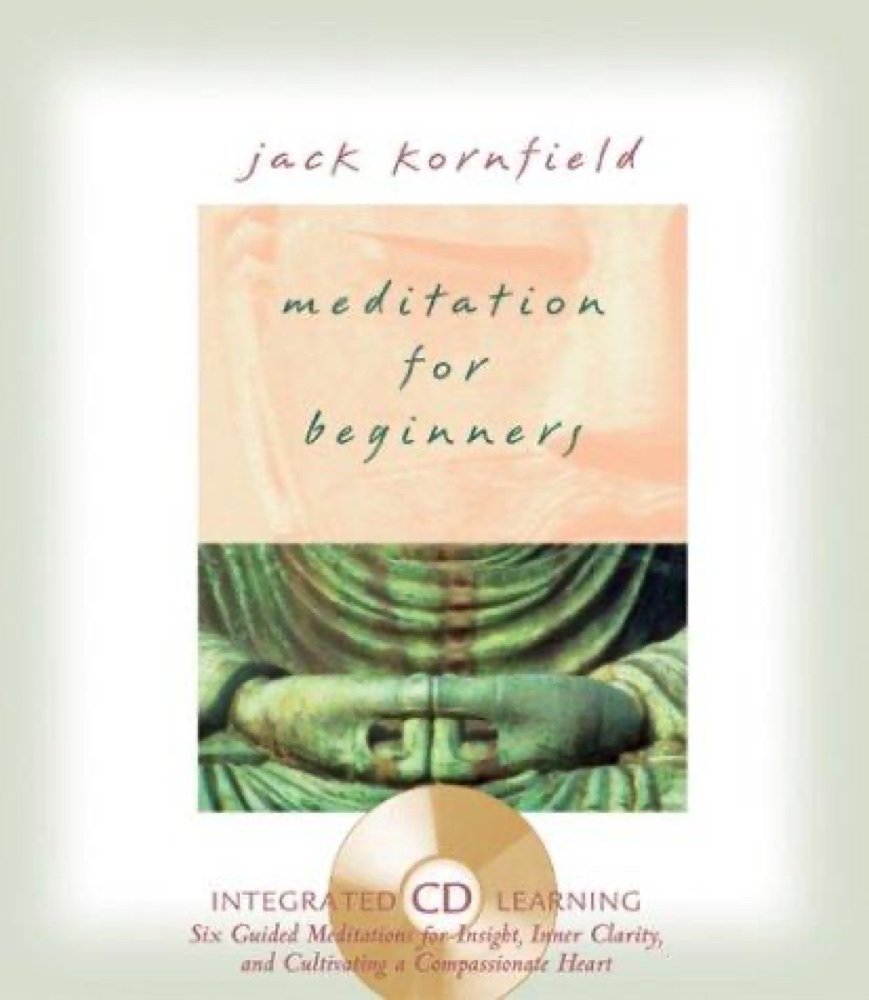 Meditation for Beginners
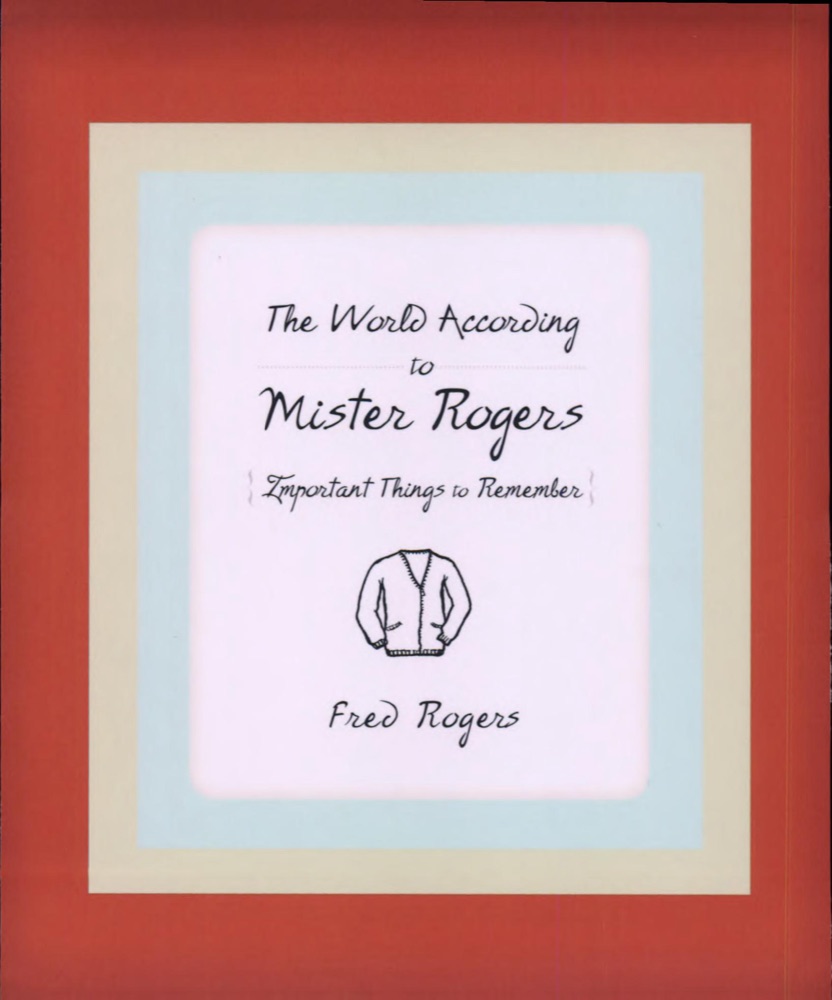 The World According to Mister Rogers: Important Things to Remember
 Be Here Now
 Us: Getting Past You and Me to Build a More Loving Relationship
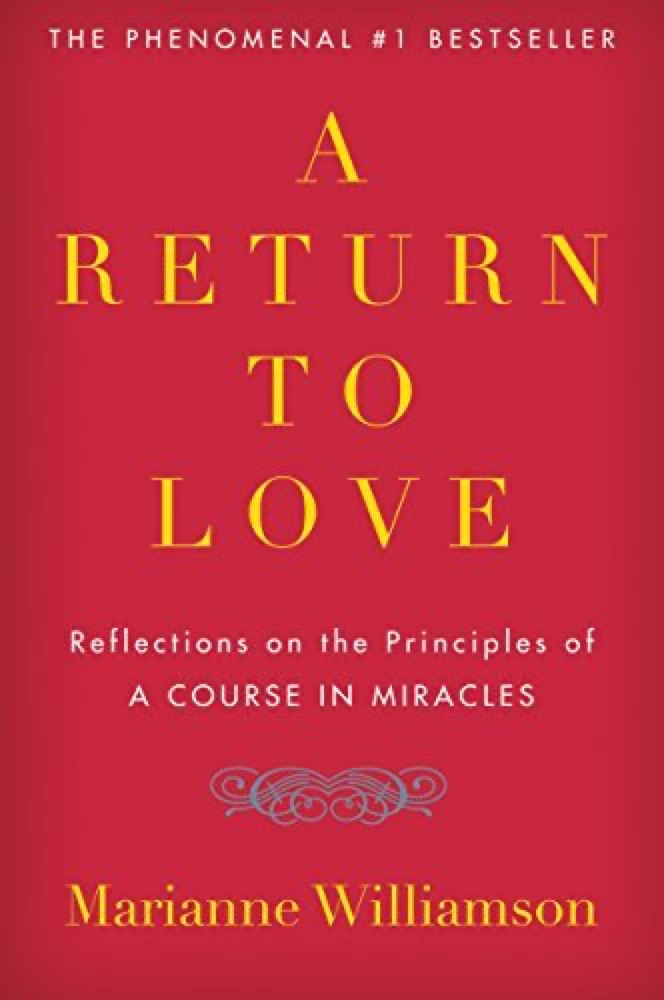 A Return to Love: Reflections on the Principles of "A Course in Miracles"
 Against the Stream: A Buddhist Manual for Spiritual Revolutionaries
 Awareness: Conversations with the Masters
 Brave Enough
 Build the Life You Want: The Art and Science of Getting Happier
 Mastering Your Mean Girl: The No-BS Guide to Silencing Your Inner Critic and Becoming Wildly Wealthy, Fabulously Healthy, and Bursting with Love
 Maybe You Should Talk to Someone: A Therapist, Her Therapist, and Our Lives Revealed
 The Light We Carry: Overcoming in Uncertain Times
 Kitchen Table Wisdom: Stories that Heal
 Advice Not Given: A Guide to Getting Over Yourself
 The Vortex: Where the Law of Attraction Assembles All Cooperative Relationships
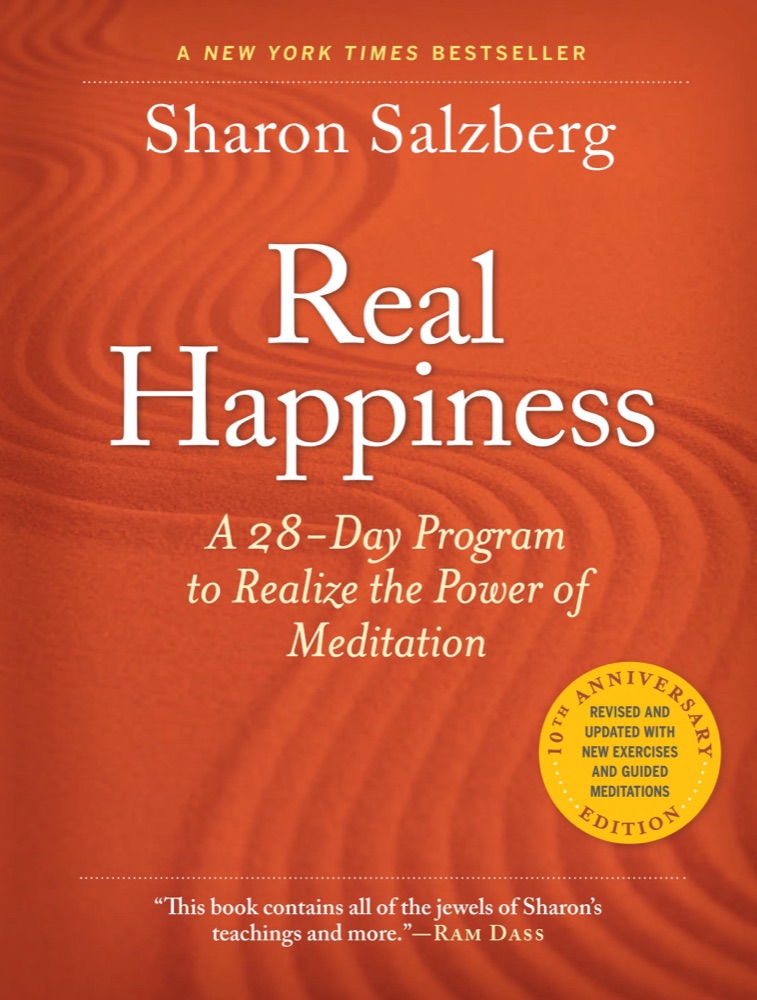 Real Happiness: A 28-Day Program to Realize the Power of Meditation
 101 Essays That Will Change The Way You Think
 Be a People Person
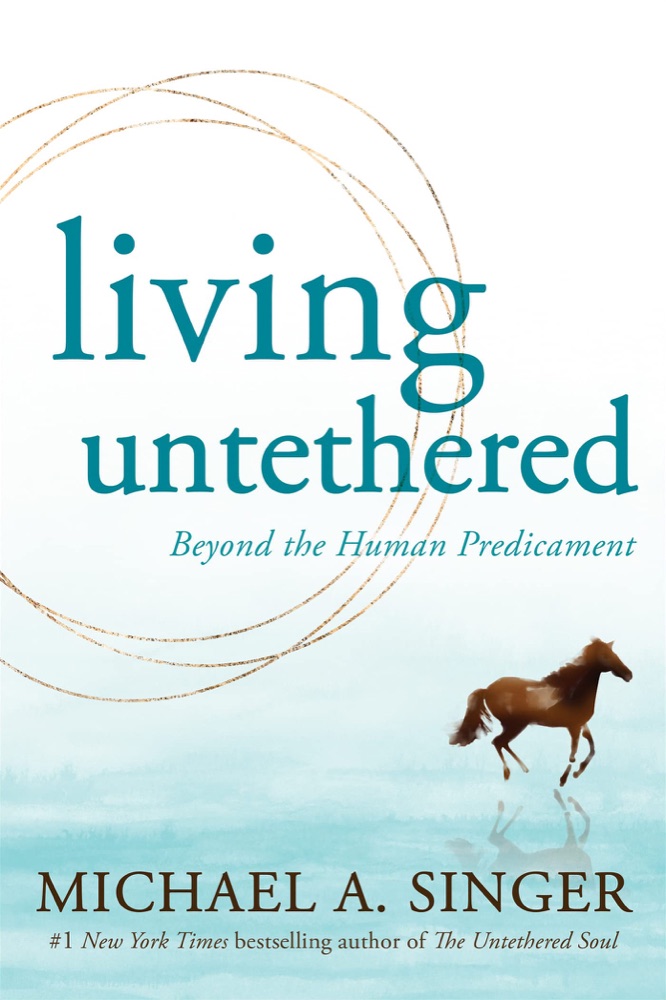 Living Untethered: Beyond the Human Predicament
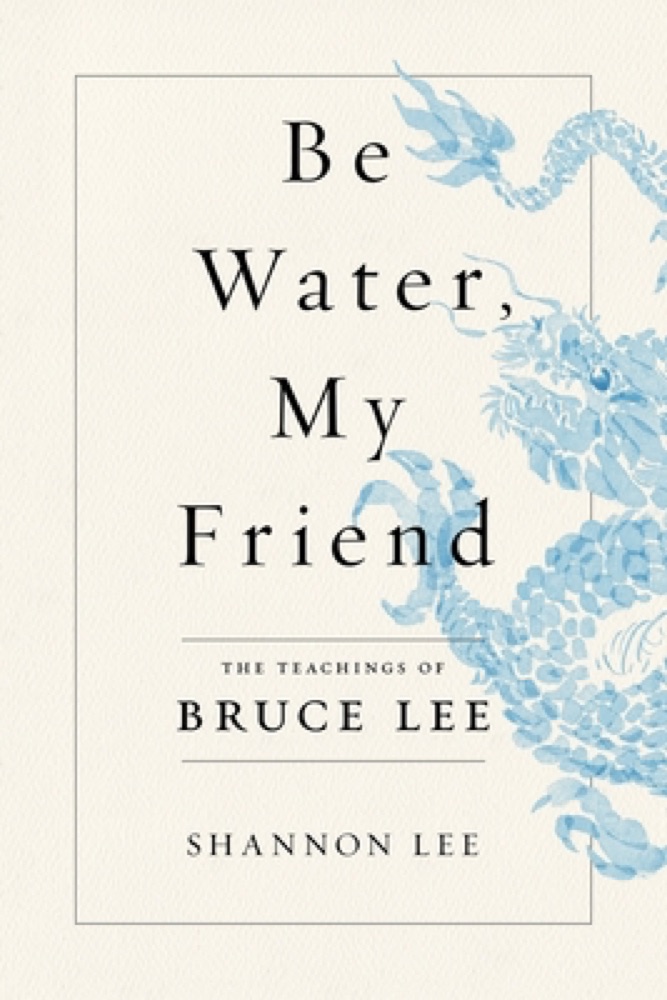 Be Water, My Friend: The Teachings of Bruce Lee
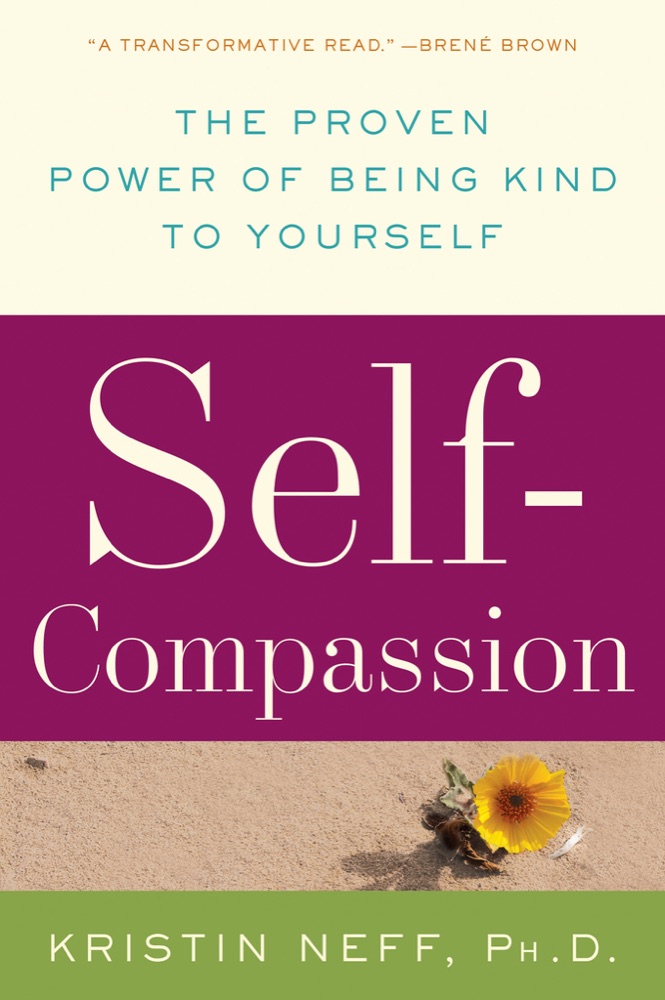 Self-Compassion: The Proven Power of Being Kind to Yourself
 The Seven Spiritual Laws of Success: A Practical Guide to the Fulfillment of Your Dreams
 The Gifts of Imperfection
 Radical Love: Learning to Accept Yourself and Others
 Becoming Wise: An Inquiry into the Mystery and Art of Living
 Carry On, Warrior: Thoughts on Life Unarmed