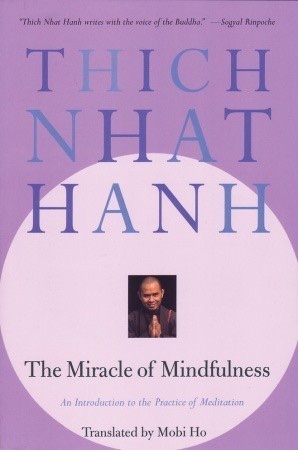
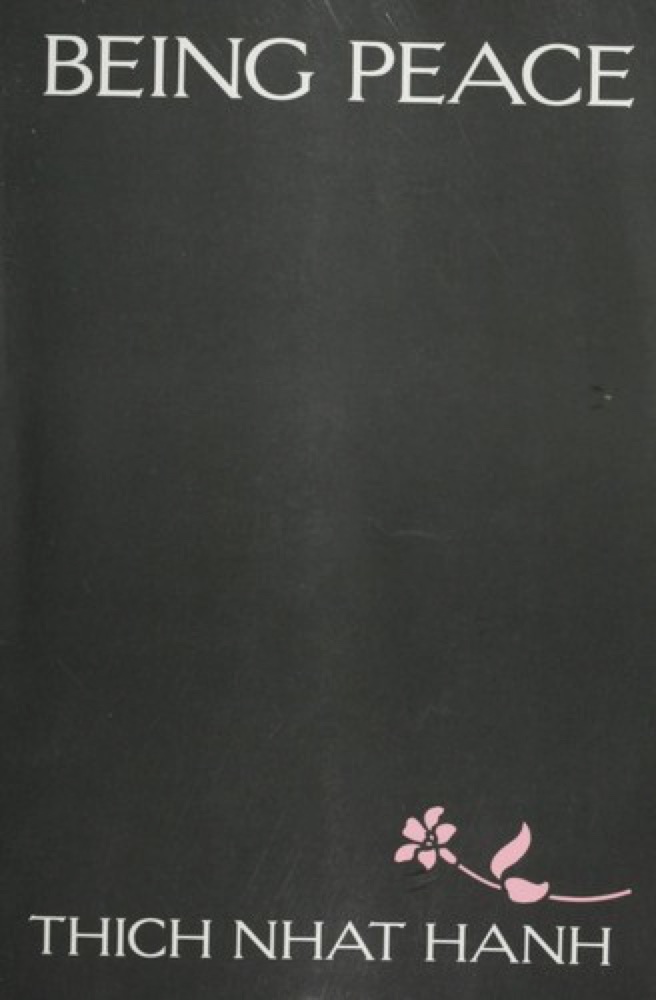
 Being Peace
Quotes from the Book
People usually consider walking on water or in thin air a miracle. But I think the real miracle is not to walk either on water or in thin air, but to walk on earth. Every day we are engaged in a miracle which we don't even recognize: a blue sky, white clouds, green leaves, the black, curious eyes of a child—our own two eyes. All is a miracle.
Feelings, whether of compassion or irritation, should be welcomed, recognized, and treated on an absolutely equal basis; because both are ourselves. The tangerine I am eating is me. The mustard greens I am planting are me. I plant with all my heart and mind. I clean this teapot with the kind of attention I would have were I giving the baby Buddha or Jesus a bath. Nothing should be treated more carefully than anything else. In mindfulness, compassion, irritation, mustard green plant, and teapot are all sacred.
To think in terms of either pessimism or optimism oversimplifies the truth. The problem is to see reality as it is.
Breath is the bridge which connects life to consciousness, which unites your body to your thoughts. Whenever your mind becomes scattered, use your breath as the means to take hold of your mind again.
In mindfulness one is not only restful and happy, but alert and awake. Meditation is not evasion; it is a serene encounter with reality.
Your breathing should flow gracefully, like a river, like a watersnake crossing the water, and not like a chain of rugged mountains or the gallop of a horse. To master our breath is to be in control of our bodies and minds. Each time we find ourselves dispersed and find it difficult to gain control of ourselves by different means, the method of watching the breath should always be used.
If while washing dishes, we think only of the cup of tea that awaits us, thus hurrying to get the dishes out of the way as if they were a nuisance, then we are not "washing the dishes to wash the dishes." What's more, we are not alive during the time we are washing the dishes. In fact we are completely incapable of realizing the miracle of life while standing at the sink. If we can't wash the dishes, the chances are we won't be able to drink our tea either. While drinking the cup of tea, we will only be thinking of other things, barely aware of the cup in our hands. Thus we are sucked away into the future -and we are incapable of actually living one minute of life.
Many people are alive but don't touch the miracle of being alive.
I clean this teapot with the kind of attention I would have were I giving the baby Buddha or Jesus a bath.
The raft is used to cross the river. It isn't to be carried around on your shoulders. The finger which points at the moon isn't the moon itself.
We talk about social service, service to the people, service to humanity, service to others who are far away, helping to bring peace to the world - but often we forget that it is the very people around us that we must live for first of all. If you cannot serve your wife or husband or child or parent - how are you going to serve society? If you cannot make your own child happy, how do you expect to be able to make anyone else happy? If all our friends in the peace movement or of service communities of any kind do not love and help each other, whom can we love and help?
Everyday we are engaged in a miracle which we don't even recognize: a blue sky, white clouds, green leaves, the black, curious eyes of a child - our own two eyes. All is a miracle.
Don’t do any task in order to get it over with. Resolve to do each job in a relaxed way, with all your attention. Enjoy and be one with your work.
Half-smile when you first wake up in the morning Hang a branch, any other sign, or even the word “smile” on the ceiling or wall so that you see it right away when you open your eyes. This sign will serve as your reminder. Use these seconds before you get out of bed to take hold of your breath. Inhale and exhale three breaths gently while maintaining the half smile. Follow your breaths.
Mindfulness is like that—it is the miracle which can call back in a flash our dispersed mind and restore it to wholeness so that we can live each minute of life.
The present moment is the only time over which we have dominion. The most important person is always the person you are with, who is right before you, for who knows if you will have dealings with any other person in the future? The most important pursuit is making the person standing at your side happy, for that alone is the pursuit of life.
Then Allen said, “I’ve discovered a way to have a lot more time. In the past, I used to look at my time as if it were divided into several parts. One part I reserved for Joey, another part was for Sue, another part to help with Ana, another part for household work. The time left over I considered my own. I could read, write, do research, go for walks. But now I try not to divide time into parts anymore. I consider my time with Joey and Sue as my own time. When I help Joey with his homework, I try to find ways of seeing his time as my own time. I go through his lesson with him, sharing his presence and finding ways to be interested in what we do during that time. The time for him becomes my own time. The same with Sue. The remarkable thing is that now I have unlimited time for myself!
Of course, walking alone on a country path, it is easier to maintain mindfulness. If there’s a friend by your side, not talking but also watching his breath, then you can continue to maintain mindfulness without difficulty. But if the friend at your side begins to talk, it becomes a little more difficult. If, in your mind, you think, “I wish this fellow would quit talking, so I could concentrate,” you have already lost your mindfulness. But if you think, instead, “If he wishes to talk, I will answer, but I will continue in mindfulness, aware of the fact that we are walking along this path together, aware of what we say, I can continue to watch my breath as well.” If you can give rise to that thought, you will be continuing in mindfulness. It is harder to practice in such situations than when you are alone, but if you continue to practice nonetheless, you will develop the ability to maintain much greater concentration.
Only this actual moment is life.
Live the actual moment. Only this actual moment is life. Don’t be attached to the future. Don’t worry about things you have to do. Don’t think about getting up or taking off to do anything. Don’t think about “departing".
As a Buddhist Sutra hears the voice of the Bodhisattva of compassion: The wondrous voice, the voice of the onewho attends to the cries of the world The noble voice, the voice of the risingtide surpassing all the sounds of the world Let our mind be attuned to that voice. Put aside all doubt and meditate on thepure and holy nature of the regarderof the cries of the world Because that is our reliance in situationsof pain, distress, calamity, death. Perfect in all merits, beholding all sentientbeings with compassionate eyes, making the ocean of blessings limitless, Before this one, we should incline.
failures are not your own self. See to it that you are free from them. Only when you can relinquish them can you really be free and no longer assailed by them.
Attachment to the false view of self means belief in the presence of unchanging entities which exist on their own. To break through this false view is to be liberated from every sort of fear, pain, and anxiety.
Now I see that if one doesn’t know how to die, one can hardly know how to live—because death is a part of life.
If you want to relax the worry-tightened muscles in your face, let the half smile come to your face. As the half smile appears, all the facial muscles begin to relax. The longer the half smile is maintained, the better. It is the same smile you see on the face
Work is only a part of life. But work is life only when done in mindfulness. Otherwise, one becomes like the person “who lives as though dead.
Reality is reality. It transcends every concept. There is no concept which can adequately describe it, not even the concept of interdependence.
Dear master, I think it would be better for each of us to watch ourself. To look after oneself means to look after both of us. That way I am sure we will avoid any accidents and will earn enough to eat.’ ” The Buddha said: “The child spoke correctly.
While washing the dishes, you might be thinking about the tea afterwards, and so try to get them out of the way as quickly as possible in order to sit and drink tea. But that means that you are incapable of living during the time you are washing the dishes.
Watch on YouTube
About Thich Nhat Hanh
We have collected 629 quotes from 23 books by Thich Nhat Hanh on BookQuoters.
More about the author →
Book details
- Author
- Thich Nhat Hanh
- Genre
- Philosophy
- Goodreads rating
- 4.18 (41k ratings) →
Keep reading
 Peace Is Every Breath: A Practice for Our Busy Lives
 Peace Is Every Step: The Path of Mindfulness in Everyday Life
 Full Catastrophe Living: Using the Wisdom of Your Body and Mind to Face Stress, Pain, and Illness
 The Heart of the Buddha's Teaching: Transforming Suffering into Peace, Joy, and Liberation
 Wherever You Go, There You Are: Mindfulness Meditation in Everyday Life
 Mindfulness in Plain English
 The Tibetan Book of Living and Dying
 Real Happiness: A 28-Day Program to Realize the Power of Meditation
 Everyday Zen: Love & Work
 The Power of Now: A Guide to Spiritual Enlightenment
 The Book of Secrets: Unlocking the Hidden Dimensions of Your Life
 Awakening the Buddha Within
 Living Untethered: Beyond the Human Predicament
 Living Beautifully with Uncertainty and Change
 Practicing the Power of Now: Essential Teachings, Meditations, and Exercises from the Power of Now
 Awareness: The Key to Living in Balance
 Waking Up: A Guide to Spirituality Without Religion
 How to Meditate: A Practical Guide to Making Friends with Your Mind
 Nothing Special: A Zen Buddhist Guide to Awakening Through Daily Life's Feelings, Relationships, and Work
 Way of the Peaceful Warrior: A Book That Changes Lives
 The Things You Can See Only When You Slow Down: How to Be Calm in a Busy World
 Meditation
 The Joy of Living: Unlocking the Secret and Science of Happiness
 The Pocket Pema Chodron
 Meditation for Beginners
 How to Stop Worrying and Start Living
 Buddhism Plain & Simple: The Practice of Being Aware, Right Now, Every Day
 365 Tao: A Study of Taoist Wisdom for Daily Life
 Meditation for Fidgety Skeptics: A 10% Happier How-To Book
 Change Your Thoughts - Change Your Life: Living the Wisdom of the Tao
 The Wise Heart: A Guide to the Universal Teachings of Buddhist Psychology
 The Seven Spiritual Laws of Success: A Practical Guide to the Fulfillment of Your Dreams
 The Yoga Sutras of Pantanjali
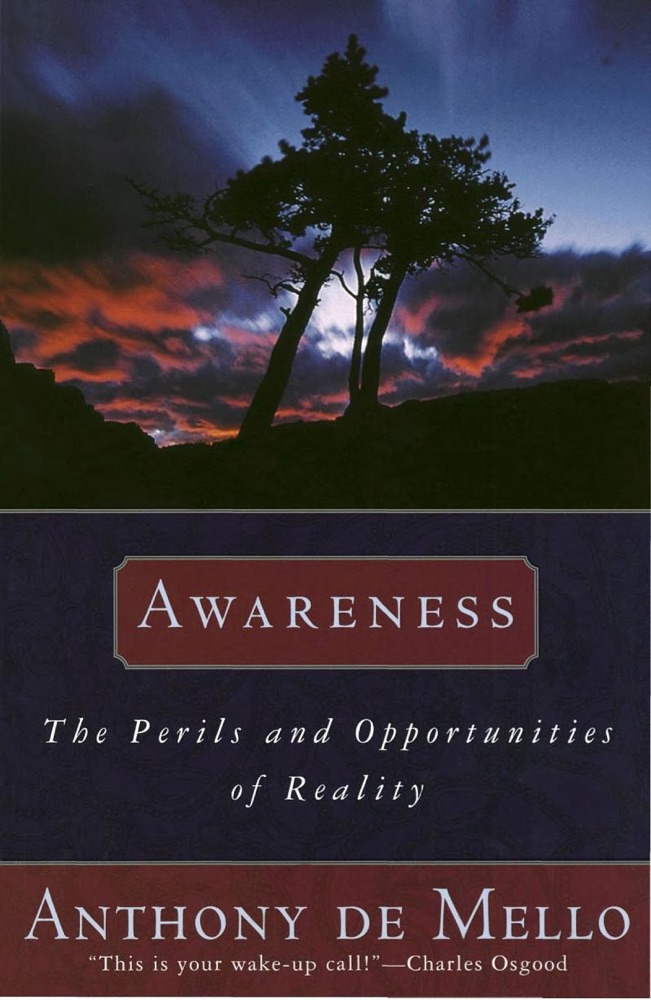 Awareness: Conversations with the Masters
 The Dalai Lama's Cat and the Power of Meow
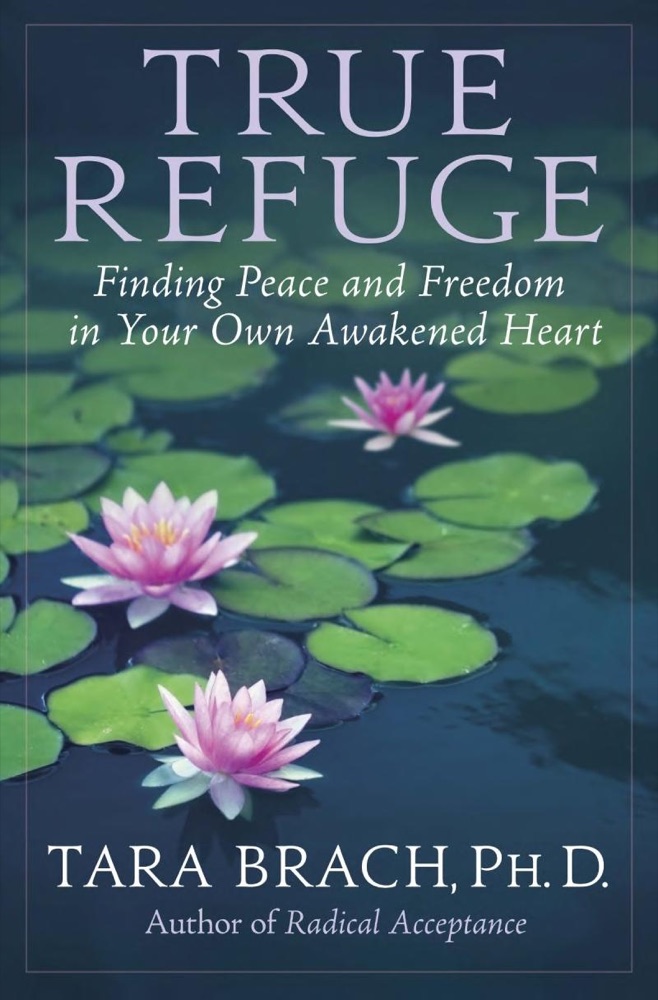 True Refuge: Finding Peace and Freedom in Your Own Awakened Heart
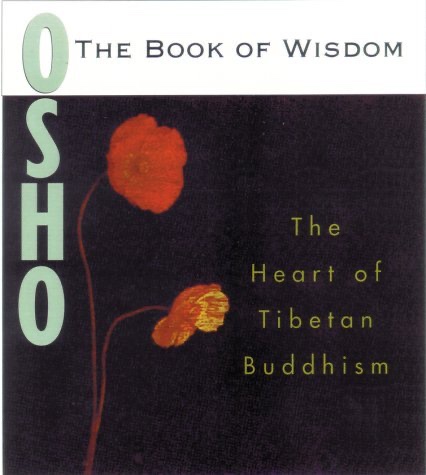 The Book of Wisdom
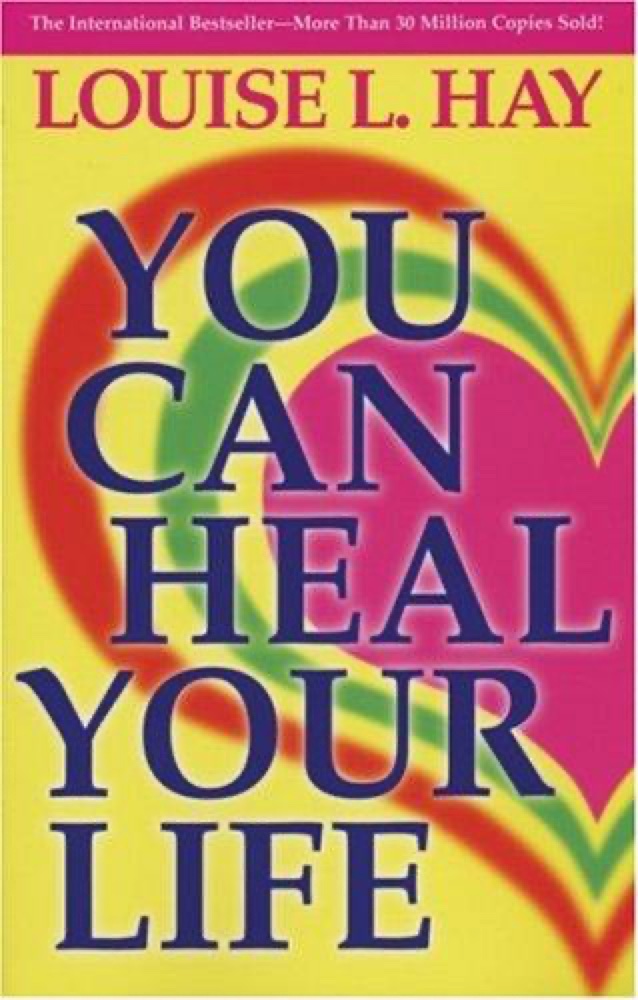 You Can Heal Your Life
 Buddha's Brain: The Practical Neuroscience of Happiness, Love, and Wisdom
 Happiness: A Guide to Developing Life's Most Important Skill
 Buddhist Boot Camp
 Be Water, My Friend: The Teachings of Bruce Lee
 Be Here Now
 Against the Stream: A Buddhist Manual for Spiritual Revolutionaries
 How to Practice: The Way to a Meaningful Life
 How to See Yourself As You Really Are
 The Dude and the Zen Master
 Striking Thoughts: Bruce Lee's Wisdom for Daily Living
 The Practicing Mind: Bringing Discipline and Focus into Your Life
 Let's Talk: ...About Making Your Life Exciting, Easier, And Exceptional
 Love Yourself Like Your Life Depends on It
 Celebrating Silence: Excerpts from Five Years of Weekly Knowledge 1995-2000
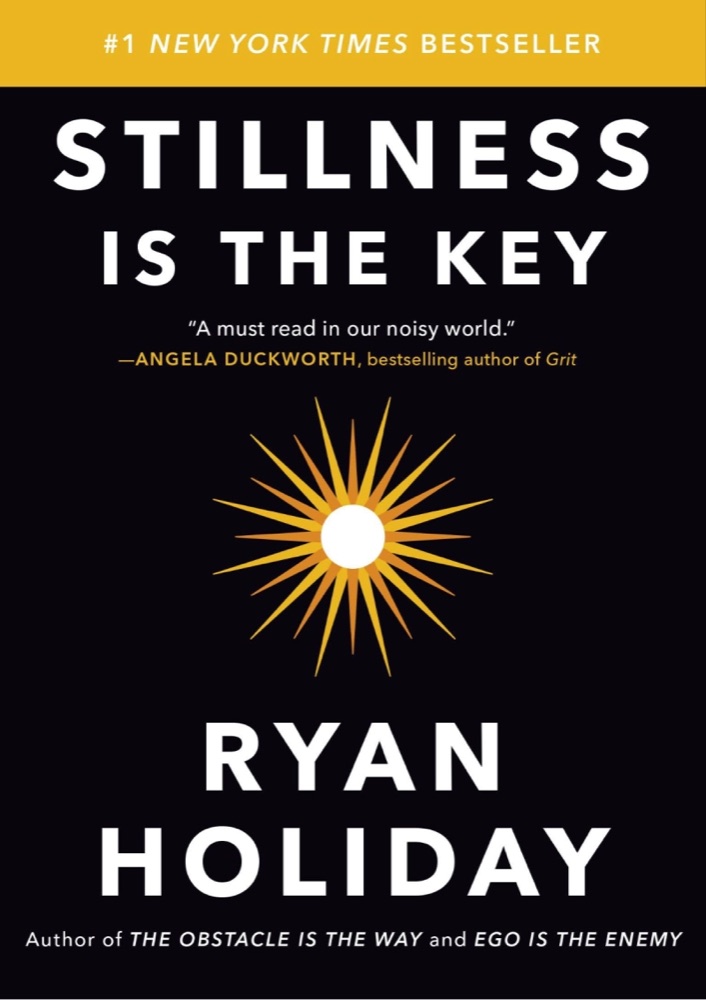 Stillness Is the Key
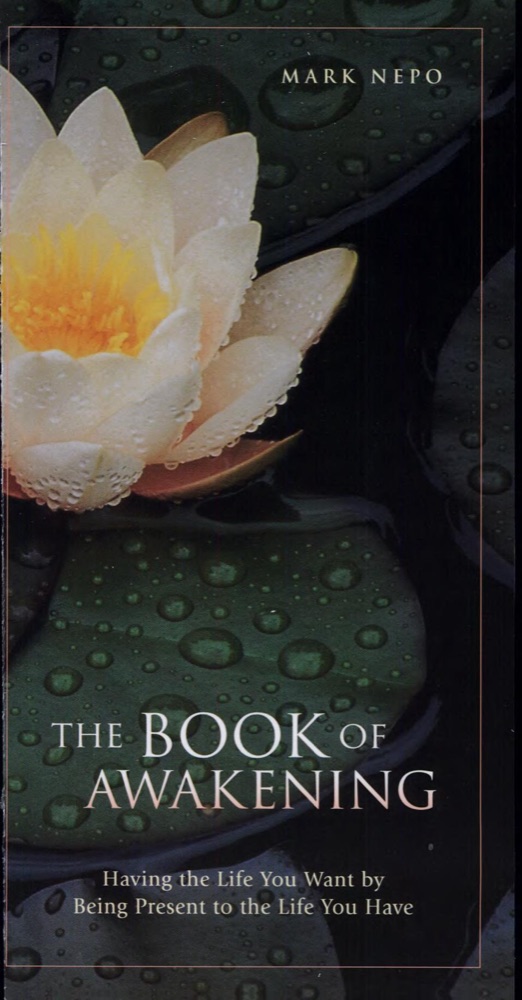 The Book of Awakening: Having the Life You Want by Being Present to the Life You Have
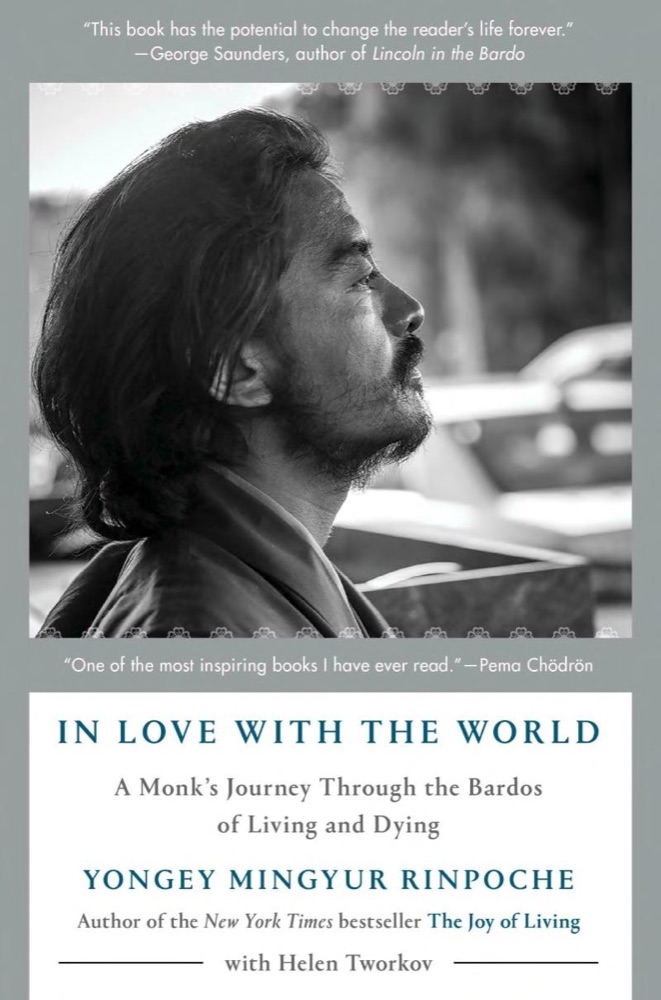 In Love with the World: A Monk's Journey Through the Bardos of Living and Dying
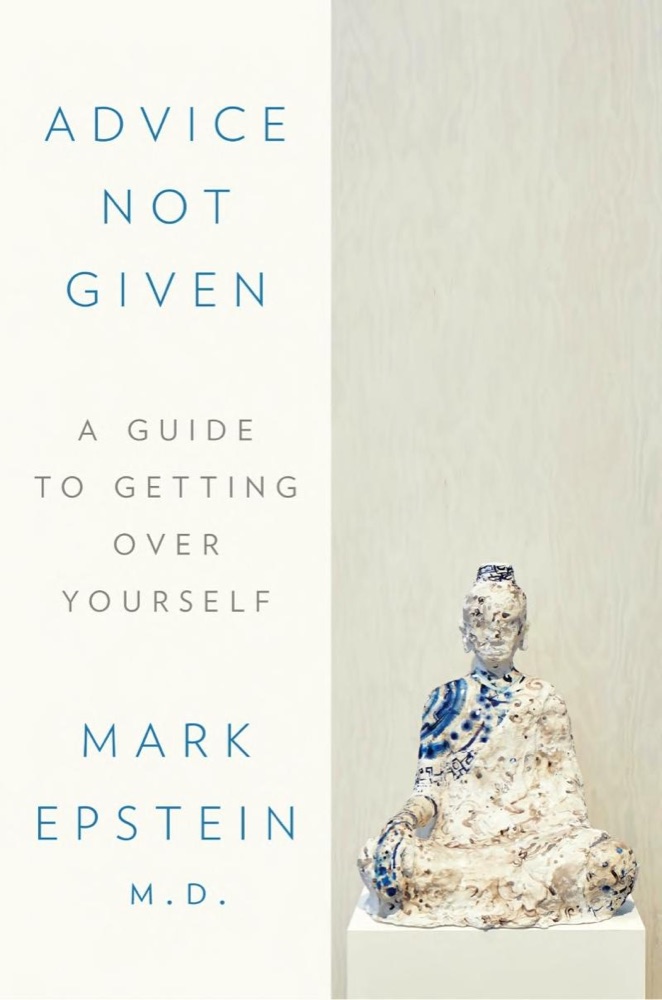 Advice Not Given: A Guide to Getting Over Yourself