
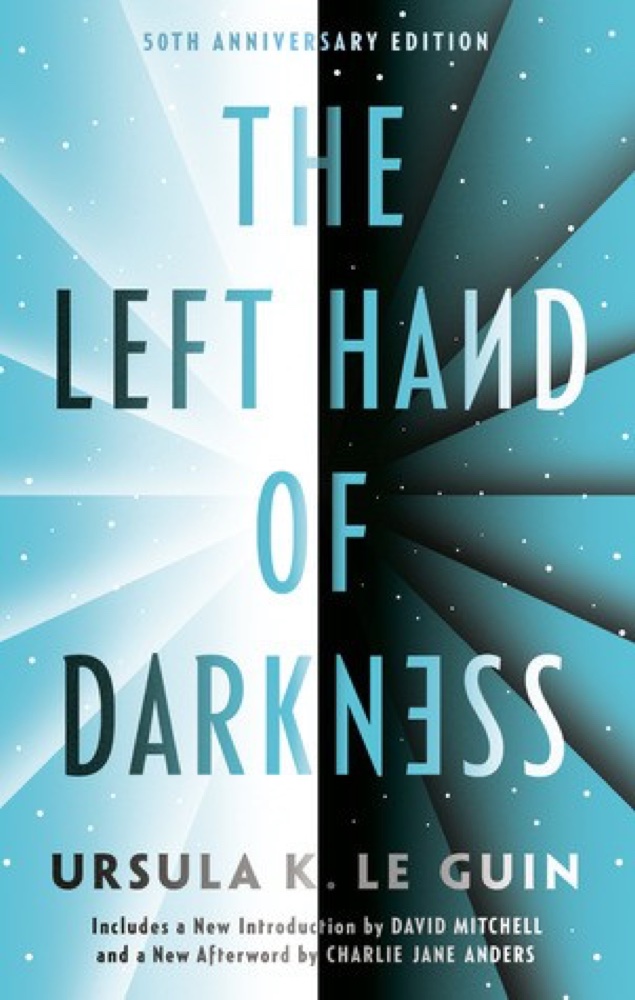
 The Left Hand of Darkness
Quotes from the Book
It's a rare gift, to know where you need to be, before you've been to all the places you don't need to be.
We have inhabited both the actual and the imaginary realms for a long time. But we don't live in either place the way our parents or ancestors did. Enchantment alters with age, and with the age. We know a dozen Arthurs now, all of them true. The Shire changed irrevocably even in Bilbo's lifetime. Don Quixote went riding out to Argentina and met Jorge Luis Borges there. Plus c'est la même chose, plus ça change.
The danger in trying to do good is that the mind comes to confuse the intent of goodness with the act of doing things well.
Past events exist, after all, only in memory, which is a form of imagination. The event is real now, but once it’s then, its continuing reality is entirely up to us, dependent on our energy and honesty.
They way one does research into nonexistent history is to tell the story and find out what happened. I believe this isn't very different from what historians of the so-called real world do. Even if we are present at some historic event, so we comprehend it - can we even remember it - until we can tell it as a story? And for events in times or places outside our own experience, we have nothing to go on but the stories other people tell us. Past events exist, after all, only in memory, which is a form of imagination. The event is real now, but once it's then, its continuing reality is entirely up to us, dependent on our energy and honesty. If we let it drop from memory, only imagination can restore the least glimmer of it. If we lie about the past, forcing it to tell a story we want it to tell, to mean what we want it to mean, it loses its reality, becomes a fake. To bring the past along with us through time in the hold-alls of myth and history is a heavy undertaking; but as Lao Tzu says, wise people march along with the baggage wagons.
This writing doesn't affect reality any more than any writing does; that is to say, indirectly, but considerably.
Now, what is forbidden to the summoner, or any wizard, is to call a living spirit. We can call to them, yes. We can send to them a voice or a presentment, a seeming, of ourself. But we do not summon them, in spirit or in flesh, to come to us. Only the dead may we summon. Only the shadows. You can see why this must be. To summon a living man is to have entire power over him, body and mind. No one, no matter how strong or wise or great, can rightly own and use another.
And the mills of capitalism provide them. Supply meets demand. Fantasy becomes a commodity, an industry. Commodified fantasy takes no risks: it invents nothing, but imitates and trivialises.
As the virtual world of electronic communication becomes the world many of us inhabit all the time, in turning to imaginative literature we may not be seeking mere reassurance nor be impelled by mere nostalgia. To enter with heart and mind into the world of the imagination may be to head deliberately and directly toward, or back toward, engagement with the real world. In one of T. S. Eliot’s poems a bird sings, “Mankind cannot bear very much reality.” I’ve always thought that bird was mistaken, or was talking only about some people. I find it amazing how much of the real world most of us can endure. Not only endure, but need, desire, crave. Reality is life. Where we suffocate is in the half-life of unreality, untruth, imitation, fakery, the almost-true that is not true. To be human is to live both within and beyond the narrow band of what-happens-now, in the vast regions of the past and the possible, the known and the imagined: our real world, our true Now.
I spoke your true name. It's not what I thought it would be. And I don't feel easy about it. As if I'd left something unfinished. But it is your name. If it betrays you, then that's the truth of it." Rose hesitated and then spoke less angrily, more coldly: "If you want the power to betray me, Irian, I'll give you that. My name is Etaudis." "Dragonfly
Commodified fantasy takes no risks: it invents nothing, but imitates and trivializes. It proceeds by depriving the old stories of their intellectual and ethical complexity, turning their truth-telling to sentimental platitude. heroes brandish their swords, lasers, wands, as mechanically as combine harvesters, reaping profits. Profoundly disturbing moral choices are sanitized, made cute, made safe. The passionately conceived ideas of the great story-tellers are copied, stereotyped, reduced to toys, molded in bright-colored plastic, advertised, sold, broken, junked, replaceable, interchangeable. What the commodifiers of fantasy count on and exploit is the insuperable imagination of the reader, child or adult, which gives even these dead things life- of a sort, for a while.
patience with him either, always at him to hurry up and
To enter with heart and mind into the world of the imagination may be to head deliberately and directly toward, or back toward, engagement with the real world.
Watch on YouTube
About Ursula K. Le Guin
We have collected 635 quotes from 30 books by Ursula K. Le Guin on BookQuoters.
More about the author →More by Ursula K. Le Guin
The Left Hand of Darkness
 A Wizard of Earthsea
 The Ones Who Walk Away from Omelas
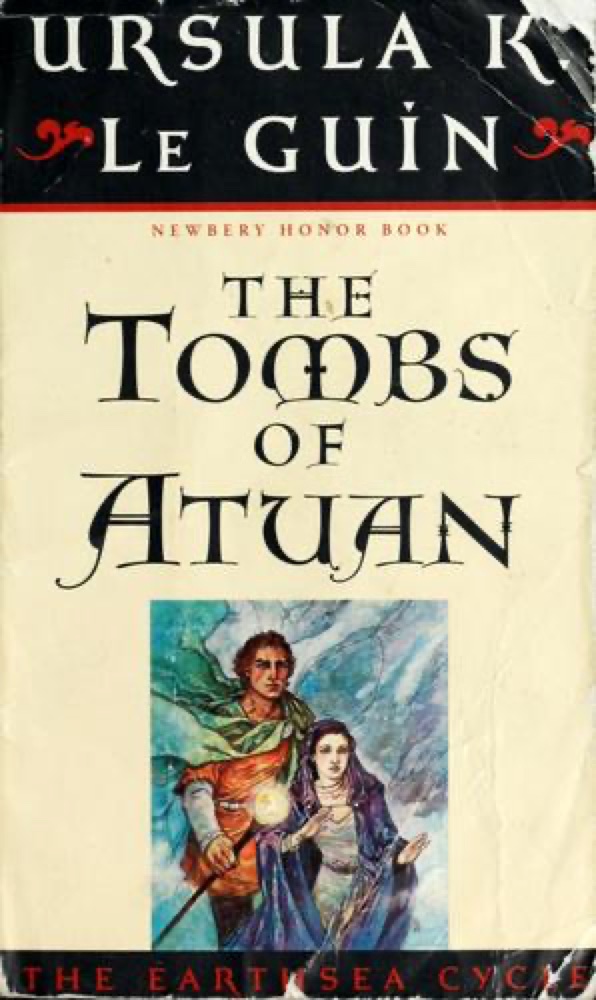 The Tombs of Atuan
Book details
- Author
- Ursula K. Le Guin
- Genre
- Fiction
- Goodreads rating
- 4.09 (34k ratings) →
Keep reading
 A Slip of the Keyboard: Collected Non-Fiction
 The Language of the Night: Essays on Writing, Science Fiction, and Fantasy
 Stories: All-New Tales
 The Thirteenth Tale
 Dæmon Voices
 Once Upon a Wardrobe
 The View from the Cheap Seats: Selected Nonfiction
 The Books of Earthsea
 The Neverending Story
 Arcadia
 In Other Worlds: SF and the Human Imagination
 Tolkien On Fairy-stories
 The Wave in the Mind: Talks and Essays on the Writer, the Reader and the Imagination
 The Golden Compass
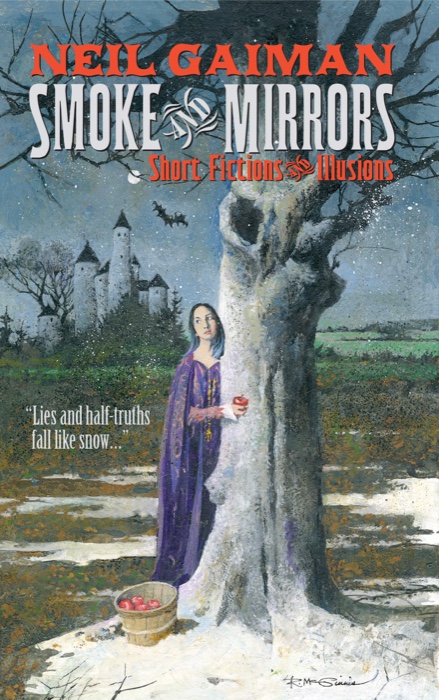 Smoke and Mirrors: Short Fiction and Illusions
 Among Others
 The Power of Myth
 The Book of Form and Emptiness
 Mystery and Manners: Occasional Prose
 The Unlikely Escape of Uriah Heep
 Wonderbook: The Illustrated Guide to Creating Imaginative Fiction
 How to Read Literature Like a Professor
 The Letters of J.R.R. Tolkien
 Dreams Underfoot
 The Library of the Unwritten
 The Rent Collector
 The Magic Mountain
 Gnomon
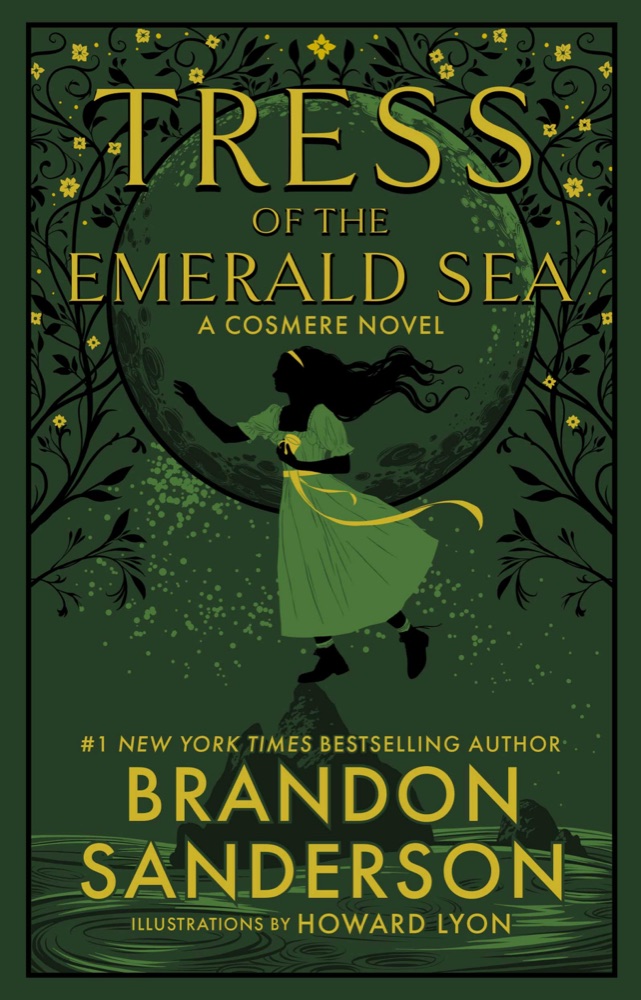 Tress of the Emerald Sea
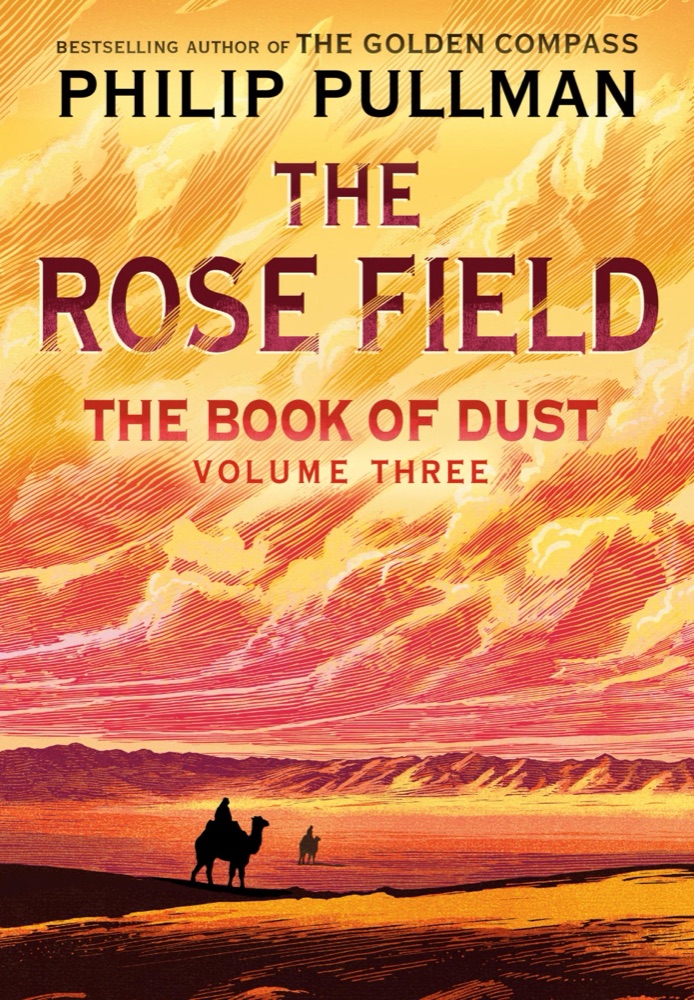 The Rose Field
 Labyrinths: Selected Stories and Other Writings
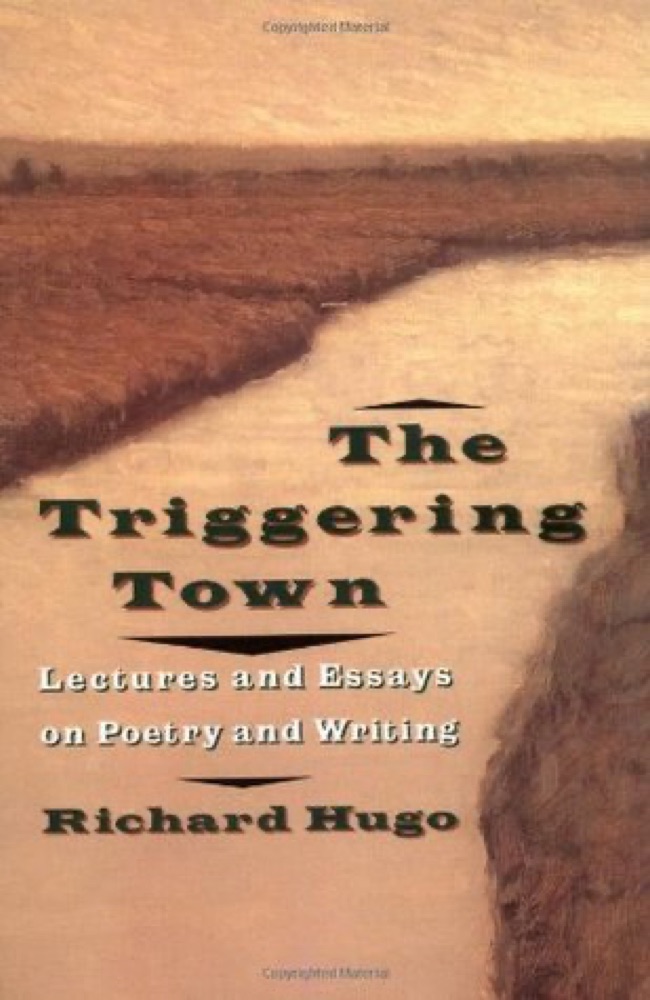 The Triggering Town: Lectures and Essays on Poetry and Writing
 Streams of Silver
 The Onion Girl
 The Hero's Journey: Joseph Campbell on His Life & Work
 Stories of Your Life and Others
 The Ogress and the Orphans
 The Truth About Stories: A Native Narrative
 Myths to Live By
 Arm of the Sphinx
 In Arabian Nights: A Caravan of Moroccan Dreams
 Tree and Leaf: Includes Mythopoeia and The Homecoming of Beorhtnoth
 The Island of the Day Before
 The Very Best of Charles de Lint
 The Paper Menagerie and Other Stories
 Sexing the Cherry
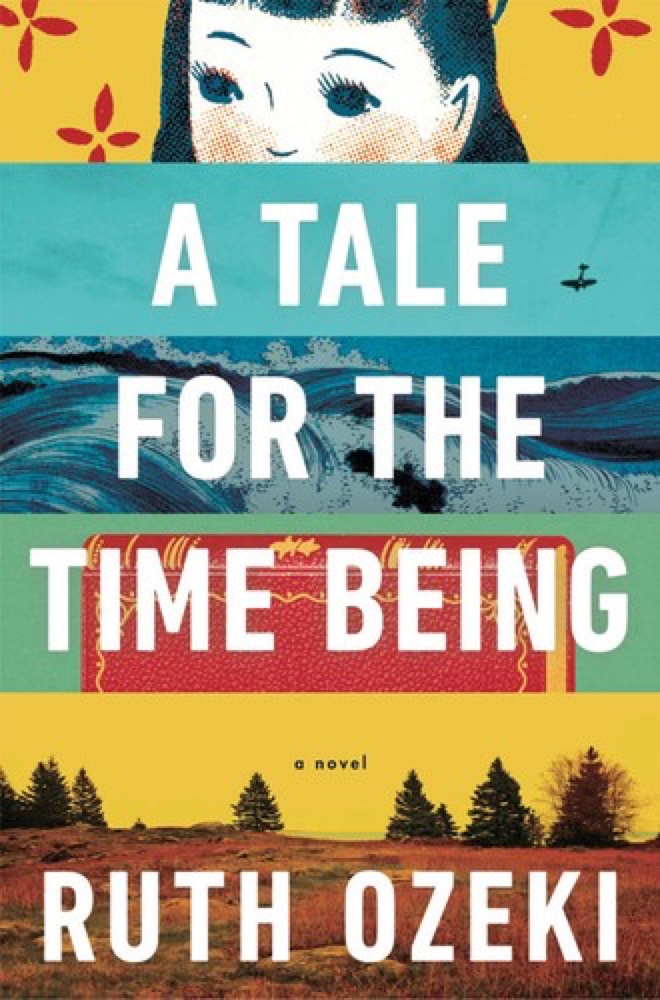 A Tale for the Time Being
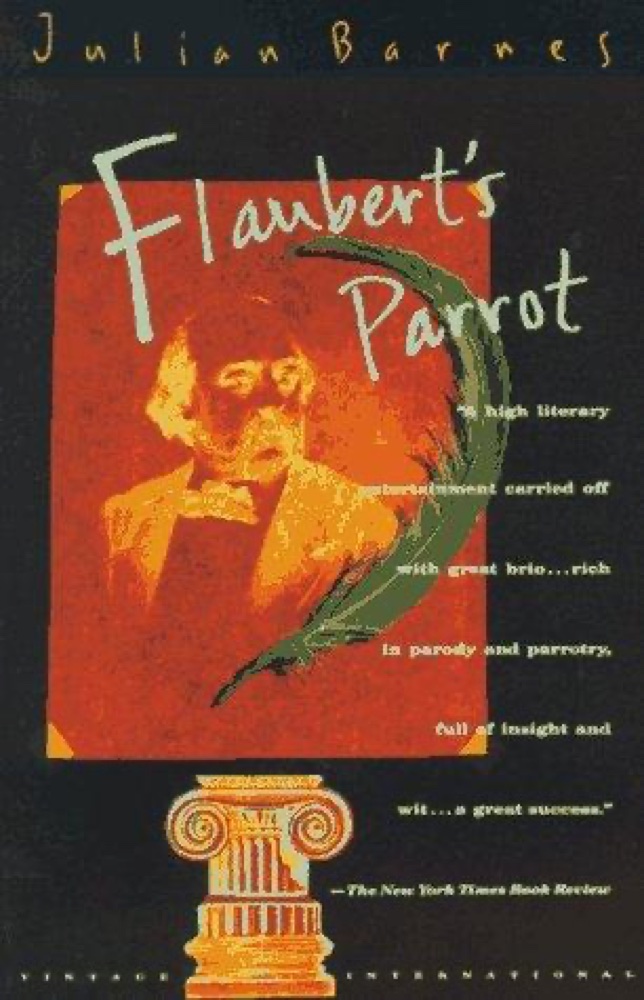 Flaubert's Parrot
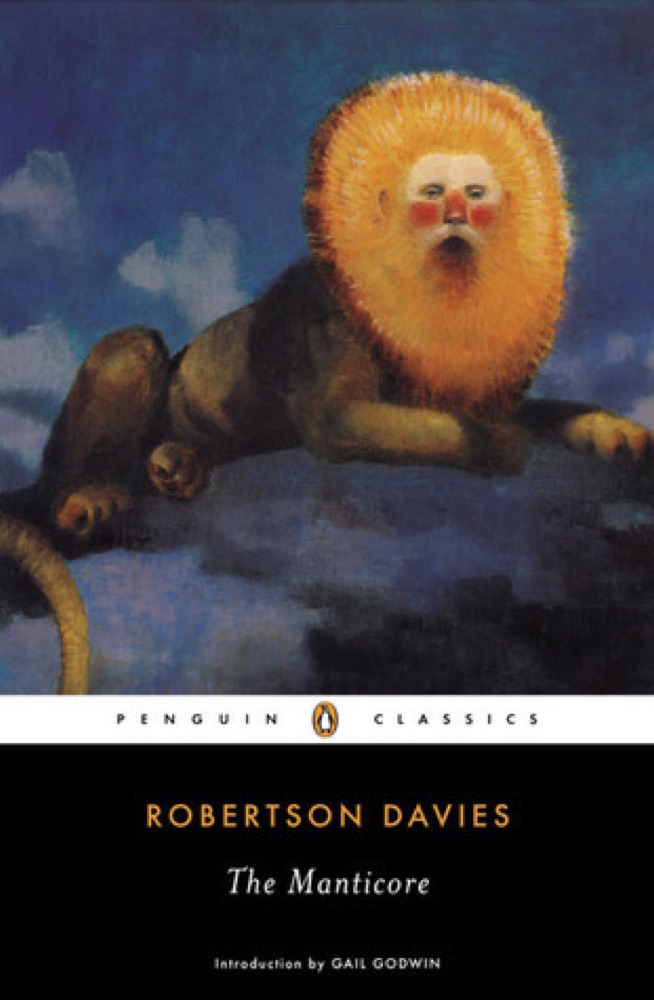 The Manticore
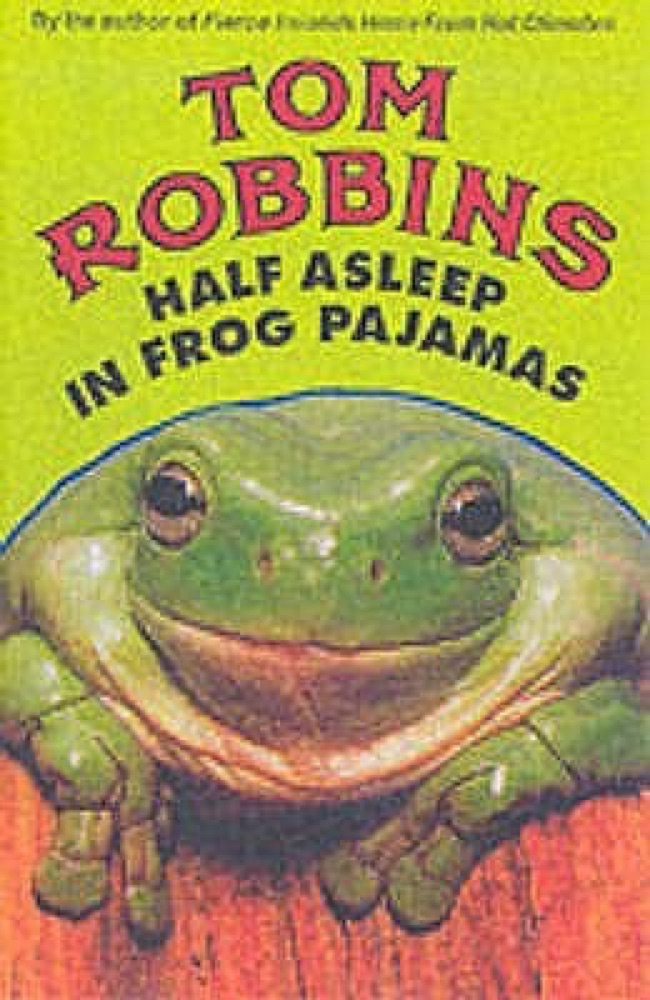 Half Asleep in Frog Pajamas
 Winter
 The Ten Thousand Doors of January
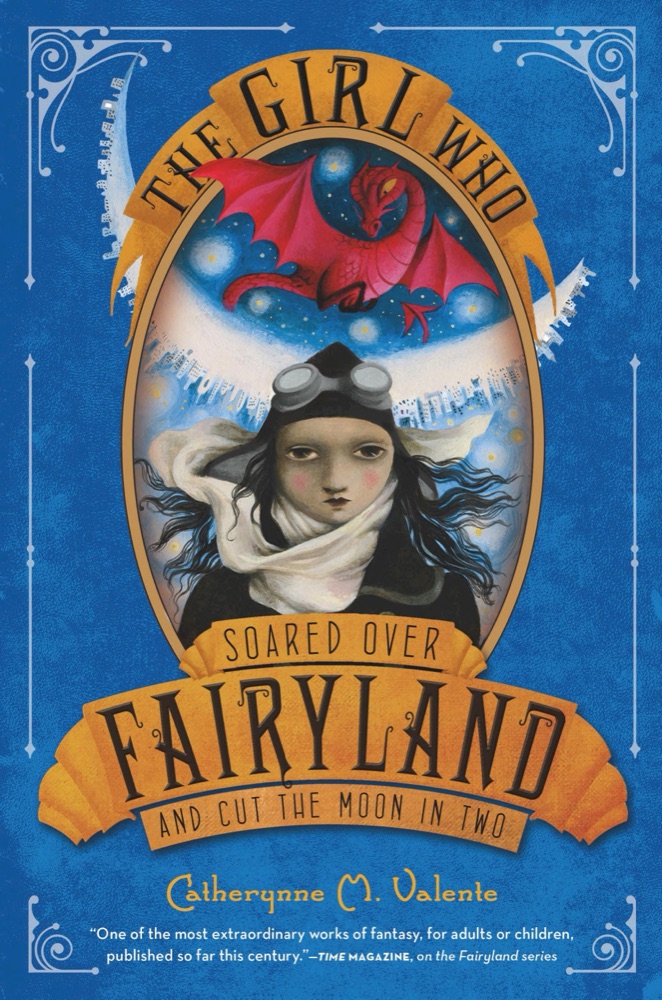 The Girl Who Soared Over Fairyland and Cut the Moon in Two
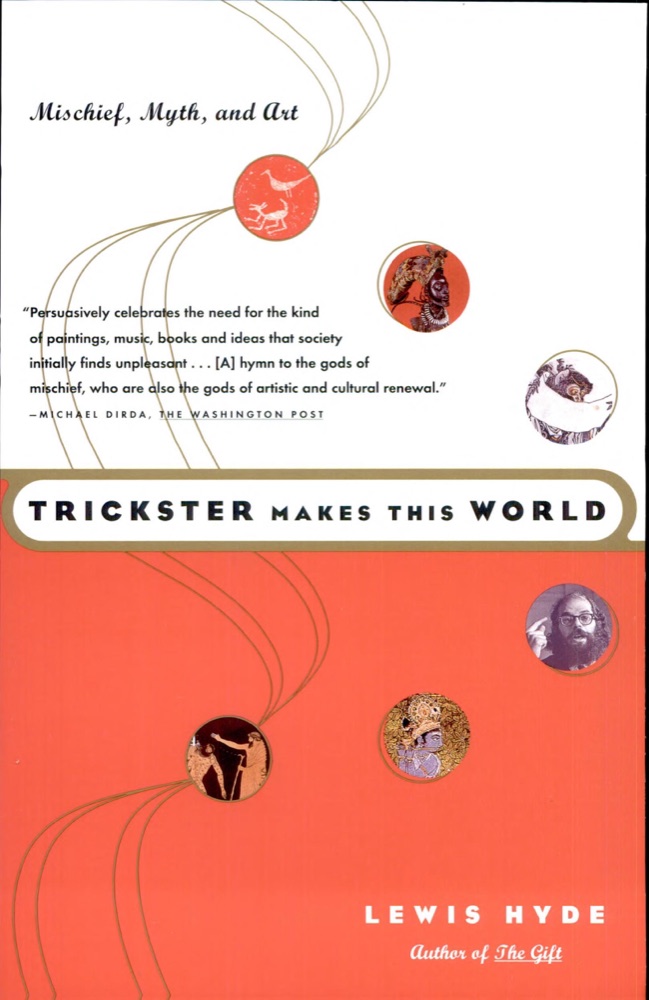 Trickster Makes This World: Mischief, Myth, and Art
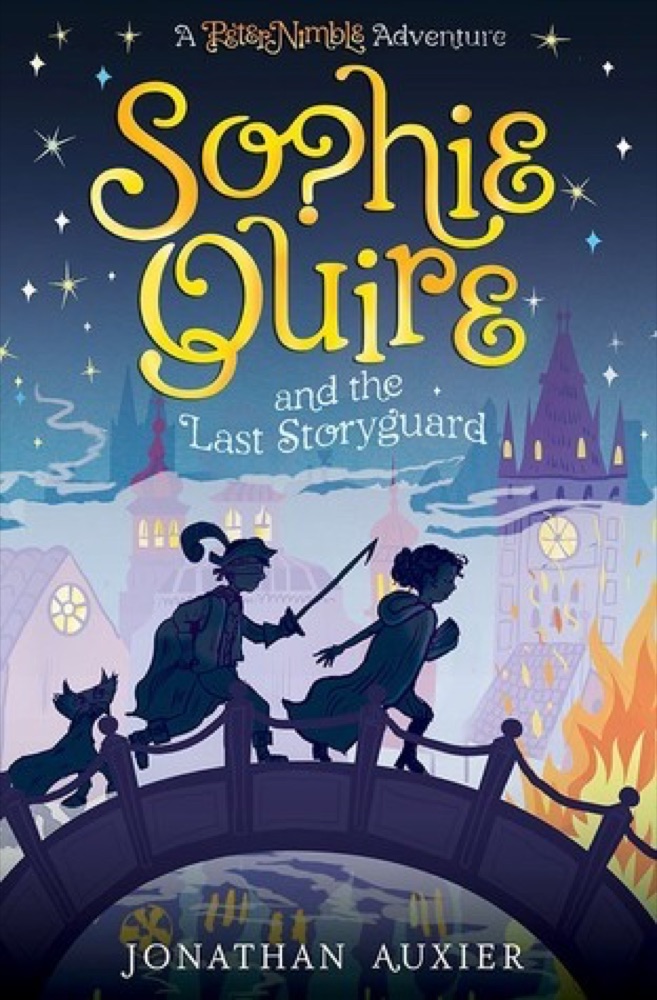 Sophie Quire and the Last Storyguard
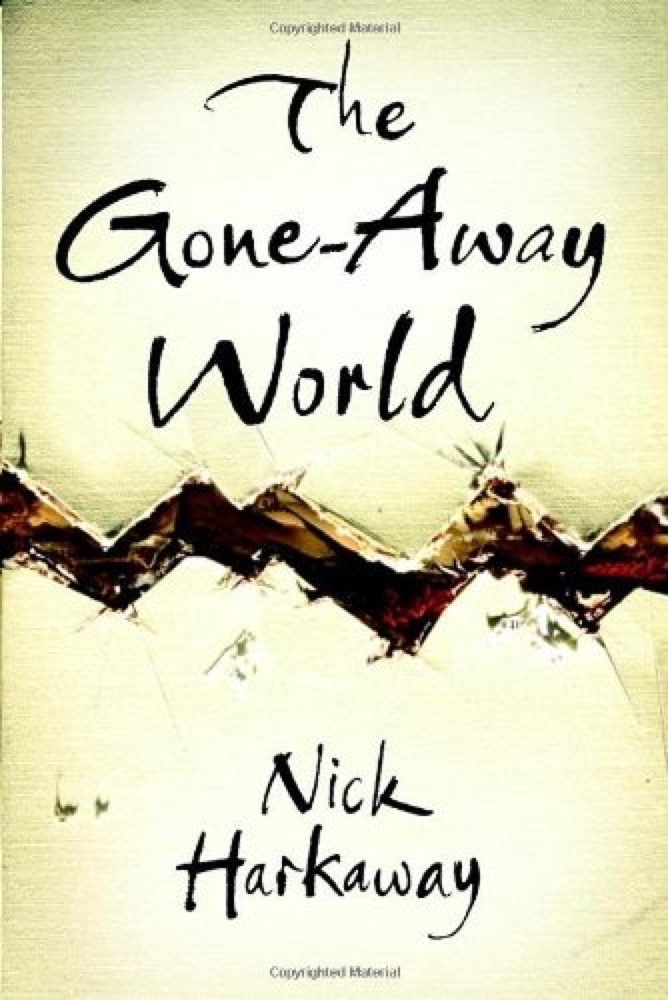 The Gone-Away World
 The Abundance
 Children of the Mind
 Collected Fictions
 A Sudden Light