

 White Like Me: Reflections On Race From A Privileged Son
Quotes from the Book
If there’s a place for tolerance in racial healing, perhaps it has to do with tolerating my own feelings of discomfort that arise when a person, of any color, expresses emotion not welcome in the culture of niceness. It also has to do with tolerating my own feelings of shame, humiliation, regret, anger, and fear so I can engage, not run. For me, tolerance is not about others, it’s about accepting my own uncomfortable emotions as I adjust to a changing view of myself as imperfect and vulnerable. As human.
21
The story emerging for me, however, tells a tale of black and brown people being held down so long that white folks have come to believe they got there on their own. The removal of legal barriers that once separated the races has done little to change the distorted belief system that lives on in the hearts and minds of millions of individuals. At this point, the only thing needed for racism to continue is for good people to do nothing.
4
I’ve learned that when it comes to race, there’s no such thing as neutral: either I’m intentionally and strategically working against it, or I’m aiding and abetting the system.
4
I now understand that acting like a white American wasn’t just a “When in Rome do as the Romans do” cultural sensibility, but a matter of survival. In policy after policy, act after act, the United States has reaffirmed its commitment to being a melting-pot society adhering to Anglo-Saxon standards, as opposed to a mosaic nation built on the diversity of multiple cultures.
3
The sooner you can become comfortable with seeking what you don’t know, as opposed to proving what you do, the more you will learn and the more effective you’ll become as a racial justice advocate.
3
Whiteness, it turns out, is but a pigment of the imagination.
3
racism is, and always has been, the way America has sorted and ranked its people in a bitterly divisive, humanity-robbing system.
2
About this time I came across Edmund Burke’s quote “All that is necessary for evil to triumph is for good men to do nothing.” That’s me, I thought. I’ve been doing nothing. I hadn’t been doing nothing because I didn’t care or lacked the courage. I did nothing, at least nothing with any real impact, because I didn’t understand how racism worked. If you can’t see a problem for what it is, how can you step in and be a part of its solution, no matter how good a person you are?
2
White people must learn how to listen to the experiences of people of color for racial healing and justice to happen.
2
We keep people down by lowering our expectations of them and then forcing them to live down to them.
2
I can tell you how exceptionally easy it is to be ignorant of the racial forces that have shaped my life and views, and how effortless it was not to make the connection that much of my comfort has been built on the backs of enslaved Africans, Chinese railroad workers, and other people of color, who, for much of history, were brought here or allowed here to work their tails off fueling America’s growth yet not be considered full Americans.
2
Whenever a transition is called for, view it as your soul knocking at the door of your life, bearing more gifts for you to bring to the world. Change is a call from your soul to grow. —Sonia Choquette
2
When I got honest with myself, I had to own up to the fact that I’d bought into the myth of white superiority, silently and privately, explaining to myself the pattern of white dominance I observed as a natural outgrowth of biologically wired superior
2
As a white person, I don’t have to do anything to have skin color advantages conferred on me without my permission, without my awareness. I can choose to write and speak against it, but at the end of the day, as long as our racial system is intact, there’s nothing I can do to give away my privilege. I’ve got it, whether I want it or not. The question is what will I do with it.
1
Trying to protect children by providing a worry-free childhood is a privilege of the dominant class—a white privilege. Many parents of color teach their
1
Education is learning what you didn’t even know you didn’t know. —Daniel J. Boorstin
1
Equality’ means giving every student exactly the same thing to meet the same expectation. ‘Equity’ means both holding people of differing needs to a single expectation and giving them what they need to achieve it.” In other words, it’s a way to level the playing field.
1
An element of class you’ll notice in my story is the persistent sense of needing to “help” and “fix.” These characteristics are considered by many to be trademarks of the dominant class.
1
My glorification of independence and individualism made me and easy target for the myth of meritocracy, and overshadowed what in my heart I knew to be true: the deep interconnectedness I longed for with family, friends, colleagues, and even strangers is core to human survival. Interdependence is our lifeblood.
1
Sharing the burden of social discomfort is not simply a matter of helping someone else feel good. It's about leveling the playing field in pursuit of nurturing individual and collective potential.
1
Racism demands an artificial and divisive construction of humanity, in terms of how I make sense of others and also how I envision myself.
1
Eduardo Bonilla-Silva comments: “[The] melting pot never included people of color. Blacks, Chinese, Puerto Ricans, et cetera, could not melt into the pot. They could be used as wood to produce the fire for the pot, but they could not be used as material to be melted into the pot.
1
Understanding whiteness, regardless of class, is key to understanding racism.
1
WHY DO I ALWAYS END UP WITH WHITE PEOPLE?
1
The story of race has become a self-fulfilling, self-perpetuating prophecy as the story creates the ideas, which then reinforce the story.
1
Choosing to engage in the effort to dismantle racism promises to bring with it discomfort, yet how can I compare my discomfort to what people of color endure?
1
The story of how the idea of race was invented speaks volumes about how human beings struggle to make sense of the world around them, and the way those in power are the ones whose interpretations get broadcast to the culture at large. Be it scientific conclusions, business practices, government policy, popular literature, or art, the folks at the top are the ones whose ideas get heard and valued. This is not a history book, so I’ll keep it short, but history buffs, if you haven’t delved into the history of race, whiteness, and racism, this is a fascinating area of study.
1
To really get racism, a white person must get both pieces. It’s not enough to feel empathy toward people on the downside; white people must also see themselves on the upside to understand that discrimination results from privilege. You can’t have one without the other. Like a seesaw, the upside and downside are joined together.
The more I understand the privilege side of the equation, the more I understand the discrimination side, and vice versa. Until I have a clear idea of what racial discrimination looks and feels like, I can’t imagine how the lack of it affects my life. Discrimination and privilege are flip sides of the same coin.
Watch on YouTube
About Debby Irving
We have collected 29 quotes from 1 book by Debby Irving on BookQuoters.
More about the author →About the book
Waking Up White is the book Irving wishes someone had handed her decades ago. By sharing her sometimes cringe-worthy struggle to understand racism and racial tensions, she offers a fresh perspective on bias, stereotypes, manners, and tolerance. As Irving unpacks her own long-held beliefs about colorblindness, being a good person, and wanting to help people of color, she reveals how each of these well-intentioned mindsets actually perpetuated her ill-conceived ideas about race. She also explains why and how she's changed the way she talks about racism, works in racially mixed groups, and understands the antiracism movement as a whole. Exercises at the end of each chapter prompt readers to explore their own racialized ideas. Waking Up White's personal narrative is designed to work well as a rapid read, a book group book, or support reading for courses exploring racial and cultural issues.
Book details
- First published
- 2014
- Author
- Debby Irving
- Genre
- Nonfiction
- Goodreads rating
- 4.03 (11k ratings)
Keep reading
White Like Me: Reflections On Race From A Privileged Son
 The Black Friend: On Being a Better White Person
 Why I'm No Longer Talking to White People About Race
 Why Are All The Black Kids Sitting Together in the Cafeteria?
 This Book Is Anti-Racist: 20 Lessons on How to Wake Up, Take Action, and Do the Work
 I'm Still Here: Black Dignity in a World Made for Whiteness
 The Sum of Us: What Racism Costs Everyone and How We Can Prosper Together
 Just Us: An American Conversation
 Stamped: Racism, Antiracism, and You
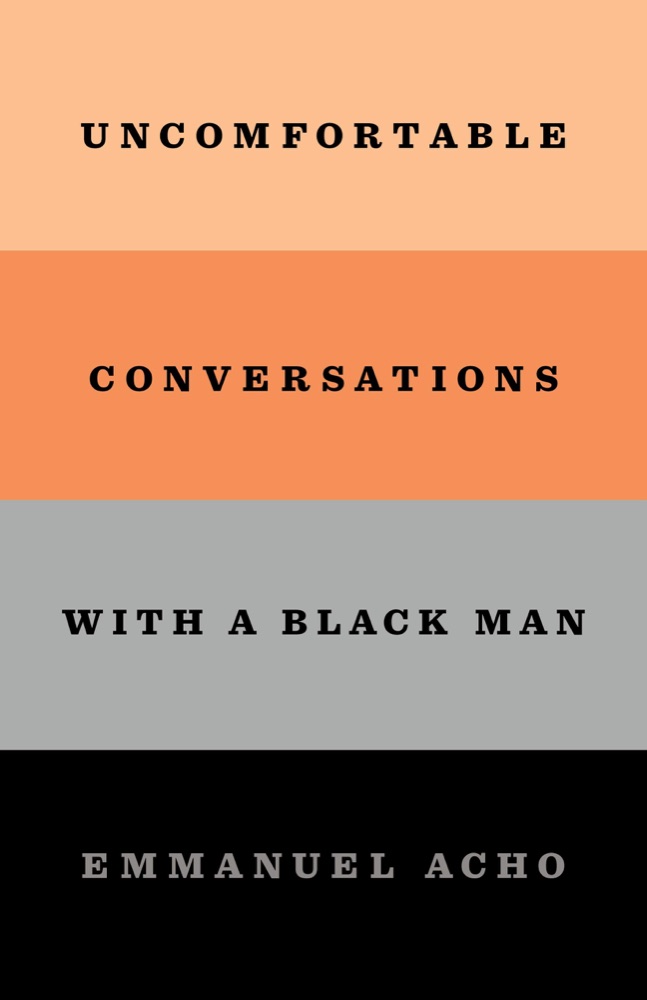 Uncomfortable Conversations With a Black Man
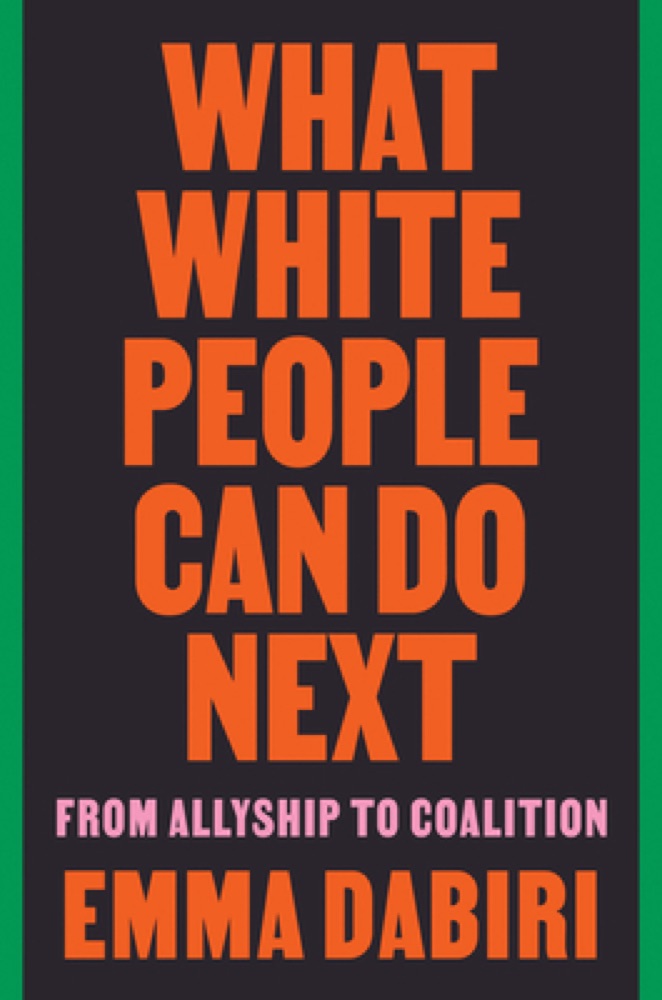 What White People Can Do Next: From Allyship to Coalition – An Empowering Guide to Interrogating Whiteness and Creating Justice
 Tears We Cannot Stop: A Sermon to White America
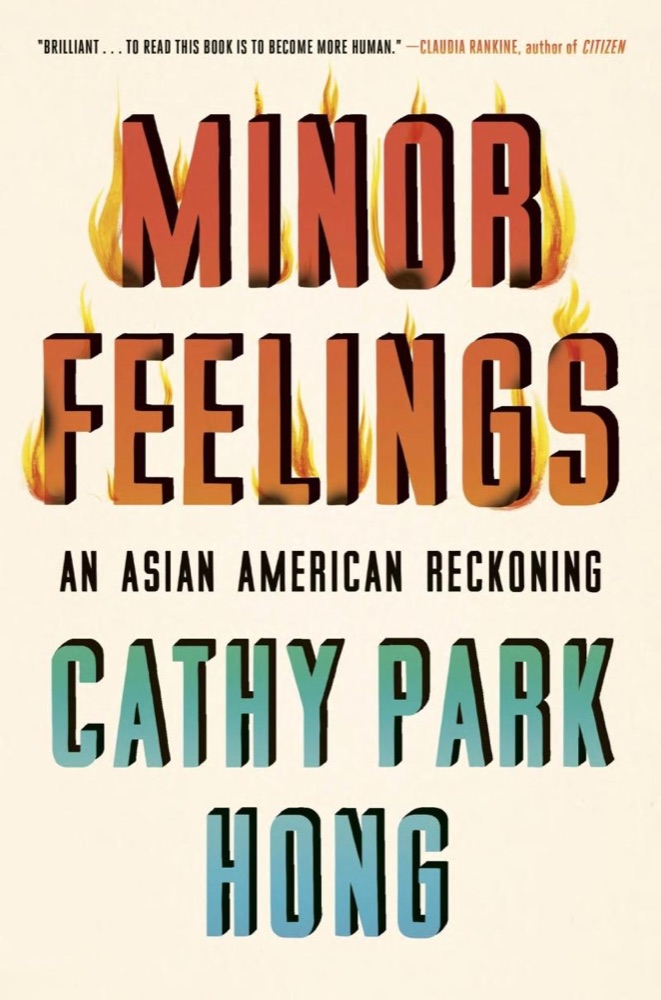 Minor Feelings: An Asian American Reckoning
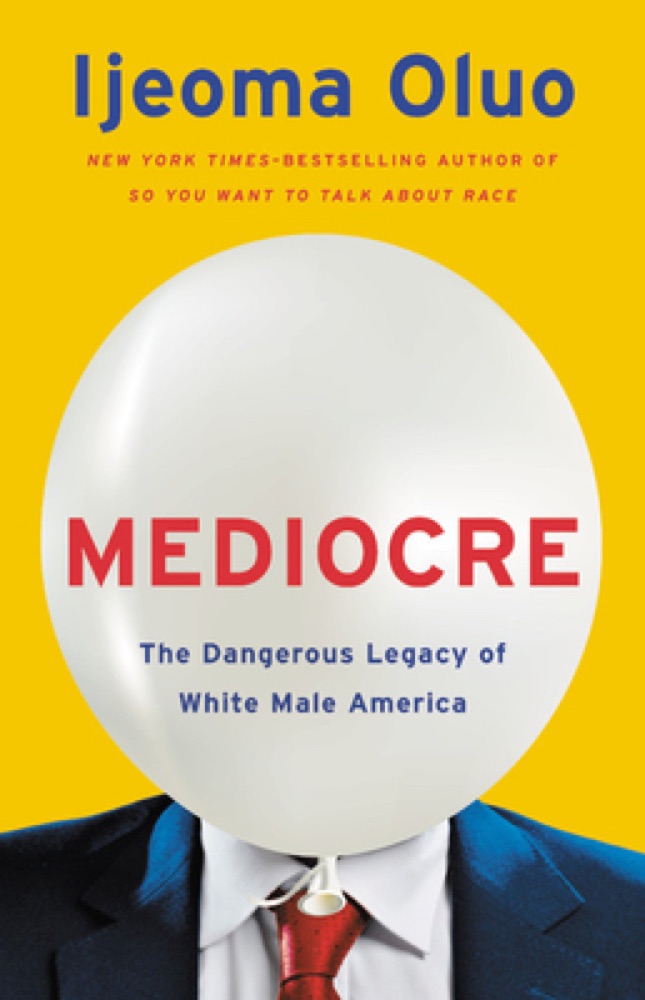 Mediocre: The Dangerous Legacy of White Male America
 We Gon' Be Alright: Notes on Race and Resegregation
 The Origin of Others
 The End of Race Politics: Arguments for a Colorblind America
 Thick: And Other Essays
 Black Skin, White Masks
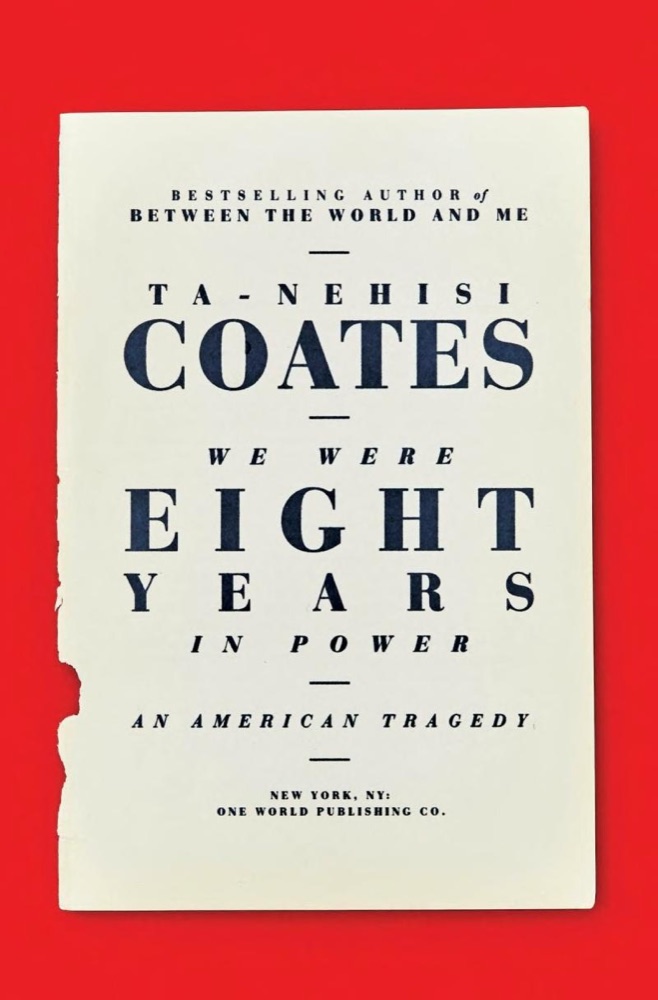 We Were Eight Years in Power: An American Tragedy
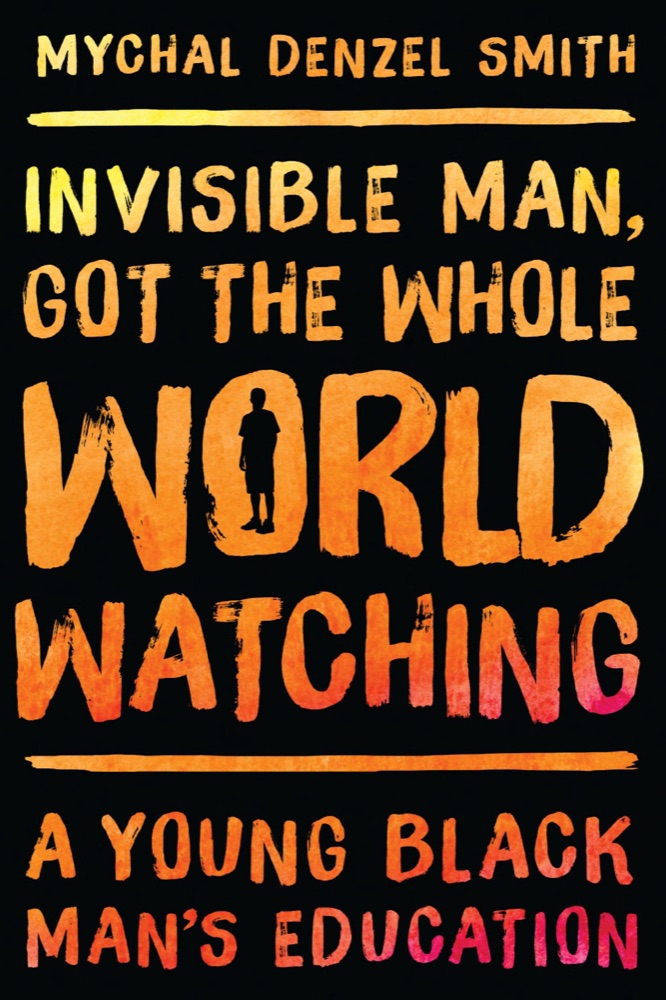 Invisible Man, Got the Whole World Watching: A Young Black Man's Education
 Notes from No Man's Land
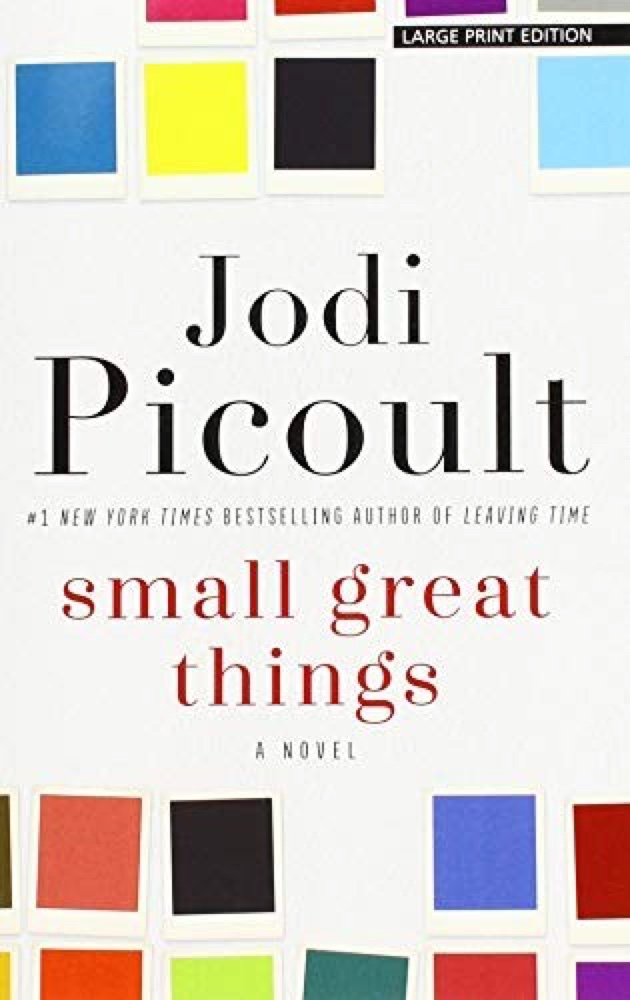 Small Great Things
 Go Back to Where You Came From: And Other Helpful Recommendations on How to Become American
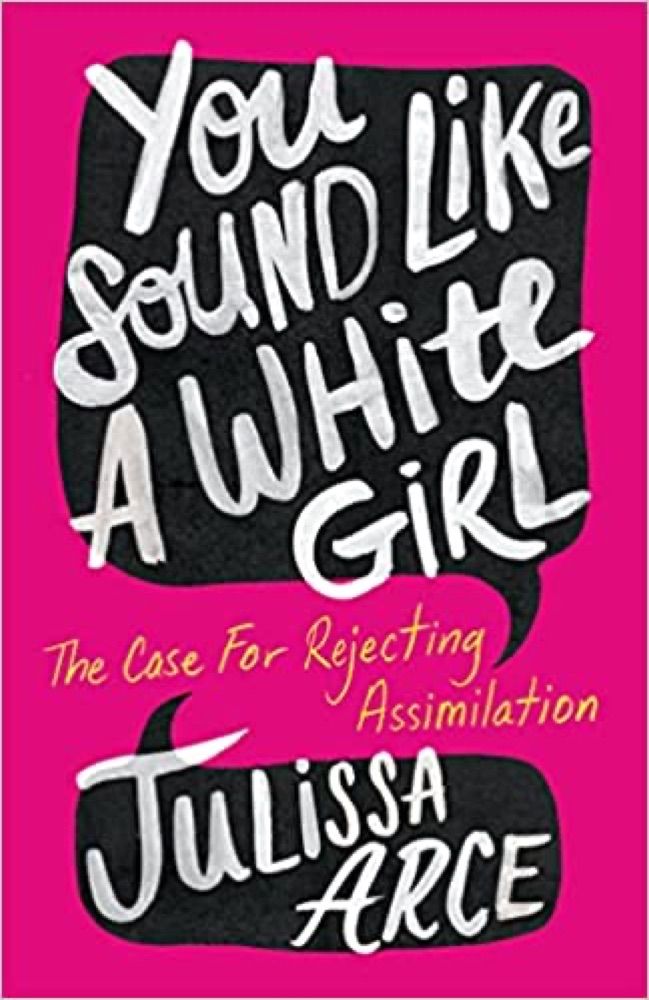 You Sound Like a White Girl: The Case for Rejecting Assimilation
 Dark Days
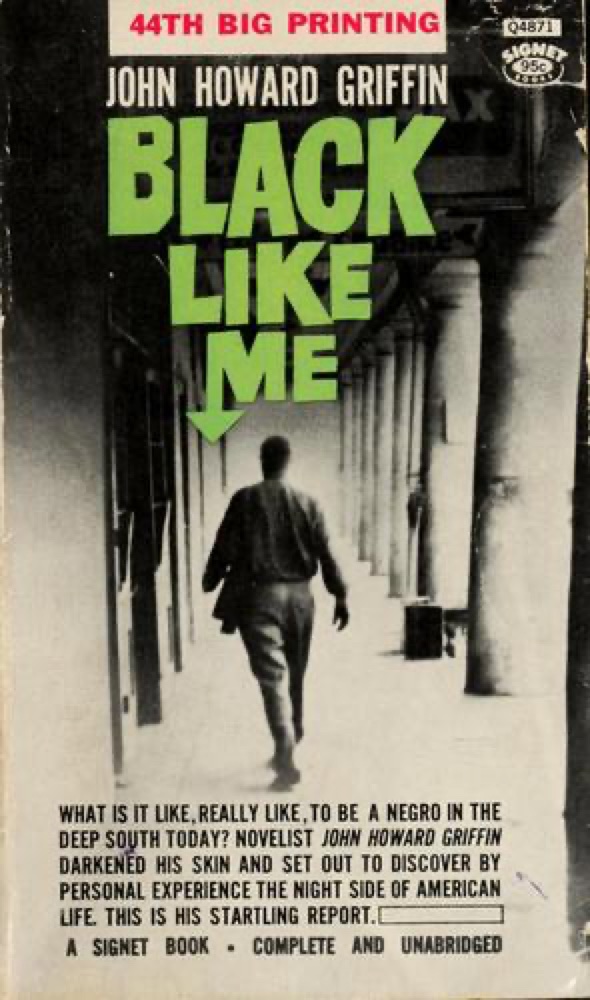 Black Like Me
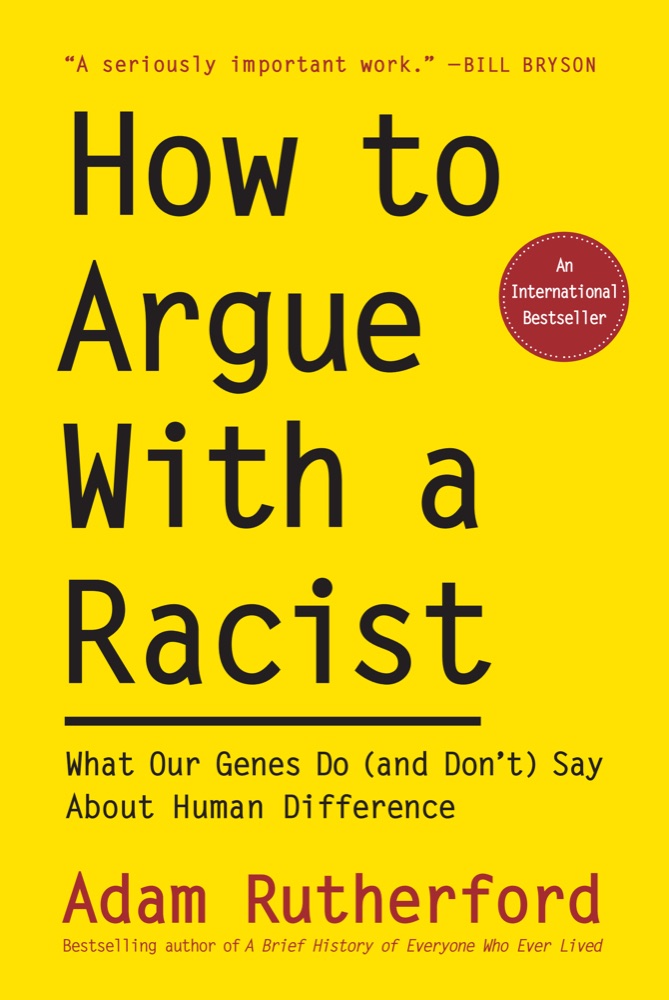 How to Argue With a Racist: What Our Genes Do (and Don't) Say About Human Difference
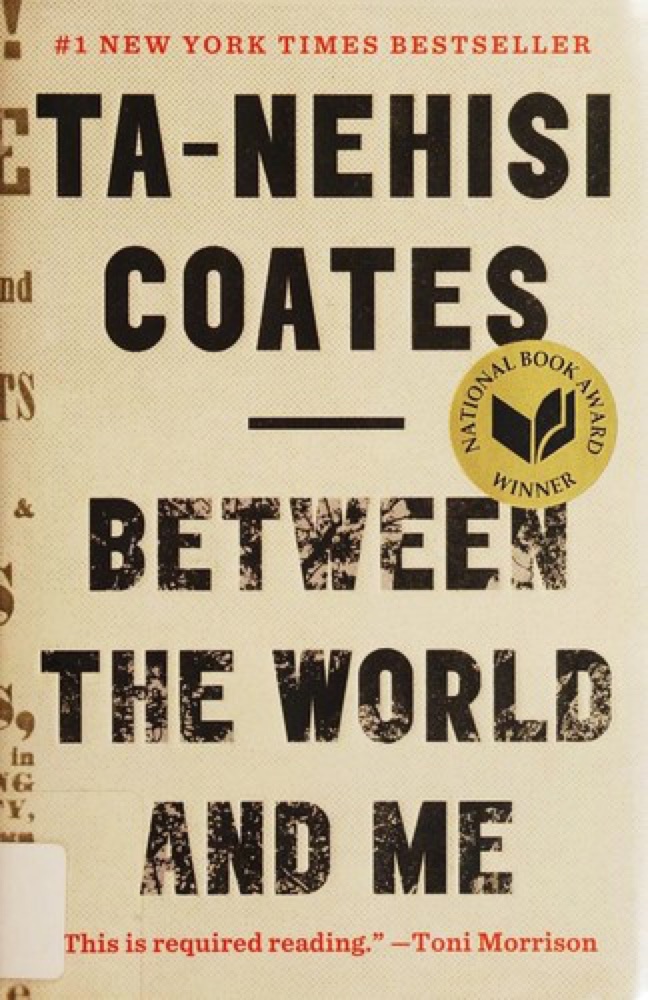 Between the World and Me
 What Doesn't Kill You Makes You Blacker: A Memoir in Essays
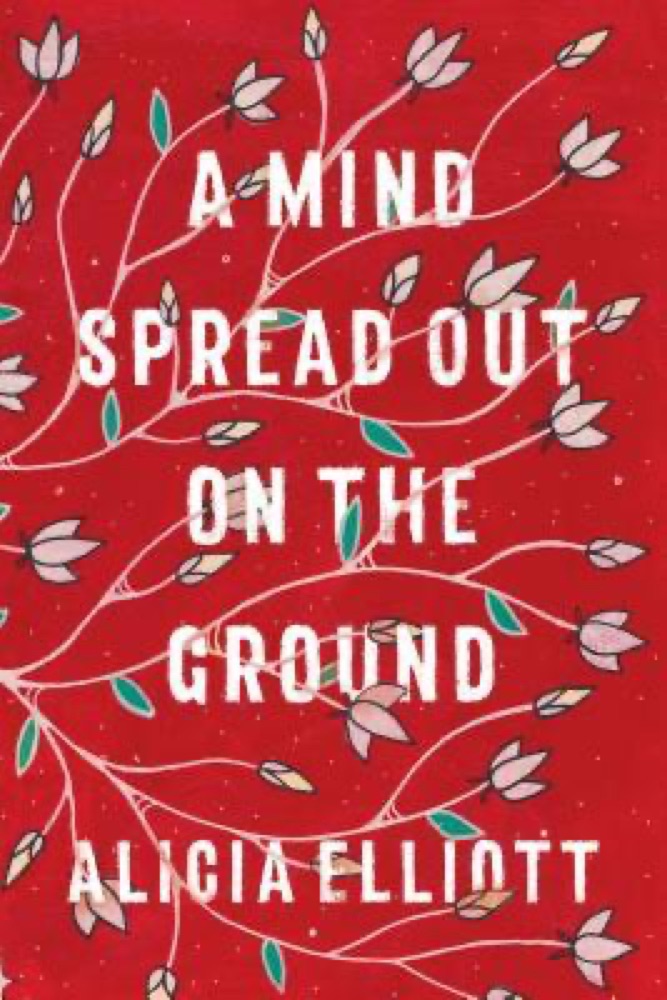 A Mind Spread Out on the Ground
 This Bridge Called My Back: Writings by Radical Women of Color
 Born a Crime: Stories From a South African Childhood
 Americanah
 Lead from the Outside: How to Build Your Future and Make Real Change
 Silent Covenants: Brown v. Board of Education and the Unfulfilled Hopes for Racial Reform
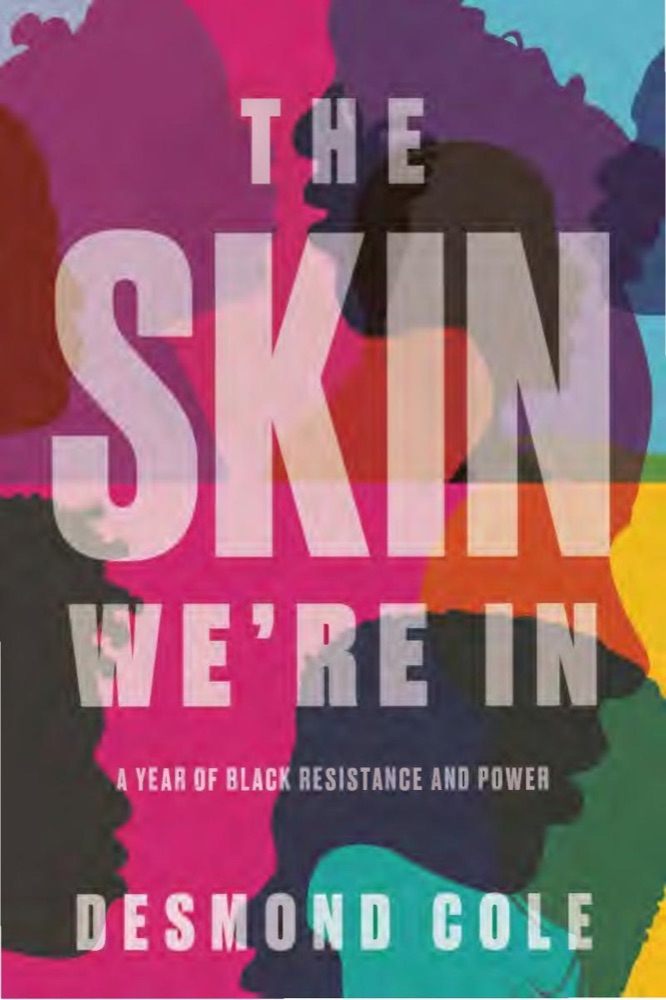 The Skin We're In: A Year of Black Resistance and Power
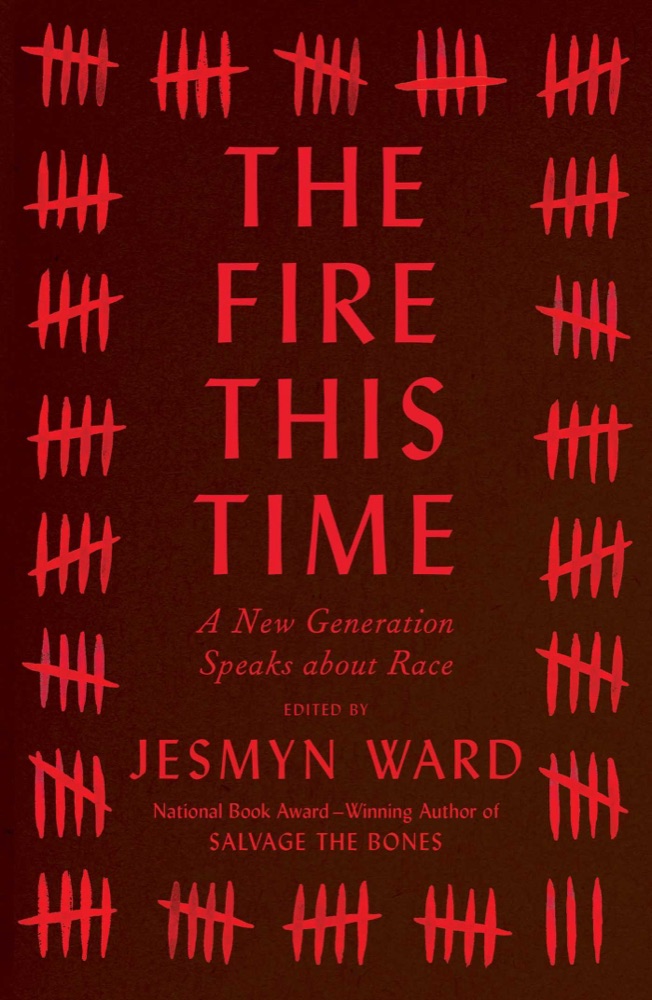 The Fire This Time: A New Generation Speaks About Race
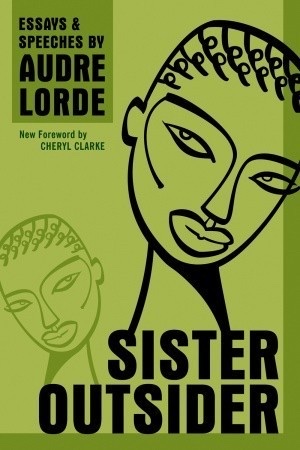 Sister Outsider: Essays and Speeches
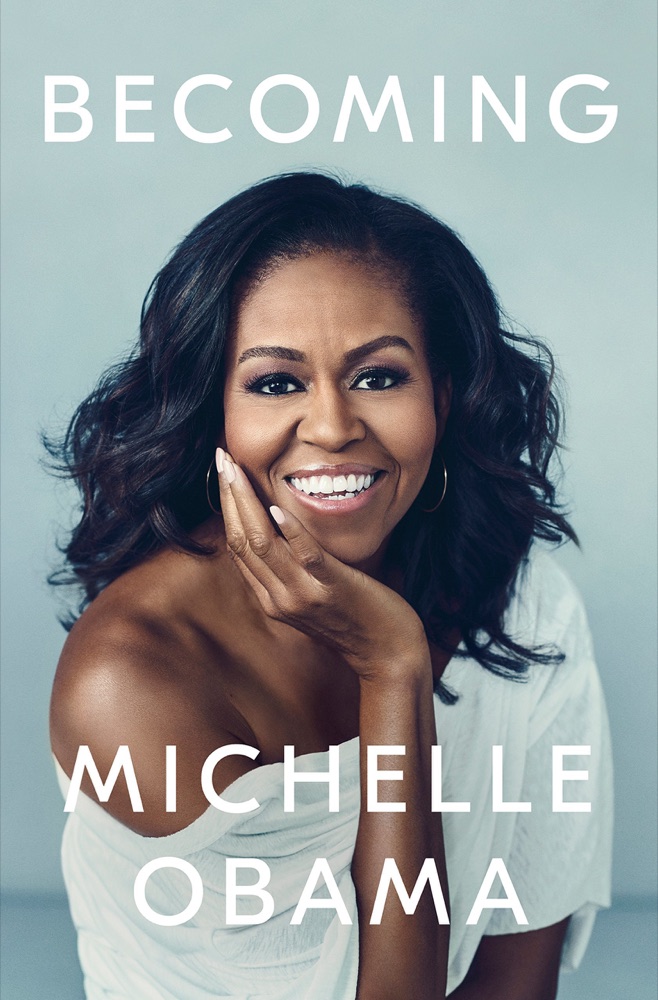 Becoming
 White Tears/Brown Scars: How White Feminism Betrays Women of Color
 Nobody Knows My Name
 The Autobiography of an Ex-Coloured Man
 Black Looks: Race and Representation
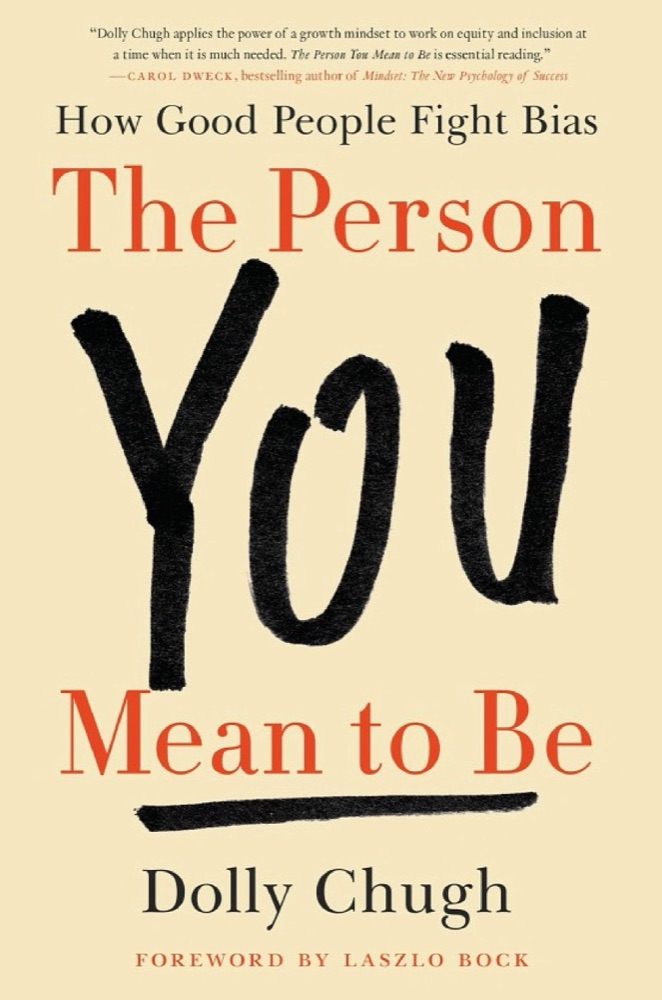 The Person You Mean to Be: How Good People Fight Bias
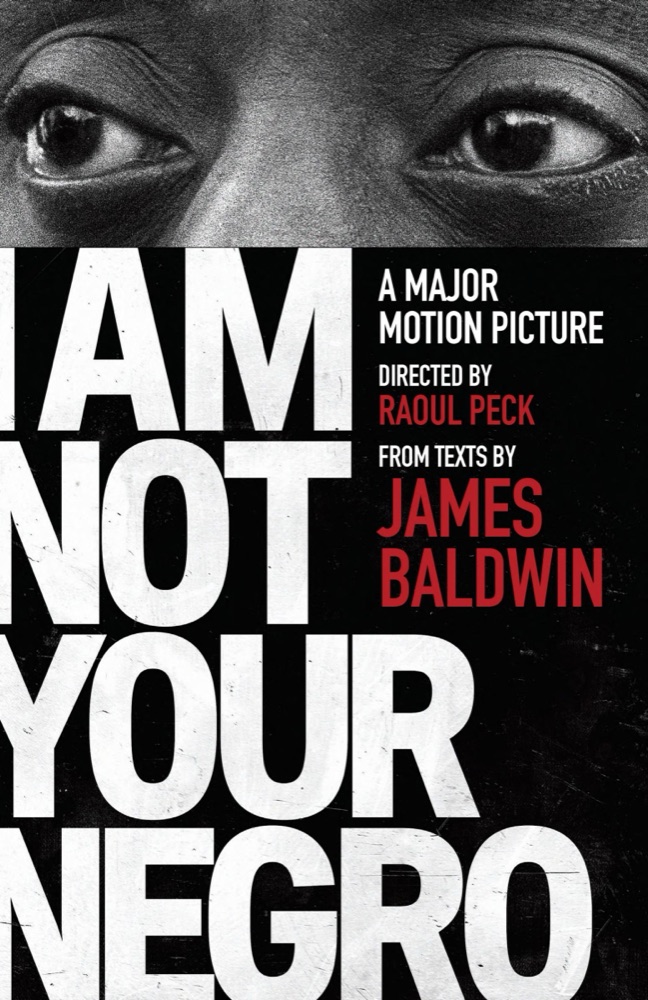 I Am Not Your Negro
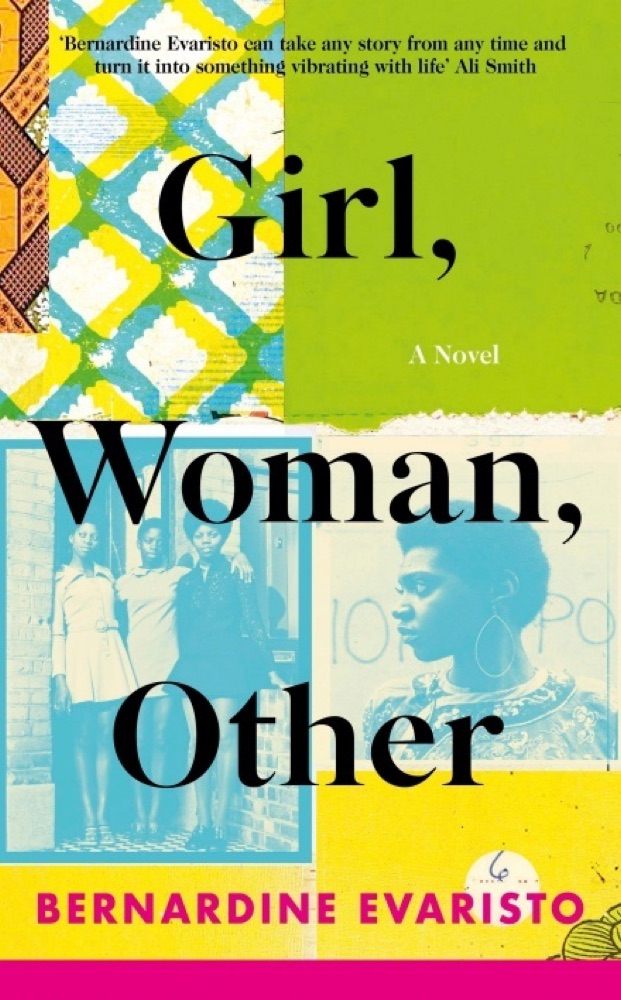 Girl, Woman, Other
 Dreams from My Father: A Story of Race and Inheritance
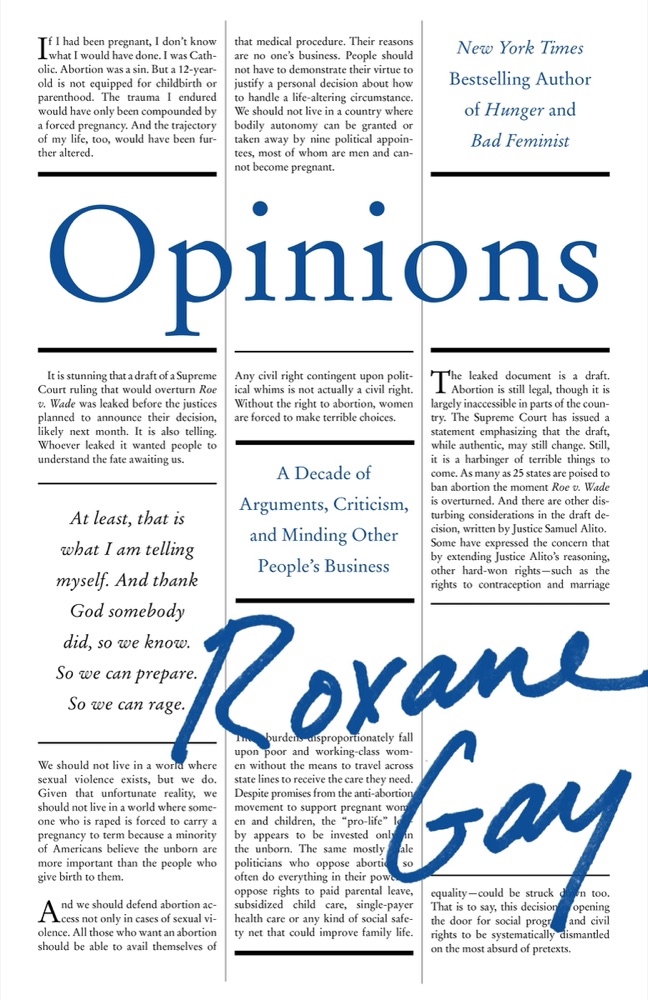 Opinions: A Decade of Arguments, Criticism, and Minding Other People’s Business
 One Day We'll All Be Dead and None of This Will Matter
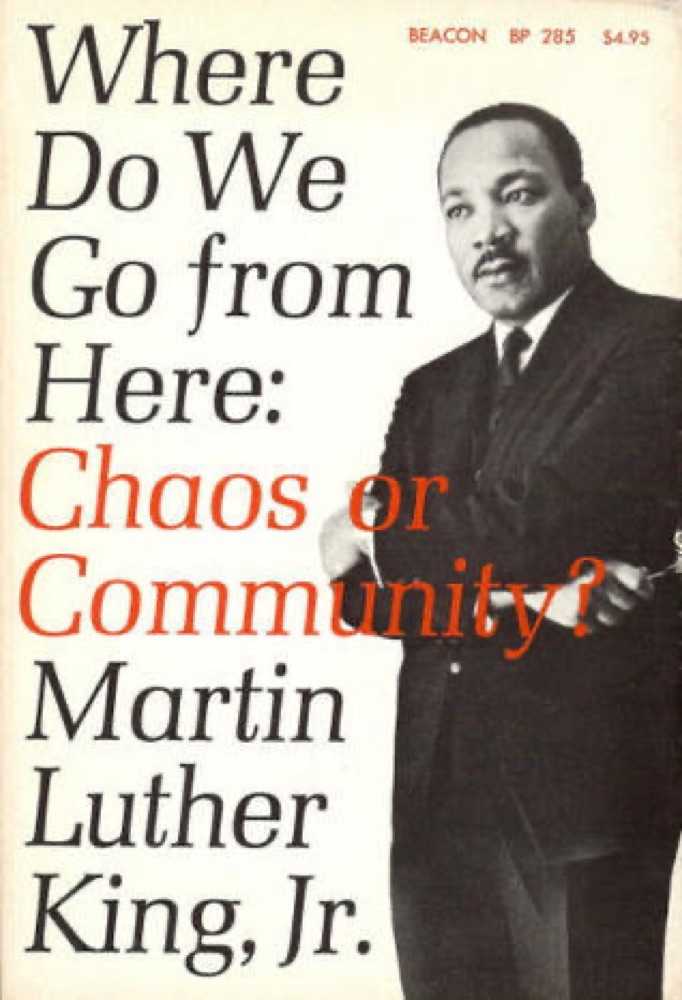 Where Do We Go from Here: Chaos or Community?
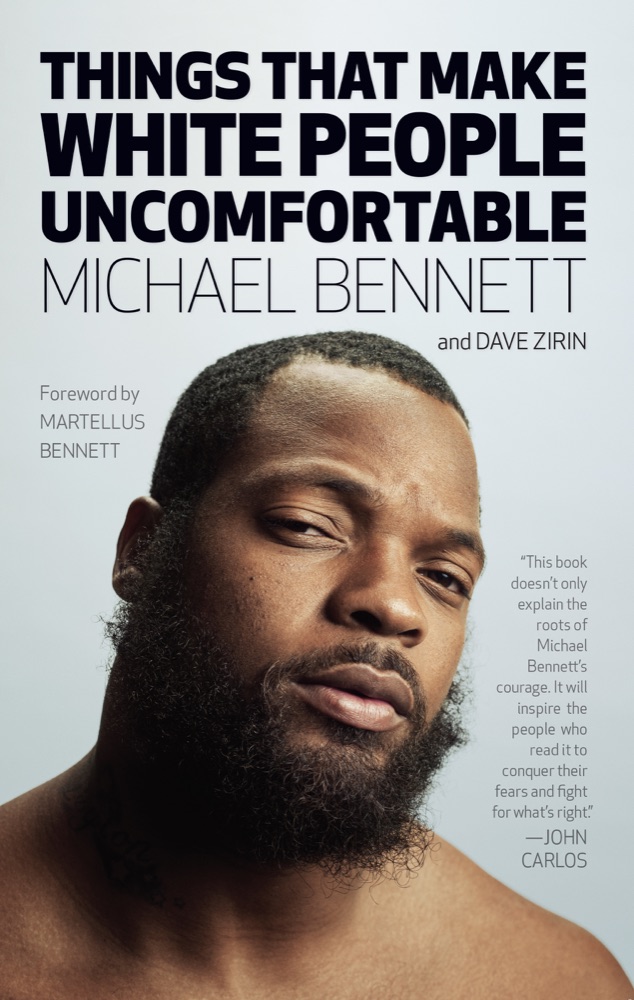 Things That Make White People Uncomfortable
 Dear America: Notes of an Undocumented Citizen
 When They Call You a Terrorist: A Black Lives Matter Memoir
 Stamped from the Beginning: The Definitive History of Racist Ideas in America
 Superior: The Return of Race Science
 Interior Chinatown
 Talking Back: Thinking Feminist, Thinking Black
 You Are Your Best Thing: Vulnerability, Shame Resilience, and the Black Experience
 The Autobiography of Malcolm X