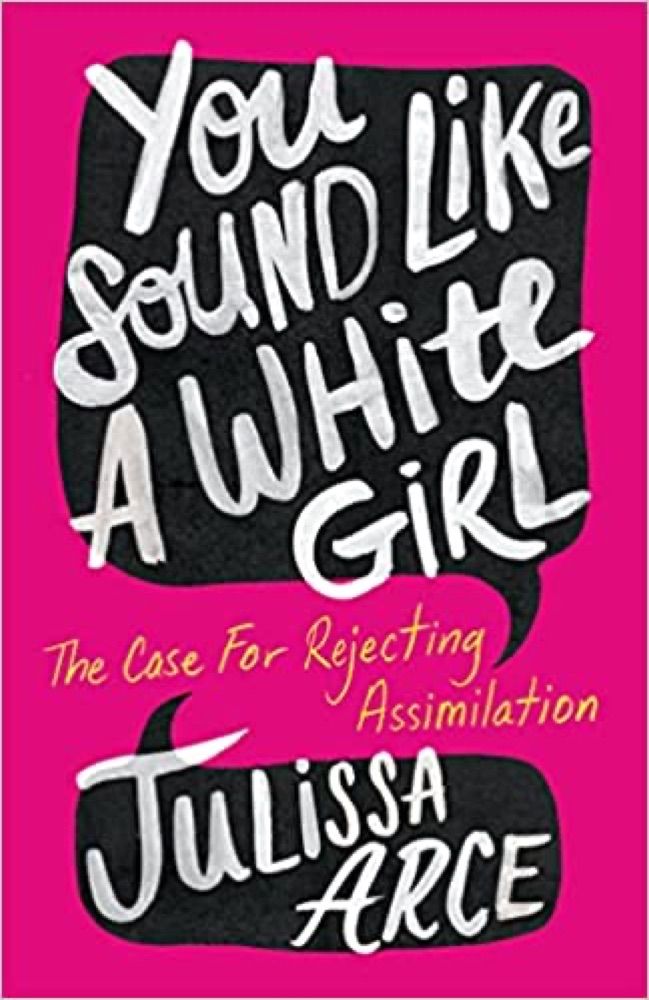

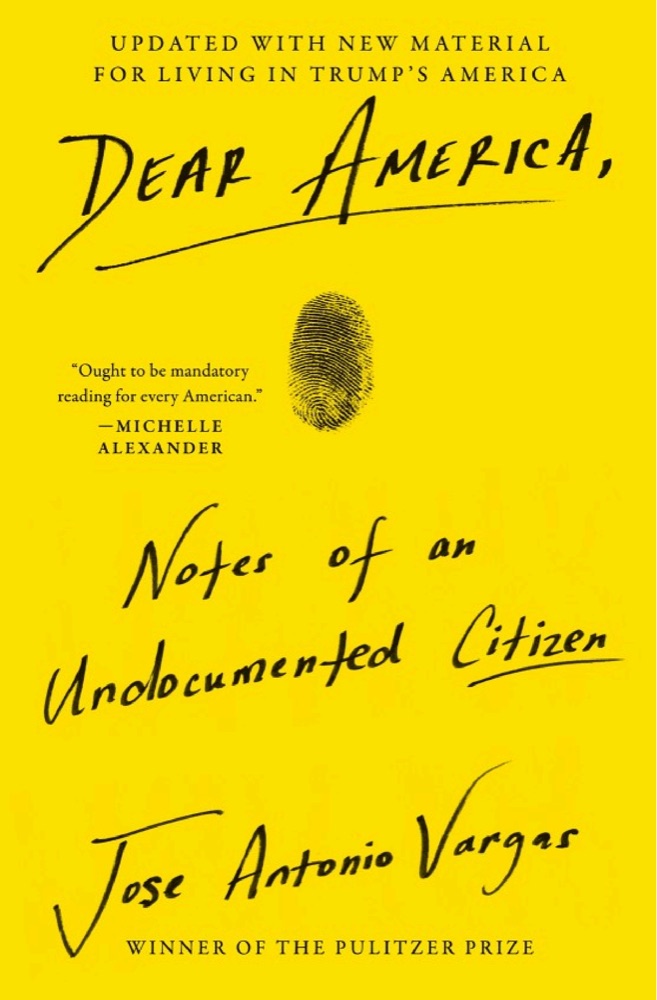
 Dear America: Notes of an Undocumented Citizen
Quotes from the Book
I am Mexican, and I am proud of it. I am also American, and that’s not a separate identity from my Mexican one. I don’t live between cultures. I am both cultures. I carry all of it in this gorgeous brown body. No matter how hard this country has tried to get rid of us, we are still here, flourishing. My hope is in us. In me. In you.
3
Many intellectuals argue that race is a social construct, meaning that we, as a society, give it meaning. Race doesn’t tell us about society—society tells us about race. Society has already made it clear that Latinos are seen as a race—we experience discrimination because we are seen as racially different. If the definitions of race and ethnicity are constructed and deconstructed by those in power, why can’t we reframe Latino as a race to better understand where we fit in America’s racial framework? Isn’t Latino a mixed race, even by the way we currently define race? Race is not biological. It is political and personal. To have a Latino race is not to say we are all the same but that we are organizing ourselves politically, to be counted accurately, to garner political power for the benefit of our entire community. To not be erased.
2
The lie of whiteness that distorts the history of our country to cast white people as the saviors and everyone else as invaders.
2
We live in a country where there are more than 60 million Latinos, making up almost a fifth of the American population. But we aren't the ones narrating our own story; rather we became subjects at the mercy of someone else finding us worthy of taking up space in the world. Until our history, struggles, and unique experiences are unearthed, the whole country will suffer because the American story will remain incomplete. It's incredible what our people have survived in this country, and how little Americans of all races, ethnicities, and backgrounds know about it. When our rich past is kept from us, it leaves people to believe that we belong somewhere else—outside this country. Without an accurate telling of our history, we cannot fully address problems that are rooted in the past. When we are viewed as foreigners, our issues become someone else's problems—not America's problems.
1
I learned the language, at the expense of my Spanish, only to find that in English I didn't exist. I read the American history textbooks in school that erased any trace of the deep Mexican roots in this country. Still, I forged ahead.
1
It was ironic, really, that the only reason I became eligible to adjust my status was because I married a U.S. citizen. I laugh when I think about the many times my mom told me, 'You have to be independent. You have to make your own money. Don't depend on a man!' I did. I made my own money. But I still needed a man to save me from my illegality.
1
Why don’t you speak English? Why don’t you speak Spanish? Being Latino in America means the answer to both of these questions holds us to an impossible standard to prove we’re both sufficiently American and authentically Latino. I am tired of the interrogation, the unattainableness, the in-betweenness. I am enough to stand on both sides, fully and completely.
It is one of the most painful aspects of assimilation: the loss of our heritage, language, and family.
This was a reminder that taking up space will make others uncomfortable because they only want to see us quiet and thankful.
A white person today can simply say, “I am white; therefore I am American,” but a Mexican with centuries of history in this land must explain where we are really from.
There is nothing more potentially hostile than the indigenous ego interpreting the laws of his conqueror upon his own people.
We are all caught up in a system designed to help advance white supremacy by replicating the behavior of our oppressor, sometimes out of ignorance, for protection, or because we have a false belief that we, too, can become white, and therefore have the power, money, and privileges white people do.
Assimilation is not a road to belonging, but rather the carrot America dangles in front of immigrants, Latinos, and other people of color, an unreachable goal to keep us fighting for the single place at the podium rather than spending our energy creating spaces where we don’t have to compromise who we are to fit in.
I didn’t find freedom in assimilation because there is no freedom in racist ideas. Assimilation requires that the story we tell about the United States and about white people is an uplifting, inspiring, sugarcoated version of the facts, in which the whip, guns, and racist motives must remain hidden.
When you are someone like me, you can’t get to the top without bending the rules because the rules are meant to keep you at the bottom.
I don’t live between cultures. I am both cultures. I carry all of it in this gorgeous brown body.
Today the media continues to paint immigrants of color as leeches sucking resources out of the United States, all while accusing us of stealing American jobs. How can we be both lazy low-skilled people and job-snatching thieves?
Our youth experience higher rates of depression than their white peers because of this endless race for belonging.25 We are getting sick, because we internalize the idea that assimilation will make us part of America. But no matter what we do, we are still stereotyped as lazy criminals who bring drugs and who rape white women. We are treated as foreign invaders who must be met with handcuffs and bullets. It does not matter how many Mexicans or Latinos there are in the United States, our place in America will never be secure if we keep seeking acceptance on the basis of whiteness.
I love us. I believe in us. We don’t need the kindness of the white gaze to celebrate ourselves. We don’t need our stories to be translated so white people can see us as human. They are not our saviors. We are.
If you spend enough time around your Mexican family, you’ve undoubtedly heard someone brag about their “abuelito de ojos azules.” We want so badly to be white that some of us will claim our mother’s grandpa was from Spain, even if he wasn’t. Even if by doing so, we are belittling ourselves.
We cannot make ourselves or allow others to make us small so we can fit in the minds and hearts of white people. America might never love us back, so we must love ourselves.
...my racial identity is a concept that escapes intellectual conversations about race. My personal experiences contradict the idea that Latino is only an ethnicity and not a race. But suggesting that Latino should be a race confounds the situation even more, because we are all so different and experience the world differently, though the same could be said of any other racial group. When others state, 'Latino is not a race, it's an ethnicity,' they ignore that not all Latinos have the same ethnicity, either. And though we don't all share the same ethnicity, the exact language, religion, customs, culture, food, and so forth, and though we are not the only ethnic group in America, we are the only people who are singled out by our ethnicity.
Reclaiming our identity is about addressing the battles within our community. About undoing and redoing. It is to stand in the middle of the storm, wet and naked, and to emerge in the sun clothed with a new vision for our future.
We learn that the United States is the pinnacle of democracy in the world, but how can freedom be made perfect when it was built upon the genocide of Indigenous people, the enslavement of Black people, and the colonization of Mexicans?
We are finally seeing that success doesn't have to happen outside our community or in spite of our heritage. We are rejecting the notion that success is found in whiteness because that kind of thinking has never led us anywhere good. The antidote for the poison of the oppressor is to embrace our brownness, because it is our culture that is propelling us.
The legacy of unions that kept African Americans, Latinos, Chinese, and others out of factory work—redlining, exclusionary immigration policies, the looting of Mexicans' land during the Mexican-American War, deportations of Mexicans during economic downturns—all created a gap that we are still trying to close. In a country where Black Americans have been viewed as 'biologically inferior,' Mexicans as 'an ignorant "hybrid race,"' and Chinese immigrants as the 'ideal human mule,' there is far from a fair chance to access the same economic opportunities as white people.
Why don't you speak English? Why don't you speak Spanish? Being Latino in America means the answer to both of these questions holds us to an impossible standard to prove we're both sufficiently American and authentically Latino. I am tired of the interrogation, the unattainableness, the in-betweenness. I am enough to stand on both sides, fully and completely.
White supremacy is persistent, but so are we.
...Mexicans threw a wrench in the racial dynamics of America, and in turn, our place in the United States has been precarious ever since, because we became citizens at a time when only white people could become citizens, even though most of us were not white. ...The United States wasn't happy about giving citizenship to Mexicans. After all, Mexicans were viewed as racially inferior, primitive creatures who were ignorant and knew nothing of laws. New York Times articles from the 1870s and 1880s not how the 'Lazy Mexicans' were 'retarding progress.' We were described as 'the personification of tramphood' on the front page of the Times. Another racist piece stated, 'Greasers as citizens. What Sort of State New Mexico Would Make.' Our 'origin and character,' our 'hatred of Americans,' and our 'dense ignorance' made us 'totally unfit for American citizenship.' We were an undesirable compromise for manifesting a white destiny in the West.
Watch on YouTube
About Julissa Arce
We have collected 29 quotes from 1 book by Julissa Arce on BookQuoters.
More about the author →About the book
Nationally bestselling author Julissa Arce beautifully interweaves her own experiences with cultural commentary to dispell the myth that assimilation leads to happiness and belonging for immigrants in America, and instead calls for a celebration of our uniqueness, our origins, our heritage, and the beauty of the differences that actually make us Americans.
Arce, who came to live in Texas from Mexico at age 11, shares the story of her assimilation to America, learning English, losing her culture, making money while undocumented and working on Wall Street, and the inevitable scars that came from pursuing an ever-moving goal post. She interweaves current political events and Latinx history into personal stories, covering topics including racism, cultural identity, money, friendships, and love. Arce's goals are two-fold: by sharing her experiences she wants to encourage other people of co
Book details
- First published
- 2022
- Author
- Julissa Arce
- Genre
- Nonfiction
- Goodreads rating
- 4.21 (5k ratings)
The buzz
- Kirkus ReviewsReview in Kirkus Reviewsprofessional review (via Book Marks)
- Publishers WeeklyReview in Publishers Weeklyprofessional review (via Book Marks)
- LibraryjournalReview in Libraryjournalprofessional review (via Book Marks)
- BookPageReview in BookPageprofessional review (via Book Marks)
Keep reading
Dear America: Notes of an Undocumented Citizen
 Go Back to Where You Came From: And Other Helpful Recommendations on How to Become American
 White Like Me: Reflections On Race From A Privileged Son
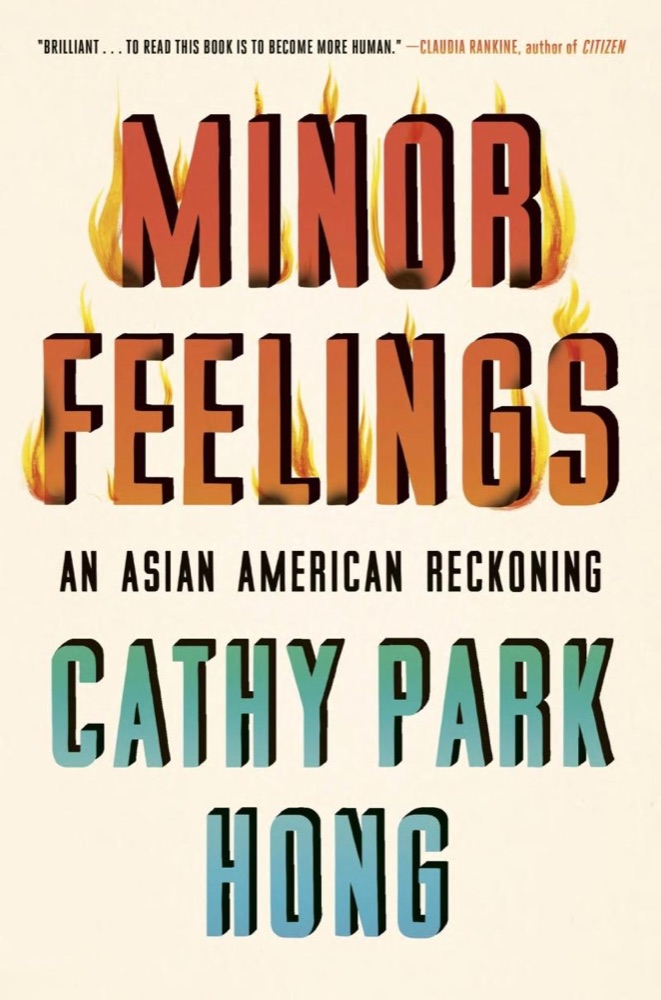 Minor Feelings: An Asian American Reckoning
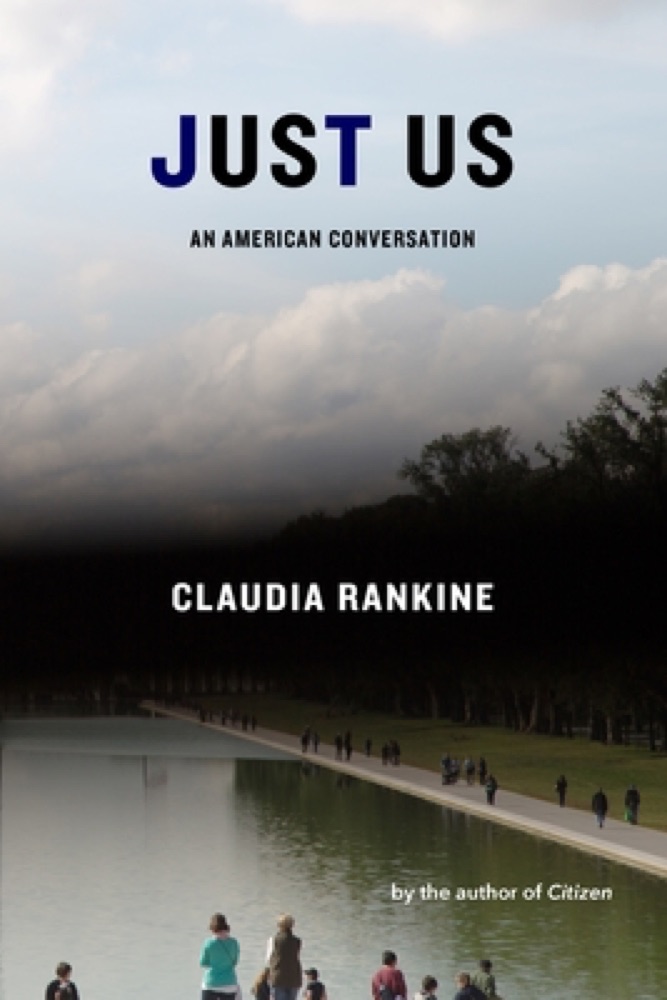 Just Us: An American Conversation
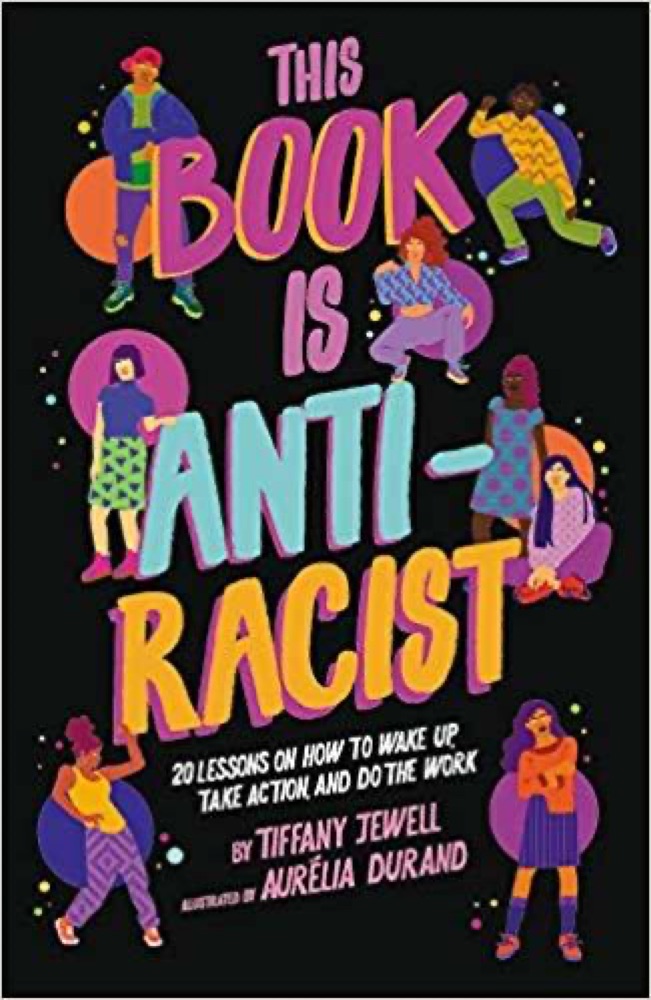 This Book Is Anti-Racist: 20 Lessons on How to Wake Up, Take Action, and Do the Work
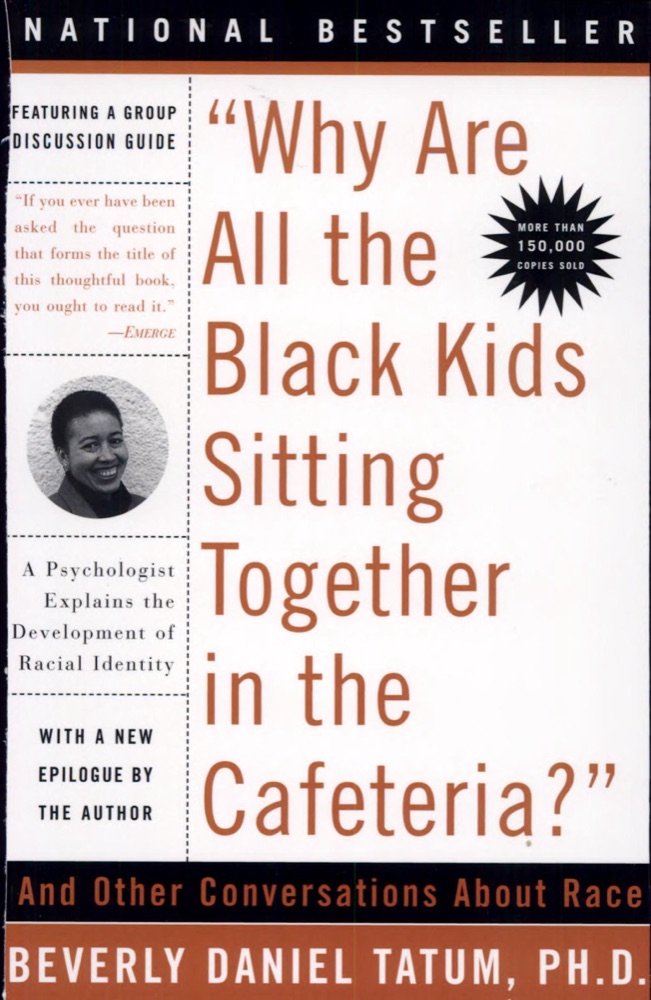 Why Are All The Black Kids Sitting Together in the Cafeteria?
 Waking Up White: And Finding Myself in the Story of Race
 I'm Still Here: Black Dignity in a World Made for Whiteness
 This Bridge Called My Back: Writings by Radical Women of Color
 Tears We Cannot Stop: A Sermon to White America
 The Sum of Us: What Racism Costs Everyone and How We Can Prosper Together
 Thinning Blood: A Memoir of Family, Myth, and Identity
 Stamped: Racism, Antiracism, and You
 Borderlands/La Frontera: The New Mestiza
 The Disuniting of America: Reflections on a Multicultural Society
 Begin Again: James Baldwin's America and Its Urgent Lessons for Our Own
 Uncomfortable Conversations With a Black Man
 We Gon' Be Alright: Notes on Race and Resegregation
 The Black Friend: On Being a Better White Person
 The Undocumented Americans
 Mediocre: The Dangerous Legacy of White Male America
 Becoming Kin: An Indigenous Call to Unforgetting the Past and Reimagining Our Future
 Between the World and Me
 Interior Chinatown
 What White People Can Do Next: From Allyship to Coalition – An Empowering Guide to Interrogating Whiteness and Creating Justice
 Notes from No Man's Land
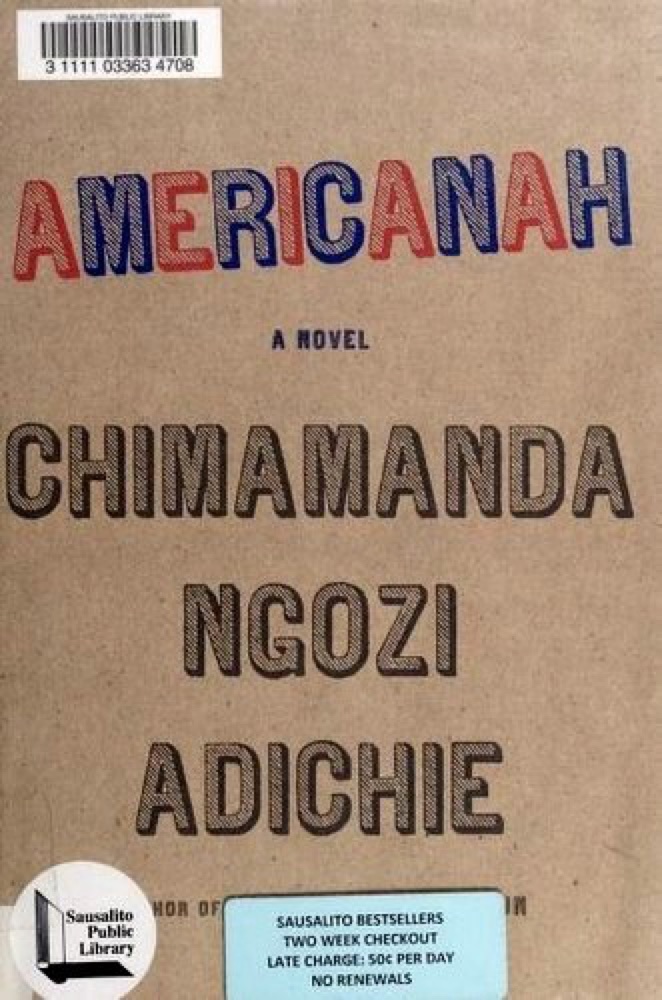 Americanah
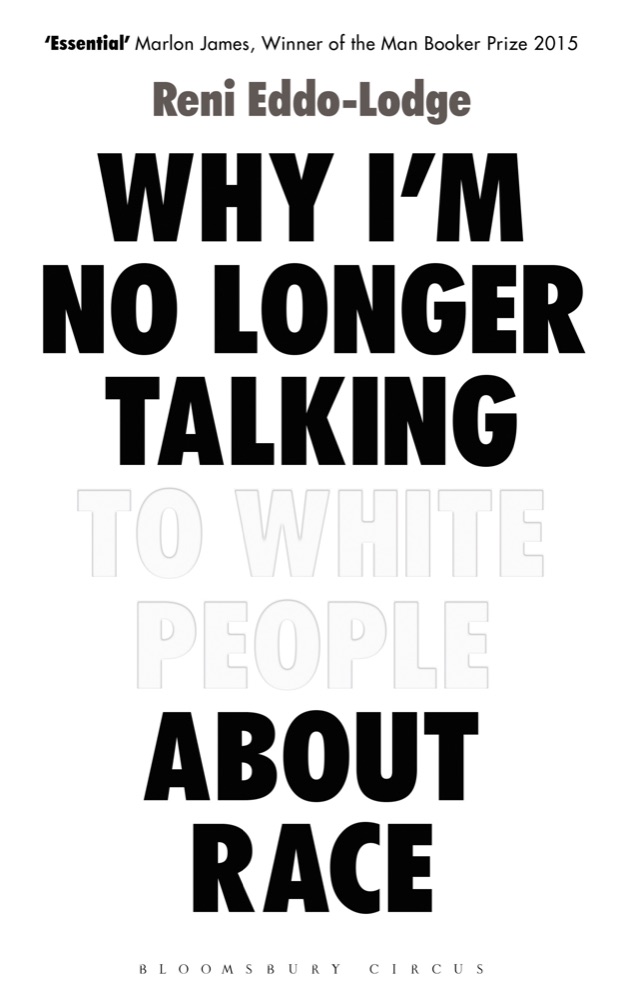 Why I'm No Longer Talking to White People About Race
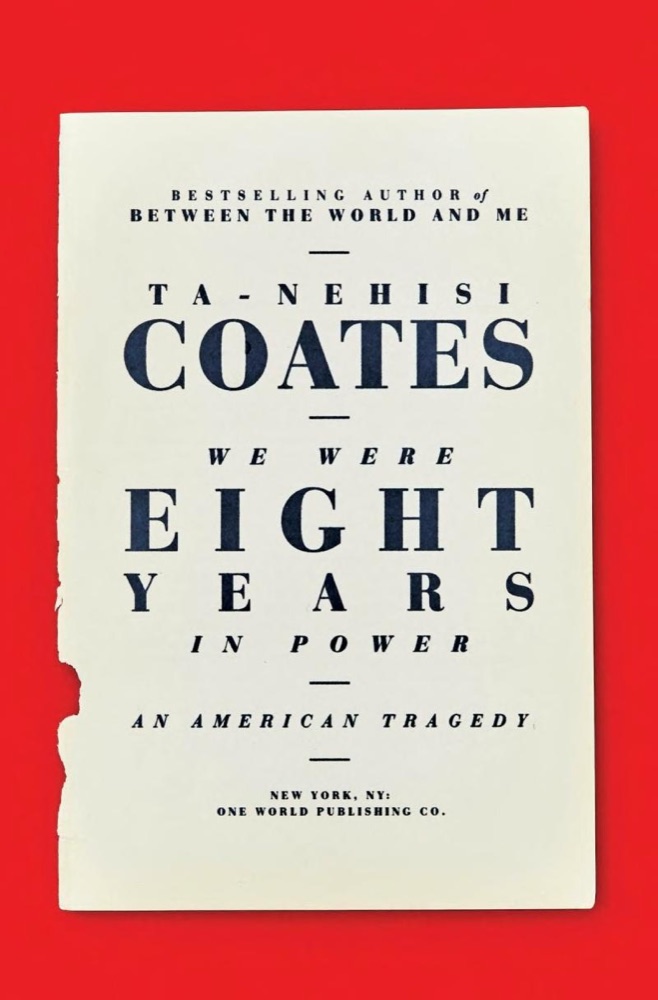 We Were Eight Years in Power: An American Tragedy
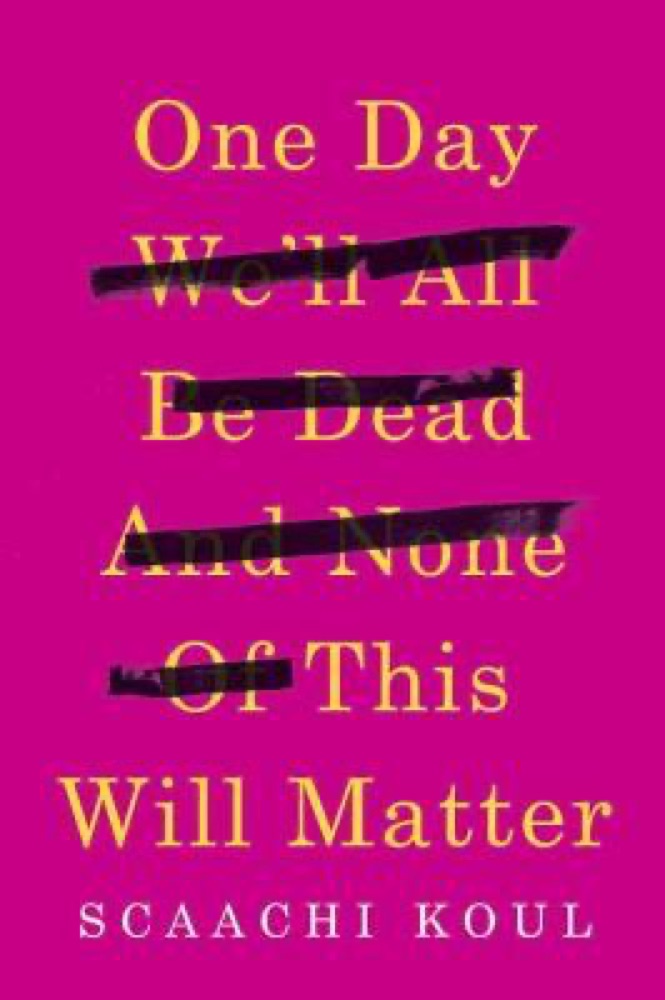 One Day We'll All Be Dead and None of This Will Matter
 Dark Days
 The Inconvenient Indian: A Curious Account of Native People in North America
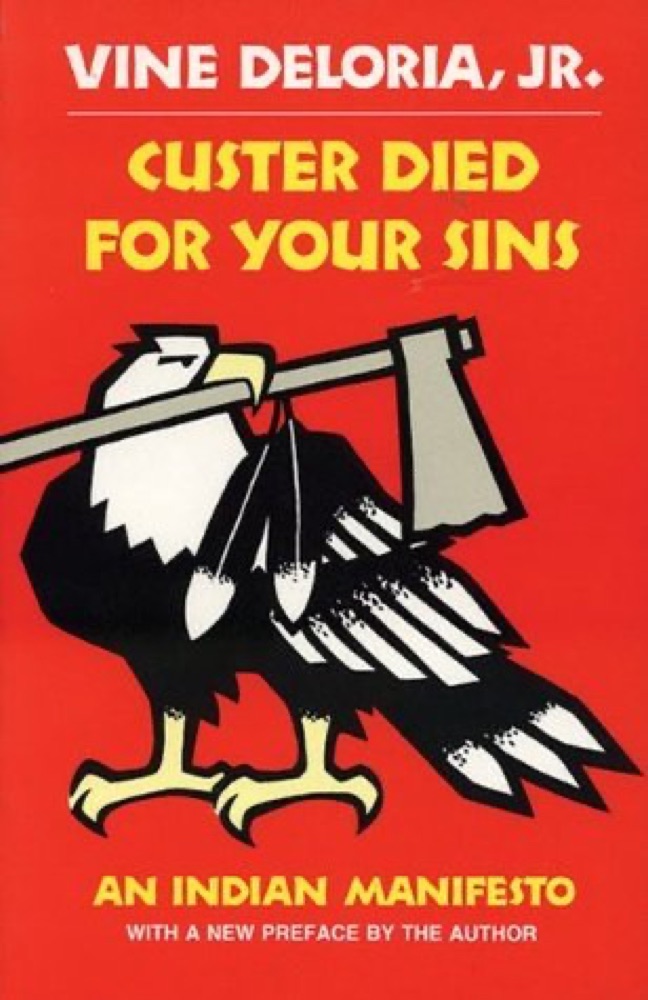 Custer Died for Your Sins: An Indian Manifesto
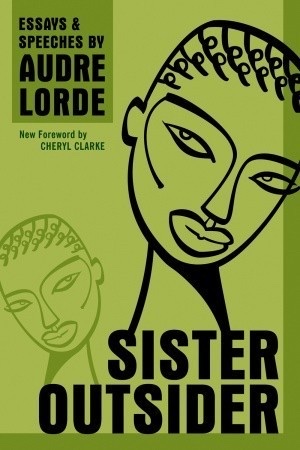 Sister Outsider: Essays and Speeches
 When They Call You a Terrorist: A Black Lives Matter Memoir
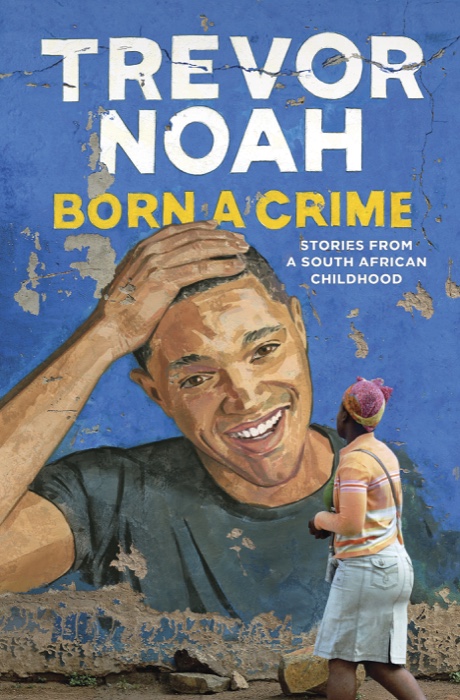 Born a Crime: Stories From a South African Childhood
 Thick: And Other Essays
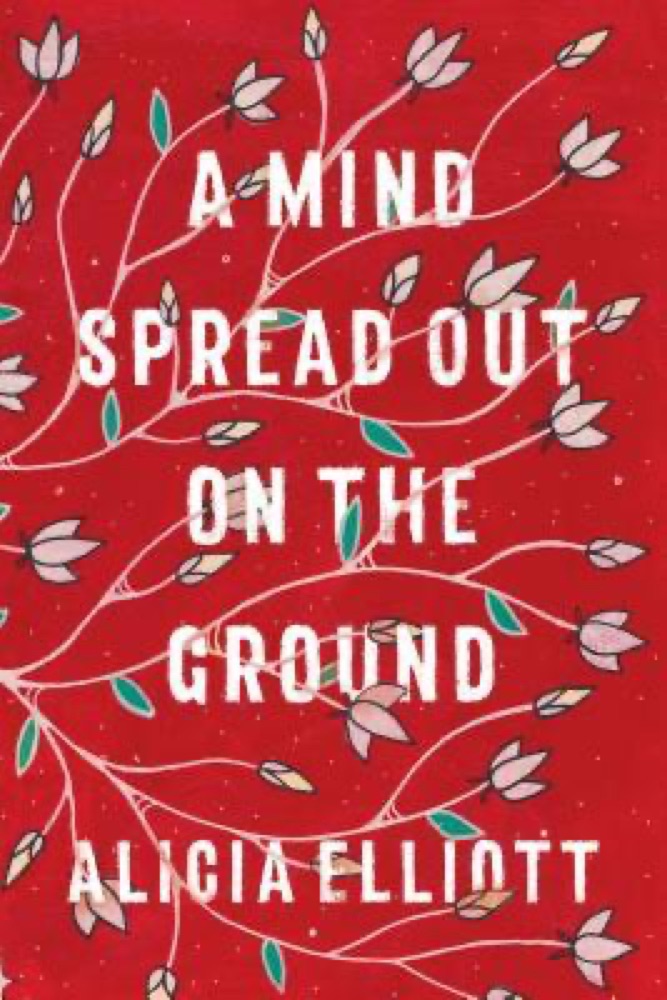 A Mind Spread Out on the Ground
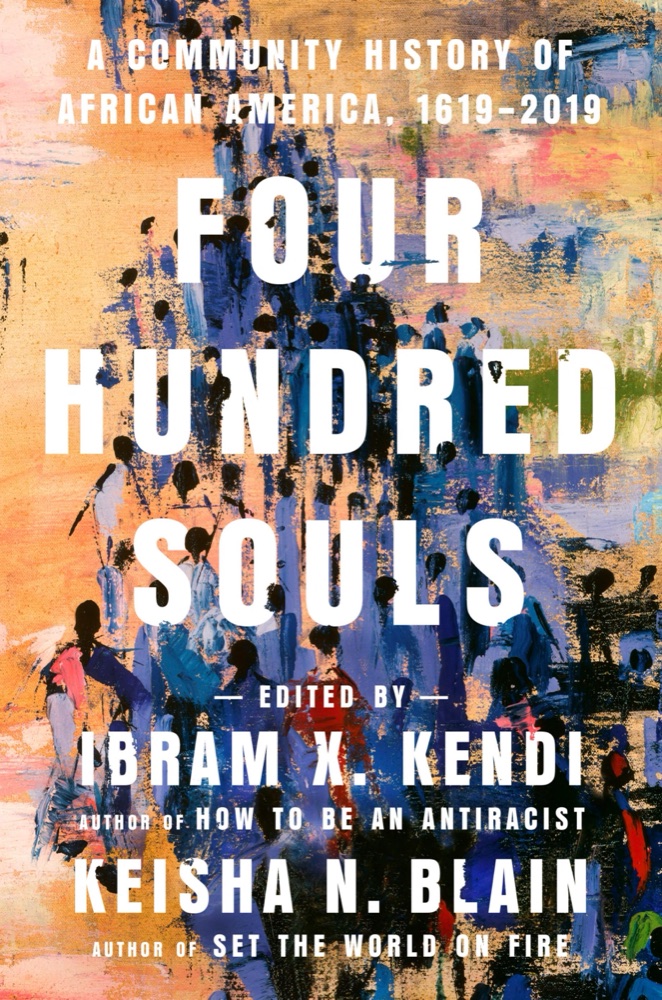 Four Hundred Souls: A Community History of African America, 1619-2019
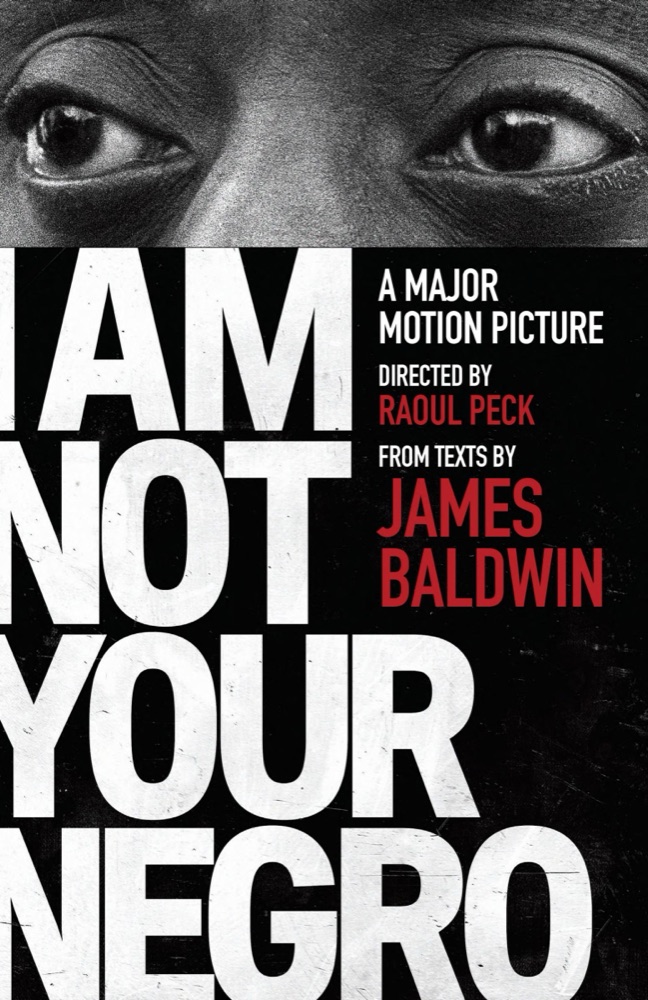 I Am Not Your Negro
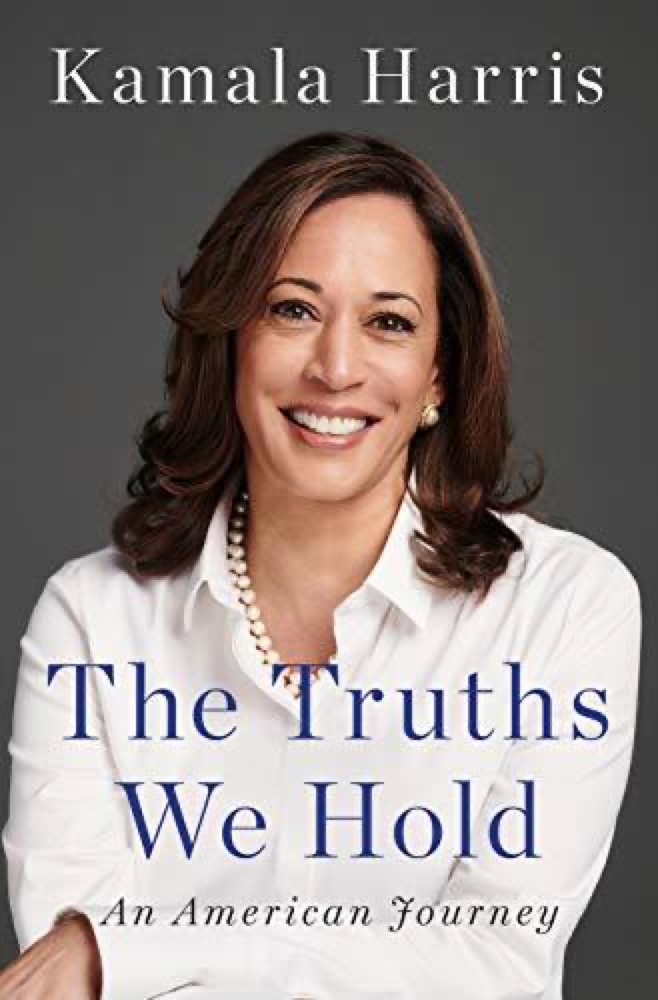 The Truths We Hold: An American Journey
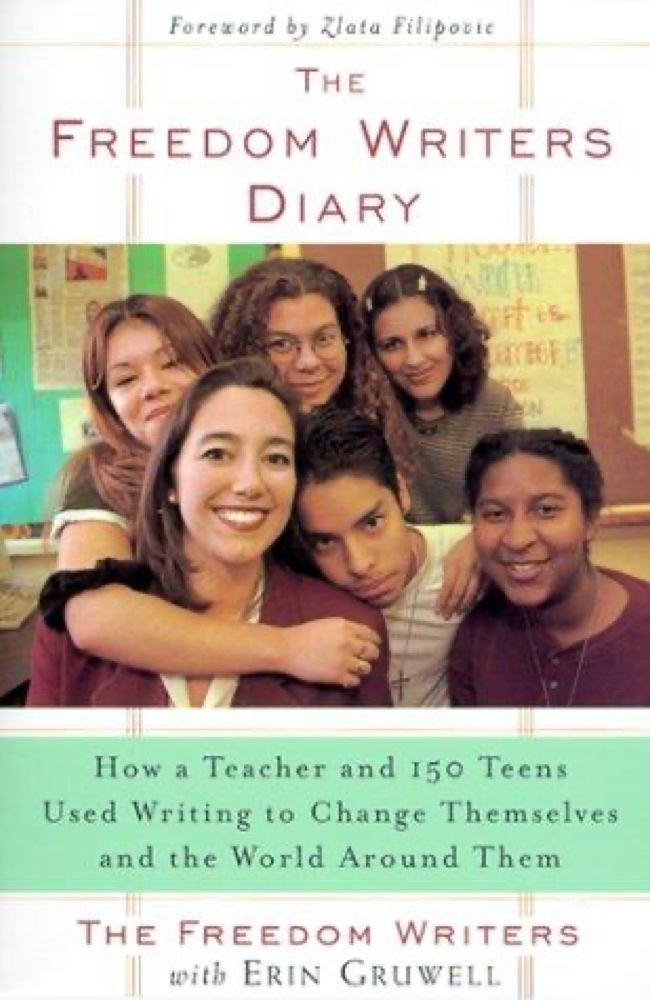 The Freedom Writers Diary
 Nobody Knows My Name
 The Origin of Others
 Aftershocks
 Tomorrow Will Be Different: Love, Loss, and the Fight for Trans Equality
 What Doesn't Kill You Makes You Blacker: A Memoir in Essays
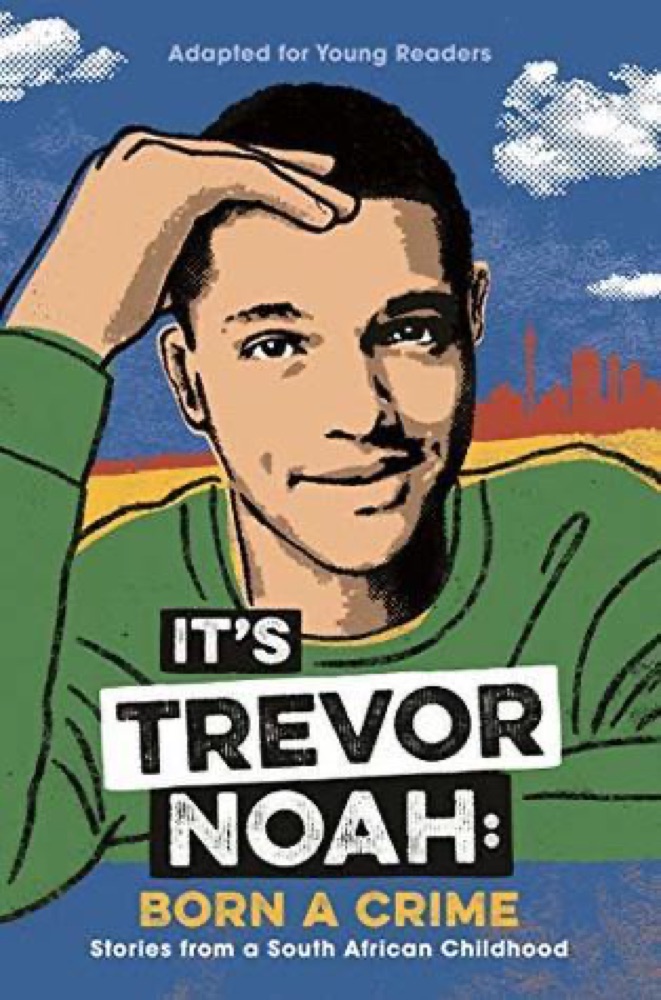 It's Trevor Noah: Born a Crime: Stories from a South African Childhood
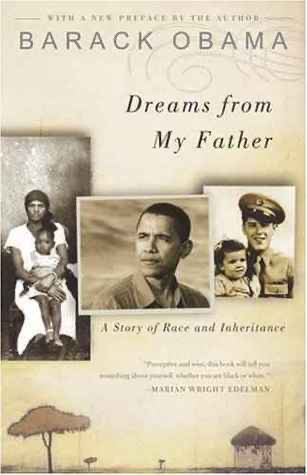 Dreams from My Father: A Story of Race and Inheritance
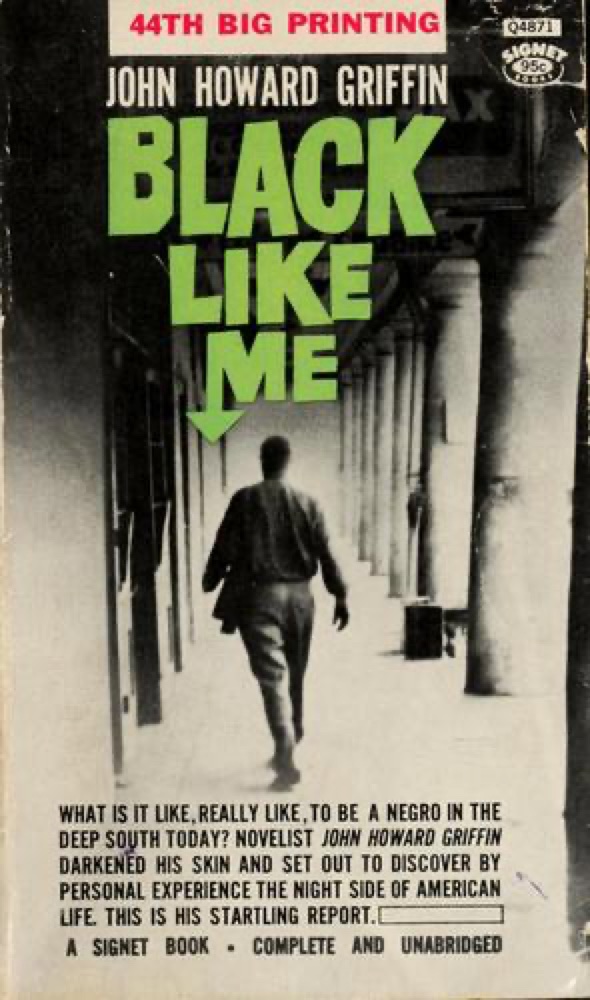 Black Like Me
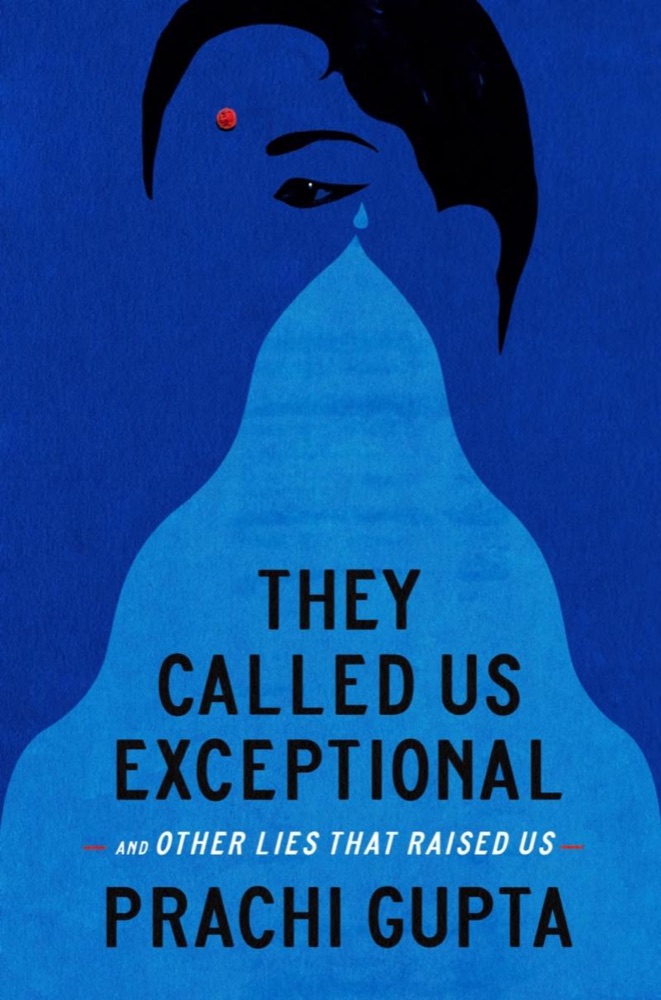 They Called Us Exceptional: And Other Lies That Raised Us
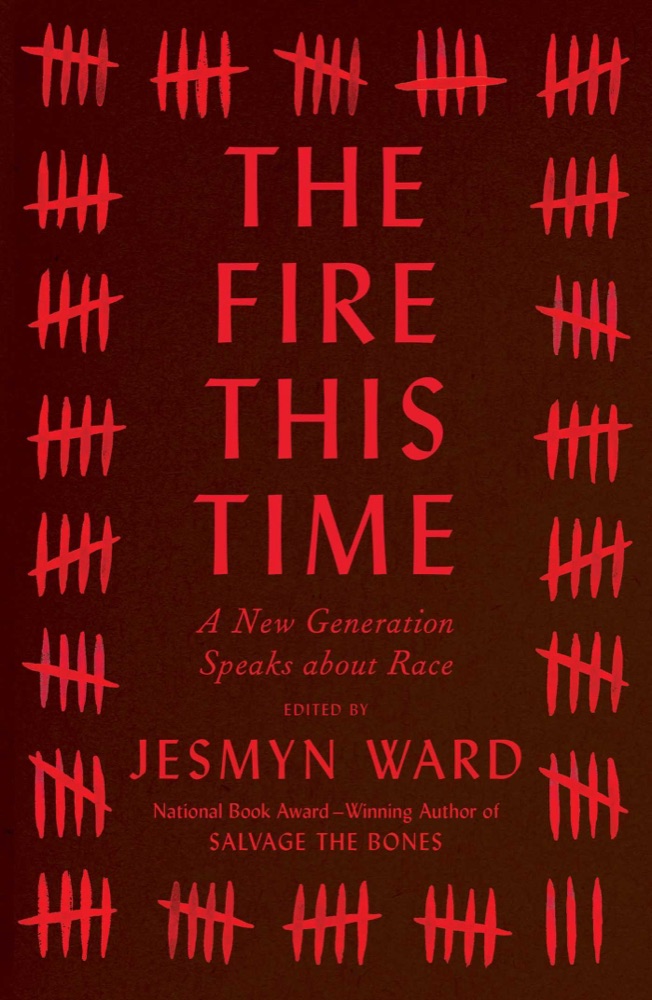 The Fire This Time: A New Generation Speaks About Race
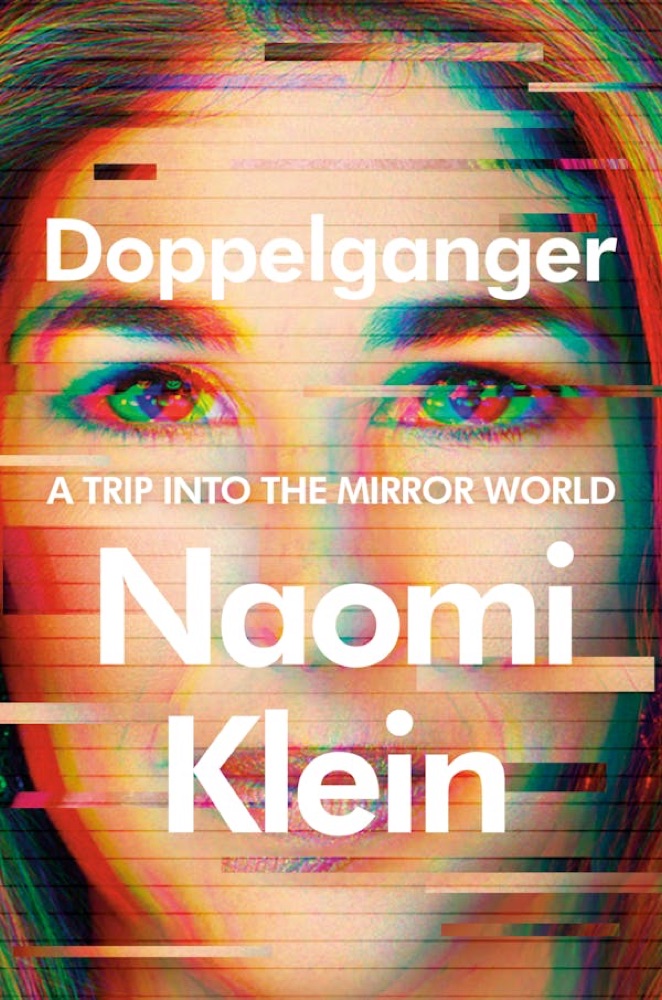 Doppelganger: A Trip into the Mirror World
 Infinite Country
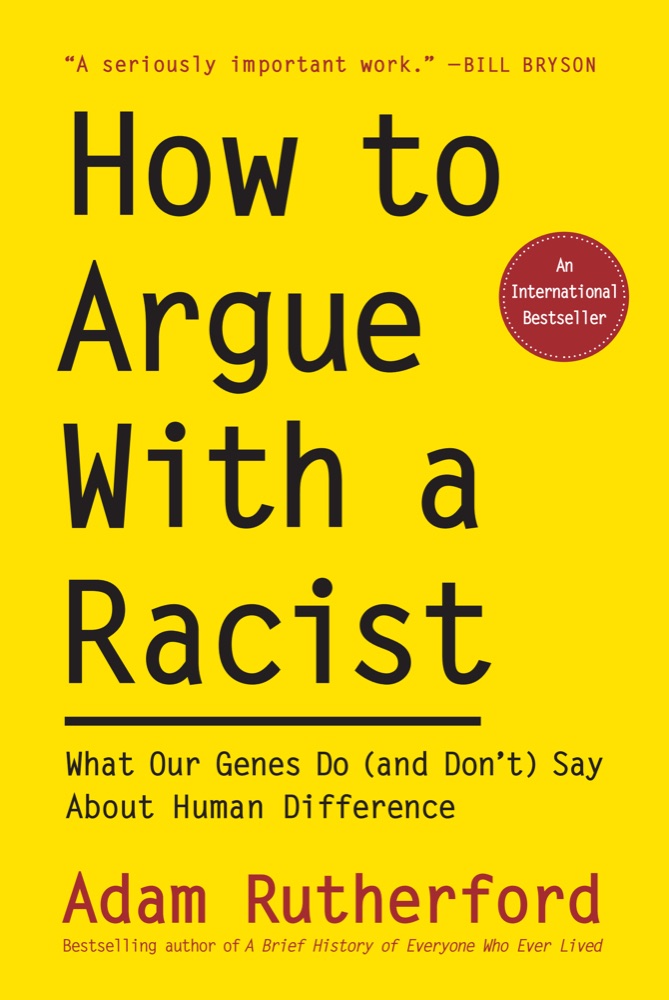 How to Argue With a Racist: What Our Genes Do (and Don't) Say About Human Difference
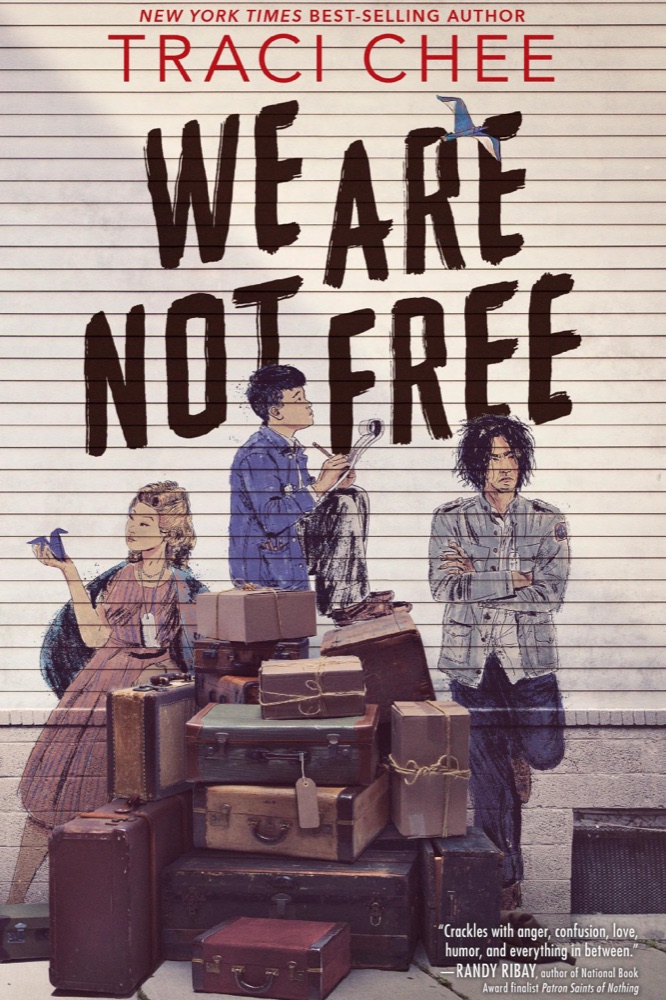 We Are Not Free
 Invisible Man, Got the Whole World Watching: A Young Black Man's Education
 Black Skin, White Masks
 What Unites Us: Reflections on Patriotism