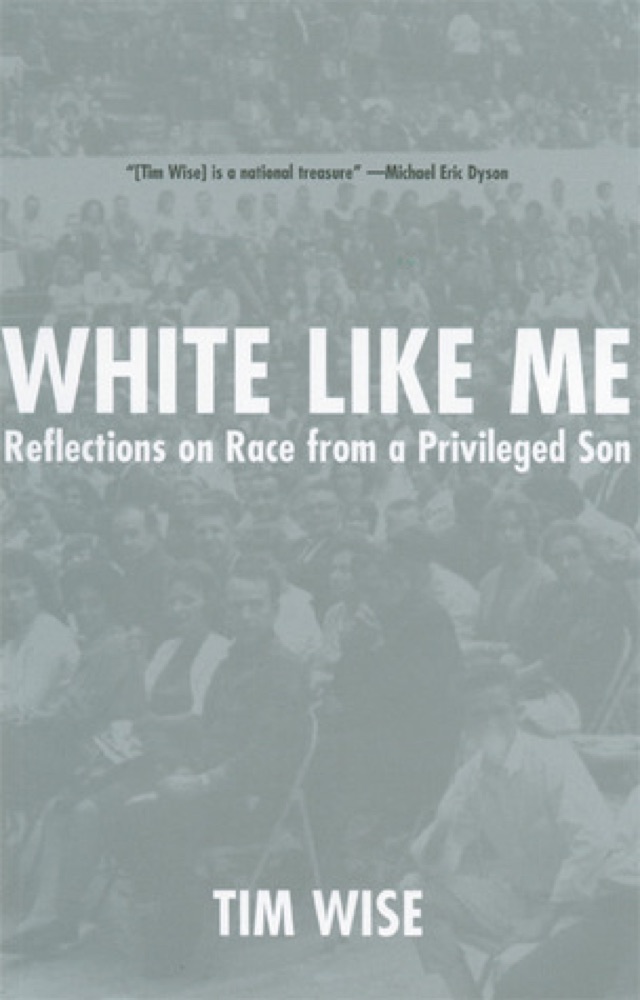
 White Like Me: Reflections On Race From A Privileged Son
Quotes from the Book
White privilege is an absence of the consequences of racism. An absence of structural discrimination, an absence of your race being viewed as a problem first and foremost.
161
The mess we are living in is a deliberate one. If it was created by people, it can be dismantled by people, and it can be rebuilt in a way that serves all, rather than a selfish, hoarding few.
106
If you are disgusted by what you see, and if you feel the fire coursing through your veins, then it's up to you. You don't have to be the leader of a global movement or a household name. It can be as small scale as chipping away at the warped power relations in your workplace. It can be passing on knowledge and skills to those who wouldn't access them otherwise. It can be creative. It can be informal. It can be your job. It doesn't matter what it is, as long as you're doing something.
100
Every voice raised against racism chips away at its power. We can't afford to stay silent.
91
Not seeing race does little to deconstruct racist structures or materially improve the conditions which people of colour are subject to daily. In order to dismantle unjust, racist structures, we must see race. We must see who benefits from their race, who is disproportionately impacted by negative stereotypes about their race, and to who power and privilege is bestowed upon - earned or not - because of their race, their class, and their gender. Seeing race is essential to changing the system.
72
When I talk about white privilege, I don’t mean that white people have it easy, that they’ve never struggled, or that they’ve never lived in poverty. But white privilege is the fact that if you’re white, your race will almost certainly positively impact your life’s trajectory in some way. And you probably won’t even notice it.
64
White people are so used to seeing a reflection of themselves in all representations of humanity at all times, that they only notice it when it’s taken away from them.
64
To be white is to be human; to be white is universal. I only know this because I am not.
47
If feminism can understand the patriarchy, it's important to question why so many feminists struggle to understand whiteness as a political structure in the very same way.
46
It's clear that equality doesn't quite cut it. Asking for a sliver of disproportionate power is too polite a request. I don't want to be included. Instead, I want to question who created the standard in the first place.
39
Discussing racism is not the same thing as discussing 'black identity'. Discussing racism is about discussing white identity. It's about white anxiety. It's about asking why whiteness has this reflexive need to define itself against immigrant bogey monsters in order to feel comfortable, safe and secure. Why am I saying one thing, and white people are hearing something completely different?
35
This is the difference between racism and prejudice. There is an unattributed definition of racism that defines it as prejudice plus power. Those disadvantaged by racism can certainly be cruel, vindictive, and prejudiced. Everyone has the capacity to be nasty to other people, to judge them before they get to know them. But there simply aren't enough black people in positions of power to enact racism against white people on the kind of grand scale it currently operates at against black people. Are black people over-represented in the places and spaces where prejudice could really take effect? The answer is almost always no.
33
The idea of white privilege forces white people who aren’t actively racist to confront their own complicity in its continuing existence. White privilege is dull, grinding complacency. It is par for the course in a world in which drastic race inequality is responded to with a shoulder shrug, considered just the norm.
33
We don’t live in a meritocracy, and to pretend that simple hard work will elevate all to success is an exercise in willful ignorance.
32
Faced with the collective forgetting, we must strive to remember
30
I don't want to be included. Instead, I want to question who created the standard in the first place. After a lifetime of embodying difference, I have no desire to be equal. I want to deconstruct the structural power of a system that marked me out as different. I don't wish to be assimilated into the status quo. I want to be liberated from all the negative assumptions that my characteristics bring. The same onus is not on me to change. Instead it's the world around me..
29
We tell ourselves that racism is about moral values, when instead it is about the survival strategy of systemic power.
25
Feminism is not about equality, and certainly not about silently slipping into a world of work created by and for men. Feminism, at its best, is a movement that works to liberate all people who have been economically, socially and culturally marginalized by an ideological system that has been deigned for them to fail.
23
The insistence is on merit, insinuating that any current majority white leadership in any industry has got there through hard work and no outside help, as if whiteness isn’t its own leg-up, as if it doesn’t imply a familiarity that warms an interviewer to a candidate. When each of the sectors I mentioned earlier have such dire racial representation, you’d have to be fooling yourself if you really think that the homogeneous glut of middle-aged white men currently clogging the upper echelons of most professions got there purely through talent alone. We don’t live in a meritocracy, and to pretend that simple hard work will elevate all to success is an exercise in wilful ignorance.
20
Shallow understanding from people of goodwill is more frustrating than absolute misunderstanding from people of ill will. Lukewarm acceptance is much more bewildering than outright rejection.
18
To believe in emasculation, you have to believe that masculinity is about power, and strength, and dominance. These traits are supposed to be great in men, but they're very unattractive in women. Especially angry black ones. Women in general aren't supposed to be angry. Women are expected to smile, swallow our feelings and be self-sacrificial. Bossy is ugly, and of course, the worst thing a woman could ever be is ugly. As black women, our blackness already situates us further along the ugliness scale. God forbid we be fat.
17
White privilege is a manipulative, suffocating blanket of power that envelops everything we know...It's brutal and oppressive, bullying you into not speaking up for fear of losing your loved ones, or job, or flat. It scares you into silencing yourself: you don't get the privilege of speaking honestly about your feelings without extensively assessing the consequences...challenging it can have implications on your quality of life.
16
It [feminism] needs to recognise that disabled people aren’t inherently defective, but rather that non-disabled people have failed at creating a physical world that serves all.
15
It seems there is a belief among some white people that being accused of racism is far worse than actual racism.
14
The journey towards understanding structural racism still requires people of colour to prioritise white feelings. Even if they can hear you, they’re not really listening. It’s like something happens to the words as they leave our mouths and reach their ears. The words hit a barrier of denial and they don’t get any further.
13
Demands for equality need to be as complicated as the inequalities they seek to address.
13
Thinking about power made me realize that racism was about so much more than personal prejudice. It was about being in the position to negatively affect other people's life chances.
12
Worse still is the white person who might be willing to entertain the possibility of said racism, but who thinks we enter this conversation as equals. We don't.
12
Solidarity is nothing but self-satisfying if it is solely performative
11
White feminism is a politics that engages itself with myths such as 'I don't see race'. It is a politics which insists that talking about race fuels racism - thereby denying people of colour the words to articulate our existence. It's a politics that expects people of colour to quietly assimilate into institutionally racist structures without kicking up a fuss. It's a politics where people of colour are never setting the agenda. Instead, they are relegated to constantly reacting to things and frantically playing catch-up. A white-dominated feminist political consensus allows people of colour a place a the table if we're willing to settle for tokenism, but it clamps down if they attempt to create accountability for said consensus - let alone any structural change.
11
Watch on YouTube
About Reni Eddo-Lodge
We have collected 30 quotes from 1 book by Reni Eddo-Lodge on BookQuoters.
More about the author →About the book
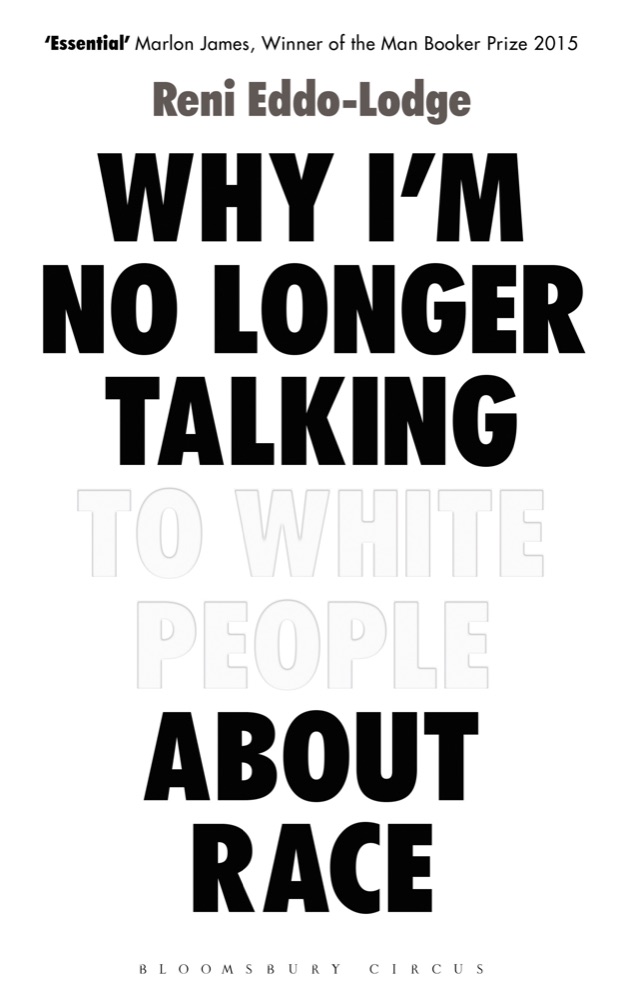
In 2014, award-winning journalist Reni Eddo-Lodge wrote about her frustration with the way that discussions of race and racism in Britain were being led by those who weren't affected by it. She posted a piece on her blog, entitled: 'Why I'm No Longer Talking to White People About Race' that led to this book.
Exploring issues from eradicated black history to the political purpose of white dominance, whitewashed feminism to the inextricable link between class and race, Reni Eddo-Lodge offers a timely and essential new framework for how to see, acknowledge and counter racism. It is a searing, illuminating, absolutely necessary exploration of what it is to be a person of colour in Britain today.
Book details
- First published
- 2017
- Author
- Reni Eddo-Lodge
- Genre
- Nonfiction
- Goodreads rating
- 4.37 (102k ratings)
Keep reading
White Like Me: Reflections On Race From A Privileged Son
 Waking Up White: And Finding Myself in the Story of Race
 Just Us: An American Conversation
 Why Are All The Black Kids Sitting Together in the Cafeteria?
 What White People Can Do Next: From Allyship to Coalition – An Empowering Guide to Interrogating Whiteness and Creating Justice
 Uncomfortable Conversations With a Black Man
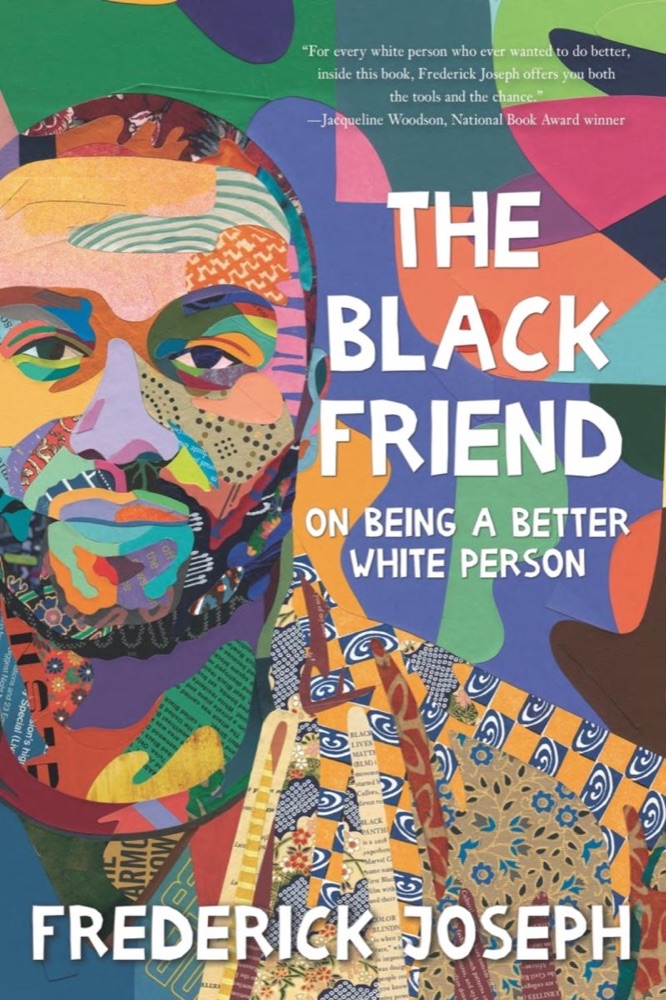 The Black Friend: On Being a Better White Person
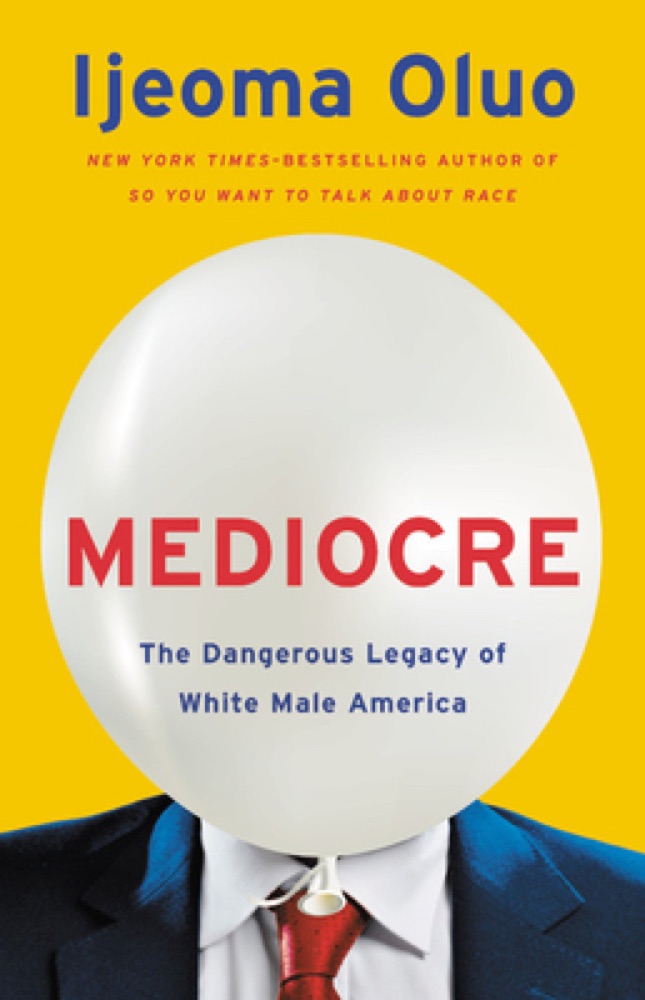 Mediocre: The Dangerous Legacy of White Male America
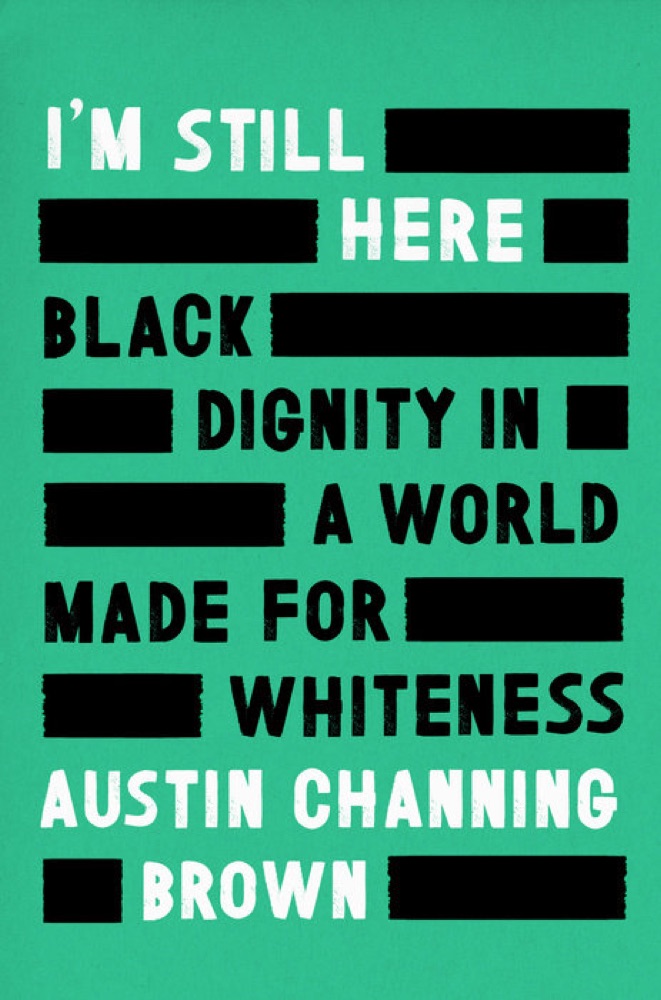 I'm Still Here: Black Dignity in a World Made for Whiteness
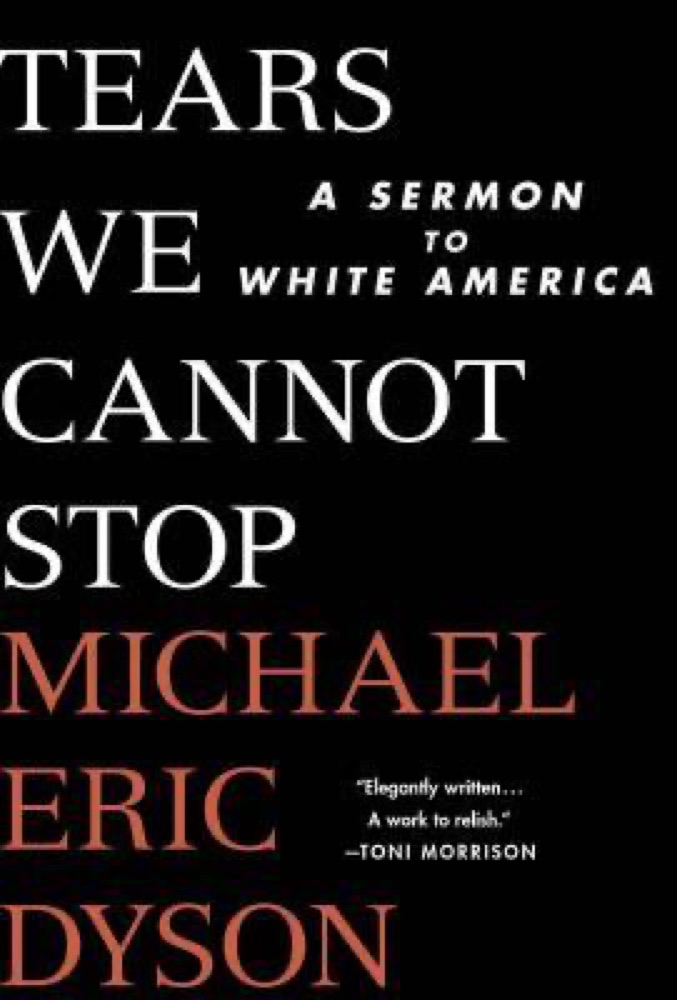 Tears We Cannot Stop: A Sermon to White America
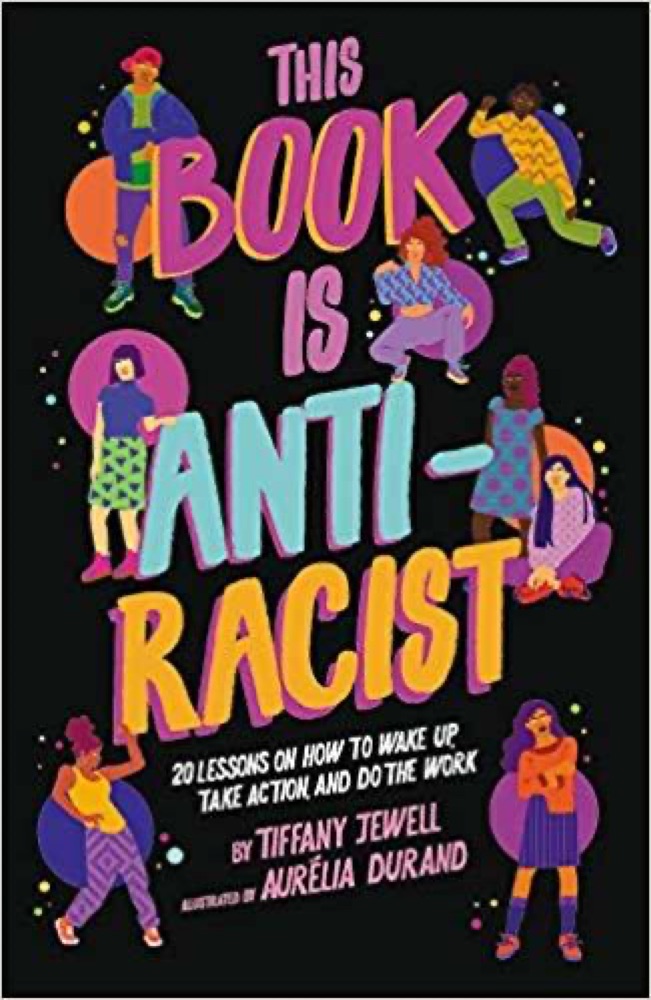 This Book Is Anti-Racist: 20 Lessons on How to Wake Up, Take Action, and Do the Work
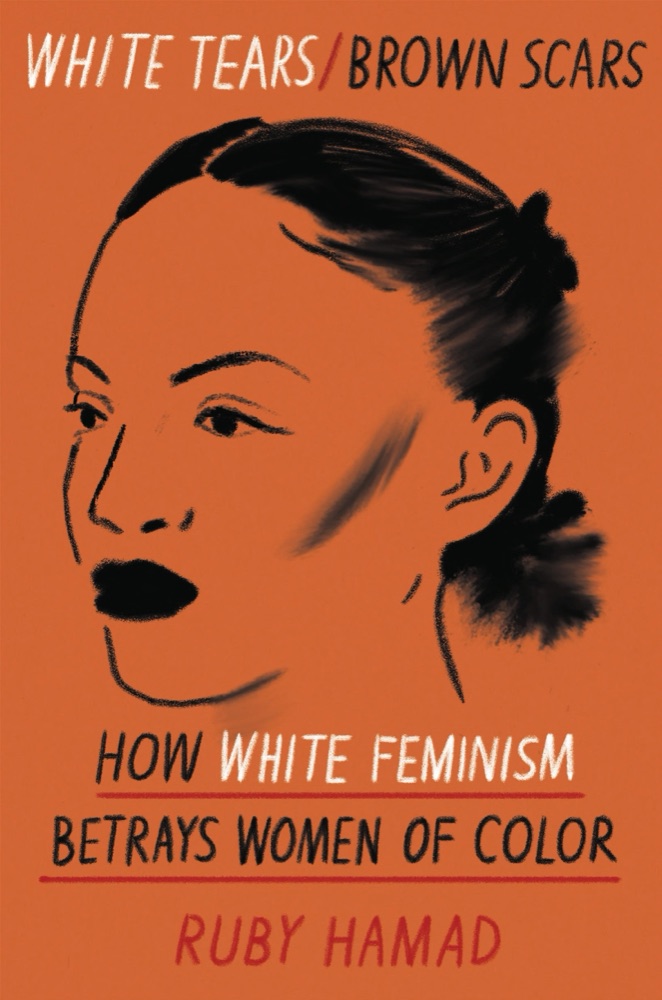 White Tears/Brown Scars: How White Feminism Betrays Women of Color
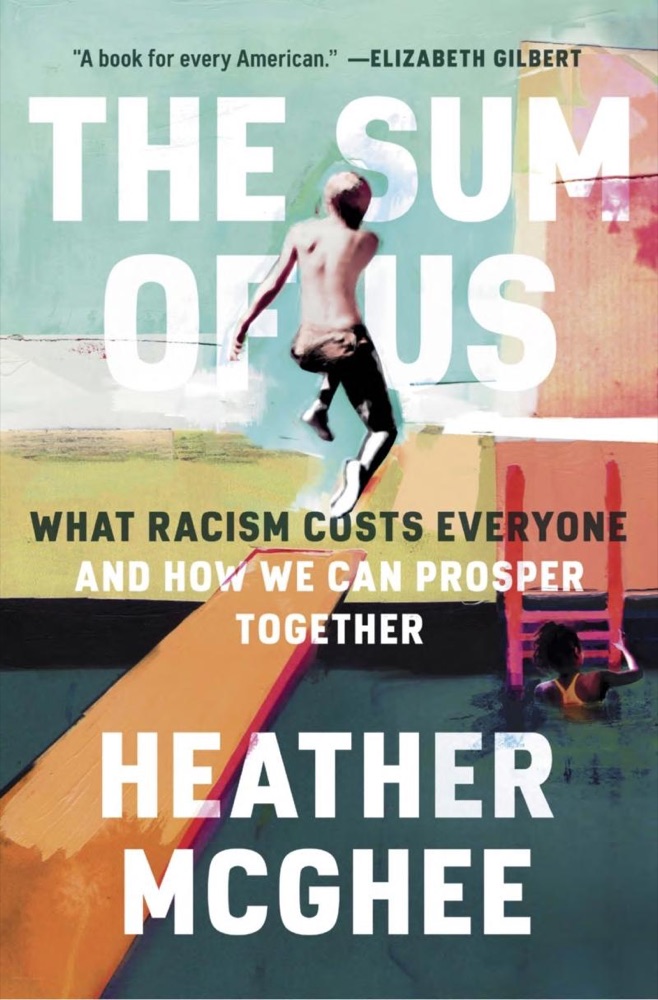 The Sum of Us: What Racism Costs Everyone and How We Can Prosper Together
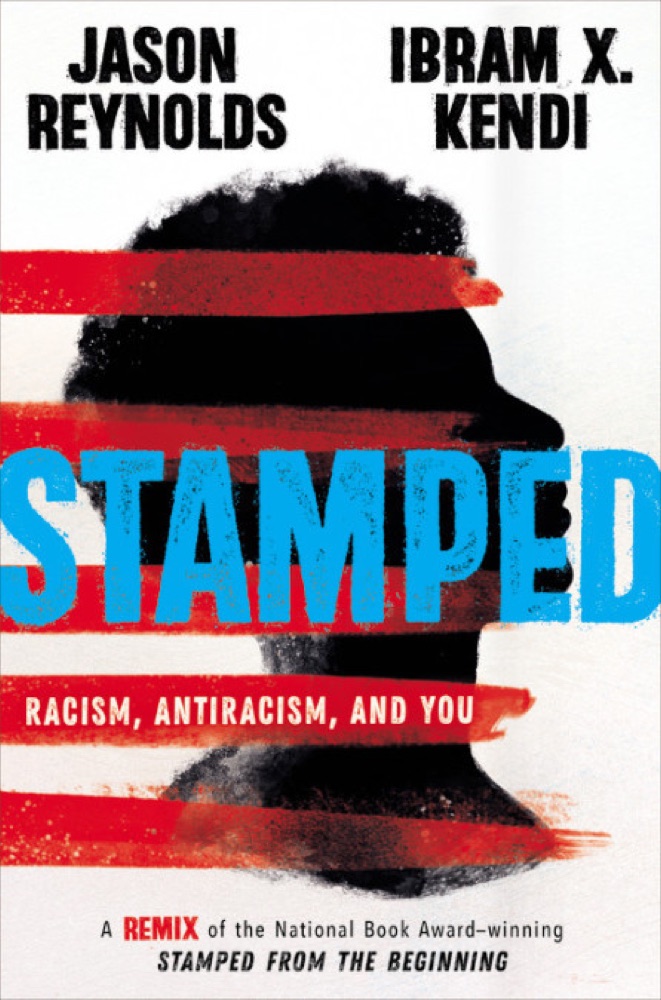 Stamped: Racism, Antiracism, and You
 We Gon' Be Alright: Notes on Race and Resegregation
 The Madness of Crowds: Gender, Race and Identity
 This Bridge Called My Back: Writings by Radical Women of Color
 Black Looks: Race and Representation
 Thick: And Other Essays
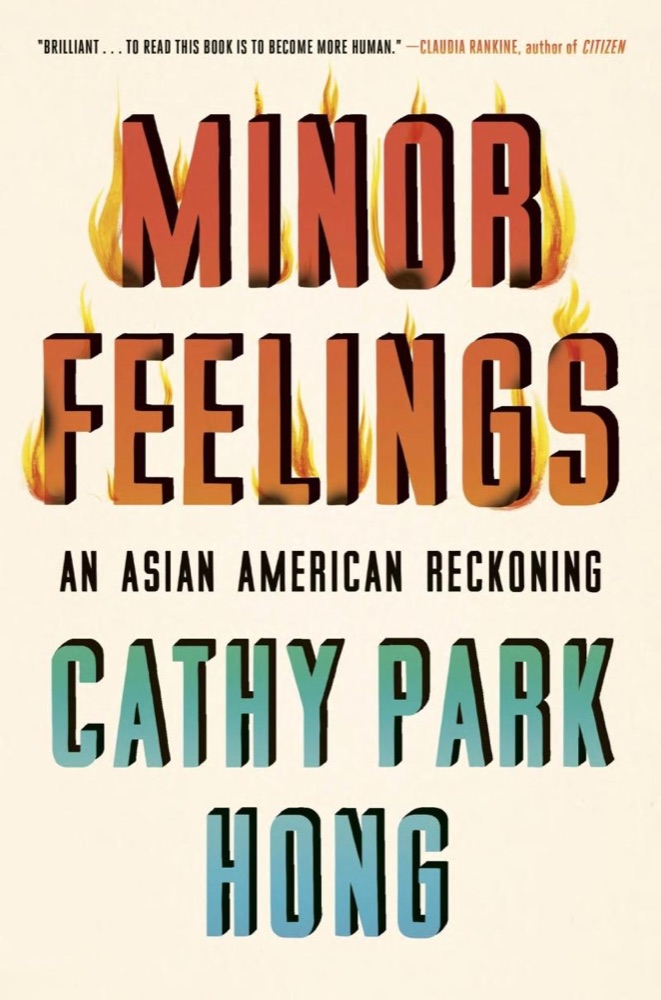 Minor Feelings: An Asian American Reckoning
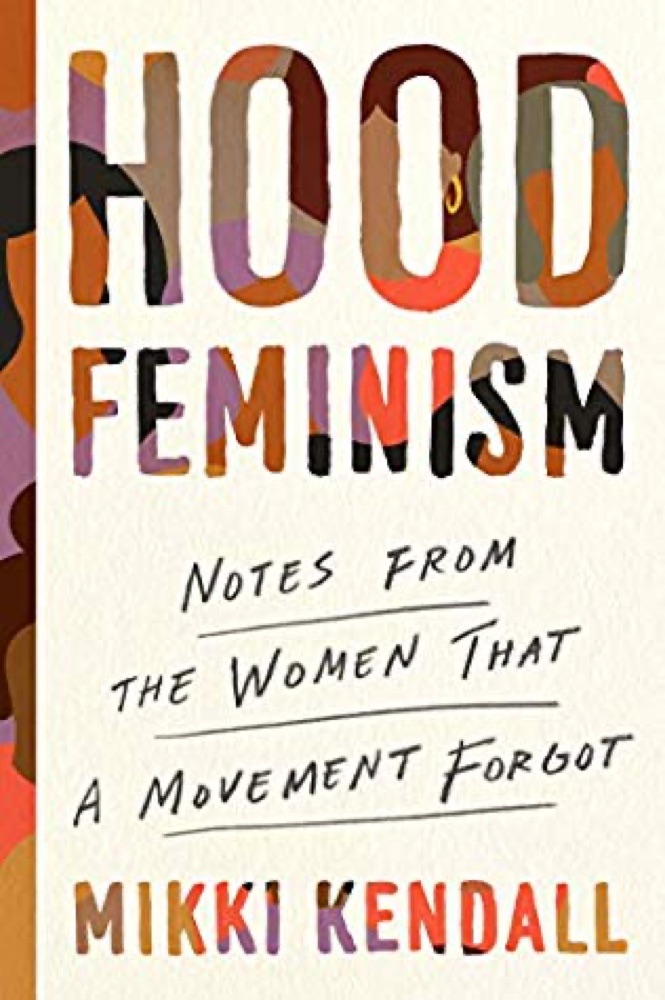 Hood Feminism: Notes from the Women That a Movement Forgot
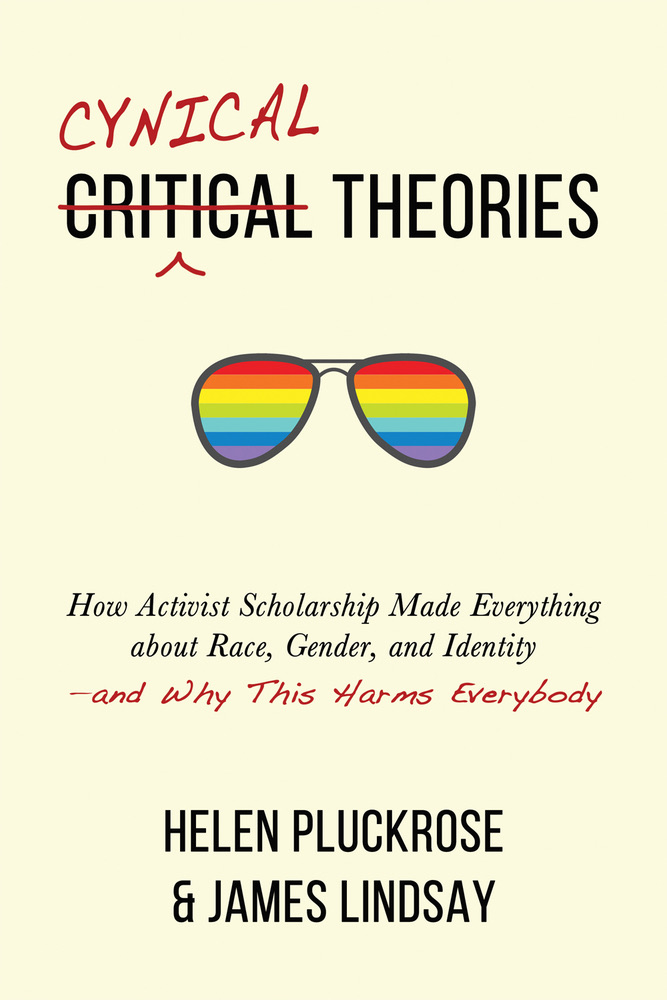 Cynical Theories: How Activist Scholarship Made Everything about Race, Gender, and Identity—and Why This Harms Everybody
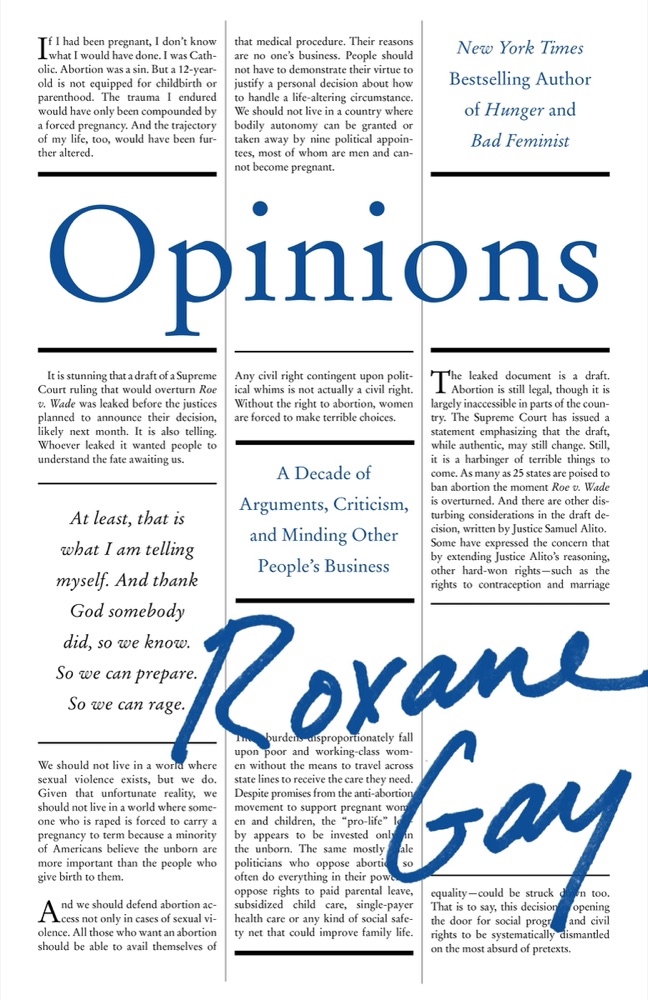 Opinions: A Decade of Arguments, Criticism, and Minding Other People’s Business
 Ain't I a Woman: Black Women and Feminism
 We Were Eight Years in Power: An American Tragedy
 The War on the West: An Instant NYT Bestselling History of the Modern World
 Sister Outsider: Essays and Speeches
 Against White Feminism: Notes on Disruption
 Minority Rule: Adventures in the Culture War
 Living a Feminist Life
 The Skin We're In: A Year of Black Resistance and Power
 The End of Race Politics: Arguments for a Colorblind America
 How to Argue With a Racist: What Our Genes Do (and Don't) Say About Human Difference
 Where Do We Go from Here: Chaos or Community?
 Invisible Man, Got the Whole World Watching: A Young Black Man's Education
 The Witches Are Coming
 Go Back to Where You Came From: And Other Helpful Recommendations on How to Become American
 Feminist Theory: From Margin to Center
 Girl, Woman, Other
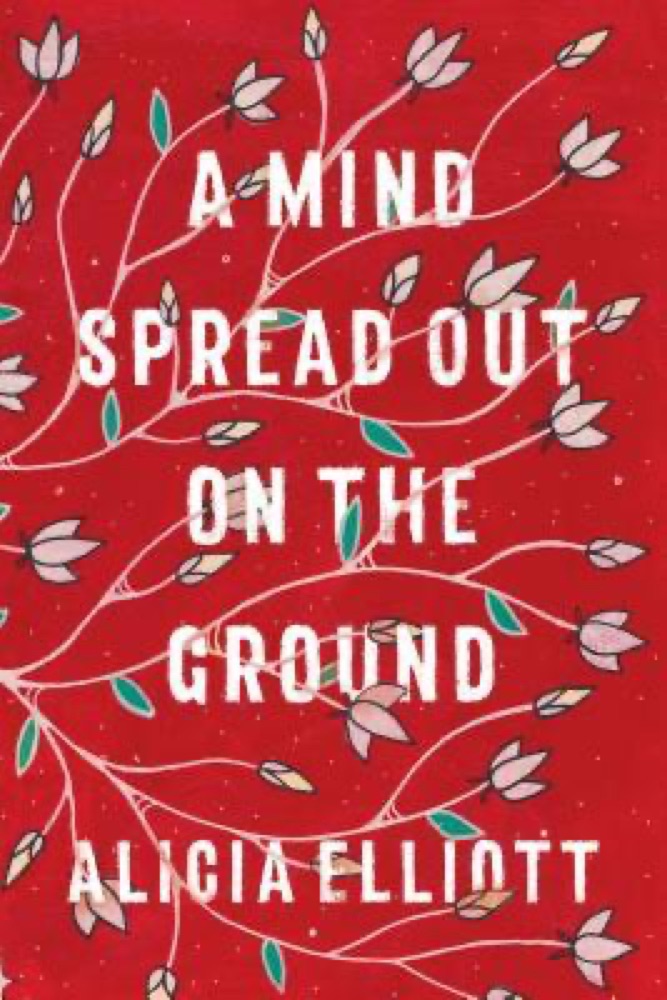 A Mind Spread Out on the Ground
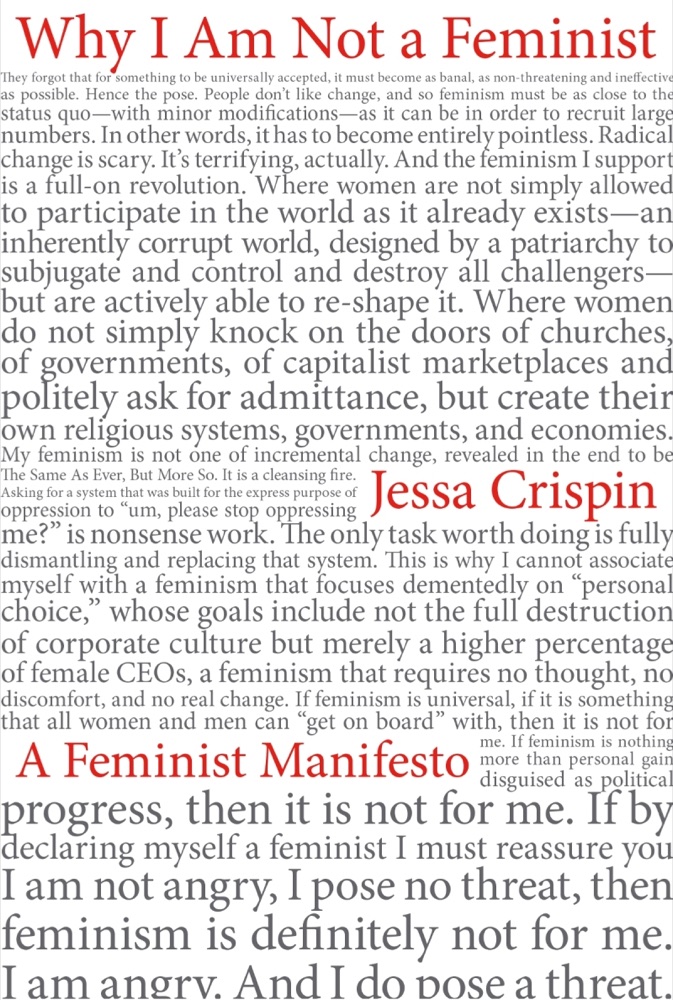 Why I Am Not a Feminist: A Feminist Manifesto
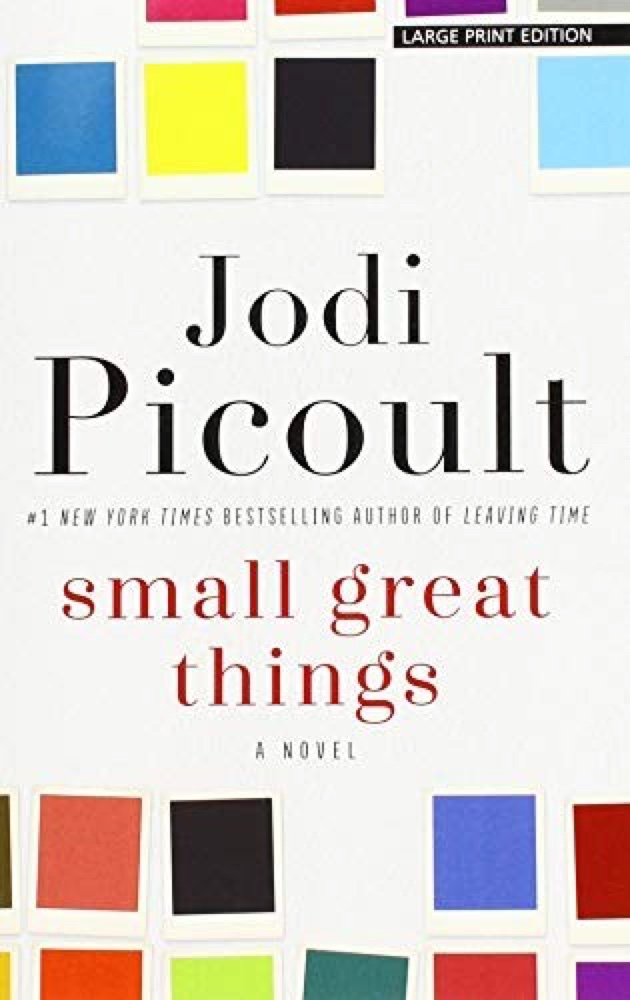 Small Great Things
 The View From Flyover Country: Essays by Sarah Kendzior
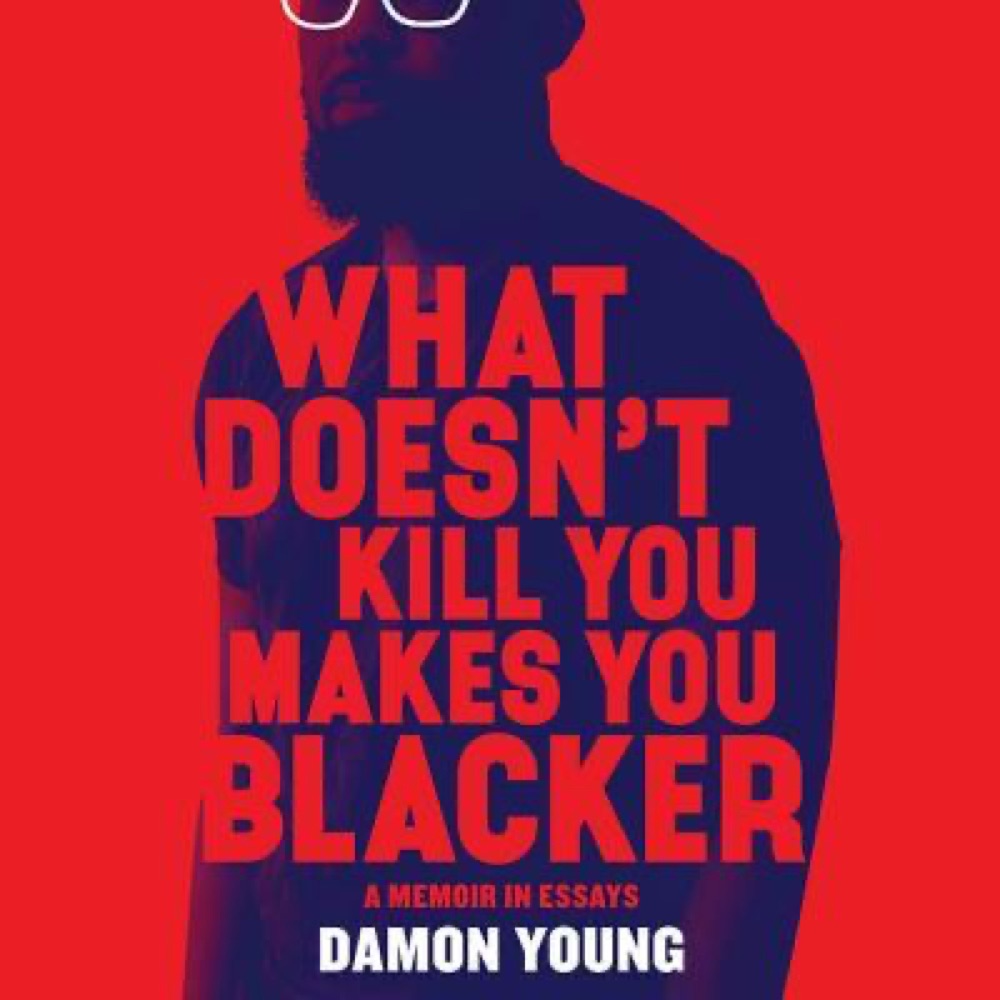 What Doesn't Kill You Makes You Blacker: A Memoir in Essays
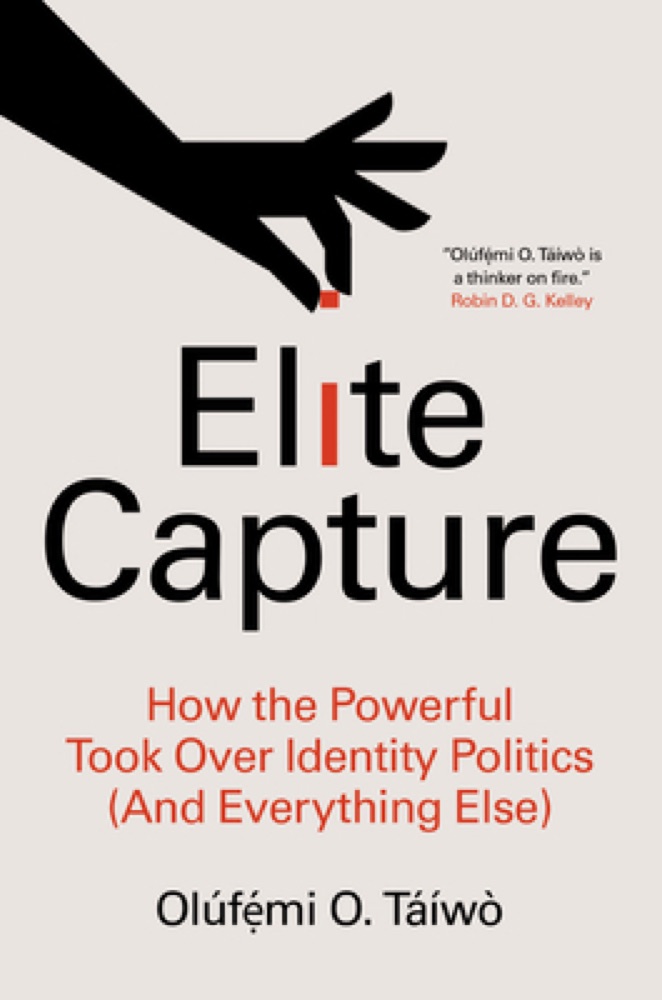 Elite Capture: How the Powerful Took Over Identity Politics
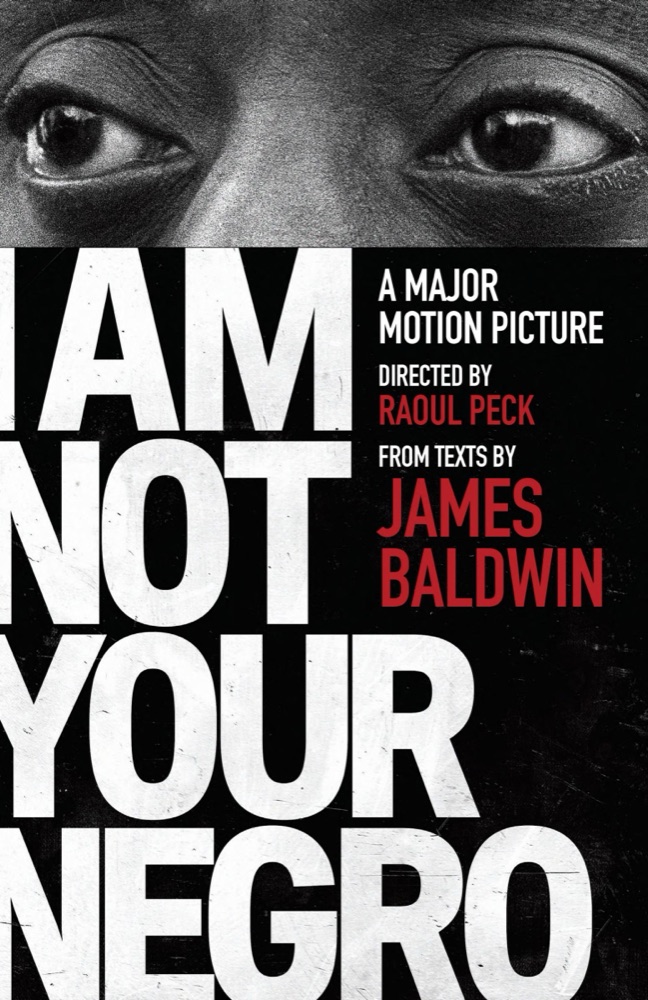 I Am Not Your Negro
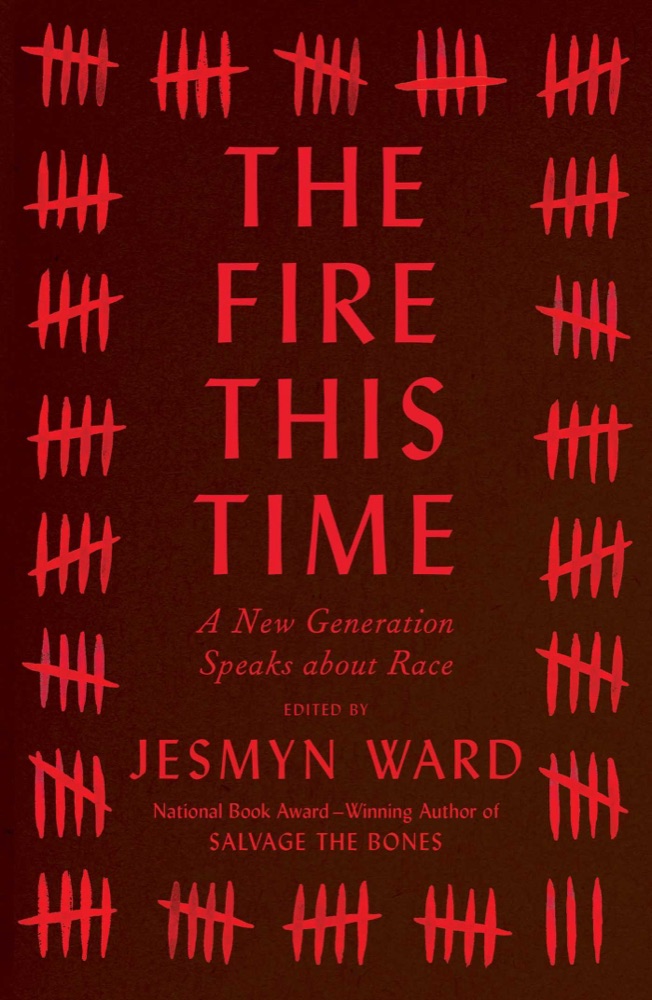 The Fire This Time: A New Generation Speaks About Race
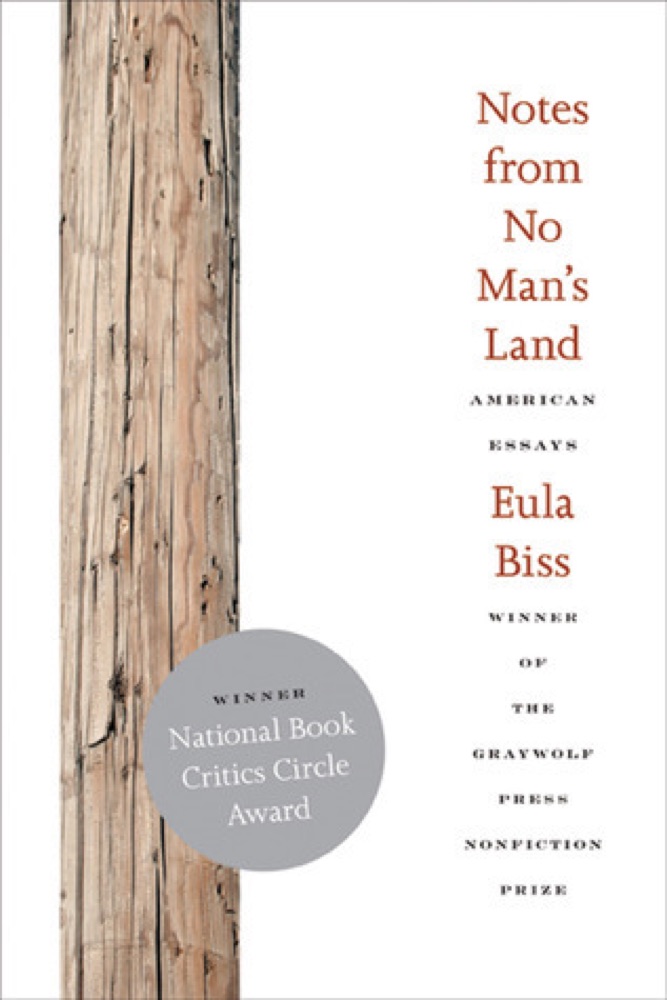 Notes from No Man's Land
 Black Feminist Thought: Knowledge, Consciousness, and the Politics of Empowerment
 Silent Covenants: Brown v. Board of Education and the Unfulfilled Hopes for Racial Reform
 Dark Days
 On the Other Side of Freedom: The Case for Hope
 Whose Story Is This? Old Conflicts, New Chapters
 Born a Crime: Stories From a South African Childhood
 Americanah
 You Are Your Best Thing: Vulnerability, Shame Resilience, and the Black Experience
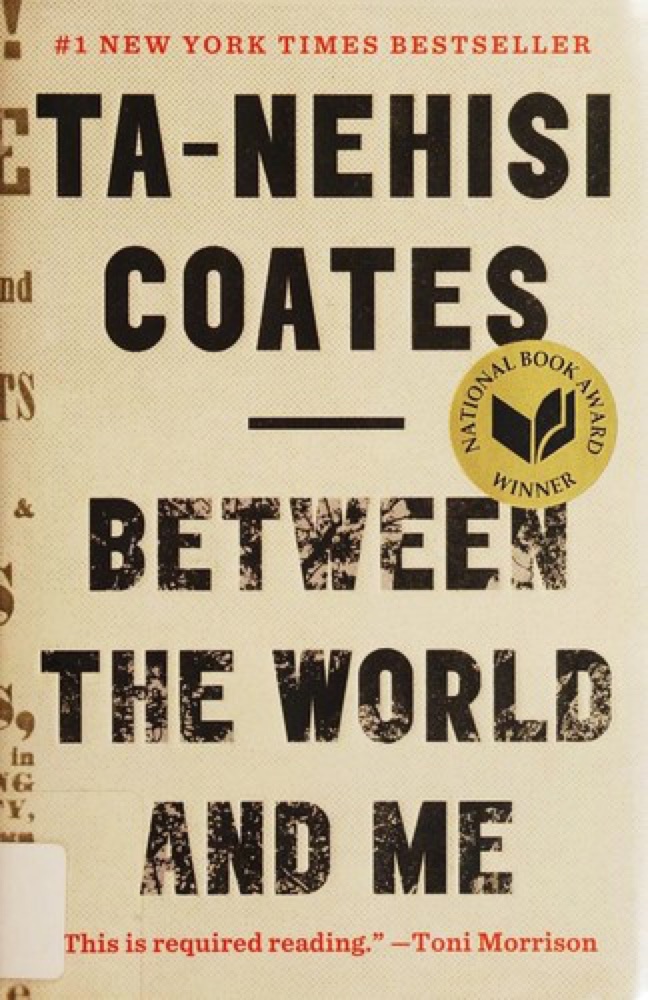 Between the World and Me
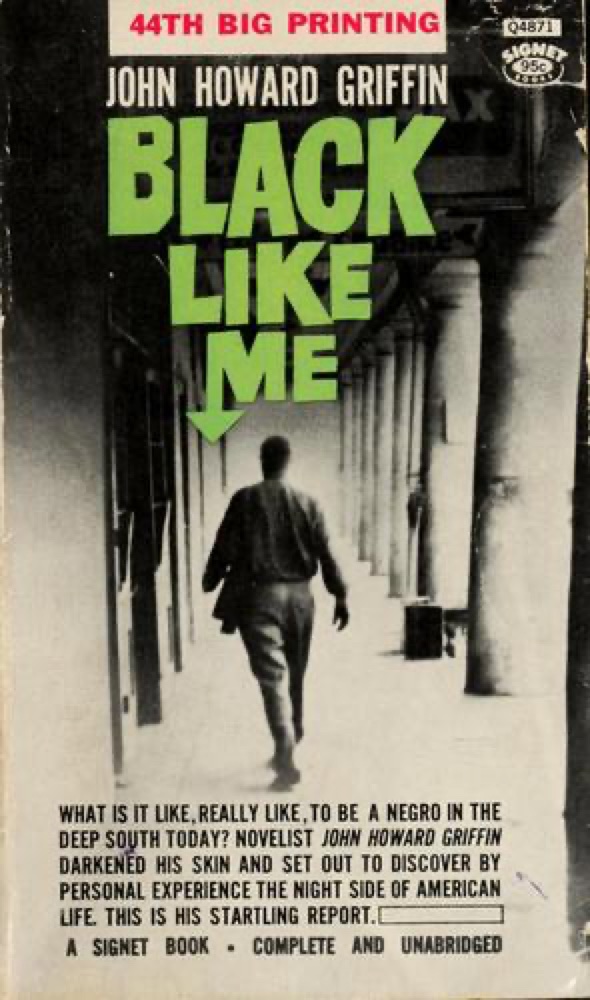 Black Like Me
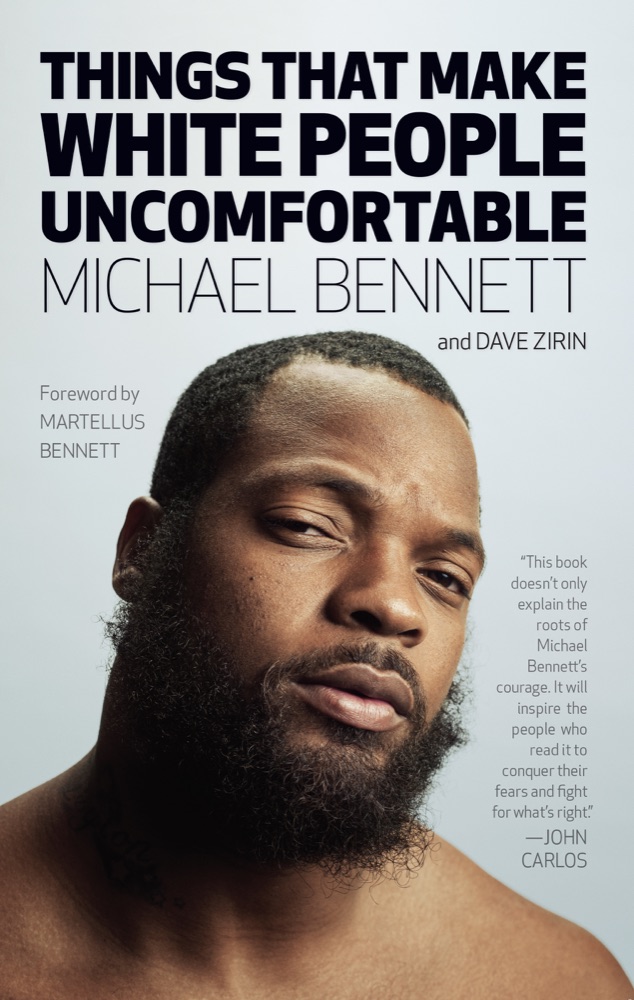 Things That Make White People Uncomfortable
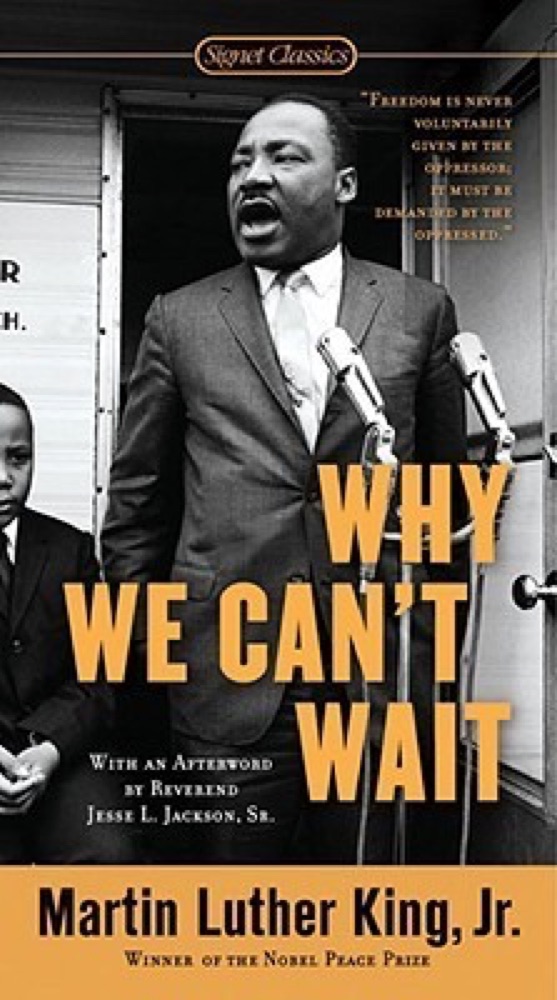 Why We Can't Wait