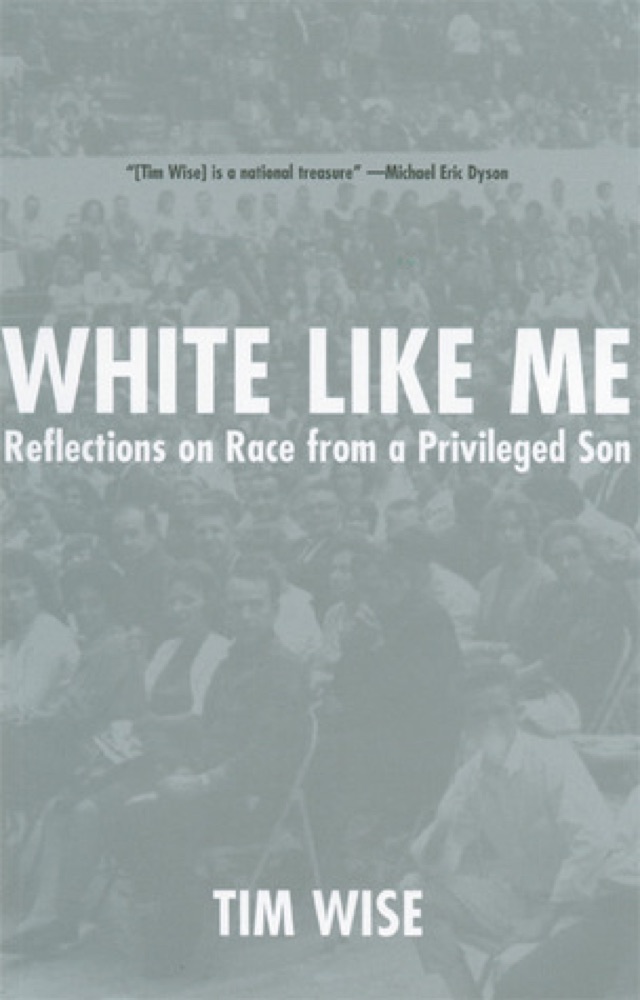
 White Like Me: Reflections On Race From A Privileged Son
Quotes from the Book
It is important to understand that the system of advantage is perpetuated when we do not acknowledge its existence.
23
We all have a sphere of influence. Each of us needs to find our own sources of courage so that we can begin to speak. There are many problems to address, and we cannot avoid them indefinitely. We cannot continue to be silent. We must begin to speak, knowing that words alone are insufficient. But I have seen that meaningful dialogue can lead to effective action. Change is possible.
18
The relevant question is not whether all Whites are racist but how we can move more White people from a position of active or passive racism to one of active antiracism.
14
For many people of color, learning to break the silence is a survival issue. To remain silent would be to disconnect from her own experience, to swallow and internalize her own oppression.The cost of silence is too high.
13
Learning to spot “that stuff ”—whether it is racist, or sexist, or classist—is an important skill for children to develop.
11
Children who have been silenced often enough learn not to talk about race publicly. Their questions don’t go away, they just go unasked.
10
Educating ourselves and others is an essential step in the process of change. Few of us have been taught to think critically about issues of social injustice. We have been taught not to notice or to accept our present situation as a given, “the way it is.” But we can learn the history we were not taught, we can watch the documentaries we never saw in school, and we can read about the lives of change agents, past and present. We can discover another way. We are surrounded by a “cloud of witnesses” who will give us courage if we let them.
9
The task of resisting our own oppression does not relieve us of the responsibility of acknowledging the complicity in the oppression of others.
7
In a situation of unequal power, a subordinate group has to focus on survival. It becomes very important for the subordinates to become highly attuned to the dominants as a way of protecting themselves from them.
7
While I think it is necessary to be honest about the racism of our past and present, it is also necessary to empower children (and adults) with the vision that change is possible. Concrete examples are critical.
5
If young people are exposed to images of African American academic achievement in their early years, they won’t have to define school achievement as something for Whites only. They will know that there is a long history of Black intellectual achievement.
4
Sometimes the assumptions we make about others come not from what we have been told or what we have seen on television or in books, but rather rom what we have not been told. The distortion of historical information about people of color leads young people (and older people to) to make assumptions that may go unchallenged for a long time.
4
In order to prevent chronic discomfort, Whites may learn not to notice. But in not noticing, one loses opportunities for greater insight into oneself and one's experience. A significant dimension of who one is in the world, one's Whiteness, remains uninvestigated and perceptions of daily experience are routinely distorted. Privilege goes unnoticed, and all but the most blatant acts of racial bigotry are ignored. Not noticing requires energy.
3
The task for each of us, White and of color, is to identify what our own sphere of influence is (however large or small) and to consider how it might be used to interrupt the cycle of racism.
3
Alicia Garza, the cofounder of the BLM organization, pushed back against that criticism in an interview. “Standing up for the rights of Black people as human beings and standing against police violence and police brutality makes you get characterized as being anti-police or it has you being characterized as cop killers, neither of which we are.… At the same time that we can grieve the senseless loss of life of five police officers, we are also grieving the senseless loss of life that occurred at the hands of police. Those things can coexist.
3
Resisting the stereotypes and affirming other definitions of themselves is part of the task facing young Black women in both White and Black communities.
3
What if I make a mistake?' you may be thinking. 'Racism is a volatile issue, and I don't want to say or do the wrong thing.' In almost forty years of teaching and leading workshops about racism, I have made many mistakes. I have found that a sincere apology and a genuine desire to learn from one's mistakes is usually rewarded with forgiveness. If we wait for perfection, we will never break the silence. The cycle of racism will continue uninterrupted.
2
One participant described her frustration when she joined the Asian American Association in high school: 'I totally did not fit in...It kind of made me mad because I looked like them, so I felt like I identified with them, but once I got in, I learned I really don't at all.' Caught between the expectations of two groups, [transracial adoptees] often felt rejected by White people due to physical differences and by people of their birth ethnicity due to lack of language and cultural knowledge.
2
Most of the White people I talk to either have not thought about their race and so don't feel anything, or have thought about it and felt guilt and shame. These feelings of guilty and shame are part of the hidden costs of racism.
2
Regardless of your subject matter, there are ways to engage students in critical thinking about racism which are relevant to your discipline.
2
Unfortunately for Black teenagers, those cultural stereotypes do not usually include academic achievement.
2
Despair is an act of resignation I am not willing to make.
2
Not surprisingly, of all racial groups, Whites are the most isolated. They are the most likely to live in racially homogeneous communities and the least likely to come into contact with people racially different from themselves.
1
Of course, President Obama was correct that there has been positive, meaningful social change in our lifetimes—certainly in the years since I was born in 1954—but if we focus specifically on the twenty-year period from 1997 to 2017, we must acknowledge some setbacks beyond just the stubborn persistence of neighborhood and school segregation. There are three I want to highlight here: the anti–affirmative action backlash of the late twentieth and early twenty-first centuries, the economic collapse of 2008 known as the Great Recession, and the phenomenon known as mass incarceration.
1
In terms of intergroup relations, the myth of the model minority has served to pit Asian Americans against other groups targeted by racism. the accusing message of the dominant society to Blacks, Latinxs, and Native Americans is, 'They overcame discrimination—why can't you?' Of course...any group comparisons that don't take into account differential starting points are inherently flawed.
1
In the case of the Chicanx population, the US conquest and annexation of Mexican territory (a geographical area extending from Texas to California) following the Mexican American War (1846-1848) created a situation in which people of Mexican ancestry became subject to White domination...It was the general feeling among White settlers that they were superior to Mexicans...The question of how Mexicans should be classified racially was decided in 1897 by Texas courts, which ruled that Mexican Americans were not White. In California, they were classified as 'Caucasian' until 1930, when the state attorney general decided they should be categorized as 'Indians,' though 'not considered "the original American Indians of the US"'.
1
Cultural racism—the cultural images and messages that affirm the assumed superiority of Whites and the assumed inferiority of people of color—is like smog in the air. Some days it is so thick it is visible, other times it is less apparent, but always, day in and day out, we are breathing it in.
1
Watch on YouTube
About Beverly Daniel Tatum
About the book
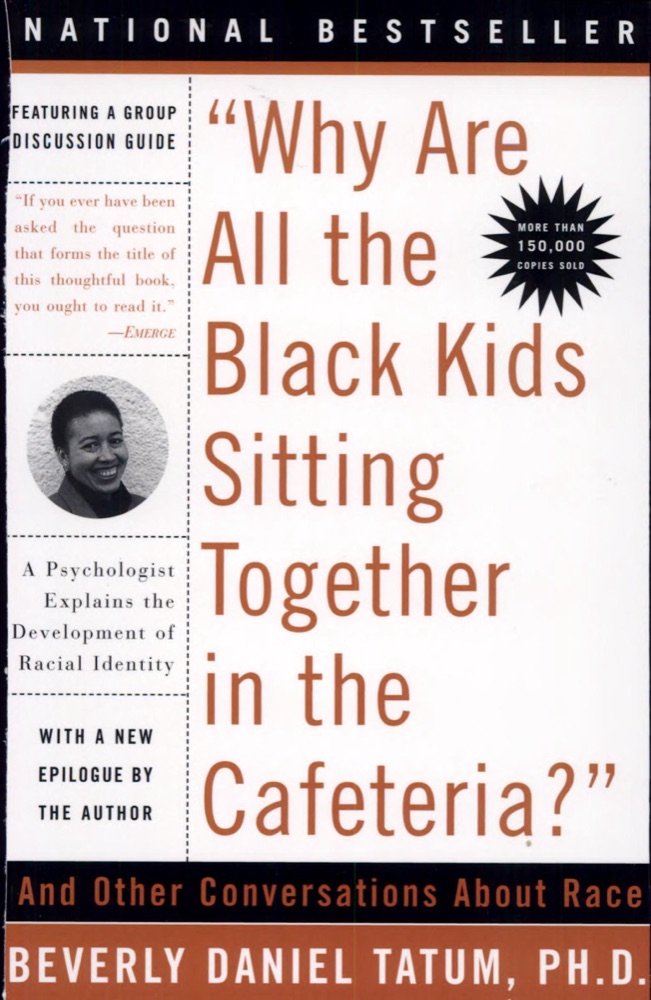
Walk into any racially mixed high school and you will see Black, White, and Latino youth clustered in their own groups. Is this self-segregation a problem to address or a coping strategy? Beverly Daniel Tatum, a renowned authority on the psychology of racism, argues that straight talk about our racial identities is essential if we are serious about enabling communication across racial and ethnic divides. These topics have only become more urgent as the national conversation about race is increasingly acrimonious. This fully revised edition is essential reading for anyone seeking to understand the dynamics of race in America.
Book details
- First published
- 1997
- Author
- Beverly Daniel Tatum
- Genre
- Nonfiction
- Goodreads rating
- 4.34 (27k ratings)
Keep reading
White Like Me: Reflections On Race From A Privileged Son
 This Book Is Anti-Racist: 20 Lessons on How to Wake Up, Take Action, and Do the Work
 The Black Friend: On Being a Better White Person
 Waking Up White: And Finding Myself in the Story of Race
 Just Us: An American Conversation
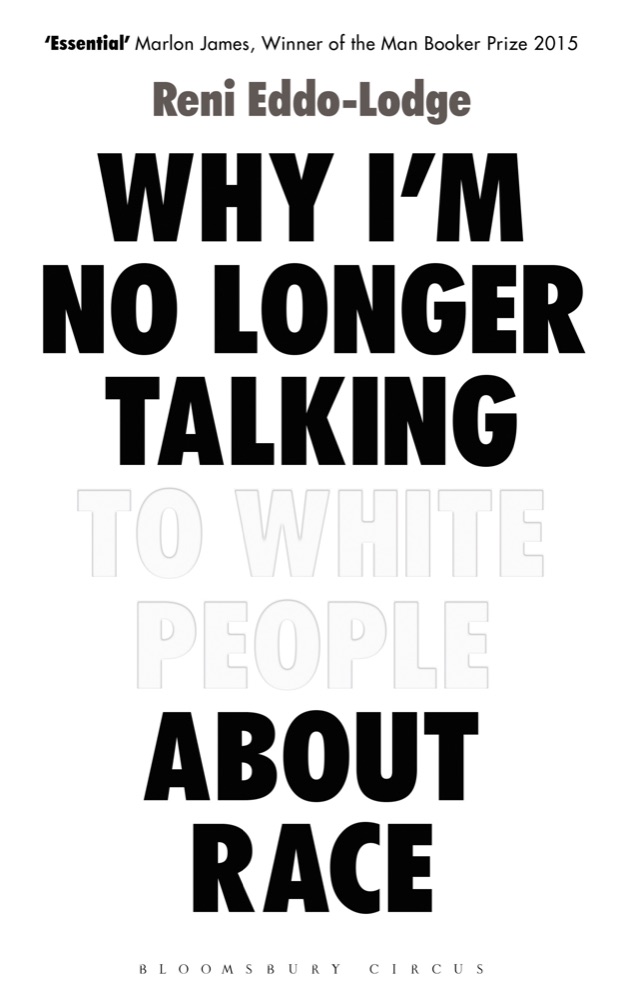 Why I'm No Longer Talking to White People About Race
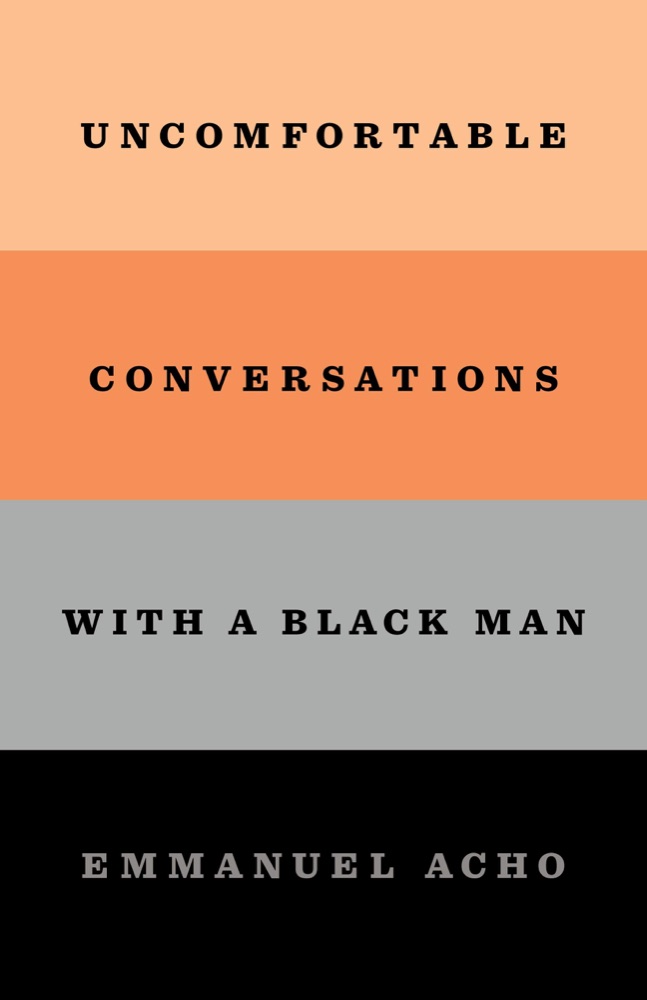 Uncomfortable Conversations With a Black Man
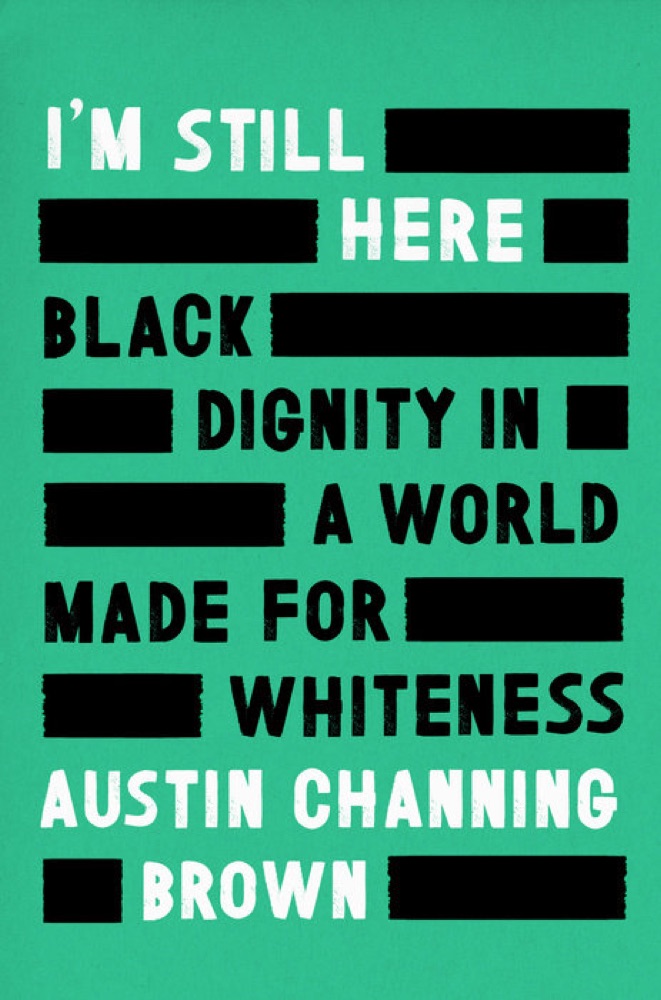 I'm Still Here: Black Dignity in a World Made for Whiteness
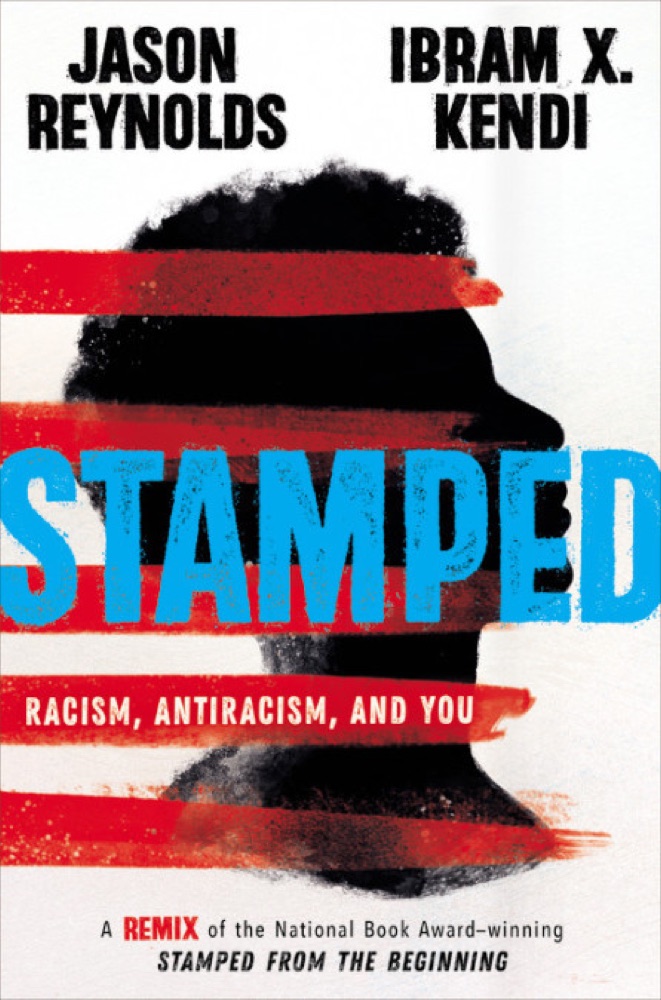 Stamped: Racism, Antiracism, and You
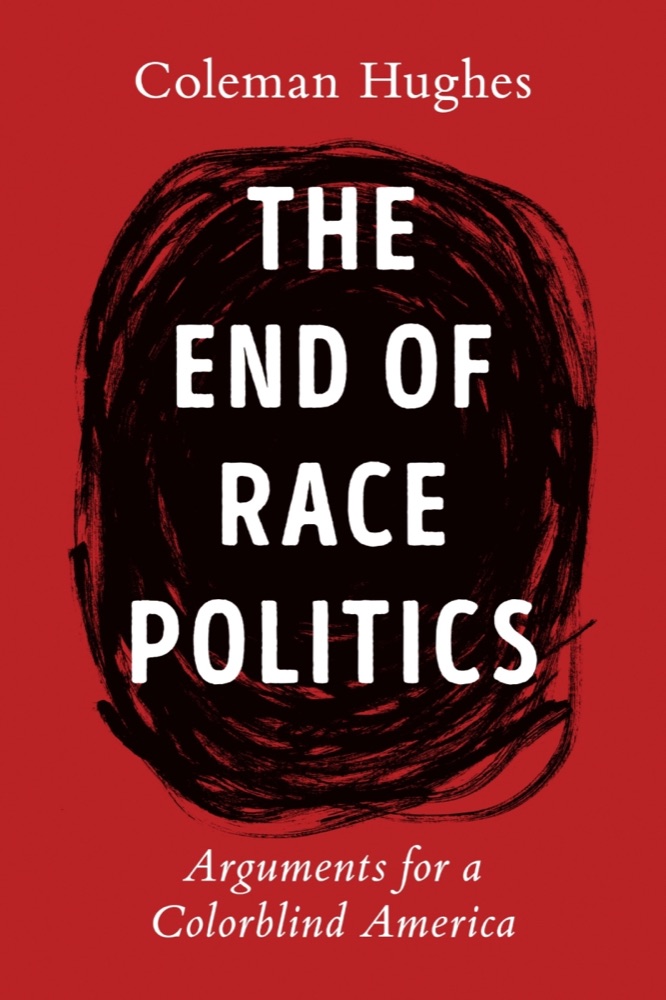 The End of Race Politics: Arguments for a Colorblind America
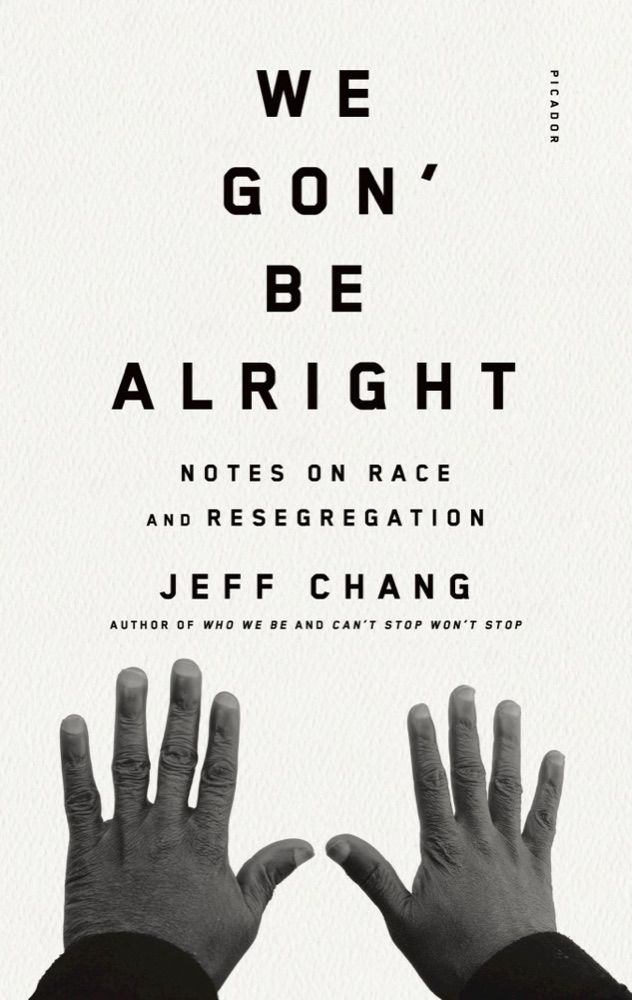 We Gon' Be Alright: Notes on Race and Resegregation
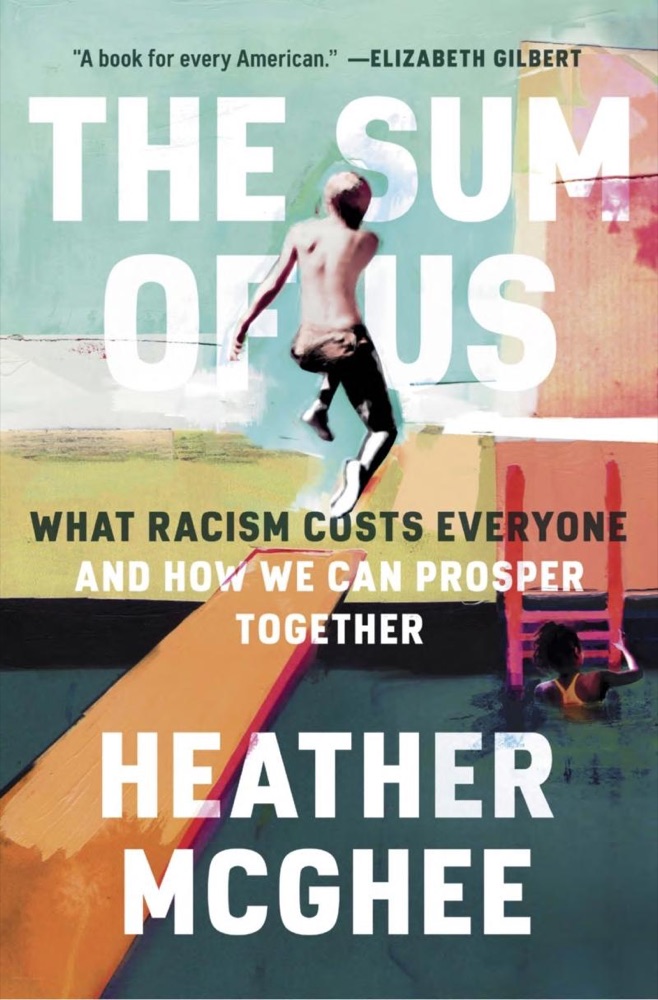 The Sum of Us: What Racism Costs Everyone and How We Can Prosper Together
 Tears We Cannot Stop: A Sermon to White America
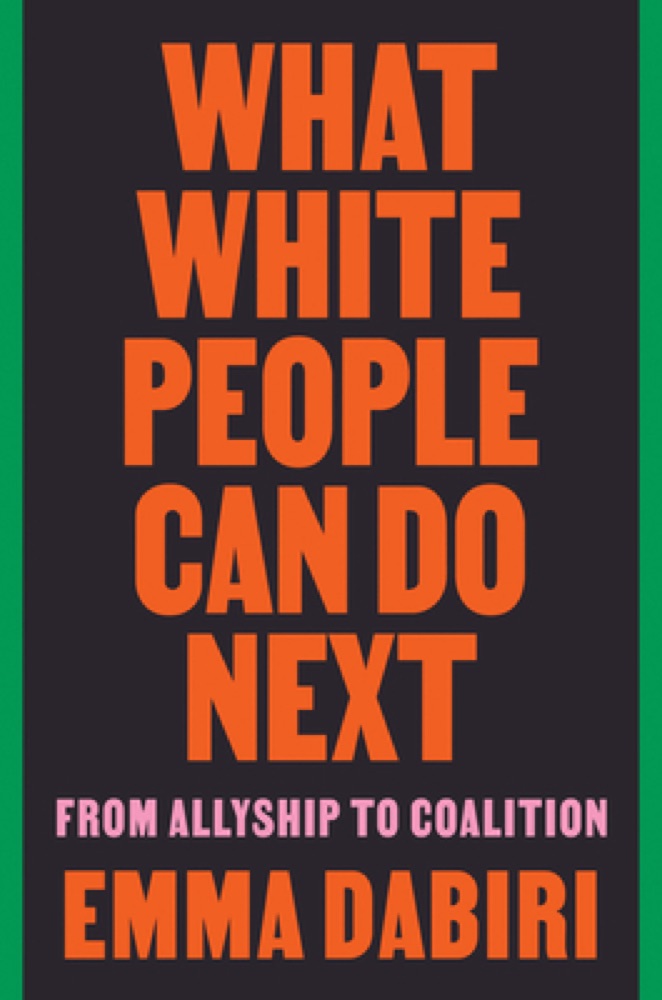 What White People Can Do Next: From Allyship to Coalition – An Empowering Guide to Interrogating Whiteness and Creating Justice
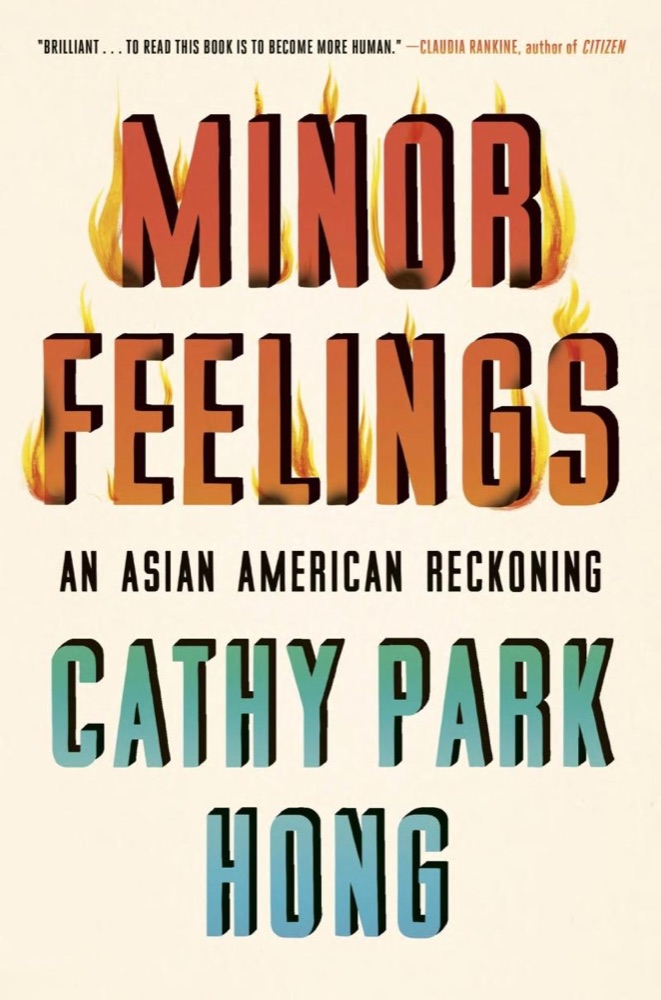 Minor Feelings: An Asian American Reckoning
 Silent Covenants: Brown v. Board of Education and the Unfulfilled Hopes for Racial Reform
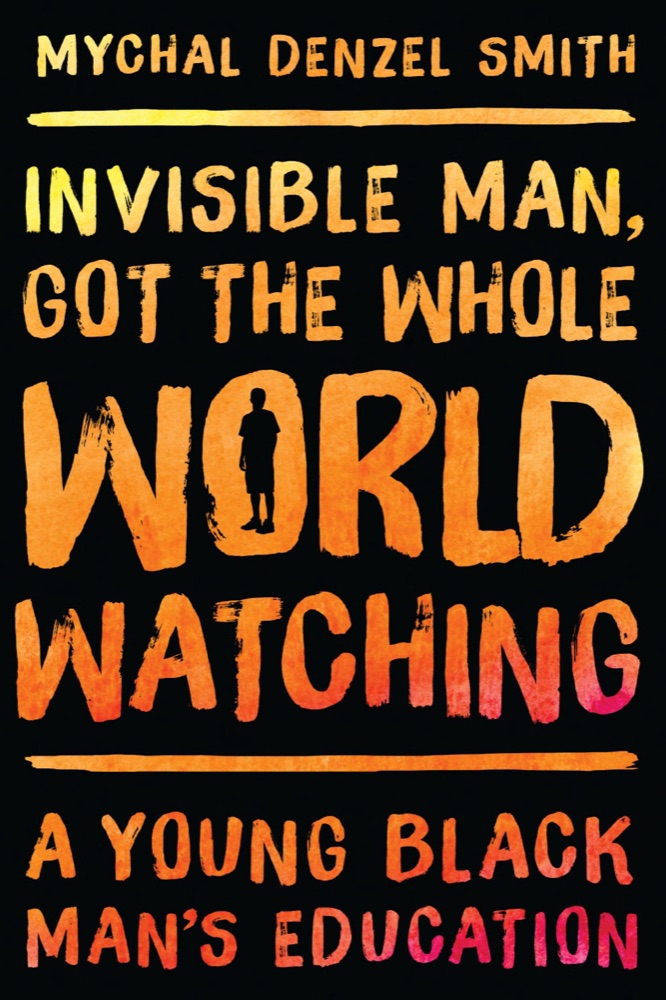 Invisible Man, Got the Whole World Watching: A Young Black Man's Education
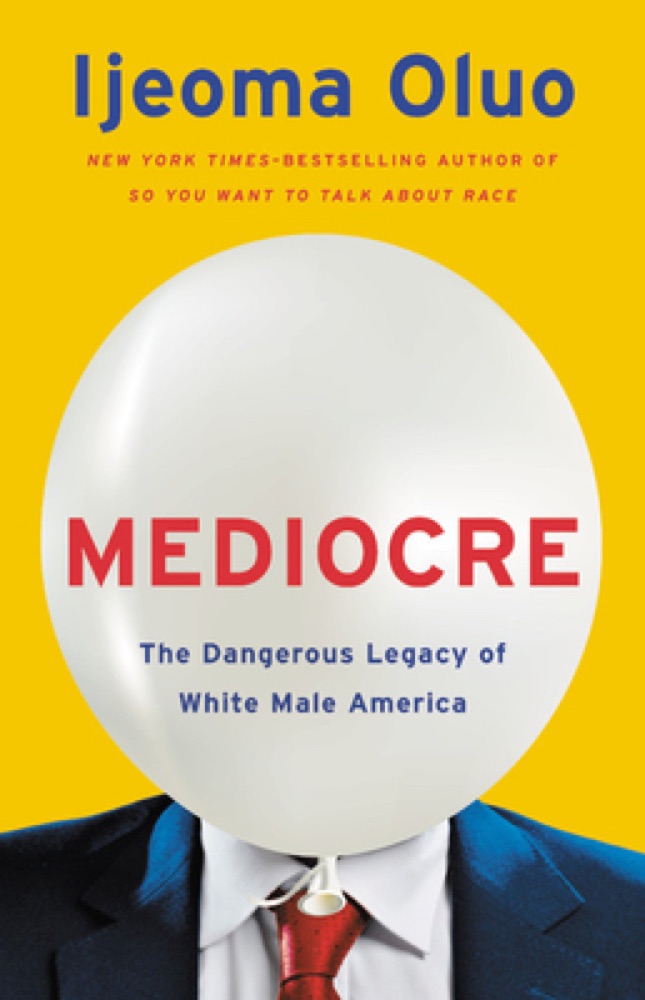 Mediocre: The Dangerous Legacy of White Male America
 Talking Back: Thinking Feminist, Thinking Black
 The Fire This Time: A New Generation Speaks About Race
 This Bridge Called My Back: Writings by Radical Women of Color
 Sister Outsider: Essays and Speeches
 We Were Eight Years in Power: An American Tragedy
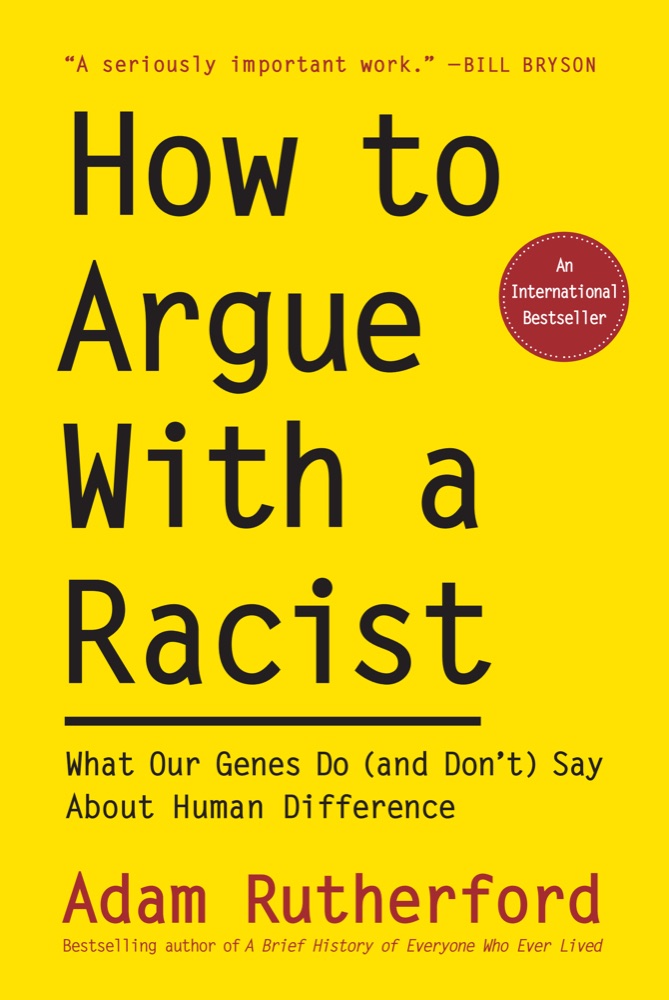 How to Argue With a Racist: What Our Genes Do (and Don't) Say About Human Difference
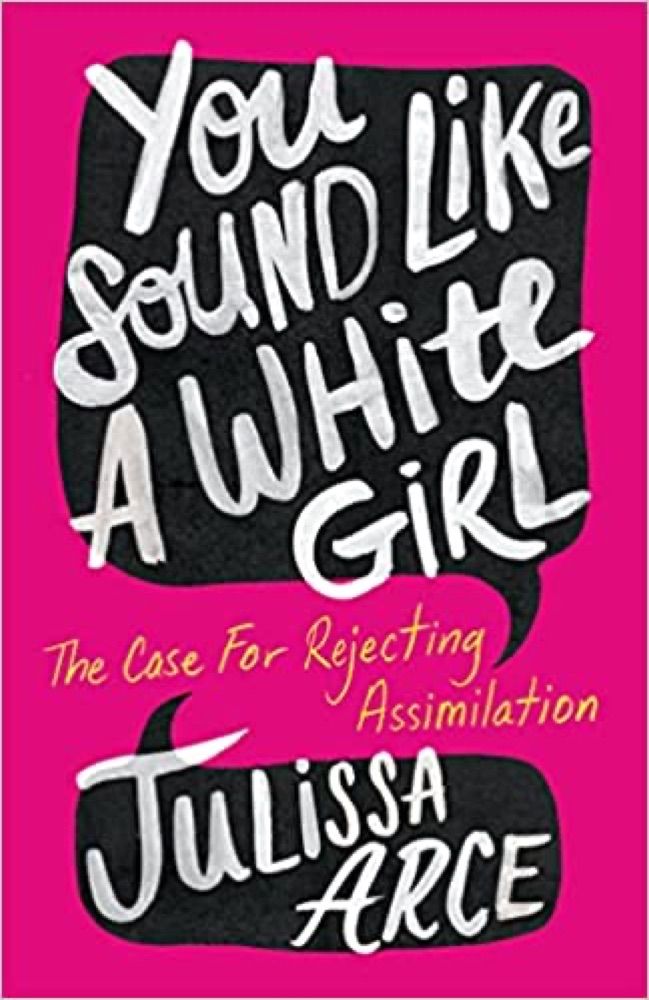 You Sound Like a White Girl: The Case for Rejecting Assimilation
 Notes from No Man's Land
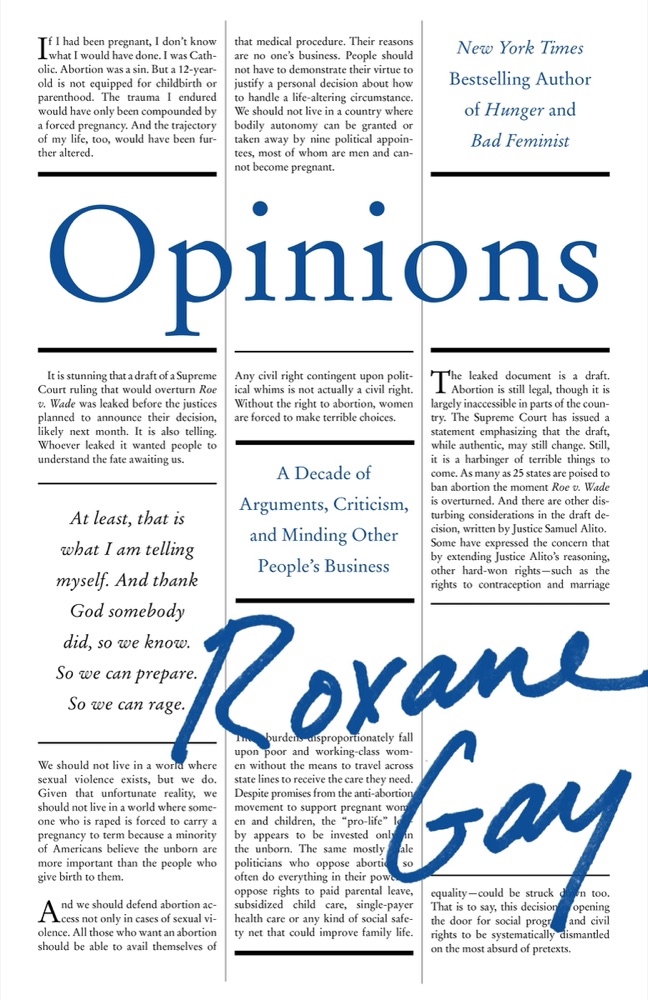 Opinions: A Decade of Arguments, Criticism, and Minding Other People’s Business
 Go Back to Where You Came From: And Other Helpful Recommendations on How to Become American
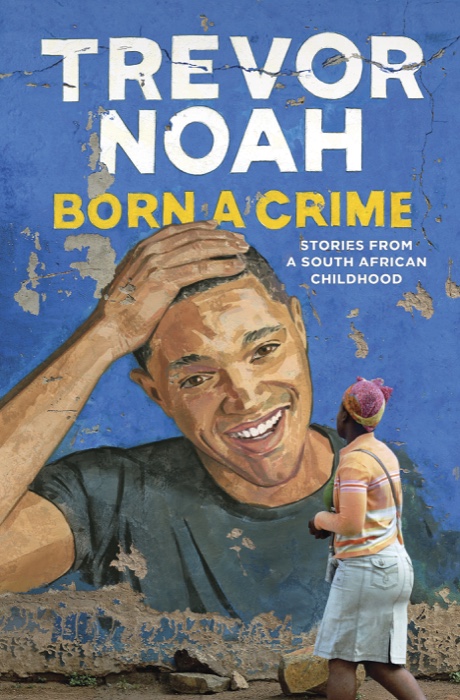 Born a Crime: Stories From a South African Childhood
 A Mind Spread Out on the Ground
 The Identity Trap: A Story of Ideas and Power in Our Time
 Where Do We Go from Here: Chaos or Community?
 The Disuniting of America: Reflections on a Multicultural Society
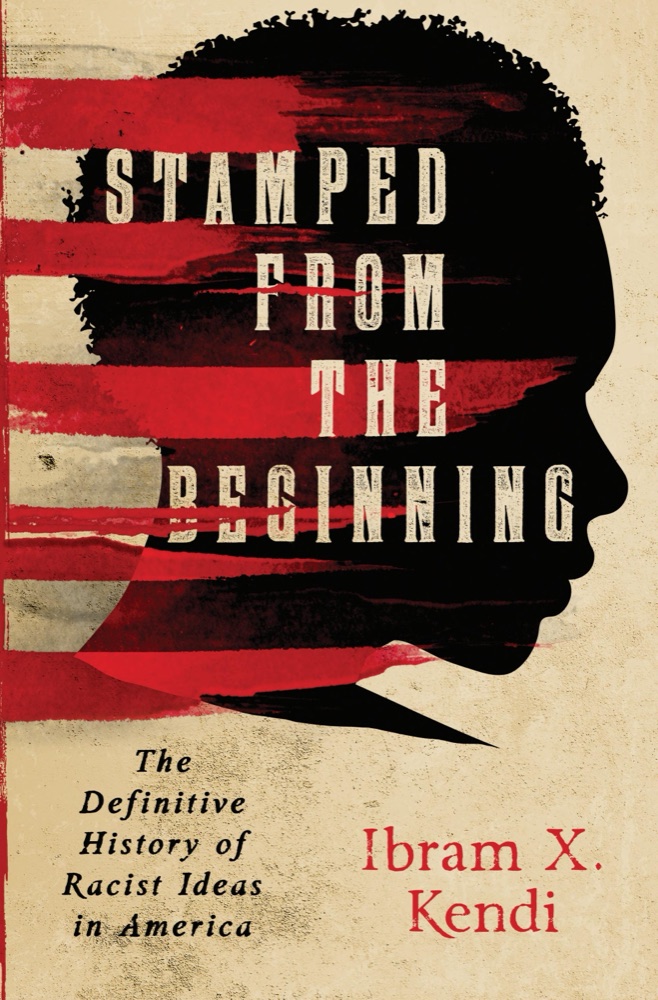 Stamped from the Beginning: The Definitive History of Racist Ideas in America
 The Madness of Crowds: Gender, Race and Identity
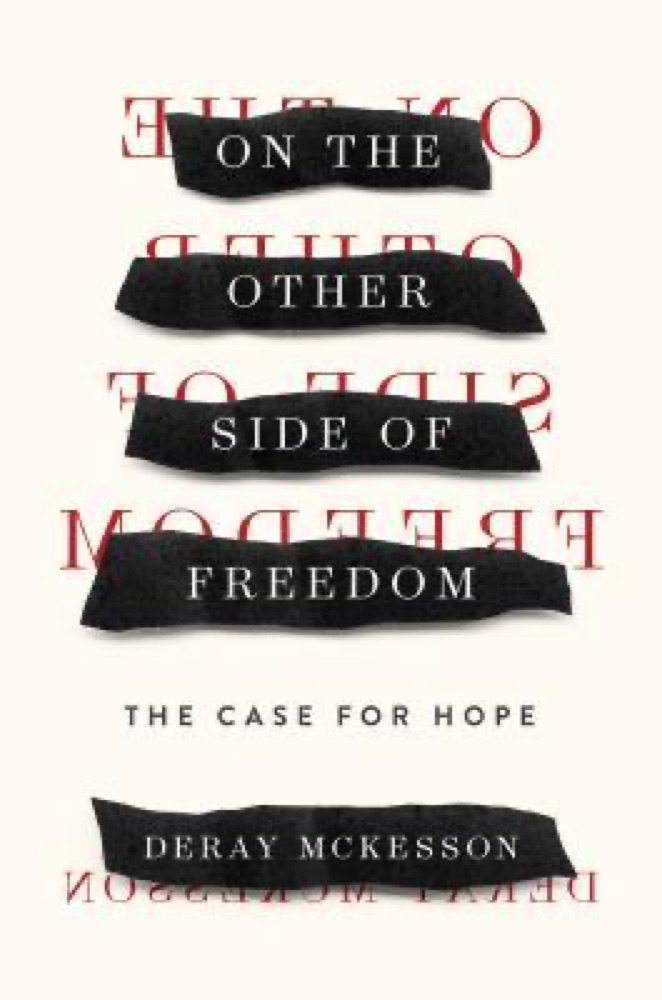 On the Other Side of Freedom: The Case for Hope
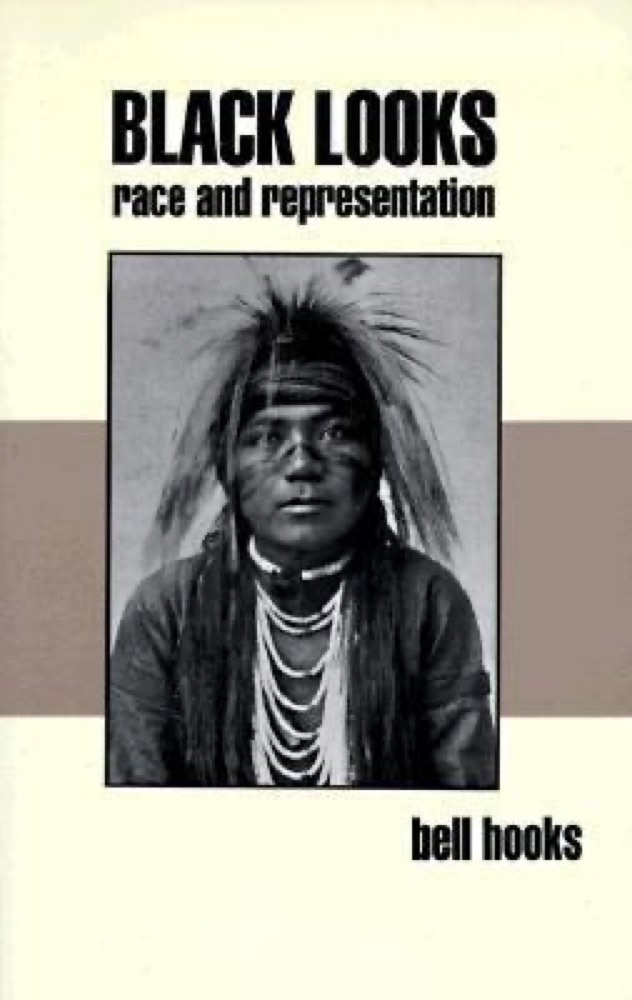 Black Looks: Race and Representation
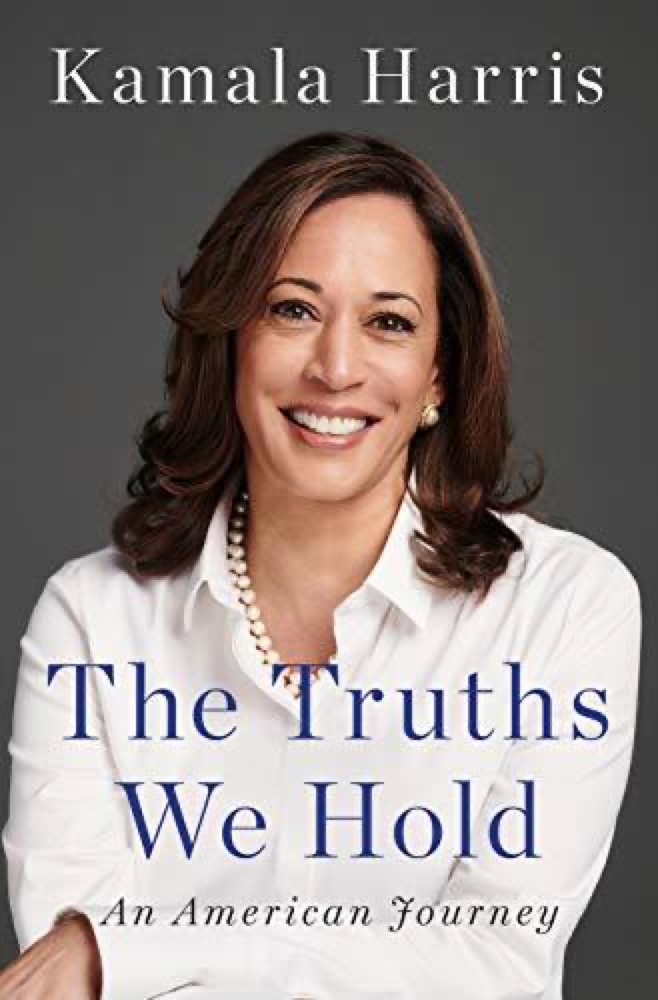 The Truths We Hold: An American Journey
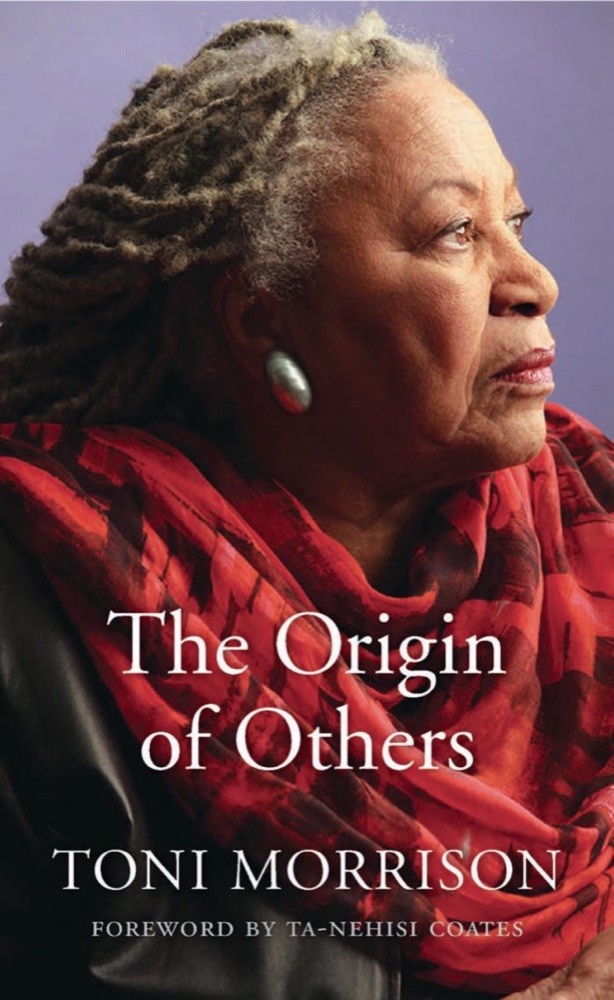 The Origin of Others
 Dark Days
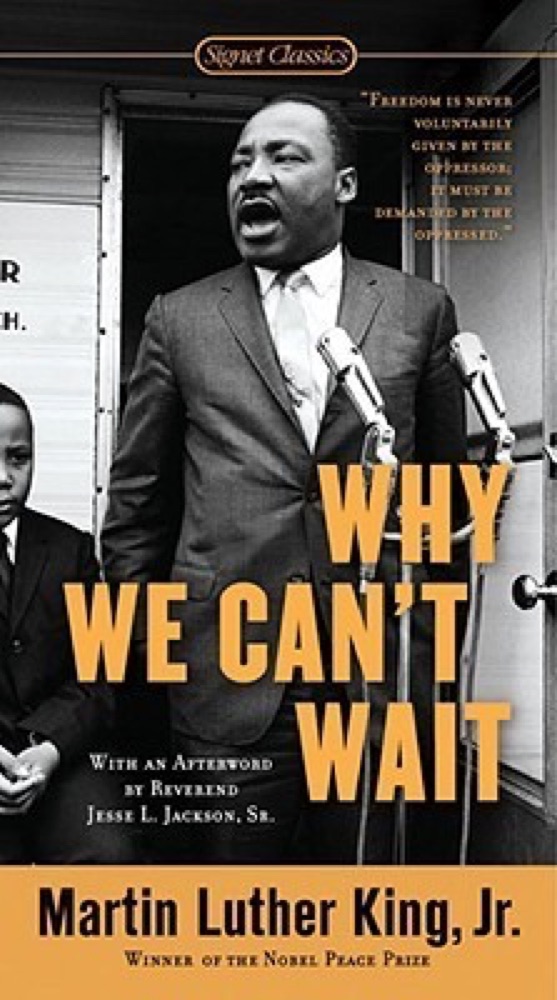 Why We Can't Wait
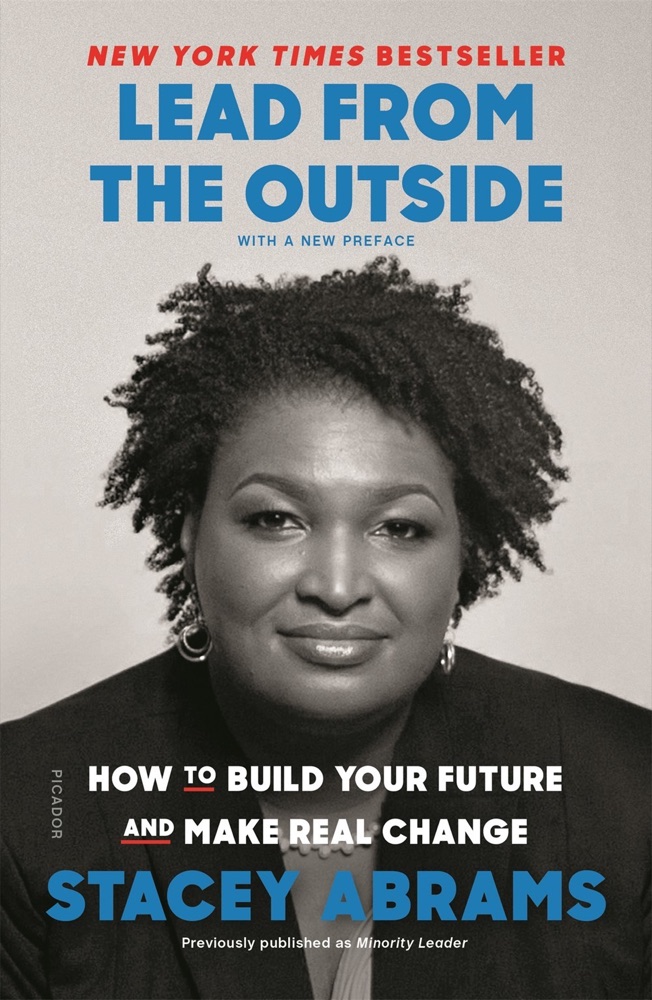 Lead from the Outside: How to Build Your Future and Make Real Change
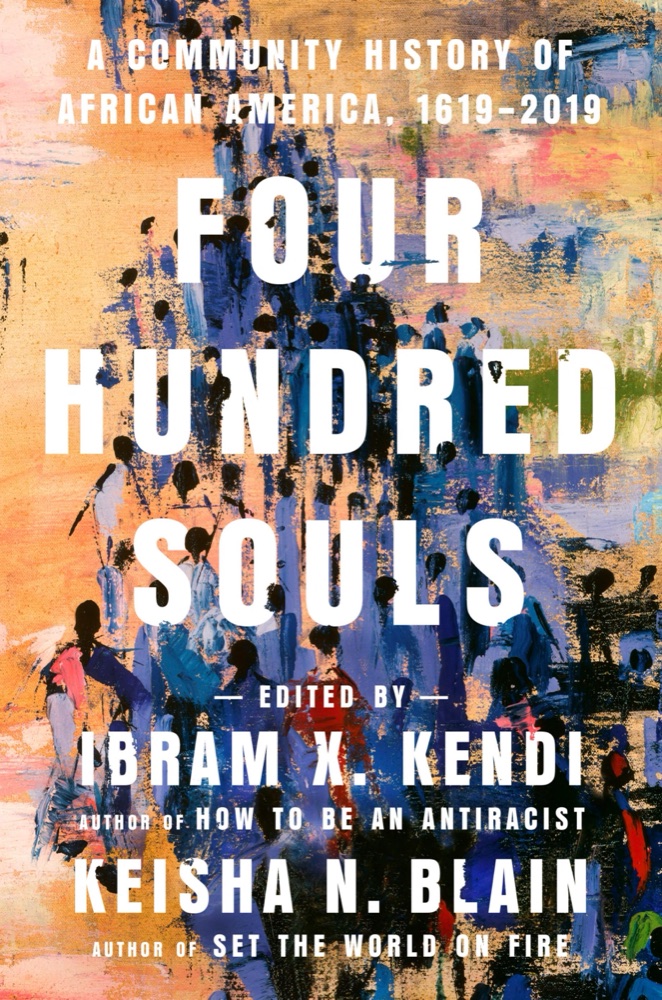 Four Hundred Souls: A Community History of African America, 1619-2019
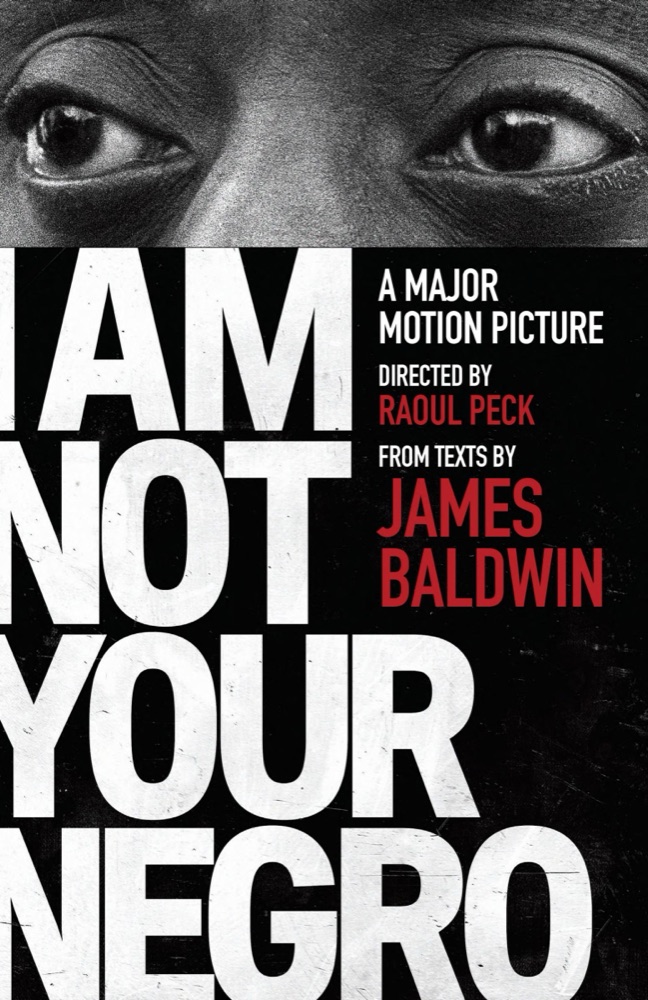 I Am Not Your Negro
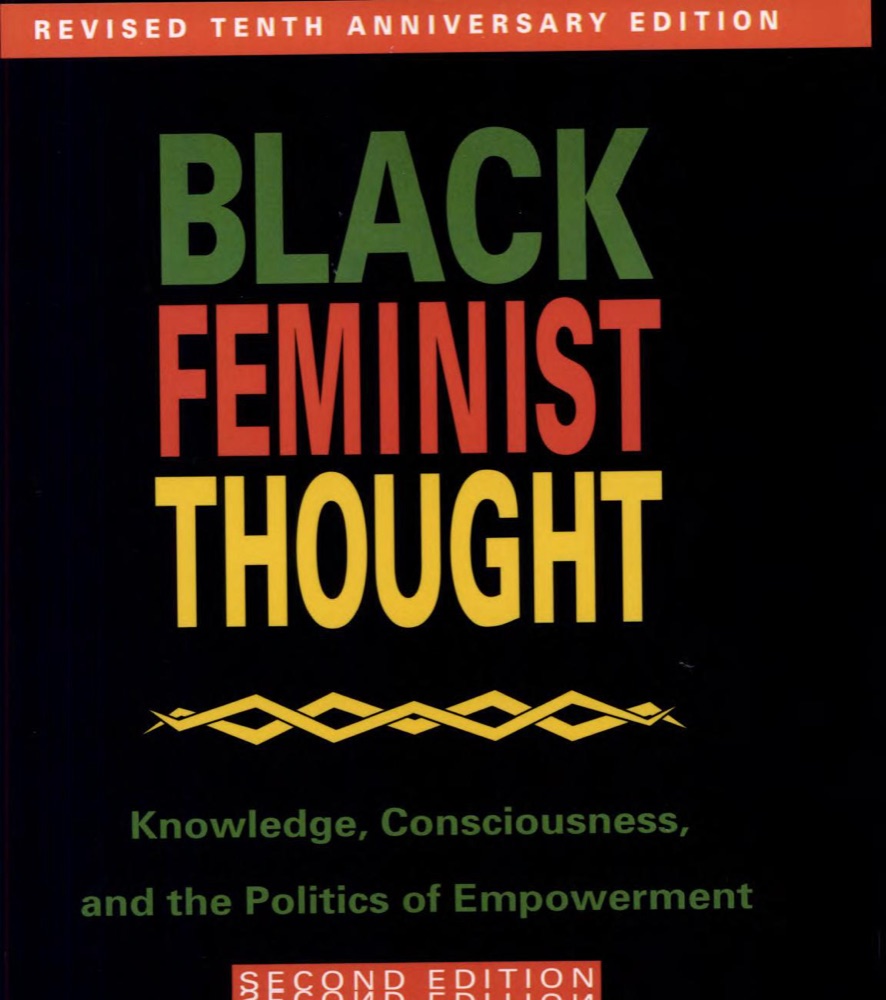 Black Feminist Thought: Knowledge, Consciousness, and the Politics of Empowerment
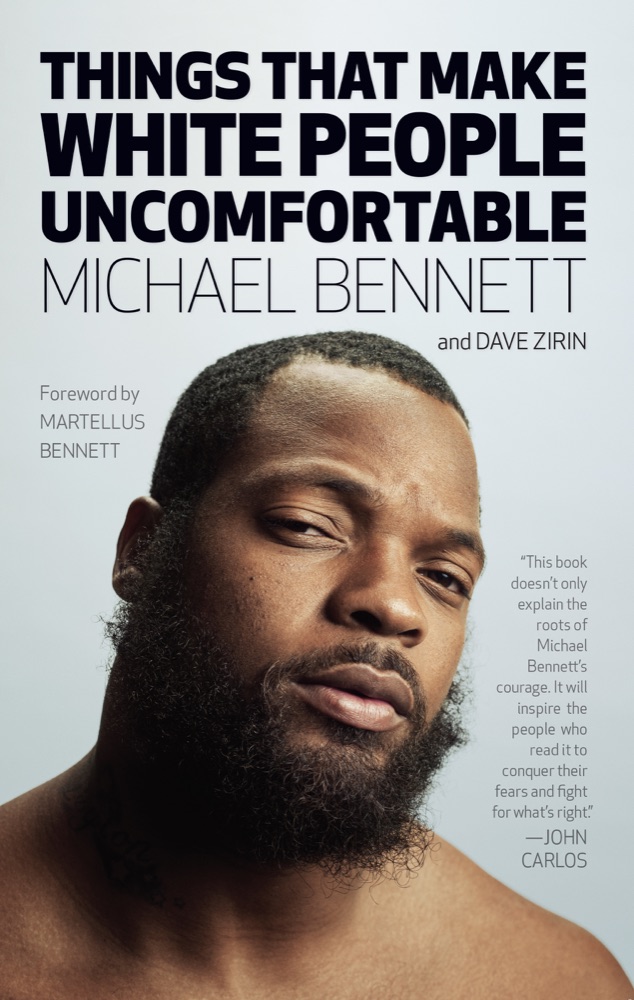 Things That Make White People Uncomfortable
 Black Skin, White Masks
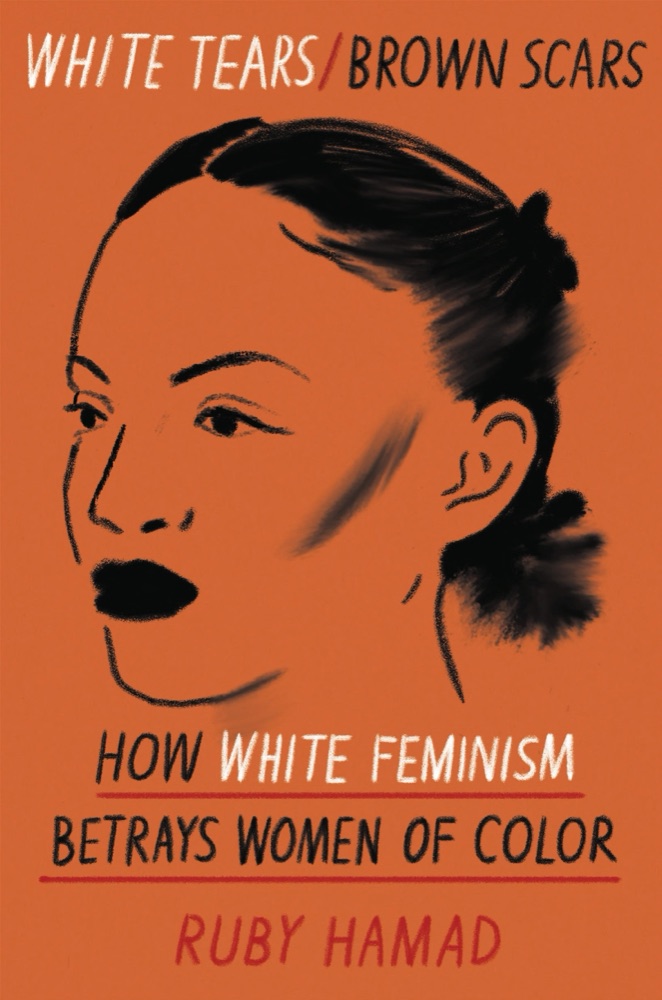 White Tears/Brown Scars: How White Feminism Betrays Women of Color
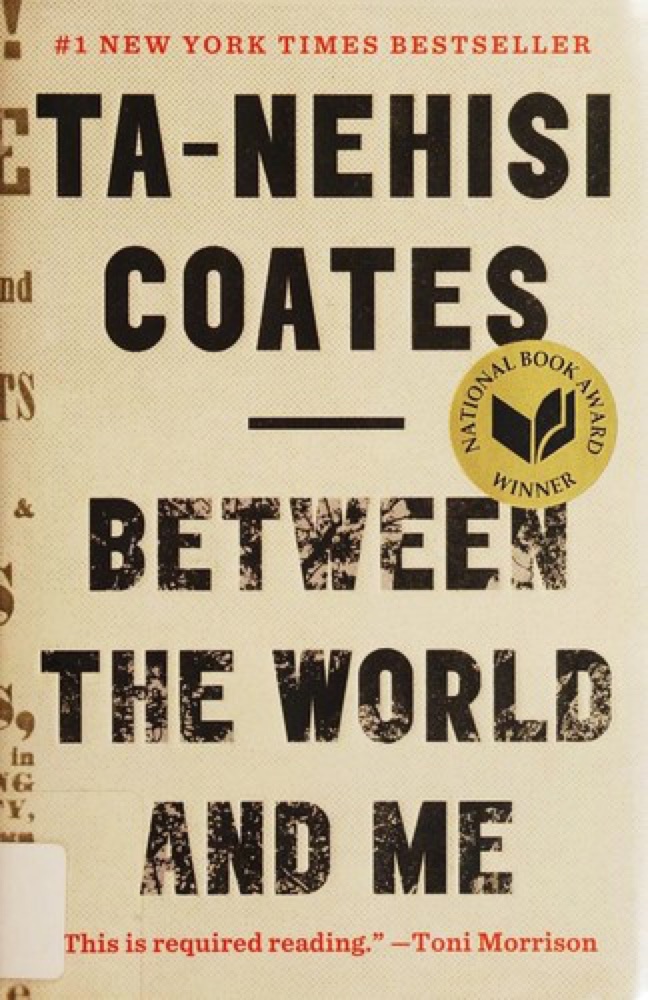 Between the World and Me
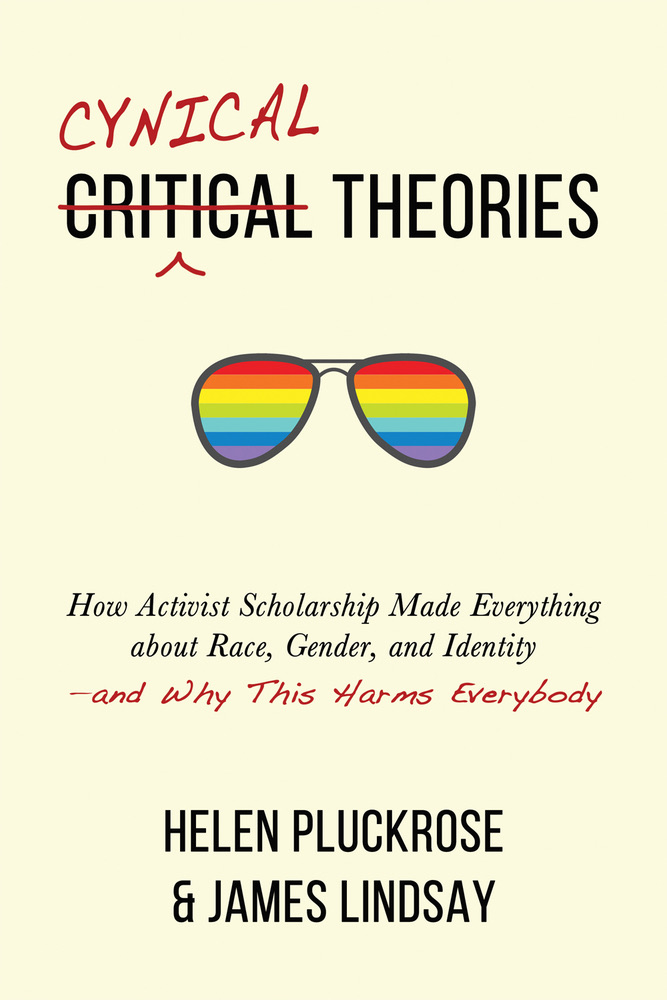 Cynical Theories: How Activist Scholarship Made Everything about Race, Gender, and Identity—and Why This Harms Everybody
 Nobody Knows My Name
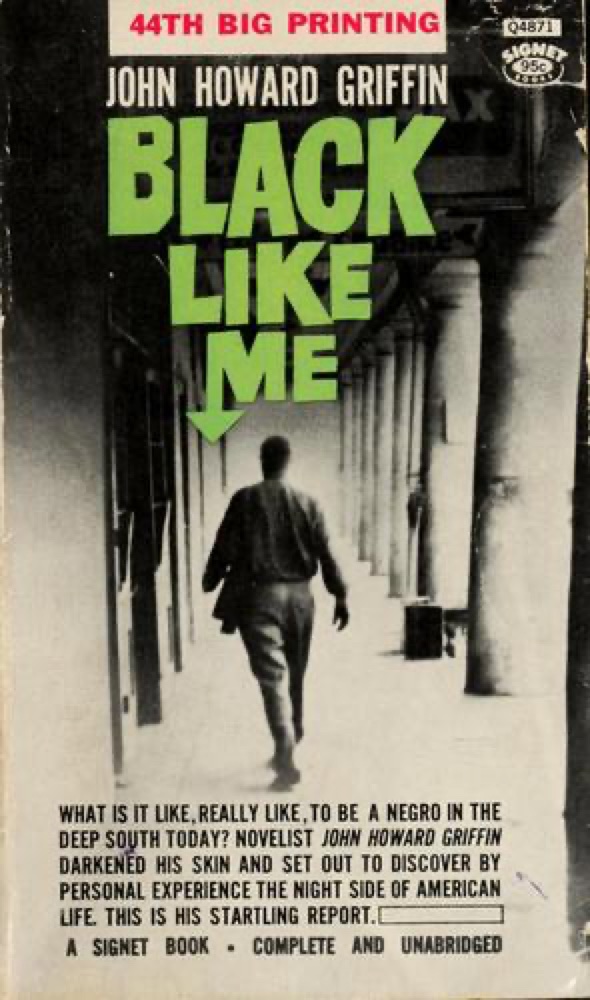 Black Like Me
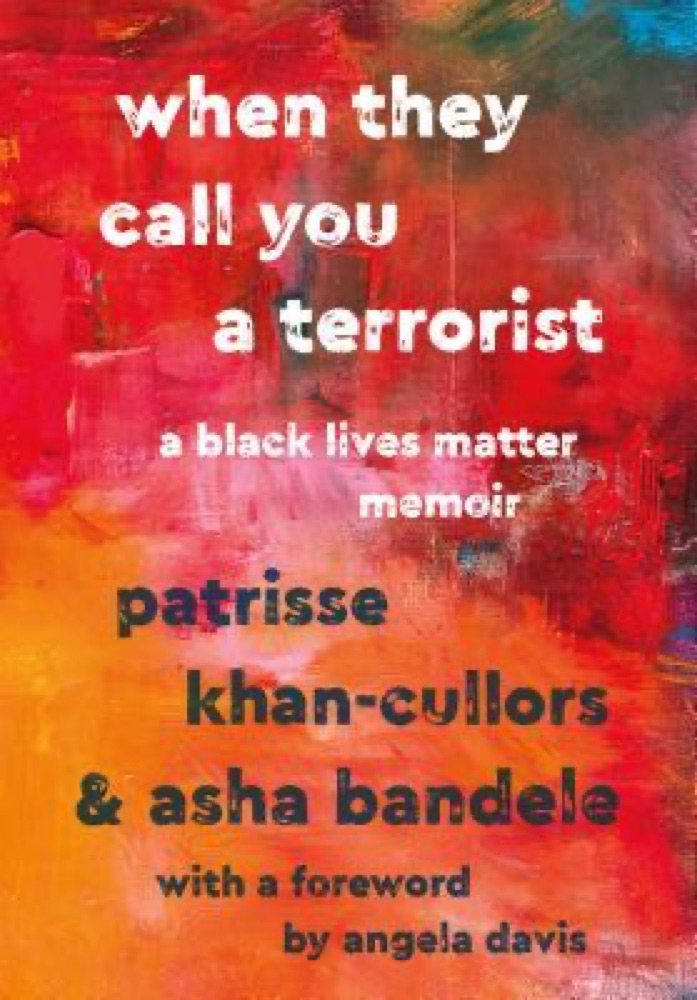 When They Call You a Terrorist: A Black Lives Matter Memoir
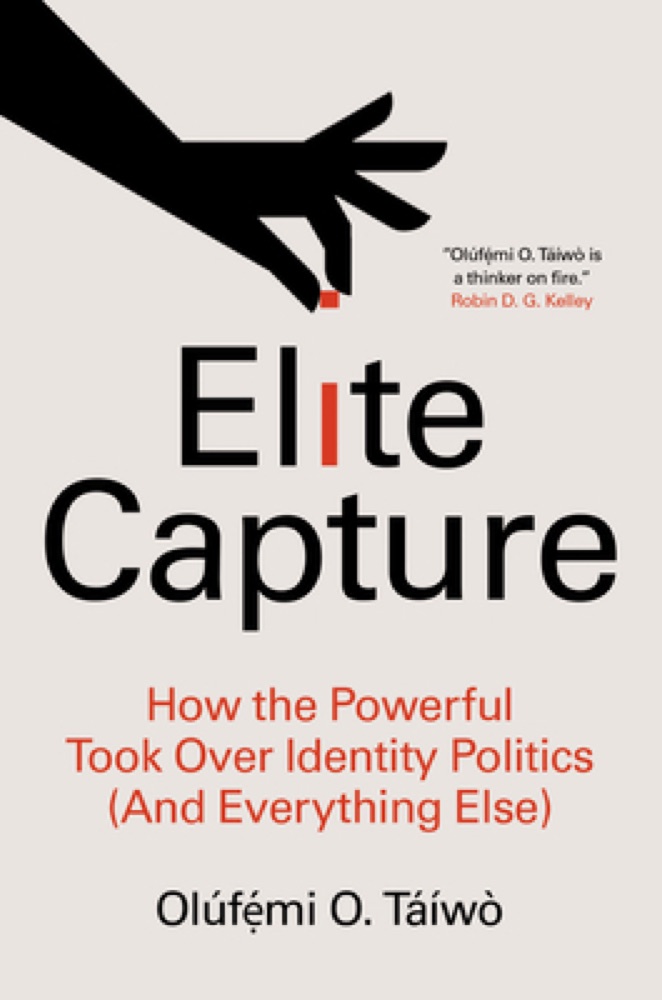 Elite Capture: How the Powerful Took Over Identity Politics
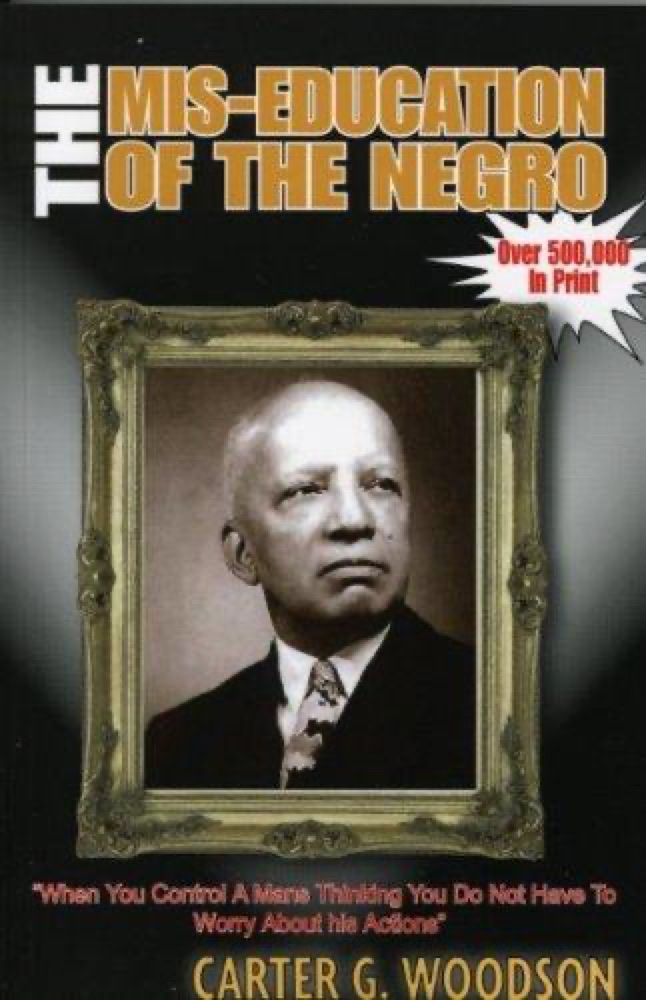 The Mis-Education of the Negro
 Black Rednecks and White Liberals
 The War on the West: An Instant NYT Bestselling History of the Modern World
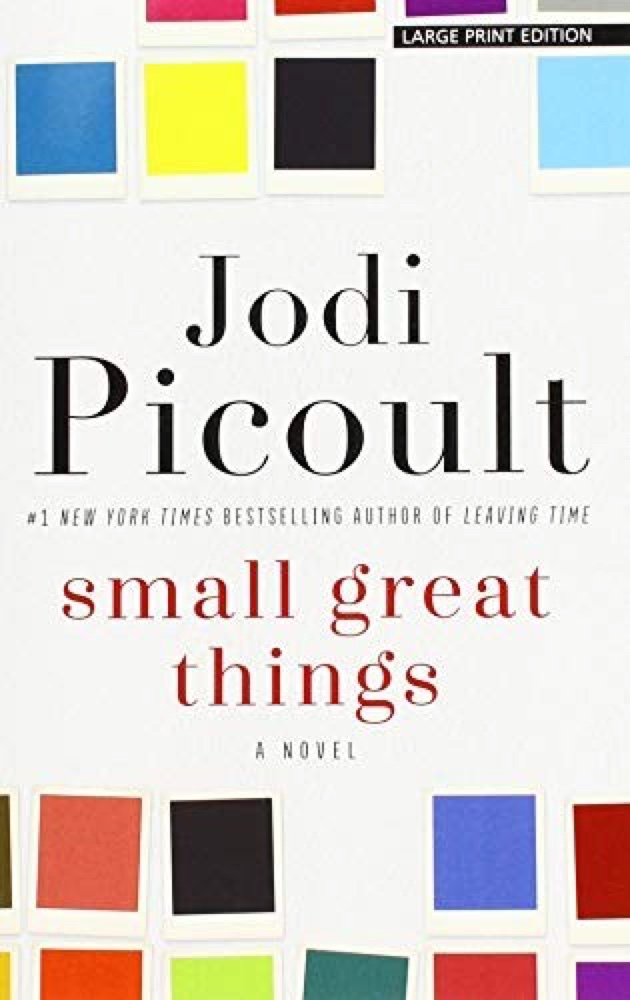 Small Great Things
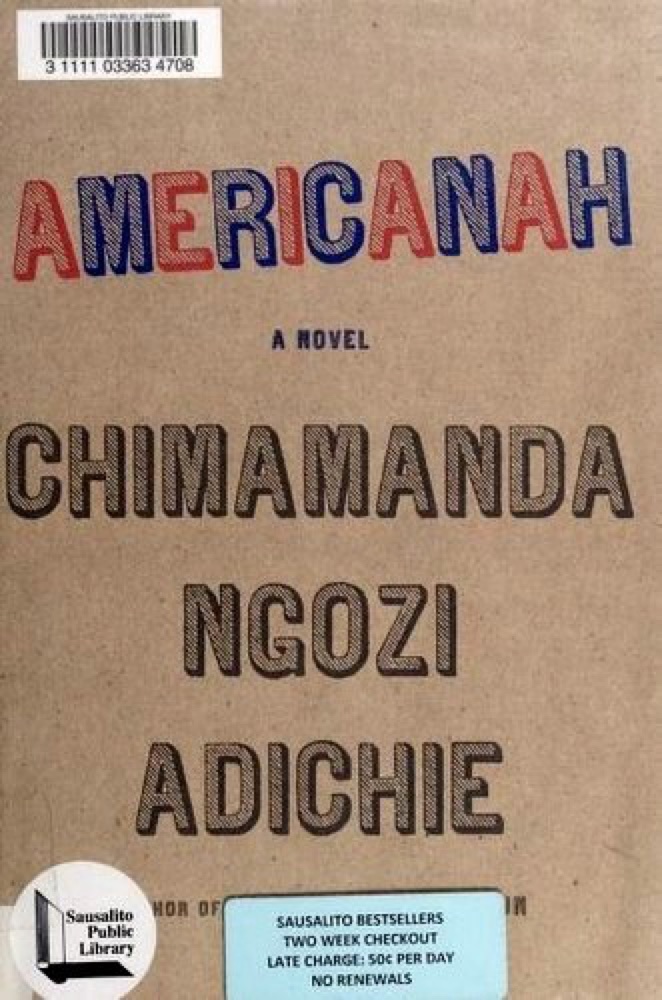 Americanah
 You Are Your Best Thing: Vulnerability, Shame Resilience, and the Black Experience