
 Why I'm No Longer Talking to White People About Race
Quotes from the Book
How often have you heard the argument that we have to slowly implement gender and racial equality in order to not “shock” society? Who is the “society” that people are talking about? I can guarantee that women would be able to handle equal pay or a harassment-free work environment right now, with no ramp-up. I’m certain that people of color would be able to deal with equal political representation and economic opportunity if they were made available today. So for whose benefit do we need to go so slowly? How can white men be our born leaders and at the same time so fragile that they cannot handle social progress?
45
Perhaps one of the most brutal of white male privileges is the opportunity to live long enough to regret the carnage you have brought upon others.
22
How can white men be our born leaders and at the same time so fragile that they cannot handle social progress?
14
And yet we have, as a society, somehow convinced ourselves that we should be led by incompetent assholes.
14
Plenty of women have met the “male feminist” who can quote bell hooks but will use those quotes to speak over you. Plenty of people of color have met the white antiracist who is all for Dr. King’s dream until people of color start asking white people to make actual sacrifices for racial justice. Ego can undermine even the best of intentions, but often, when things like this happen—when someone we trust as an ally ends up taking advantage of their position and then turning against the principles they once claimed to fight for when that abuse is discovered—we find that the intentions were never that great in the first place.
12
While we would like to believe otherwise, it is usually not the cream that rises to the top; our society rewards behaviors that are actually disadvantageous to everyone. Studies have shown that the traits long considered signs of strong leadership (like overconfidence and aggression) are in reality disastrous in both business and politics.
12
When I talk about mediocrity, I talk about how we somehow agreed that wealthy white men are the best group to bring the rest of us prosperity, when their wealth was stolen from our labor.
12
But when I tell my sons that they should be feminists, I don’t try to sell it to them based on the benefits they will reap. I tell them what I also tell white people who are looking for reasons to be antiracist: Yes, it will offer some real benefits for you. Your life will be better in many ways when we work to end oppression. But it will not always benefit you. Sometimes it may seem like justice is disadvantaging you when the privileges you’ve routinely enjoyed are threatened. But you have to do it anyway, because you believe that women and people of color are human beings and that we deserve to be free from oppression, even when that means you personally have to give some things up.
10
We must start asking what we want white manhood to be, and what we will no longer accept. We must stop rewarding violence and oppression. We must stop confusing bullies with leaders. We must stop telling women and people of color that the only path to success lies in emulating white male dominance.
7
It should be enough that this is hurting us. It is insulting that I have to point out the ways in which these issues also hurt white Americans in the hopes that I might get more people to care.
6
A political movement that focuses on class and ignores the specific ways in which race determines financial health and well-being for people of color in this country will be a movement that maintains white supremacy, because it will not be able to identify or address the specific, race-based systems that are the main causes of inequality for people of color. Health care discrimination, job discrimination, the school-to-prison pipeline, educational bias, mass incarceration, police brutality, community trauma—none of these issues are addressed in a class-only approach. A class-only approach will lift only poor whites out of poverty and will therefore maintain white supremacy.
6
Each day he sat quietly outside and refused to join his classmates at lunch. After three days, Ryan’s mother relented and began making lunches from home again. Nothing says “American” like a boy making a woman struggle so that he can seem independent.
6
Ours is a society where white culture is normalized and universalized, while cultures of color are demonized, exotified, or erased.
6
When you can’t keep women out anymore, and you can’t force them all to become secretaries or teachers because modern social politics demand that you at least pretend to support gender equality in the workplace, what can you do to keep women out of powerful positions in business? You can set them up to fail—or, to be more accurate, you set them up to fall.
6
Women and people of color who advocate for diversity and equity are often punished for their efforts in peer, team, and management evaluations. Ironically, the people who are not penalized in their evaluations for their diversity and equity efforts are—say it with me—white men.
5
White male identity is in a very dark place. White men have been told that they should be fulfilled, happy, successful, and powerful, and they are not. They are missing something vital - an intrinsic sense of self that is no tied to how much power or success they can hold over others - and that hole is eating away at them.
5
As white men saw that their degrees no longer put them as far ahead of women and people of color as the degrees once did, they began to question whether a diploma was worth the cost.
5
It's the expectations that many white men have that they shouldn't have to climb, shouldn't have to struggle, as others do. It's the idea not only that they think they have less than others, but that they were supposed to have so much more. When you are denied the power, the success, or even the relationships that you think are your right, you either believe that you are broken or you believe that you have been stolen from.
4
The thing about anger is that it needs a home.
4
The man who never listens, who doesn’t prepare, who insists on getting his way—this is a man that most of us would not (when given friendlier options) like to work with, live with, or be friends with. And yet we have, as a society, somehow convinced ourselves that we should be led by incompetent assholes.
4
Sometimes it may seem like justice is disadvantaging you when the privileges you’ve routinely enjoyed are threatened. But you have to do it anyway, because you believe that women and people of color are human beings and that we deserve to be free from oppression, even when that means you personally have to give some things up.
4
Most women and people of color have to claw their way to any chance at success or power, have to work twice as hard as white men and prove themselves to be exceptional talents before we begin to entertain discussions of truly equal representation in our workplaces or government.
4
Lord, give me the confidence of a mediocre white man.” When writer Sarah Hagi said those words in 2015, they launched a thousand memes, T-shirts, and coffee mugs.
4
But often these men are completely unaware of their hypocrisy because they are not doing anything out of the ordinary by centering themselves when they’ve always been centered, or by taking advantage of those who have always been taken advantage of—they’re just living according to the norms of society.
4
Whiteness is not only threatened when it takes on too many traits of identities of color; it is also threatened when communities of color cease to stay below whiteness, where society’s scripts say they belong. A white family may feel threatened not only when their daughter brings a Black man home for dinner (breaking from what is expected of her as a white person), but also if that Black man makes the same wage as her father (breaking from the expectations of Blackness that whiteness depends on). The same is true for masculinity. Men may feel threatened not only when their sons declare their love of the color pink, but also when their daughters choose monster trucks over dolls.
3
We have to find where we have been bonded to these systems, both individually and collectively, and we have to sever those bonds.
3
Does this sound like too large a task? Too monumental a shift? I can see that. But I can also see how much work it has taken to create and maintain a system of white male mediocrity in this country.
3
At some point the silence is a sin against God—because you are required to be the person you want to be, you are required to speak up,” he explained.
3
We have to investigate the way in which all of us, regardless of race or gender, have been conditioned to uphold white male supremacy.
3
At every college I went to—every single one—at least one teacher of color broke down in tears describing their struggle to advocate for their students of color in such a hostile environment. Higher education is not the racial utopia that Republicans are scared of. It is not some bizarro world where students of color wield power over white students and faculty. It is a white supremacist system at its core, like all our other systems are.
3
Watch on YouTube
About Ijeoma Oluo
We have collected 30 quotes from 1 book by Ijeoma Oluo on BookQuoters.
More about the author →About the book
From the author of the New York Times bestseller So You Want to Talk About Race, a history of white male America and a scathing indictment of what it has cost us socially, economically, and politically
After the election of Donald Trump, and the escalation of white male rage and increased hostility toward immigrants that came with him, New York Times-bestselling author Ijeoma Oluo found herself in conversation with Americans around the country, pondering one central question: How did we get here?
In this ambitious survey of the last century of American history, Oluo answers that question by pinpointing white men's deliberate efforts to subvert women, people of color, and the disenfranchised. Through research, interviews, and the powerful, personal writing for which she is celebrated, Oluo investigates the backstory of America's growth, from immigrant migration to our national ethos
Book details
- First published
- 2020
- Author
- Ijeoma Oluo
- Genre
- Nonfiction
- Goodreads rating
- 4.39 (17k ratings)
The buzz
- The New York TimesReview in The New York Timesprofessional review (via Book Marks)
- The Washington PostReview in The Washington Postprofessional review (via Book Marks)
- Kirkus ReviewsReview in Kirkus Reviewsprofessional review (via Book Marks)
- Publishers WeeklyReview in Publishers Weeklyprofessional review (via Book Marks)
- BooklistReview in Booklistprofessional review (via Book Marks)
- BookPageReview in BookPageprofessional review (via Book Marks)
Keep reading
Why I'm No Longer Talking to White People About Race
 White Like Me: Reflections On Race From A Privileged Son
 Just Us: An American Conversation
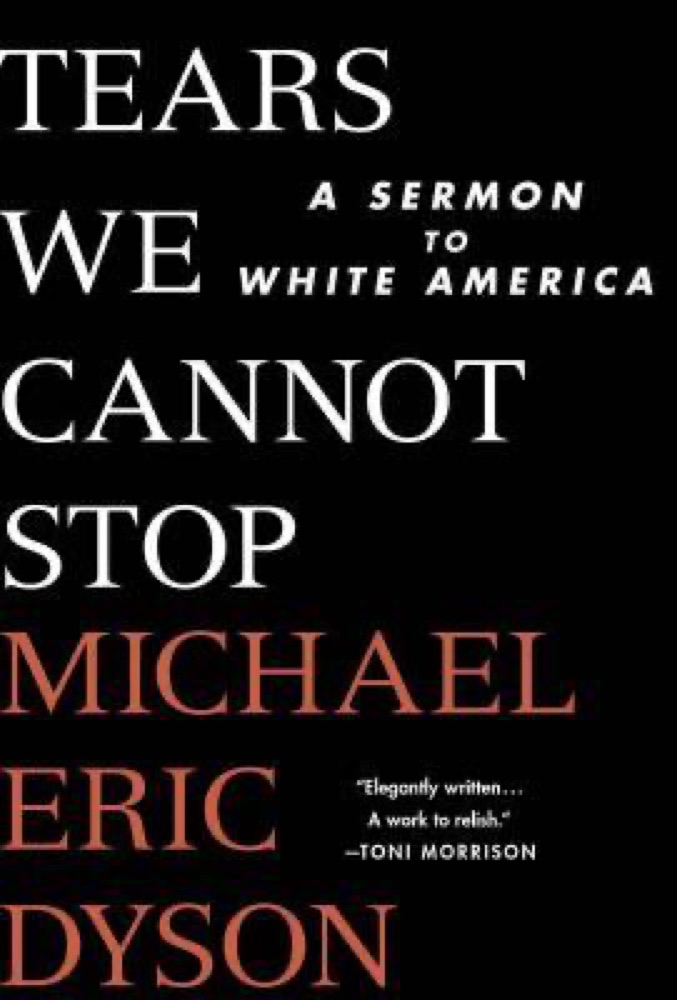 Tears We Cannot Stop: A Sermon to White America
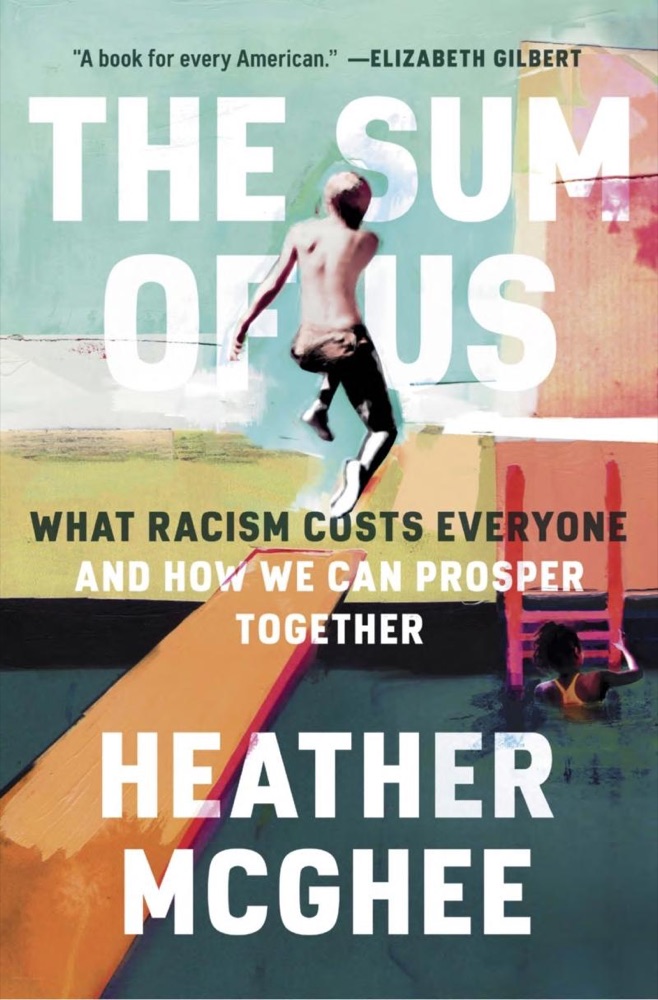 The Sum of Us: What Racism Costs Everyone and How We Can Prosper Together
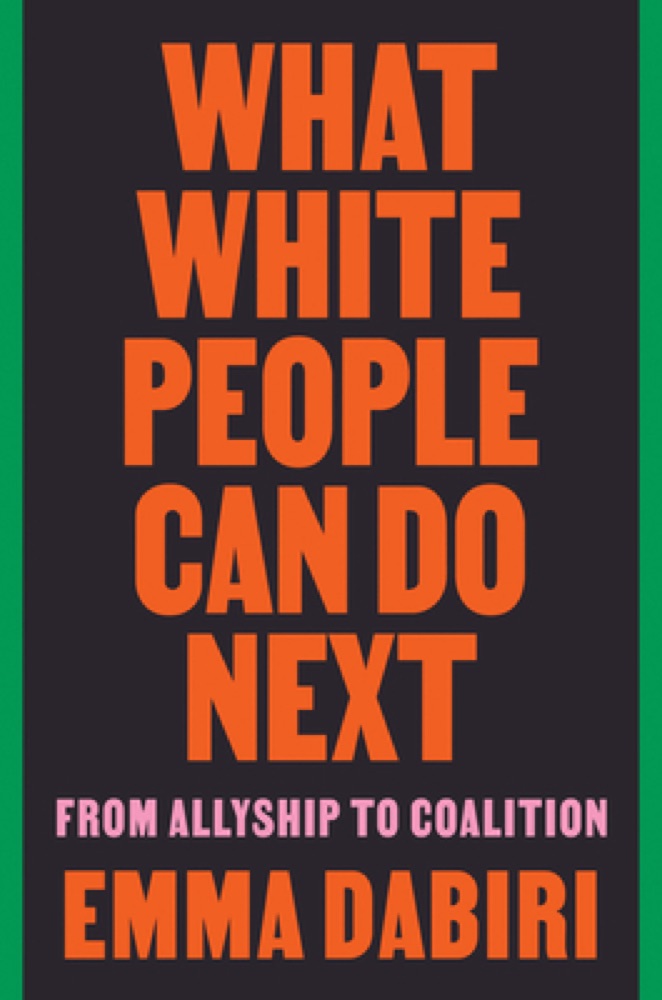 What White People Can Do Next: From Allyship to Coalition – An Empowering Guide to Interrogating Whiteness and Creating Justice
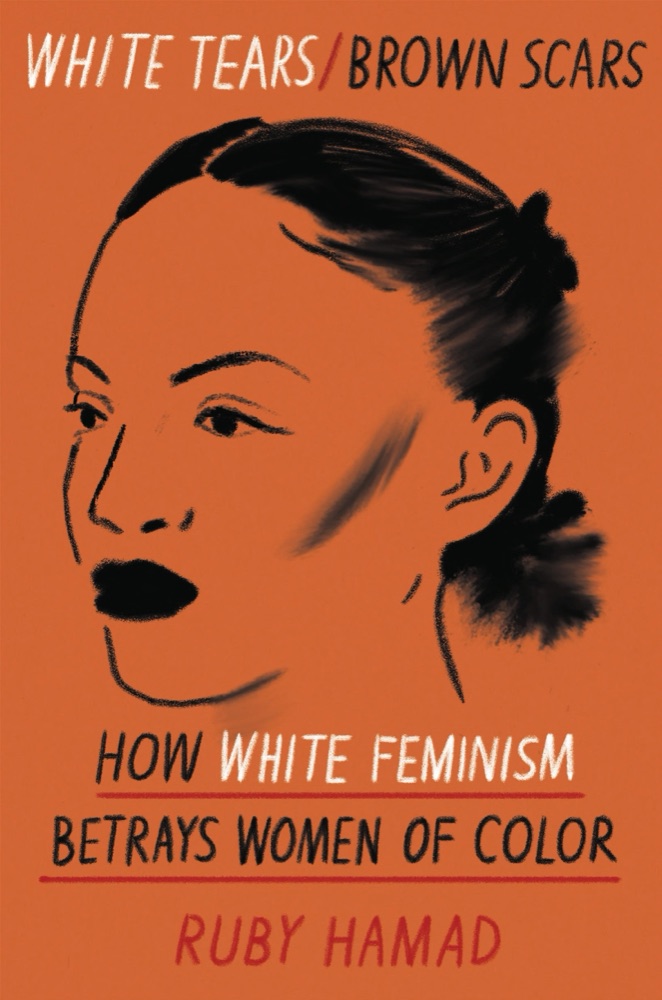 White Tears/Brown Scars: How White Feminism Betrays Women of Color
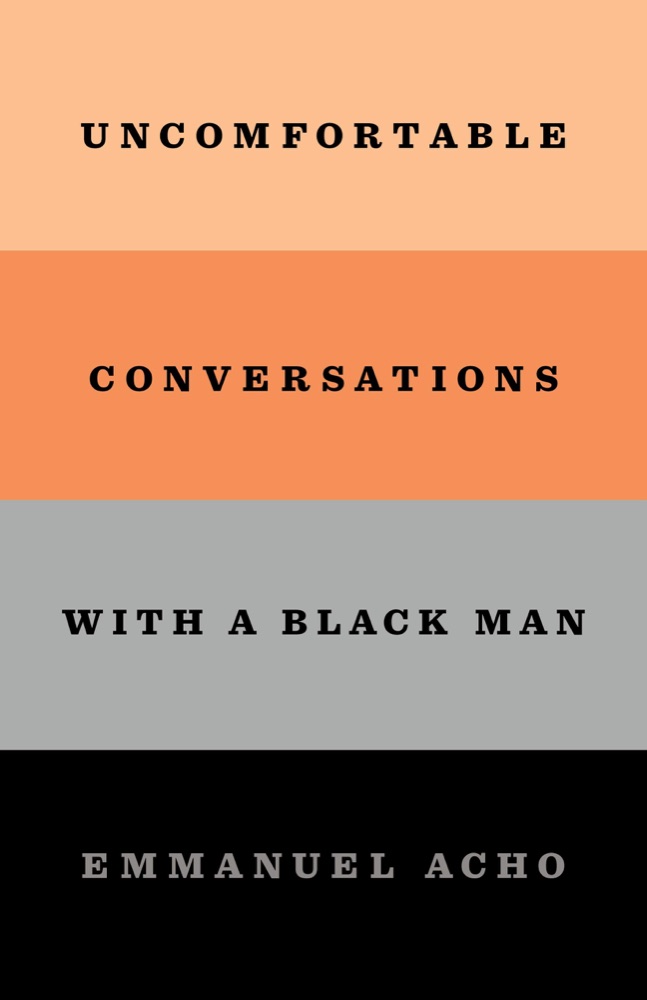 Uncomfortable Conversations With a Black Man
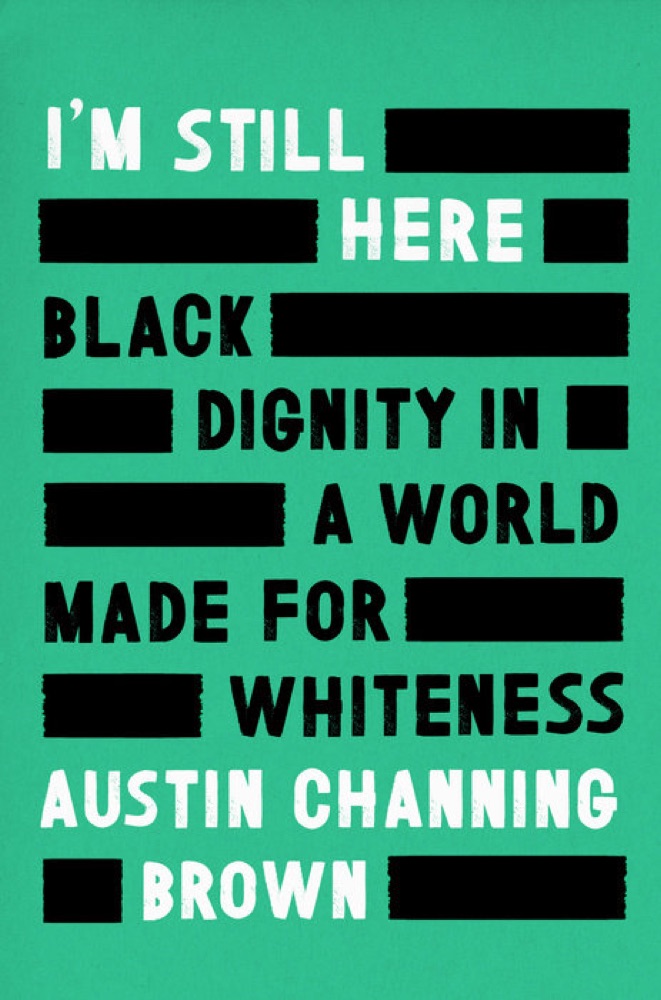 I'm Still Here: Black Dignity in a World Made for Whiteness
 Waking Up White: And Finding Myself in the Story of Race
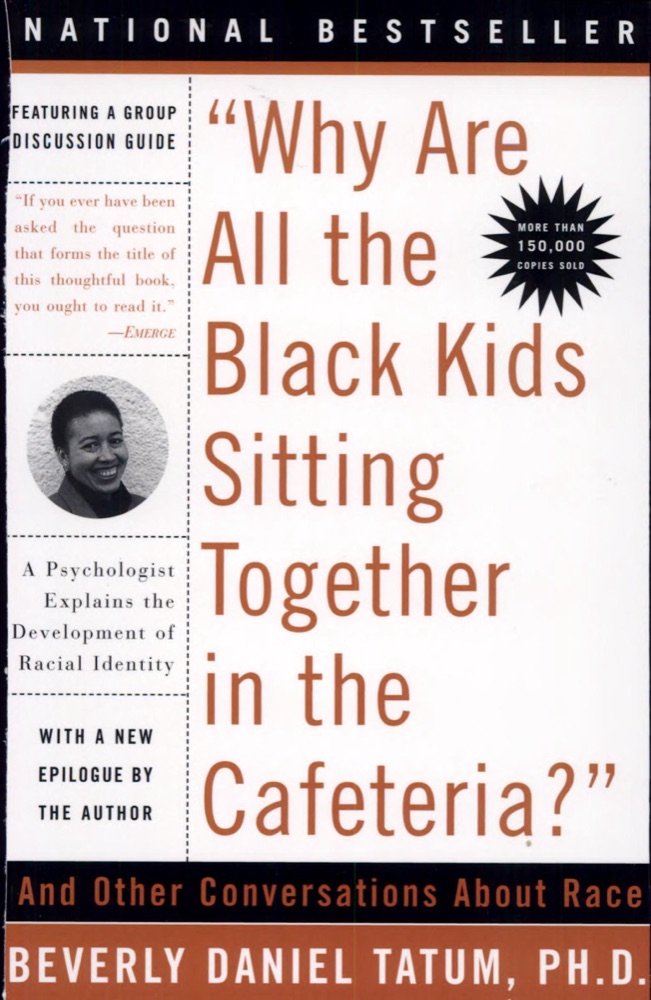 Why Are All The Black Kids Sitting Together in the Cafeteria?
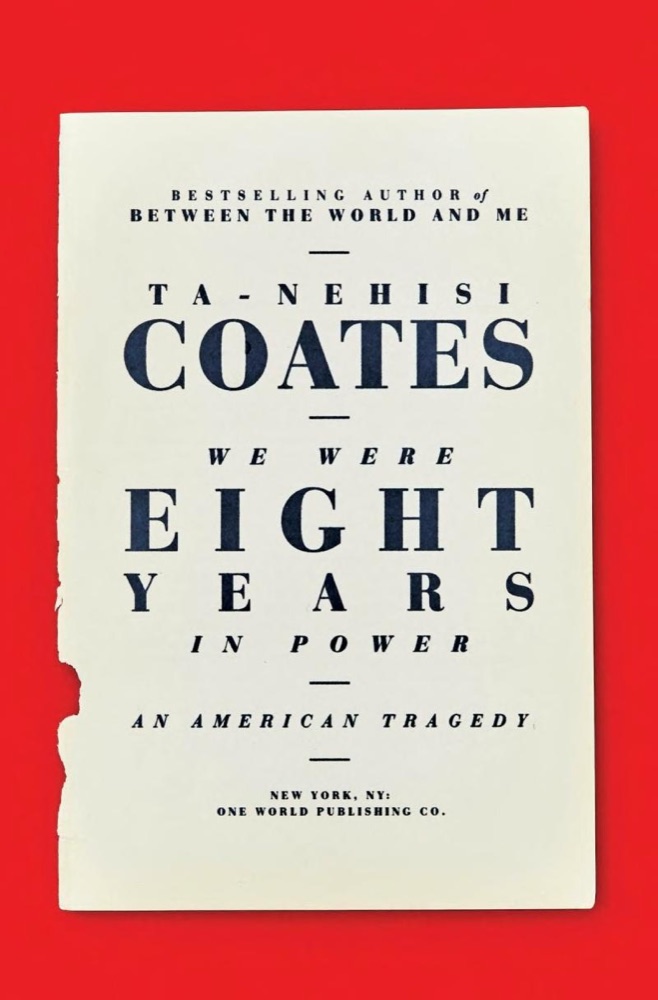 We Were Eight Years in Power: An American Tragedy
 The Black Friend: On Being a Better White Person
 Go Back to Where You Came From: And Other Helpful Recommendations on How to Become American
 Invisible Man, Got the Whole World Watching: A Young Black Man's Education
 Where Do We Go from Here: Chaos or Community?
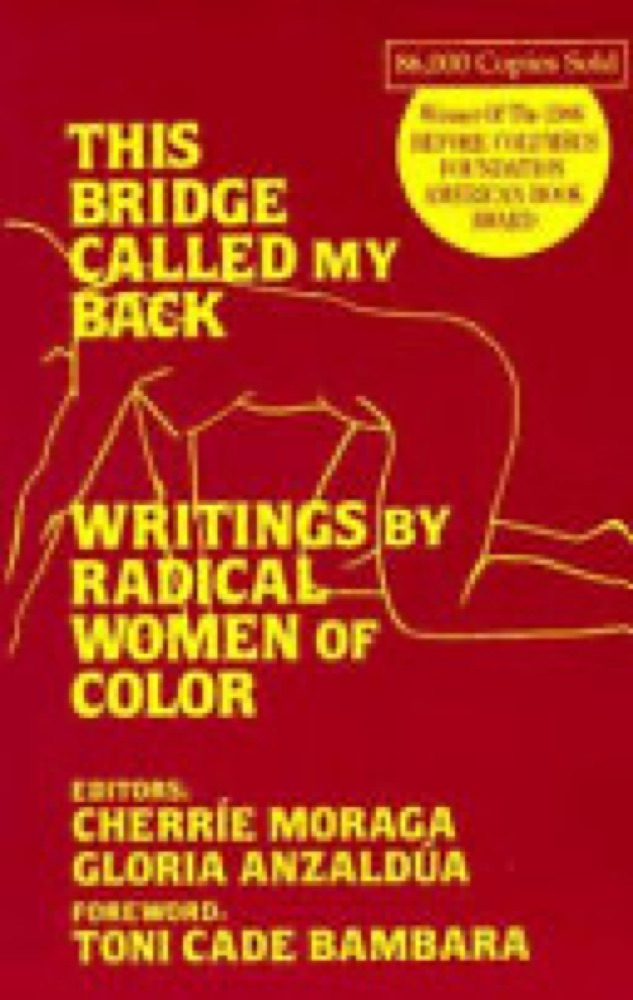 This Bridge Called My Back: Writings by Radical Women of Color
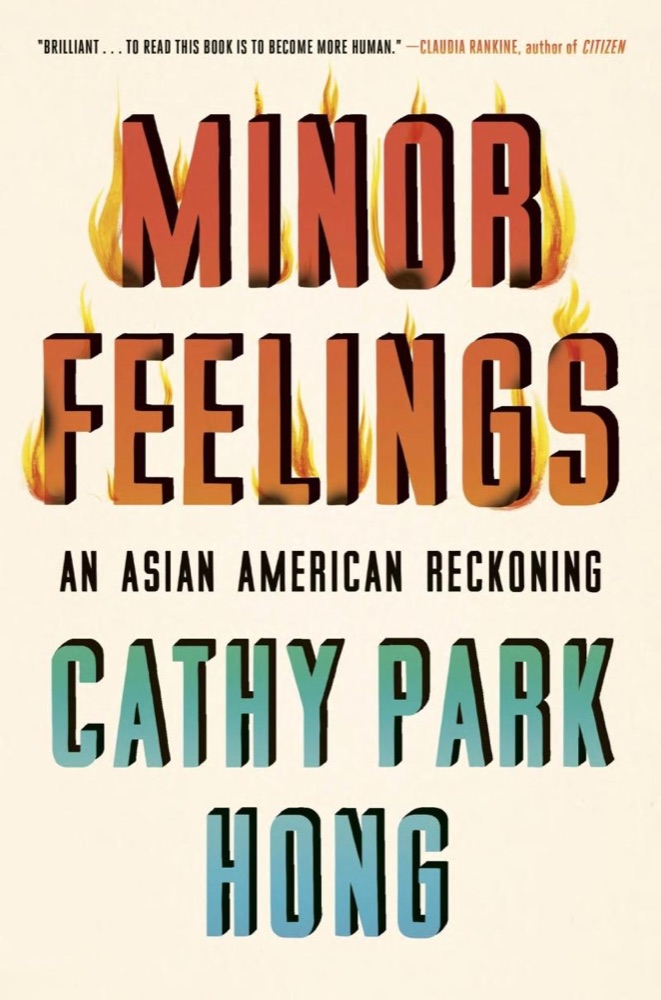 Minor Feelings: An Asian American Reckoning
 Thick: And Other Essays
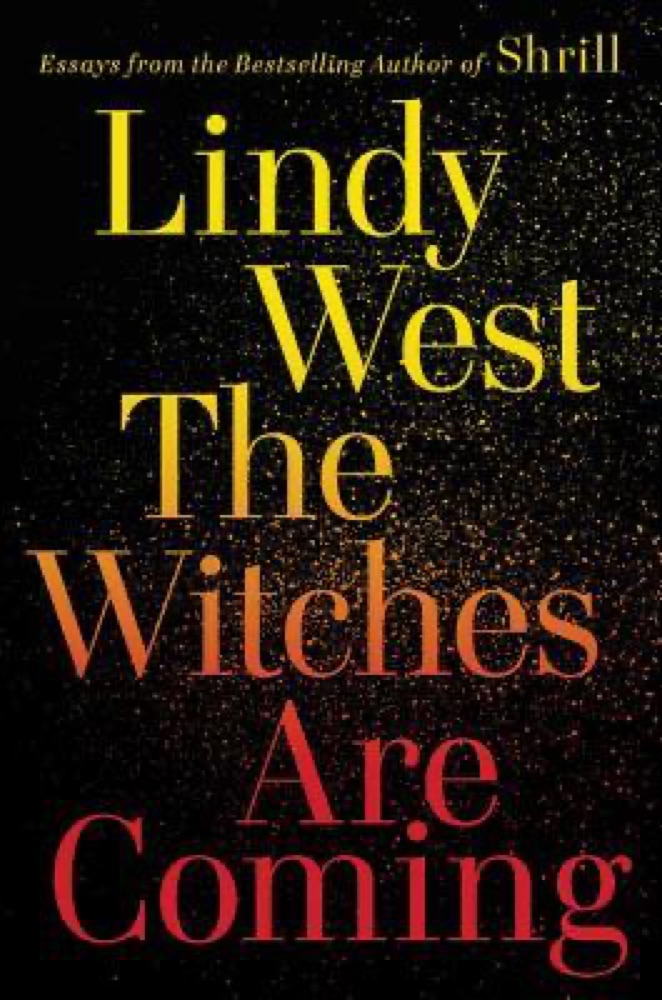 The Witches Are Coming
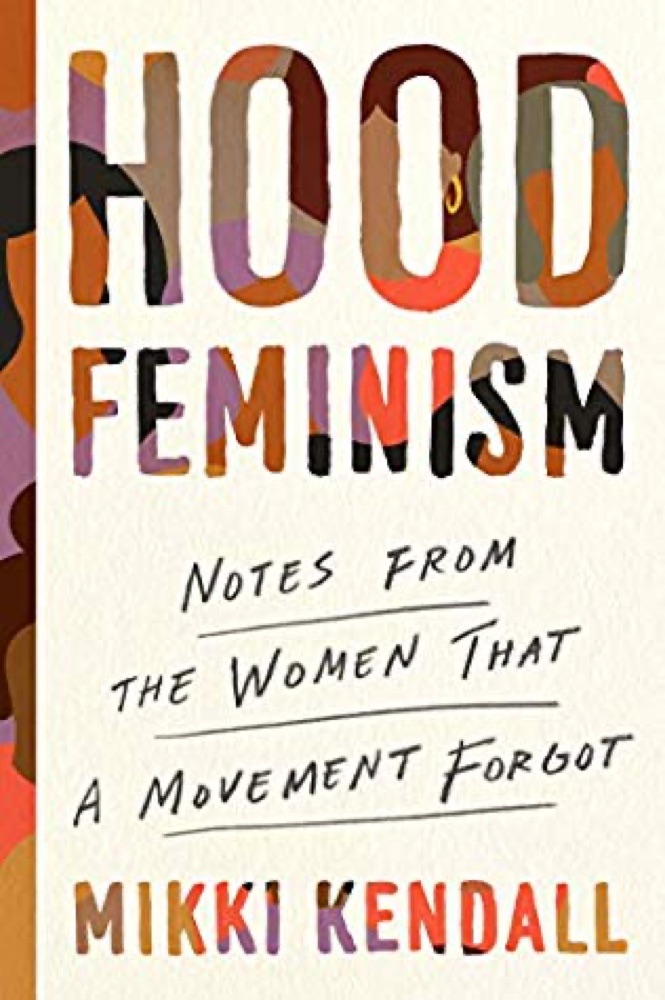 Hood Feminism: Notes from the Women That a Movement Forgot
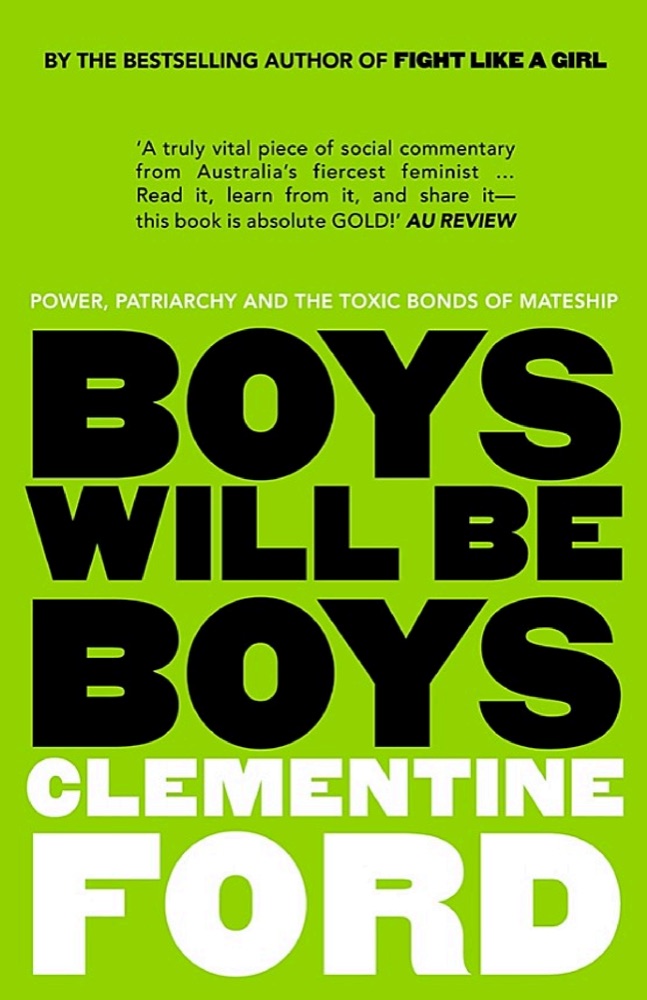 Boys Will Be Boys: Power, Patriarchy and the Toxic Bonds of Mateship
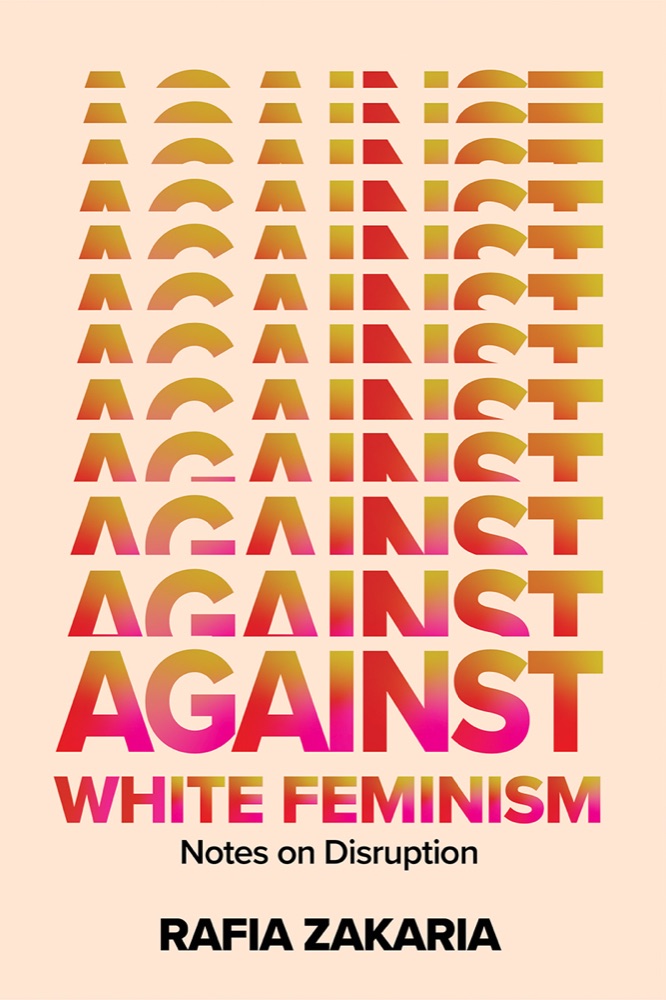 Against White Feminism: Notes on Disruption
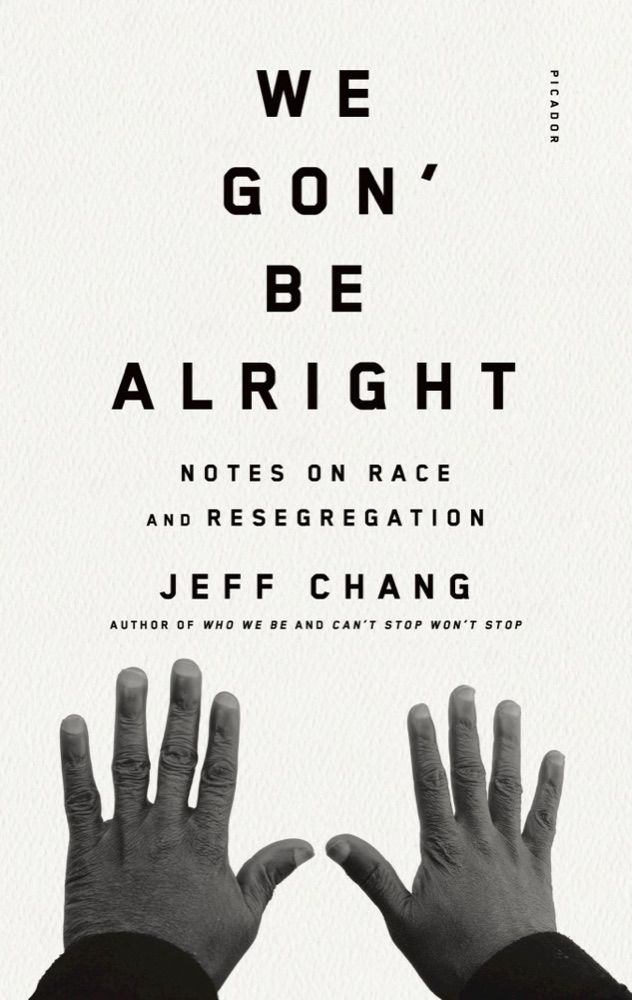 We Gon' Be Alright: Notes on Race and Resegregation
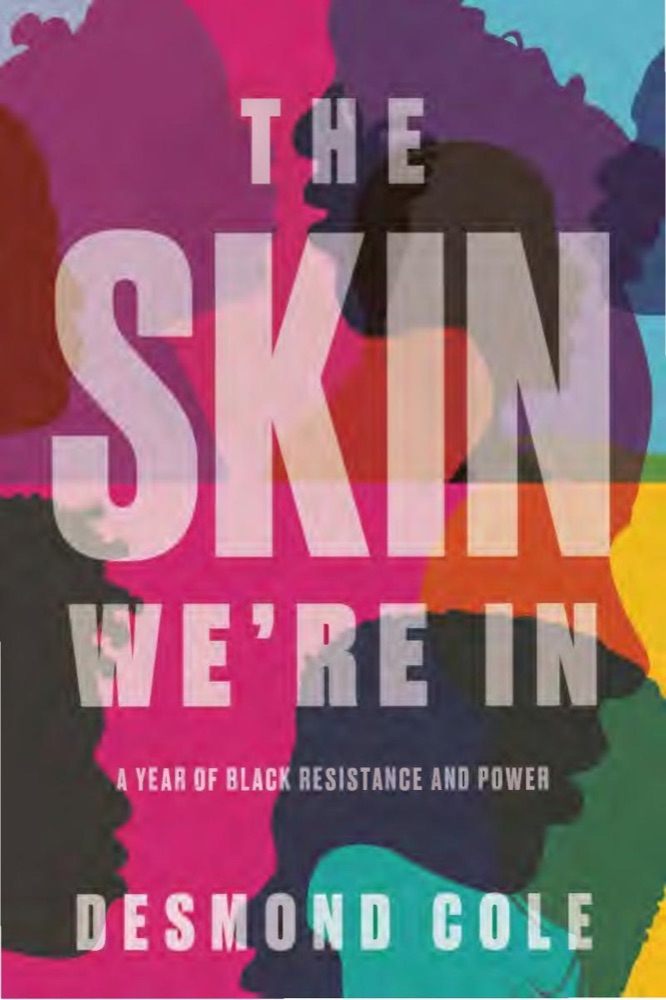 The Skin We're In: A Year of Black Resistance and Power
 Stamped: Racism, Antiracism, and You
 Black Like Me
 Begin Again: James Baldwin's America and Its Urgent Lessons for Our Own
 Notes from No Man's Land
 Opinions: A Decade of Arguments, Criticism, and Minding Other People’s Business
 What Truth Sounds Like: Robert F. Kennedy, James Baldwin, and Our Unfinished Conversation About Race in America
 Black Looks: Race and Representation
 Nobody Knows My Name
 Whose Story Is This? Old Conflicts, New Chapters
 Lead from the Outside: How to Build Your Future and Make Real Change
 Silent Covenants: Brown v. Board of Education and the Unfulfilled Hopes for Racial Reform
 Dark Days
 Sister Outsider: Essays and Speeches
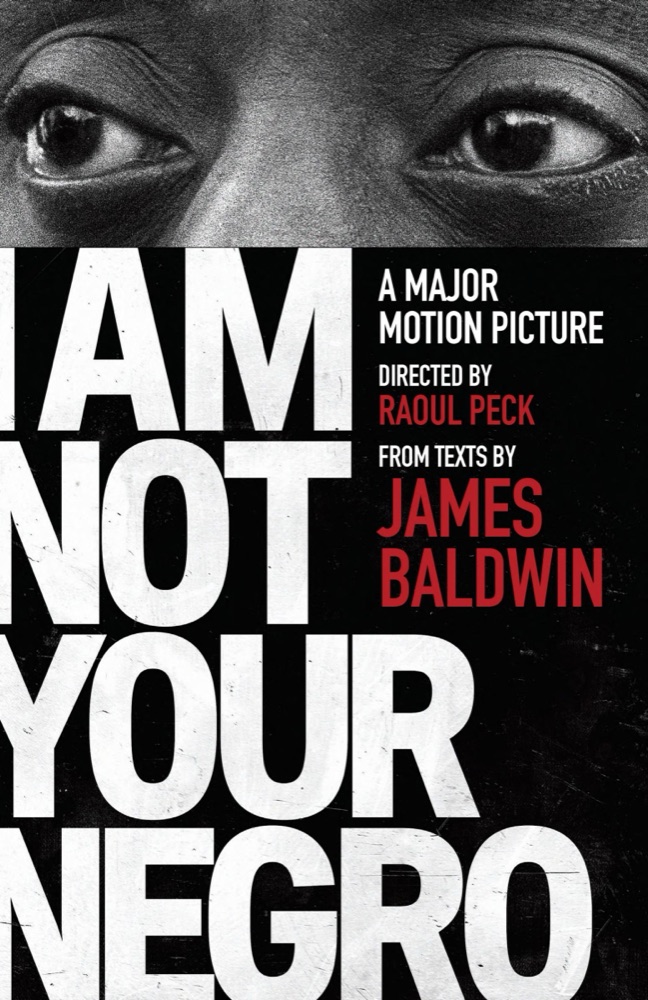 I Am Not Your Negro
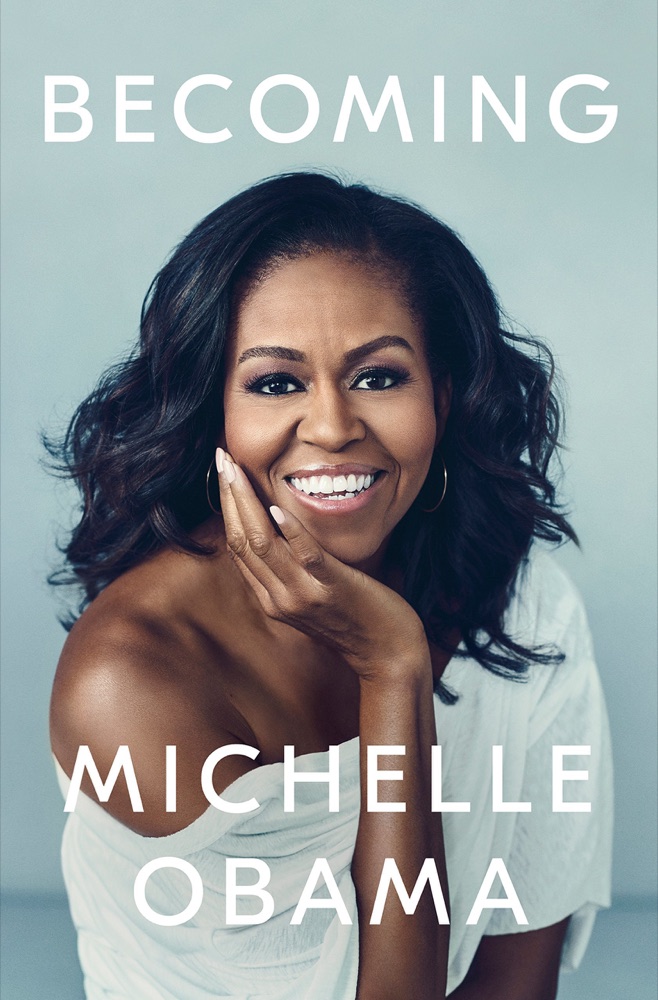 Becoming
 The Madness of Crowds: Gender, Race and Identity
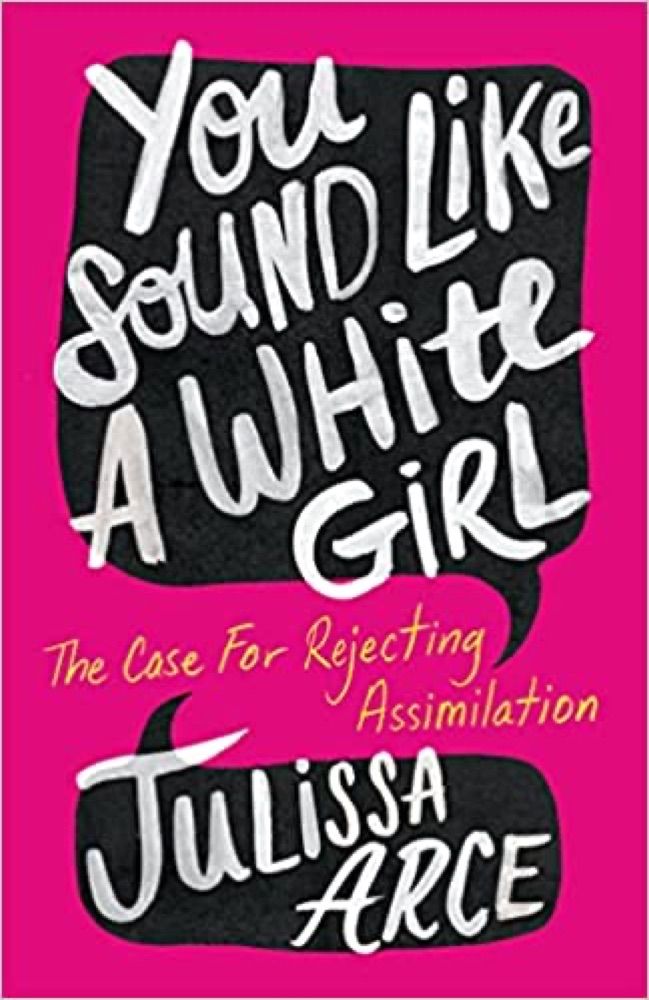 You Sound Like a White Girl: The Case for Rejecting Assimilation
 What Doesn't Kill You Makes You Blacker: A Memoir in Essays
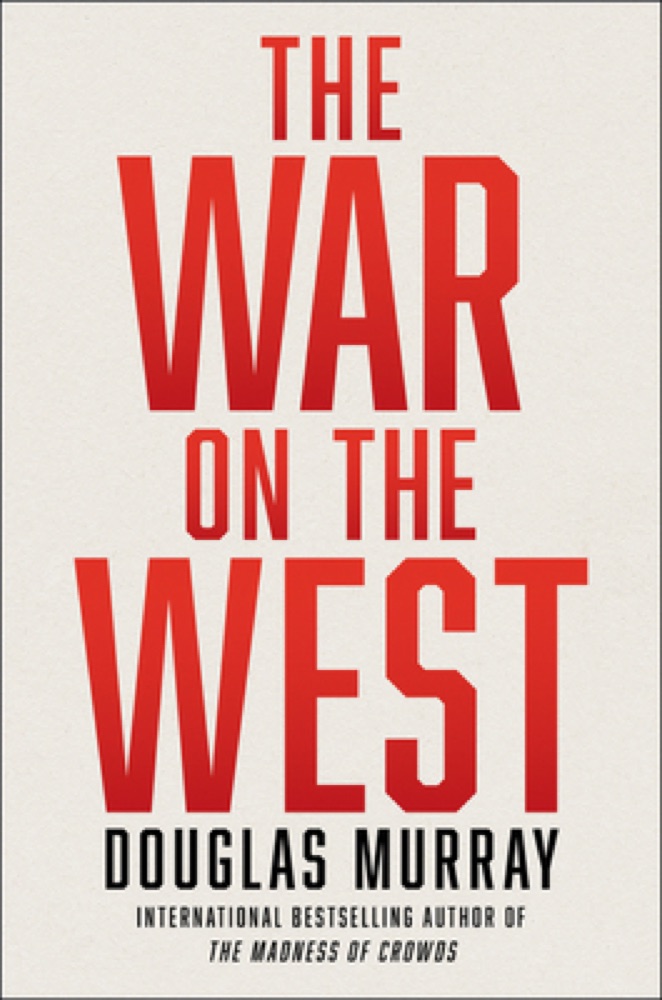 The War on the West: An Instant NYT Bestselling History of the Modern World
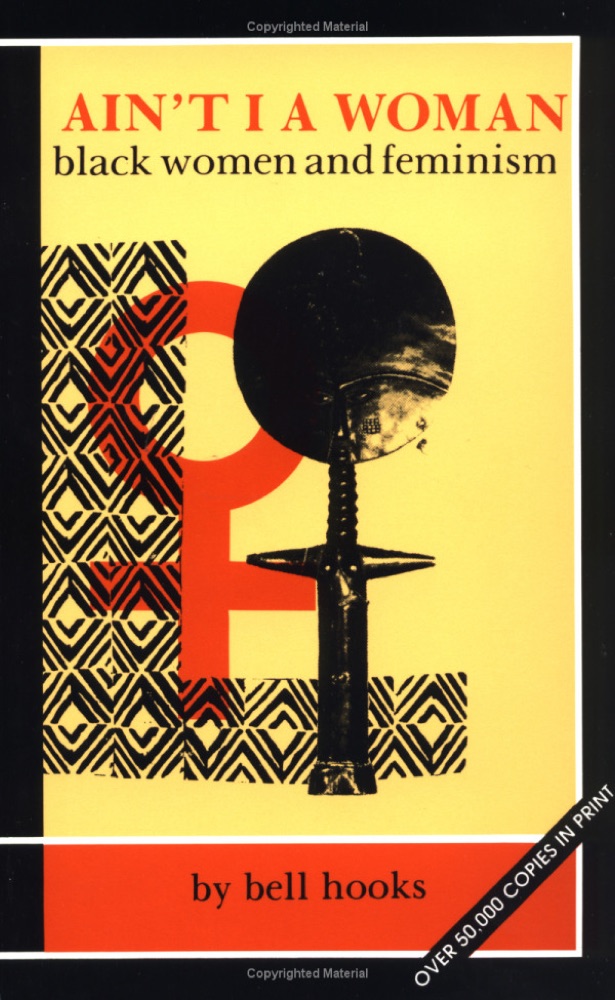 Ain't I a Woman: Black Women and Feminism
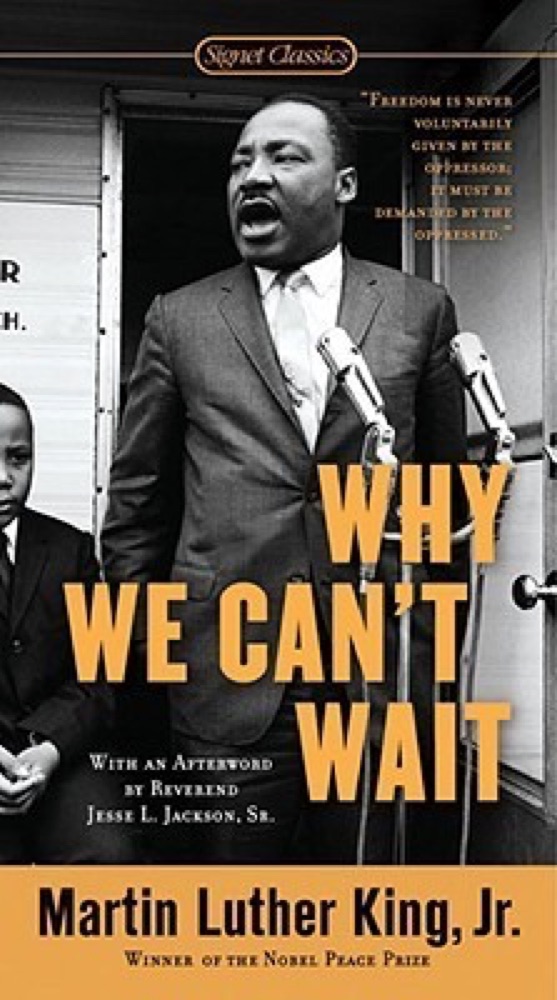 Why We Can't Wait
 The Identity Trap: A Story of Ideas and Power in Our Time
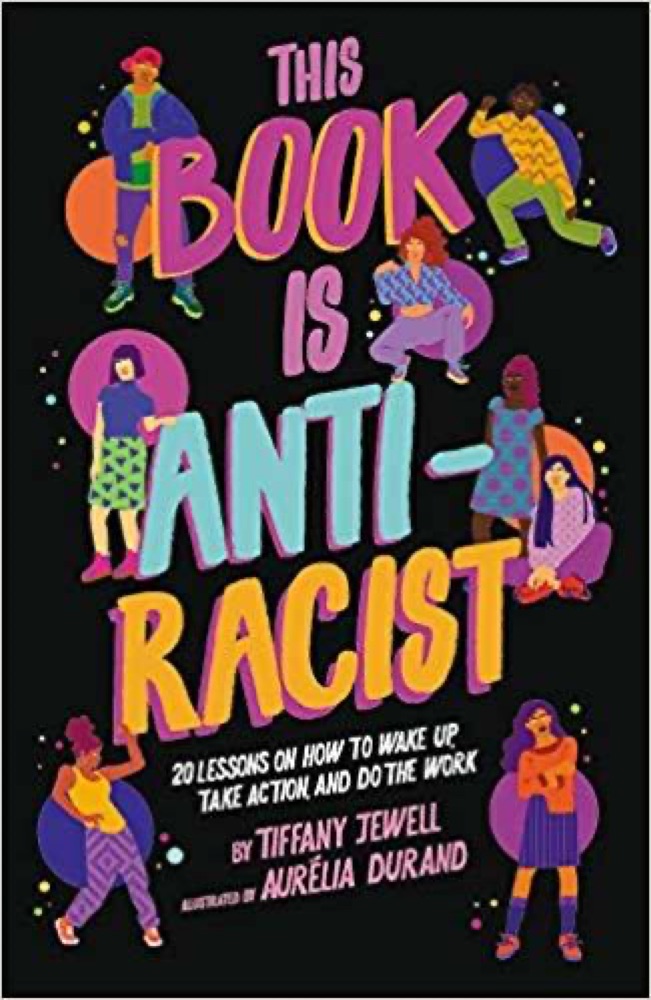 This Book Is Anti-Racist: 20 Lessons on How to Wake Up, Take Action, and Do the Work
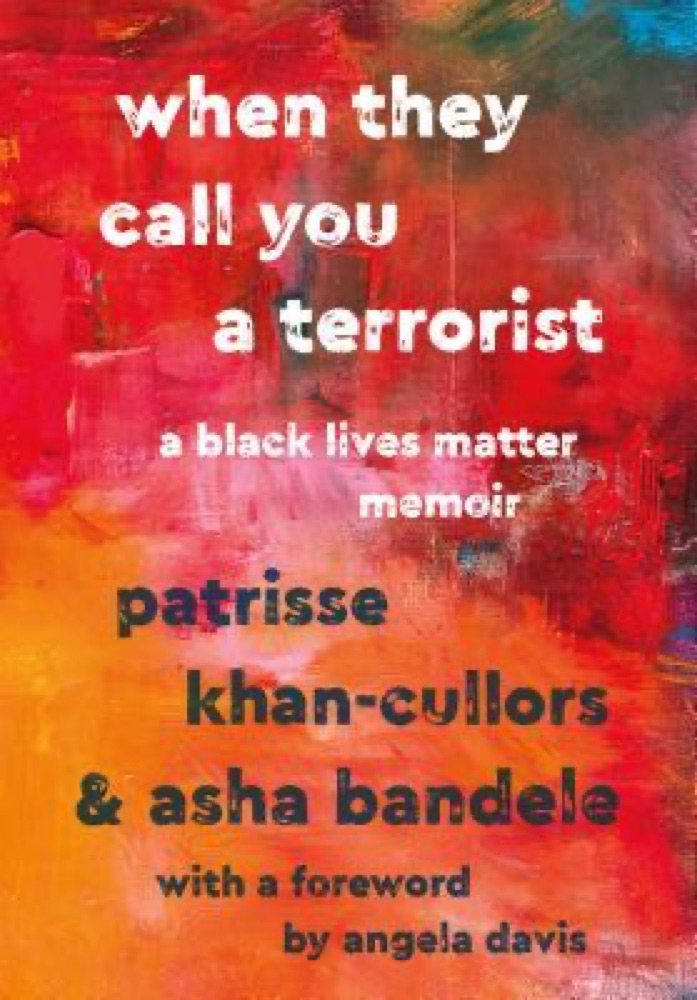 When They Call You a Terrorist: A Black Lives Matter Memoir
 Edge of Eternity
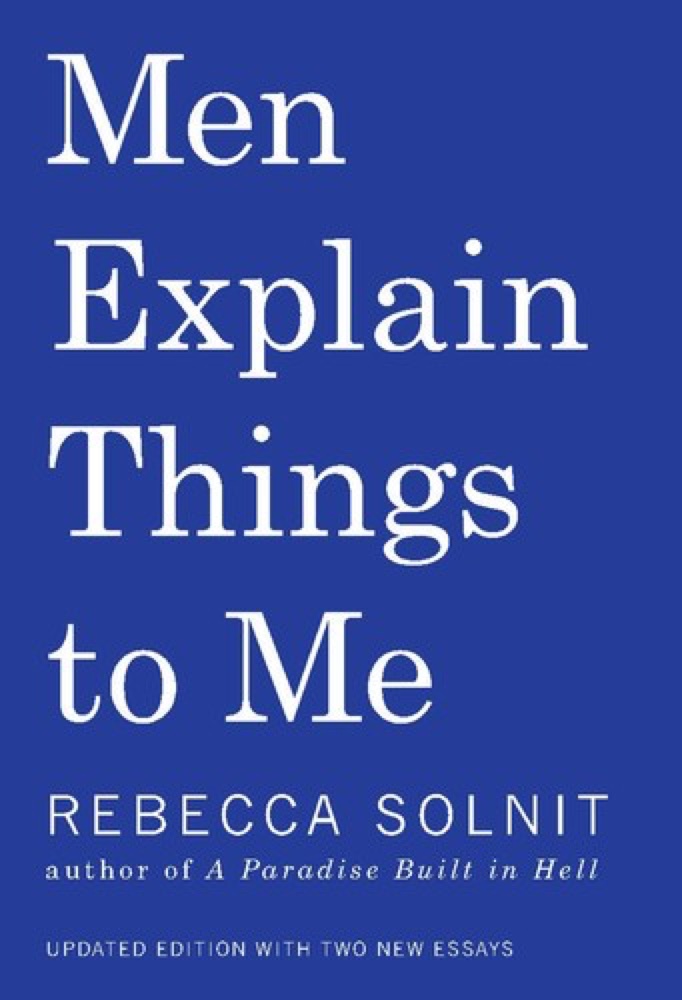 Men Explain Things to Me
 Dreams from My Father: A Story of Race and Inheritance
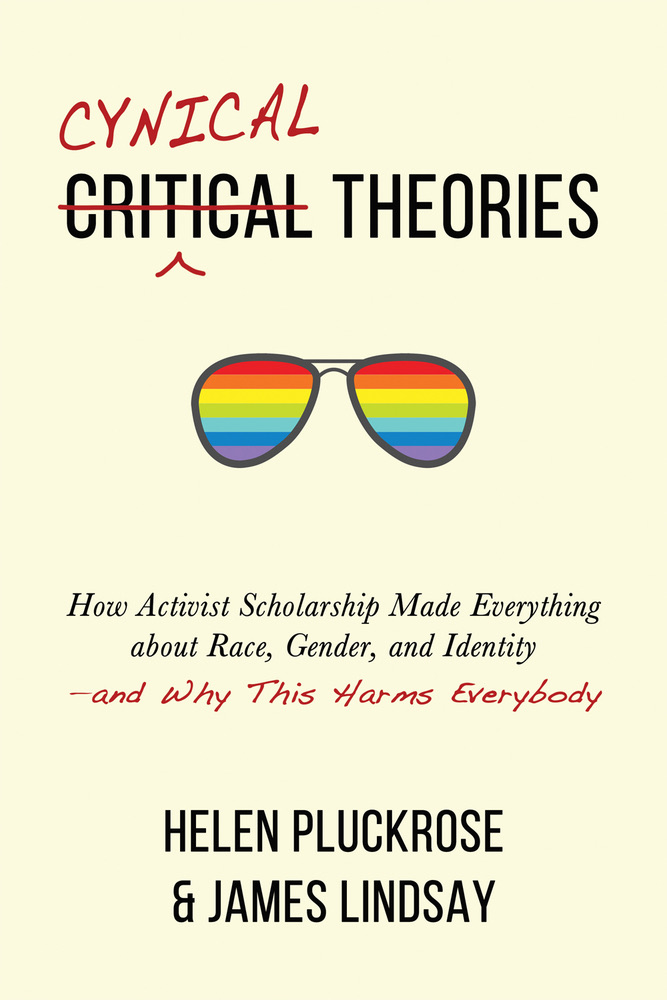 Cynical Theories: How Activist Scholarship Made Everything about Race, Gender, and Identity—and Why This Harms Everybody
 The Fire This Time: A New Generation Speaks About Race
 The View From Flyover Country: Essays by Sarah Kendzior
 Elite Capture: How the Powerful Took Over Identity Politics
 White Trash: The 400-Year Untold History of Class in America
 Things That Make White People Uncomfortable
 Coming Apart: The State of White America, 1960-2010
 Stuff White People Like: A Definitive Guide to the Unique Taste of Millions