
 Into the Uncut Grass
Quotes from the Book
We tell people to follow their dreams, but you can only dream of what you can imagine, and, depending on where you come from, your imagination can be quite limited.
People love to say, “Give a man a fish, and he’ll eat for a day. Teach a man to fish, and he’ll eat for a lifetime.” What they don’t say is, “And it would be nice if you gave him a fishing rod.” That’s the part of the analogy that’s missing.
Language, even more than color, defines who you are to people.
I don’t regret anything I’ve ever done in life, any choice that I’ve made. But I’m consumed with regret for the things I didn’t do, the choices I didn’t make, the things I didn’t say. We spend so much time being afraid of failure, afraid of rejection. But regret is the thing we should fear most. Failure is an answer. Rejection is an answer. Regret is an eternal question you will never have the answer to. “What if…” “If only…” “I wonder what would have…” You will never, never know, and it will haunt you for the rest of your days.
If you're Native American and you pray to the wolves, you're a savage. If you're African and you pray to your ancestors, you're a primitive. But when white people pray to a guy who turns water into wine, well, that's just common sense.
Nelson Mandela once said, 'If you talk to a man in a language he understands, that goes to his head. If you talk to him in his language, that goes to his heart.' He was so right. When you make the effort to speak someone else's language, even if it's just basic phrases here and there, you are saying to them, 'I understand that you have a culture and identity that exists beyond me. I see you as a human being
We spend so much time being afraid of failure, afraid of rejection. But regret is the thing we should fear most. Failure is an answer. Rejection is an answer. Regret is an eternal question you will never have the answer to.
Being chosen is the greatest gift you can give to another human being.
Trevor, remember a man is not determined by how much he earns. You can still be a man of the house and earn less than your woman. Being a man is not what you have, it's who you are. Being more of a man doesn't mean your woman has to be less than you.
I was blessed with another trait I inherited from my mother, her ability to forget the pain in life. I remember the thing that caused the trauma, but I don't hold onto the trauma. I never let the memory of something painful prevent me from trying something new. If you think too much about the ass kicking your mom gave you or the ass kicking that life gave you, you’ll stop pushing the boundaries and breaking the rules. It’s better to take it, spend some time crying, then wake up the next day and move on. You’ll have a few bruises and they’ll remind you of what happened and that’s ok. But after a while, the bruises fade and they fade for a reason. Because now, it’s time to get up to some shit again.
Relationships are built in the silences. You spend time with people, you observe them and interact with them, and you come to know them—and that is what apartheid stole from us: time.
The name Hitler does not offend a black South African because Hitler is not the worst thing a black South African can imagine. Every country thinks their history is the most important, and that’s especially true in the West. But if black South Africans could go back in time and kill one person, Cecil Rhodes would come up before Hitler. If people in the Congo could go back in time and kill one person, Belgium’s King Leopold would come way before Hitler. If Native Americans could go back in time and kill one person, it would probably be Christopher Columbus or Andrew Jackson. I
We live in a world where we don’t see the ramifications of what we do to others because we don’t live with them. It would be a whole lot harder for an investment banker to rip off people with subprime mortgages if he actually had to live with the people he was ripping off. If we could see one another’s pain and empathize with one another, it would never be worth it to us to commit the crimes in the first place.
Abel wanted a traditional marriage with a traditional wife. For a long time I wondered why he ever married a woman like my mom in the first place, as she was the opposite of that in every way. If he wanted a woman to bow to him, there were plenty of girls back in Tzaneen being raised solely for that purpose. The way my mother always explained it, the traditional man wants a woman to be subservient, but he never falls in love with subservient women. He’s attracted to independent women. “He’s like an exotic bird collector,” she said. “He only wants a woman who is free because his dream is to put her in a cage.
People thought my mom was crazy. Ice rinks and drive-ins and suburbs, these things were izinto zabelungu -- the things of white people. So many people had internalized the logic of apartheid and made it their own. Why teach a black child white things? Neighbors and relatives used to pester my mom: 'Why do this? Why show him the world when he's never going to leave the ghetto?' 'Because,' she would say, 'even if he never leaves the ghetto, he will know that the ghetto is not the world. If that is all I accomplish, I've done enough.
People always lecture the poor: “Take responsibility for yourself! Make something of yourself!” But with what raw materials are the poor to make something of themselves? People
But the real world doesn't go away. Racism exists. People are getting hurt. And just because it's not happening to you, doesn't mean it's not happening. And at some point you have to choose; black or white, pick a side. You can try to hide from it. You can say, oh I don't take sides, but at some point, life will force you to pick a side.
My mom did what school didn't. She taught me how to think.
The first thing I learned about having money was that it gives you choices. People don’t want to be rich. They want to be able to choose. The richer you are, the more choices you have. That is the freedom of money.
A dog is a great thing for a kid to have. It's like a bicycle but with emotions.
Learn from your past and be better because of your past,” she would say, “but don’t cry about your past. Life is full of pain. Let the pain sharpen you, but don’t hold on to it. Don’t be bitter.
Language brings with it an identity and a culture, or at least the perception of it. A shared language says "We're the same." A language barrier says "We're different.
You want to live in a world where someone is good or bad. Where you either hate them or love them. But that's not how people are.
The hood made me realise that crime succeeds because crime does the one thing the government doesn’t do: crime cares. Crime is grassroots. Crime looks for the young kids who need support and a lifting hand. Crime offers internship programmes and part-time jobs and opportunities for advancement. Crime gets involved in the community. Crime doesn’t discriminate.
Comfort can be dangerous. Comfort provides a floor but also a ceiling.
In any society built on institutionalized racism, race mixing doesn't merely challenge the system as unjust, it reveals the system as unsustainable and incoherent. Race mixing proves that races can mix, and in a lot of cases want to mix. Because a mixed person embodies that rebuke to the logic of the system, race mixing becomes a crime worse than treason.
The world doesn’t love you. If the police get you, the police don’t love you. When I beat you, I’m trying to save you. When they beat you, they’re trying to kill you.
When you shit, as you first sit down, you’re not fully in the experience yet. You are not yet a shitting person. You’re transitioning from a person about to shit to a person who is shitting. You don’t whip out your smartphone or a newspaper right away. It takes a minute to get the first shit out of the way and get in the zone and get comfortable. Once you reach that moment, that’s when it gets really nice. It’s a powerful experience, shitting. There’s something magical about it, profound even. I think God made humans shit in the way we do because it brings us back down to earth and gives us humility. I don’t care who you are, we all shit the same. Beyoncé shits. The pope shits. The Queen of England shits. When we shit we forget our airs and our graces, we forget how famous or how rich we are. All of that goes away. You
My grandmother always told me that she loved my prayers. She believed my prayers were more powerful, because I prayed in English. Everyone knows that Jesus, who's white, speaks English. The Bible is in English. Yes, the Bible was not written in English, but the Bible came to South Africa in English so to us it's English. Which made my prayers the best prayers because English prayers get answered first. How do we know this? Look at white people. Clearly they're getting through to the right person. Add to that Matthew 19:14. "Suffer little children to come unto me," Jesus said, "for theirs is the kingdom of heaven." So if a child is praying in English? To White Jesus? That's a powerful combination right there.
Nearly one million people lived in Soweto. Ninety-nine point nine percent of them were black—and then there was me. I was famous in my neighborhood just because of the color of my skin. I was so unique people would give directions using me as a landmark. “The house on Makhalima Street. At the corner you’ll see a light-skinned boy. Take a right there.” Whenever
Did you know?
- Trevor Noah was born to a Black Xhosa mother and a white Swiss-German father when interracial relationships were illegal under South African apartheid law, which gives the book its title.
- The book is dedicated to and centers on Noah's mother, Patricia Nombuyiselo Noah.
- Noah narrates the audiobook edition himself, which won wide acclaim and helped make it a bestseller in audio.
- A film adaptation was announced in 2018 with Lupita Nyong'o attached to play Noah's mother, Patricia.
- Under apartheid's racial classification system Noah was categorized as "Coloured."
- The memoir is structured as a collection of linked personal stories rather than a single continuous narrative.
About Trevor Noah
Trevor Noah is a South African comedian, writer, and television host, born in 1984 in Johannesburg. He hosted the American satirical news program "The Daily Show" from 2015 to 2022 and is known internationally for his stand-up comedy.
More about the author →More by Trevor Noah
Into the Uncut Grass
 It's Trevor Noah: Born a Crime: Stories from a South African Childhood
About the book
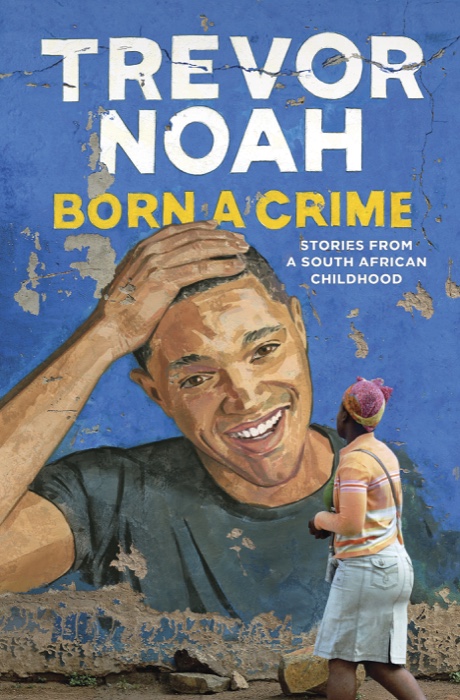
"Born a Crime: Stories From a South African Childhood" is a memoir by comedian Trevor Noah, best known as former host of "The Daily Show." The book recounts his childhood and coming-of-age in South Africa during the final years of apartheid and the turbulent era of freedom that followed. Noah was born in 1984 to a Black Xhosa mother and a white Swiss-German father at a time when such a relationship was a criminal offense under apartheid law, making his very existence evidence of a crime. Classified as "Coloured" under the regime's racial hierarchy, he spent his earliest years largely hidden indoors by the elaborate precautions his mother took to keep him from being taken away.
Told in a series of linked stories rather than a strict chronological narrative, the book explores race, identity, language, poverty, religion, and belonging. Noah describes how his fluency in multiple South African languages helped him move between communities that were otherwise segregated, and he mixes sharp humor with unflinching accounts of domestic violence and hardship. At its heart the memoir is a tribute to his mother, Patricia, a fiercely independent, devoutly religious woman whose strictness, wit, and courage shaped him, and whose survival after being shot by Noah's abusive stepfather closes the book.
Published by Spiegel & Grau in 2016, "Born a Crime" became a number one New York Times bestseller and was named a best book of the year by outlets including The New York Times and NPR. Praised for balancing comedy with a serious reckoning with apartheid's legacy, it has become widely assigned in schools and remains one of the most acclaimed contemporary memoirs by an African writer.
Book details
- First published
- 2016
- Length
- 288 pages
- Reading time
- 4 hours
- Author
- Trevor Noah
- Genre
- Nonfiction
- Goodreads rating
- 4.49 (833k ratings) →
- First line
- “Sometimes in big Hollywood movies they'll have these crazy chase scenes where somebody jumps or gets thrown from a moving car.”
Movie & TV adaptations
- IMDb
If you liked this, read…
- 1The Daily Show (The AudioBook): An Oral HistoryCompanion oral history tied to Noah's late-night hosting career and comedic voice.
- 2Long Walk to FreedomNelson Mandela's autobiography offers a foundational account of South African apartheid and liberation.
- 3I Know Why the Caged Bird SingsMaya Angelou's classic memoir similarly blends humor and hardship in a coming-of-age story shaped by racism and a strong mother figure.
Keep reading
It's Trevor Noah: Born a Crime: Stories from a South African Childhood
 Small Great Things
 Between the World and Me
 When They Call You a Terrorist: A Black Lives Matter Memoir
 One Day We'll All Be Dead and None of This Will Matter
 Americanah
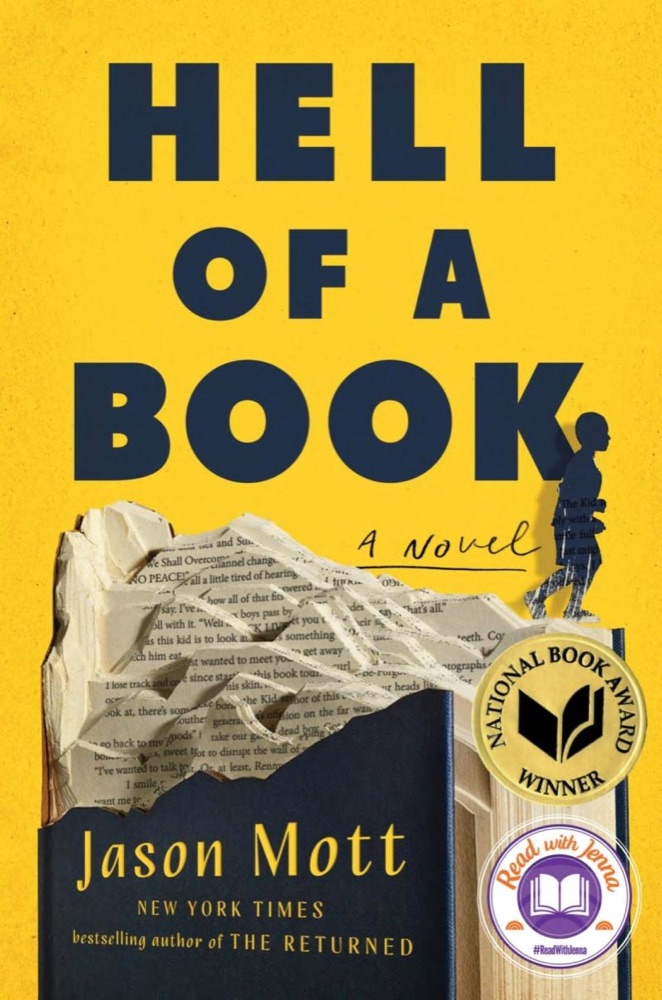 Hell of a Book
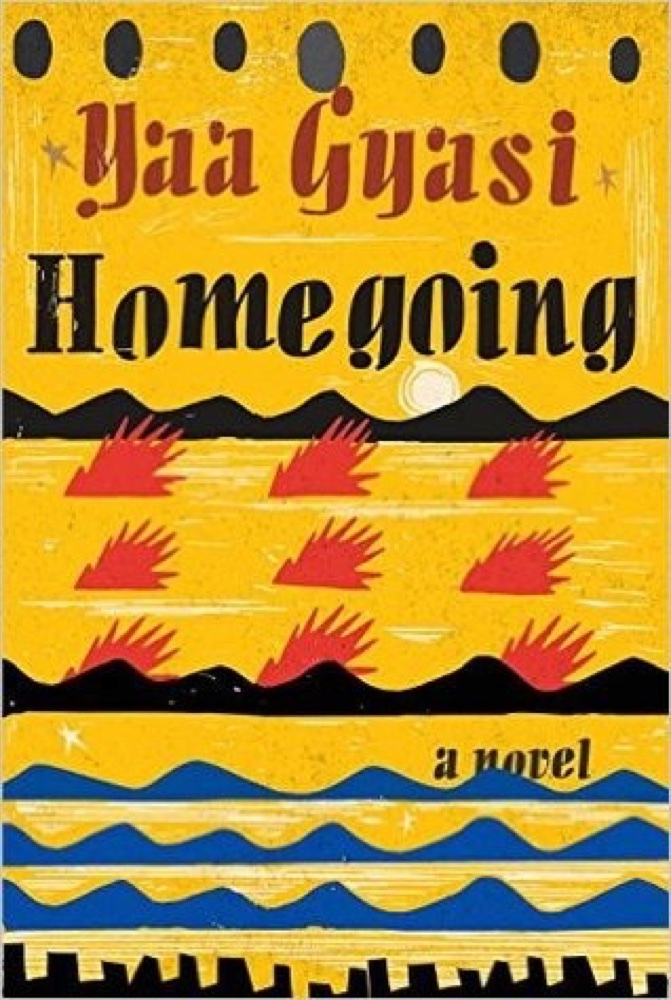 Homegoing
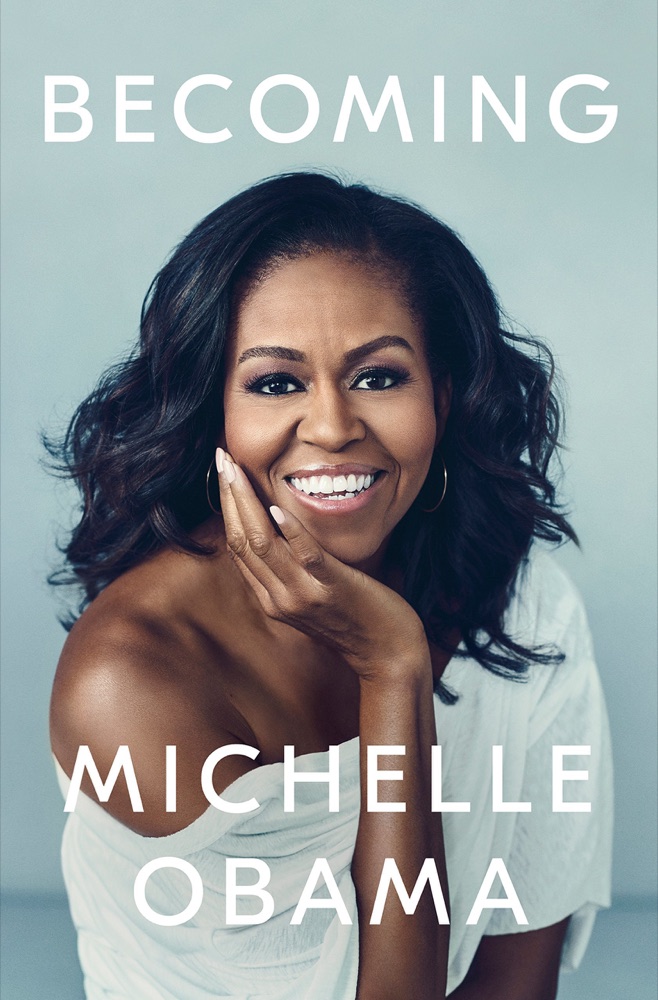 Becoming
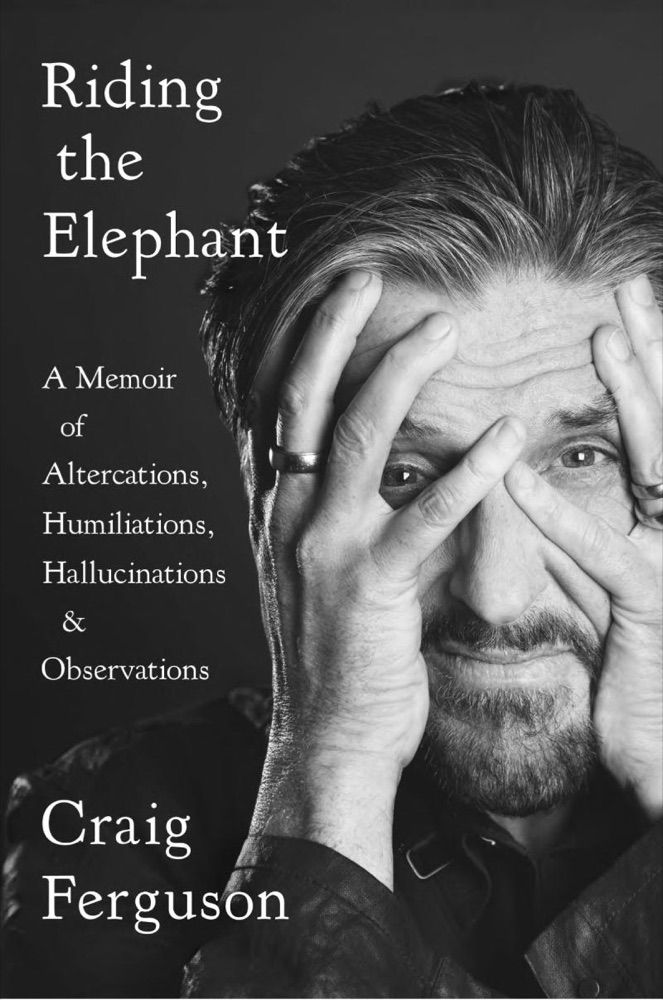 Riding the Elephant: A Memoir of Altercations, Humiliations, Hallucinations, and Observations
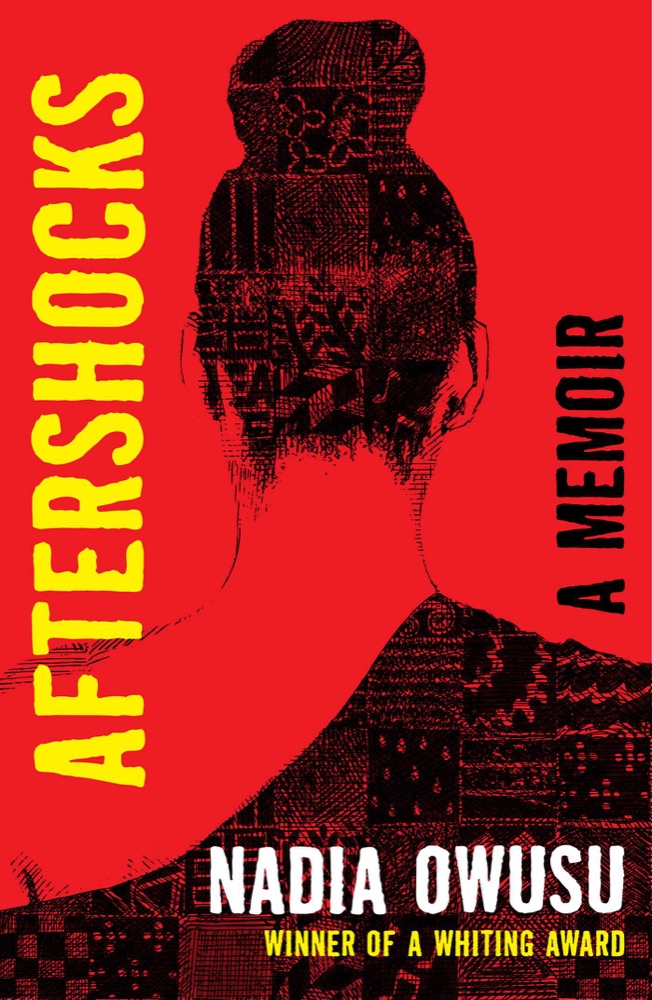 Aftershocks
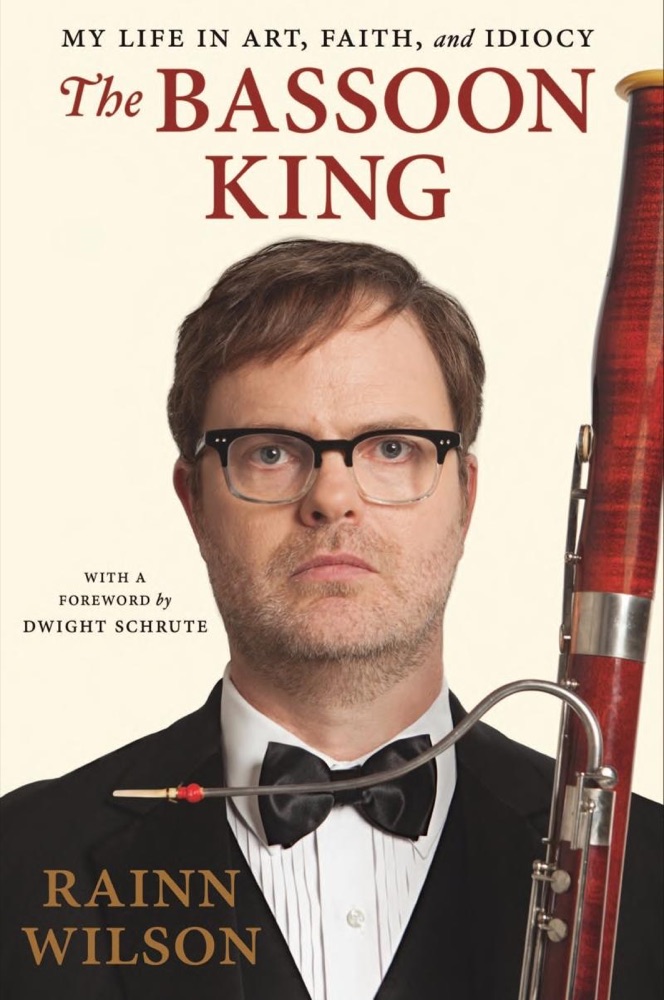 The Bassoon King: My Life in Art, Faith, and Idiocy
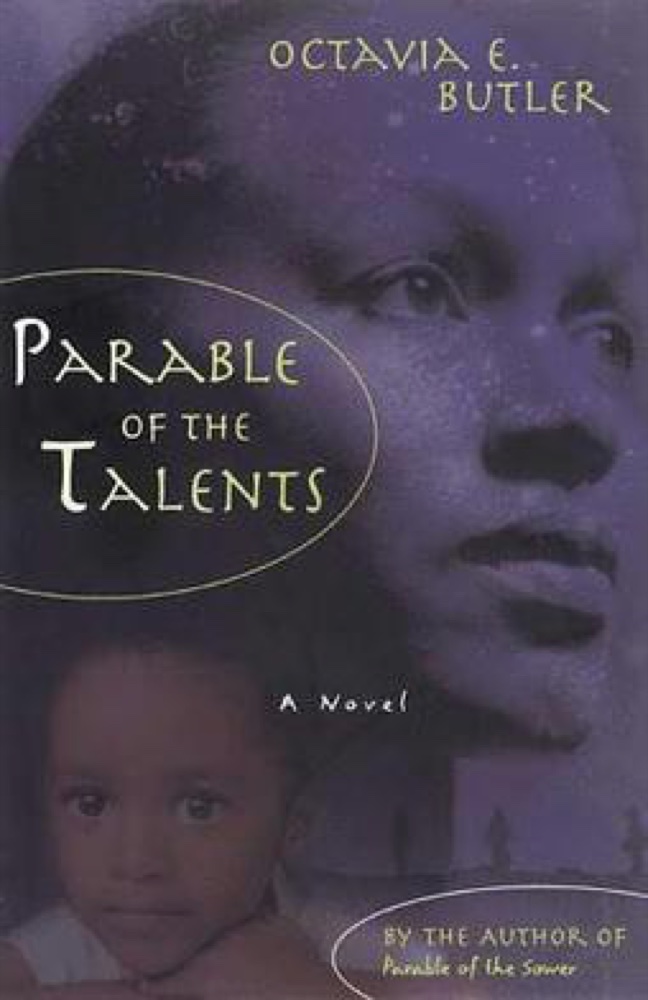 Parable of the Talents
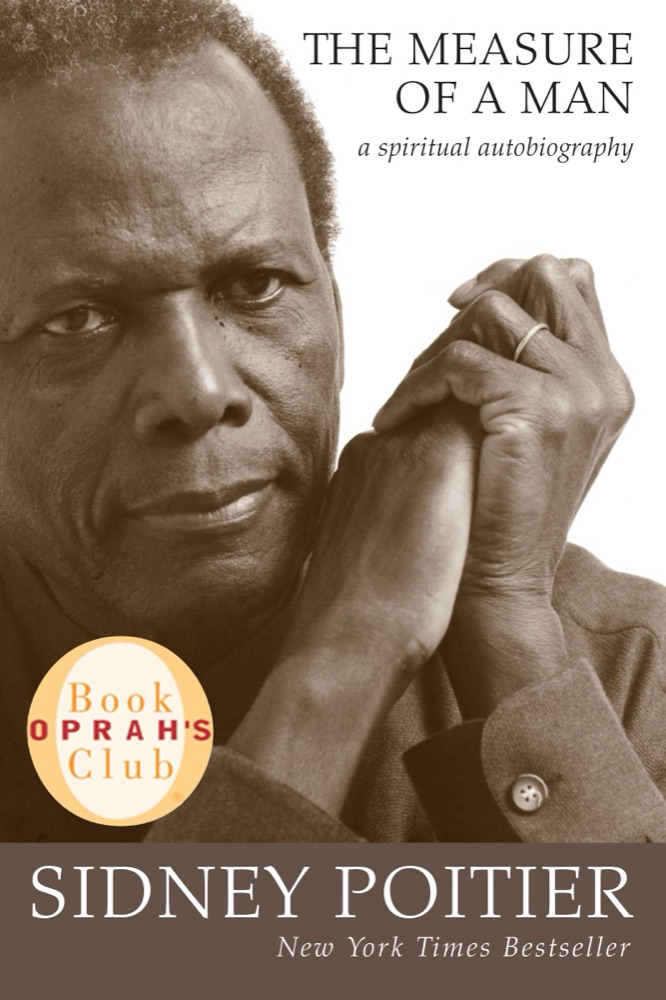 The Measure of a Man: A Spiritual Autobiography
 Never Stop Walking: A Memoir of Finding Home Across the World
 The Chalk Man
 Everything Sad Is Untrue
 Scenes from My Life: A Memoir
 The House of Hidden Meanings
 The 7 Habits Of Highly Effective Teens
 Believe Me: A Memoir of Love, Death, and Jazz Chickens
 The Girl Who Smiled Beads: A Story of War and What Comes After
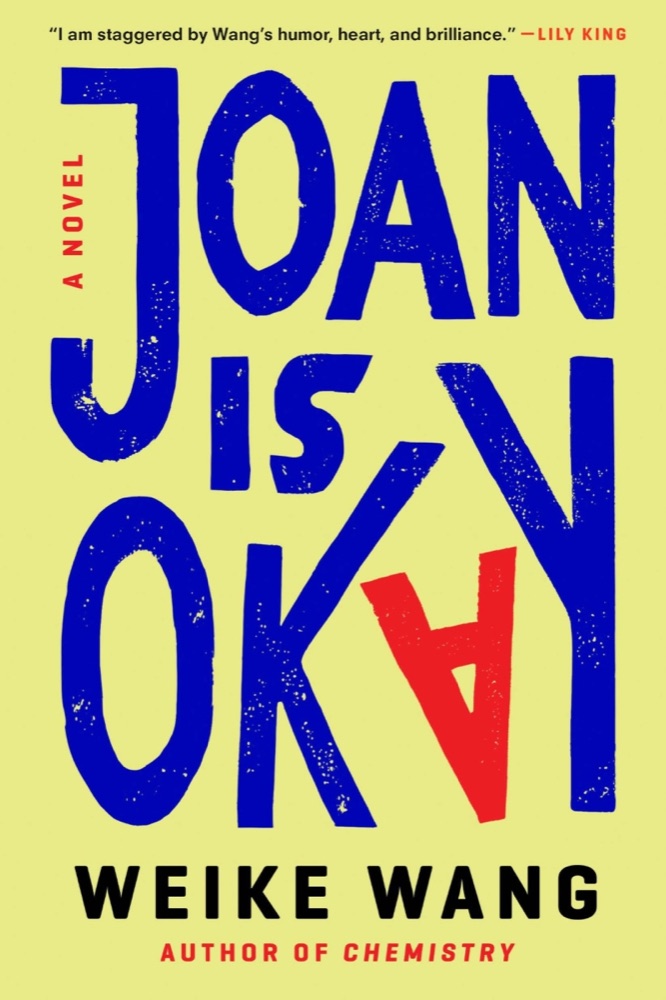 Joan Is Okay
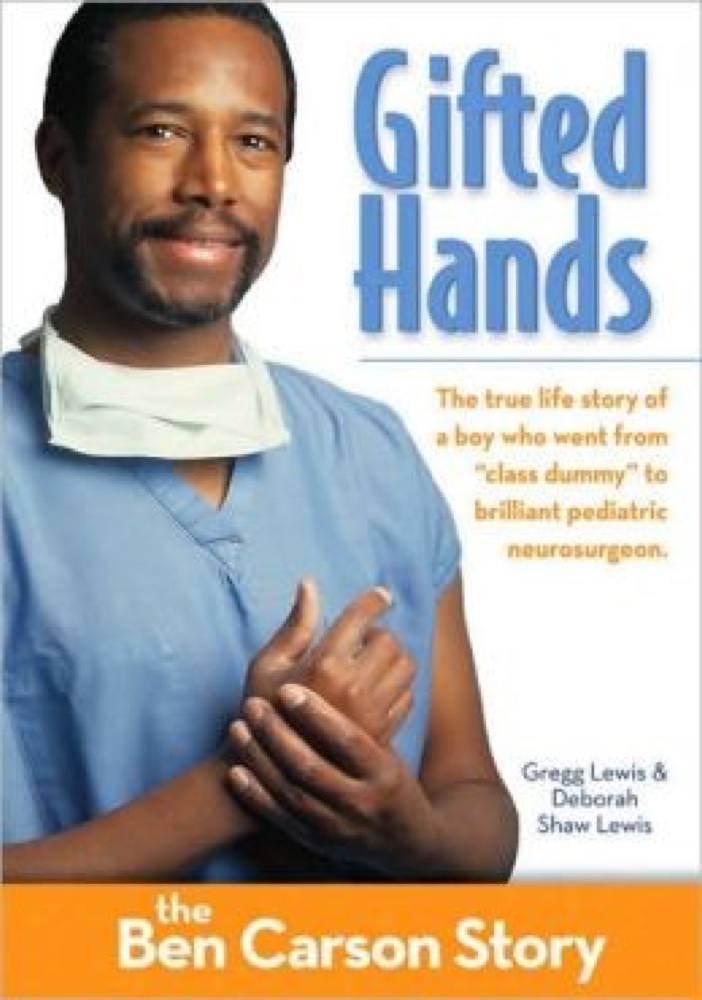 Gifted Hands: The Ben Carson Story
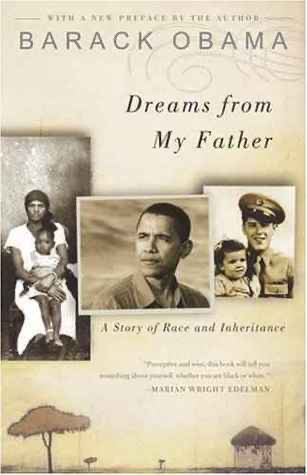 Dreams from My Father: A Story of Race and Inheritance
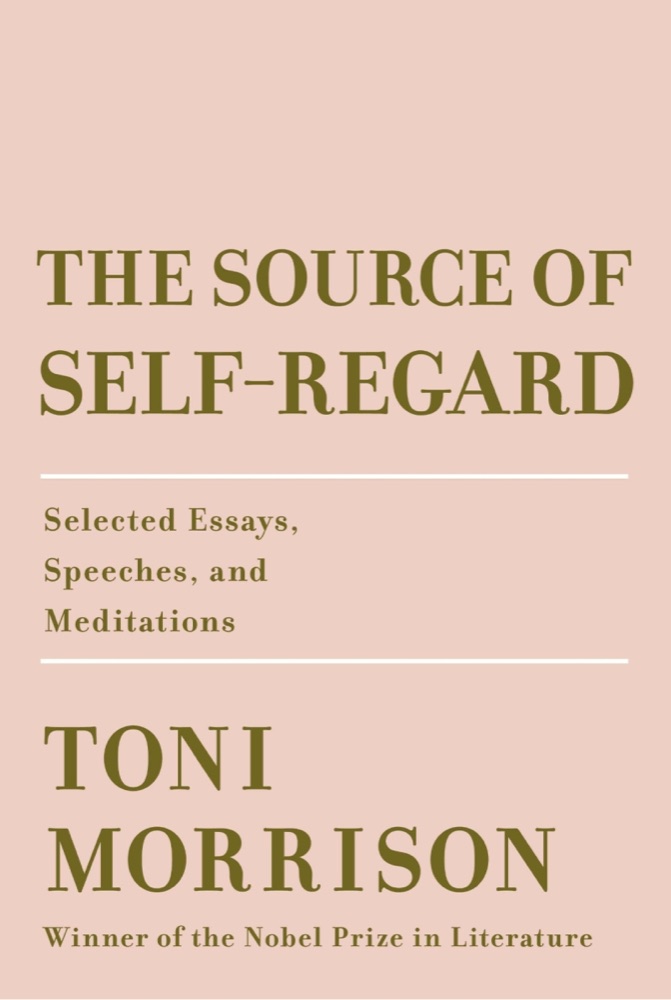 The Source of Self-Regard: Selected Essays, Speeches, and Meditations
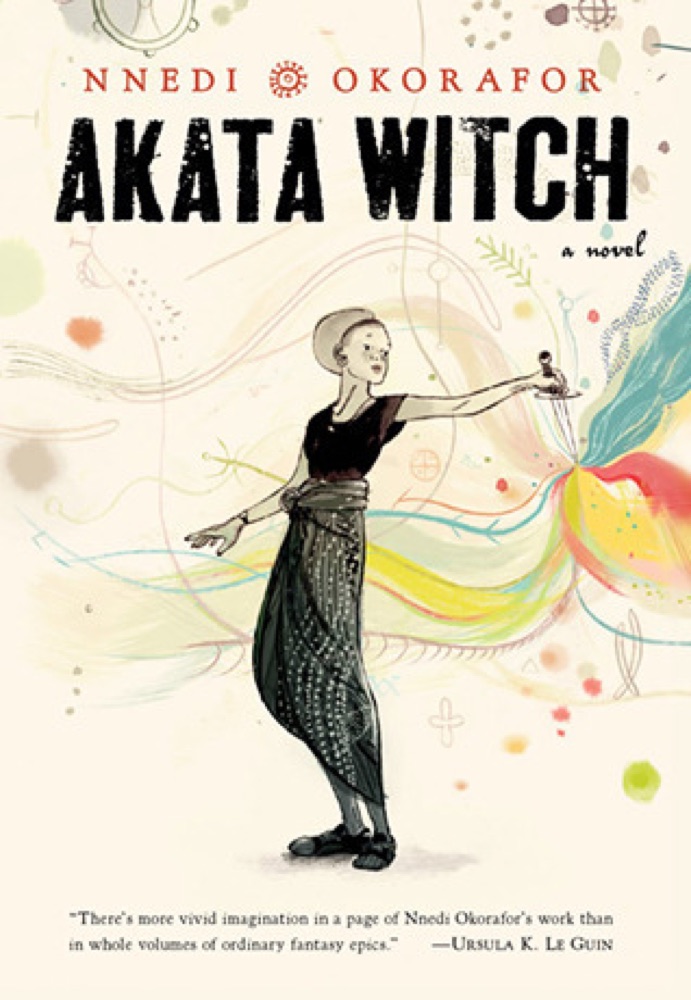 Akata Witch
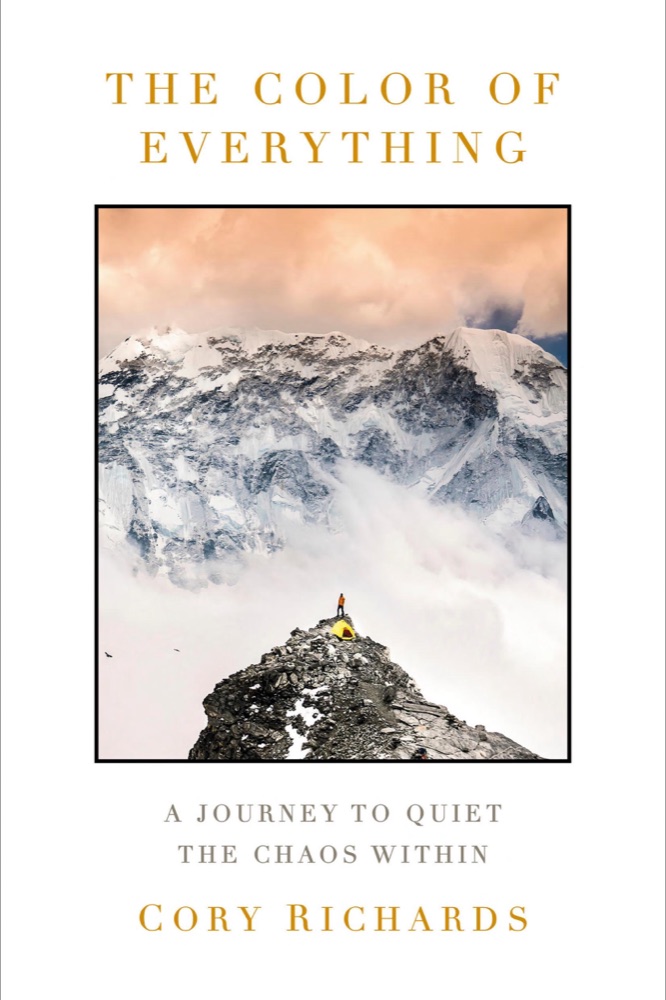 The Color of Everything: A Journey to Quiet the Chaos Within
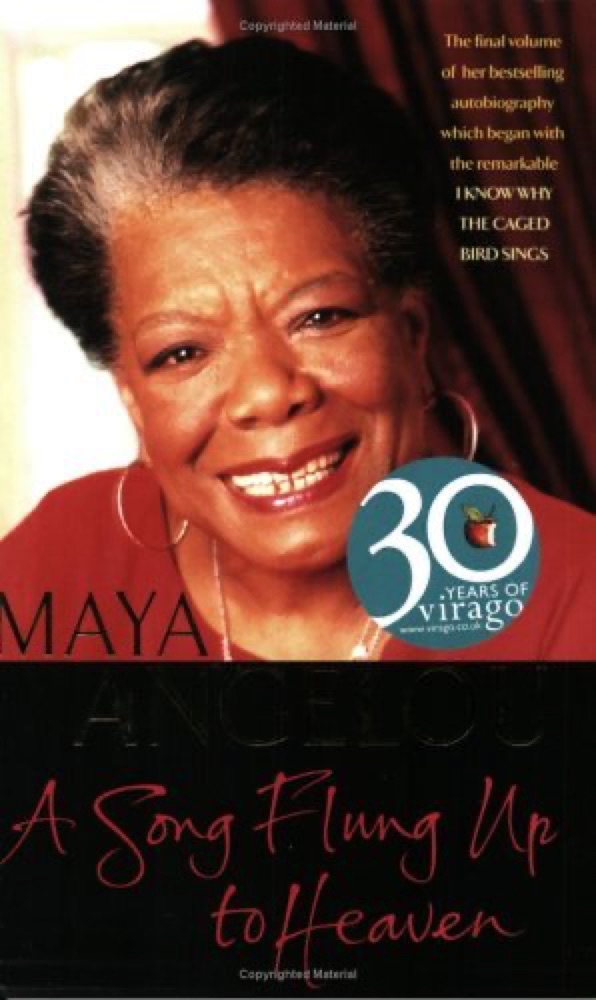 A Song Flung Up to Heaven
 The 57 Bus
 A Language Older Than Words
 Stamped: Racism, Antiracism, and You
 Born to Run
 My Government Means to Kill Me
 Of Mess and Moxie: Wrangling Delight Out of This Wild and Glorious Life
 The Downstairs Girl
 The Absolutely True Diary of a Part-Time Indian
 My Beloved World
 Letter to My Daughter
 Notes from No Man's Land
 Things My Son Needs to Know About the World
 Behold the Dreamers
 My Life on the Road
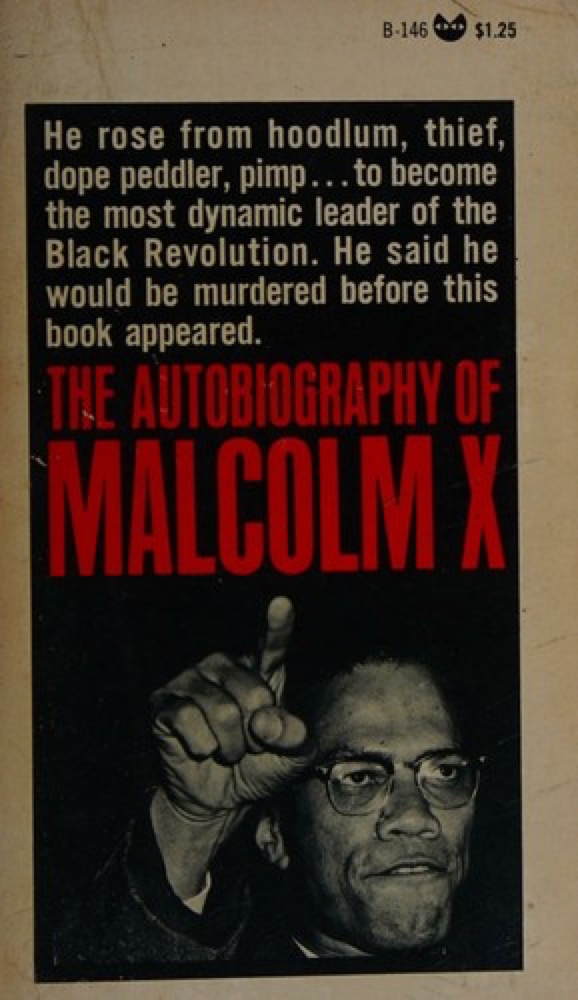 The Autobiography of Malcolm X
 Good Dirt
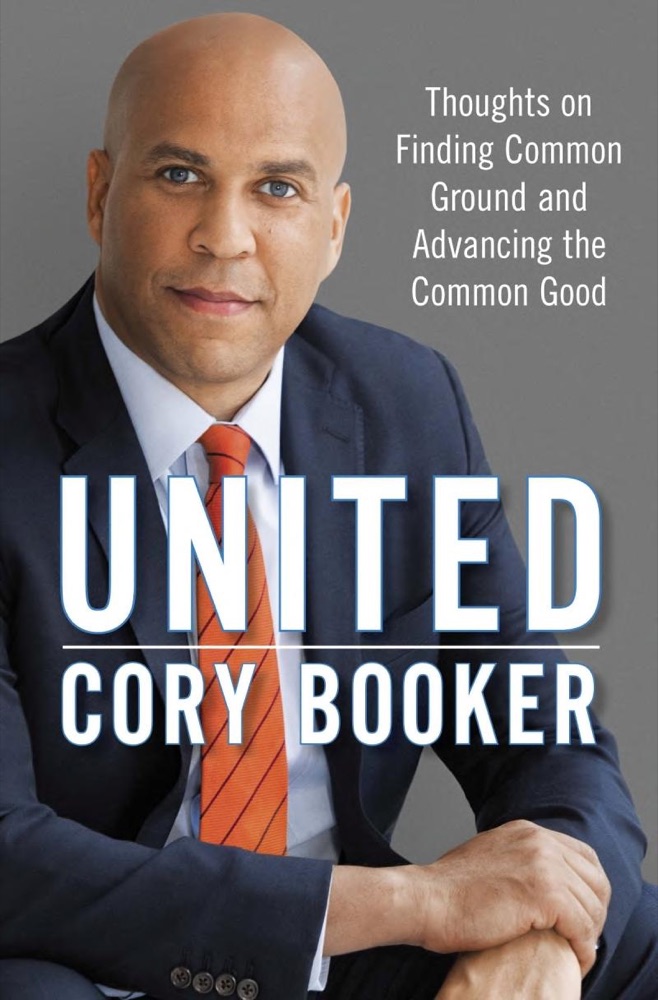 United: Thoughts on Finding Common Ground and Advancing the Common Good
 A Mind Spread Out on the Ground
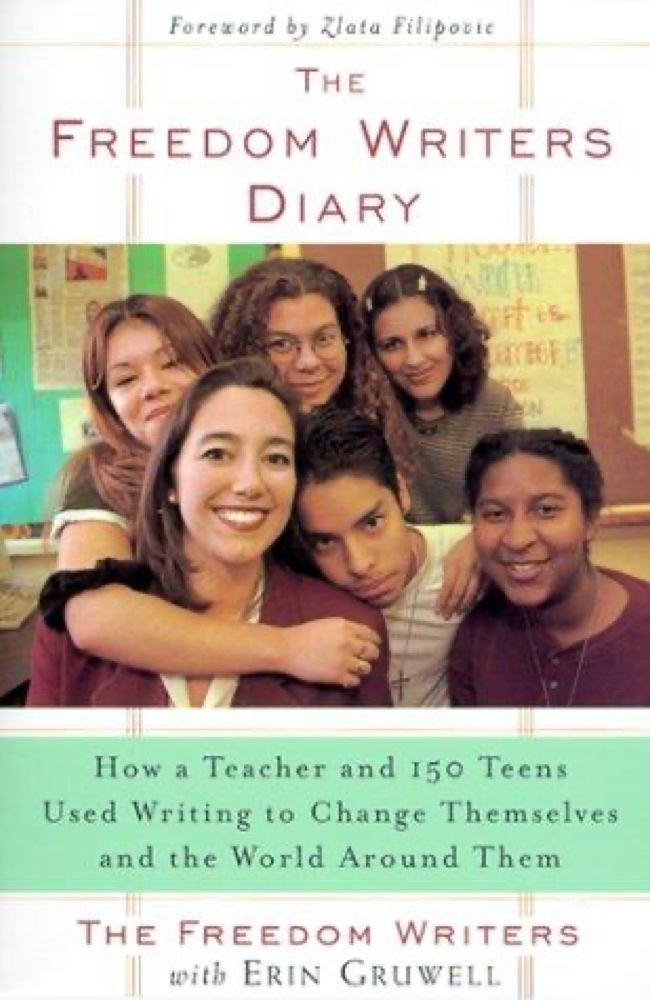 The Freedom Writers Diary
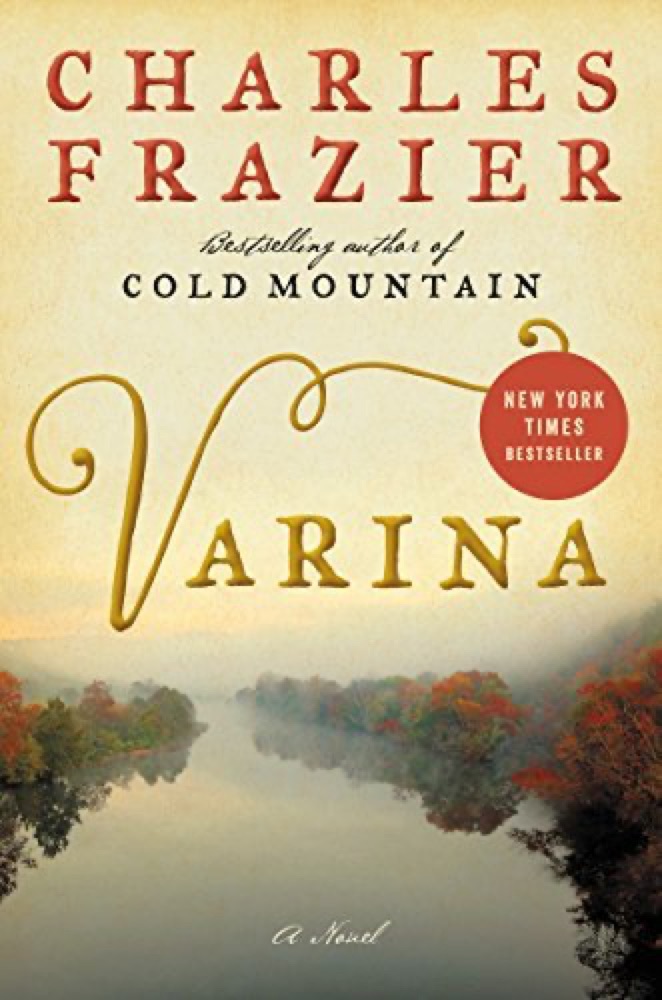 Varina
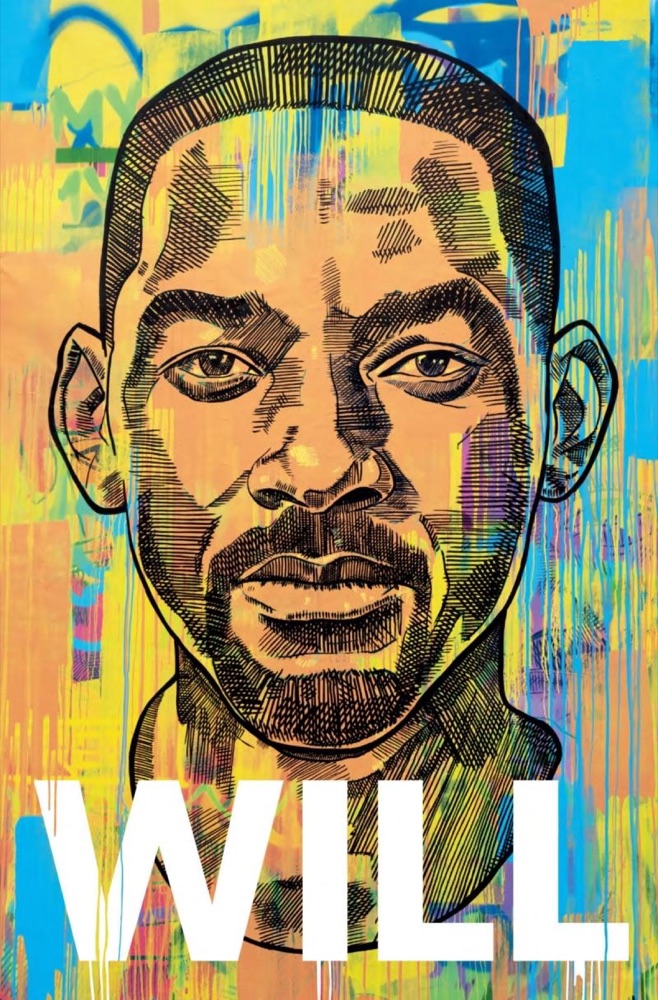 Will
Will
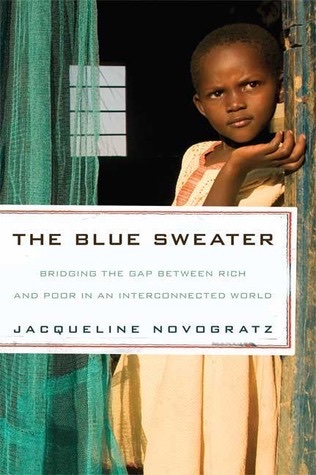 The Blue Sweater: Bridging the Gap Between Rich and Poor in an Interconnected World
 The Black Kids
 White Like Me: Reflections On Race From A Privileged Son
 When Michael Met Mina
 Life Will Be the Death of Me: . . . and you too!
 The Happiest Man on Earth
 I Take My Coffee Black: Reflections on Tupac, Musical Theater, Faith, and Being Black in America
 On the Other Side of Freedom: The Case for Hope
 Like Streams to the Ocean: Notes on Ego, Love, and the Things That Make Us Who We Are
 Broken Horses