
 Appalachian Elegy: Poetry and Place
Quotes from the Book
Often their rage erupts because they believe that all ways of looking that highlight difference subvert the liberal belief in a universal subjectivity (we are all just people) that they think will make racism disappear. They have a deep emotional investment in the myth of sameness even as their actions reflect the primacy of whiteness as a sign informing who they are and how they think.
8
The whiteness celebrated in Paris is Burning is not just any old brand of whiteness but rather that brutal imperial ruling-class capitalist patriarchal whiteness that presents itself -its way of life- as the only meaningful life there is. What could be more reassuring to a white public fearful that marginalized disenfranchised black folks might rise any day now make revolutionary black liberation struggle a reality than a documentary affirming that colonized, victimized, exploited black folks, are all too willing to be complicit in perpetuating the fantasy that ruling-class white culture is the quintessential site of unrestricted joy, freedom, power and pleasure.
7
Watching Paris is Burning, I began to think that the many yuppie-looking, straight -acting, pushy, predominantly white folks in the audience were there because the film in no way interrogates “whiteness.” These folks left the film saying it was “amazing,” “marvellous,” incredibly funny,” worthy of statements like, “Didn’t you just love it?” And no, I didn’t love it. For in many ways the film was a graphic documentary portrait of the way in which colonized black people (in this case black gay brothers, some of whom were drag queens) worship at the throne of whiteness, even when such worship demands that we live in perpetual self-hate, steal, go hungry, and even die in its pursuit. The "we" evoked here is all of us, black people/people of color, who are daily bombarded by a powerful colonizing whiteness that seduces us away from ourselves, that negates that there is beauty to be found in any form of blackness that is not imitation whiteness.
7
The "we" evoked here is all of us, black people/people of color, who are daily bombarded by a powerful colonizing whiteness that seduces us away from ourselves that negates that there is beauty to be found in any form of blackness that is not imitation whiteness.
7
...consider the possibility that to love blackness is dangerous in a white supremacist culture- so threatening, so serious a breach in the fabric of the social order, that death is the punishment.
4
Many unlearning racism workshops focus on helping white individuals to see that they too are wounded by racism and as a consequence have something to gain from participating in anti-racist struggle. While in some ways true, a construction of political solidarity that is rooted in a narrative of shared victimization not only acts to recenter whites, it risks obscuring the particular ways racist domination impacts on the lives of marginalized groups. Implicit in the assumption that even those who are privileged via racist hierarchy suffer is the notion that it is only when those in power get in touch with how they too are victimized will they rebel against structures of domination. The truth is that many folks benefit greatly from dominating others and are not suffering a wound that is in any way similar to the condition of the exploited and oppressed. Anti-racist work that tries to get these individuals to see themselves as "victimized" by racism in the hopes that this will act as an intervention is a misguided strategy. And indeed we must be willing to acknowledge that individuals of great privilege who are in no way victimized are capable, via their political choices, of working on behalf of the oppressed. Such solidarity does not need to be rooted in shared experience. It can be based on one's political and ethical understanding of racism and one's rejection of domination.
2
If black men and women take seriously Malcolm’s charge that we must work for our liberation “by any means necessary,” then we must be willing to explore the way feminism as a critique of sexism, as a movement to end sexism and sexist oppression, could aid our struggle to be self-determining.
As long as black people foolishly cling to the rather politically naive and dangerous assumption that it is in the interests of black liberation to support sexism and male domination, all our efforts to decolonize our minds and transform society will fail.
positive recognition and acceptance of difference is a necessary starting point as we work to eradicate white supremacy.
Watch on YouTube
About bell hooks
We have collected 246 quotes from 11 books by bell hooks on BookQuoters.
More about the author →More by bell hooks
Appalachian Elegy: Poetry and Place
 We Real Cool: Black Men and Masculinity
 All About Love: New Visions
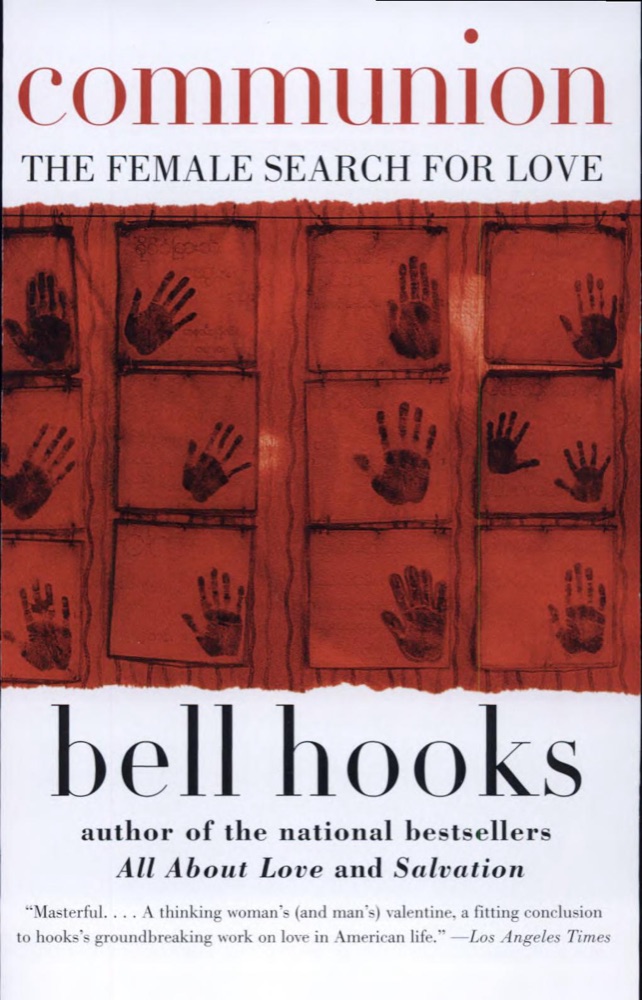 Communion: The Female Search for Love
About the book
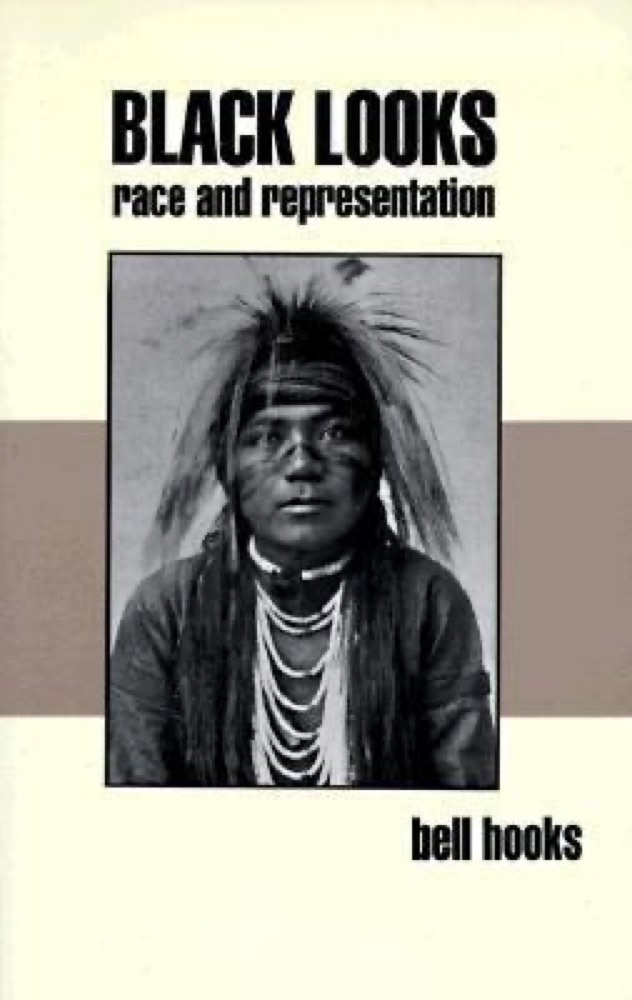
In these twelve essays, bell hooks digs ever deeper into the personal and political consequences of contemporary representations of race and ethnicity within a white supremacist culture.
Book details
- First published
- 1992
- Author
- bell hooks
- Genre
- Nonfiction
- Goodreads rating
- 4.36 (2k ratings)
Keep reading
 What White People Can Do Next: From Allyship to Coalition – An Empowering Guide to Interrogating Whiteness and Creating Justice
 I'm Still Here: Black Dignity in a World Made for Whiteness
 Why I'm No Longer Talking to White People About Race
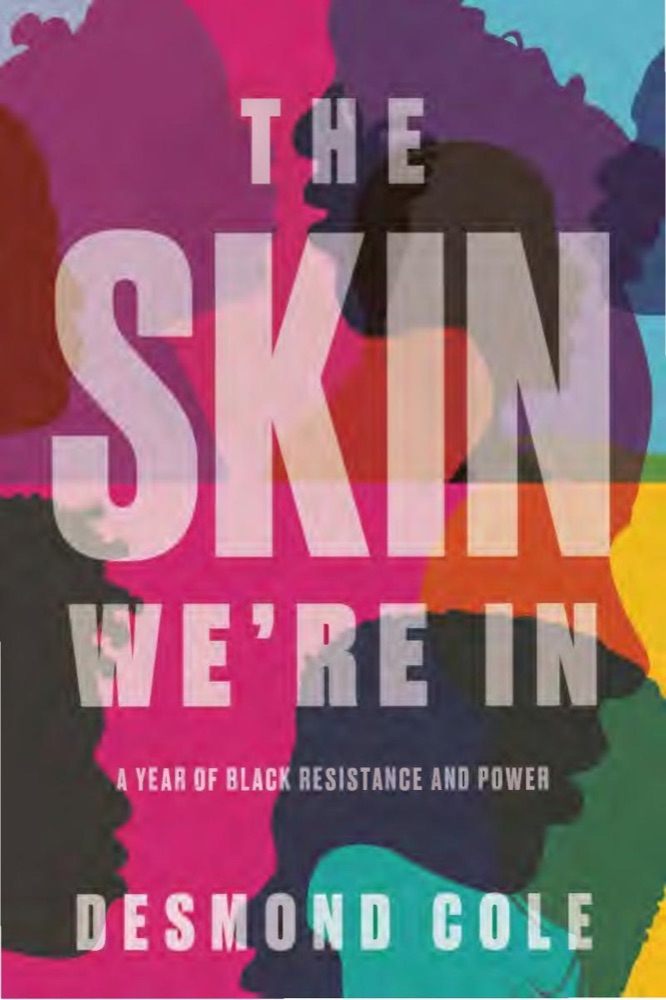 The Skin We're In: A Year of Black Resistance and Power
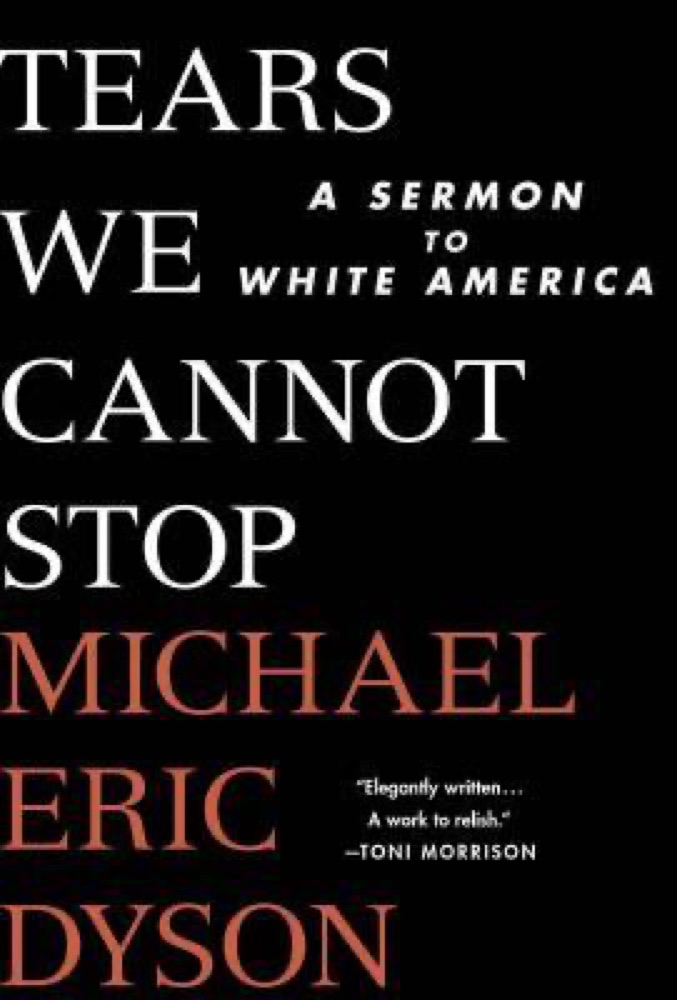 Tears We Cannot Stop: A Sermon to White America
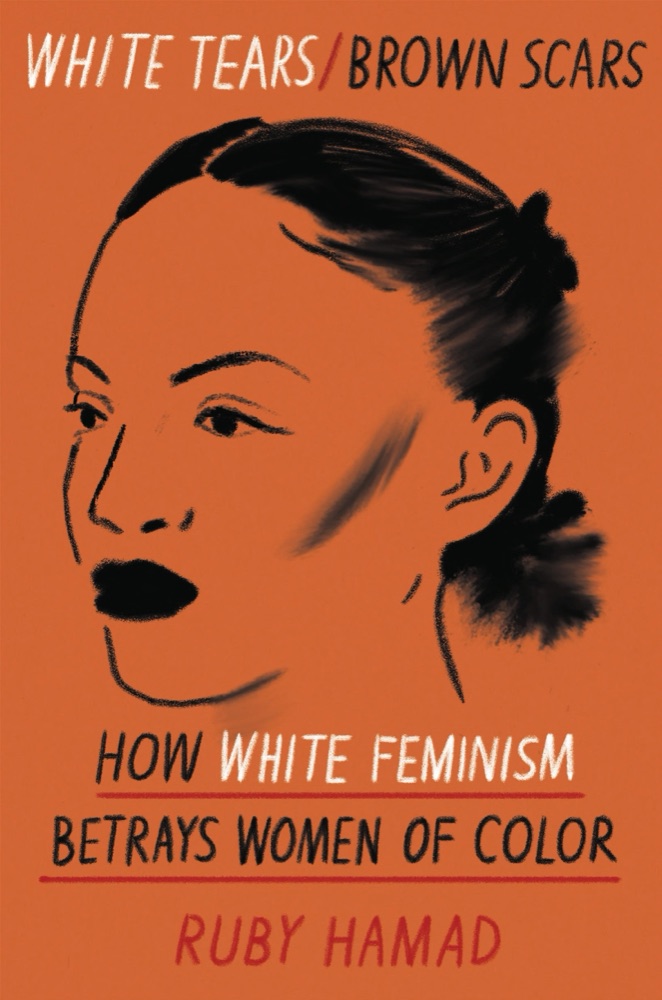 White Tears/Brown Scars: How White Feminism Betrays Women of Color
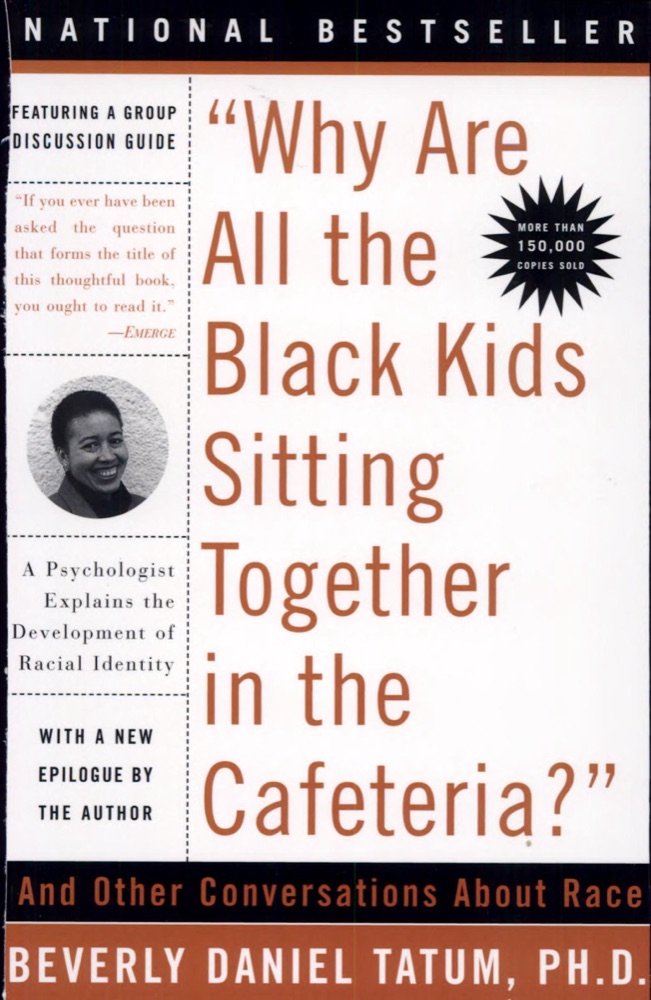 Why Are All The Black Kids Sitting Together in the Cafeteria?
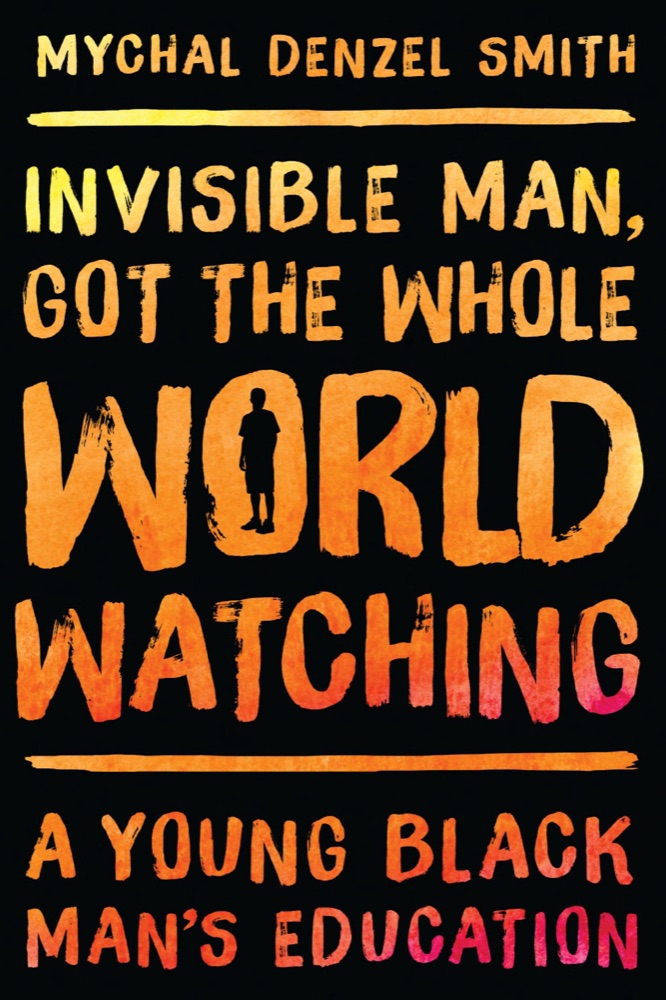 Invisible Man, Got the Whole World Watching: A Young Black Man's Education
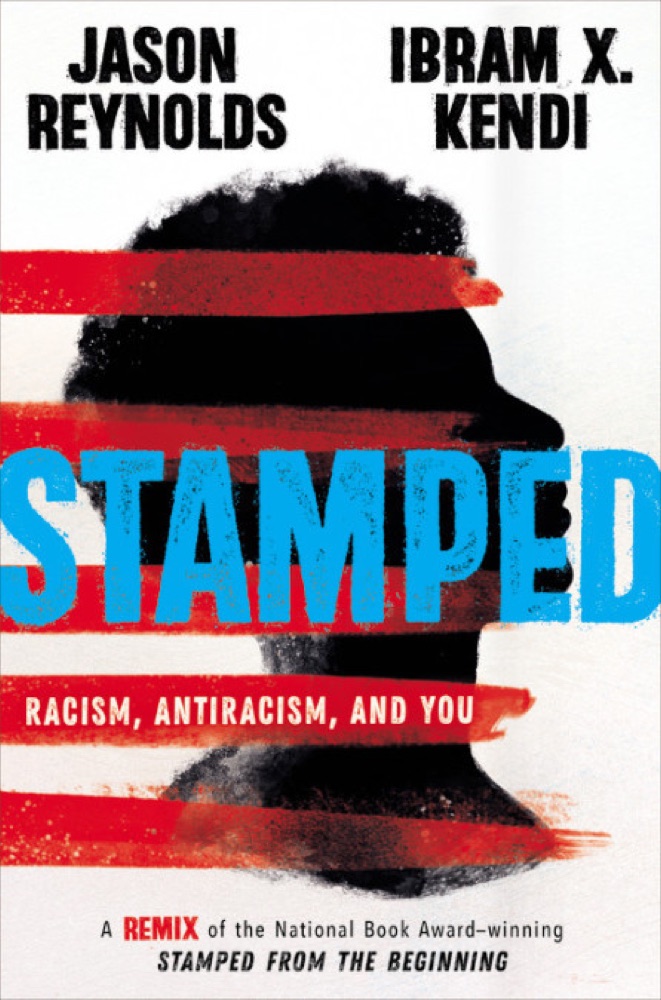 Stamped: Racism, Antiracism, and You
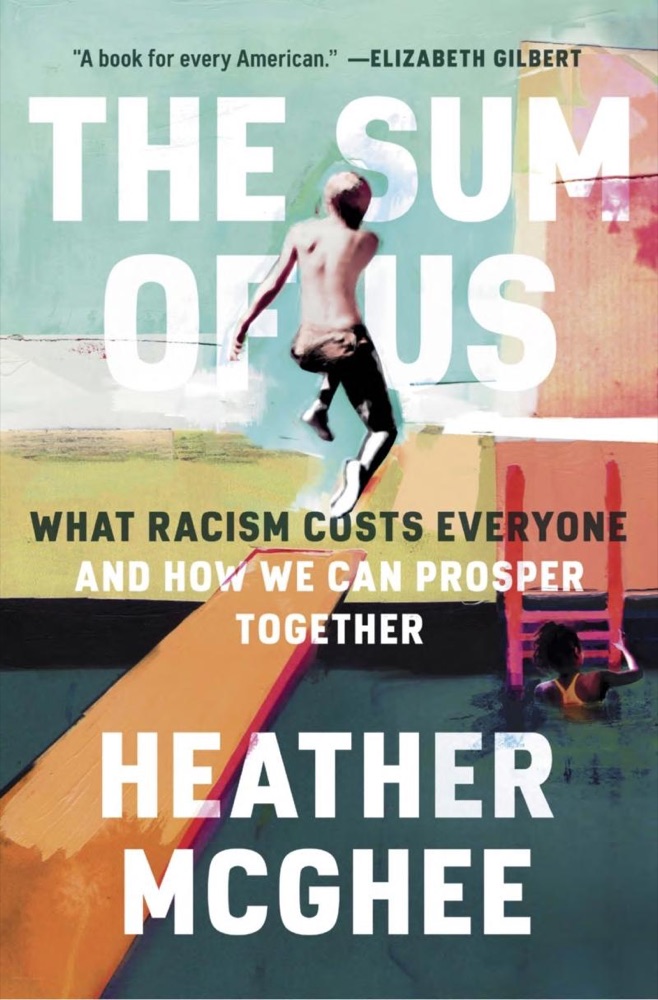 The Sum of Us: What Racism Costs Everyone and How We Can Prosper Together
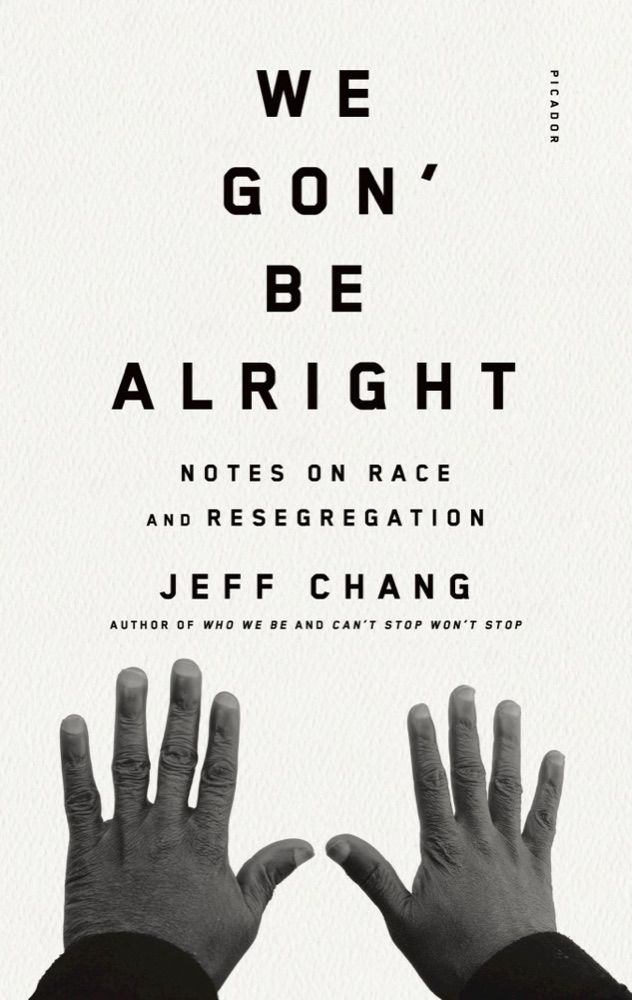 We Gon' Be Alright: Notes on Race and Resegregation
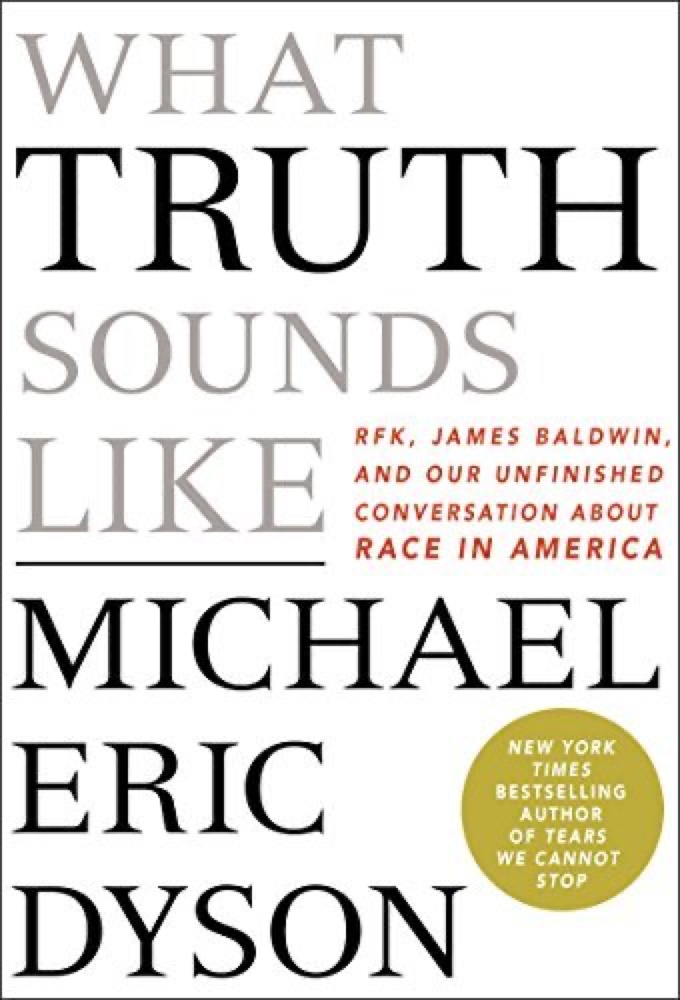 What Truth Sounds Like: Robert F. Kennedy, James Baldwin, and Our Unfinished Conversation About Race in America
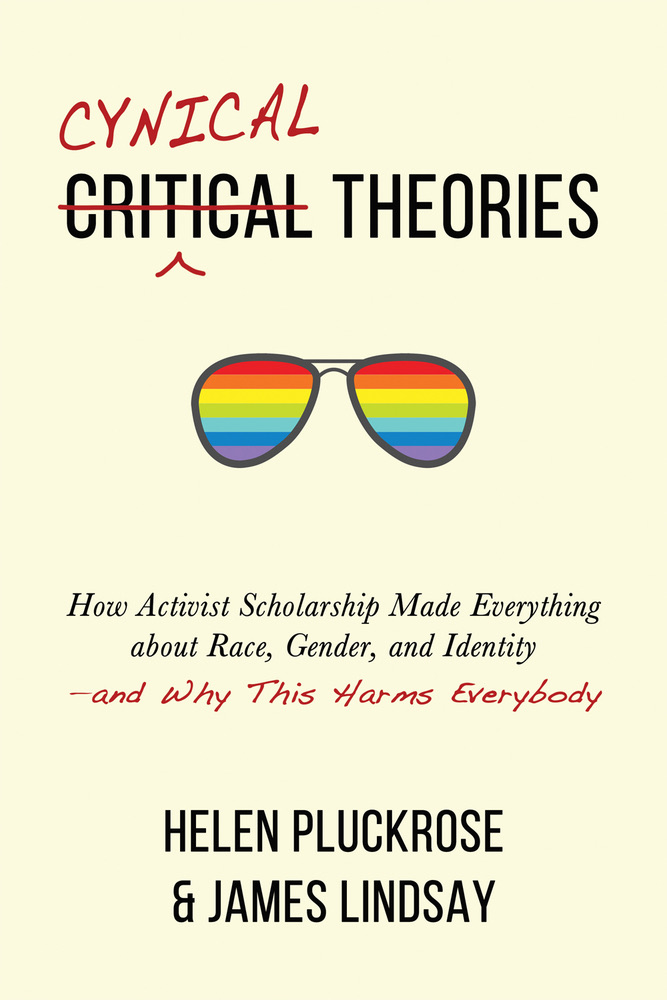 Cynical Theories: How Activist Scholarship Made Everything about Race, Gender, and Identity—and Why This Harms Everybody
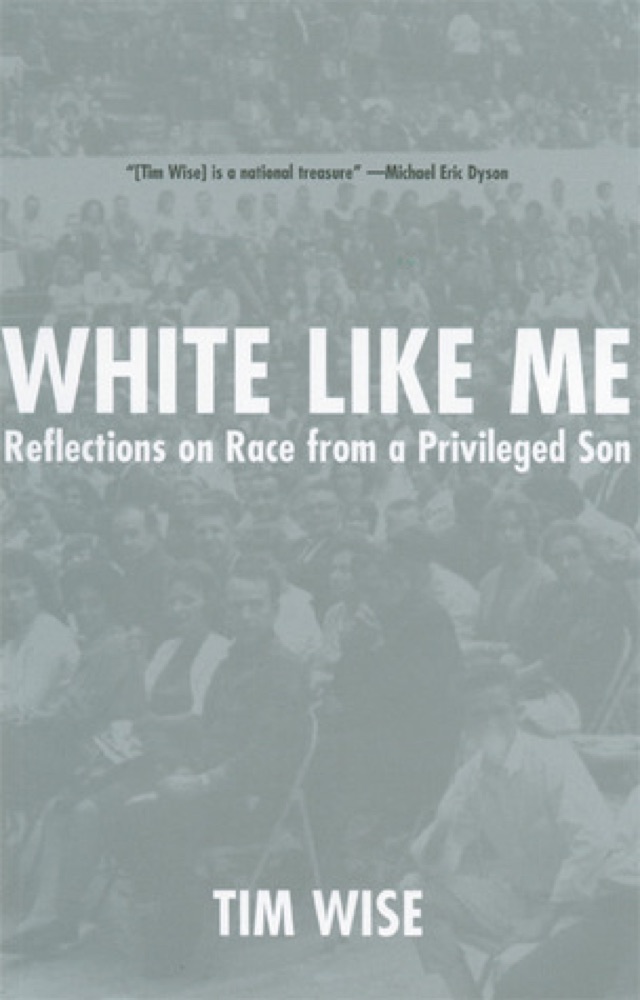 White Like Me: Reflections On Race From A Privileged Son
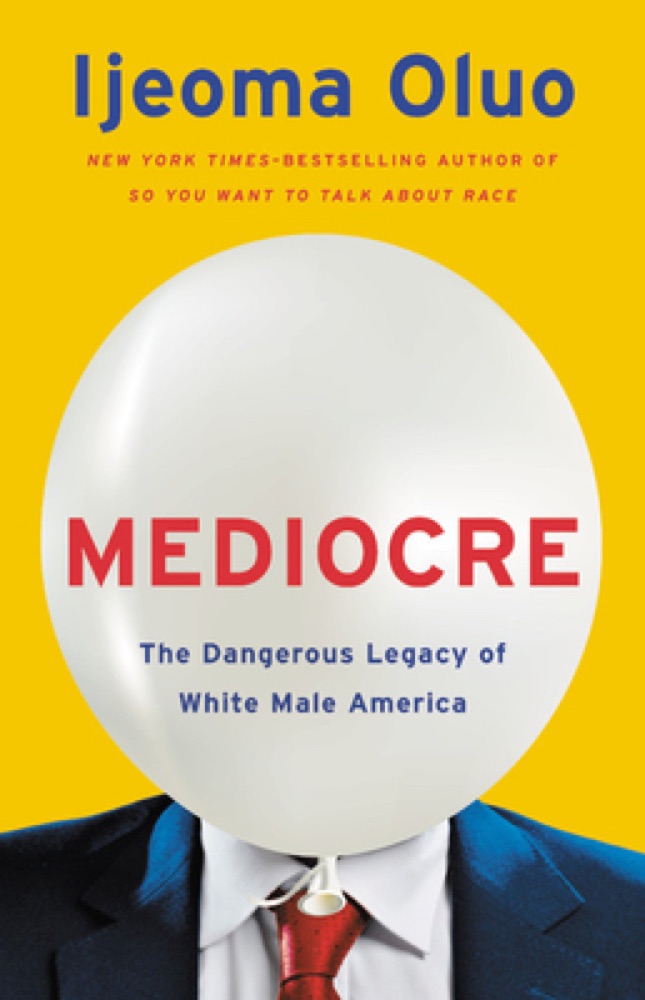 Mediocre: The Dangerous Legacy of White Male America
 The Fire This Time: A New Generation Speaks About Race
 Ain't I a Woman: Black Women and Feminism
 Just Us: An American Conversation
 Waking Up White: And Finding Myself in the Story of Race
 Uncomfortable Conversations With a Black Man
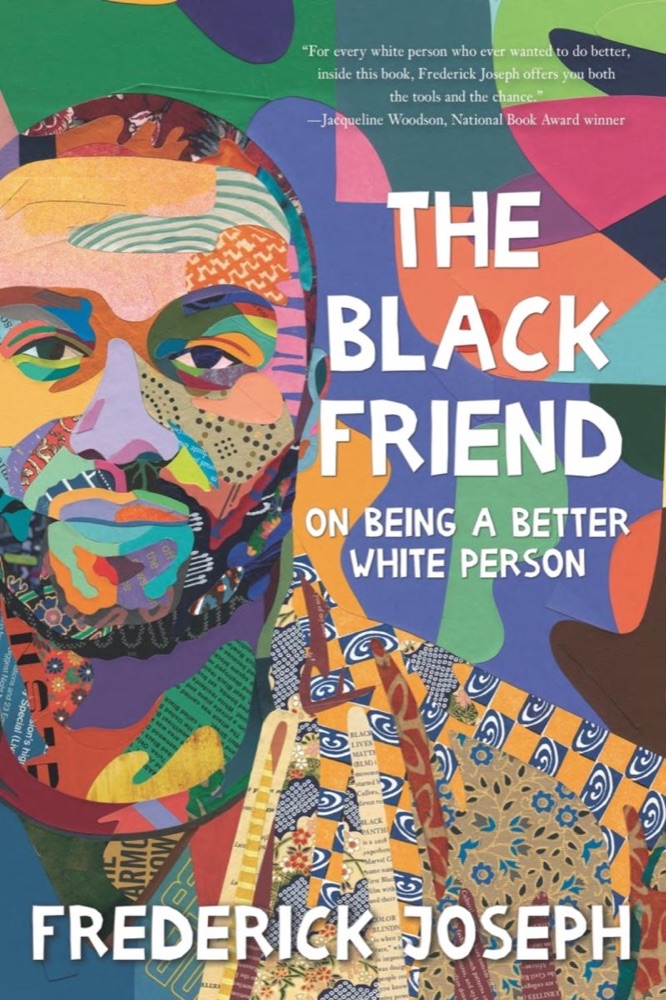 The Black Friend: On Being a Better White Person
 This Bridge Called My Back: Writings by Radical Women of Color
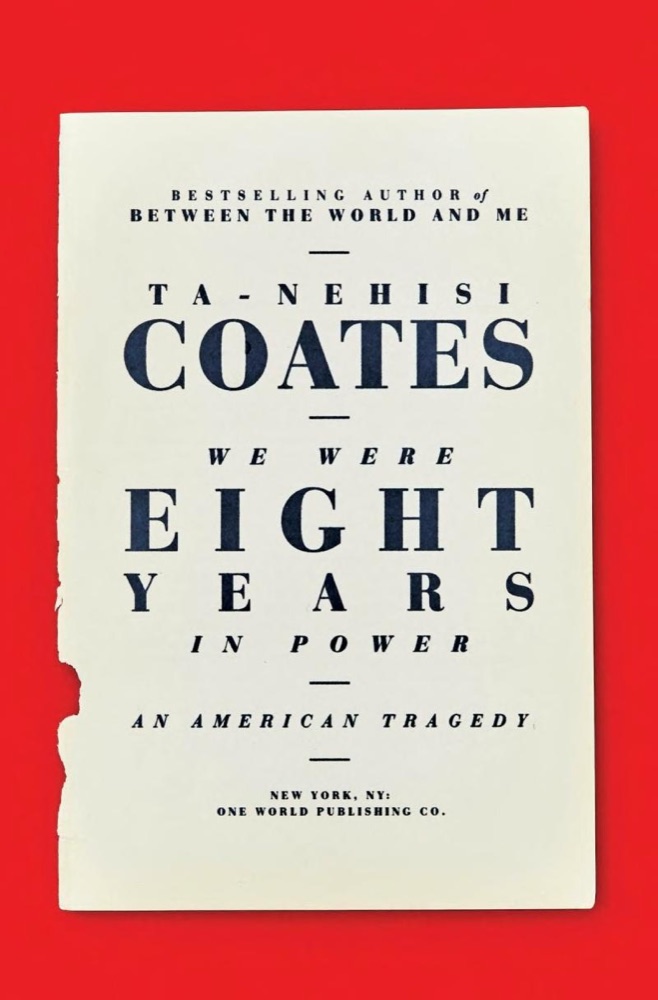 We Were Eight Years in Power: An American Tragedy
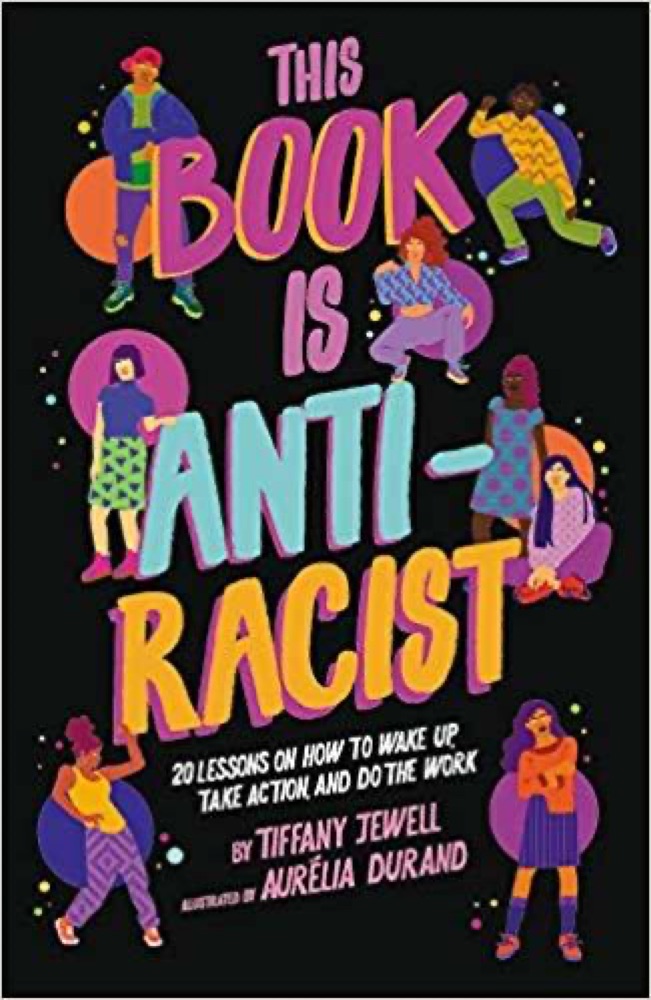 This Book Is Anti-Racist: 20 Lessons on How to Wake Up, Take Action, and Do the Work
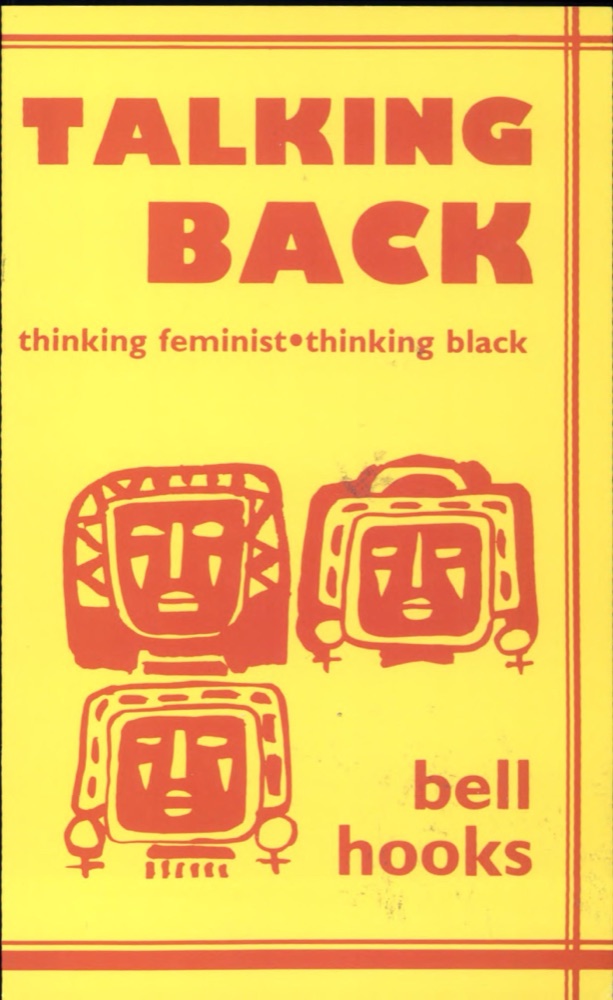 Talking Back: Thinking Feminist, Thinking Black
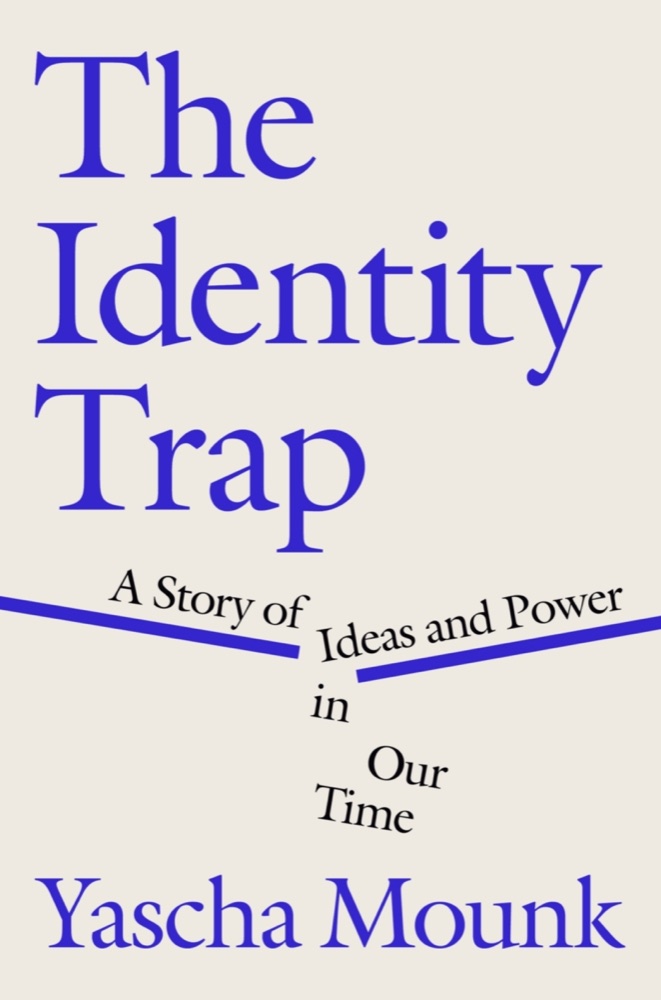 The Identity Trap: A Story of Ideas and Power in Our Time
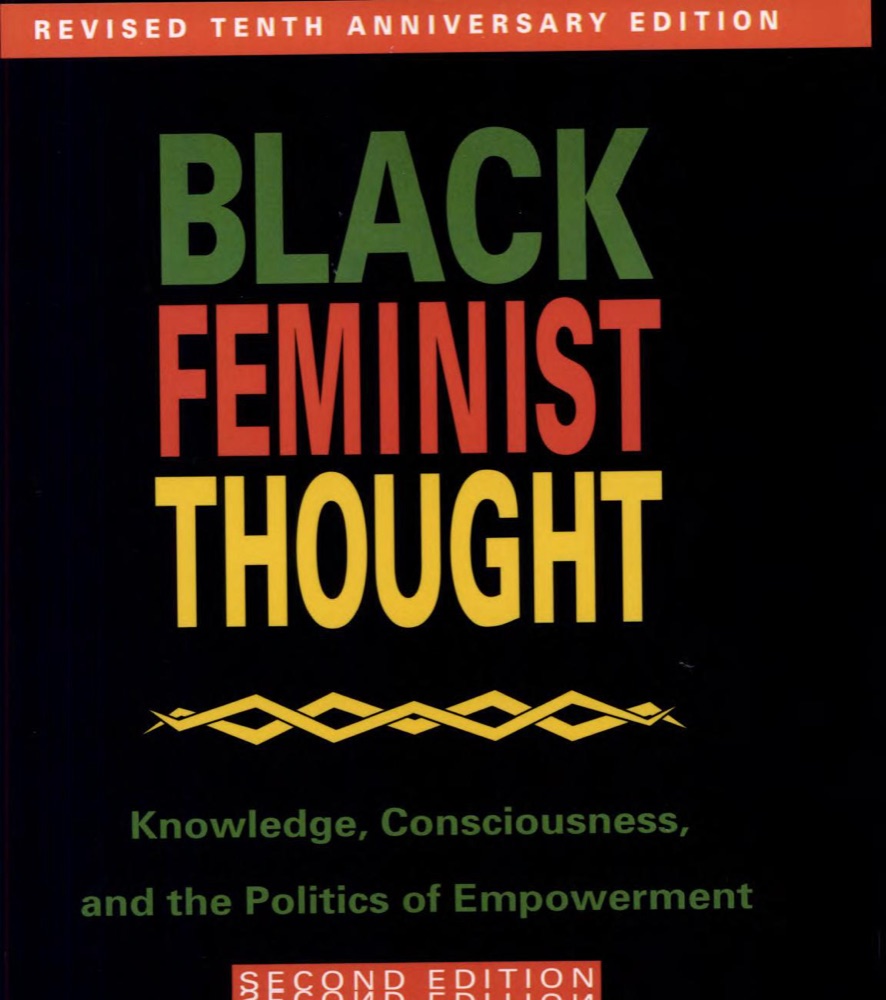 Black Feminist Thought: Knowledge, Consciousness, and the Politics of Empowerment
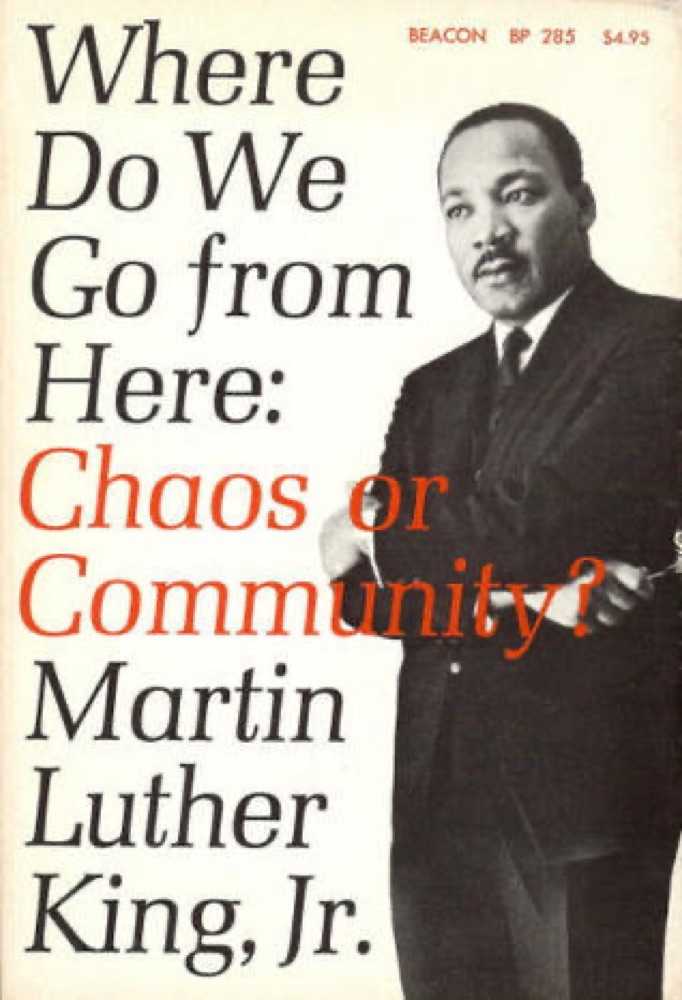 Where Do We Go from Here: Chaos or Community?
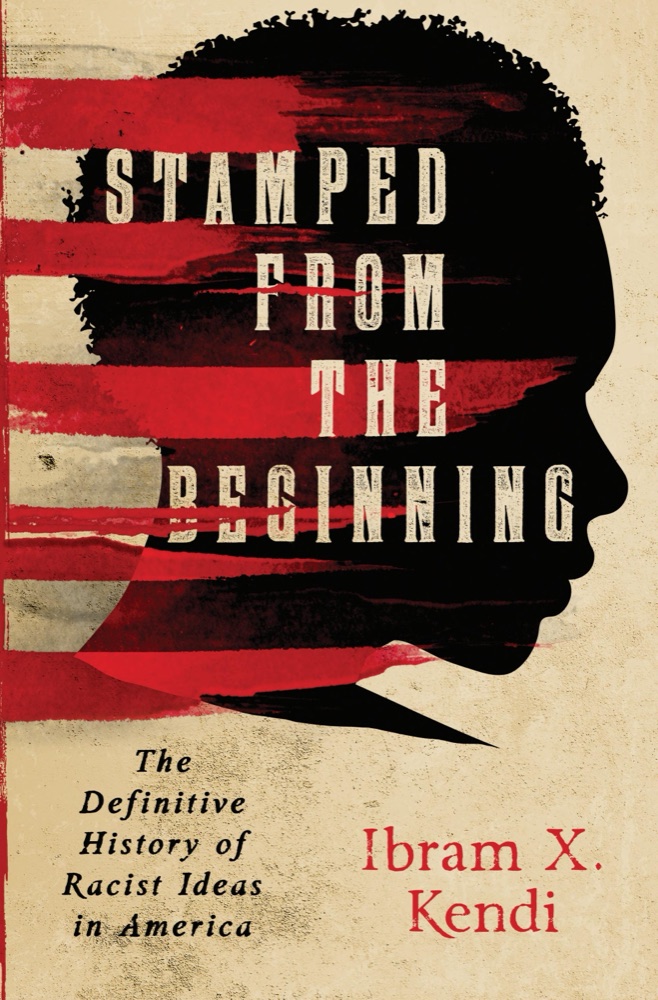 Stamped from the Beginning: The Definitive History of Racist Ideas in America
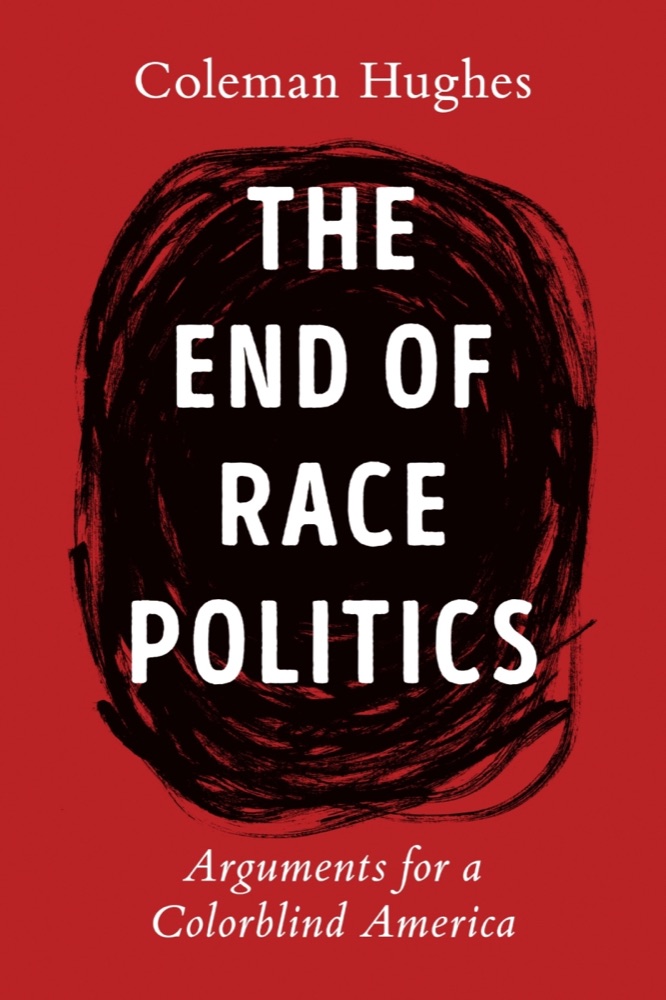 The End of Race Politics: Arguments for a Colorblind America
 Silent Covenants: Brown v. Board of Education and the Unfulfilled Hopes for Racial Reform
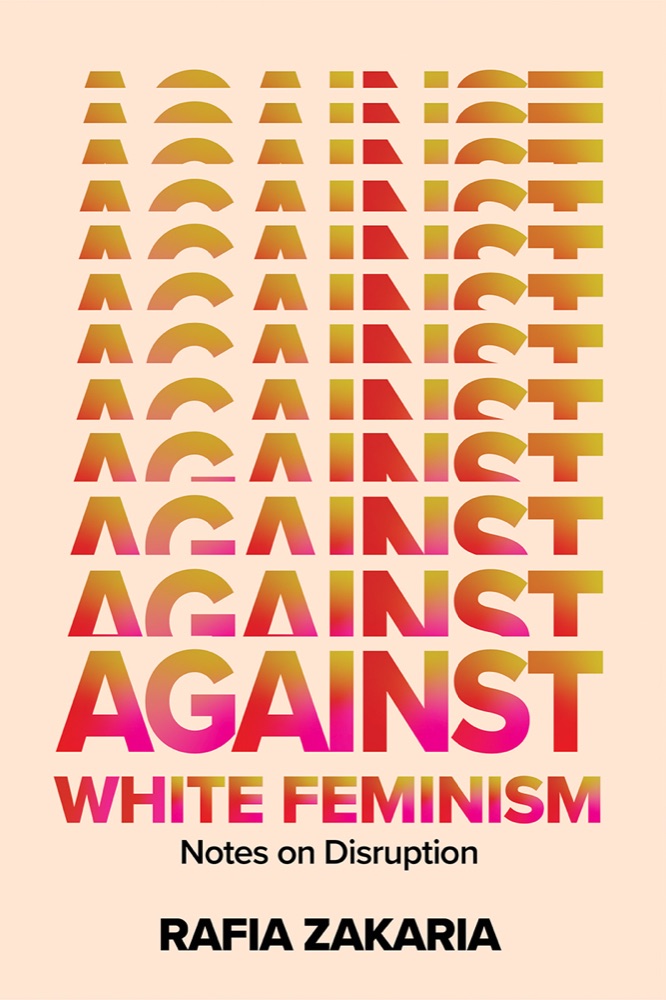 Against White Feminism: Notes on Disruption
 Black Like Me
 Dark Days
 What Doesn't Kill You Makes You Blacker: A Memoir in Essays
 Begin Again: James Baldwin's America and Its Urgent Lessons for Our Own
 No Name in the Street
 Thick: And Other Essays
 Nobody Knows My Name
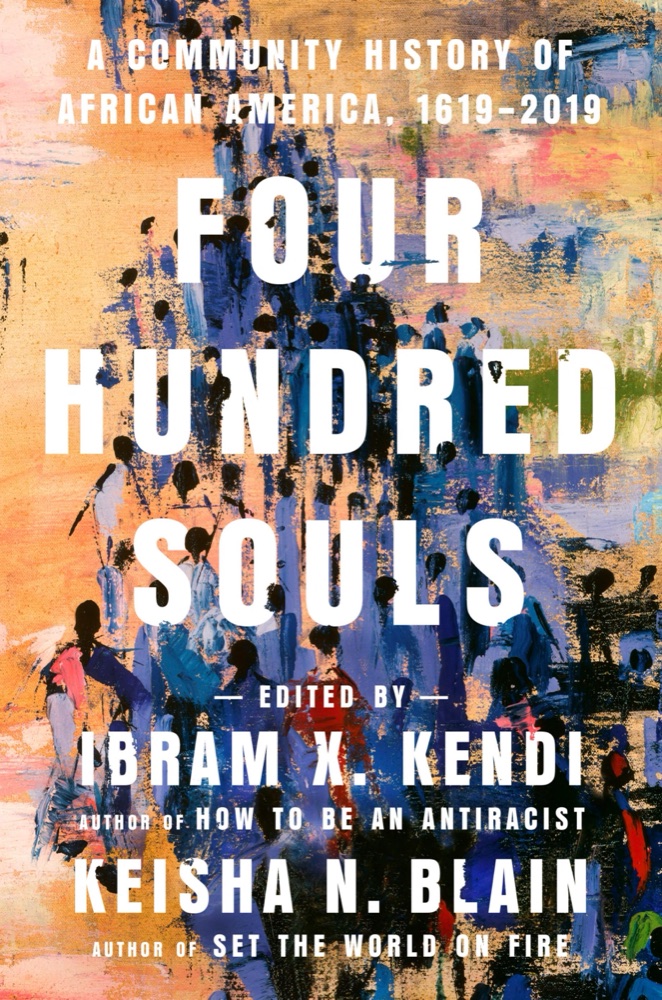 Four Hundred Souls: A Community History of African America, 1619-2019
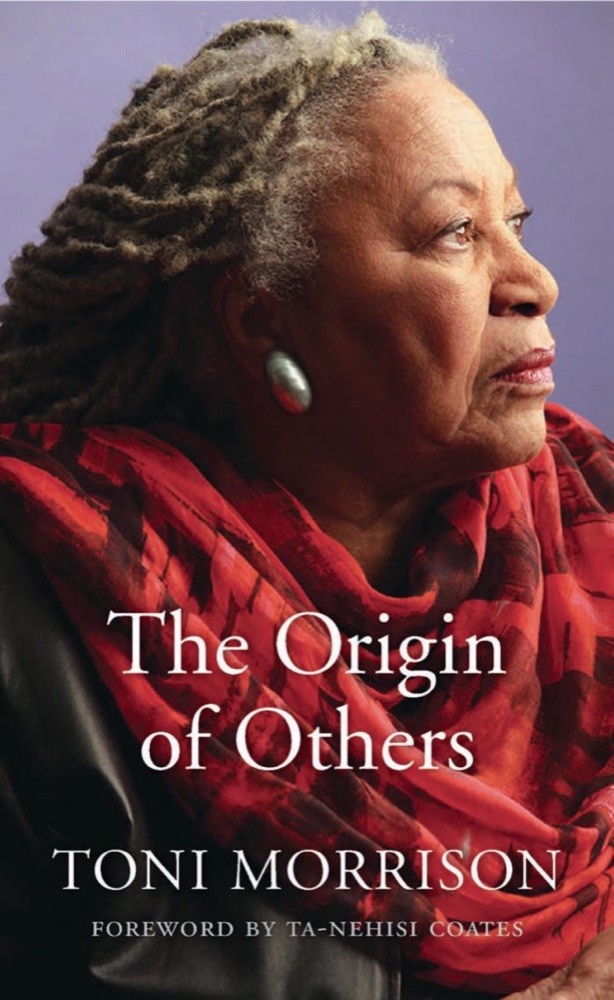 The Origin of Others
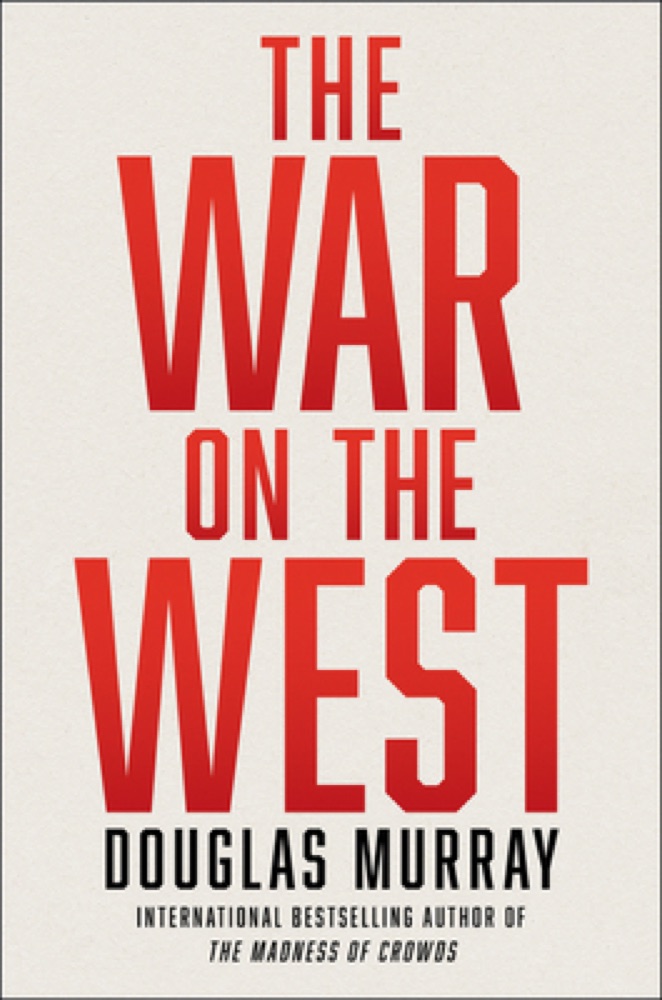 The War on the West: An Instant NYT Bestselling History of the Modern World
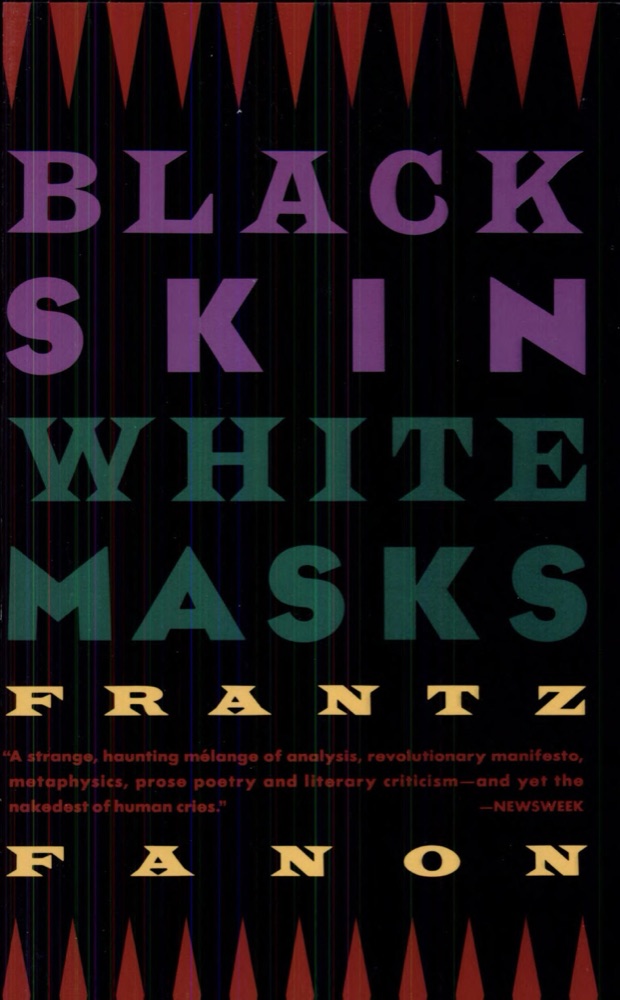 Black Skin, White Masks
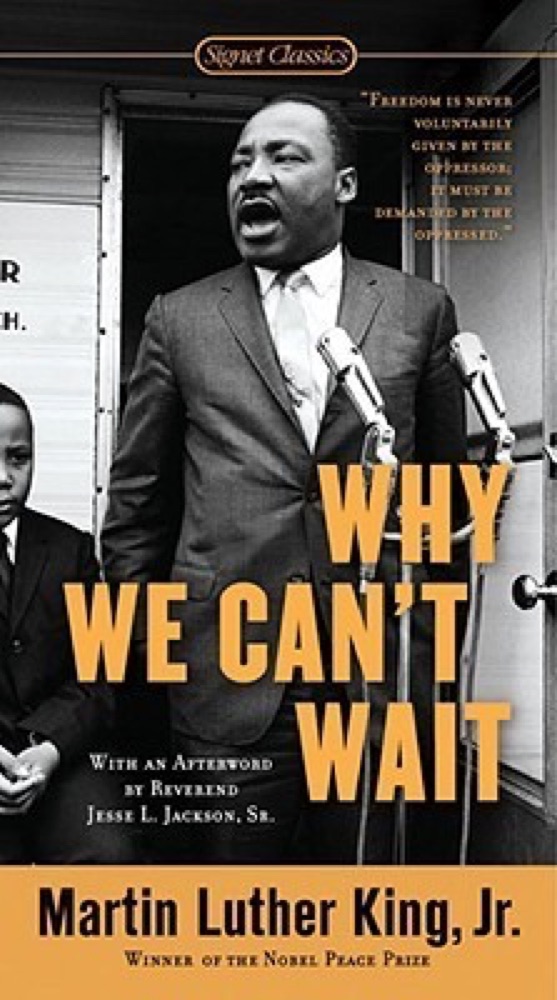 Why We Can't Wait
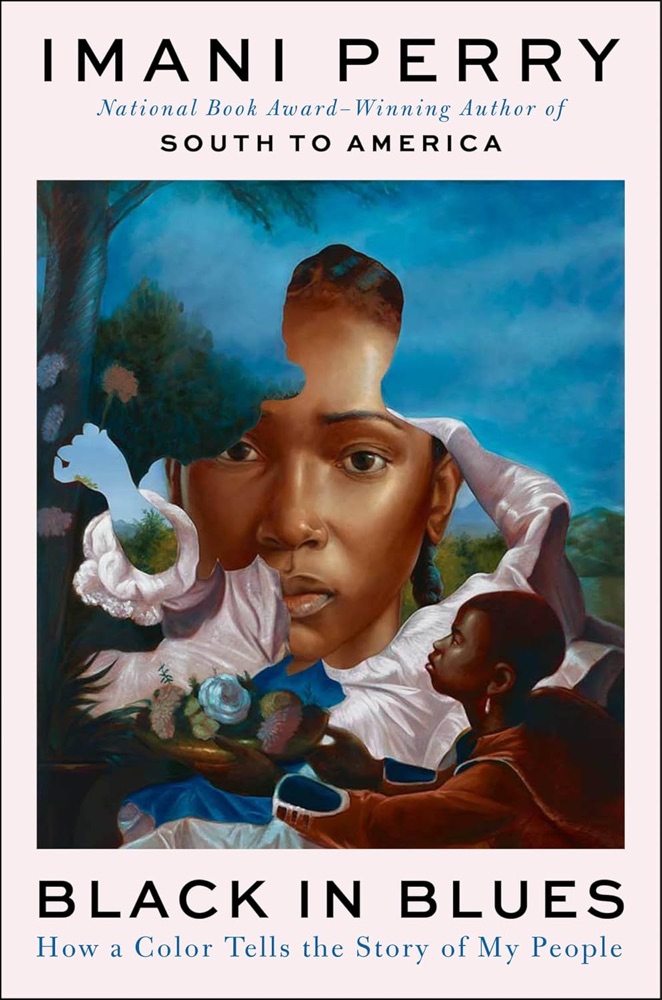 Black in Blues: How a Color Tells the Story of My People
We Real Cool: Black Men and Masculinity
Black in Blues: How a Color Tells the Story of My People
We Real Cool: Black Men and Masculinity
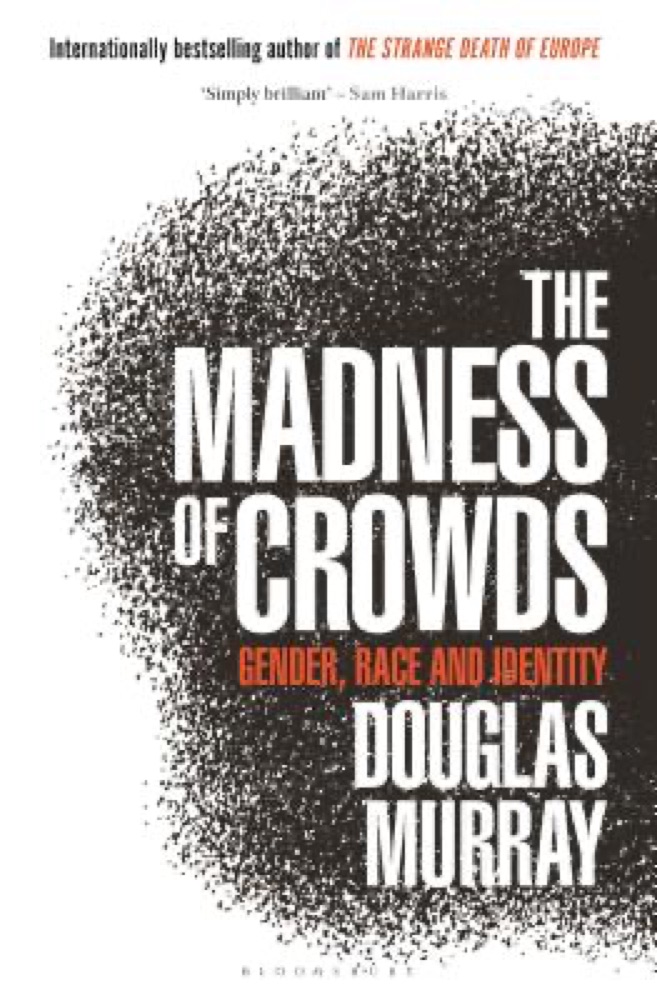 The Madness of Crowds: Gender, Race and Identity
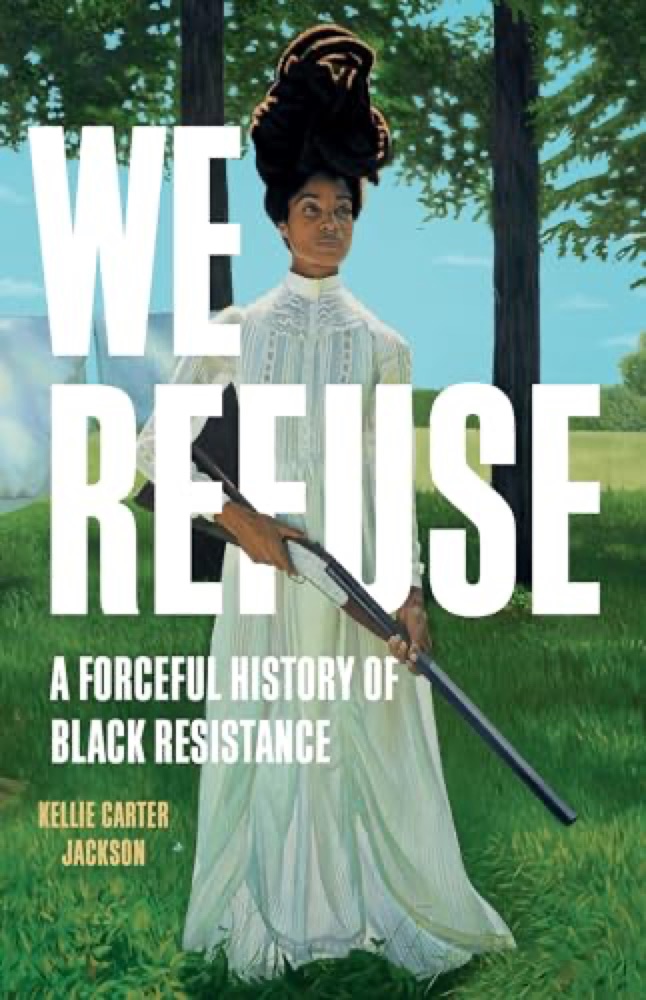 We Refuse: A Forceful History of Black Resistance
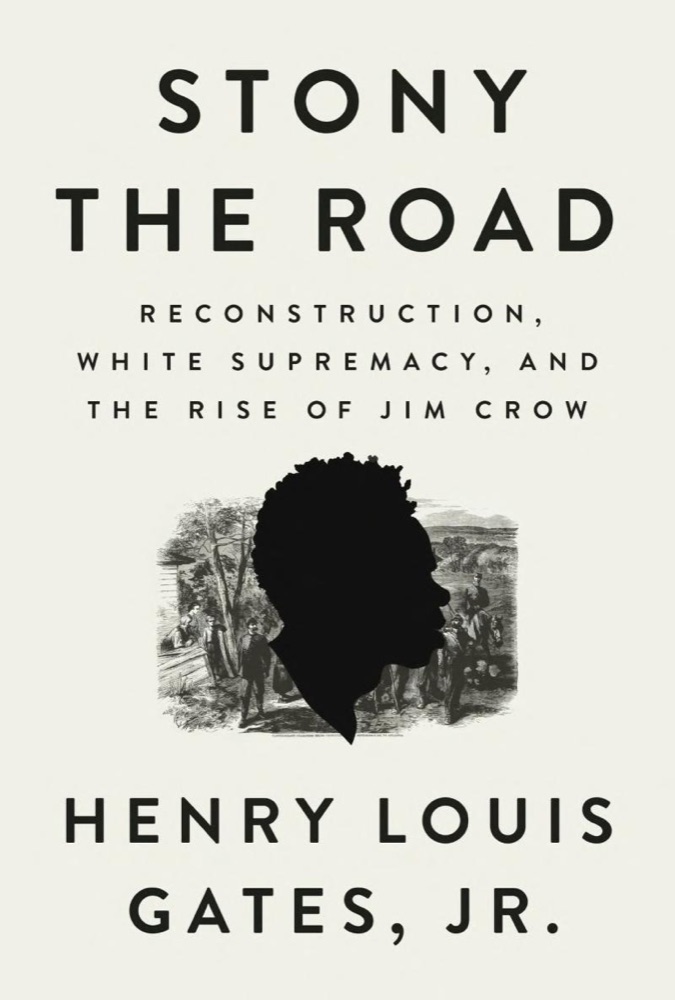 Stony the Road: Reconstruction, White Supremacy, and the Rise of Jim Crow
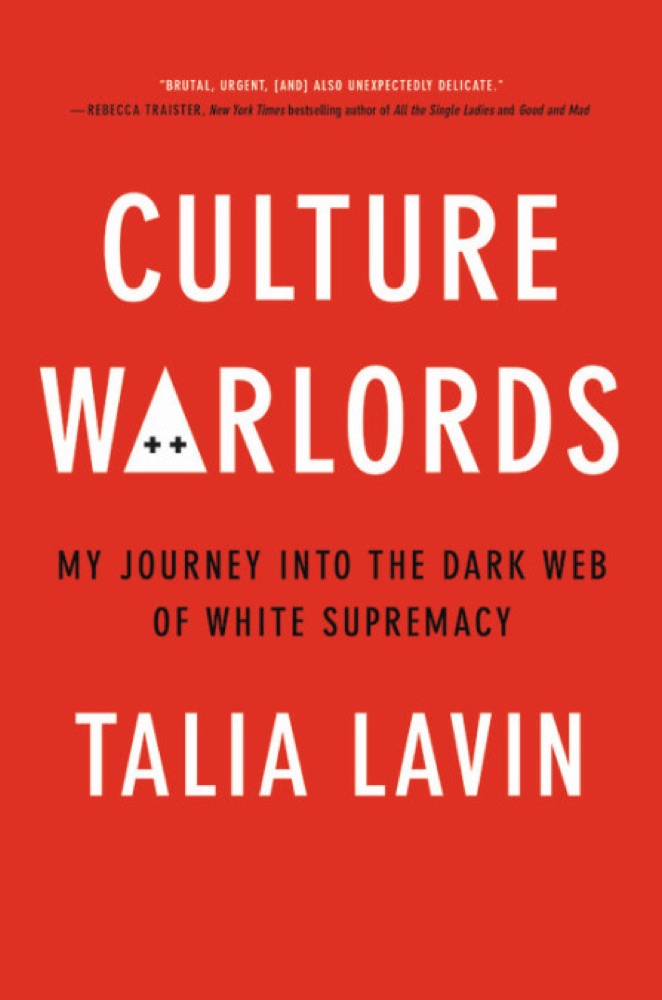 Culture Warlords: My Journey Into the Dark Web of White Supremacy
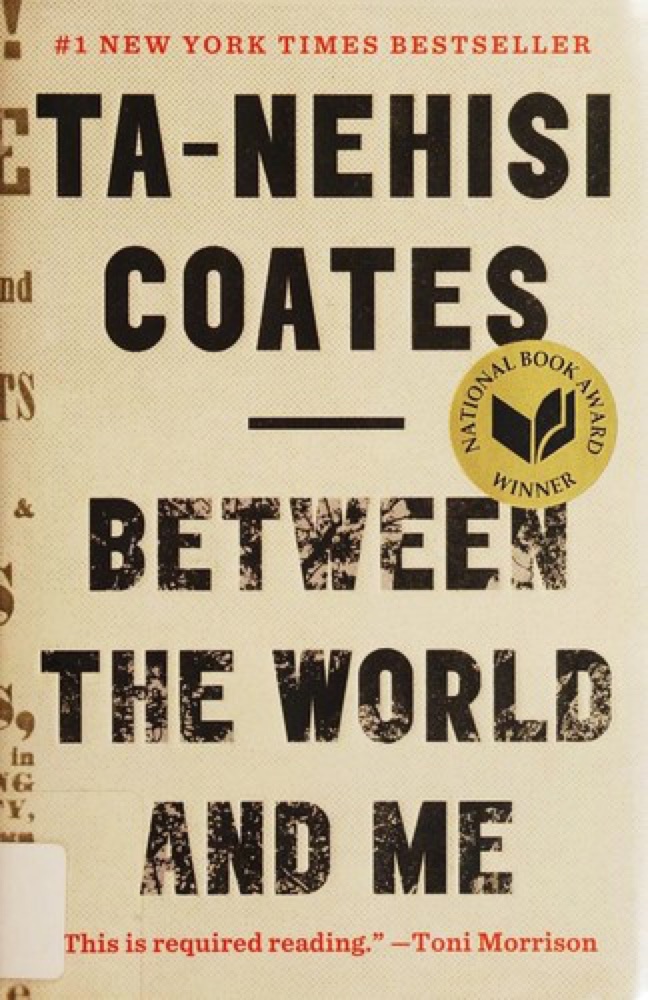 Between the World and Me
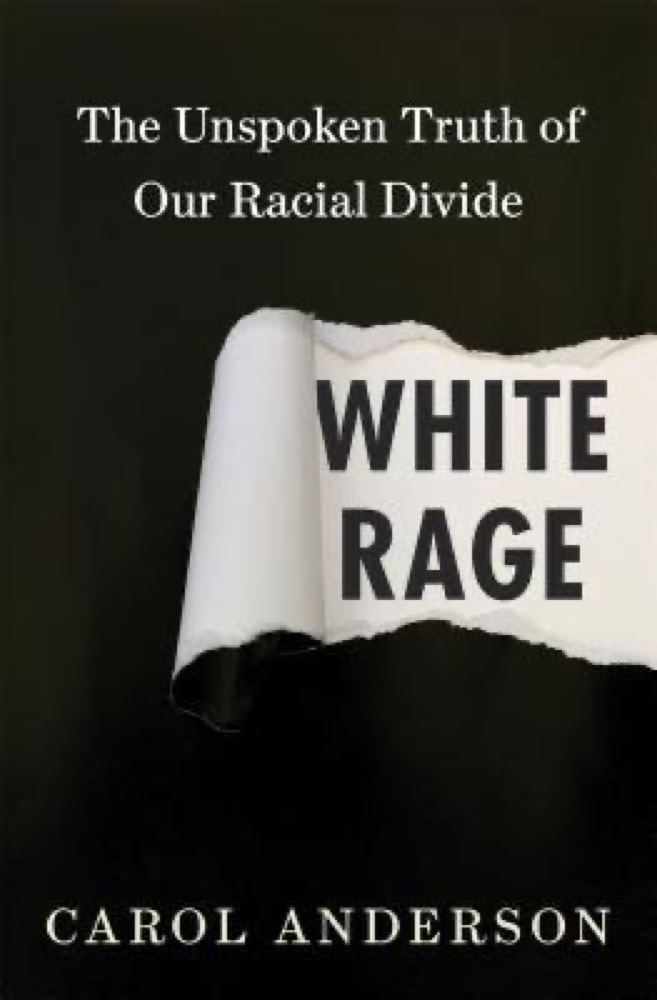 White Rage: The Unspoken Truth of Our Racial Divide
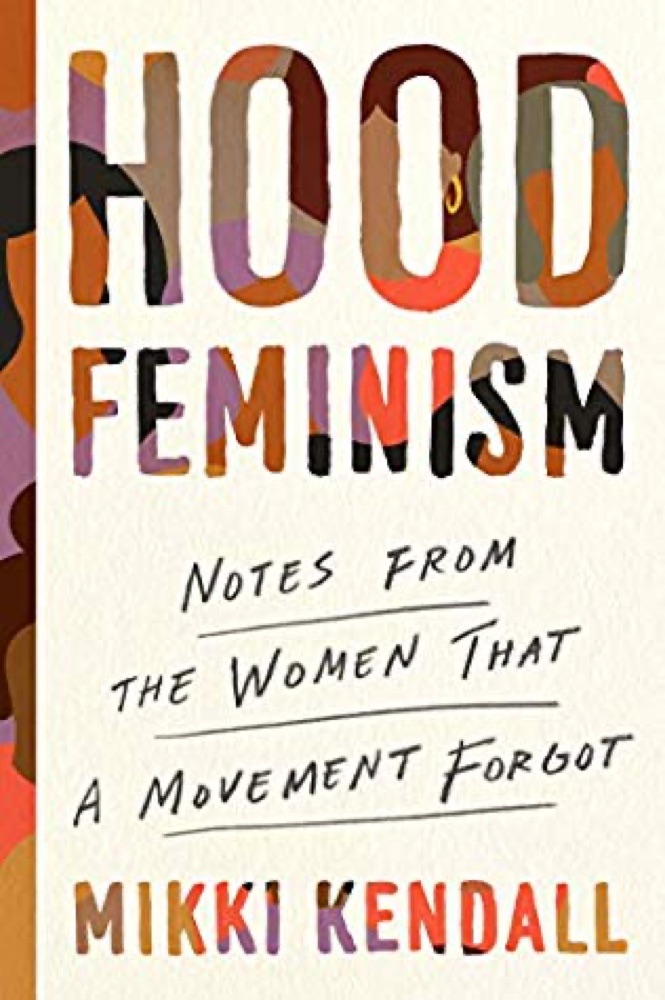 Hood Feminism: Notes from the Women That a Movement Forgot
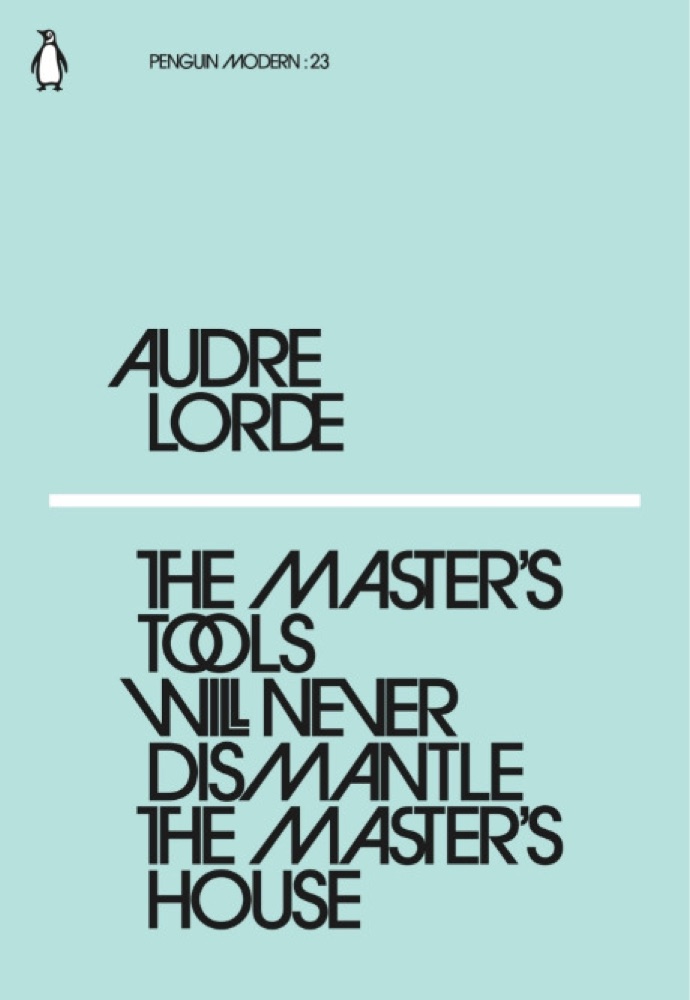 The Master's Tools Will Never Dismantle the Master's House
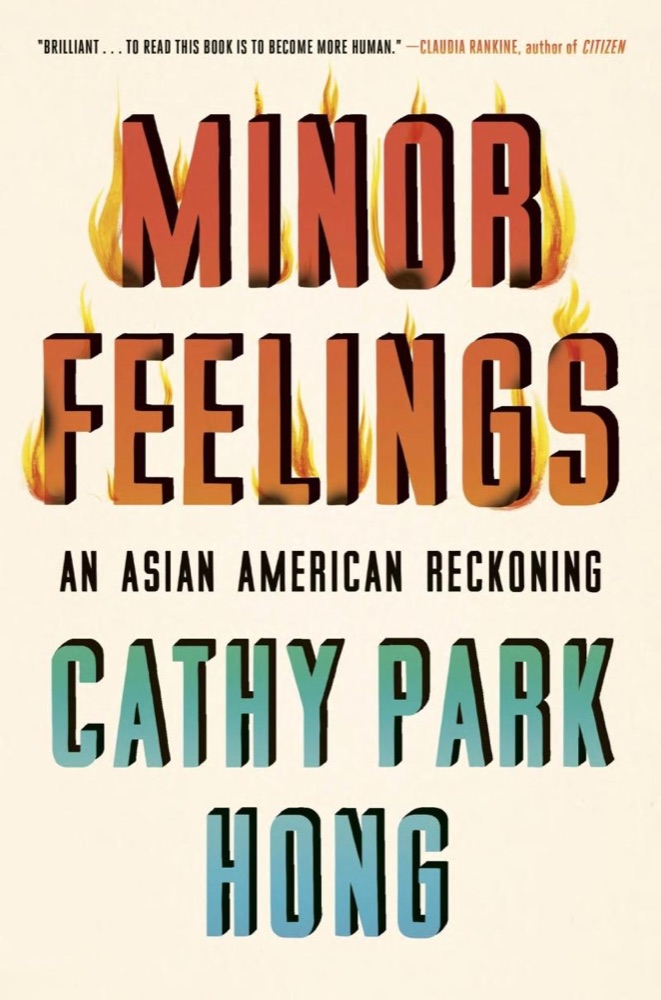 Minor Feelings: An Asian American Reckoning
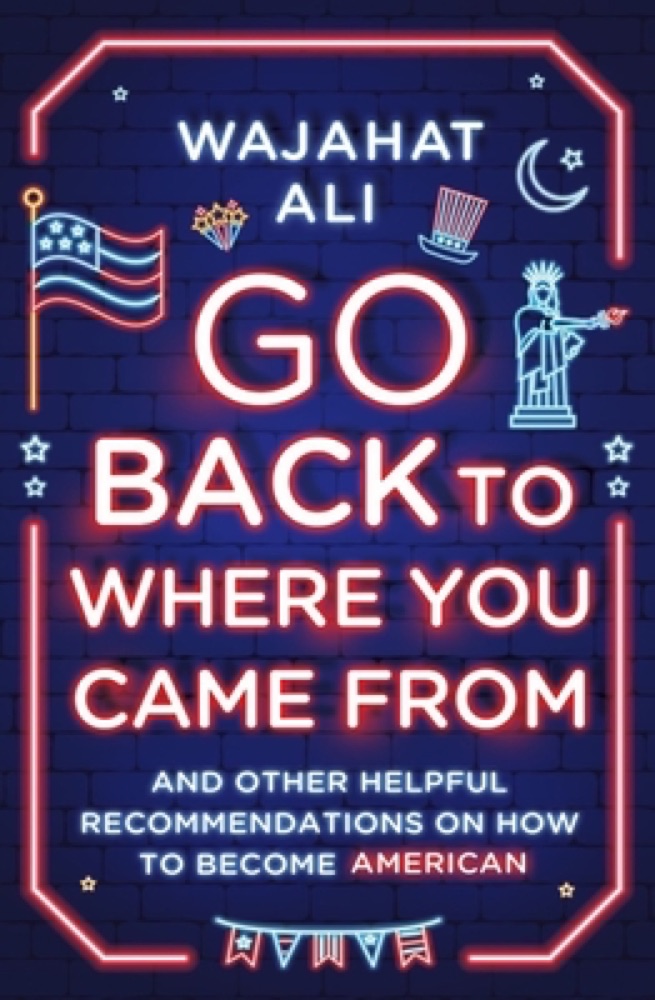 Go Back to Where You Came From: And Other Helpful Recommendations on How to Become American
 Minority Rule: Adventures in the Culture War
 Opinions: A Decade of Arguments, Criticism, and Minding Other People’s Business
 Pedagogy of the Oppressed
 The Disuniting of America: Reflections on a Multicultural Society