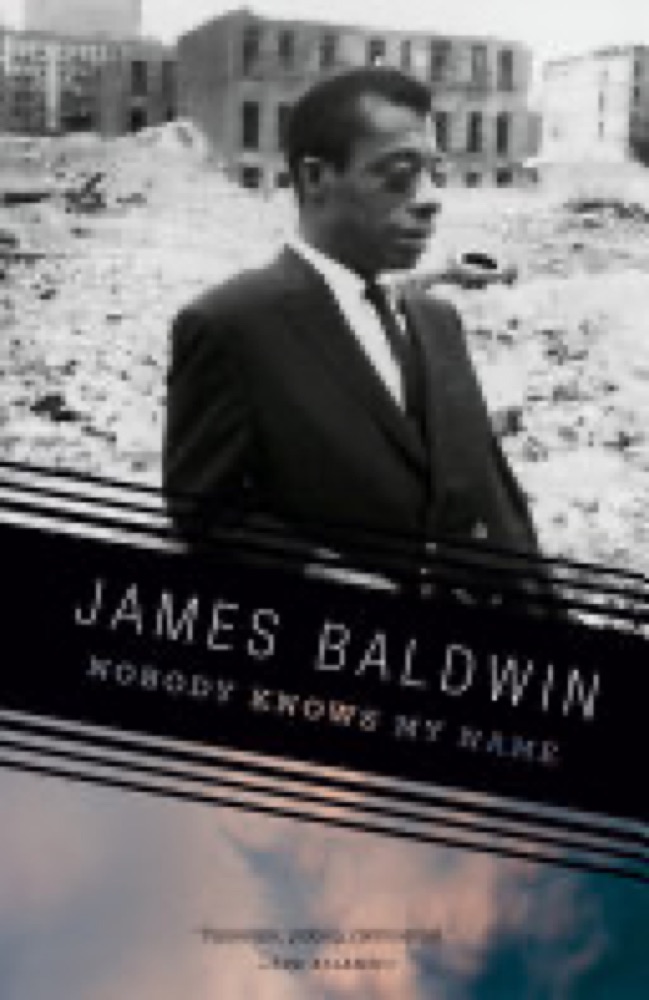
 Nobody Knows My Name
Quotes from the Book
New York City is the most fatally fascinating thing in America. She sits like a great witch at the gate of the country, showing her alluring white face and hiding her crooked hands and feet under the folds of her wide garments--constantly enticing thousands from far within, and tempting those who come from across the seas to go no farther. And all these become the victims of her caprice. Some she at once crushes beneath her cruel feet; others she condemns to a fate like that of galley slaves; a few she favors and fondles, riding them high on the bubbles of fortune; then with a sudden breath she blows the bubbles out and laughs mockingly as she watches them fall.
38
It’s no disgrace to be black, but it’s often very inconvenient.
30
It is strange how in some things honest people can be dishonest without the slightest compunction.
19
In the life of everyone there is a limited number of experiences which are not written upon the memory, but stamped there with a die; and in the long years after, they can be called up in detail, and every emotion that was stirred by them can be lived through anew; these are the tragedies of life.
18
Every race and every nation should be judged by the best it has been able to produce, not by the worst.
12
I believe it to be a fact that the colored people of this country know and understand the white people better than the white people know and understand them.
10
...but if the Negro is so distinctly inferior, it is a strange thing to me that it takes such tremendous effort on the part of the white man to make him realize it, and to keep him in the same place into which inferior men naturally fall.
8
Music is a universal art; anybody's music belongs to everybody; you can't limit it to race or country.
6
Paris practices its sins as lightly as it does its religion, while London practices both very seriously.
6
My boy, you are by blood, by appearance, by education, and by tastes a white man. Now, why do you want to throw your life away amidst the poverty and ignorance, in the hopeless struggle, of the black people of the United States?
5
It is a struggle; for though the black man fights passively, he nevertheless fights; and his passive resistance is more effective at present than active resistance could possibly be. He bears the fury of the storm as does the willow tree.
5
I found cause to wonder upon what ground the English accuse Americans of corrupting the language by introducing slang words. I think I heard more and more different kinds of slang during my few weeks' stay in London than in my whole "tenderloin" life in New York. But I suppose the English feel that the language is theirs, and that they may do with it as they please without at the same time allowing that privilege to others.
4
It is a difficult thing for a white man to learn what a colored man really thinks; because, generally, with the latter an additional and different light must be brought to bear on what he thinks; and his thoughts are often influenced by considerations so delicate and subtle that it would be impossible for him to confess or explain them to one of the opposite race.
3
And this is the dwarfing, warping, distorting influence which operates upon each and every colored man in the United States. He is forced to take his outlook on all things, not from the viewpoint of a citizen, or a man, or even a human being, but from the viewpoint of a colored man. It is wonderful to me that the race has progressed so broadly as it has, since most of its thought and all of its activity must run through the narrow neck of this one funnel.
3
It may be because Southerners are very much like Frenchmen in that they must talk; and not only must they talk, but they must express their opinions.
3
In an astonishingly short time I reached the point where the language taught itself—where I learned to speak merely by speaking. This point is the place which students taught foreign languages in our schools and colleges find great difficulty in reaching. I think the main trouble is that they learn too much of a language at a time. A French child with a vocabulary of two hundred words can express more spoken ideas than a student of French can with a knowledge of two thousand.
3
For days I could talk of nothing else with my mother except my ambitions to be a great man, a great colored man, to reflect credit on the race and gain fame for myself.
3
I felt leap within me pride that I was colored; and I began to form wild dreams of bringing glory and honor to the Negro race.
3
I know the South claims that it has spent millions for the education of the blacks, and that it has of its own free will shouldered this awful burden. It seems to be forgetful of the fact that these millions have been taken from the public tax funds for education, and that the law of political economy which recognizes the land owner as the one who really pays the taxes is not tenable. It would be just as reasonable for the relatively few land owners of Manhattan to complain that they had to stand the financial burden of the education of the thousands and thousands of children whose parents pay rent for tenements and flats. Let the millions of producing and consuming Negroes be taken out of the South, and it would be quickly seen how much less of public funds there would be to appropriate for education or any other purpose.
3
The Southern whites are not yet living quite in the present age; many of their general ideas hark back to a former century, some of them to the Dark Ages. In the light of other days they are sometimes magnificent. Today they are often cruel and ludicrous.
2
Whenever I hear protests from the South that it should be left alone to deal with the Negro question, my thoughts go back to that scene of brutality and savagery. I do not see how a people that can find in its conscience any excuse whatever for slowly burning to death a human being, or for tolerating such an act, can be entrusted with the salvation of a race.
2
Do you know, I don't object to anyone's having prejudices so long as those prejudices don't interfere with my personal liberty.
2
I noticed that among this class of colored men the word "nigger" was freely used in about the same sense as the word "fellow," and sometimes as a term of almost endearment; but I soon learned that its use was positively and absolutely prohibited to white men.
2
I lived between my music and books, on the whole a rather unwholesome life for a boy to lead. I dwelt in a world of imagination, of dreams and air castles--the kind of atmosphere that sometimes nourishes a genius, more often men unfitted for the practical struggles of life.
2
The fact is, nothing great or enduring, especially in music, has ever sprung full-fledged and unprecedented from the brain of any master; the best that he gives to the world he gathers from the hearts of the people, and runs it through the alembic of his genius.
2
American musicians, instead of investigating ragtime, attempt to ignore it, or dismiss it with a contemptuous word. But that has always been the course of scholasticism in every branch of art. Whatever new thing the 'people' like is poohpoohed; whatever is 'popular' is spoken of as not worth the while. The fact is, nothing great or enduring, especially in music, has ever sprung full-fledged and unprecedented from the brain of any master; the best that he gives to the world he gathers from the hearts of the people, and runs it through the alembic of his genius.
2
There were two immediate results of my forced loneliness: I began to find company in books, and greater pleasure in music.
2
It is the spirit of the South to defend everything belonging to it. The North is too cosmopolitan and tolerant for such a spirit.
2
New York had impressed me as a place where there was lots of money and not much difficulty in getting it.
2
The battle was first waged over the right of the Negro to be classed as a human being with a soul; later, as to whether he had sufficient intellect to master even the rudiments of learning; and today it is being fought out over his social recognition.
2
Watch on YouTube
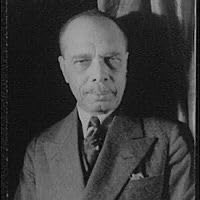
About James Weldon Johnson
We have collected 30 quotes from 1 book by James Weldon Johnson on BookQuoters.
More about the author →About the book
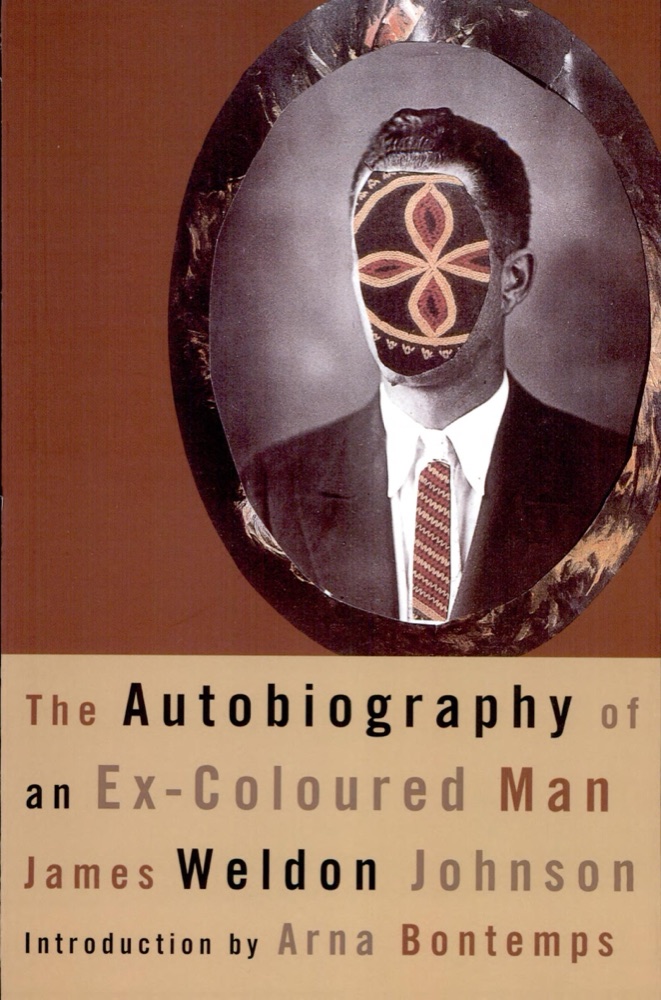
James Weldon Johnson's emotionally gripping novel is a landmark in black literary history and, more than eighty years after its original anonymous publication, a classic of American fiction.
The first fictional memoir ever written by a black person, The Autobiography of an Ex-Coloured Man influenced a generation of writers during the Harlem Renaissance and served as eloquent inspiration for Zora Neale Hurston, Ralph Ellison, and Richard Wright. In the 1920s and since, it has also given white readers a startling new perspective on their own culture, revealing to many the double standard of racial identity imposed on black Americans.
Narrated by a mulatto man whose light skin allows him to "pass" for white, the novel describes a pilgrimage through America's color lines at the turn of the century--from a black college in Jacksonville to an elite New York nightclub, from the rural Sout
Book details
- First published
- 1912
- Author
- James Weldon Johnson
- Genre
- Classics
- Goodreads rating
- 3.93 (12k ratings)
Keep reading
Nobody Knows My Name
 The Souls of Black Folk
 Notes of a Native Son
 Dark Days
 We Were Eight Years in Power: An American Tragedy
 The Heart of a Woman
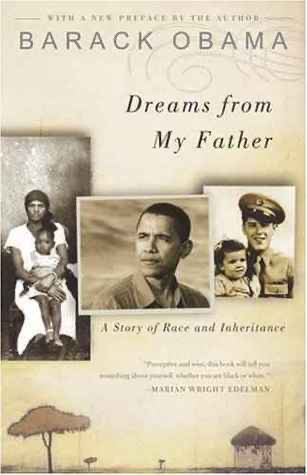 Dreams from My Father: A Story of Race and Inheritance
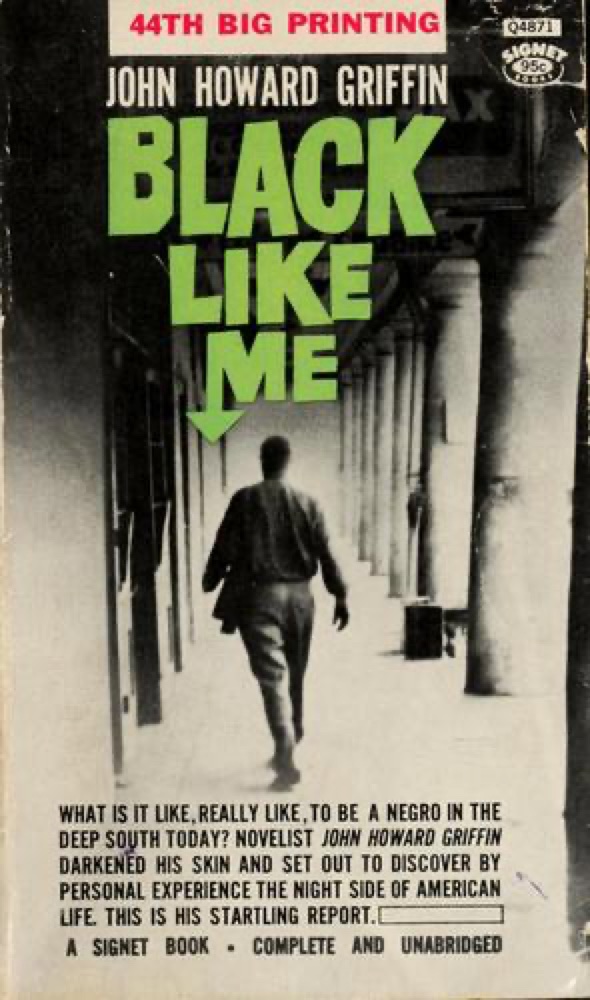 Black Like Me
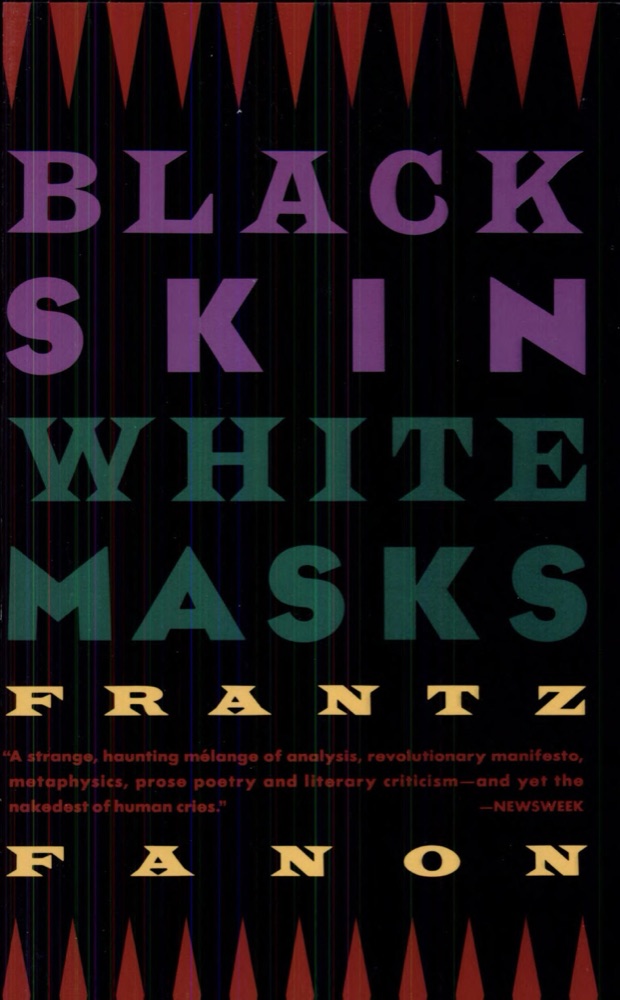 Black Skin, White Masks
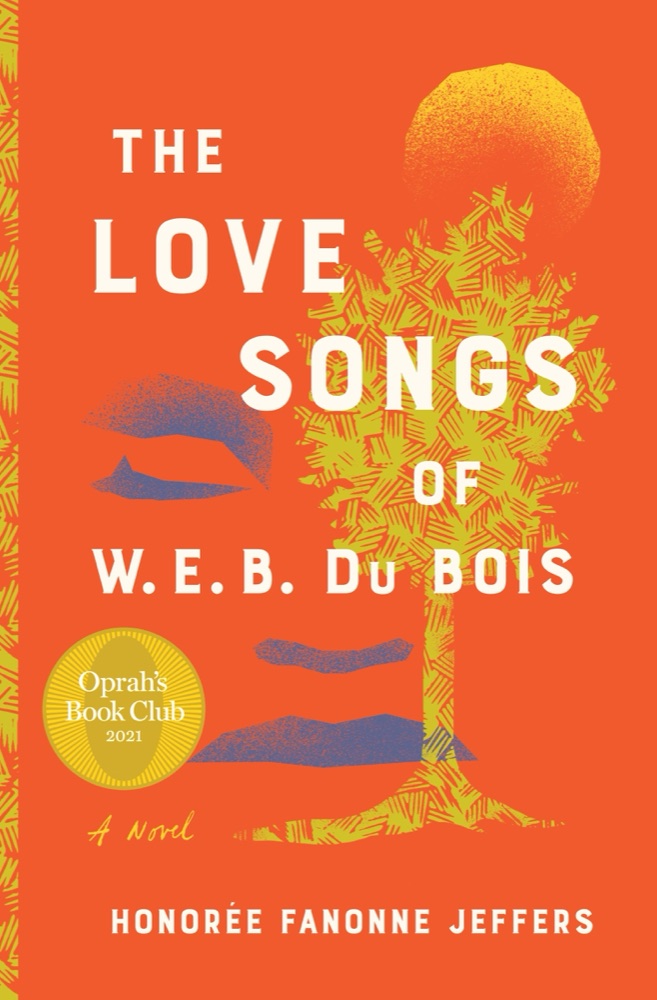 The Love Songs of W.E.B. Du Bois
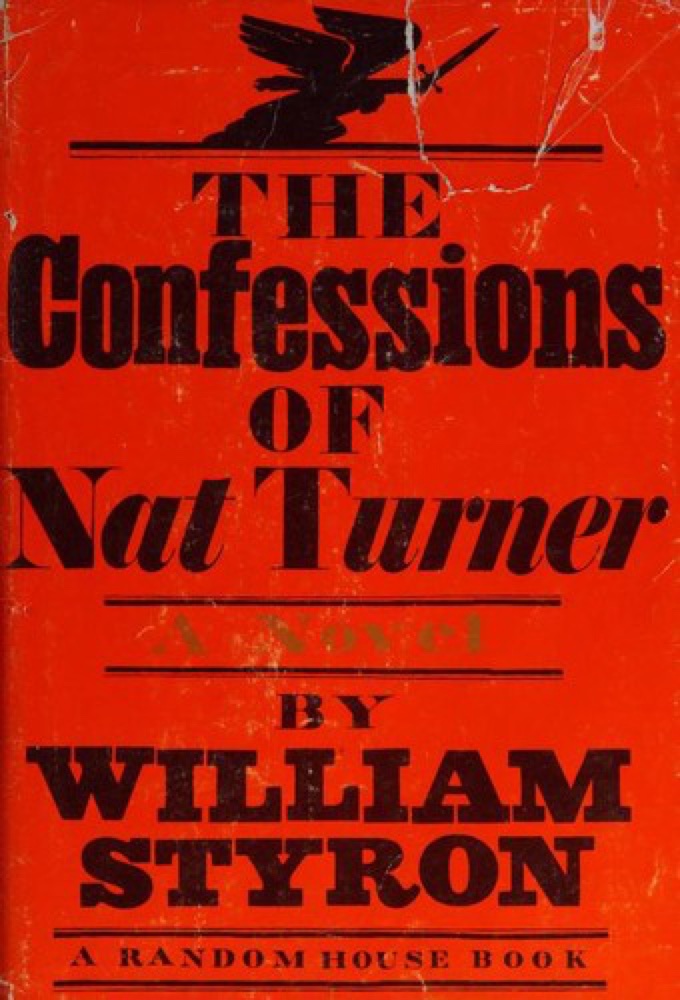 The Confessions of Nat Turner
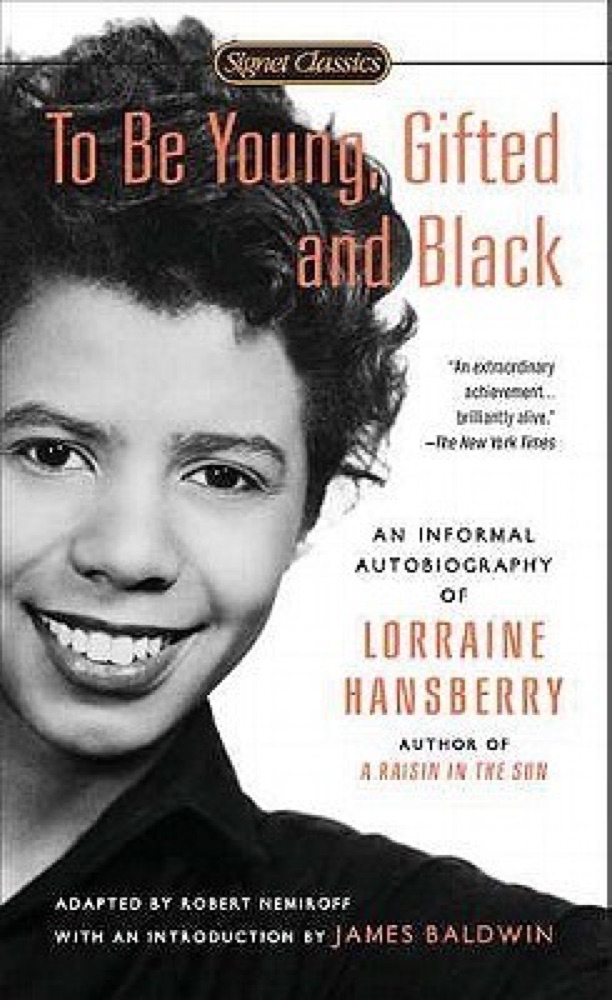 To Be Young, Gifted, and Black: An Informal Autobiography
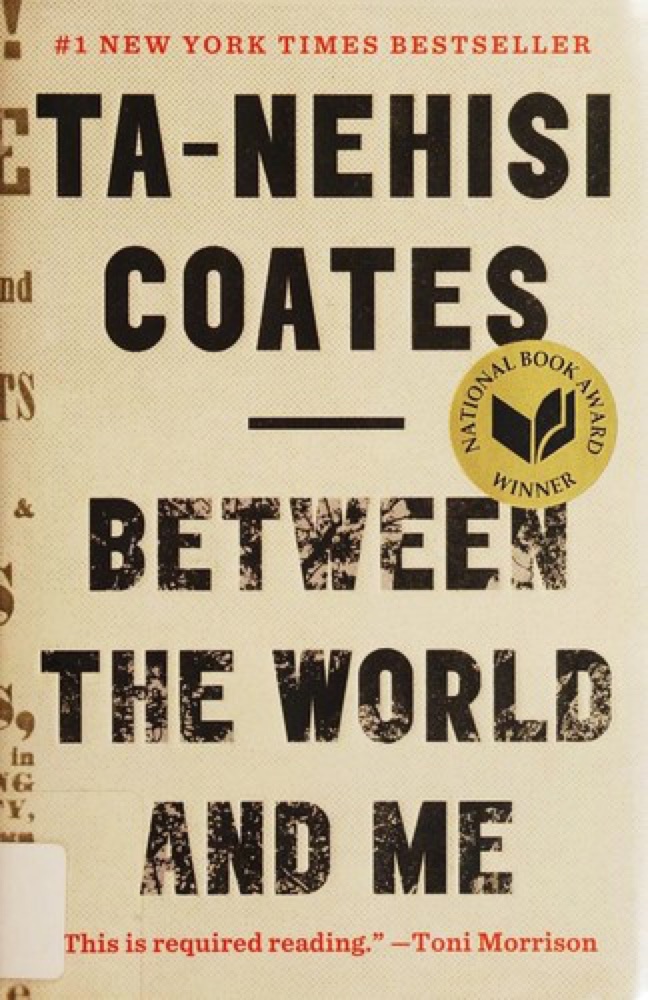 Between the World and Me
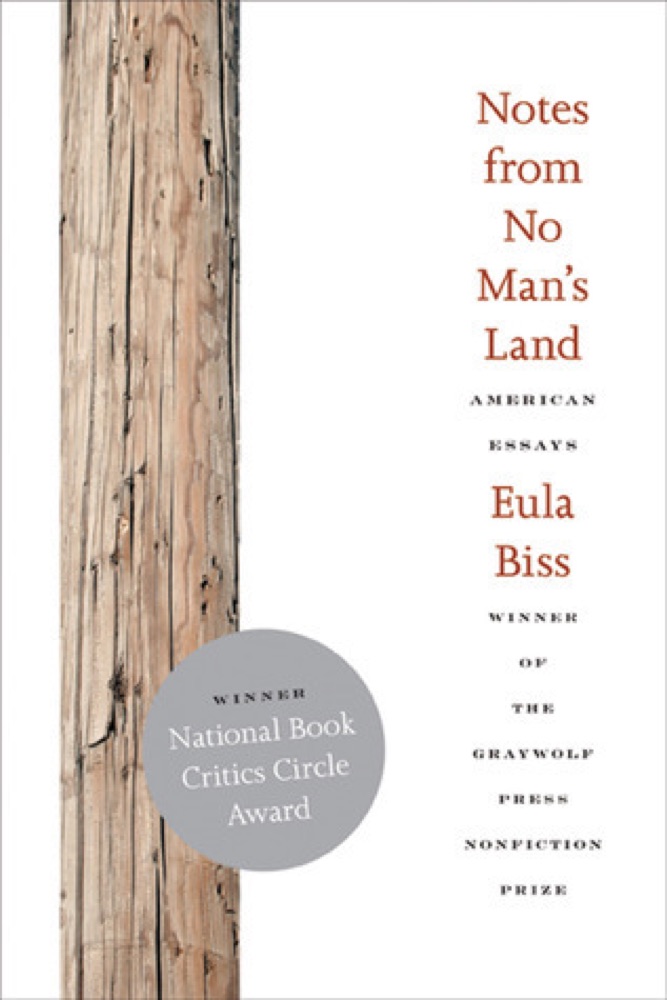 Notes from No Man's Land
 Up from Slavery
 Why We Can't Wait
 Edge of Eternity
 A Song Flung Up to Heaven
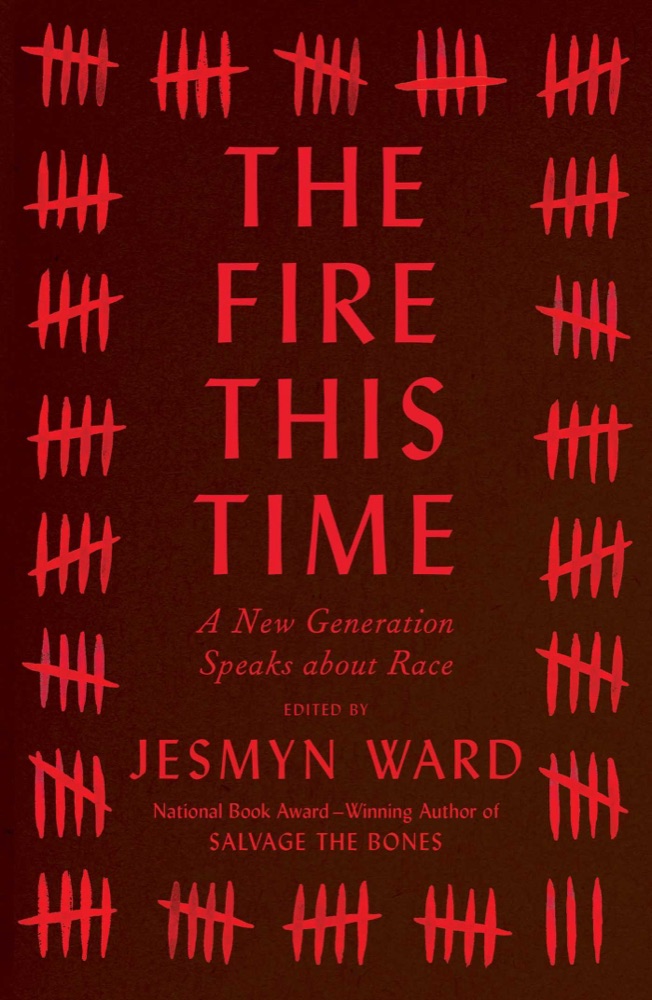 The Fire This Time: A New Generation Speaks About Race
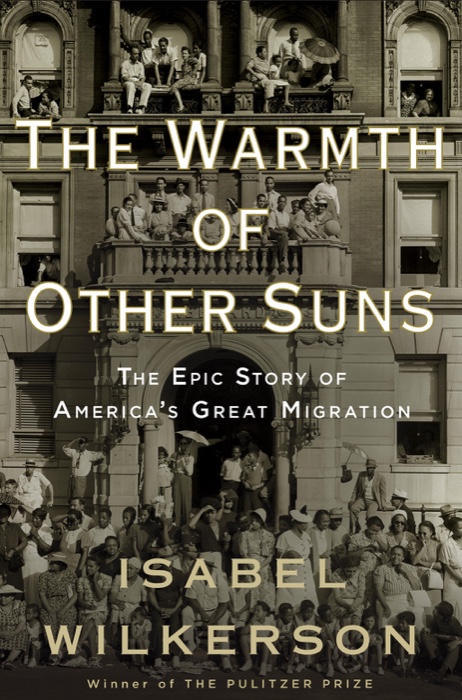 The Warmth of Other Suns: The Epic Story of America's Great Migration
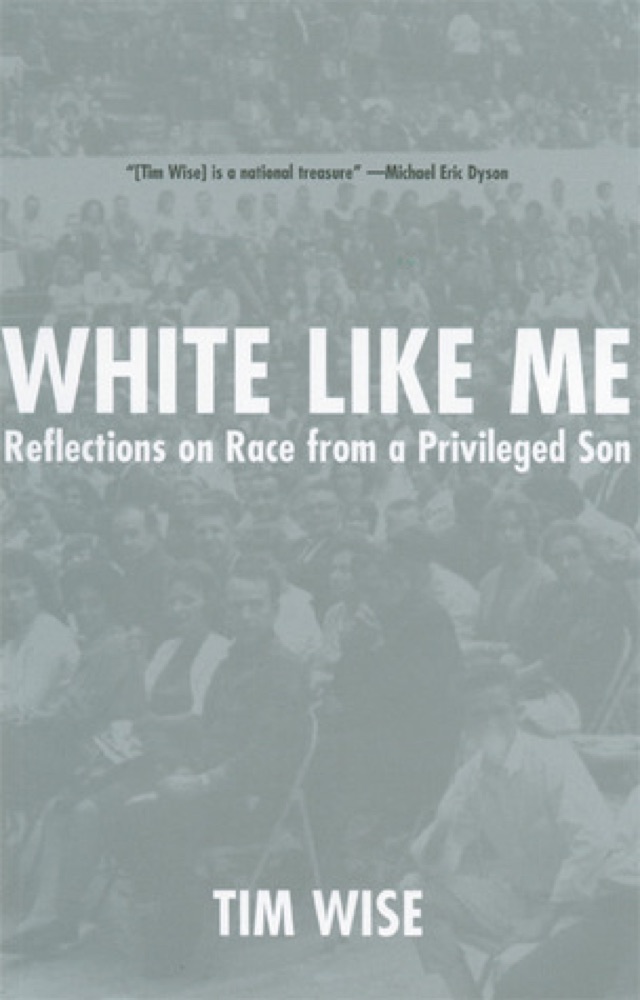 White Like Me: Reflections On Race From A Privileged Son
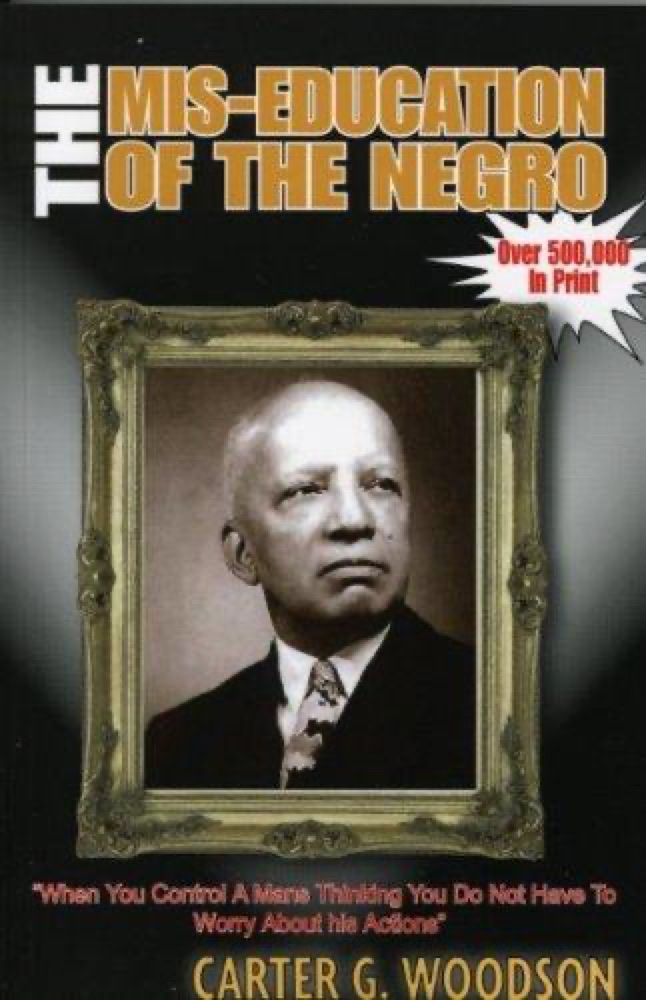 The Mis-Education of the Negro
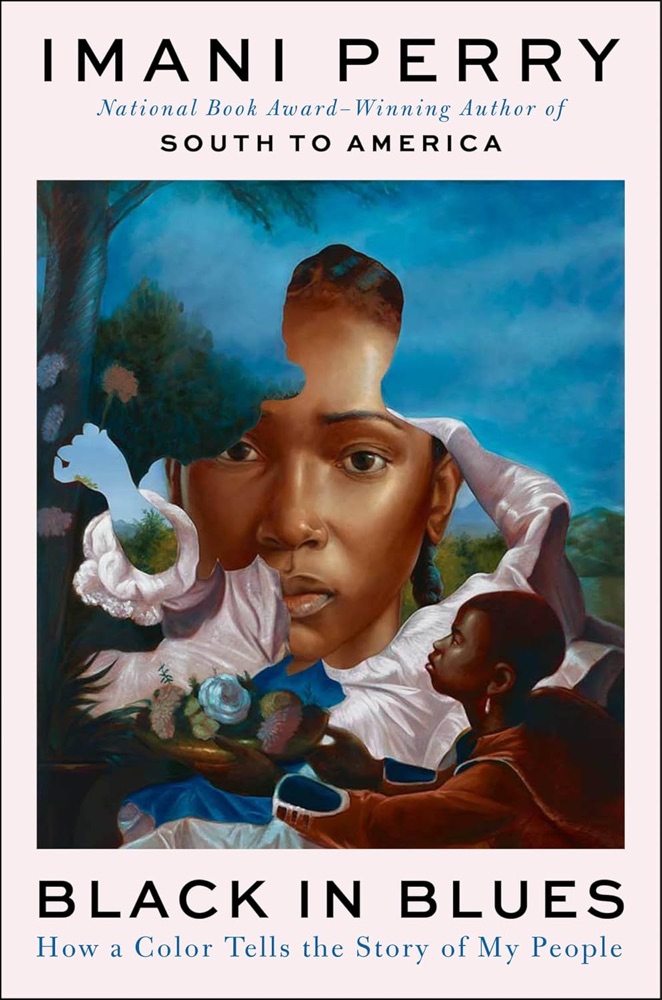 Black in Blues: How a Color Tells the Story of My People
 Simple Justice: The History of Brown v. Board of Education and Black America's Struggle for Equality
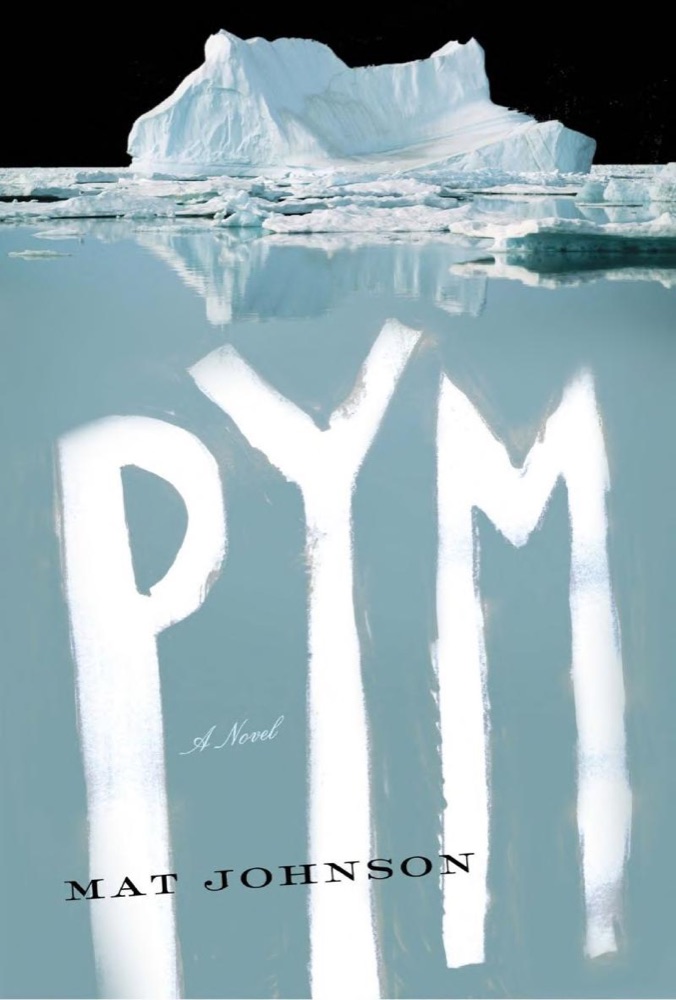 Pym
Pym
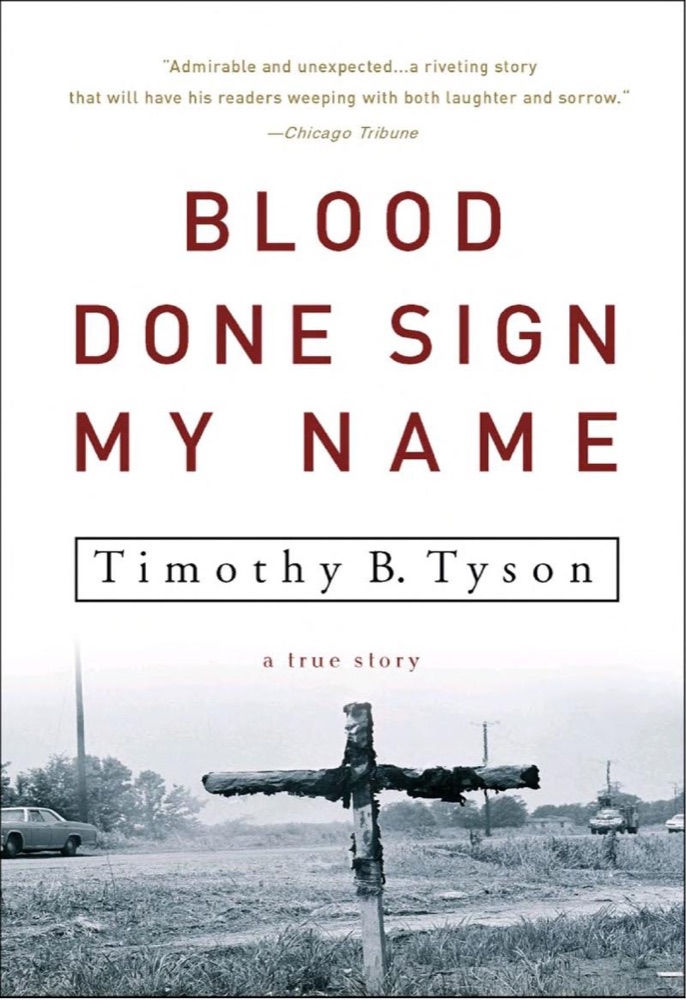 Blood Done Sign My Name: A True Story
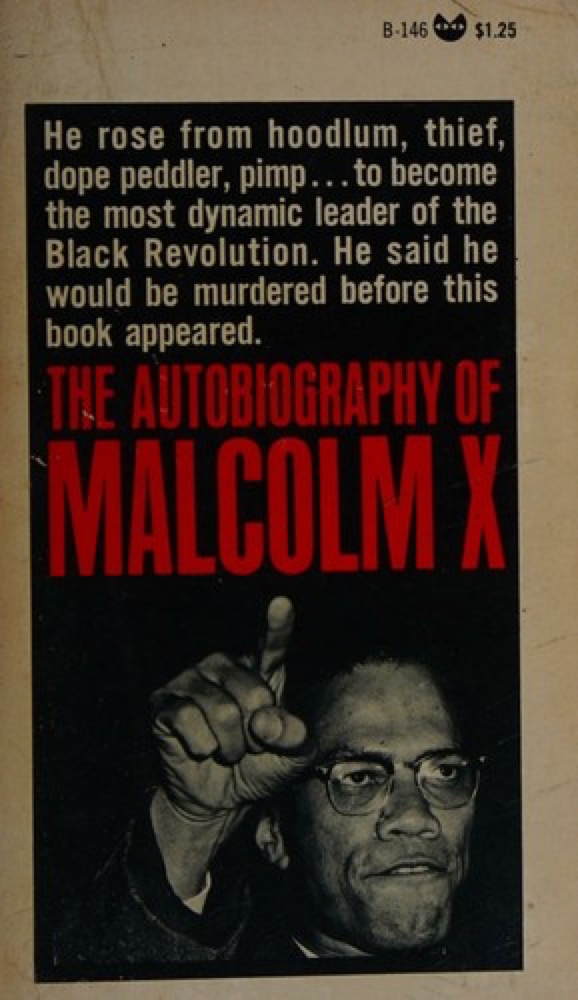 The Autobiography of Malcolm X
 Americanah
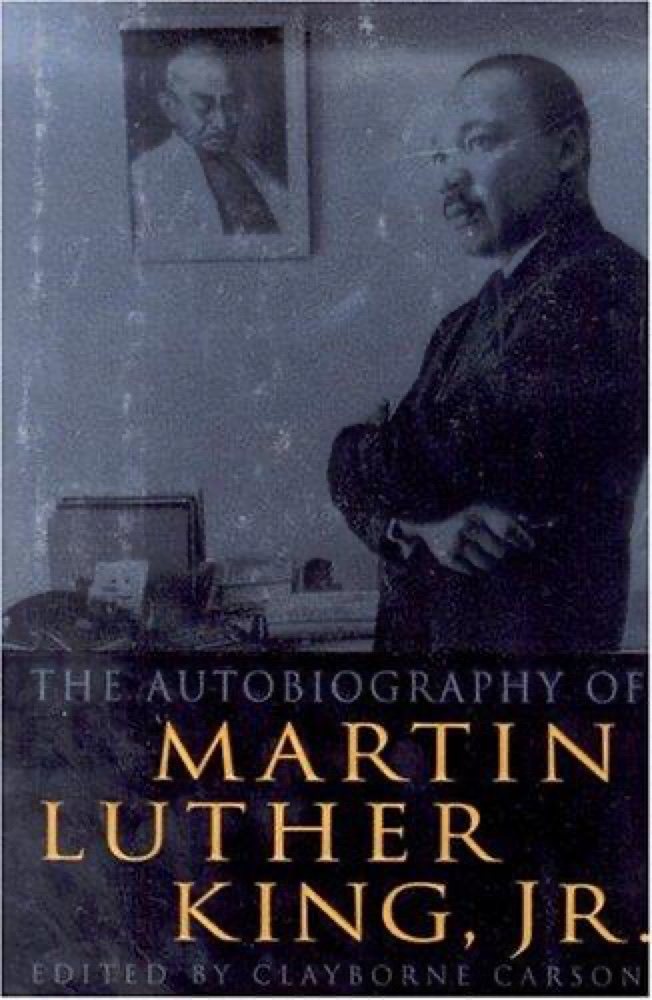 The Autobiography of Martin Luther King, Jr.
 What Truth Sounds Like: Robert F. Kennedy, James Baldwin, and Our Unfinished Conversation About Race in America
 Mumbo Jumbo
 All God's Children Need Traveling Shoes
 Four Hundred Souls: A Community History of African America, 1619-2019
 The Message
 Black No More
 The Hemingses of Monticello: An American Family
 Wizard of the Crow
 I'm Still Here: Black Dignity in a World Made for Whiteness
 Tears We Cannot Stop: A Sermon to White America
 Where Do We Go from Here: Chaos or Community?
 Stamped: Racism, Antiracism, and You
 Silent Covenants: Brown v. Board of Education and the Unfulfilled Hopes for Racial Reform
 What Doesn't Kill You Makes You Blacker: A Memoir in Essays
 Lovecraft Country
 Invisible Man, Got the Whole World Watching: A Young Black Man's Education
 Uncomfortable Conversations With a Black Man
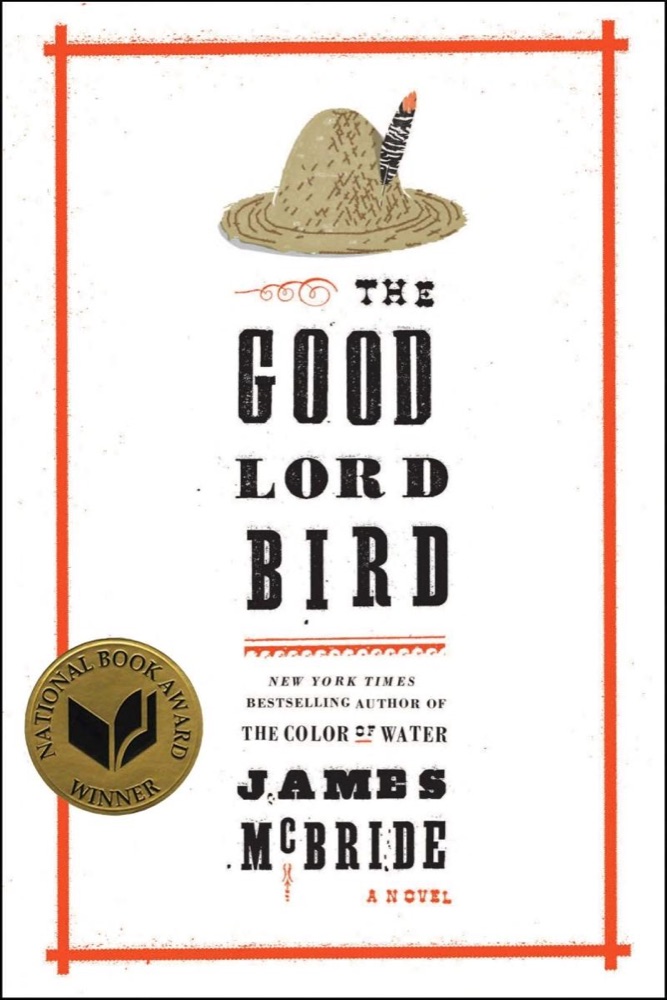 The Good Lord Bird
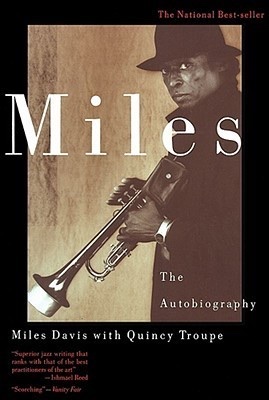 Miles: The Autobiography
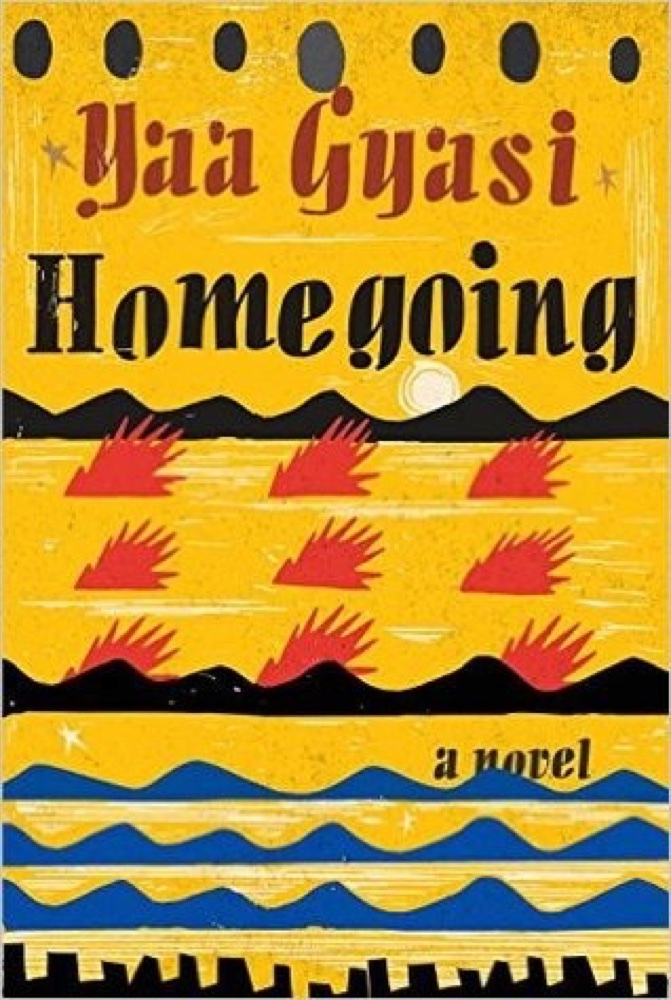 Homegoing
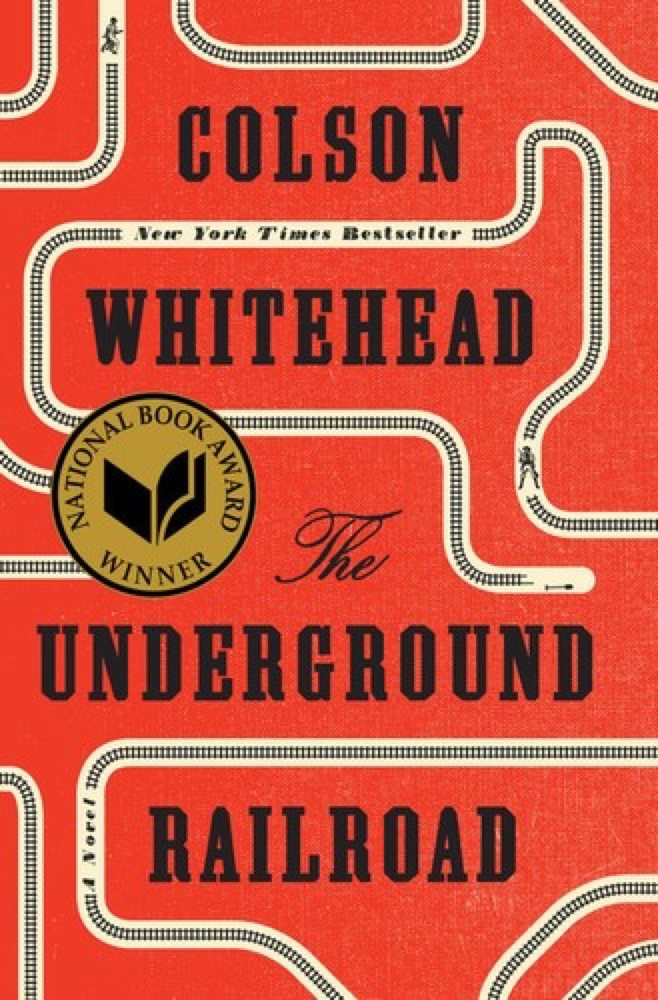 The Underground Railroad
 Essays of E.B. White
 The Committed
 James
James
 Native Son
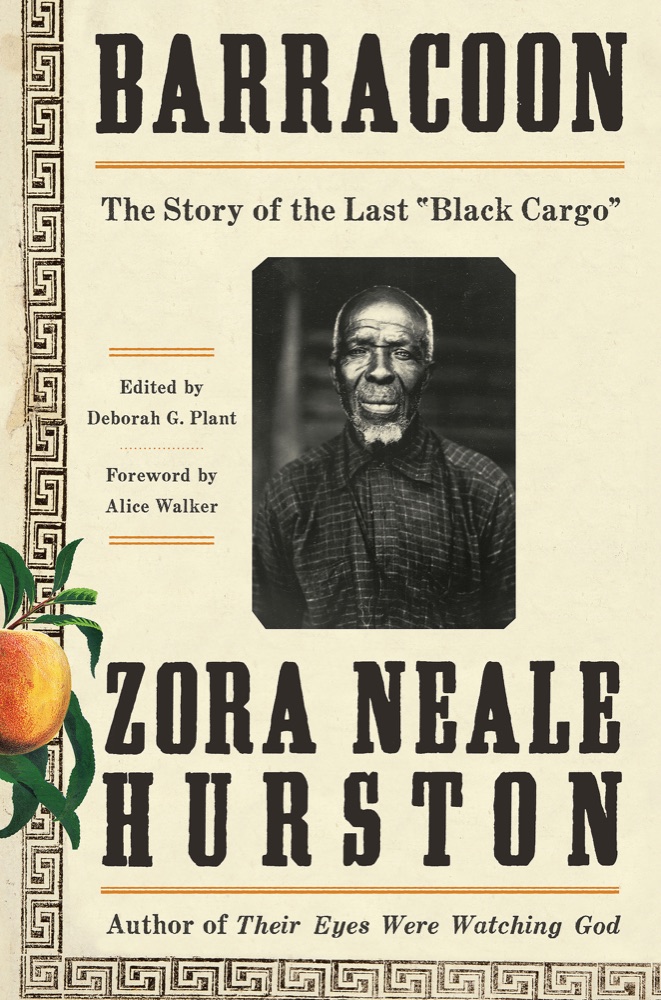 Barracoon: The Story of the Last "Black Cargo"
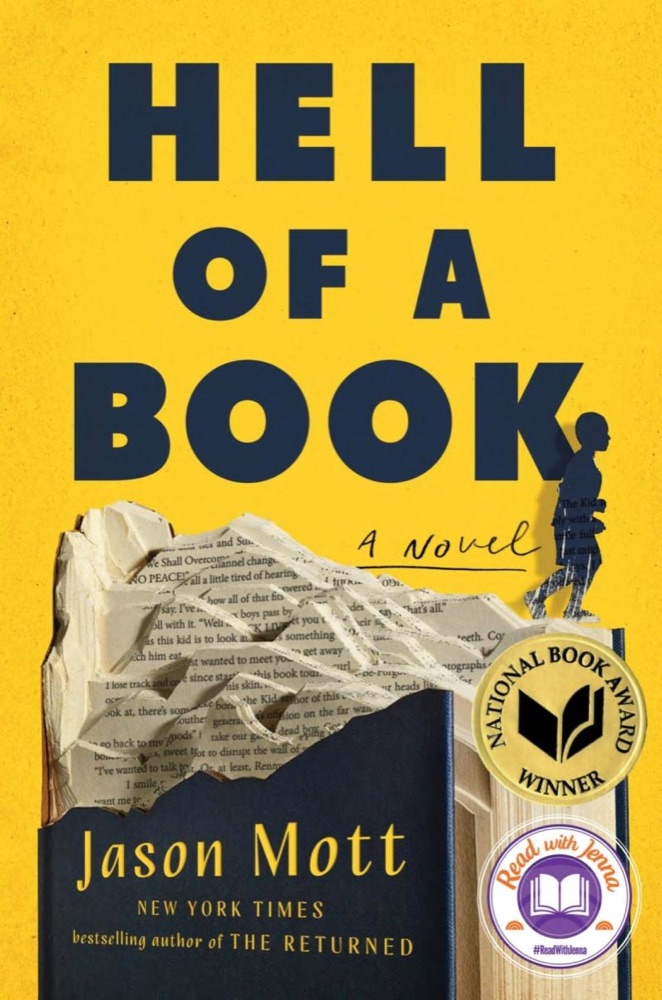 Hell of a Book
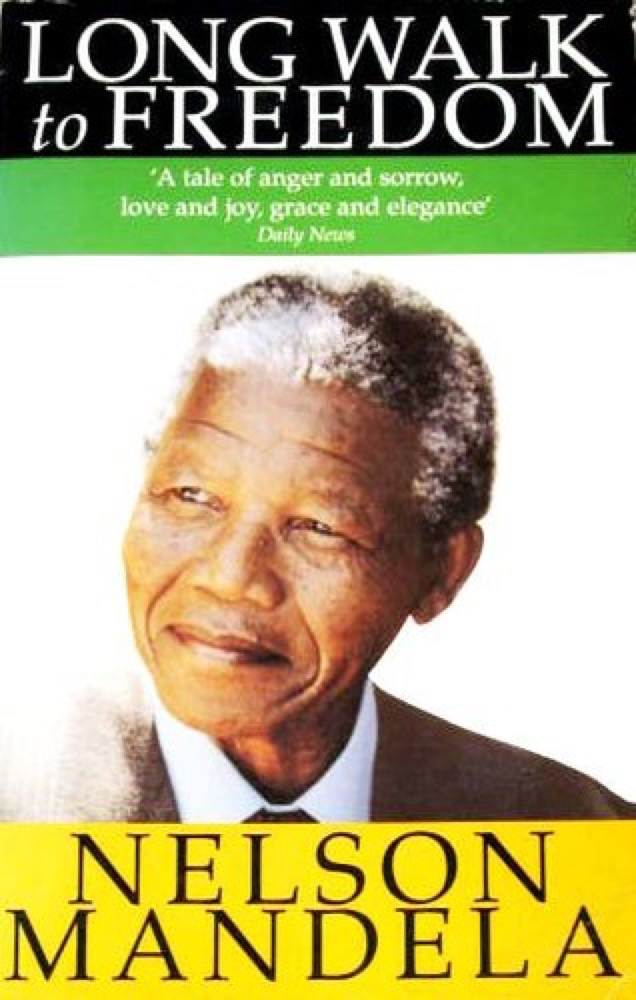 Long Walk to Freedom
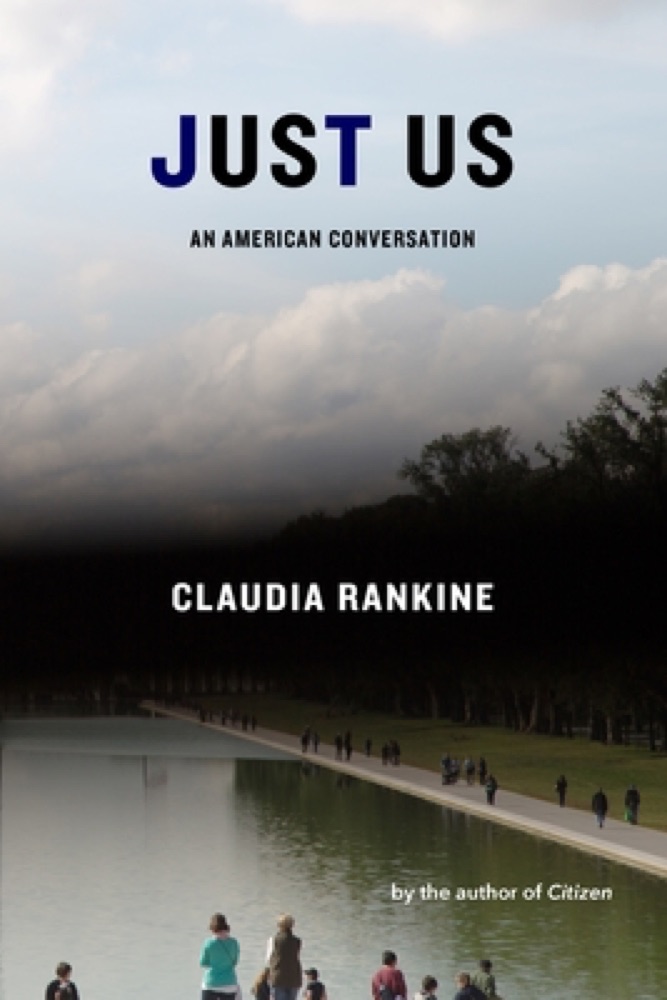 Just Us: An American Conversation
 You Can't Be Neutral on a Moving Train: A Personal History of Our Times