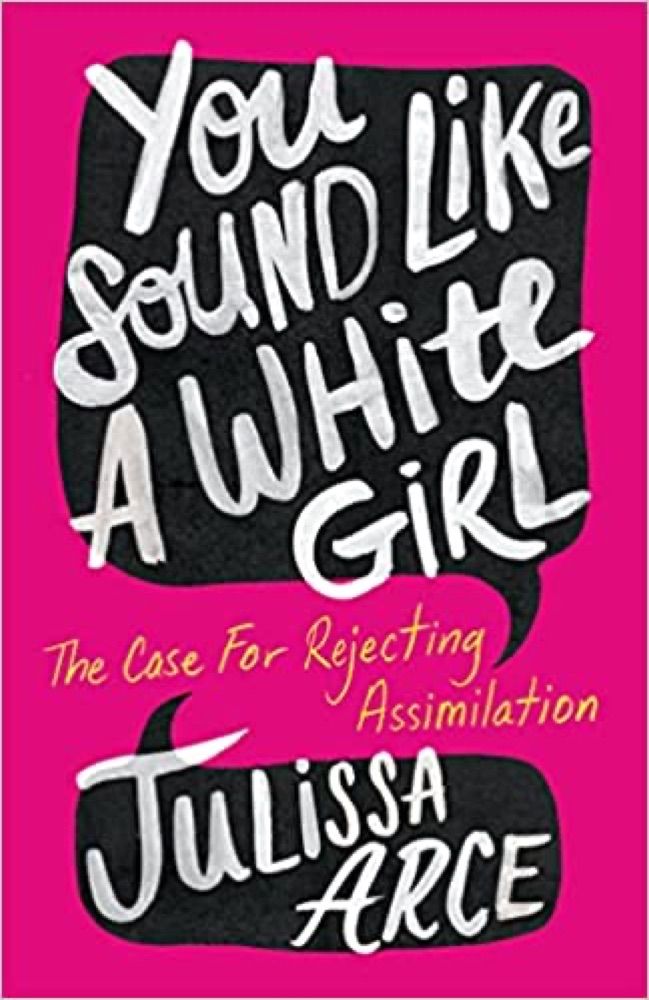
 You Sound Like a White Girl: The Case for Rejecting Assimilation
Quotes from the Book
There are an estimated 258 million migrants around the world, and many of us are migrating to countries that previously colonized and imperialized us. We have a human right to move, and governments should serve that right, not limit it. The unprecedented movement of people - what some call a "global migration crisis" - is, in reality, a natural progression of history. Yes, we are here because we believe in the promise of the American Dream - the search for a better life, the challenge of dreaming big. But we are also here because you were there - the cost of American imperialism and globalization, the impact of economic policies and political decisions.
18
Migration is the most natural thing people do, the root of how civilizations, nation-states, and countries were established. The difference, however, is that when white people move, then and now, it’s seen as courageous and necessary, celebrated in history books. Yet when people of color move, legally or illegally, the migration itself is subjected to question of legality. Is it a crime? Will they assimilate? When will they stop?
13
Here in the U.S., the language we use to discuss immigration does not recognize the realities of our lives based on conditions that we did not create and cannot control. For the most part, why are white people called “expats” while people of color are called “immigrants”? Why are some people called “expats” while others are called “immigrants”? What’s the difference between a “settler” and a “refugee”? Language itself is a barrier to information, a fortress against understanding the inalienable instinct of human beings to move.
13
What would you have done? Work under the table? Stay under the radar? Not work at all? Which box would you check? What have you done to earn your box? Besides being born at a certain place in a certain time, did you have to do anything? Anything at all? If you wanted to have a career, if you wanted to have a life, if you wanted to exist as a human being, what would you have done?
9
Home is not something I should have to earn.
9
White as the default, white as the center, white as the norm, is the central part of the master narrative. The centrality of whiteness—how it constructed white versus black, legal versus illegal—hurts not only people of color who aren’t white but also white people who can’t carry the burden of what they’ve constructed.
8
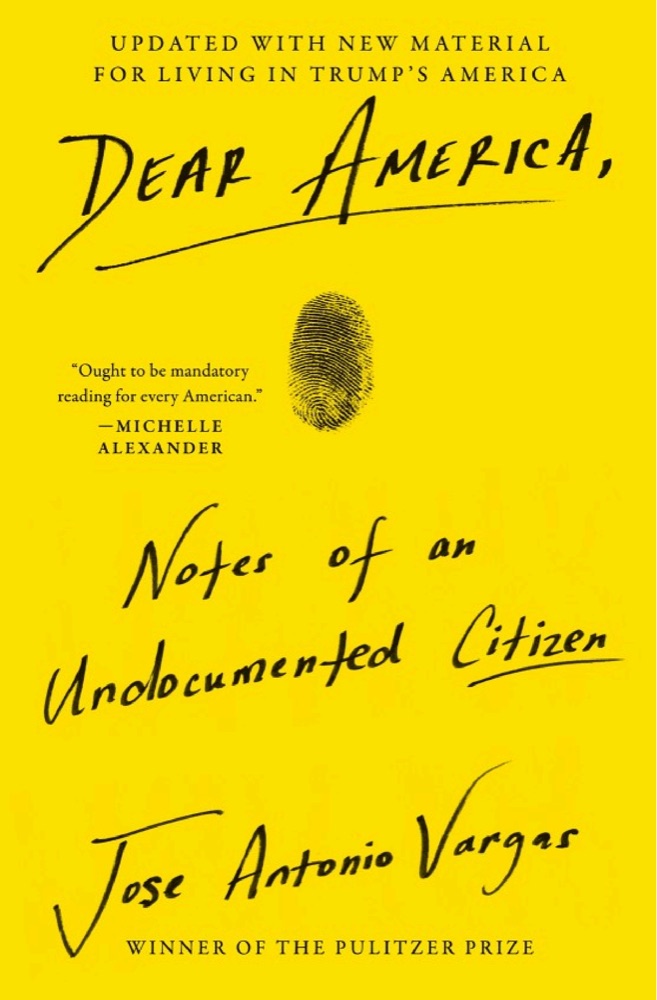
This book is about homelessness, not in a traditional sense, but the unsettled, unmoored psychological state that undocumented immigrants like me find ourselves in. This book is about lying and being forced to lie to get by; about passing as an American and as a contributing citizen; about families, keeping them together and having to make new ones when you can’t. This book is about constantly hiding from the government and, in the process, hiding from ourselves. This book is about what it means to not have a home. After twenty-five years of living illegally in a country that does not consider me one of its own, this book is the closest thing I have to freedom.
7
Consider the fate of Filipino soldiers who fought the Japanese during World War II. With the promise of U.S. citizenship and full veteran benefits, more than 250,000 Filipino soldiers fought under the American flag, playing a crucial role in achieving victory. Shortly after, the Rescission Act of 1946 retroactively took away these soldiers’ status as U.S. veterans. The message was clear: your service didn’t matter. It took more than sixty years to rectify the injustice.
6
Humanity is not some box I should have to check.
6
Immigrants are seen as mere labor, our physical bodies judged by perceptions of what we contribute, or what we take. Our existence is as broadly criminalized as it is commodified.
5
Here in America, the libraries were my church, and I was an acolyte.
4
the largest groups of people who migrate to the U.S.A.—voluntarily, forcibly, unknowingly, like them—do so because of what the U.S. government has done to their countries. How a trade agreement, like the North American Free Trade Agreement, drove millions of Mexicans out of jobs and led parents to cross borders and climb up walls so they could feed their kids. How six decades of interventionist policies by both Republicans and Democrats brought economic and political instability and sowed violence in El Salvador, Guatemala, and Honduras.
4
It's less about coming out and more about letting people in. I learned that you come out to let people in. The reality is that the closet doesn't only hide you from strangers, the closet also hides you from people you love.
4
We must fight white supremacy wherever it exists, within both progressive and conservative circles.
4
To pass as an American, I always had to question the law. Not just break it, not just circumvent it, but question it. I had to interrogate how laws are created, how illegality must be seen through the prism of who is defining what is legal for whom. I had to realize that throughout American history, legality has forever been a construct of power.
3
What we're doing - waving a "Keep Out!" flag at the Mexican border while holding up a Help Wanted sign a hundred yards in - is deliberate. Spending billions building fences and walls, locking people up like livestock, deporting people to keep the people we don't want out, tearing families apart, breaking spirits - all of that serves a purpose.
3
We think we can bury what we've lost under all the things we can buy.
2
There is always one moment in childhood,” Graham Greene once wrote, “when the door opens and lets the future in.
2
How can Martin Scorsese’s New York City be the same as Woody Allen’s New York City, which is not the same thing as Spike Lee’s New York City and Mike Nichols’s New York City? That was my introduction to perspective.
2
I came to the realization that I refuse to let a presidency scare me from my own country. I refuse to live a life of fear defined by a government that doesn't even know why it fears what it fears. Because I am not a citizen by law or by birth, I've had to create and hold on to a different kind of citizenship.... Citizenship is showing up. Citizenship is using your voice while making sure you hear other people around you. Citizenship is how you live your life.
2
When people think of borders and walls, they usually think of land. I think of water. It’s painful to think that the same water that connects us all also divides us, dividing Mama and me.
2
Dear America, is this what you really want? Do you even know what is happening in your name?
2
The difference, however, is that when white people move, then and now, it’s seen as courageous and necessary, celebrated in history books. Yet when people of color move, legally or illegally, the migration itself is subjected to question of legality. Is it a crime? Will they assimilate? When will they stop?
1
Morrison: The master narrative, I mean, the whole notion of what is ugliness, what is worthlessness, what is contempt. She got it from her family, she got it from school, she got it from the movies, she got it everywhere. Moyers: The master narrative. What is—that’s life? Morrison: No, it’s white male life. The master narrative is whatever ideological script that is being imposed by the people in authority on everybody else. The master fiction. History. It has a certain point of view. So, when these little girls see that the most prized gift that they can get at Christmastime is this little white doll, that’s the master narrative speaking. “This is beautiful, this is lovely, and you’re not it.” . . . She is so needful, so completely needful, has so little, needs so much, she becomes the perfect victim.
1
You have to decide who you are, and force the world to deal with you, not its idea of you.
1
You cannot change the politics of immigration until you change the culture in which immigrants are seen.
1
To be seen by so many people, so many good people, meant that I was here, and maybe even that I was supposed to be here.
1
Writing was also a way of belonging, a way of contributing to society while doing a public-service-oriented job that's the antithesis of the stereotype that "illegals" are here to take, take, take.
1
All of that aside, this country of countries, founded on the freedom of movement, must look itself in the mirror, clearly and carefully, before determining the price and cost of who gets to be an American in a globalized and interconnected twenty-first century
1
Passing was purgatory. It was exhausting, always looking over your shoulder, waiting to get found out, always wondering if you’re not passing enough. Paranoia was like some viral disease that infected my whole body. Stress was oxygen.
1
Watch on YouTube
About Jose Antonio Vargas
About the book
Pulitzer-Prize winning journalist Jose Antonio Vargas, called “the most famous undocumented immigrant in America,” tackles one of the defining issues of our time in this explosive and deeply personal call to arms.
“This is not a book about the politics of immigration. This book––at its core––is not about immigration at all. This book is about homelessness, not in a traditional sense, but in the unsettled, unmoored psychological state that undocumented immigrants like myself find ourselves in. This book is about lying and being forced to lie to get by; about passing as an American and as a contributing citizen; about families, keeping them together, and having to make new ones when you can’t. This book is about constantly hiding from the government and, in the process, hiding from ourselves. This book is about what it means to not have a home.
After 25 years of living illegally in a
Book details
- First published
- 2018
- Author
- Jose Antonio Vargas
- Genre
- Nonfiction
- Goodreads rating
- 4.32 (17k ratings)
The buzz
- The Washington PostReview in The Washington Postprofessional review (via Book Marks)
- The AtlanticReview in The Atlanticprofessional review (via Book Marks)
- Kirkus ReviewsReview in Kirkus Reviewsprofessional review (via Book Marks)
- Washington Independent Review of BooksReview in Washington Independent Review of Booksprofessional review (via Book Marks)
- BooklistReview in Booklistprofessional review (via Book Marks)
- BookPageReview in BookPageprofessional review (via Book Marks)
Keep reading
You Sound Like a White Girl: The Case for Rejecting Assimilation
 Between the World and Me
 The Undocumented Americans
 Go Back to Where You Came From: And Other Helpful Recommendations on How to Become American
 Notes from No Man's Land
 Just Us: An American Conversation
 When They Call You a Terrorist: A Black Lives Matter Memoir
 The Truths We Hold: An American Journey
 Nobody Knows My Name
 White Like Me: Reflections On Race From A Privileged Son
 We Gon' Be Alright: Notes on Race and Resegregation
 The Source of Self-Regard: Selected Essays, Speeches, and Meditations
 What Unites Us: Reflections on Patriotism
 Interior Chinatown
 The Golden House
 United: Thoughts on Finding Common Ground and Advancing the Common Good
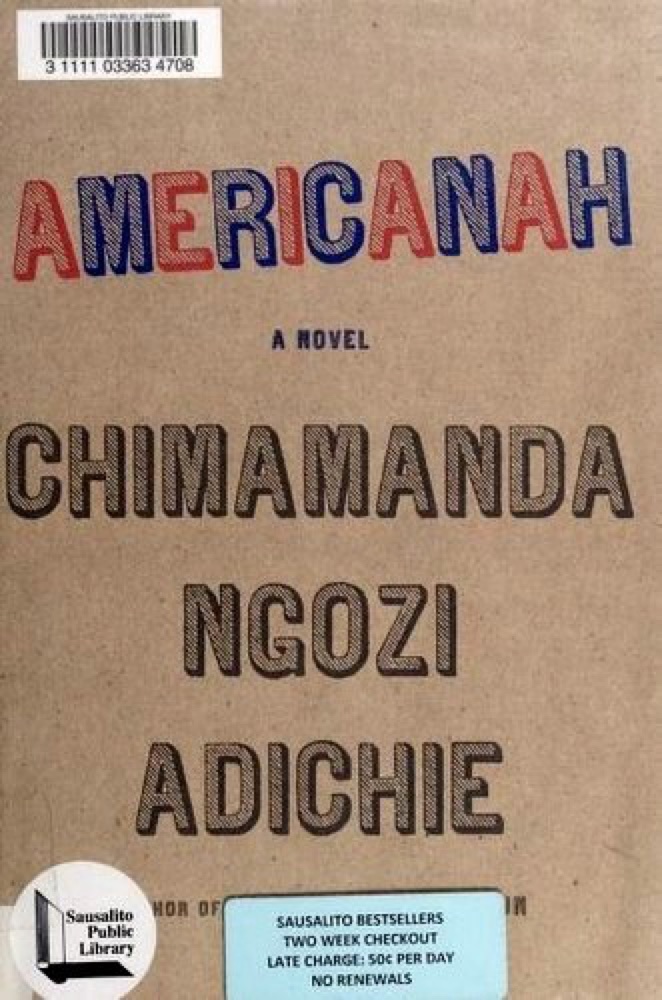 Americanah
 Dark Days
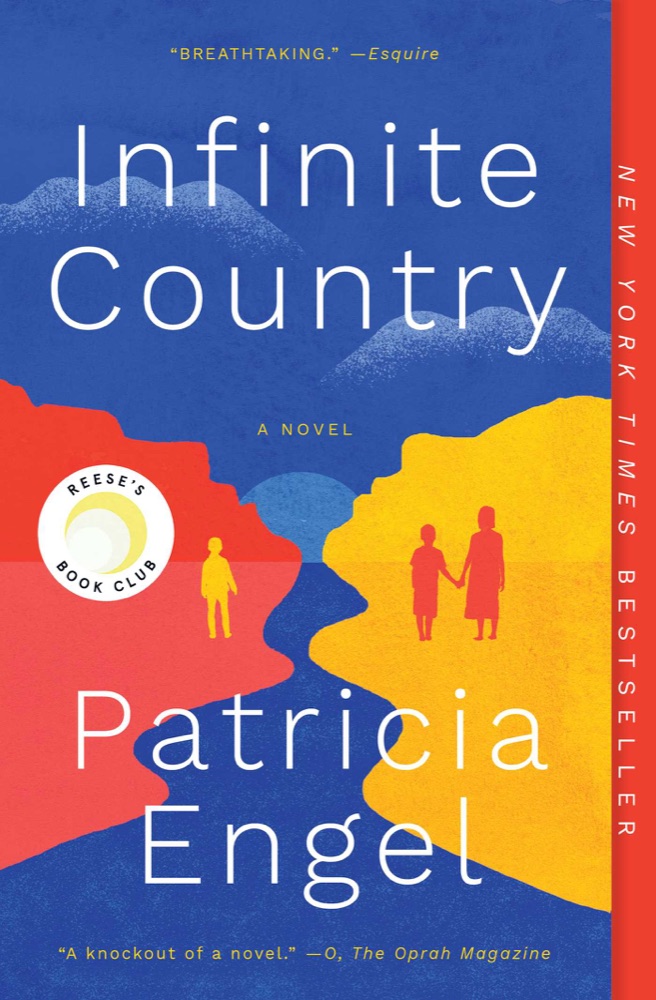 Infinite Country
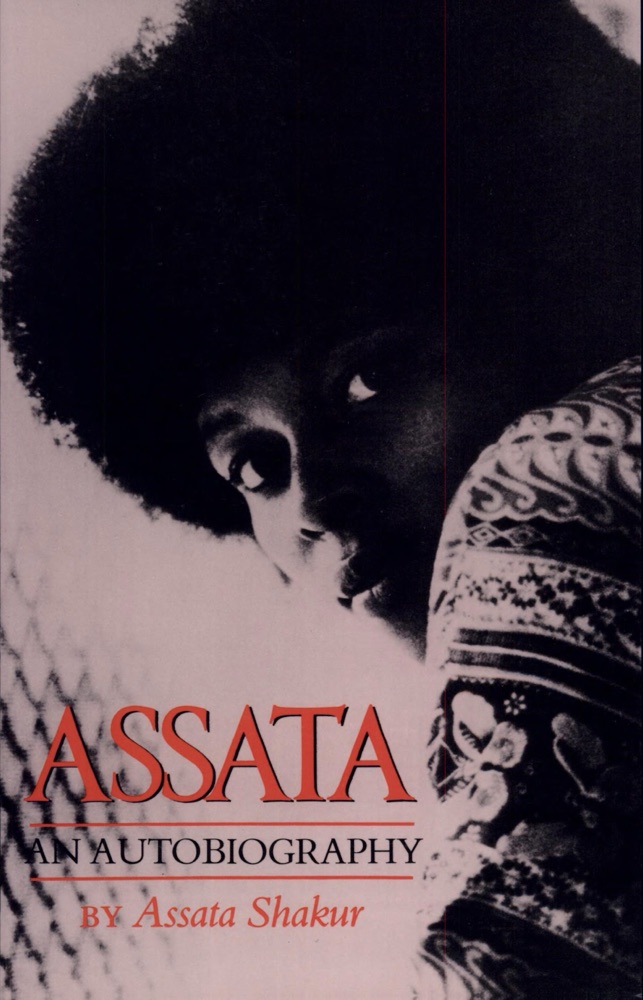 Assata: An Autobiography
 Born a Crime: Stories From a South African Childhood
 The Small and the Mighty: Twelve Unsung Americans Who Changed the Course of History, from the Founding to the Civil Rights Movement
 Minor Feelings: An Asian American Reckoning
 We Are Not Free
 The View From Flyover Country: Essays by Sarah Kendzior
 You Can't Be Neutral on a Moving Train: A Personal History of Our Times
 One Day We'll All Be Dead and None of This Will Matter
 Sigh, Gone: A Misfit's Memoir of Great Books, Punk Rock, and the Fight to Fit In
 The Refugees
 My Government Means to Kill Me
 No Name in the Street
 Across That Bridge: A Vision for Change and the Future of America
 Begin Again: James Baldwin's America and Its Urgent Lessons for Our Own
 A Promised Land
 Becoming
 On the Other Side of Freedom: The Case for Hope
 Stamped: Racism, Antiracism, and You
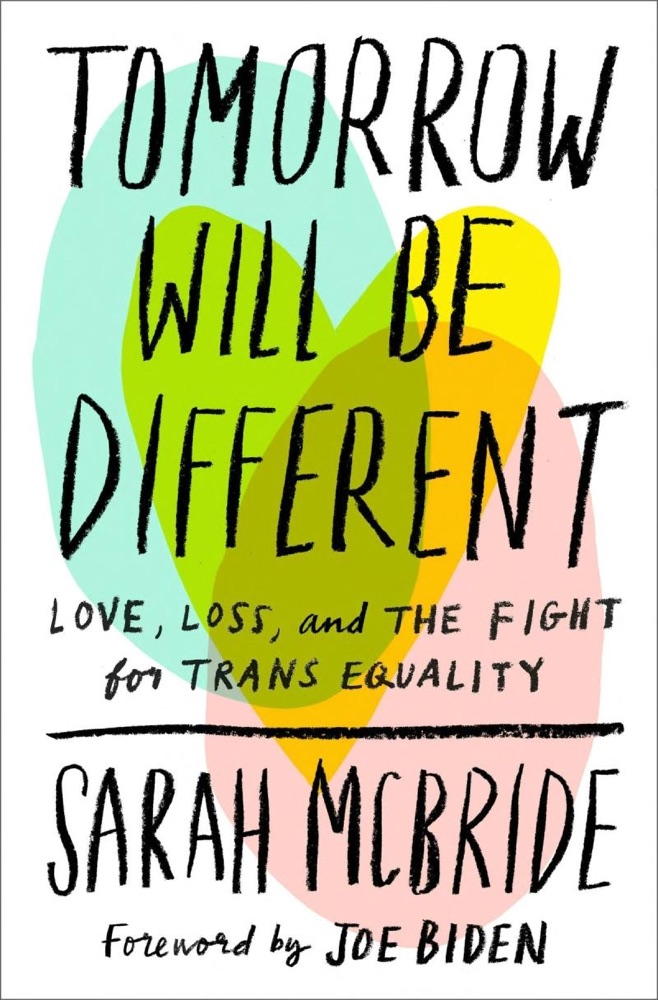 Tomorrow Will Be Different: Love, Loss, and the Fight for Trans Equality
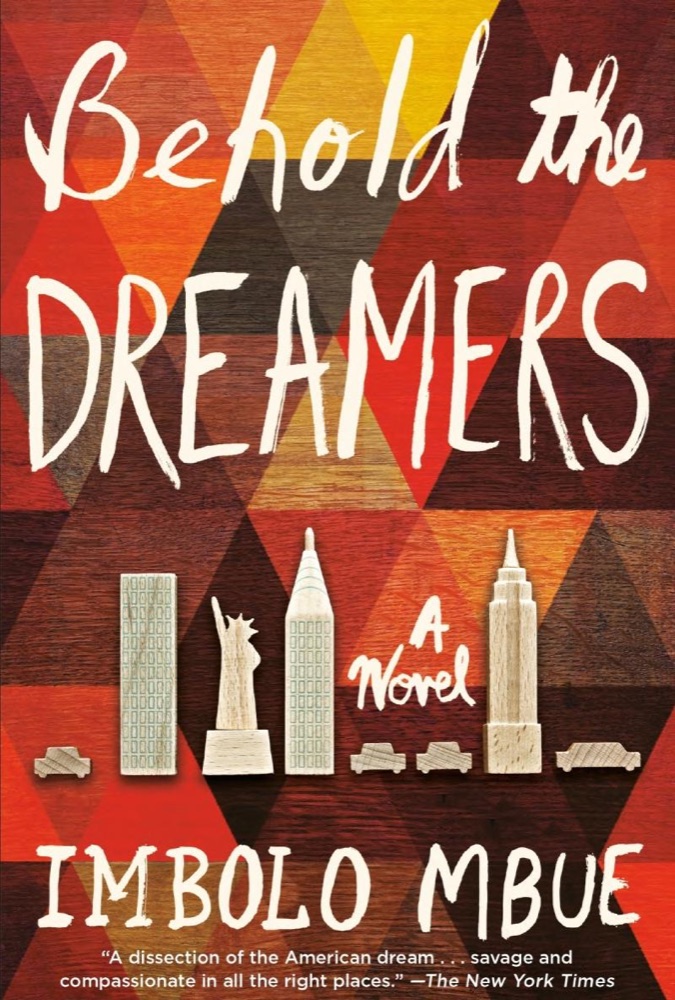 Behold the Dreamers
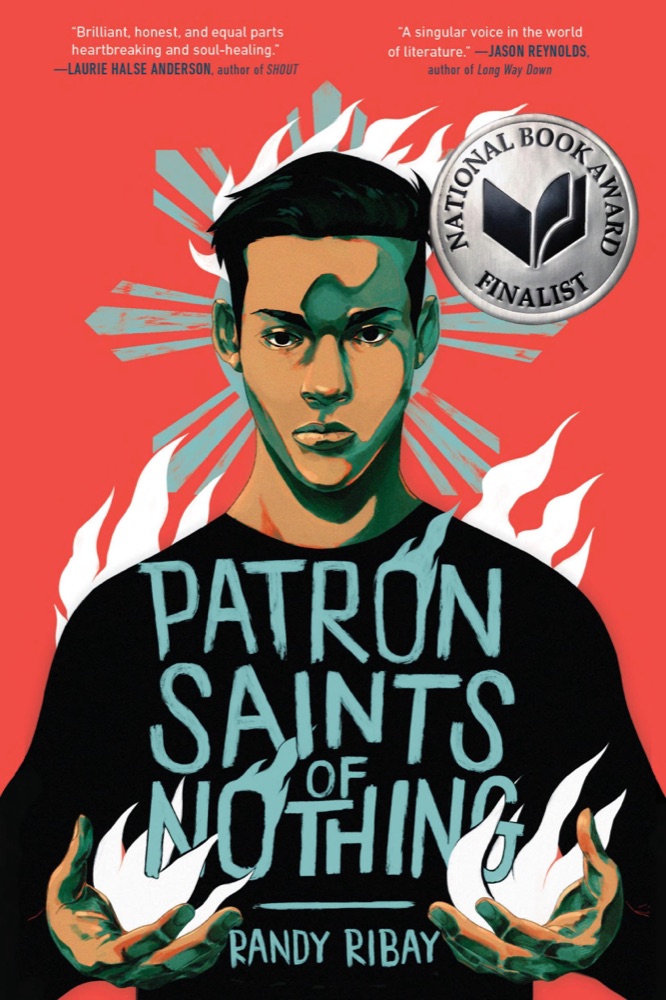 Patron Saints of Nothing
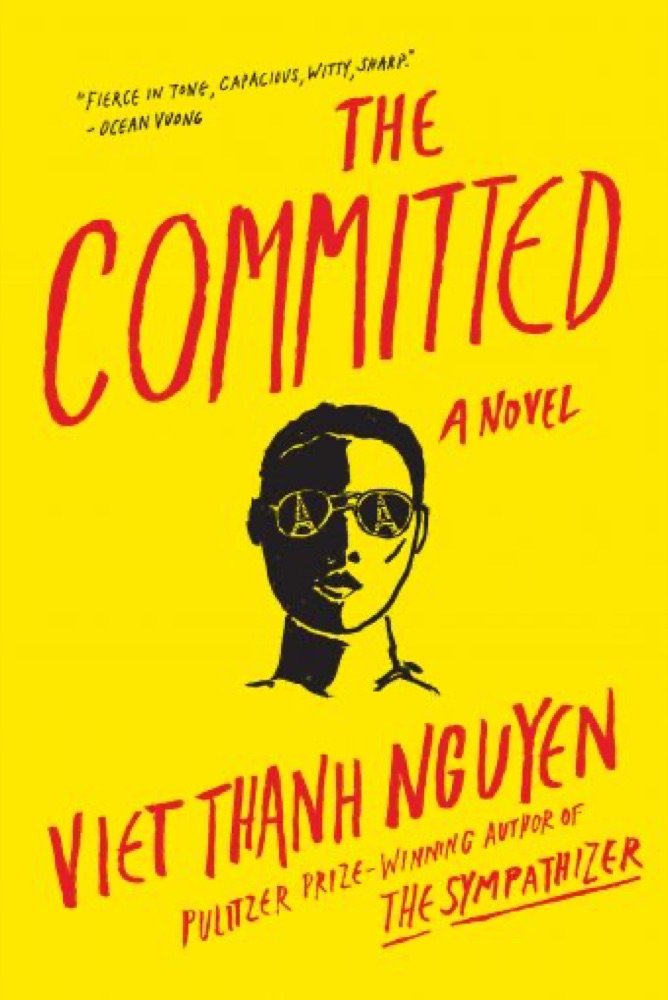 The Committed
 This Bridge Called My Back: Writings by Radical Women of Color
 The Last Year of the War
 The Audacity of Hope: Thoughts on Reclaiming the American Dream
 The Message
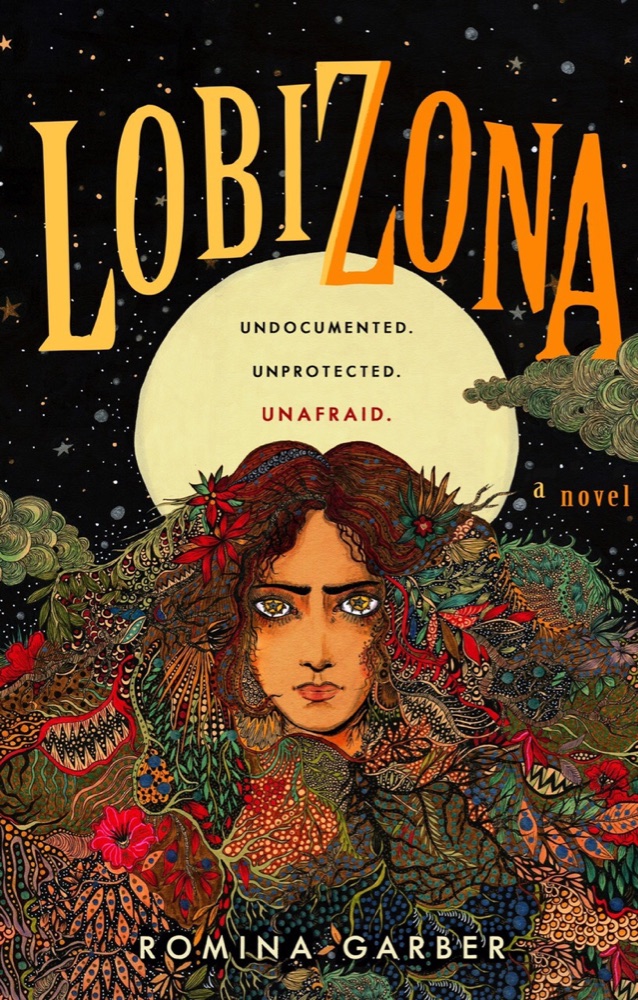 Lobizona
 The Girl Who Smiled Beads: A Story of War and What Comes After
 Uncomfortable Conversations With a Black Man
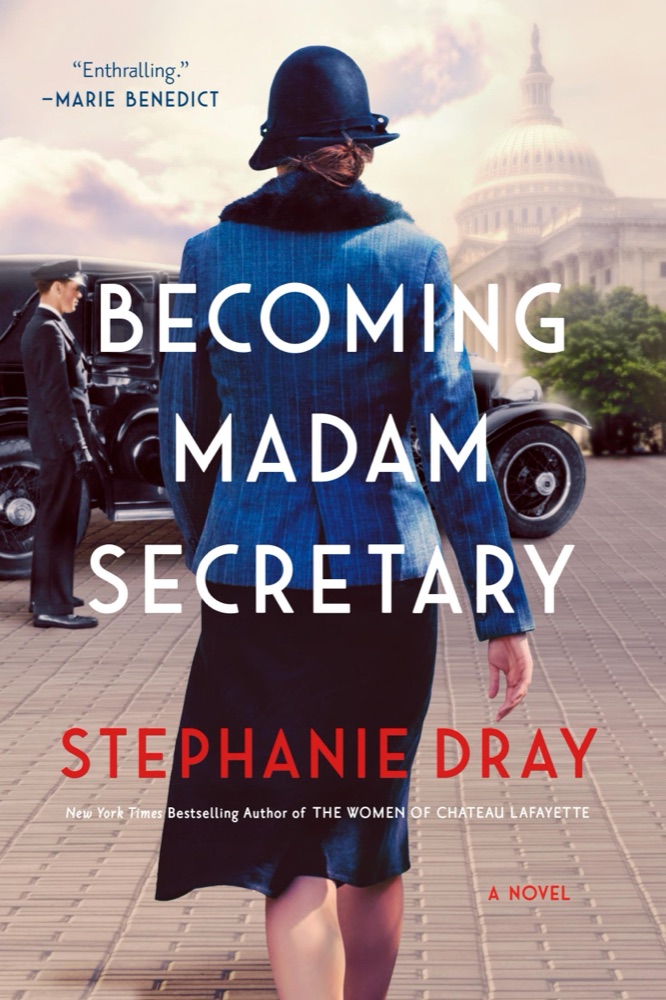 Becoming Madam Secretary
 Internment
 A Man Without a Country
 The Warmth of Other Suns: The Epic Story of America's Great Migration
 Aftershocks
 Sister Outsider: Essays and Speeches
 Tears We Cannot Stop: A Sermon to White America
 We Were Dreamers: An Immigrant Superhero Origin Story
 Close to the Knives: A Memoir of Disintegration
 The Freedom Writers Diary
 A People's History of the United States
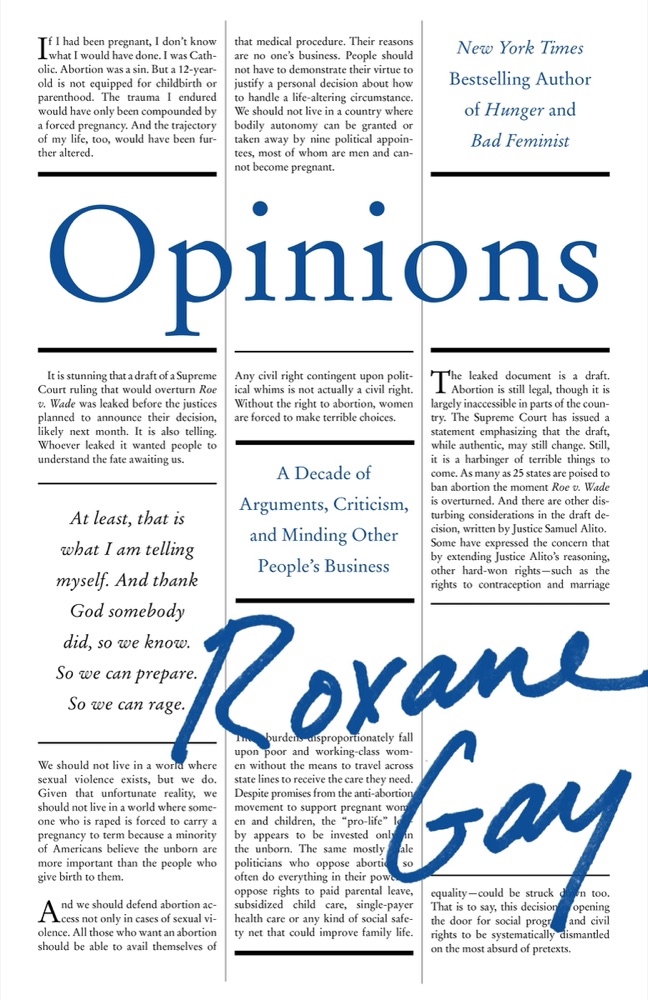 Opinions: A Decade of Arguments, Criticism, and Minding Other People’s Business