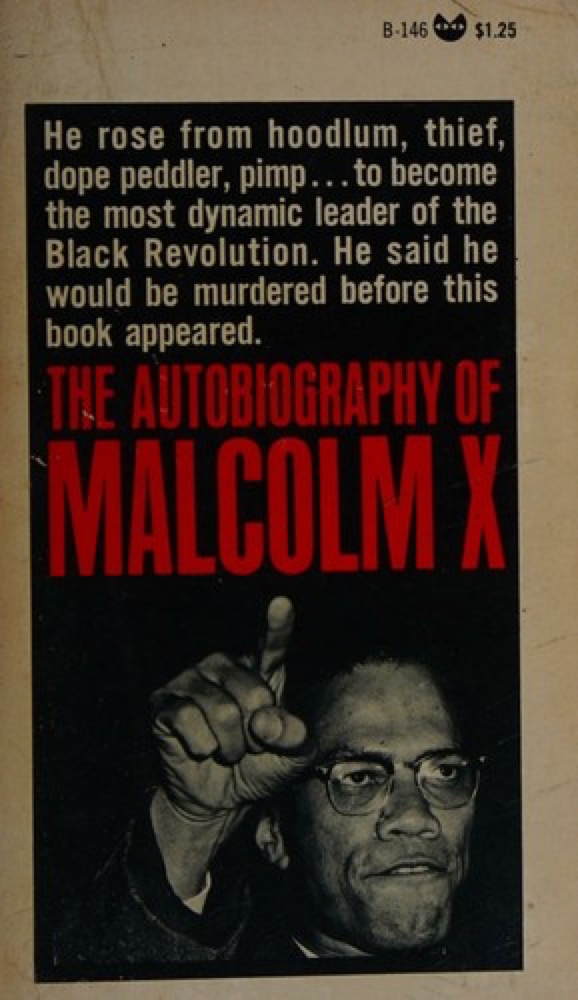
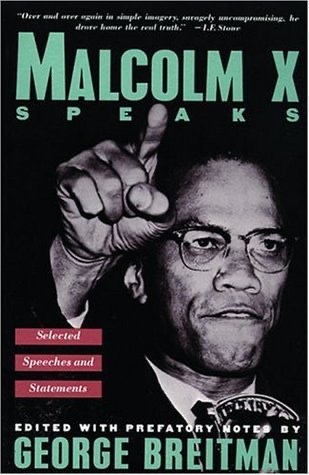
 Malcolm X Speaks: Selected Speeches and Statements
Quotes from the Book
The main thing you got to remember is that everything in the world is a hustle.
So early in my life, I had learned that if you want something, you had better make some noise.
Hence I have no mercy or compassion in me for a society that will crush people, and then penalize them for not being able to stand up under the weight.
The ability to read awoke inside of me some long dormant craving to be mentally alive.
Why am I as I am? To understand that of any person, his whole life, from Birth must be reviewed. All of our experiences fuse into our personality. Everything that ever happened to us is an ingredient.
Children have a lesson adults should learn, to not be ashamed of failing, but to get up and try again. Most of us adults are so afraid, so cautious, so 'safe,' and therefore so shrinking and rigid and afraid that it is why so many humans fail. Most middle-aged adults have resigned themselves to failure.
And because I had been a hustler, I knew better than all whites knew, and better than nearly all of the black 'leaders' knew, that actually the most dangerous black man in America was the ghetto hustler. Why do I say this? The hustler, out there in the ghetto jungles, has less respect for the white power structure than any other Negro in North America. The ghetto hustler is internally restrained by nothing. He has no religion, no concept of morality, no civic responsibility, no fear--nothing. To survive, he is out there constantly preying upon others, probing for any human weakness like a ferret. The ghetto hustler is forever frustrated, restless, and anxious for some 'action'. Whatever he undertakes, he commits himself to it fully, absolutely. What makes the ghetto hustler yet more dangerous is his 'glamour' image to the school-dropout youth in the ghetto.These ghetto teen-agers see the hell caught by their parents struggling to get somewhere, or see that they have given up struggling in the prejudiced, intolerant white man’s world. The ghetto teen-agers make up their own minds they would rather be like the hustlers whom they see dressed ‘sharp’ and flashing money and displaying no respect for anybody or anything. So the ghetto youth become attracted to the hustler worlds of dope, thievery, prostitution, and general crime and immorality.
I'm sorry to say that the subject I most disliked was mathematics. I have thought about it. I think the reason was that mathematics leaves no room for argument. If you made a mistake, that was all there was to it.
I believe in recognizing every human being as a human being--neither white, black, brown, or red; and when you are dealing with humanity as a family there's no question of integration or intermarriage. It's just one human being marrying another human being or one human being living around and with another human being.
In fact, once he is motivated no one can change more completely than the man who has been at the bottom. I call myself the best example of that.
Don't condemn if you see a person has a dirty glass of water, just show them the clean glass of water that you have. When they inspect it, you won't have to say that yours is better." -said by Elijah Muhammad to Malcolm X
Anytime you find someone more successful than you are, especially when you're both engaged in the same business - you know they're doing something that you aren't.
I remember one night at Muzdalifa with nothing but the sky overhead I lay awake amid sleeping Muslim brothers and I learned that pilgrims from every land--every color, and class, and rank; high officials and the beggar alike--all snored in the same language.
It is only after slavery and prison that the sweetest appreciation of freedom can come.
One day, may we all meet together in the light of understanding.
Despite my firm convictions, I have been always a man who tries to face facts, and to accept the reality of life as new experience and new knowledge unfolds it. I have always kept an open mind, which is necessary to the flexibility that must go hand in hand with every form of intelligent search for truth.
I saw all races, all colors, blue eyed blonds to black skinned Africans in true brotherhood! In unity! Living as one! Worshiping as one! No segregationists, no liberals; they would not have known how to interpret the meaning of those words
This was my first lesson about gambling: if you see somebody winning all the time, he isn't gambling, he's cheating. Later on in life, if I were continuously losing in any gambling situation, I would watch very closely.
I’ve had enough of someone else’s propaganda… I’m for truth, no matter who tells it. I’m for justice, no matter who it is for or against. I’m a human being first and foremost, and as such I’m for whoever and whatever benefits humanity as a whole.
I learned early that crying out in protest could accomplish things. My older brothers and sister had started to school when, sometimes, they would come in and ask for a buttered biscuit or something and my mother, impatiently, would tell them no. But I would cry out and make a fuss until I got what I wanted. I remember well how my mother asked me why I couldn't be a nice boy like Wilfred; but I would think to myself that Wilfred, for being so nice and quiet, often stayed hungry. So early in life, I had learned that if you want something, you had better make some noise.
When I am dead--I say it that way because from the things I know, I do not expect to live long enough to read this book in its finished form--I want you to just watch and see if I'm not right in what I say: that the white man, in his press, is going to identify me with "hate". He will make use of me dead, as he has made use of me alive, as a convenient symbol, of "hatred"--and that will help him escape facing the truth that all I have been doing is holding up a mirror to reflect, to show, the history of unspeakable crimes that his race has committed against my race.
I imagine that one of the biggest troubles with colleges is there are too many distractions, too much panty-raiding, fraternities, and boola-boola and all of that.
Did you know?
- The book was compiled by Alex Haley from more than fifty interviews with Malcolm X conducted between 1963 and 1965.
- It was published in late 1965, months after Malcolm X was assassinated in February of that year.
- Alex Haley intentionally minimized his own voice so the narrative would read as Malcolm X speaking directly to the reader.
- Malcolm X educated himself in prison, reportedly copying out a dictionary to expand his vocabulary.
- Time magazine in 1998 named it one of ten 'required reading' nonfiction books.
- Spike Lee's 1992 film Malcolm X was based on the autobiography, drawing on an earlier screenplay by James Baldwin and Arnold Perl.
About Malcolm X
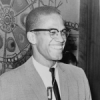
Malcolm X (1925-1965), born Malcolm Little, was an American Muslim minister and human rights activist who became a leading voice of Black nationalism, first as a minister of the Nation of Islam and later, after his pilgrimage to Mecca, as an advocate of a broader vision of racial justice. He was assassinated in New York City in February 1965. The autobiography was written with journalist and author Alex Haley, later known for Roots.
More about the author →More by Malcolm X
Malcolm X Speaks: Selected Speeches and Statements
About the book
The Autobiography of Malcolm X, published in 1965, is the life story of the Black American leader Malcolm X as told to the writer Alex Haley, who compiled it from more than fifty interviews conducted between 1963 and 1965. It traces Malcolm's journey from a childhood shaped by racial terror and family tragedy, through years as a street hustler in Boston and Harlem, a prison term during which he educated himself and converted to Islam, and his rise as a prominent minister of the Nation of Islam. The final sections cover his break with the Nation, his pilgrimage to Mecca, and his embrace of Sunni Islam and a broader vision of human brotherhood.
At its core the book is a conversion narrative and a meditation on transformation, self-education, and identity. It develops themes of Black pride, Black nationalism, and pan-Africanism, while dramatizing how learning and faith reshaped a man once bound for a life of crime. Haley deliberately kept his own authorial voice in the background so that the narrative reads as Malcolm speaking directly to the reader, lending the account its intimate, confessional force. Because Malcolm was assassinated in February 1965, months before publication, the book carries the weight of a life cut short.
The autobiography became one of the most influential works of late-twentieth-century American culture, selling millions of copies and helping to shape the Black Arts Movement and generations of readers' understanding of race, resistance, and redemption. Time magazine later named it among ten essential nonfiction books, and it is widely taught as both a historical document and a landmark of American autobiography. Its portrait of continual self-reinvention has kept it central to conversations about civil rights and Black identity.
Key characters
- Malcolm XThe narrator, whose life from childhood to leadership the book recounts
- Alex HaleyCollaborating writer who recorded and shaped Malcolm's account
- Elijah MuhammadLeader of the Nation of Islam and Malcolm's mentor, later the cause of his disillusionment
- Louise LittleMalcolm's mother, whose breakdown scattered the family
- Earl LittleMalcolm's father, a Baptist preacher and Garvey supporter killed when Malcolm was a boy
Book details
- First published
- 1965
- Length
- 455 pages
- Reading time
- 8 hours
- Author
- Malcolm X
- Genre
- Classics
- Goodreads rating
- 4.37 (297k ratings) →
- First line
- “When my mother was pregnant with me, she told me later, a party of hooded Ku Klux Klan riders galloped up to our home in Omaha, Nebraska, one night.”
Movie & TV adaptations
- IMDb
Keep reading
 James
James
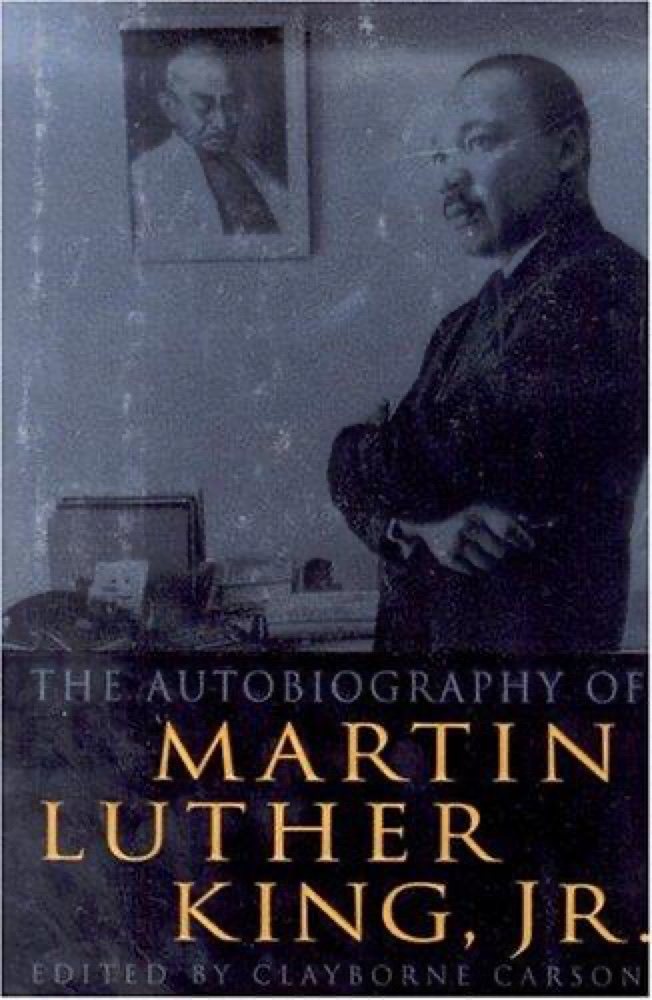 The Autobiography of Martin Luther King, Jr.
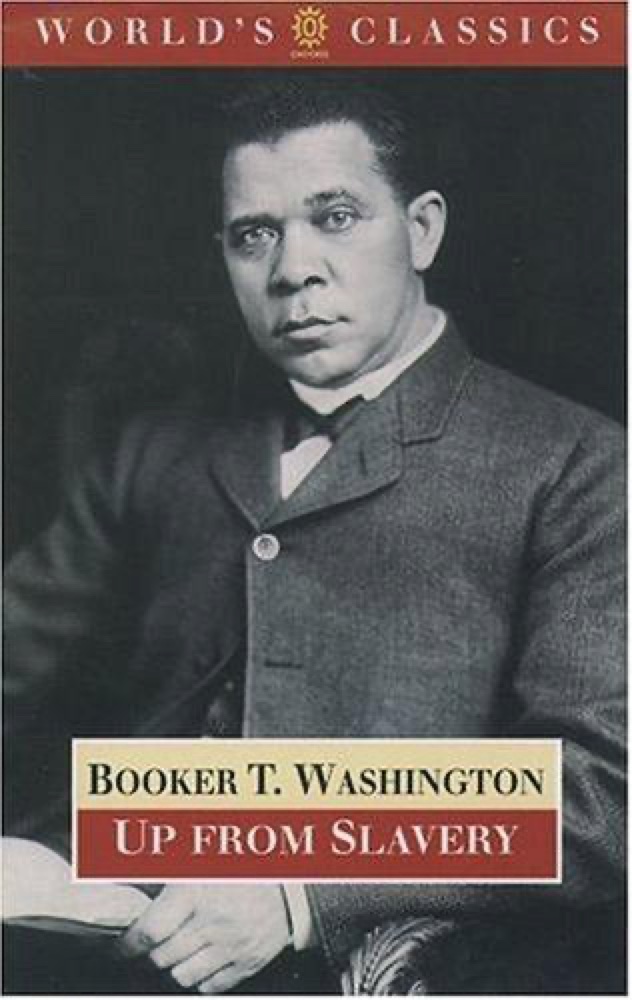 Up from Slavery
 X
X
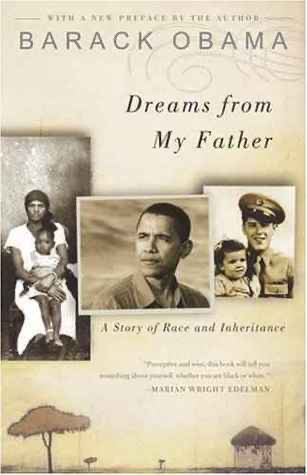 Dreams from My Father: A Story of Race and Inheritance
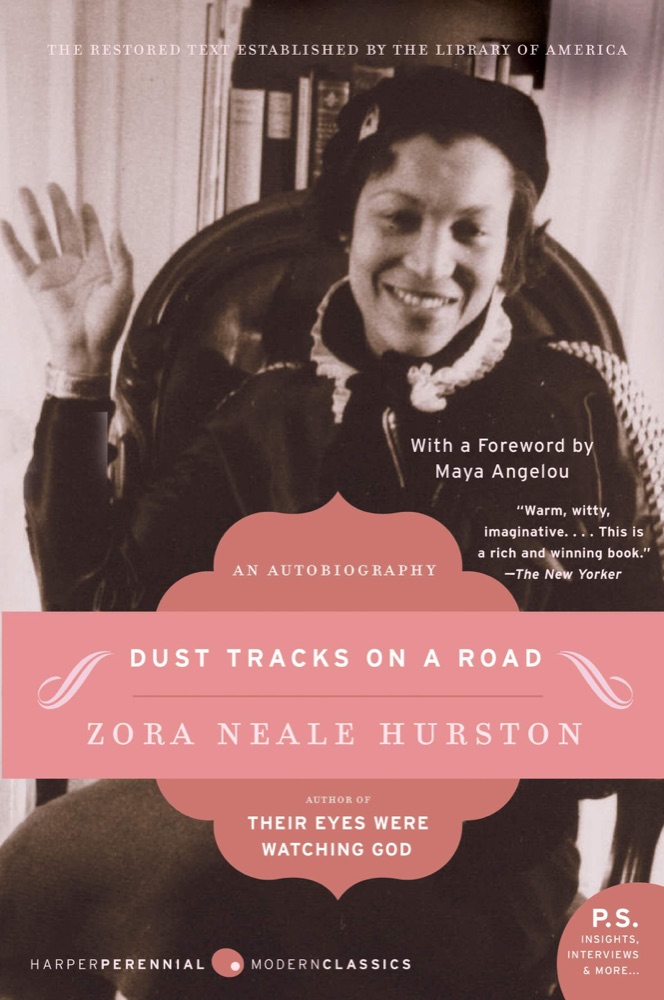 Dust Tracks on a Road
 The Heart of a Woman
 Black Like Me
 Wide Awake
 Between the World and Me
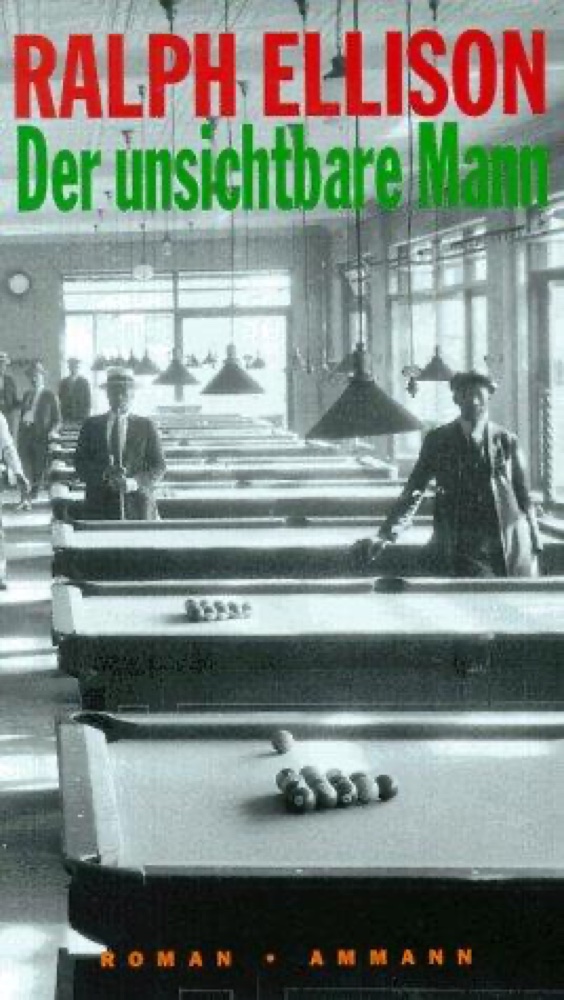 Invisible Man
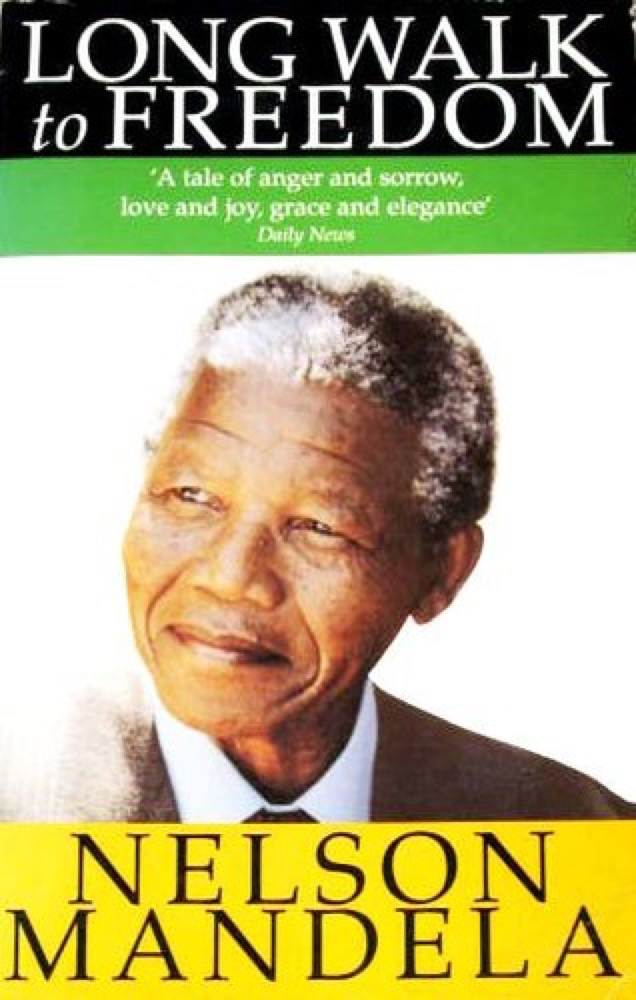 Long Walk to Freedom
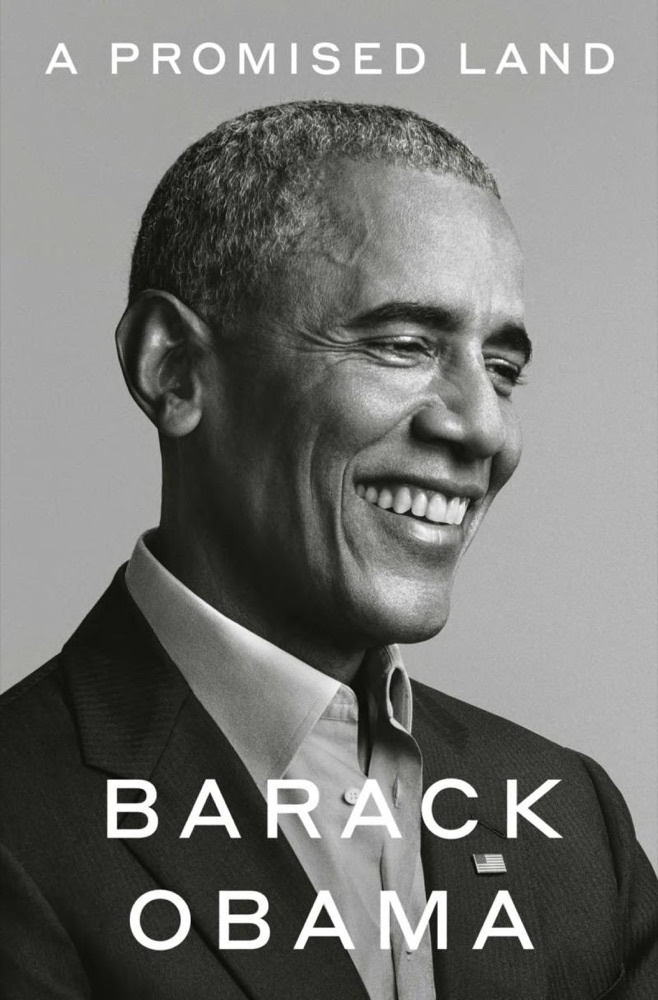 A Promised Land
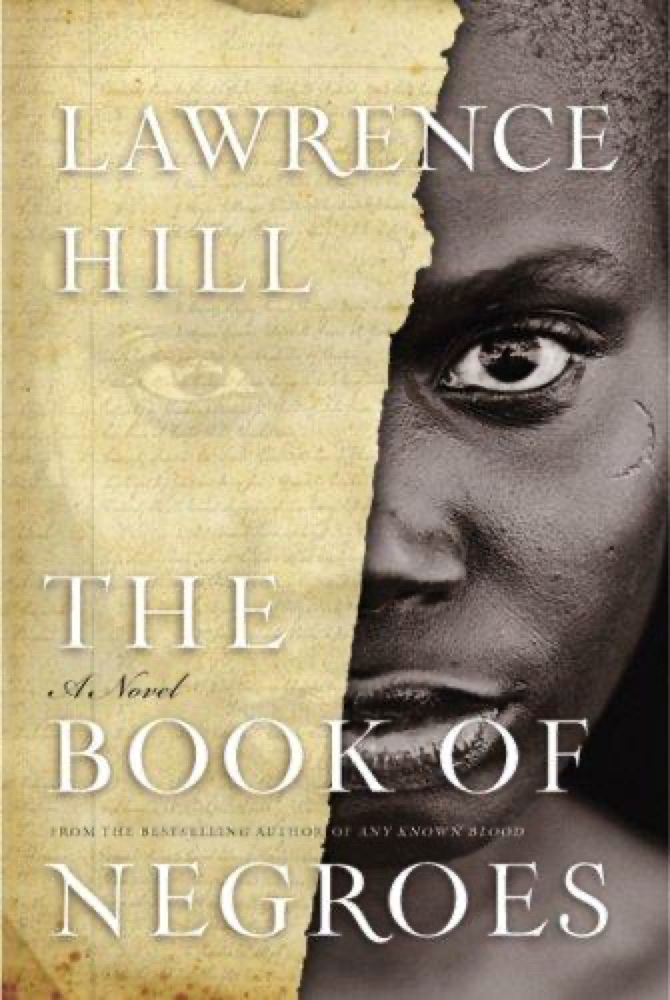 The Book of Negroes
 My Beloved World
 The Fall
 Scenes from My Life: A Memoir
 The Story of My Experiments With Truth
 A Song Flung Up to Heaven
 Black Skin, White Masks
 The Soul of a Butterfly: Reflections on Life's Journey
 The Lords of Discipline
 Unprotected: A Memoir
 Open City
 Riding the Elephant: A Memoir of Altercations, Humiliations, Hallucinations, and Observations
 The Golden Notebook
 The Sympathizer
 The Absolutely True Diary of a Part-Time Indian
 The Adolescent
 Demian
 I Know Why the Caged Bird Sings
 All Over But the Shoutin'
 The Hour I First Believed
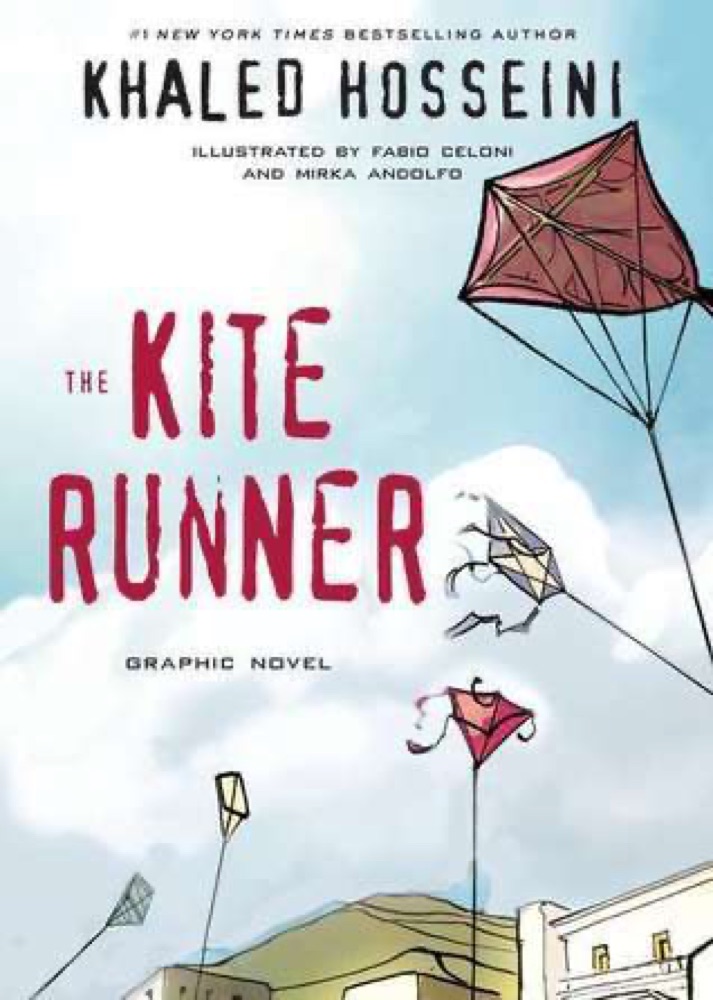 The Kite Runner
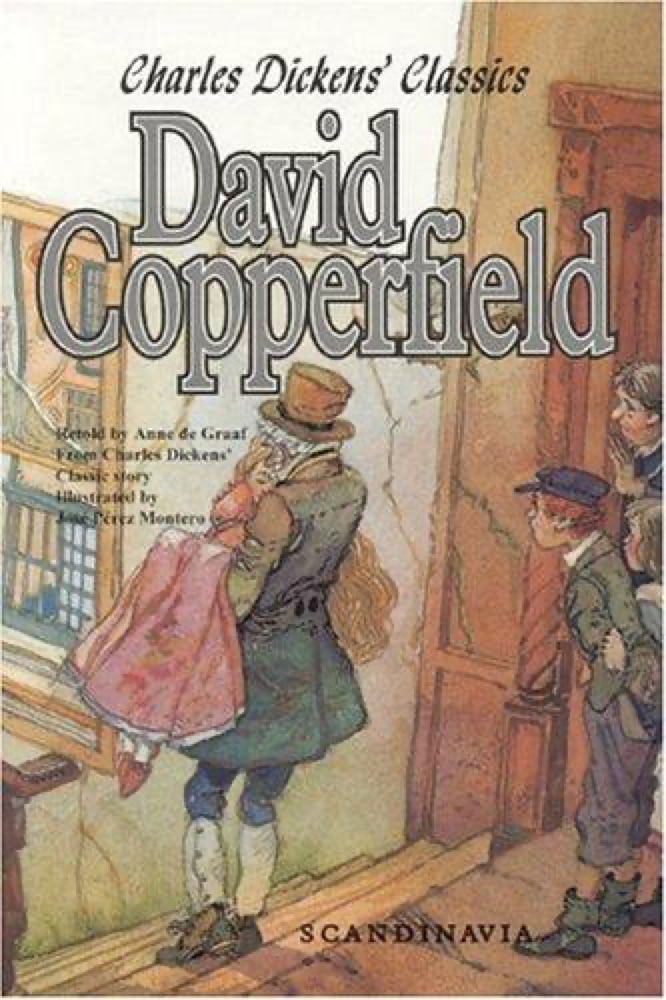 David Copperfield
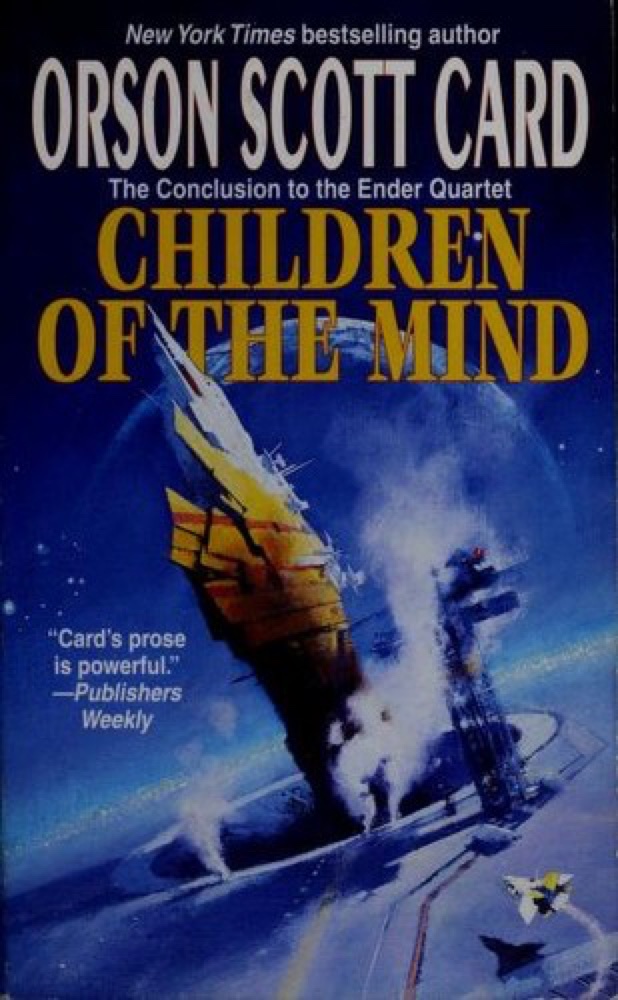 Children of the Mind
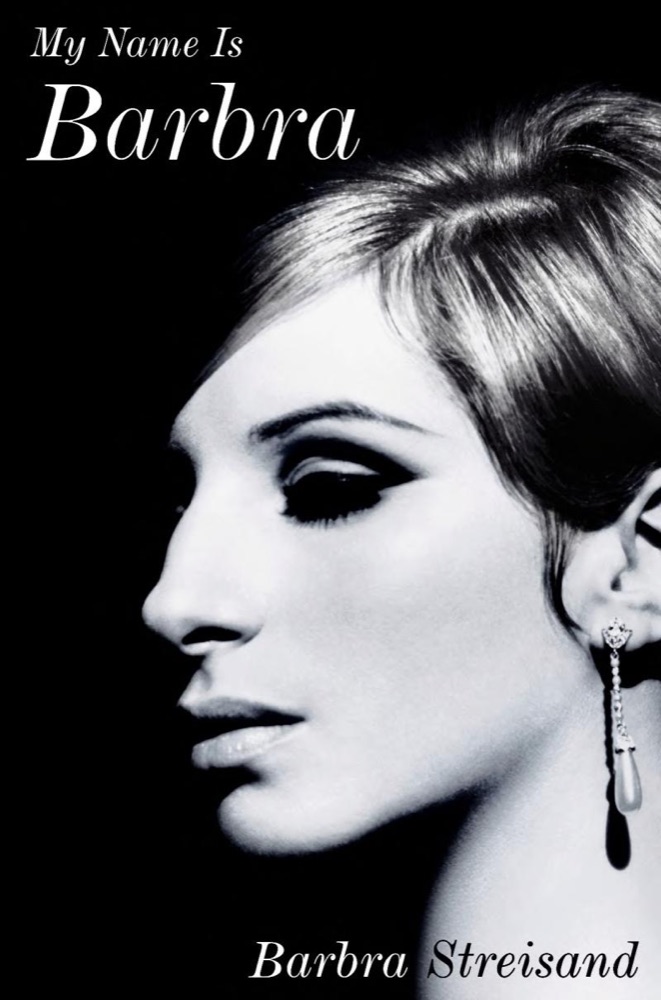 My Name Is Barbra
 I Know This Much Is True
 The Bassoon King: My Life in Art, Faith, and Idiocy
 Homegoing
 The Fall of Babel
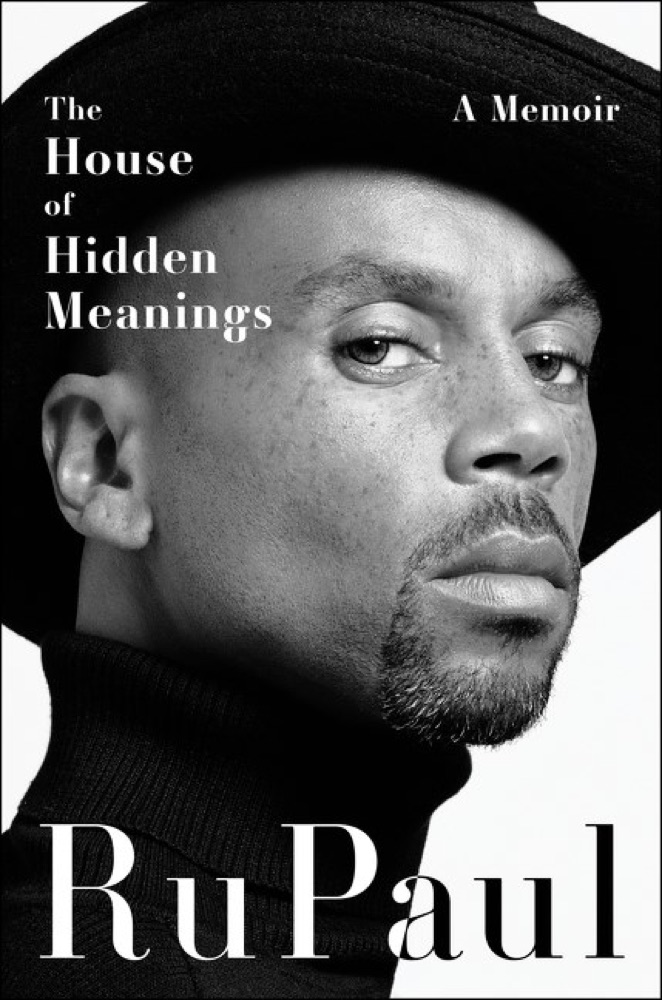 The House of Hidden Meanings
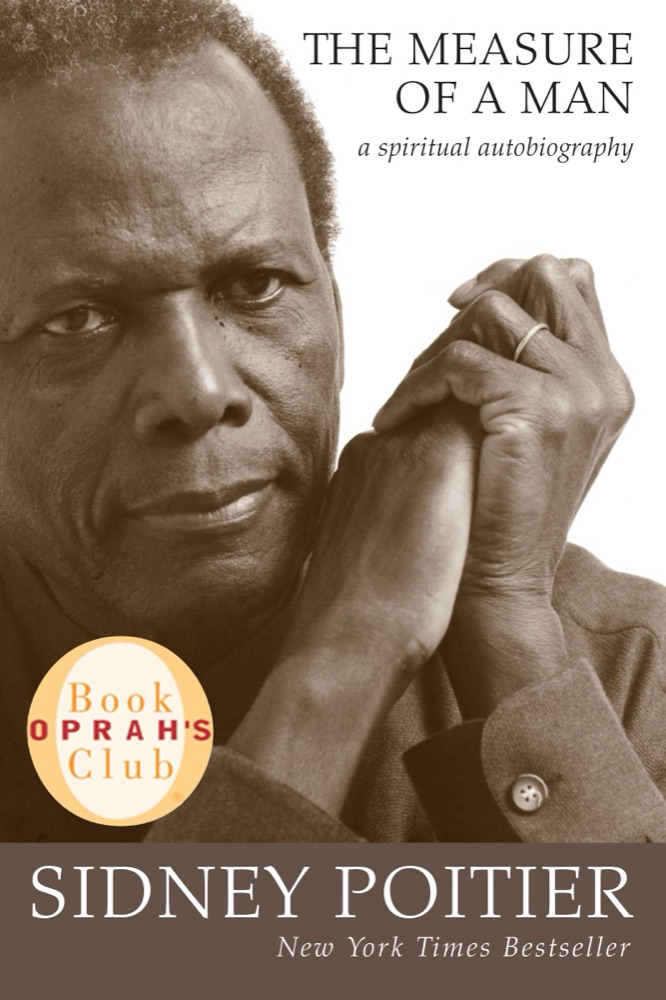 The Measure of a Man: A Spiritual Autobiography
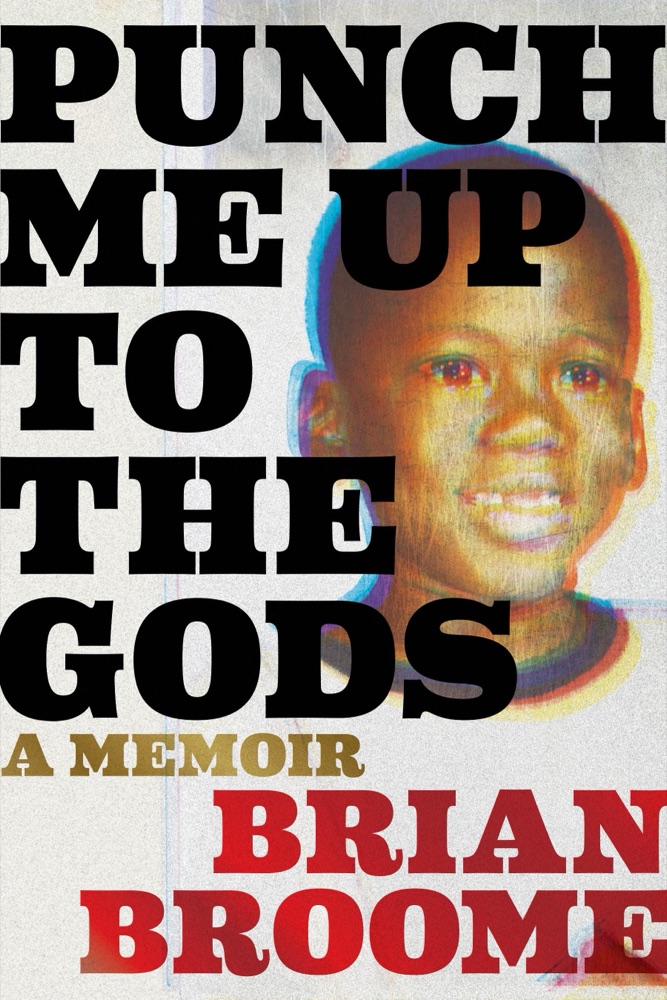 Punch Me Up to the Gods
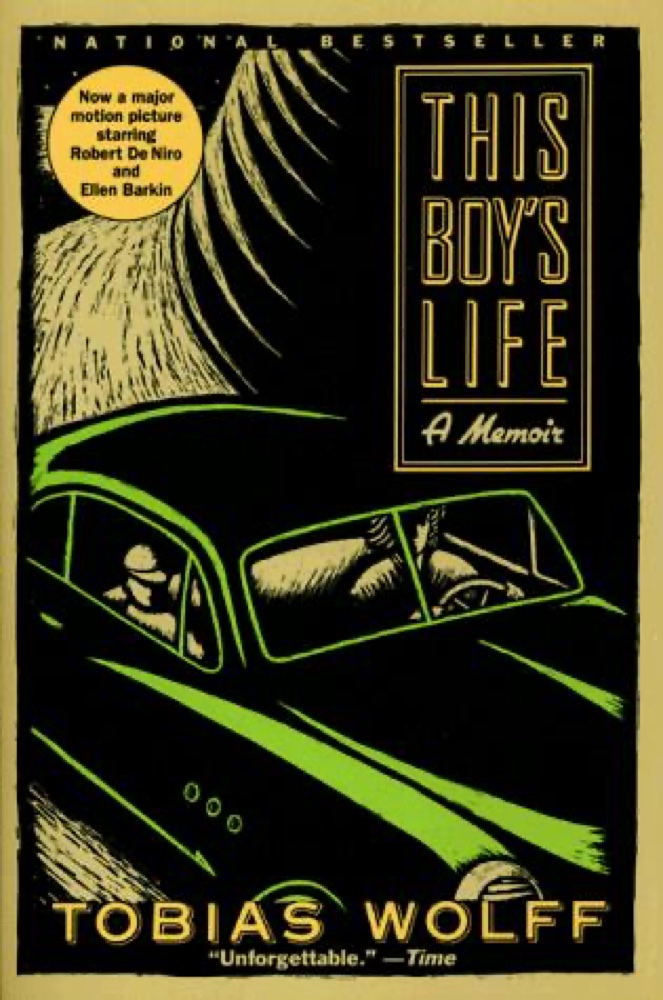 This Boy's Life
 The Poisonwood Bible
 Devil at My Heels: A Heroic Olympian's Astonishing Story of Survival as a Japanese POW in World War II
 Notes from Underground
 Shadow of the Hegemon
 Gifted Hands: The Ben Carson Story
 Surrender: 40 Songs, One Story
 Born a Crime: Stories From a South African Childhood
 The Complete Essays
 My Government Means to Kill Me
 Chances Are...
 I Am Pilgrim
 Life Itself
 The Long Hard Road Out of Hell
Malcolm X Speaks: Selected Speeches and Statements
The Long Hard Road Out of Hell
Malcolm X Speaks: Selected Speeches and Statements