
 The Audacity of Hope: Thoughts on Reclaiming the American Dream
Quotes from the Book
The worst thing that colonialism did was to cloud our view of our past.
The study of law can be disappointing at times, a matter of applying narrow rules and arcane procedure to an uncooperative reality; a sort of glorified accounting that serves to regulate the affairs of those who have power--and that all too often seeks to explain, to those who do not, the ultimate wisdom and justness of their condition. But that's not all the law is. The law is also memory; the law also records a long-running conversation, a nation arguing with its conscience.
My identity might begin with the fact of my race, but it didn't, couldn't end there. At least that's what I would choose to believe.
That's just how white folks will do you. It wasn't merely the cruelty involved; I was learning that black people could be mean and then some. It was a particular brand of arrogance, an obtuseness in otherwise sane people that brought forth our bitter laughter. It was as if whites didn't know they were being cruel in the first place. Or at least thought you deserved of their scorn.
All too rarely do I hear people asking just what it is that we've done to make so many children's hearts so hard, or what collectively we might do to right their moral compass - what values we must live by.
You might be locked in a world not of your own making, her eyes said, but you still have a claim on how it is shaped. You still have responsibilities.
But you see, a rich country like America can perhaps afford to be stupid.
I think perhaps education doesn’t do us much good unless it is mixed with sweat.
How does the saying go? When two locusts fight, it is always the crow that feasts.' Is that a Luo expression?' I asked. Sayid's face broke into a bashful smile. We have a similar expression in Luo,' he said, 'but actually I must admit that I read this particular expression in a book by Chinua Achebe. The Nigerian writer. I like his books very much. He speaks the truth about Africa's predicament. the Nigerian, the Kenya - it is the same. We share more than divides us.
That's what the leadership was teaching me, day by day: that the self-interest I was supposed to be looking for extended well beyond the immediacy of issues, that beneath the small talk and sketchy biographies and received opinions, people carried with them some central explanation of themselves. Stories full of terror and wonder, studded with events that still haunted or inspired them. Sacred stories.
And then, on September 11, the world fractured. It's beyond my skill as a writer to capture that day and the days that would follow--the planes, like specters, vanishing into steel and glass; the slow-motion cascade of the towers crumbling into themselves; the ash-covered figures wandering the streets; the anguish and the fear. Nor do I pretend to understand the stark nihilism that drove the terrorists that day and that drives their brethren still. My powers of empathy, my ability to reach into another's heart, cannot penetrate the blank stares of those would murder innocents with abstract, serene satisfaction.
I kept finding the same anguish, the same doubt; a self-contempt that neither irony nor intellect seemed able to deflect. Even DuBois’s learning and Baldwin’s love and Langston’s humor eventually succumbed to its corrosive force, each man finally forced to doubt art’s redemptive power, each man finally forced to withdraw, one to Africa, one to Europe, one deeper into the bowels of Harlem, but all of them in the same weary flight, all of them exhausted, bitter men, the devil at their heels.
It [is] that courage that Africa most desperately needs.
The emotions between the races could never be pure; even love was tarnished by the desire to find in the other some element that was missing in ourselves. Whether we sought out our demons or salvation, the other race would always remain just that: menacing, alien, and apart.
There's nobody to guide through the process of becoming a man... to explain to them the meaning of manhood. And that's a recipe for disaster.
I thought I could start over, you see. But now I know you can never start over. Not really. You think you have control, but you are like a fly in somebody else’s web. Sometimes I think that’s why I like accounting. All day, you are only dealing with numbers. You add them, multiply them, and if you are careful, you will always have a solution. There’s a sequence there. An order. With numbers, you can have control….
Winter came and the city [Chicago] turned monochrome -- black trees against gray sky above white earth. Night now fell in midafternoon, especially when the snowstorms rolled in, boundless prairie storms that set the sky close to the ground, the city lights reflected against the clouds
And that, I suppose, is what I'd been trying to tell my mother that day: that her faith in justice and rationality was misplaced, that we couldn't overcome after all, that all the education and good intentions in the world couldn't help you plug up the holes in the universe or give you the power to change its blind, mindless course.
It was as if he had come to mistrust words somehow. Words, and the sentiments words carried.
The boarded-up homes, the decaying storefronts, the aging church rolls, kids from unknown families who swaggered down the streets - loud congregations of teenage boys, teenage girls feeding potato chips to crying toddlers, the discarded wrappers tumbling down the block - all of it whispered painful truths.
all the education and good intentions in the world couldn’t help plug up the holes in the universe or give you the power to change its blind, mindless course.
This pleased Onyango, for to him knowledge was the source of all the white man's power, and he wanted to make sure that his son was as educated as any white man.
You could see a man talking to himself as just plain crazy, or read about the criminal on the front page of the daily paper and ponder the corruption of the human heart, without having to think about whether the criminal or lunatic said something about your own fate.
Better to be strong,' he [Lolo] said...'if you can't be strong, be clever and make peace with someone who's strong. But always better to be strong yourself.
Five days a week, she came into my room at four in the morning, force-fed me breakfast, and proceeded to teach me my English lessons for three hours before I left for school and she went to work.
We’re never so outraged as when a cabbie drives past us or the woman in the elevator clutches her purse, not so much because we’re bothered by the fact that such indignities are what less fortunate coloreds have to put up with every single day of their lives—although that’s what we tell ourselves—but because we’re wearing a Brooks Brothers suit and speak impeccable English and yet have somehow been mistaken for an ordinary nigger.
A Disavowal of the pursuit of Middleclassness', the heading read. While it is permissible to chase ‘middleincomeness’ with all our might, the text stated, those blessed with the talent or good fortune to achieve success in the American mainstream must avoid the psychological entrapment of Black ‘middleclassness’ that hypnotizes the successful brother or sister into believing they are better than the rest and teaches them to think in terms of ‘we’ and ‘they’ instead of 'US'!
To be black was to be the beneficiary of a great inheritance, a special destiny, glorious burdens that only we were strong enough to bear.
Where there is no experience the wise man is silent.
Did you know?
- The book was first published in 1995 and initially sold only a few thousand copies before going out of print.
- It was reissued by Crown in 2004 after Obama's Democratic National Convention keynote address and became a bestseller.
- Obama won the 2006 Grammy Award for Best Spoken Word Album for narrating the audiobook.
- In 2011 Time listed it among the top 100 nonfiction books written in English since 1923.
- The memoir is divided into three parts: Origins, Chicago, and Kenya.
- In the introduction Obama acknowledges using composite characters and adjusted timelines.
About Barack Obama
Barack Obama is an American author, attorney, and politician who served as the 44th President of the United States from 2009 to 2017. Before his presidency he was a community organizer, constitutional law lecturer, and U.S. Senator from Illinois.
More about the author →More by Barack Obama
The Audacity of Hope: Thoughts on Reclaiming the American Dream
 A Promised Land
About the book
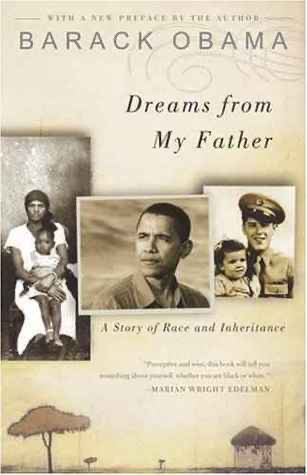
"Dreams from My Father: A Story of Race and Inheritance" is a memoir by Barack Obama, first published by Times Books in 1995, years before he entered national politics. Prompted by a phone call announcing the death of the father he barely knew, the book traces Obama's search for identity as the son of a Kenyan father and a white American mother from Kansas. It is organized in three parts, "Origins," "Chicago," and "Kenya," following him from his childhood in Honolulu and Jakarta, through his years as a community organizer on Chicago's South Side, to a formative visit to Kenya where he meets his father's family, on the eve of his enrollment at Harvard Law School in 1988.
At its center the memoir wrestles with questions of racial identity, belonging across cultures, and family inheritance. Obama examines what it means to be a Black American who is also the child of an absent, mythologized African father, and how personal history intersects with the larger American story of race. In the introduction he candidly notes the hazards of autobiography, acknowledging that he used composite characters and compressed timelines in shaping the narrative.
Originally a modest seller, the book was reissued in 2004 after Obama's rise to national prominence and became a bestseller praised for its literary quality; Toni Morrison called it "quite extraordinary." Obama won the Grammy Award for Best Spoken Word Album in 2006 for the audiobook edition. The memoir is widely regarded as one of the more accomplished works written by an American politician and remains a touchstone for understanding Obama's early life and worldview.
Book details
- First published
- 1995
- Length
- 403 pages
- Reading time
- 7 hours
- Author
- Barack Obama
- Genre
- History
- Goodreads rating
- 3.94 (233k ratings) →
If you liked this, read…
- 1The Audacity of HopeObama's follow-up book laying out his political vision.
- 2BecomingMichelle Obama's memoir tracing a parallel path of identity and public life.
- 3The Autobiography of Malcolm XA landmark memoir of Black American identity and self-transformation.
Keep reading
 The Heart of a Woman
 Notes of a Native Son
 Between the World and Me
 Black Like Me
 All God's Children Need Traveling Shoes
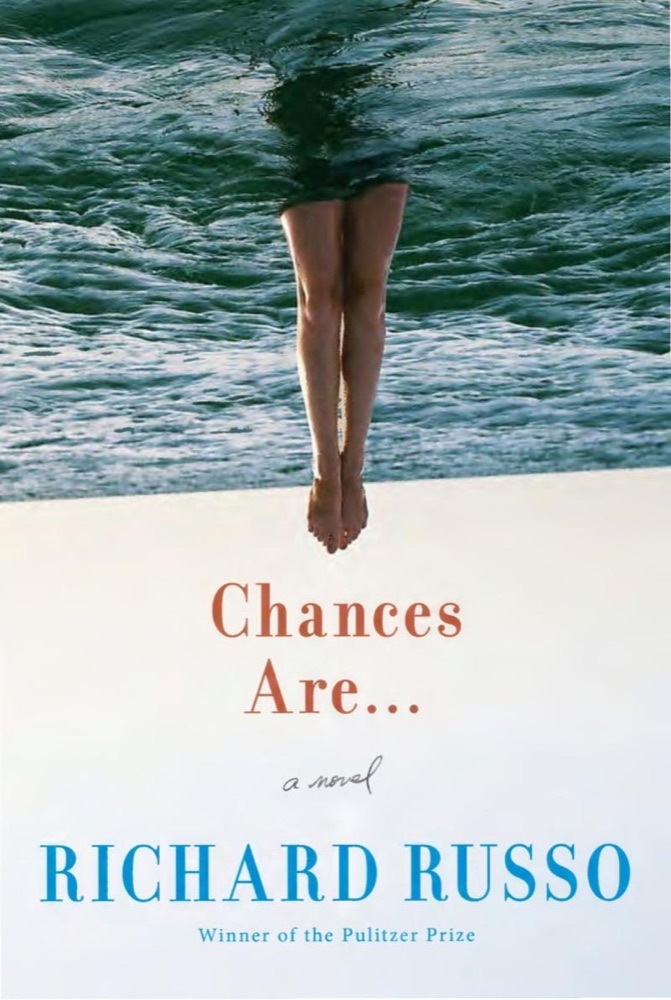 Chances Are...
 The Beautiful Struggle: A Father, Two Sons and an Unlikely Road to Manhood
 The Son
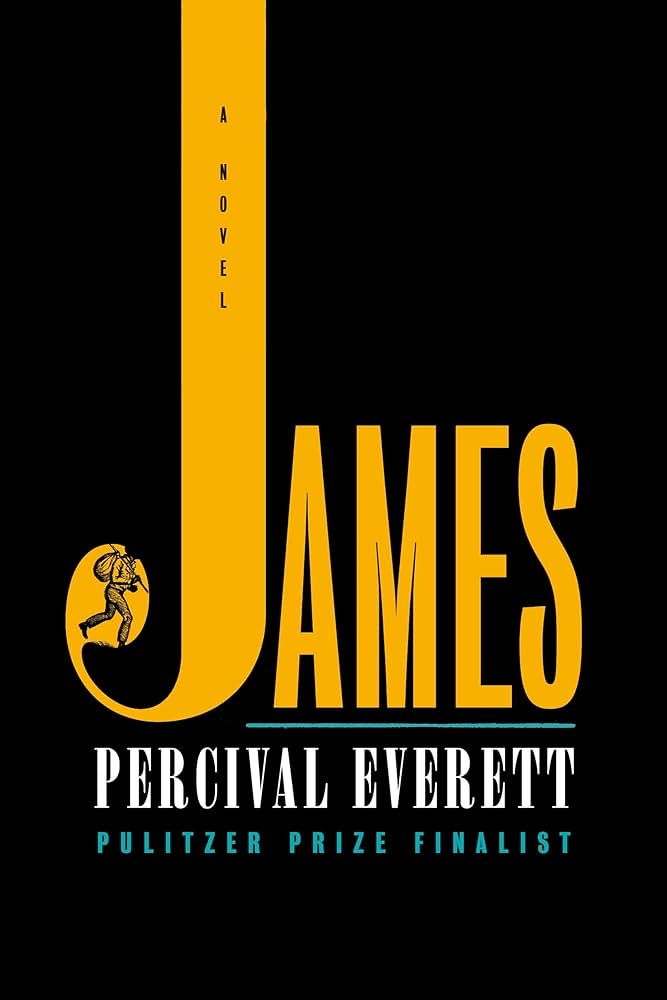 James
James
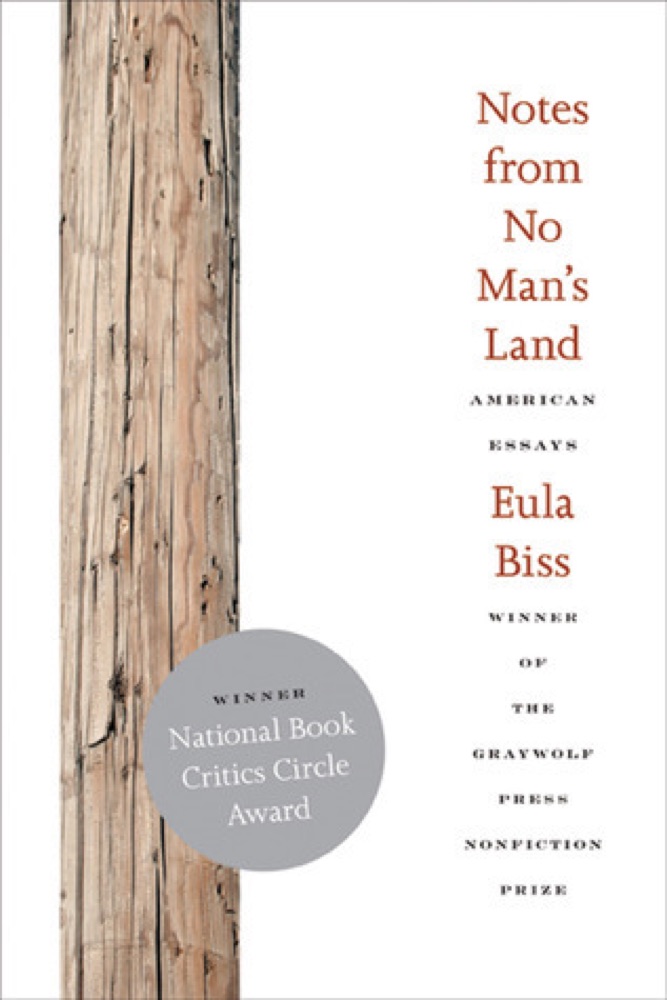 Notes from No Man's Land
A Promised Land
Notes from No Man's Land
A Promised Land
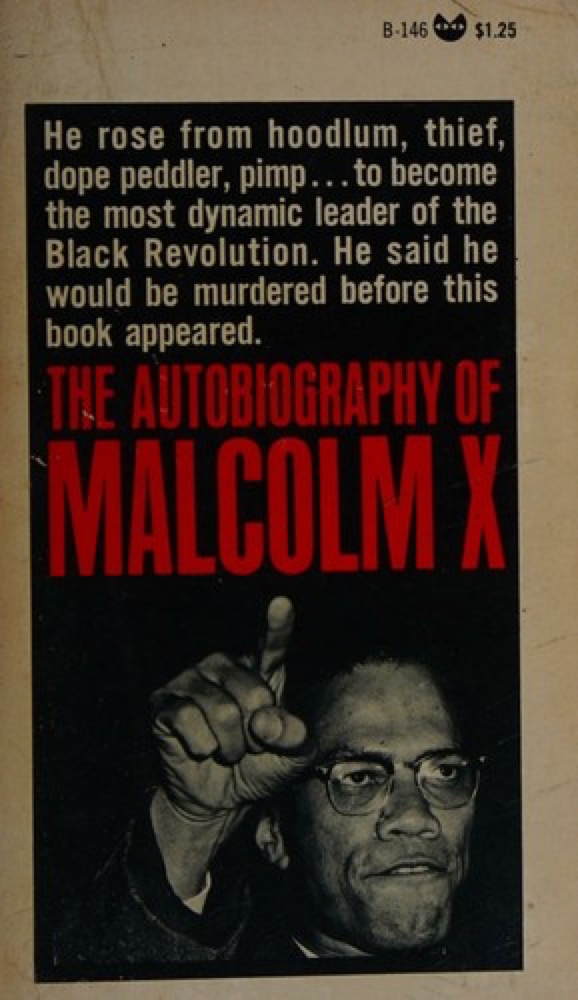 The Autobiography of Malcolm X
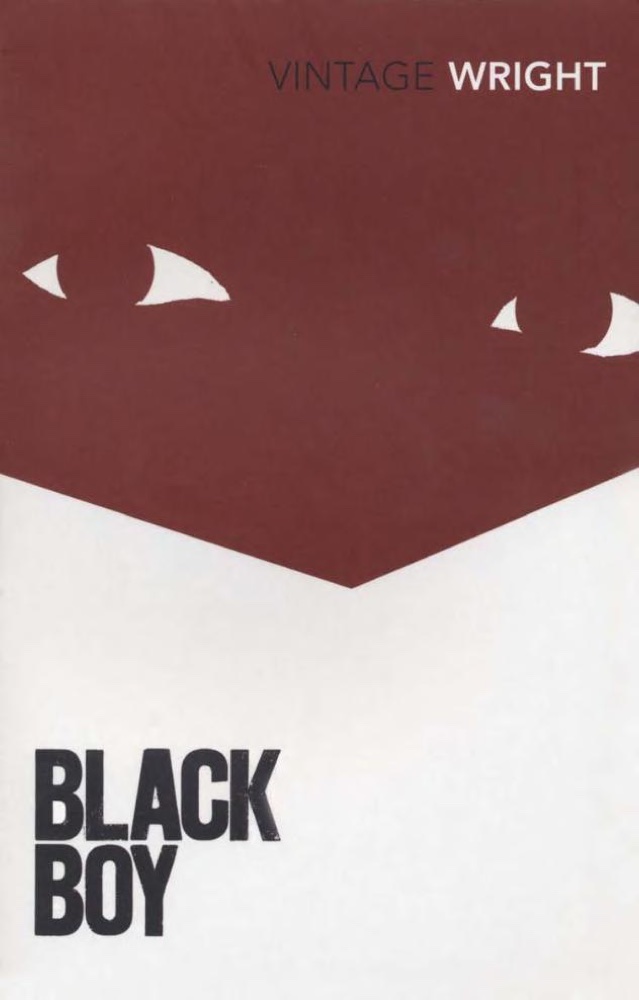 Black Boy
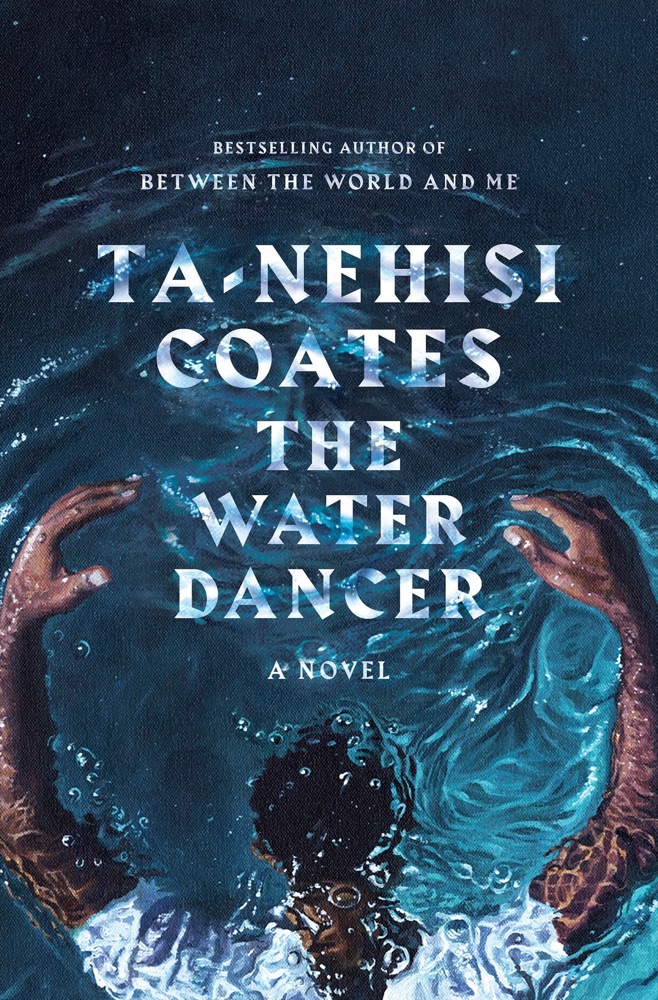 The Water Dancer
 Nobody Knows My Name
 Homegoing
 Washington Black
 Native Son
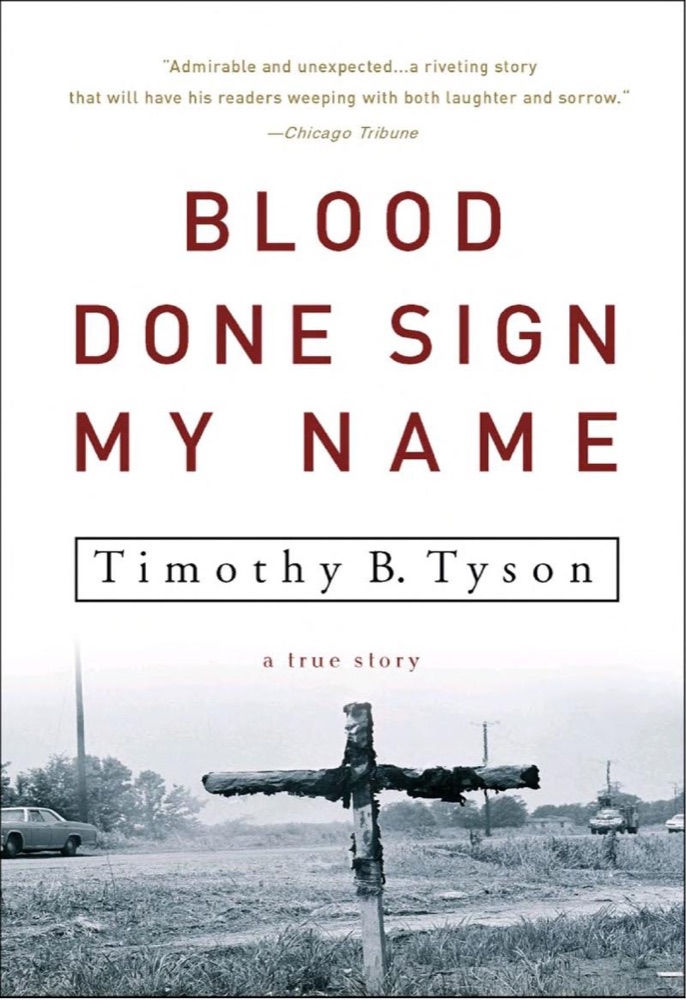 Blood Done Sign My Name: A True Story
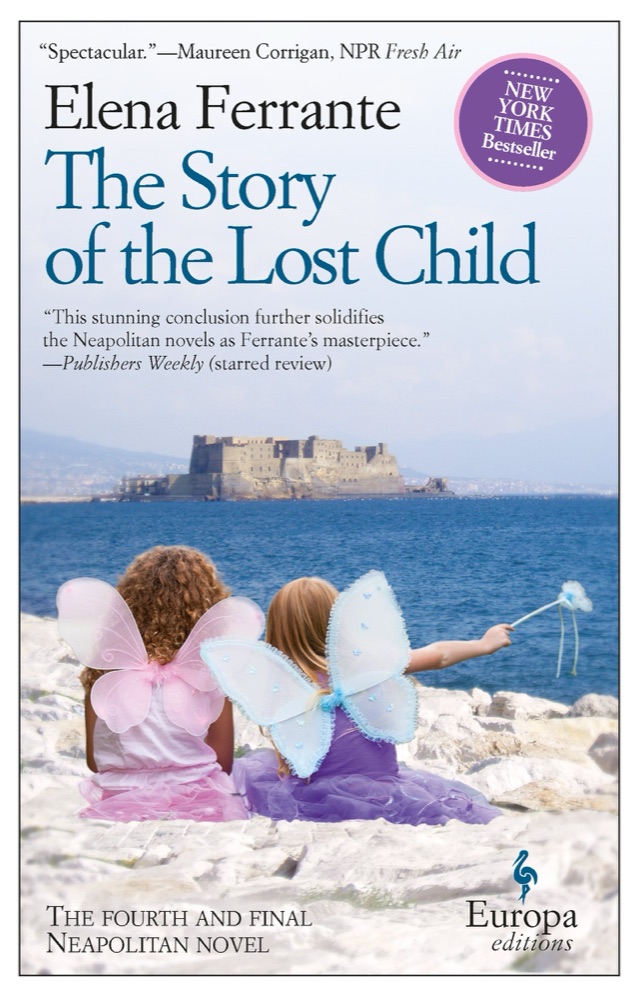 The Story of the Lost Child
 The Story of a New Name
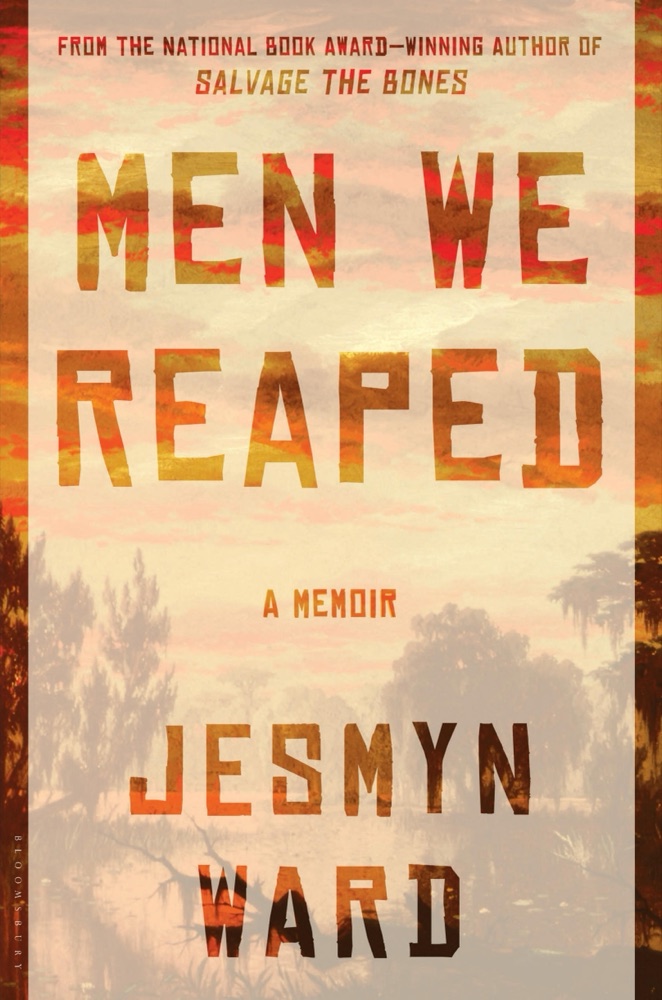 Men We Reaped
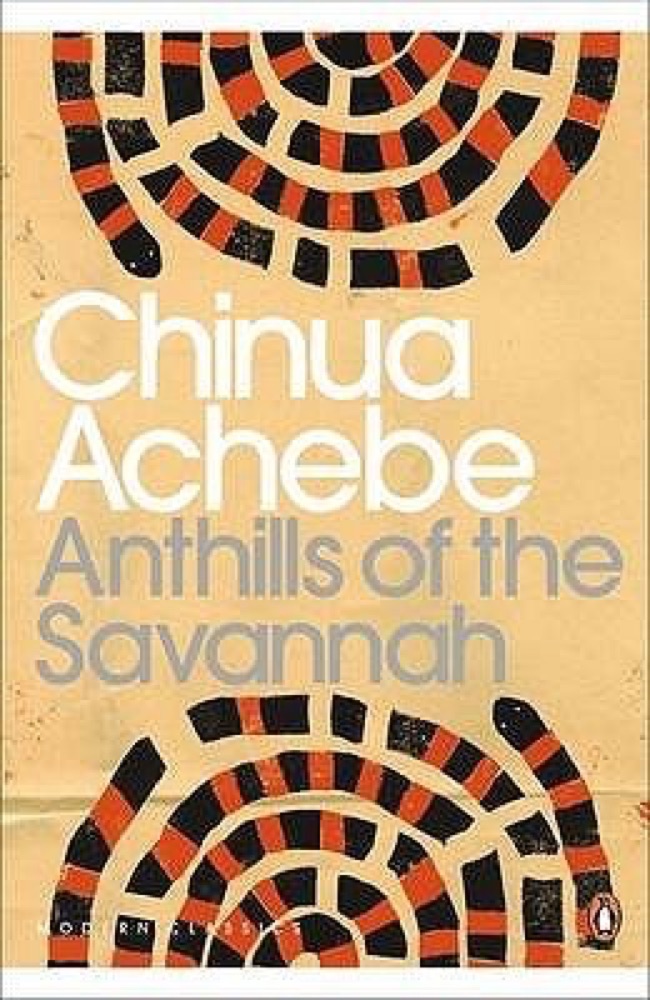 Anthills of the Savannah
 Aftershocks
 How Beautiful We Were
 The Souls of Black Folk
 The Office of Historical Corrections
 Powers
 The Reluctant Fundamentalist
 Lovecraft Country
 The Fall of Babel
 Leaving Before the Rains Come
 A Song Flung Up to Heaven
 Heavy
Heavy
 The Hour I First Believed
 How We Fight For Our Lives
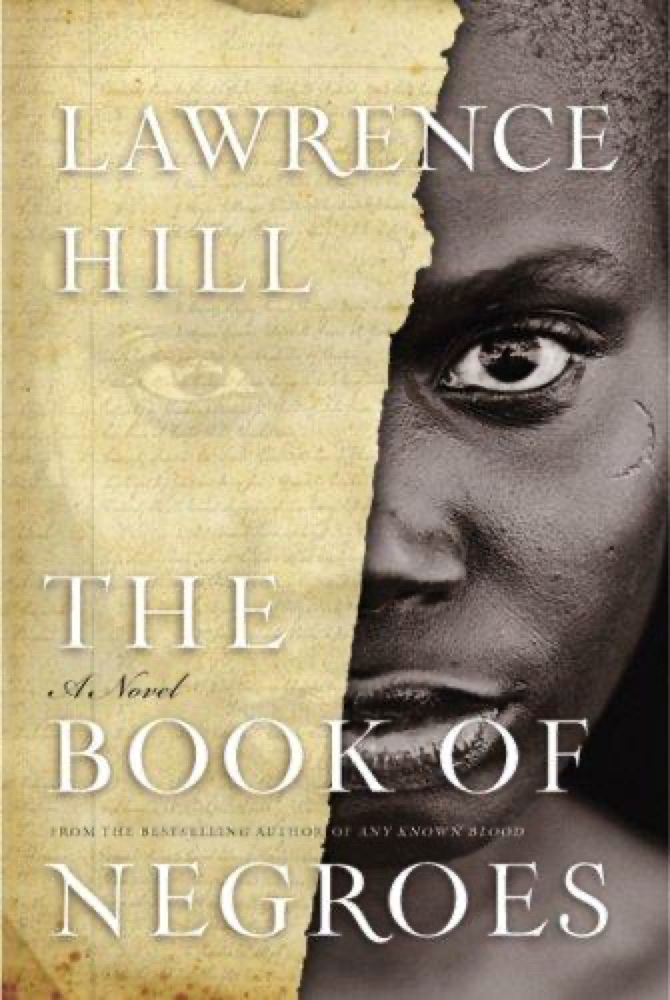 The Book of Negroes
 Dark Days
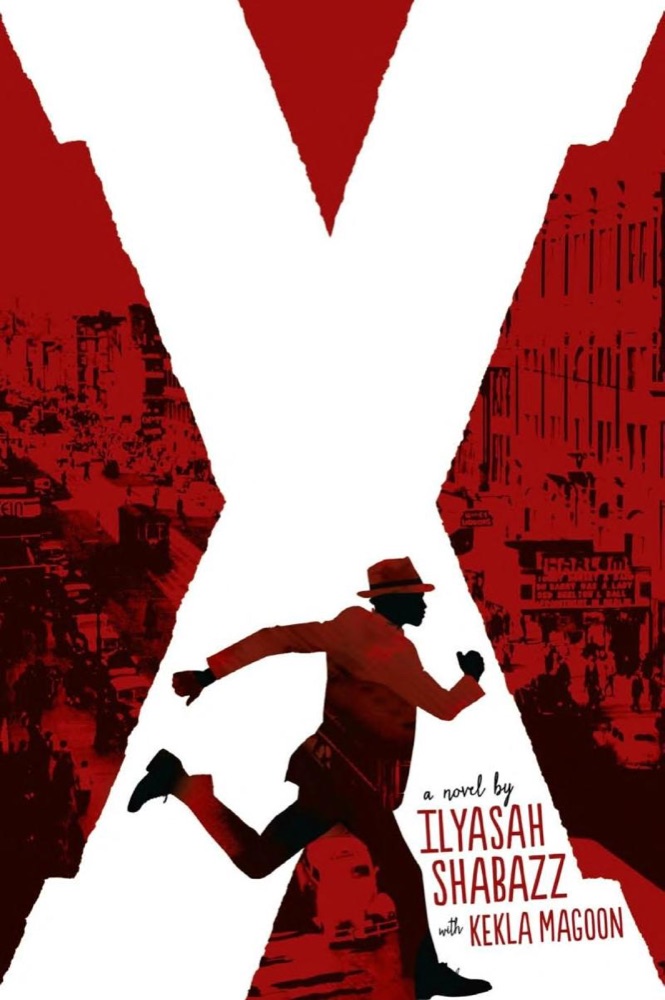 X
X
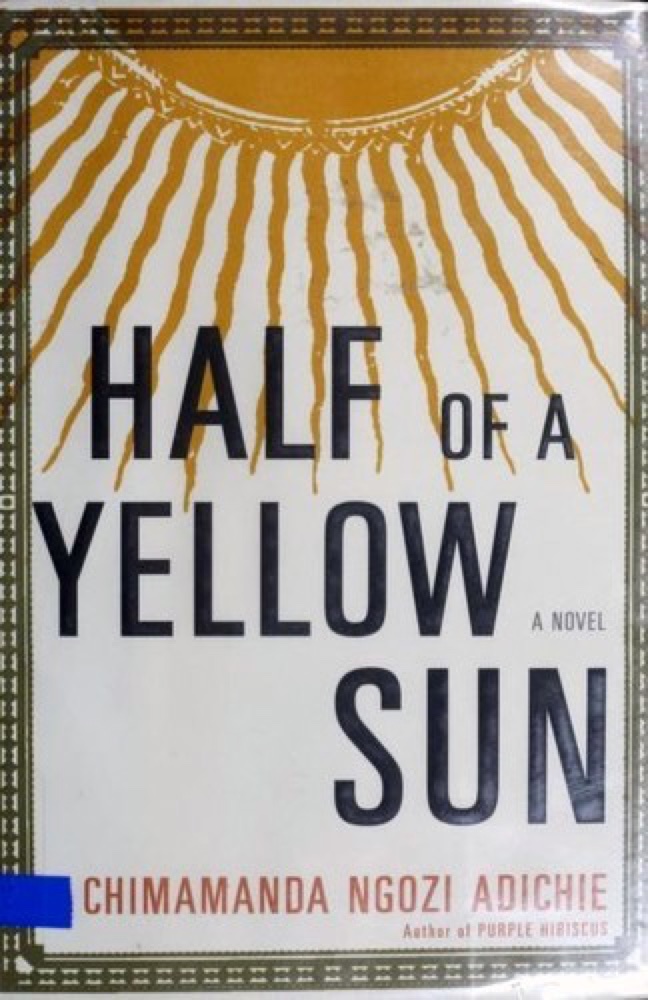 Half of a Yellow Sun
 Hell of a Book
 Becoming
 Americanah
 Dream Count
 A Thousand Moons
 Trust
Trust
 The Love Songs of W.E.B. Du Bois
 Pym
Pym
 Sky Full of Elephants
 The Jewel in the Crown
 The Underground Railroad
 The Autobiography of an Ex-Coloured Man
 The Sea Keeper's Daughters
 Fifth Business
 Dust Tracks on a Road
 Purity
 The Moor's Account
 Open City
 A Bend in the River
 The Kite Runner