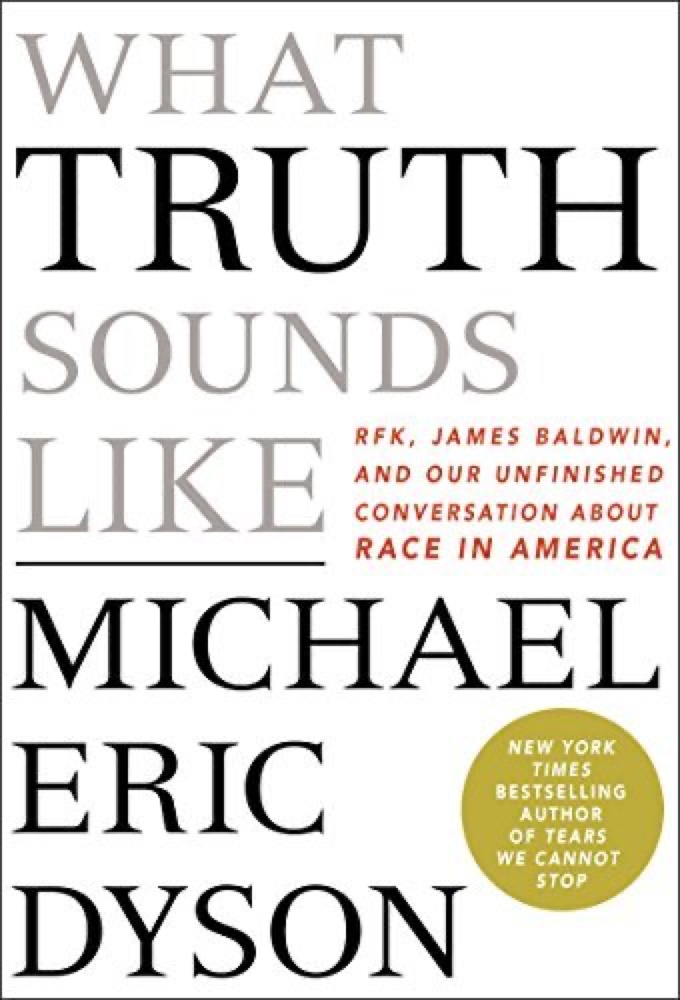
 What Truth Sounds Like: Robert F. Kennedy, James Baldwin, and Our Unfinished Conversation About Race in America
Quotes from the Book
Justice is what love sounds like when it speaks in public.
62
The failure to see color only benefits white America. A world without color is a world without racial debt.
31
Empathy must be cultivated. The practice of empathy means taking a moment to imagine how you might behave if you were in our positions. Do not tell us how we should act if we were you; imagine how you would act if you were us. Imagine living in a society where your white skin marks you for disgust, hate, and fear. Imagine that for many moments. Only when you see black folks as we are, and image yourselves as we have to live our lives, only then will the suffering stop, the hurt cease, the pain go away.
21
When black folk say “Black Lives Matter,” they are in search of simple recognition. That they are decent human beings, that they aren’t likely to commit crimes, that they’re reasonably smart. That they’re no more evil than the next person, that they’re willing to work hard to get ahead, that they love their kids and want them to do better than they did. That they are loving and kind and compassionate. And that they should be treated with the same respect that the average, nondescript, unexceptional white male routinely receives without fanfare or the expectation of
18
The most radical action a white person can take is to acknowledge this denied privilege, to say, “Yes, you’re right. In our institutional structures, and in deep psychological structures, our underlying assumption is that our lives are worth more than yours.
17
Nationalism is the uncritical celebration of one’s nation regardless of its moral or political virtue. It is summarized in the saying, “My country right or wrong.” Lump it or leave it. Nationalism is a harmful belief that can lead a country down a dangerous spiral of arrogance, or off a precipice of political narcissism. Nationalism is the belief that no matter what one’s country does—whether racist, homophobic, sexist, xenophobic, or the like—it must be supported and accepted entirely. Patriotism is a bigger, more uplifting virtue. Patriotism is the belief in the best values of one’s country, and the pursuit of the best means to realize those values. If the nation strays, then it must be corrected. The patriot is the person who, spotting the need for change, says so clearly and loudly, without hate or rancor. The nationalist is the person who spurns such correction and would rather take refuge in bigotry than fight it. It is the nationalists who wrap themselves in a flag and loudly proclaim themselves as patriots. That is dangerous, as glimpsed in Trump’s amplification of racist and xenophobic sentiments. In the end, Trump is a nationalist, and Kaepernick is a patriot. Beloved,
15
So what are you supposed to do? My friends, what I need you to do—just for starters—is not act. Not yet. Not first. First I need you to see. I need you to see the pains and possibilities of black life, its virtues and vices, its strengths and weaknesses, its yeses and nos. I need you to see how the cantankerous varieties of black identity have been distorted by seeing black folk collectively as the nigger. It is not a question of simply not saying nigger; you have to stop believing, no matter what, that black folk are niggers and all the term represents. Instead you must swim in the vast ocean of blackness and then realize you have been buoyed all along on its sustaining views of democracy.
13
President Donald Trump chose “Make America Great Again” as his 2016 campaign slogan. It sounded the call to white America to return to simpler, better days. But the golden age of the past is a fiction, a projection of nostalgia that selects what is most comforting to remember. It summons a past that was not great for all; in fact, it is a past that was not great at all, not with racism and sexism clouding the culture.
13
The status quo always favors neutrality which in truth is never neutral at all but supports those who stand against change.
11
Nigger has no rival. There is no rough or refined equivalence between the term and the many derisive references to white folk. Those terms don’t evoke singularly gruesome actions. Nigger is unique because the menace it implies is portable; it shows up wherever a white tongue is willing to suggest intimidation and destruction. There are no examples of black folk killing white people en masse; terrorizing them with racial violence; shouting “cracker” as they lynch them from trees and then selling postcards to document their colossal crimes. Black folk have not enjoyed the protection of the state to carry out such misdeeds.
10
And there is a paradox that many of you refuse to see: to get to a point where race won’t make a difference, we have to wrestle, first, with the difference that race makes.
8
Beloved, to be white is to know that you have at your own hand, or by extension, through institutionalized means, the power to take black life with impunity. It’s the power of life and death that gives whiteness its force, its imperative. White life is worth more than black life. This is why the cry “Black Lives Matter” angers you so greatly, why it is utterly offensive and effortlessly revolutionary. It takes aim at white innocence and insists on uncovering the lie of its neutrality, its naturalness, its normalcy, its normativity. The most radical action a white person can take is to acknowledge this denied privilege, to say, “Yes, you’re right. In our institutional structures, and in deep psychological structures, our underlying assumption is that our lives are worth more than yours.” But that is a tough thing for most of you to do.
8
Whiteness has privilege and power connected to it, no matter how poor you are.
7
You never stop to think how the history of whiteness in America is one long scroll of affirmative action. You never stop to think that Babe Ruth never had to play the greatest players of his generation - just the greatest white players. You never stop to think that most of our presidents never rose to the top because they bested the competition - just the white competition. White privilege is a self-selecting tool that keeps you from having to compete with the best. The history of white folk gaining access to Harvard, Princeton, or Yale is the history of white folk deciding ahead of the game that you were superior. You argue that slots in school should be reserved for your kin, because, after all, they are smarter, more disciplined, better suited, and more deserving that inferior blacks.
7
What I ask my white students to do, and what I ask of you, my dear friends, is to try, the best you can, to surrender your innocence, to reject the willful denial of history and to live fully in our complicated present with all of the discomfort it brings. Many
6
But the truth is that what so often passes for American history is really a record of white priorities or conquests set down as white achievement.
6
If our neighbors were white, they’d be victims of the same crime that plagues black folk. You are right, however, about those proportions. Ninety-three percent of black folk who are killed are killed by other black folk. But 84 percent of white folk who are killed are killed by other white folk. It’s not necessary to modify the noun murder with the adjective black. It happens in the white world too.
6
Trump is missing the point when he says that Kaepernick should “find a country that works better for him.” Instead, Kaepernick believes so deeply in this country that he is willing to offer correction rather than abandon the nation—and to donate a million dollars in support of racial justice causes.
6
White folk commit the bulk of the crimes in our nation. And, beloved, it might surprise you that white folk commit the most violent crimes too. According to FBI statistics, black folk committed 36 percent of violent crime in 2015, while white folk committed 42 percent of violent crimes in the same year. White folk consistently lead all other groups in aggravated assault, larceny, illegal weapons possession, arson, and vandalism. And white folk are far more likely to target the vulnerable too. White folk lead the way in forcible rape. You’re also more likely to kill children, the elderly, significant others, family members, and even yourselves. White folk commit a majority of gang-related murders too. A majority of the homicide victims in this country are white. White folk are six times as likely to be murdered by a white person as they are to be taken out by a black “thug.” The white-on-white mayhem is profound, yet no one speaks of it in racial terms. That’s
5
Barack Obama so spooked the bigoted whites of this country that we are now faced with a racist explicitness that we haven’t seen since the height of the civil rights movement. Trump,
5
There is a big difference between the act of owning up to your part in perpetuating white privilege and the notion that you alone, or mostly, are responsible for the unjust system we fight. You make our request appear ridiculous by exaggerating its moral demand, by making it seem only, or even primarily, individual, when it is symbolic, collective. By overdramatizing the nature of your personal actions you sidestep complicity. By sidestepping complicity, you hold fast to innocence. By holding fast to innocence, you maintain power. The
5
If we cite the Bible, and yet fail to live according to its codes, the Bible becomes just another book. But when we live it, it becomes powerful. If you believe it, the words of scripture say that we come living epistles in whose life others read the presence of God.
5
Martin Luther King, Jr., is the most quoted black man on the planet. His words are like scripture to you and, yes, to us too. His name is evoked, his speech referenced, during every racial crisis we confront. He has become the language of race itself. He is, too, the history of black America in a dark suit. But he is more than that. He is the struggle and suffering of our people distilled to a bullet in Memphis. King’s martyrdom made him less a man, more a symbol, arguably a civic deity. But there are perils to hero-worship. His words get plucked from their original contexts, his ideas twisted beyond recognition. America has washed the grit from his rhetoric. Beloved,
5
Yet, beloved, there remains, after all, the blackness that is prophecy, the blackness that is inexplicable hope in the face of savage hopelessness... Beloved, if the enslaved could nurture, on the vine of their desperate deficiency of democracy, the spiritual and moral fruit that fed our civilization, then surely we can name and resist demagoguery; we can protest, and somehow defeat, the forces that threaten the soul of our nation. To not try, to give up on the possibility that we can make a difference, can make the difference, is to give up on our past. on our complicated, difficult, but victorious past. Donald Trump is not our final, or ultimate, problem. The problem is, instead, allowing hopelessness to steal our joyful triumph before we work hard enough to achieve it.
5
American history hugs colorblindness. If you can't see race you certainly can't see racial responsibility. You can simply remain blind to your own advantages.
3
Nationalism is the belief that no matter what one’s country does—whether racist, homophobic, sexist, xenophobic, or the like—it must be supported and accepted entirely. Patriotism is a bigger, more uplifting virtue. Patriotism is the belief in the best values of one’s country, and the pursuit of the best means to realize those values. If the nation strays, then it must be corrected. The patriot is the person who, spotting the need for change, says so clearly and loudly, without hate or rancor. The nationalist is the person who spurns such correction and would rather take refuge in bigotry than fight it. It is the nationalists who wrap themselves in a flag and loudly proclaim themselves as patriots.
3
You’ve been handed a history where you got most of the land, made most of the money, got most of the presumptions of goodness, and innocence, and intelligence, and thrift, and genius—and just about everything that is edifying and white. So it’s hard to stomach your gripes about the few concessions—surely not advantages—to black folk and other folk of color that are suggested in affirmative action. And the irony is that, in aggregate, when we add in white women and other abled folk, it is white folk who are the overwhelming beneficiaries of affirmative action.
3
The election of President Trump was all about whiteness. How whiteness is ingeniously adaptable to a gross variety of circumstances. How it is at once capable of exulting in
3
To not try, to give up on the possibility that we can make a difference, can make the difference, is to give up on our past, on our complicated, difficult, but victorious past. Donald Trump is not our final, or ultimate, problem. The problem is, instead, allowing hopelessness to steal our joyful triumph before we work hard enough to achieve it.
3
Watch on YouTube
About Michael Eric Dyson
More by Michael Eric Dyson
What Truth Sounds Like: Robert F. Kennedy, James Baldwin, and Our Unfinished Conversation About Race in America
About the book
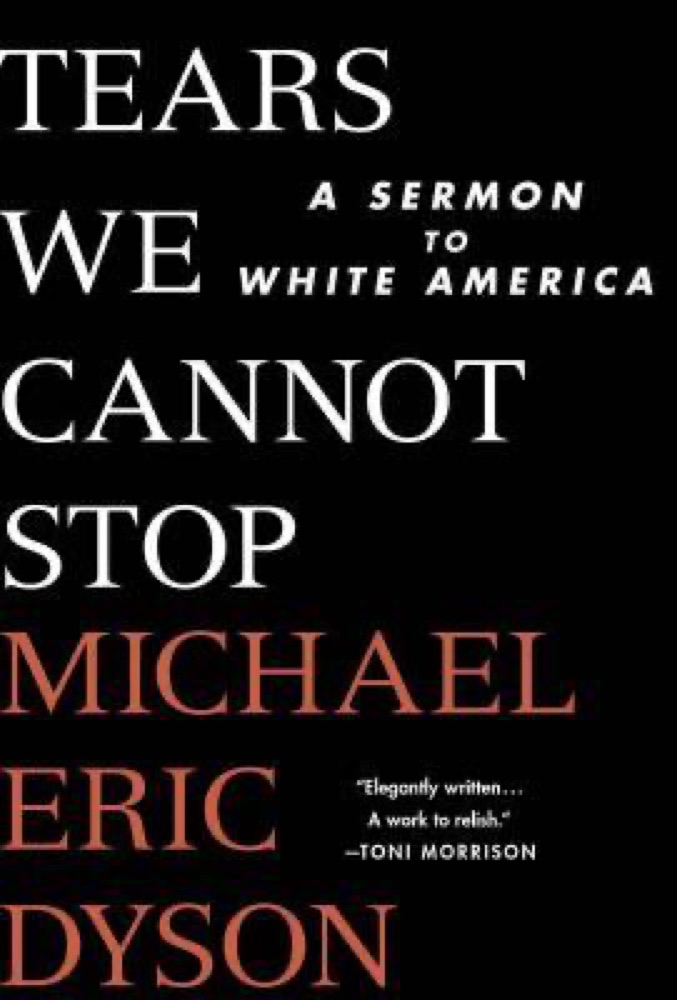
Short, emotional, literary, powerful―Tears We Cannot Stop is the book that all Americans who care about the current and long-burning crisis in race relations will want to read.
As the country grapples with racist division at a level not seen since the 1960s, one man's voice soars above the rest with conviction and compassion. In his 2016 New York Times op-ed piece "Death in Black and White," Michael Eric Dyson moved a nation. Now he continues to speak out in Tears We Cannot Stop―a provocative and deeply personal call for change. Dyson argues that if we are to make real racial progress we must face difficult truths, including being honest about how black grievance has been ignored, dismissed, or discounted.
The time is at hand for reckoning with the past, recognizing the truth of the present, and moving together to redeem the nation for our future. If we don't act now, if you don't
Book details
- First published
- 2017
- Author
- Michael Eric Dyson
- Genre
- Nonfiction
- Goodreads rating
- 4.30 (11k ratings)
The buzz
- The New York TimesReview in The New York Timesprofessional review (via Book Marks)
- The Washington PostReview in The Washington Postprofessional review (via Book Marks)
- ChicagotribuneReview in Chicagotribuneprofessional review (via Book Marks)
Keep reading
 Uncomfortable Conversations With a Black Man
 White Like Me: Reflections On Race From A Privileged Son
 We Were Eight Years in Power: An American Tragedy
 I'm Still Here: Black Dignity in a World Made for Whiteness
 The Sum of Us: What Racism Costs Everyone and How We Can Prosper Together
 We Gon' Be Alright: Notes on Race and Resegregation
 The Black Friend: On Being a Better White Person
 Just Us: An American Conversation
 Begin Again: James Baldwin's America and Its Urgent Lessons for Our Own
 Where Do We Go from Here: Chaos or Community?
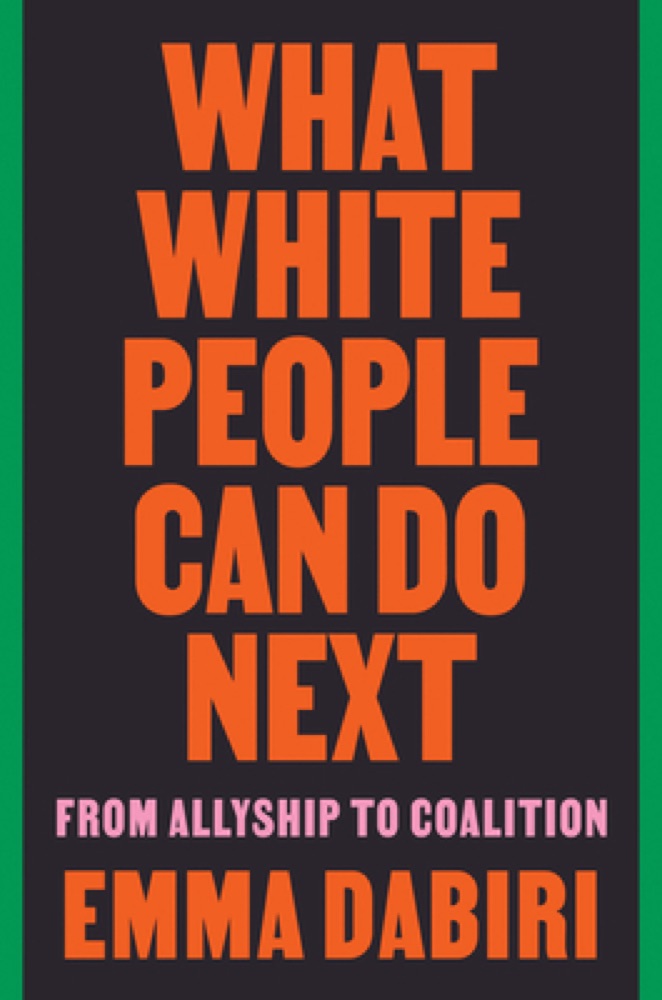 What White People Can Do Next: From Allyship to Coalition – An Empowering Guide to Interrogating Whiteness and Creating Justice
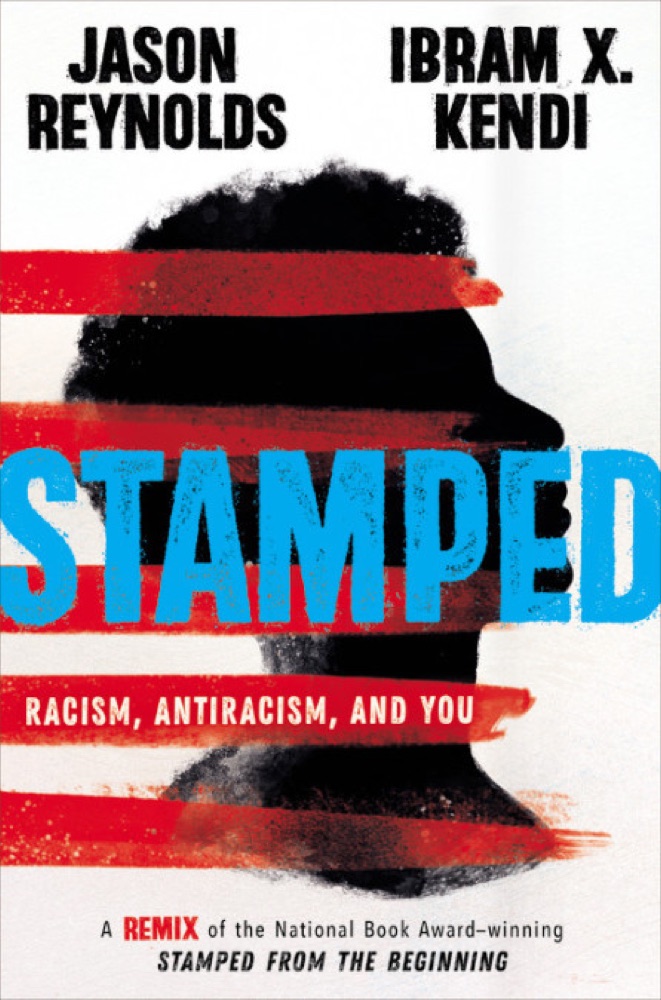 Stamped: Racism, Antiracism, and You
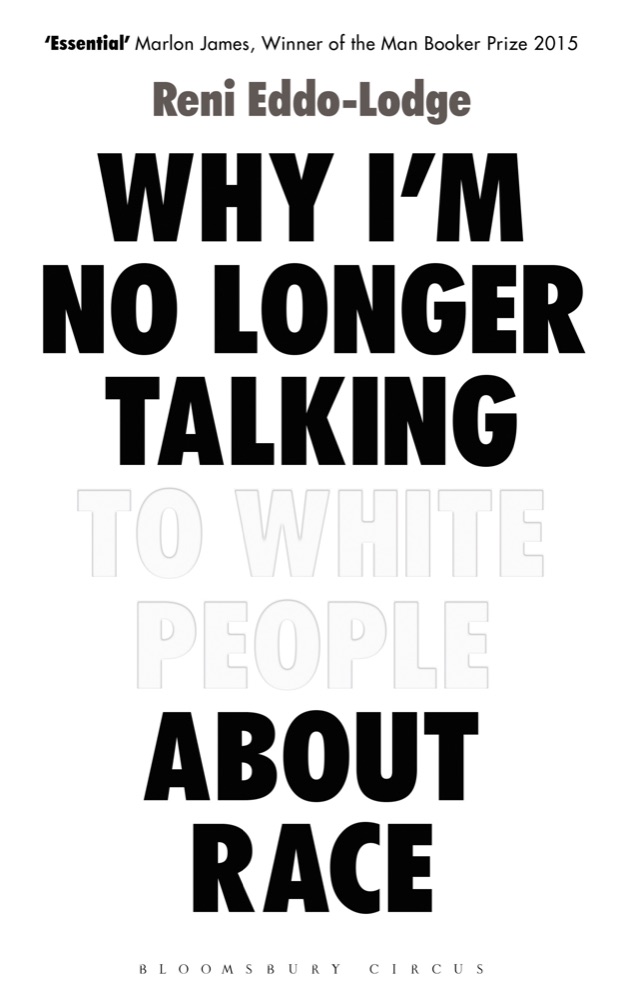 Why I'm No Longer Talking to White People About Race
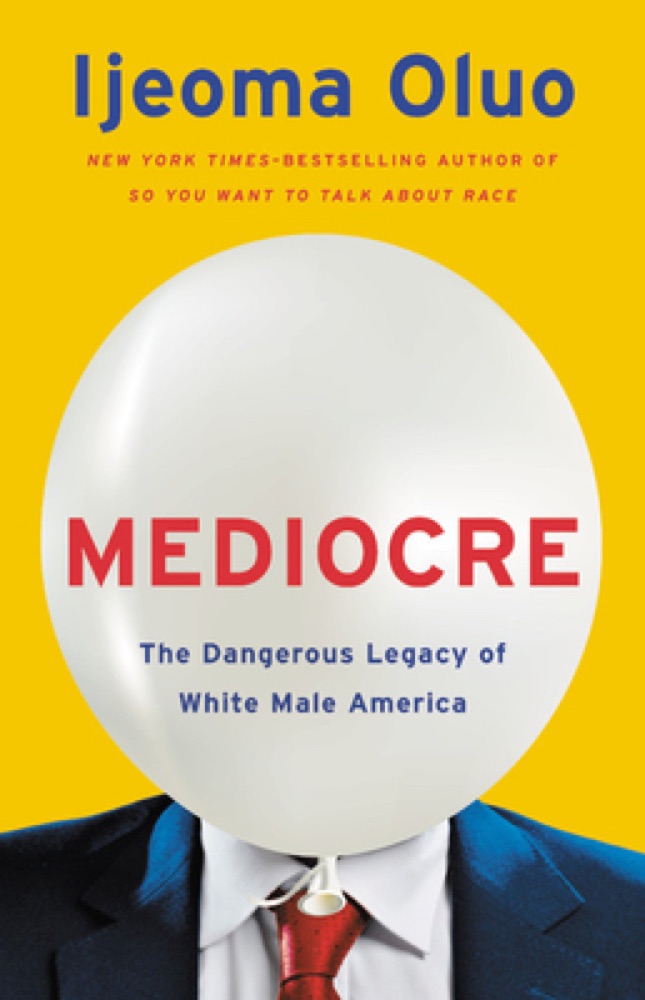 Mediocre: The Dangerous Legacy of White Male America
 The Fire This Time: A New Generation Speaks About Race
 Go Back to Where You Came From: And Other Helpful Recommendations on How to Become American
 Four Hundred Souls: A Community History of African America, 1619-2019
 Invisible Man, Got the Whole World Watching: A Young Black Man's Education
 Waking Up White: And Finding Myself in the Story of Race
What Truth Sounds Like: Robert F. Kennedy, James Baldwin, and Our Unfinished Conversation About Race in America
Waking Up White: And Finding Myself in the Story of Race
What Truth Sounds Like: Robert F. Kennedy, James Baldwin, and Our Unfinished Conversation About Race in America
 Why Are All The Black Kids Sitting Together in the Cafeteria?
 Why We Can't Wait
 White Rage: The Unspoken Truth of Our Racial Divide
 The End of Race Politics: Arguments for a Colorblind America
 I Am Not Your Negro
 Dark Days
 This Book Is Anti-Racist: 20 Lessons on How to Wake Up, Take Action, and Do the Work
 Nobody Knows My Name
 Custer Died for Your Sins: An Indian Manifesto
 Between the World and Me
 The Skin We're In: A Year of Black Resistance and Power
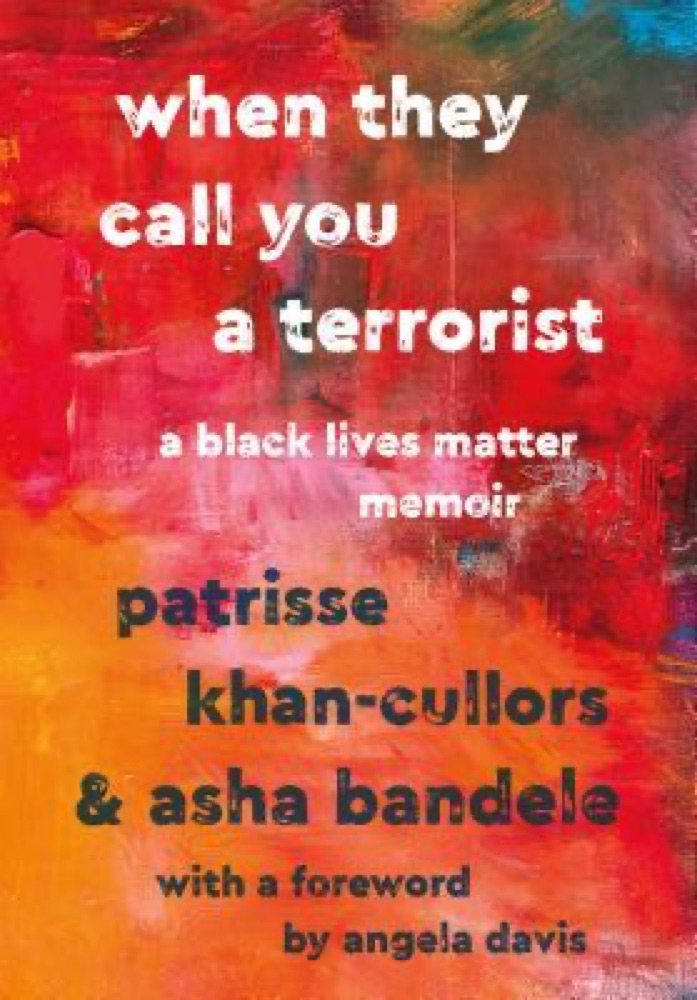 When They Call You a Terrorist: A Black Lives Matter Memoir
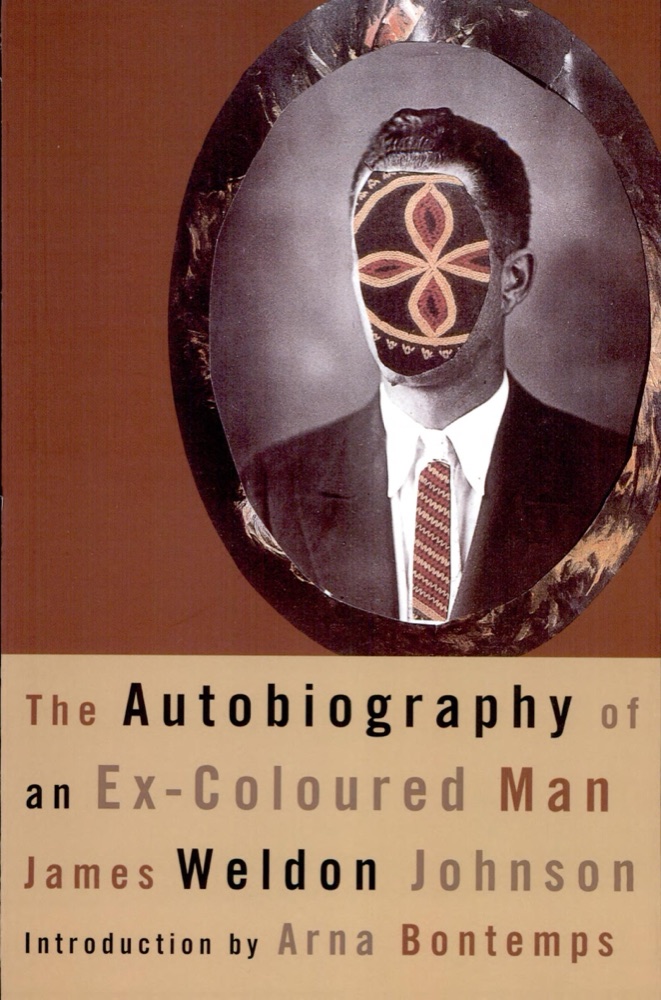 The Autobiography of an Ex-Coloured Man
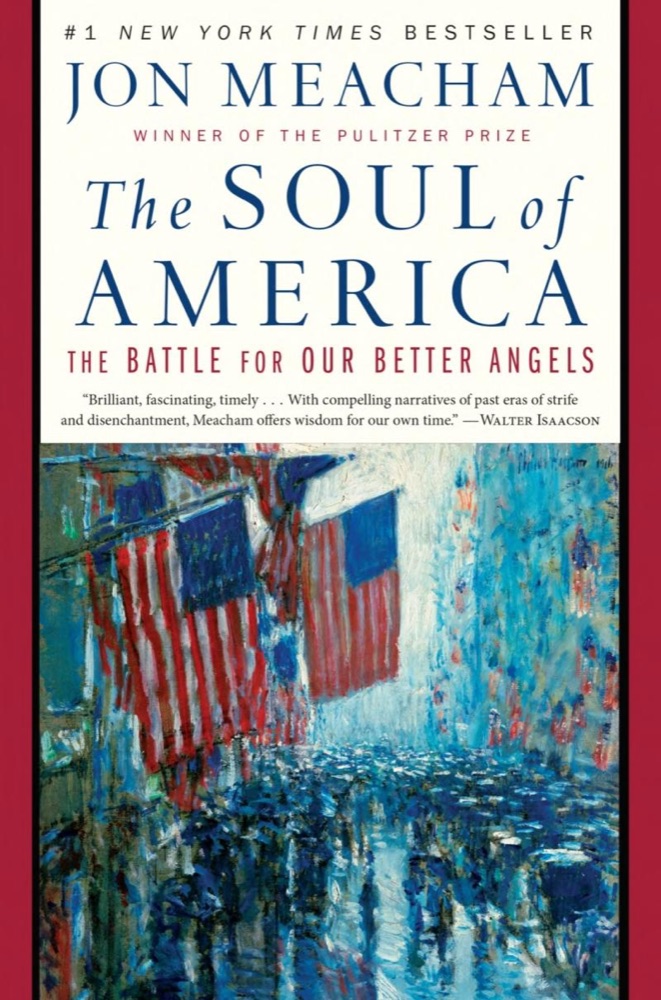 The Soul of America: The Battle for Our Better Angels
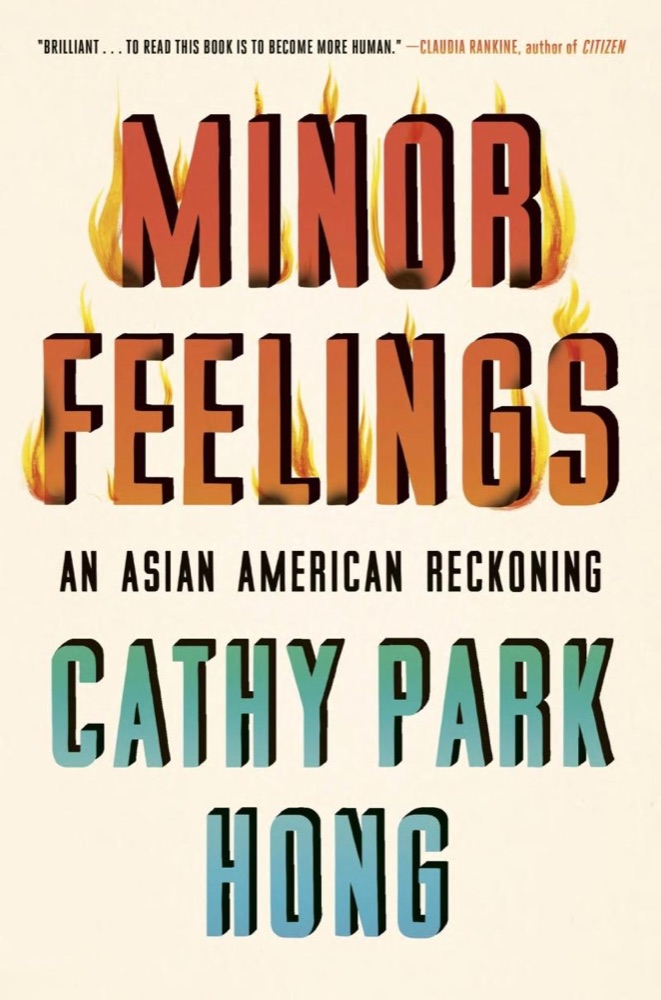 Minor Feelings: An Asian American Reckoning
 Edge of Eternity
 What Doesn't Kill You Makes You Blacker: A Memoir in Essays
 United: Thoughts on Finding Common Ground and Advancing the Common Good
 Things That Make White People Uncomfortable
 Across That Bridge: A Vision for Change and the Future of America
 The Truths We Hold: An American Journey
 Black Looks: Race and Representation
 Notes from No Man's Land
 The War on the West: An Instant NYT Bestselling History of the Modern World
 Silent Covenants: Brown v. Board of Education and the Unfulfilled Hopes for Racial Reform
 Black Like Me
 The 1619 Project: A New Origin Story
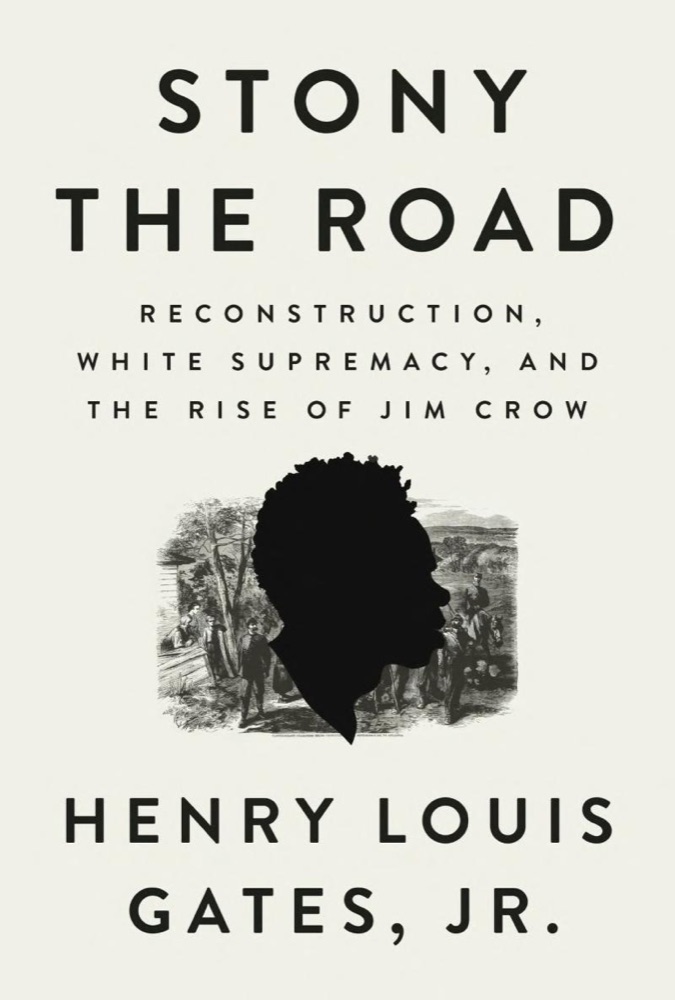 Stony the Road: Reconstruction, White Supremacy, and the Rise of Jim Crow
 You Sound Like a White Girl: The Case for Rejecting Assimilation
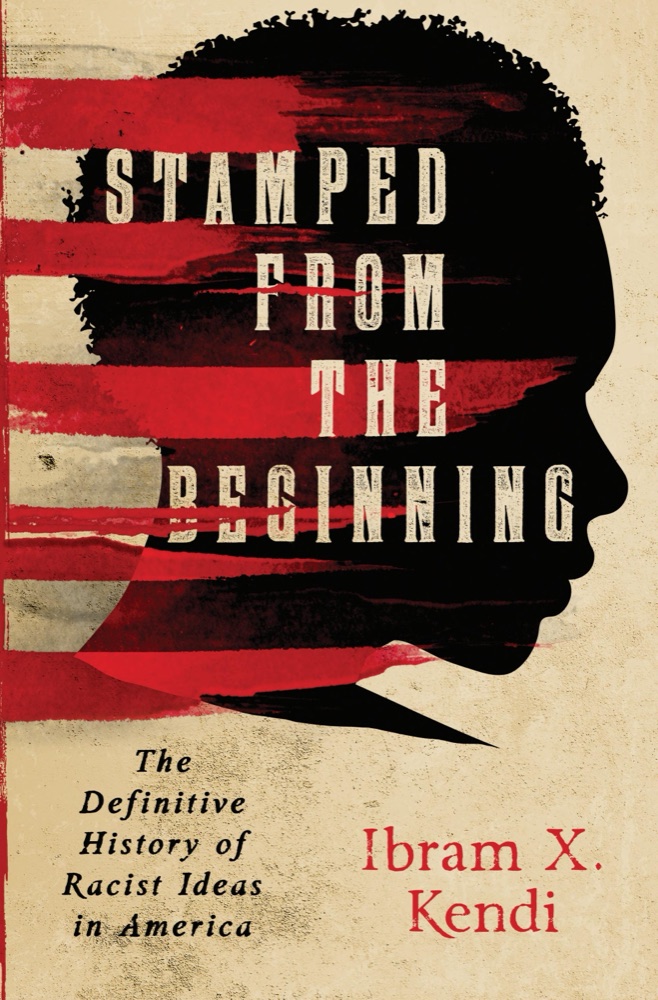 Stamped from the Beginning: The Definitive History of Racist Ideas in America
 A People's History of the United States
 The View From Flyover Country: Essays by Sarah Kendzior
 Dear America: Notes of an Undocumented Citizen
 On the Other Side of Freedom: The Case for Hope
 The Small and the Mighty: Twelve Unsung Americans Who Changed the Course of History, from the Founding to the Civil Rights Movement
 Born a Crime: Stories From a South African Childhood
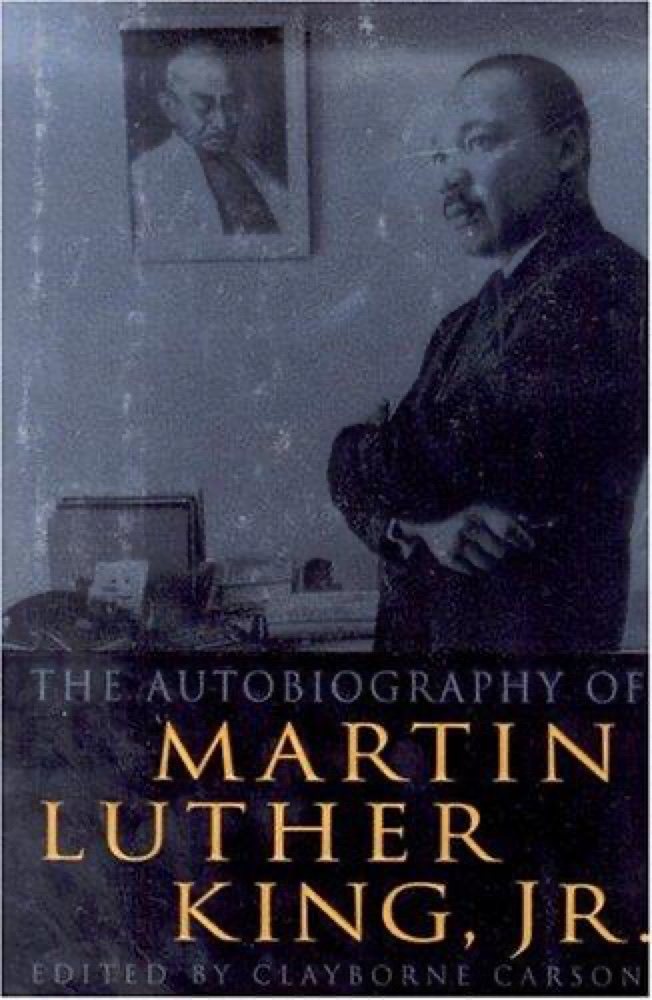 The Autobiography of Martin Luther King, Jr.
 Black Skin, White Masks
 The Disuniting of America: Reflections on a Multicultural Society
 Simple Justice: The History of Brown v. Board of Education and Black America's Struggle for Equality