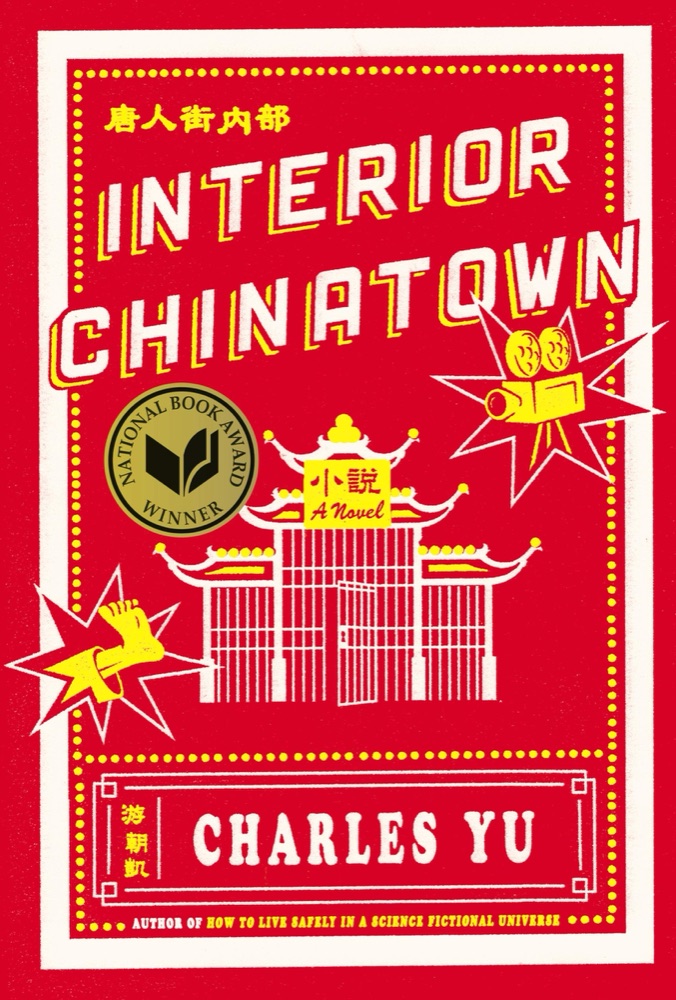
Quotes from the Book
If you don't believe it, go down to your local karaoke bar on a busy night. Wait until the third hour, when the drunk frat boys and gastropub waitresses with headshots are all done with Backstreet Boys and Alicia Keys and locate the slightly older Asian businessman standing patiently in line for his turn, his face warmly rouged on Crown or Japanese lager, and when he steps up and starts slaying "Country Roads," try not to laugh, or wink knowingly or clap a little too hard, because by the time he gets to "West Virginia, mountain mama," you're going to be singing along, and by the time he's done, you might understand why a seventy-seven-year-old guy from a tiny island in the Taiwan Strait who's been in a foreign country for two-thirds of his life can nail a song, note perfect, about wanting to go home.
70
There are a few years when you make almost all of your important memories. And then you spend the next few decades reliving them.
62
You’re here, supposedly, in a new land full of opportunity, but somehow have gotten trapped in a pretend version of the old country.
43
She says that telling a love story is something one person does. Being in love takes both of them. Putting her on a pedestal is just a different way of being alone.
38
The widest gulf in the world is the distance between getting by, and not getting by.
28
Unofficially, we understood. There was a ceiling. Always had been, always would be. Even for him. Even for our hero, there were limits to the dream of assimilation, to how far any of you could make your way into the world of Black and White.
27
Who gets to be an American? What does an American look like?
23
Mr. Wu, is it true that you have an internalized sense of inferiority? That because on the one hand you, for obvious reasons, have not been and can never be fully assimilated into mainstream, i.e., White America— And on the other hand neither do you feel fully justified in claiming solidarity with other historically and currently oppressed groups. That while your community’s experience in the United States has included racism on the personal and the institutional levels, including but not limited to: immigration quotas, actual federal legislation expressly excluding people who look like you from entering the country. Legislation that was in effect for almost a century. Antimiscegenation laws. Discriminatory housing policies. Alien land laws and restrictive covenants. Violation of civil liberties including internment. That despite all of that, you somehow feel that your oppression, because it does not include the original American sin—of slavery—that it will never add up to something equivalent. That the wrongs committed against your ancestors are incommensurate in magnitude with those committed against Black people in America. And whether or not that quantification, whether accurate or not, because of all of this you feel on some level that you maybe can’t even quite verbalize, out of shame or embarrassment, that the validity and volume of your complaints must be calibrated appropriately, must be in proportion to the aggregate suffering of your people. Your oppression is second-class.
21
As, everyone knows, water hates poor people. Given the opportunity, water will always find a way to make poor people miserable, typically at the worst time possible.
19
The truth is, she's a weirdo. Just like you were. Are. A glorious, perfectly weird weirdo. Like all kids before they forget how to be exactly how weird they really are. Into whatever they're into, pure. Before knowing. Before they learn from others how to act. Before they learn they are Asian, or Black, or Brown, or White. Before they learn that all the things they are and about all the things they will never be.
17
He is asking to be treated like an American. A real american. Cuz honestly, when you think about American, what color do you see? white? black? We (the Chinese) have been here 200 years....the German, the Dutch, the Italian, they came here in the turn of century; they are Americans. Why doesn't this face ("yellow") register as American? Is it because we make the story too complicated?
17
You came here, your parents and their parents and their parents, and you always seem to have just arrived and yet never seem to have actually arrived.
17
But at the same time, I’m guilty, too. Guilty of playing this role. Letting it define me. Internalizing the role so completely that I’ve lost track of where reality starts and the performance begins. And letting that define how I see other people. I’m as guilty of it as anyone. Fetishizing Black people and their coolness. Romanticizing White women. Wishing I were a White man. Putting myself into this category.
16
This is it. The root of it all. The real history of yellow people in America. Two hundred years of being perpetual foreigners.
14
It’s a blur—dense, raucous, exhausting—feelings and thoughts all jumbled together into days and semesters, routines and first times, rolling along, rambling along, summer nights with all the windows open, lying on top of the covers, and darkening autumn mornings when no one wants to get out of bed, getting ready, getting better at things, wins and losses and days when it doesn’t go anyone’s way at all, and then, just as chaos begins to take some kind of shape, present itself not as a random series of emergencies and things you could have done better, the calendar, the months and years and year after year, stacked up in a messy pile starts to make sense, the sweetness of it all, right at that moment, the first times start turning into last times, as in, last first day of school, last time he crawls into bed with us, last time you’ll all sleep together like this, the three of you. There are a few years when you make almost all of your important memories. And then you spend the next few decades reliving them.
13
......cut us off from our families, our history. So we made it our own place - Chinatown. A place for preservation and self-preservation; give them what they feel what's right, is safe; make it fit the idea of what is out there..Chinatown and indeed being chinese is and always has been, from the very beginning a construction,a performance of features, gestures, culture and exoticism, invention/reinvention of stylization.
11
You wish your face was more—more, something. You don’t know what. Maybe not more. Less. Less flat. Less delicate. More rugged. Your jawline more defined. This face that feels like a mask, that has never felt quite right on you. That reminds you, at odd times, and often after two to four drinks, that you’re Asian. You are Asian! Your brain forgets sometimes. But then your face reminds you.
11
The apologies, the true sign—that this was not the man you once knew, a man who would never have uttered that word to his son, sorry, and in English, no less. Not because he thought himself infallible, but because of his belief that a family should never have to say sorry, or please, or thank you, for that matter, these things being redundant, being contradictory to the parent-son relationship, needing to remain unstated always, these things being the invisible fabric of what a family is.
10
He’d always be Your Father, but somehow was no longer your dad.
10
He’s asking to be treated like an American. A real American. Because, honestly, when you think American, what color do you see? White? Black? We’ve been here two hundred years. The first Chinese came in 1815. Germans and Dutch and Irish and Italians who came at the turn of the twentieth century. They’re Americans. (points at himself) Why doesn’t this face register as American? Is it because we make the story too complicated?
8
Bruce Lee was proof: not all Asian Men were doomed to a life of being Generic. If there was even one guy who had made it, it was at least theoretically possible for the rest. But easy cases make bad law, and Bruce Lee proved too much. He was a living, breathing video game boss-level, a human cheat code, an idealized avatar of Asian-ness and awesomeness permanently set on Expert difficulty. Not a man so much as a personification, not a mortal so much as a deity on loan to you and your kind for a fixed period of time. A flame that burned for all yellow to understand, however briefly, what perfection was like.
8
[Willis is] asking to be treated like an American. A real American. Because, honestly, when you think American, what color do you see? White? Black? We’ve been here two hundred years. Why doesn’t this face register as American?
8
Black and White always look good. A lot of it has to do with the lighting, designed to hit their faces just right. Someday you want the light to hit your face like that. To look like the hero. Or for a moment to actually be the hero
8
They’d lost the plot somewhere along the way, their once great romance spun into a period piece, into an immigrant family story, and then into a story about two people trying to get by.
7
Working your way up the system doesn't mean you beat the system. It strengthens it. It's what the system depends on.
6
For my friend Fong,” he says, and begins singing John Denver. If you didn’t know it already, now you do: old dudes from rural Taiwan are comfortable with their karaoke and when they do karaoke for some reason they love no one like they love John Denver. Maybe it’s the dream of the open highway. The romantic myth of the West. A reminder that these funny little Orientals have actually been Americans longer than you have. Know something about this country that you haven’t yet figured out. If you don’t believe it, go down to your local karaoke bar on a busy night. Wait until the third hour, when the drunk frat boys and gastropub waitresses with headshots are all done with Backstreet Boys and Alicia Keys and locate the slightly older Asian businessman standing patiently in line for his turn, his face warmly rouged on Crown or Japanese lager, and when he steps up and starts slaying “Country Roads,” try not to laugh, or wink knowingly or clap a little too hard, because by the time he gets to “West Virginia, mountain mama,” you’re going to be singing along, and by the time he’s done, you might understand why a seventy-seven-year-old guy from a tiny island in the Taiwan Strait who’s been in a foreign country for two-thirds of his life can nail a song, note perfect, about wanting to go home.
5
To have lived an entire life of productivity, of self-sufficiency, having been a net giver, never a taker, never relying on others. To call oneself master, to hold oneself out as a source of expertise, to have had the courage and ability and discipline that added up to a meaningful, perhaps even noteworthy life, built over decades from nothing, and then at some point in that serious life, finding oneself searching for calories.
4
... because the idea was you came here, your parents and their parents and their parents, and you always seem to have just arrived and yet never seem to have actually arrived. You're here, supposedly, in a new land full of opportunity, but somehow have gotten trapped in a pretend version of the old country.
4
There are a few years where you make almost all of your important memories. And then you spend the next few decades reliving them.
4
This is the dream. Sustainable employment. Some semblance of work-life balance. Talk white. Not a lot. Get contact lenses. Smile. They will assume you’re smart. The less you say, the better. Try to project: Responsible, Harmless.
4
Watch on YouTube
About Charles Yu

We have collected 80 quotes from 3 books by Charles Yu on BookQuoters.
More about the author →More by Charles Yu
 How to Live Safely in a Science Fictional Universe
About the book
A deeply personal novel about race, pop culture, immigration, assimilation, and escaping the roles we are forced to play.
Willis Wu doesn’t perceive himself as the protagonist in his own life: he’s merely Generic Asian Man. Sometimes he gets to be Background Oriental Making a Weird Face or even Disgraced Son, but always he is relegated to a prop. Yet every day, he leaves his tiny room in a Chinatown SRO and enters the Golden Palace restaurant, where Black and White, a procedural cop show, is in perpetual production. He’s a bit player here, too, but he dreams of being Kung Fu Guy—the most respected role that anyone who looks like him can attain. Or is it?
After stumbling into the spotlight, Willis finds himself launched into a wider world than he’s ever known, discovering not only the secret history of Chinatown, but the buried legacy of his own family. Infinitely inventive and deep
Book details
- First published
- 2020
- Author
- Charles Yu
- Genre
- Fiction
- Goodreads rating
- 3.93 (75k ratings)
The buzz
- The Washington PostReview in The Washington Postprofessional review (via Book Marks)
- Kirkus ReviewsReview in Kirkus Reviewsprofessional review (via Book Marks)
- LA Review of BooksReview in LA Review of Booksprofessional review (via Book Marks)
- New York Journal of BooksReview in New York Journal of Booksprofessional review (via Book Marks)
- Washington Independent Review of BooksReview in Washington Independent Review of Booksprofessional review (via Book Marks)
- BooklistReview in Booklistprofessional review (via Book Marks)
Keep reading
 Americanah
 One Day We'll All Be Dead and None of This Will Matter
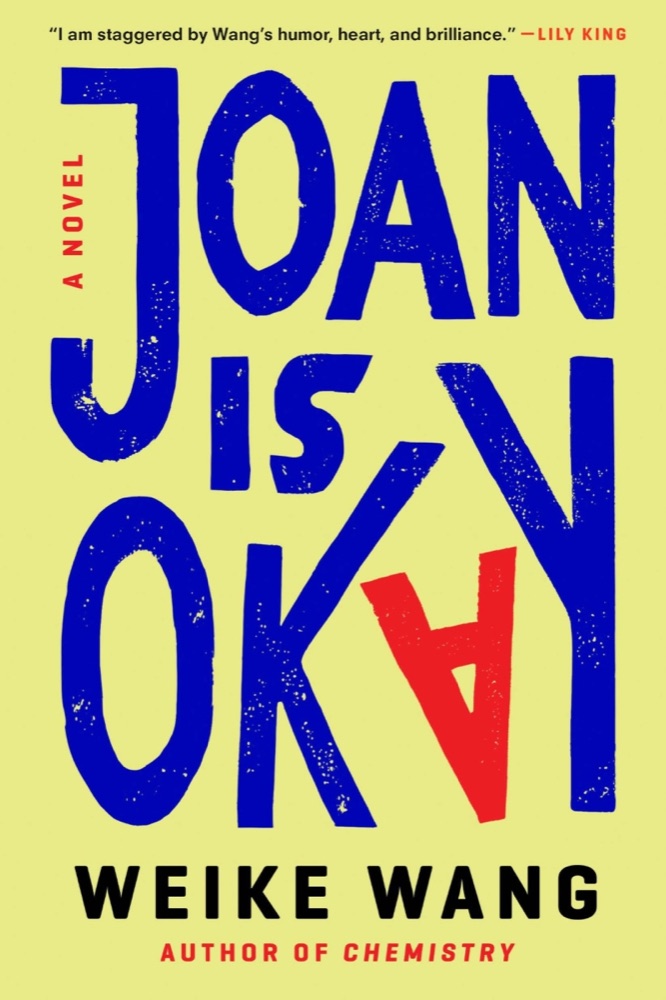 Joan Is Okay
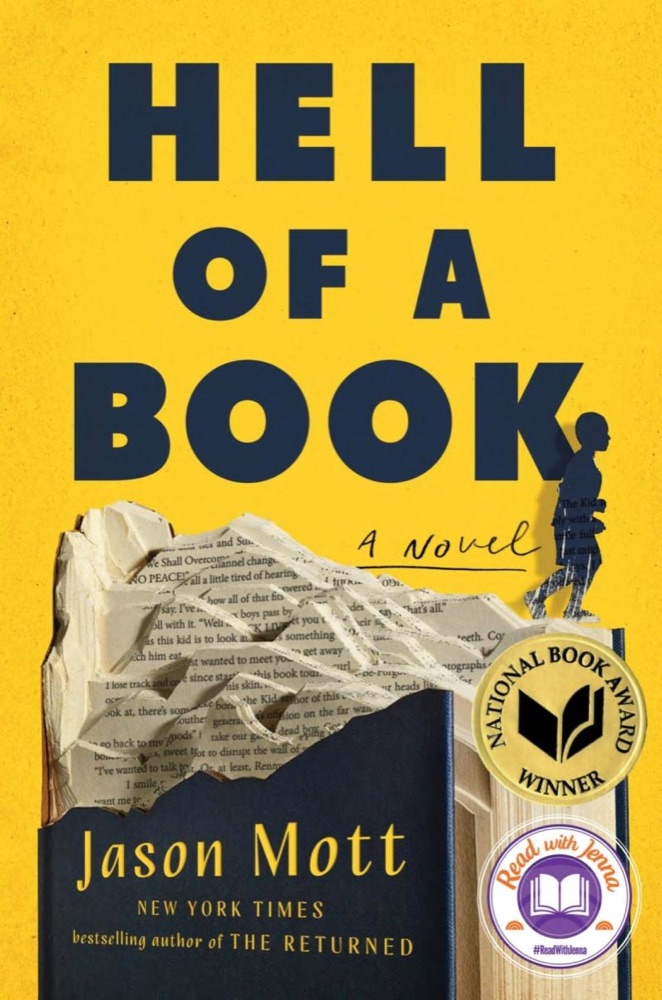 Hell of a Book
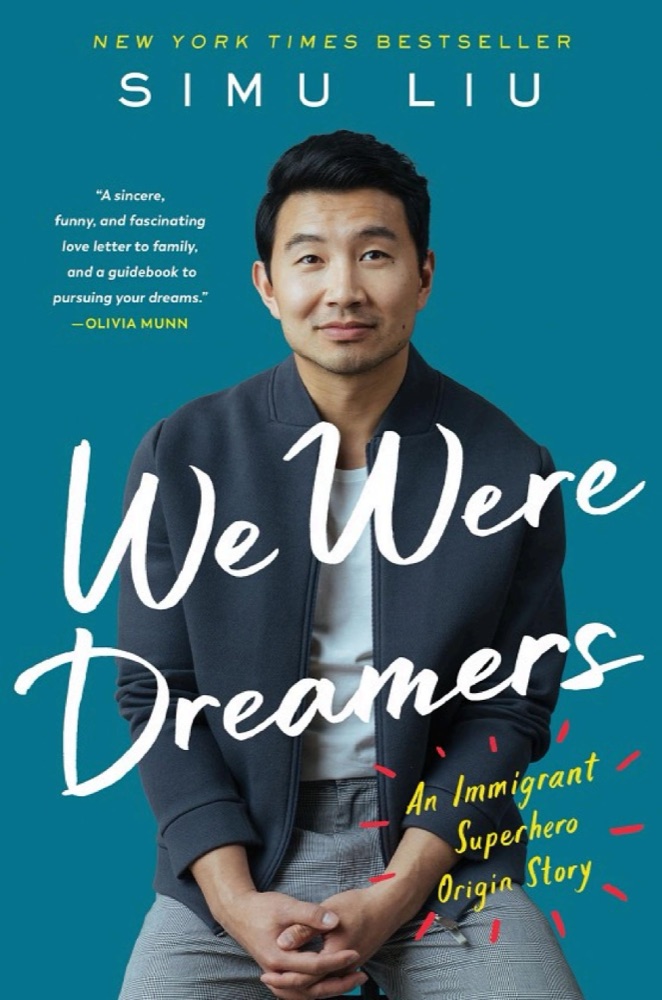 We Were Dreamers: An Immigrant Superhero Origin Story
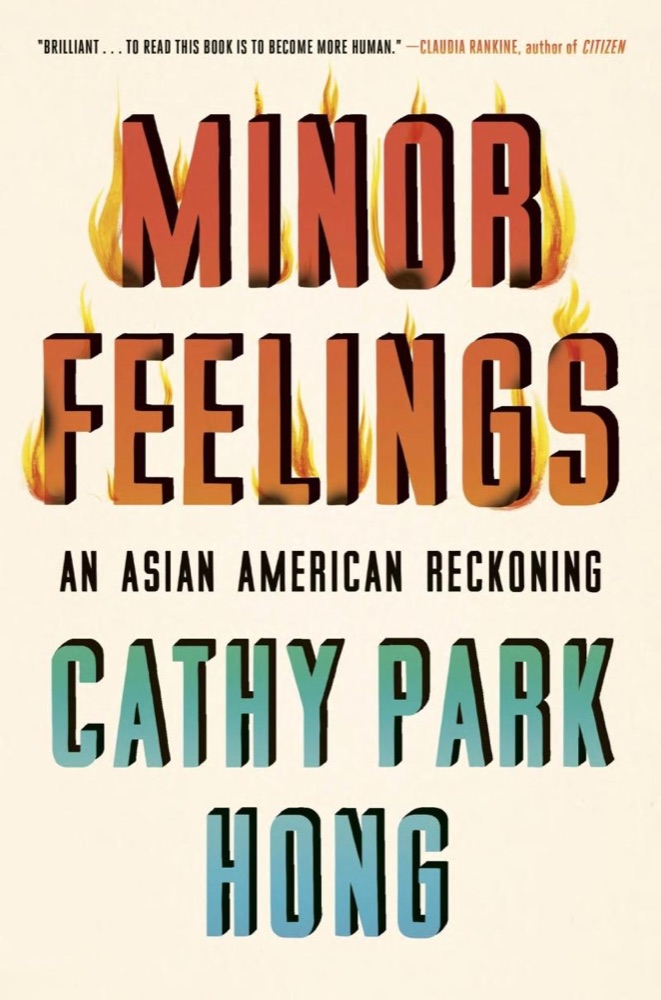 Minor Feelings: An Asian American Reckoning
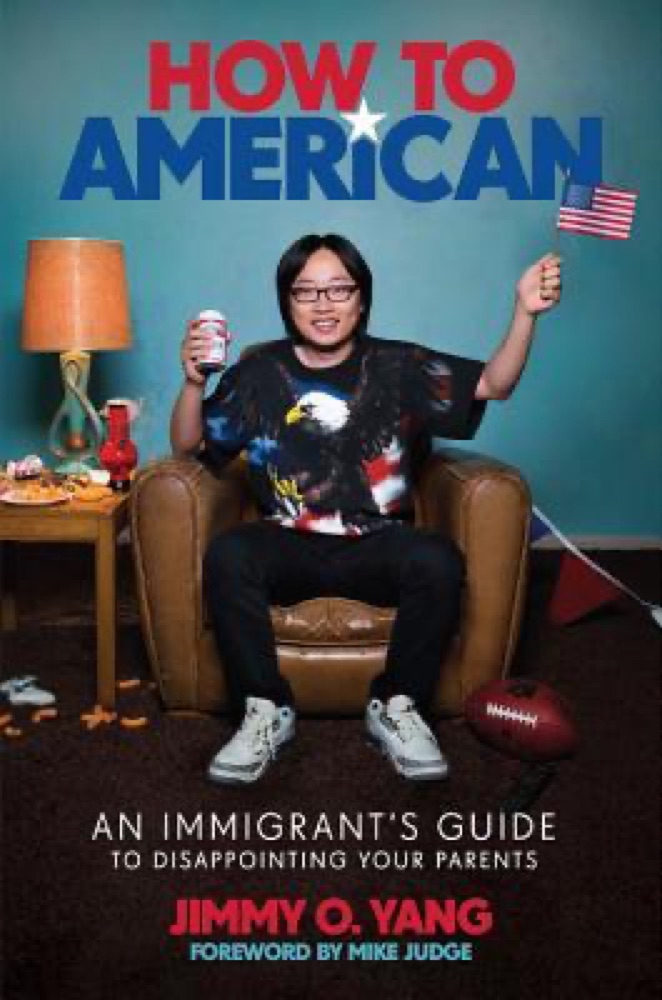 How to American: An Immigrant's Guide to Disappointing Your Parents
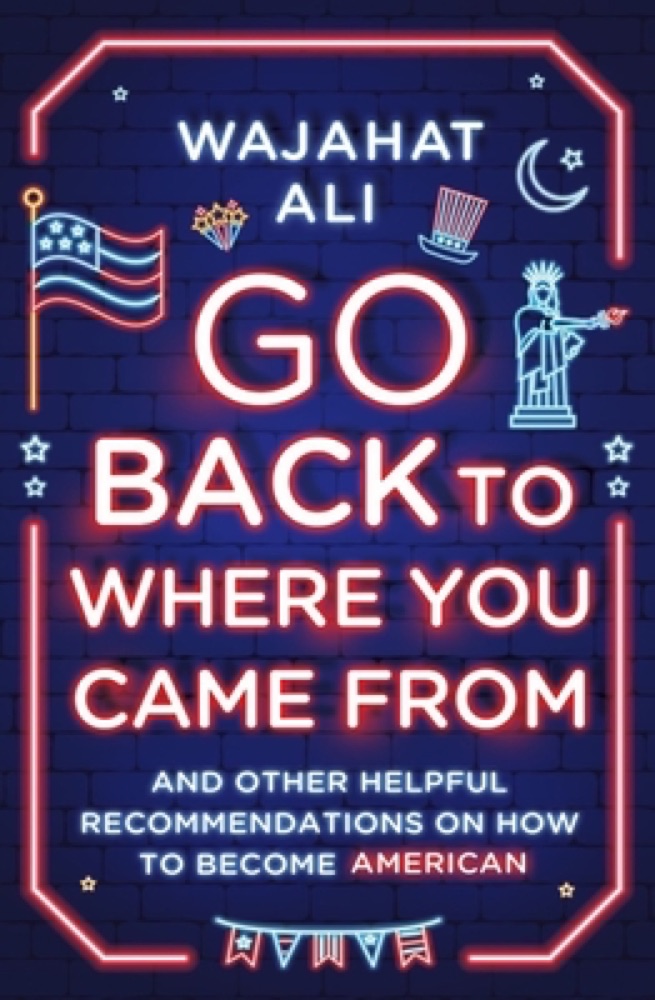 Go Back to Where You Came From: And Other Helpful Recommendations on How to Become American
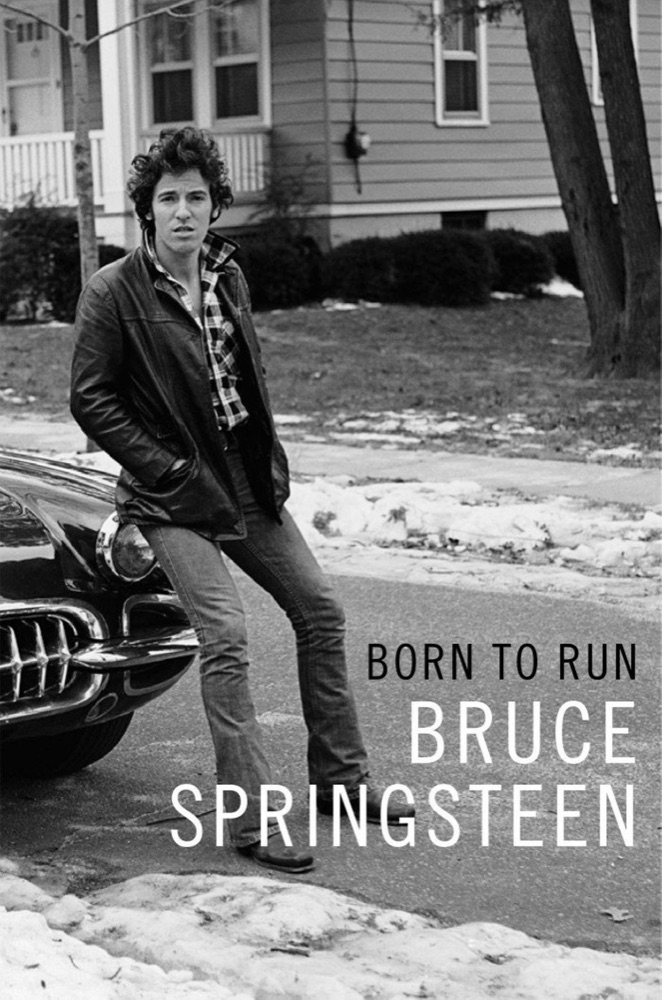 Born to Run
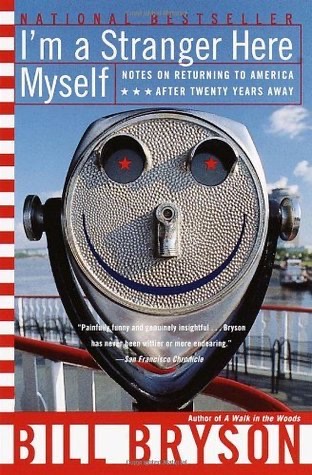 I'm a Stranger Here Myself: Notes on Returning to America after Twenty Years Away
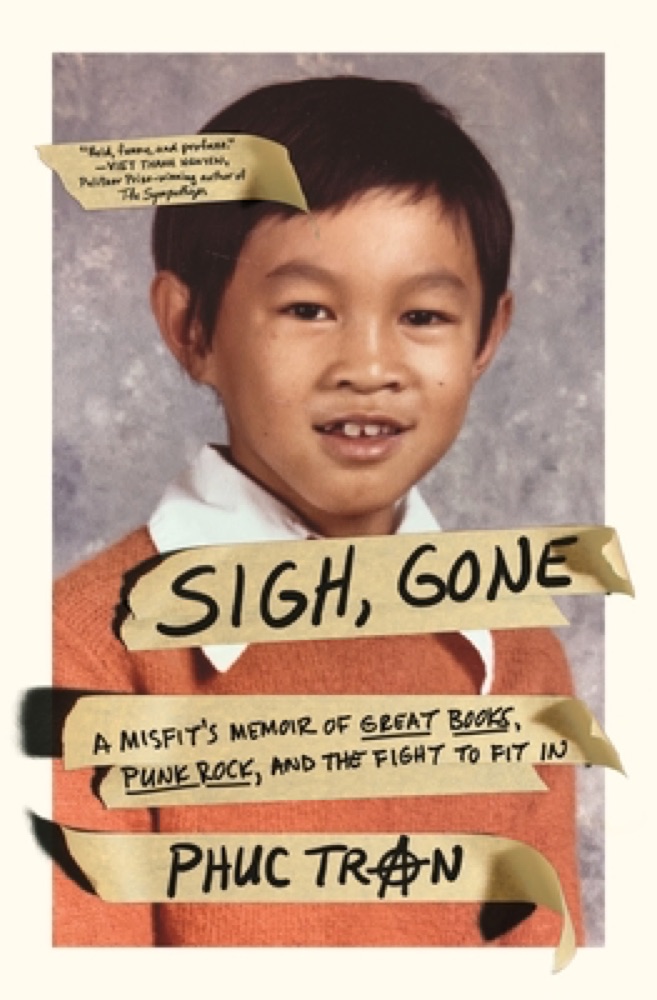 Sigh, Gone: A Misfit's Memoir of Great Books, Punk Rock, and the Fight to Fit In
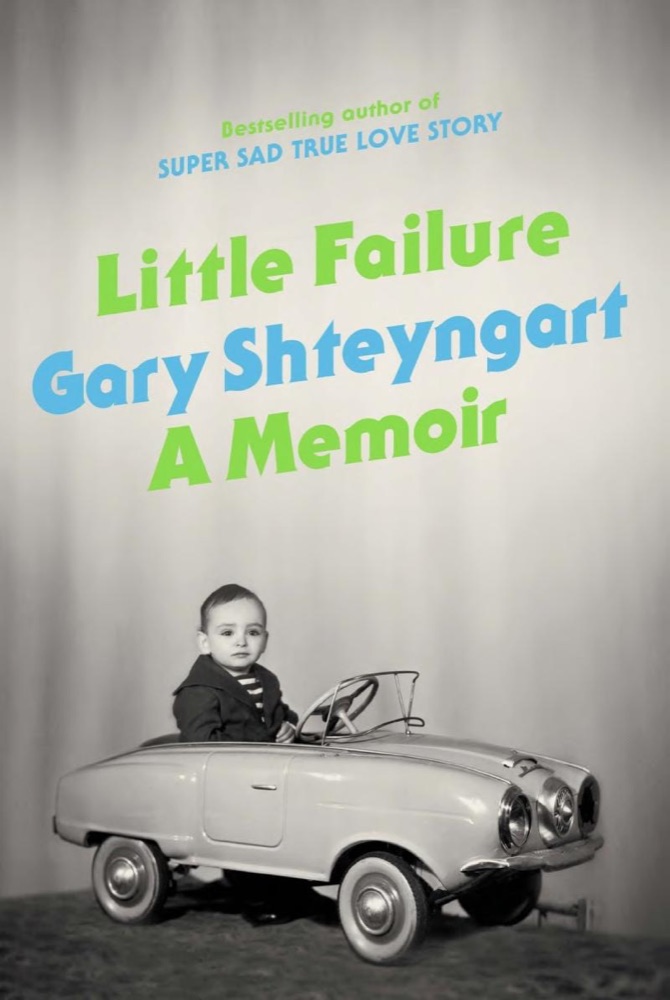 Little Failure: A Memoir
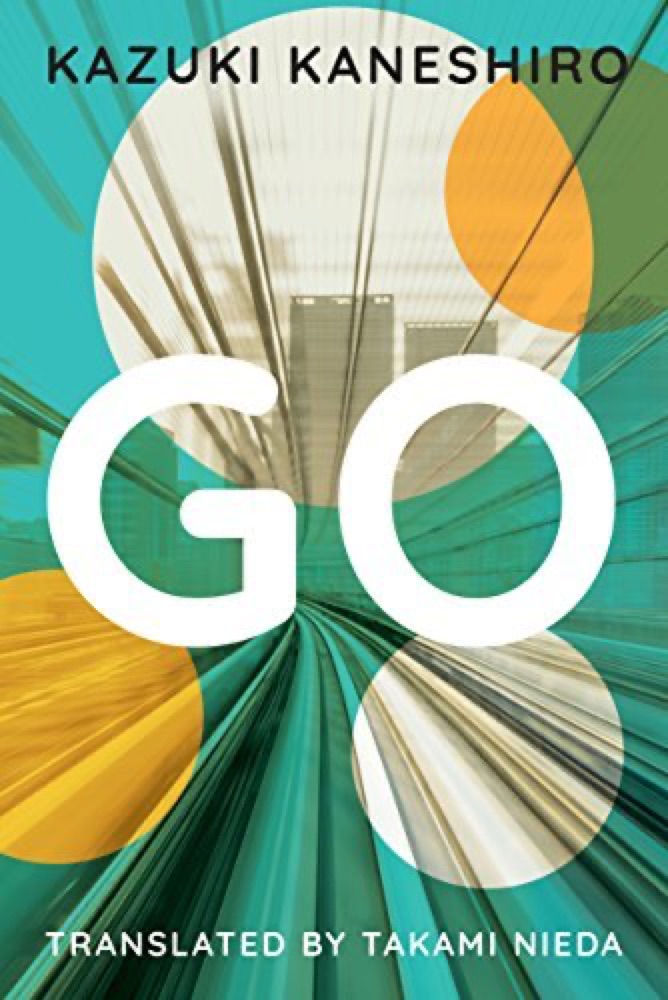 Go
Go
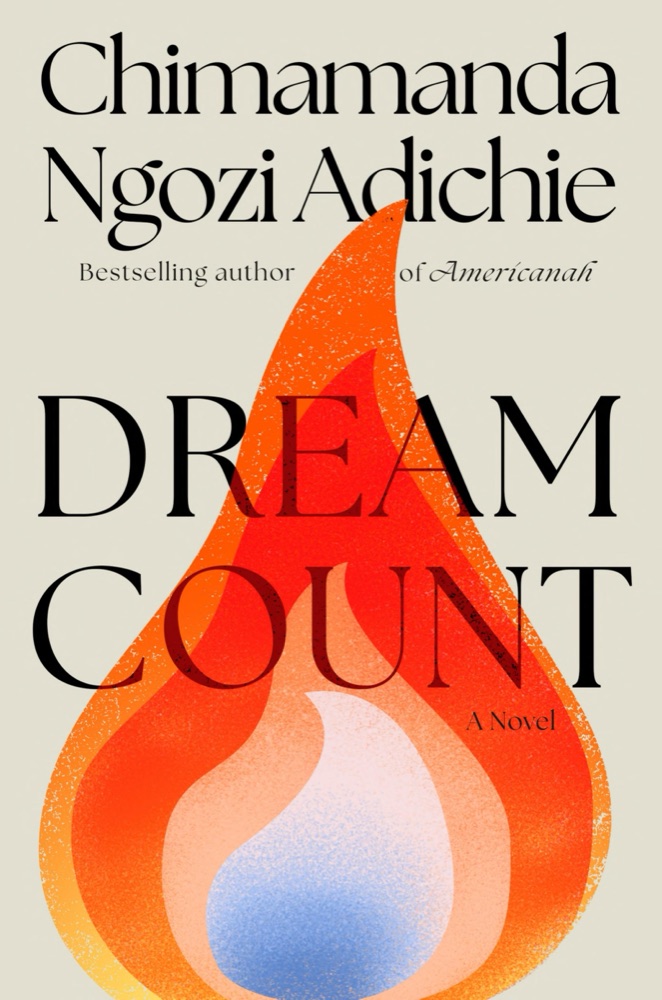 Dream Count
 What Doesn't Kill You Makes You Blacker: A Memoir in Essays
 The Golden House
 White Teeth
 America Is Not the Heart
 Dear America: Notes of an Undocumented Citizen
 Welcome to Braggsville
 Born a Crime: Stories From a South African Childhood
 Afterparties
 The House of Hidden Meanings
 We Are Not Free
 Varina
 Norwegian by Night
 Middlesex
 It's Not Like It's a Secret
 The Black Kids
 Past Imperfect
 Small Great Things
 Erasure
 A Song Flung Up to Heaven
 Notes from No Man's Land
 Behold the Dreamers
 X
X
 The Emperor of Gladness
 American by Day
 Orient
 Frankly in Love
 Special Topics in Calamity Physics
 Generation X: Tales for an Accelerated Culture
 Dreams from My Father: A Story of Race and Inheritance
 Dig
Dig
 Memorial
 Ayoade on Top
 The Absolutely True Diary of a Part-Time Indian
 Bright Lights, Big City
 The Nix
 Between the World and Me
 Wandering Stars
 Becoming
 White Tears
 Silver Sparrow
 Mo' Meta Blues: The World According to Questlove
 Slumberland
 All the King's Men
 It's Trevor Noah: Born a Crime: Stories from a South African Childhood
 The Last Year of the War
 Severance