
 Why Are All The Black Kids Sitting Together in the Cafeteria?
Quotes from the Book
The more I have studied disparities in multicultural societies, the more I have found the language of “overrepresentation” and “underrepresentation” to be fundamentally misleading. These words assume that there is something normal or “to be expected” about seeing different ethnic groups represented at precisely their share of the total population in every domain, statistic, and occupation, when in fact nothing is more normal than for different subcultures to specialize in particular sectors and occupations and experience very different group-wide statistics as a result. The vast majority of such disparities are not plausibly explained by bigotry, systemic racism, or unfairness but by demographic and cultural differences between the groups in question at a particular time.
4
But how could self-proclaimed “anti-racists” and their supporters be as confused as I’ve made them out to be? And why do so many people continue to be fooled by the “anti-racist” label? The answer: theirs is the latest brand of bigotry to gain social approval in America, and that social approval acts as a buffer that insulates their views from scrutiny.
3
We cringe when we hear old recordings of people describe Asians as “yellow” and Native Americans as “red,” then we proceed to talk about “black,” “brown,” and “white” people with a straight face—as if the generations past were simpletons with respect to racial classification, but we are far superior.
2
Neoracists believe that we must indoctrinate children to cure them of racism. I say that children are racially innocent by nature, and we should protect that racial innocence for as long as possible.
2
By [college], many skills, attitudes, and habits have already been formed. We can have a much bigger impact on people at younger ages. Efforts to achieve true equity should focus instead on high-quality kindergarten and pre-K, high-quality weekend learning programs, high-quality charter schools, and high-quality after-school tutoring.
2
Another example of neoracist influence in K–12 public education comes from New York City. In 2018, the NYC Department of Education earmarked $23 million for mandatory “anti-bias” training for the city’s teachers over the course of four years. Leading this charge was chancellor of schools Richard Carranza, whose philosophy has less to do with eliminating actual racism than with eliminating so-called white supremacy culture in schools. In a presentation to top administrators, Carranza called for an end to all aspects of white supremacy, including “a sense of urgency,” “worship of the written word,” “perfectionism,” “individualism,” and “objectivity.” Instead of these false values, he argued that teachers should prioritize non-white values like “the ability to relate to others.” The idea that perfectionism, objectivity, and good grammar belong to white people and shouldn’t be taught to blacks and Hispanics is exactly the kind of idea that leaders of the civil rights movement fought against. There is nothing anti-racist about this idea. It is, at its core, racist.
2
Why, then, did people's perception of race relations take a nosedive after 2013? The answer is that smartphones and social media changed the speed limit of information—which in turn gave a massive competitive advantage to ideas, information, narratives, and arguments that tap into division, tribalism, and grievances. Neoracism was among the ideologies able to take advantage of this seismic change. Ultimately, this change resulted in an informational diet that is less tethered to reality, not more.
1
The common humanity and anti-racism of the civil rights movement had strong ties to Christianity. And Christianity promoted the value of interracial harmony: unity in Christ. But the appeal of Christianity has since waned—especially among liberal white Americans and young black Americans, and the resulting vacuum has given neoracism—a far more racially divisive ideology—a place to settle.
1
When black people are on the short end of a black-white health disparity, it automatically gets attributed to systemic racism. But when white people are on the short end of a black-white health disparity, few even notice the disparity and label it as such, much less attribute it to racism. White Americans are more likely than black Americans to die of chronic lower respiratory disease, Alzheimer’s, Parkinson’s, liver disease, and eight different types of cancer. The same thinking that automatically attributes the racial disparity in COVID-19 deaths to systemic racism against blacks could be applied equally to argue the existence of systemic racism against whites with respect to all of those diseases. A fitting end for the saga of racialized COVID medicine: By late 2022, the racial profile of COVID-19 victims had switched. More whites were dying of it than blacks. Did systemic racism change its direction?
1
What’s so insidious about the new form of racism that’s emerged in American society—what I call “neoracism”—is that it invokes the names of people like Martin Luther King Jr. and Frederick
The majority of effort channeled toward achieving racial equity hasn't been applied to the part of life that has the biggest influence on people's skills and mindsets: namely birth to eighteen years of age.
As the legal historian Richard Epstein memorably put it, the “ink was scarcely dry on the Civil Rights Act of 1964,” which forbade the government as well as employers from taking race into account for any reason, when policies of racial discrimination began proliferating throughout the public and private sectors. In the historical blink of an eye, colorblindness transformed from an idea whose time had finally come into a symptom of moral backwardness—from a noble principle responsible for beating slavery and Jim Crow into a marker of evil. In the half century since the victories of the civil rights movement, some of America’s most celebrated scholars have been hard at work writing a false history of colorblindness. In their view, colorblindness was not the motivating principle behind the anti-racist activism of the nineteenth and twentieth centuries but was instead an idea created by white racists, conservatives, and reactionaries. Kimberlé Crenshaw, for instance, has criticized the “color-blind view of civil rights” that she alleges “developed in the neoconservative ‘think tanks’ during the seventies.” George Lipsitz, a black-studies professor at the University of California, writes that colorblindness is part of a “long-standing historical whiteness protection program” associated with “Indigenous dispossession, colonial conquest, slavery, segregation, and immigrant exclusion.” According to these scholars, there is no contradiction to reconcile: colorblindness had nothing to do with abolition or the civil rights movement to begin with; colorblindness has instead always been a Trojan horse for white supremacy.
Did you know?
- The book was published by Thesis, an imprint of Penguin Random House, on February 6, 2024.
- Hughes traces his interest in the subject to being one of the few Black students in his philosophy program at Columbia University.
- He argues that inequality should be addressed through class-based rather than race-based policy.
- Hughes hosts the podcast 'Conversations with Coleman' and has been a contributor to The Free Press.
- Kirkus Reviews described the book as 'contrarian and pointedly provocative.'
Watch on YouTube
About Coleman Hughes
Coleman Hughes is an American writer, podcaster, and opinion columnist focused on race, public policy, and applied ethics, and host of the podcast 'Conversations with Coleman.' His work has appeared in outlets including The New York Times, The Wall Street Journal, and National Review, and he was named to Forbes' 30 Under 30 list.
More about the author →About the book
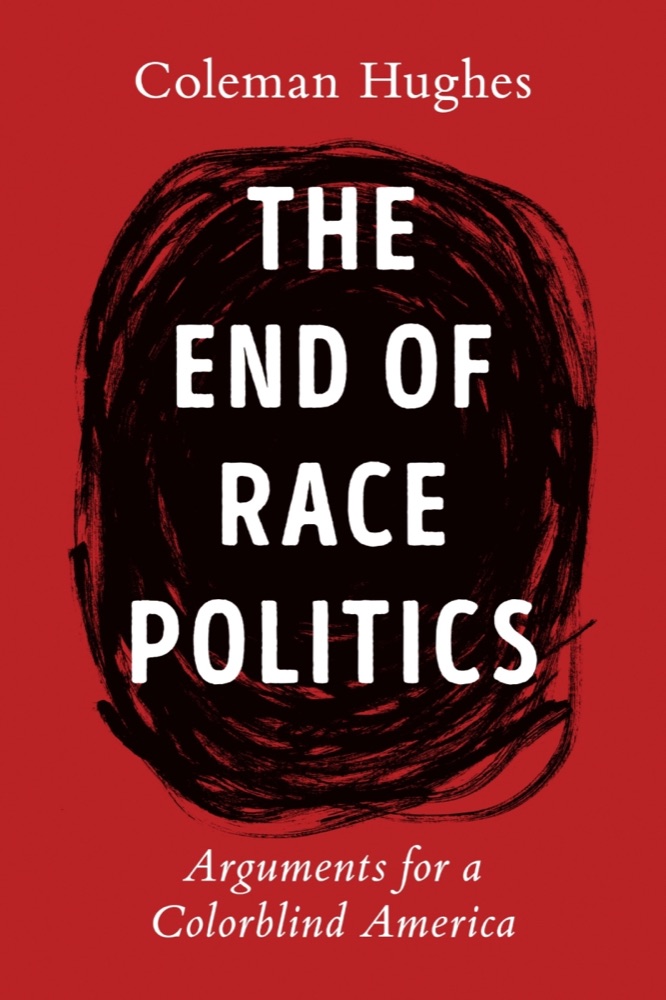
The End of Race Politics is Coleman Hughes's argument for a colorblind approach to politics and culture. Drawing on his experience as one of the few Black students in his philosophy program at Columbia, Hughes asks why younger Americans often seem more pessimistic about race relations than the generation that lived through segregation. He makes the case that race-conscious policy and the contemporary 'antiracist' movement push the country toward what he calls a new form of racism, and he defends instead a vision he traces to the mid-twentieth-century civil rights tradition.
The book's central themes are the meaning of colorblindness, the difference between race-neutral and race-conscious policy, and the costs of identity-based politics. Hughes critiques diversity initiatives, race-based programs, and what he characterizes as revisionist American history, and he favors class-based rather than race-based remedies for inequality. He frames his case as a continuation of the principles he attributes to figures such as Martin Luther King Jr., emphasizing common humanity over racial consciousness.
Published in February 2024 by Thesis, the book drew wide and polarized attention. Kirkus called it 'contrarian and pointedly provocative, with arguments worth discussion on campus and beyond,' and Hughes discussed it across major outlets including NPR's On Point and HBO's Real Time with Bill Maher. Supporters praised its clarity and willingness to challenge prevailing orthodoxy, while critics argued that a colorblind framework can understate the persistence of structural inequality.
Book details
- First published
- 2024
- Length
- 256 pages
- Reading time
- 6 hours
- Author
- Coleman Hughes
- Genre
- Nonfiction
- Goodreads rating
- 4.38 (2k ratings)
Critical reception
- Kirkus Reviews called the book 'contrarian and pointedly provocative, with arguments worth discussion on campus and beyond.'
- Hughes appeared on NPR's On Point and HBO's Real Time with Bill Maher to discuss the book in 2024.
- Critics argued that a colorblind framework can oversimplify or understate ongoing structural inequality.
- Supporters praised the book for clearly laying out its arguments and proposing class-based remedies.
The buzz
- Kirkus ReviewsThe End of Race Politics2024Trade review calling it contrarian and provocative.
- WBUR On PointCan 'colorblindness' lead to equality in America?2024Radio feature debating Hughes's colorblindness thesis.
If you liked this, read…
- 1How to Be an Antiracist by Ibram X. KendiThe race-conscious antiracism framework Hughes argues against.
- 2The Content of Our Character by Shelby SteeleA classic argument for individualism over racial identity in American life.
- 3Self-Portrait in Black and White by Thomas Chatterton WilliamsA memoir-essay questioning racial categorization and identity.
Keep reading
Why Are All The Black Kids Sitting Together in the Cafeteria?
 The Sum of Us: What Racism Costs Everyone and How We Can Prosper Together
 White Like Me: Reflections On Race From A Privileged Son
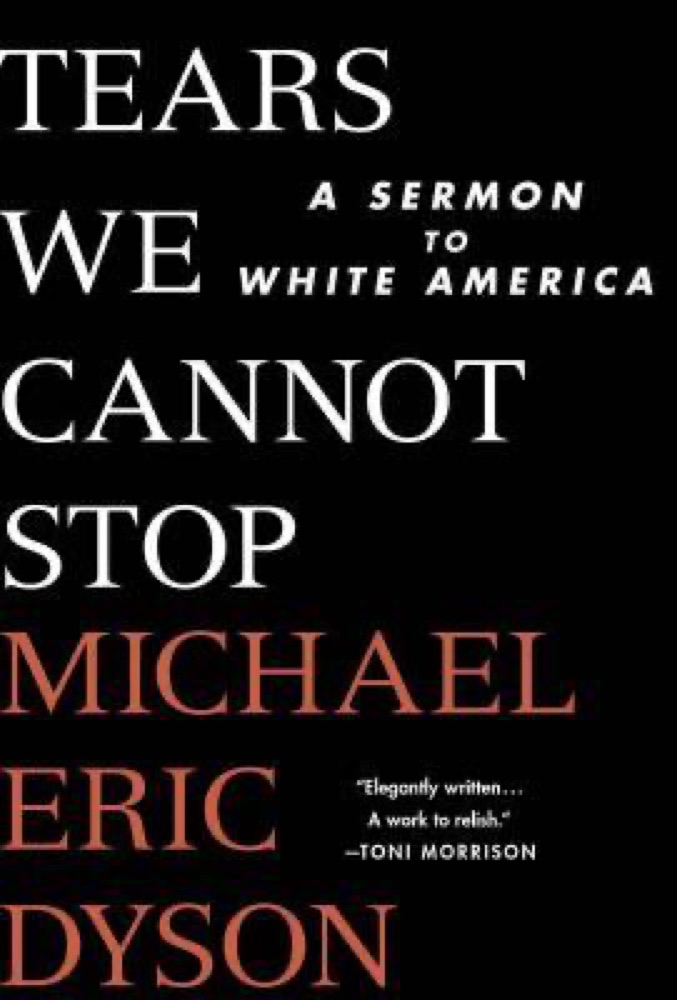 Tears We Cannot Stop: A Sermon to White America
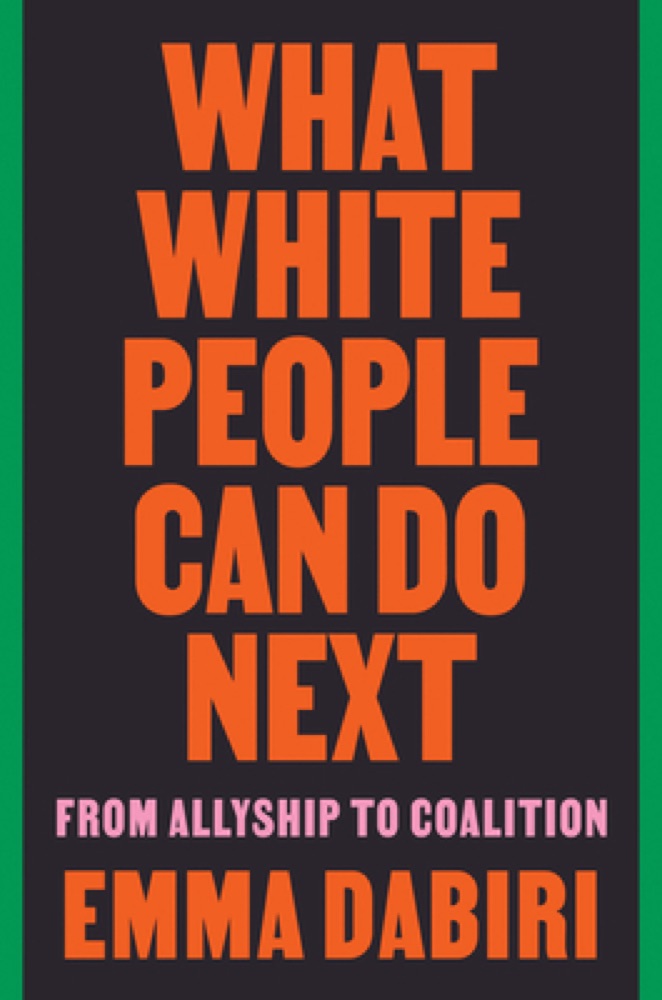 What White People Can Do Next: From Allyship to Coalition – An Empowering Guide to Interrogating Whiteness and Creating Justice
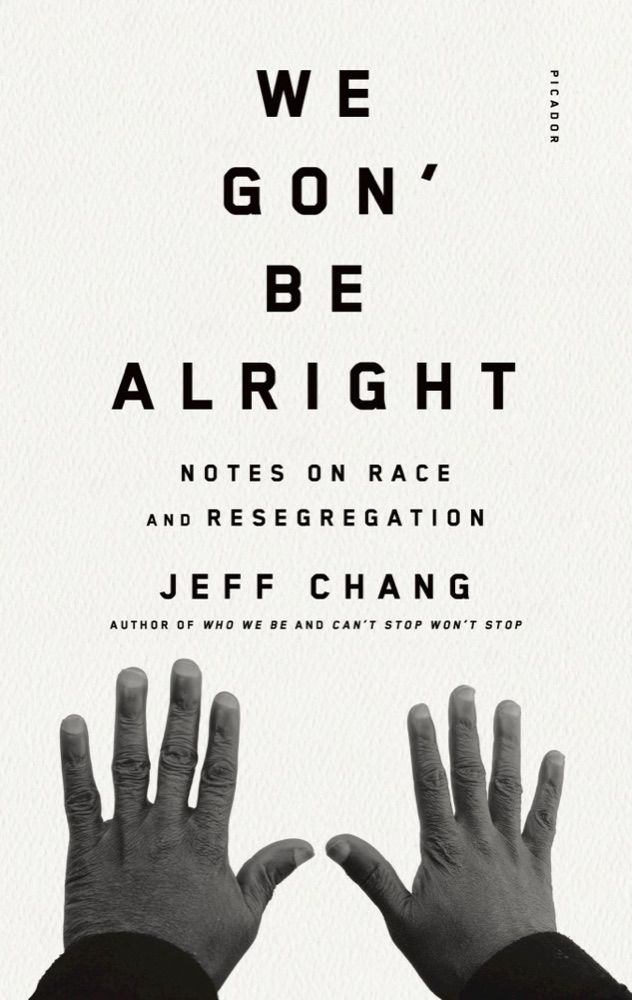 We Gon' Be Alright: Notes on Race and Resegregation
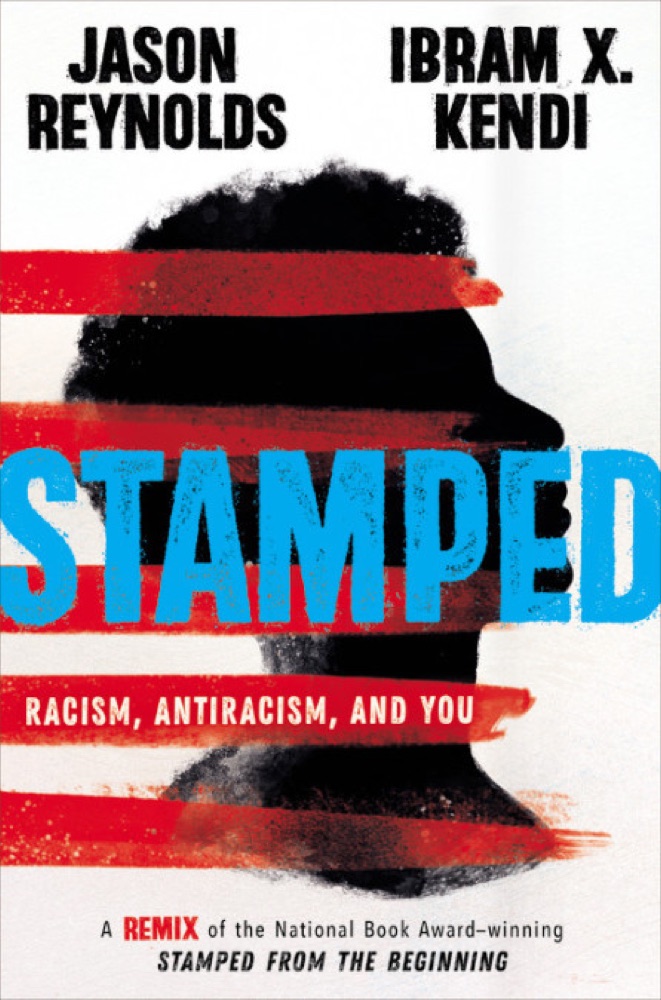 Stamped: Racism, Antiracism, and You
 The Disuniting of America: Reflections on a Multicultural Society
 Waking Up White: And Finding Myself in the Story of Race
 Stamped from the Beginning: The Definitive History of Racist Ideas in America
 This Book Is Anti-Racist: 20 Lessons on How to Wake Up, Take Action, and Do the Work
 How to Argue With a Racist: What Our Genes Do (and Don't) Say About Human Difference
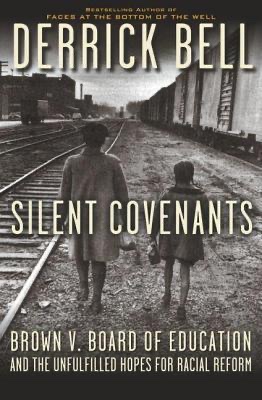 Silent Covenants: Brown v. Board of Education and the Unfulfilled Hopes for Racial Reform
 I'm Still Here: Black Dignity in a World Made for Whiteness
 Why I'm No Longer Talking to White People About Race
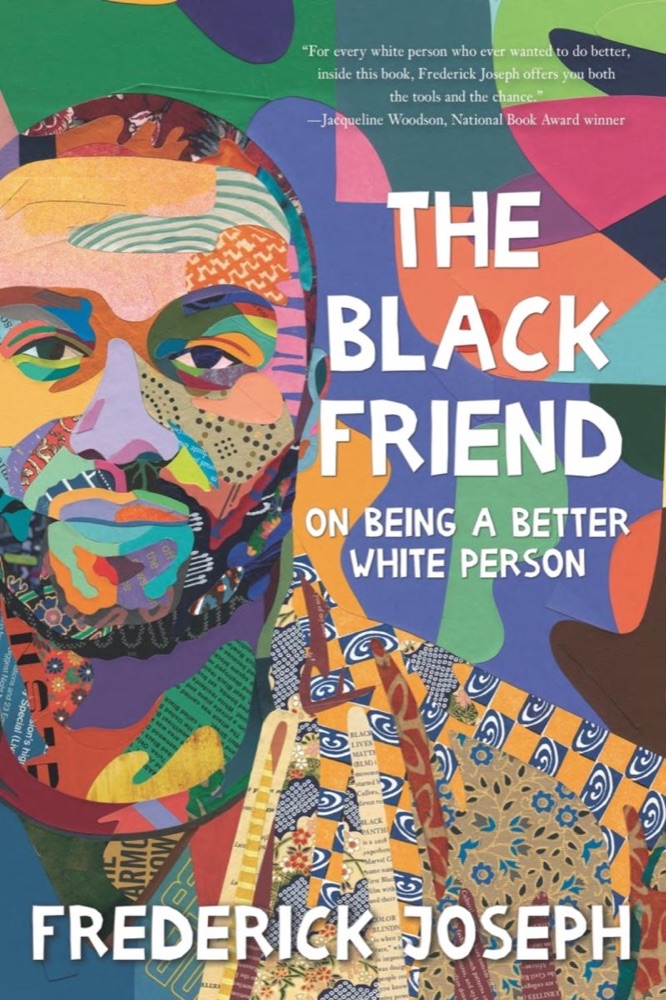 The Black Friend: On Being a Better White Person
 The Identity Trap: A Story of Ideas and Power in Our Time
 We Were Eight Years in Power: An American Tragedy
 Uncomfortable Conversations With a Black Man
 Cynical Theories: How Activist Scholarship Made Everything about Race, Gender, and Identity—and Why This Harms Everybody
 White Rage: The Unspoken Truth of Our Racial Divide
 Superior: The Return of Race Science
 Just Us: An American Conversation
 Four Hundred Souls: A Community History of African America, 1619-2019
 The Madness of Crowds: Gender, Race and Identity
 Go Back to Where You Came From: And Other Helpful Recommendations on How to Become American
 Blindspot: Hidden Biases of Good People
 Stony the Road: Reconstruction, White Supremacy, and the Rise of Jim Crow
 Mediocre: The Dangerous Legacy of White Male America
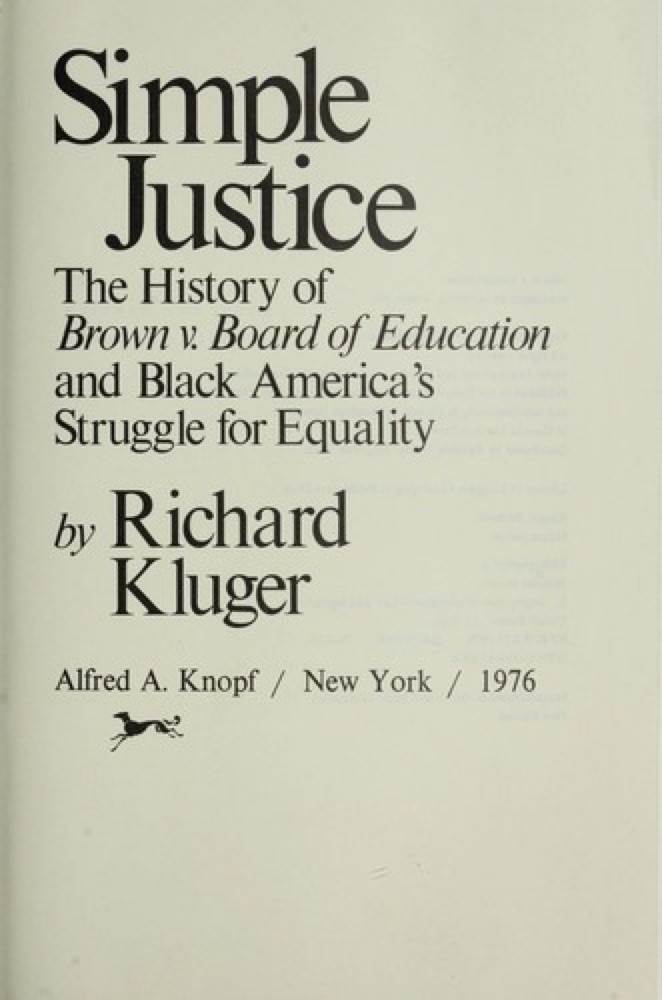 Simple Justice: The History of Brown v. Board of Education and Black America's Struggle for Equality
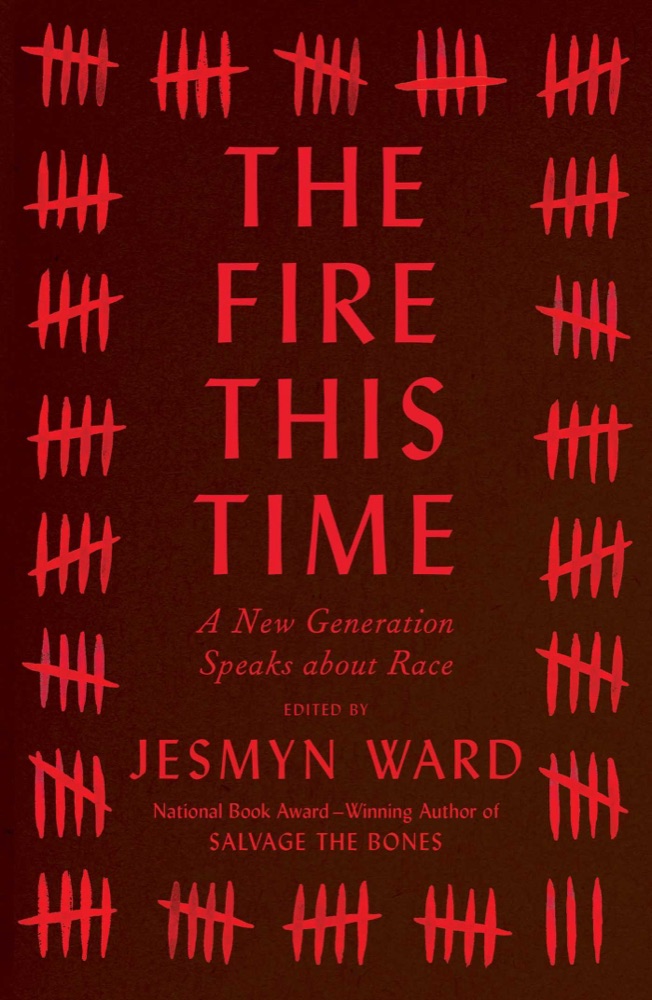 The Fire This Time: A New Generation Speaks About Race
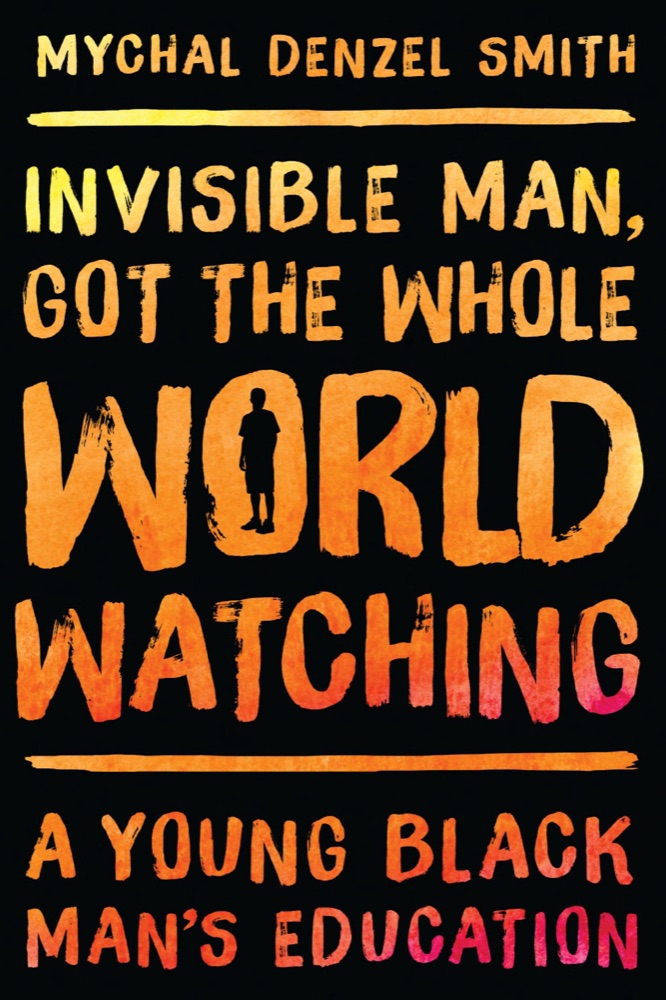 Invisible Man, Got the Whole World Watching: A Young Black Man's Education
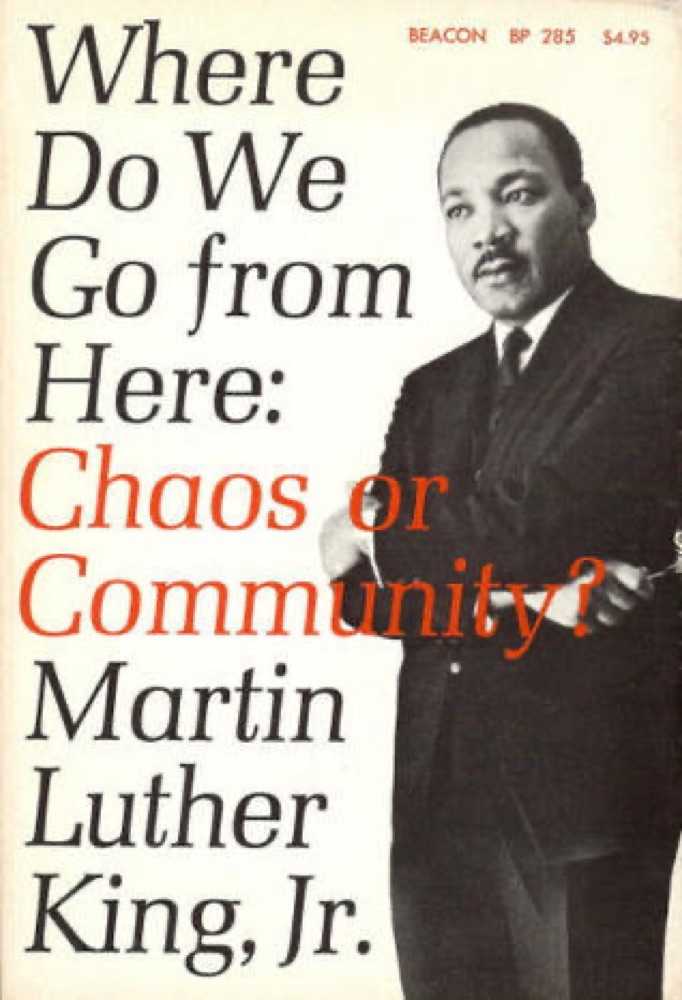 Where Do We Go from Here: Chaos or Community?
 Black Rednecks and White Liberals
 What Truth Sounds Like: Robert F. Kennedy, James Baldwin, and Our Unfinished Conversation About Race in America
 Black Looks: Race and Representation
 Myth America: Historians Take On the Biggest Legends and Lies About Our Past
 Minor Feelings: An Asian American Reckoning
 The Color of Law: A Forgotten History of How Our Government Segregated America
 The War on the West: An Instant NYT Bestselling History of the Modern World
 Why We Can't Wait
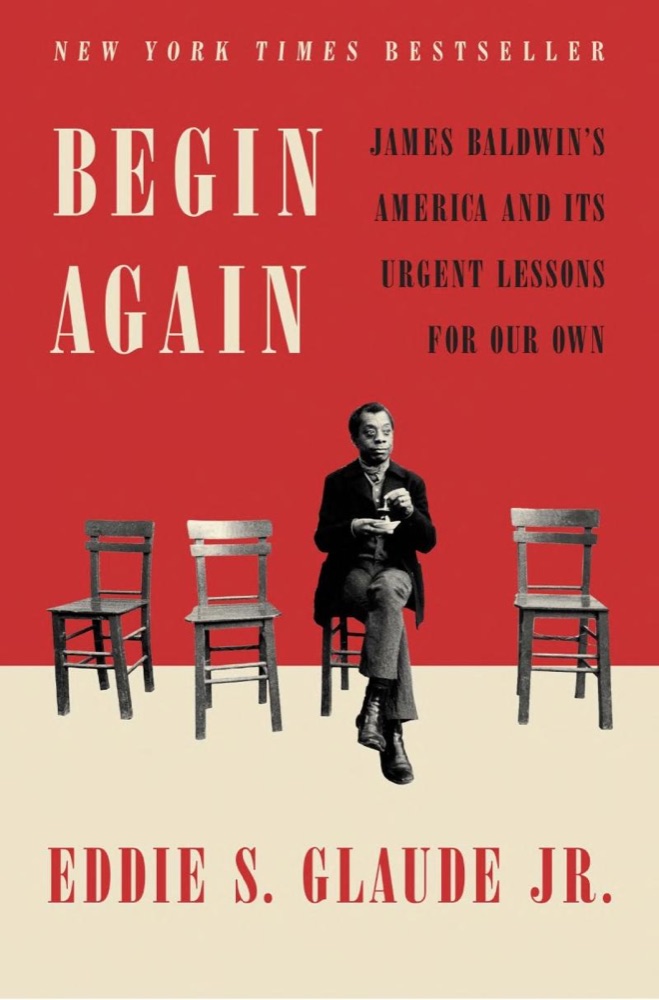 Begin Again: James Baldwin's America and Its Urgent Lessons for Our Own
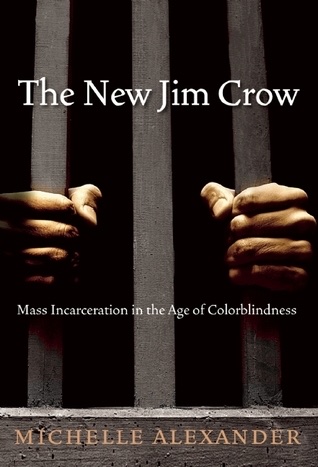 The New Jim Crow: Mass Incarceration in the Age of Colorblindness
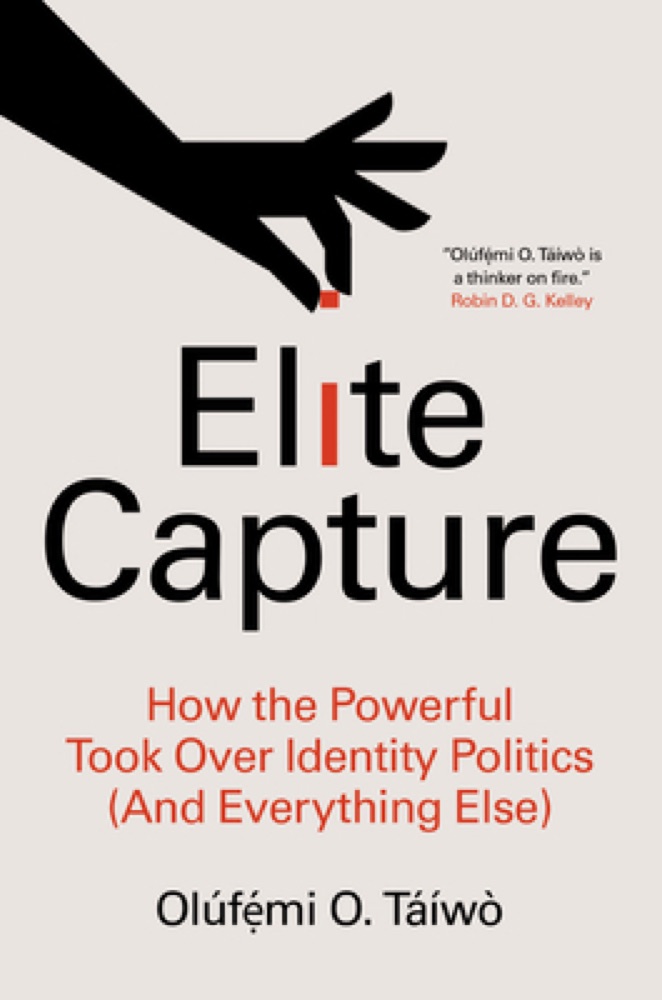 Elite Capture: How the Powerful Took Over Identity Politics
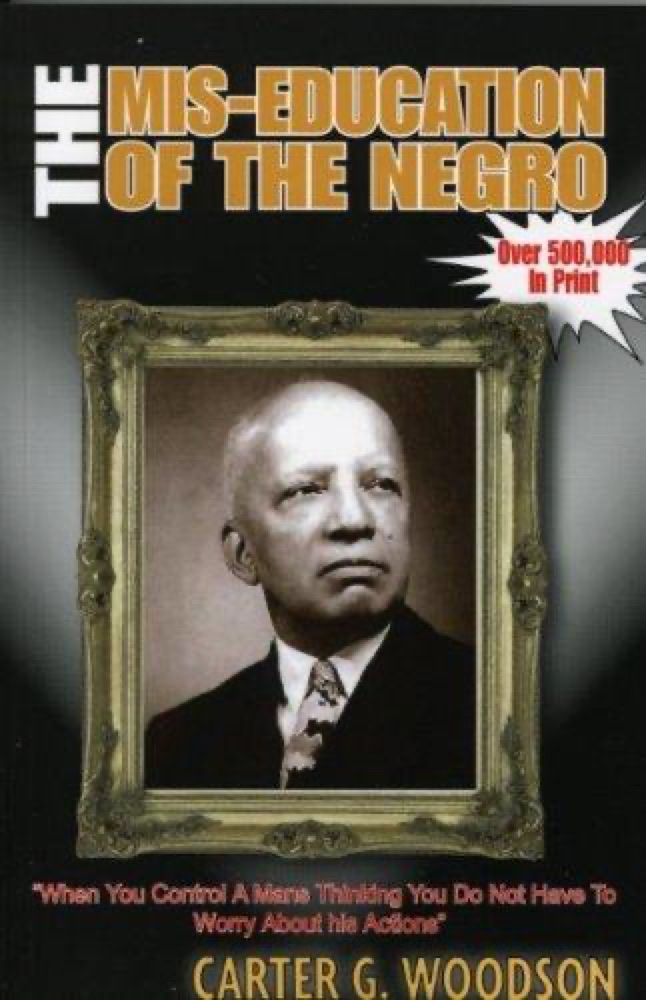 The Mis-Education of the Negro
 The Skin We're In: A Year of Black Resistance and Power
 Minority Rule: Adventures in the Culture War
 The 1619 Project: A New Origin Story
 Why We're Polarized
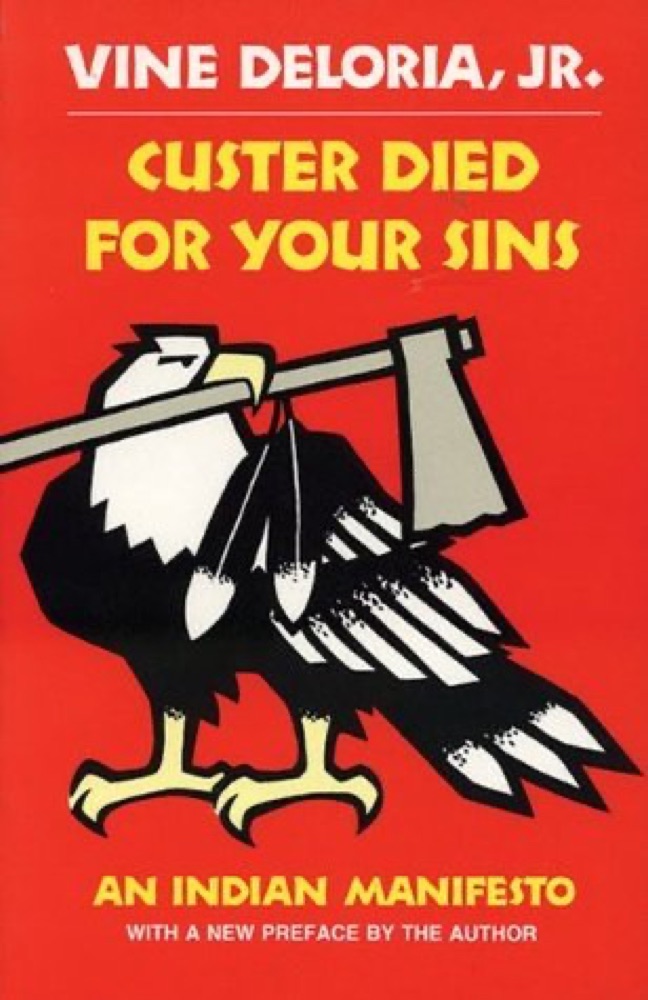 Custer Died for Your Sins: An Indian Manifesto
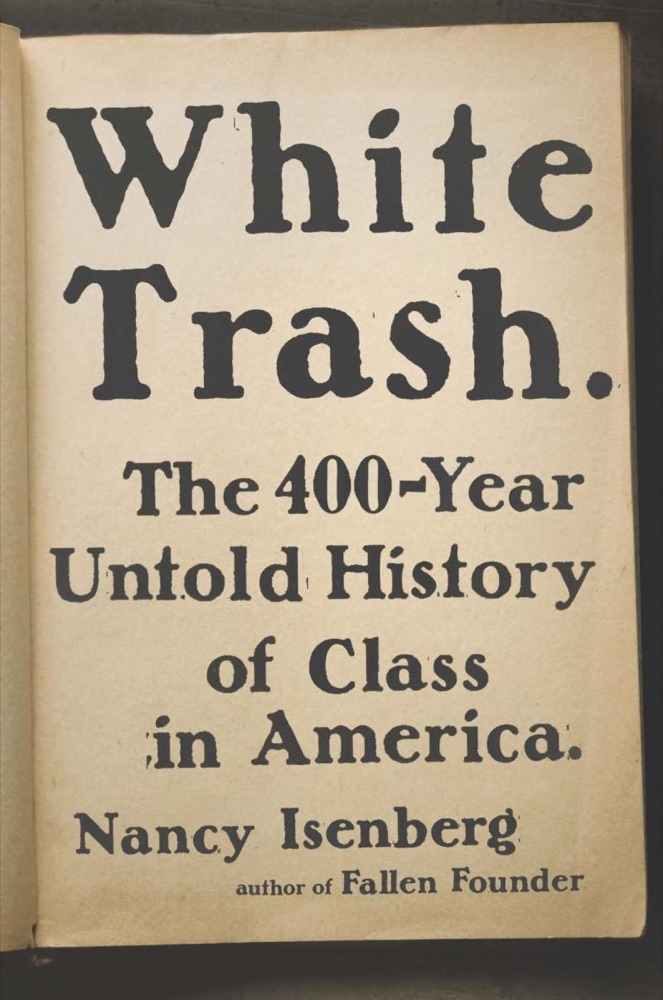 White Trash: The 400-Year Untold History of Class in America
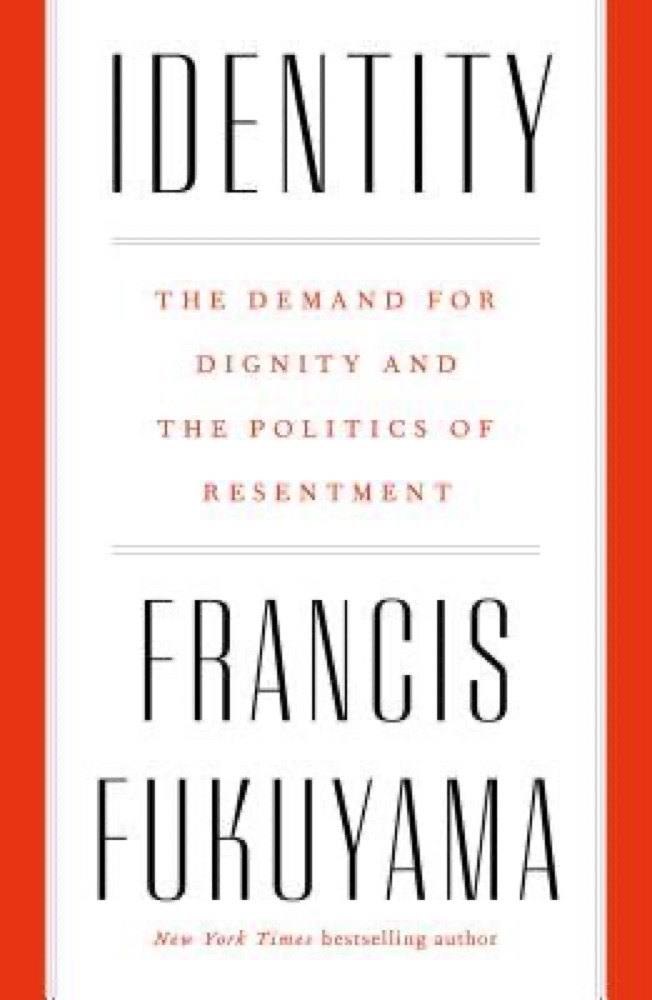 Identity: The Demand for Dignity and the Politics of Resentment
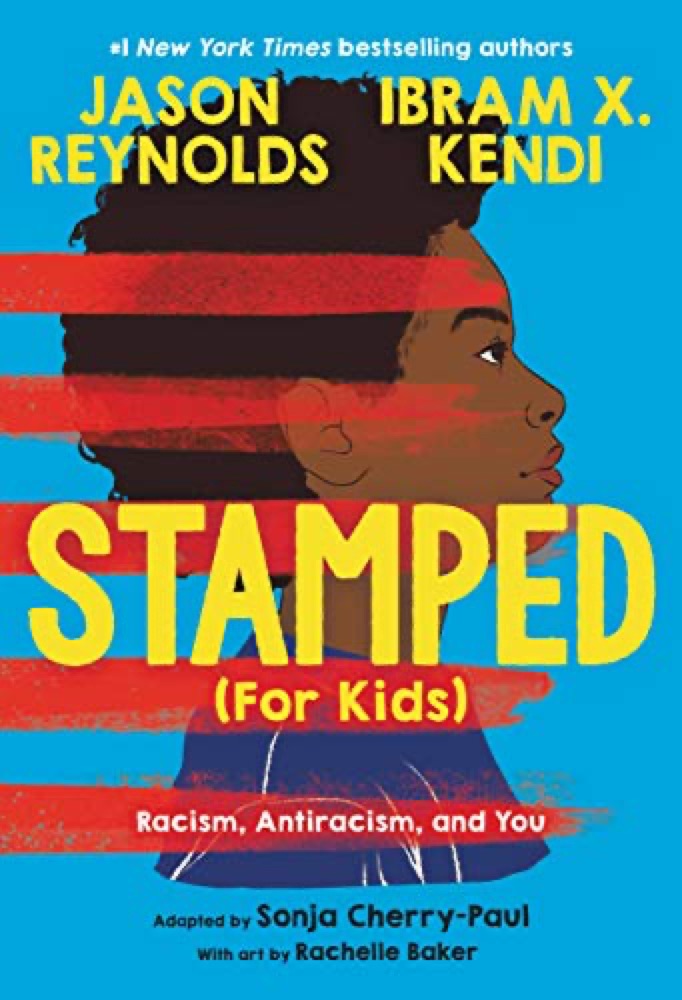 Stamped (For Kids): Racism, Antiracism, and You
 Dark Days
 The View From Flyover Country: Essays by Sarah Kendzior
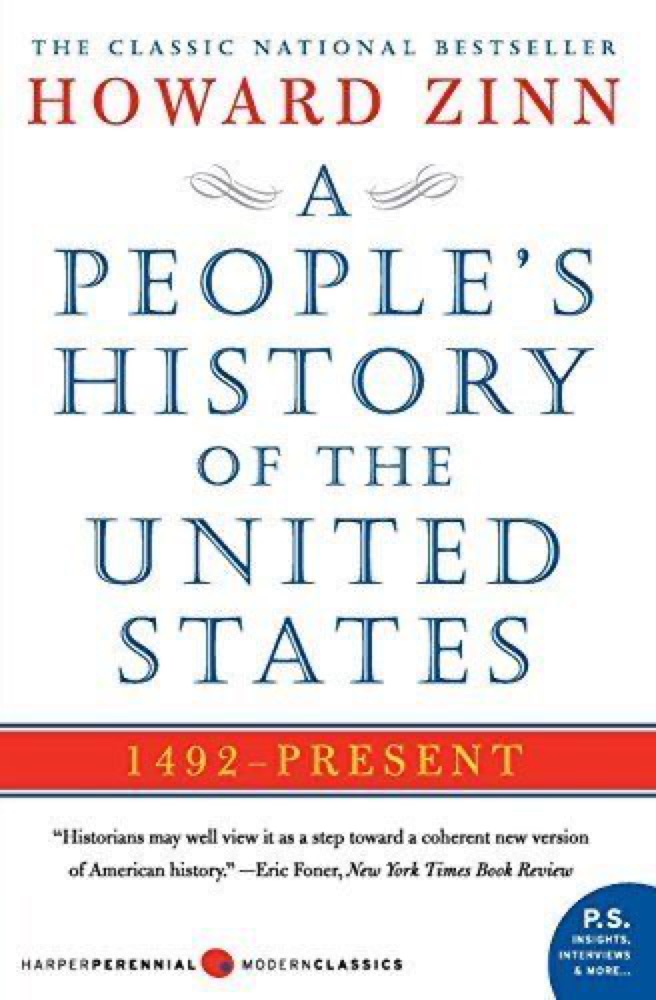 A People's History of the United States
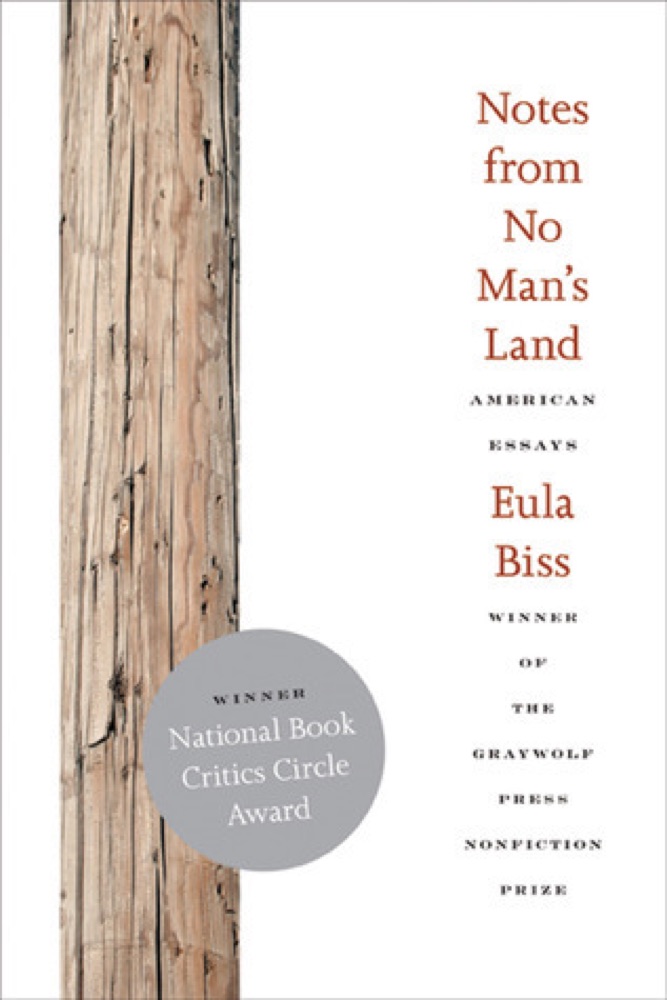 Notes from No Man's Land
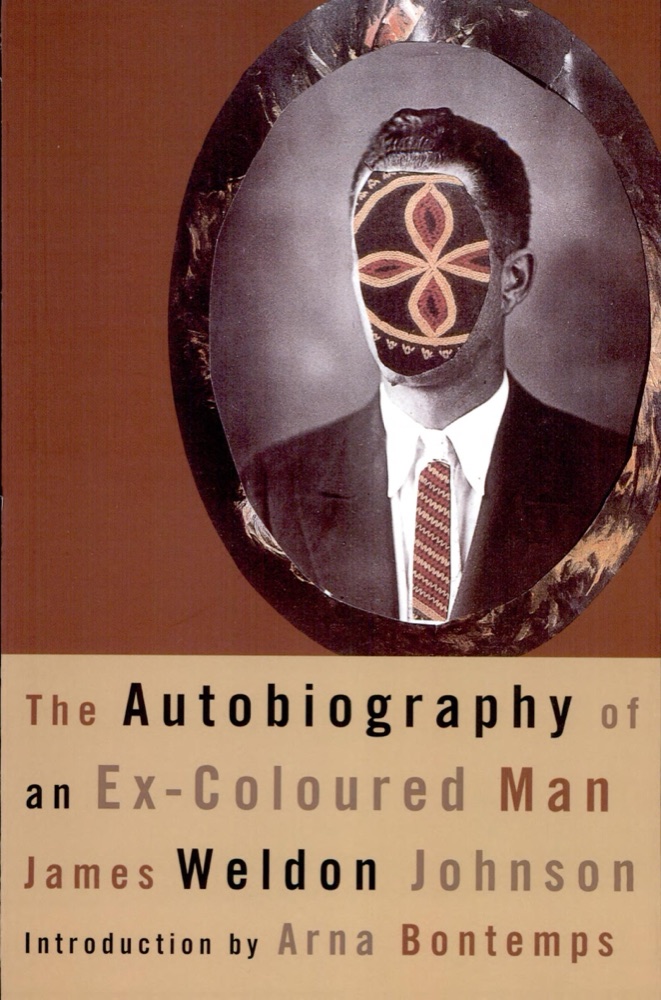 The Autobiography of an Ex-Coloured Man
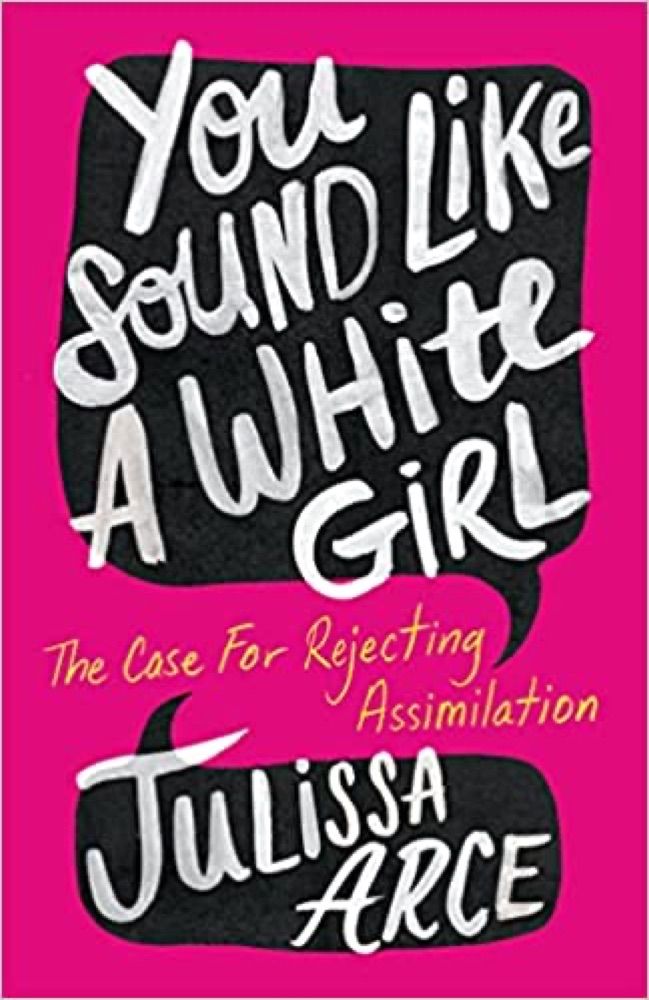 You Sound Like a White Girl: The Case for Rejecting Assimilation
 What's Our Problem?: A Self-Help Book for Societies