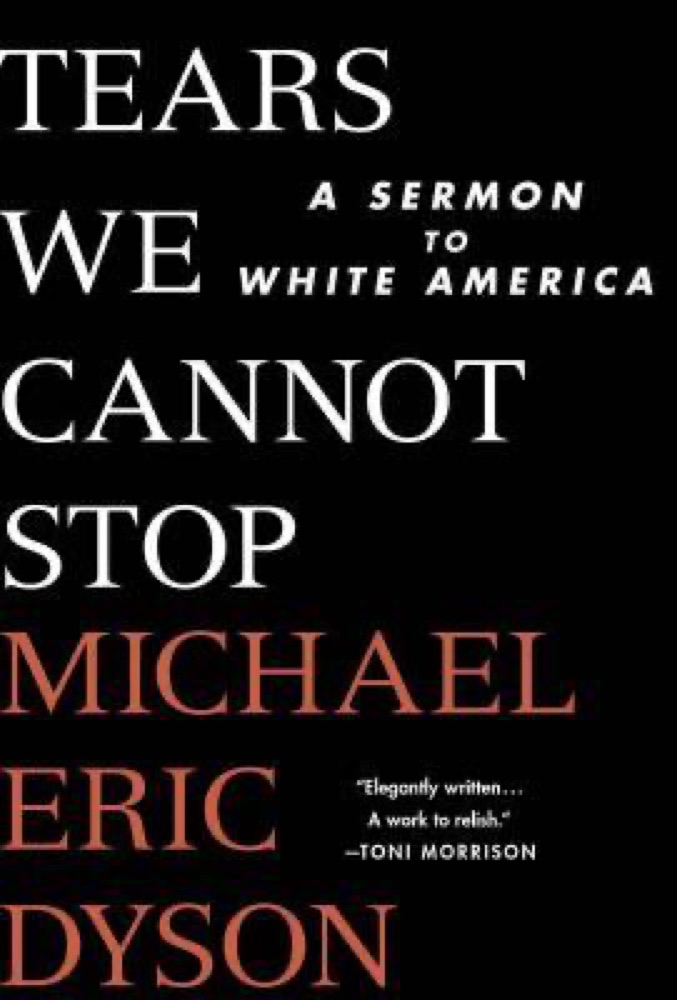
 Tears We Cannot Stop: A Sermon to White America
Quotes from the Book
The beautiful thing about the piano is that you got white keys and you got black keys. And the only way to make the most beautiful, magnificent, and poetic noise is with both sets of keys working in tandem. You can’t just play all white keys, because you won’t maximize what the instrument has to offer. You can’t just play all black keys, because you won’t maximize what the instrument has to offer. But integrate the white and black keys together, and that is when the piano makes a joyful noise.
18
To clarify: defunding the police doesn’t mean abolishing the police, though there are more radical calls for that, too. It instead means redirecting money from police budgets to other government agencies funded by the city. Defunding the police could mean more money for underfunded schools, for mental health programs, or for drug recovery programs, all of which can help to reduce crime.
11
White privilege is about the word white, not rich. It's having advantage built into your life. It's not saying your life hasn't been hard; it's saying your skin color hasn't contributed to the difficulty in your life.
8
Everyone, and I mean everyone, has biases. It’s the job of empathetic and considerate people not to let them dictate actions that harm others.
6
Know that when you say you are an ally, you are saying that you are willing to risk your white privilege in the name of justice and equality for marginalized voices.
6
There’s no White History Month because we celebrate the accomplishments of white people Every. Single. Day. White people have always been esteemed in this country, have always been celebrated. Black people have had to push to celebrate themselves and their culture in public.
6
Do good work, but don’t make the mistake of caring more about your intentions than about the impact of your intentions, or seeking out gratitude or praise. Make sure you aren’t engaged in optical allyship—the kind that goes only so far as it takes to get the right post for social media. True allyship is a commitment to fight this fight for the long haul: long after it ceases to be a top-of-the-fold news item, long after the cameras have stopped capturing it. Not today, but tomorrow, next week, next year, next decade.
5
It's not white people's job to police the feelings of black people, but as fellow human beings, please rant black people the right to the full gamut of emotions regarding their wounds.
4
Nobody comes to a game to see the players huddle. They come to see the players execute the plays that are called in the huddle.
4
The New York Times estimates that between fifteen and twenty-six million people demonstrated over George Floyd’s death in the United States alone, making it the largest demonstration in the history of the country. Some researchers number the protestors at twenty-four million worldwide, which would make it the largest mass protest in history, period.
3
Let’s think about what this means: race was a political creation, an economic creation—all this hate developed to secure the interest of some seventeenth-century dudes who wanted to get rich growing sugarcane and cotton, who wanted to make sure they’d always be the class on top. Which is to say, racism has always been about power. Which is to say, we invented racism. Which is to say, maybe we can learn to uninvent it, too.
3
The lesson there is that being an ally means showing up.
3
True allyship demands that it move from conversation to action. And that action will include risks. This isn’t the 1830s or the 1930s, 1950s, or 1968, but I won’t lie to you and say it’ll be easy. The risks might be something as small as a distant social media friend unfriending you. But it could be something more severe, like ostracism from an intimate friend group, job insecurity, public or private ridicule, friction with loved ones.
3
Cultural appropriation happens when members of a dominant group—in the United States, white people—take elements from the culture of a people who are disempowered. It’s problematic for a number of reasons. For one, it trivializes historic oppression. It also lets people show love for a culture while still remaining prejudiced toward the people of the culture and lets privileged people profit from the labor of oppressed people. On top of that, it can perpetuate racist stereotypes.
3
What I’m saying is that a white person’s skin color isn’t the thing contributing to holding them back, and that for all black people, their skin color contributes to what’s hard about their lives no matter what other privileges they might enjoy.
3
Those of us who know our whites know one thing above all else: whiteness defends itself. Against change, against progress, against hope, against black dignity, against black lives, against reason, against truth, against facts, against native claims, against its own laws and customs. —TRESSIE MCMILLAN COTTOM
3
In the time of slavery, black women were often sexually exploited by white men. (Read up on Thomas Jefferson and Sally Hemings.) Now, imagine you were a black man and the woman you’d claimed as your wife (legal marriages between slaves weren’t allowed) was raped by your white master or overseer. Not only was she raped but she was impregnated and gave birth to the master’s child, and there was nothing you could do about it. Try to imagine the kind of hurt and anger you’d feel if this happened to you once, twice; if it happened to your children; if you suspected it had and would go on for generations. On the other hand, imagine that if you so much as looked sideways at a white woman, if you did nothing but were accused of violating her respect and/or chastity, you could be captured, beaten, and lynched by a posse of white men. And when it was all over, that there would be nothing your people could do lest they suffer the same fate as you. And no consequences for the white people who murdered you. If that were your reality, if that were the history of your forebears, how angry would you be?
2
Vote, vote, vote, vote like your life depends on it. Like our lives depend on it. They do.
2
don’t forget about local elections. State legislatures have a huge influence on what you can and can’t do where you live; the mayor approves the city budget on things like police or school funding; your local district attorney has say over who goes to prison and who doesn’t. Local elections can even get your potholes filled, and I think we’re all anti-potholes. So do your research on the candidates just as you would for a president. Attend their speeches and debates when you can, call them out on issues of fairness and bias. Make them accountable to their records in a public forum.
2
For almost a century, black people were not allowed to legally vote, even as their bodies (three-fifths each) were used to beef up the Southern vote. Then they get the legal right to vote, only to face all kinds of nefarious tactics to keep them from it. They then face a justice system not of their peers but white people (in 2017, 71 percent of U.S. district court judges were white), who send them to prison far more often than white people. Once freed, they face yet more obstacles to vote. Should they somehow vote by accident, they face more prison—and should they not vote, well, they have little means of changing the laws and those who make them. A lose-lose situation, whichever way you look at it. That, brothers and sisters, is the nature of the Fix.
2
Imagine the worst insult you’ve ever received. Now imagine that when you heard those words, what you also heard was that you’re second-class forever. That you don’t deserve any of this American dream. Imagine what you heard was: You’re an animal. Imagine you heard, You’re stupid. You’re a slave. My people owned your people, and you were better off when they did. Imagine that you heard, You won’t amount to anything, boy. And the nothing you get is exactly what you deserve. If you can picture one word communicating all of that, then you’ll have some sense of what hearing the N-word does to me and any other black person in America.
2
systemic racism is the legitimizing of every dynamic—historic, cultural, political, economic, institutional, and person-to-person—that gives advantages to white people, while at the same time producing a whole host of terrible effects for black people and other people of color. Those effects show up as inequalities in power, opportunities, laws, and every other metric of how individuals and groups are treated. Which is to say: systemic racism is making the unequal treatment of people of color the national norm.
1
It’s not white people’s job to police the feelings of black people, but as fellow human beings, please grant black people the right to the full gamut of emotions regarding their wounds.
1
A country in which the simple declaration that people who look like me are worth saving has become controversial.
1
The ultimate logic of racism,” Martin Luther King Jr. once said, “is genocide.
1
You can’t shackle and chain someone for hundreds of years, liberate them to compete freely with the rest and still justly believe that you’ve been fair.
1
The simple version is that an ally is a person from an empowered group who acts to help an oppressed group, even if it costs them the benefits of their power.
1
I want to leave you with this: if you see a black man and he is angry, obviously don’t assume he’s angry because he’s black, but also don’t assume he’s even angry at anything racism-related in that moment. Let people have emotions. See him as an individual
1
The bottom line: our criminal justice system too often treats black people like thugs instead of like people. So the cycle perpetuates, and both stereotypes and actual violence keep going and going and going.
1
According to the Bureau for Justice Statistics, people living in households with income below the federal poverty line are twice as likely to commit violent crime than high-income households, regardless of race. We’ve been doing it wrong. The best tough-on-crime bill is a tough—the toughest—on-poverty bill.
1
Watch on YouTube
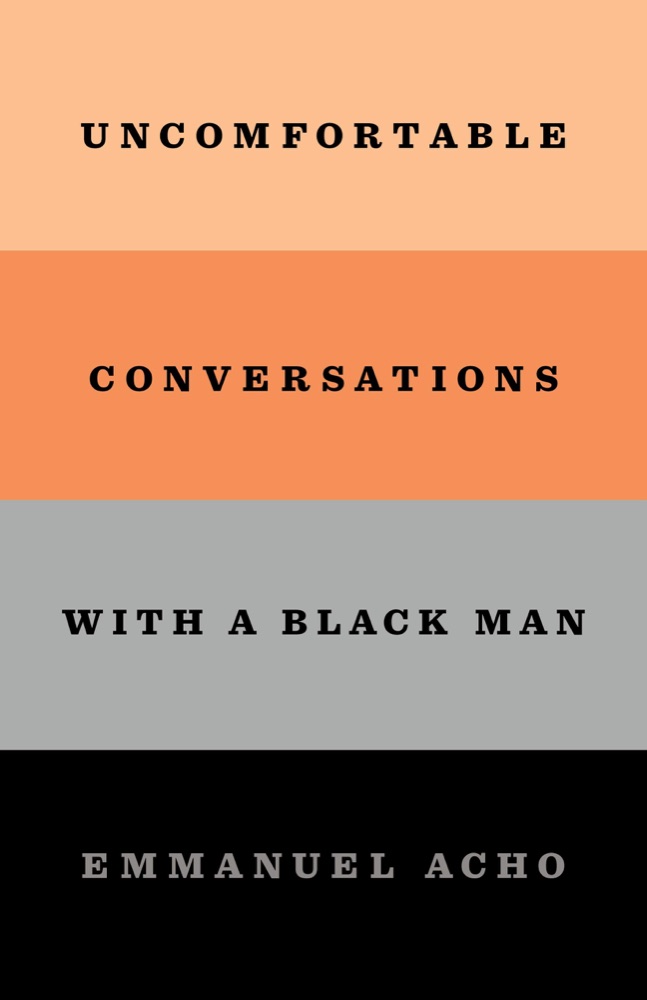
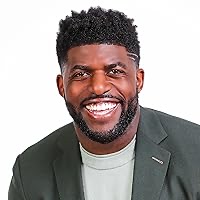
About Emmanuel Acho
We have collected 30 quotes from 1 book by Emmanuel Acho on BookQuoters.
More about the author →About the book
“You cannot fix a problem you do not know you have.” So begins Emmanuel Acho in his essential guide to the truths Americans need to know to address the systemic racism that has recently electrified protests in all fifty states. “There is a fix,” Acho says. “But in order to access it, we’re going to have to have some uncomfortable conversations.”
In Uncomfortable Conversations With a Black Man, Acho takes on all the questions, large and small, insensitive and taboo, many white Americans are afraid to ask—yet which all Americans need the answers to, now more than ever. With the same open-hearted generosity that has made his video series a phenomenon, Acho explains the vital core of such fraught concepts as white privilege, cultural appropriation, and “reverse racism.”
In his own words, he provides a space of compassion and understanding in a discussion that can lack both. He asks onl
Book details
- First published
- 2020
- Author
- Emmanuel Acho
- Genre
- Nonfiction
- Goodreads rating
- 4.38 (30k ratings)
Keep reading
Tears We Cannot Stop: A Sermon to White America
 The Black Friend: On Being a Better White Person
 White Like Me: Reflections On Race From A Privileged Son
 I'm Still Here: Black Dignity in a World Made for Whiteness
 Just Us: An American Conversation
 Stamped: Racism, Antiracism, and You
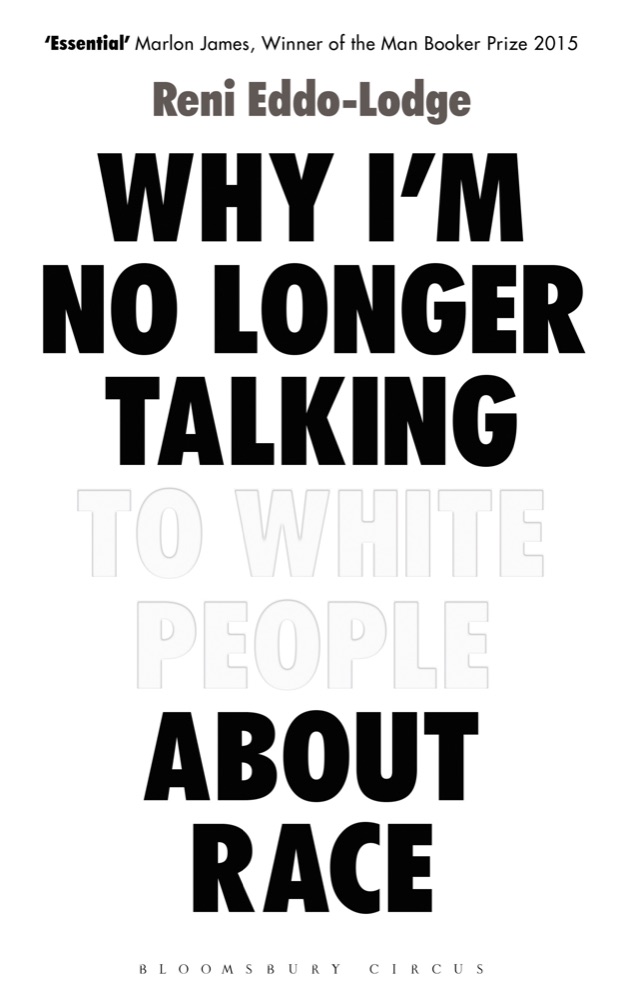 Why I'm No Longer Talking to White People About Race
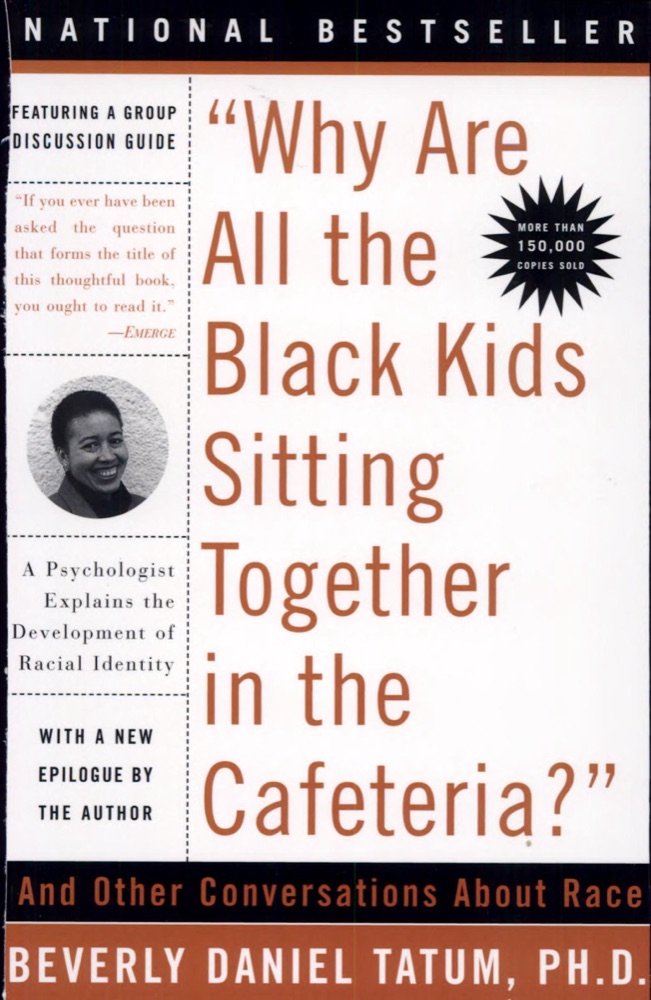 Why Are All The Black Kids Sitting Together in the Cafeteria?
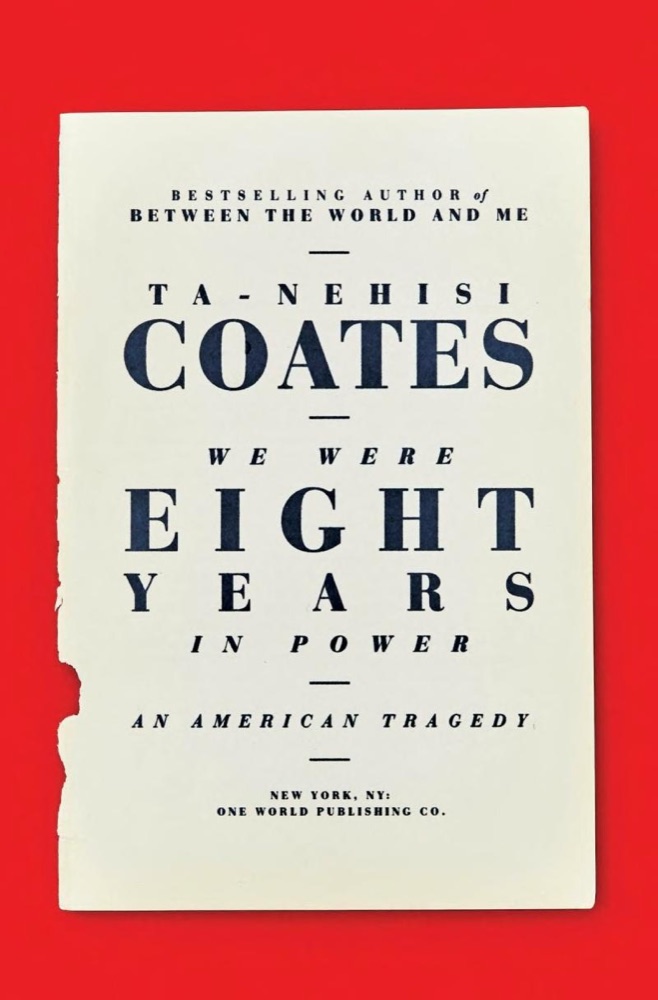 We Were Eight Years in Power: An American Tragedy
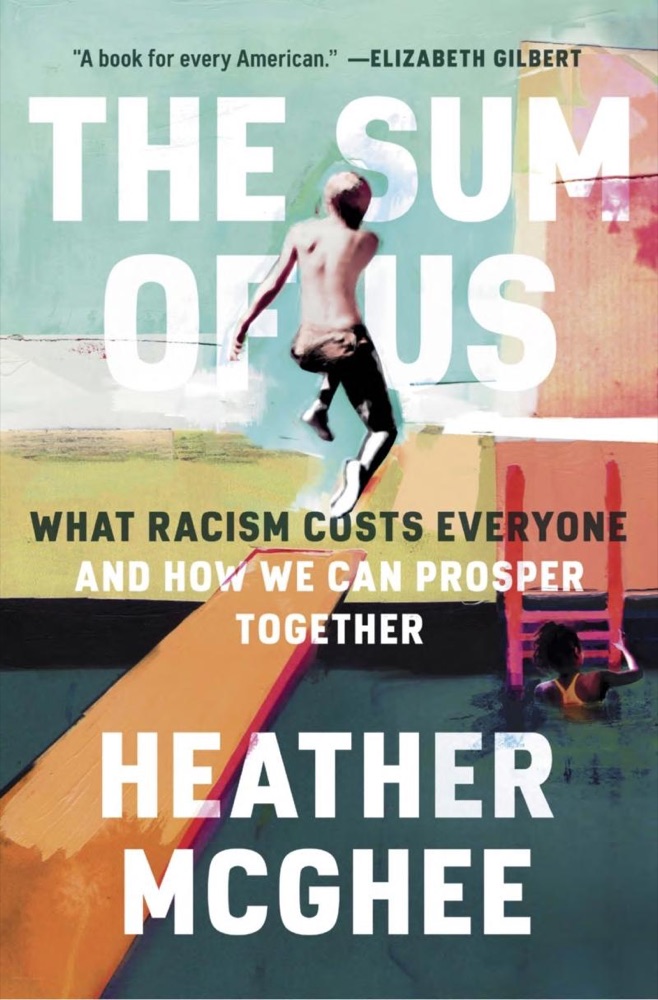 The Sum of Us: What Racism Costs Everyone and How We Can Prosper Together
 We Gon' Be Alright: Notes on Race and Resegregation
 Invisible Man, Got the Whole World Watching: A Young Black Man's Education
 Waking Up White: And Finding Myself in the Story of Race
 The Fire This Time: A New Generation Speaks About Race
 Things That Make White People Uncomfortable
 Why We Can't Wait
 Where Do We Go from Here: Chaos or Community?
 When They Call You a Terrorist: A Black Lives Matter Memoir
 This Book Is Anti-Racist: 20 Lessons on How to Wake Up, Take Action, and Do the Work
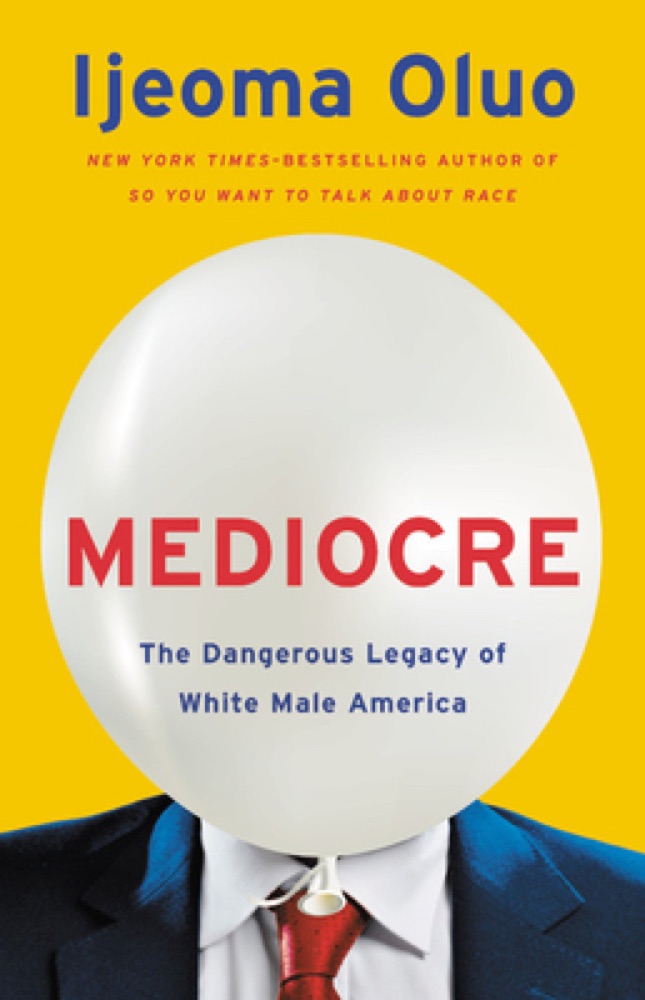 Mediocre: The Dangerous Legacy of White Male America
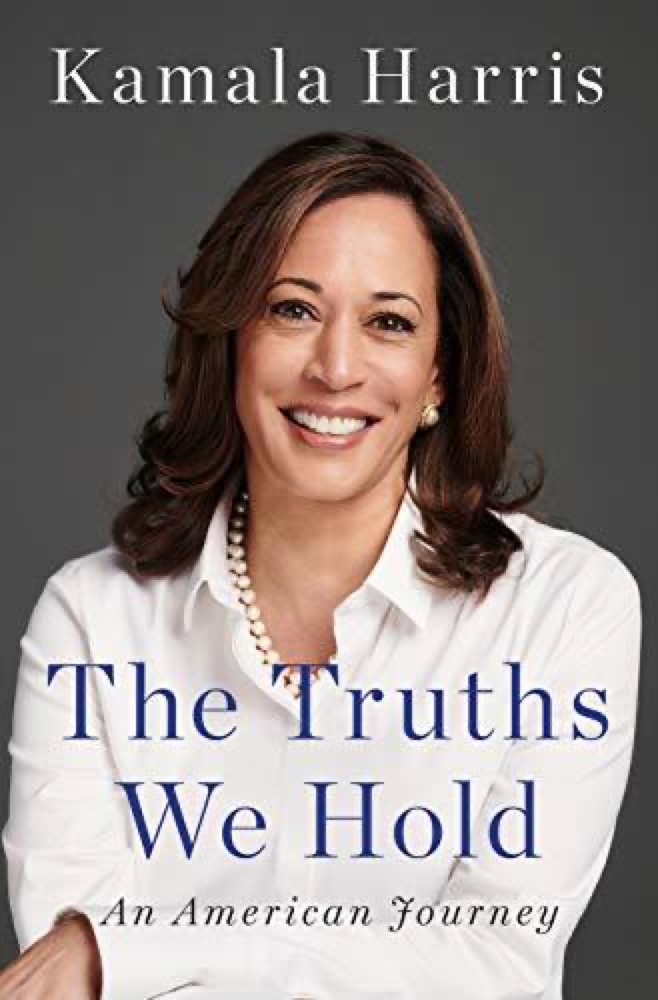 The Truths We Hold: An American Journey
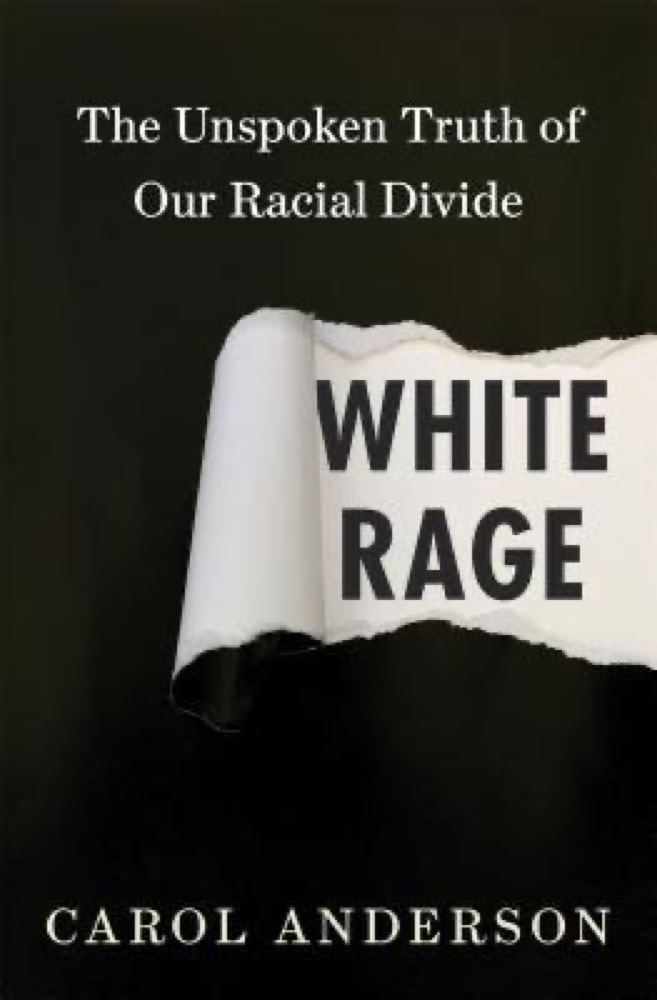 White Rage: The Unspoken Truth of Our Racial Divide
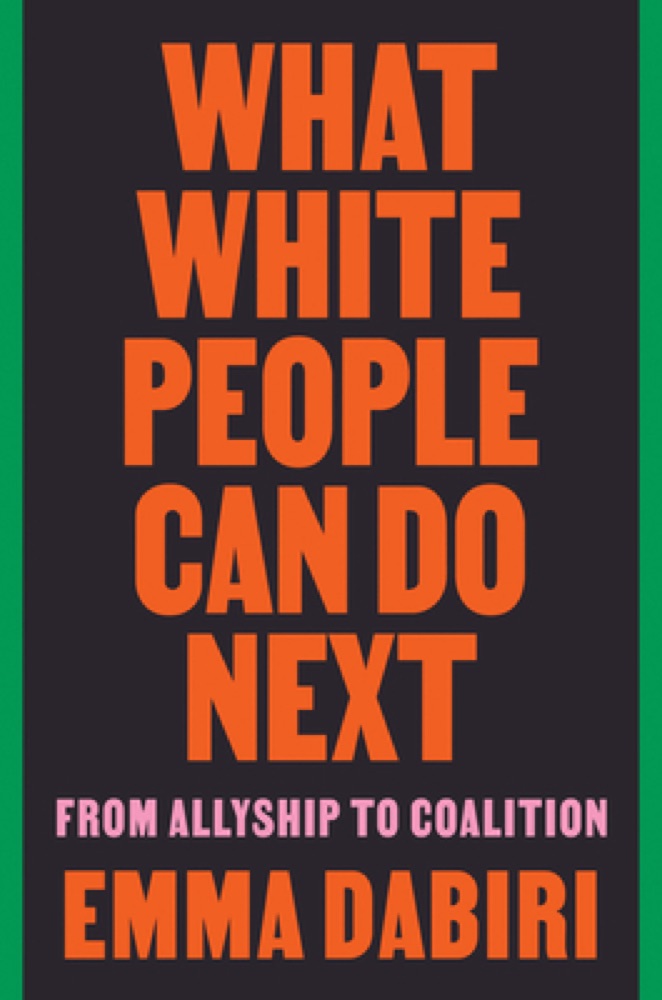 What White People Can Do Next: From Allyship to Coalition – An Empowering Guide to Interrogating Whiteness and Creating Justice
 Go Back to Where You Came From: And Other Helpful Recommendations on How to Become American
 Between the World and Me
 Born a Crime: Stories From a South African Childhood
 Four Hundred Souls: A Community History of African America, 1619-2019
 On the Other Side of Freedom: The Case for Hope
 I Am Not Your Negro
 Black Like Me
 Small Great Things
 Americanah
 Notes from No Man's Land
 What Doesn't Kill You Makes You Blacker: A Memoir in Essays
 Dark Days
 Begin Again: James Baldwin's America and Its Urgent Lessons for Our Own
 Miss Major Speaks: Conversations with a Black Trans Revolutionary
 Opinions: A Decade of Arguments, Criticism, and Minding Other People’s Business
 Edge of Eternity
 Silent Covenants: Brown v. Board of Education and the Unfulfilled Hopes for Racial Reform
 Persist
 Becoming Abolitionists: Police, Protests, and the Pursuit of Freedom
 What Truth Sounds Like: Robert F. Kennedy, James Baldwin, and Our Unfinished Conversation About Race in America
 Nobody Knows My Name
 United: Thoughts on Finding Common Ground and Advancing the Common Good
 Across That Bridge: A Vision for Change and the Future of America
 Stamped from the Beginning: The Definitive History of Racist Ideas in America
 The Autobiography of an Ex-Coloured Man
 It's Trevor Noah: Born a Crime: Stories from a South African Childhood
 How to Slowly Kill Yourself and Others in America
 The Witches Are Coming
 The Small and the Mighty: Twelve Unsung Americans Who Changed the Course of History, from the Founding to the Civil Rights Movement
 The View From Flyover Country: Essays by Sarah Kendzior
 Assata: An Autobiography
 Simple Justice: The History of Brown v. Board of Education and Black America's Struggle for Equality
 All American Boys
 The Skin We're In: A Year of Black Resistance and Power
 One Nation: What We Can All Do to Save America's Future
 Elite Capture: How the Powerful Took Over Identity Politics
 A People's History of the United States