
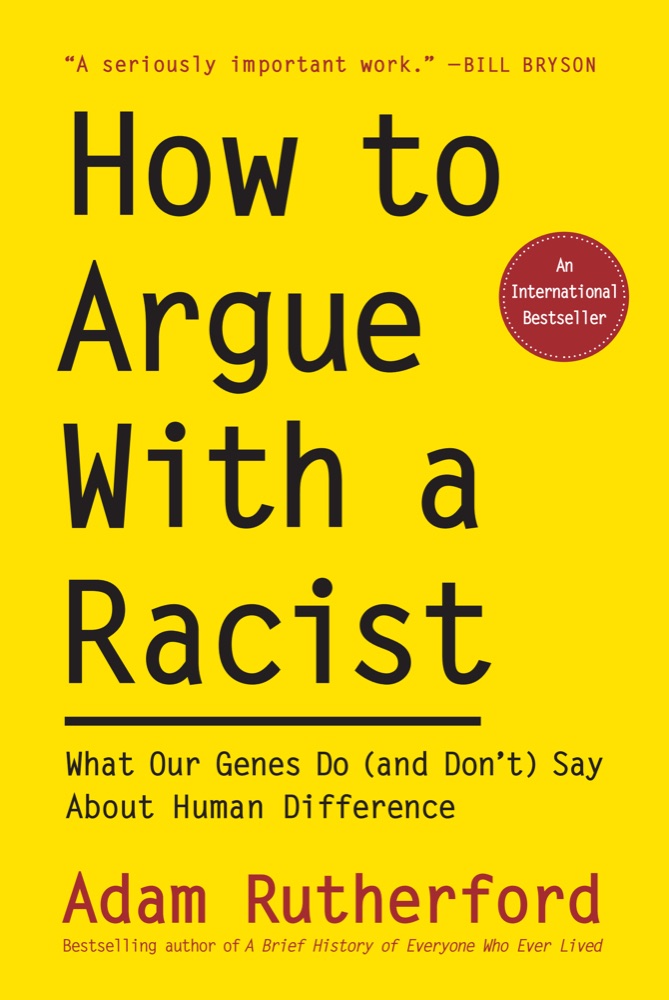
 How to Argue With a Racist: What Our Genes Do (and Don't) Say About Human Difference
Quotes from the Book
Nothing is more seductive that a nice string of data, a single bell curve, or a seemingly peer-reviewed scientific study. After all, it can’t be racist if it is a “fact.
7
All this intellectual jumping through hoops to maintain the status quo. All this to prove what they have always really wanted to know: that they are superior. Well, keep reaching, keep reaching. One day there will be nothing left to reach for.
5
Enjoy your culture or religion, have pride in where you live or where your ancestors came from if you like, but don’t imagine that these things give you any biological claim. Don’t be sucked into believing that you are so different from others that your rights have more value, that your blood is a different color. There is no authenticity except the authenticity of personal experience.
4
If it had turned out that Aboriginal Australians were the ones to possess that tiny bit of Neanderthal ancestry instead of white people of European descent, would our Neanderthal cousins have found themselves quite so remarkably reformed?
4
There is actually no guarantee that two beautiful and brilliant parents will produce brilliant and beautiful kids. Genetics is bit more of a crapshoot.
3
When we claim ethnic or racial pride, what are we doing but trying to piggyback on the achievements of those who went before us?
2
Nobody has ever found any genes linking ethnicity or race to school results. Like Henry Garrett half a century earlier, [Gerhard] Meisenberg chooses to skip over the social, historical, and economic aspects of racial inequality. Rather, he believes that scientific evidence that doesn't yet exist will explain the gaps eventually. He takes it as given that the answer must be biological.
2
The key to understanding the meaning of race is understanding power. When you see how power has shaped the idea of race and continues to shape it, how it affects even the scientific facts, everything finally begins to make sense.
1
The well of scientific ideas from which Hitler and others in his regime drew their plans for ‘racial hygiene’, leading ultimately to genocide, didn’t originate in Germany alone. They had been steadily supplied for more than a century by race scientists from all over the world, supported by well-respected intellectuals, aristocrats, political leaders and women and men of wealth.
1
Schaffer recounts one especially bad experience, in 1948, when Gates was working briefly at Howard University, the historically black college in Washington, DC. “A petition was got up to remove him because of allegations that he was a racist—which he was. But he was stunned by that,” Schaffer says. “He articulated his understanding of that as a manifestation of an international Jewish conspiracy, as opposed to just understanding that, in a historically black university, the kind of work that he did and the kind of things that he said were always going to be challenged.” Even when he agreed to leave Howard, Gates grumbled in private that only a few “ignorant Negroes” were fit to be in a university at all.
1
Give the people good conditions, improve their environment, and all will tend towards the highest type. “Eugenics is simply the meddlesome interference of an arrogant, scientific priestcraft.
Race science had always sat at the intersection of science and politics, of science and economics. Race wasn’t just a tool for classifying physical difference but was also a way of measuring human progress, of placing judgement on the capacities and rights of others.
They explain how a sense of inevitability gets attached to a social routine until it comes to be seen as natural. The idea of race didn’t make people treat other people as subhuman.
Many people with perfectly good intentions end up committing a lot of statistical errors because of lack of training and something we call wish bias, which is this idea that you want to find something interesting so you keep sifting through the data and fishing around until you find something interesting.
It takes some mental acrobatics to be an intellectual racist in the light of the scientific information we have today, but those who want to do it, will.
Watch on YouTube
About Angela Saini
We have collected 15 quotes from 1 book by Angela Saini on BookQuoters.
More about the author →About the book
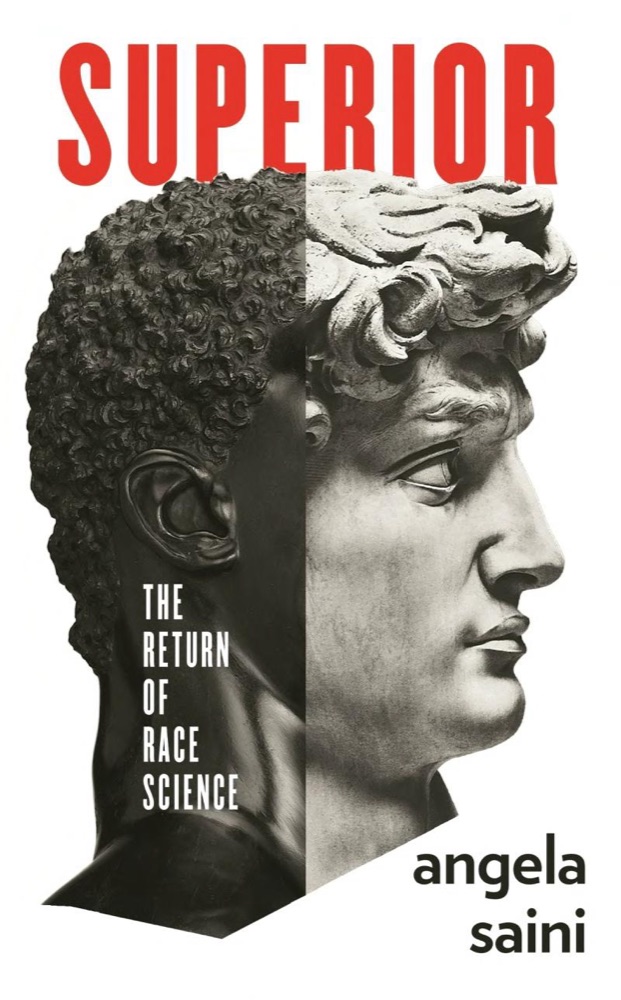
Superior tells the disturbing story of the persistent thread of belief in biological racial differences in the world of science. After the horrors of the Nazi regime in WWII, the mainstream scientific world turned its back on eugenics and the study of racial difference. But a worldwide network of eugenicists founded journals and funded research, providing the kind of shoddy studies that were ultimately cited in Richard Hernstein's and Charles Murray's 1994 title, The Bell Curve, which purported to show differences in intelligence among races.
Whether you think of racist science as bad science, evil science, alt-right science, or pseudoscience, why would any contemporary scientist imagine that gross inequality is a fact of nature, rather than of political history? Angela Saini's Superior connects the dots, laying bare the history, continuity, and connections of modern racist science, s
Book details
- First published
- 2019
- Author
- Angela Saini
- Genre
- Nonfiction
- Goodreads rating
- 4.23 (5k ratings)
Keep reading
How to Argue With a Racist: What Our Genes Do (and Don't) Say About Human Difference
 Stamped: Racism, Antiracism, and You
 What White People Can Do Next: From Allyship to Coalition – An Empowering Guide to Interrogating Whiteness and Creating Justice
 White Like Me: Reflections On Race From A Privileged Son
 The Madness of Crowds: Gender, Race and Identity
 The End of Race Politics: Arguments for a Colorblind America
 Starry Messenger: Cosmic Perspectives on Civilization
 The Social Conquest of Earth
 The Disordered Cosmos: A Journey into Dark Matter, Spacetime, and Dreams Deferred
 Civilized to Death: What Was Lost on the Way to Modernity
 A Hunter-Gatherer's Guide to the 21st Century: Evolution and the Challenges of Modern Life
 The War on the West: An Instant NYT Bestselling History of the Modern World
 Waking Up White: And Finding Myself in the Story of Race
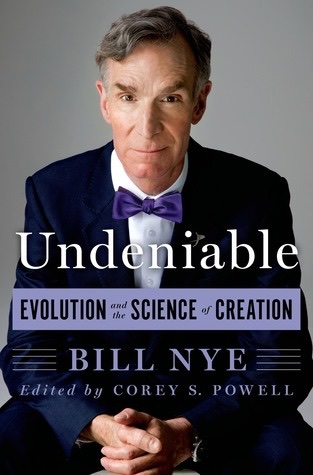 Undeniable: Evolution and the Science of Creation
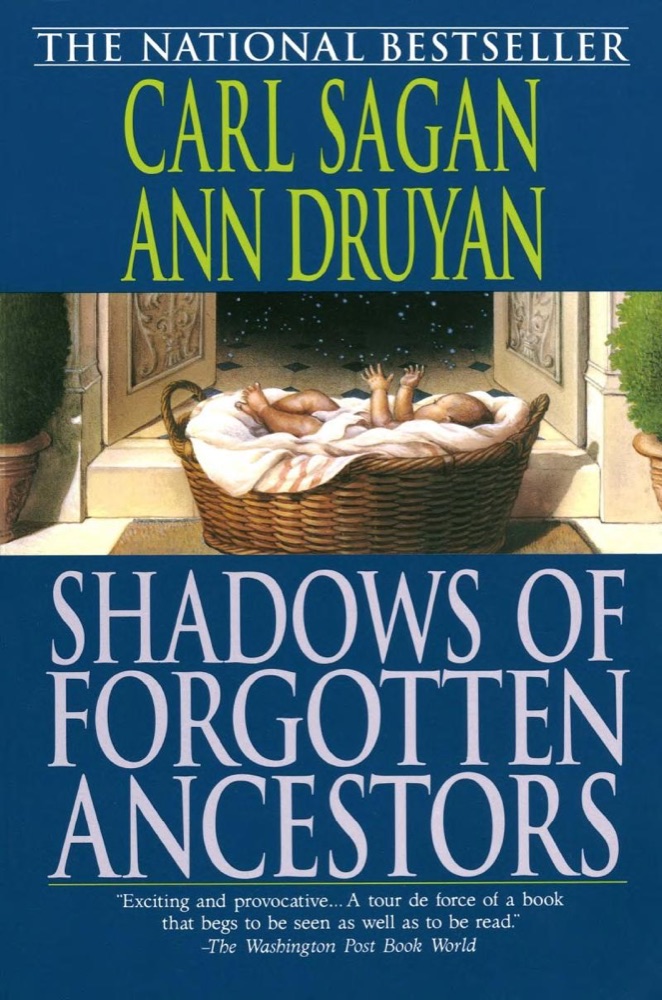 Shadows of Forgotten Ancestors
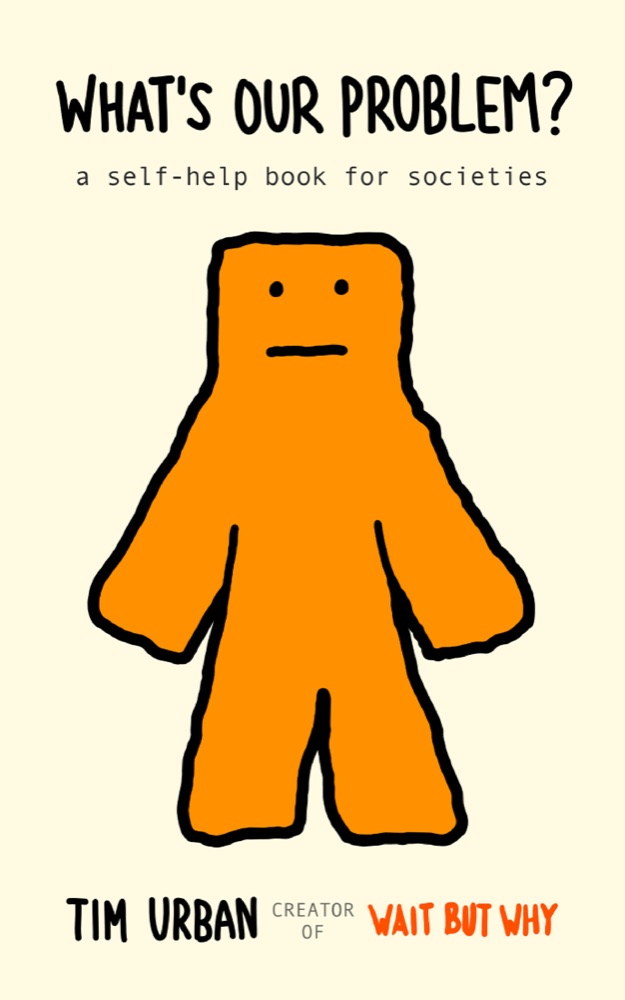 What's Our Problem?: A Self-Help Book for Societies
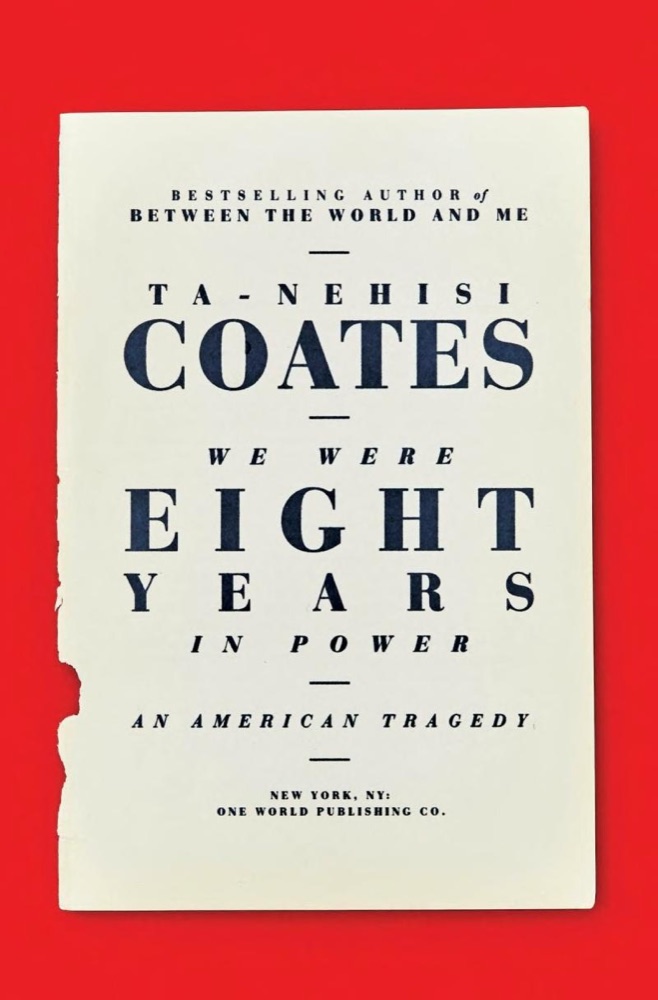 We Were Eight Years in Power: An American Tragedy
 Homo Deus: A History of Tomorrow
 The Gene: An Intimate History
 The Blank Slate: The Modern Denial of Human Nature
 This Book Is Anti-Racist: 20 Lessons on How to Wake Up, Take Action, and Do the Work
 Why Are All The Black Kids Sitting Together in the Cafeteria?
 The Bell Curve: Intelligence and Class Structure in American Life
 The Dawn of Everything: A New History of Humanity
 Why I'm No Longer Talking to White People About Race
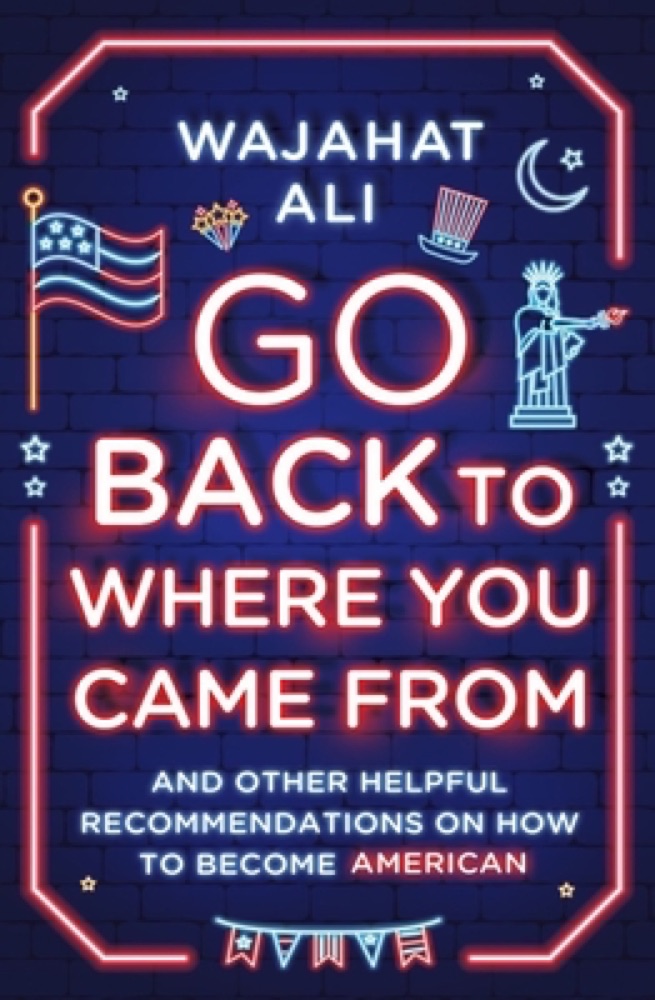 Go Back to Where You Came From: And Other Helpful Recommendations on How to Become American
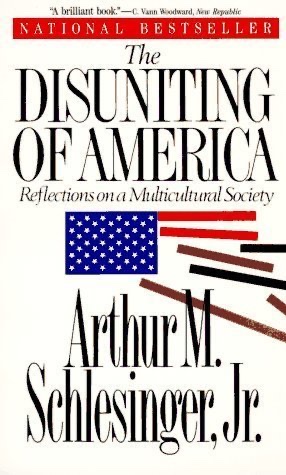 The Disuniting of America: Reflections on a Multicultural Society
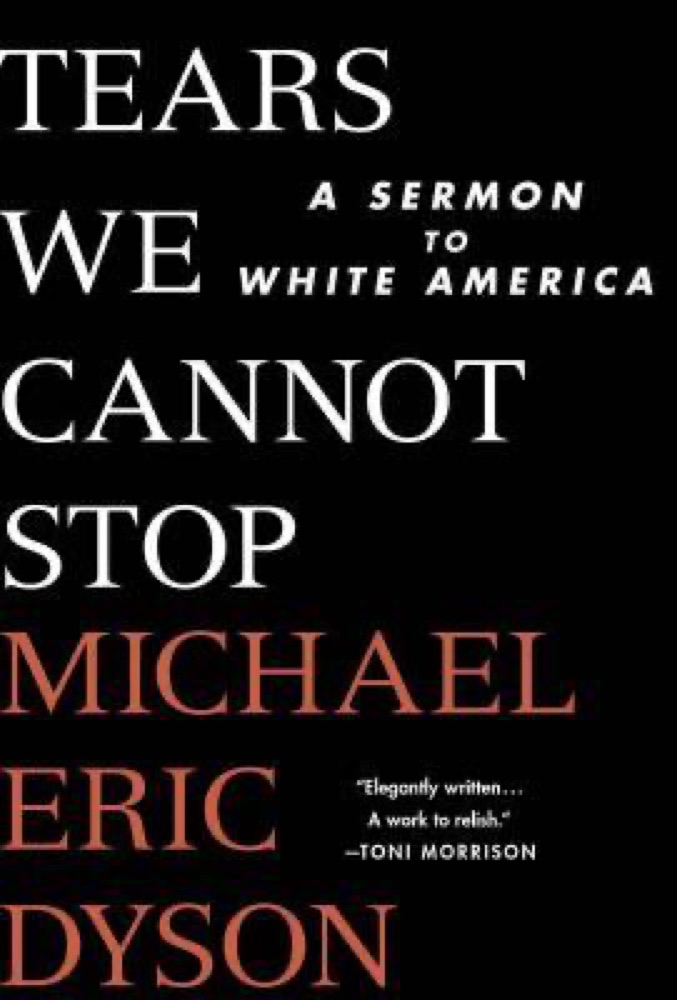 Tears We Cannot Stop: A Sermon to White America
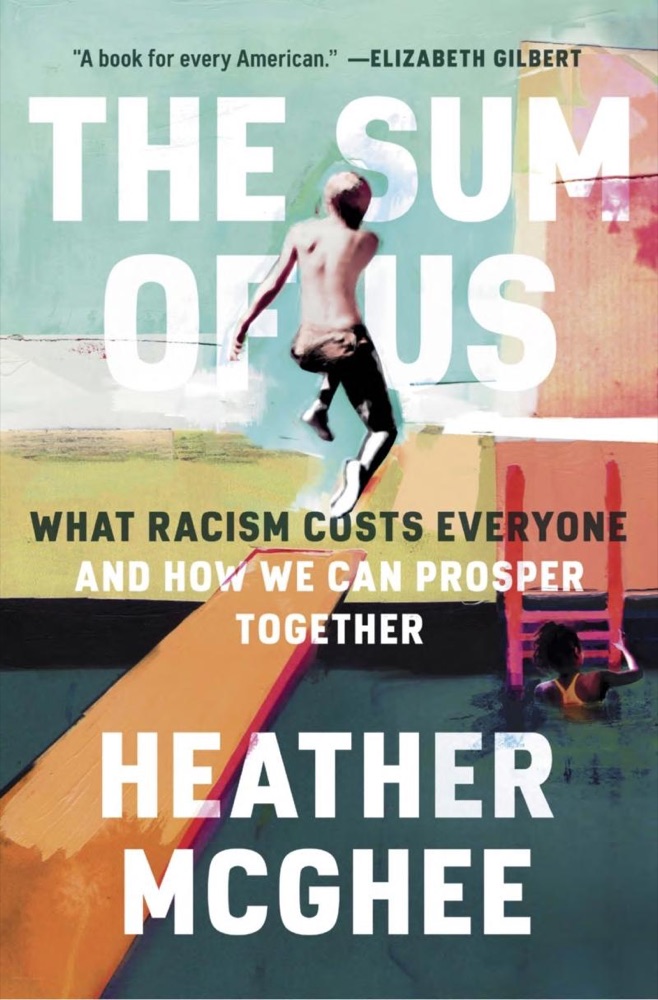 The Sum of Us: What Racism Costs Everyone and How We Can Prosper Together
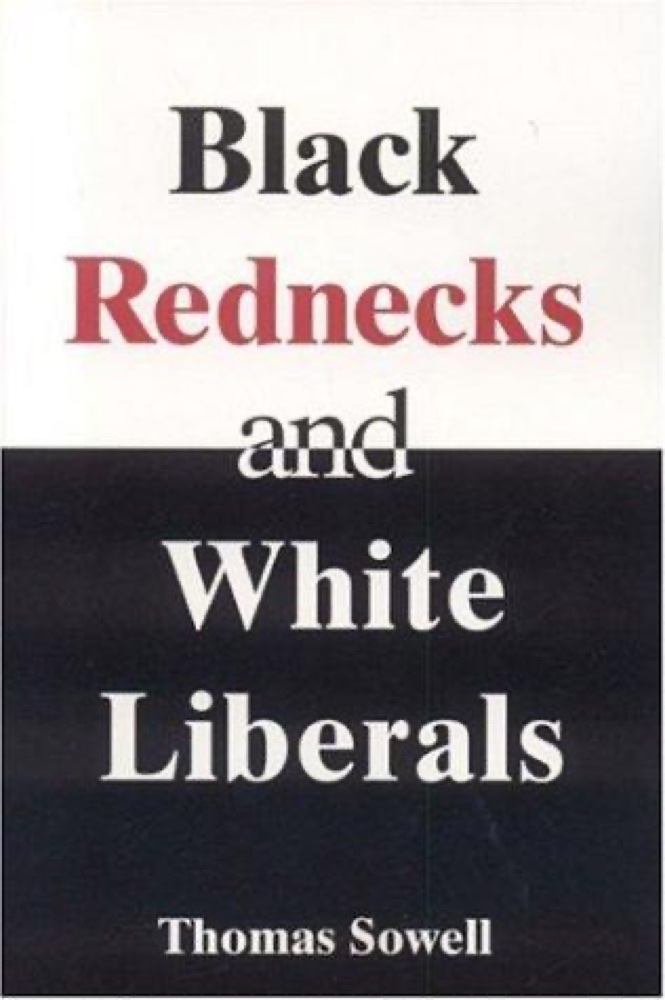 Black Rednecks and White Liberals
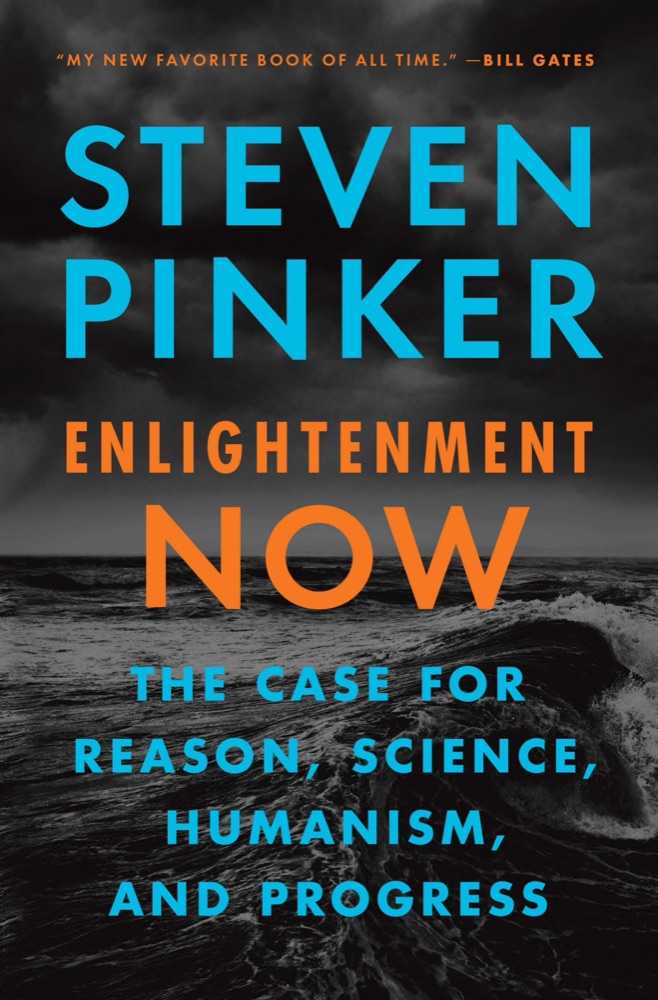 Enlightenment Now: The Case for Reason, Science, Humanism, and Progress
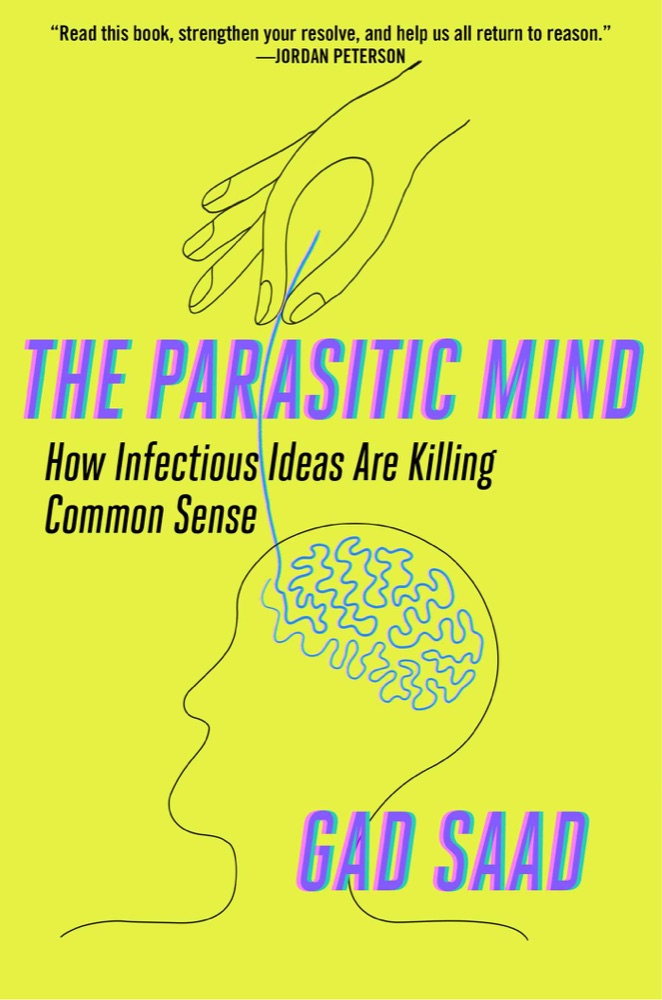 Parasitic Mind: How Infectious Ideas Are Killing Common Sense
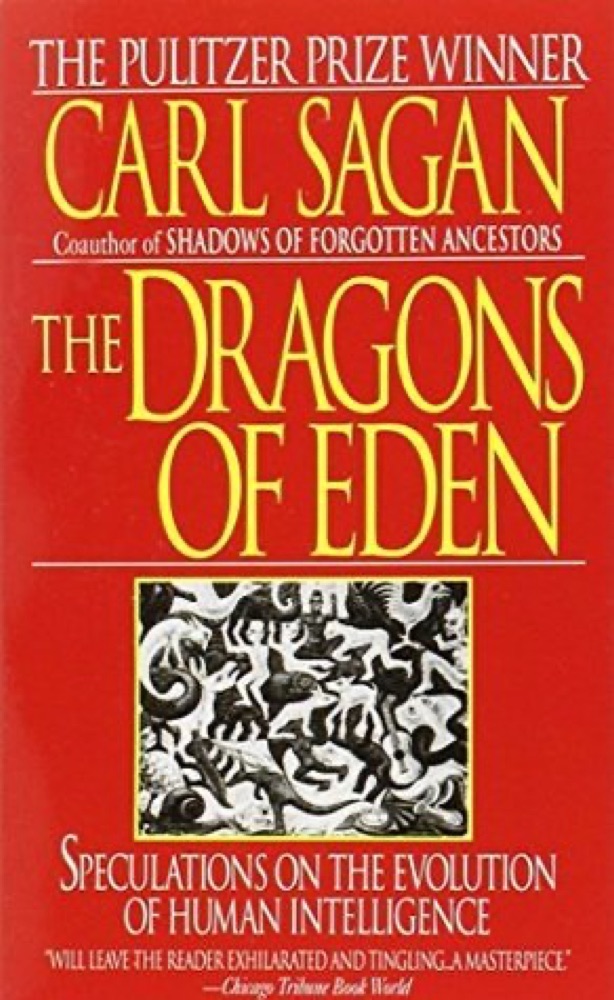 Dragons of Eden: Speculations on the Evolution of Human Intelligence
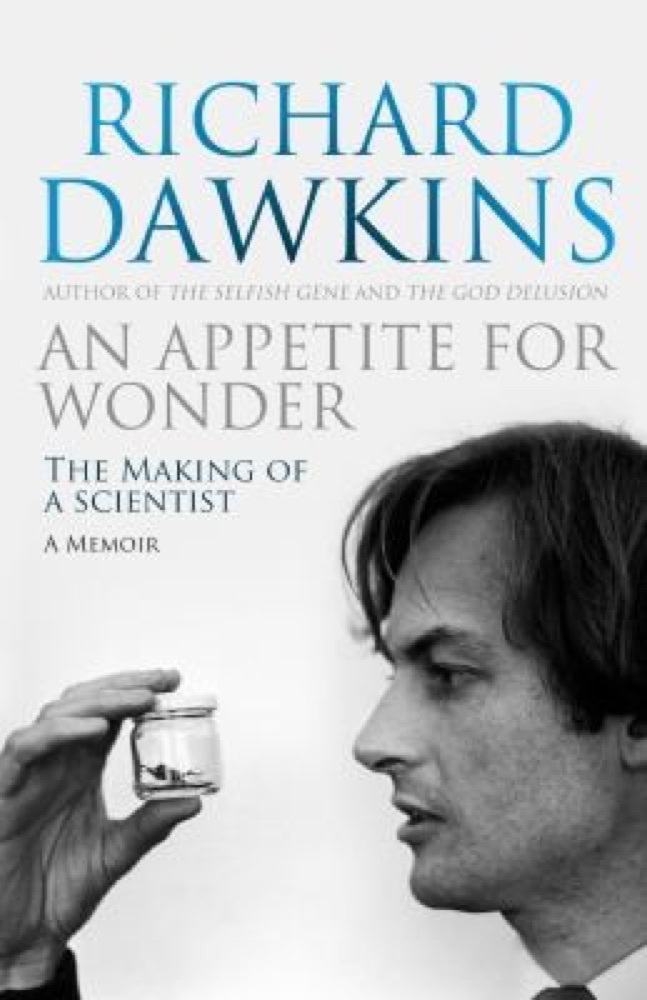 An Appetite for Wonder: The Making of a Scientist
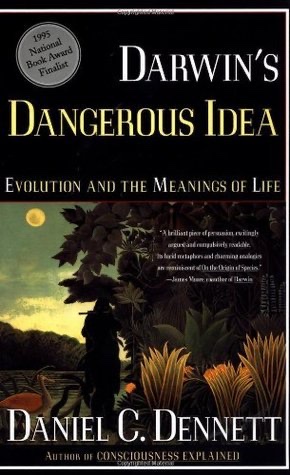 Darwin's Dangerous Idea: Evolution and the Meanings of Life
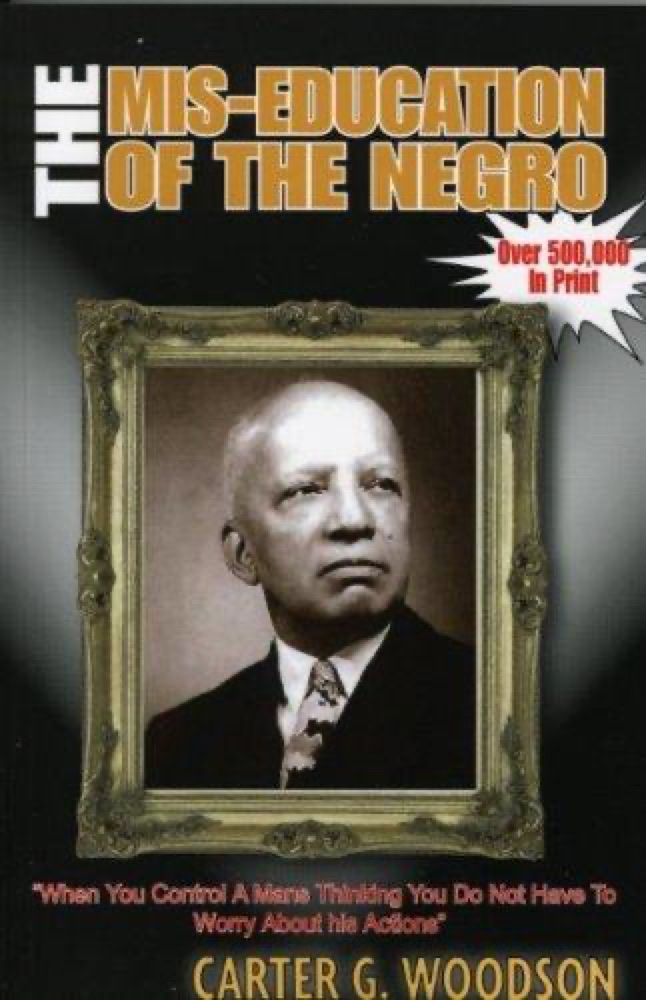 The Mis-Education of the Negro
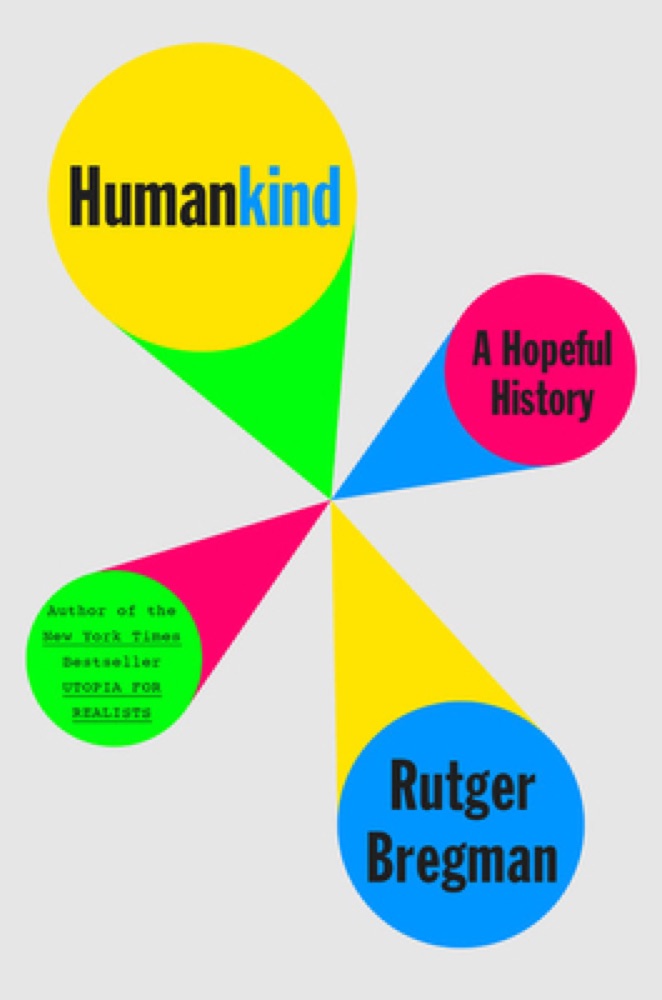 Humankind: A Hopeful History
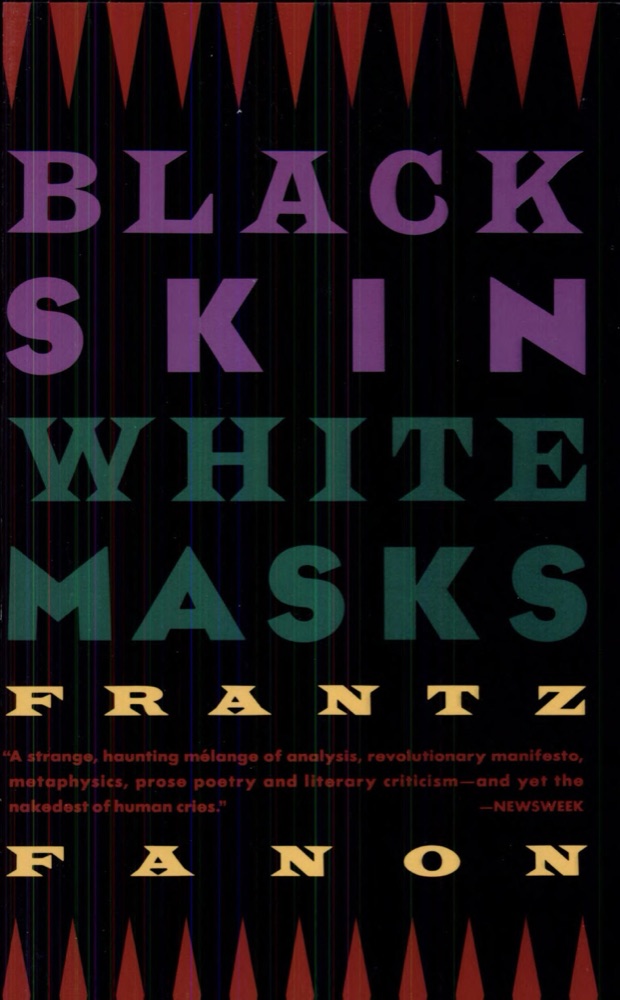 Black Skin, White Masks
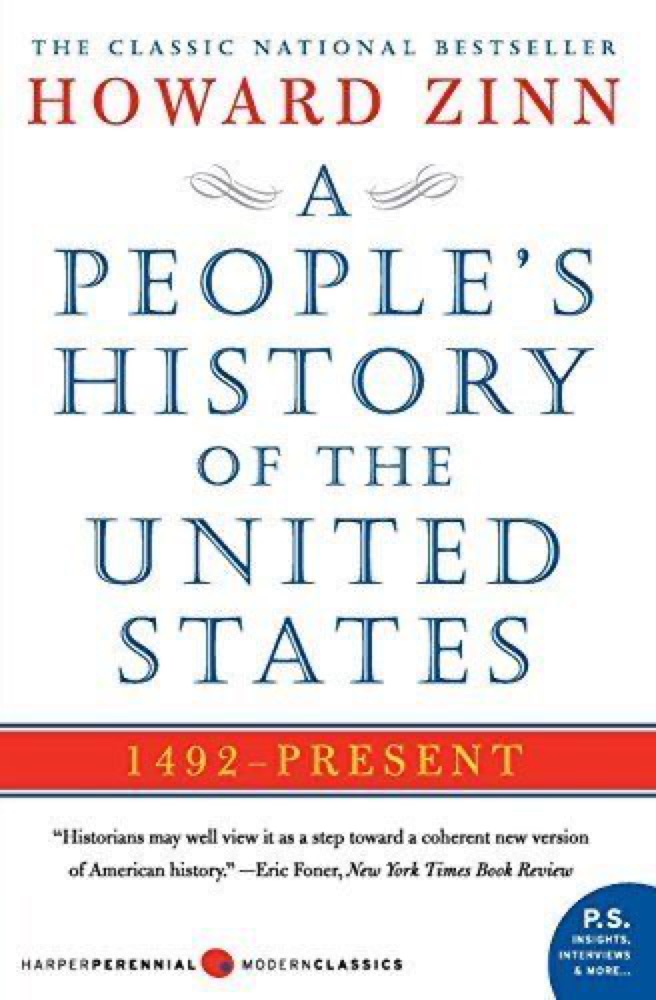 A People's History of the United States
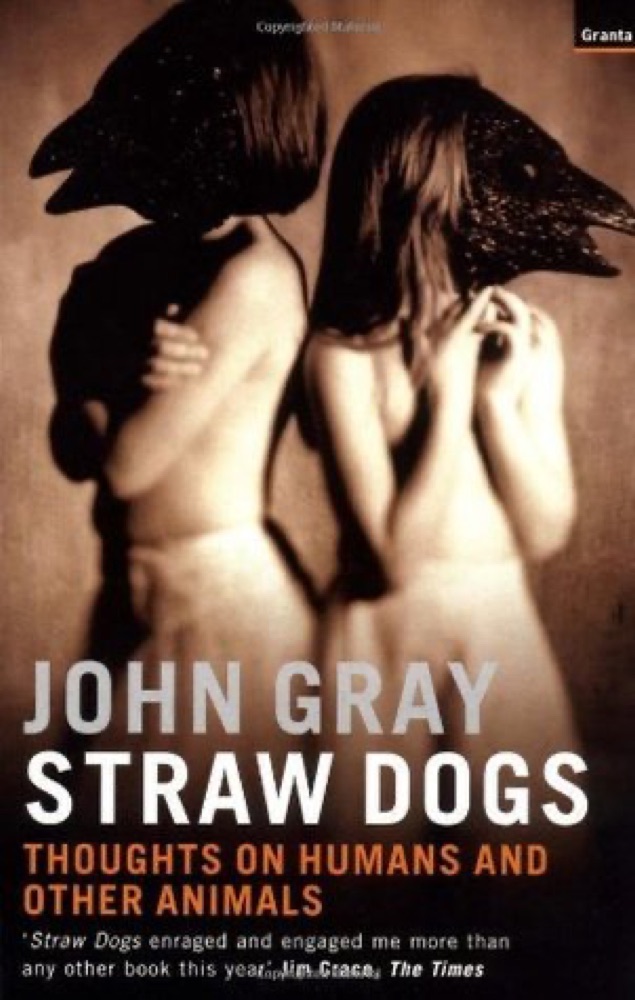 Straw Dogs: Thoughts on Humans and Other Animals
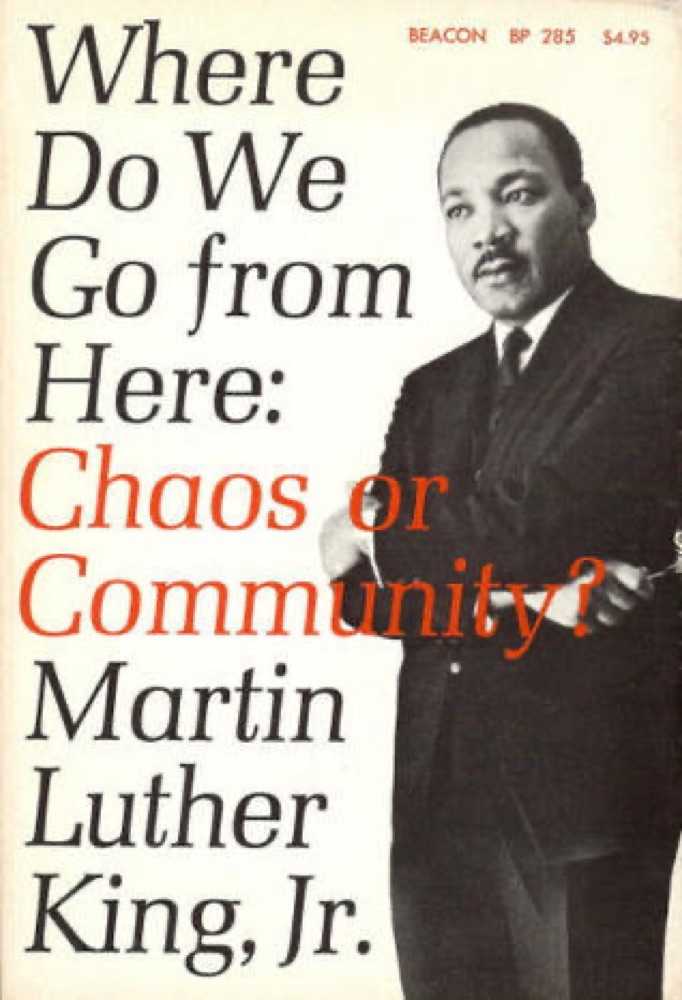 Where Do We Go from Here: Chaos or Community?
 Sapiens: A Brief History of Humankind
 Stamped from the Beginning: The Definitive History of Racist Ideas in America
 Thick: And Other Essays
 The Moral Animal: Why We Are the Way We Are - The New Science of Evolutionary Psychology
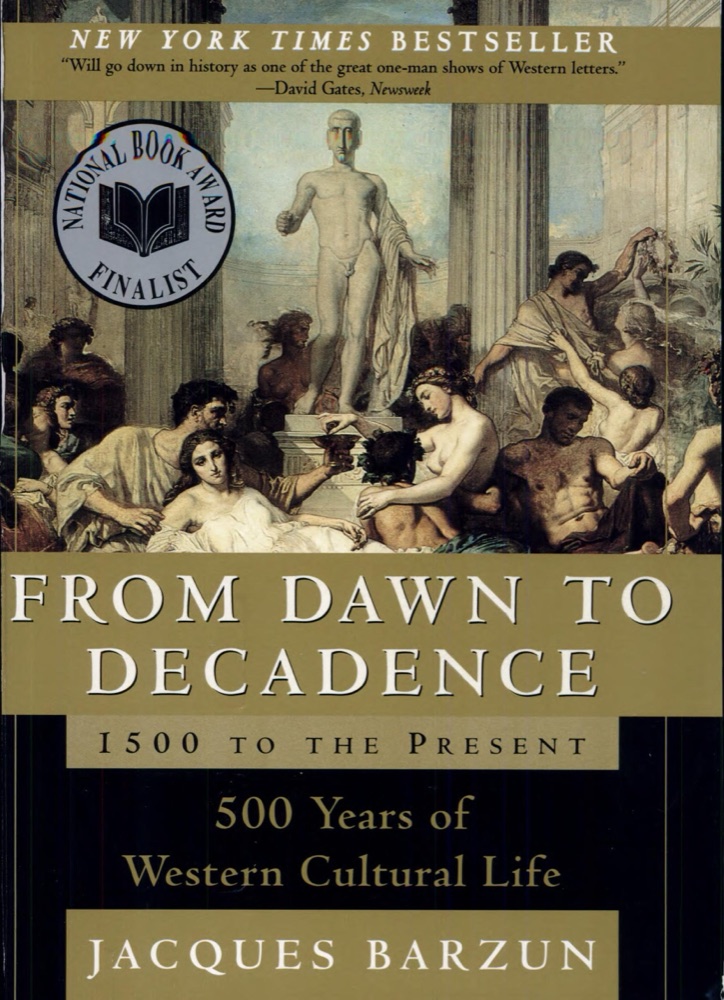 From Dawn to Decadence: 500 Years of Western Cultural Life, 1500 to the Present
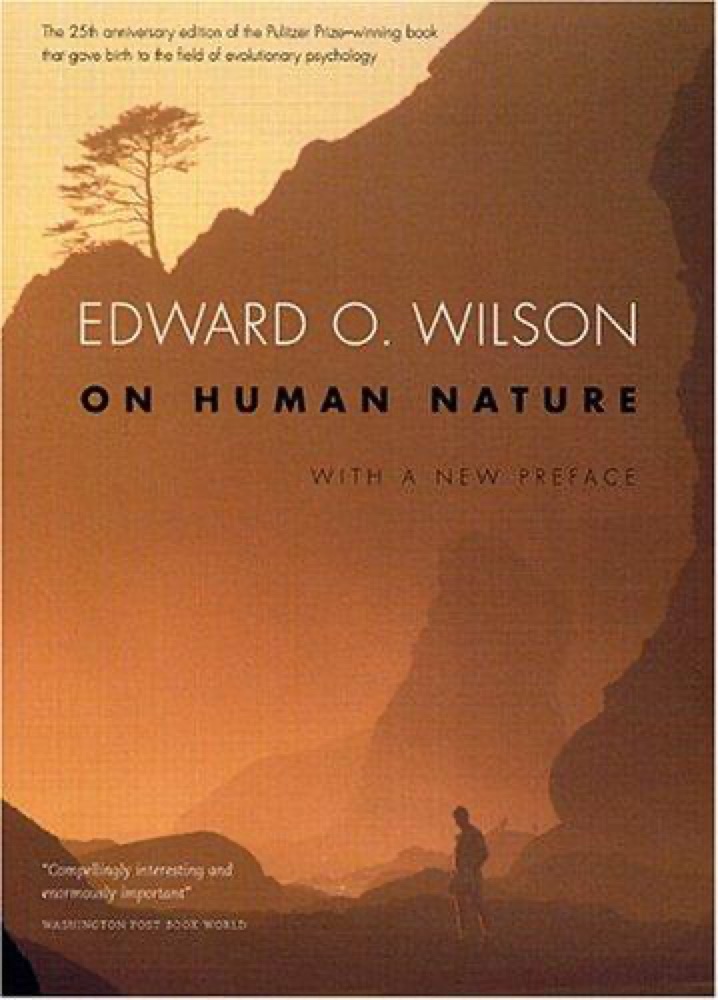 On Human Nature
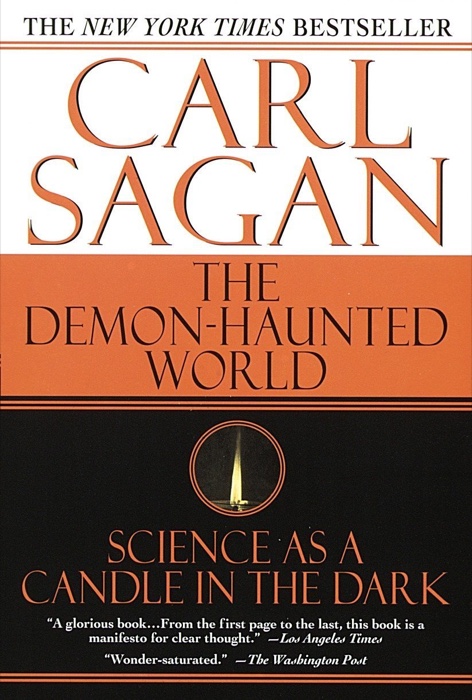 The Demon-Haunted World: Science as a Candle in the Dark
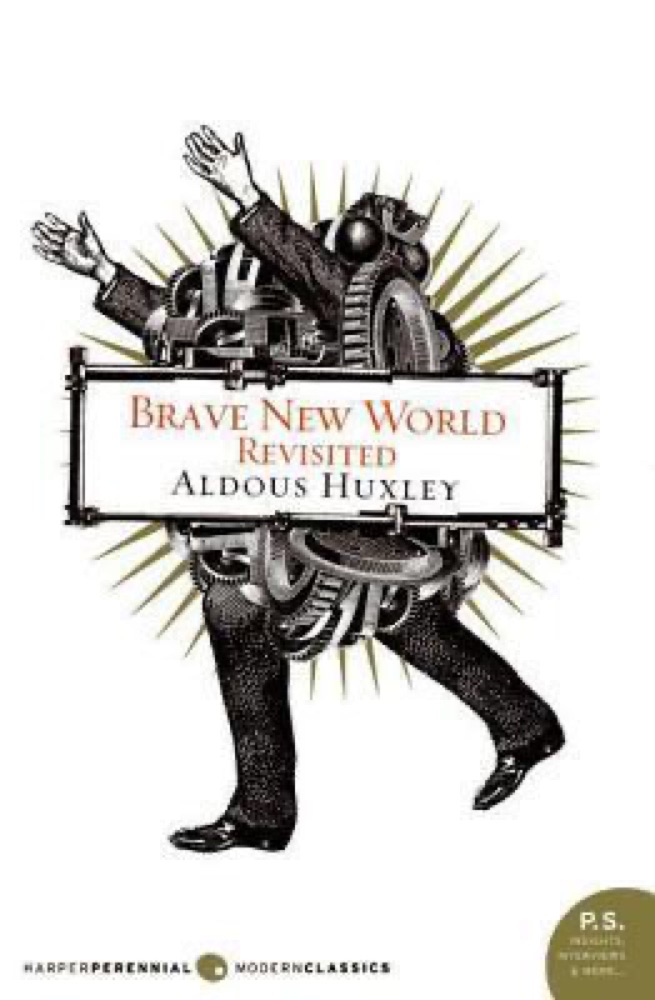 Brave New World Revisited
 The Ascent of Man
 The Icepick Surgeon: Murder, Fraud, Sabotage, Piracy, and Other Dastardly Deeds Perpetrated in the Name of Science
 Born a Crime: Stories From a South African Childhood
 Genome
 A Devil's Chaplain: Reflections on Hope, Lies, Science, and Love
 Edge of Eternity
 Blindspot: Hidden Biases of Good People
 No Name in the Street
 Lila: An Inquiry Into Morals
 The Spirit Level: Why More Equal Societies Almost Always Do Better
 Just Us: An American Conversation