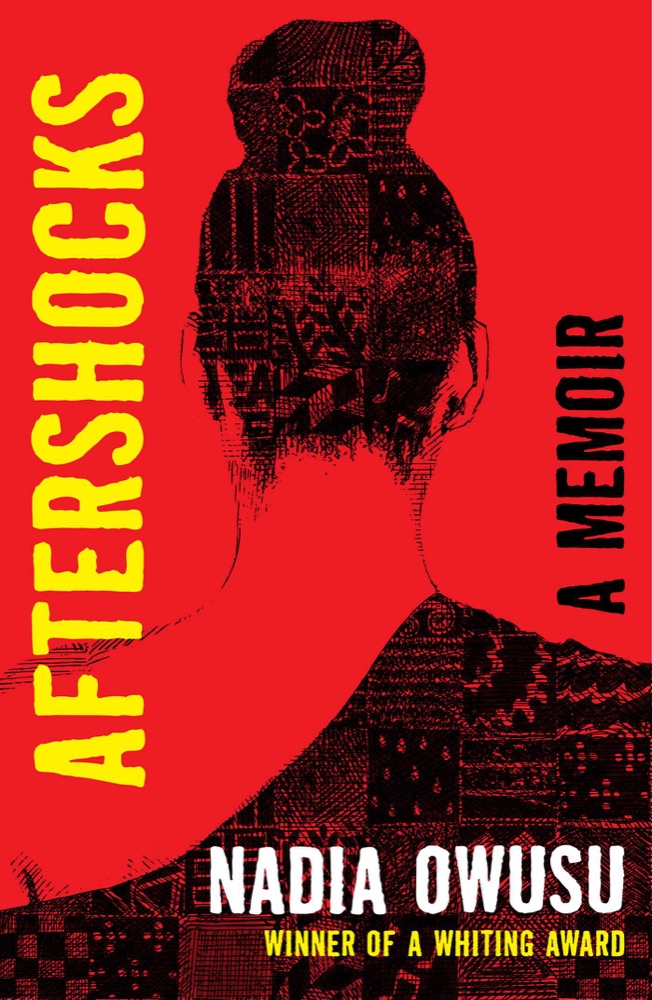
 Aftershocks
Quotes from the Book
Racism, for many people, seems to occupy space in very much the same way as dark matter: it forms the skeleton of our world, yet remains ultimately invisible, undetectable. This is convenient. If nothing is racist, then nothing needs to be done to address it.
17
In this age, the natural world is spared only if it can be photographed; if its beauty can be sold; if it doesn’t get in the way of more pipelines and more profit.
11
It’s hard to let go of control, to stop trying to be the architect of not only our own lives but the lives of the people around us as we single-mindedly work towards our own flawed constructions of "perfection." Once we do, though, we might actually be able to recognize the beauty we’ve missed.
7
having empathy is not dependent upon understanding the social, political and historical circumstances that made that empathy necessary in the first place. And yet we continue to expect empathy alone to create change, as though empathy would rethink our priorities, rewrite our laws and restructure our society for us.
4
Our love was a process of unlearning the bad love we'd been given.
4
Maybe our single-minded focus on the light makes us unable to see the dark that’s all around, always.
4
Love pushes us to believe, even when reason tells us we should stop. Love compels us to move carefully, to consider the consequences of our actions. Love reminds us what’s worth fighting for, what isn’t. Love begs us to stop being passive and finally act. If you can’t write about us with a love for who we are as a people, what we’ve survived, what we’ve accomplished despite all attempts to keep us from doing so; if you can’t look at us as we are and feel your pupils go wide, rendering all stereotypes a sham, a poor copy, a disgrace—then why are you writing about us at all?
3
Corn, beans, and squash were once all my people needed. They were so essential to our everyday lives that we referred to them as our sisters. We would preserve each plant's seeds and pass them on to our children, knowing that with this gift, they would be able to provide the same nutritious food for their families that we provided for them. This was an act of absolute, undiminished intergenerational love. And if intergenerational trauma can alter DNA, why can't intergenerational love?
3
He was obviously hurt, but his face was calm. His face showed no fear, no pain. It was the face he always wore. It wasn’t until I was older that I considered what this could mean. Maybe I couldn’t map the pain on his face because he was always in pain.
2
This world does not belong to you; you are merely borrowing it from the coming faces.
2
Our parents were far from perfect, but their main barriers to being better parents were poverty, intergenerational trauma, and mental illness- things neither social workers nor police officers have ever been equipped to address, yet are both allowed, even encouraged, to patrol.
1
Trauma and silence flanked me like foot soldiers, only they weren’t doing my bidding; I was doing theirs.
Foie gras is more than just two French words I can barely pronounce, more than just a meal certain people sometimes enjoy. It is a test that separates the high from the low, the rich from the poor, the worldly from the ignorant. The white from everyone else.
And if intergenerational trauma can alter DNA, why can't intergenerational love?
diversity,” as Tania Canas so succinctly puts it in her essay “Diversity is a White Word,” is about making sense of difference “through the white lens…by creating, curating and demanding palatable definitions of ‘diversity’ but only in relation to what this means in terms of whiteness.” It’s the literary equivalent of “ethnic” restaurants: they please white people because they provide them with “exotic” new flavours, but if they don’t appease white people’s sensitive taste buds they’re not worth a damn.
Sculpt people into the archetypes we prefer to imagine instead of the people they are? Isn't that why it offends us so much when those we love do something that makes no sense to us, even when to them it's an obvious and perhaps inevitable choice?
In the meantime, I’m proud to say I’m no one’s Noble Savage and I’ll continue to write what I please. Though maybe I will learn how to powwow dance—alone, in the privacy of my living room. It looks like good cardio.
No, “diversity,” as Tania Canas so succinctly puts it in her essay “Diversity is a White Word,” is about making sense of difference “through the white lens…by creating, curating and demanding palatable definitions of ‘diversity’ but only in relation to what this means in terms of whiteness.
Watch on YouTube
About Alicia Elliott
About the book
A bold and profound meditation on trauma, legacy, oppression and racism in North America from award-winning Haudenosaunee writer Alicia Elliott.
In an urgent and visceral work that asks essential questions about the treatment of Native people in North America while drawing on intimate details of her own life and experience with intergenerational trauma, Alicia Elliott offers indispensable insight into the ongoing legacy of colonialism. She engages with such wide-ranging topics as race, parenthood, love, mental illness, poverty, sexual assault, gentrification, writing and representation, and in the process makes connections both large and small between the past and present, the personal and political--from overcoming a years-long battle with head lice to the way Native writers are treated within the Canadian literary industry; her unplanned teenage pregnancy to the history of dark matt
Book details
- First published
- 2019
- Author
- Alicia Elliott
- Genre
- Nonfiction
- Goodreads rating
- 4.39 (11k ratings)
The buzz
- The New York TimesReview in The New York Timesprofessional review (via Book Marks)
- Kirkus ReviewsReview in Kirkus Reviewsprofessional review (via Book Marks)
- BooklistReview in Booklistprofessional review (via Book Marks)
- HamiltonreviewofbooksReview in Hamiltonreviewofbooksprofessional review (via Book Marks)
- PopmattersReview in Popmattersprofessional review (via Book Marks)
- BronzevillebeeReview in Bronzevillebeeprofessional review (via Book Marks)
Keep reading
Aftershocks
 The Source of Self-Regard: Selected Essays, Speeches, and Meditations
 The Island of Missing Trees
 Small Great Things
 See No Stranger: A Memoir and Manifesto of Revolutionary Love
 Opinions: A Decade of Arguments, Criticism, and Minding Other People’s Business
 Sister Outsider: Essays and Speeches
 In the Dream House
 All Is Not Forgotten
 The Many Daughters of Afong Moy
 Between the World and Me
 The Color of Everything: A Journey to Quiet the Chaos Within
 The Girl Who Smiled Beads: A Story of War and What Comes After
 A Language Older Than Words
 Make It Scream, Make It Burn
 On Connection
 The Argonauts
 Heavy
Heavy
 This Here Flesh: Spirituality, Liberation, and the Stories That Make Us
 This Bridge Called My Back: Writings by Radical Women of Color
 When Women Were Dragons
 Notes from No Man's Land
 Genesis
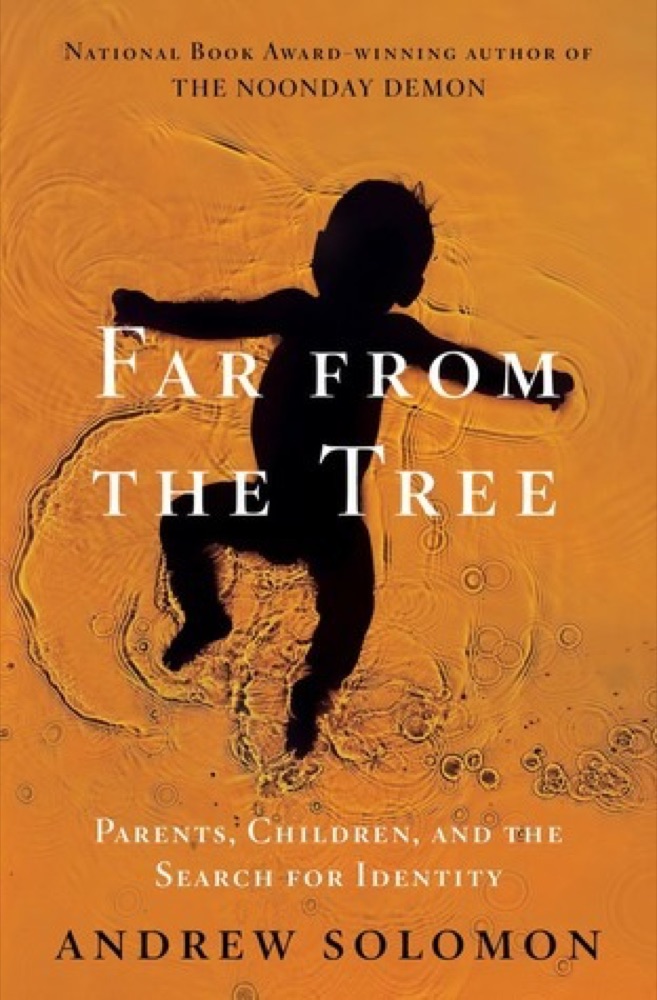 Far from the Tree: Parents, Children, and the Search for Identity
 How to Stay Sane in an Age of Division
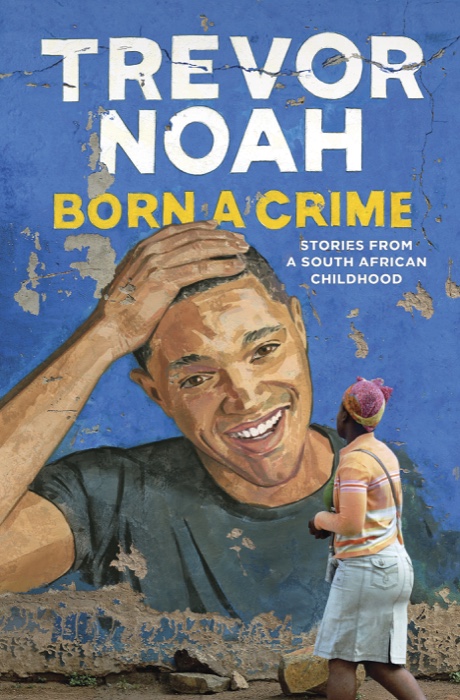 Born a Crime: Stories From a South African Childhood
 In The Blood
 Drive Your Plow Over the Bones of the Dead
 Just Us: An American Conversation
 Hell of a Book
 Becoming
 The Silent Patient
 The Stone Gods
 A Room Called Earth
 The House of Hidden Meanings
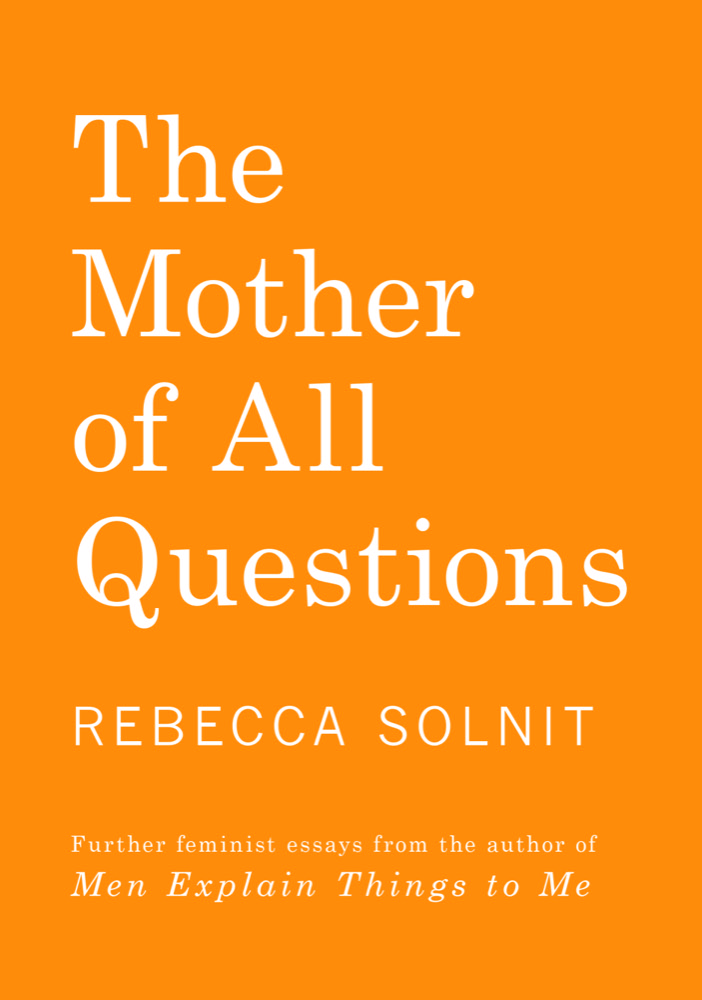 The Mother of All Questions
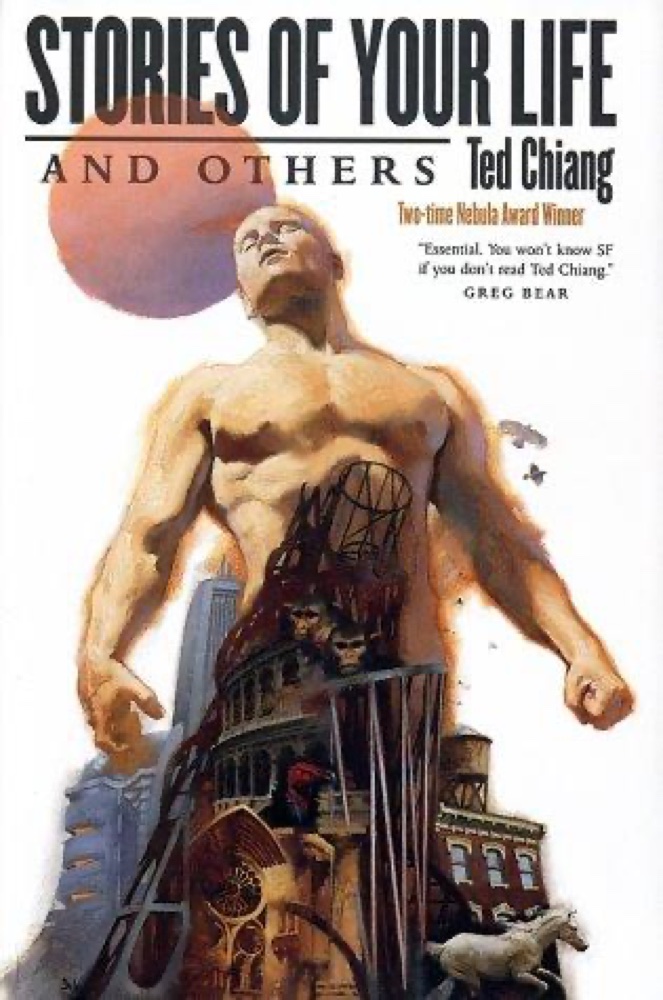 Stories of Your Life and Others
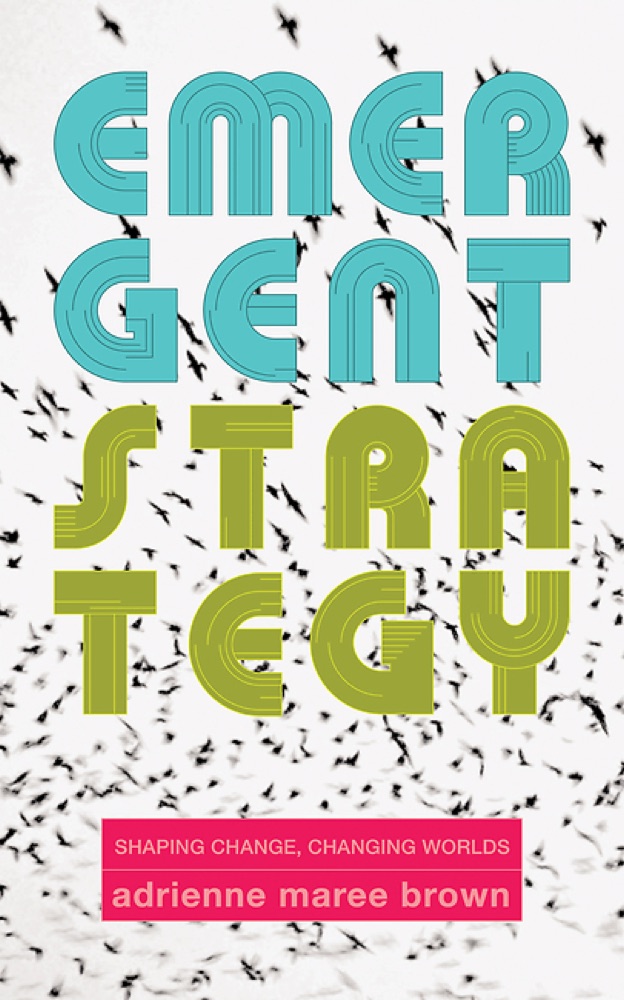 Emergent Strategy: Shaping Change, Changing Worlds
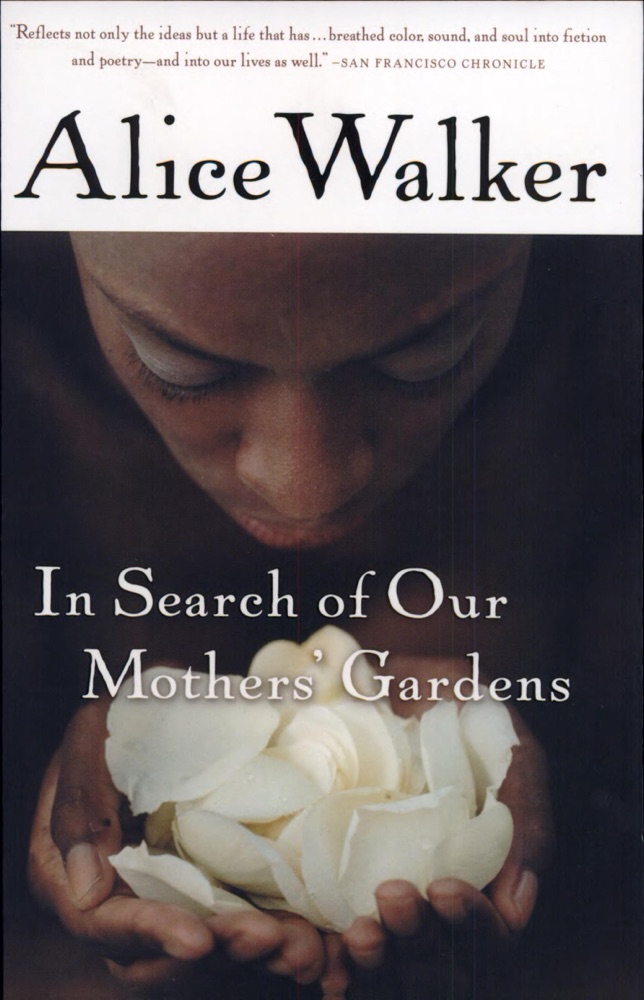 In Search of Our Mothers' Gardens: Womanist Prose
 When They Call You a Terrorist: A Black Lives Matter Memoir
 Figuring
 The Trauma Cleaner: One Woman's Extraordinary Life in the Business of Death, Decay, and Disaster
 The Master's Tools Will Never Dismantle the Master's House
 Regarding the Pain of Others
 A Burst of Light
 Atlas of the Heart: Mapping Meaningful Connection and the Language of Human Experience
 The Bee Sting
 These Precious Days: Essays
 The Last Year of the War
 Ancestral Night
 The City in the Middle of the Night
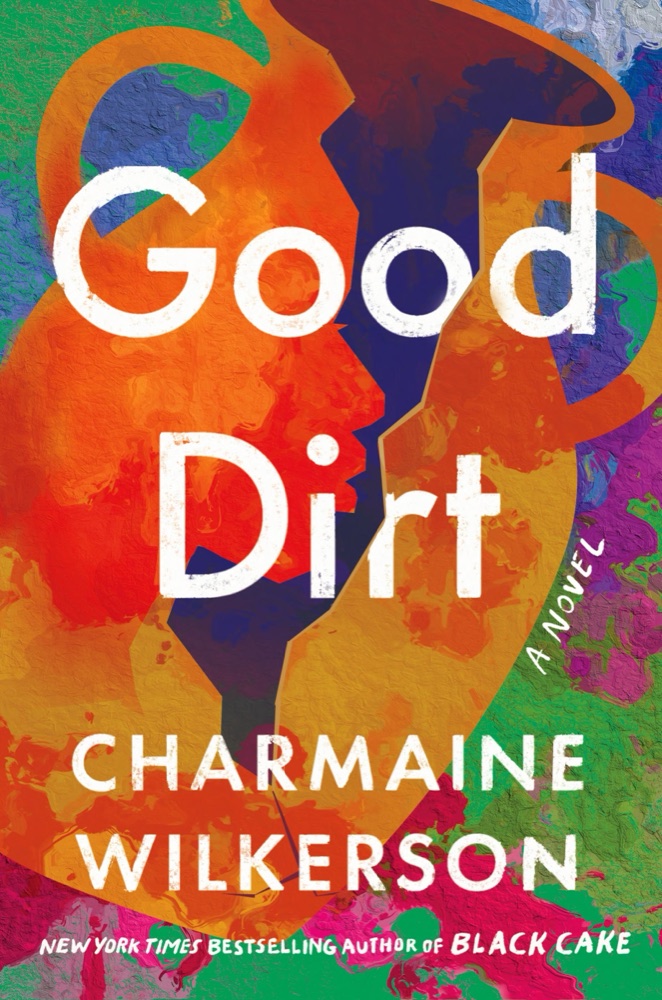 Good Dirt
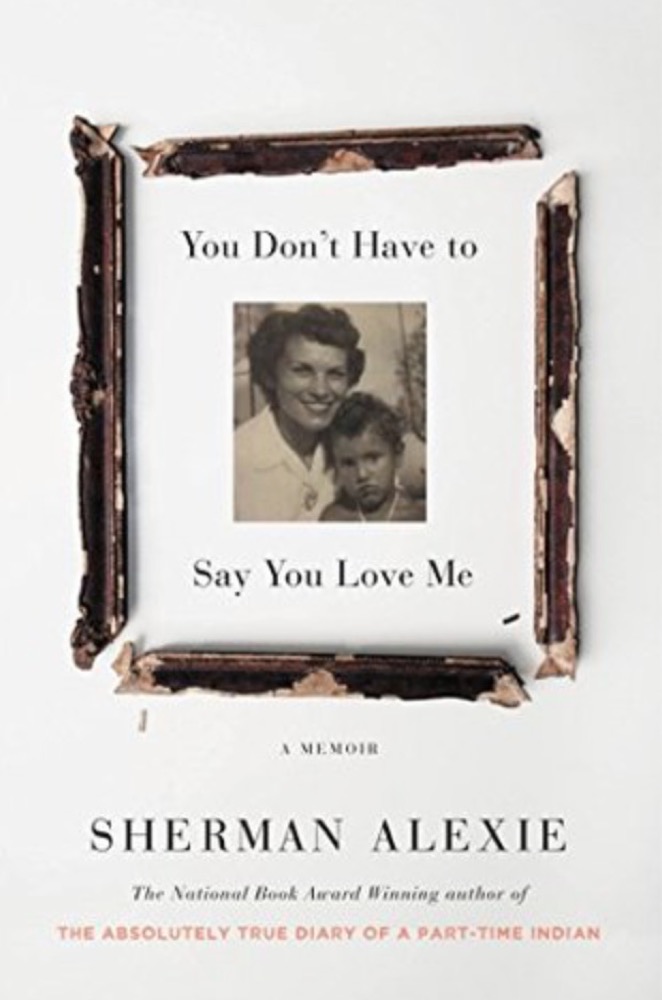 You Don't Have to Say You Love Me
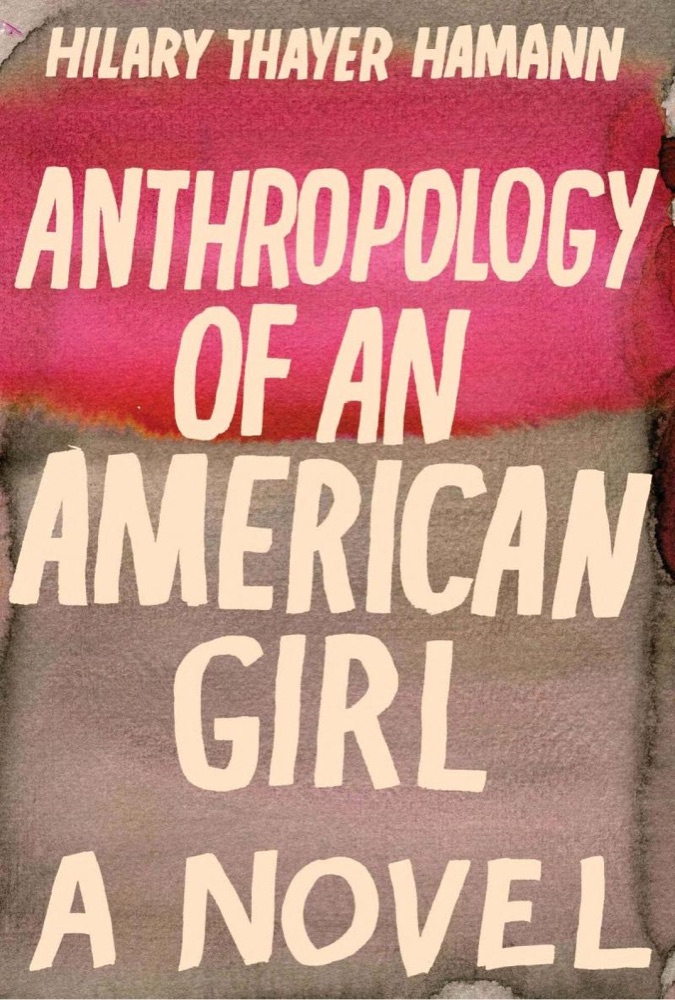 Anthropology of an American Girl
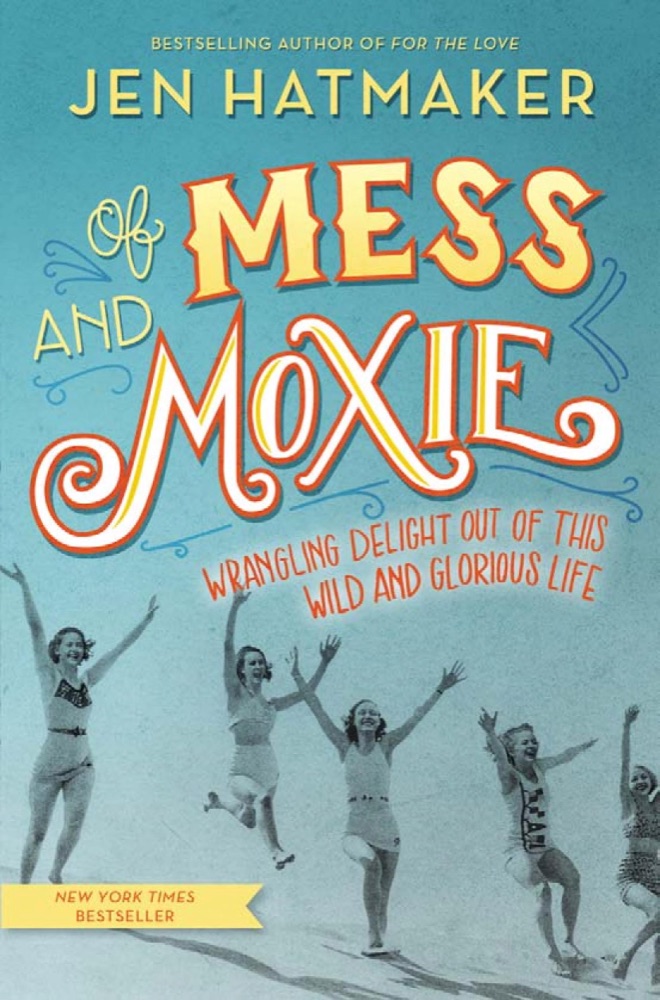 Of Mess and Moxie: Wrangling Delight Out of This Wild and Glorious Life
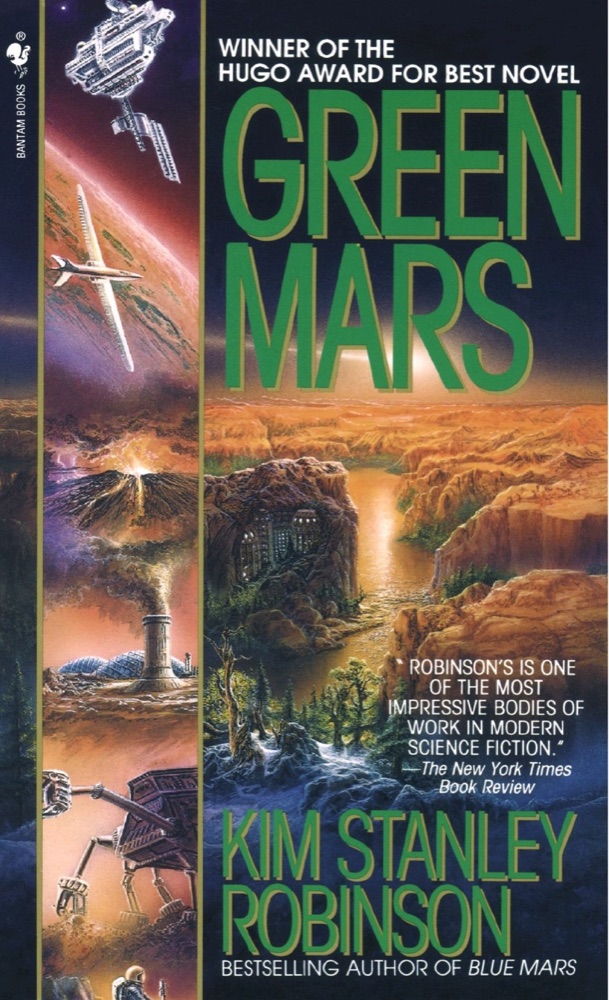 Green Mars
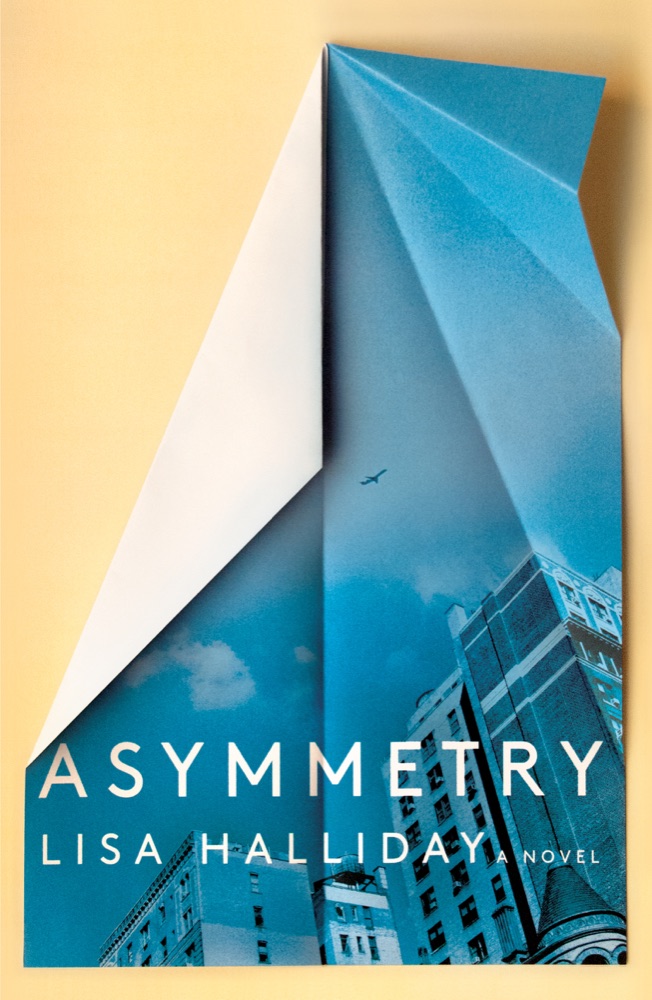 Asymmetry
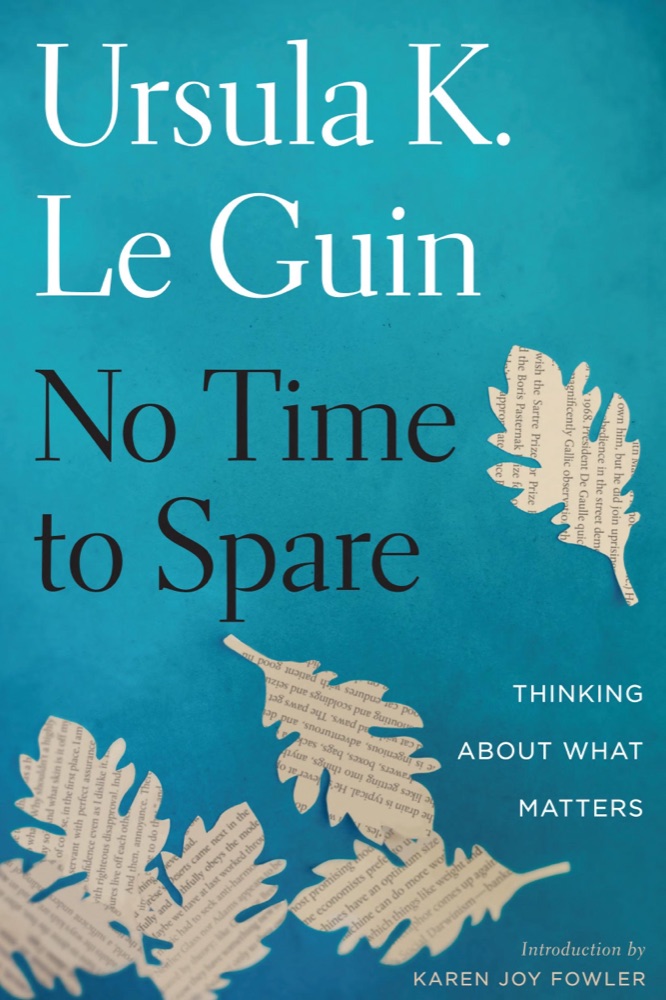 No Time To Spare: Thinking About What Matters
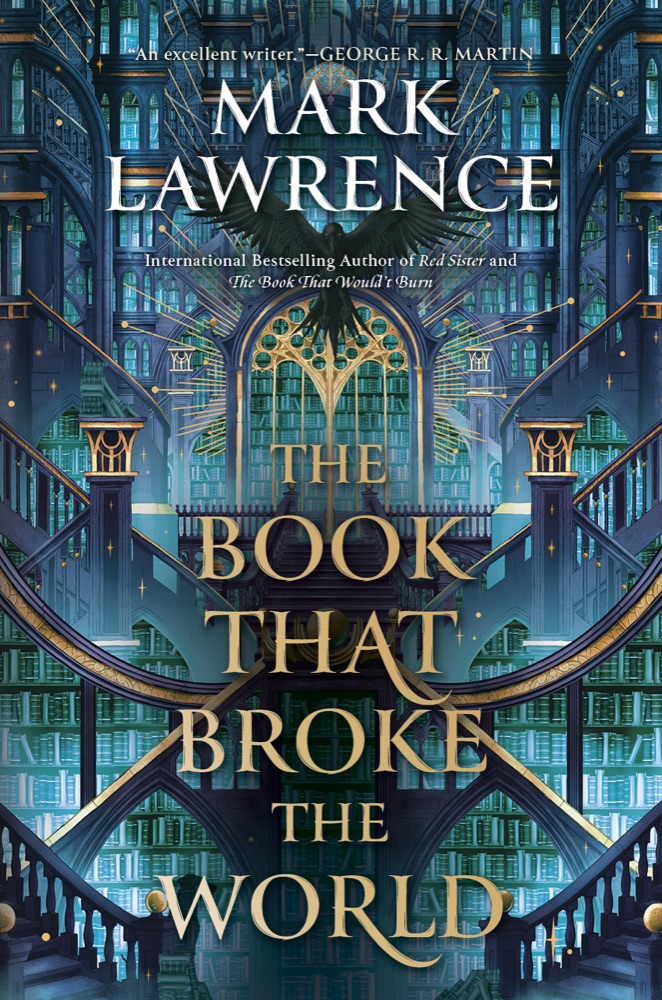 The Book That Broke the World
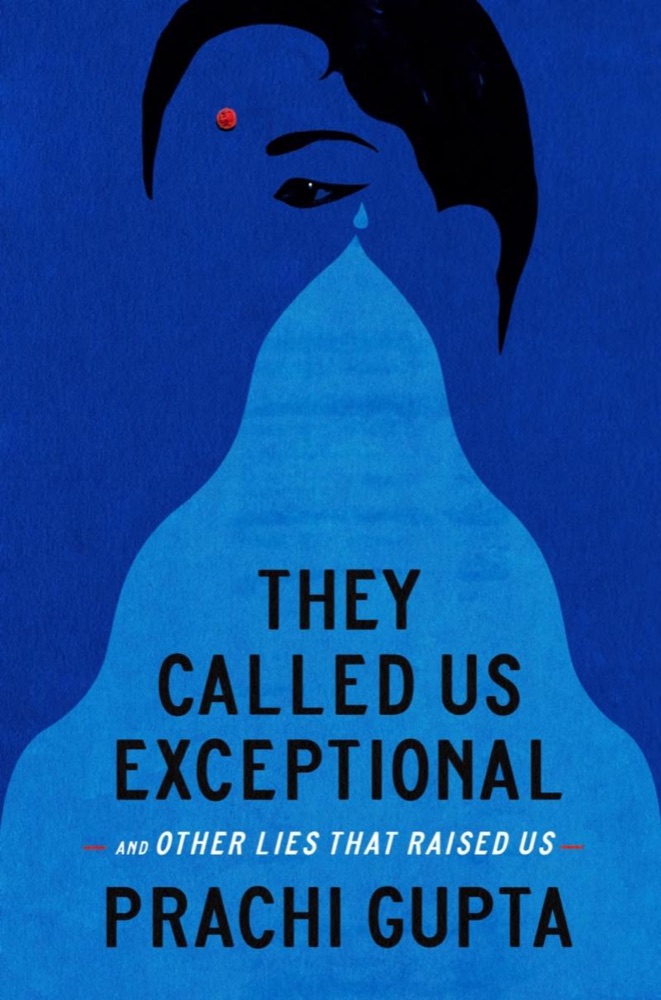 They Called Us Exceptional: And Other Lies That Raised Us