
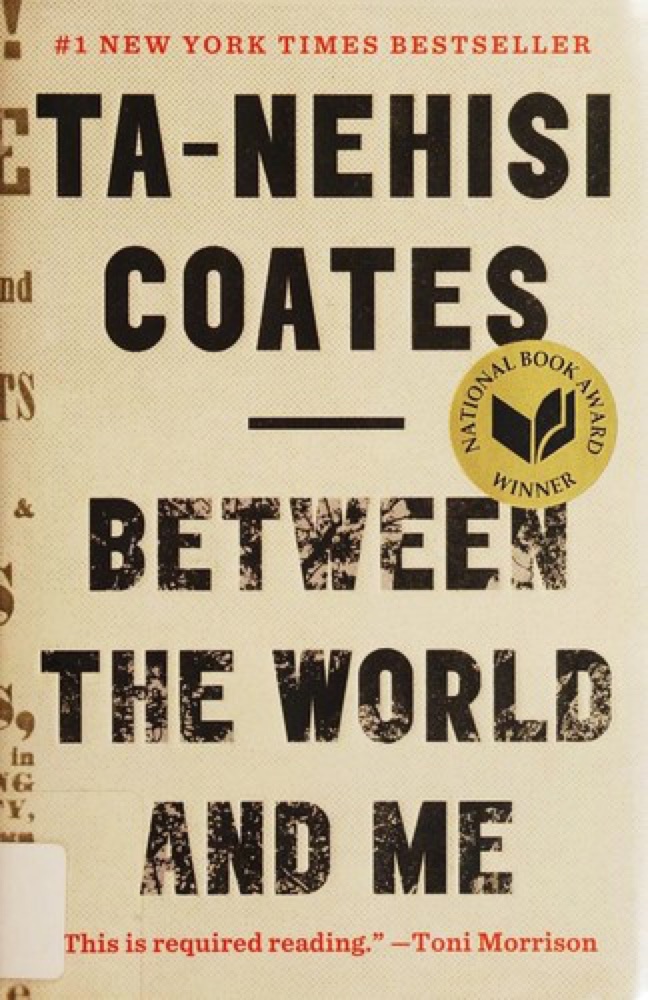
 Between the World and Me
Quotes from the Book
Our willingness to believe the news is, in many cases, not entirely innocent.
20
I felt sick with hatred then for my own people. If you had asked me why I hated them, I might have said that I hated them for being so loud and for being so drunk. But now I believe I hated them for suddenly being my people, not just other people. In the United States, it is very easy for me to forget that the people around me are my people. It is easy, with all our divisions, to think of myself as an outsider in my own country. I have been taught, and I have learned well, I realize now, to think of myself as distinctly different from other white folks - more educated, more articulate, less crude. But in Mexico these distinctions became as meaningless to me as they should have always been.
18
Fear is isolating for those that fear. And I have come to believe that fear is a cruelty to those who are feared.
12
An apology is also an admission of guilt
8
By then I had moved often enough not to have the usual illusions about a clean slate or a fresh start or a new life. I knew that I could not escape myself. And the idea of beginning again, with no furniture and no friends, was exhausting. So my happiness then is hard to explain. I am tempted now to believe that entering the life one is meant to inhabit is a thrilling sensation and that is all.
8
But for now I prefer to think that I will go somewhere that is not so overimagined.
5
One of the paradoxes of our time is that the War on Terror has served mainly to reinforce a collective belief that maintaining the right amount of fear and suspicion will earn one safety. Fear is promoted by the government as a kind of policy. Fear is accepted, even among the best-educated people in this country, even among the professors with whom I work, as a kind of intelligence. And inspiring fear in others is often seen as neighborly and kindly, instead of being regarded as what my cousin recognized it for - a violence.
5
Some apologies are unspeakable. Like the one we owe our parents.
3
If by years of patient suffering, God can manage to take the harshness out of my voice, then the time has been well-spent.
3
I was only going to stay six months. I stayed three years, and I never stopped thinking about leaving. But when I left, I left my entire life behind. I have to explain to you why I no longer live in New York, but first I have to explain to myself why I stayed so long.
3
True empowerment of students, I came to realize, necessarily means a certain disempowerment of teachers.
2
More than two hundred antilynching bills were introduced to the U.S. Congress during the twentieth century, but none were passed. Seven presidents lobbied for antilynching legislation, and the House of Representatives passed three separate measures, each of which was blocked by the Senate.
1
I had, a decade earlier, read through 2,354 New York Times articles reporting lynchings between 1880 and 1920, so the events of the past year were less startling to me than the persistence, for well over a century, of the notion that the routine murder of black men is necessary for our collective safety.
1
I think you should define the word ‘gentrification,’” my husband tells me now. I ask him what he would say it means, and he pauses for a long moment. “It means that an area is generally improved,” he says finally, “but in such a way that everything worthwhile about it is destroyed.
1
One of the most frightening things about children, in my experience, is their intelligence. They inevitably know more than we suspect them of knowing. They appraise us with devastating accuracy. And they are aware of injustices we have learned to ignore.
1
I once met a man of pro-football-sized proportions who saw something in my hesitation when I shook his hand that inspired him to tell me he was pained by the way small women looked at him when he passed them on the street—pained by the fear in their eyes, pained by the way they drew away—and as he told me this, tears welled up in his eyes.
1
The earth can arrange you in little heaps.
When I think about the nature of guilt, I think, inevitably, about “Notes of a Native Son.” In that essay James Baldwin writes about the bitterness and anger that destroyed his father, and then about the bitterness and anger he feels toward his father, feelings so closely tied to his feelings about his country that they cannot be untangled. “I saw nothing very clearly,” he writes, “but I did see this: that my life, my real life, was in danger, and not from anything other people might do but from the hatred I carried in my own heart.
Between the 1930s and the 1970s, urban renewal programs demolished 1,600 black neighborhoods, and 90 percent of the low-income units destroyed for urban renewal were never replaced. Between 1934 and 1962 the FHA and the Veterans Administration financed more than $120 billlion worth of new housing, but only 2 percent of this went to nonwhite families.
Treason to whiteness is loyalty to humanity”).
Being a guest in someone else’s home and slowly beginning to suspect that you have done something wrong, something of which you were not previously aware, is how it feels to have a dawning understanding of what it means to be white in this world.
I apologize for slavery. It wasn’t me, true. But it might have been my cousin.
Clinton chose his language very carefully. About Rwanda, he said that, at the time, he “did not fully appreciate” the extent of the genocide. Not that he did not know. Because he did know. The Washington Post reported piles of bodies six feet high, and the evening news showed rivers choked with corpses. Regret, not action, had been his policy decision. Regret, he hoped, would not cost him anything.
he does not seem to feel the need to explain the new century’s shopping spree for identities, particularly white identities that have remained untainted by colonialism.
It takes me some time, standing in front of this poster, to understand why the word “diverse” strikes me as so false in this context, so disingenuous. It is not because this neighborhood is not full of many different kinds of people, but because that word implies some easy version of this difficult reality, some version that is not full of sparks and averted eyes and police cars. But still, I’d like to believe in the promise of that word. Not the sunshininess of it, or the quota-making politics of it, but the real complexity of it.
hope more white people don’t move here.” My husband isn’t prone to sentimentality of any kind, or to worrying about white people, so I asked him why, and he said, “Because, kids were playing basketball by the school and they had cheerleaders cheering them on, and black men say hello to me on the street, and I love our little fruit market, and I don’t want this place to change.” But this place will probably change, if only because this is not a city where integrated neighborhoods last very long. And we are the people for whom the new coffee shop has opened. And the pet-grooming store. “You know your neighborhood is gentrifying,” my sister observes, “when the pet-grooming store arrives.
The word “pioneer” betrays a disturbing willingness to repeat the worst mistake of the pioneers of the American West—the mistake of considering an inhabited place uninhabited. To imagine oneself as a pioneer in a place as densely populated as Chicago is either to deny the existence of your neighbors or to cast them as natives who must be displaced. Either way, it is a hostile fantasy.
As one Chicago real-estate magazine puts it: “For decades, a low rate of owner occupancy, a lack of commercial development … and problems with crime have kept prices lower in East Rogers Park than in many North Side neighborhoods.” And so my feelings about fear are somewhat ambivalent, because fear is why I can afford to swim every day now.
I realized this is what white people do to each other—they cultivate each other’s fear. It’s very violent.
About Eula Biss
We have collected 29 quotes from 1 book by Eula Biss on BookQuoters.
More about the author →About the book
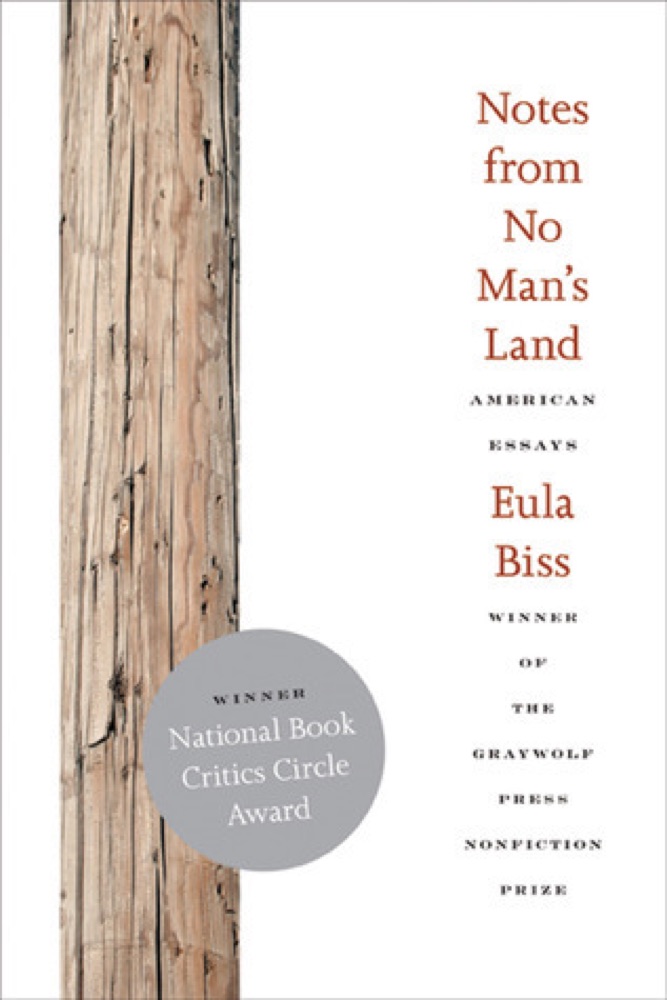
Winner of the National Book Critics Circle Award for CriticismWinner of the Graywolf Press Nonfiction Prize
A frank and fascinating exploration of race and racial identity
Notes from No Man's Land: American Essays begins with a series of lynchings and ends with a series of apologies. Eula Biss explores race in America and her response to the topic is informed by the experiences chronicled in these essays -- teaching in a Harlem school on the morning of 9/11, reporting for an African American newspaper in San Diego, watching the aftermath of Katrina from a college town in Iowa, and settling in Chicago's most diverse neighborhood.
As Biss moves across the country from New York to California to the Midwest, her essays move across time from biblical Babylon to the freedman's schools of Reconstruction to a Jim Crow mining town to post-war white flight. She brings an eclectic educatio
Book details
- First published
- 2009
- Author
- Eula Biss
- Genre
- Nonfiction
- Goodreads rating
- 4.18 (4k ratings)
Keep reading
Between the World and Me
 All God's Children Need Traveling Shoes
 Just Us: An American Conversation
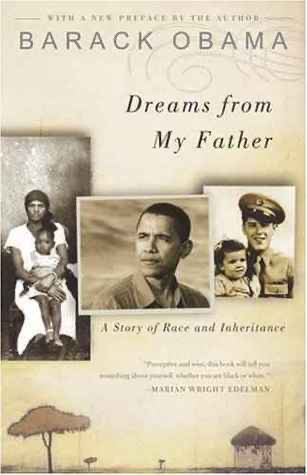 Dreams from My Father: A Story of Race and Inheritance
 Heavy
Heavy
 Americanah
 Dark Days
 Aftershocks
 Nobody Knows My Name
 No Name in the Street
 Black Like Me
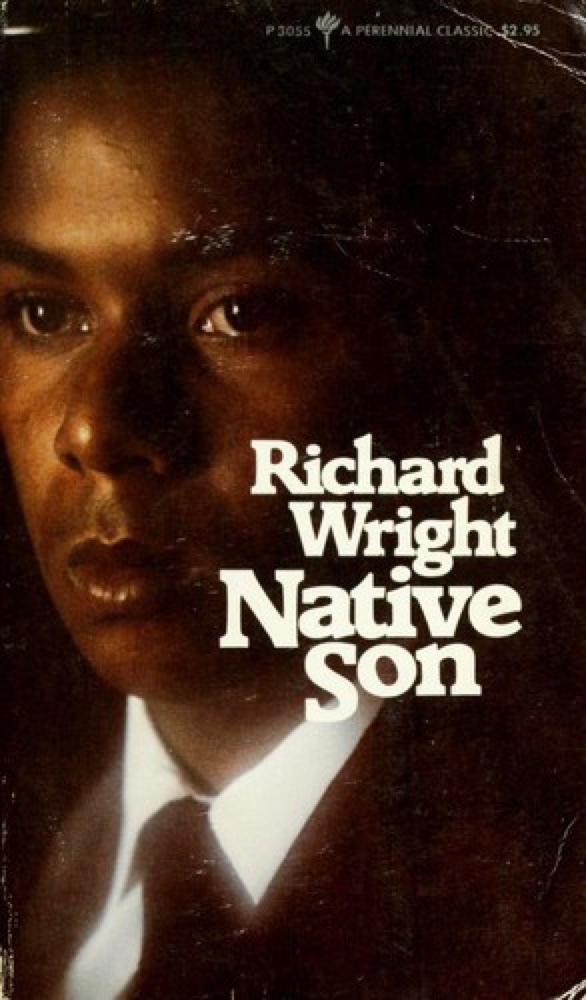 Native Son
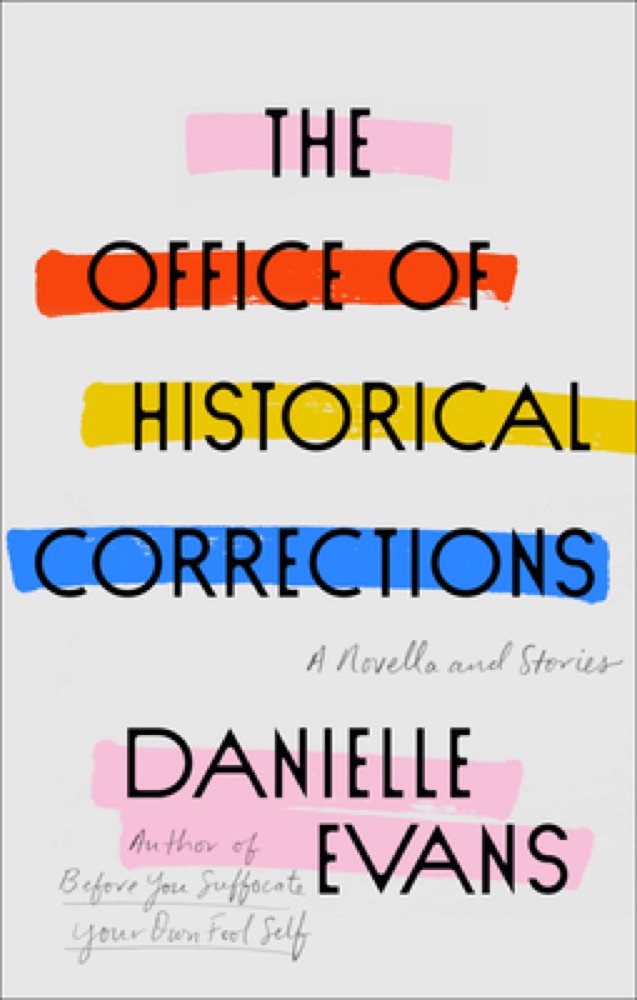 The Office of Historical Corrections
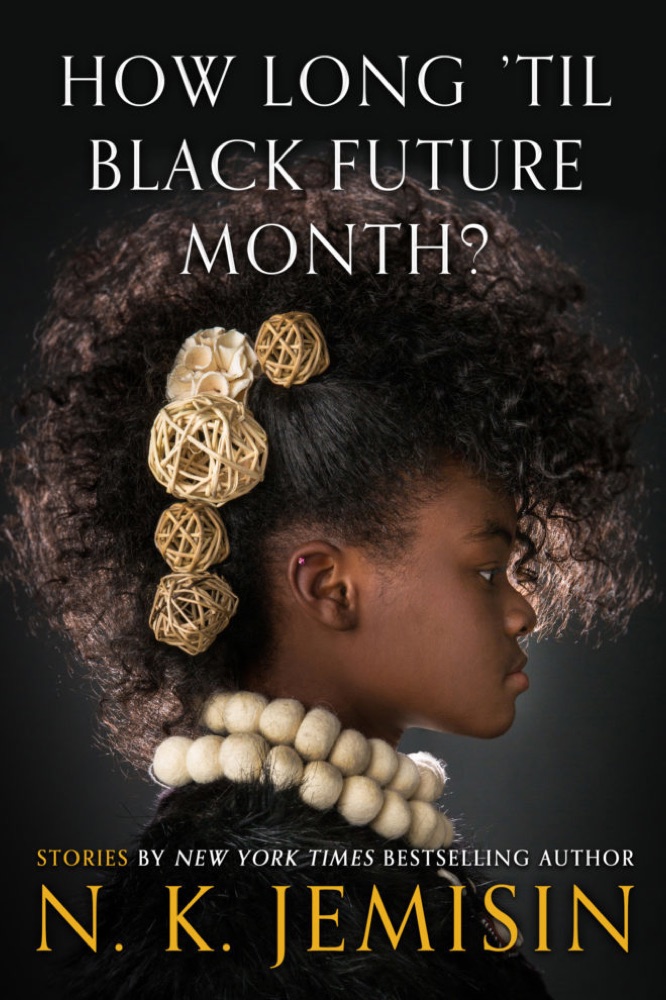 How Long 'til Black Future Month?
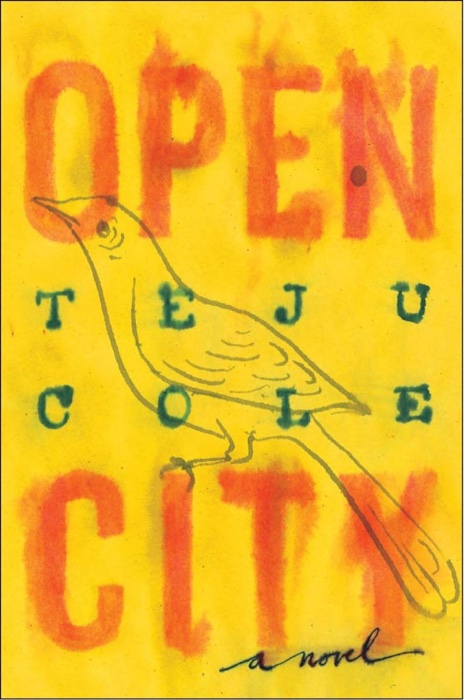 Open City
 The Reluctant Fundamentalist
 The Source of Self-Regard: Selected Essays, Speeches, and Meditations
 The Fire This Time: A New Generation Speaks About Race
 We Were Eight Years in Power: An American Tragedy
 The Heart of a Woman
 Hell of a Book
 Homegoing
 The Girl Who Smiled Beads: A Story of War and What Comes After
 A Little Devil in America: Notes in Praise of Black Performance
 One Day We'll All Be Dead and None of This Will Matter
 The Love Songs of W.E.B. Du Bois
 Opinions: A Decade of Arguments, Criticism, and Minding Other People’s Business
 When They Call You a Terrorist: A Black Lives Matter Memoir
 The Message
 Close to the Knives: A Memoir of Disintegration
 A Promised Land
 My Government Means to Kill Me
 Edge of Eternity
 The Sympathizer
 A Bend in the River
 White Like Me: Reflections On Race From A Privileged Son
 James
James
 The Hour I First Believed
 Born a Crime: Stories From a South African Childhood
 American Sonnets for My Past and Future Assassin
 A Mind Spread Out on the Ground
 Essays of E.B. White
 Varina
 What Doesn't Kill You Makes You Blacker: A Memoir in Essays
 Blood Done Sign My Name: A True Story
 The Audacity of Hope: Thoughts on Reclaiming the American Dream
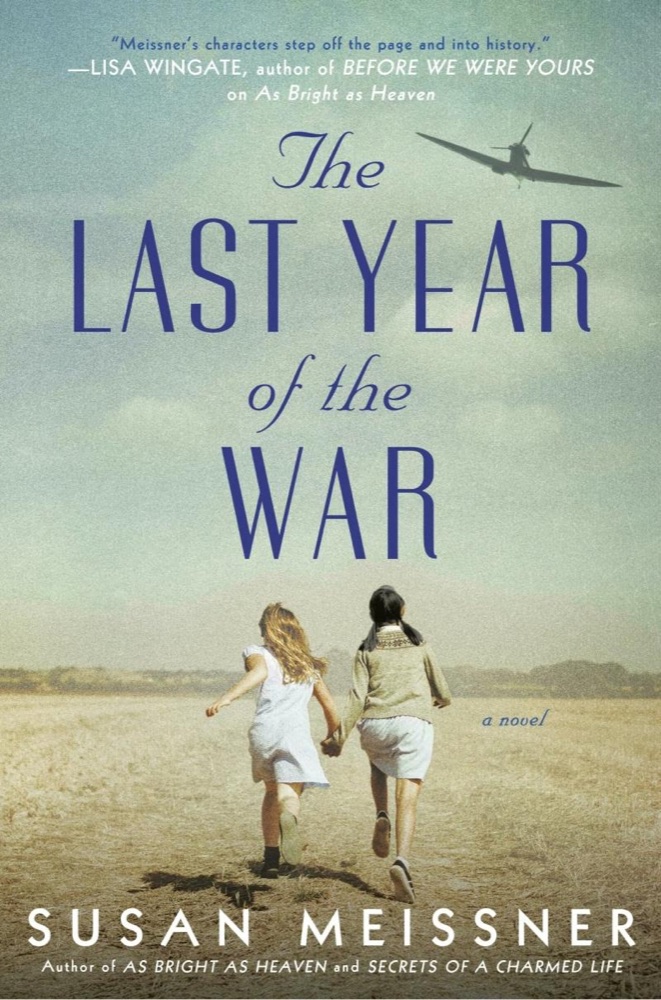 The Last Year of the War
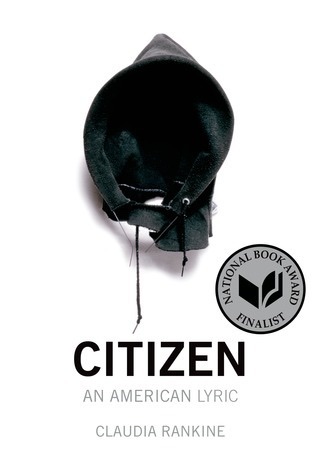 Citizen: An American Lyric
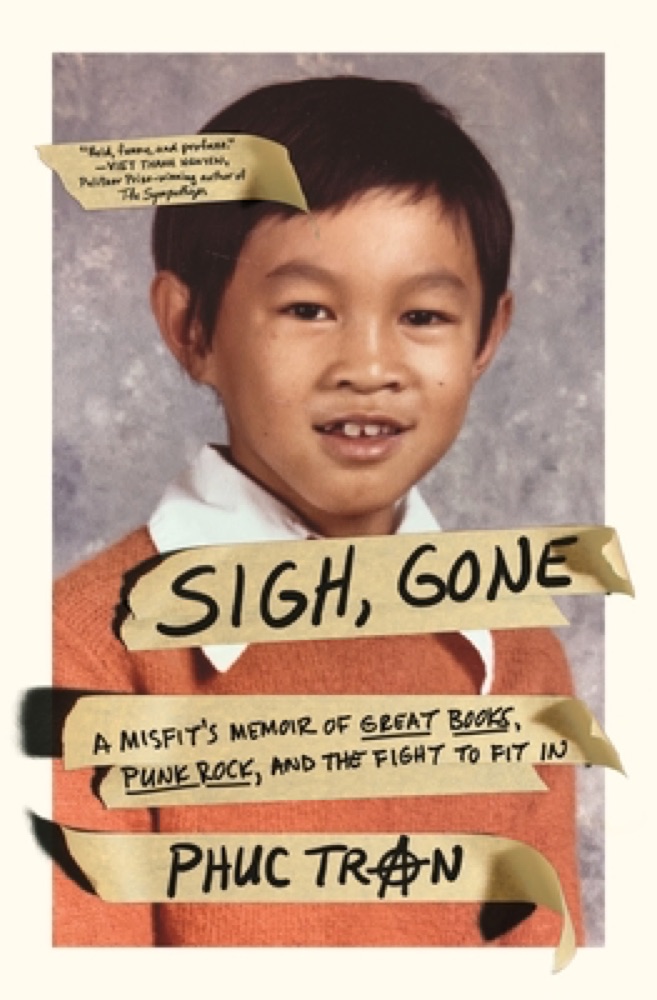 Sigh, Gone: A Misfit's Memoir of Great Books, Punk Rock, and the Fight to Fit In
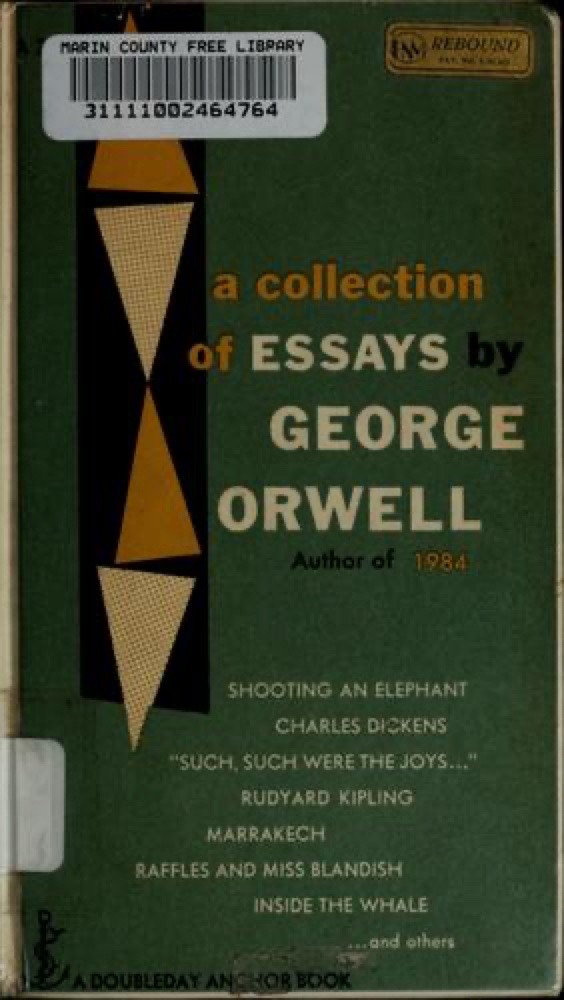 A Collection of Essays
 Patron Saints of Nothing
 Minor Feelings: An Asian American Reckoning
 The Autobiography of an Ex-Coloured Man
 Embassytown
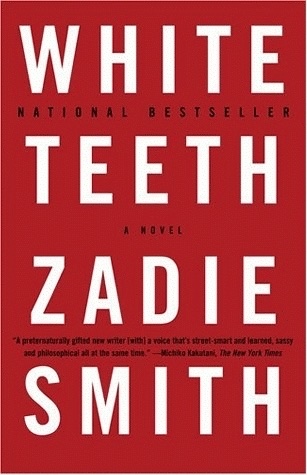 White Teeth
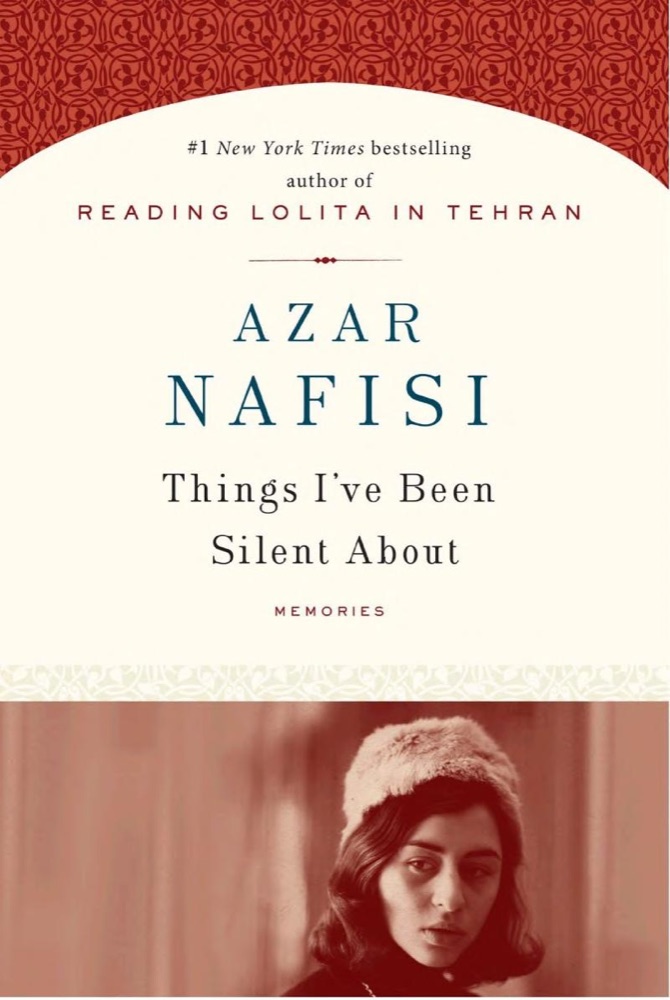 Things I've Been Silent About
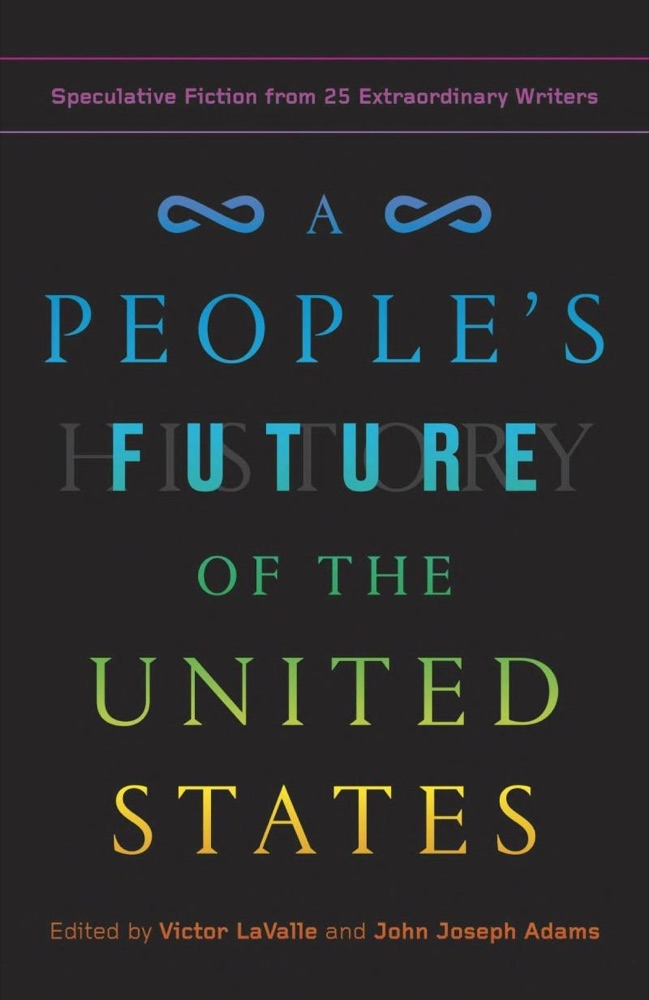 A People's Future of the United States: Speculative Fiction from 25 Extraordinary Writers
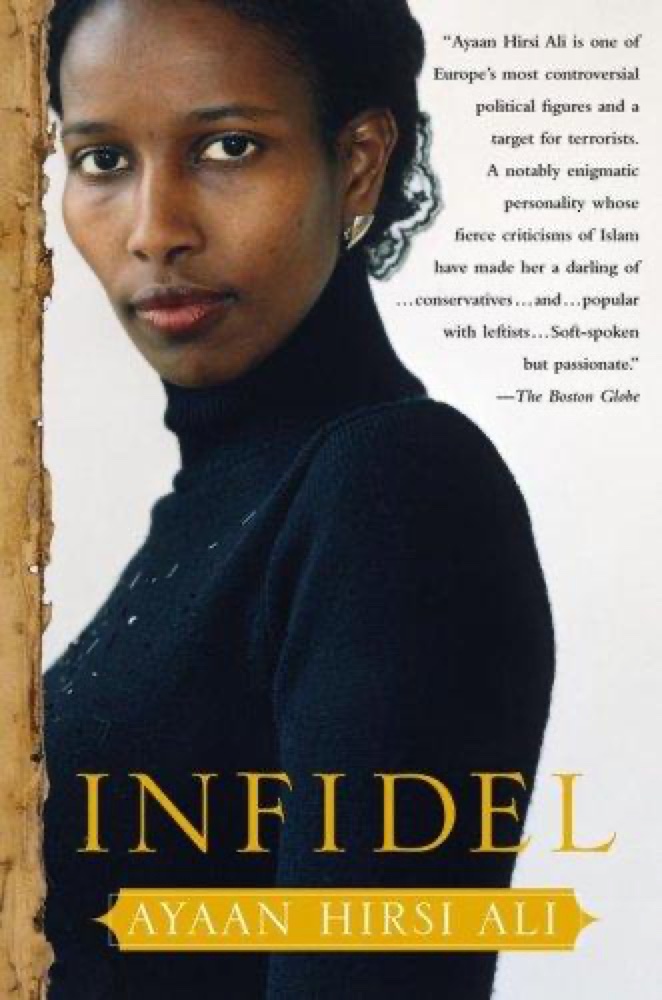 Infidel
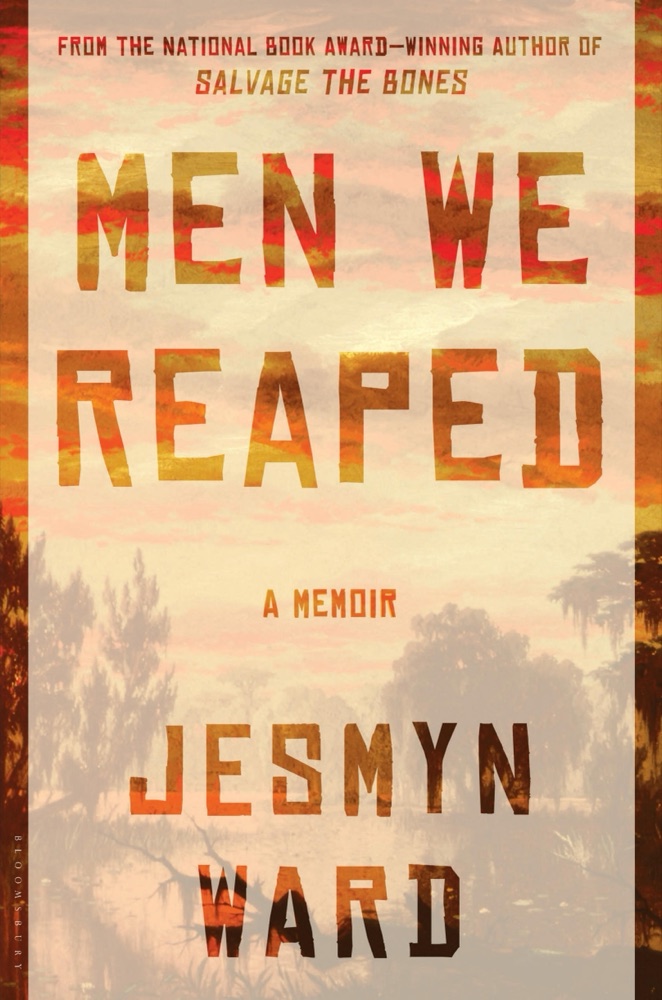 Men We Reaped
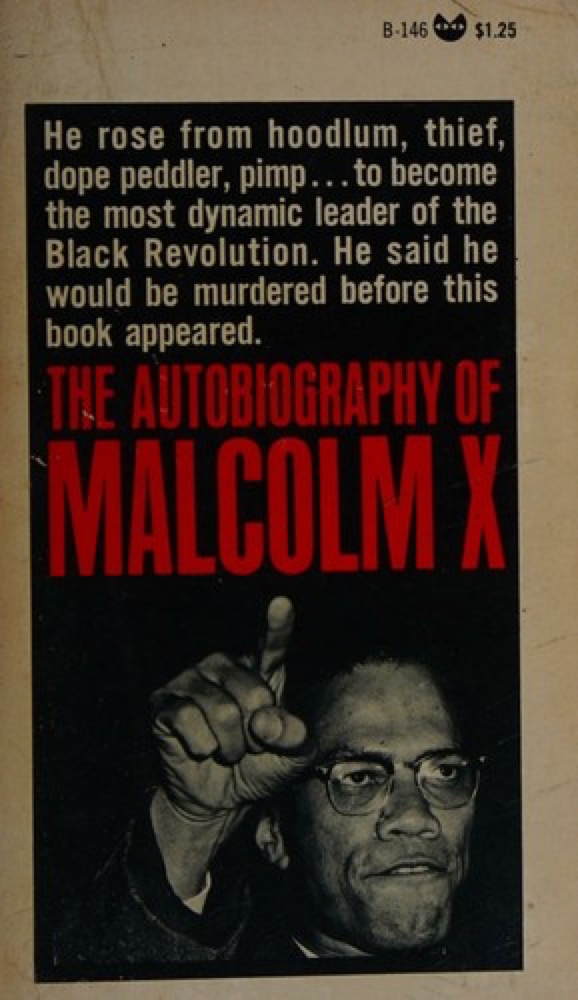 The Autobiography of Malcolm X