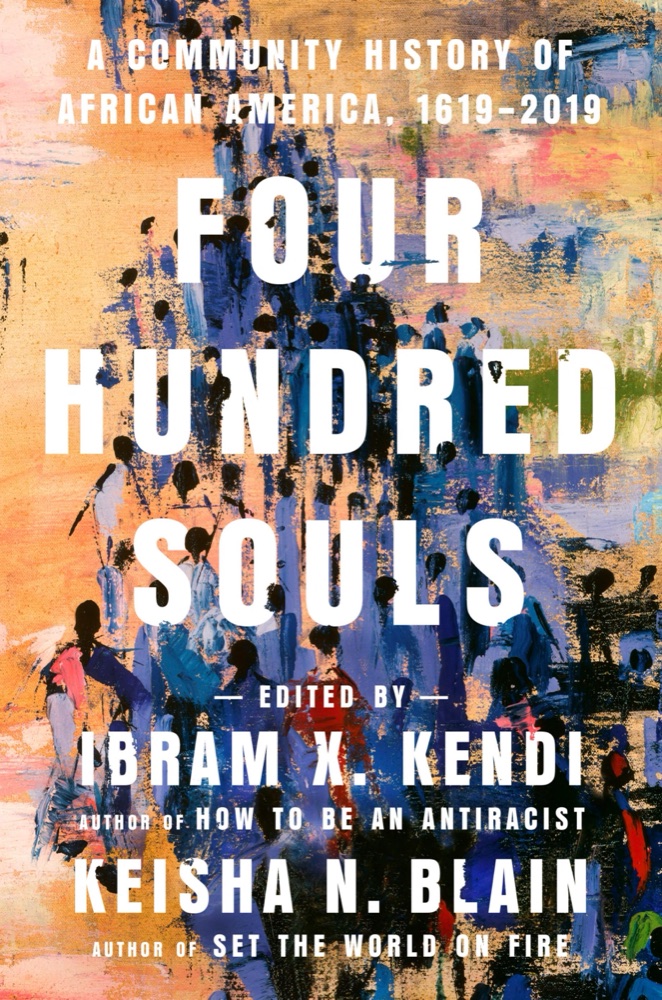
 Four Hundred Souls: A Community History of African America, 1619-2019
Quotes from the Book
The principal function of racist ideas in American history has been the suppression of resistance to racial discrimination and its resulting racial disparities. The beneficiaries of slavery, segregation, and mass incarceration have produced racist ideas of Black people being best suited for or deserving of the confines of slavery, segregation, or the jail cell. Consumers of these racist ideas have been led to believe there is something wrong with Black people, and not the policies that have enslaved, oppressed, and confined so many Black people.
43
Time and again, racist ideas have not been cooked up from the boiling pot of ignorance and hate. Time and again, powerful and brilliant men and women have produced racist ideas in order to justify the racist policies of their era, in order to redirect the blame for their era’s racial disparities away from those policies and onto Black people.
37
the only thing wrong with Black people is that we think something is wrong with Black people.
31
I know that readers truly committed to racial equality will join me on this journey of interrogating and shedding our racist ideas. But if there is anything I have learned during my research, it’s that the principal producers and defenders of racist ideas will not join us. And no logic or fact or history book can change them, because logic and facts and scholarship have little to do with why they are expressing racist ideas in the first place.
30
That is what it truly means to think as an antiracist: to think there is nothing wrong with Black people, to think that racial groups are equal. There are lazy and unwise and harmful individuals of African ancestry. There are lazy and unwise and harmful individuals of European ancestry. There are industrious and wise and harmless individuals of European ancestry. There are industrious and wise and harmless individuals of African ancestry. But no racial group has ever had a monopoly on any type of human trait or gene—not now, not ever.
24
When men oppress their fellow-men, the oppressor ever finds, in the character of the oppressed, a full justification for his oppression.” Douglass, amazingly, summed up the history of racist ideas in a single sentence.
18
Already, the American mind was accomplishing that indispensable intellectual activity of someone consumed with racist ideas: individualizing White negativity and generalizing Black negativity. Negative behavior by any Black person became proof of what was wrong with Black people, while negative behavior by any White person only proved what was wrong with that person.
17
Since segregationists had first developed them in the early twentieth century, standardized tests—from the MCAT to the SAT and IQ exams—had failed time and again to predict success in college and professional careers or even to truly measure intelligence. But these standardized tests had succeeded in their original mission: figuring out an “objective” way to rule non-Whites (and women and poor people) intellectually inferior, and to justify discriminating against them in the admissions process. It had become so powerfully “objective” that those non-Whites, women, and poor people would accept their rejection letters and not question the admissions decisions.
12
The Mennonites did not intend to leave behind one site of oppression to build another in America. Mennonites therefore circulated an antislavery petition on April 18, 1688. “There is a saying, that we shall doe to all men like as we will be done ourselves; making no difference of what generation, descent or colour they are,” they wrote. “In Europe there are many oppressed” for their religion, and “here those are oppressed” for their “black colour.” Both oppressions were wrong. Actually, as an oppressor, America “surpass[ed] Holland and Germany.” Africans had the “right to fight for their freedom.” The 1688 Germantown Petition Against Slavery was the inaugural antiracist tract among European settlers in colonial America. Beginning with this piece, the Golden Rule would forever inspire the cause of White antiracists. Antiracists of all races—whether out of altruism or intelligent self-interest—would always recognize that preserving racial hierarchy simultaneously preserves ethnic, gender, class, sexual, age, and religious hierarchies. Human hierarchies of any kind, they understood, would do little more than oppress all of humanity.
12
I was taught the popular folktale of racism: that ignorant and hateful people had produced racist ideas, and that these racist people had instituted racist policies. But when I learned the motives behind the production of many of America’s most influentially racist ideas, it became quite obvious that this folktale, though sensible, was not based on a firm footing of historical evidence. Ignorance/hateracist ideasdiscrimination: this causal relationship is largely ahistorical. It has actually been the inverse relationship—racial discrimination led to racist ideas which led to ignorance and hate. Racial discriminationracist ideasignorance/hate: this is the causal relationship driving America’s history of race relations.
12
Whenever a Black person or group used White people as a standard of measurement, and cast another Black person or group as inferior, it was another instance of racism.
11
From their arrival around 1619, African people had illegally resisted legal slavery. They had thus been stamped from the beginning as criminals. In
11
When you truly believe that the racial groups are equal, then you also believe that racial disparities must be the result of racial discrimination. Committed to this antiracist idea of group equality, I was able to self-critique, discover, and shed the racist ideas I had consumed over my lifetime when I uncovered and exposed the racist ideas that others have produced over the lifetime of America. I know that readers truly committed to racial equality will join me on this journey of interrogating and shedding our racist ideas. But if there is anything I have learned form my research, it's that the principal producers and defenders of racist ideas will not join us. And no logic or fact or history book can change them, because logic and facts and scholarship have little to do with why they are expressing racist ideas in the first place. Stamped from the Beginning is about these close-minded, cunning, captivating producers of racist ideas. But it is not for them. My open mind was liberated in writing this story. I am hoping that other open minds can be liberated in reading this story.
7
Black behavior—not the wrenching housing and economic discrimination—was blamed for these impoverished Black enclaves.
7
resisting Africans were nearly always cast as violent criminals, not people reacting to enslavers’ regular brutality, or pressing for the most basic human desire: freedom.
7
Hate and ignorance have not driven the history of racist ideas in America. Racist policies have driven the history of racist ideas in America. And this fact becomes apparent when we examine the causes behind, not the consumption of racist ideas, but the production of racist ideas.
6
I’m for truth, no matter who tells it. I’m for justice, no matter who it is for or against. I’m a human being first and foremost, and as such I’m for whoever and whatever benefits humanity as a whole.
6
If Blacks did not violently resist, then they were cast as naturally servile. And yet, whenever they did fight, reactionary commentators, in both North and South, classified them as barbaric animals who needed to be caged in slavery.
6
For nearly six centuries, antiracist ideas have been pitted against two kinds of racist ideas: segregationist and assimilationist.
5
American enslavers were still afraid to baptize Africans, because Christian slaves, like Elizabeth Key, could sue for their freedom.
5
assimilationists constantly encourage Black adoption of White cultural traits and/or physical ideals.
4
Their mission: uplift the inferior free Blacks to “an equality with whites.” And yet, AASS agents and supporters were cautioned not to adopt Black children, encourage interracial marriages, or excite “the people of color to assume airs.” Blacks were to assume “the true dignity of meekness” in order to win over their critics.
4
For racists like Franklin, it proved difficult to believe that many Blacks were capable of becoming another Francis Williams or Phillis Wheatley. Racists often understood this capable handful to be “extraordinary Negroes.” Joseph
4
Those Americans who have the power to end racism as we know it, to become tough on racism, and to build the postracial society that the postracialists actually don’t want to see—these people have known the facts throughout the storied lifetime of Angela Davis. Powerful Americans also knew the facts during the lifetimes of Cotton Mather, Thomas Jefferson, William Lloyd Garrison, and W. E. B. Du Bois. It is the primary job of the powerful to know the facts of America. So trying to educate knowledgeable people does not make much sense. Trying to educate these powerful producers or defenders or ignorers of American racism about its harmful effects is like trying to educate a group of business executives about how harmful their products are. They already know, and they don’t care enough to end the harm. History is clear. Sacrifice, uplift, persuasion, and education have not eradicated, are not eradicating, and will not eradicate racist ideas, let alone racist policies. Power will never self-sacrifice away from its self-interest. Power cannot be persuaded away from its self-interest. Power cannot be educated away from its self-interest. Those who have the power to abolish racial discrimination have not done so thus far, and they will never be persuaded or educated to do so as long as racism benefits them in some way.
3
In 1996, when two-thirds of the crack users were White or Latina/o, 84.5 percent of the defendants convicted of crack possession were Black.
3
By the early 1980s, one study showed that for every White person killed by police officers, police killed twenty-two Black people.
3
Black Americans’ history of oppression has made Black opportunities—not Black people—inferior.
3
The court ordered a White man in 1630 “to be soundly whipt before an assembly of negroes & others for abusing himself to the dishonor of God and the shame of Christianity by defiling his body in lying with a negro.” The court contrasted the polluted Black woman and the pure White woman, with whom he could lie without defiling his body. It was the first recorded instance of gender racism in America, of considering the body of the Black woman to be a tainted object that could defile a White man upon contact.
3
Watch on YouTube
About Ibram X. Kendi
We have collected 56 quotes from 2 books by Ibram X. Kendi on BookQuoters.
More about the author →More by Ibram X. Kendi
Four Hundred Souls: A Community History of African America, 1619-2019
About the book
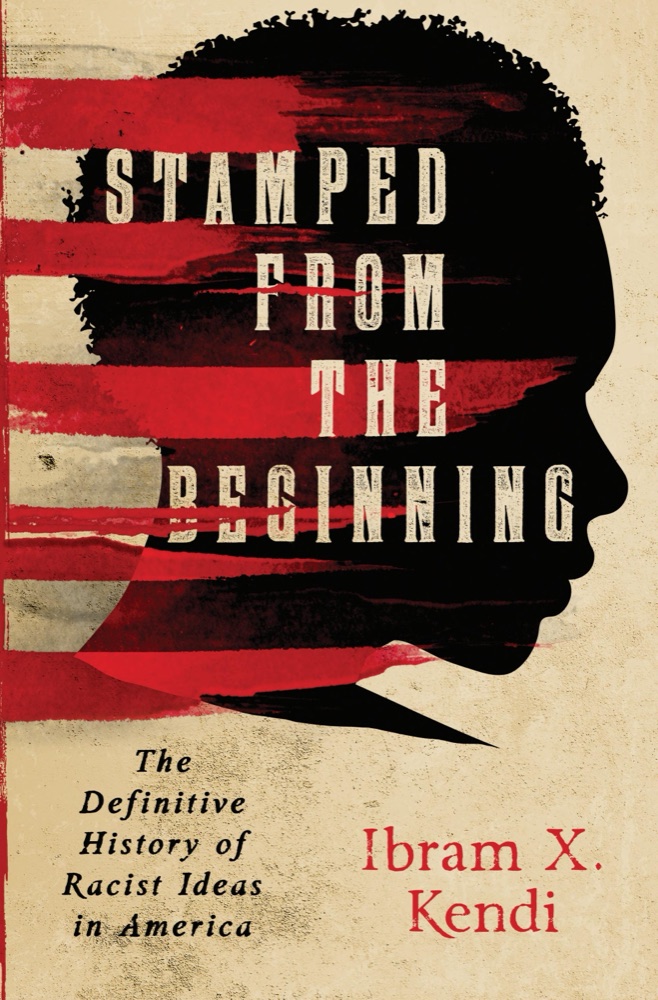
In this deeply researched and fast-moving narrative, Kendi chronicles the entire story of anti-Black racist ideas and their staggering power over the course of American history. Stamped from the Beginning uses the lives of five major American intellectuals to offer a window into the contentious debates between assimilationists and segregationists and between racists and anti-racists. From Puritan minister Cotton Mather to Thomas Jefferson, from fiery abolitionist William Lloyd Garrison to brilliant scholar W. E. B. Du Bois to legendary anti-prison activist Angela Davis, Kendi shows how and why some of our leading pro-slavery and pro–civil rights thinkers have challenged or helped cement racist ideas in America.
As Kendi illustrates, racist thinking did not arise from ignorance or hatred. Racist ideas were created and popularized in an effort to defend deeply entrenched discriminatory
Book details
- First published
- 2016
- Author
- Ibram X. Kendi
- Genre
- Nonfiction
- Goodreads rating
- 4.53 (39k ratings)
The buzz
- The Washington PostReview in The Washington Postprofessional review (via Book Marks)
- The GuardianReview in The Guardianprofessional review (via Book Marks)
- The TimesReview in The Timesprofessional review (via Book Marks)
- Kirkus ReviewsReview in Kirkus Reviewsprofessional review (via Book Marks)
- New StatesmanReview in New Statesmanprofessional review (via Book Marks)
- BooklistReview in Booklistprofessional review (via Book Marks)
Keep reading
 Stamped: Racism, Antiracism, and You
Four Hundred Souls: A Community History of African America, 1619-2019
Stamped: Racism, Antiracism, and You
Four Hundred Souls: A Community History of African America, 1619-2019
 Stony the Road: Reconstruction, White Supremacy, and the Rise of Jim Crow
 Simple Justice: The History of Brown v. Board of Education and Black America's Struggle for Equality
 The 1619 Project: A New Origin Story
 White Rage: The Unspoken Truth of Our Racial Divide
 We Were Eight Years in Power: An American Tragedy
 Stamped (For Kids): Racism, Antiracism, and You
 Black AF History: The Un-Whitewashed Story of America
 The End of Race Politics: Arguments for a Colorblind America
 The Sum of Us: What Racism Costs Everyone and How We Can Prosper Together
 Uncomfortable Conversations With a Black Man
 Silent Covenants: Brown v. Board of Education and the Unfulfilled Hopes for Racial Reform
 I'm Still Here: Black Dignity in a World Made for Whiteness
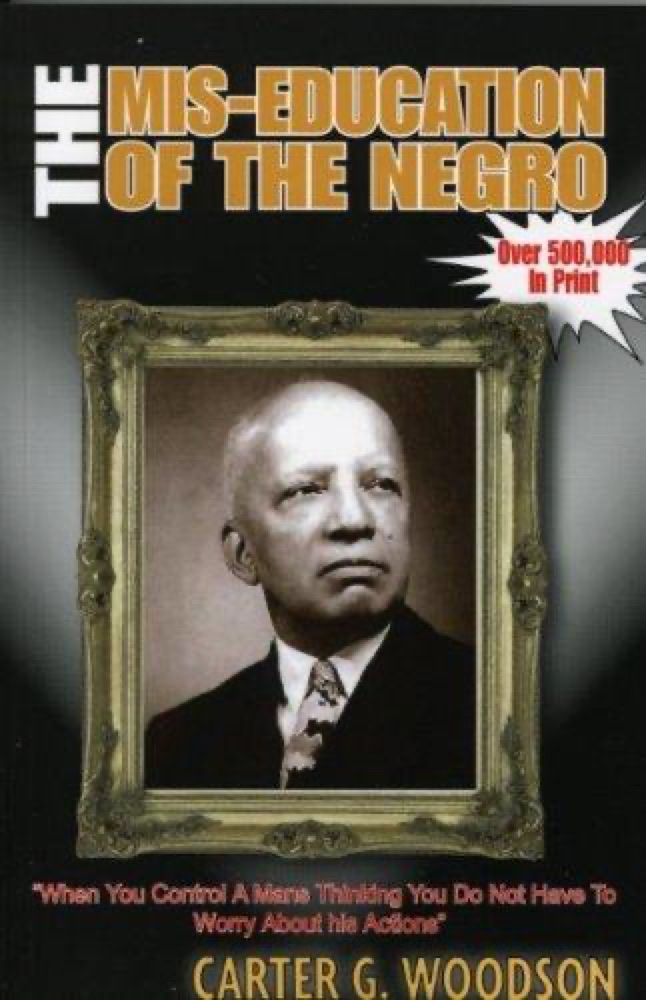 The Mis-Education of the Negro
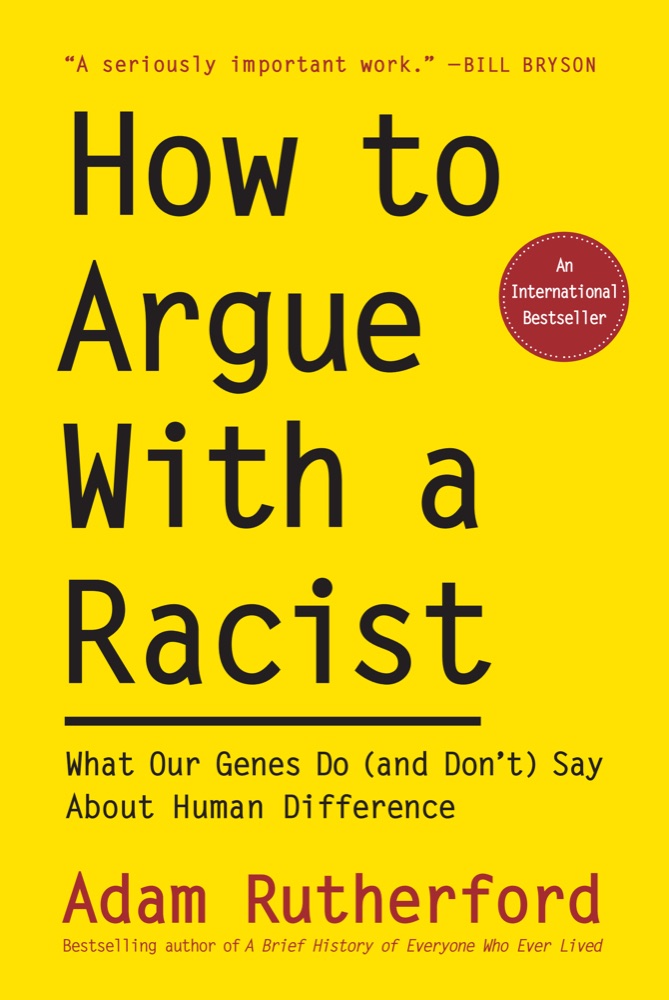 How to Argue With a Racist: What Our Genes Do (and Don't) Say About Human Difference
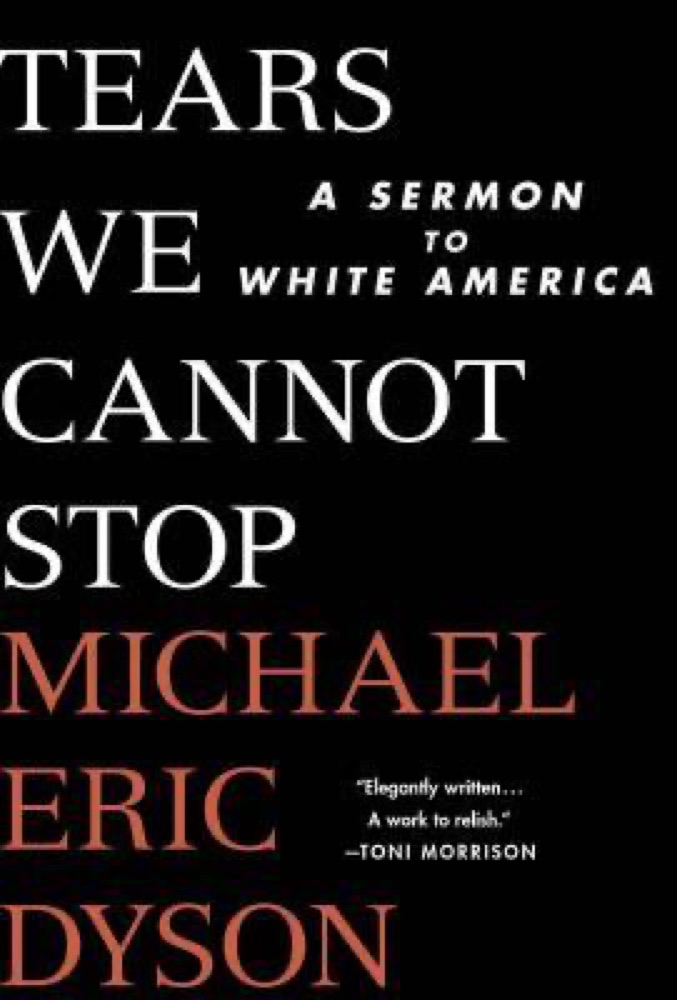 Tears We Cannot Stop: A Sermon to White America
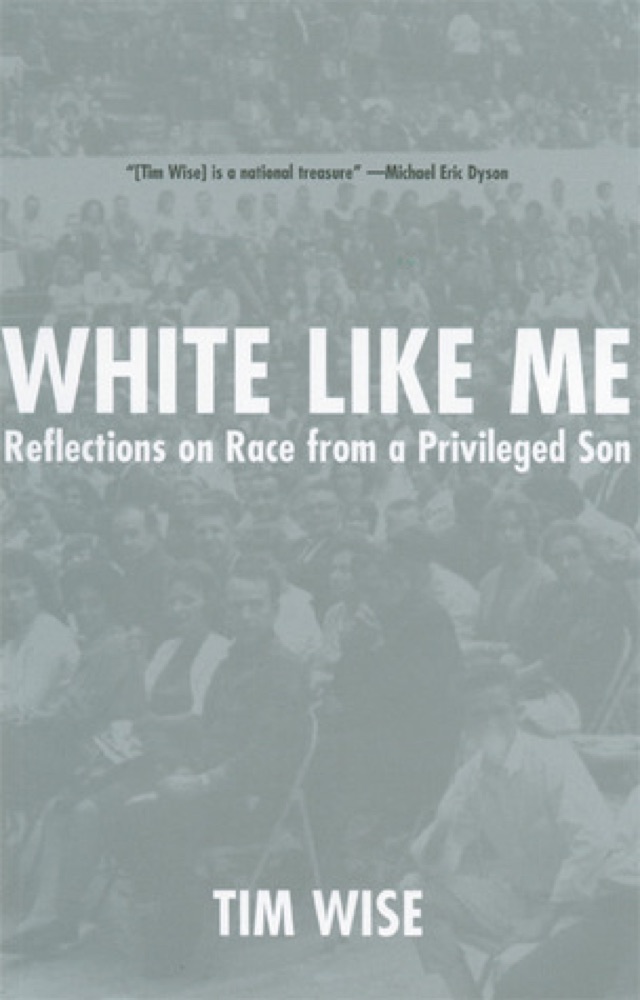 White Like Me: Reflections On Race From A Privileged Son
 Why Are All The Black Kids Sitting Together in the Cafeteria?
 The New Jim Crow: Mass Incarceration in the Age of Colorblindness
 Why We Can't Wait
 The Fire This Time: A New Generation Speaks About Race
 What White People Can Do Next: From Allyship to Coalition – An Empowering Guide to Interrogating Whiteness and Creating Justice
 Black Rednecks and White Liberals
 Becoming Abolitionists: Police, Protests, and the Pursuit of Freedom
 The Hemingses of Monticello: An American Family
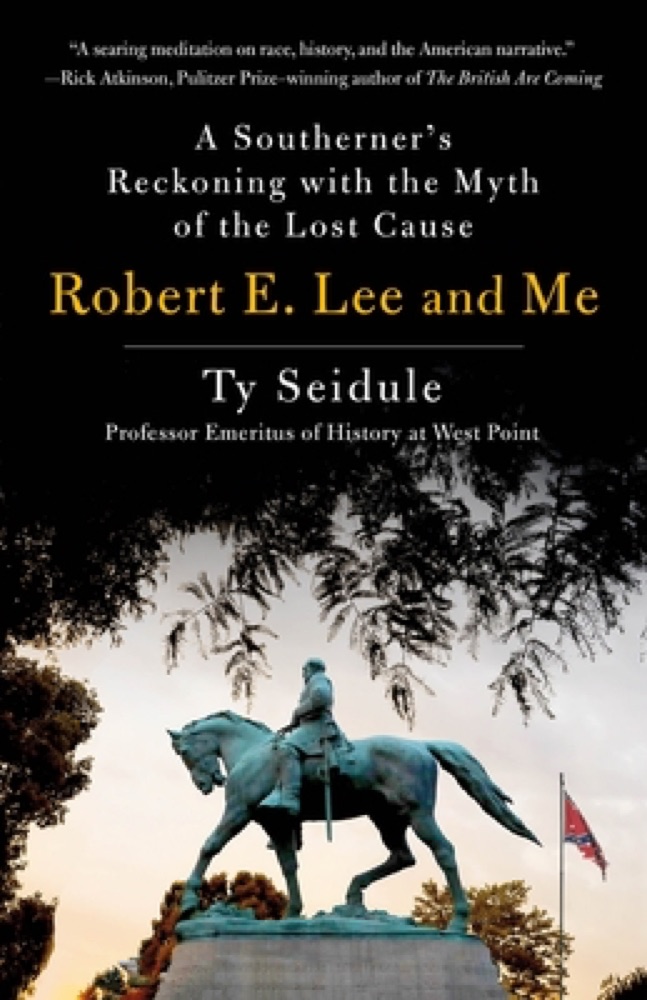 Robert E. Lee and Me: A Southerner's Reckoning with the Myth of the Lost Cause
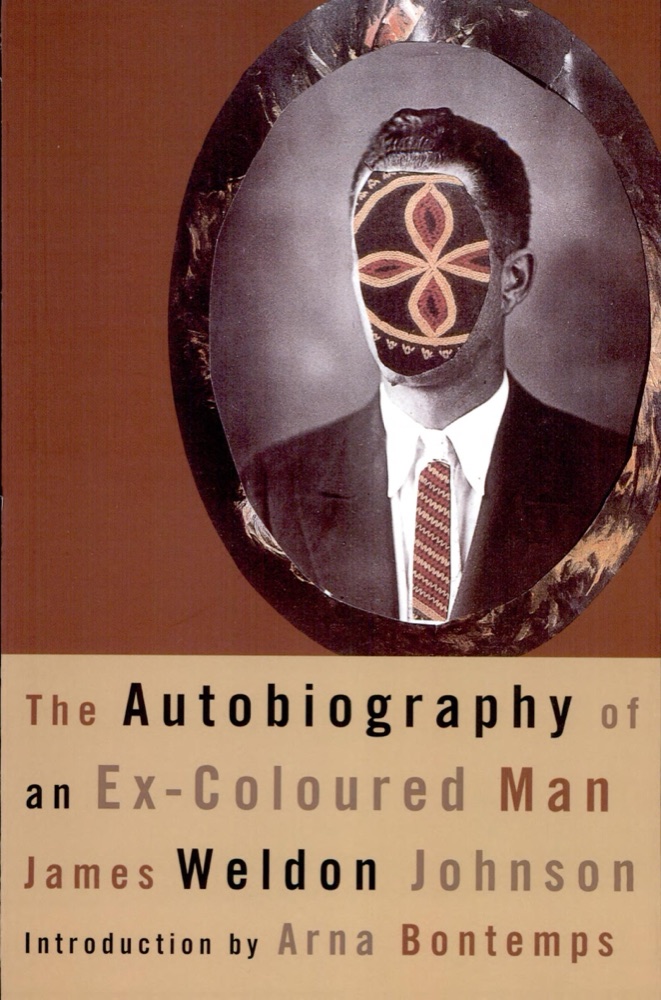 The Autobiography of an Ex-Coloured Man
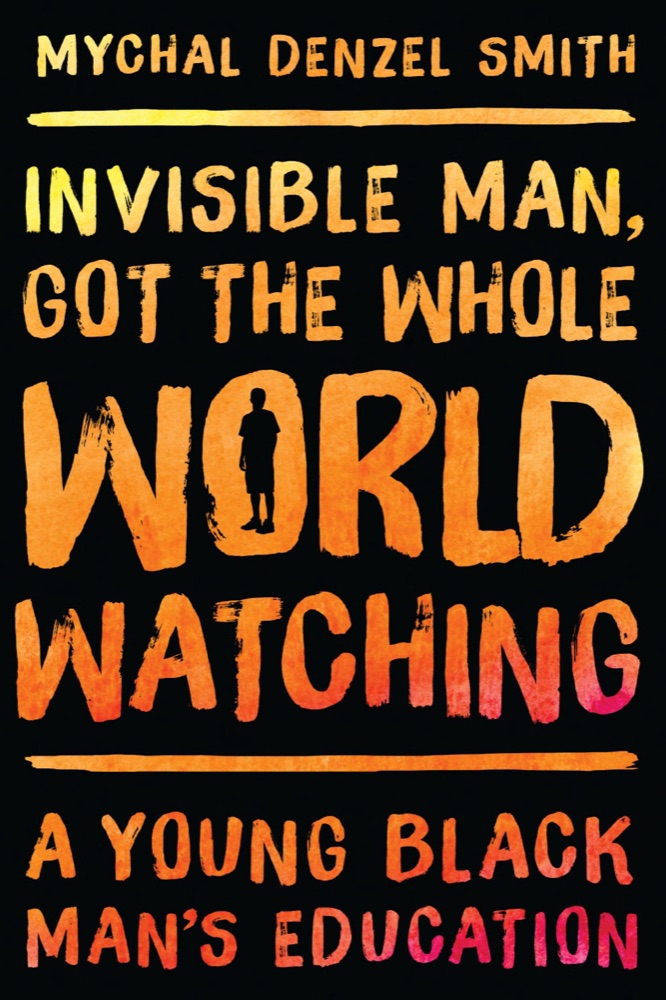 Invisible Man, Got the Whole World Watching: A Young Black Man's Education
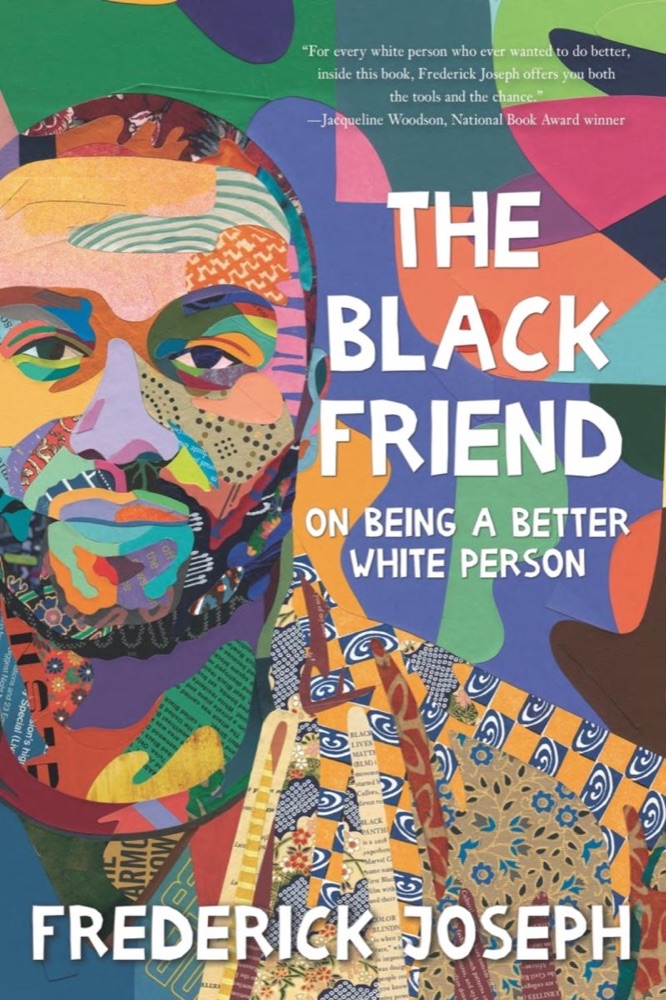 The Black Friend: On Being a Better White Person
 The Half Has Never Been Told: Slavery and the Making of American Capitalism
 The Disuniting of America: Reflections on a Multicultural Society
 What Truth Sounds Like: Robert F. Kennedy, James Baldwin, and Our Unfinished Conversation About Race in America
 Waking Up White: And Finding Myself in the Story of Race
 We Gon' Be Alright: Notes on Race and Resegregation
 Dark Days
 The Warmth of Other Suns: The Epic Story of America's Great Migration
 Black Reconstruction in America 1860-1880
 We Refuse: A Forceful History of Black Resistance
 The Identity Trap: A Story of Ideas and Power in Our Time
 No Name in the Street
 Where Do We Go from Here: Chaos or Community?
 This Book Is Anti-Racist: 20 Lessons on How to Wake Up, Take Action, and Do the Work
 The Blood of Emmett Till
 How the Word Is Passed: A Reckoning with the History of Slavery Across America
 Black in Blues: How a Color Tells the Story of My People
 Black Looks: Race and Representation
 A Fever in the Heartland: The Ku Klux Klan's Plot to Take Over America, and the Woman Who Stopped Them
 White Trash: The 400-Year Untold History of Class in America
 A People's History of the United States
 Why I'm No Longer Talking to White People About Race
 Superior: The Return of Race Science
 Black Feminist Thought: Knowledge, Consciousness, and the Politics of Empowerment
 The Skin We're In: A Year of Black Resistance and Power
 Black No More
 Black Like Me
 Blood Done Sign My Name: A True Story
 Black Skin, White Masks
 The Love Songs of W.E.B. Du Bois
 The Souls of Black Folk