
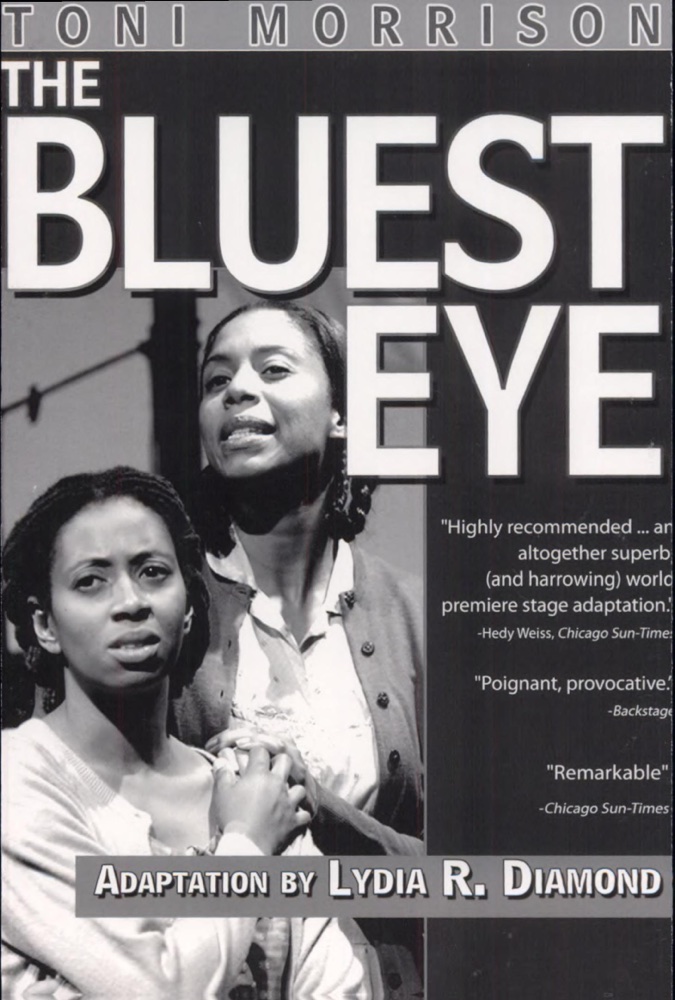
 The Bluest Eye
Quotes from the Book
The danger of sympathizing with the stranger is the possibility of becoming a stranger. To lose one’s racial-ized rank is to lose one’s own valued and enshrined difference.
6
It took some time for me to understand my unreasonable claims on that fisherwoman. To understand that I was longing for and missing some aspect of myself, and that there are no strangers. There are only versions of ourselves, many of which we have not embraced, most of which we wish to protect ourselves from. For the stranger is not foreign, she is random; not alien but remembered; and it is the randomness of the encounter with our already known--although unacknowledged--selves that summons a ripple of alarm. That makes us reject the figure and the emotions it provokes--especially when these emotions are profound. It is also what makes us want to own, govern, and administrate the Other. To romance her, if we can, back into our own mirrors. In either instance (of alarm or false reverence), we deny her personhood, the specific individuality we insist upon for ourselves.
2
delineates the borders of power. “Race,” writes the historian Nell Painter, “is an idea, not a fact.” In America, part of the idea of race is that whiteness automatically confers a decreased chance of dying like Michael Brown, or Walter Scott, or Eric Garner. And death is but the superlative example of what it means to live as an “Other,” to exist beyond the border of a great “belonging.” The kind of “economic
2
Narrative fiction provides a controlled wilderness, an opportunity to be and to become the Other. The stranger. With sympathy, clarity, and the risk of self-examination.
2
And isn't that the kind of thing we fear strangers will do? Disturb. Betray. Prove they are not like us?
1
How hard they work to define the slave as inhuman, savage, when in fact the definition of the inhuman describes overwhelmingly the punisher. When they rest, exhausted, between bouts of lashing, the punishment is more sadistic than corrective. If sustained whipping tires the lasher, and he or she must take a series of breaks before continuing, what good does its duration do to the whipped? Such extreme pain seems to be designed for the pleasure of the one with the lash. The necessity of rendering the slave a foreign species appears to be a desperate attempt to confirm one’s own self as normal. The urgency of distinguishing between those who belong to the human race and those who are decidedly non-human is so powerful the spotlight turns away and shines not on the object of degradation but on its creator. Even assuming exaggeration by the slaves, the sensibility of slave owners is gothic. It’s as though they are shouting, “I am not a beast! I’m not a beast! I torture the helpless to prove I am not weak.” The danger of sympathizing with the stranger is the possibility of becoming a stranger. To lose one’s racial-ized rank is to lose one’s own valued and enshrined difference.
1
One purpose of scientific racism is to identify an outsider in order to define one’s self. Another possibility is to maintain (even enjoy) one’s own difference without contempt for the categorized difference of the Othered. Literature is especially and obviously revelatory in exposing / contemplating the definition of self whether it condemns or supports the means by which it is acquired. How does one become a racist, a sexist? Since no one is born a racist and there is no fetal predisposition to sexism, one learns Othering not by lecture or instruction but by example.
Harriet Beecher Stowe did not write Uncle Tom’s Cabin for Tom, Aunt Chloe, or any black people to read. Her contemporary readership was white people, those who needed, wanted, or could relish the romance.
if she wishes to be American—to be known as such and to actually belong—she must become a thing unimaginable in her home country: she must become white.
A feeling of welcome washes over me. I walk toward her, right up to the fence that separates my place from the neighbor’s,
In A Mercy I labored to identify the journey from sympathetic race relations to violent ones fostered by religion.
Nothing will undo the accident; nothing will immediately repair the jar, so what is the urgency of the beating? To teach a lesson or to enjoy it?
First it might be valuable to research “race” itself. Racial identification and exclusion did not begin, or end, with blacks.
Watch on YouTube
About Toni Morrison
We have collected 331 quotes from 13 books by Toni Morrison on BookQuoters.
More about the author →
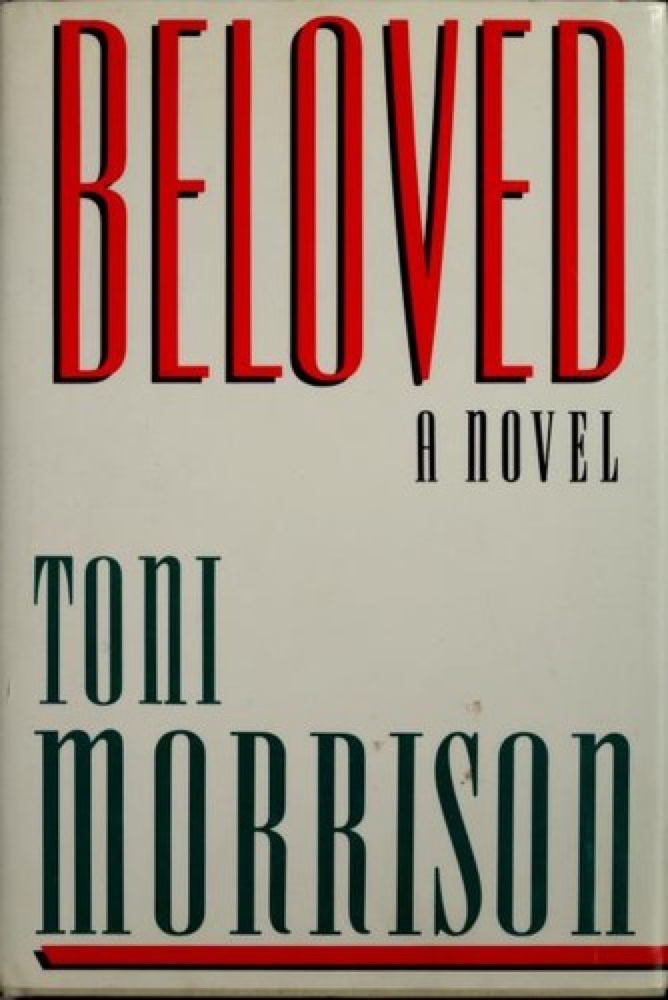
About the book
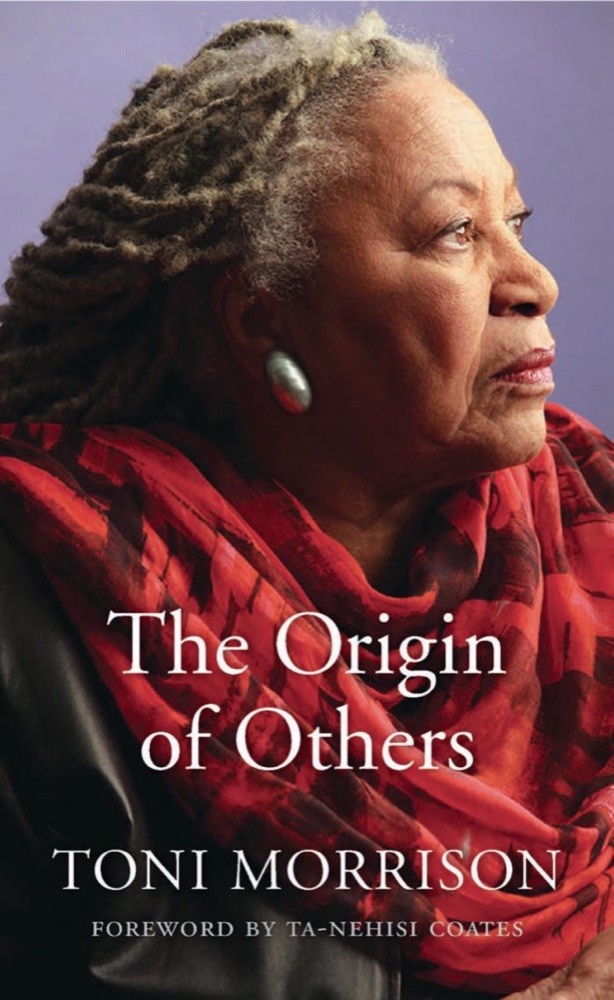
America’s foremost novelist reflects on the themes that preoccupy her work and increasingly dominate national and world politics: race, fear, borders, the mass movement of peoples, the desire for belonging. What is race and why does it matter? What motivates the human tendency to construct Others? Why does the presence of Others make us so afraid?
Drawing on her Norton Lectures, Toni Morrison takes up these and other vital questions bearing on identity in The Origin of Others. In her search for answers, the novelist considers her own memories as well as history, politics, and especially literature. Harriet Beecher Stowe, Ernest Hemingway, William Faulkner, Flannery O’Connor, and Camara Laye are among the authors she examines. Readers of Morrison’s fiction will welcome her discussions of some of her most celebrated books—Beloved, Paradise, and A Mercy.
If we learn racism by example,
Book details
- First published
- 2017
- Author
- Toni Morrison
- Genre
- Nonfiction
- Goodreads rating
- 4.19 (5k ratings)
The buzz
- The GuardianReview in The Guardianprofessional review (via Book Marks)
- Kirkus ReviewsReview in Kirkus Reviewsprofessional review (via Book Marks)
- Publishers WeeklyReview in Publishers Weeklyprofessional review (via Book Marks)
- LA Review of BooksReview in LA Review of Booksprofessional review (via Book Marks)
- PopmattersReview in Popmattersprofessional review (via Book Marks)
- NewrepublicReview in Newrepublicprofessional review (via Book Marks)
Keep reading
 The Source of Self-Regard: Selected Essays, Speeches, and Meditations
 Just Us: An American Conversation
 Notes from No Man's Land
 Waking Up White: And Finding Myself in the Story of Race
 Notes of a Native Son
 The Devil Finds Work: Essays
 Between the World and Me
 No Name in the Street
 Stamped: Racism, Antiracism, and You
 Minor Feelings: An Asian American Reckoning
 Black Skin, White Masks
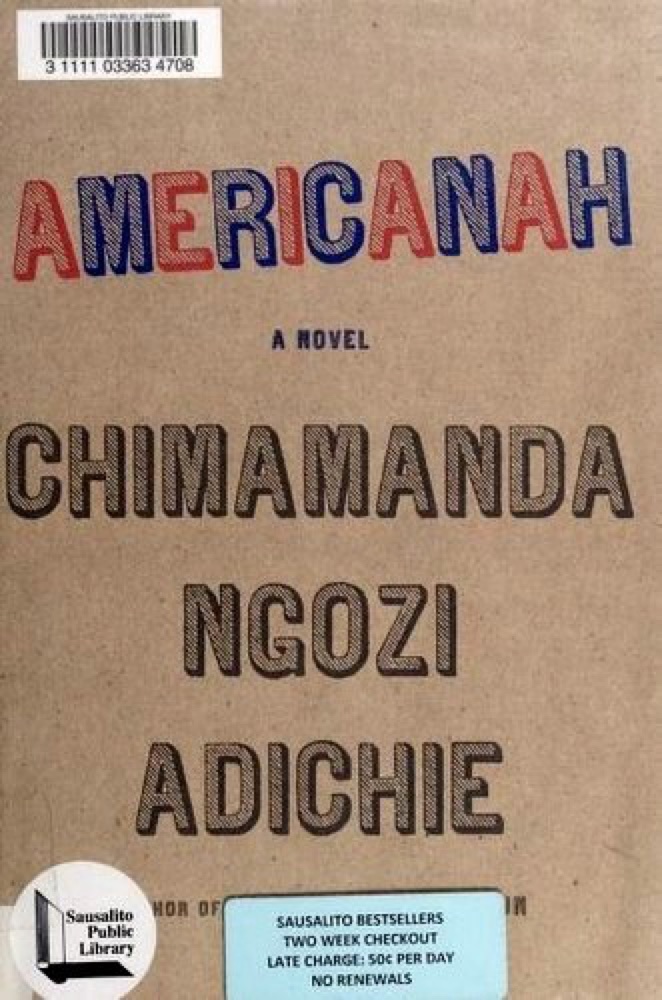 Americanah
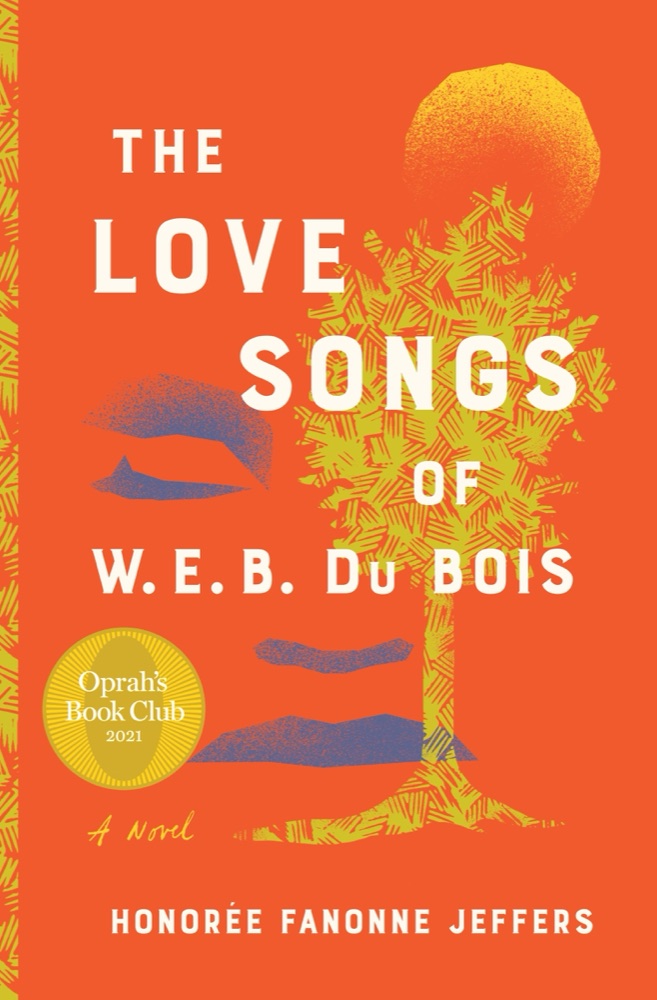 The Love Songs of W.E.B. Du Bois
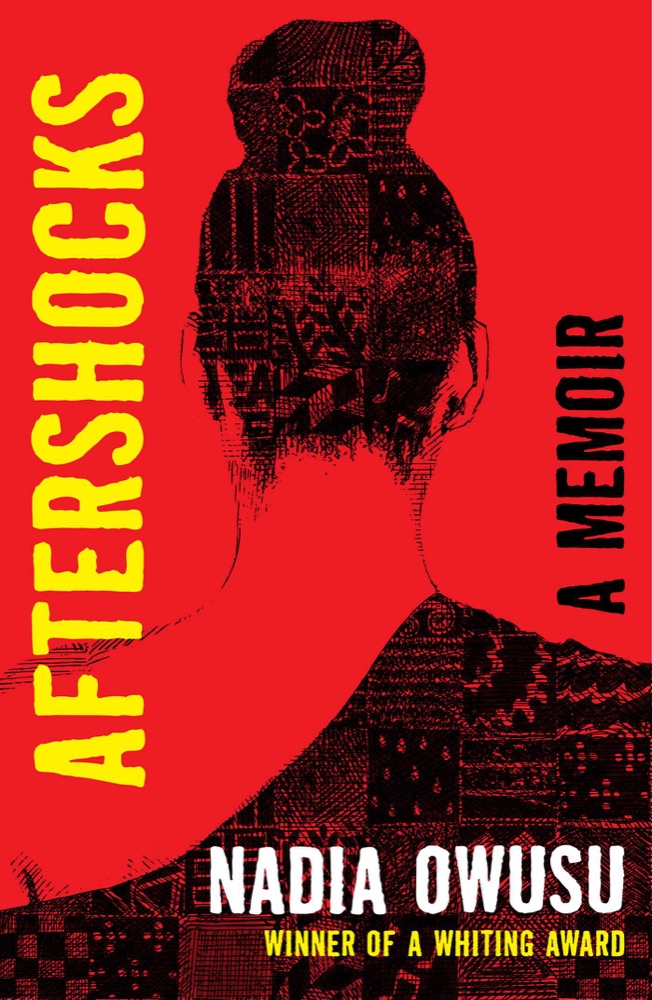 Aftershocks
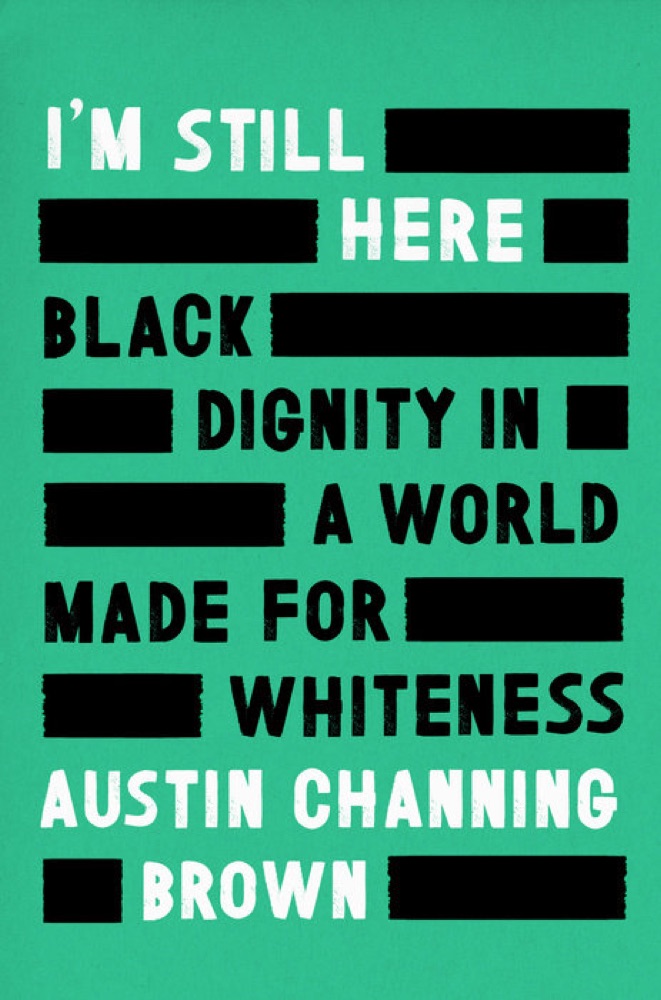 I'm Still Here: Black Dignity in a World Made for Whiteness
 Sister Outsider: Essays and Speeches
 White Like Me: Reflections On Race From A Privileged Son
 The Fire This Time: A New Generation Speaks About Race
 This Bridge Called My Back: Writings by Radical Women of Color
 A Mind Spread Out on the Ground
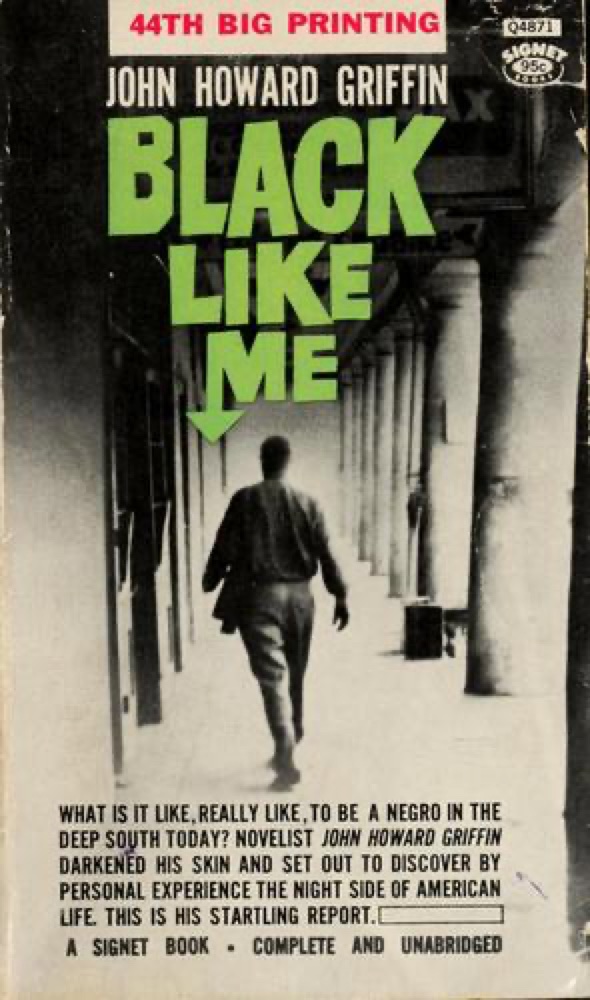 Black Like Me
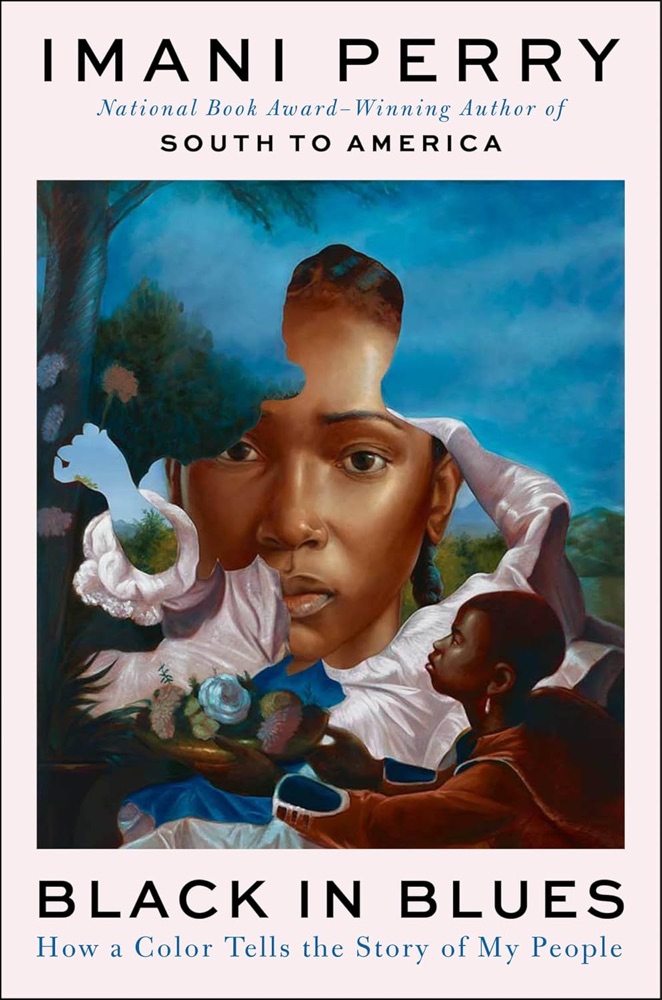 Black in Blues: How a Color Tells the Story of My People
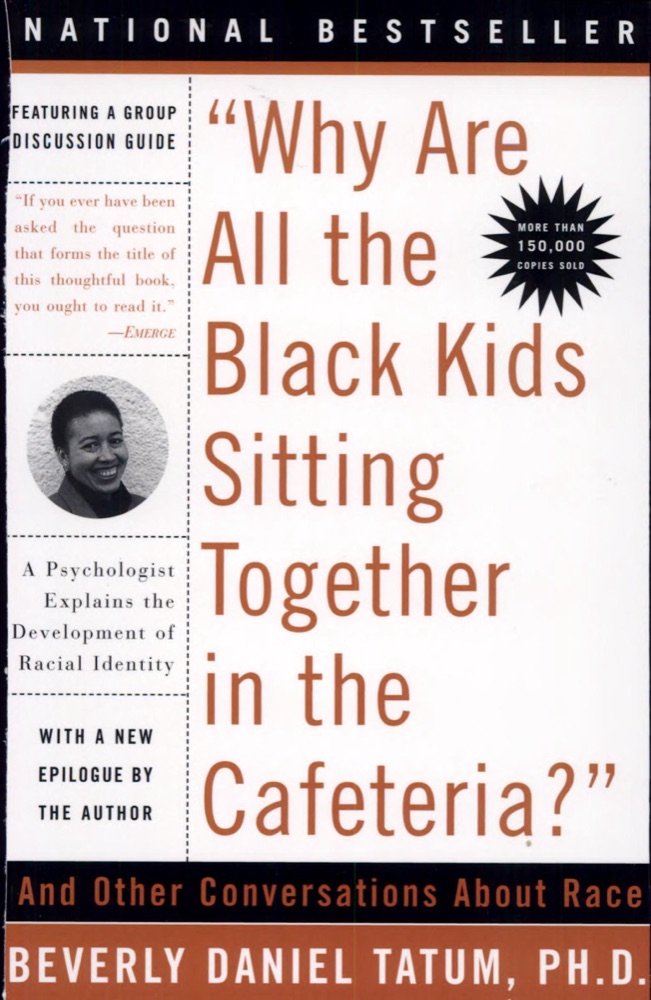 Why Are All The Black Kids Sitting Together in the Cafeteria?
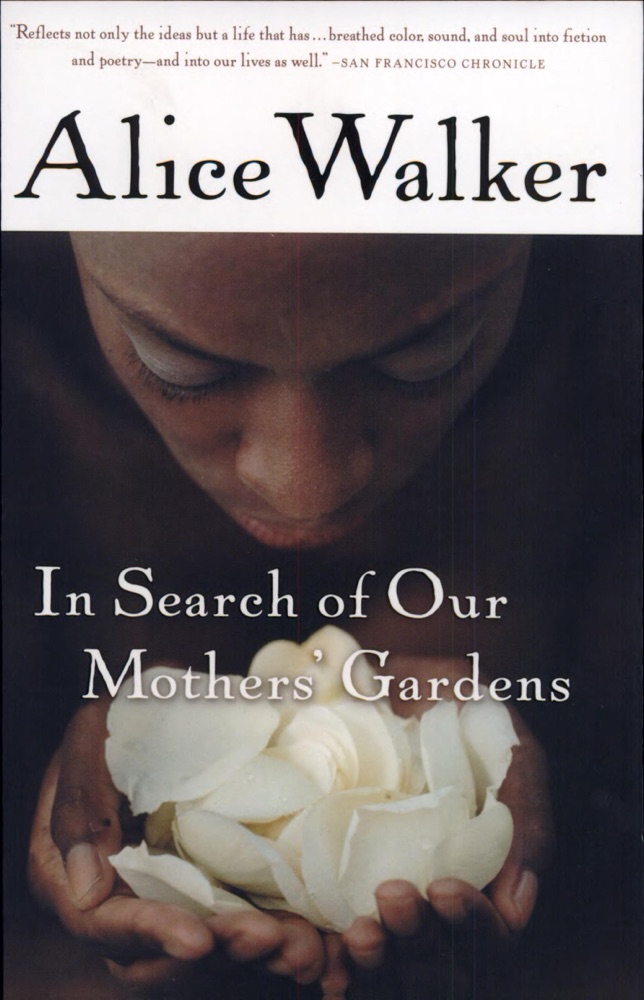 In Search of Our Mothers' Gardens: Womanist Prose
 We Were Eight Years in Power: An American Tragedy
 Skin: Talking About Sex, Class And Literature
 This Book Is Anti-Racist: 20 Lessons on How to Wake Up, Take Action, and Do the Work
 When I Was a Child I Read Books
 Invisible Man, Got the Whole World Watching: A Young Black Man's Education
 Born a Crime: Stories From a South African Childhood
 What White People Can Do Next: From Allyship to Coalition – An Empowering Guide to Interrogating Whiteness and Creating Justice
 The Gilda Stories
 Dreams from My Father: A Story of Race and Inheritance
 We Gon' Be Alright: Notes on Race and Resegregation
 Doppelganger: A Trip into the Mirror World
 Black Is the Body: Stories from My Grandmother's Time, My Mother's Time, and Mine
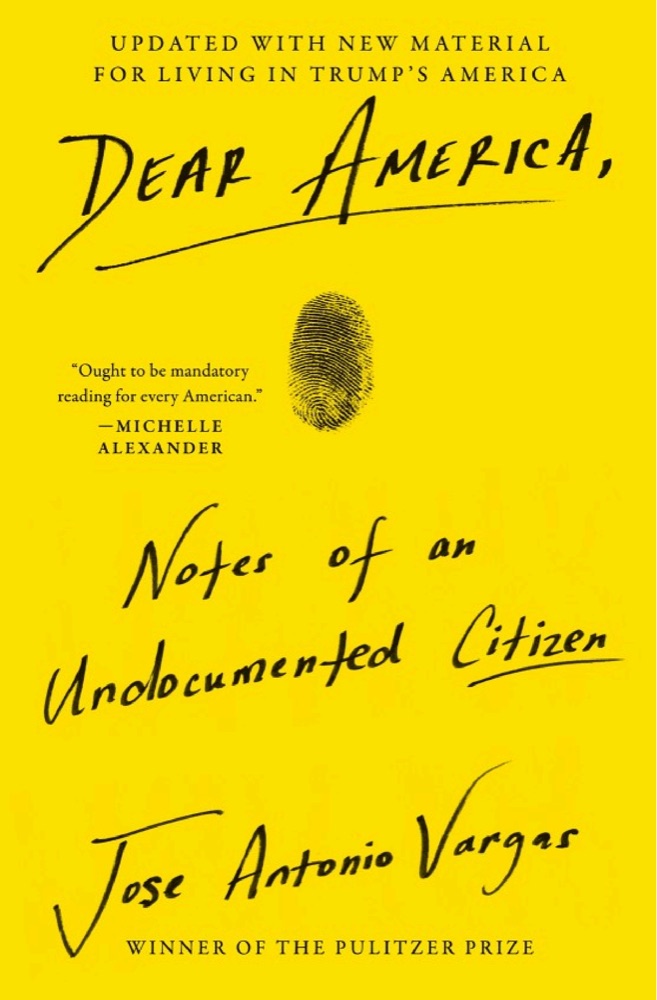 Dear America: Notes of an Undocumented Citizen
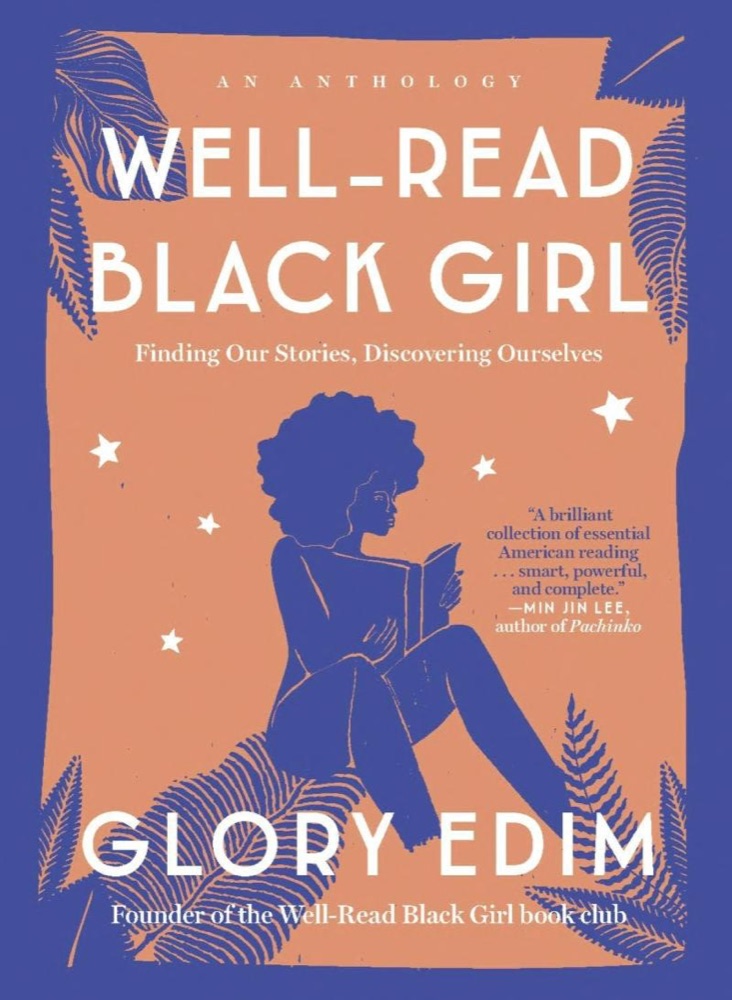 Well-Read Black Girl: Finding Our Stories, Discovering Ourselves
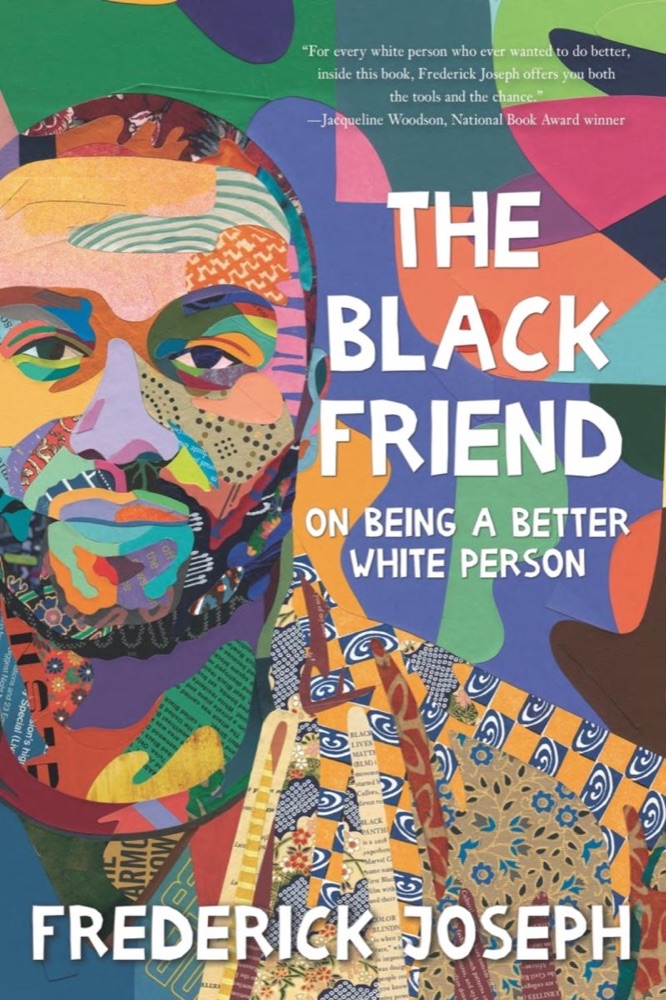 The Black Friend: On Being a Better White Person
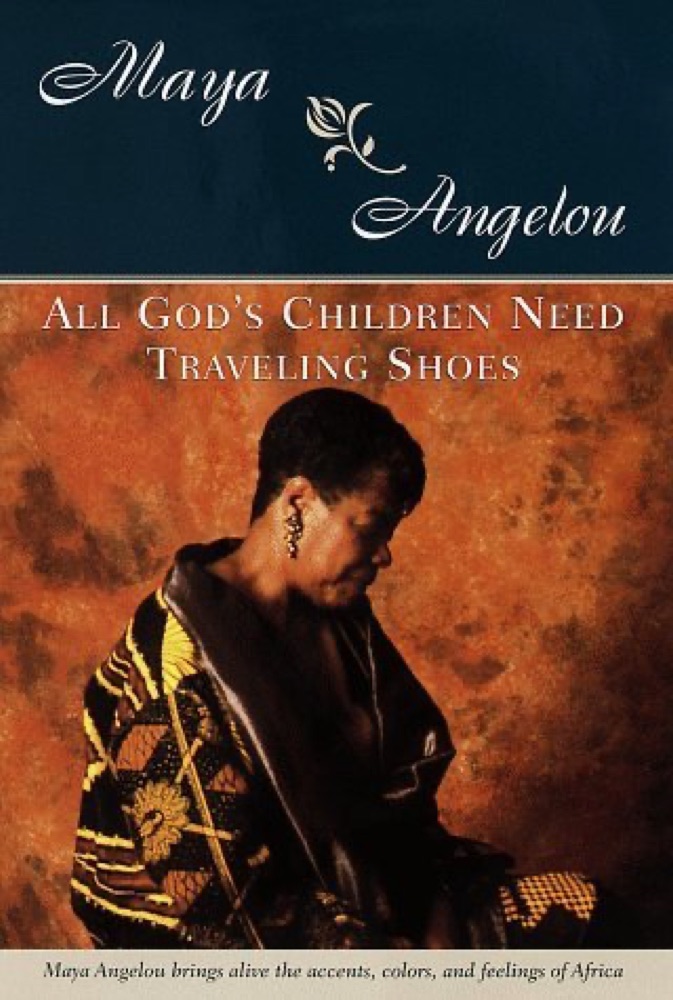 All God's Children Need Traveling Shoes
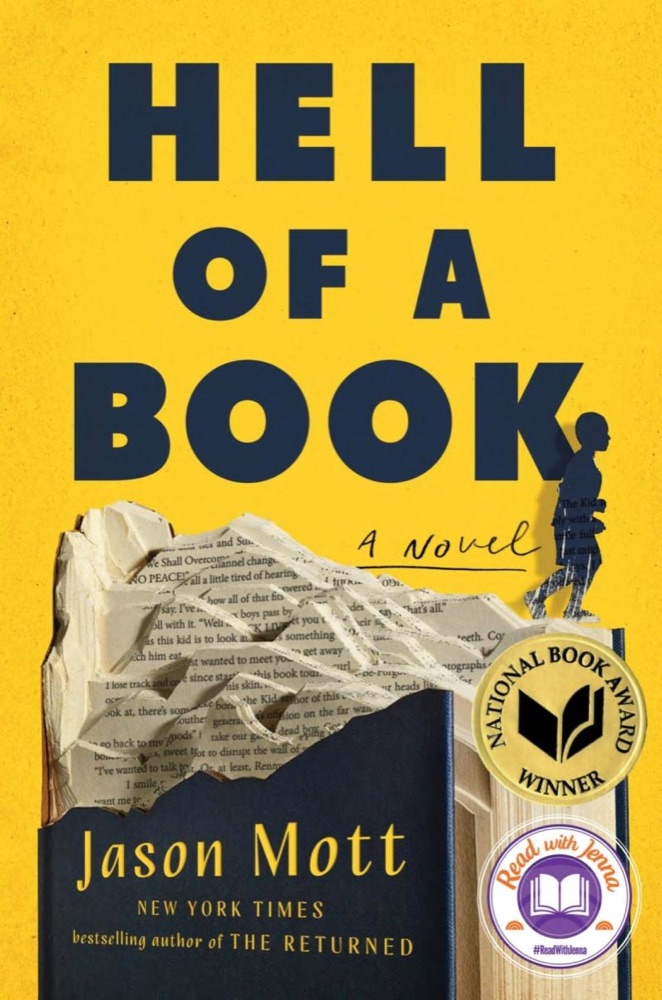 Hell of a Book
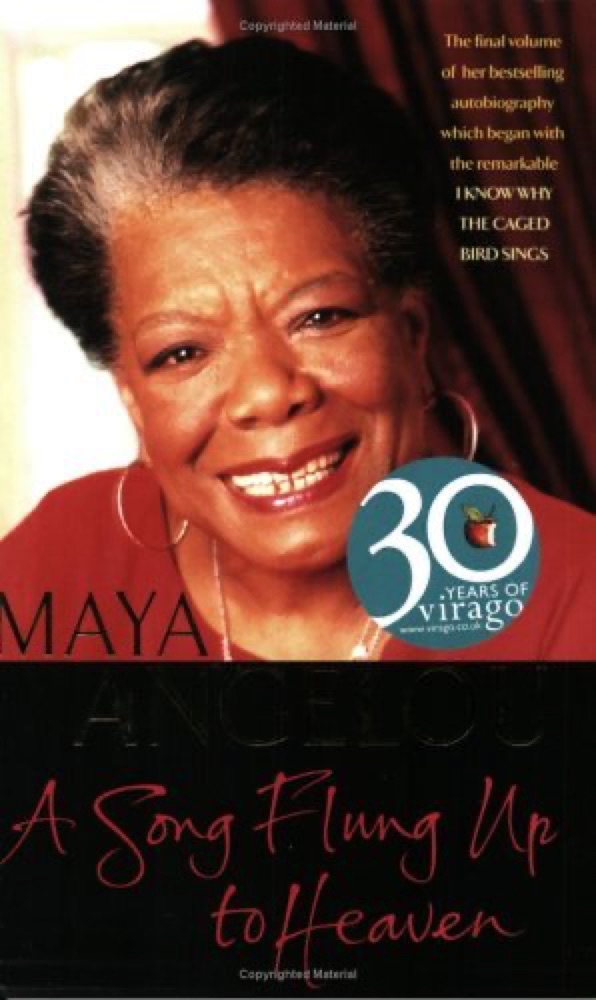 A Song Flung Up to Heaven
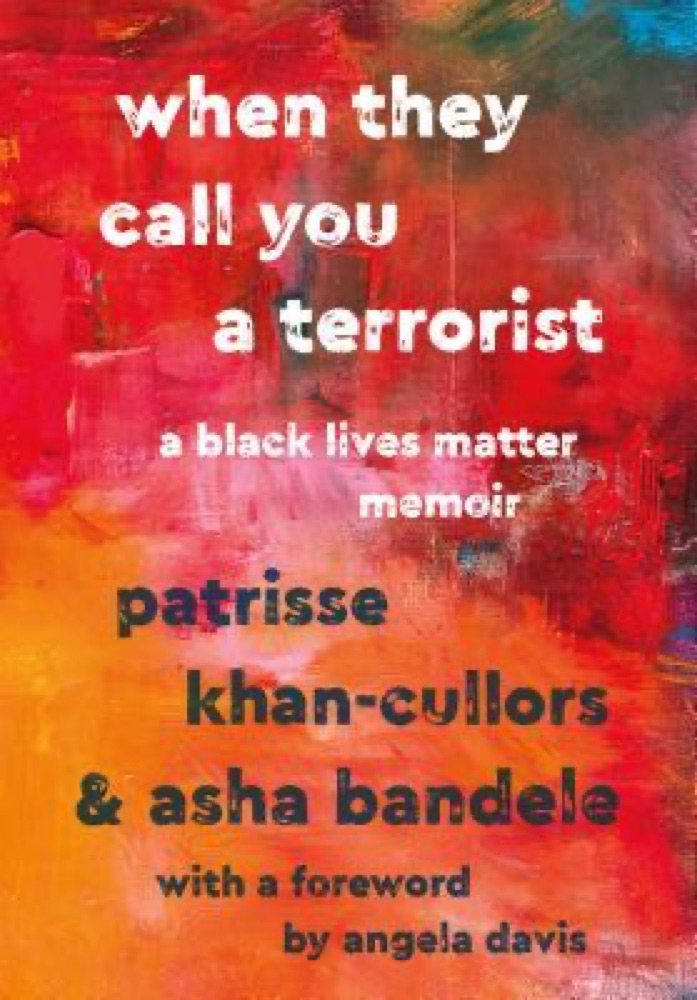 When They Call You a Terrorist: A Black Lives Matter Memoir
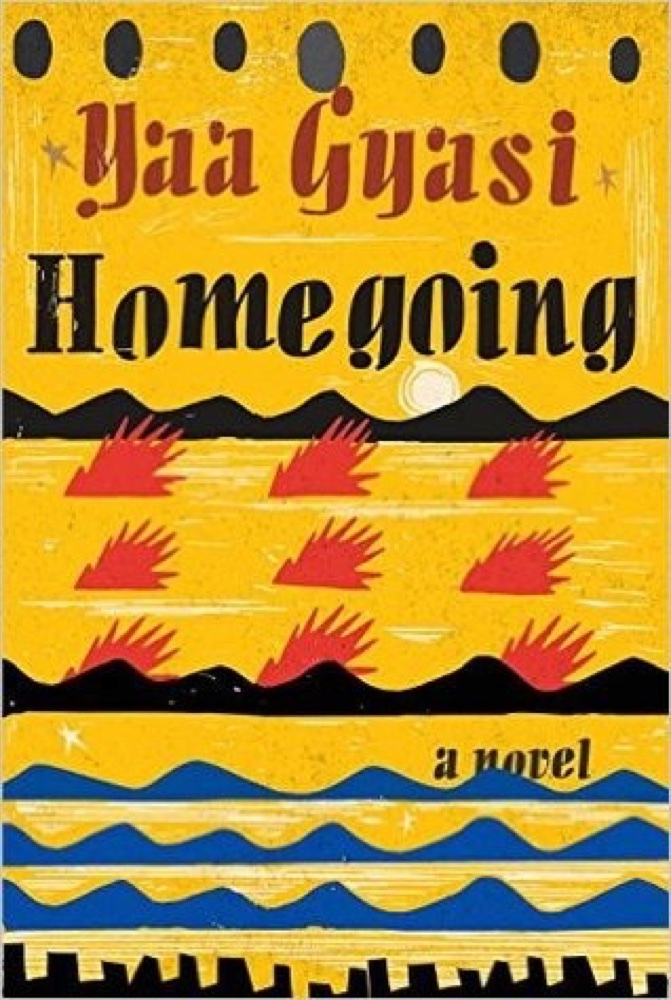 Homegoing
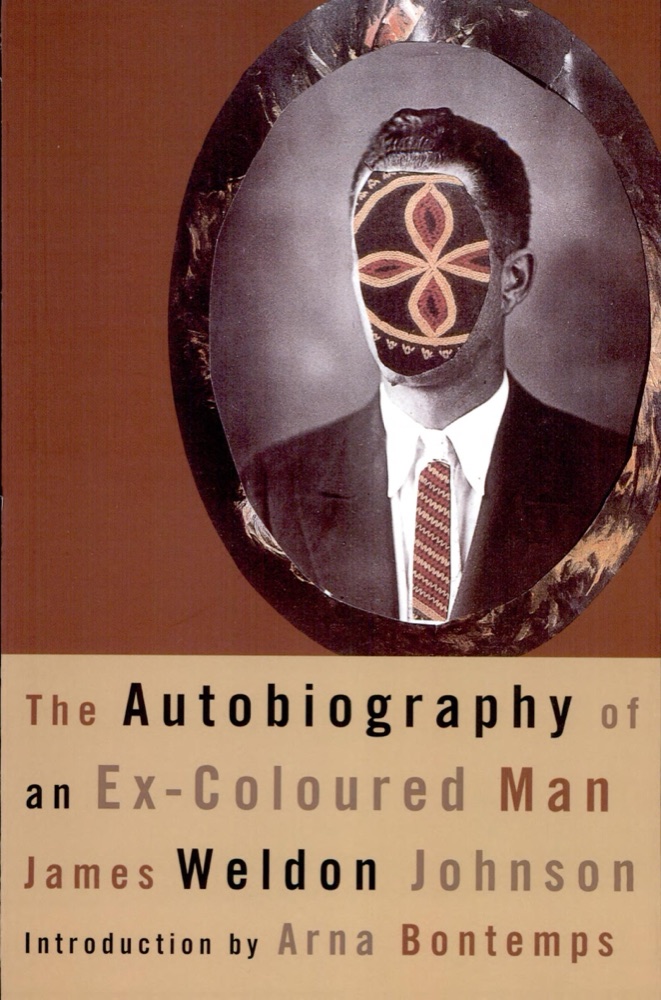 The Autobiography of an Ex-Coloured Man
 The Message
 Opinions: A Decade of Arguments, Criticism, and Minding Other People’s Business
 See No Stranger: A Memoir and Manifesto of Revolutionary Love
 What Doesn't Kill You Makes You Blacker: A Memoir in Essays
 Thick: And Other Essays
 Blood Done Sign My Name: A True Story
 The Human Stain
 One Day We'll All Be Dead and None of This Will Matter
 Pym
Pym
 The Mother of All Questions
 Here for It; Or, How to Save Your Soul in America: Essays
 Varina
 Begin Again: James Baldwin's America and Its Urgent Lessons for Our Own
 This Here Flesh: Spirituality, Liberation, and the Stories That Make Us
 The Heart of a Woman