 Citizen: An American Lyric
Quotes from the Book
The murkiness as we exist alongside each other calls us forward. I don’t want to forget that I am here; at any given moment we are, each of us, next to any other capable of both the best and the worst our democracy has to offer.
5
Among white people, black people are allowed to talk about their precarious lives, but they are not allowed to implicate the present company in that precariousness. They are not allowed to point out its causes. In “Sexism—a Problem with a Name,” Sara Ahmed writes that “if you name the problem you become the problem.”7 To create discomfort by pointing out facts is seen as socially unacceptable. Let’s get over ourselves, it’s structural not personal, I want to shout at everyone, including myself.
5
People like Ruby Sales, who remains committed to engaging what she names “the culture of whiteness,” always have my undying respect. In 1965, when a white man, Jonathan Daniels, knocked her down thus taking a shotgun blast meant for her, fired by another white man, Tom Coleman, she says she stood between the best and the worst our democracy has to offer. The murkiness as we exist alongside each other calls us forward. I don’t want to forget that I am here; at any given moment we are, each of us, next to any other capable of both the best and the worst our democracy has to offer.
3
Those who voted in 2016 to be represented yet again by this form of violence, the 62 percent of white men and 47 percent of white women, a plurality, how am I to understand them?
3
I suppose if all I had to do was bleach my hair blond to stop white supremacists from wanting to burn crosses in my yard, I might consider blondness myself. Certainly, the forty-fifth president and his family understand the importance of the blond signifier in their campaign to Make America Great Again.
3
Teju Cole writes, “There are no refugees, only fellow citizens whose rights we have failed to acknowledge.
3
What is it we want for our daughter? Perhaps it’s the ability to negotiate the world with an empathic imagination. The thing that brought both my husband and me to the gymnasium is the knowledge that though the deep-seated racist systems are reaffirmed and the evidence is there for us to see, I still want the world for my daughter that is more than this world, a world that has our daughter already in it.
3
American prosperity was ill-gotten and selective in its distribution. What is needed is an airing of family secrets, a settling with old ghosts. What is needed is a healing of the American psyche and the banishment of white guilt…. Reparations would mean a revolution of the American consciousness, a reconciling of our self-image as the great democratizer with the facts of our history.
2
this nation is both its credits and debits.
2
Senator Bernie Sanders, who was the hope of so many, considering Democratic losses after the 2018 midterm elections, remarked, “There are a lot of white folks out there who are not necessarily racist who felt uncomfortable for the first time in their lives about whether or not they wanted to vote for an African-American.” How is not voting for someone simply because they’re black not racist?
2
People feel hurt when you point out the reality that forms experience because the reality is not their emotional experience.
2
Her kind of security, because it's not merely monetary, is atmospheric and therefore is not transferable. It's what reigns invisible behind the term "white.
2
Anchored in unknowing, I yearn to rise out of the restlessness of my own forms of helplessness inside a structure that constricts possibilities.
2
the history of experimenting on black people does not hold a place in their referential memory.5 No one makes mention of Tuskegee’s syphilis experiments on black men, or the military experiments of mustard gas on black soldiers, among other nonwhites, or J. Marion Sims’s experimentation on black women.6 No mention of Henrietta Lacks. My historical memory starts tossing examples at me as if it’s having its own dinner party. In the real one, no one wonders what the parents of the black children think when they see the word “study” associated with the center.
2
Later that same day I ask a white friend about white people speaking among themselves about their racism. It doesn’t happen, she tells me. Nonetheless, she believes, that’s how whites would learn to build stamina regarding their collusion with structural racism.
2
Just 2 percent of the world’s population and 5 percent of white people in the U.S. have blond hair, but 35 percent of female U.S. senators and 48 percent of female CEOs at S&P 500 companies are
1
Whites are most likely to own their own homes (76%), followed by Asians (61%), Latinos (49%), and blacks (48%). Race matters when it comes to being a homeowner. Being white makes you significantly more likely to own a home than if you are Asian, black, or Latino…. Even though Asians are more likely to be homeowners than blacks and Latinos, given that Asian median income is higher than white median income, we might expect to see even higher homeownership rates for Asians than whites—yet we do not…. Homeownership disparities by race and ethnicity are not solely attributable to differences in income. Even at high income levels, a smaller percentage of blacks and Latinos are homeowners than whites. In 2005, for every income level, black homeownership rates were less than the overall homeownership rates by income.
1
from James Baldwin’s The White Man’s Guilt I have often wondered, and it is not a pleasant wonder, just what white Americans talk about with one another. I wonder this because they do not, after all, seem to find very much to say to me, and I concluded long ago that they found the color of my skin inhibitory. This color seems to operate as a most disagreeable mirror, and a great deal of one’s energy is expended in reassuring white Americans that they do not see what they see. This is utterly futile, of course, since they do see what they see. And what they see is an appallingly oppressive and bloody history, known all over the world. What they see is a disastrous, continuing, present condition which menaces them, and for which they bear an inescapable responsibility. But since, in the main, they seem to lack the energy to change this condition, they would rather not be reminded of it. Does this mean that in their conversations with one another, they merely make reassuring sounds? It scarcely seems possible, and yet, on the other hand, it seems all too likely.
1
Because decisions get made that reinstate white hierarchies every day, it would be good if the culture of whiteness were marked and made visible to those who can’t see it by those not invested in keeping it primary. Awareness has to happen in rooms where everyone’s white, since those rooms are already in place.1 But, I tell my friend, I think it’s ironic that conversations allowing whites to speak openly about whiteness should start within segregated spaces. Aren’t these conversations, which are ostensibly attempts to work on whiteness without reinstating white hierarchical thinking, choosing white comfort over white discomfort and integration? Is that a problem?2 Cognition formation is in part influenced by environment.
1
The lack of an integrated life meant that no part of his life recognized the treatment of black people as an important disturbance. To not remember is perhaps not to feel touched by events that don’t interfere with your livelihood. This is the reality that defines white privilege no matter how much money one has or doesn’t have. From Appalachia to Fifth Avenue, my precarity is not a reality shared.
1
How is a call to change named shame, named penance, named chastisement? How does one say what if without reproach?
To converse is to risk the unraveling of the said and the unsaid.
If white people don’t see their whiteness, how can they speak to it? Was the student white? Who wrote the scenario? Does diversity not include any training to see ourselves or is it simply about addressing black grievance?
What I know is that an inchoate desire for a future other than the one that seems to be forming our days brings me to a seat around any tale to lean forward, to hear, to respond, to await response from any other.
Our silence, our refusal of discomfort, our willful blindness, the shut-down feeling that refuses engagement, the rage that cancels complexity of response are also strategies. So is the need for answers and new strategies. The call for a strategy is a strategy, and I both respect and understand the necessity of that call.
Just us, just people, the same people, but what is it that the just people are feeling or wanting or being? The brouhaha so brutal, rising, rising up, rise up. What rises up within, between us? What comes up because we are the history within us?
The police they believe the police believe the president the history the education the media what entertainment taught them the world they know the worst they carry. That's how we know this is not a mental health issue. This is not an isolated issue. This is not deserving of or serving us.
But I still have questions, and the way to get answers is to bear her corrections.
I learned early that being right pales next to staying in the room.
Watch on YouTube
About Claudia Rankine
We have collected 58 quotes from 2 books by Claudia Rankine on BookQuoters.
More about the author →More by Claudia Rankine
Citizen: An American Lyric
About the book
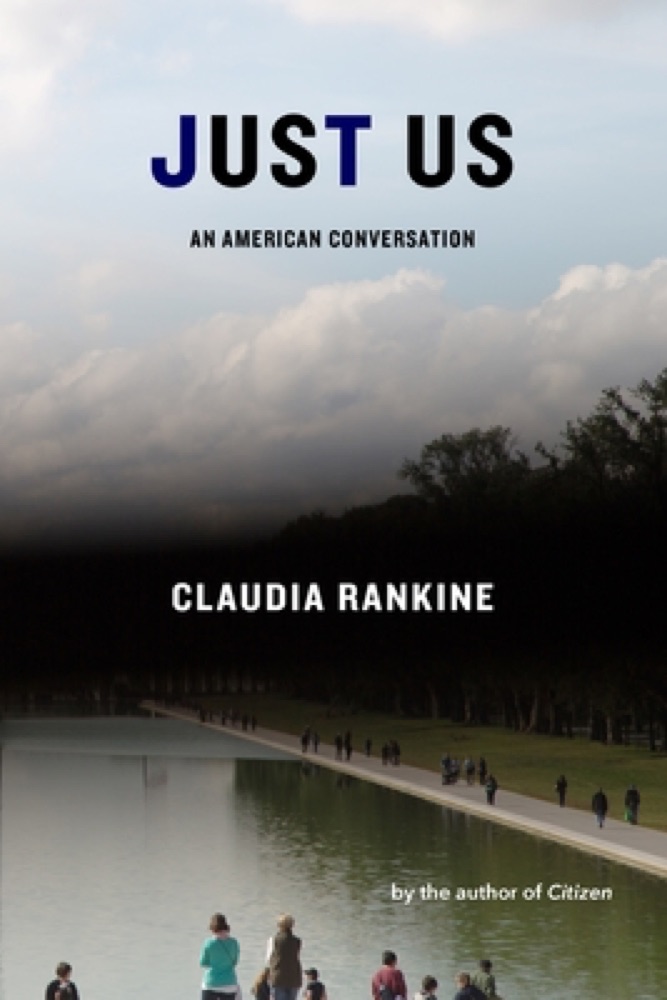
Claudia Rankine's Citizen changed the conversation--Just Us urges all of us into itAs everyday white supremacy becomes increasingly vocalized with no clear answers at hand, how best might we approach one another? Claudia Rankine, without telling us what to do, urges us to begin the discussions that might open pathways through this divisive and stuck moment in American history.
Just Us is an invitation to discover what it takes to stay in the room together, even and especially in breaching the silence, guilt, and violence that follow direct addresses of whiteness. Rankine's questions disrupt the false comfort of our culture's liminal and private spaces--the airport, the theater, the dinner party, the voting booth--where neutrality and politeness live on the surface of differing commitments, beliefs, and prejudices as our public and private lives intersect.
This brilliant arrangement
Book details
- First published
- 2020
- Author
- Claudia Rankine
- Genre
- Nonfiction
- Goodreads rating
- 4.34 (4k ratings)
The buzz
- The New YorkerReview in The New Yorkerprofessional review (via Book Marks)
- The AtlanticReview in The Atlanticprofessional review (via Book Marks)
- The Times Literary SupplementReview in The Times Literary Supplementprofessional review (via Book Marks)
- The TimesReview in The Timesprofessional review (via Book Marks)
- New StatesmanReview in New Statesmanprofessional review (via Book Marks)
- Toronto StarReview in Toronto Starprofessional review (via Book Marks)
Keep reading
 White Like Me: Reflections On Race From A Privileged Son
 I'm Still Here: Black Dignity in a World Made for Whiteness
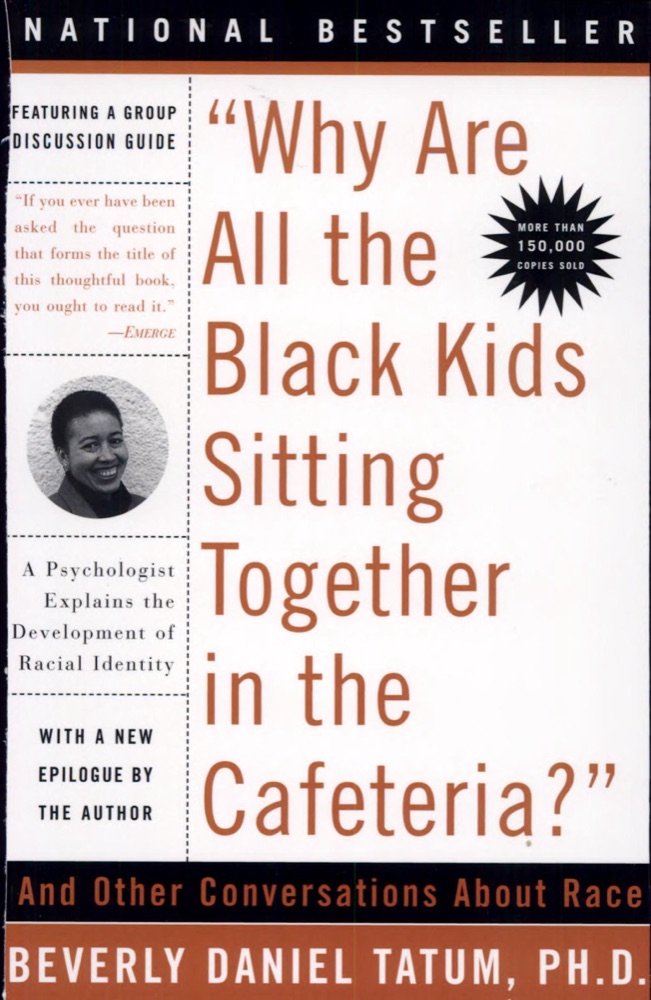 Why Are All The Black Kids Sitting Together in the Cafeteria?
 This Bridge Called My Back: Writings by Radical Women of Color
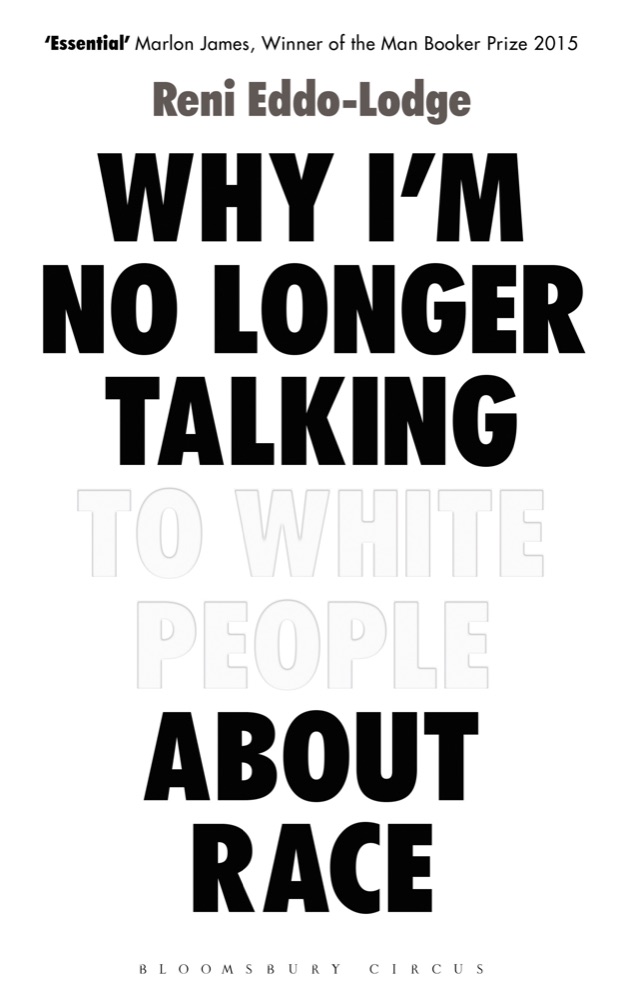 Why I'm No Longer Talking to White People About Race
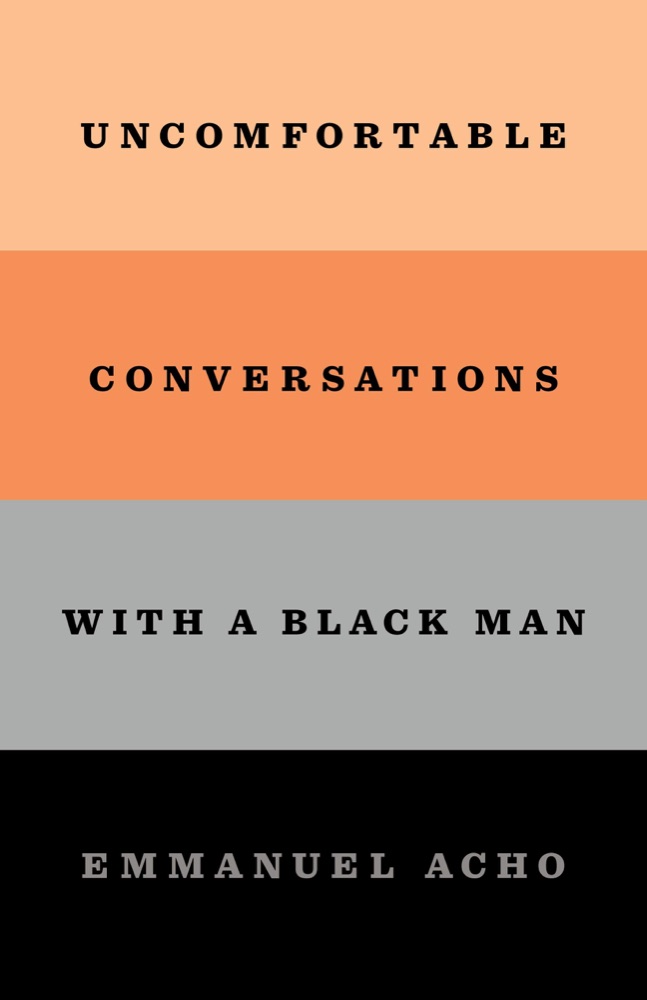 Uncomfortable Conversations With a Black Man
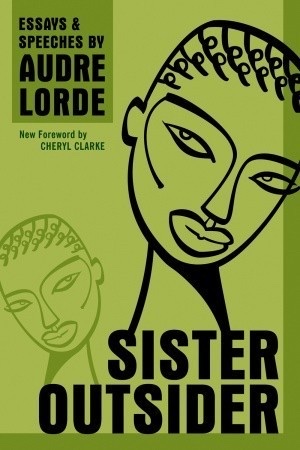 Sister Outsider: Essays and Speeches
 Opinions: A Decade of Arguments, Criticism, and Minding Other People’s Business
 Notes from No Man's Land
 The Black Friend: On Being a Better White Person
 Tears We Cannot Stop: A Sermon to White America
 The Fire This Time: A New Generation Speaks About Race
 Waking Up White: And Finding Myself in the Story of Race
 Between the World and Me
 When They Call You a Terrorist: A Black Lives Matter Memoir
 What White People Can Do Next: From Allyship to Coalition – An Empowering Guide to Interrogating Whiteness and Creating Justice
 We Gon' Be Alright: Notes on Race and Resegregation
 Minor Feelings: An Asian American Reckoning
 Mediocre: The Dangerous Legacy of White Male America
 Americanah
 The Sum of Us: What Racism Costs Everyone and How We Can Prosper Together
 Things That Make White People Uncomfortable
 We Were Eight Years in Power: An American Tragedy
 Talking Back: Thinking Feminist, Thinking Black
 What Doesn't Kill You Makes You Blacker: A Memoir in Essays
 Stamped: Racism, Antiracism, and You
 Go Back to Where You Came From: And Other Helpful Recommendations on How to Become American
 The Source of Self-Regard: Selected Essays, Speeches, and Meditations
 I Am Not Your Negro
 Nobody Knows My Name
 On the Other Side of Freedom: The Case for Hope
 Dark Days
 A Mind Spread Out on the Ground
 Heavy
Heavy
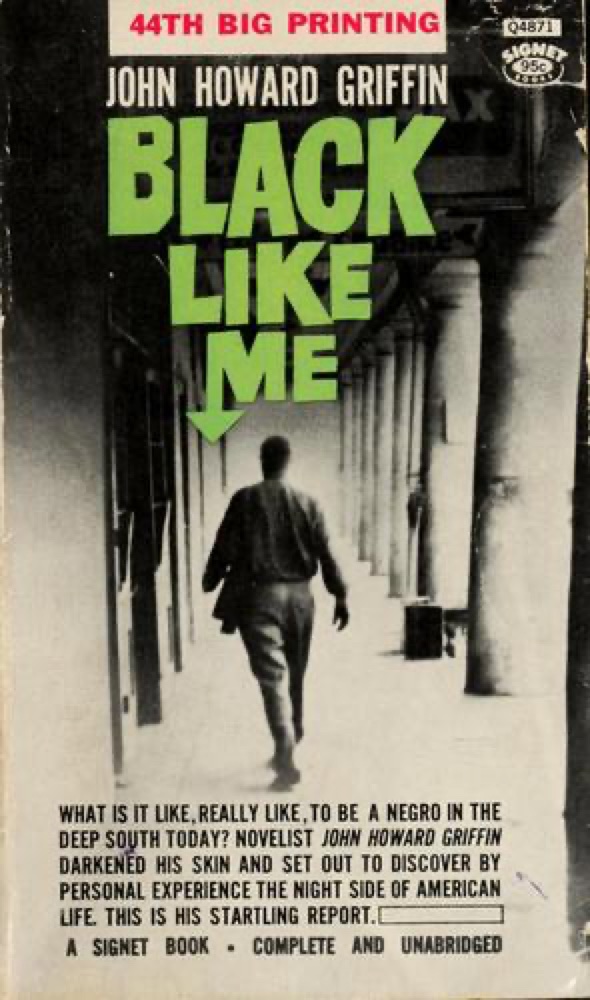 Black Like Me
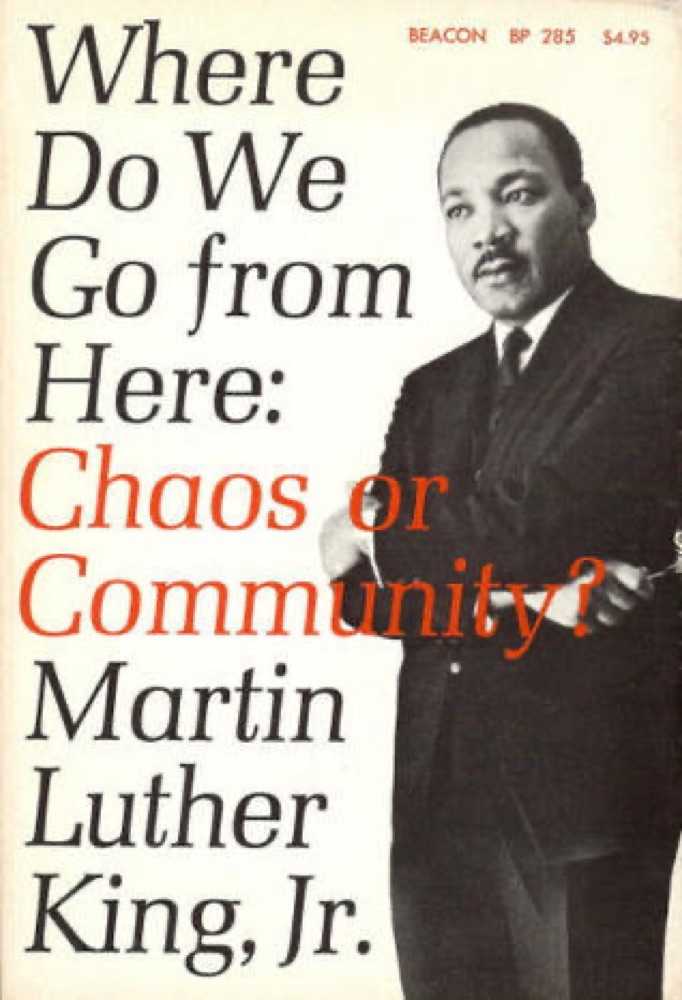 Where Do We Go from Here: Chaos or Community?
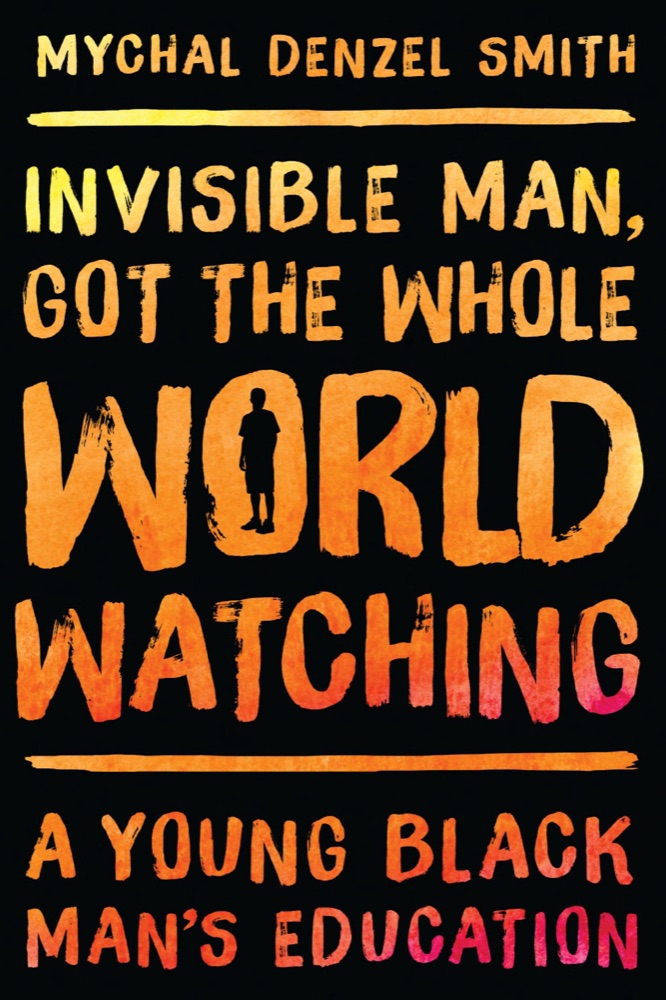 Invisible Man, Got the Whole World Watching: A Young Black Man's Education
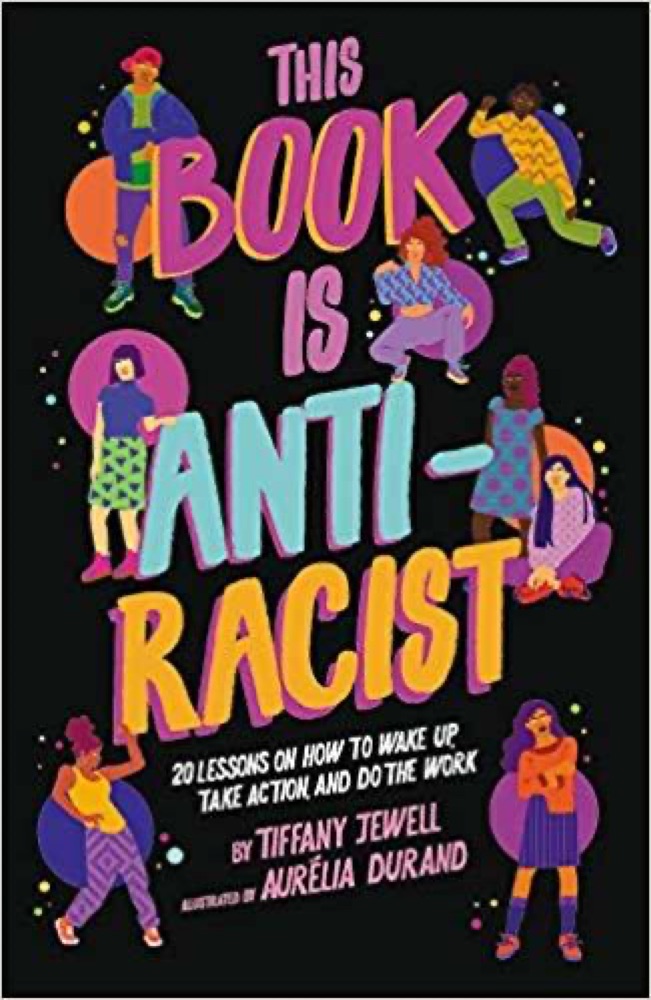 This Book Is Anti-Racist: 20 Lessons on How to Wake Up, Take Action, and Do the Work
 Begin Again: James Baldwin's America and Its Urgent Lessons for Our Own
 Doppelganger: A Trip into the Mirror World
 You Are Your Best Thing: Vulnerability, Shame Resilience, and the Black Experience
 Becoming
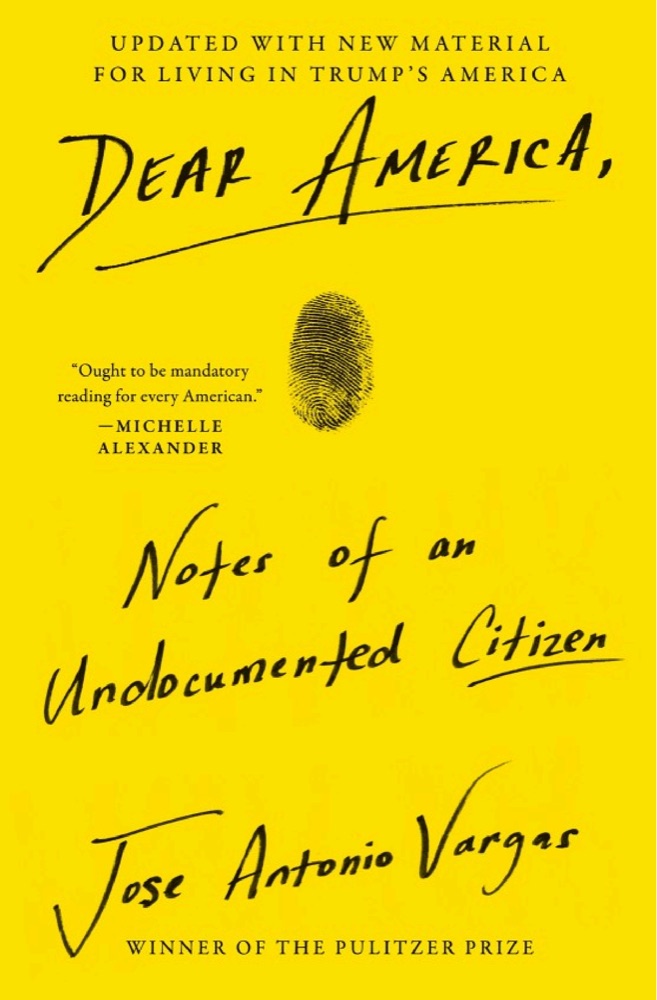 Dear America: Notes of an Undocumented Citizen
 Thick: And Other Essays
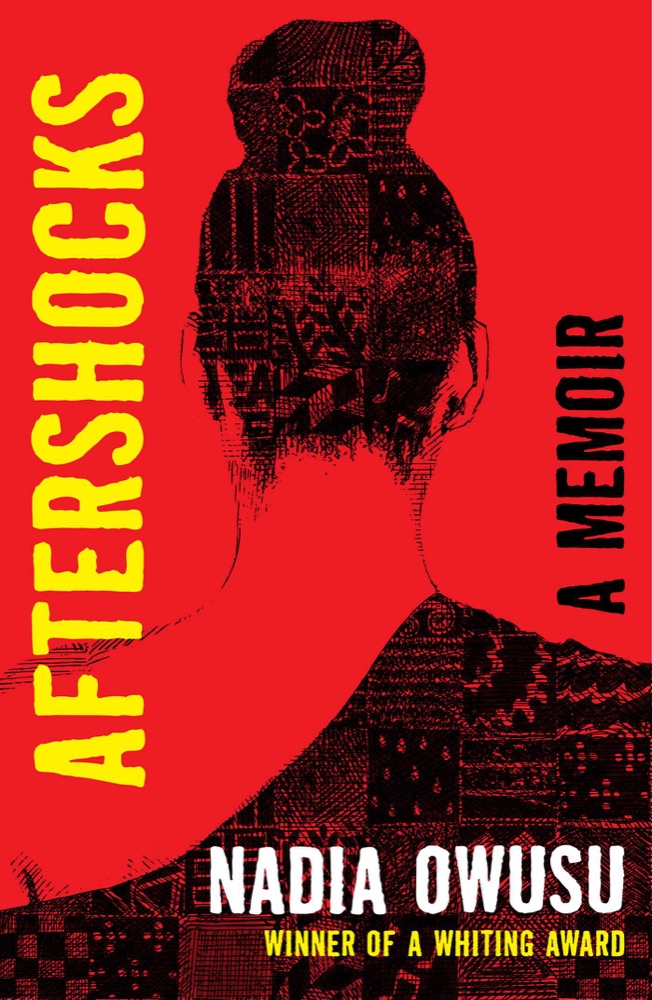 Aftershocks
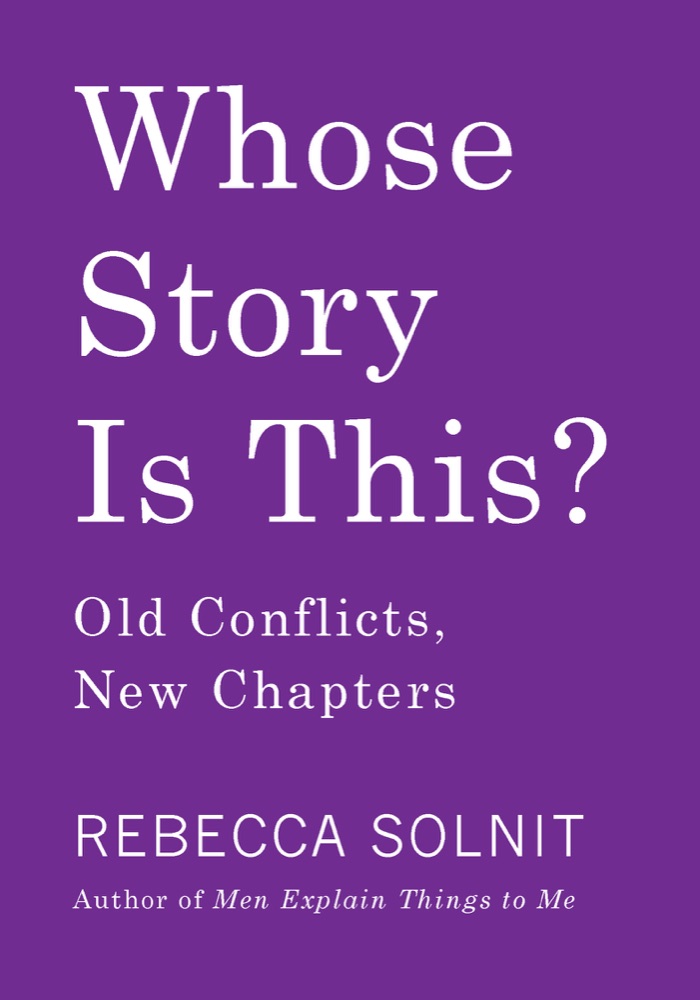 Whose Story Is This? Old Conflicts, New Chapters
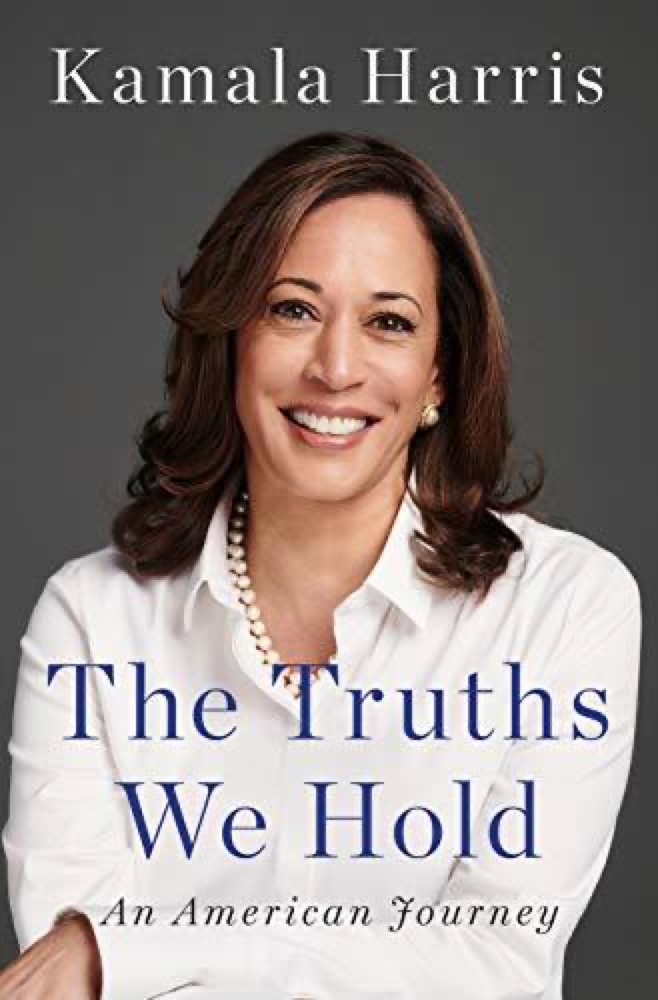 The Truths We Hold: An American Journey
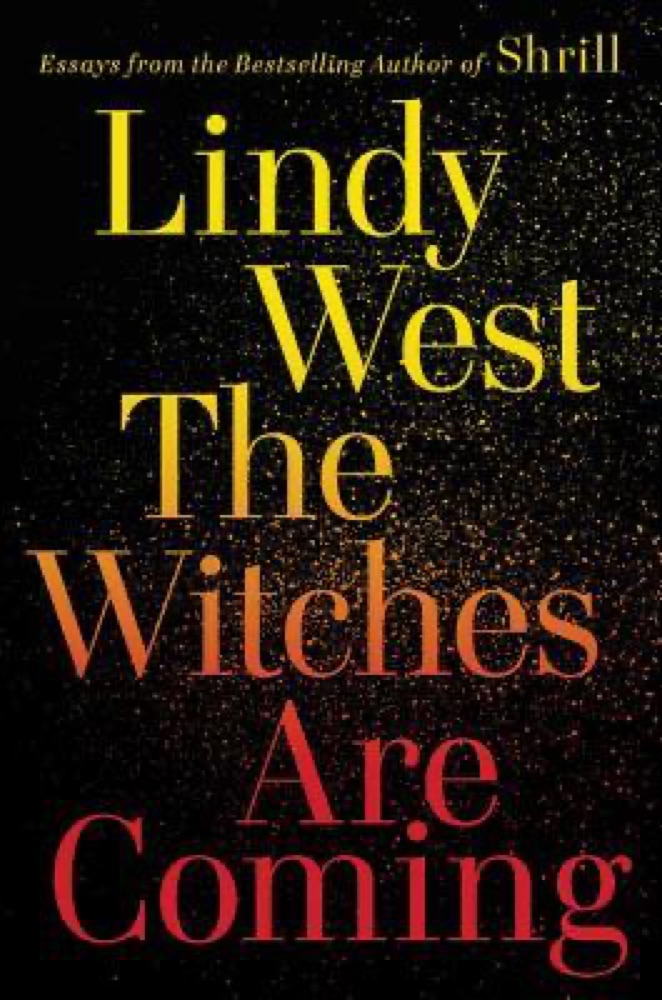 The Witches Are Coming
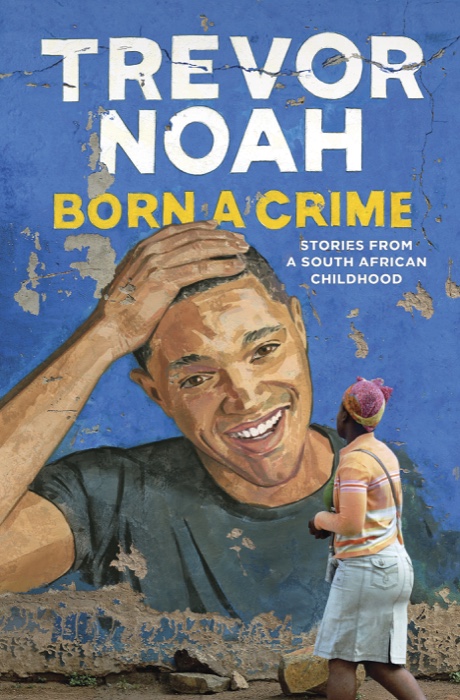 Born a Crime: Stories From a South African Childhood
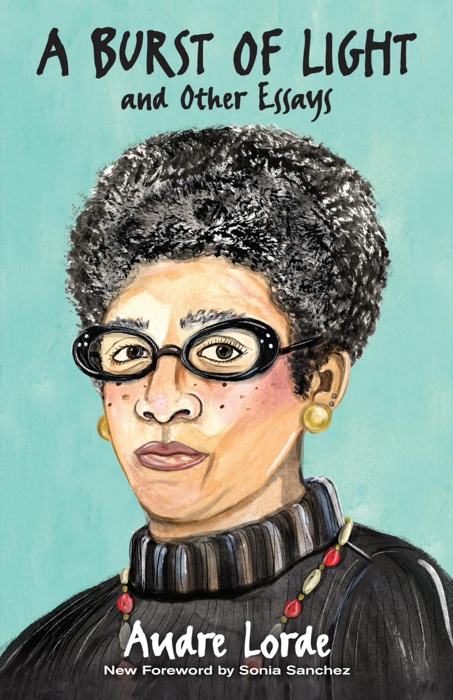 A Burst of Light
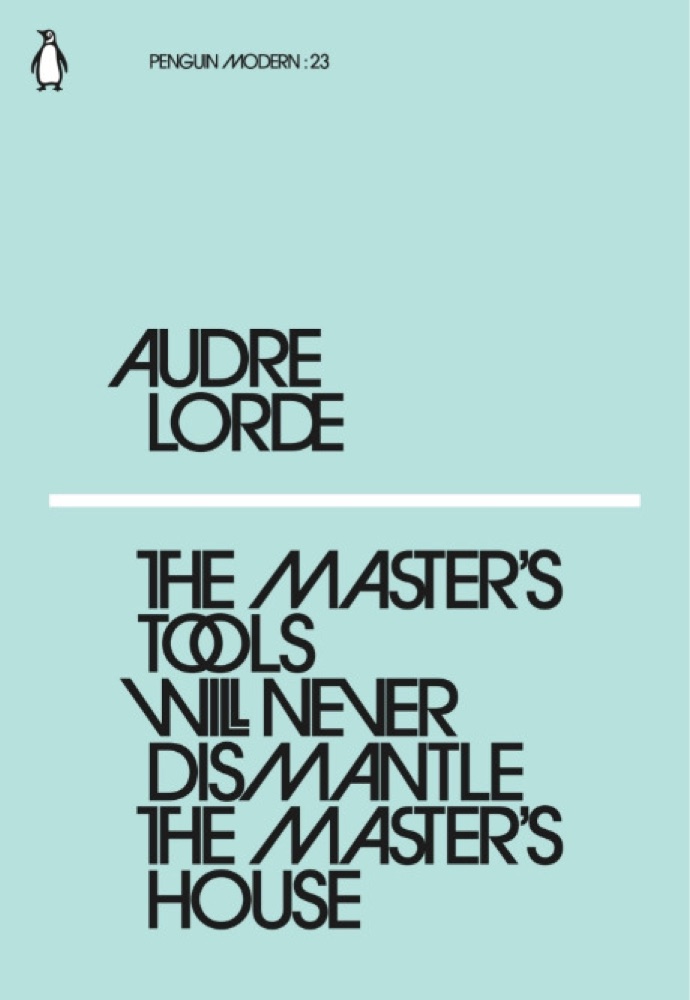 The Master's Tools Will Never Dismantle the Master's House
 The Origin of Others
Citizen: An American Lyric
The Origin of Others
Citizen: An American Lyric
 How to Stay Sane in an Age of Division
 The Madness of Crowds: Gender, Race and Identity
 Dreams from My Father: A Story of Race and Inheritance
 Small Great Things
 A Promised Land
 American by Day
 The Message