 Becoming
Quotes from the Book
Beauty is not good capital. I compounds the oppression of gender. It constrains those who identify as women against their will. It costs money and demands money. It colonizes. It hurts. It is painful. It can never be fully satisfied. It is not useful for human flourishing. Beauty is, like all capital, merely valuable.
38
They say that beauty is in the eye of the beholder and that ugly is as ugly does. Both are lies. Ugly is everything done to you in the name of beauty. Knowing the difference is part of getting free.
28
Smart is only a construct of correspondence, between one’s abilities, one’s environment, and one’s moment in history.
19
I hate small talk. It is small. Small is for teacups and occasionally for tiny houses. Too much small talk is how a country is given to sociopaths who thrive on shallow chatter to distract their emotional sleight of hand. Talk should be meaningful or kept to a minimum.
15
Decades before I valued myself enough to be careful for myself, I was careful so that my mother would not worry.
11
Being too much of one thing and not enough of another had been a recurring theme in my life. I was, like many young women, expected to be small so that boys could expand and white girls could shine. When I would not shrink, people made sure that I knew I had erred.
10
Beauty isn't actually what you look like; beauty is the preferences that reproduce the existing social order.
8
I fix myself, even when it causes great pain to do so, because I know that I cannot fix the way the world sees me.
8
Black girlhood ends whenever a man says it ends.
7
I am living in the most opportune time in black history in the United States and that means, still, that I will die younger, live poorer, risk more exposure to police violence, and be punished by social policy for being a black woman in ways that aren’t true for almost any other group in this nation. That is the best it has ever been to be black in America and it is still that statistically bad at the macro level.
6
Indeed, any system of oppression must allow exceptions to validate itself as meritorious. How else will those who are oppressed by the system internalize their own oppression?
5
[to know your whites] ... is to be intimate with some white persons but to critically withhold faith in white people categorically
5
White women need me to believe I can earn beauty, because when I want what I cannot have, what they have becomes all the more valuable.
5
But if I believe that I can become beautiful, I become an economic subject. My desire becomes a marker.
5
In a modern society, who is allowed to speak with authority is a political act.
4
Black women have worked hard to write a counternarrative of our worth in a global system where beauty is the only legitimate capital allowed women without legal, political, and economic challenge. That last bit is important. Beauty is not good capital. It compounds the oppression of gender. It constrains those who identify as women against their will. It costs money and demands money. It colonizes. It hurts. It is painful. It can never be fully satisfied. It is not useful for human flourishing. Beauty is, like all capital, merely valuable.
3
...I had also parsed that there was something powerful about blondness, thinness, flatness, and gaps between thighs. And that power was the context against which all others defined themselves... beauty isn’t actually what you look like; beauty is the preference that reproduce the existing social order.
3
When I write, I am fixing my feet. I am claiming the ethos, or moral authority, to influence public discourse. And I am defying every expectation when I do it.
3
Smart is only a construct of correspondence between one's abilities, one's environment, and one's moment in history. I am smart in the right way, in the right time, on the right end of globalization.
2
Trump’s election could be seen as white voters reclaiming this nation as theirs
2
When we perform some existential service to men, to capital, to political power, to white women, and even to other “people of color” who are marginally closer to white than they are to black, then we are superwomen. 7 We are fulfilling our purpose in the natural order of things. When, instead, black women are strong in service of themselves, that same strength, wisdom, and wit become evidence of our incompetence.
2
Symbolic violence only makes sense if we accept its priors: all preferences in imperial, industrialized societies are shaped by the economic system.
1
To know our whites is to understand the psychology of white people and the elasticity of whiteness. It is to be intimate with some white persons but to critically withhold faith in white people categorically. It is to anticipate white people’s emotions and fears and grievances, because their issues are singularly our problem. To know our whites is to survive without letting bitterness rot your soul.
1
that beauty is in the eye of the beholder and that ugly is as ugly does. Both are lies. Ugly is everything done to you in the name of beauty. Knowing the difference is part of getting free.
1
Capital demands that beauty be coercive. If beauty matters at all to how people perceive you, how institutions treat you, which rules are applied to you, and what choices you can make, then beauty must also be a structure of patterns, institutions, and exchanges that eats your preferences for lunch.
1
That is because beauty isn’t actually what you look like; beauty is the preferences that reproduce the existing social order.
1
We do not share much in the U.S. culture of individualism except our delusions about meritocracy. God help my people, but I can talk to hundreds of black folks who have been systematically separated from their money, citizenship, and personhood and hear at least eighty stories about how no one is to blame but themselves. That is not about black people being black but about people being American. That is what we do.
1
What we forget, if we ever knew, is that what we know now about status and wealth creation and sacrifice are predicated on who we are — that is, not poor. If you change the conditions of your not-poor status, you change everything you know as a result of being a not-poor. You have no idea what you would do if you were poor until you are poor. And not intermittently poor or formerly not-poor, but born poor, expected to be poor, and treated by bureaucracies, gatekeepers, and well-meaning respectability authorities as inherently poor. Then, and only then, will you understand the relative value of a ridiculous status symbol to someone who intuits that they cannot afford to not have it.
1
Our dominant story of beauty is that it is simultaneously a blessing, of genetics or gods, and a site of conversion. You can become beautiful if you accept the right prophets and their wisdoms with a side of products thrown in for good measure. Forget that these two ideas—unique blessing and earned reward—are antithetical to each other. That makes beauty all the more perfect for our (social and political) time, itself anchored in paradoxes like freedom and property, opportunity and equality.
1
The things we touch and smell and see and experience through our senses are how stories become powerful. But I have never wanted to only tell powerfully evocative stories. I have wanted to tell evocative stories that become a problem for power. For that, I draw upon data and research.
1
Watch on YouTube
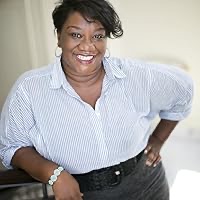
About Tressie McMillan Cottom
We have collected 30 quotes from 1 book by Tressie McMillan Cottom on BookQuoters.
More about the author →About the book
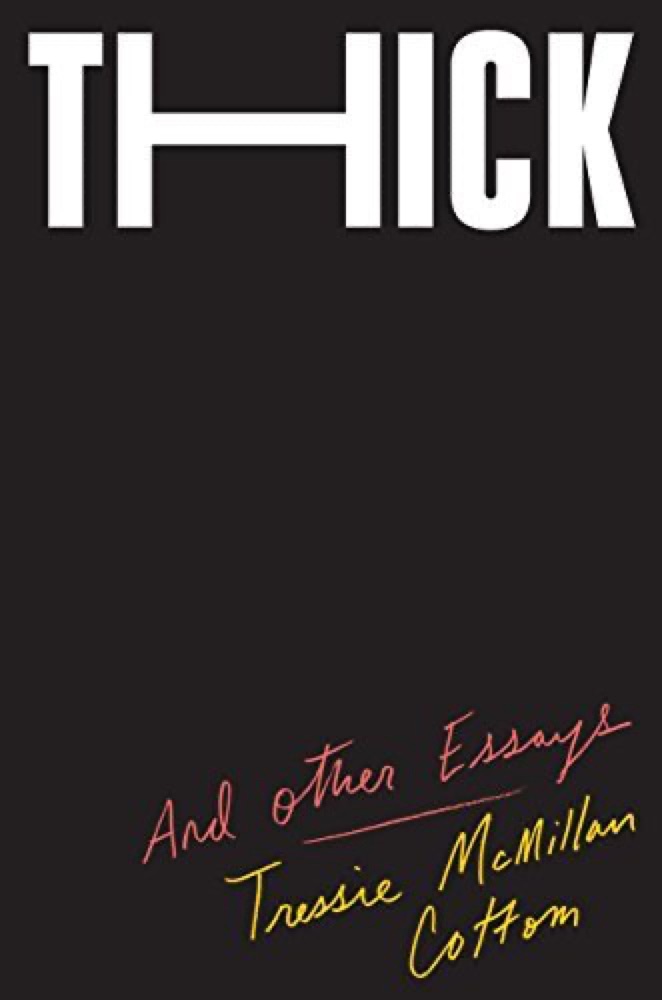
Smart, humorous, and strikingly original thoughts on race, beauty, money, and more—by one of today's most intrepid public intellectuals
Tressie McMillan Cottom, the writer, professor, and acclaimed author of Lower Ed, now brilliantly shifts gears from running regression analyses on college data to unleashing another identity: a purveyor of wit, wisdom—and of course Black Twitter snark—about all that is right and much that is so very wrong about this thing we call society. In the bestselling tradition of bell hooks and Roxane Gay, McMillan Cottom’s freshman collection illuminates a particular trait of her tribe: being thick. In form, and in substance.
This bold compendium, likely to find its place on shelves alongside Lindy West, Rebecca Solnit, and Maggie Nelson, dissects everything from beauty to Obama to pumpkin spice lattes. Yet Thick will also fill a void on those very shelves:
Book details
- First published
- 2019
- Author
- Tressie McMillan Cottom
- Genre
- Nonfiction
- Goodreads rating
- 4.43 (19k ratings)
The buzz
- Kirkus ReviewsReview in Kirkus Reviewsprofessional review (via Book Marks)
- Publishers WeeklyReview in Publishers Weeklyprofessional review (via Book Marks)
- LA Review of BooksReview in LA Review of Booksprofessional review (via Book Marks)
- ChicagotribuneReview in Chicagotribuneprofessional review (via Book Marks)
- ForewordreviewsReview in Forewordreviewsprofessional review (via Book Marks)
- PurewowReview in Purewowprofessional review (via Book Marks)
Keep reading
Becoming
 You Have the Right to Remain Fat
 Girl, Woman, Other
 Shrill: Notes from a Loud Woman
 Trick Mirror: Reflections on Self-Delusion
 Sister Outsider: Essays and Speeches
 Opinions: A Decade of Arguments, Criticism, and Minding Other People’s Business
 This Bridge Called My Back: Writings by Radical Women of Color
 Black Friend: Funny, incisive essays on navigating Blackness, tokenism, and friendship in predominantly white spaces.
 Just Us: An American Conversation
 The Source of Self-Regard: Selected Essays, Speeches, and Meditations
 Born a Crime: Stories From a South African Childhood
 Between the World and Me
 Black Skin, White Masks
 Small Great Things
 This Is What Inequality Looks Like
 White Like Me: Reflections On Race From A Privileged Son
 What Doesn't Kill You Makes You Blacker: A Memoir in Essays
 Americanah
 What White People Can Do Next: From Allyship to Coalition – An Empowering Guide to Interrogating Whiteness and Creating Justice
 Selfie: How the West Became Self-Obsessed
 The Truth Will Set You Free, But First It Will Piss You Off!: Thoughts on Life, Love, and Rebellion
 Lead from the Outside: How to Build Your Future and Make Real Change
 Revolution from Within: A Book of Self-Esteem
 Women Don't Owe You Pretty
 The Argonauts
 A Mind Spread Out on the Ground
 Monsters: A Fan's Dilemma
 Unspeakable Things: Sex, Lies and Revolution
 The Witches Are Coming
 Living a Feminist Life
 Why I'm No Longer Talking to White People About Race
 In Search of Our Mothers' Gardens: Womanist Prose
 The Master's Tools Will Never Dismantle the Master's House
 Unbearable Lightness: A Story of Loss and Gain
 Brave
Brave
 Status Anxiety
 No Time To Spare: Thinking About What Matters
 Things No One Will Tell Fat Girls: A Handbook for Unapologetic Living
 The House of Hidden Meanings
 The Mother of All Questions
 Cunt: A Declaration of Independence
 Bad Feminist
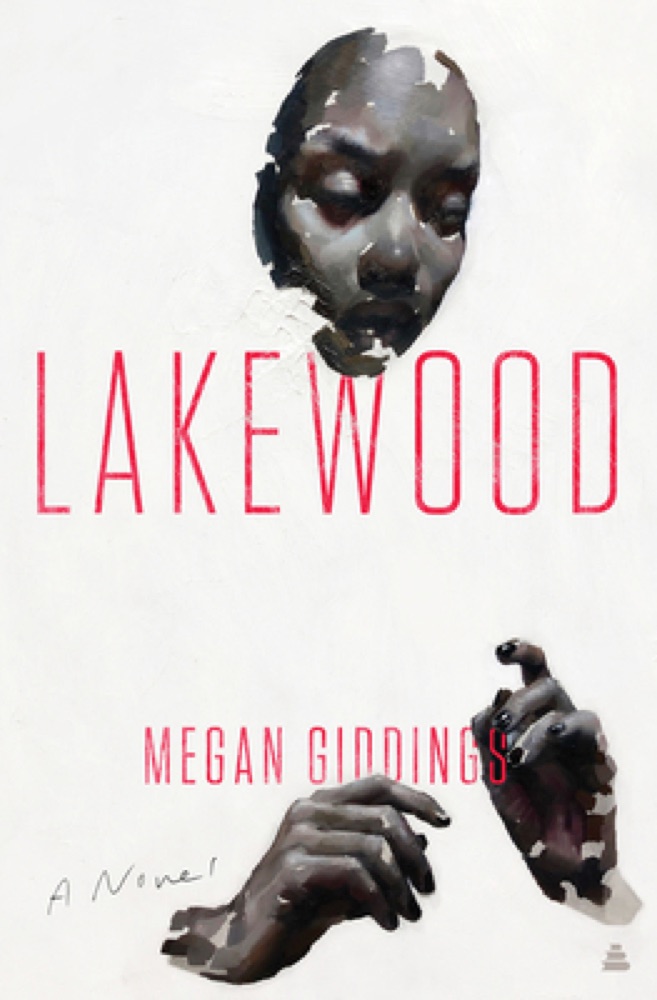 Lakewood
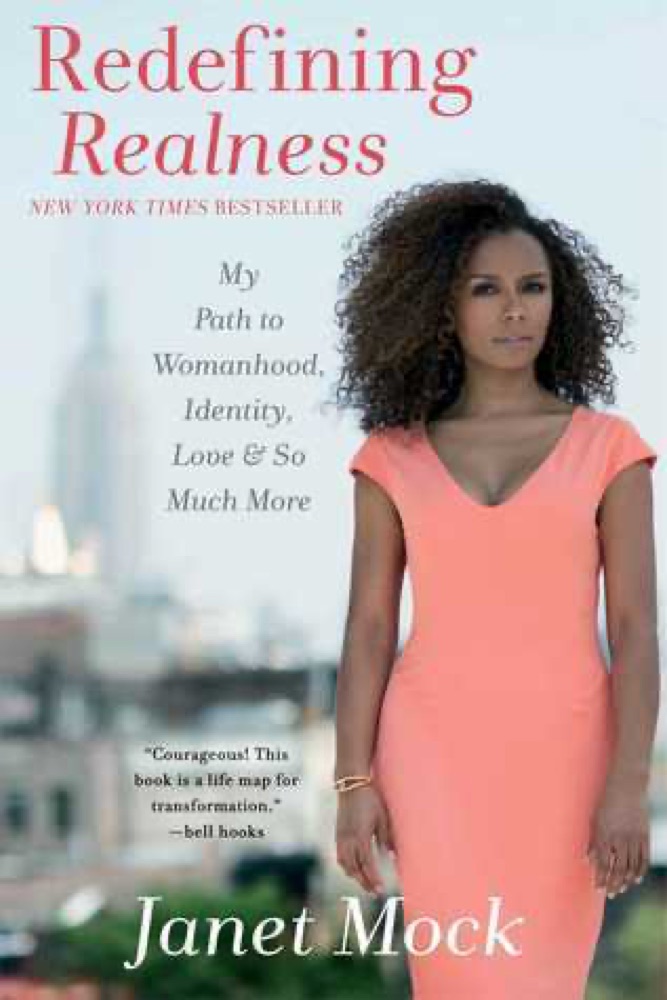 Redefining Realness: My Path to Womanhood, Identity, Love & So Much More
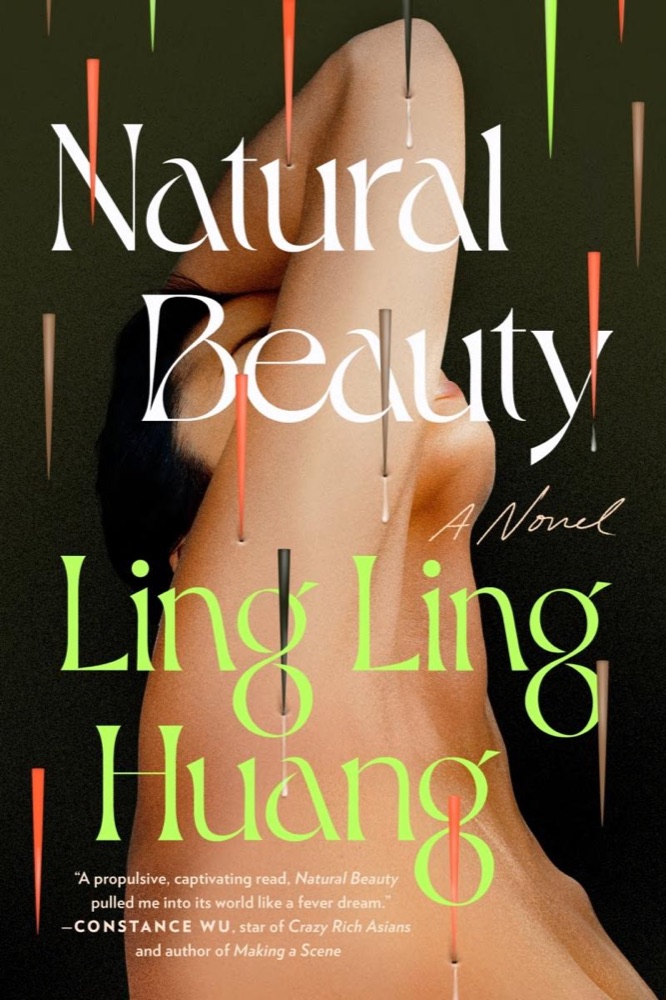 Natural Beauty
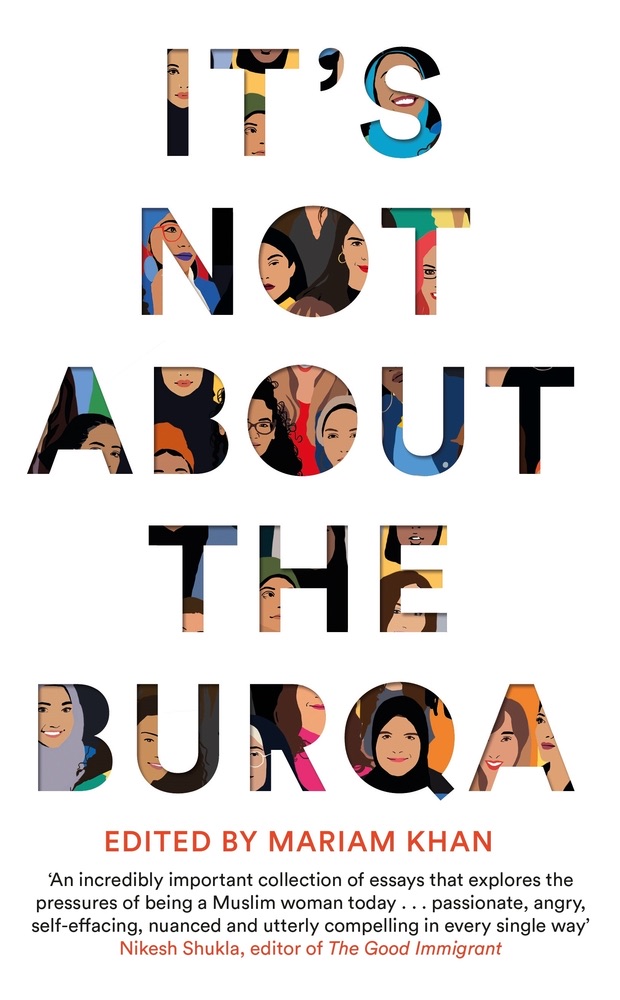 It's Not About the Burqa
 Skin: Talking About Sex, Class And Literature
 Nobody Knows My Name
 Waking Up White: And Finding Myself in the Story of Race
 The Favorite Sister
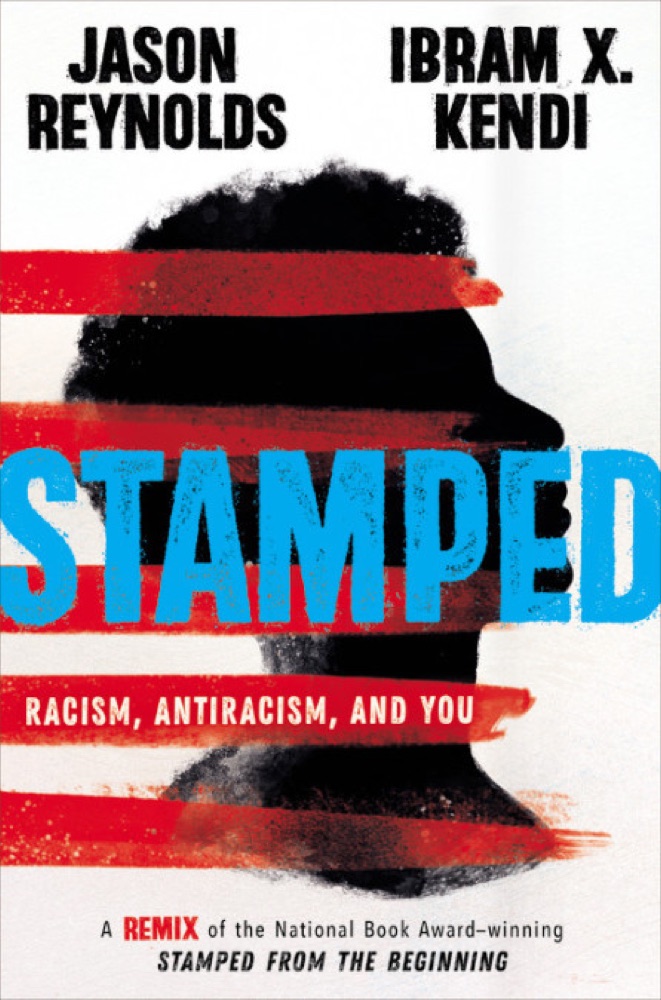 Stamped: Racism, Antiracism, and You
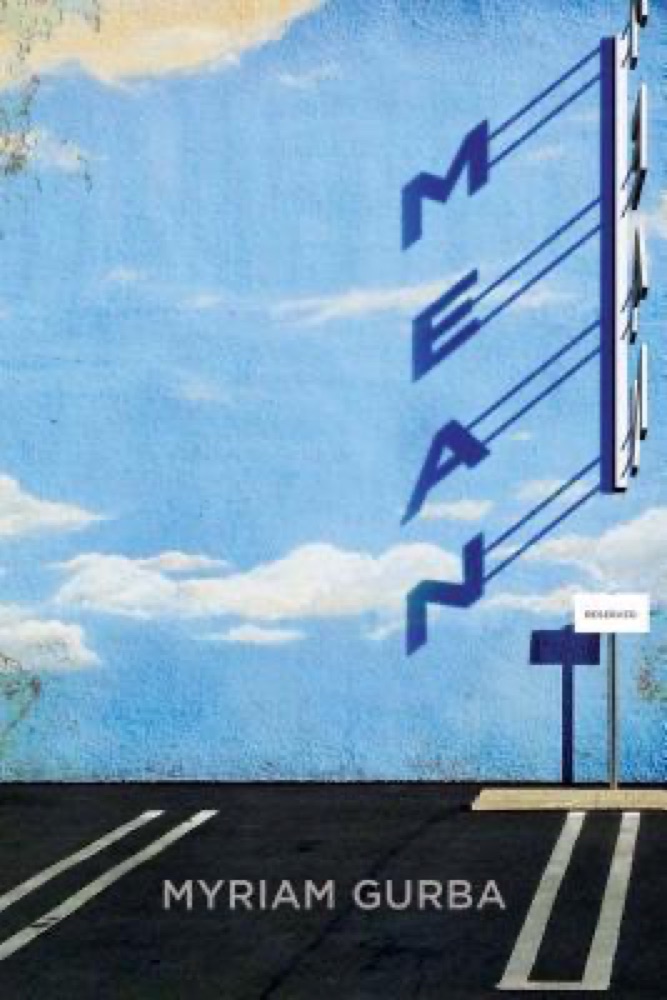 Mean
Mean
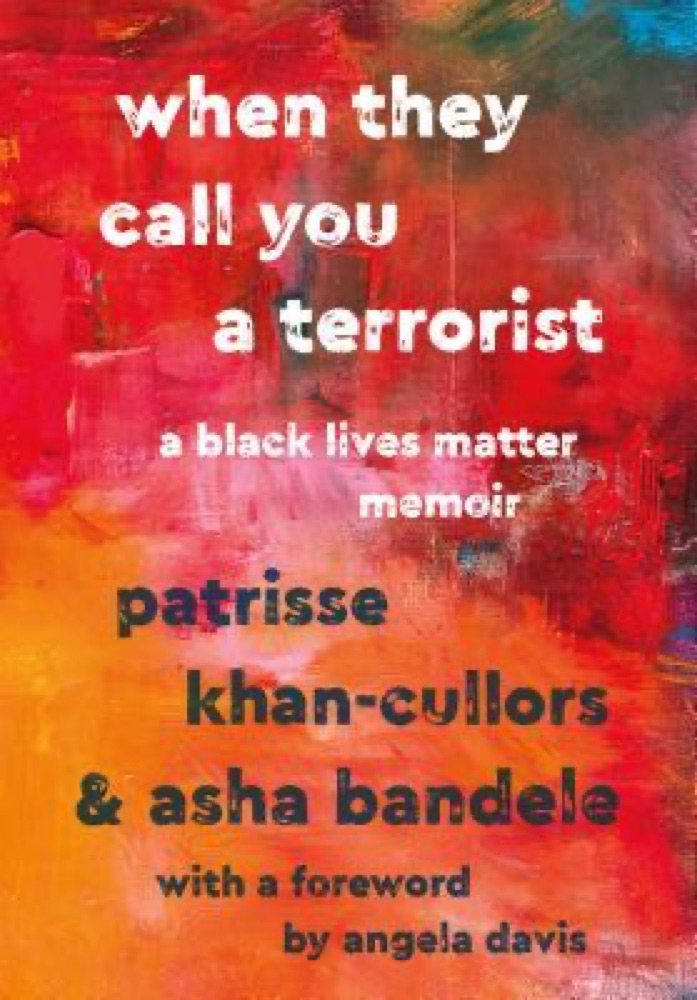 When They Call You a Terrorist: A Black Lives Matter Memoir
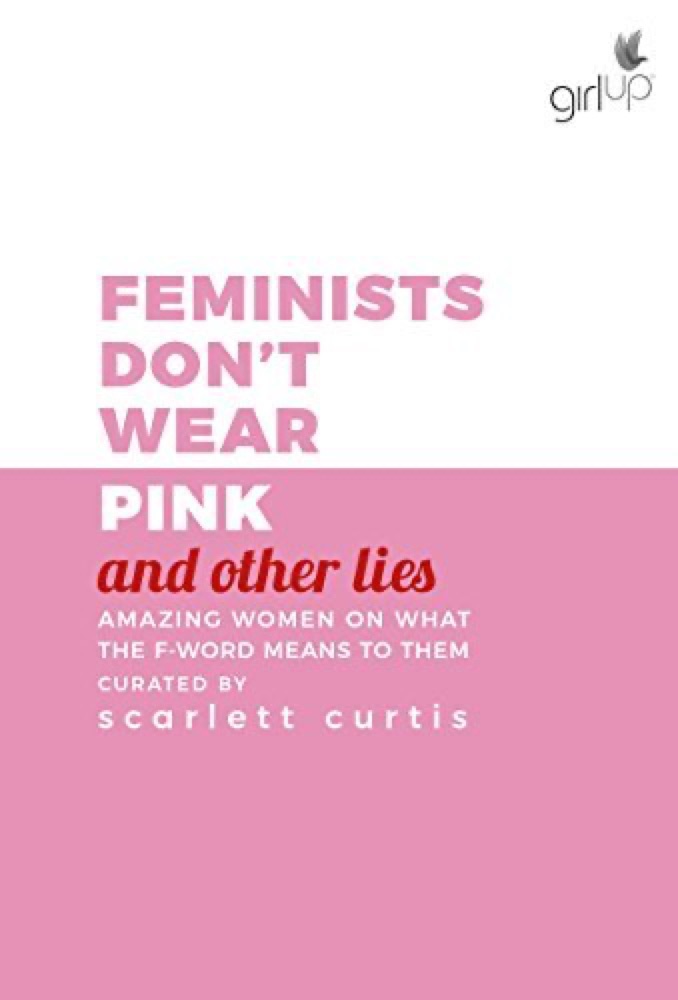 Feminists Don't Wear Pink (And Other Lies): Amazing Women on What the F-Word Means to Them
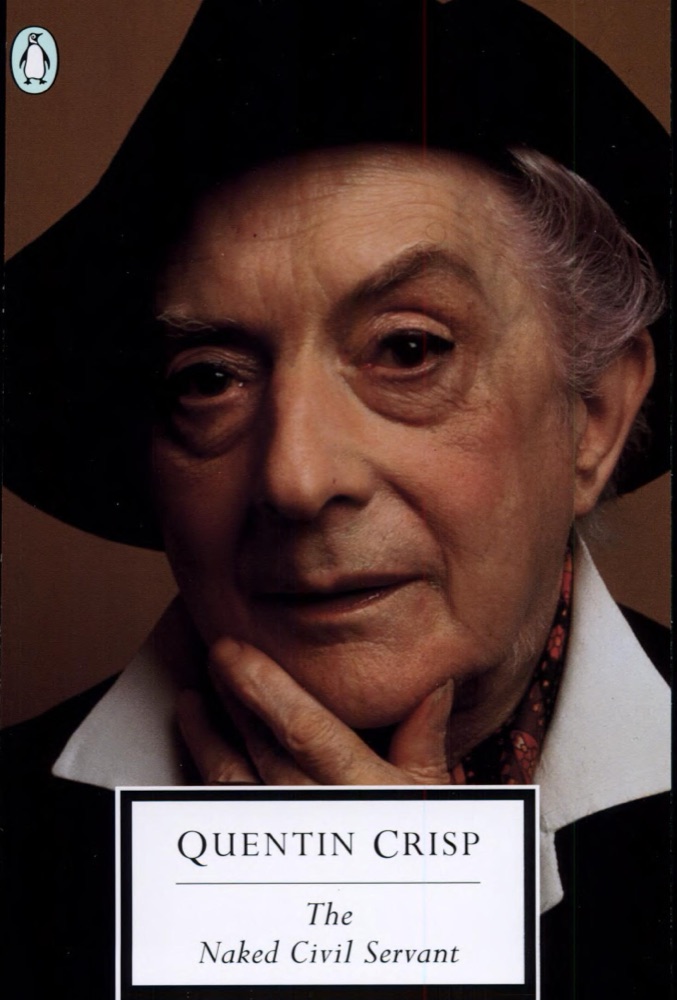 The Naked Civil Servant
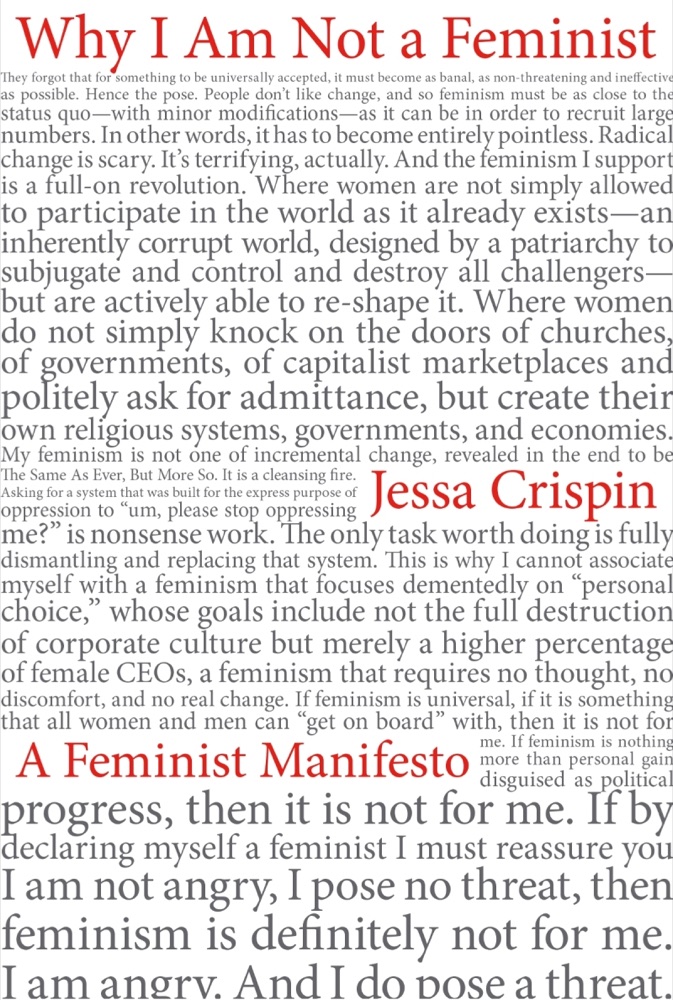 Why I Am Not a Feminist: A Feminist Manifesto
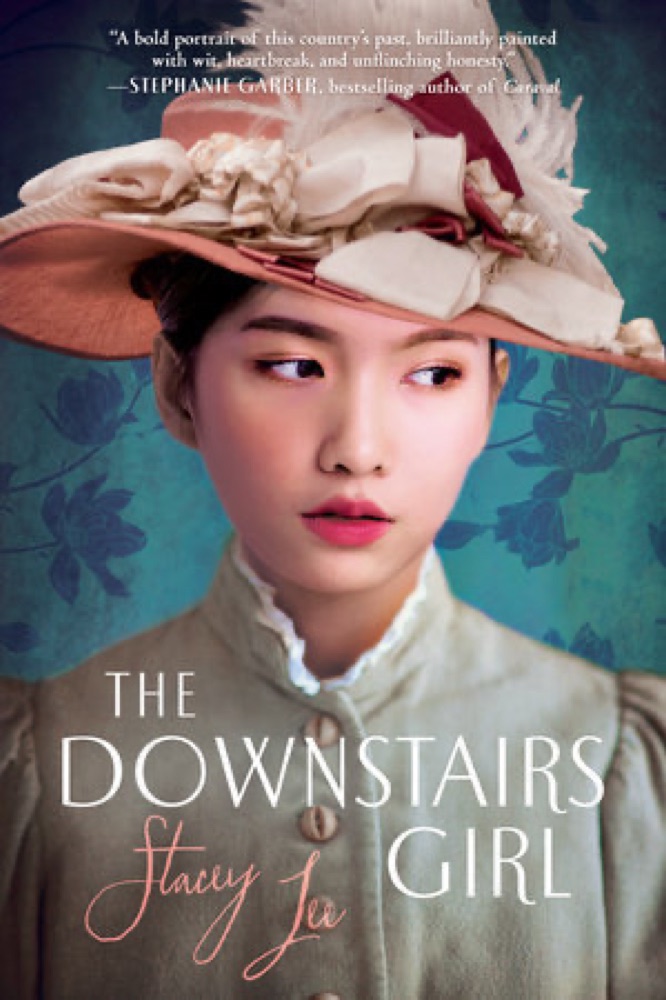 The Downstairs Girl
 Consider the Lobster and Other Essays
 Erasure