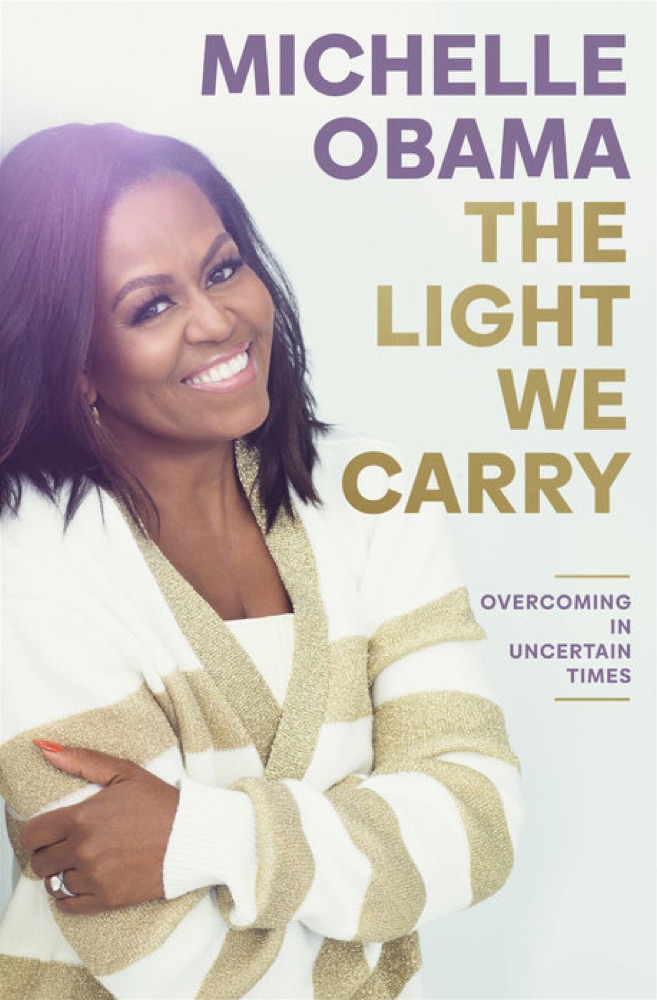
 The Light We Carry: Overcoming in Uncertain Times
Quotes from the Book
Now I think it’s one of the most useless questions an adult can ask a child—What do you want to be when you grow up? As if growing up is finite. As if at some point you become something and that’s the end.
1.3k
If you don’t get out there and define yourself, you’ll be quickly and inaccurately defined by others.
876
For me, becoming isn’t about arriving somewhere or achieving a certain aim. I see it instead as forward motion, a means of evolving, a way to reach continuously toward a better self. The journey doesn’t end.
683
Do we settle for the world as it is, or do we work for the world as it should be?
521
For every door that’s been opened to me, I’ve tried to open my door to others. And here is what I have to say, finally: Let’s invite one another in. Maybe then we can begin to fear less, to make fewer wrong assumptions, to let go of the biases and stereotypes that unnecessarily divide us. Maybe we can better embrace the ways we are the same. It’s not about being perfect. It’s not about where you get yourself in the end. There’s power in allowing yourself to be known and heard, in owning your unique story, in using your authentic voice. And there’s grace in being willing to know and hear others. This, for me, is how we become.
402
Failure is a feeling long before it becomes an actual result. It’s vulnerability that breeds with self-doubt and then is escalated, often deliberately, by fear.
401
Friendships between women, as any woman will tell you, are built of a thousand small kindnesses... swapped back and forth and over again.
344
Your story is what you have, what you will always have. It is something to own.
331
failure is a feeling long before it’s an actual result.
294
Everyone on Earth, they'd tell us, was carrying around an unseen history, and that alone deserved some tolerance.
288
It hurts to live after someone has died. It just does. It can hurt to walk down a hallway or open the fridge. It hurts to put on a pair of socks, to brush your teeth. Food tastes like nothing. Colors go flat. Music hurts, and so do memories. You look at something you’d otherwise find beautiful—a purple sky at sunset or a playground full of kids—and it only somehow deepens the loss. Grief is so lonely this way.
286
Time, as far as my father was concerned, was a gift you gave to other people.
263
Women endure entire lifetimes of these indignities—in the form of catcalls, groping, assault, oppression. These things injure us. They sap our strength. Some of the cuts are so small they’re barely visible. Others are huge and gaping, leaving scars that never heal. Either way, they accumulate. We carry them everywhere, to and from school and work, at home while raising our children, at our places of worship, anytime we try to advance.
245
Now that I’m an adult, I realize that kids know at a very young age when they’re being devalued, when adults aren’t invested enough to help them learn. Their anger over it can manifest itself as unruliness. It’s hardly their fault. They aren’t “bad kids.” They’re just trying to survive bad circumstances.
188
His money went largely toward books, which to him were like sacred objects, providing ballast for his mind.
137
At fifty-four, I am still in progress, and I hope that I always will be.
137
Even if we didn't know the context, we were instructed to remember that context existed. Everyone on earth, they'd tell us, was carrying around an unseen history, and that alone deserved some tolerance.
122
Since childhood, I’d believed it was important to speak out against bullies while also not stooping to their level. And to be clear, we were now up against a bully, a man who among other things demeaned minorities and expressed contempt for prisoners of war, challenging the dignity of our country with practically his every utterance. I wanted Americans to understand that words matter—that the hateful language they heard coming from their TVs did not reflect the true spirit of our country and that we could vote against it. It was dignity I wanted to make an appeal for—the idea that as a nation we might hold on to the core thing that had sustained my family, going back generations. Dignity had always gotten us through. It was a choice, and not always the easy one, but the people I respected most in life made it again and again, every single day. There was a motto Barack and I tried to live by, and I offered it that night from the stage: When they go low, we go high.
120
We were planting seeds of change, the fruit of which we might never see. We had to be patient.
111
The choice, as he saw it, was this: You give up or you work for change. “What’s better for us?” Barack called to the people gathered in the room. “Do we settle for the world as it is, or do we work for the world as it should be?
109
Hearing them, I realized that they weren’t at all smarter than the rest of us. They were simply emboldened, floating on an ancient tide of superiority, buoyed by the fact that history had never told them anything different.
101
It’s remarkable how a stereotype functions as an actual trap. How many “angry black women” have been caught in the circular logic of that phrase? When you aren’t being listened to, why wouldn’t you get louder? If you’re written off as angry or emotional, doesn’t that just cause more of the same?
101
The lesson being that in life you control what you can.
85
Dominance, even the threat of it, is a form of dehumanization. It’s the ugliest kind of power.
82
Barack intrigued me. He was not like anyone I’d dated before, mainly because he seemed so secure. He was openly affectionate. He told me I was beautiful. He made me feel good. To me, he was sort of like a unicorn—unusual to the point of seeming almost unreal. He never talked about material things, like buying a house or a car or even new shoes. His money went largely toward books, which to him were like sacred objects, providing ballast for his mind. He read late into the night, often long after I’d fallen asleep, plowing through history and biographies and Toni Morrison, too. He read several newspapers daily, cover to cover. He kept tabs on the latest book reviews, the American League standings, and what the South Side aldermen were up to. He could speak with equal passion about the Polish elections and which movies Roger Ebert had panned and why.
82
Let's invite one another in. Maybe then we can begin to fear less, to make fewer wrong assumptions, to let go of the biases and stereotypes that unnecessarily divide us. Maybe we can better embrace the ways we are the same. It's not about being perfect. It's not about where you get yourself in the end. There's power in allowing yourself to be known and heard, in owning your unique story, in using your authentic voice. And there's grace in being willing to know and hear others. This, for me, is how we become.
79
When it came to the home-for-dinner dilemma, I installed new boundaries, ones that worked better for me and the girls. We made our schedule and stuck to it. ...It went back to my wishes for them to grow up strong and centered and also unaccommodating to any form of old-school patriarchy: I didn’t want them ever to believe that life began when the man of the house arrived home. We didn’t wait for Dad. It was his job now to catch up with us.
70
This may be the fundamental problem with caring a lot about what others think: It can put you on the established path—the my-isn’t-that-impressive path—and keep you there for a long time.
65
[Y]ou may live in the world as it is, but you can still work to create the world as it should be.
59
Did you know?
- The book was published on November 13, 2018, by the Crown Publishing Group, part of Penguin Random House.
- It sold approximately 725,000 copies on its first day and more than 1.4 million in its first week.
- "Becoming" was the best-selling book in the United States in 2018 according to NPD BookScan.
- The audiobook, narrated by Michelle Obama herself, won the 2020 Grammy Award for Best Spoken Word Album.
- The book is organized into three parts: "Becoming Me," "Becoming Us," and "Becoming More."
- It was released simultaneously in numerous languages and accompanied a multi-city arena book tour.
Watch on YouTube
About Michelle Obama
Michelle Obama is an American attorney, author, and former First Lady of the United States (2009-2017). A graduate of Princeton University and Harvard Law School, she grew up on the South Side of Chicago and is married to former U.S. President Barack Obama.
More about the author →More by Michelle Obama
The Light We Carry: Overcoming in Uncertain Times
About the book
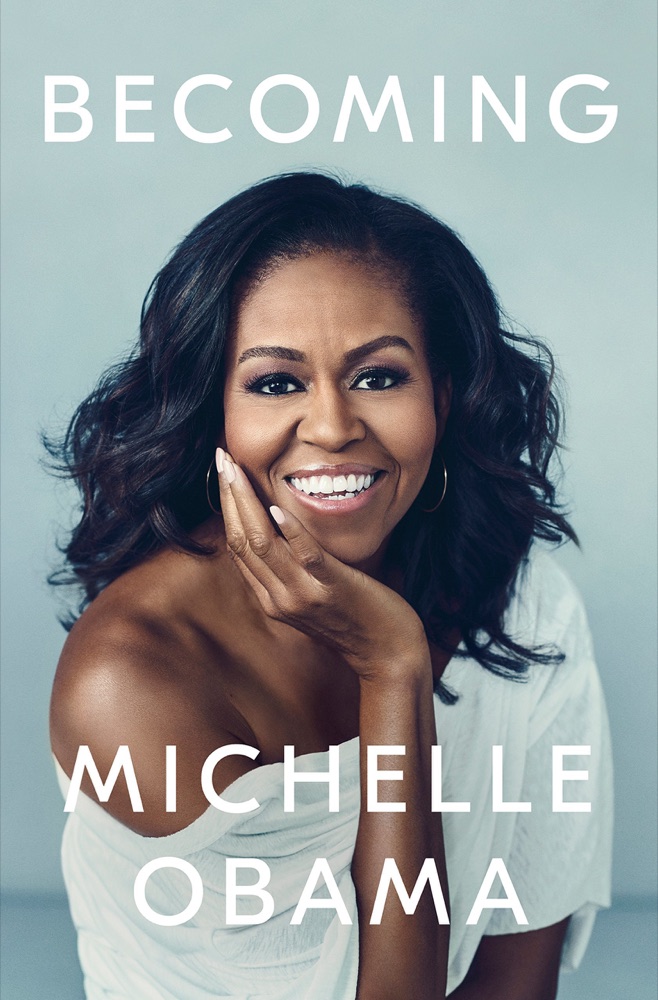
"Becoming" is the memoir of Michelle Obama, former First Lady of the United States, tracing her life from a working-class childhood on the South Side of Chicago through her education at Princeton and Harvard Law School, her early career as a corporate lawyer at Sidley Austin, her marriage to Barack Obama, and her eight years in the White House. Organized into three parts, "Becoming Me," "Becoming Us," and "Becoming More," the book reflects on how a person's identity is continually shaped rather than fixed.
Across its chapters Obama explores themes of identity, race, class, family, and the tension between public duty and private self. She writes candidly about subjects often left out of political memoirs, including a miscarriage, conceiving her daughters through IVF, marriage counseling, and the scrutiny faced by a Black woman in the national spotlight, framing her story around the idea that "becoming" is an ongoing process rather than a destination.
The book was a major commercial and critical success. It sold more than a million copies in its first week and went on to become the best-selling book of 2018 in the United States, ultimately selling many millions of copies worldwide. Critics praised its candor and writing, and the audiobook, narrated by Obama, won the 2020 Grammy Award for Best Spoken Word Album.
Book details
- First published
- 2018
- Length
- 448 pages
- Reading time
- 8 hours
- Author
- Michelle Obama
- Genre
- Nonfiction
- Goodreads rating
- 4.43 (1.2M ratings)
Critical reception
- The New York Times Book Review reviewer Isabel Wilkerson called it "refined and forthright, gracefully written and at times laugh-out-loud funny."
- Critics widely praised its candor about subjects such as miscarriage, IVF, and marriage counseling, unusual for a political memoir.
- It became the best-selling book of 2018 in the U.S. and a record-setting commercial success for a memoir.
- Some reviewers noted the book is more revealing about Obama's early life than her White House years.
The buzz
- NPRMichelle Obama Recounts Struggle To Find Her Place In The World In 'Becoming'2018Feature on the memoir's personal candor and themes
Movie & TV adaptations
- IMDb
Keep reading
 A Promised Land
 My Beloved World
 My Life on the Road
 Lead from the Outside: How to Build Your Future and Make Real Change
 The Measure of a Man: A Spiritual Autobiography
 The Blue Sweater: Bridging the Gap Between Rich and Poor in an Interconnected World
 The Downstairs Girl
 Like Streams to the Ocean: Notes on Ego, Love, and the Things That Make Us Who We Are
 An Absolutely Remarkable Thing
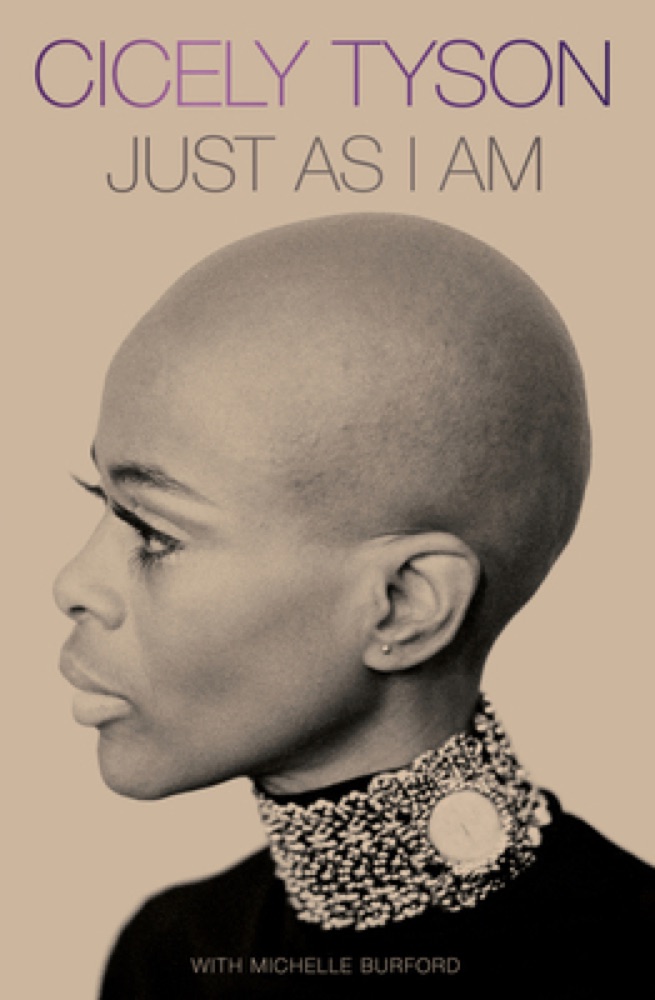 Just as I Am
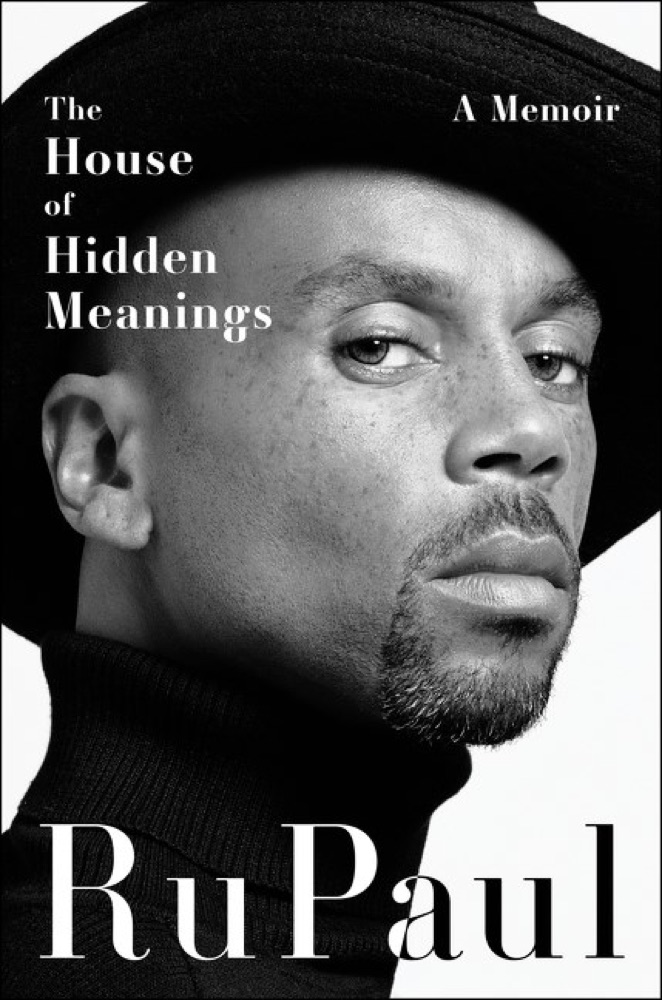 The House of Hidden Meanings
 Wide Awake
 Small Great Things
 Joan Is Okay
The Light We Carry: Overcoming in Uncertain Times
Joan Is Okay
The Light We Carry: Overcoming in Uncertain Times
 The Bassoon King: My Life in Art, Faith, and Idiocy
 Varina
 More Than Enough: Claiming Space for Who You Are
 When Women Were Dragons
 Dream Count
 You Learn by Living: Eleven Keys for a More Fulfilling Life
 The 7 Habits Of Highly Effective Teens
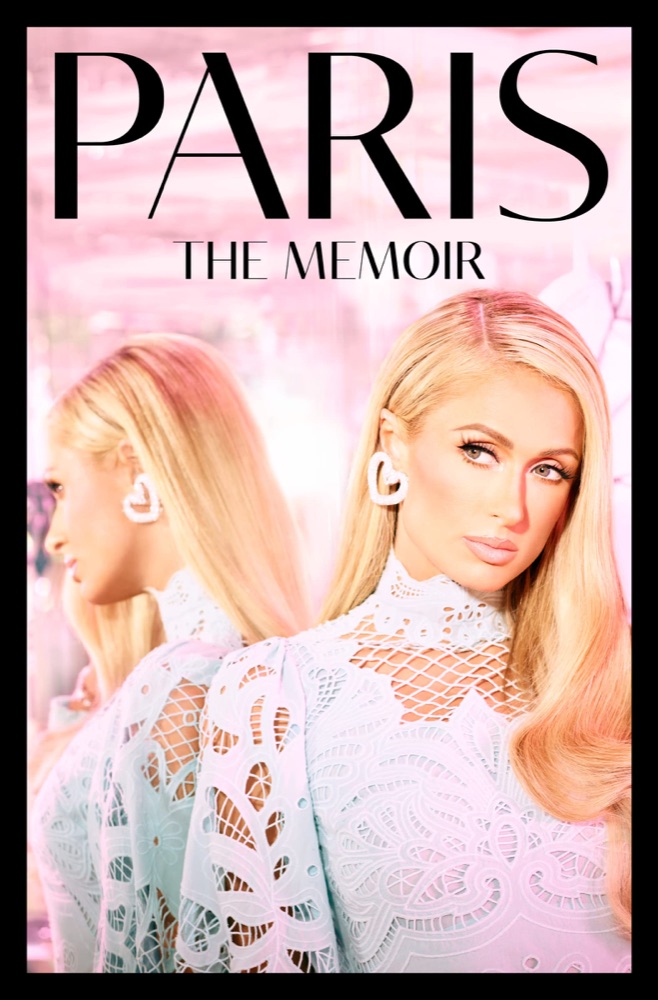 Paris: A Memoir for Young Women in the Age of Influencers
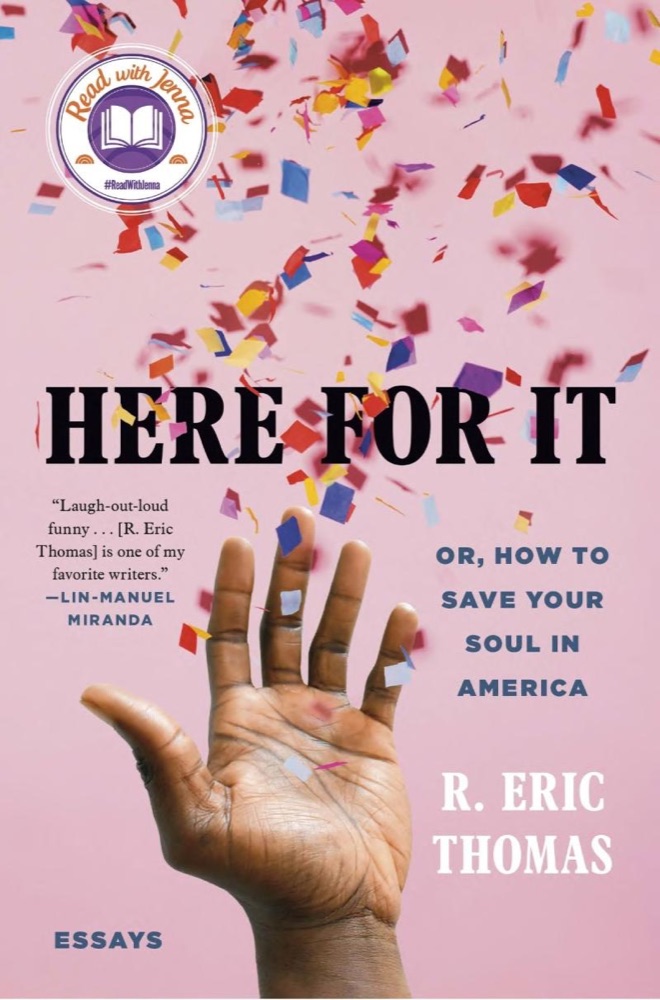 Here for It; Or, How to Save Your Soul in America: Essays
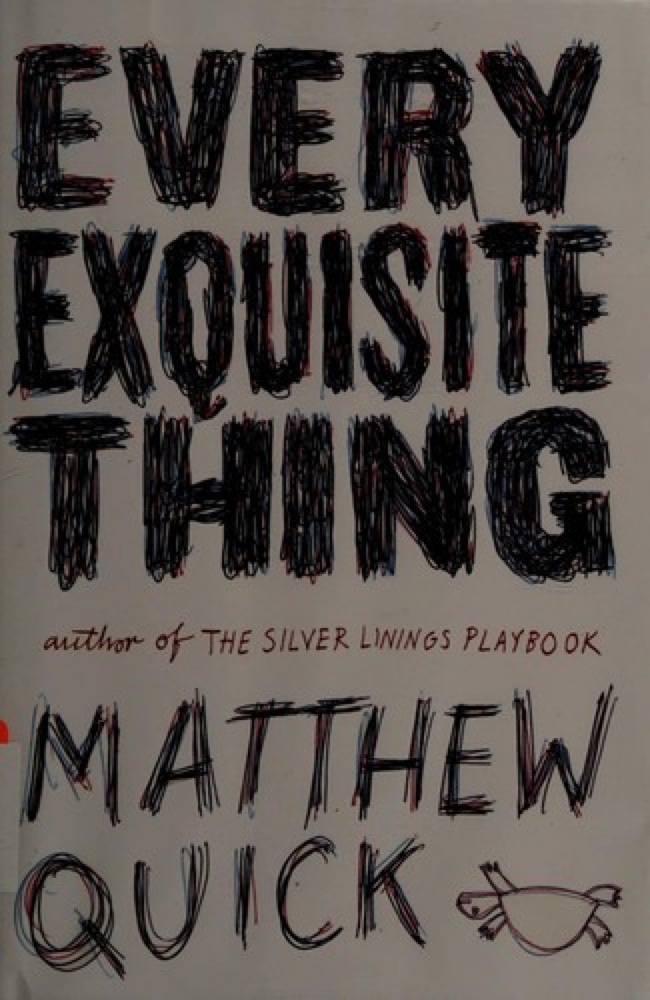 Every Exquisite Thing
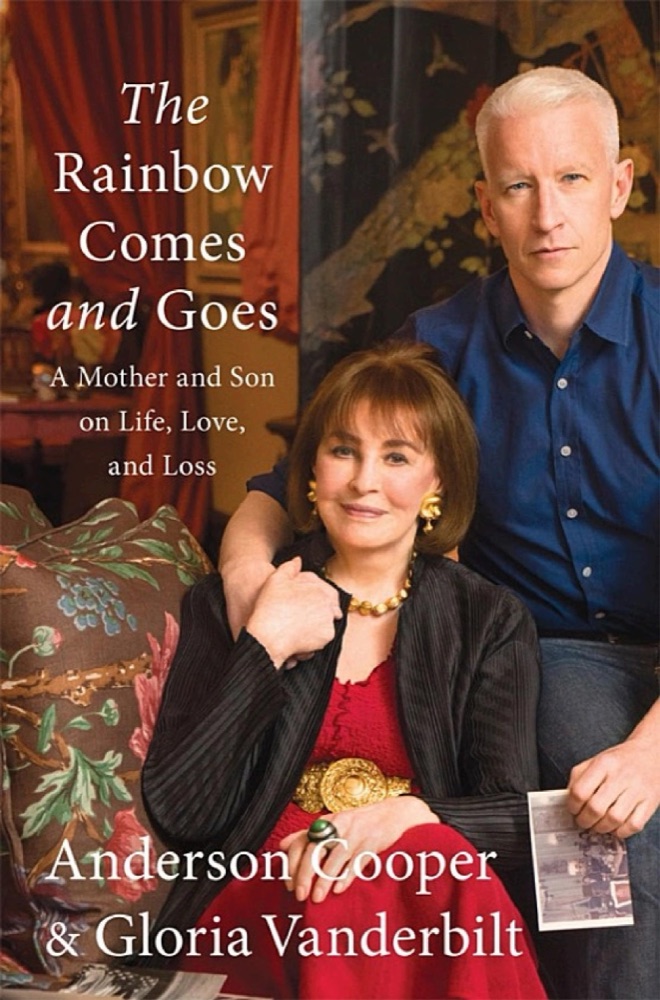 The Rainbow Comes and Goes: A Mother and Son on Life, Love, and Loss
 Untamed
 Americanah
 Tell Me More: Stories About the 12 Hardest Things I'm Learning to Say
 Parable of the Talents
 Good Dirt
 The Autobiography of Eleanor Roosevelt
 A Song Flung Up to Heaven
 Finding My Way: A Memoir
 The Argonauts
 The Nix
 These Precious Days: Essays
 We Have Always Been Here: A Queer Muslim Memoir
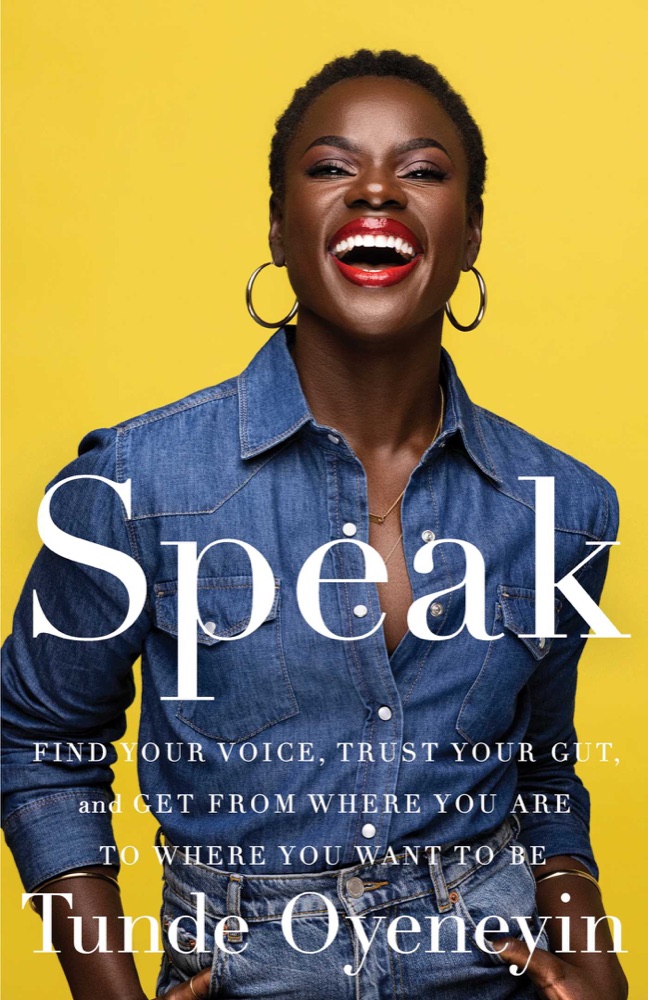 Speak: Find Your Voice, Trust Your Gut, and Get from Where You Are to Where You Want to Be
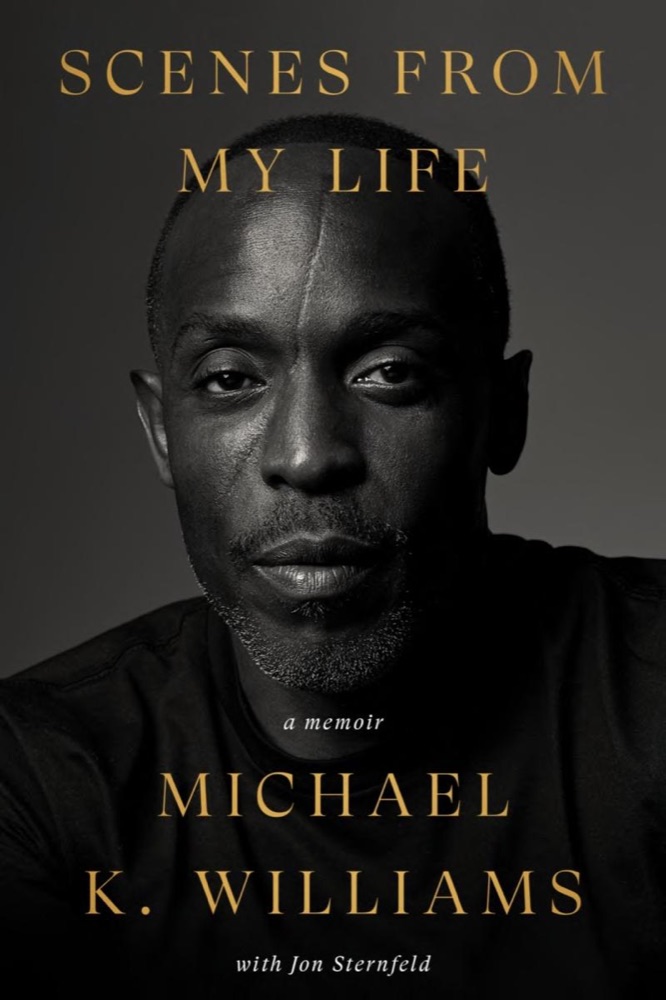 Scenes from My Life: A Memoir
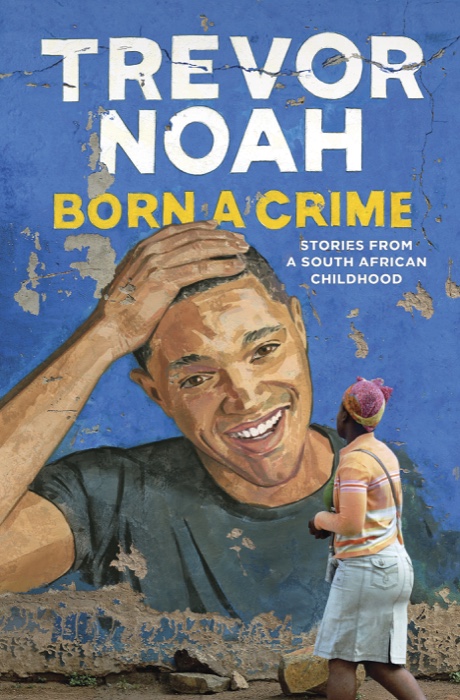 Born a Crime: Stories From a South African Childhood
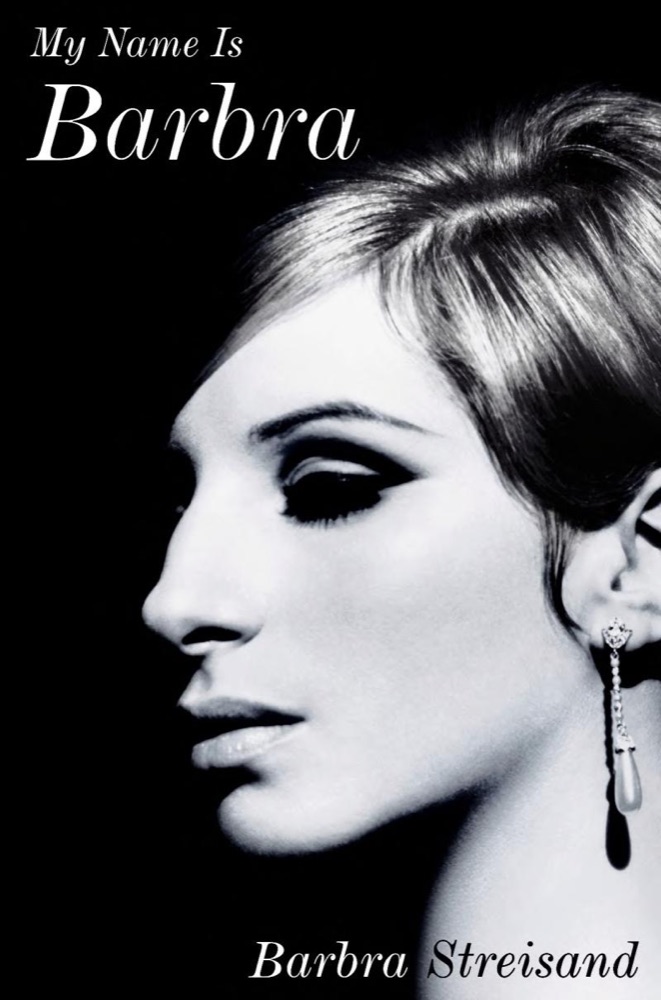 My Name Is Barbra
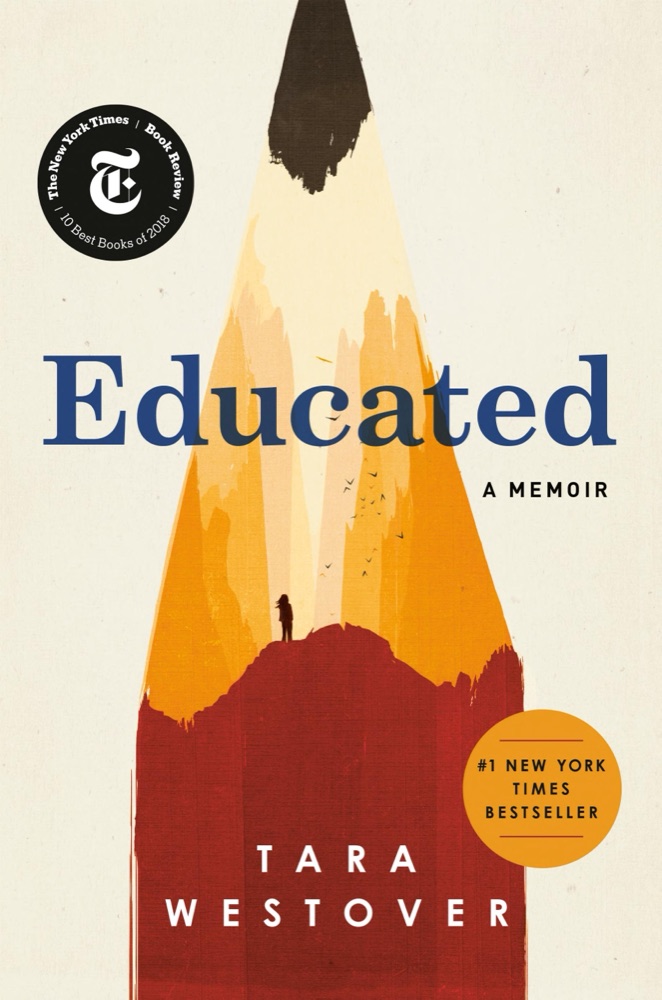 Educated
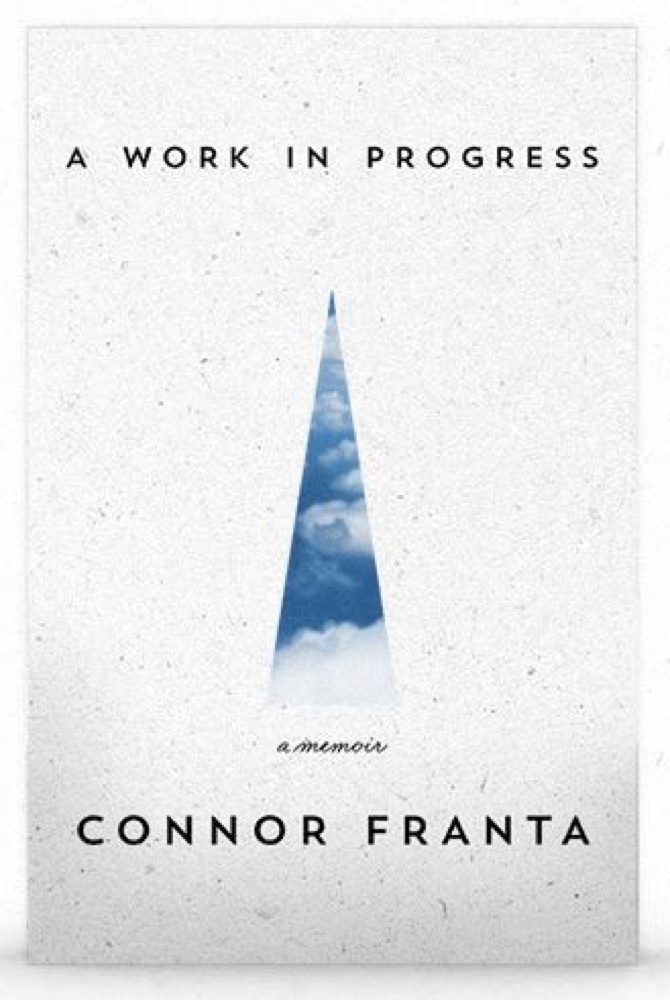 A Work in Progress
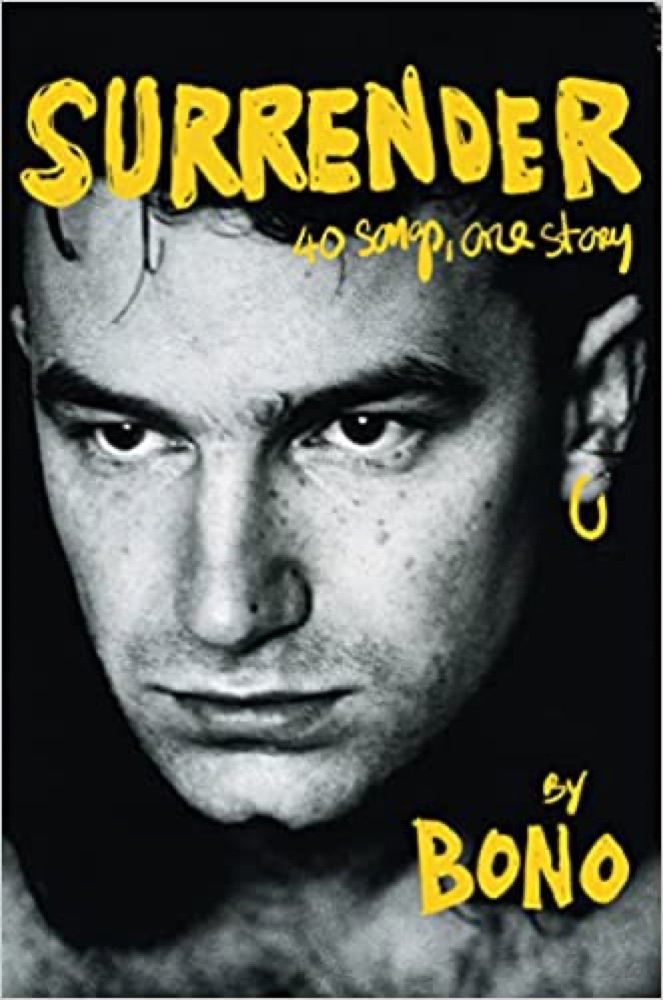 Surrender: 40 Songs, One Story
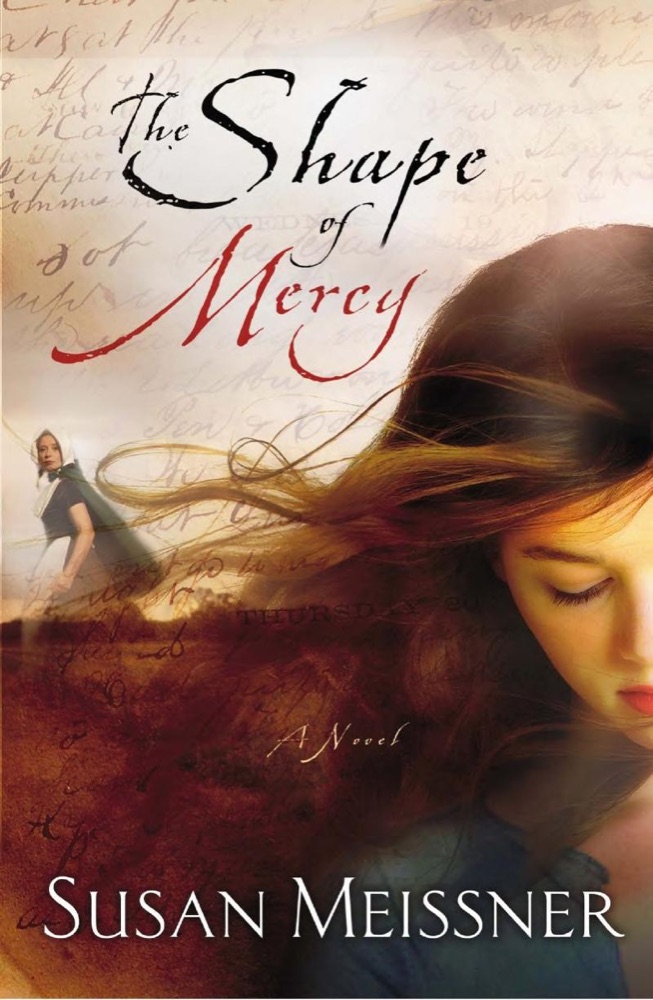 The Shape of Mercy
 The Just City
 The Last Year of the War
 The World According to Mister Rogers: Important Things to Remember
 Letter to My Daughter
 The Power
 Dare to Lead
 Asymmetry
 Dreams from My Father: A Story of Race and Inheritance
 The Sea Keeper's Daughters
 Born to Run
 Chances Are...
 The Person You Mean to Be: How Good People Fight Bias
 Unprotected: A Memoir
 I Take My Coffee Black: Reflections on Tupac, Musical Theater, Faith, and Being Black in America