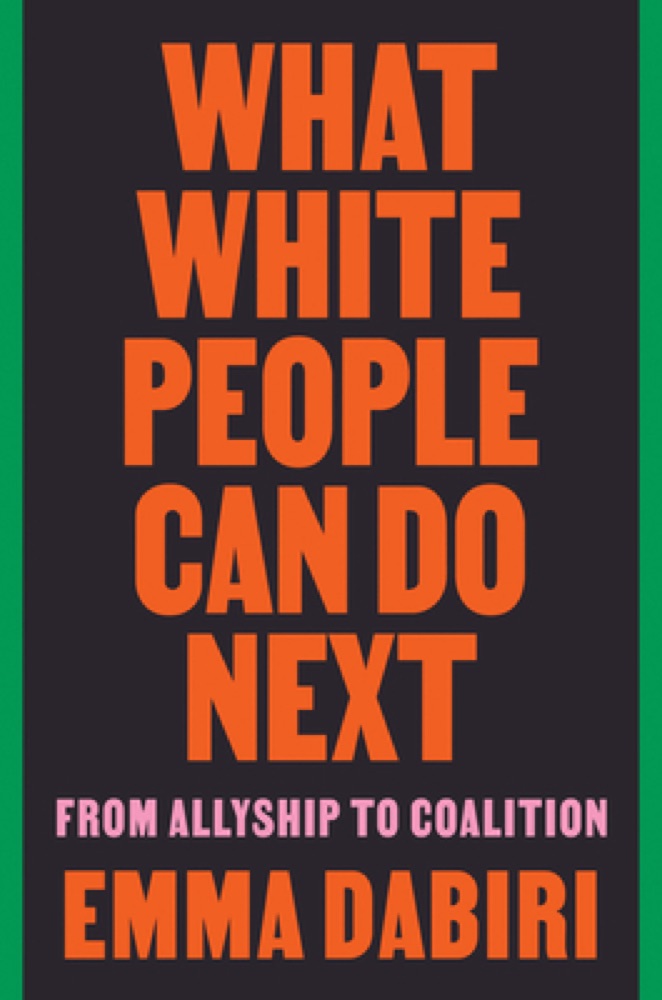
 What White People Can Do Next: From Allyship to Coalition – An Empowering Guide to Interrogating Whiteness and Creating Justice
Quotes from the Book
Wanting someone to stand for the national anthem rather than stand up for justice means loving the symbol more than what it symbolizes.
31
Instead of being blind to race, color blindness makes people blind to racism, unwilling to acknowledge where its effects have shaped opportunity or to use race-conscious solutions to address it.
18
I’m fundamentally a hopeful person, because I know that decisions made the world as it is and that better decisions can change it. Nothing about our situation is inevitable or immutable, but you can’t solve a problem with the consciousness that created it.
17
For when a nation founded on the belief in racial hierarchy truly rejects that belief then and only then will we have discovered a new world. That is our destiny. To make it manifest, we must challenge ourselves to live our lives in solidarity across color, origin, and class. We must demand changes to the rules in order to disrupt the very notion that those who have more money are worth more in our democracy and our economy. Since this country’s founding, we have not allowed our diversity to be our superpower and the result is that the United States is not more than the sum of its disparate parts. But it could be. And if it were, all of us would prosper. In short, we must emerge from this crisis in our republic with a new birth of freedom. Rooted in the knowledge that we are so much more, when the we in we the people is not some of us, but all of us. We are greater than and greater for the sum of us.
16
I learned that although we knew about white people even if we didn’t live with them—they were co-workers, school administrators, and of course, every image onscreen—segregation meant that white people didn’t know much about us at all. For all the ways that segregation is aimed at limiting the choices of people of color, it’s white people who are ultimately isolated.
14
The United States of America has had the world’s largest economy for most of our history, with enough money to feed and educate all our children, build world-leading infrastructure, and generally ensure a high standard of living for everyone. But we don’t. When it comes to per capita government spending, the United States is near the bottom of the list of industrialized countries, below Latvia and Estonia. Our roads, bridges, and water systems get a D+ from the American Society of Civil Engineers. With the exception of about forty years from the New Deal to the 1970s, the United States has had a weaker commitment to public goods, and to the public good, than every country that possesses anywhere near our wealth.
8
Color blindness has become a powerful weapon against progress for people of color, but as a denial mindset, it doesn’t do white people any favors, either. A person who avoids the realities of racism doesn’t build the crucial muscles for navigating cross-cultural tensions or recovering with grace from missteps. That person is less likely to listen deeply to unexpected ideas expressed by people from other cultures or to do the research on her own to learn about her blind spots. When that person then faces the inevitable uncomfortable racial reality—an offended co-worker, a presentation about racial disparity at a PTA meeting, her inadvertent use of a stereotype—she’s caught flat-footed. Denial leaves people ill-prepared to function or thrive in a diverse society. It makes people less effective at collaborating with colleagues, coaching kids’ sports teams, advocating for their neighborhoods, even chatting with acquaintances at social events.
6
The profound love for America's ideals should unite all who call it home, of every color - and yet America has lied to her white children for centuries, offering them songs about freedom instead of the liberation of truth.
6
I’ve always known that laws are merely expressions of a society’s dominant beliefs. It’s the beliefs that must shift in order for outcomes to change.
5
We've got to get on the same page before we can turn it. We've tried a do-it-yourself approach to writing the racial narrative about America, but the forces selling denial, ignorance, and projection have succeeded in robbing us of our own shared history--both the pain and the resilience. It's time to tell the truth, with a nationwide process that enrolls all of us in setting the facts straight so that we can move forward with a new story, together.
5
Nonetheless, the idea that Black people are the “takers” in society while white people are the hardworking taxpayers—the “makers”—has become a core part of the zero-sum story preached by wealthy political elites.
5
Dog-whistle politics is gaslighting on a massive scale: stoking racism through insidious stereotyping while denying that racism has anything to do with it.
5
The unsettling truth is that, for nearly all of American history, the Jesus conjured by most white congregations was not only indifferent to the status quo of racial inequality; he demanded its defense and preservation as part of the natural, divinely ordained order of things.
5
America has lied to her white children for centuries, offering them songs about freedom instead of the liberation of truth.
5
We are greater than, and greater for, the sum of us.
5
Most people who wonder why our politics are so corrupt can’t draw the line from racist theories of limited democracy to today’s system, but the small group of white men who are funding the effort to turn back the clock on political equality can lay claim to a long ideological pedigree: from the original property requirement to people like John C. Calhoun, who advocated states’ rights and limited government in defense of slavery, to the Supreme Court justices who decided Shelby County and Citizens United. Over the past few decades, a series of money-in-politics lawsuits, including Citizens United, have overturned anticorruption protections, making it possible for a wealthy individual to give more than $3.5 million to a party and its candidates in an election cycle, for corporations and unions to spend unlimited sums to get candidates elected or defeated, and for secret money to sway elections. The result is a racially skewed system of influence and electoral gatekeeping that invalidates the voices of most Americans.
5
Everywhere I went, I found that the people who had replaced the zero sum with a new formula of cross-racial solidarity had found the key to unlocking what I began to call a “Solidarity Dividend,” from higher wages to cleaner air, made possible through collective action. And
5
There is no question that the financial crisis hurt people of color first and worst. And yet the majority of the people it damaged were white. This is the dynamic we’ve seen over and over again throughout our country’s history, from the drained public pools, to the shuttered public schools, to the overgrown yards of vacant homes.
4
Norton and his colleagues would call the psychology behind DiAngelo’s mother’s warnings “last place aversion.” In a hierarchical system like the American economy, people often show more concern about their relative position in the hierarchy than their absolute status. Norton and his colleagues used games where they gave participants the option to give money to either people who had more money than they had, or those who had less. In general, people gave money to those who had less—except for people who were in the second-to-last place in the money distribution to begin with. These players more often gave their money to the people above them in the distribution so that they wouldn’t fall into last place themselves. The study authors also looked at real-world behaviors and found that lower-income people are less supportive of redistributive policies that would help them than logic would suggest. Even though raising the minimum wage is overwhelmingly popular, people who make a dollar above the current minimum “and thus those most likely to ‘drop’ into last place” alongside the workers at the bottom expressed less support. “Last-place aversion suggests that low-income individuals might oppose redistribution because they fear it might differentially help a last-place group to whom they can currently feel superior,” the study authors wrote.
4
The same research I found showing that white people increasingly see the world through a zero-sum prism showed that Black people do not. African Americans just don’t buy that our gain has to come at the expense of white people. And time and time again, history has shown that we’re right.
4
White children “who learn the prejudices of our society,” wrote the social scientists, were “being taught to gain personal status in an unrealistic and non-adaptive way.” They were “not required to evaluate themselves in terms of the more basic standards of actual personal ability and achievement.” What’s more, they “often develop patterns of guilt feelings, rationalizations and other mechanisms which they must use in an attempt to protect themselves from recognizing the essential injustice of their unrealistic fears and hatreds of minority groups.” The best research of the day concluded that “confusion, conflict, moral cynicism, and disrespect for authority may arise in [white] children as a consequence of being taught the moral, religious and democratic principles of justice and fair play by the same persons and institutions who seem to be acting in a prejudiced and discriminatory manner.
3
The unions are for putting people on equal ground. Some people see that as a threat to their society.” As Earl had said, “Even the white guys on the line, they felt they would lose some power if we had a union. The view is, white people are in charge, I’m in charge.
3
I discovered that if you try to convince anyone but the most committed progressives (disproportionately people of color) about big public solutions without addressing race, most will agree…right up until they hear the counter-message that does talk, even implicitly, about race.
3
Racial hierarchy offered white people a reprieve from the class hierarchy and gave white women an escape valve from gender oppression.
3
we all like to see ourselves as on the side of the heroes in a story. But for white Americans today who are awake to the reality of American racism, that’s nearly impossible. That’s a moral cost of racism that millions of white people bear and that those of us who’ve borne every other cost of racism simply don’t. It can cause contradictions and justifications, feelings of guilt, shame, projection, resentment, and denial. Ultimately, though, we are all paying for the moral conflict of white Americans.
3
No governments in modern history save Apartheid South Africa and Nazi Germany have segregated as well as the United States has, with precision and under the color of law. (And even then, both the Third Reich and the Afrikaner government looked to America’s laws to create their systems.) U.S. government financing required home developers and landlords to put racially restrictive covenants (agreements to sell only to white people) in their housing contracts. And as we’ve already seen, the federal government supported housing segregation through redlining and other banking practices, the result of which was that the two investments that created the housing market that has been a cornerstone of building wealth in American families, the thirty-year mortgage and the federal government’s willingness to guarantee banks’ issuance of those loans, were made on a whites-only basis and under conditions of segregation.
3
The big-money campaign finance system is like so much of modern-day structural racism: it harms people of color disproportionately but doesn’t spare non-wealthy white people; it may be hard to assign racist intent, but it’s easy to find the racist impacts.
3
Contrary to how I was taught to think about economics, everybody wasn’t operating in their own rational economic self-interest. The majority of white Americans had voted for a worldview supported not by a different set of numbers than I had, but by a fundamentally different story about how the economy works; about race and government; about who belongs and who deserves; about how we got here and what the future holds. That story was more powerful than cold economic calculations. And it was exactly what was keeping us from having nice things—to the contrary, it had brought us Donald Trump. So, I made an unexpected decision. I decided
3
They are comfortable with deploying strategic racism because popular stereotypes can help move unpopular ideas, including limiting democracy.
3
They have to make Americans afraid of one another. They're exploiting fear in America to sell guns.
2
Watch on YouTube
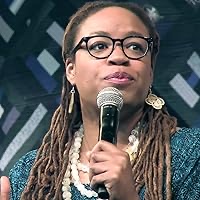
About Heather McGhee
We have collected 30 quotes from 1 book by Heather McGhee on BookQuoters.
More about the author →About the book
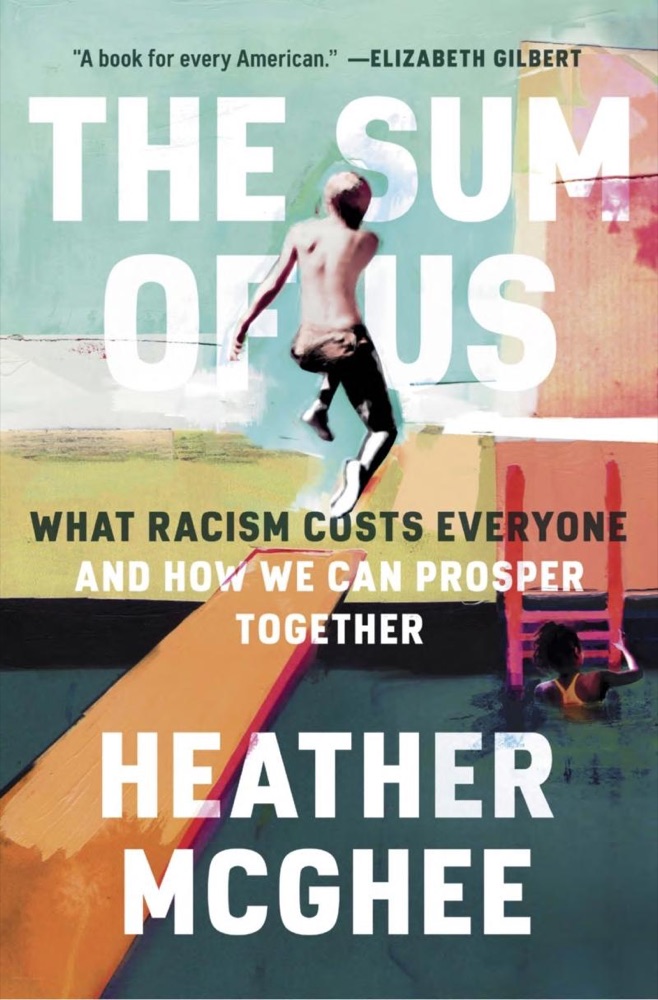
Heather McGhee's specialty is the American economy--and the mystery of why it so often fails the American public. From the financial crisis to rising student debt to collapsing public infrastructure, she found a common root problem: racism. But not just in the most obvious indignities for people of color. Racism has costs for white people, too. It is the common denominator of our most vexing public problems, the core dysfunction of our democracy and constitutive of the spiritual and moral crises that grip us all. But how did this happen? And is there a way out?
McGhee embarks on a deeply personal journey across the country from Maine to Mississippi to California, tallying what we lose when we buy into the zero-sum paradigm--the idea that progress for some of us must come at the expense of others. Along the way, she meets white people who confide in her about losing their homes, their
Book details
- First published
- 2021
- Author
- Heather McGhee
- Genre
- Nonfiction
- Goodreads rating
- 4.62 (22k ratings)
The buzz
- The New York TimesReview in The New York Timesprofessional review (via Book Marks)
- The Washington PostReview in The Washington Postprofessional review (via Book Marks)
- Kirkus ReviewsReview in Kirkus Reviewsprofessional review (via Book Marks)
- Publishers WeeklyReview in Publishers Weeklyprofessional review (via Book Marks)
- BooklistReview in Booklistprofessional review (via Book Marks)
- BookPageReview in BookPageprofessional review (via Book Marks)
Keep reading
What White People Can Do Next: From Allyship to Coalition – An Empowering Guide to Interrogating Whiteness and Creating Justice
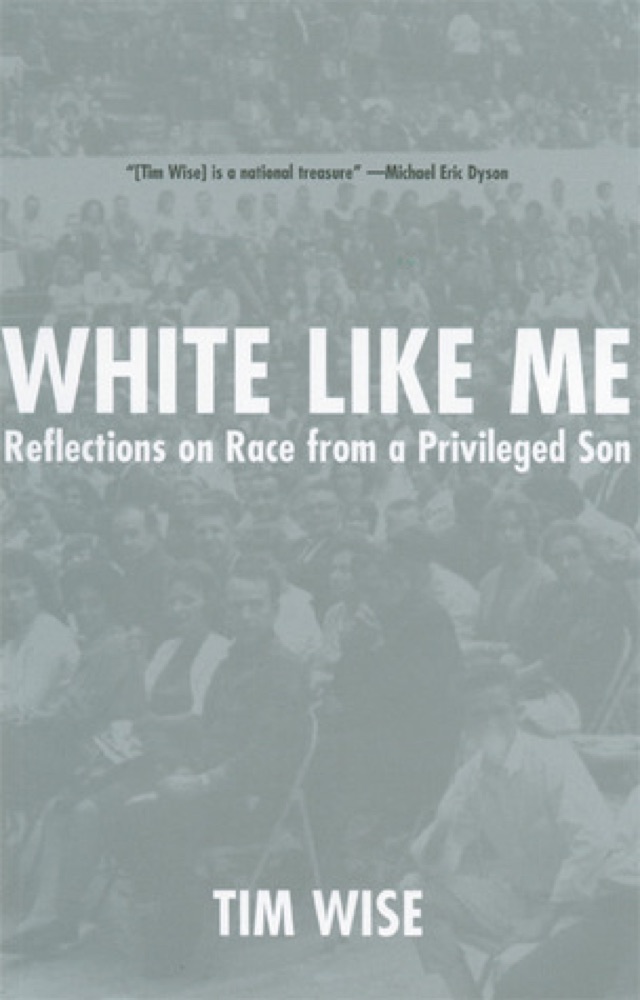 White Like Me: Reflections On Race From A Privileged Son
 Tears We Cannot Stop: A Sermon to White America
 We Were Eight Years in Power: An American Tragedy
 Waking Up White: And Finding Myself in the Story of Race
 Uncomfortable Conversations With a Black Man
 We Gon' Be Alright: Notes on Race and Resegregation
 Stamped: Racism, Antiracism, and You
 Why Are All The Black Kids Sitting Together in the Cafeteria?
 Just Us: An American Conversation
 Mediocre: The Dangerous Legacy of White Male America
 Why I'm No Longer Talking to White People About Race
 The End of Race Politics: Arguments for a Colorblind America
 I'm Still Here: Black Dignity in a World Made for Whiteness
 The Black Friend: On Being a Better White Person
 Silent Covenants: Brown v. Board of Education and the Unfulfilled Hopes for Racial Reform
 White Rage: The Unspoken Truth of Our Racial Divide
 White Trash: The 400-Year Untold History of Class in America
 Go Back to Where You Came From: And Other Helpful Recommendations on How to Become American
 This Book Is Anti-Racist: 20 Lessons on How to Wake Up, Take Action, and Do the Work
 Four Hundred Souls: A Community History of African America, 1619-2019
 Begin Again: James Baldwin's America and Its Urgent Lessons for Our Own
 Where Do We Go from Here: Chaos or Community?
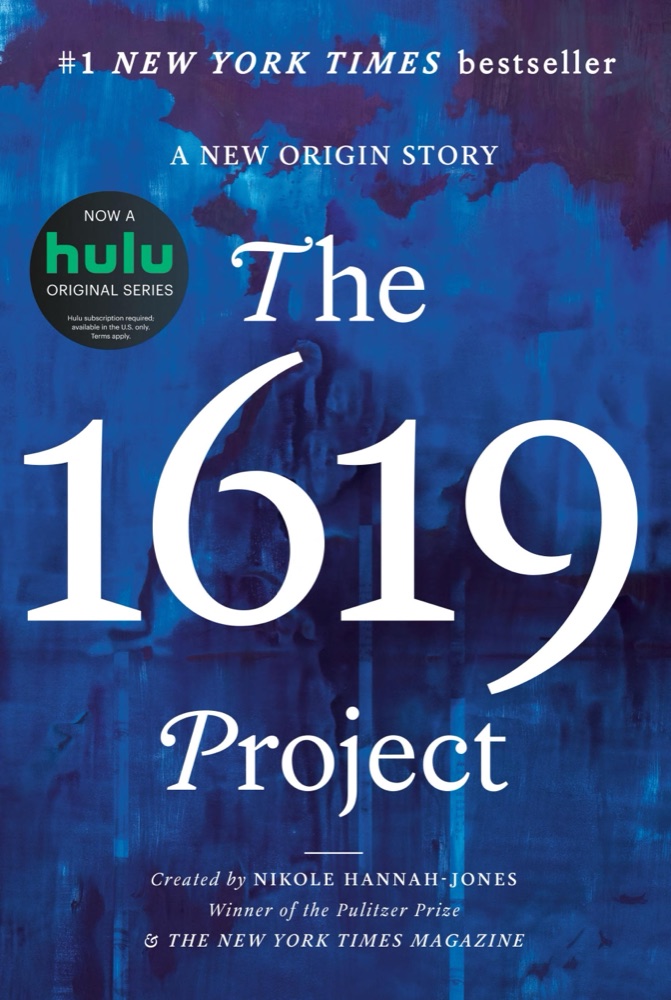 The 1619 Project: A New Origin Story
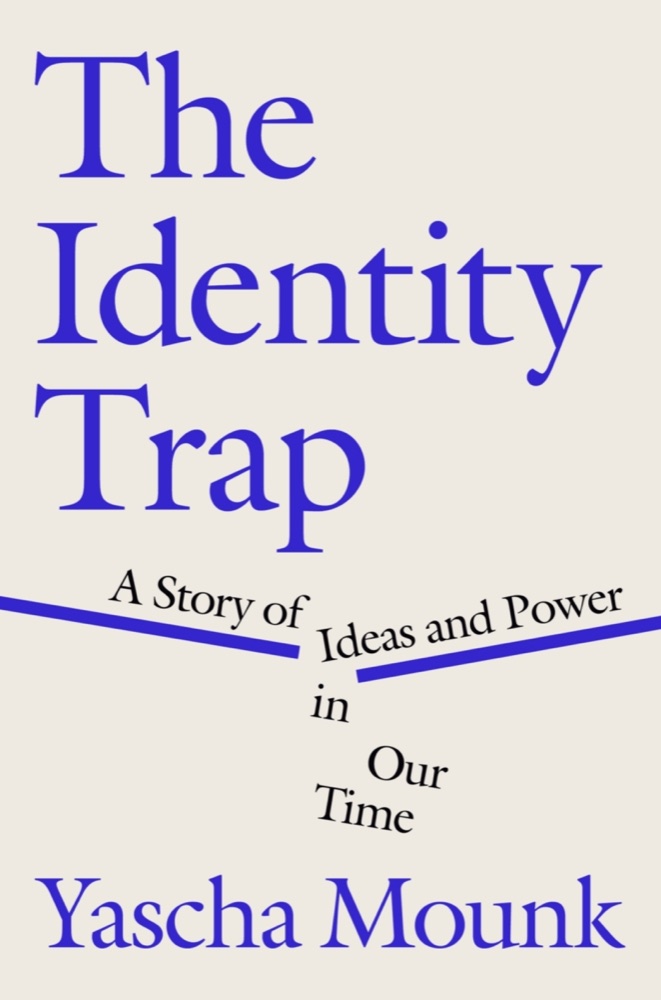 The Identity Trap: A Story of Ideas and Power in Our Time
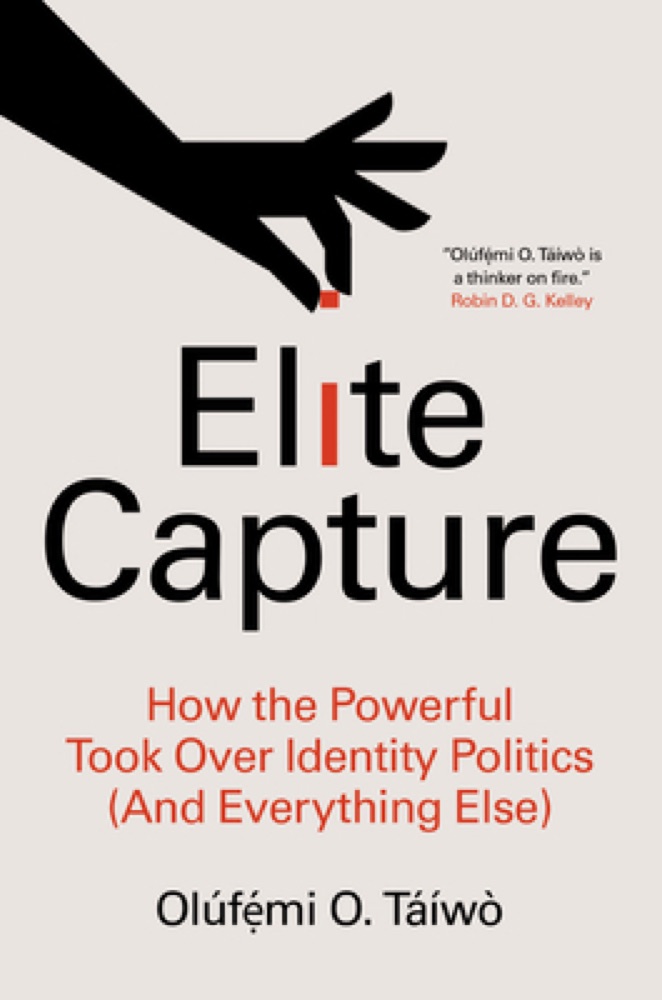 Elite Capture: How the Powerful Took Over Identity Politics
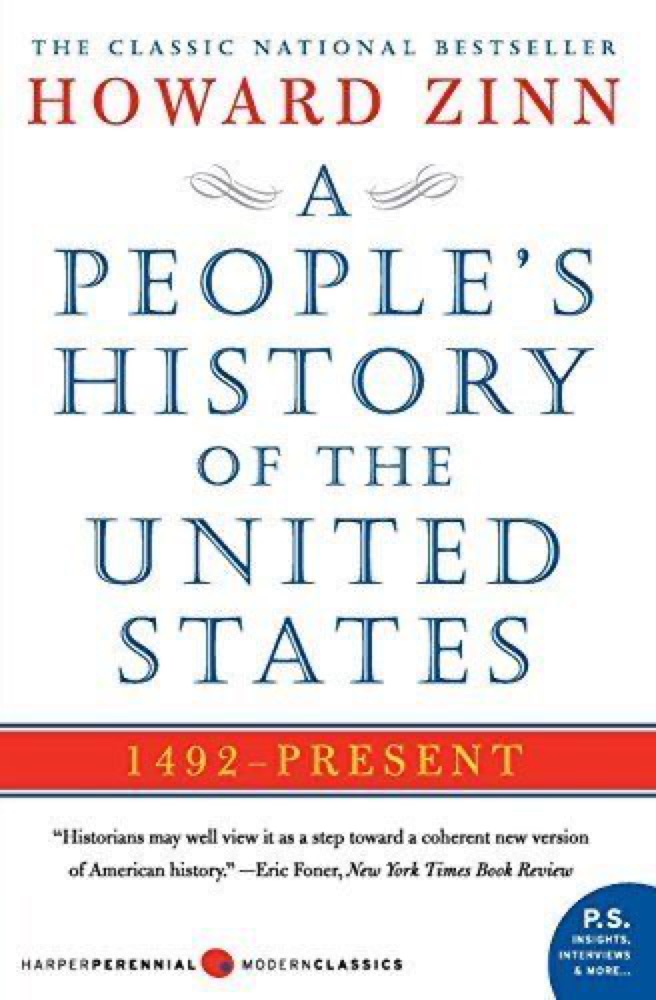 A People's History of the United States
 The Disuniting of America: Reflections on a Multicultural Society
 The View From Flyover Country: Essays by Sarah Kendzior
 Stamped from the Beginning: The Definitive History of Racist Ideas in America
 Dark Days
 Black Rednecks and White Liberals
 The Skin We're In: A Year of Black Resistance and Power
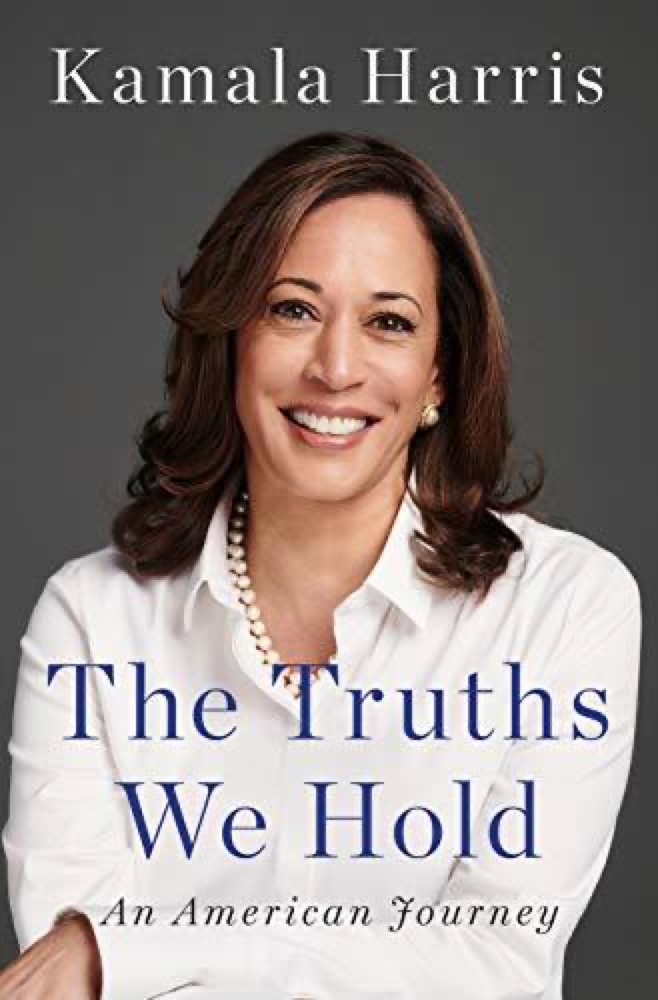 The Truths We Hold: An American Journey
 Wealth, Poverty and Politics: An International Perspective
 Simple Justice: The History of Brown v. Board of Education and Black America's Struggle for Equality
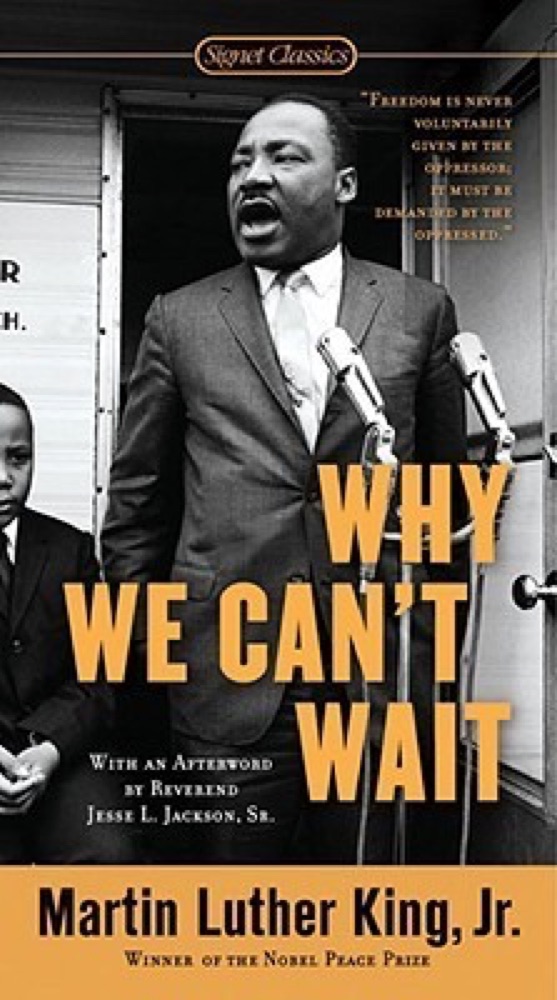 Why We Can't Wait
 Invisible Man, Got the Whole World Watching: A Young Black Man's Education
 A Colony in a Nation
 The Audacity of Hope: Thoughts on Reclaiming the American Dream
 Notes from No Man's Land
 You Can't Be Neutral on a Moving Train: A Personal History of Our Times
 You Sound Like a White Girl: The Case for Rejecting Assimilation
 No Name in the Street
 Strangers in Their Own Land: Anger and Mourning on the American Right
 How to Argue With a Racist: What Our Genes Do (and Don't) Say About Human Difference
 Edge of Eternity
 Between the World and Me
 Stony the Road: Reconstruction, White Supremacy, and the Rise of Jim Crow
 The War on the West: An Instant NYT Bestselling History of the Modern World
 Minor Feelings: An Asian American Reckoning
 Nobody Knows My Name
 What Truth Sounds Like: Robert F. Kennedy, James Baldwin, and Our Unfinished Conversation About Race in America
 Why We're Polarized
 Across That Bridge: A Vision for Change and the Future of America
 Black Looks: Race and Representation
 The Fire This Time: A New Generation Speaks About Race
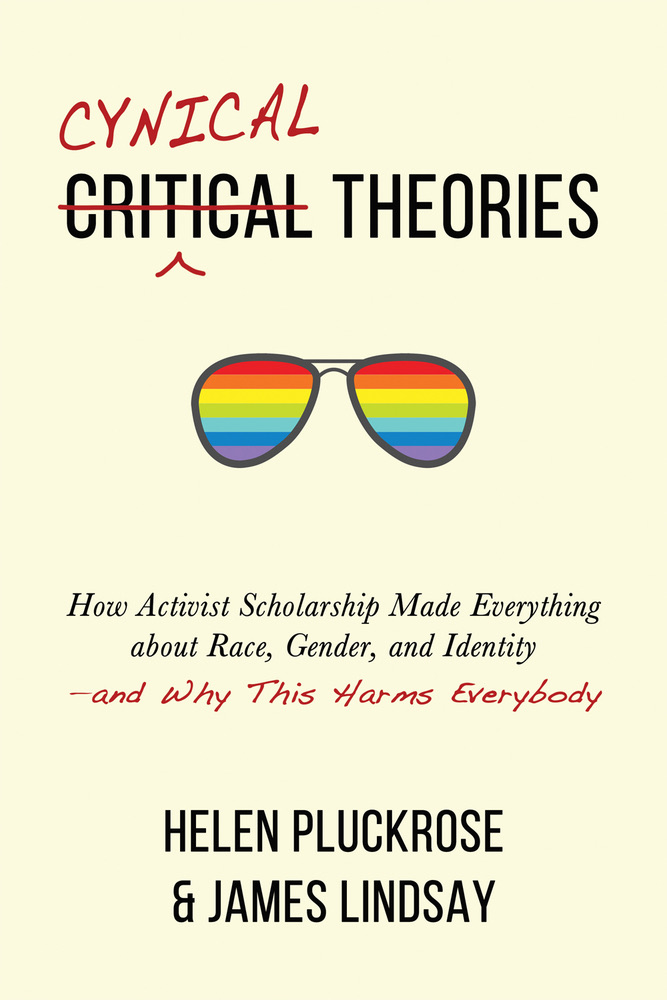 Cynical Theories: How Activist Scholarship Made Everything about Race, Gender, and Identity—and Why This Harms Everybody
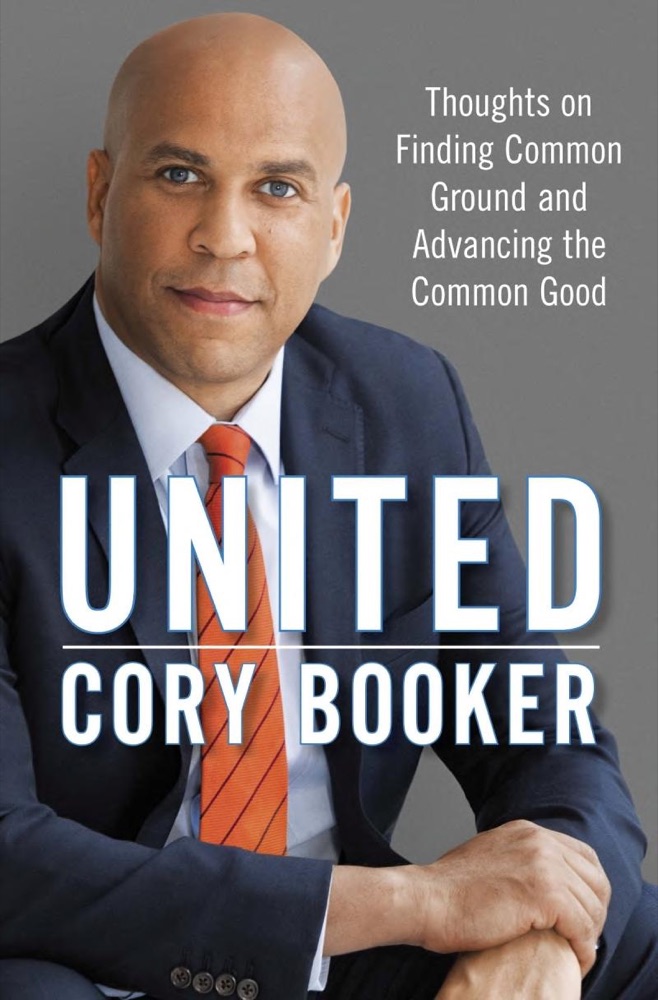 United: Thoughts on Finding Common Ground and Advancing the Common Good
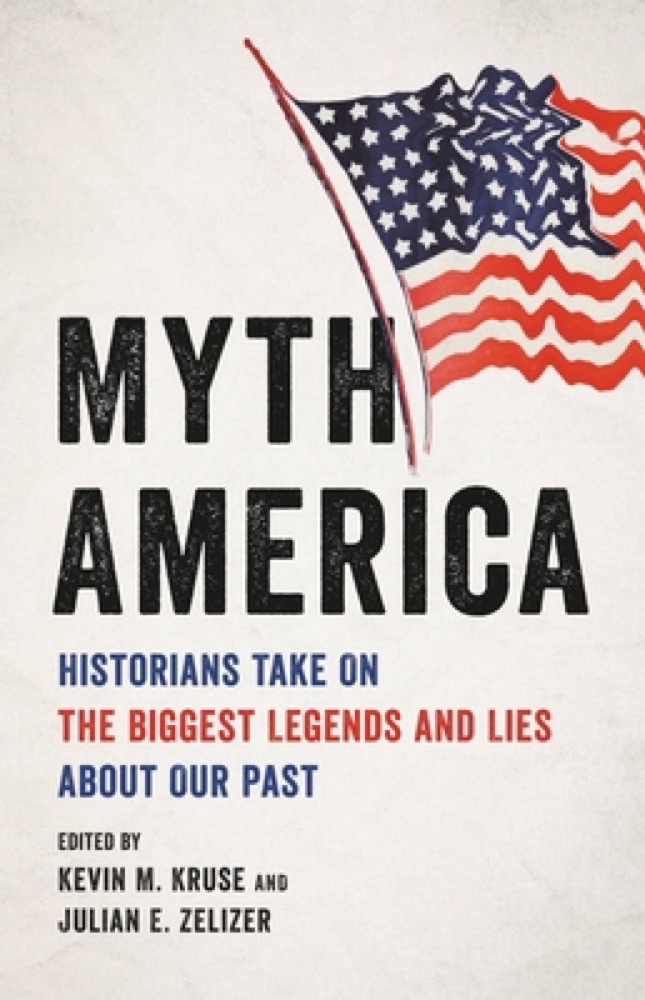 Myth America: Historians Take On the Biggest Legends and Lies About Our Past