
 Tears We Cannot Stop: A Sermon to White America
Quotes from the Book
Gentrification is key to understanding what happened to our cities at the turn of the millennium. But it is only half of the story. It is only the visible side of the larger problem: resegregation.
3
Institutional neglect of racism and injustice is the exercise of power, the kind of power that refuses to notice and refuses to speak.
2
What does it mean to be in-between? It means one can afford to sit on the fence, decide not to take a stand, to always reserve the privilege - while the battle rages all around - to disengage.
1
Lives were complicated. The smallest things could trip you up. Those who could least afford it paid the most. Things could escalate in a heartbeat. The biggest mystery was how to turn it down without bowing down. And a life, in all its singularity and strangeness, was always worth the lifting, the telling, and the protecting, and never only for its fragility.
1
Segregation is still linked to racial disparities of every kind. Where you live plays a significant role in the quality of food and the quality of education available to you, your ability to get a job, buy a home, and build wealth, the kind of health care you receive and how long you live, and whether you will have anything to pass on to the next generation.
1
But racism and inequality would never end if Blacks focused on easing white anxiety.
1
People of color are allowed, even required to perform, and, especially these days on issues of race, to edify as well. 'Here you are, now entertain us'. But are we allowed to lead?
1
For Trump diehards in a time of danger and disjunction, the media's job was not to challenge, but to affirm. So when demonstrators poured not the streets to protest police killings of Blacks, the media was supposed to confirm for them that those chaos makers were actually supporting the killing of cops, that somehow the Movement for Black Lives was a Black version of the Ku Klux Klan. And some pundits - Hannity, the same O'Reilly who confronted Trump - dutifully filled this role. In their telling, 'Black Lives Matter' was not a call to end state violence against Blacks-and in that way, to end state violence against all-it was evidence of hatred against whites, a premonition of racial apocalypse.
1
Culture, like food, is necessary to sustain us. It molds us and shapes our relations to each other. An inequitable culture is one in which people do not have the same power to create, access, or circulate their practices, works, ideas and stories. It is one in which people cannot represent themselves equally. To say that American culture in inequitable is to say that it moves us away from seeing each other in our full humanity. It is to say that the culture does not paint a more just society.
1
The horizon toward which we move always recedes before us. The revolution is never complete. What we see now as solid and eternal may be disintegrating inward from our blind spots. All that signifies progress may in time be turned against us. But redemption is out there for us if we are always in the process of finding love and grace.
Finding grace is an individual process that changes the social. It is about seeing each other in the world and seeing one's own place in the world anew. In that way grace can counter the lies, refusals, and aggressions that drive us toward segregation. We live in serious times, in which we need to be roused to the inequity in our neighborhoods, our schools, our metro areas, our justice system, our culture. Ending resegregation is about understanding the ways we allow ourselves to stop seeing the humanity of others. It is about learning again to look, and never stopping.
Nations are made of papers. Papers make the border. Papers also turn the migrant into the immigrant. The word 'immigrant' is a formal legal term. It centers not the person, but the nation in which the person hopes to become a citizen. 'Migration' centers bodies. 'Immigration' centers bodies of law. The immigrant is therefore always troubled by the question of status: 'legal' or 'illegal.' When the immigrant is between the migrant and the citizen, their freedom - and others' freedom, in turn - depends upon the answer. How can a human being be illegal? Laws come from people. That is to say, they come from citizens. And yet what does it mean to be a citizen?
Migration is always a choice to live. The opposite of migration is not citizenship. It is containment, the condition of being unfree shared with all who are considered less than citizens. The migrant reminds the citizen of the rights that they should be guaranteed.
The word 'citizen' confers rights, rights that are invisible, that really appear only when they are denied... You live in a racial state that formally denies difference, but in practice avows it, through the barrel of a gun or the conferring of papers.
Later, many would debate whether [Michael Brown Jr.] actually had his hands up when he was shot. Some pundits asking if the movement had been built on a lie. But that debate missed the point: the image resonated--and would continue to grow in the public imagination--because it captured a bigger truth, a deeper feeling. 'Hands Up' was about the ways we saw race in post-civil rights America, and perhaps especially about what we refused to see--the blindness of a 'post-racial' era. If, as intellectual Ruth Gilmore had written, racism was about the ways in which Blacks, whites, and others differently experienced 'vulnerability to premature death,' 'Hands Up' was an argument for the right to live.
Black Lives Matter' articulated an impatience with the politics of respectability. Proponents of respectability politics, Randall Kennedy wrote, 'advocate taking care in presenting oneself publicly and desire strongly to avoid saying or doing anything that will reflect badly on Blacks, reinforce negative racial stereotypes, or needlessly alienate potential allies.' Such politics were resurgent during the Obama era. The president himself was both a source and symbol of respectability politics.
By itself, gentrification can't explain the new geography of race that has emerged since the turn of the millennium... Gentrification is key to understanding what happened to our cities at the turn of the millennium. But it is only half of the story. It is only the visible side of the larger problem: resegregation.
Youth movements are always fueled by a combustible mix of pain, defiance, imagination, inexperience, commitment, and risk. The most successful of them turn what look to elders like insurmountable liabilities into virtues. The most moral of them open up new ways to see how we can live better together.
And so diversity remains a premonition of racial apocalypse; a photo op and dash; a commodity conveying value; a marker of moral credibility, even fitness in the Darwinian sense; a term of corporate management; an offering of racial innocence and absolution; a refusal of protection to historically negated communities of color; a performance for entertainment or edification or exploitation; another boring lesson in tolerance and civility; a mark of Otherness.
Diversity allows whites to remove themselves while requiring the Other to continue performing for them.
Resegregation matters because it pulls communities and regions downward, and because it impacts us not just right now, but the life chances of those not yet born.
Millions wanted to see shows written, directed, and acted by people of colour telling stories about themselves. Duh.
A turn in fortune should move us toward empathy and solidarity....But we live in a time when merchants of division draw us away from mutuality and toward the undoing of democracy itself.
... He turned to face the police now. 'You are on the wrong side of history, and we have already won,' he said to them. 'We are peacefully gathered here in the tradition of Martin Luther King, Gandhi .. This multiracial gathering is possible because of nonviolence. And that is the heartbeat of democracy that you here.' 'And so whoever your captain is, stand down. Go home,' he said. 'We'll be alright.' The crowd laughed again. All along the police lie, stiffened backs seemed to wilt. Then the cops turned to the left in file, turned again, and marched silently away down Grand Street.
The truth would be difficult to speak, but it would be necessary to begin to right the wrongs done to Blacks and Coloureds. Reconciliation would not be a gift, but an 'exchange for truth.' In other words, peace and justice are inseparable from each other.
Resegregation grows not from white ignorance, but from white refusal and denial. And so half a century after the perk of the civil rights movement, the nation has moved again into crisis.
Racism is not merely about individual chauvinism, prejudice, or bigotry. Ruth Glimore reminds us that it is about the ways different groups are 'vulnerable to premature death,' whether at the hands of the state or structures that kill.
Watch on YouTube
About Jeff Chang
We have collected 27 quotes from 1 book by Jeff Chang on BookQuoters.
More about the author →About the book
In these provocative, powerful essays acclaimed writer/journalist Jeff Chang (Can’t Stop Won’t Stop, Who We Be) takes an incisive and wide-ranging look at the recent tragedies and widespread protests that have shaken the country. Through deep reporting with key activists and thinkers, passionately personal writing, and distinguished cultural criticism, We Gon’ Be Alright links #BlackLivesMatter to #OscarsSoWhite, Ferguson to Washington D.C., the Great Migration to resurgent nativism.
Chang explores the rise and fall of the idea of “diversity,” the roots of student protest, changing ideas about Asian Americanness, and the impact of a century of racial separation in housing. He argues that resegregation is the unexamined condition of our time, the undoing of which is key to moving the nation forward to racial justice and cultural equity.
Book details
- First published
- 2016
- Author
- Jeff Chang
- Genre
- Nonfiction
- Goodreads rating
- 4.25 (2k ratings)
Keep reading
Tears We Cannot Stop: A Sermon to White America
 White Like Me: Reflections On Race From A Privileged Son
 The Sum of Us: What Racism Costs Everyone and How We Can Prosper Together
 Where Do We Go from Here: Chaos or Community?
 I'm Still Here: Black Dignity in a World Made for Whiteness
 Uncomfortable Conversations With a Black Man
 Stamped: Racism, Antiracism, and You
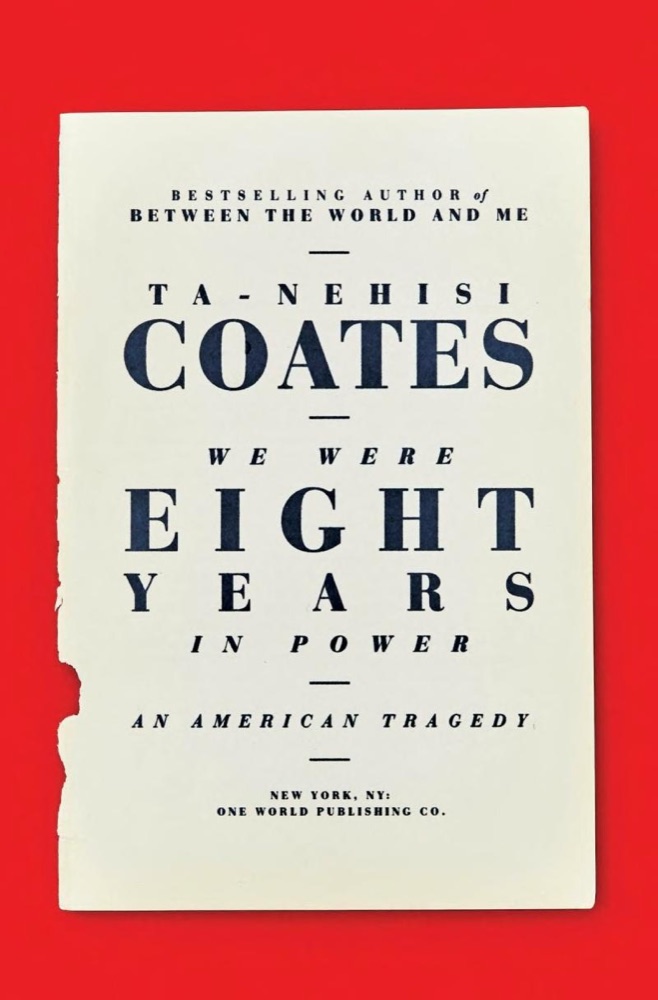 We Were Eight Years in Power: An American Tragedy
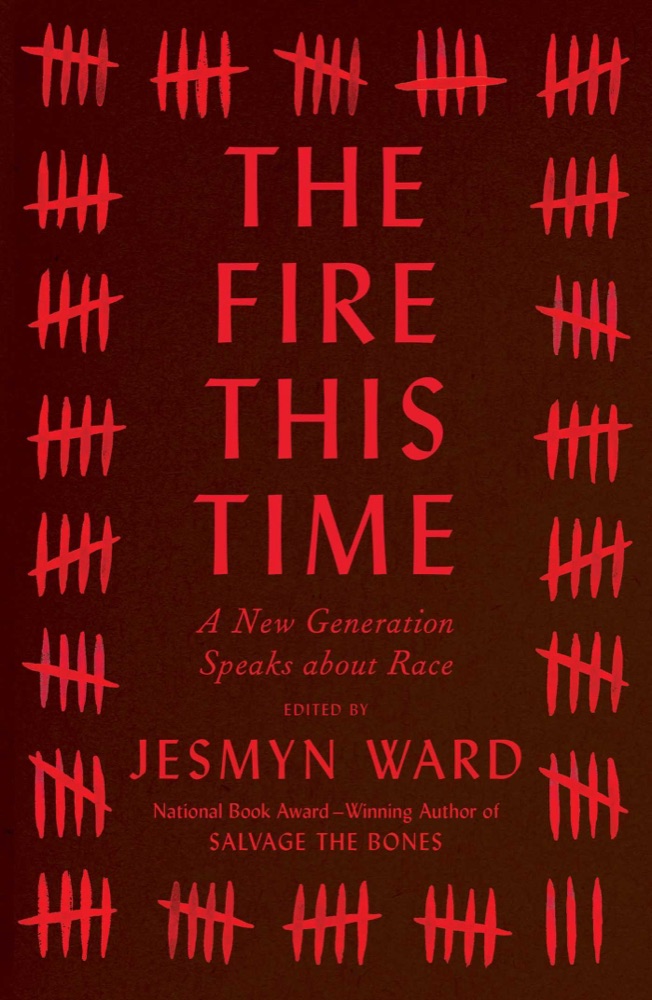 The Fire This Time: A New Generation Speaks About Race
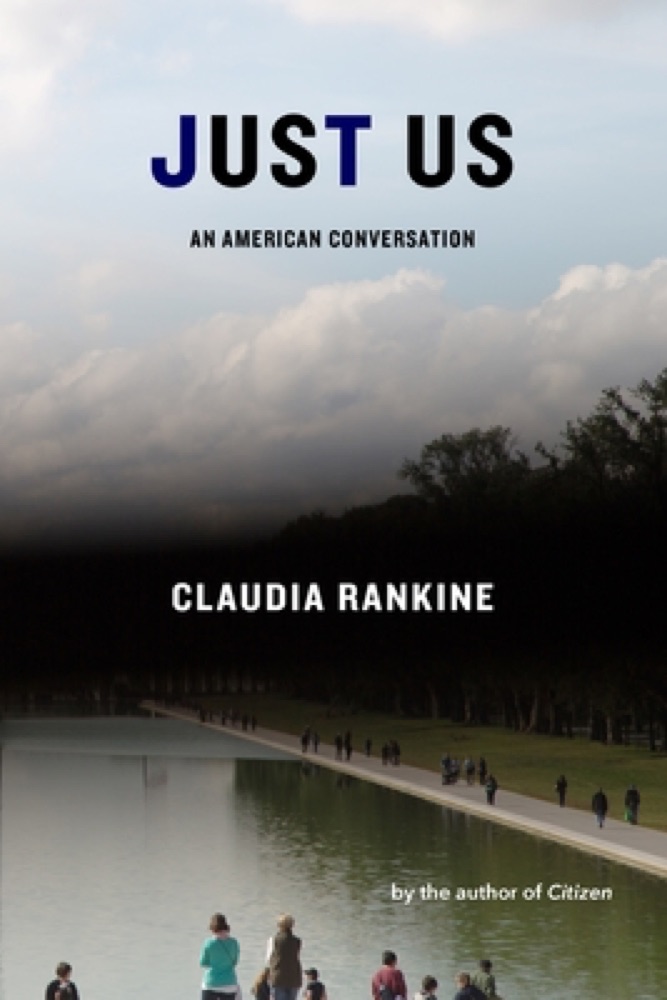 Just Us: An American Conversation
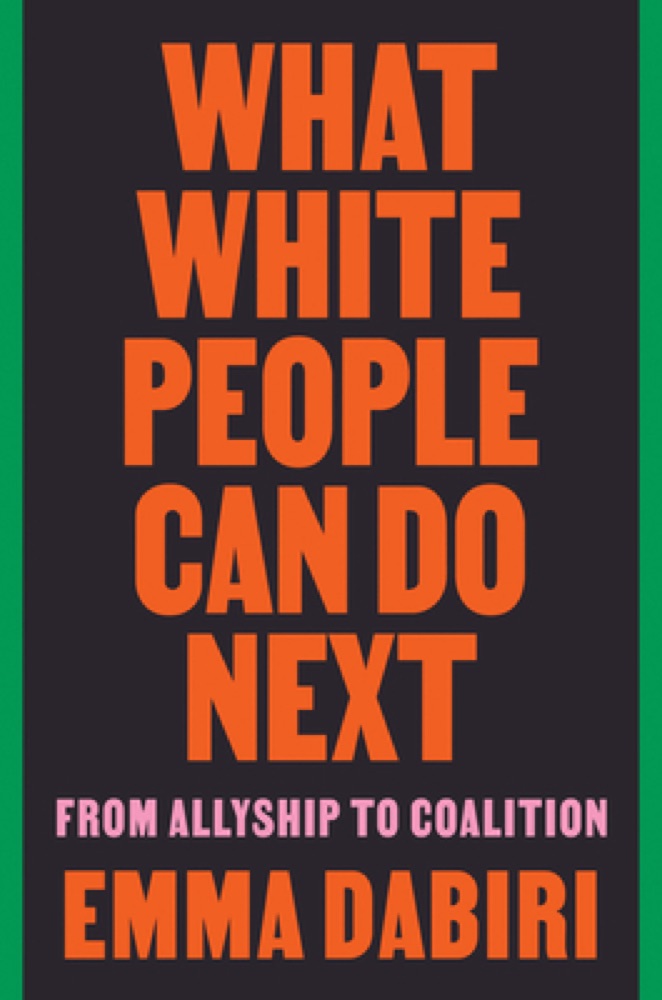 What White People Can Do Next: From Allyship to Coalition – An Empowering Guide to Interrogating Whiteness and Creating Justice
 Why Are All The Black Kids Sitting Together in the Cafeteria?
 Why We Can't Wait
 Four Hundred Souls: A Community History of African America, 1619-2019
 Begin Again: James Baldwin's America and Its Urgent Lessons for Our Own
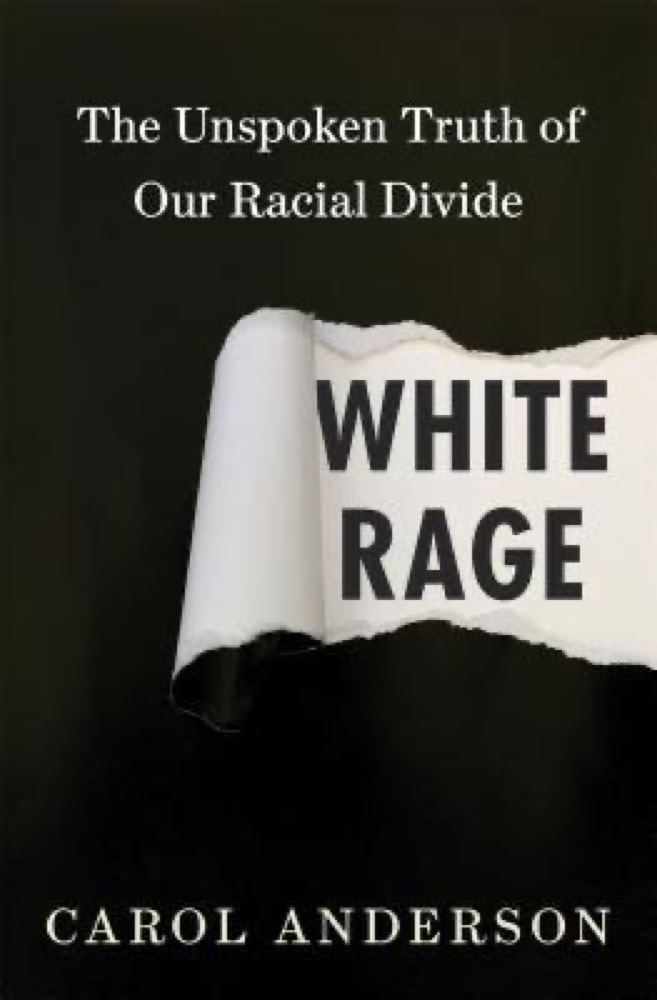 White Rage: The Unspoken Truth of Our Racial Divide
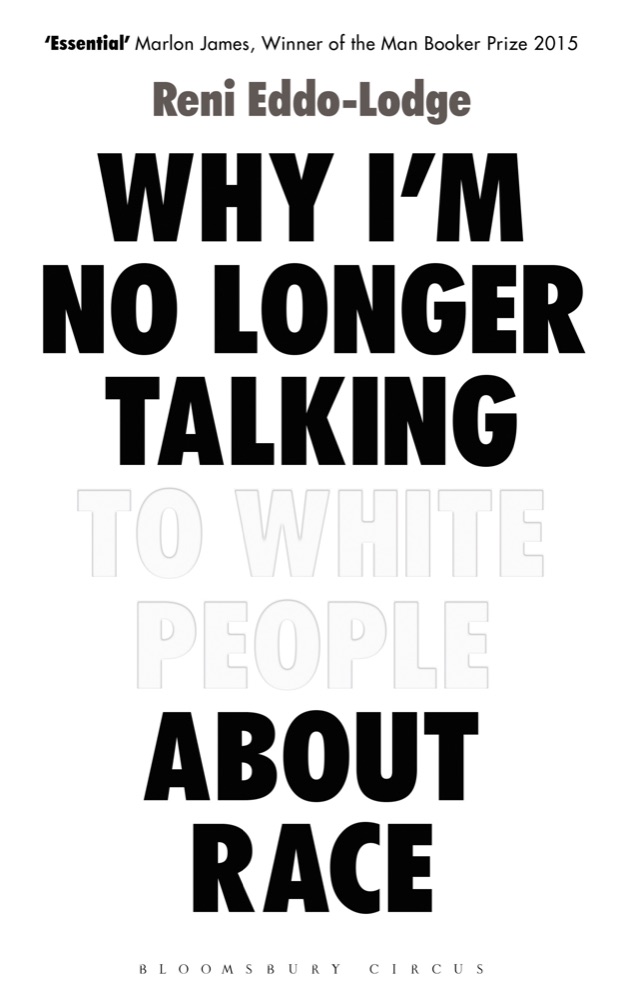 Why I'm No Longer Talking to White People About Race
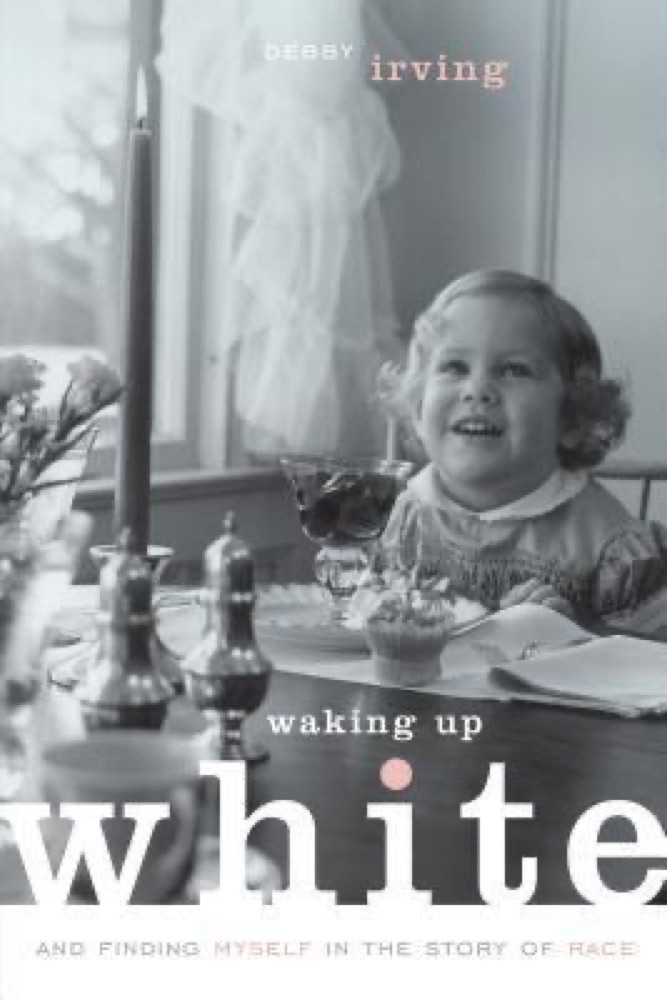 Waking Up White: And Finding Myself in the Story of Race
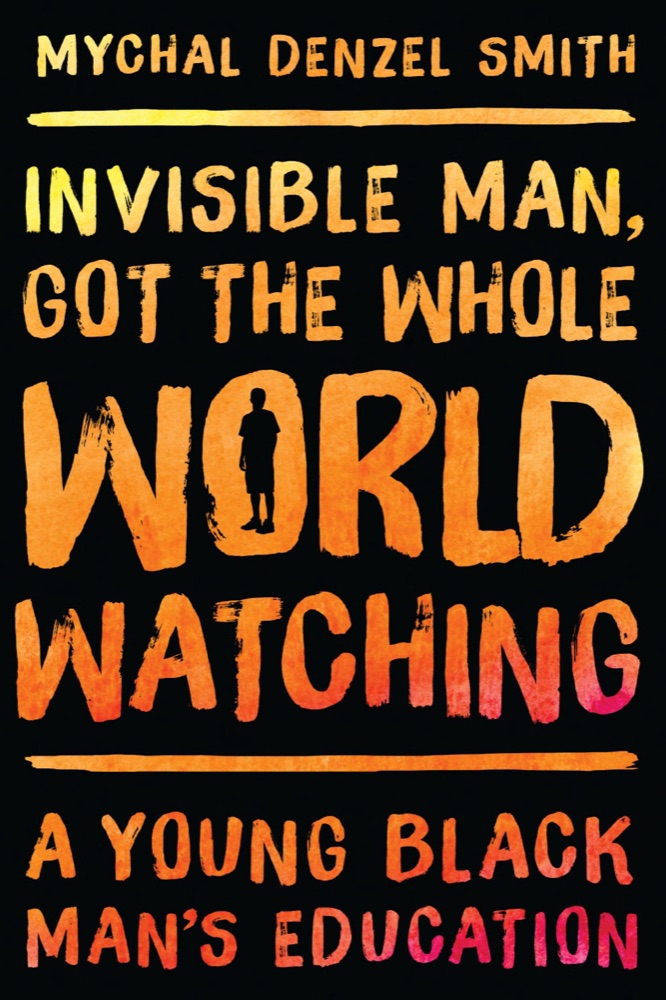 Invisible Man, Got the Whole World Watching: A Young Black Man's Education
 The Black Friend: On Being a Better White Person
 On the Other Side of Freedom: The Case for Hope
 Across That Bridge: A Vision for Change and the Future of America
 Silent Covenants: Brown v. Board of Education and the Unfulfilled Hopes for Racial Reform
 The View From Flyover Country: Essays by Sarah Kendzior
 Notes from No Man's Land
 Go Back to Where You Came From: And Other Helpful Recommendations on How to Become American
 The End of Race Politics: Arguments for a Colorblind America
 This Book Is Anti-Racist: 20 Lessons on How to Wake Up, Take Action, and Do the Work
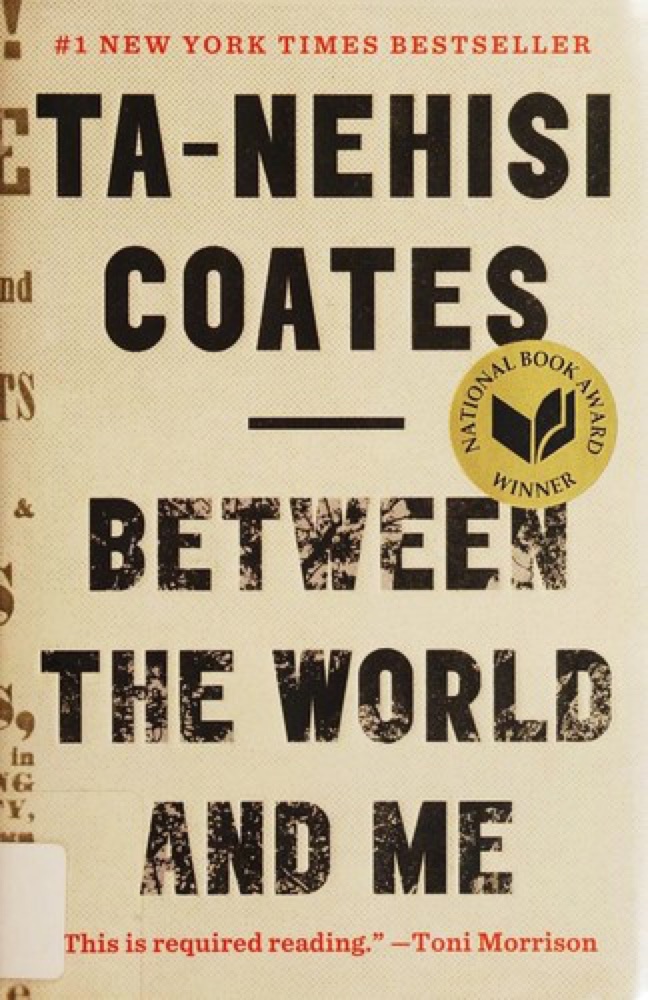 Between the World and Me
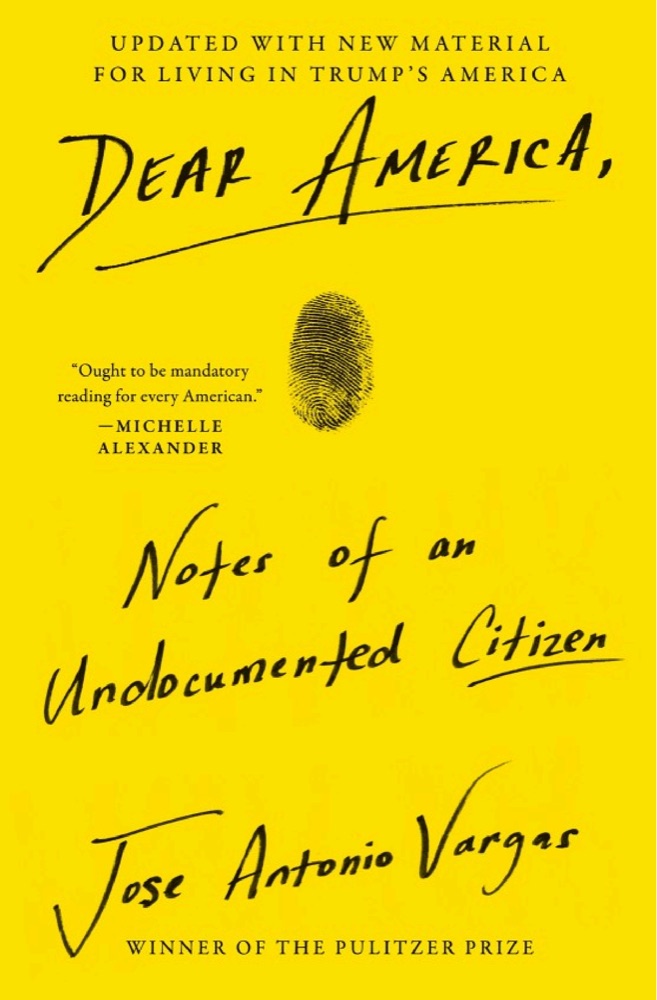 Dear America: Notes of an Undocumented Citizen
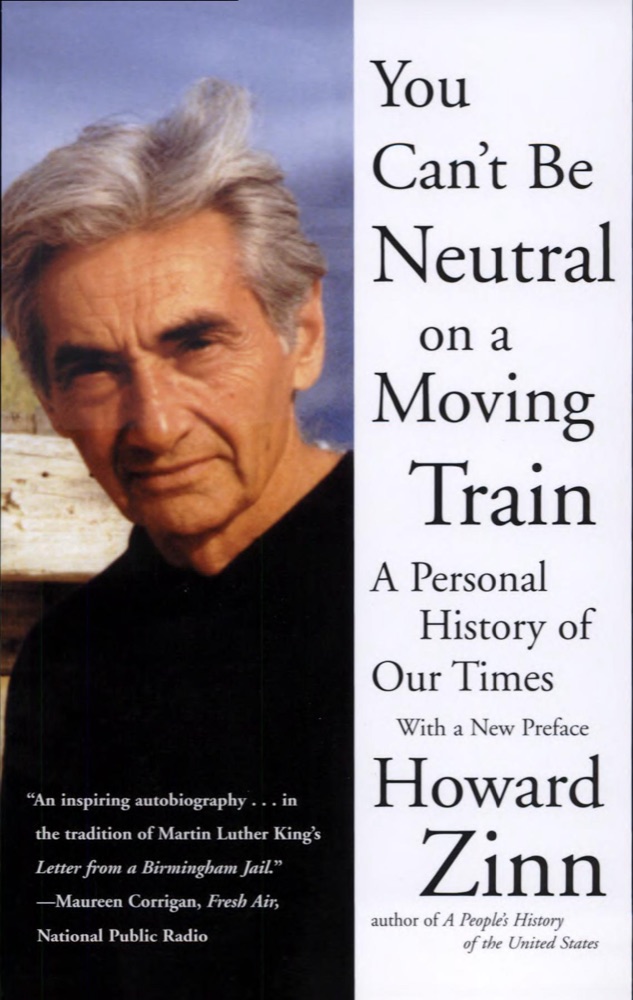 You Can't Be Neutral on a Moving Train: A Personal History of Our Times
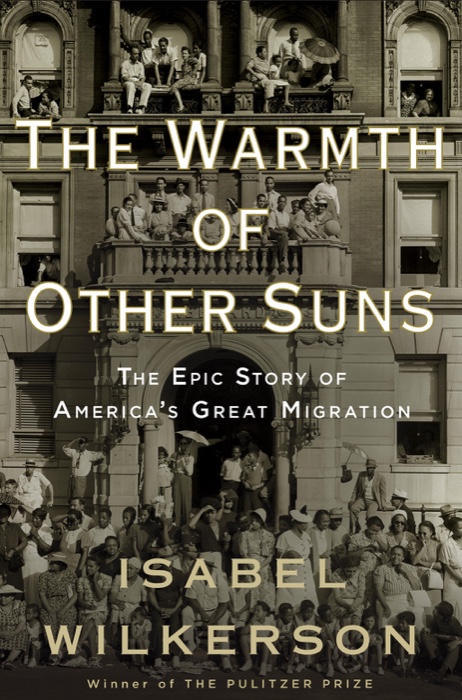 The Warmth of Other Suns: The Epic Story of America's Great Migration
 United: Thoughts on Finding Common Ground and Advancing the Common Good
 The Madness of Crowds: Gender, Race and Identity
 Dark Days
 Elite Capture: How the Powerful Took Over Identity Politics
 What Truth Sounds Like: Robert F. Kennedy, James Baldwin, and Our Unfinished Conversation About Race in America
 When They Call You a Terrorist: A Black Lives Matter Memoir
 Nobody Knows My Name
 Opinions: A Decade of Arguments, Criticism, and Minding Other People’s Business
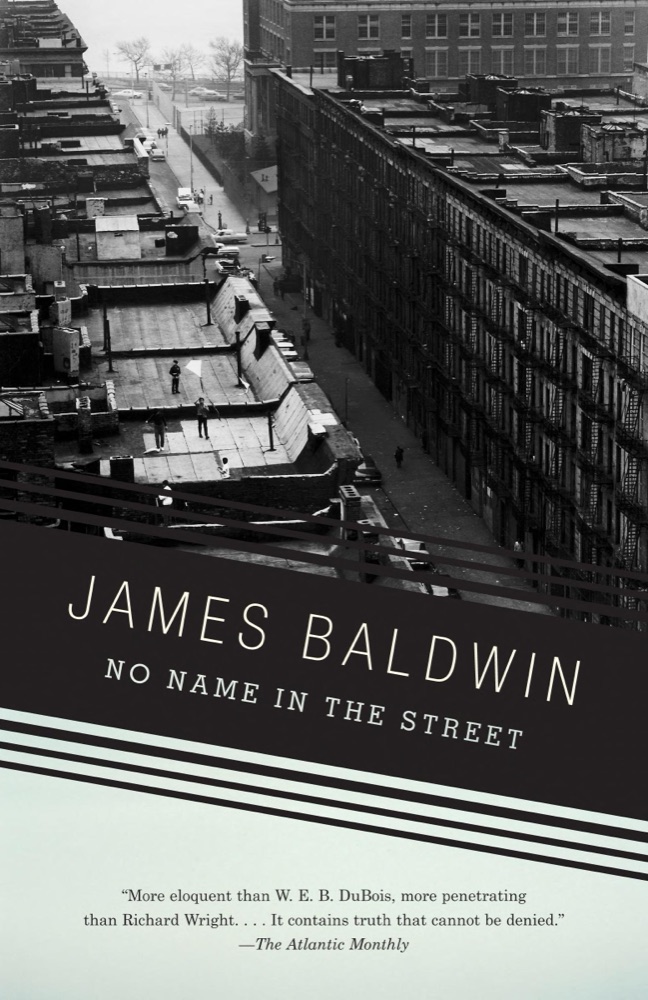 No Name in the Street
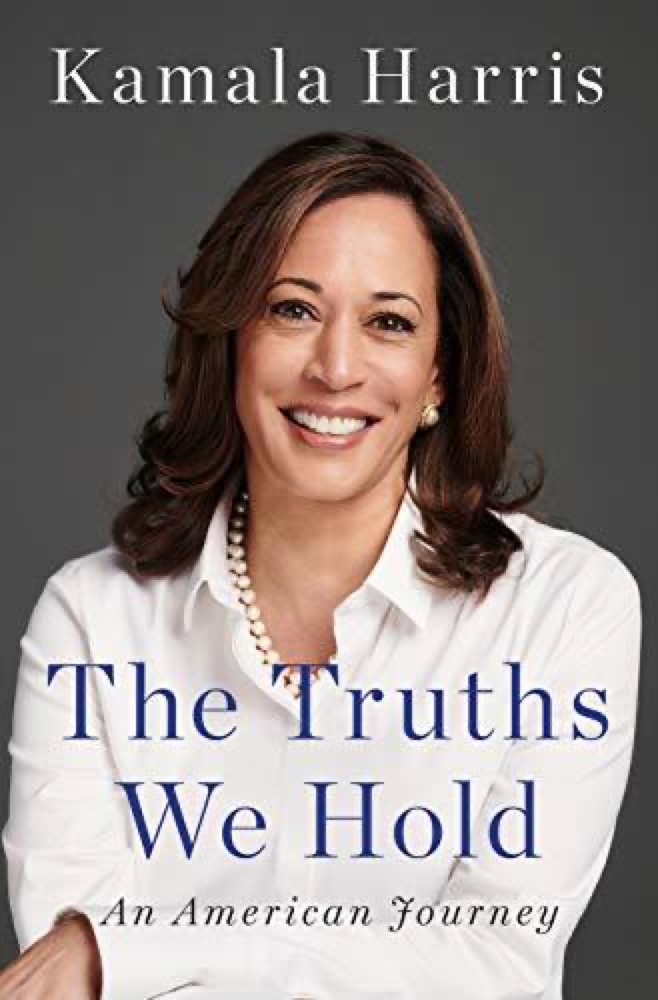 The Truths We Hold: An American Journey
 This Bridge Called My Back: Writings by Radical Women of Color
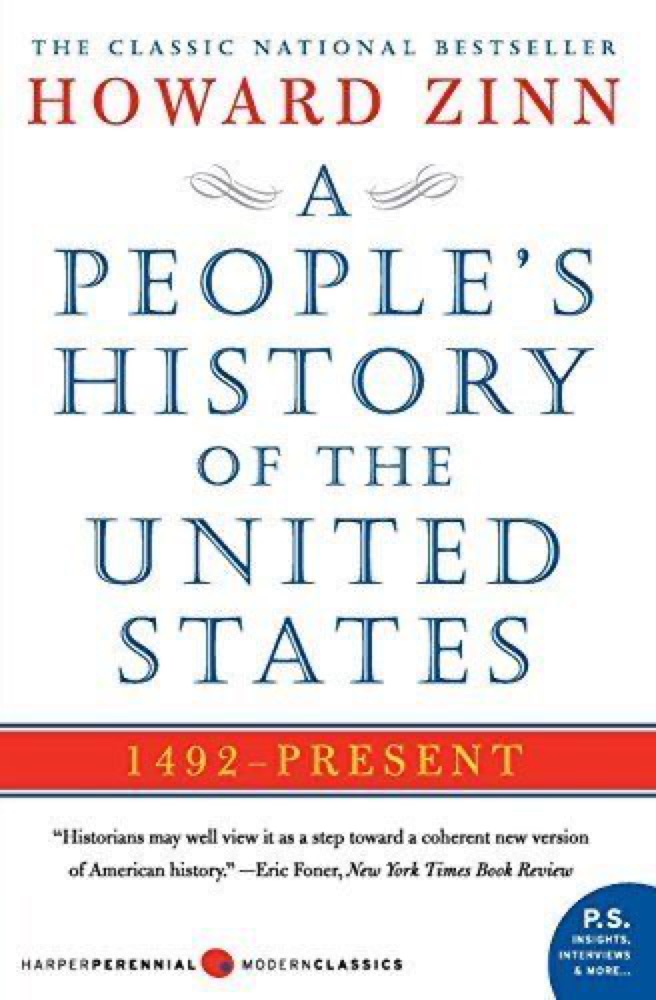 A People's History of the United States
 The Message
 Stony the Road: Reconstruction, White Supremacy, and the Rise of Jim Crow
 The Disuniting of America: Reflections on a Multicultural Society
 The Identity Trap: A Story of Ideas and Power in Our Time
 The Source of Self-Regard: Selected Essays, Speeches, and Meditations
 Black in Blues: How a Color Tells the Story of My People
 Mediocre: The Dangerous Legacy of White Male America
 A Mind Spread Out on the Ground
 Simple Justice: The History of Brown v. Board of Education and Black America's Struggle for Equality
 A Colony in a Nation
 Doppelganger: A Trip into the Mirror World
 What Doesn't Kill You Makes You Blacker: A Memoir in Essays
 Blood Done Sign My Name: A True Story
 Edge of Eternity
 The Skin We're In: A Year of Black Resistance and Power
 Black Rednecks and White Liberals