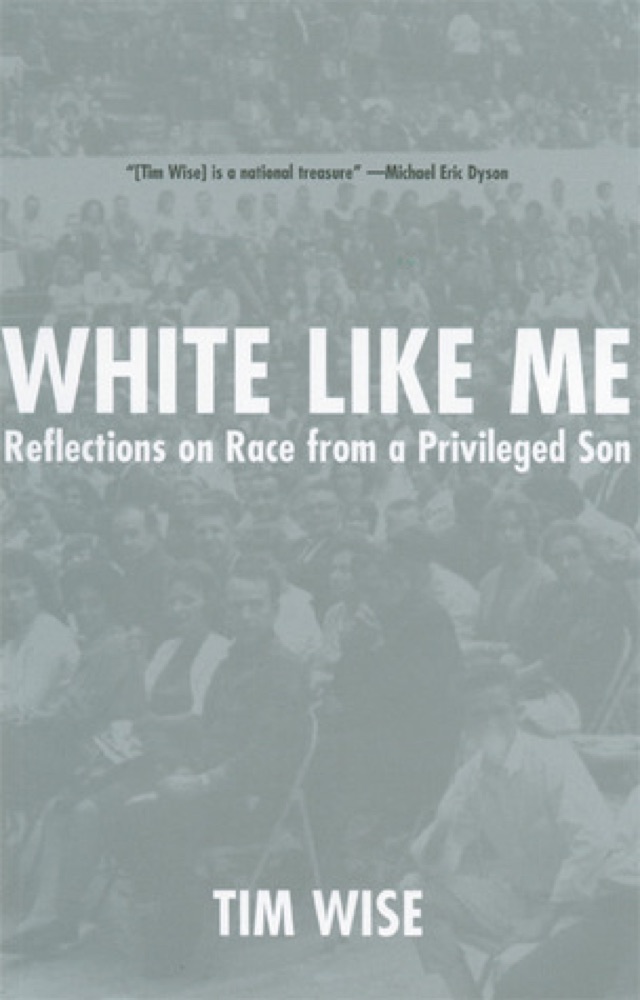
 White Like Me: Reflections On Race From A Privileged Son
Quotes from the Book
Black children have to lose their innocence before white children do. They can't afford the luxury of just reading about the impact of racism and white supremacy in a book, because they're living it every day. Because oftentimes it means life or death.
12
I've come to realize that a fear of accountability is why white people say things like 'I don't see color' and 'Why does everything have to be about race?' Because to see my color, to see my culture, to see my race, would also mean taking responsibility for how white people have historically treated people my color, with my culture, from my race.
6
Black people and people of color are taught in school, in the media, and in everyday interactions to be empathetic and understanding of white people and their history. But most white people never have to do the same for us.
6
Because Black kids don’t get to make mistakes. Black kids don’t get to be kids. Black kids get judgment and bullets.
4
Being someone who supports people of color and stands against racism isn't easy. Sometimes it requires sacrifice and having difficult conversations -- but that will never be as difficult as actually being impacted by racism.
3
No one would be comfortable being racist around someone who truly stands against racism. If you still have racist friends in your life, you aren’t truly standing against racism.
2
I trust you, and that why I'll be honest and tell you that change is not easy. For some people, it won't matter that we're friends, or that you're friends with people who are like me.
2
Liberation is a lie unless every shackled soul one day finds themselves on the shores of freedom.
1
Before I continue, I have to address something. In this book, the n-word comes up a few times. I was asked whether I wanted to censor it, or write “n-word,” since the book is intended for a white audience, who shouldn’t be saying that word. But that isn’t authentic. So I will say this: if you’re not Black, don’t say it. Just because it’s in the book, that doesn’t mean you can read it aloud. Thanks!
1
If you feel you don’t need to read this book because you’re already a decent white person, there’s a good chance you’re not as decent as you think.
1
While this book is meant to be a guide for white people to understand and be better, it's important that white people also understand that it isn't the duty of Black people or people of color to explain things. I'm doing so because I hope it can ultimately make change for my community.
1
We have to learn to see with new eyes, hear with new ears, and find new ways to trust other people's words when they tell us and show us how we're hurting them. Because doing the right thing sometimes means putting the pain of others before our own, especially if we are part of creating it.
1
I'm asking you to protect one another and learn from one another. I'm asking you to turn 'different' into the new normal, and then tell others to do the same.
1
We need to do away with the idea of 'normal,' especially when it's used as a stand-in for 'mainstream' (whether that's white or anything else seen as such). Because at the heart of this difference between normal and abnormal is the belief that these so-called normal things are neutral.
1
The Black Friend is the person who is willing to speak the truth to the white people in their lives, to call them out when they do or say something hurtful, ignorant, or offensive.
1
Where do white people start? How does someone learn empathy? Is it by watching a specific movie? Listening to an album? I think it starts with understanding.
1
Ava is the director of films such as the award-winning Selma
If I'm being honest with you, white people don't have to change; they will be fine without doing so. But white people should change, because just being fine shouldn't be good enough.
This is how systemic racism works. It's not just a matter of blatant racism; it's also about conditioning people to think less of themselves. We're not an assumption, we're not words like "thug," we're not a statistic, we're not a part of your imagination, and we are certainly not to be held to WHITE STANDARDS. We are the Black boy in class who happens to be from a low-income area who is also the smartest person in class (with Fatimah). We are our mistakes, we are our wins, we are good at things, and we are bad at things. We are people, and we should be treated as such.
White supremacy. Racism. Police brutality. A global pandemic. Staggering job losses. A white supremacist in the Oval Office. Only halfway into the year, and 2020 has already been the combination of everything that is wrong with this country happening all at once.
I’ve come to realize that a fear of accountability is why white people say things like “I don’t see color” and “Why does everything have to be about race?” Because to see my color, to see my culture, to see my race, would also mean taking responsibility for how white people have historically treated people my color, with my culture, from my race.
Which was interesting, seeing as he was the same person who made the racist basketball comment when I walked in.
But most white people can’t have an informed conversation about the indigenous people who were already in America and the lingering impact on indigenous people today of so many of their ancestors having been slaughtered by people like Christopher Columbus.
it’s important that white people also understand that it isn’t the duty of Black people or people of color to explain things. I’m doing so because I hope it can ultimately make change for my community. But it’s important to understand that this book is a gift, not an obligation. The
That said, my one actual problem with white people is that many just don’t have any sense of accountability when it comes to people of color. Accountability not only for the things white people do that often make interacting with them the most frustrating and tumultuous part of our days. But also, accountability for the historic and current inequities and disparities plaguing Black people and people of color as a whole.
Affirmative action is letting some Black kids sit in the same row as most of the white kids. It's giving an opportunity to a person who would not otherwise have it because of discriminatory systems.
There is a world that we can create that is stronger and more enjoyable if we all learn from one another and develop understanding that doesn't allow us to simply survive but to thrive.
Watch on YouTube
About Frederick Joseph
We have collected 27 quotes from 1 book by Frederick Joseph on BookQuoters.
More about the author →About the book
The instant New York Times bestseller!
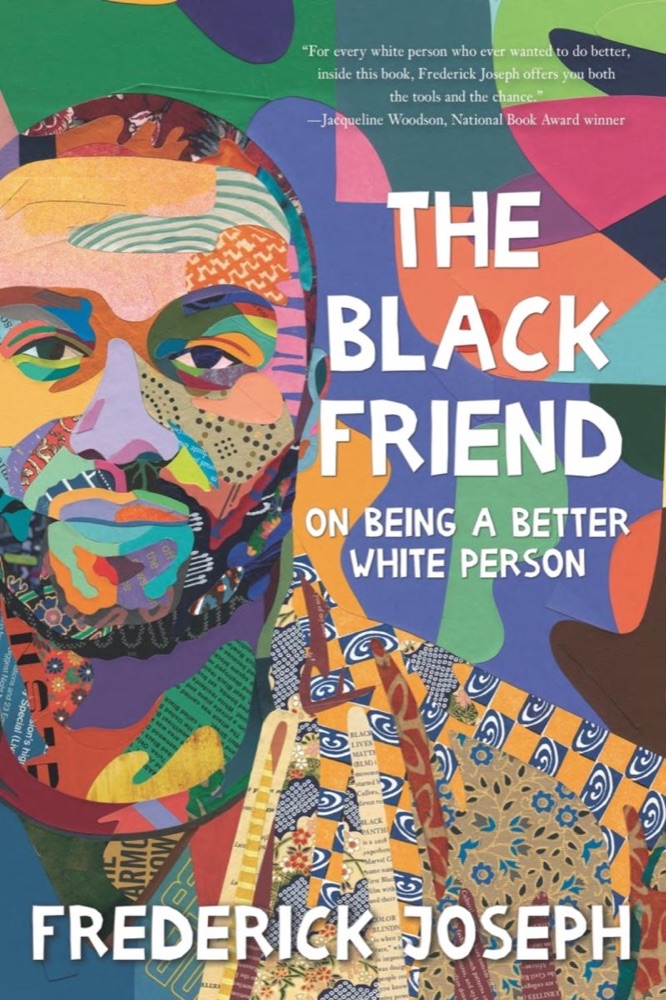
Writing from the perspective of a friend, Frederick Joseph offers candid reflections on his own experiences with racism and conversations with prominent artists and activists about theirs—creating an essential read for white people who are committed anti-racists and those newly come to the cause of racial justice.
“We don’t see color.” “I didn’t know Black people liked Star Wars!” “What hood are you from?” For Frederick Joseph, life as a transfer student in a largely white high school was full of wince-worthy moments that he often simply let go. As he grew older, however, he saw these as missed opportunities not only to stand up for himself, but to spread awareness to those white people who didn’t see the negative impact they were having.
Speaking directly to the reader, The Black Friend calls up race-related anecdotes from the author’s pas
Book details
- First published
- 2020
- Author
- Frederick Joseph
- Genre
- Nonfiction
- Goodreads rating
- 4.46 (6k ratings)
Keep reading
White Like Me: Reflections On Race From A Privileged Son
 Uncomfortable Conversations With a Black Man
 Waking Up White: And Finding Myself in the Story of Race
 Why Are All The Black Kids Sitting Together in the Cafeteria?
 I'm Still Here: Black Dignity in a World Made for Whiteness
 Stamped: Racism, Antiracism, and You
 Just Us: An American Conversation
 Tears We Cannot Stop: A Sermon to White America
 Why I'm No Longer Talking to White People About Race
 This Book Is Anti-Racist: 20 Lessons on How to Wake Up, Take Action, and Do the Work
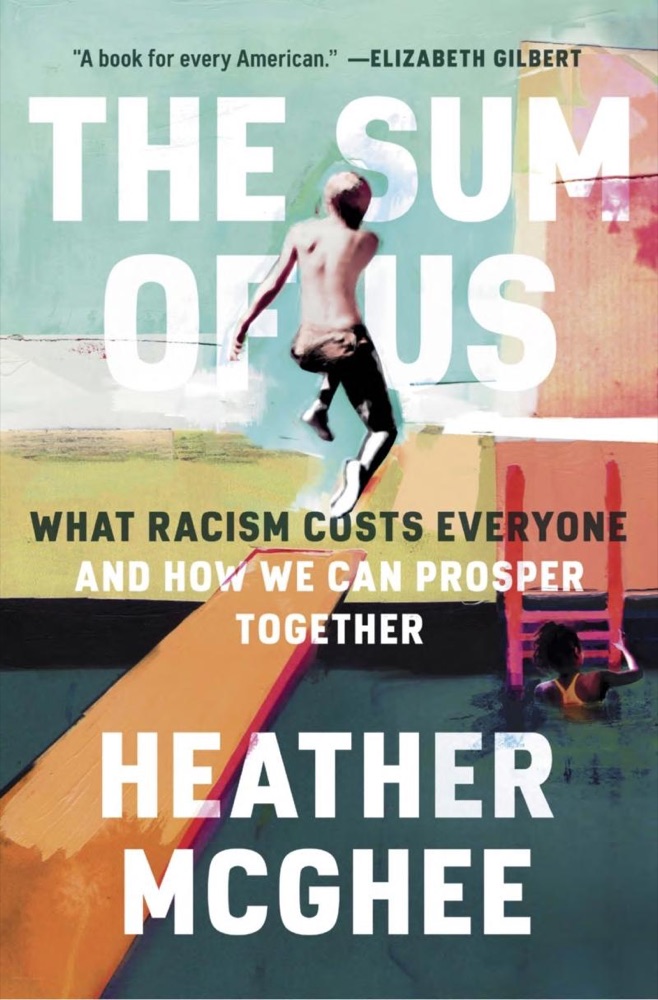 The Sum of Us: What Racism Costs Everyone and How We Can Prosper Together
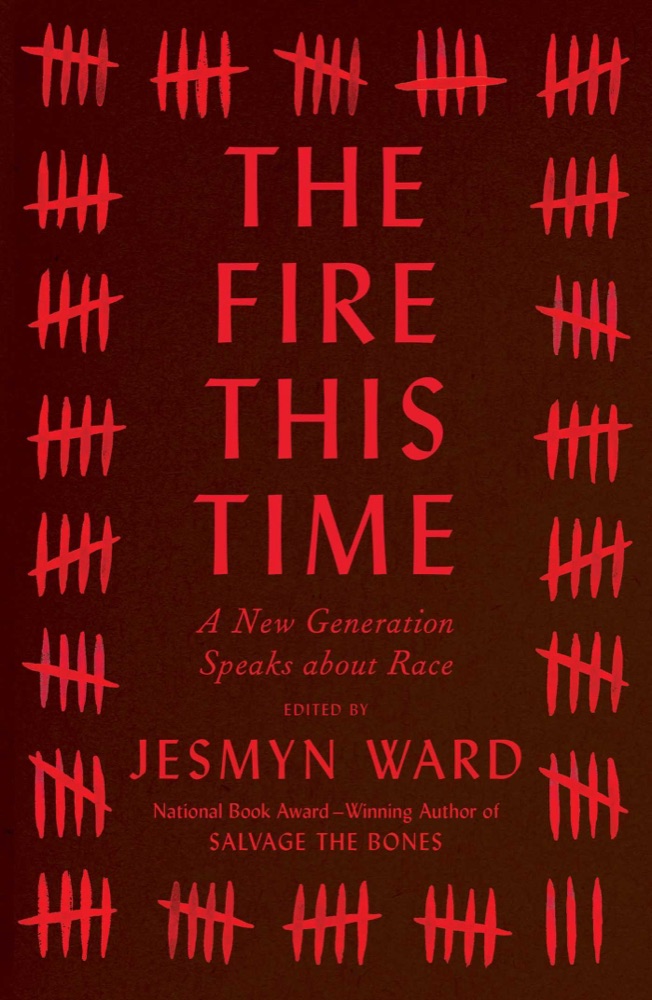 The Fire This Time: A New Generation Speaks About Race
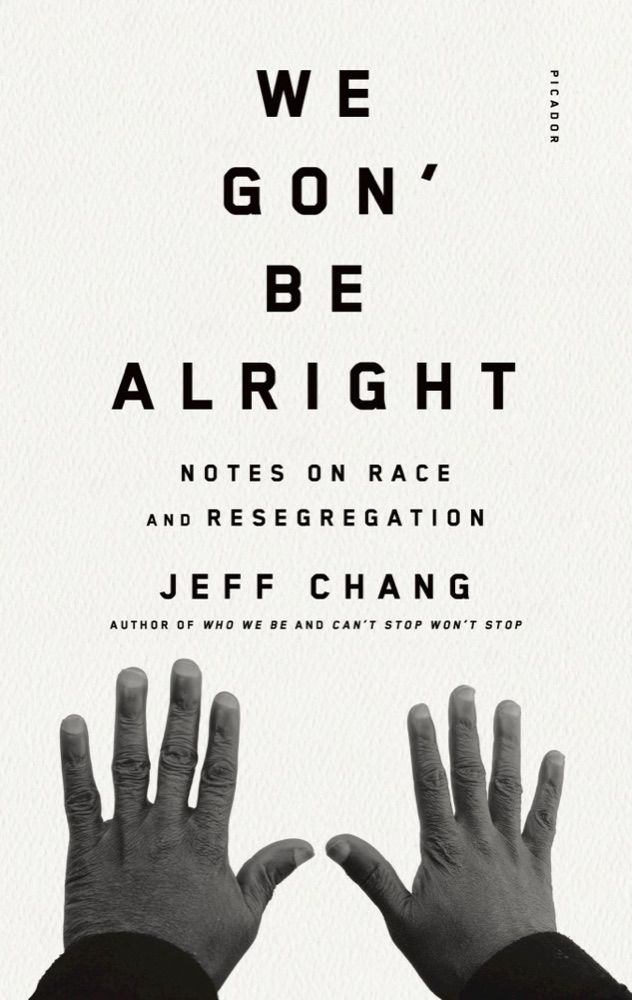 We Gon' Be Alright: Notes on Race and Resegregation
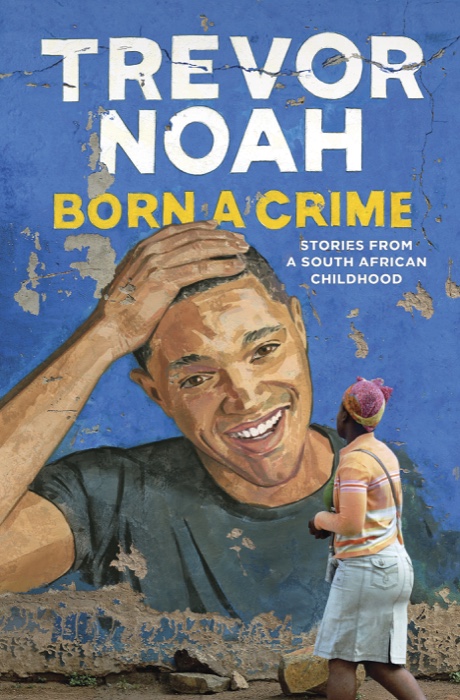 Born a Crime: Stories From a South African Childhood
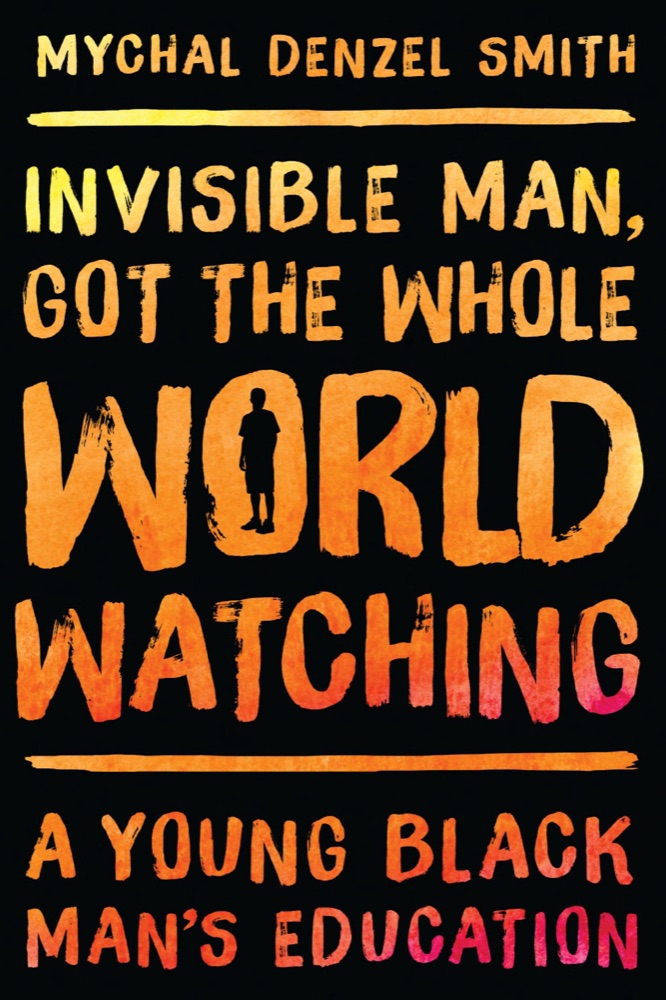 Invisible Man, Got the Whole World Watching: A Young Black Man's Education
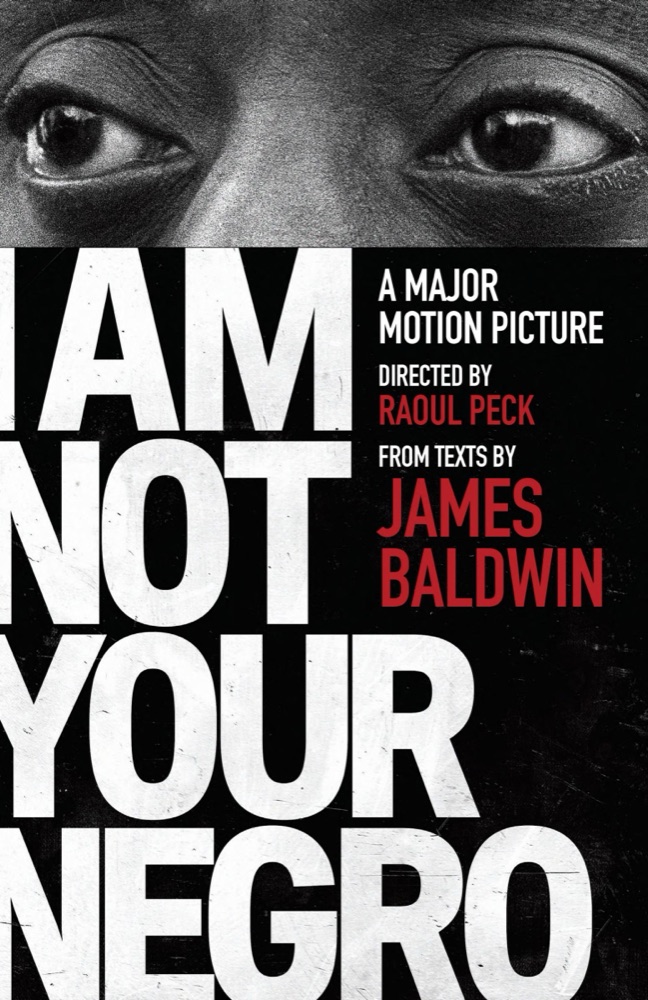 I Am Not Your Negro
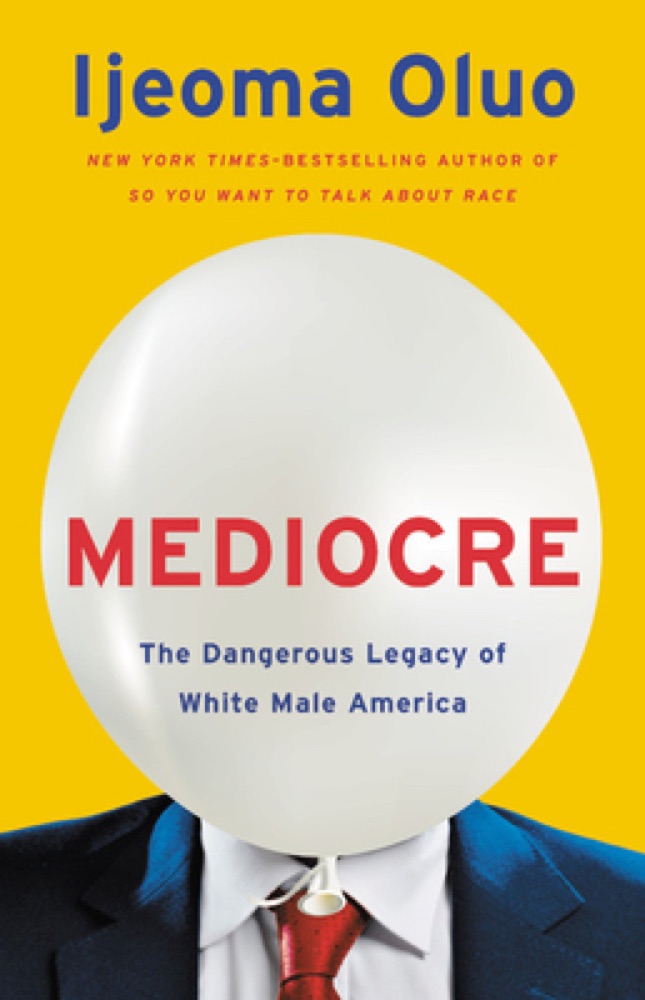 Mediocre: The Dangerous Legacy of White Male America
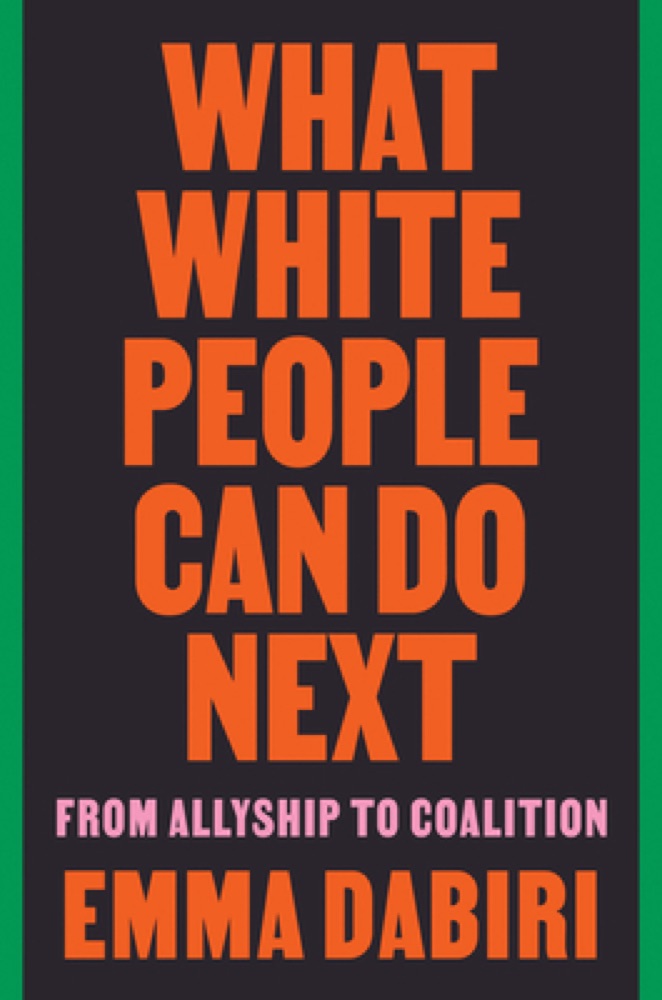 What White People Can Do Next: From Allyship to Coalition – An Empowering Guide to Interrogating Whiteness and Creating Justice
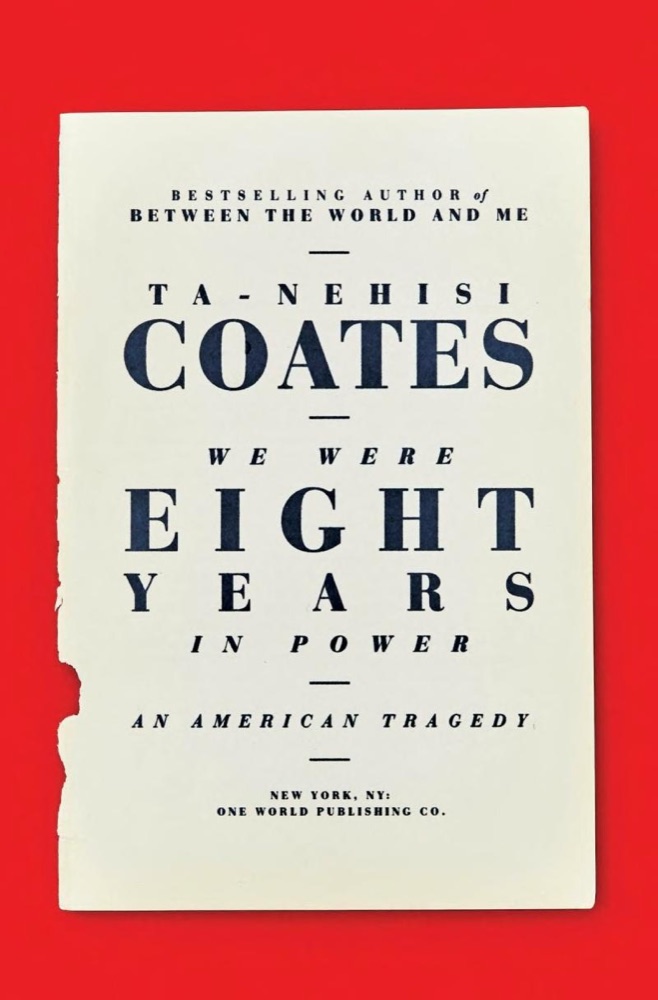 We Were Eight Years in Power: An American Tragedy
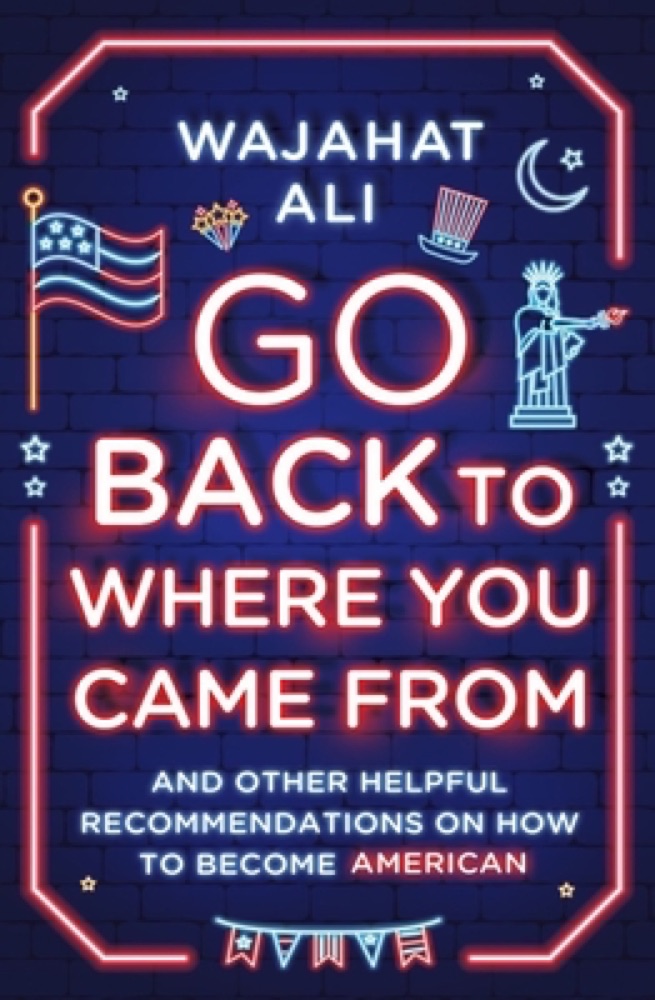 Go Back to Where You Came From: And Other Helpful Recommendations on How to Become American
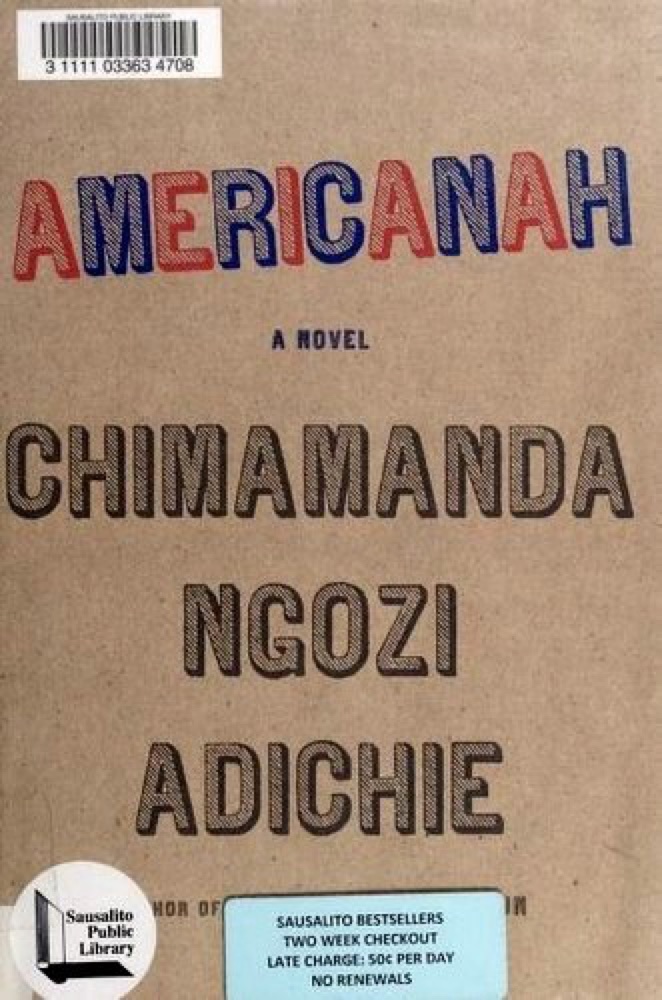 Americanah
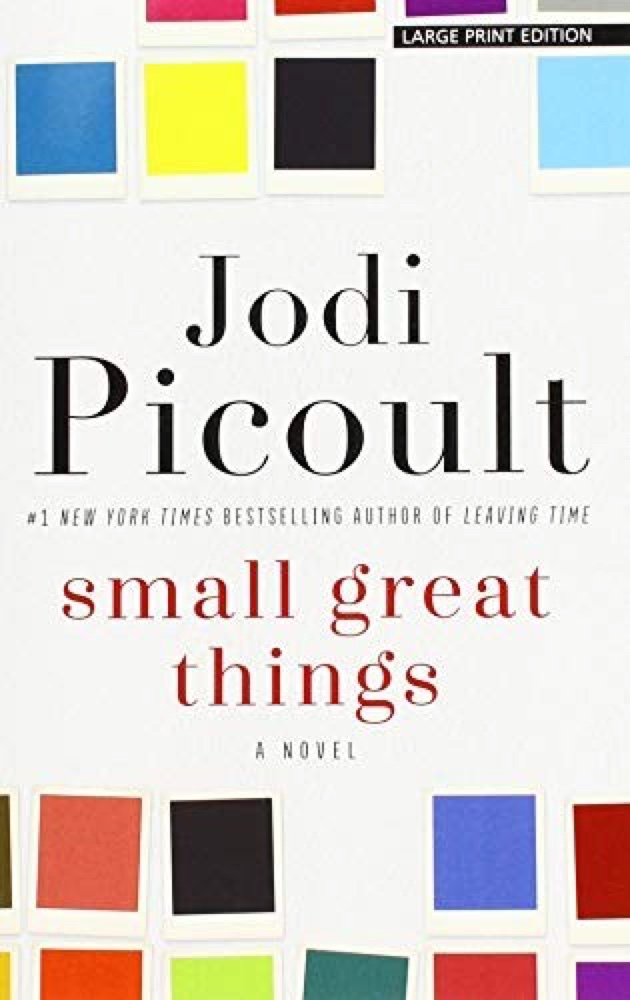 Small Great Things
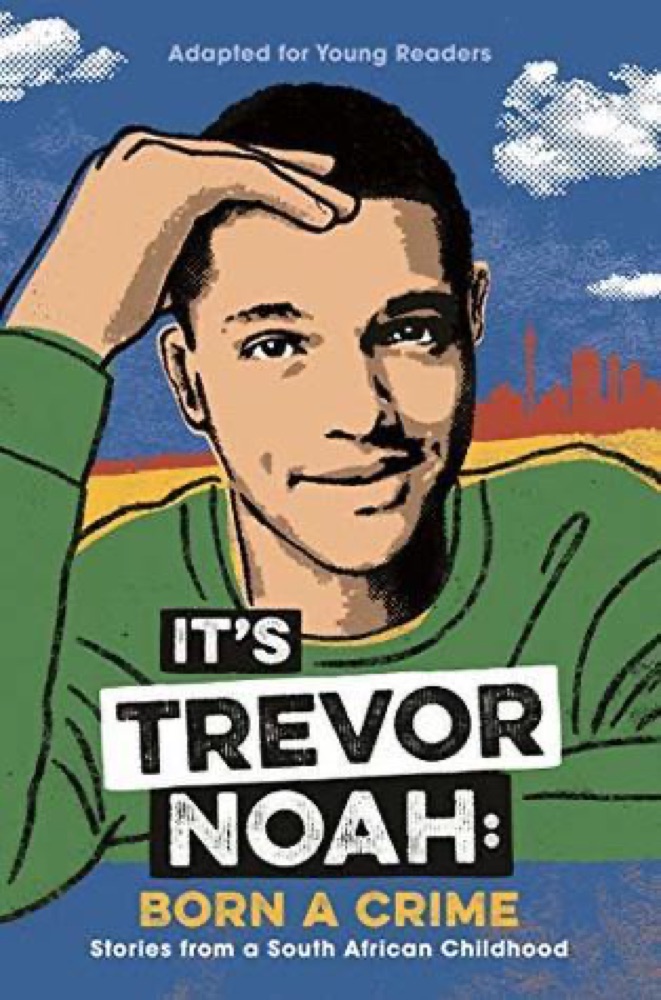 It's Trevor Noah: Born a Crime: Stories from a South African Childhood
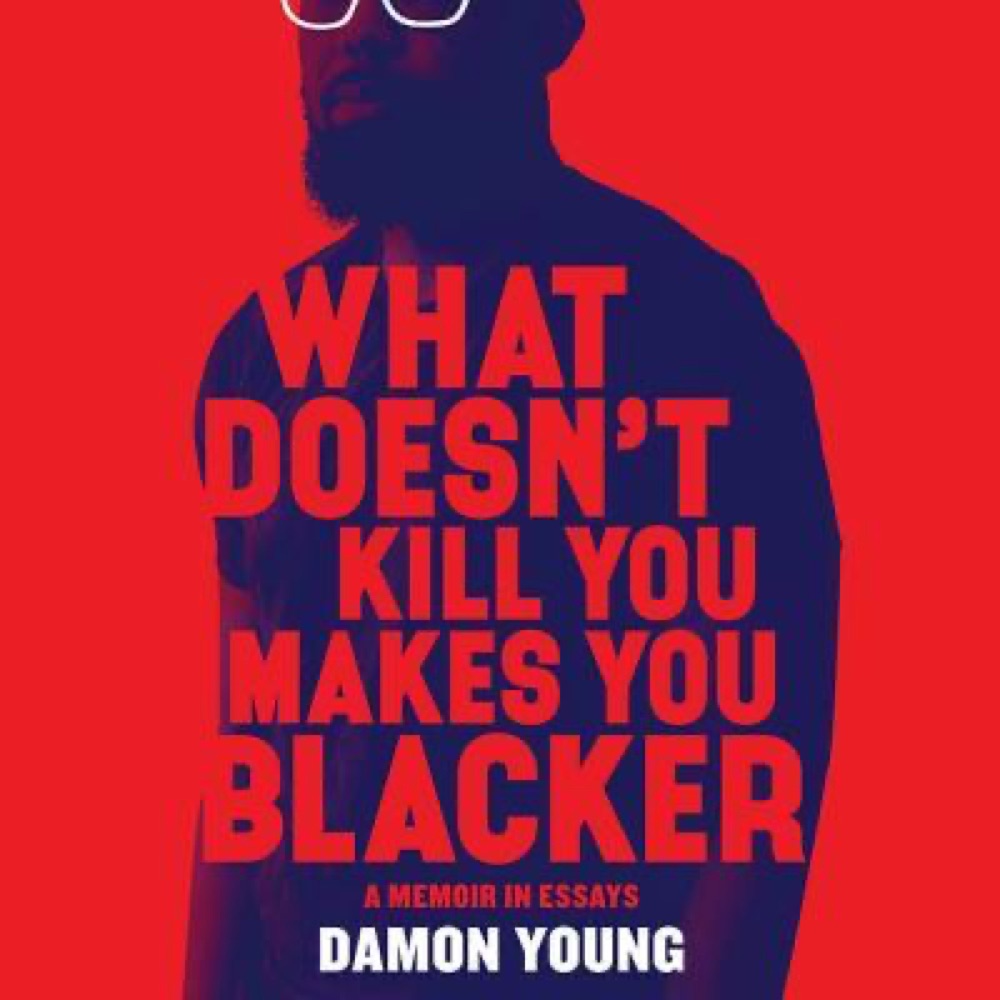 What Doesn't Kill You Makes You Blacker: A Memoir in Essays
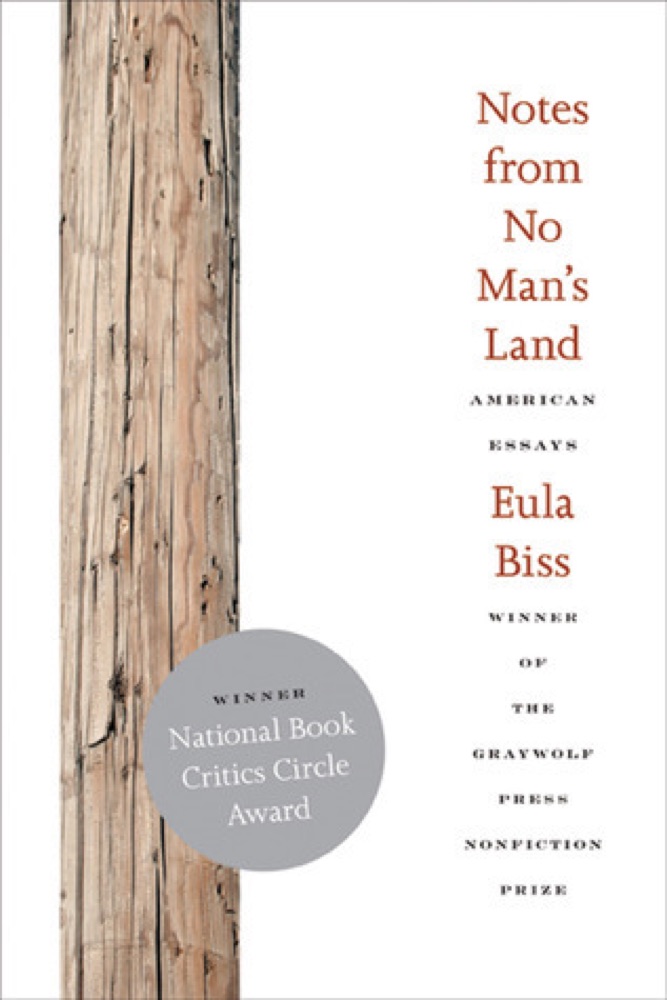 Notes from No Man's Land
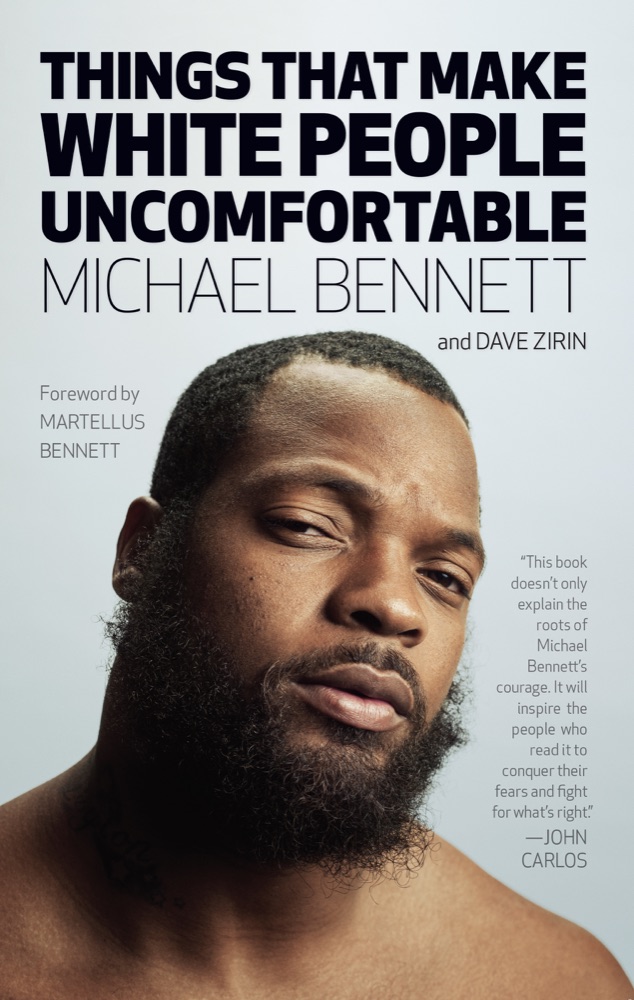 Things That Make White People Uncomfortable
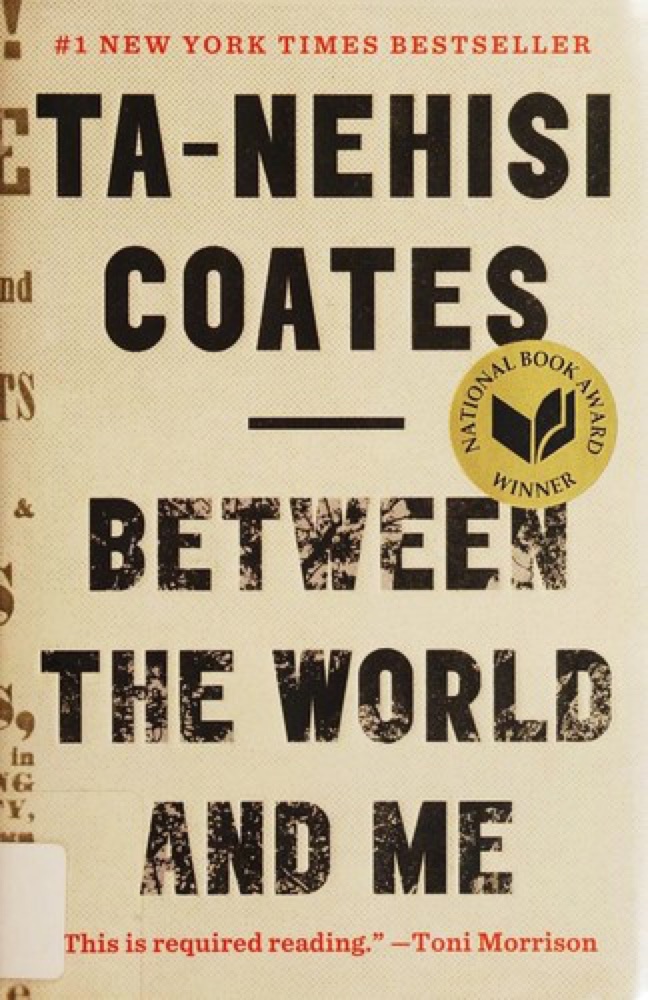 Between the World and Me
 Dark Days
 The End of Race Politics: Arguments for a Colorblind America
 Opinions: A Decade of Arguments, Criticism, and Minding Other People’s Business
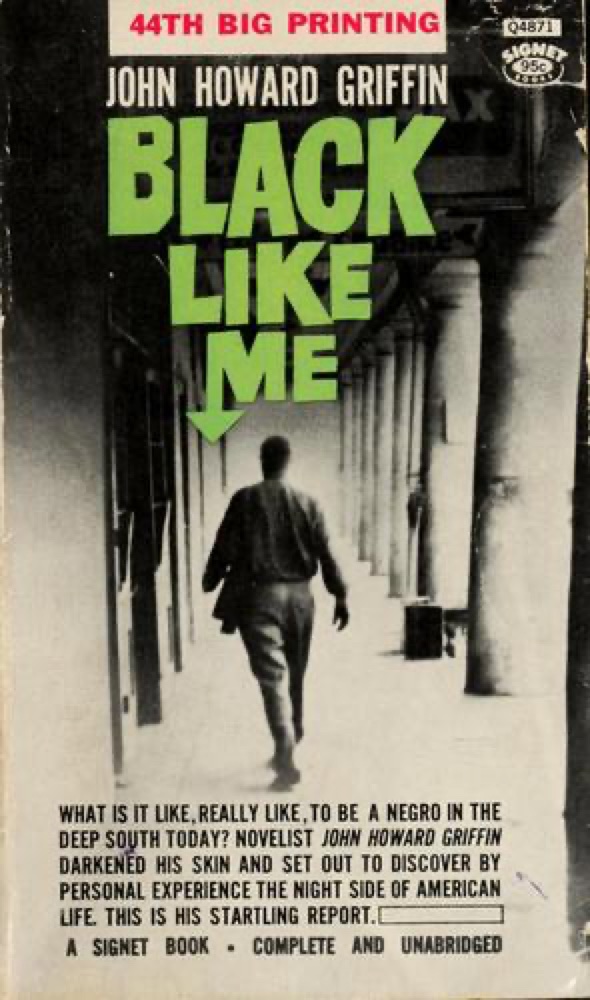 Black Like Me
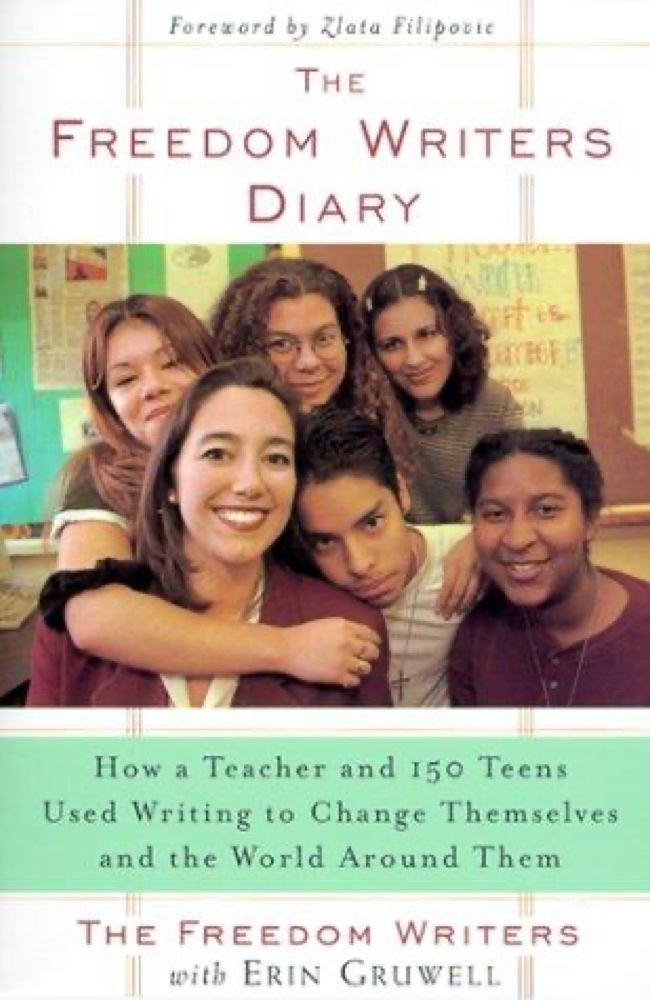 The Freedom Writers Diary
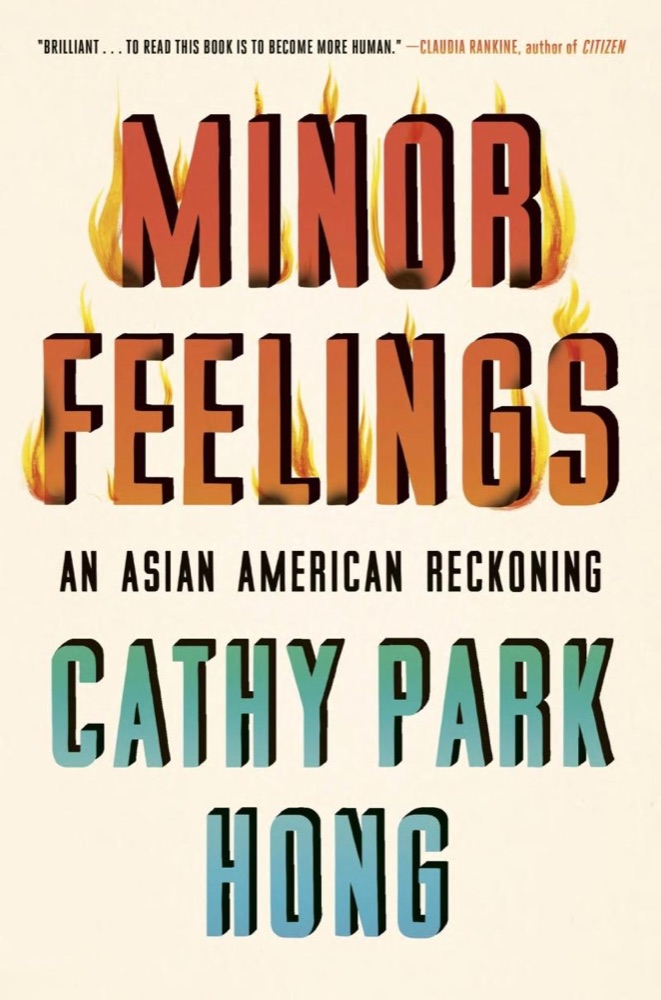 Minor Feelings: An Asian American Reckoning
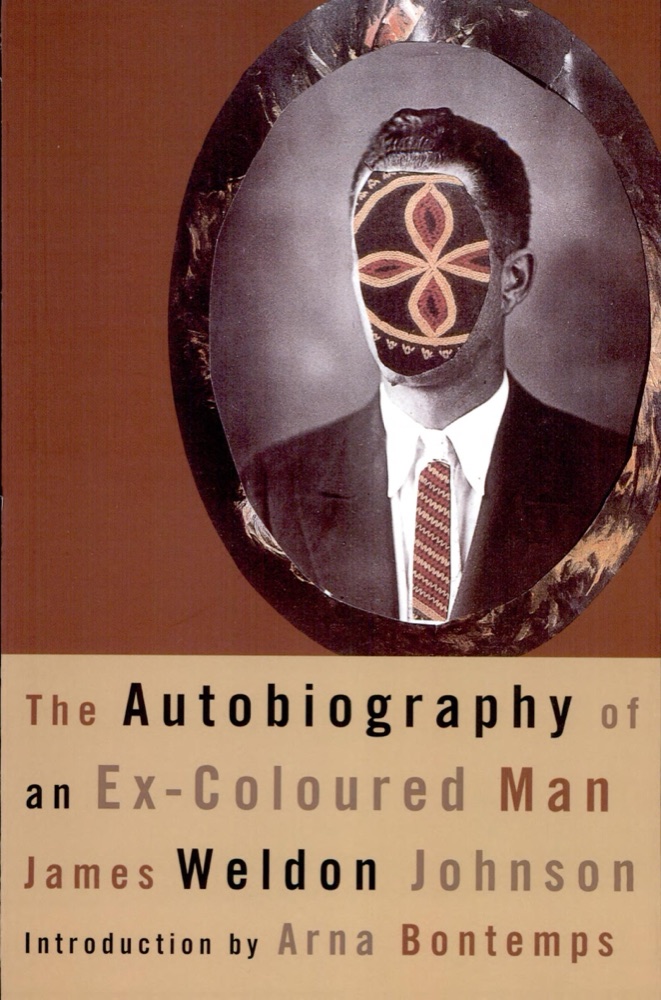 The Autobiography of an Ex-Coloured Man
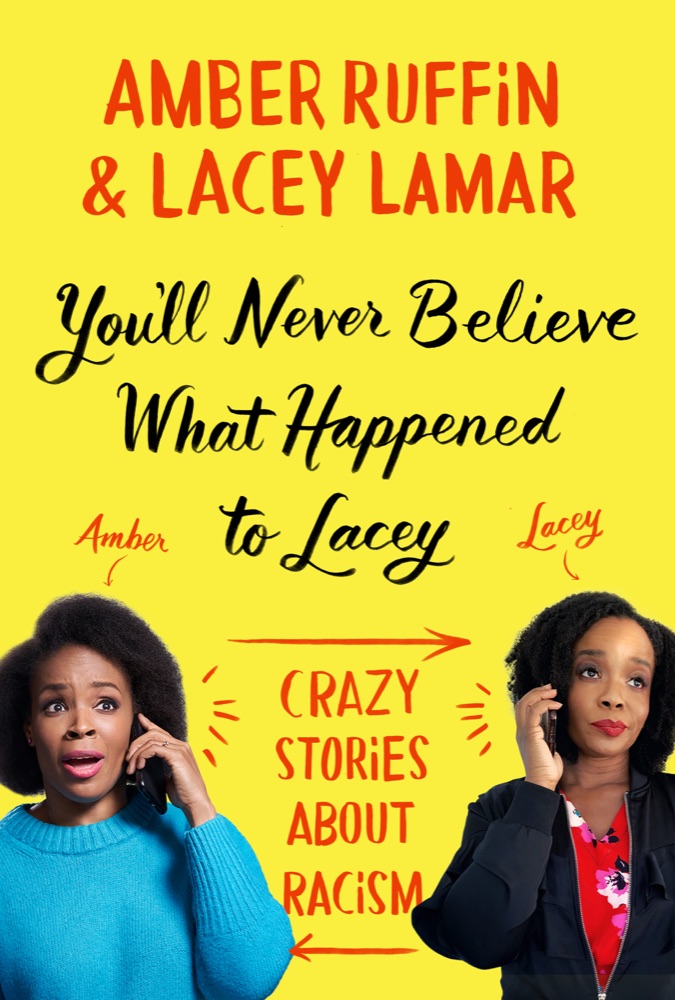 You'll Never Believe What Happened to Lacey: Crazy Stories about Racism
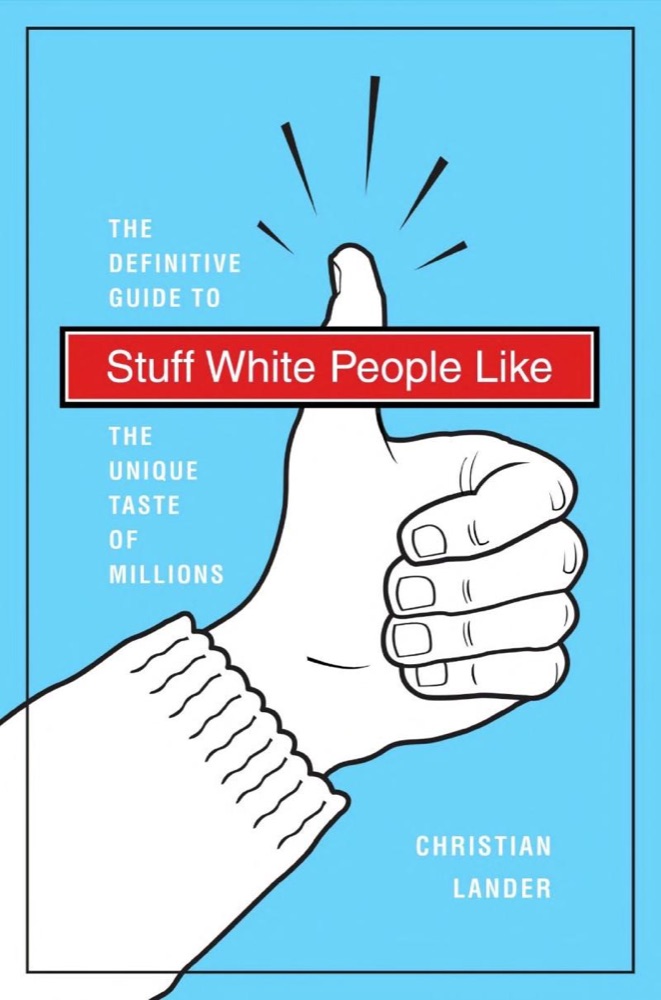 Stuff White People Like: A Definitive Guide to the Unique Taste of Millions
 Silent Covenants: Brown v. Board of Education and the Unfulfilled Hopes for Racial Reform
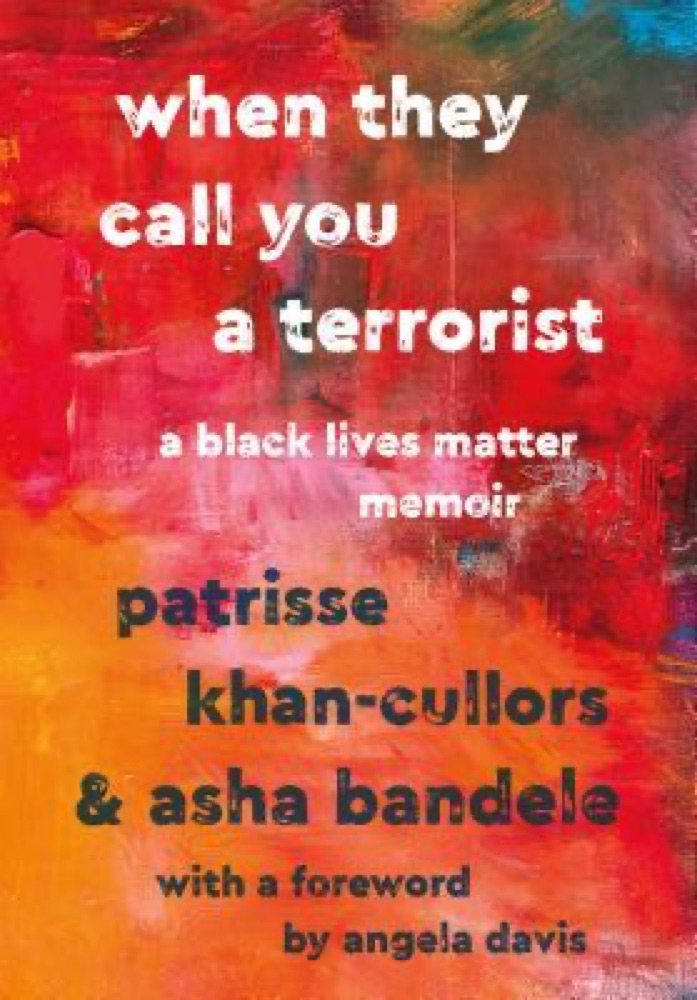 When They Call You a Terrorist: A Black Lives Matter Memoir
 Nobody Knows My Name
 The Black Kids
 The Awkward Thoughts of W. Kamau Bell: Tales of a 6' 4", African American, Heterosexual, Cisgender, Left-Leaning, Asthmatic, Black and Proud Blerd, Mama's Boy, Dad, and Stand-Up Comedian
 Hell of a Book
 That Librarian: The Fight Against Book Banning in America
 Black Skin, White Masks
 A Mind Spread Out on the Ground
 Thick: And Other Essays
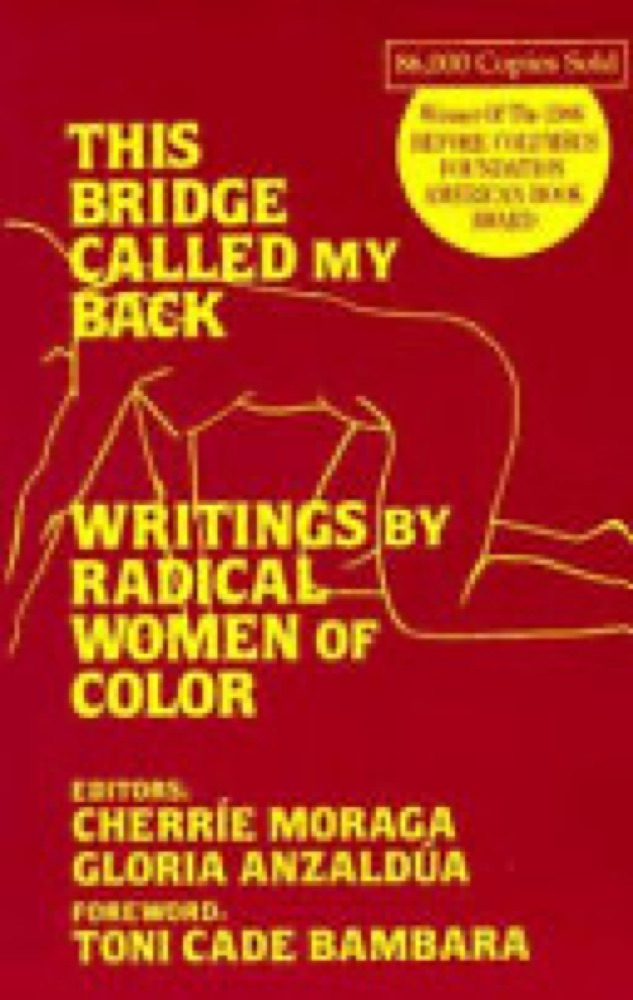 This Bridge Called My Back: Writings by Radical Women of Color
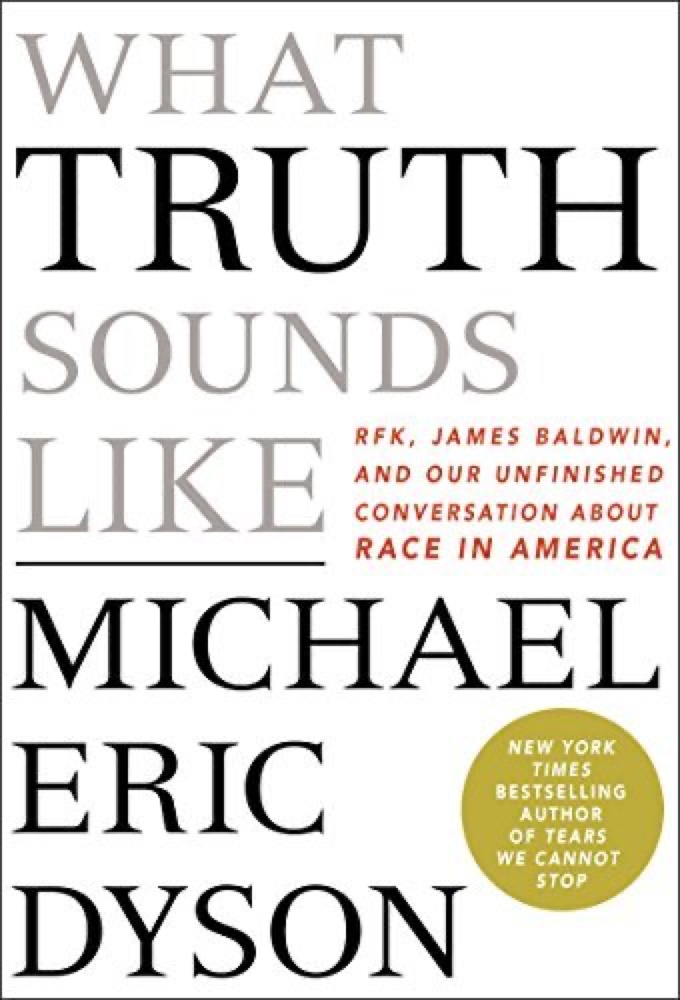 What Truth Sounds Like: Robert F. Kennedy, James Baldwin, and Our Unfinished Conversation About Race in America
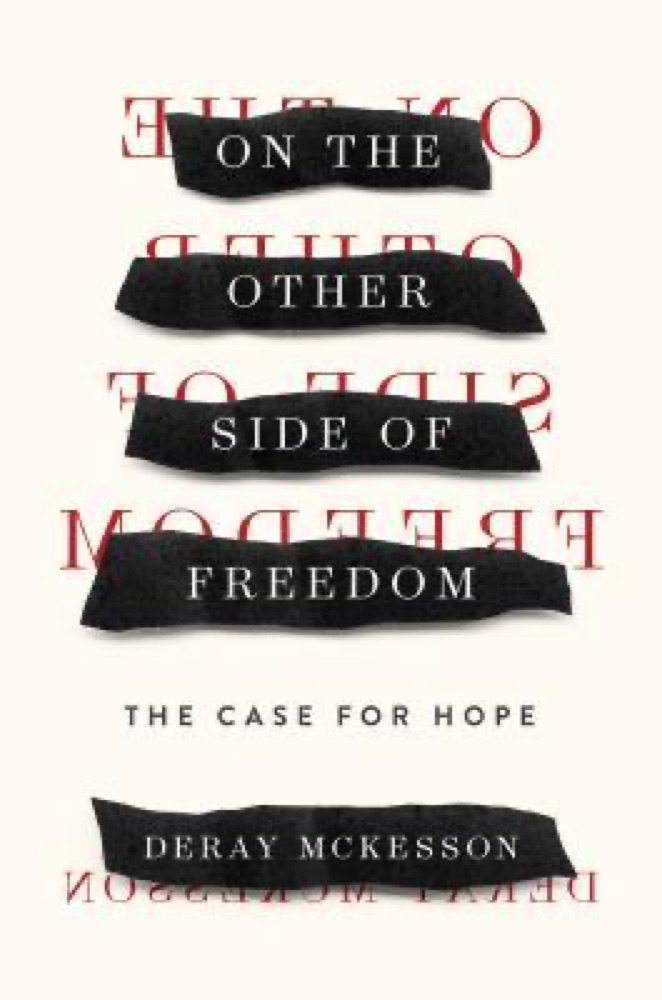 On the Other Side of Freedom: The Case for Hope
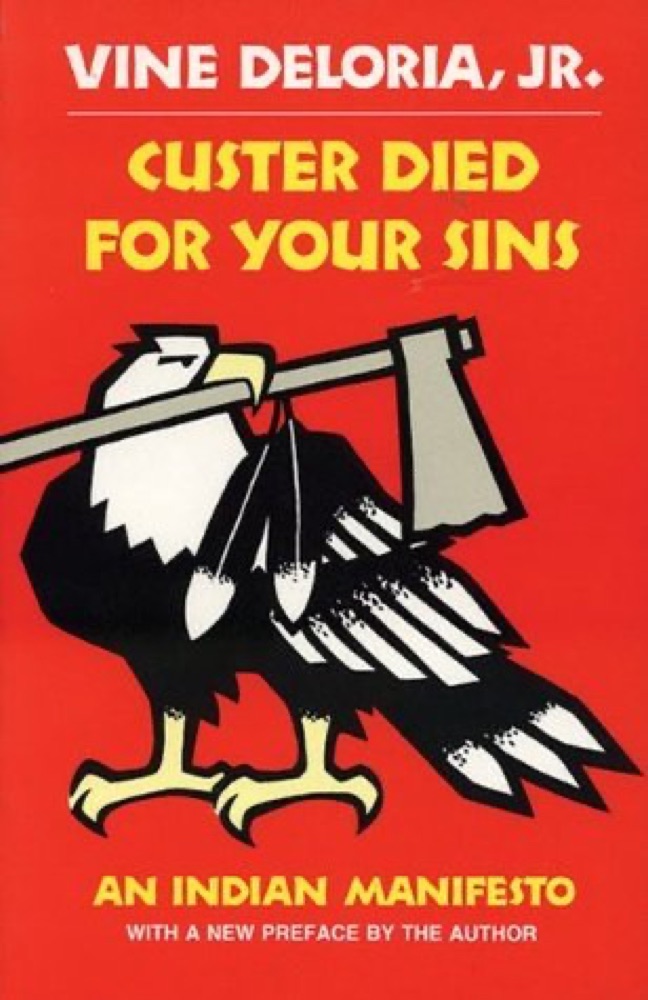 Custer Died for Your Sins: An Indian Manifesto
 The Person You Mean to Be: How Good People Fight Bias
 Heavy
Heavy
 You Sound Like a White Girl: The Case for Rejecting Assimilation
 The Origin of Others
 Edge of Eternity
 Where Do We Go from Here: Chaos or Community?
 The War on the West: An Instant NYT Bestselling History of the Modern World
 Miss Major Speaks: Conversations with a Black Trans Revolutionary
 One Day We'll All Be Dead and None of This Will Matter
 Black Looks: Race and Representation