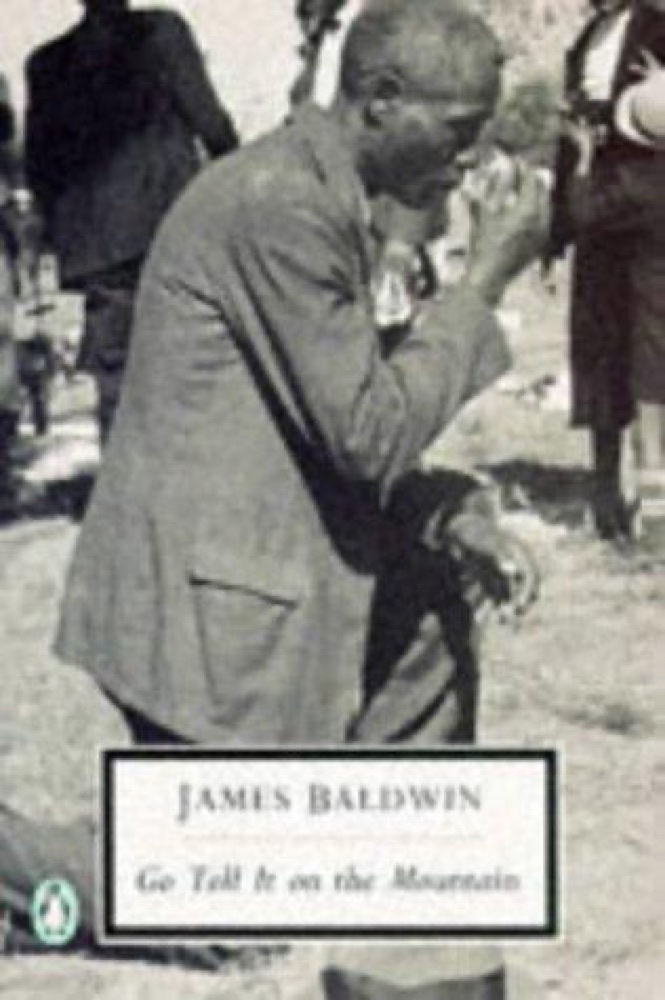
 Go Tell It on the Mountain
Quotes from the Book
History is not the past. It is the present. We carry our history with us. We are our history. If we pretend otherwise, we are literally criminals. I attest to this: the world is not white; it never was white, cannot be white. White is a metaphor for power, and that is simply a way of describing Chase Manhattan Bank.
63
I'm terrified at the moral apathy, the death of the heart, which is happening in my country. These people have deluded themselves for so long that they really don't think I'm human. And I base this on their conduct, not on what they say. And this means that they have become in themselves moral monsters.
53
What white people have to do is try and find out in their own hearts why it is necessary to have a 'nigger' in the first place, because I'm not a nigger. I'm a man. But if you think I'm a nigger, it means you need it.
43
You don't know what's happening on the other side of the wall, because you don't want to know.
31
You never had to look at me. I had to look at you. I know more about you than you know about me. Not everything that is faced can be changed; but nothing can be changed until it is faced.
23
The root of the black man's hatred is rage, and he does not so much had the white man as simply as want the out of his way, and, more than that, out of his children's way. The root of the white man's hatred is terror, a bottomless and nameless terror, which focuses on this dread figure, an entity which lives only in his mind.
21
The question is really a kind of apathy and ignorance, which is the price we pay for segregation. That’s what segregation means. You don’t know what’s happening on the other side of the wall, because you don’t want to know.
20
To look around the United States today is enough to make prophets and angels weep. This is not the land of the free; it is only sporadically the home of the brave.
15
I remember, for example, when the ex-Attorney General, Mr. Robert Kennedy, said that it was conceivable that in forty years in America we might have a Negro president. And that sounded like a very emancipated statement, I suppose, to white people. They were not in Harlem when this statement was first heard. They did not hear (and possibly will never hear) the laughter and the bitterness and the scorn with which this statement was greeted. From the point of view of the man in the Harlem barbershop, Bobby Kennedy only got here yesterday and now he's already on his way to the presidency. We've been here for four hundred years and now he tells us that maybe in forty years, if you're good, we may let you become president.
13
When the Israelis pick up guns, or the Poles, or the Irish, or any white man in the world says "give me liberty, or give me death," the entire white world applauds. When a black man says exactly the same thing, word for word, he is judged a criminal and treated like one and everything possible is done to make an example of this bad n*****, so there won't be any more like him.
12
It is not a racial problem. It is a problem of whether or not you're willing to look at your life and be responsible for it, and then begin to change it.
11
Well, I may or may not be bitter, but if I were I would have good reasons for it: chief among them that American blindness, or cowardice, which allows us to pretend that life presents no reasons for being bitter.
10
The root of the black man’s hatred is rage, and he does not so much hate white men as simply wants them out of his way, and, more than that, out of his children’s way.
6
I am saying that a journey is called that because you cannot know what you will discover on the journey, what you will do with what you find, or what you find will do to you.
4
All I want is to be able to stand in front of my boy like my father never was able to do to me.
4
This means in the case of the American Negro, born in that glittering republic…and in the moment you are born, since you don’t know any better, every stick and stone and every face is white, and since you have not yet seen a mirror, you suppose that you are, too. It comes as a great shock around the age of five, or six, or seven to discover that Gary Cooper killing off the Indians when you were rooting for Gary Cooper, that the Indians were you. It comes as a great shock to discover the country which is your birthplace and to which you owe your life and your identity has not in its whole system of reality evolved any place for you.
1
Watch on YouTube
About James Baldwin
We have collected 319 quotes from 14 books by James Baldwin on BookQuoters.
More about the author →More by James Baldwin
All books by James Baldwin →
About the book
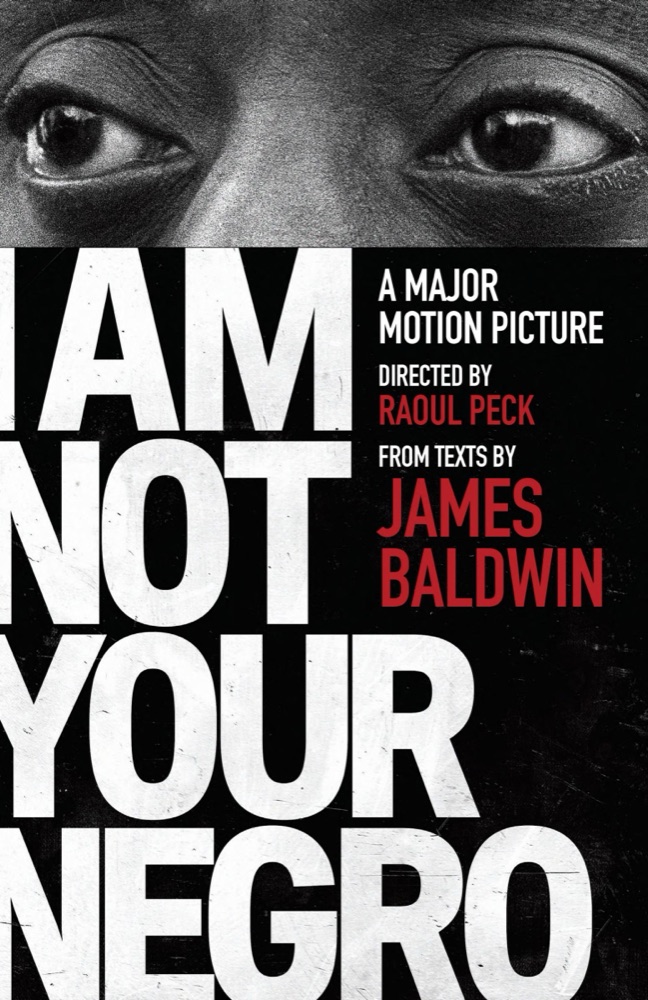
To compose his stunning documentary film I Am Not Your Negro, acclaimed filmmaker Raoul Peck mined James Baldwin s published and unpublished oeuvre, selecting passages from his books, essays, letters, notes, and interviews that are every bit as incisive and pertinent now as they have ever been. Weaving these texts together, Peck brilliantly imagines the book that Baldwin never wrote. In his final years, Baldwin had envisioned a book about his three assassinated friends, Medgar Evers, Malcolm X, and Martin Luther King. His deeply personal notes for the project have never been published before. Peck s film uses them to jump through time, juxtaposing Baldwin s private words with his public statements, in a blazing examination of the tragic history of race in America.
Book details
- First published
- 2017
- Author
- James Baldwin
- Genre
- Nonfiction
- Goodreads rating
- 4.47 (8k ratings)
Keep reading
 Nobody Knows My Name
 No Name in the Street
 Dark Days
 Between the World and Me
 Black Like Me
 Notes from No Man's Land
 Edge of Eternity
 We Were Eight Years in Power: An American Tragedy
 Invisible Man, Got the Whole World Watching: A Young Black Man's Education
 Just Us: An American Conversation
 Dreams from My Father: A Story of Race and Inheritance
 Stamped: Racism, Antiracism, and You
 The Fire This Time: A New Generation Speaks About Race
 Where Do We Go from Here: Chaos or Community?
 American Sonnets for My Past and Future Assassin
 Native Son
 Hell of a Book
 Black Skin, White Masks
 The Heart of a Woman
 The Autobiography of an Ex-Coloured Man
 I'm Still Here: Black Dignity in a World Made for Whiteness
 White Like Me: Reflections On Race From A Privileged Son
 Small Great Things
 The Autobiography of Martin Luther King, Jr.
 Uncomfortable Conversations With a Black Man
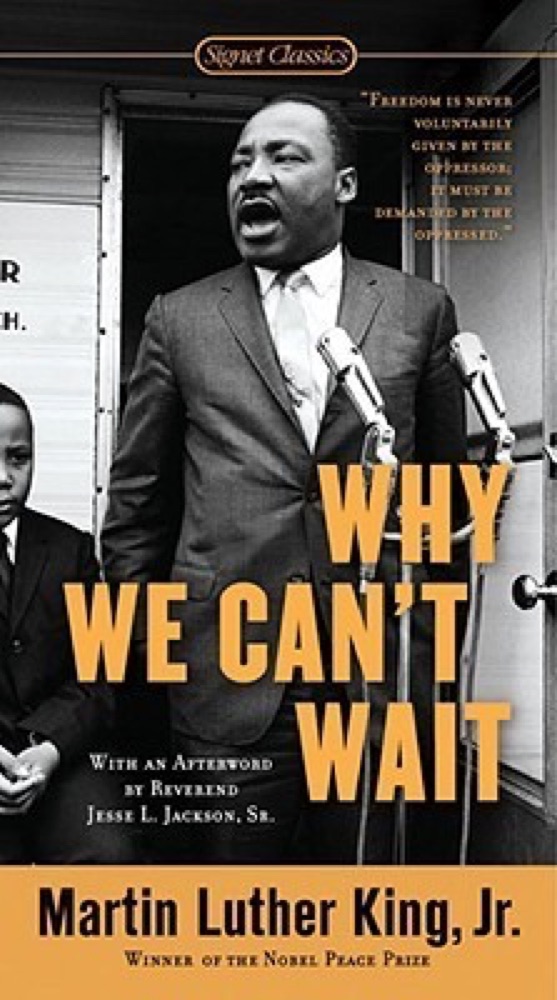 Why We Can't Wait
 Tears We Cannot Stop: A Sermon to White America
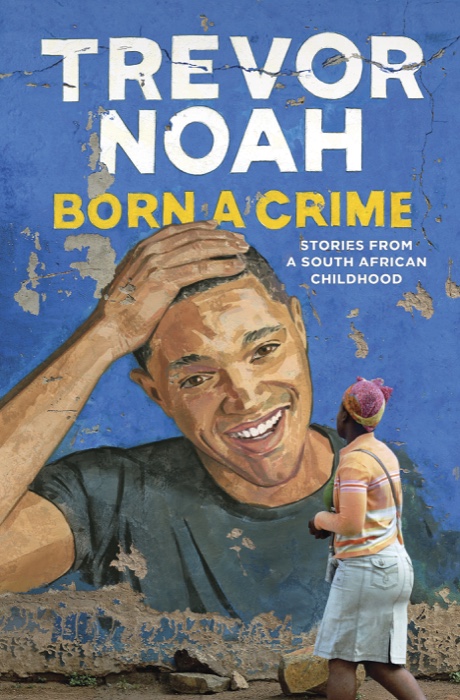 Born a Crime: Stories From a South African Childhood
 Americanah
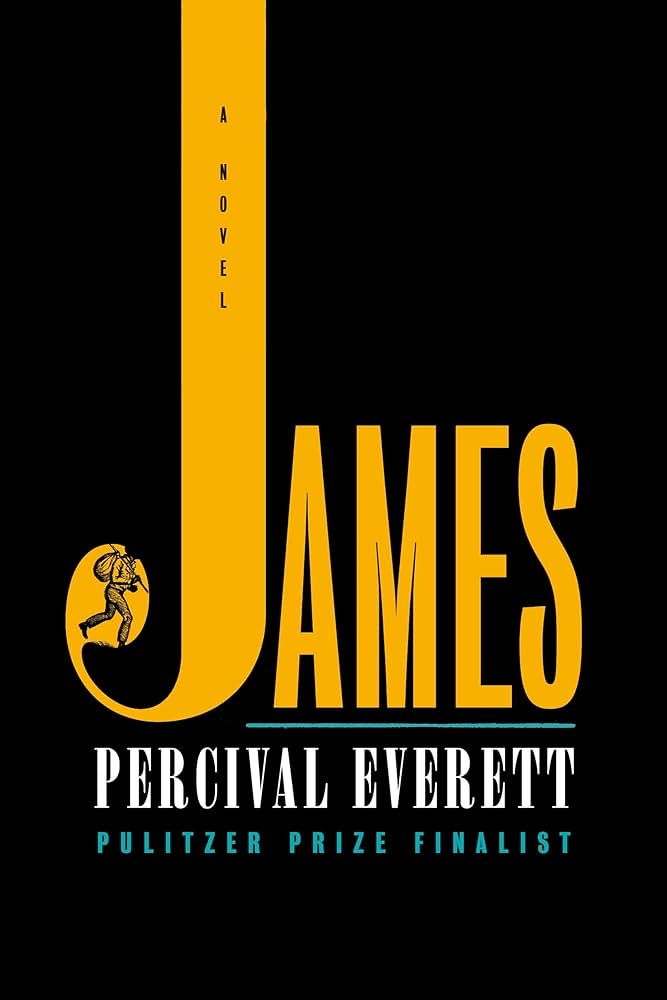 James
James
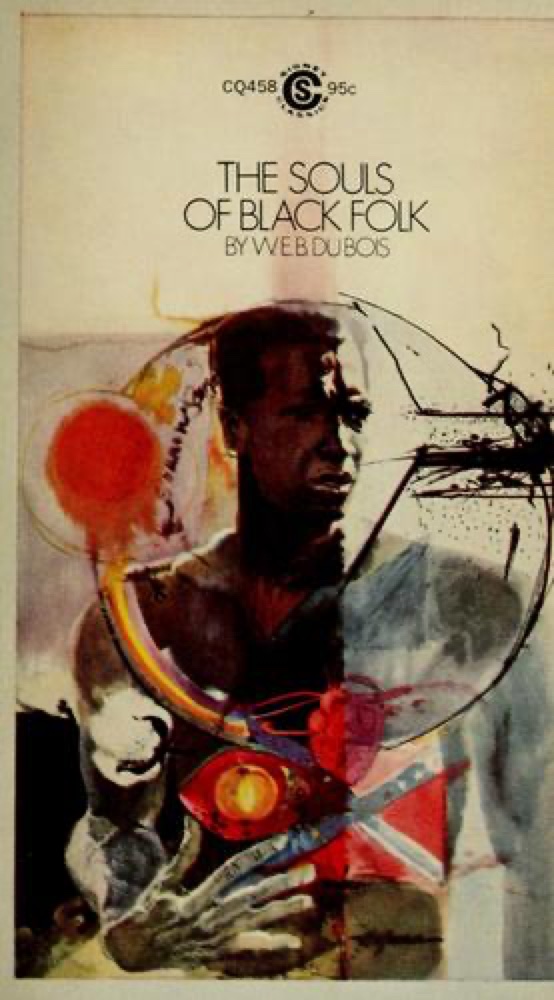 The Souls of Black Folk
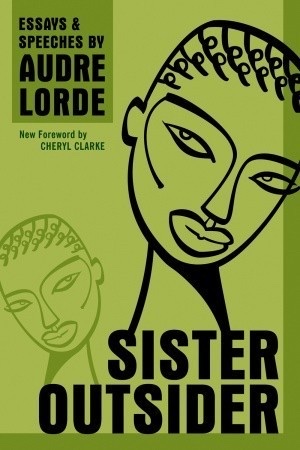 Sister Outsider: Essays and Speeches
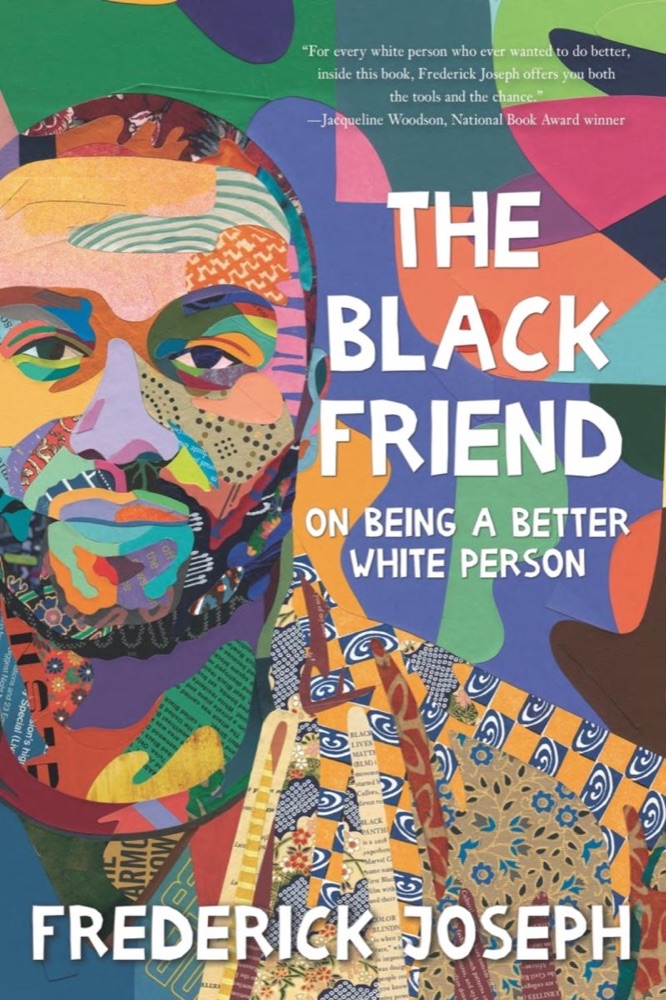 The Black Friend: On Being a Better White Person
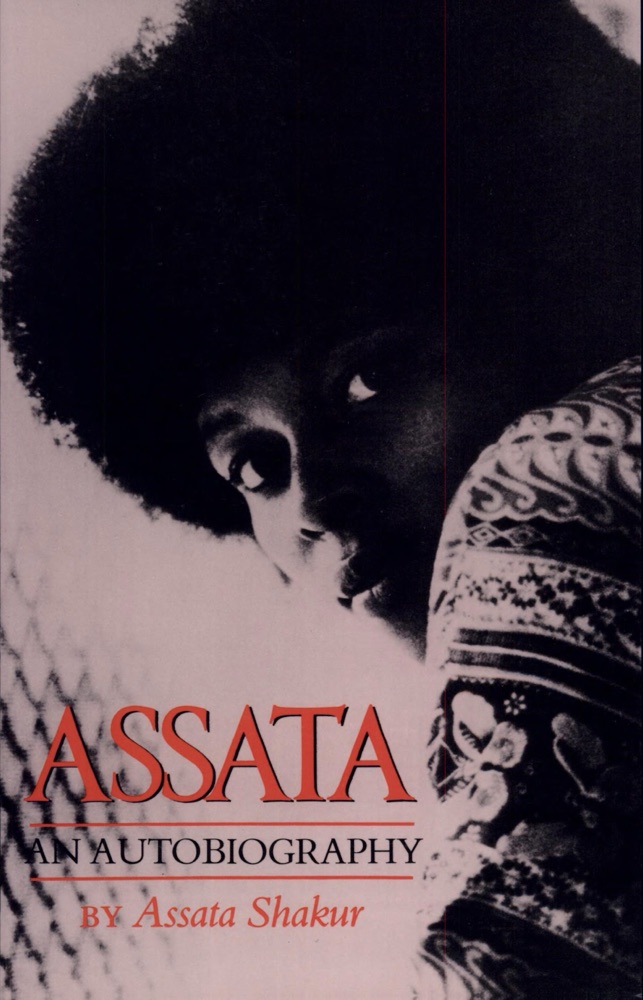 Assata: An Autobiography
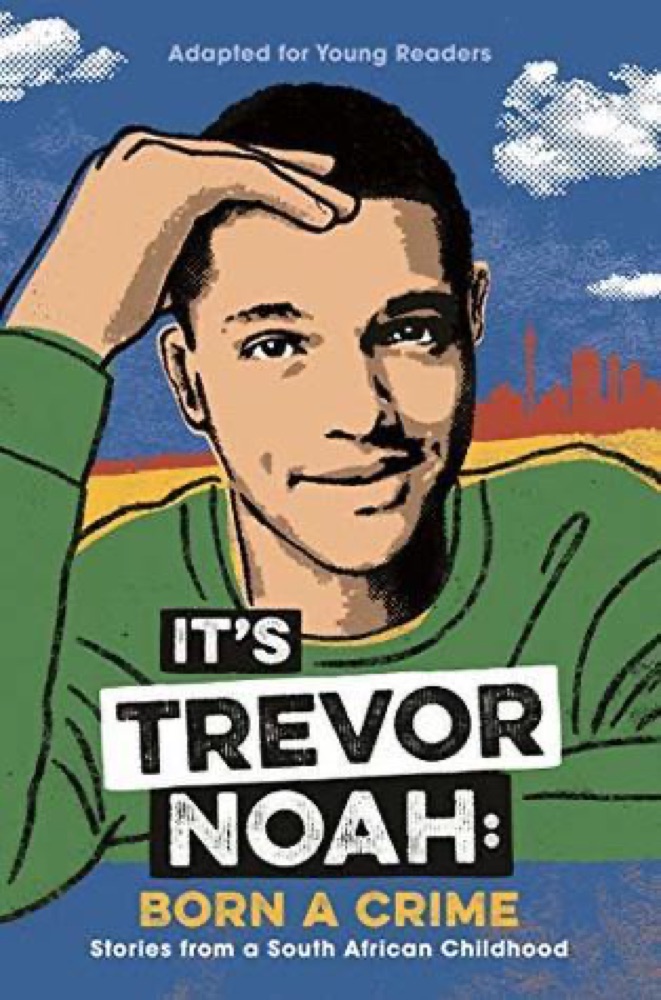 It's Trevor Noah: Born a Crime: Stories from a South African Childhood
 When They Call You a Terrorist: A Black Lives Matter Memoir
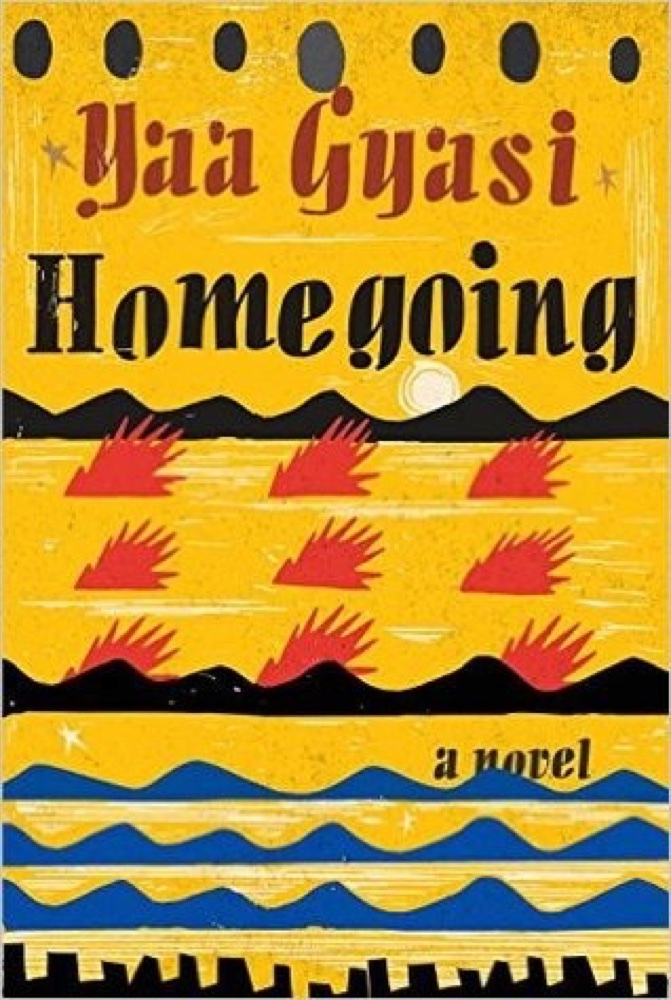 Homegoing
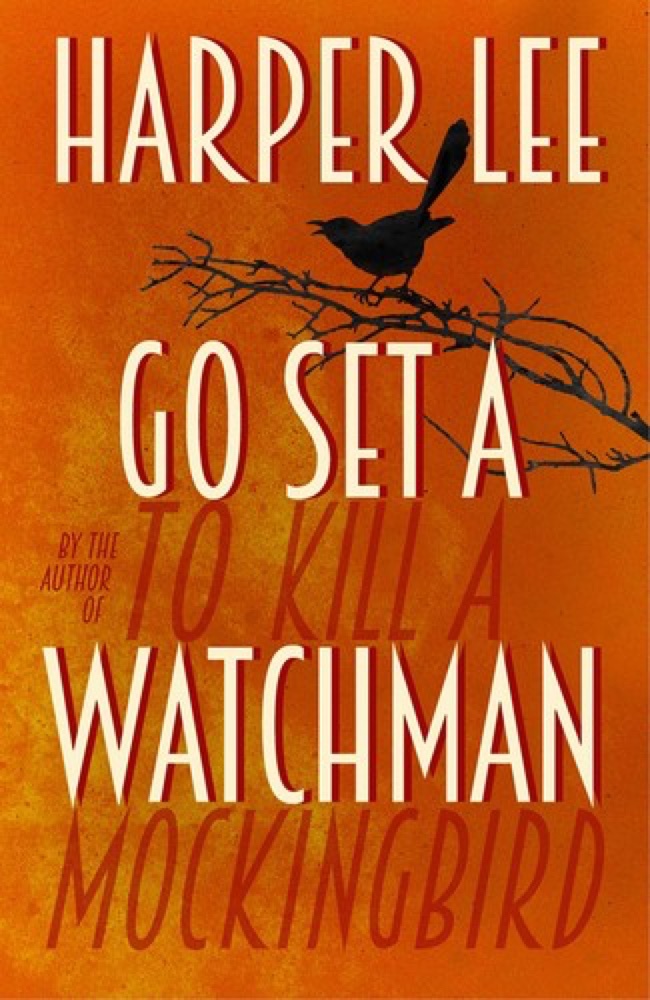 Go Set a Watchman
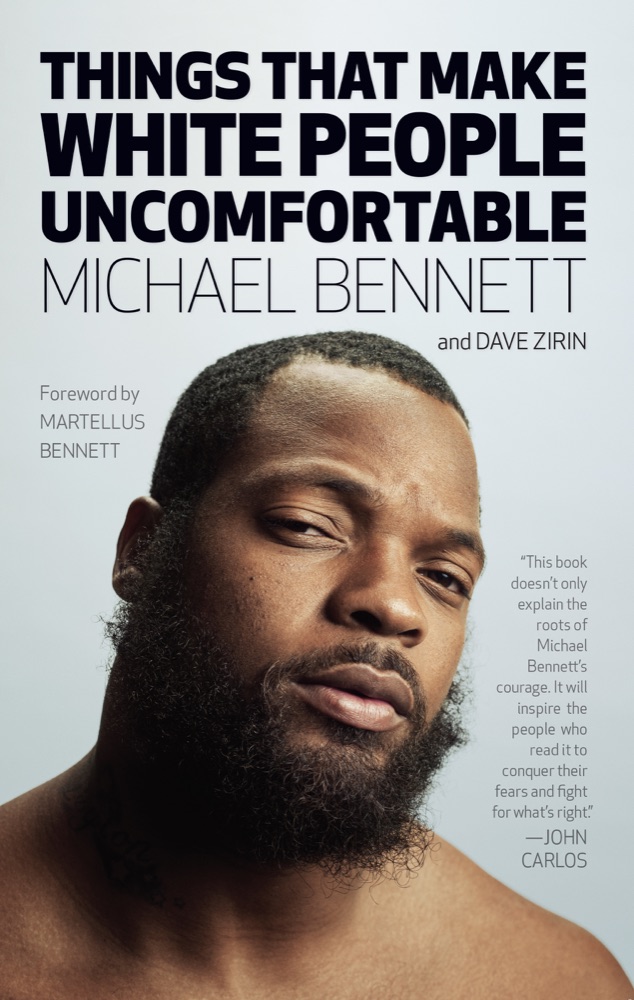 Things That Make White People Uncomfortable
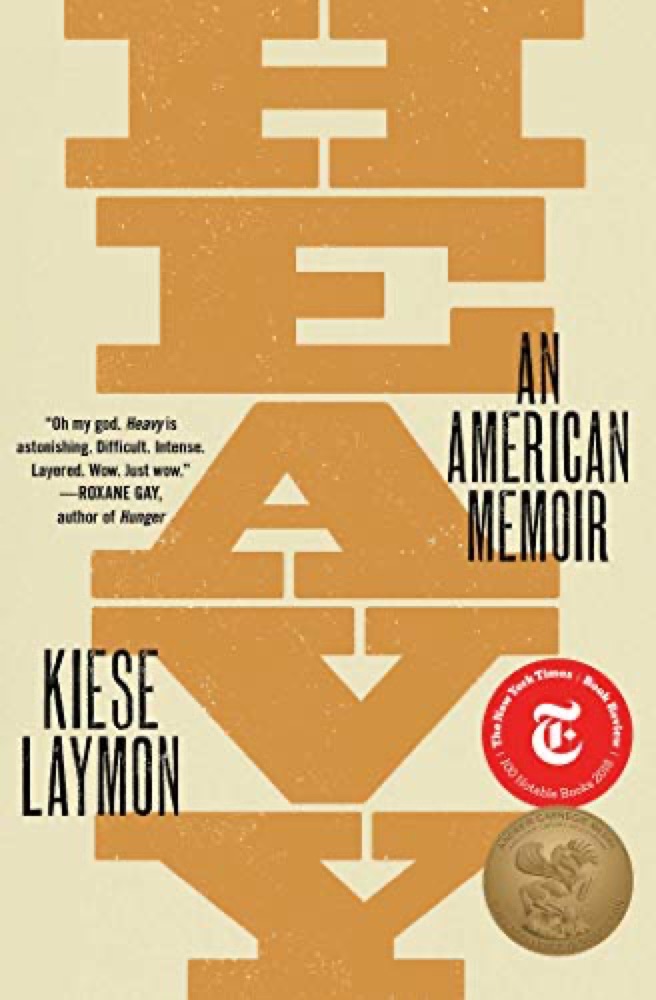 Heavy
Heavy
 The Source of Self-Regard: Selected Essays, Speeches, and Meditations
 Go Back to Where You Came From: And Other Helpful Recommendations on How to Become American
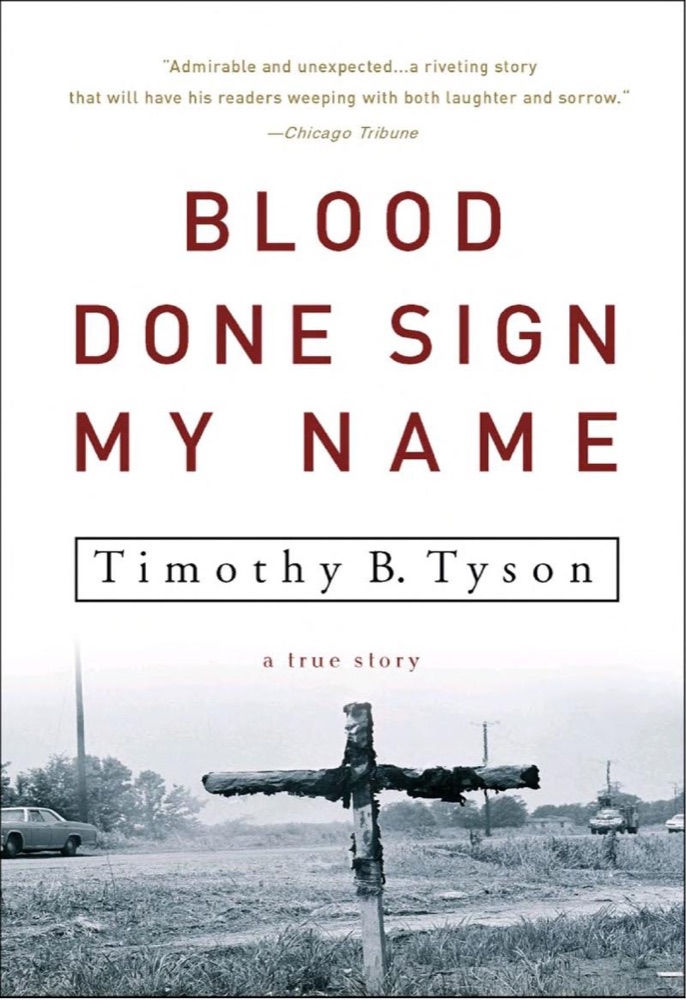 Blood Done Sign My Name: A True Story
 Citizen: An American Lyric
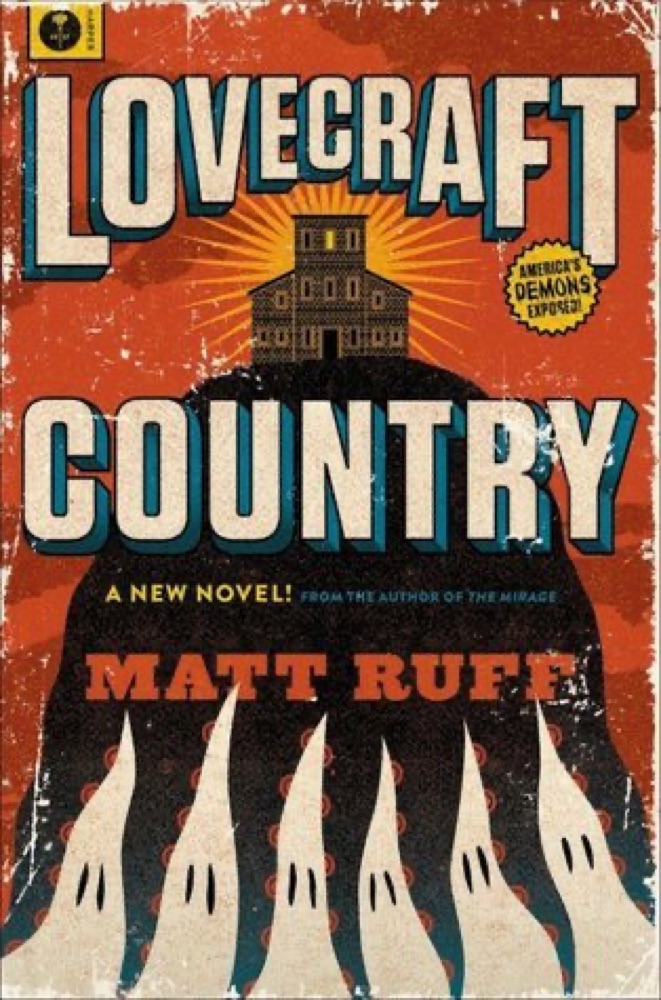 Lovecraft Country
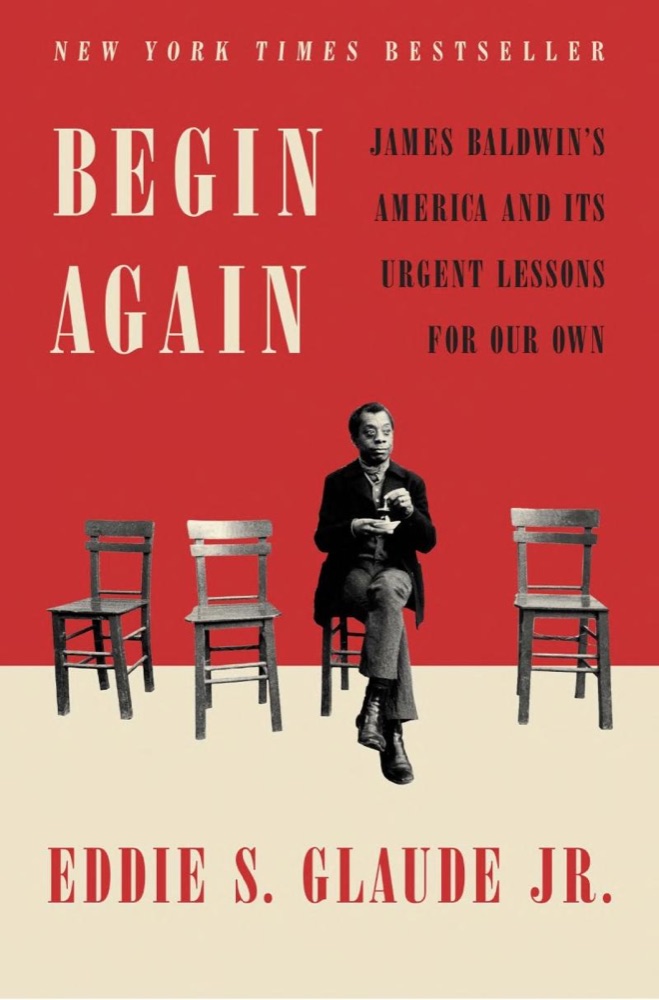 Begin Again: James Baldwin's America and Its Urgent Lessons for Our Own
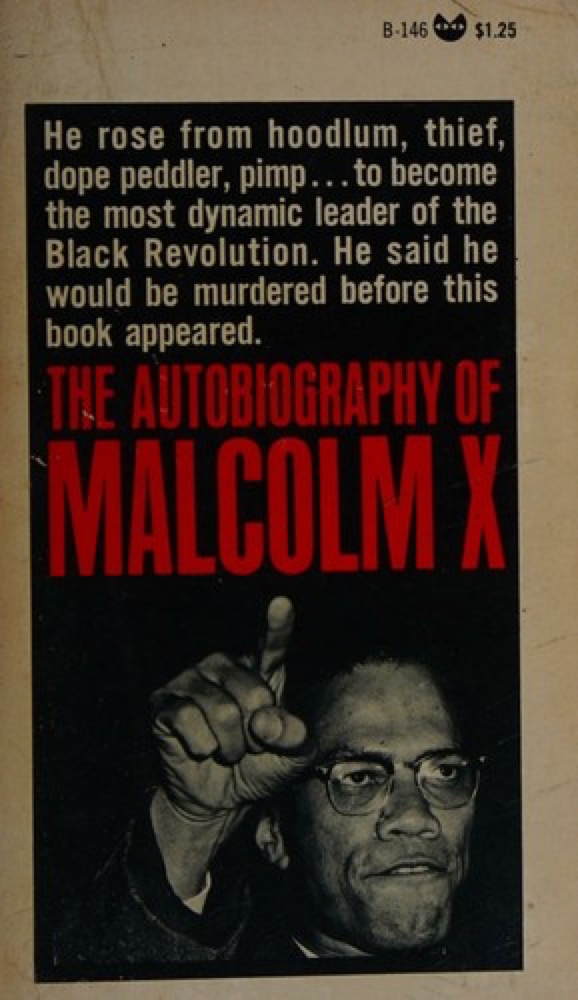 The Autobiography of Malcolm X
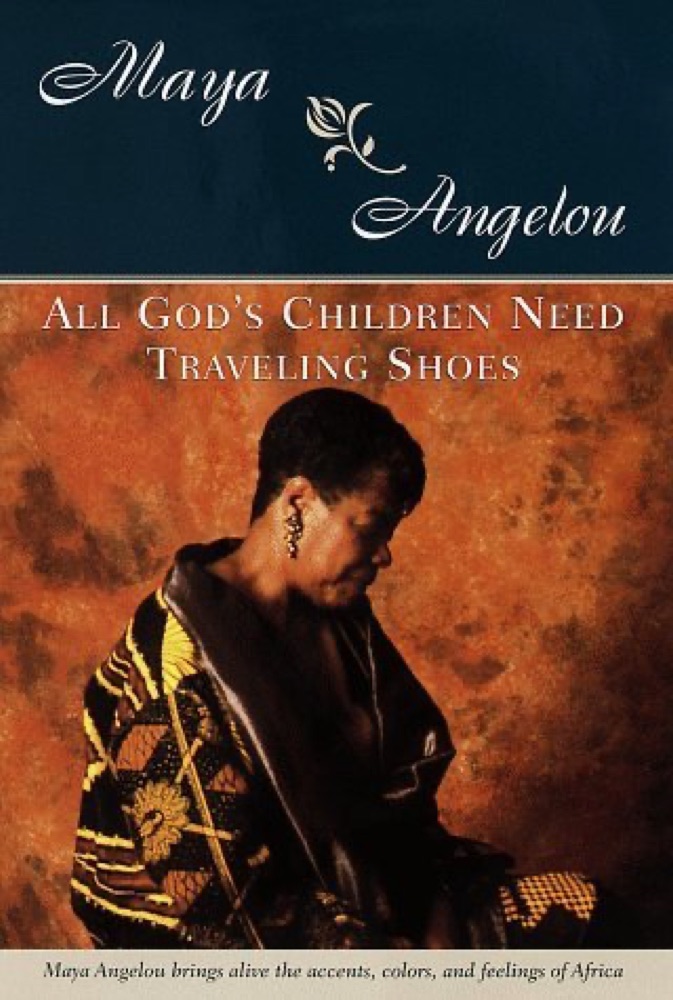 All God's Children Need Traveling Shoes
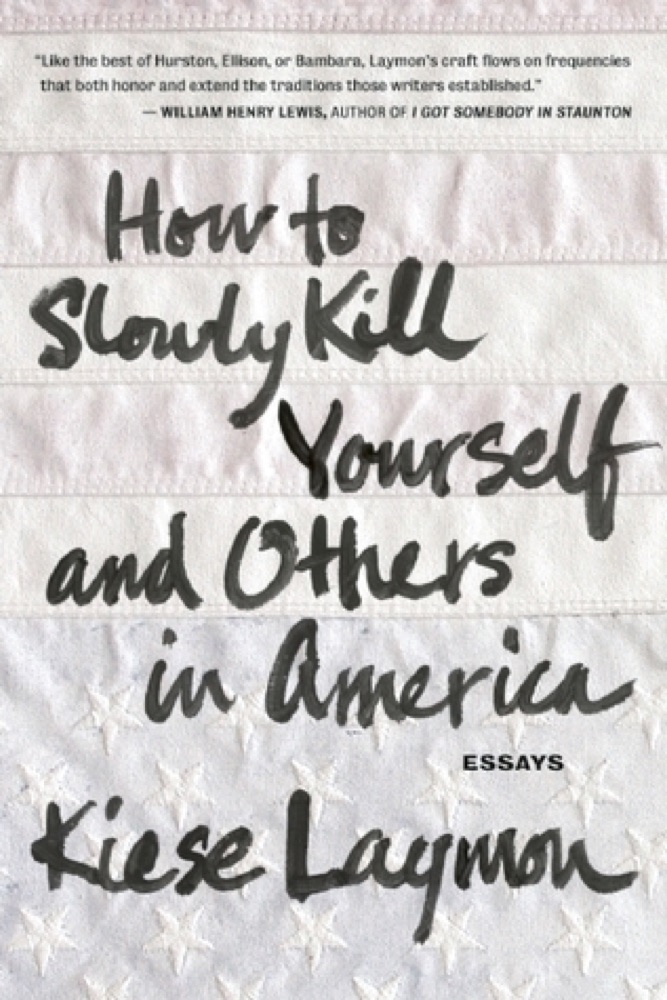 How to Slowly Kill Yourself and Others in America
 The Confessions of Nat Turner
 What Doesn't Kill You Makes You Blacker: A Memoir in Essays
 Mumbo Jumbo
 A Small Place
 Varina
 Long Walk to Freedom
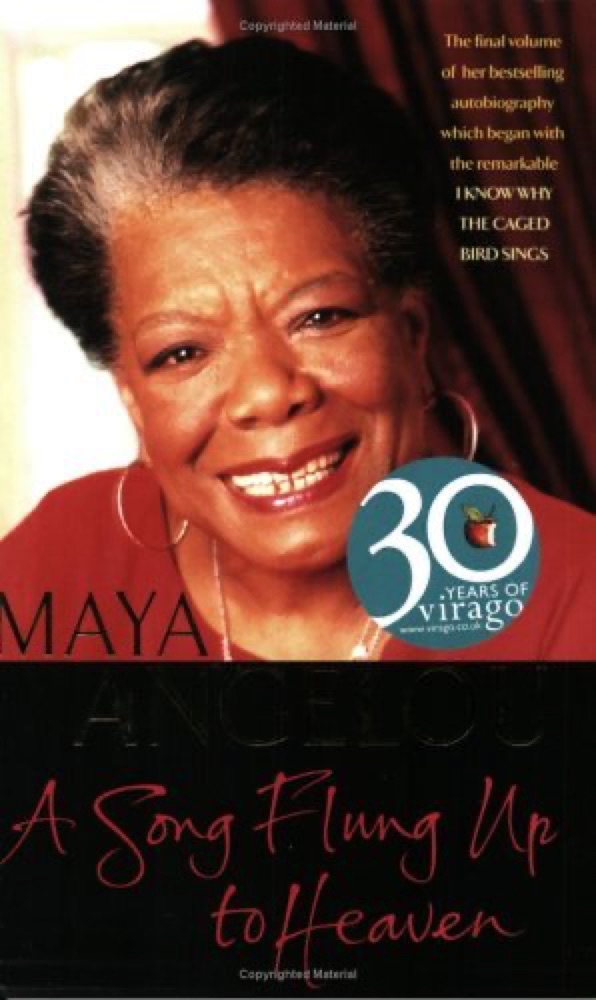 A Song Flung Up to Heaven
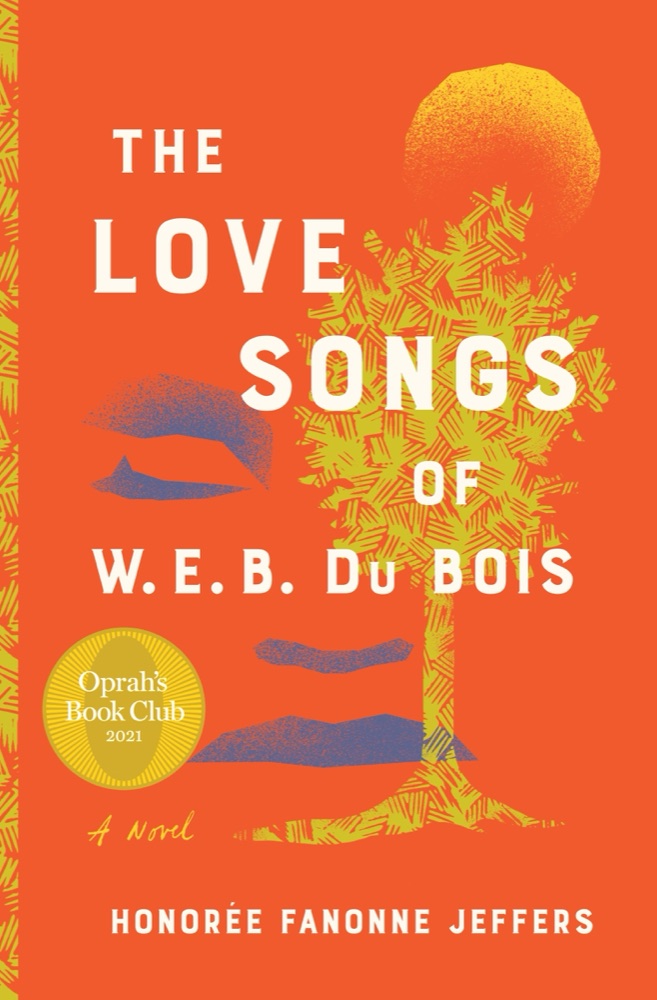 The Love Songs of W.E.B. Du Bois
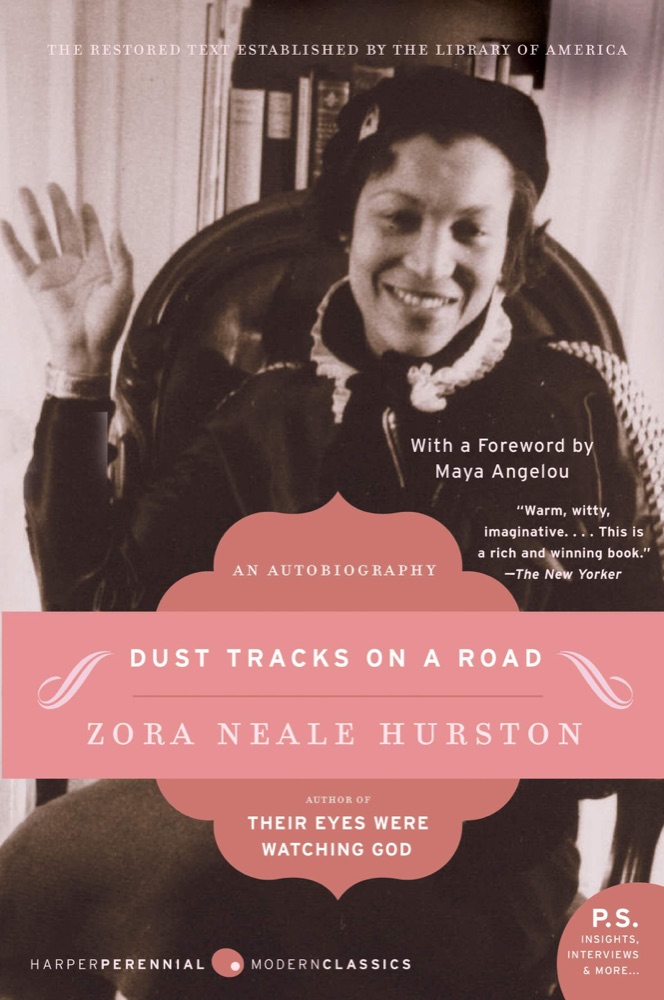 Dust Tracks on a Road
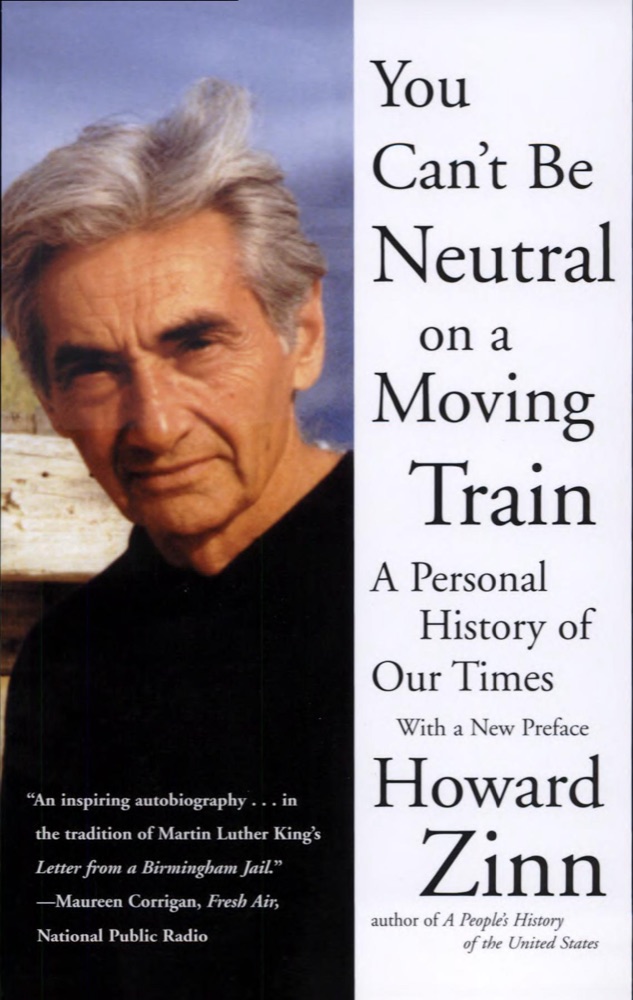 You Can't Be Neutral on a Moving Train: A Personal History of Our Times
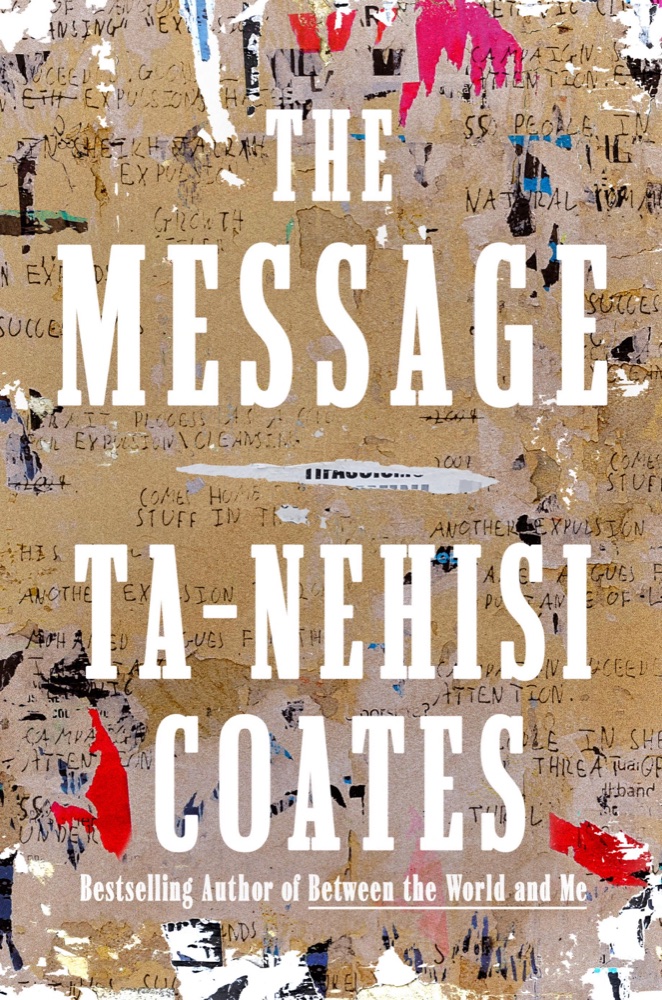 The Message