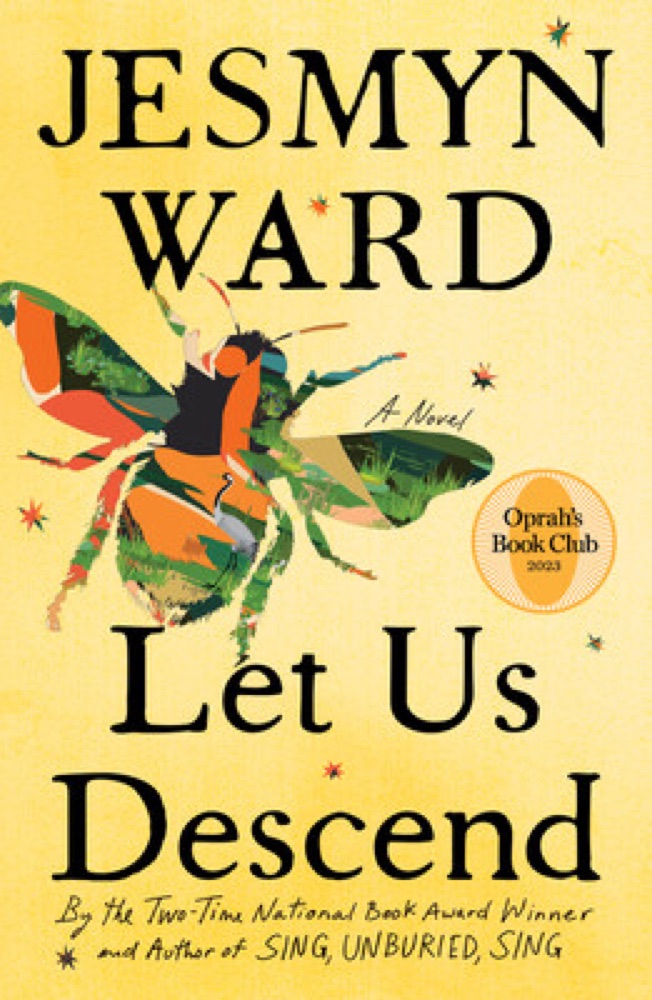
 Let Us Descend
Quotes from the Book
I want to look happily forward. I want to be optimistic. I want to have a dream. I want to live in jubilee. I want my daughters to feel that they have the power to at least try to change things, even in a world that resists change with more strength than they have. I want to tell them they can overcome everything, if the are courageous, resilient and brave. Paradoxically, I also want to tell them their crowns have already been bought and paid for and that all they have to do is put them on their heads. But the world keeps tripping me up. My certainty keeps flailing.
18
Though the white liberal imagination likes to feel temporarily bad about black suffering, there really is no mode of empathy that can replicate the daily strain of knowing that as a black person you can be killed for simply being black: no hands in your pockets, no playing music, no sudden movements, no driving your car, no walking at night, no walking in the day, no turning onto this street, no entering this building, no standing your ground, no standing here, no standing there, no talking back, no playing with toy guns, no living while black. Eleven
15
I believe there is power in words, power in asserting our existence, our experience, our lives, through words.
12
You can't tiptoe toward justice. You can't walk up to the door all polite and knock once or twice, hoping someone's home. Justice is a door that, when closed, must be kicked in.
9
Replace ropes with bullets. Hound dogs with German shepherds. A gray uniform with a bulletproof vest. Nothing is new.
9
Protests and looting naturally capture attention. But the real rage smolders in meetings where officials redraw precincts to dilute African American voting strength or seek to slash the government payrolls that have long served as sources of black employment. It goes virtually unnoticed, however, because white rage doesn’t have to take to the streets and face rubber bullets to be heard. Instead, white rage carries an aura of respectability and has access to the courts, police, legislatures, and governors, who cast its efforts as noble, though they are actually driven by the most ignoble motivations. White rage recurs in American history. It exploded after the Civil War, erupted again to undermine the Supreme Court’s Brown v. Board of Education decision, and took on its latest incarnation with Barack Obama’s ascent to the White House. For every action of African American advancement, there’s a reaction, a backlash. The
4
To inhabit our citizenry fully, we have to not only understand this, but also grasp it. In the words of the playwright Lorraine Hansberry, “The problem is we have to find some way with these dialogues to show and to encourage the white liberal to stop being a liberal and become an American radical.” And, as my friend the critic and poet Fred Moten has written: “I believe in the world and want to be in it. I want to be in it all the way to the end of it because I believe in another world and I want to be in that.” This other world, that world, would presumably be one where black living matters. But we can’t get there without fully recognizing what is here.
3
Walking -- the simple monotonous act of placing one foot before the other to prevent falling -- turns out not to be so simple if you're black. Walking alone has been anything but monotonous for me; monotony is a luxury. A foot leaves, a foot lands, and our longing gives it momentum from rest to rest. We long to look, to think, to talk, to get away. But more than anything else, we long to be free. We want the freedom and pleasure of walking without fear -- without others' fear -- wherever we choose. I've lived in New York City for almost a decade and have not stopped longing to find the solace that I found as a kid on the streets of Kingston. Much as coming to know New York City's streets has made it closer to home to me, the city also withholds itself from me via those very streets. I walk them, alternately invisible and too prominent. So I walk caught between memory and forgetting, between memory and forgiveness. (Garnette Cadogan, in "Black and Blue")
3
We live in a country where Americans assimilate corpses in their daily comings and goings. Dead blacks are a part of normal life here. Dying in ship hulls, tossed into the Atlantic, hanging from trees, beaten, shot in churches, gunned down by the police, or warehoused in prisons: Historically, there is no quotidian without the enslaved, chained, or dead black body to gaze upon or to hear about or to position a self against.
3
Anti-black racism is in the culture. It’s in our laws, in our advertisements, in our friendships, in our segregated cities, in our schools, in our Congress, in our scientific experiments, in our language, on the Internet, in our bodies no matter our race, in our communities, and, perhaps most devastatingly, in our justice system.
3
When we look back on what happened in Ferguson, Missouri, during the summer of 2014, it will be easy to think of it as yet one more episode of black rage ignited by yet another police killing of an unarmed African American male. But that has it precisely backward. What we've actually seen is the latest outbreak of white rage. Sure, it is cloaked in the niceties of law and order, but it is rage nonetheless. Protests and looting naturally capture attention. But the real rage smolders in meetings where officials redraw precincts to dilute African American voting strength or seek to slash the government payrolls that have long served as sources of black employment. It goes virtually unnoticed, however, because white rage doesn't have to take to the streets and face rubber bullets to be heard. Instead, white rage carries an aura of respectability and has access to the courts, police, legislatures, and governors, who cast its efforts as noble, though they are actually driven by the most ignoble motivations. White rage recurs in American history. It exploded after the Civil War, erupted again to undermine the Supreme Court's Brown v. Board of Education decision, and took on its latest incarnation with Barack Obama's ascent to the White House. For every action of African American advancements, there's a reaction, a backlash.
2
If I knew anything about being black in America it was that nothing was guaranteed, you couldn’t count on anything, and all that was certain for most of us was a black death. In my mind, a black death was a slow death, the accumulation of insults, injuries, neglect, second-rate health care, high blood pressure, and stress, no time for self-care, no time to sigh, and, in the end, the inevitable, the erasing of memory. I wanted to write against this, and so I was writing a history of the people I did not want to forget. And I loved it; nothing else mattered, because I was remembering, I was staving off death.
2
James Baldwin lived in this house for more than twenty-five years, and all that was left were half a dozen pink teacups and turquoise saucers buried by the house's rear wall, orange trees that were heavy with fruit, but the fruit was bitter and sharp to the taste. We see Baldwin's name in connection to the present condition more often than we see Faulkner's, Whitman's, or Thoreau's. We can visit houses and places where they lived and imagine how their geography shaped the authors and our collective vocabulary. By next year, Baldwin's house will just be another private memory for those who knew it.
2
But race in the United States is not a tidy matter. Only three of the submitted pieces explicitly referenced the future. Most of them were concerned with the past and the present. And that told me two things. First, it confirmed how inextricably interwoven the past is in the present, how heavily that past bears on the future; we cannot talk about black lives mattering or police brutality without reckoning with the very foundation of this country. We must acknowledge the plantation, must unfold white sheets, must recall the black diaspora to understand what is happening now. Second, it reveals a certain exhaustion, I think. We’re tired. We’re tired of having to figure out how to talk to our kids and teach them that America sees them as less, and that she just might kill them. This is the conversation we want to avoid. We’re tired of feeling futile in the face of this ever-present danger, this omnipotent history, predicated as this country is, founded as this country was, on our subjugation.
2
I asked another friend what it’s like being the mother of a black son. “The condition of black life is one of mourning,” she said bluntly. For her, mourning lived in real time inside her and her son’s reality: At any moment she might lose her reason for living. Though the white liberal imagination likes to feel temporarily bad about black suffering, there really is no mode of empathy that can replicate the daily strain of knowing that as a black person you can be killed for simply being black: no hands in your pockets, no playing music, no sudden movements, no driving your car, no walking at night, no walking in the day, no turning onto this street, no entering this building, no standing your ground, no standing here, no standing there, no talking back, no playing with toy guns, no living while black. Eleven
2
We seem to be in a continuing feedback loop of repeating a past that our country has yet to address. Our history is one of spectacular achievement (as in black senators of the Reconstruction era or the advances that culminated in the election of Barack Obama) followed by a violent backlash that threatens to erase the gains and then a long, slow climb to the next mountain, where the cycle begins again. The
2
Black Lives Matter, the movement founded by the activists Alicia Garza, Patrisse Callie's, and Opal Tometi, began with the premise that the incommensurable experience of systemic racism creates an unequal playing field. The American imagination has never been able to fully recover from its white-supremacist beginnings. Consequently, our laws and attitudes have been straining against the devaluation of the black body. Despite good intentions, the associations of blackness with inarticulate, bestial criminality persist beneath the appearance of white civility. This assumption both frames and determines our individual interactions and experiences as citizens.
2
Serendipity, a mentor once told me, is a secular way of speaking of grace; it’s unearned favor.
2
The truth, as I see it, is that if black men and women, black boys and girls, mattered, if we were seen as living, we would not be dying simply because whites don't like us. Our deaths inside a system of racism existed before we were born. The legacy of black bodies as property and subsequently three-fifths human continues to pollute the white imagination. To inhabit our citizenry fully, we have to not only understand this, but also grasp it.
2
The spectacle of the shooting suggest an event out of time, as if the killing of black people with white-supremacist justification interrupts anything other than regular television programming. But Dylan Storm Roof did not create himself from nothing. He as grown up with the rhetoric and orientation of racism.
2
History's authority over us is not broken by maintaining a silence about its continued effects.
1
The American imagination has never been able to fully recover from its white-supremacist beginnings. Consequently, our laws and attitudes have been straining against the devaluation of the black body. Despite good intentions, the associations of blackness with inarticulate, bestial criminality persist beneath the appearance of white civility. This assumption both frames and determines our individual interactions and experience as citizens.
1
I asked another friend what it's like being the mother of a black son. "The condition of black life is one of mourning," she said bluntly. For her, mourning lived in real time inside her and her son's reality. At any moment she might lose her reason for living. Though the white liberal imagination likes to feel temporarily bad about black suffering, there really is no mode of empathy that can replicate the daily strain of knowing that as a black person you can be killed for simply being black: no hands in your pockets, no playing music, no sudden movements, no driving your car, no walking at night, no walking in the day, no turning onto this street, no entering this building, no standing your ground, no standing here, no standing there, no talking back, no playing with toy guns, no living while black.
1
Did Dolezal really fool those black folks around her? I have a strange feeling she didn't, that many simply humored her. You have to do this with white people, from time to time.
1
Like Rachel Dolezal, I too became black around the age of five. I first became a n----r at nine, so I had me a good run.
1
I, too, grew up in a place that could sometimes feel as limiting and final as being locked in an airtight closet, the air humid and rank with one’s own breath and panic. A place where for all the brilliant, sun-drenched summer days, there is sometimes only the absence of light: America, and the American South. A place where the old myths still hold a special place in many white hearts: the rebel flag, Confederate monuments, lovingly restored plantations, Gone with the Wind. A place where black people were bred and understood to be animals, a place where some feel that the Fourteenth Amendment and Brown v. Board of Education are only the more recent in a series of unfortunate events. A place where black life has been systematically devalued for hundreds of years.
1
In 2003, while working on my third book of poetry, I read an essay on Wheatley written by Henry Louis Gates, Jr., in The New Yorker. It was an excerpt from his soon-to-be-published book, a treatment of Wheatley juxtaposed against the racism of Enlightenment scholars such as Immanuel Kant, and more specifically, Thomas Jefferson. As someone who explored American history in my poetry, I found Gates’s thesis fascinating: He believed Wheatley was important in dispelling derisive eighteenth-century notions about black humanity; her poetry had rebutted Kant’s ordering of the nations with Africans down at the very bottom. Because of Wheatley’s important symbolism for black humanity, Thomas Jefferson’s negative response to Wheatley’s poetry—“[t]he compositions published under her name are below the dignity of criticism”—was a symbol as well. It meant that the struggle for black equality on all fronts was not yet won.
1
Walking is, after all, interrupted falling. We see, we listen, we speak, and we trust that each step we take won’t be our last, but will lead us into a richer understanding of the self and the world.
1
From the time your children begin walking, they are moving away from you. This is as it should be, even when you can’t protect them from harm with anything but the inadequate outerwear of your love.
1
Watch on YouTube
About Jesmyn Ward
We have collected 96 quotes from 3 books by Jesmyn Ward on BookQuoters.
More about the author →More by Jesmyn Ward
Let Us Descend
 Men We Reaped
About the book
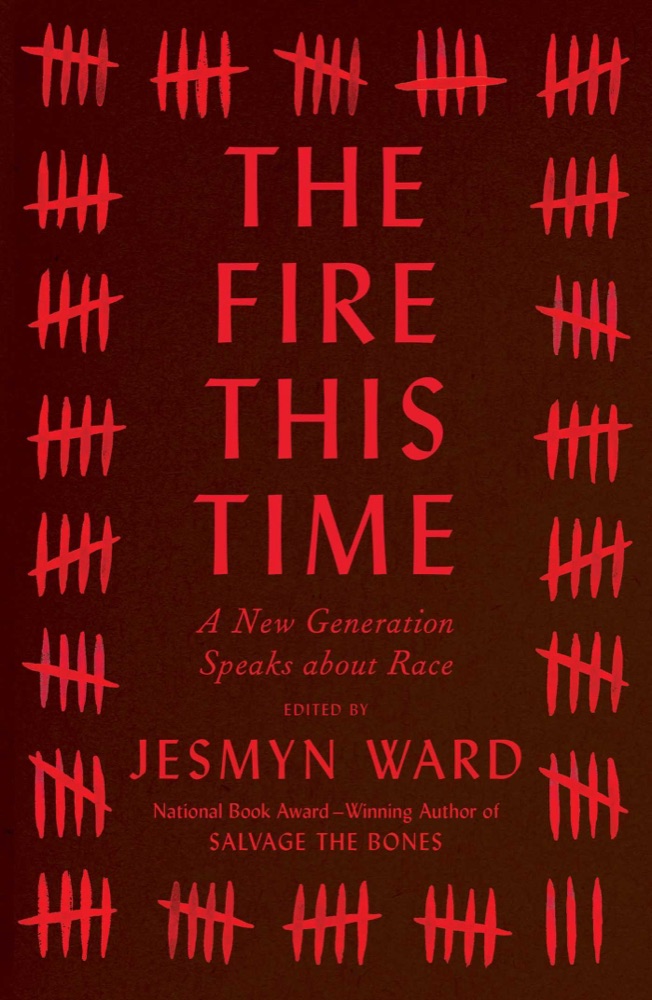
National Book Award winner Jesmyn Ward takes James Baldwin’s 1963 examination of race in America, The Fire Next Time, as a jumping off point for this groundbreaking collection of essays and poems about race from the most important voices of her generation and our time.In light of recent tragedies and widespread protests across the nation, The Progressive magazine republished one of its most famous pieces: James Baldwin’s 1962 “Letter to My Nephew,” which was later published in his landmark book, The Fire Next Time. Addressing his fifteen-year-old namesake on the one hundredth anniversary of the Emancipation Proclamation, Baldwin wrote: “You know and I know, that the country is celebrating one hundred years of freedom one hundred years too soon.”Award-winning author Jesmyn Ward knows that Baldwin’s words ring as true as ever today. In response, she has gathered short essays, memoir, and a
Book details
- First published
- 2016
- Author
- Jesmyn Ward
- Genre
- Nonfiction
- Goodreads rating
- 4.35 (10k ratings)
Keep reading
 I'm Still Here: Black Dignity in a World Made for Whiteness
 We Were Eight Years in Power: An American Tragedy
 What Doesn't Kill You Makes You Blacker: A Memoir in Essays
 Between the World and Me
 Just Us: An American Conversation
 Invisible Man, Got the Whole World Watching: A Young Black Man's Education
 When They Call You a Terrorist: A Black Lives Matter Memoir
 Hell of a Book
 What Truth Sounds Like: Robert F. Kennedy, James Baldwin, and Our Unfinished Conversation About Race in America
 We Gon' Be Alright: Notes on Race and Resegregation
 Notes from No Man's Land
 Tears We Cannot Stop: A Sermon to White America
 Nobody Knows My Name
 Four Hundred Souls: A Community History of African America, 1619-2019
 How to Slowly Kill Yourself and Others in America
 Black in Blues: How a Color Tells the Story of My People
 White Like Me: Reflections On Race From A Privileged Son
 Uncomfortable Conversations With a Black Man
 The Heart of a Woman
 Why We Can't Wait
 Stamped: Racism, Antiracism, and You
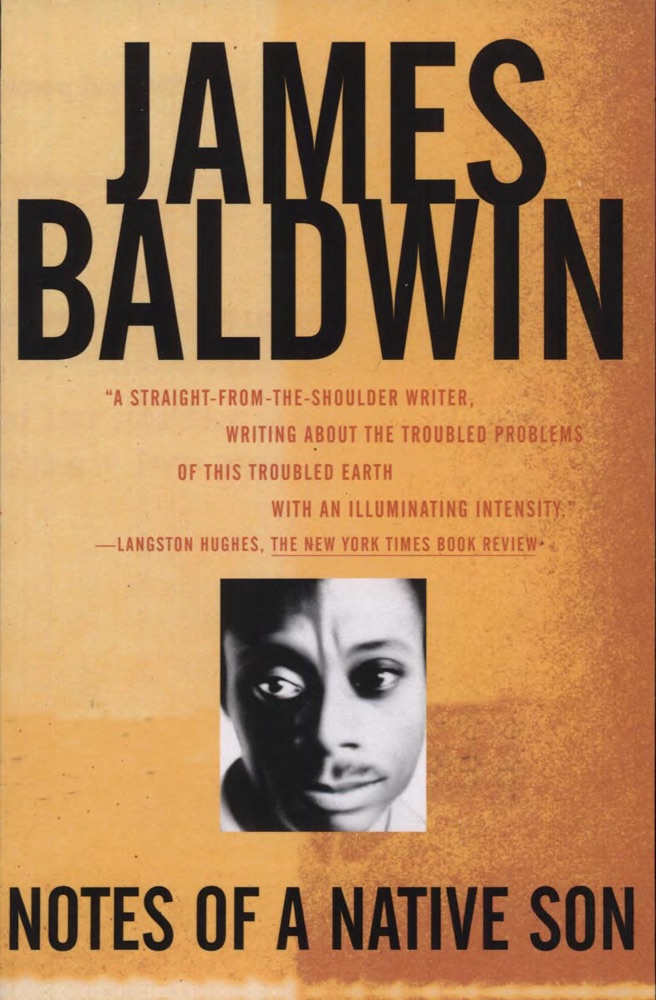 Notes of a Native Son
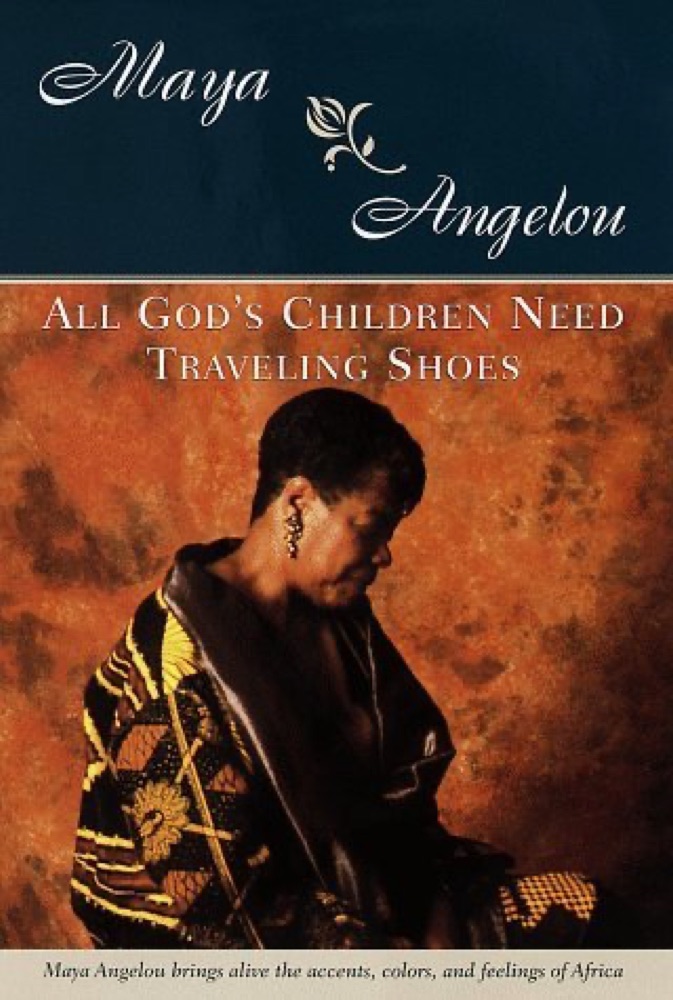 All God's Children Need Traveling Shoes
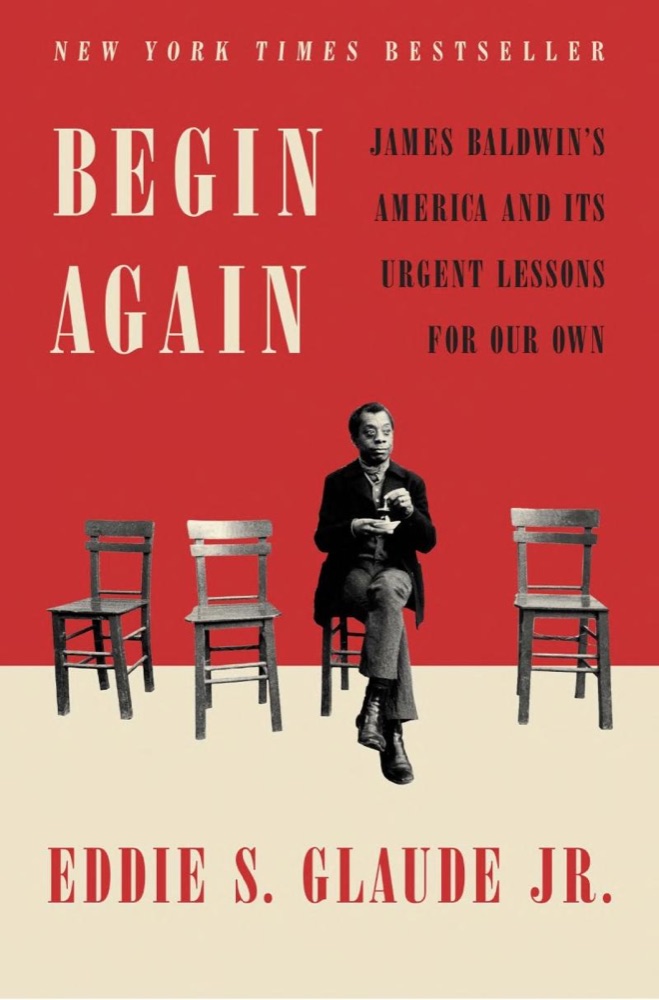 Begin Again: James Baldwin's America and Its Urgent Lessons for Our Own
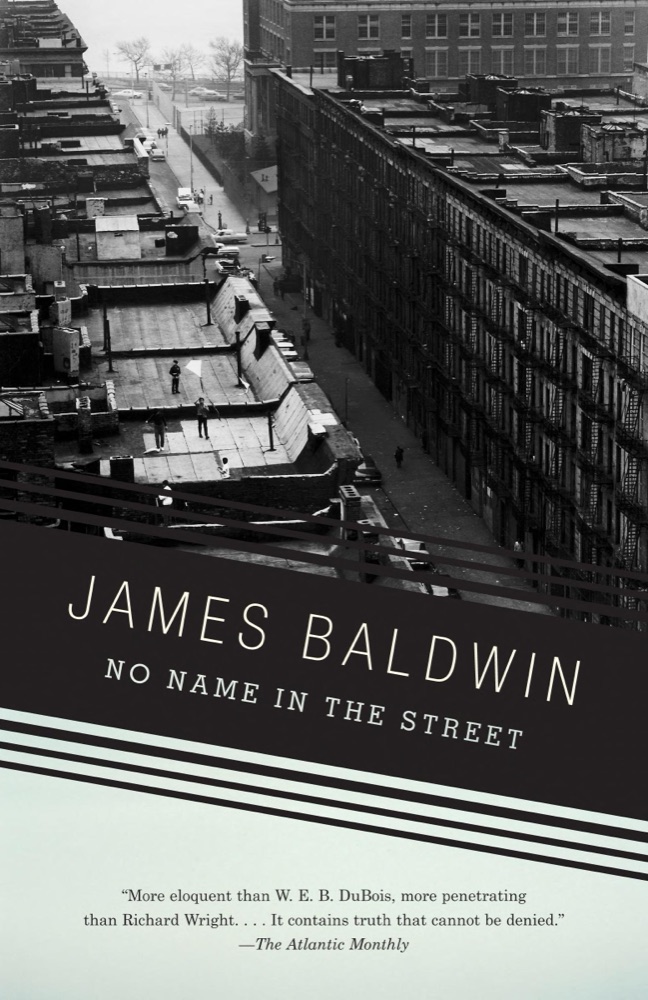 No Name in the Street
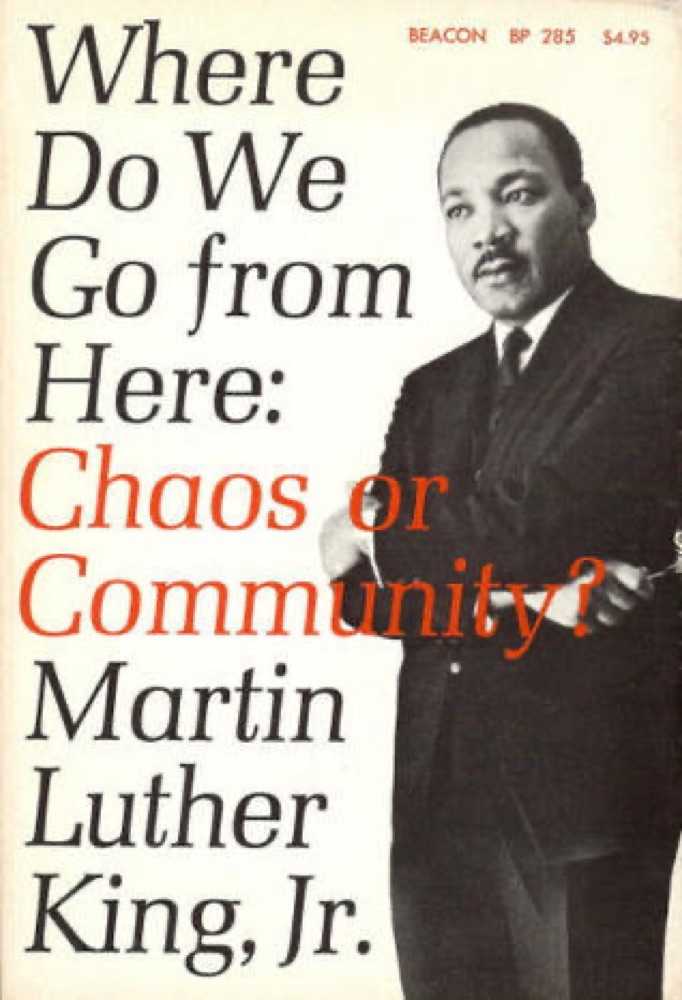 Where Do We Go from Here: Chaos or Community?
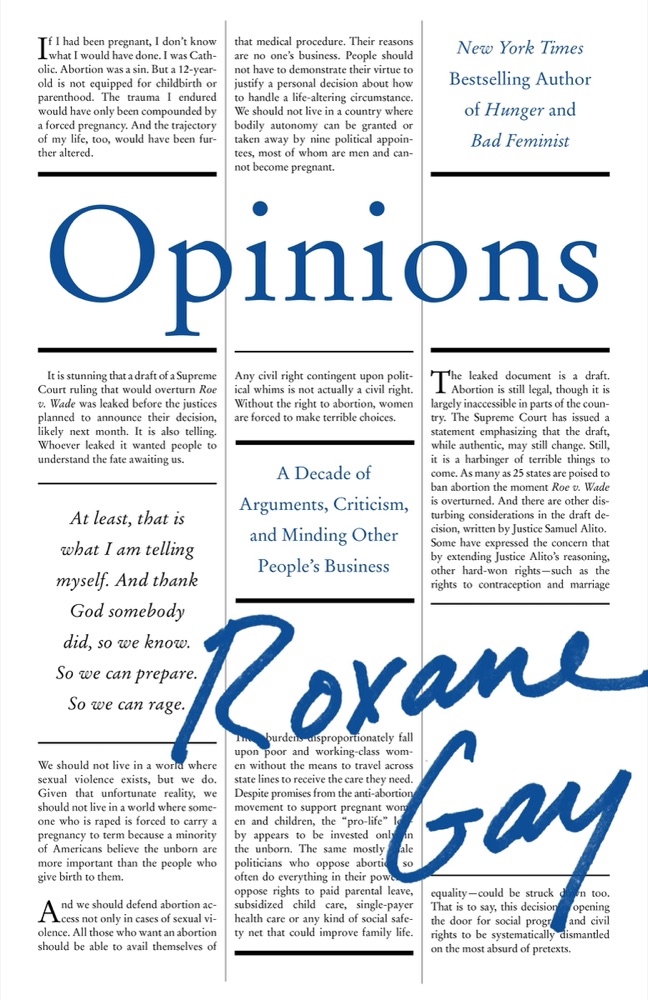 Opinions: A Decade of Arguments, Criticism, and Minding Other People’s Business
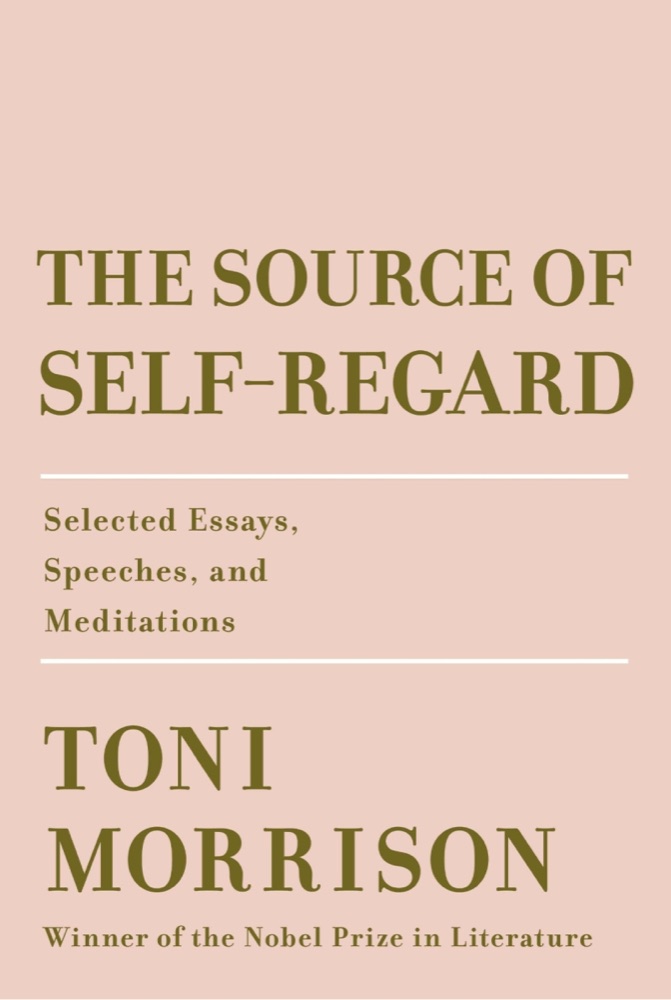 The Source of Self-Regard: Selected Essays, Speeches, and Meditations
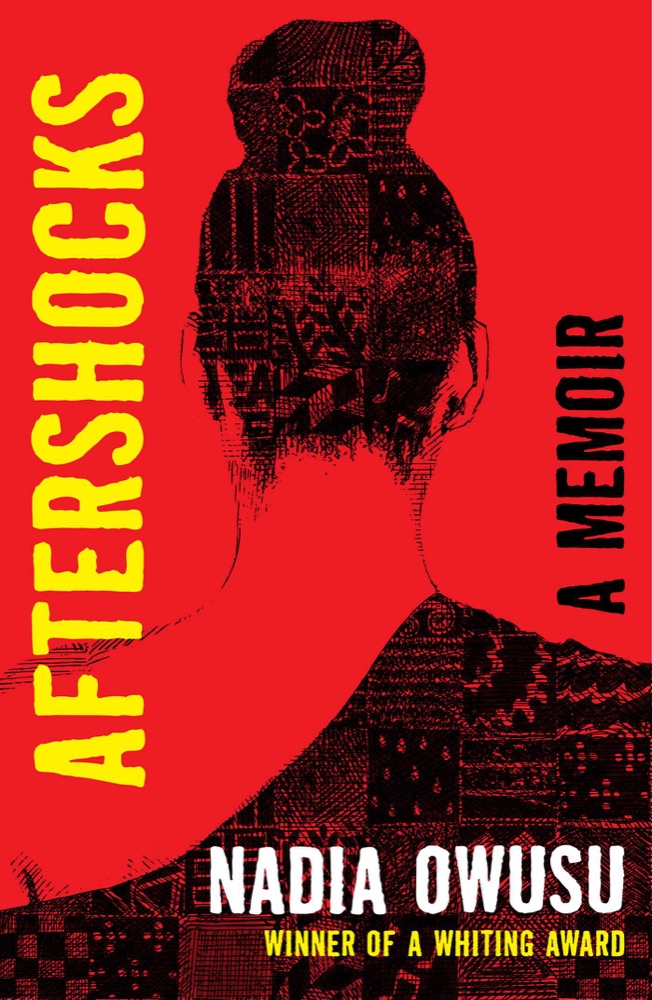 Aftershocks
 Well-Read Black Girl: Finding Our Stories, Discovering Ourselves
 The Autobiography of an Ex-Coloured Man
 The Love Songs of W.E.B. Du Bois
 The Black Friend: On Being a Better White Person
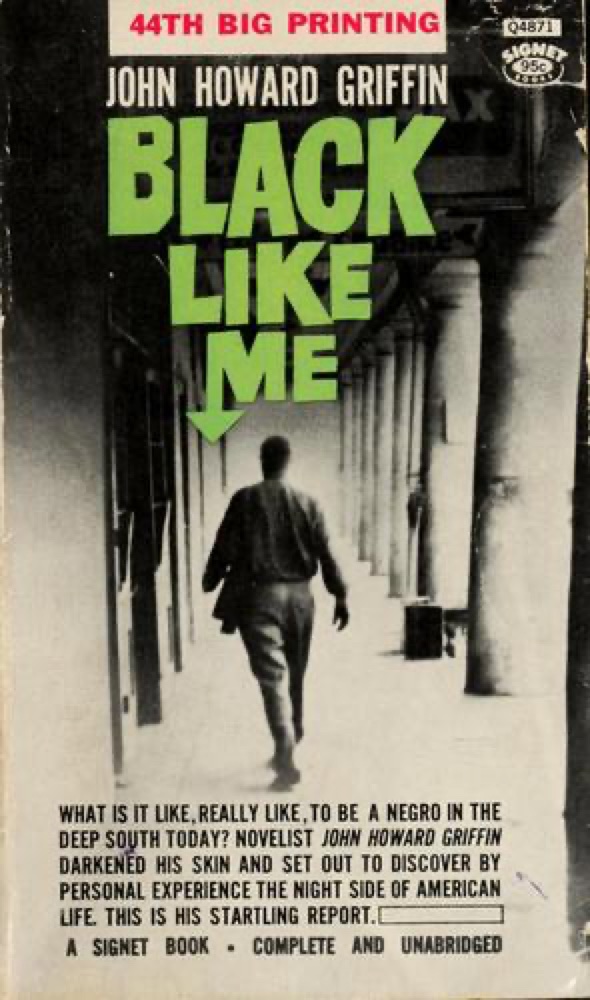 Black Like Me
 Black Is the Body: Stories from My Grandmother's Time, My Mother's Time, and Mine
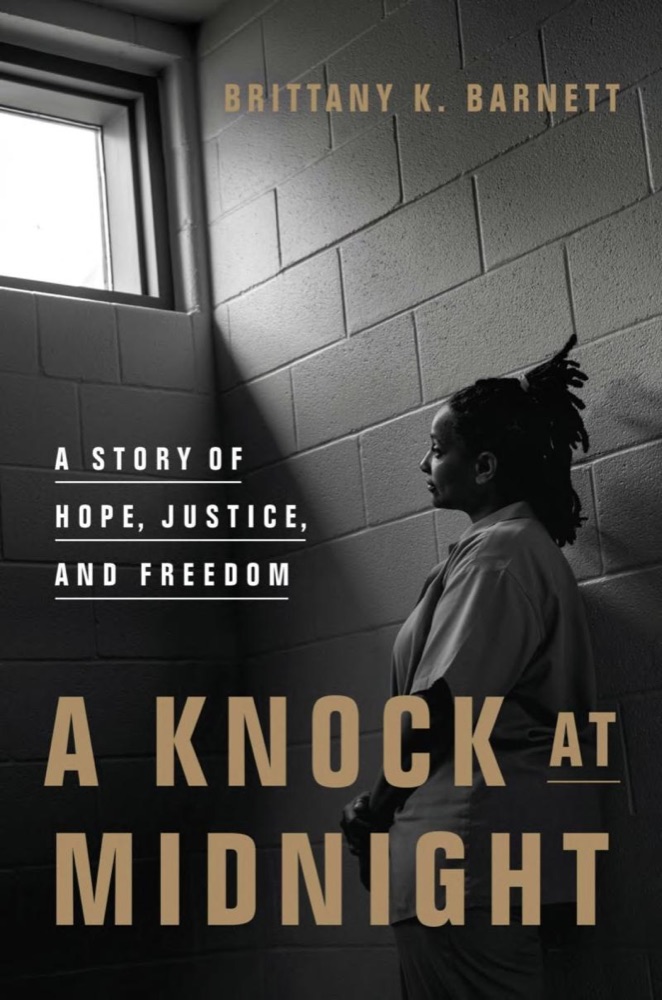 A Knock at Midnight: A Story of Hope, Justice, and Freedom
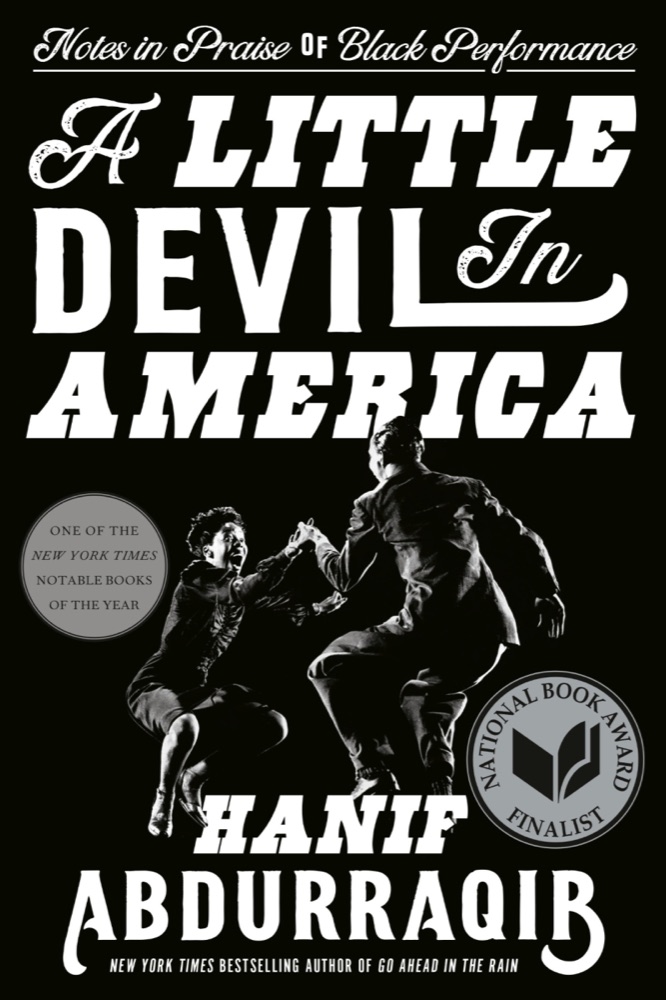 A Little Devil in America: Notes in Praise of Black Performance
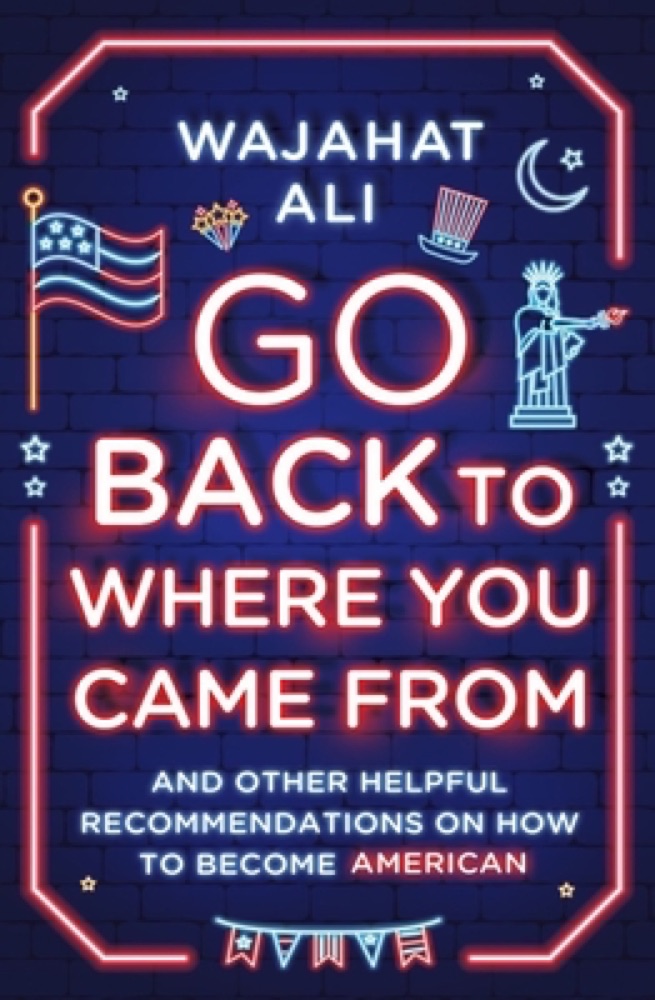 Go Back to Where You Came From: And Other Helpful Recommendations on How to Become American
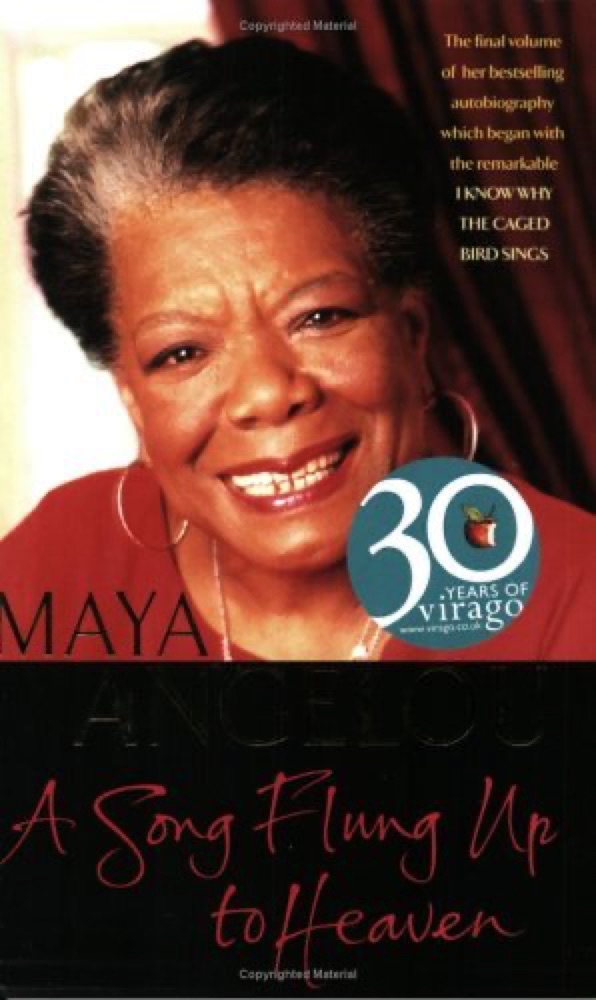 A Song Flung Up to Heaven
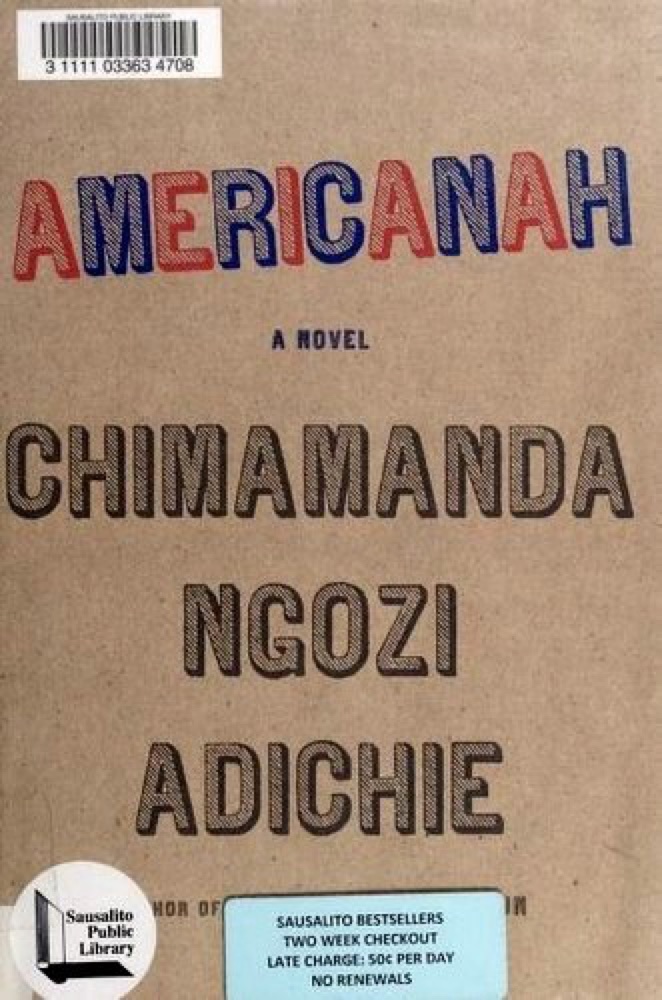 Americanah
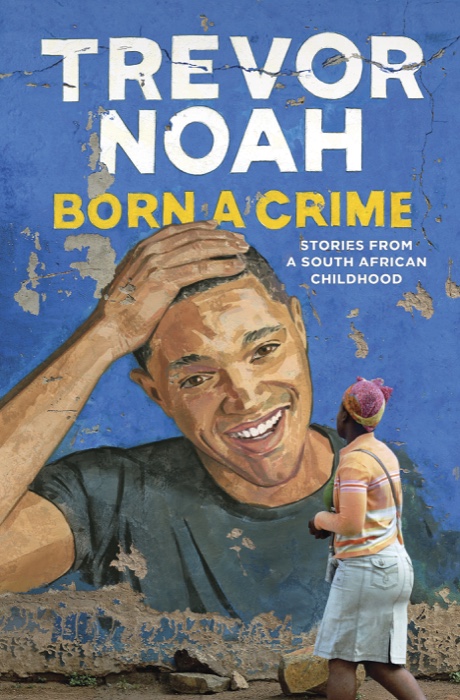 Born a Crime: Stories From a South African Childhood
 On the Other Side of Freedom: The Case for Hope
 The Blood of Emmett Till
 Blood Done Sign My Name: A True Story
 American Sonnets for My Past and Future Assassin
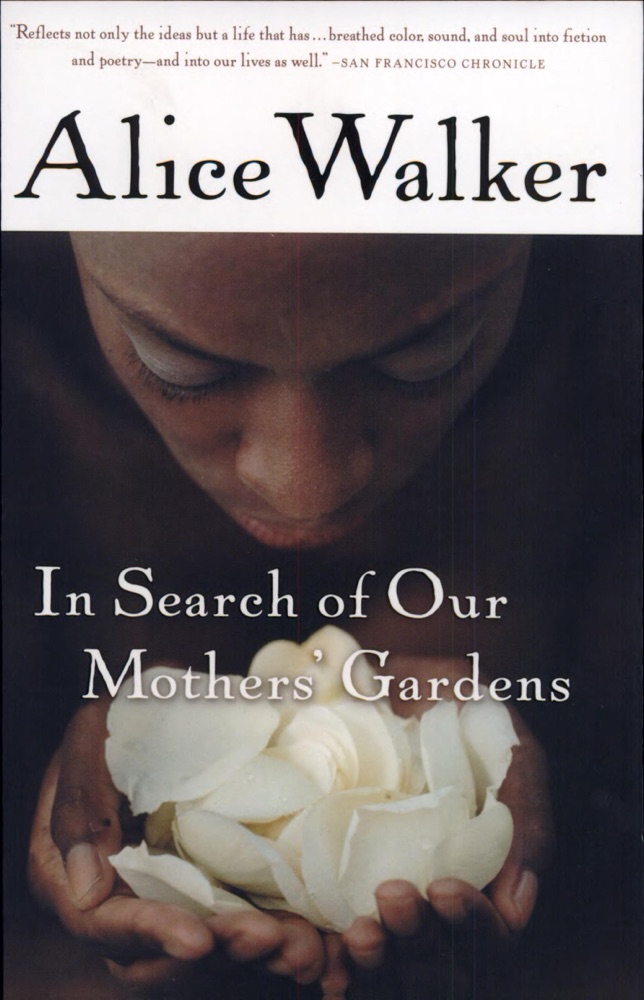 In Search of Our Mothers' Gardens: Womanist Prose
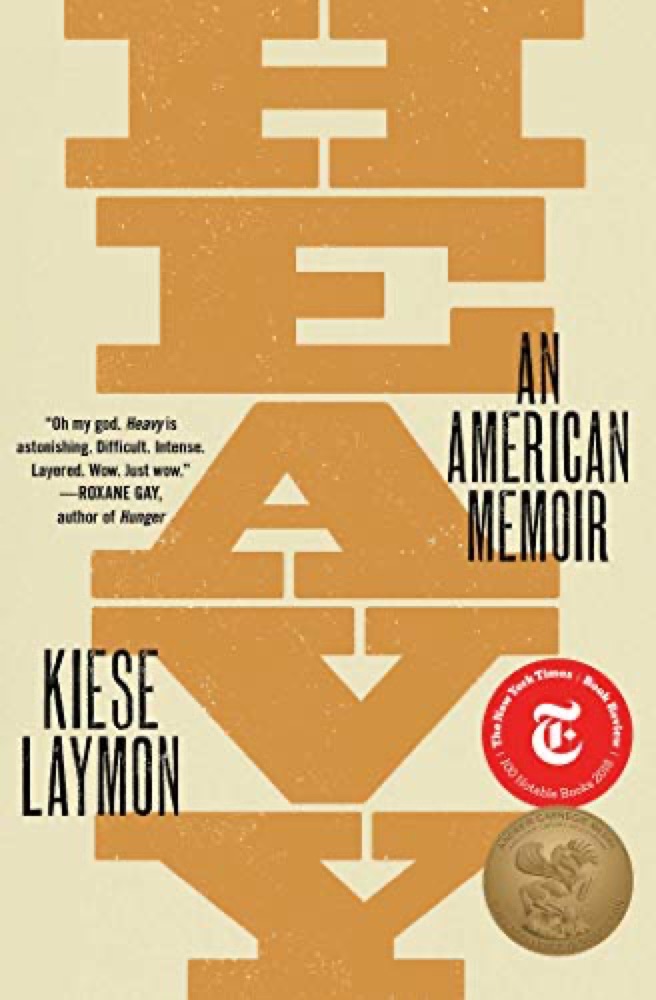 Heavy
Heavy
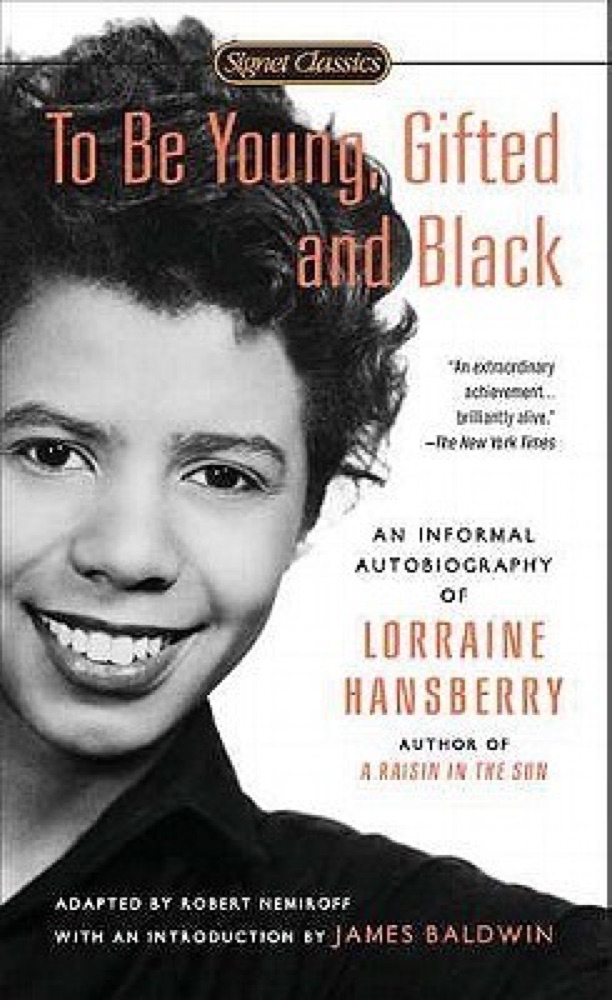 To Be Young, Gifted, and Black: An Informal Autobiography
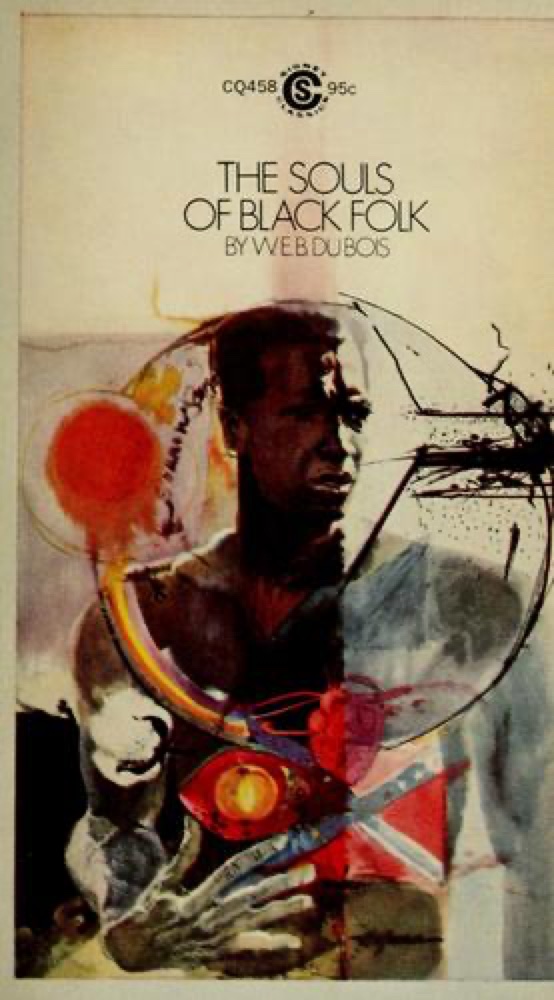 The Souls of Black Folk
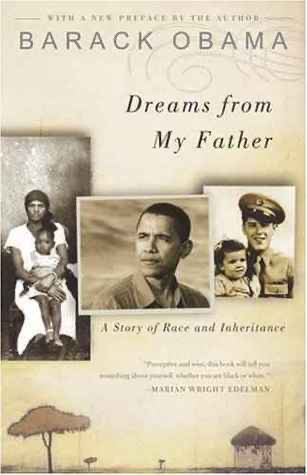 Dreams from My Father: A Story of Race and Inheritance
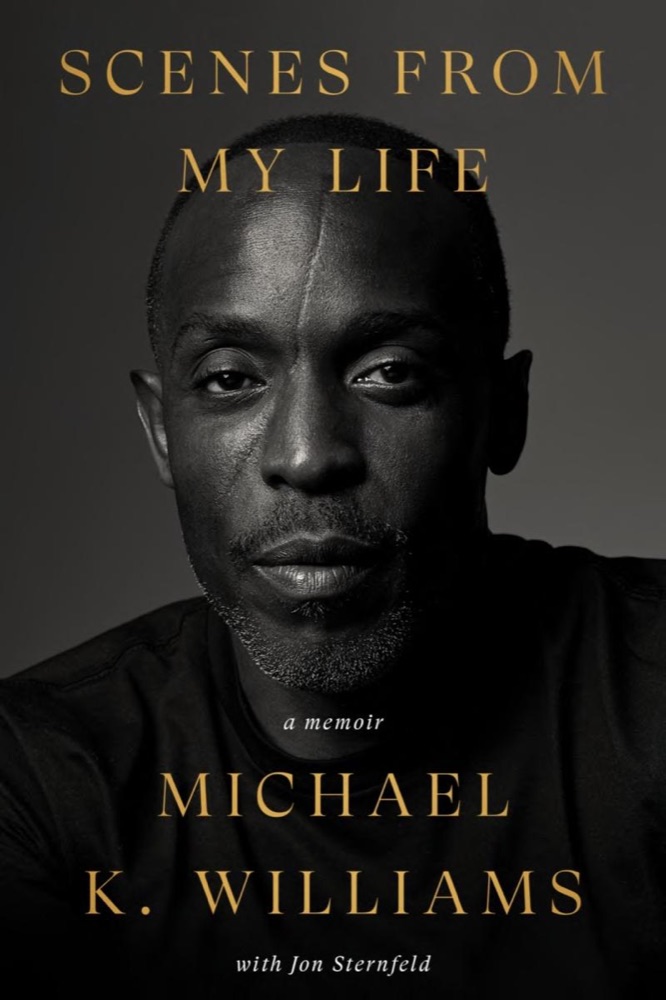 Scenes from My Life: A Memoir
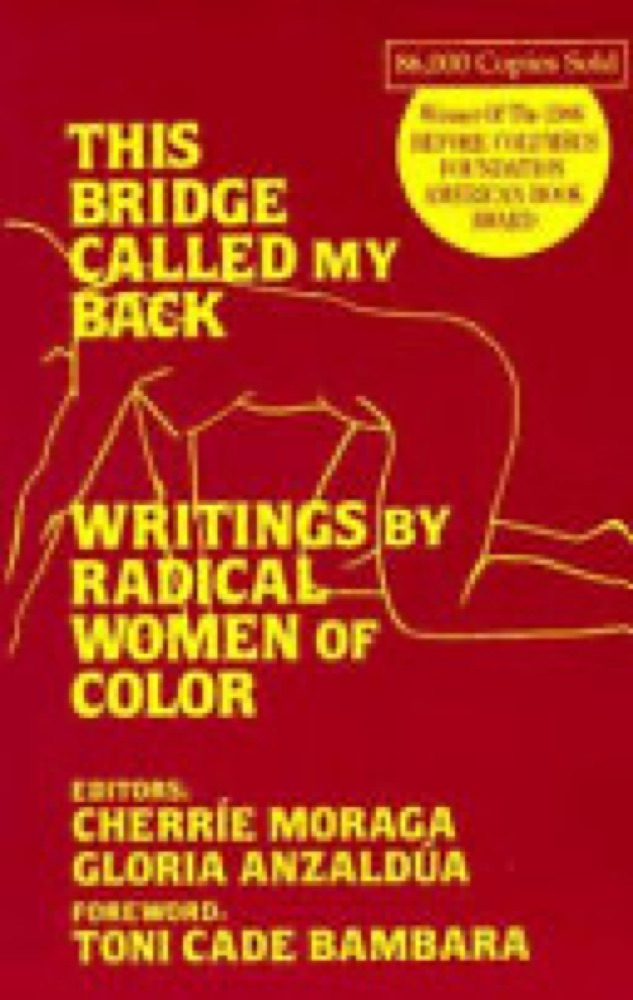 This Bridge Called My Back: Writings by Radical Women of Color
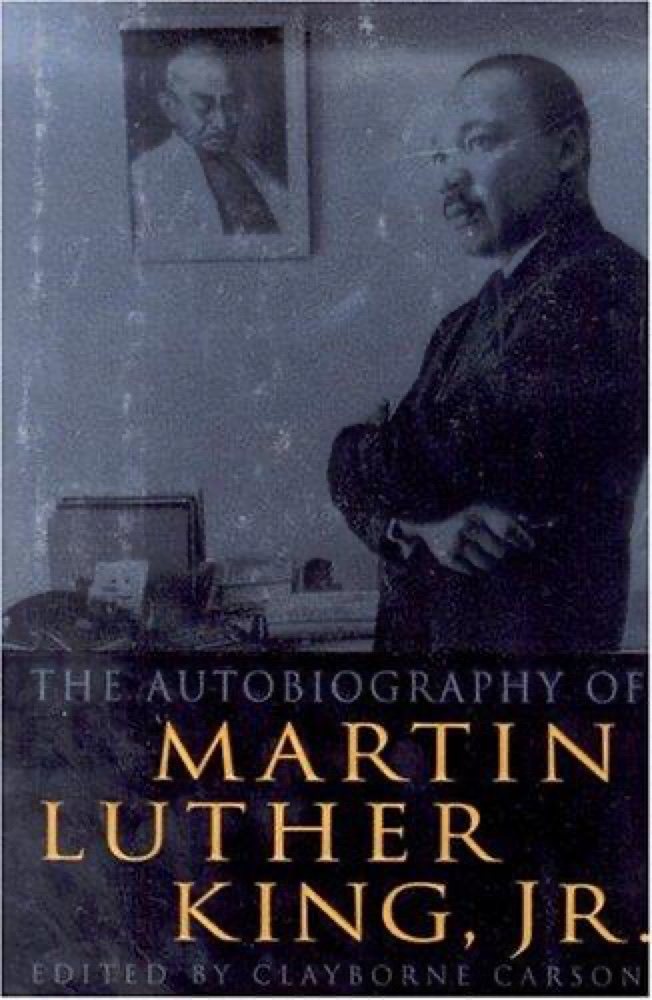 The Autobiography of Martin Luther King, Jr.
 How the Word Is Passed: A Reckoning with the History of Slavery Across America
 Why Are All The Black Kids Sitting Together in the Cafeteria?
 Citizen: An American Lyric
 Sister Outsider: Essays and Speeches
 Stony the Road: Reconstruction, White Supremacy, and the Rise of Jim Crow
 The Message
 Barracoon: The Story of the Last "Black Cargo"