
 Plain Truth
Quotes from the Book
If I cannot do great things, I can do small things in a great way.
What if the puzzle of the world was a shape you didn't fit into? And the only way to survive was to mutilate yourself, carve away your corners, sand yourself down, modify yourself to fit? How come we haven't been able to change the puzzle instead?
It just goes to show you: every baby is born beautiful. It's what we project on them that makes them ugly.
Justice will not be served until those who are unaffected are as outraged as those who are. —BENJAMIN FRANKLIN
Equality is treating everyone the same. But equity is taking differences into account, so everyone has a chance to succeed.
If the past few months have taught me anything, it's that friendship is a smoke screen. The people you think are solid turn out to be mirrors and light; and then you look down and realize there are others you took for granted, those who are your foundation.
There is no such thing as a fact. There is only how you saw the fact, in a given moment. How you reported the fact. How your brain processed that fact. There is no extrication of the storyteller from the story.
Love has nothing to do with what you're looking at and everything to do with who's looking.
Pride is an evil dragon; it sleeps underneath your heart and then roars when you need silence.
Not everything that is faced can be changed. But nothing can be changed until it is faced.
Active racism is telling a nurse supervisor that an African American nurse can’t touch your baby. It’s snickering at a black joke. But passive racism? It’s noticing there’s only one person of color in your office and not asking your boss why. It’s reading your kid’s fourth-grade curriculum and seeing that the only black history covered is slavery, and not questioning why. It’s defending a woman in court whose indictment directly resulted from her race…and glossing over that fact, like it hardly matters.
In a lot of ways, having a teenager isn't all that different from having a newborn. You learn to read the reactions, because they're incapable of saying exactly what it is that's causing pain.
You say you don’t see color…but that’s all you see. You’re so hyperaware of it, and of trying to look like you aren’t prejudiced, you can’t even understand that when you say race doesn’t matter all I hear is you dismissing what I’ve felt, what I’ve lived, what it’s like to be put down because of the color of my skin.
It’s the difference between dancing along the eggshell crust of acquaintance and diving into the messy center of a relationship. It’s not always perfect; it’s not always pleasant—but because it is rooted in respect, it is unshakable.
People must learn to hate, and if they can learn to hate, they can be taught to love. —NELSON MANDELA, LONG WALK TO FREEDOM
Prejudice goes both ways, you know. There are people who suffer from it, and there are people who profit from it.
Admitting that racism has played a part in our success means admitting that the American dream isn’t quite so accessible to all.
That’s because racism isn’t just about hate. We all have biases, even if don’t think we do. It’s because racism is also about who has power…and who has access to it.
Babies are such blank slates. They don’t come into this world with the assumptions their parents have made, or the promises their church will give, or the ability to sort people into groups they like and don’t like. They don’t come into this world with anything, really, except a need for comfort. And they will take it from anyone, without judging the giver. I wonder how long it takes before the polish given by nature gets worn off by nurture.
What if, ladies and gentlemen, today I told you that anyone here who was born on a Monday, Tuesday, or Wednesday was free to leave right now? Also, they'd be given the most central parking spots in the city, and the biggest houses. They would get job interviews before others who were born later in the week, and they'd be taken first at the doctor's office, no matter how many patients were waiting in line. If you were born from Thursday to Sunday, you might try to catch up – but because you were straggling behind, the press would always point to how inefficient you are. And if you complained, you'd be dismissed for playing the birth-day card.” I shrug. “Seems silly, right? But what if on top of these arbitrary systems that inhibited your chances for success, everyone kept telling you that things were actually pretty equal?
one day, you turn around, and your baby is a man. One day, you look in the mirror, and see gray hair. One day, you realize there is less of your life left than what you’ve already lived.
Do you think there will ever be a time when racism doesn't exist?" "No, because that means white people would have to buy into being equal. Who'd choose to dismantle the system that makes them special?
True confession: The reason we don't talk about race is because we do not speak a common language.
A mother has nine months to get used to sharing the space where her heart is; for a father it comes on sudden, like a storm that changes the landscape forever.
Just because something is different does not mean it should not be respected.
Did you ever think our misfortune is directly related to your good fortune? Maybe the house your parents bought was on the market because the sellers didn't want my mama in the neighborhood. Maybe the good grades that eventually led you to law school were possible because your mama didn't have to work eighteen hours a day, and was there to read to you at night, or make sure you did your homework. How often do you remind yourself how lucky you are that you own your house, because you were able to build up equity through generations in a way families of color can't? How often do you open your mouth at work and think how awesome it is that no one's thinking you're speaking for everyone with the same skin color you have? How hard is it for you to find the greeting card for your baby's birthday with a picture of a child that has the same color skin as her? How many times have you seen a painting of Jesus that looks like you? Prejudice goes both ways, you know. There are people who suffer from it, and there are people who profit from it.
The whole point of this examination is to make me feel lesser than... but I have spent 20 years seeing how beautiful women are. Not because of how they look, but because of what their bodies can withstand.
the reason we lose people we care about is so we’re more grateful for the ones we still have.
The adhan,” the father explained. “God is great; there is no God but Allah. Muhammad is the messenger of Allah.” he looked up at me and smiled. “In Islam, we want the first words a child hears to be a prayer.” It seemed absolutely fitting, give the miracle that every baby is. The differences between the Muslim father's request and the request made by Turk Bauer was like the difference between day and night. Between love and hate.
Did you know?
- The novel was inspired by a real case in Flint, Michigan, in which a white supremacist father demanded that a Black labor-and-delivery nurse not touch his infant.
- It was Jodi Picoult's twenty-fifth novel and her first to feature a Black protagonist.
- The book is narrated by three alternating voices: the nurse Ruth, her white public defender Kennedy, and the supremacist father Turk.
- It debuted as a number-one New York Times bestseller.
- Picoult has said she wrote the book primarily for a white readership, to help them recognize racism in themselves rather than only in obvious extremists.
- It was selected for the 2017 NNSTOY (National Network of State Teachers of the Year) Social Justice Booklist.
About Jodi Picoult
Jodi Picoult (born 1966) is an American author known for issue-driven novels that dramatize moral and legal dilemmas, frequently told through multiple narrators. Small Great Things was her twenty-fifth novel and her first with a Black protagonist.
More about the author →More by Jodi Picoult
All books by Jodi Picoult →

About the book
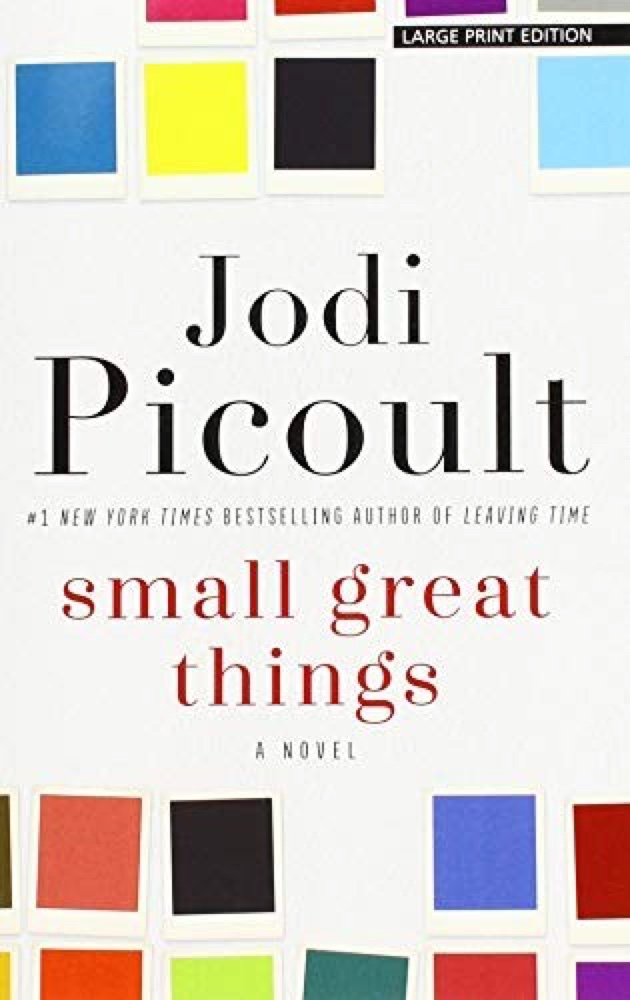
"Small Great Things" is a 2016 novel by Jodi Picoult centered on Ruth Jefferson, an experienced Black labor-and-delivery nurse at a Connecticut hospital who is reassigned away from a newborn after the baby's white-supremacist parents demand that no one who looks like her touch their child. When the infant later goes into cardiac distress while Ruth is alone in the nursery, she hesitates before acting, and the death that follows leaves her charged with a serious crime. The story unfolds through three alternating narrators: Ruth, her white public defender Kennedy McQuarrie, and Turk Bauer, the grieving supremacist father.
At its core the book is an examination of race, privilege, and the difference between overt bigotry and the quieter, systemic prejudice that many well-meaning people fail to see in themselves. Kennedy's insistence that race be kept out of the courtroom becomes a fault line between the two women, forcing both to confront what they have been taught about others and about themselves. Picoult uses the courtroom framework she is known for to press readers on questions of justice, compassion, and complicity rather than to hand down easy answers.
Picoult has said she was moved to finish a novel about racism she had abandoned years earlier after learning of a real incident in which an African-American nurse was barred from caring for a white supremacist's baby. The novel debuted as a number-one New York Times bestseller and was widely discussed for a white author writing about race directed at a white readership, making it one of the most talked-about and divisive entries in Picoult's long career.
Key characters
- Ruth JeffersonBlack labor-and-delivery nurse accused after the newborn's death
- Kennedy McQuarrieWhite public defender who takes Ruth's case
- Turk BauerWhite supremacist father of the deceased infant
- Odette LawtonProsecutor pursuing the case against Ruth
- Edison JeffersonRuth's teenage son
Book details
- First published
- 2016
- Length
- 480 pages
- Reading time
- 9 hours
- Author
- Jodi Picoult
- Genre
- Fiction
- Goodreads rating
- 4.36 (453k ratings) →
- First line
- “The miracle happened on West Seventy-fourth Street, in the home where Mama worked.”
If you liked this, read…
- 1The Hate U GiveAnother widely read novel confronting American racism through a personal crisis and the justice system
- 2Just MercyNonfiction on race, justice, and the courts that shares the book's central concerns
- 3Nineteen MinutesAnother Jodi Picoult novel built around a courtroom tragedy and shifting perspectives
Keep reading
 Born a Crime: Stories From a South African Childhood
 Becoming
 Beartown
 An Absolutely Remarkable Thing
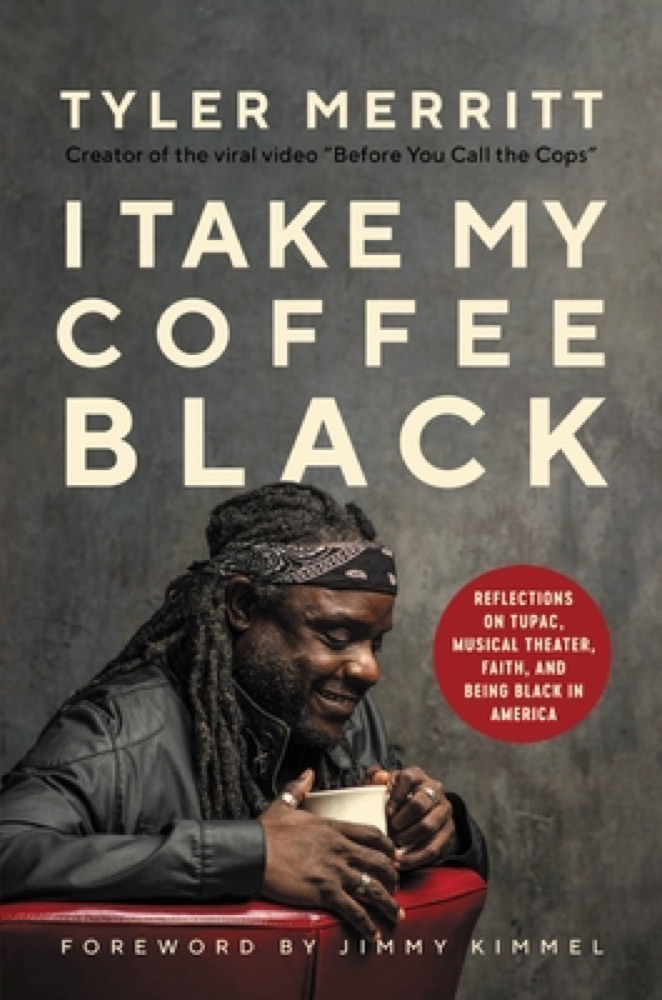 I Take My Coffee Black: Reflections on Tupac, Musical Theater, Faith, and Being Black in America
 Wide Awake
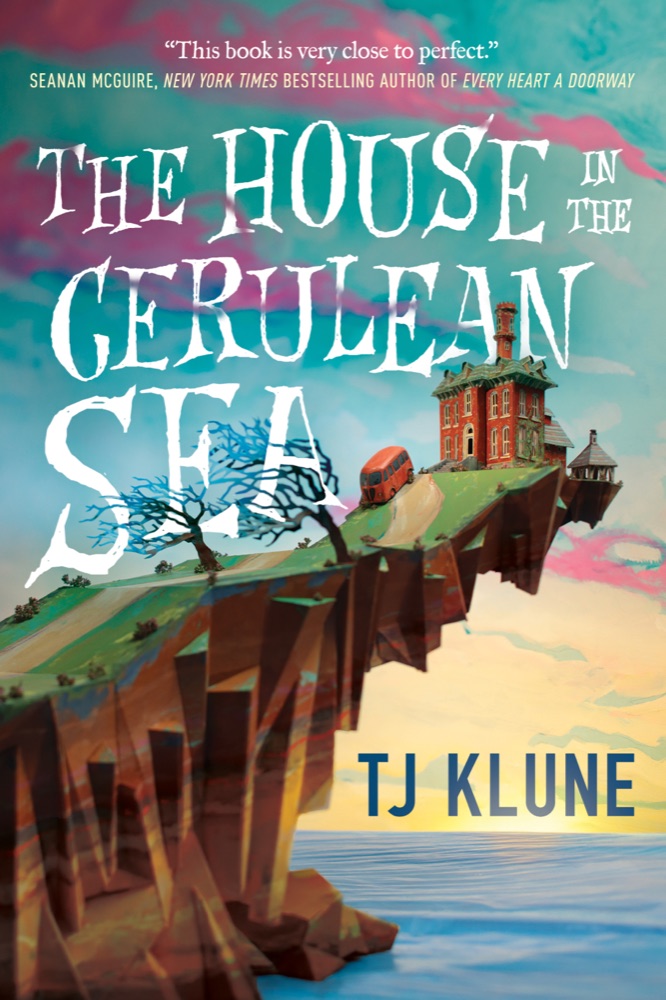 The House in the Cerulean Sea
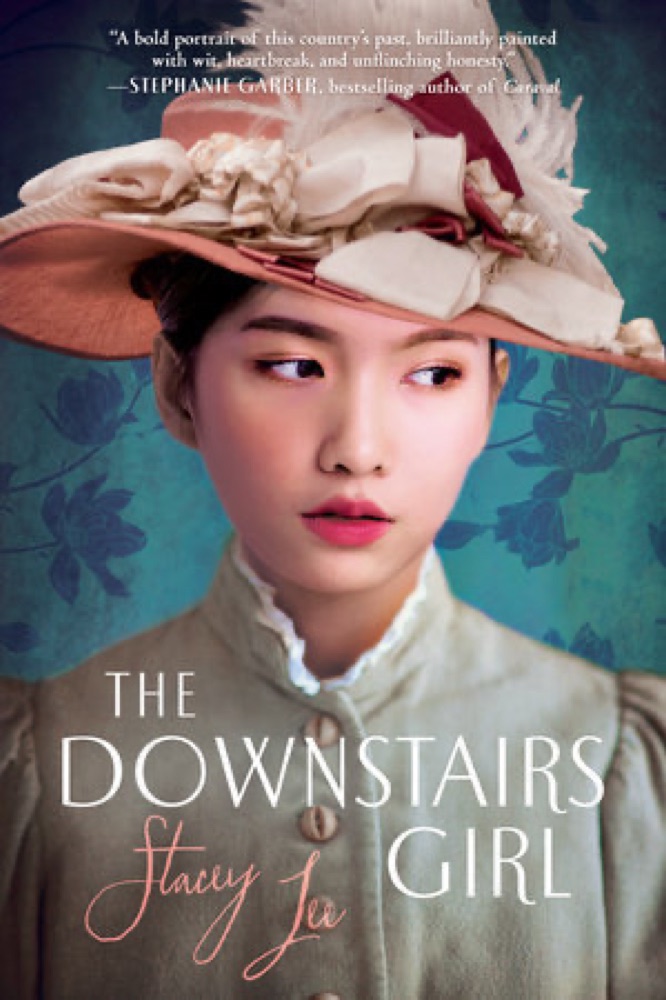 The Downstairs Girl
 What Happened to Lani Garver
 The Hate U Give
 Two Boys Kissing
 The World According to Mister Rogers: Important Things to Remember
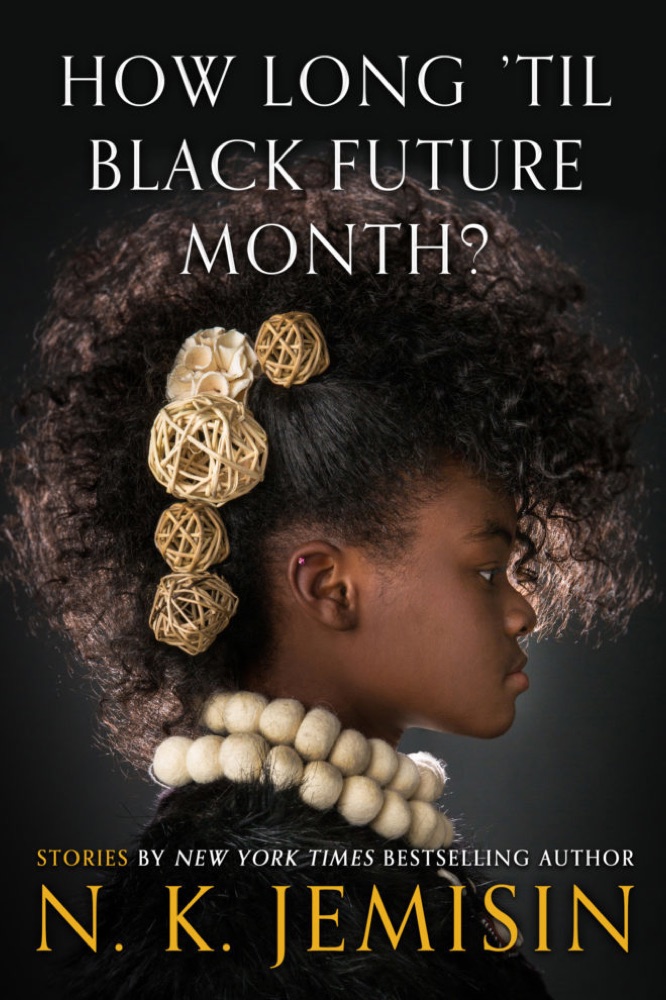 How Long 'til Black Future Month?
 Americanah
 Say Goodbye for Now
 House Rules
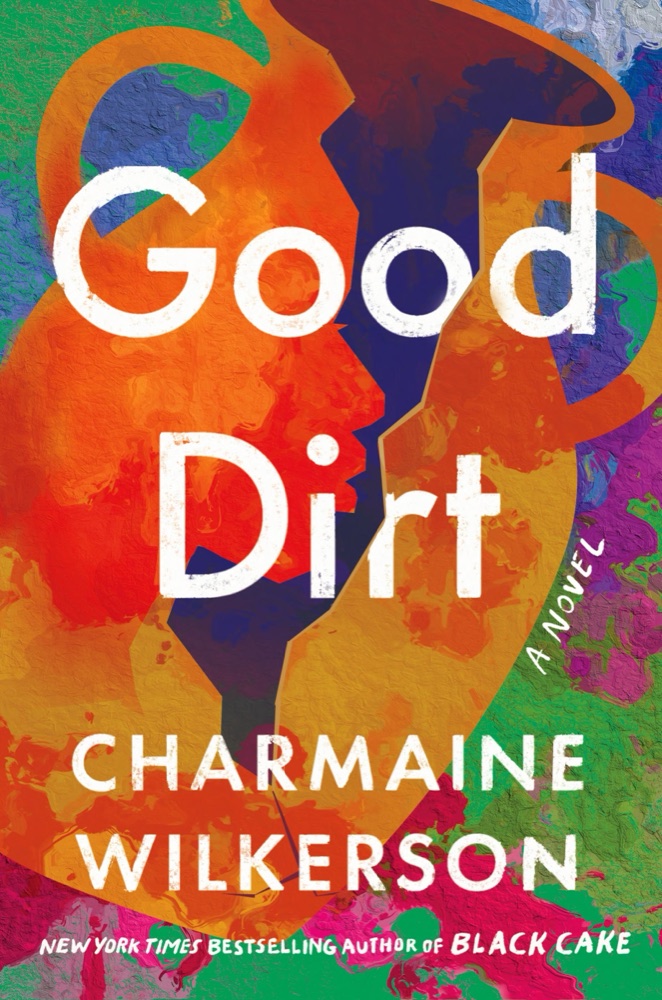 Good Dirt
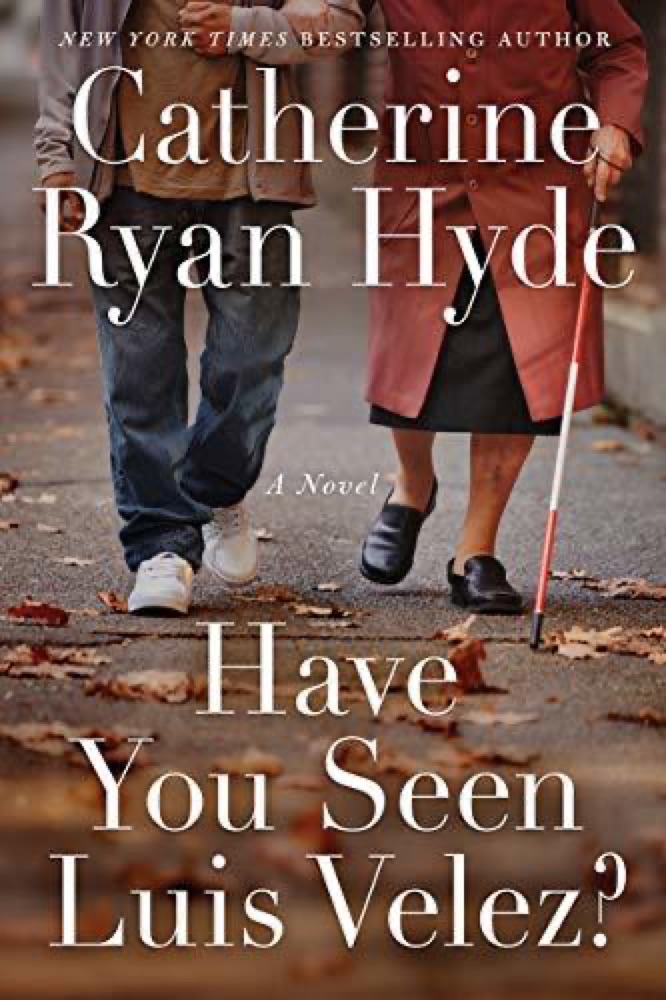 Have You Seen Luis Velez?
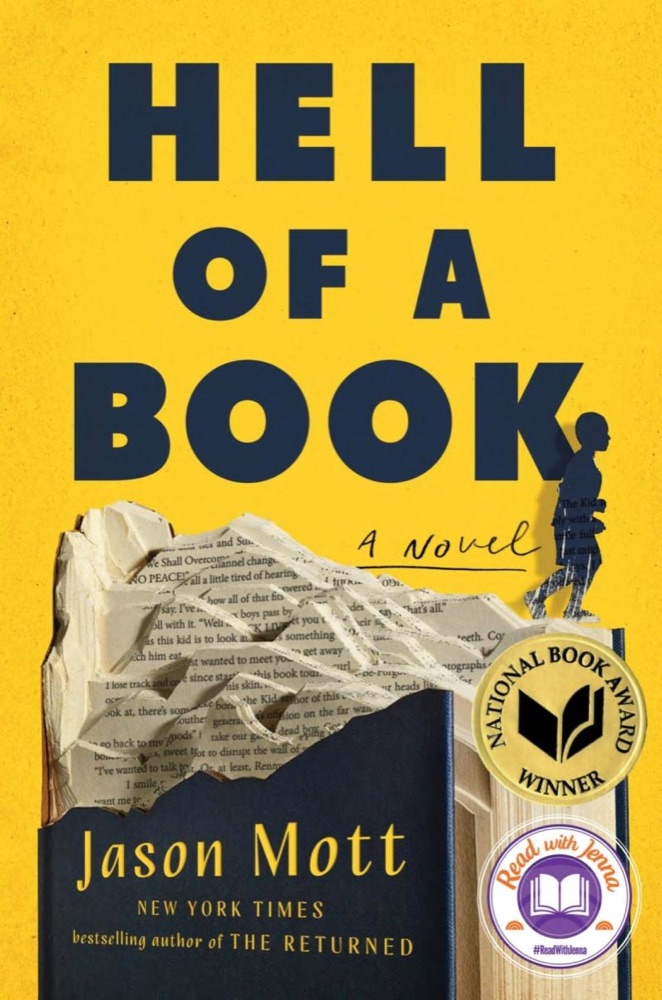 Hell of a Book
 Invisibility
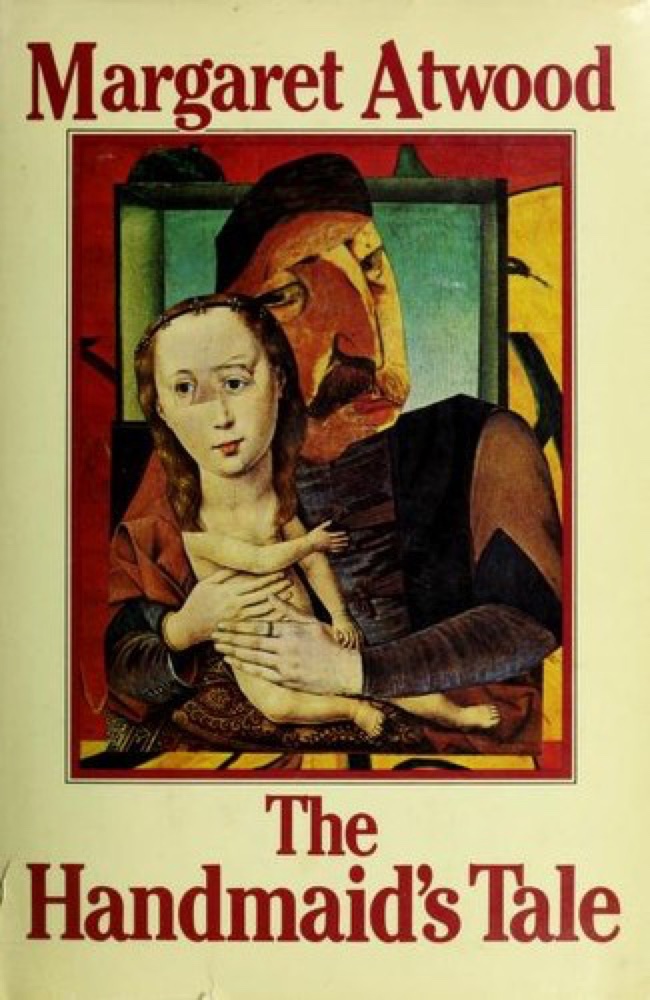 The Handmaid's Tale
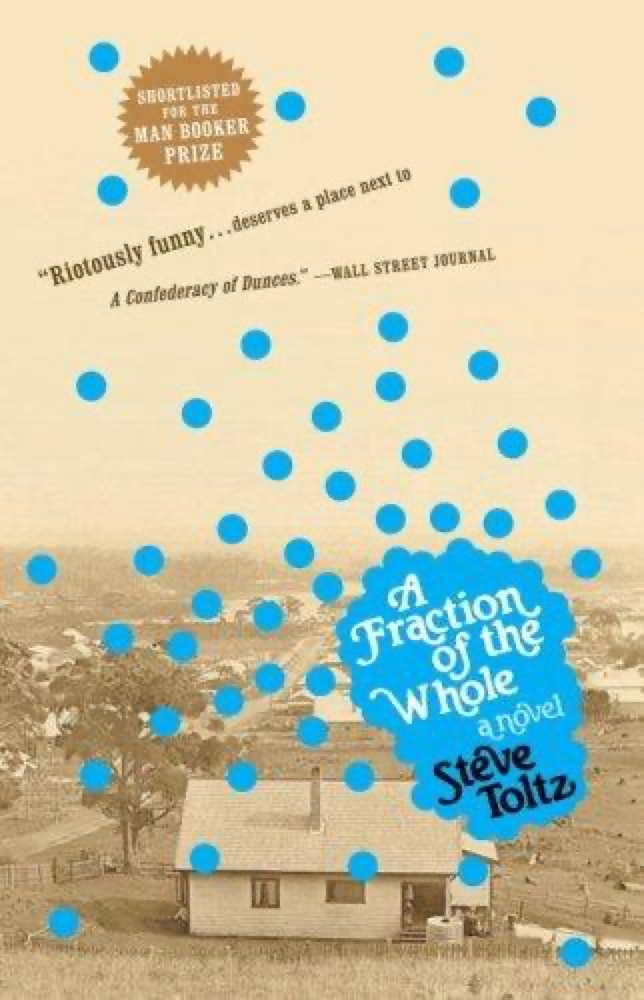 A Fraction of the Whole
 Small Wonder
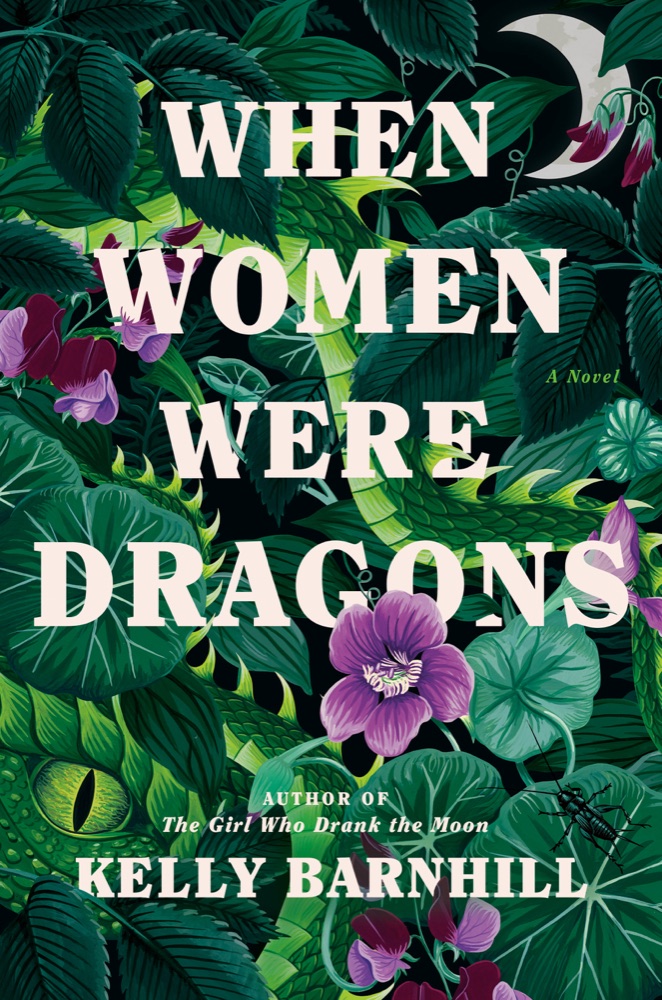 When Women Were Dragons
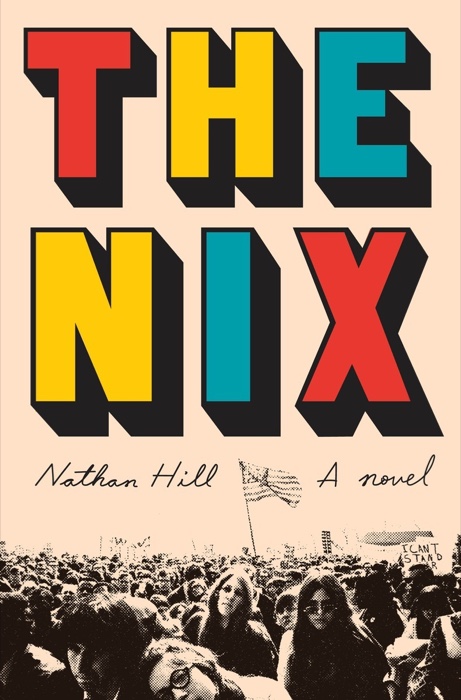 The Nix
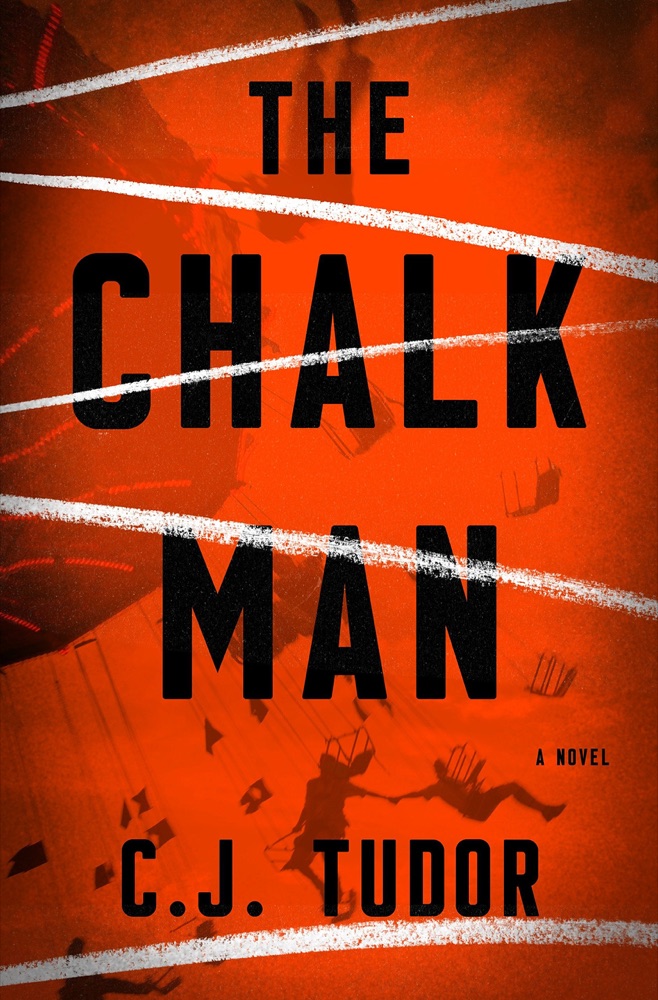 The Chalk Man
 The Bone Clocks
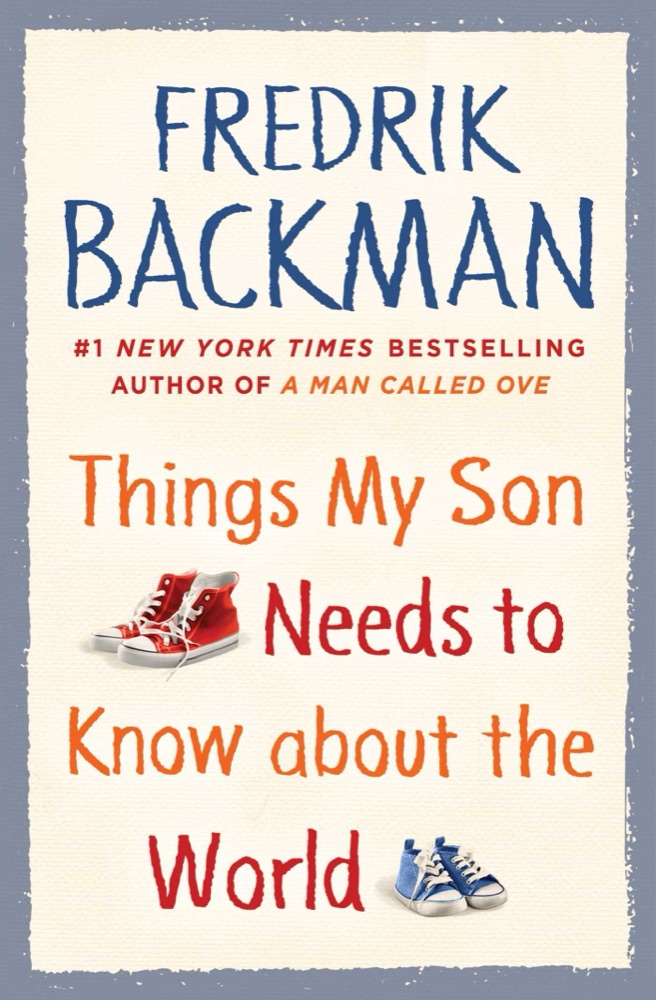 Things My Son Needs to Know About the World
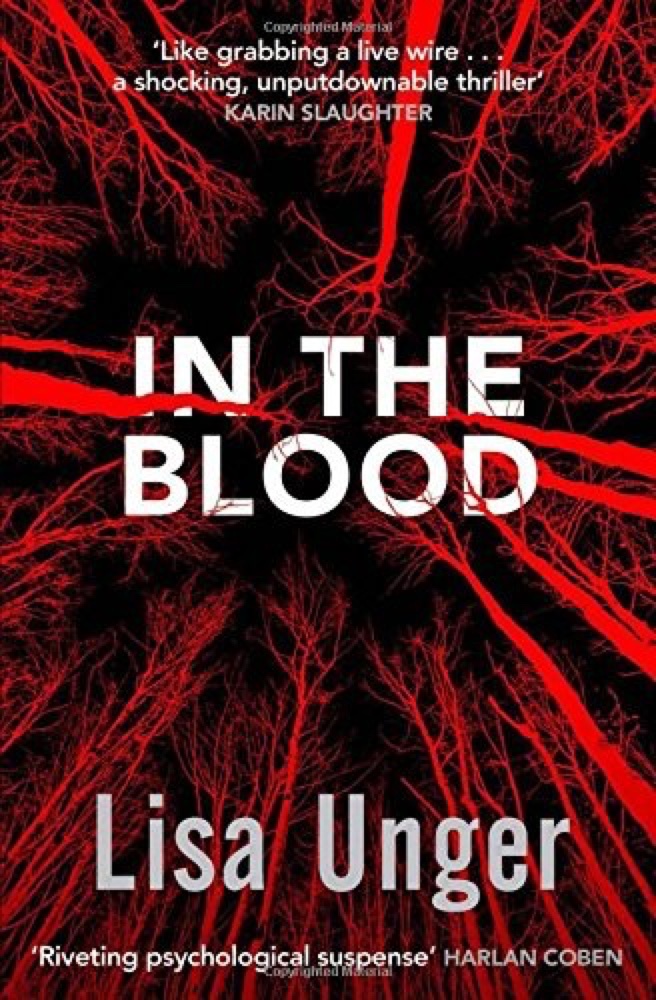 In The Blood
 We Are All Completely Beside Ourselves
 All the Colors of the Dark
 When Michael Met Mina
 Big Machine
 Varina
 A Mind Spread Out on the Ground
 Some Assembly Required: A Journal of My Son's First Son
 The Rainbow Comes and Goes: A Mother and Son on Life, Love, and Loss
 Wonder
 Worm
Worm
 The Power of One
 A Work in Progress
 Joan Is Okay
 Defending Jacob
 Ancillary Sword
 The Kite Runner
 All Is Not Forgotten
 The Good Luck of Right Now
 The Resistance
 Every Exquisite Thing
 Britt-Marie Was Here
 Mad Honey
 Riding the Elephant: A Memoir of Altercations, Humiliations, Hallucinations, and Observations
 The Zahir
 The Person You Mean to Be: How Good People Fight Bias
 The Last Year of the War
 Change of Heart
 Seven Deadly Sins: Settling the Argument Between Born Bad and Damaged Good
 White Teeth
 It's Not Like It's a Secret
 The Sun Is Also a Star