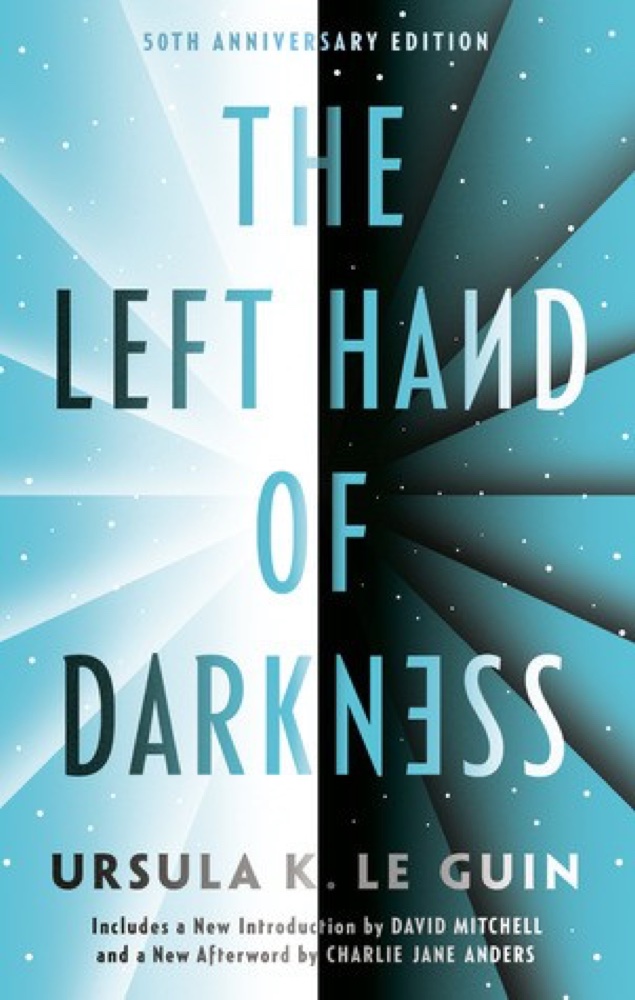
 The Left Hand of Darkness
Quotes from the Book
It is very hard for evil to take hold of the unconsenting soul.
But it is one thing to read about dragons and another to meet them.
To light a candle is to cast a shadow...
I had forgotten how much light there is in the world, till you gave it back to me.
Go to bed; tired is stupid.
From that time forth he believed that the wise man is one who never sets himself apart from other living things, whether they have speech or not, and in later years he strove long to learn what can be learned, in silence, from the eyes of animals, the flight of birds, the great slow gestures of trees.
You thought, as a boy, that a mage is one who can do anything. So I thought, once. So did we all. And the truth is that as a man's real power grows and his knowledge widens, ever the way he can follow grows narrower: until at last he chooses nothing, but does only and wholly what he *must *do . . .
But need alone is not enough to set power free: there must be knowledge.
It is no secret. All power is one in source and end, I think. Years and distances, stars and candles, water and wind and wizardry, the craft in a man's hand and the wisdom in a tree's root: they all arise together. My name, and yours, and the true name of the sun, or a spring of water, or an unborn child, all are syllables of the great word that is very slowly spoken by the shining of the stars. There is no other power. No other name.
He knew now, and the knowledge was hard, that his task had never been to undo what he had done, but to finish what he had begun.
What good is power when you're too wise to use it?
In that moment Ged understood the singing of the bird, and the language of the water falling in the basin of the fountain, and the shape of the clouds, and the beginning and end of the wind that stirred the leaves; it seemed to him that he himself was a word spoken by the sunlight.
But you must not change one thing, one pebble, one grain of sand, until you know what good and evil will follow on that act. The world is in balance, in Equilibrium. A wizard's power of Changing and Summoning can shake the balance of the world. It is dangerous, that power...It must follow knowledge, and serve need.
Only in silence the word, only in dark the light, only in dying life: bright the hawk's flight on the empty sky.
A man would know the end he goes to, but he cannot know it if he does not turn, and return to his beginning, and hold that beginning in his being. If he would not be a stick whirled and whelmed in the stream, he must be the stream itself, all of it, from its spring to its sinking in the sea.
Who knows a man's name, holds that man's life in his keeping. Thus to Ged, who had lost faith in himself, Vetch had given him that gift that only a friend can give, the proof of unshaken, unshakeable trust.
War as a moral metaphor is limited, limiting, and dangerous. By reducing the choices of action to “a war against” whatever-it-is, you divide the world into Me or Us (good) and Them or It (bad) and reduce the ethical complexity and moral richness of our life to Yes/No, On/Off. This is puerile, misleading, and degrading. In stories, it evades any solution but violence and offers the reader mere infantile reassurance. All too often the heroes of such fantasies behave exactly as the villains do, acting with mindless violence, but the hero is on the “right” side and therefore will win. Right makes might.
Ged had neither lost nor won but, naming the shadow of his death with his own name, had made himself whole: a man: who, knowing his whole true self, cannot be used or possessed by any power other than himself, and whose life therefore is lived for life's sake and never in the service of ruin, or pain, or hatred, or the dark.
The wise needn't ask, the fool asks in vain.
A rock is a good thing, too, you know. If the Isles of Earthsea were all made of diamond, we'd lead a hard life here. Enjoy the illusions, lad, and let the rocks be rocks.
War as a moral metaphor is limited, limiting, and dangerous. By reducing the choices of action to “a war against” whatever-it-is, you divide the world into Me or Us (good) and Them or It (bad) and reduce the ethical complexity and moral richness of our life to Yes/No, On/Off.
Manhood is patience. Mastery is nine time patience
Later, when Ged thought back upon that night, he knew that had none touched him when he lay thus spirit-lost, had none called him back in some way, he might have been lost for good. It was only the dumb instinctive wisdom of the beast who licks his hurt companion to comfort him, and yet in that wisdom Ged saw something akin to his own power, something that went as deep as wizardry. From that time forth he believed that the wise man is one who never sets himself apart from other living things, whether they have speech or not, and in later years he strove long to learn what can be learned, in silence, from the eyes of animals, the flight of birds, the great slow gestures of trees.
That is between me and my shadow.
Yet a greater, unlearned skill he possessed, which was the art of kindness.
Now they came back to him, on this night he was seventeen years old. All the years and places of his brief broken life came within mind's reach and made a whole again. He knew once more, at last, after this long, bitter, waisted time, who he was and where he was. But where he must go in the years to come, that he could not see; and he feared to see it.
Infinite are the arguments of mages,
I was with you at the beginning of your journey. It is right that I should follow you to its end.
Did you know?
- Le Guin made Ged and most inhabitants of Earthsea dark-skinned, deliberately subverting the convention of white fantasy heroes.
- The novel established the wizard-school and boy-wizard archetypes later popularized by other fantasy series.
- Critics noted Jungian shadow parallels in Ged's struggle, though Le Guin said she had not read Jung before writing it.
- In Earthsea, knowing a person's or thing's true name grants power over it, a central magical premise of the book.
- The novel grew into the six-book Earthsea Cycle after Le Guin originally conceived it as a standalone story.
About Ursula K. Le Guin
Ursula K. Le Guin (1929-2018) was an American author celebrated for her science fiction and fantasy, including the Earthsea Cycle and the Hainish novels such as The Left Hand of Darkness. Her work is noted for its anthropological depth, Taoist influences, and moral seriousness.
More about the author →More by Ursula K. Le Guin
All books by Ursula K. Le Guin →
About the book
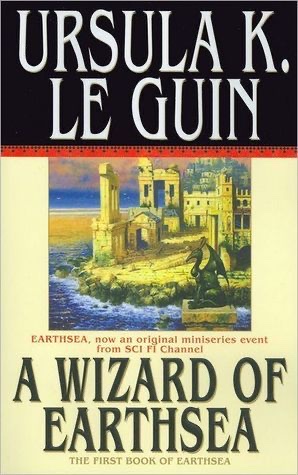
"A Wizard of Earthsea" is Ursula K. Le Guin's 1968 coming-of-age fantasy set in the ocean archipelago of Earthsea, where wizards preserve the balance of the world and where knowing a thing's true name grants power over it. It follows Ged, a gifted goatherd's son from the island of Gont, who is apprenticed to the mage Ogion and then sent to the wizard school on Roke Island. Driven by pride, Ged casts a spell beyond his skill during a duel with a rival and looses a shadow creature into the world, an act that scars him and sets the story in motion.
The remainder of the novel traces Ged's flight from, and eventual pursuit of, the shadow across the islands of Earthsea. His journey is inward as much as outward: to survive he must confront his own pride, fear, and mortality. Le Guin weaves Taoist ideas of equilibrium through the tale, showing magic as a responsibility to keep the natural order rather than a means of raw power, until Ged learns that mastery begins with self-knowledge.
Widely regarded as a landmark of modern fantasy, the book helped popularize the "wizard school" and boy-mage archetypes later common in the genre, while quietly subverting convention by making its hero and most of its people dark-skinned. It won the Boston Globe–Horn Book Award and grew into the six-book Earthsea Cycle, cementing Le Guin's reputation as one of the form's most thoughtful writers.
Key characters
- Ged (Sparrowhawk)Gifted young mage and protagonist who must confront the shadow he unleashes
- OgionWise mage of Gont who becomes Ged's first master
- VetchKindly fellow student on Roke who becomes Ged's loyal friend
- JasperProud rival student whose taunts goad Ged into a fateful duel
- NemmerleArchmage of Roke who is fatally weakened stopping the loosed shadow
Book details
- First published
- 1968
- Length
- 205 pages
- Reading time
- 3 hours
- Author
- Ursula K. Le Guin
- Genre
- Classics
- Goodreads rating
- 4.01 (372k ratings) →
- First line
- “The island of Gont, a single mountain that lifts its peak a mile above the storm-racked Northeast Sea, is a land famous for wizards.”
Series & reading order
- 1 A Wizard of Earthsea
- 2 The Tombs of Atuan
- 3 The Farthest Shore
- 4 Tehanu
- 5 The Other Wind
Movie & TV adaptations
- IMDb
- IMDb
If you liked this, read…
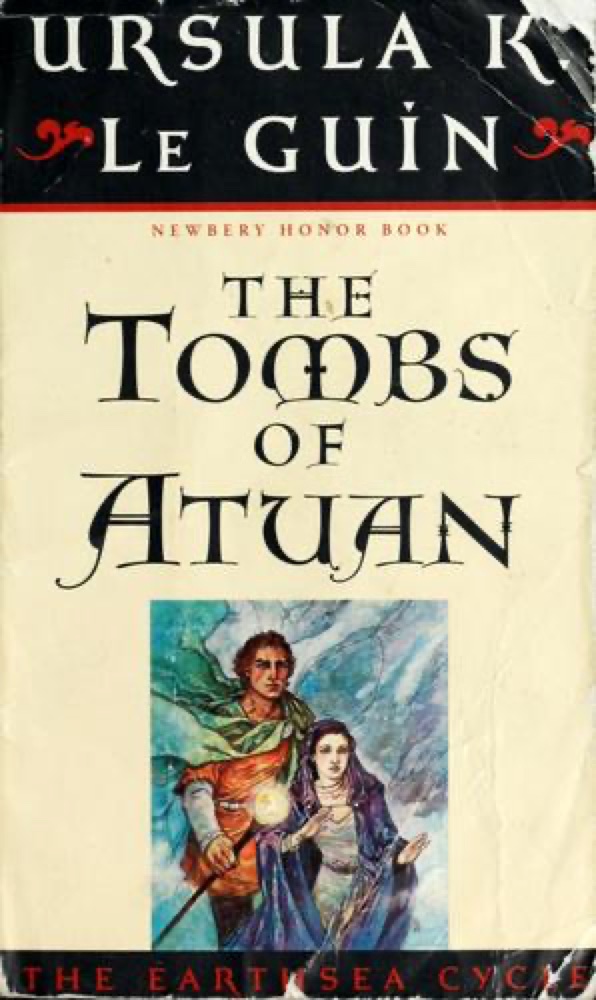
- 1The Tombs of AtuanThe direct Earthsea sequel continuing Ged's story from another perspective
- 2The HobbitA classic coming-of-age fantasy quest with a modest, growing hero
- 3The Name of the WindAnother tale of a gifted young man at a school of magic wrestling with pride
Keep reading
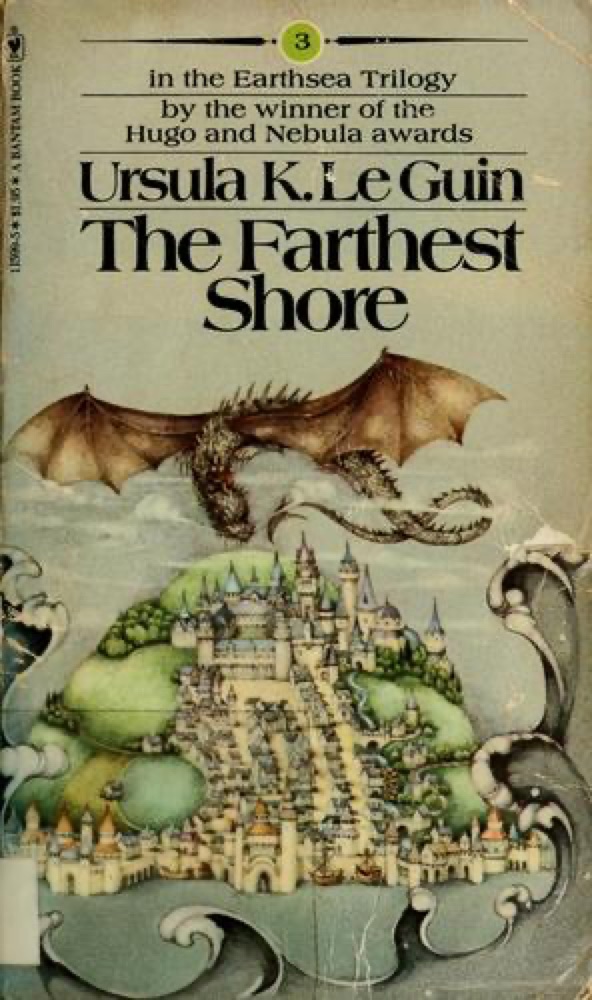 The Farthest Shore
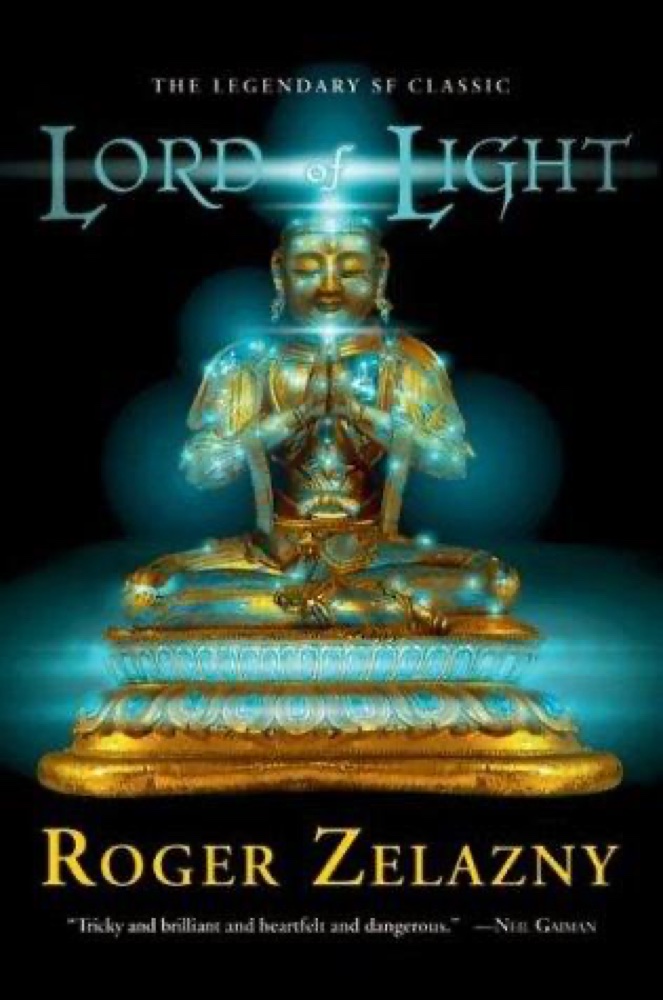 Lord of Light
 Fragments
 Son of a Witch
 Shadow & Claw
 Faust
Faust
 The Claw of the Conciliator
 The Fellowship of the Ring
 Wizard's First Rule
 The Dagger of Adendigaeth
 The Alchemyst
 Lilith
 She
She
 Sacred Journey of the Peaceful Warrior
The Left Hand of Darkness
Sacred Journey of the Peaceful Warrior
The Left Hand of Darkness
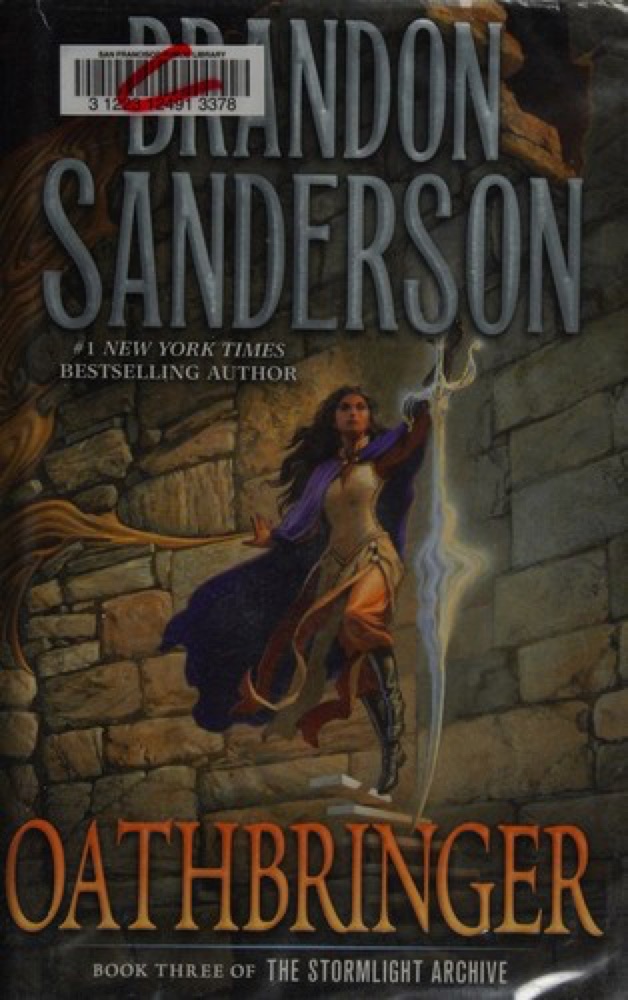 Oathbringer
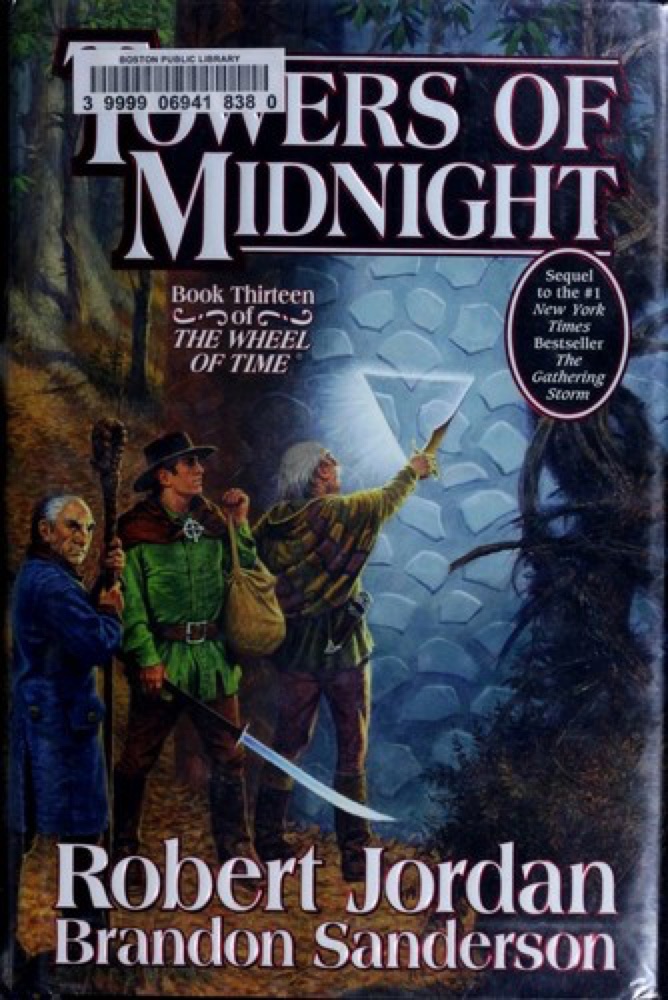 Towers of Midnight
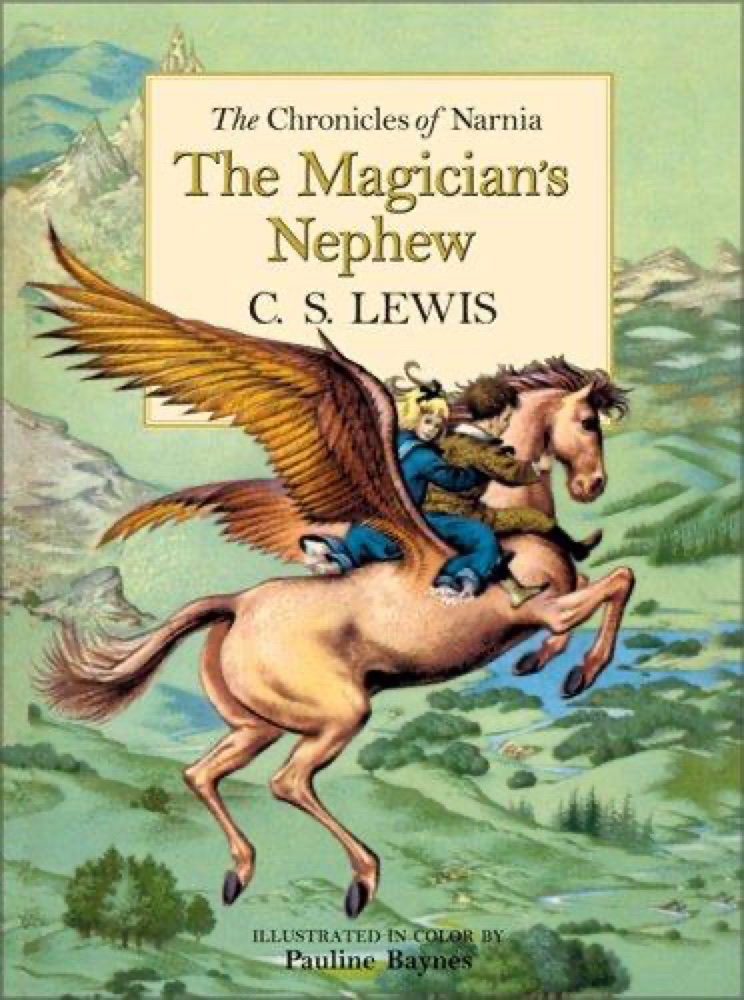 The Magician's Nephew
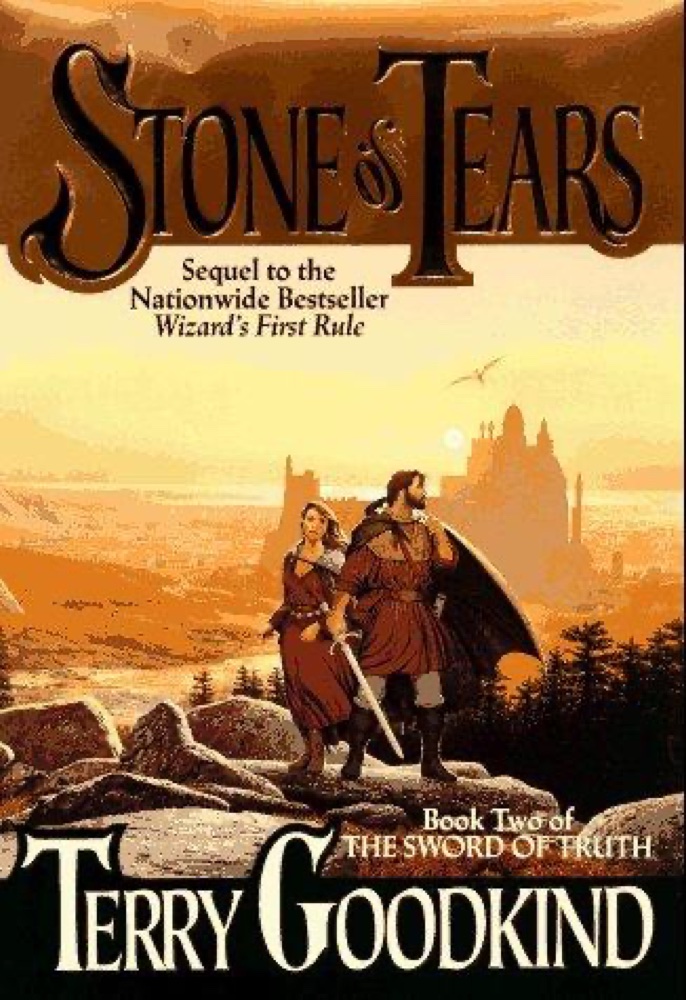 Stone of Tears
 Lord Jim
 Empire of Silence
 Fool's Quest
 The Way of Kings
 The Burning White
 The Dragon Reborn
 The Magus
 Inheritance
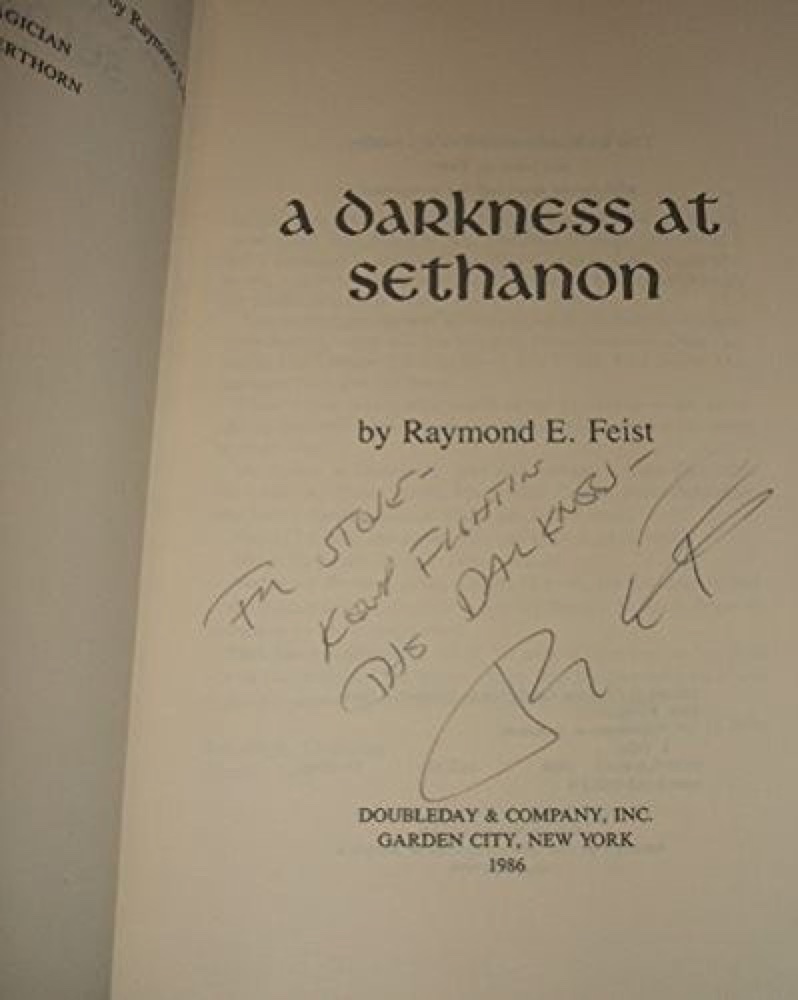 A Darkness At Sethanon
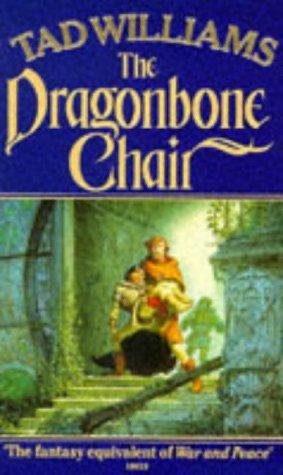 The Dragonbone Chair
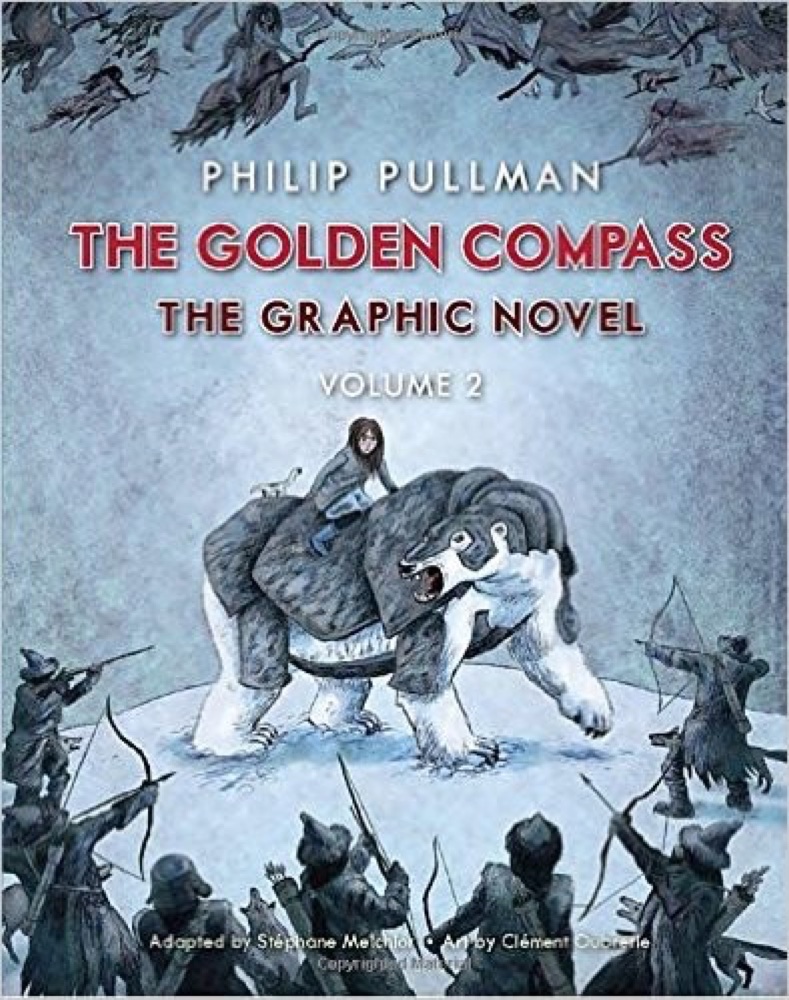 The Golden Compass
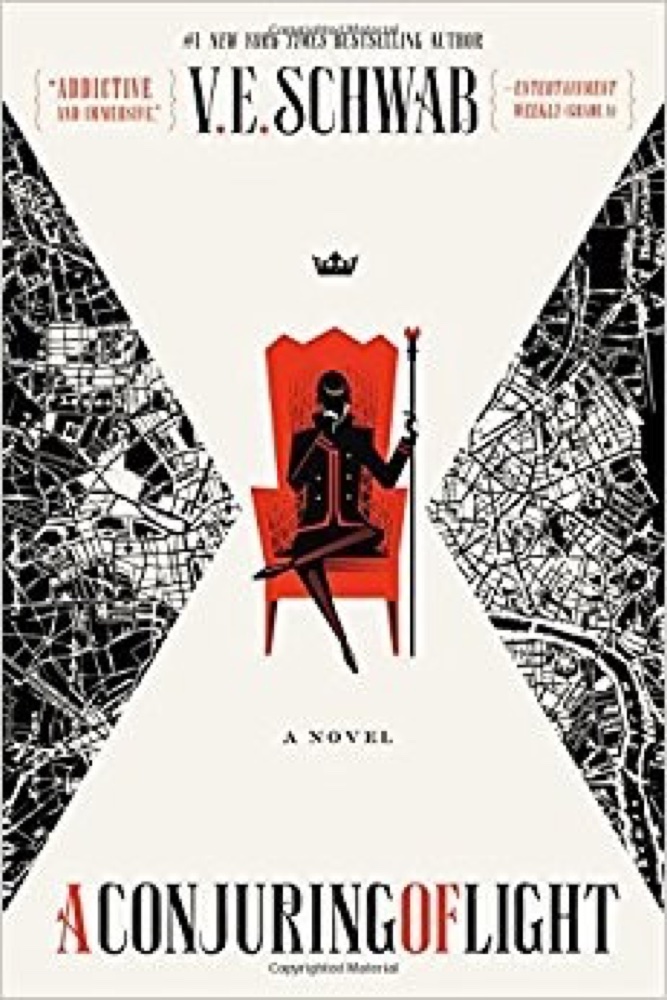 A Conjuring of Light
 The Sorceress
 Sword & Citadel
 The Thousandfold Thought
 Tales of Power
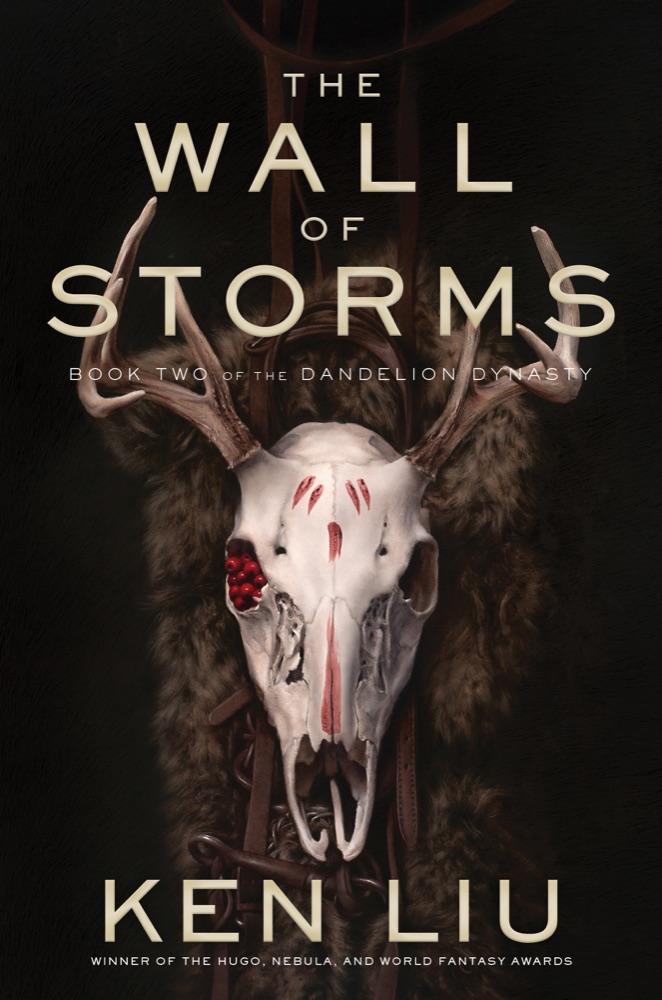 The Wall of Storms
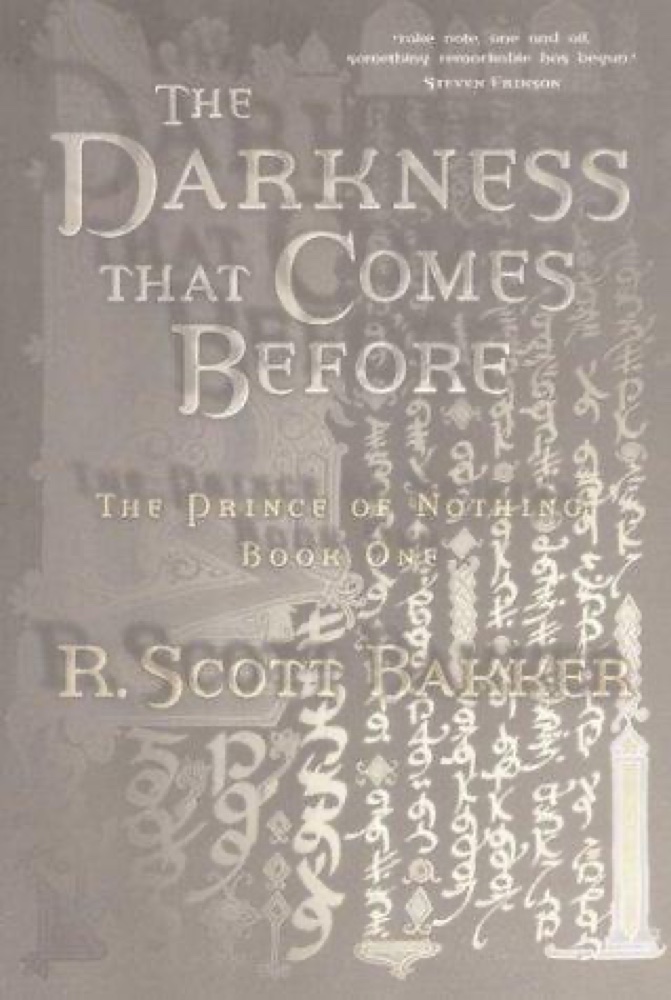 The Darkness That Comes Before
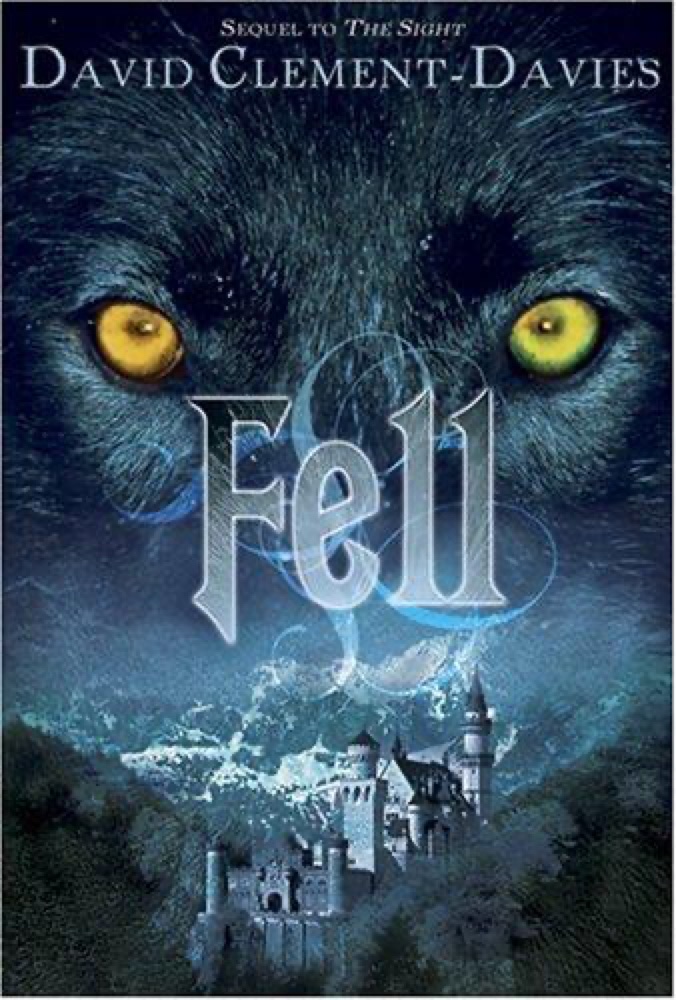 Fell
Fell
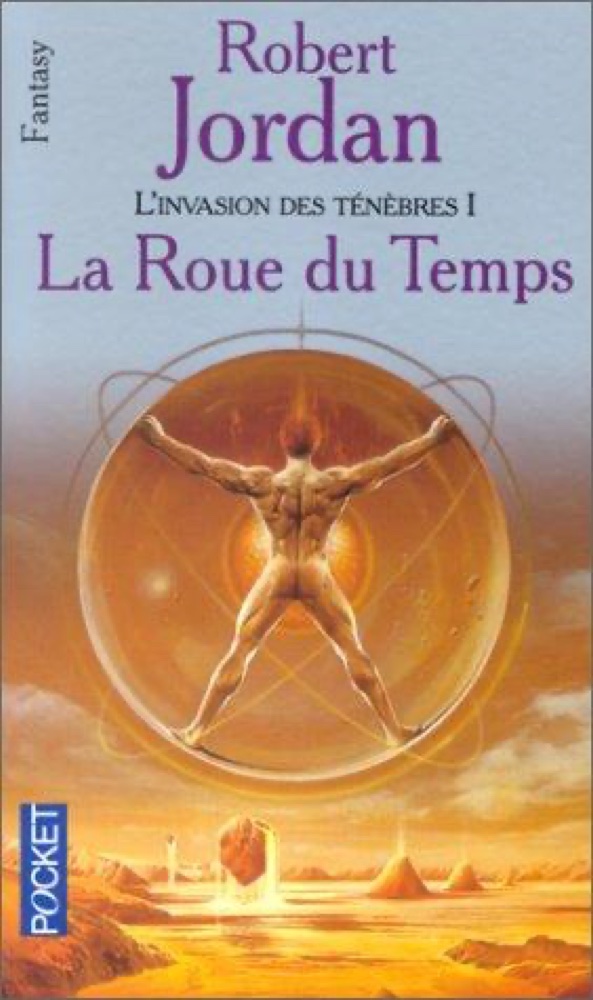 The Eye of the World
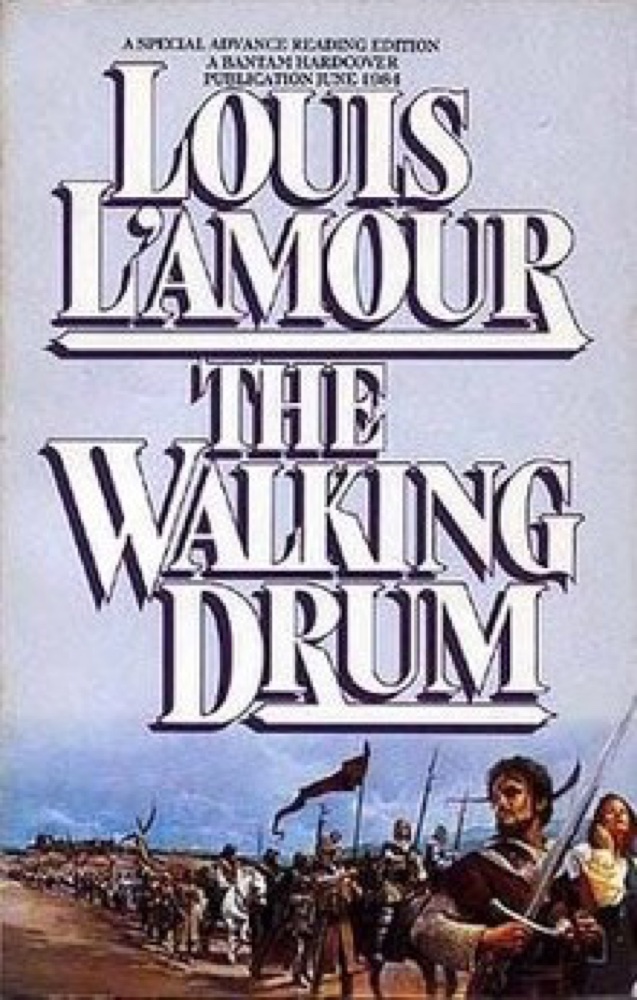 The Walking Drum
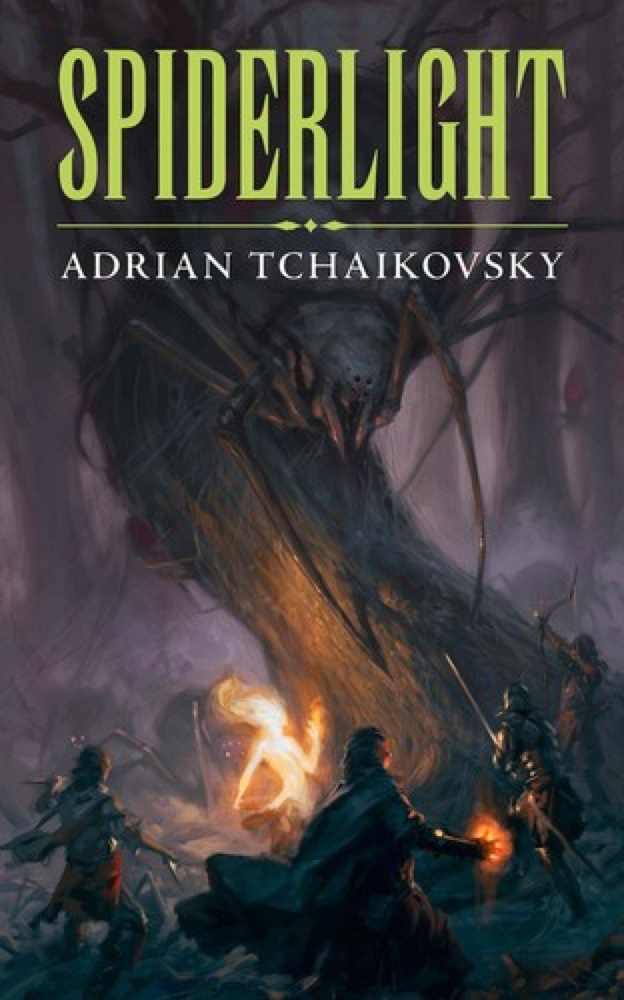 Spiderlight
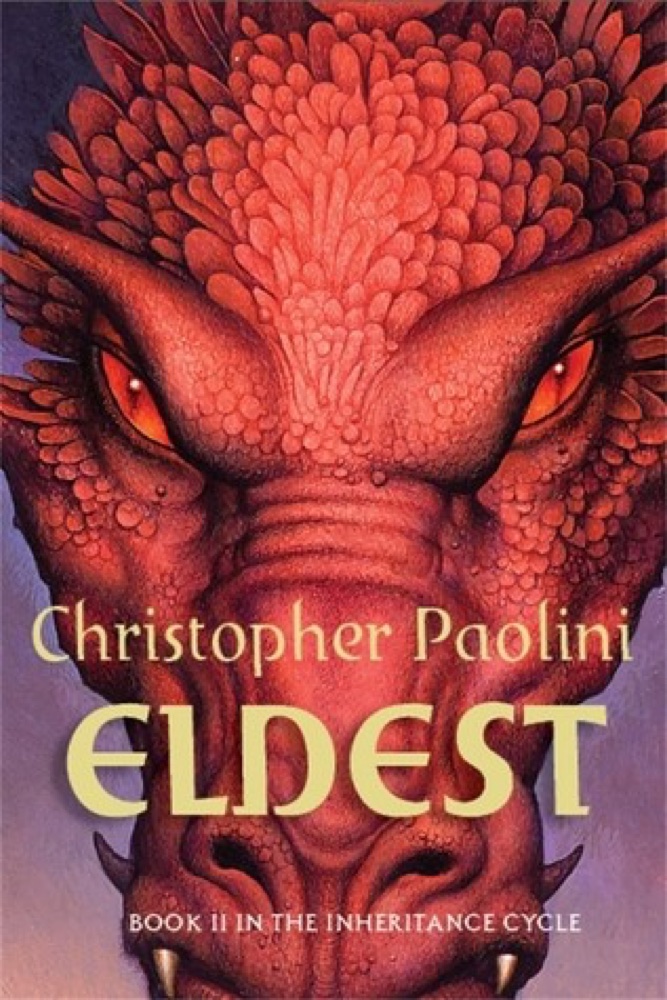 Eldest
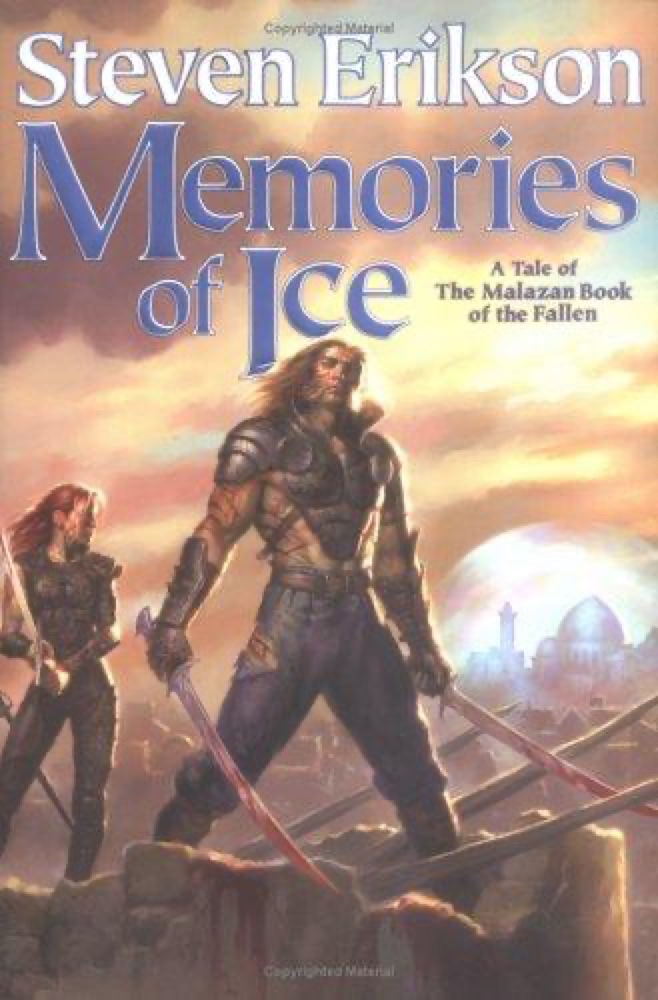 Memories of Ice
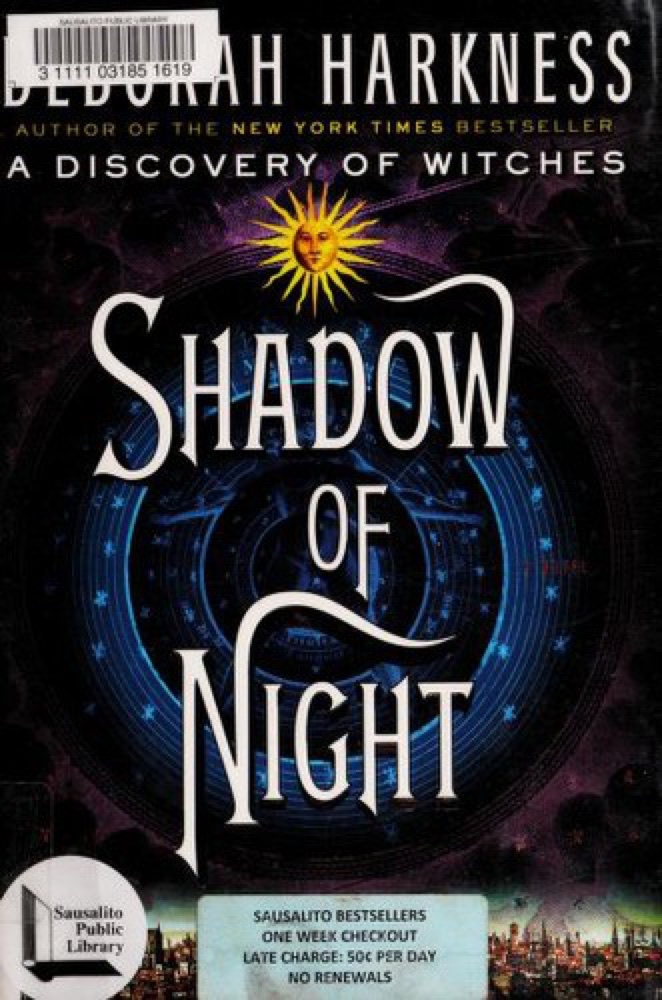 Shadow of Night
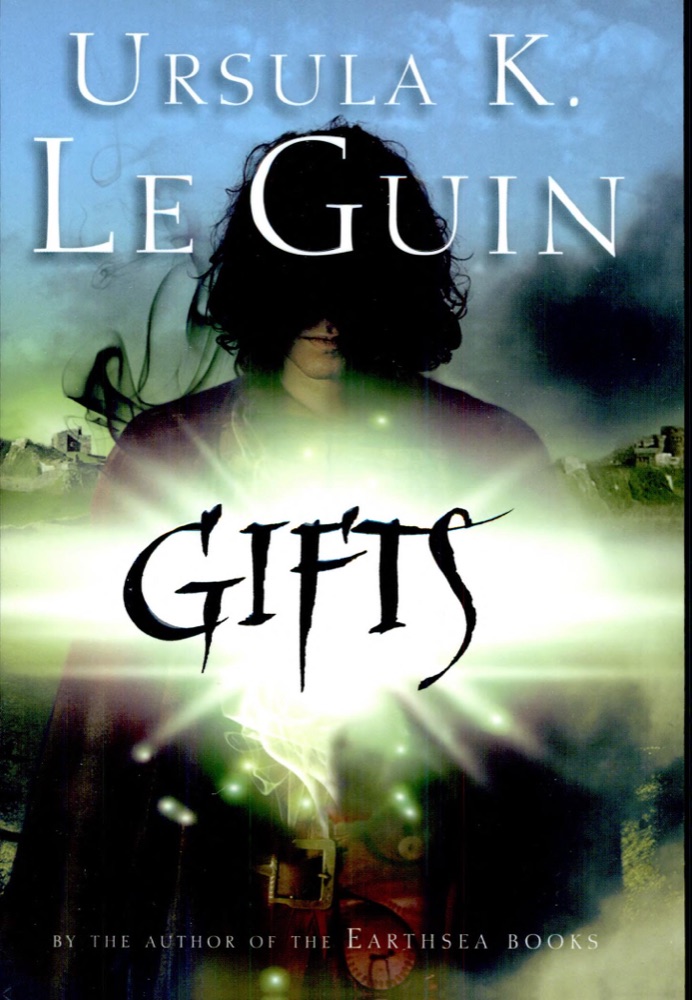 Gifts
Gifts
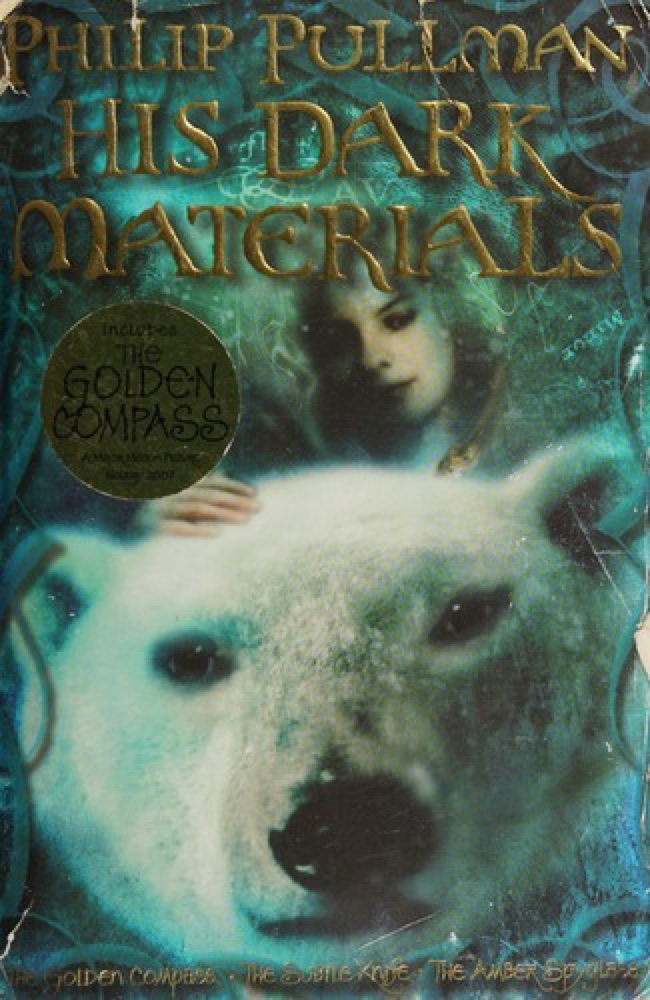 His Dark Materials
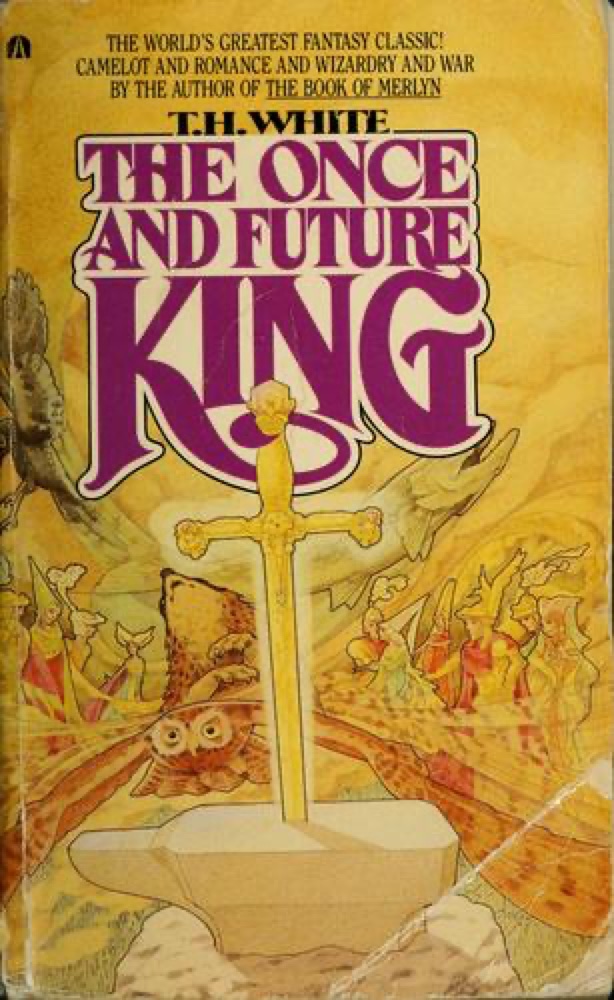 The Once and Future King
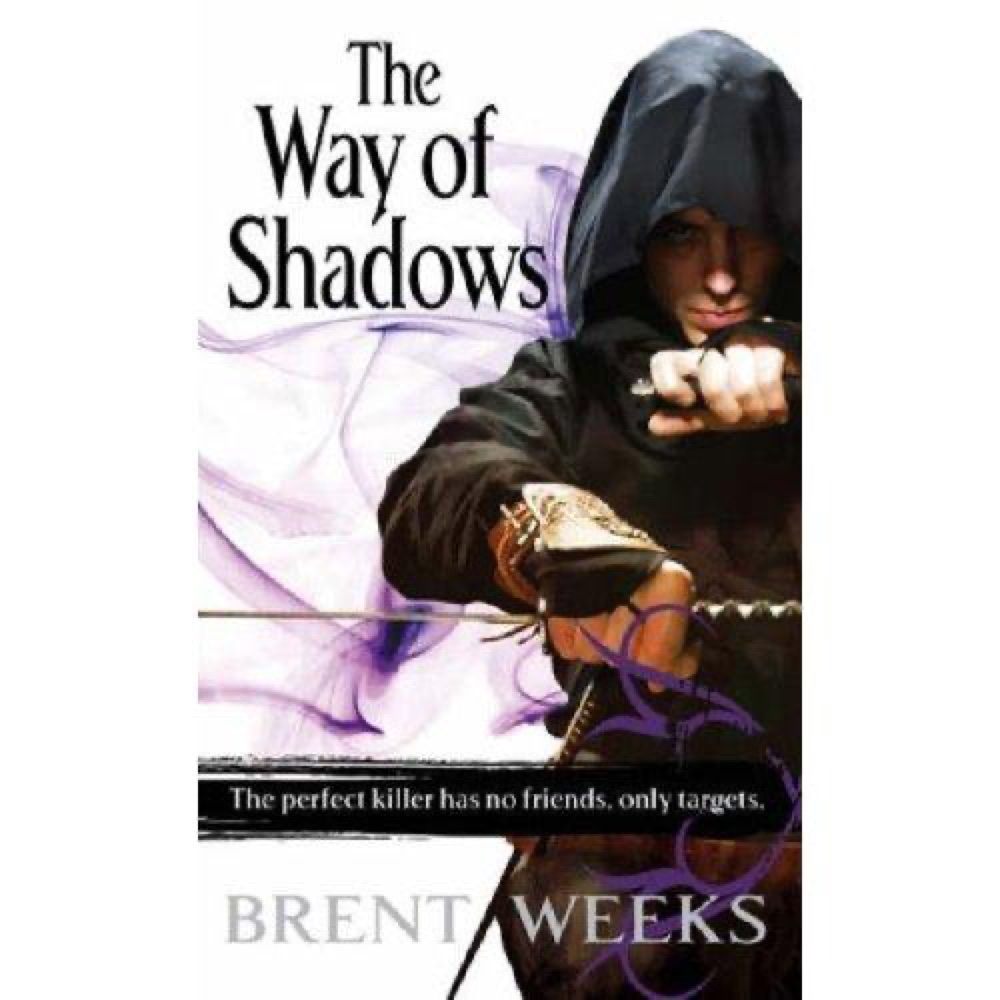 The Way of Shadows
 Light in August
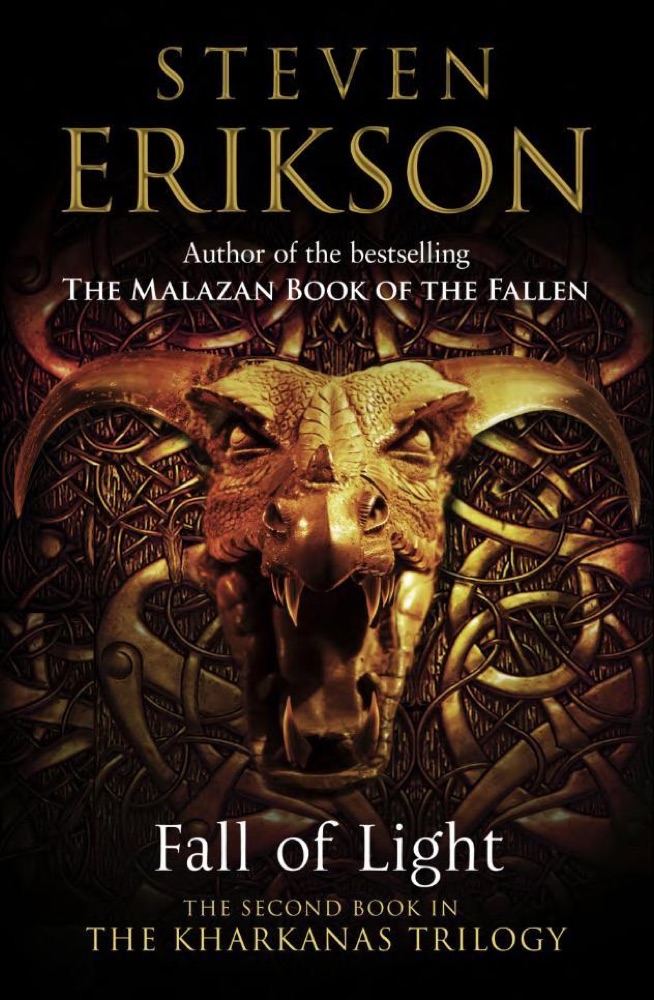 Fall of Light
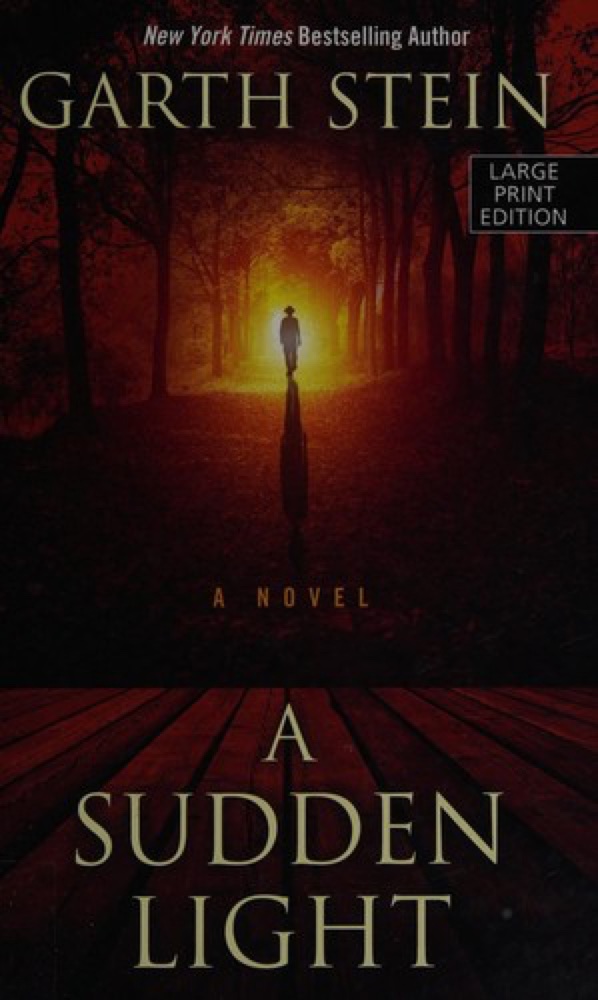 A Sudden Light
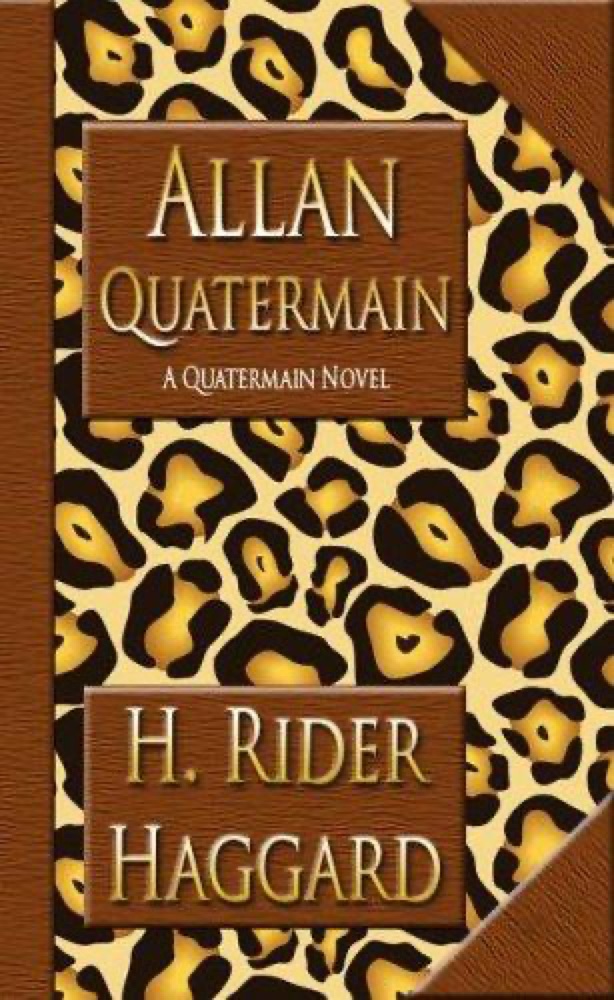 Allan Quatermain
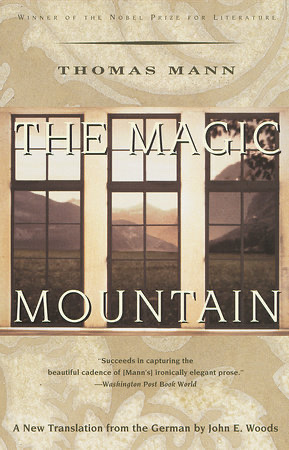 The Magic Mountain
 Shōgun
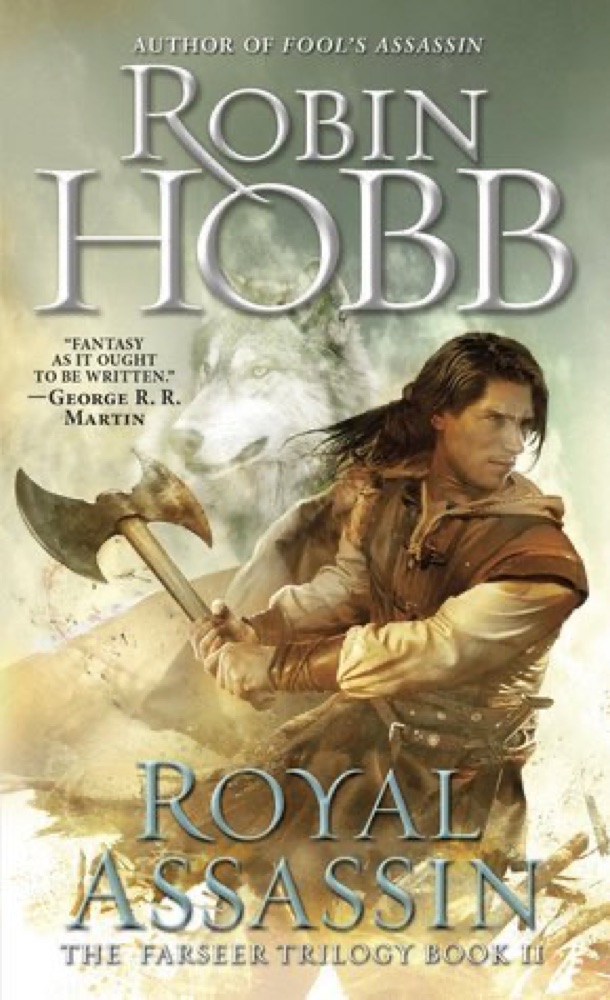 Royal Assassin
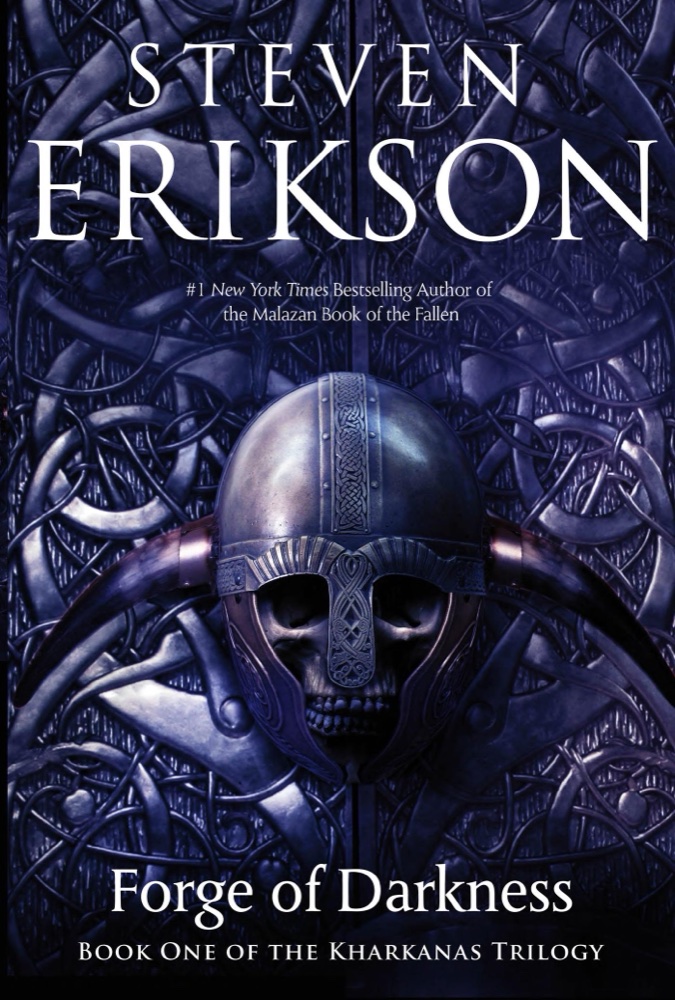 Forge of Darkness
 The Gay Science
 Blade of Tyshalle
 West with the Night
 Thus Spake Zarathustra