
 The Grace of Kings
Quotes from the Book
We're only travelers, singing songs whose meanings are obscure, wandering through the dark sky. That is all.
11
Technology is neutral. But the process of technology will cause a free world to become ever freer, and a totalitarian world to become ever more repressive.
11
Science fiction is a literature of possibilities.
6
Science fiction is the literature of dreams, and texts concerning dreams always say something about the dreamer, the dream interpreter, and the audience.
6
Science" is itself one of the greatest utopian illusions ever created by humankind. I am by no means suggesting that we should take the path of antiscience—the utopia offered by science is complicated by the fact that science disguises itself as a value-neutral, objective endeavor. However, we now know that behind the practice of science lie ideological struggles, fights over power and authority, and the profit motive. The history of science is written and rewritten by the allocation and flow of capital, favors given to some projects but not others, and the needs of war.
4
The real key isn't about whether what I say is true, but whether you believe it. From start to end, the direction of narrative is not guided by the tongue, but by the ear.
4
Pretending that the fake is real only makes the real seem fake.
2
Sin is like wine. The more it is hidden from sunlight, the more it ferments, growing more potent.
2
In reading Western science fiction, Chinese readers discover the fears and hopes of Man, the modern Prometheus, for his destiny, which is also his own creation. Perhaps Western readers can also read Chinese science fiction and experience an alternative Chinese modernity and be inspired to imagine an alternative future.
2
Noted translator William Weaver compared translation to a performing art. I like that metaphor. When doing a translation, I'm engaging in a cultural and linguistic performance, an attempt to re-create an artifact in a new medium. It is a humbling and thrilling experience. <...> [Xia Jia's] translation of my novella, "The Man Who Ended History", is in many ways an improvement on the original.
1
No single factor means anything. Everything has to be contextualized. There are too many hidden relationships, too many disguised opportunities for profit, too many competing concerns.
1
Yes, what you say sounds like Truth. But the world is full of Truths. So what if you have a Truth?
1
Time flows like a river, halting for no one. There’s nothing in this world that can outlast time itself.
1
If happiness and time are the two axes of a graph, then I’m afraid the curve of my life has already passed the apex and is on its inexorable way down to the bottom.
1
For the God Civilization, the first sign of her senescence was the extreme lengthening of each individual member’s life span. By then, each individual in the God Civilization could expect a life as long as four thousand Earth years. By age two thousand, their thoughts had completely ossified, losing all creativity. Because individuals like these held the reins of power, new life had a hard time emerging and growing. That was when our civilization became old.
1
But they remain opaque to each other, unaware that when it comes to time, everyone is only measuring the universe using the ruler of their own lifespan.
1
bits are just ones and zeros, but some will make them into useful tools while others will make them into malicious viruses?
There was no halo over his head, but a few loyal flies did hover there.
To put it simply: technology is neutral. But the pro gress of technology will cause a free world to become ever freer, and a totalitarian world to become ever more repressive.
The crime of “willfully lolling about” was only slightly less serious than the crime of “using sensitive words.
During the day, when all Ghost Street is asleep, the stories become dreams
If the plan succeeded, it would be a step to bring about the kind of golden age envisioned by Confucius millennia ago: “And then men would care for all elders as if they were their own parents, love all children as if they were their own children. The aged would grow old and die in security; the youthful would have opportunities to contribute and prosper; and children would grow up under the guidance and protection of all. Widows, orphans, the disabled, the diseased—everyone would be cared for and loved.
Now I’m back. I have a car, a house—everything a man should have, including erectile dysfunction and insomnia. If happiness and time are the two axes of a graph, then I’m afraid the curve of my life has already passed the apex and is on its inexorable way down to the bottom.
Tell me about the fascinating planets you've seen. But I don't want to hear anything cruel or disgusting.
technology is neutral. But the progress of technology will cause a free world to become ever freer, and a totalitarian world to become ever more repressive.
Imagining that the political concerns of Chinese writers are the same as what the Western reader would like them to be is at best arrogant and at worst dangerous. Chinese writers are saying something about the globe, about all of humanity, not just China, and trying to understand their works through this perspective is, I think, the far more rewarding approach.
The star collapsed behind us while the army of refugees dove like moths toward the last lit lamp in the universe. Cheng Jingbo
Science” is itself one of the greatest utopian illusions ever created by humankind. I am by no means suggesting that we should take the path of antiscience—the utopia offered by science is complicated by the fact that science disguises itself as a value-neutral, objective endeavor. However, we now know that behind the practice of science lie ideological struggles, fights over power and authority, and the profit motive. The history of science is written and rewritten by the allocation and flow of capital, favors given to some projects but not others, and the needs of war. While micro fantasies burst and are born afresh like sea spray, the macro fantasy remains sturdy. Science fiction is the byproduct of the process of gradual disenchantment with science. The words create a certain vision of science for the reader. The vision can be positive or full of suspicion and criticism—it depends on the age we live in.
Since the 1990s, the ruling class of China has endeavored to produce an ideological fantasy through the machinery of propaganda: development (increase in GDP) is sufficient to solve all problems. But the effort has failed and so created even more problems. In the process of this ideological hypnosis of the entire population, a definition of “success” in which material wealth is valued above all has choked off the younger generation’s ability to imagine the possibilities of life and the future. This is a dire consequence of the policy decisions of those born in the 1950s and 1960s, a consequence which they neither understand nor accept responsibility for.
Watch on YouTube
About Ken Liu
We have collected 195 quotes from 8 books by Ken Liu on BookQuoters.
More about the author →More by Ken Liu
All books by Ken Liu →
About the book
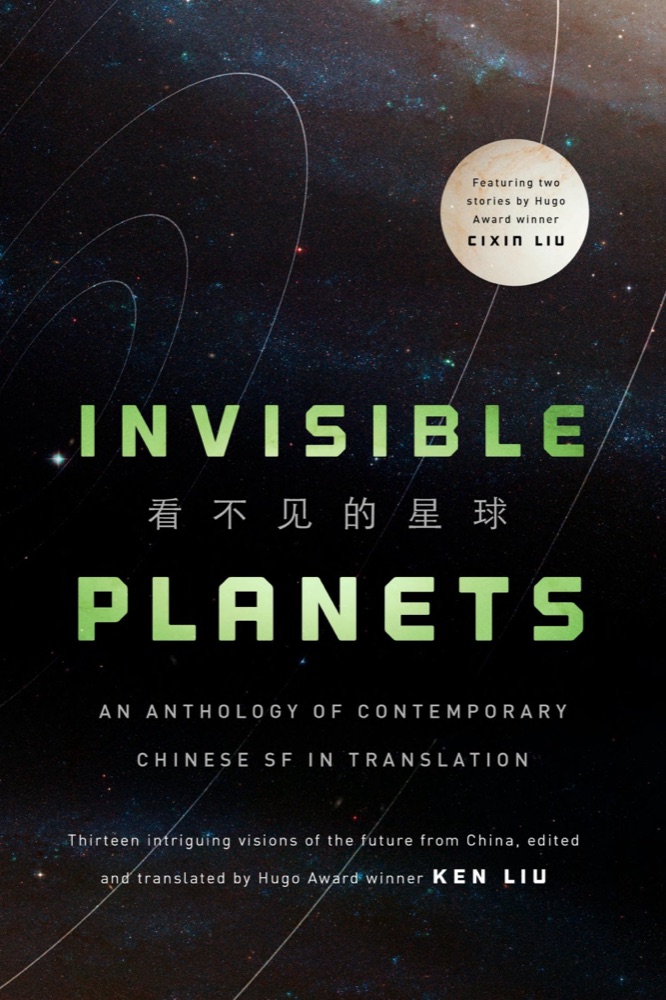
Award-winning translator and author Ken Liu presents a collection of short speculative fiction from China. Some stories have won awards; some have been included in various 'Year's Best' anthologies; some have been well reviewed by critics and readers; and some are simply Ken's personal favorites. Many of the authors collected here (with the obvious exception of Liu Cixin) belong to the younger generation of 'rising stars'.
In addition, three essays at the end of the book explore Chinese science fiction. Liu Cixin's essay, The Worst of All Possible Universes and The Best of All Possible Earths, gives a historical overview of SF in China and situates his own rise to prominence as the premier Chinese author within that context. Chen Qiufan's The Torn Generation gives the view of a younger generation of authors trying to come to terms with the tumultuous transformations around them. Final
Book details
- First published
- 2016
- Author
- Ken Liu
- Genre
- Science Fiction
- Goodreads rating
- 4.04 (6k ratings)
Keep reading
 The Fifth Science
 The Three-Body Problem
 Gnomon
 Death's End
 The Paper Menagerie and Other Stories
 The Stone Gods
 The Language of the Night: Essays on Writing, Science Fiction, and Fantasy
 The State of the Art
 The Futurological Congress: From the Memoirs of Ijon Tichy
 Too Like the Lightning
 The Dark Forest
 The Future
 A Fisherman of the Inland Sea
 2312
2312
 Genesis
 Arcadia
 Seven Surrenders
 The Star Diaries
 Solaris
 All Our Wrong Todays
 Libra
Libra
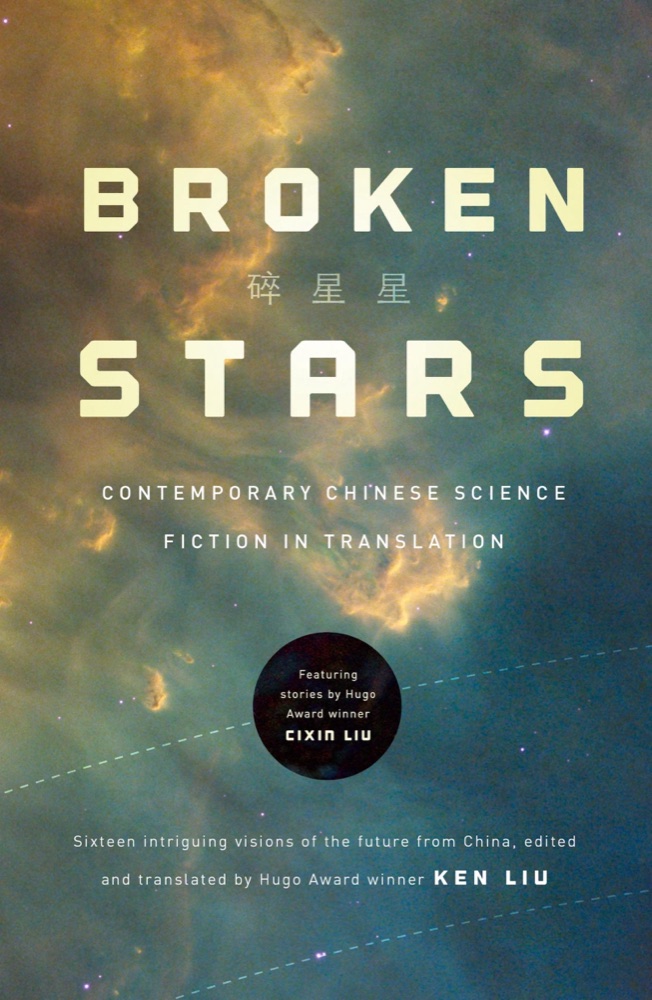 Broken Stars: Contemporary Chinese Science Fiction in Translation
 Exhalation
 Red Mars
 Wampeters, Foma and Granfalloons
 Stories of Your Life and Others
 Point Omega
 Drive Your Plow Over the Bones of the Dead
 Green Mars
 Hyperion
 House Corrino
 Even Cowgirls Get the Blues
 Flights
 Billions & Billions: Thoughts on Life and Death at the Brink of the Millennium
 The Wave in the Mind: Talks and Essays on the Writer, the Reader and the Imagination
 The Western Lands
 Distrust That Particular Flavor
 The Gone-Away World
 Arm of the Sphinx
 Homo Deus: A History of Tomorrow
 Villa Incognito
 Perhaps the Stars
 Burning Questions: Essays and Occasional Pieces, 2004 to 2021
 Bewilderment
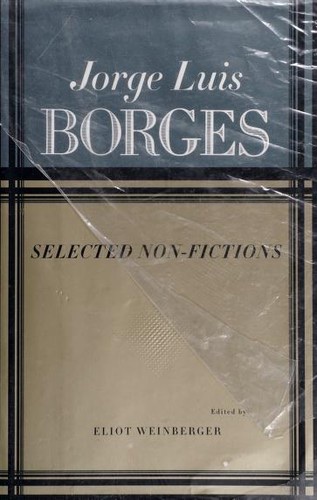 Selected Non-Fictions
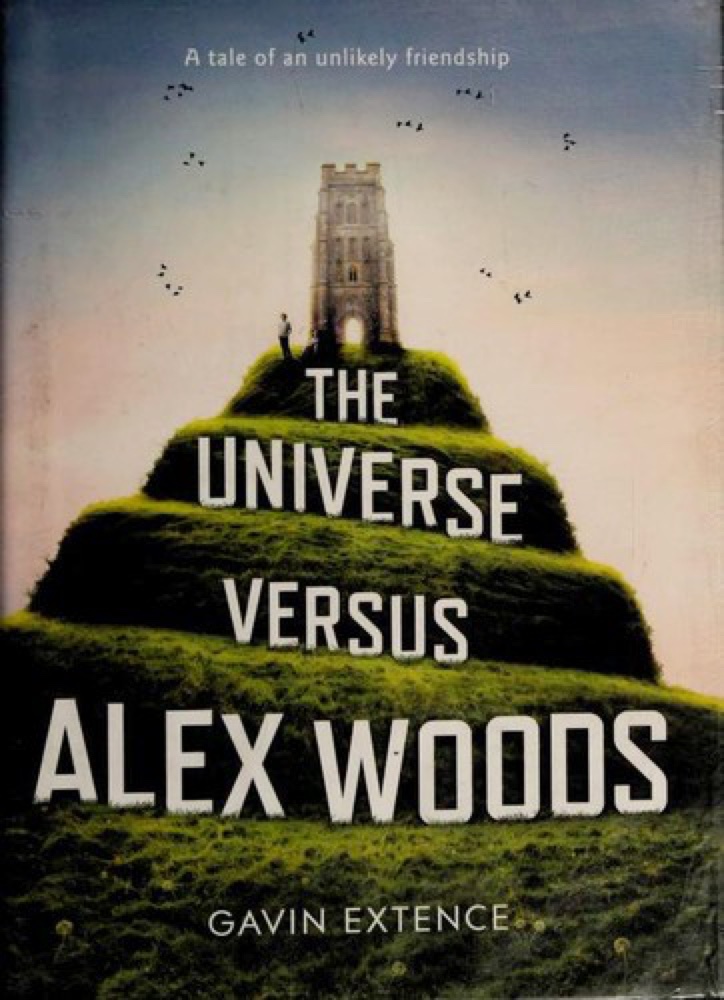 The Universe Versus Alex Woods
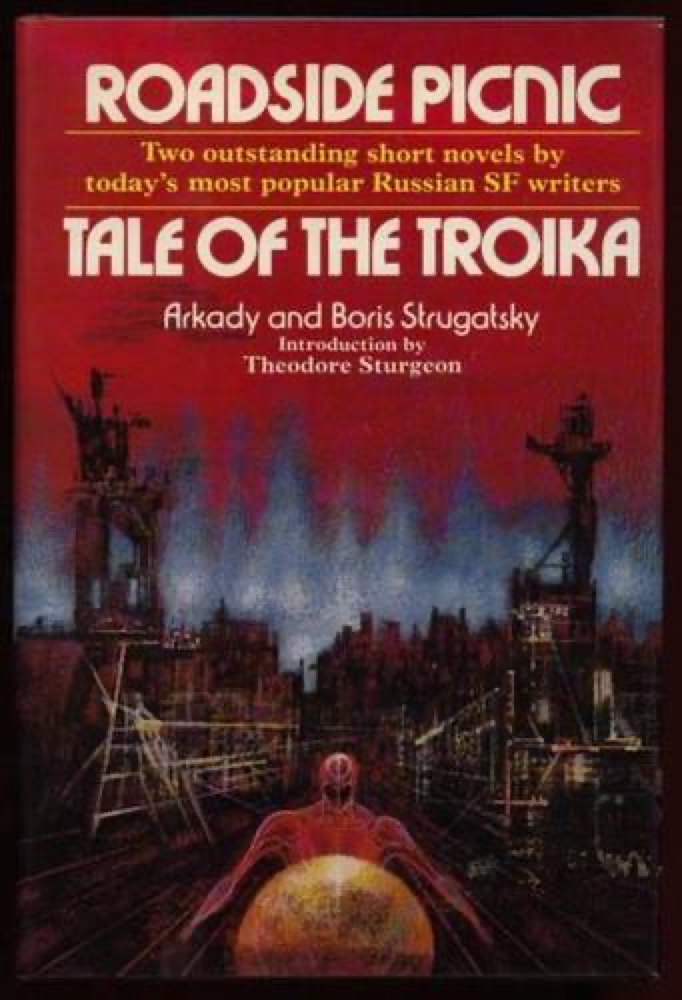 Roadside Picnic
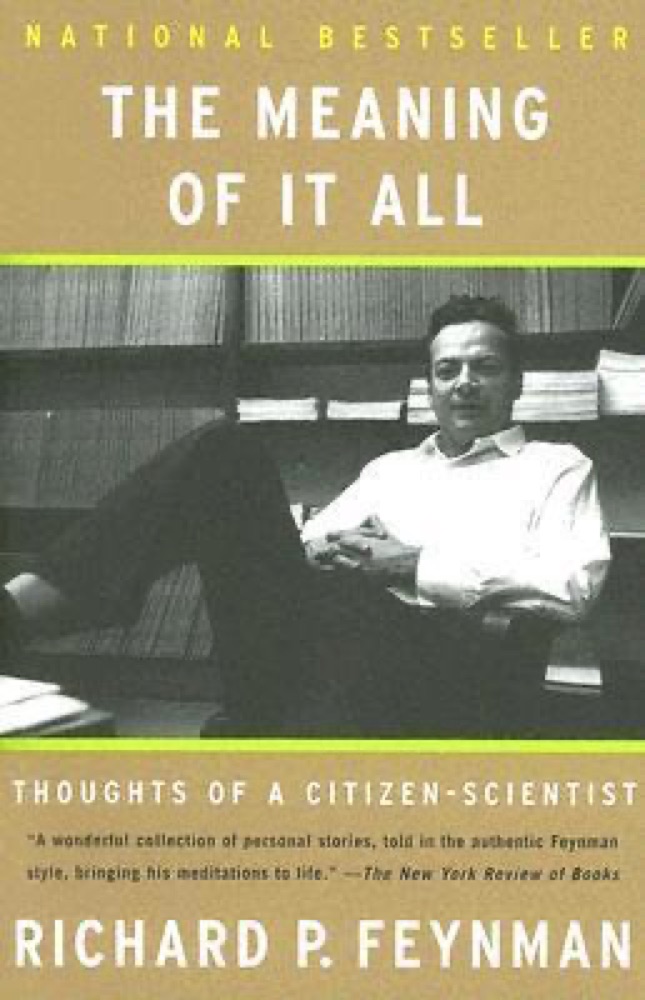 The Meaning of It All: Thoughts of a Citizen-Scientist
 The Magic Mountain
 Alif the Unseen
 Starry Messenger: Cosmic Perspectives on Civilization
 The Lost World
 Genome
 Empire of Silence
 Understanding Media: The Extensions of Man
 Winter
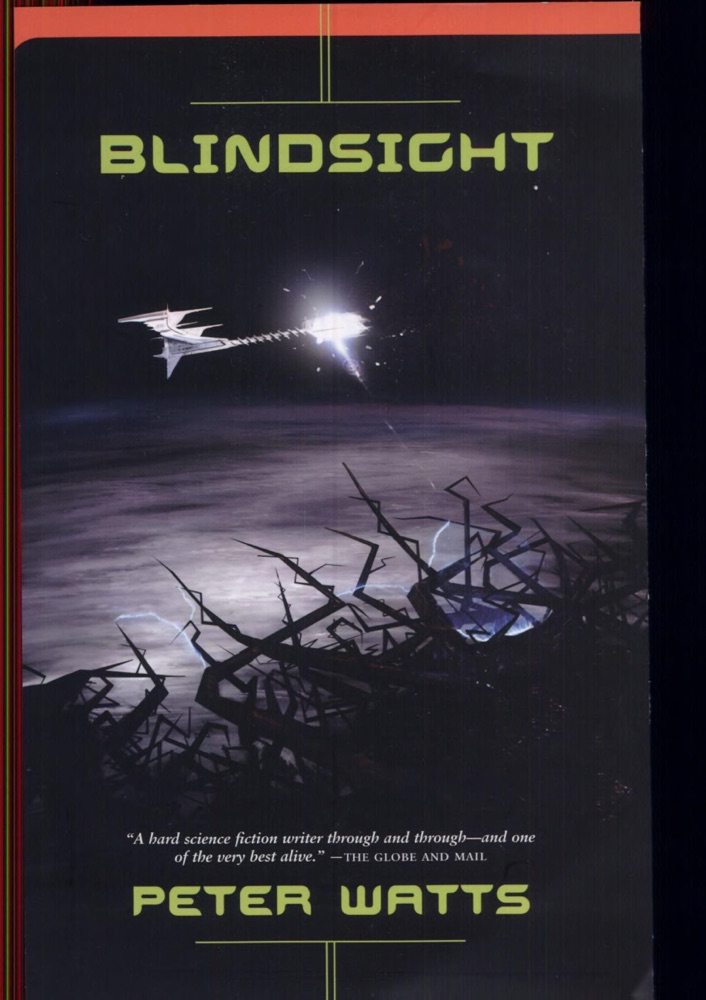 Blindsight
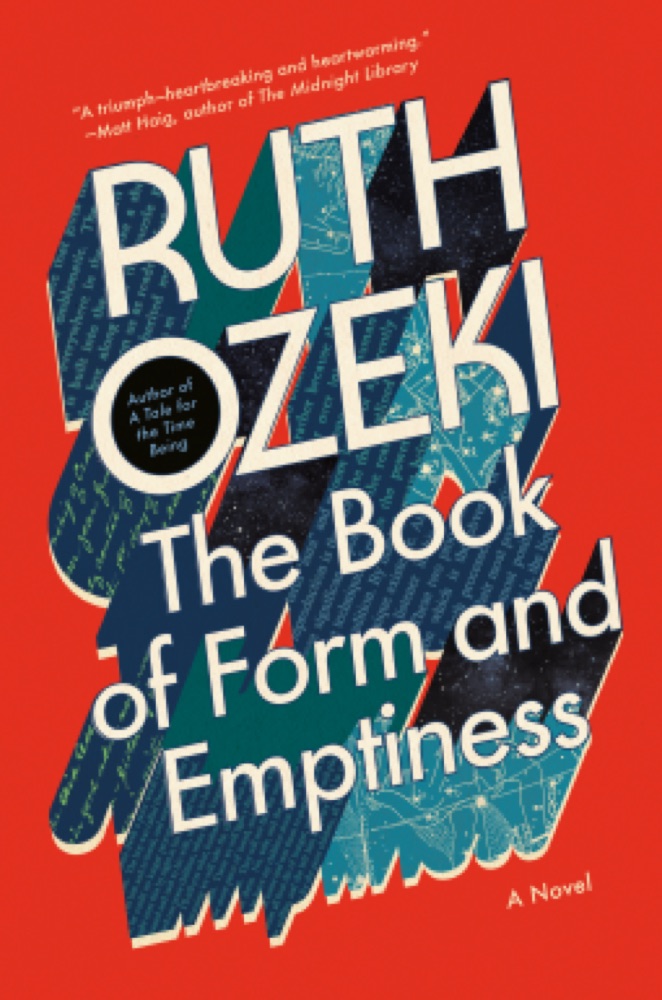 The Book of Form and Emptiness
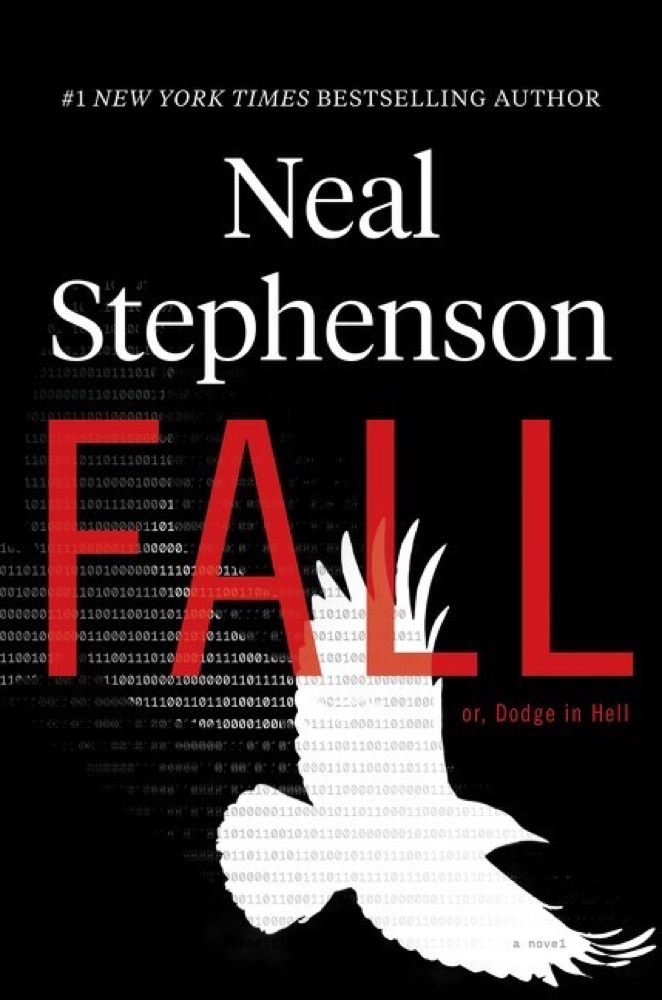 Fall; or, Dodge in Hell
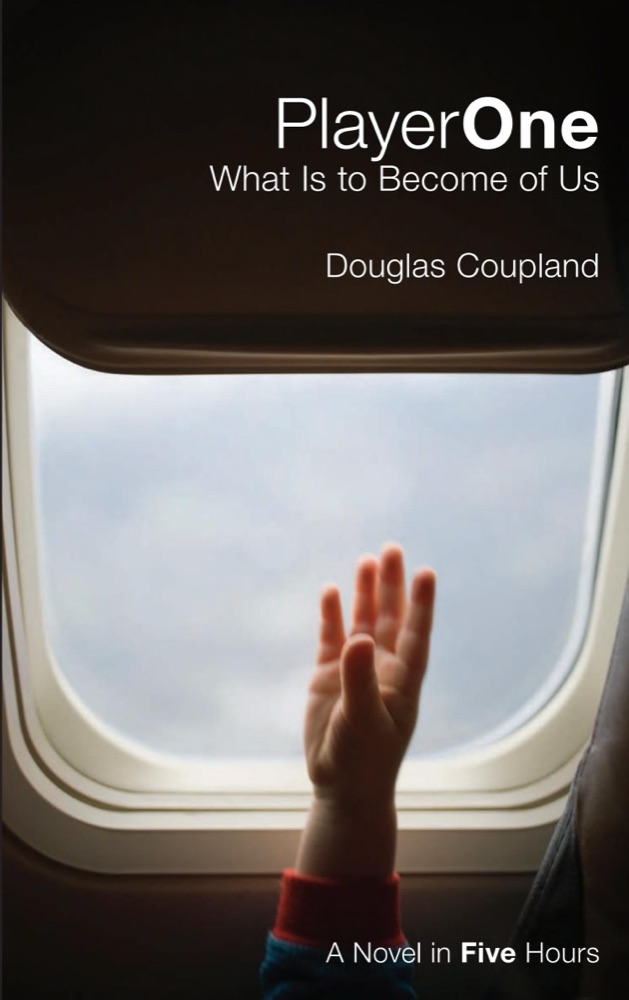 Player One: What Is to Become of Us