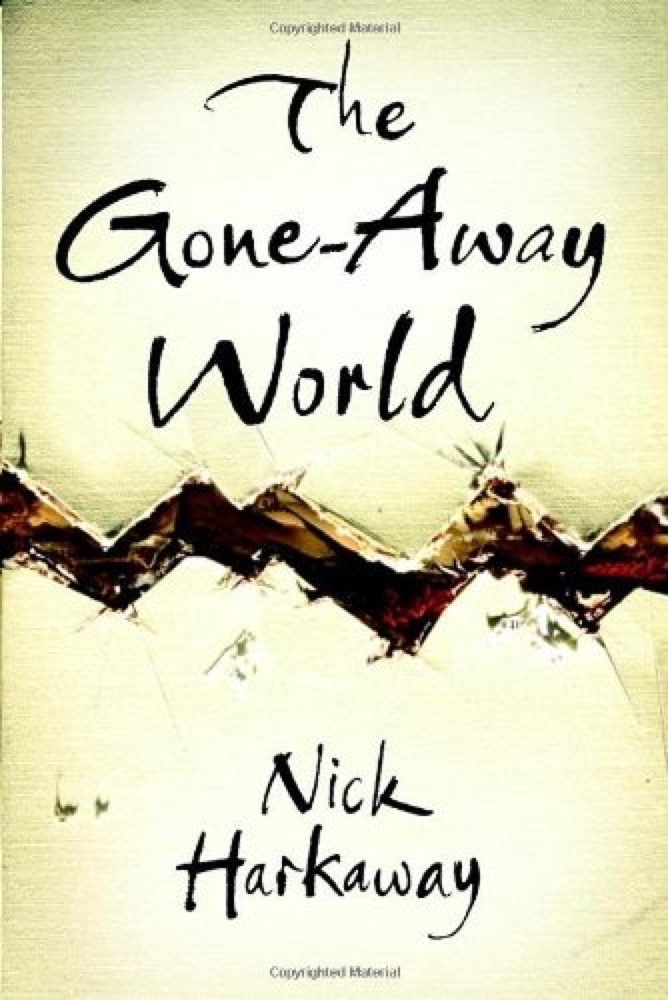
 The Gone-Away World
Quotes from the Book
Am I a fraud, then, or a scholar? I am both, of course, as we all are. Half of what I know I do not believe. Half of what I believe I cannot prove. For the rest, I hope to muddle through and my mistakes go without comment.
10
Finance by itself is ruthless, and that ruthlessness is its salvation. The real disasters are only possible when you bring politics into it, because politics is about pretending to care.
6
Questions that trouble the mind are the only ones worth considering.
5
All stories are one story, in the end.
5
The human condition is most accurately chronicled in pulp, I think. The ugly and ordinary lusts, the contradictory drives, are all ignored by more self-consciously poetic writers striving to peel away the dross to reveal the inner person who of course exists only as the sum of the dross.
5
Being a little less good than someone who is brilliant is a failure to be cherished.
5
Imagine how safe it would feel to know that no one could ever commit a crime of violence and go unnoticed, ever again. Imagine what it would mean to us to know – know for certain – that the plane or the bus we’re travelling on is properly maintained, that the teacher who looks after our children doesn’t have ugly secrets. All it would cost is our privacy, and to be honest who really cares about that? What secrets would you need to keep from a mathematical construct without a heart? From a card index? Why would it matter? And there couldn’t be any abuse of the system, because the system would be built not to allow it. It’s the pathway we’re taking now, that we’ve been on for a while.
4
Just because something is done according to the law does not mean that it is lawful. Law is made in the image of an ideal. One can make a law that does not reflect that image, and that law may be a law without being lawful.
4
… it had almost nothing to do with computers, the modernity I was trying to understand. Computers were the bones, but imagination,ambition and possibility were the blood. These kids, they simply did not accept that the world as it is has any special gravity, any hold upon us. If something was wrong, if it was bad, then that something was to be fixed, not endured. Where my generation reached for philosophy and the virtue of suffering, they reached instead for science and technology and they actually did something about the beggar in the street, the woman in the wheelchair. They got on with it. It wasn’t that they had no sense of spirit or depth. Rather they reserved it for the truly wondrous, and for everything else they made tools.
4
Perhaps there was another life, not so sad, that I missed somehow this time, and will have in another world.
3
The devil in the detail is that Smart Crowds are fragile. With a very little adulteration, they cease to be smart at all, and become remarkably stupid, or indeed self-harming. They are susceptible to stampeding by demagogues, poisoning by bad information. They can be made afraid, and when they do they become mobs. They can be divided by scapegoating and prejudice, bought off in fragments, even just romanced by pretty faces.
2
Hah! Both. Good girl. I’m Chase. It’s from the French word for “chair.” Evidently at some point after we left the old home continent for Marseilles my family made its living from the cutting and shaping of wood into uncomfortable furniture. I know it was uncomfortable because I’ve sat on it: awkward in all the wrong places. I like to introduce myself that way, it lets people know what they’re in for.
2
Once, I saw a remarkable series of photographs which showed the different compositions of human tears. It had not ever occurred to me until that moment that tears of joy might be measurably different from tears of anger or sorrow, but they are. Cause matters. If you cry from slicing an onion, the structure of your tears resembles the undergrowth in a pine forest. Remembrance is a grid pattern, like the map of New York City, but from each block emerge soft, questing tendrils, as if the body of the tear itself reaches out for what is lost. By comparison, other tears are plain. Elation is etiolated and fragile, grief is sparse, rage is linear, horror is jagged. Of all the pictures in the collection, only remembrance was complex. So what tears, now, is my body crying up above in the daylight?
2
That power may counterfeit the action of justice in most cases, but justice incomplete is not justice, it is the anticipation of wrong.
2
What is the difference between a person and a book? We can know the truth of neither. Both are encoded things seeking to make themselves clear.
2
The corollary is that a book is not finished until it is read. The writing is not complete until what is said has passed from the physical volume which gives it sensory reality into another mind where it kindles thoughts and impressions: a whole understanding of what it means to be, ignited on foreign soil in an act that is either erotic or imperialistic, but in either case miraculous. We become one another. Ink on paper is the frozen matter of a person, a snapshot of selfhood in fungal spores waiting to be quickened in our borrowed mentation, thought shaping itself in us, of us, to emerge from us.
2
I am forever confounded by those who would establish a way of doing things that all others must follow or be deemed unhappy. Sometimes the best things are found in unlikely places.
2
I had the distinct impression that calling lawyers was grounds for arrest in itself. It is a staple of crime dramas that only guilty people need lawyers before they discuss things with kindly policemen. The majority of crime dramas are written by middle-class white males with no actual experience of being accused of anything, and they are in any case about the brilliance of a particular detective. All the same, a surprising number of people—including police officers—believe what they see on the television screen without even wondering whether fact and fiction may not be entirely congruent.
2
My genitals emit a low amp electrical wang pulse, as Charles Dance memorably said.
1
What am I going to do? I am Gnomon, sometimes called the Murdering Angel, occasionally the Last Redoubt. I’m going to live forever in the skull of the next universe, and the next, and the next, until I’ve got universes all around me like a turducken, and maybe sooner or later I’ll figure out a simpler way of dealing with the problem, or maybe finally the next universe will just see me, standing there dressed in the skin and bones of all the previous ones, and get the message and fuck off. Why, what are you going to do?
1
Remember the future you were told existed when you were a child, the one with suburbs in orbit and a rocket ship in every garage. Then picture the next future after that, and the next and the next until at last you come to a blue drifting infinity where children dabble their toes in the outer layers of suns and artists work in the medium of worlds. It is the endless playground of human life in which no possibility is unexpressed. Some choose to be like gods, others like creatures from storybooks, and some are just people, albeit indestructible by any common measure, and no one is sad. And now ask yourself what would happen when the children in that playground came of age and realised that they were still finite, still bounded by the final ending of things. Et in Arcadia ego. They went mad. And then one day they went sane again, and carried on as if nothing had happened. They stopped talking about it, and they seemed quite content. I’m honestly not sure which of those moments was more appalling. But on the edge of everything there was a house, and in that house lived all the lost, forlorn, too-strange flotsam of that broken perfect world, and the people there—emancipated criminal selves, poets and upcyclers, dreamers and recidivists—they simply could not forget. By accident, they ended up the knowers of a secret truth in plain sight, which no one else would acknowledge.
1
The woman who wakes tomorrow is not the woman who woke yesterday, for all that there is a line of consequence between them. They are separated from one another by event.
1
Free” came to mean not “unchained” but “unpaid”—a conflation that no doubt delighted authoritarians across the globe.
1
Gods do not die, they are transformed. They are sundered, reforged, slain, reborn, eaten and regurgitated. The debts of our legends are never cancelled, because the seed of their renewal is contained in each payment.
1
Even the gauntlet that I cast into the teeth of those Georgians—the worthless men and pustulant boys who were so brave as to call my granddaughter foul names from behind digital masks, who threw around threats of sexual assault and murder as if these things were not the ugliest depth to which a man may fall—even my fictitious software application was a cry of rage at Ethiopia, in a way.
1
when Catherine the Great told her chancellor that she wanted to ride out in the great Empire of Russia and meet the happy peasants everyone kept telling her lived there, the chancellor—his name was Potemkin—understood immediately that shit-caked, disease-ridden serfs begging from frostbitten lips and extending three-fingered hands to their absolute monarch would not entirely fill her with joy. So he grabbed a couple of hundred minor nobles and dressed them as peasants and paid them off. Then he built a bunch of fake villages and rode Catherine through them, and she was delighted to see that agricultural labour was surprisingly easy and the soil of Russia was amazingly fertile even without much assistance from mankind. She was thrilled at the beauty of her subjects and at their surprisingly educated voices as they sang and tilled the soil. She went back to the palace and eventually died at the age of sixty-seven, still at least notionally unaware that she ruled an impoverished, brutal nation ripening towards a staggering violence. (She died of a stroke. There was, contrary to the prurient slander, no horse penis involved.) In short, I have been building Potemkin villages: faking it.
1
The doings of this small island are a curiosity only, something everyone who lives here is prone to forget.
1
Are we simulations? What does that question even mean?
1
I’ve spent a certain amount of time thinking about this recently, and I have concluded that a doctor who attends the victim of a torture chamber and does not object to the torture is a wanker. More than that, he or she has no intellectual or ethical integrity. There’s only one fundamental human right, and that is the right to security of person, be it physical or mental. Everything else is contingent on the level of society in which you exist – food, shelter, broadband digital access: all these come later. The only right that cannot be debated – if you acknowledge any kind of right at all – is the one that asserts a boundary at the skin, and says that anything within its boundary is the business of that person and no one else. The right to avoid self-incrimination, the right to die, the right to live, the right to freedom from slavery, freedom of conscience and religion, of opinion, and the right not to be tortured − all these exist as subheadings of that one, simple statement: I am me and I am not yours. No one who believes in rights at all can deny this right. It is the first. Without it, there are no others.
1
we know nothing of what is true, and yet we are to be judged on our choices and even damned. We walk in deception and must build the most honest world we know, but our efforts shall be to no avail, and in the end, one layer of lies after another must be ripped away, until some final underlying cosmos is shown to be all that ever was.
1
Watch on YouTube
About Nick Harkaway
We have collected 117 quotes from 4 books by Nick Harkaway on BookQuoters.
More about the author →More by Nick Harkaway
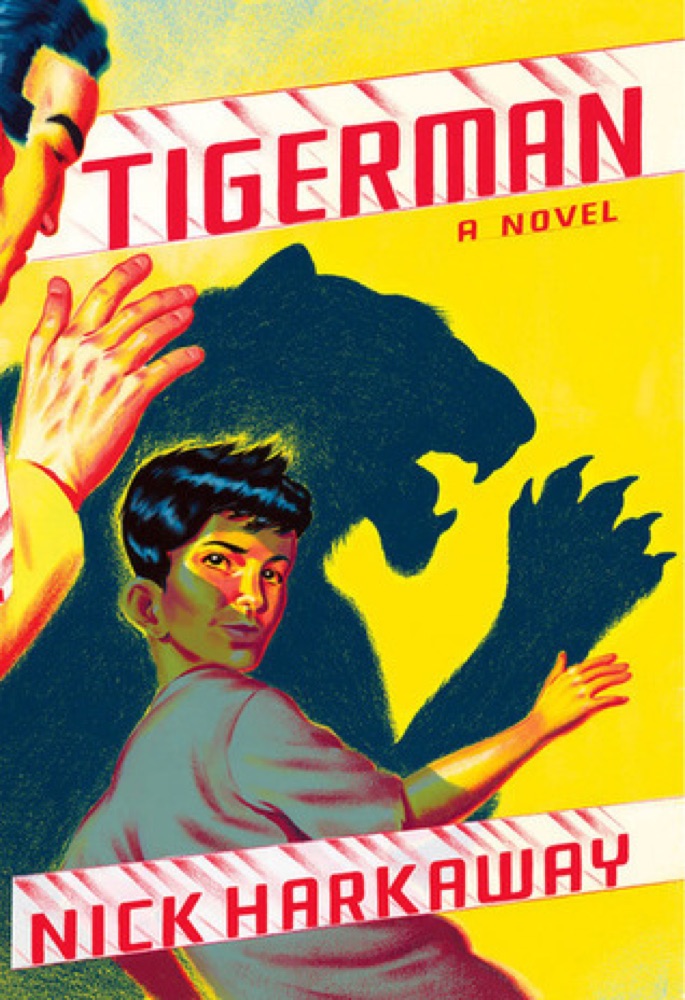
About the book
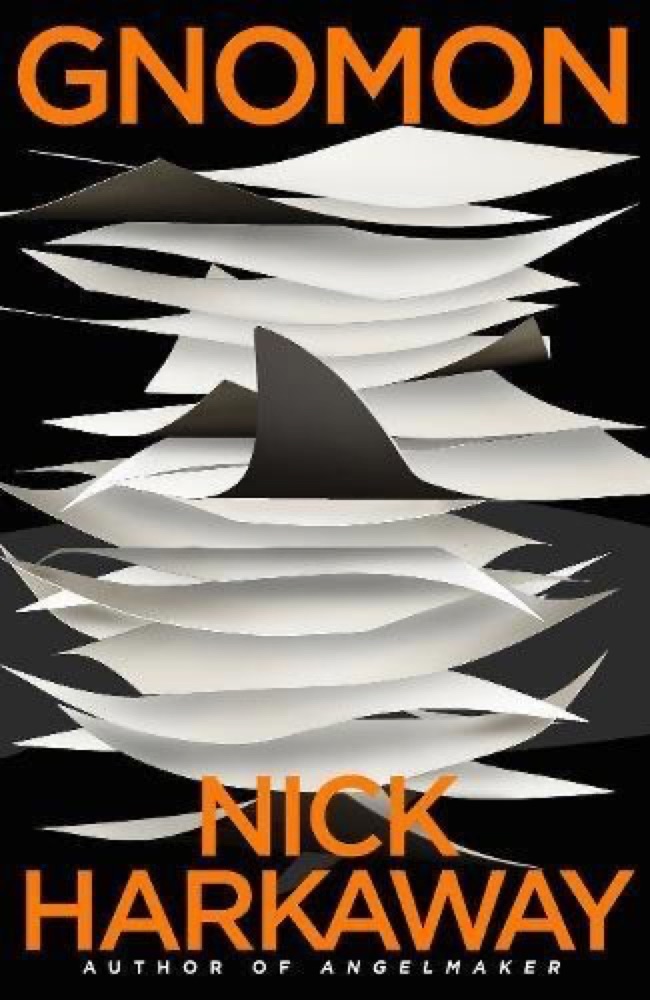
From the widely acclaimed author of The Gone-Away World and Tigerman, comes a virtuosic new novel set in a near-future, high-tech surveillance state, that is equal parts dark comedy, gripping detective story, and mind-bending philosophical puzzle.
In the world of Gnomon, citizens are constantly observed and democracy has reached a pinnacle of ‘transparency.’ Every action is seen, every word is recorded, and the System has access to its citizens’ thoughts and memories–all in the name of providing the safest society in history.
When suspected dissident Diana Hunter dies in government custody, it marks the first time a citizen has been killed during an interrogation. The System doesn’t make mistakes, but something isn’t right about the circumstances surrounding Hunter’s death. Mielikki Neith, a trusted state inspector and a true believer in the System, is assigned to find out what wen
Book details
- First published
- 2017
- Author
- Nick Harkaway
- Genre
- Science Fiction
- Goodreads rating
- 3.83 (7k ratings)
The buzz
- The Washington PostReview in The Washington Postprofessional review (via Book Marks)
- The GuardianReview in The Guardianprofessional review (via Book Marks)
- NPRReview in NPRprofessional review (via Book Marks)
- Kirkus ReviewsReview in Kirkus Reviewsprofessional review (via Book Marks)
- Publishers WeeklyReview in Publishers Weeklyprofessional review (via Book Marks)
- BooklistReview in Booklistprofessional review (via Book Marks)
Keep reading
 Too Like the Lightning
The Gone-Away World
Too Like the Lightning
The Gone-Away World
 Genesis
 Drive Your Plow Over the Bones of the Dead
 The Fifth Science
 The Stone Gods
 The Fall of Babel
 The Aosawa Murders
 The Universe Versus Alex Woods
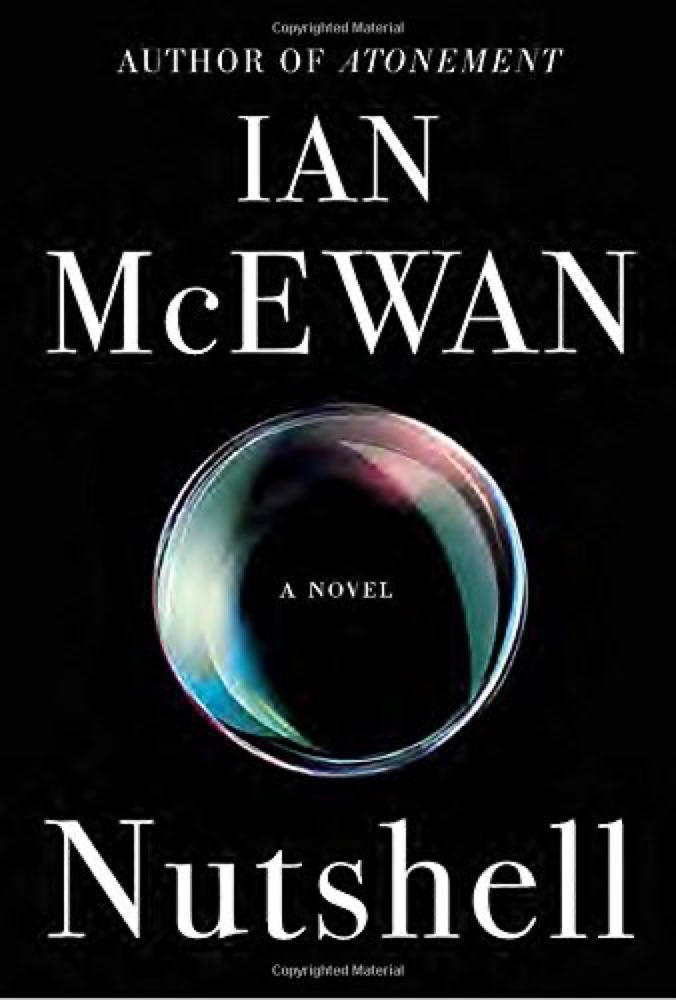 Nutshell
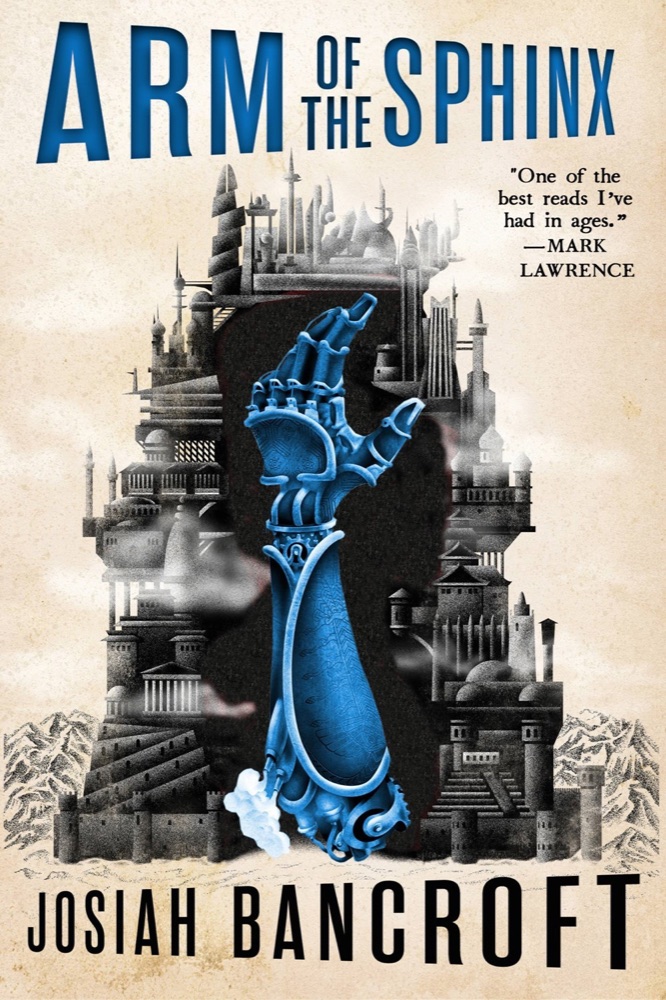 Arm of the Sphinx
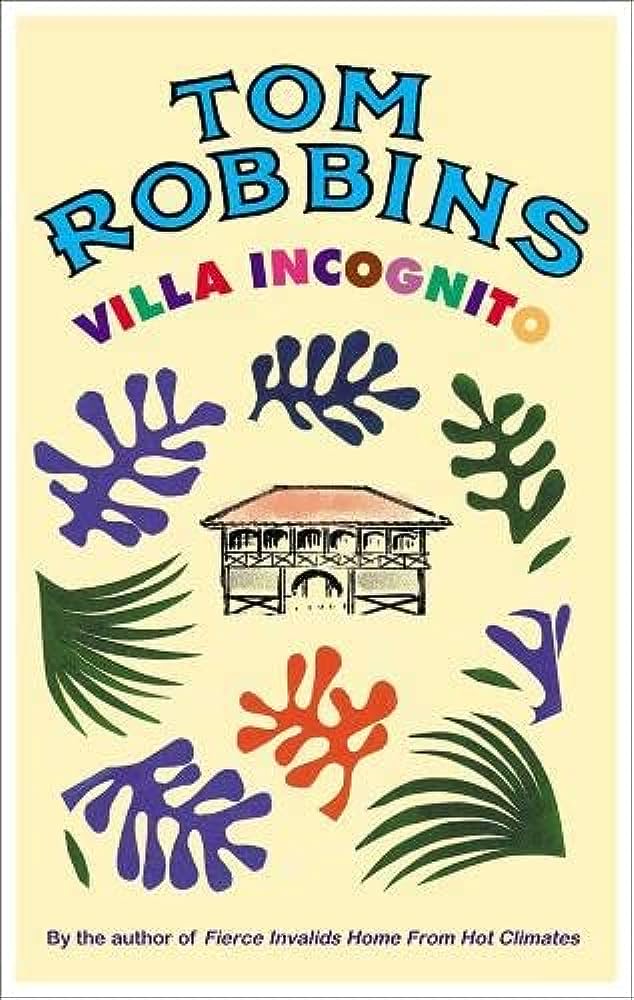 Villa Incognito
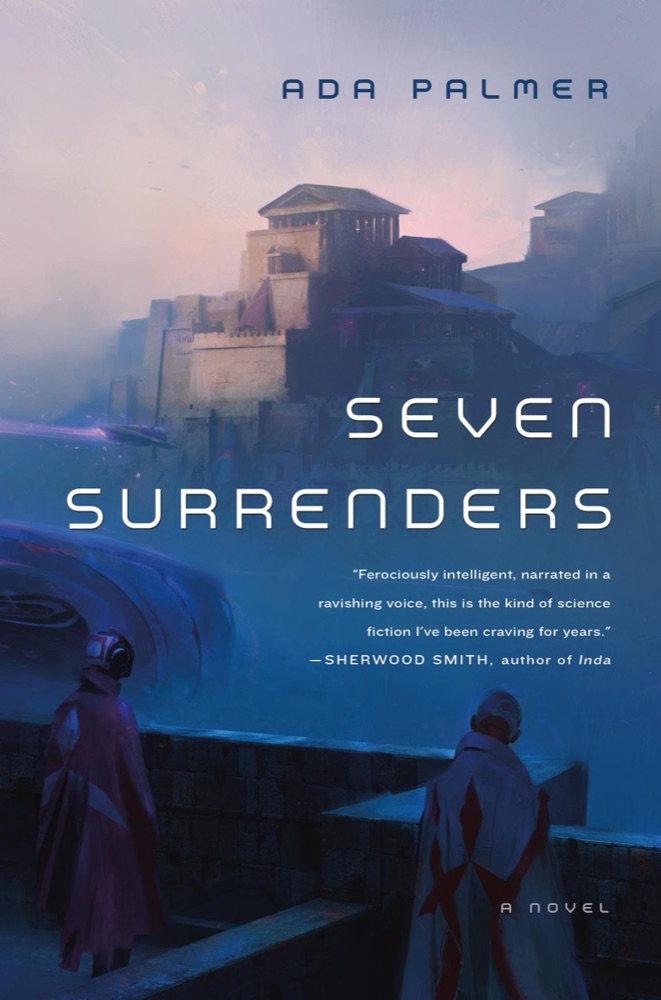 Seven Surrenders
 When Women Were Dragons
 Arcadia
 The Star Diaries
 The Secret History
 The Book That Broke the World
 Blackfish City
 The Seven Moons of Maali Almeida
 The Manticore
 The Future
 No Time To Spare: Thinking About What Matters
 The Toll
 The Futurological Congress: From the Memoirs of Ijon Tichy
 Green Mars
 The Golden House
 Golden State
 A Language Older Than Words
 The State of the Art
 The Western Lands
 Creation Lake
 Nothing to Be Frightened Of
 The Ground Beneath Her Feet
 Skinny Legs and All
 Friday
 Empire of Silence
 American Gods
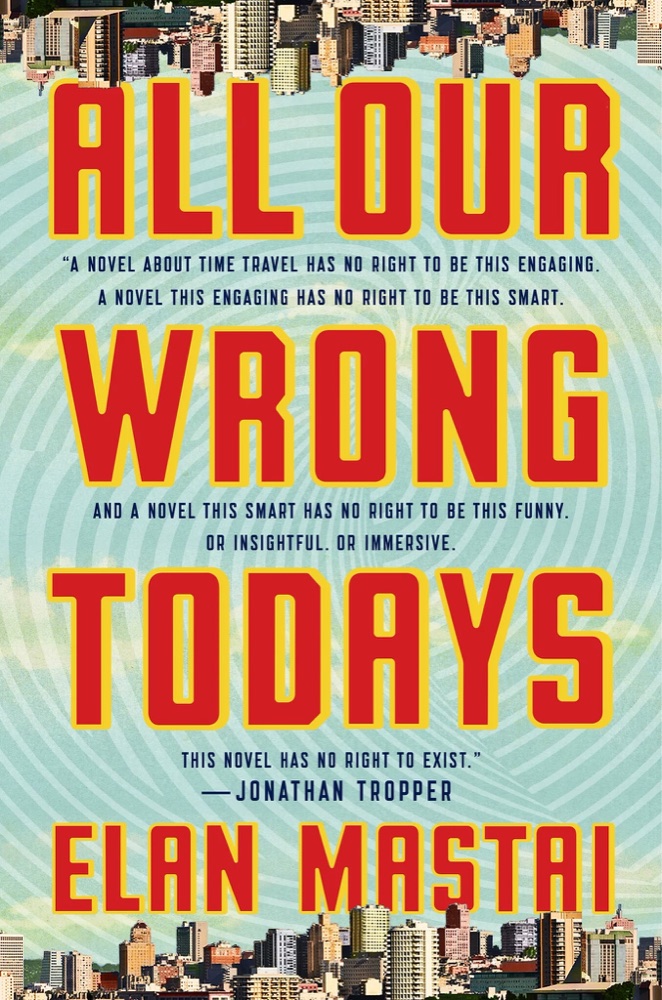 All Our Wrong Todays
 Burning Questions: Essays and Occasional Pieces, 2004 to 2021
 Half Asleep in Frog Pajamas
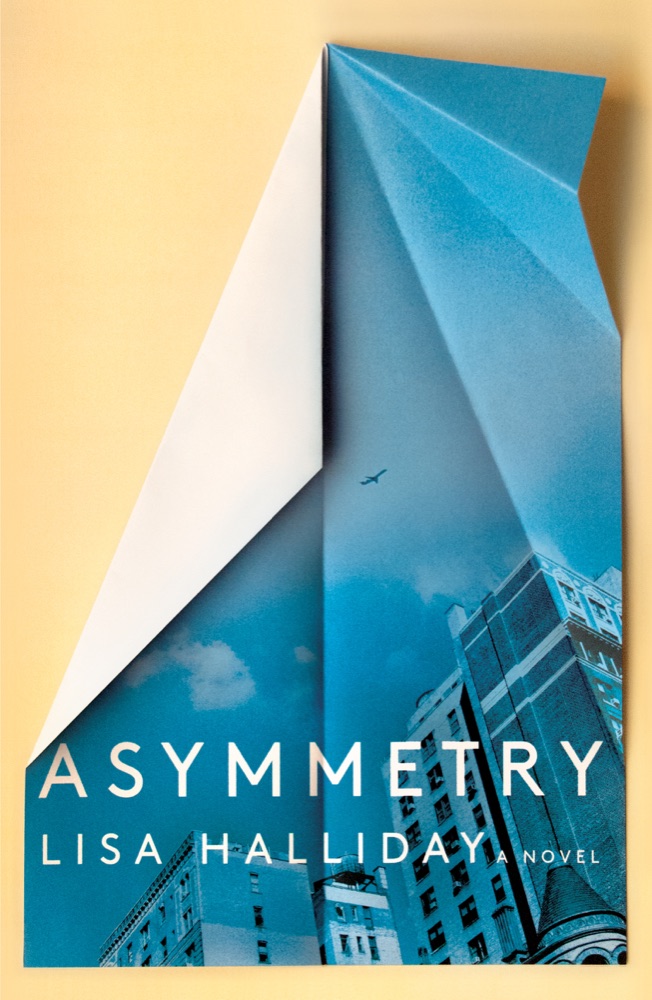 Asymmetry
 Stella Maris
 The Wolf Gift
 Stories of Your Life and Others
 The Hod King
 Eating the Dinosaur
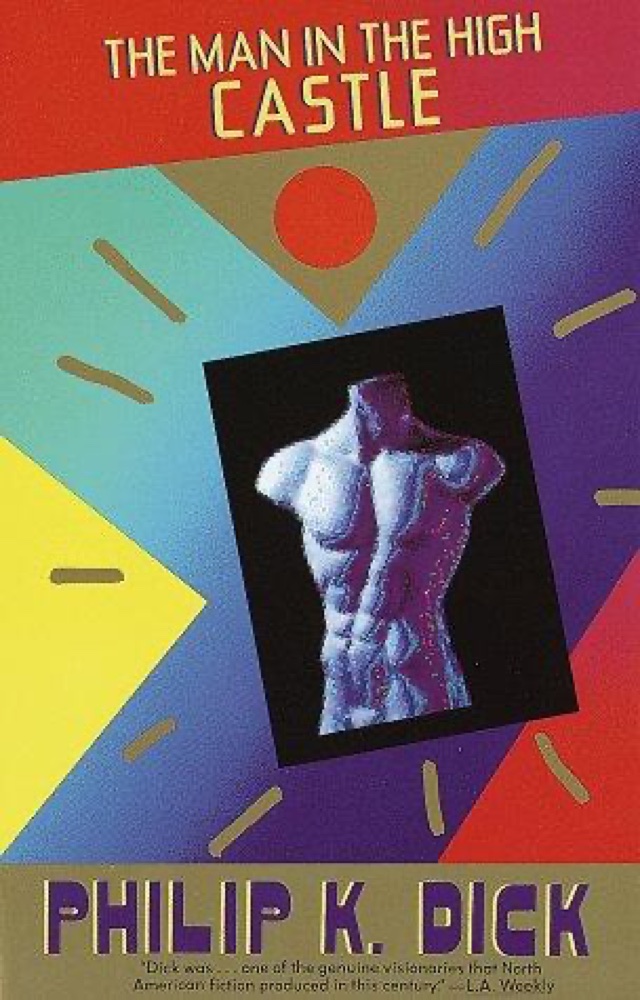 The Man in the High Castle
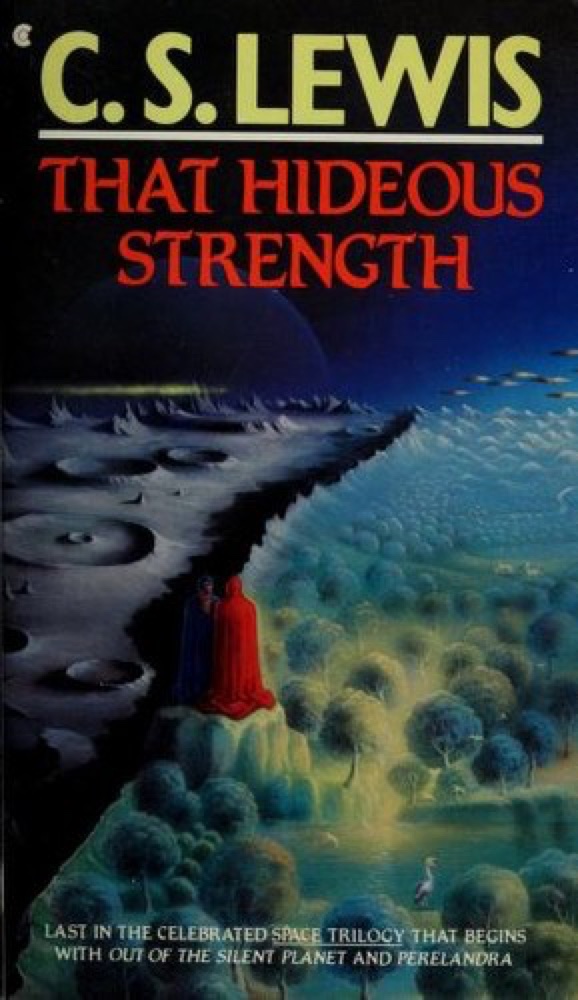 That Hideous Strength
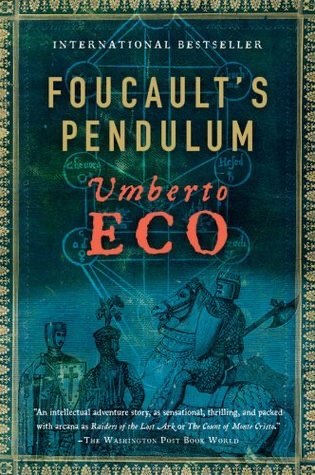 Foucault's Pendulum
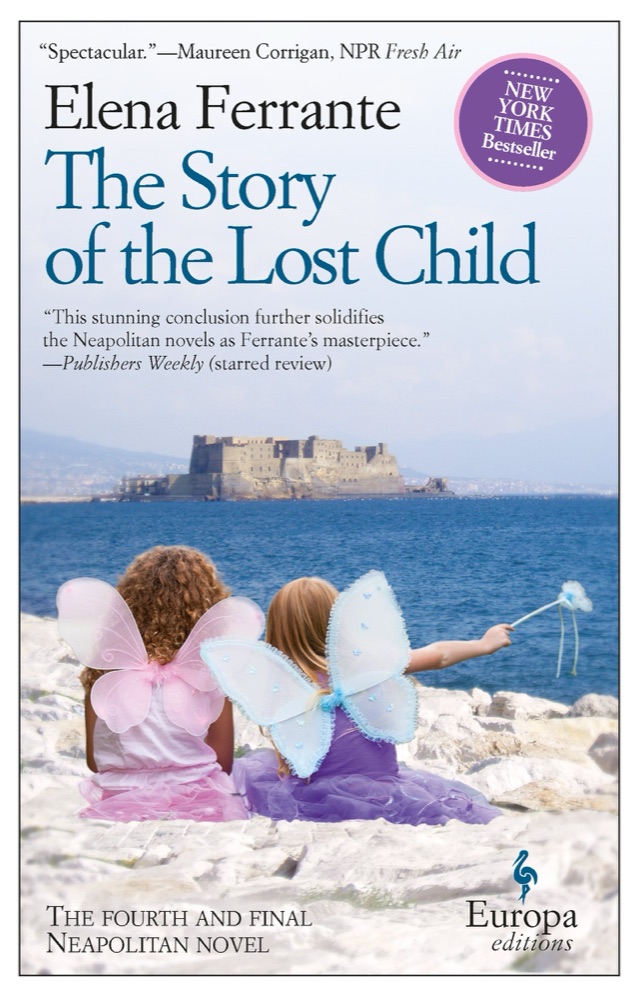 The Story of the Lost Child
 The Left Hand of Darkness
 Watchmen
 Trust
Trust
 The Boy on the Bridge
 Jailbird
 Dæmon Voices
 Under the Net
 Alien Clay
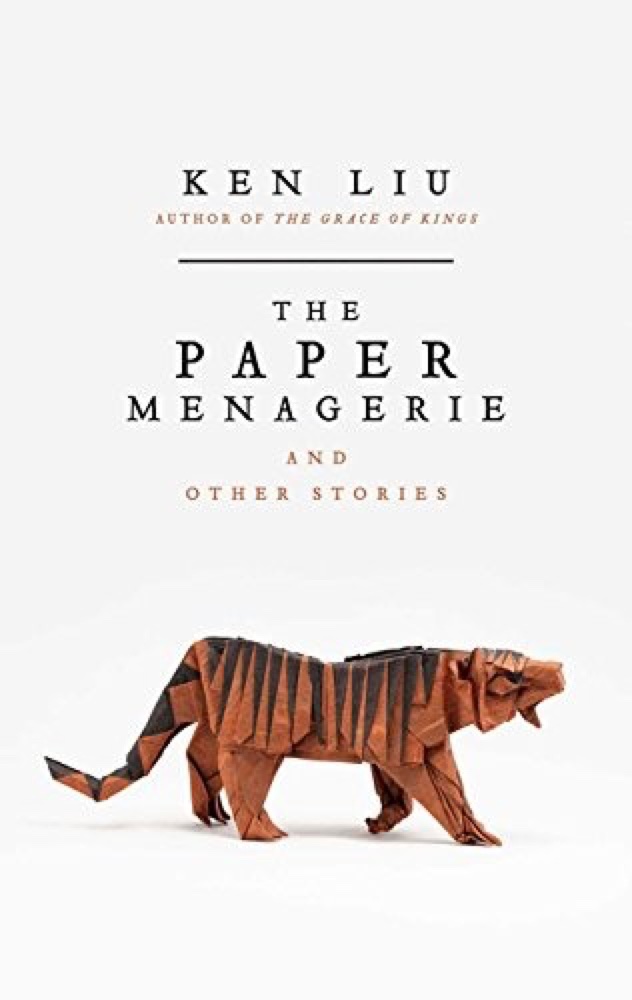 The Paper Menagerie and Other Stories