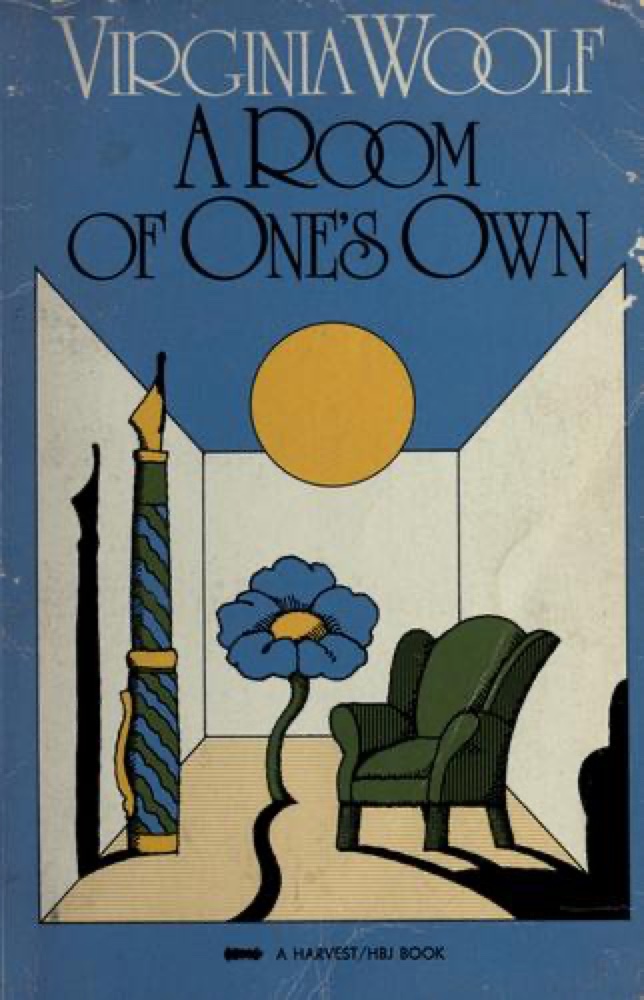
 A Room of One's Own
Quotes from the Book
Once she knows how to read there's only one thing you can teach her to believe in and that is herself.
115
I want to dance, laugh, eat pink cakes, yellow cakes, drink thin, sharp wine. Or an indecent story, now - I could relish that. The older one grows the more one likes indecency.
16
... before parting that night we agreed that the objects of life were to produce good people and good books.
12
But when the self speaks to the self, who is speaking?—the entombed soul, the spirit driven in, in, in to the central catacomb; the self that took the veil and left the world—a coward perhaps, yet somehow beautiful, as it flits with its lantern restlessly up and down the dark corridors. 'I can bear it no longer,' her spirit says. 'That man at lunch—Hilda—the children.' Oh, heavens, her sob! It's the spirit wailing its destiny, the spirit driven hither, thither, lodging on the diminishing carpets—meagre footholds—shrunken shreds of all the vanishing universe—love, life, faith, husband, children, I know not what splendours and pageantries glimpsed in girlhood. Not for me—not for me.
10
Here is something definite, something real. Thus, waking from a midnight dream of horror, one hastily turns on the light and lies quiescent, worshipping the chest of drawers, worshipping solidity, worshipping reality, worshipping the impersonal world which is a proof of some existence other than ours.
5
Doesn't one always think of the past, in a garden with men and women lying under the trees? Aren't they one's past, all that remains of it, those men and women, those ghosts lying under the trees, ... one's happiness, one's reality?
5
They were both in the prime of youth, or even in that season which precedes the prime of youth, the season before the smooth pink folds of the flower have burst their gummy case, when the wings of the butterfly, though fully grown, are motionless in the sun.
4
Desiring truth, awaiting it, laboriously distilling a few words, forever desiring ---
4
Here is nature once more at her old game of self-preservation. This train of thought, she perceives, is threatening mere waste of energy, even some collision with reality, for who will ever be able to lift a finger against Whitaker’s Table of Precedency? The Archbishop of Canterbury is followed by the Lord High Chancellor; the Lord High Chancellor is followed by the Archbishop of York. Everybody follows somebody, such is the philosophy of Whitaker; and the great thing is to know who follows whom. Whitaker knows, and let that, so Nature counsels, comfort you, instead of enraging you; and if you can’t be comforted, if you must shatter this hour of peace, think of the mark on the wall. 11 I understand Nature’s game—her prompting to take action as a way of ending any thought that threatens to excite or to pain. Hence, I suppose, comes our slight contempt for men of action—men, we assume, who don’t think. Still, there’s no harm in putting a full stop to one’s disagreeable thoughts by looking at a mark on the wall.
4
White and distant, absorbed in itself, endlessly the sky covers and uncovers, moves and remains.
3
Queer," I mused, "to see what we were thinking five years ago.
3
Yes, yes, I'm coming. Right up the top of the house. One moment I'll linger. How the mud goes round in the mind—what a swirl these monsters leave, the waters rocking, the weeds waving and green here, black there, striking to the sand, till by degrees the atoms reassemble, the deposit sifts itself, and a gain through the eyes one sees clear and still, and there comes to the lips some prayer for the departed, some obsequy for the souls of those one nods to, the one never meets again.
3
If the mind's shot through by such little arrows, and—for human society compels it—no sooner is one launched than another presses forward; if this engenders heat and in addition they've turned on the electric light; if saying one thing does, in so many cases, leave behind it a need to improve and revise, stirring besides regrets, pleasures, vanities, and desires—if it's all the facts I mean, and the hats, the fur boas, the gentlemen's swallow-tail coats, and pearl tie-pins that come to the surface—what chance is there?
2
Oh, is this your buried treasure? The light in the heart.
2
Don’t you know that our belief in man’s intellect is the greatest fallacy of them all?” “What?” I exclaimed. “Ask any journalist, schoolmaster, politician or public house keeper in the land and they will all tell you that men are much cleverer than women.” “As if I doubted it,” she said scornfully. “How could they help it? Haven’t we bred them and fed and kept them in comfort since the beginning of time so that they may be clever even if they’re nothing else? It’s all our doing!” she cried.
2
The action and the fact that his hand rested on the top of hers expressed their feelings in a strange way, as these short insignificant words also expressed something, words with short wings for their heavy body of meaning, inadequate to carry them far and thus alighting awkwardly upon the very common objects that surrounded them, and were to their inexperienced touch so massive; but who knows (so they thought as they pressed the parasol into the earth) what precipices aren't concealed in them, or what slopes of ice don't shine in the sun on the other side? Who knows? Who has ever seen this before?
1
Aren't they one's past, all that remains of it, those men and women, those ghosts lying under the trees, ... one's happiness, one's reality?
1
Haven't we bred them and fed and kept them in comfort since the beginning of time so that they may be clever even if they're nothing else? It's all our doing!
1
Don't you know that our belief in man's intellect is the greatest fallacy of them all?
1
chastity is nothing but ignorance—a most discreditable state of mind. We should admit only the unchaste to our society. I vote that Castalia shall be our President.
1
Why," she asked, "if men write such rubbish as this, should our mothers have wasted their youth in bringing them into the world?
1
Any method is right, every method is right, that expresses what we wish to express, if we are writers; that brings us closer to the novelist's intention if we are readers.
1
Everything is moving, falling, slipping, vanishing... There is a vast upheaval of matter.
1
Supposing the looking-glass smashes, the image disappears, and the romantic figure with the green of forest depths all about it is seen by other people—what an airless, shallow, bold, prominent world it becomes! A world not to be lived in. As we face each other in omnibuses and underground railways we are looking into the mirror; that accounts for the vagueness, the gleam of glassiness, in our eyes. And the novelists in future will realize more and more the importance of these reflections, for of course there is not one reflection but an almost infinite number; those are the depths they will explore, those the phantoms they will pursue, leaving the description of reality more and more out of their stories, taking a knowledge of it for granted, as the Greeks did and Shakespeare perhaps.
1
Sorrow, sorrow. Joy, joy. Woven together, inextricably commingled, bound in pain and strewn in sorrow-crash!
1
Such an expression of unhappiness was enough by itself to make one’s eyes slide above the paper’s edge to the poor woman’s face—insignificant without that look, almost a symbol of human destiny with it. Life’s what you see in people’s eyes; life’s what they learn, and, having learnt it, never, though they seek to hide it, cease to be aware of—what? That life’s like that, it seems. Five faces opposite—five mature faces—and the knowledge in each face. Strange, though, how people want to conceal it! Marks of reticence are on all those faces: lips shut, eyes shaded, each one of the five doing something to hide or stultify his knowledge. One smokes; another reads; a third checks entries in a pocket book; a fourth stares at the map of the line framed opposite; and the fifth—the terrible thing about the fifth is that she does nothing at all. She looks at life. Ah, but my poor, unfortunate woman, do play the game—do, for all our sakes, conceal it!
1
...did the professors help to produce good people and good books? -the objects of life
1
Watch on YouTube
About Virginia Woolf
We have collected 485 quotes from 20 books by Virginia Woolf on BookQuoters.
More about the author →More by Virginia Woolf
All books by Virginia Woolf →
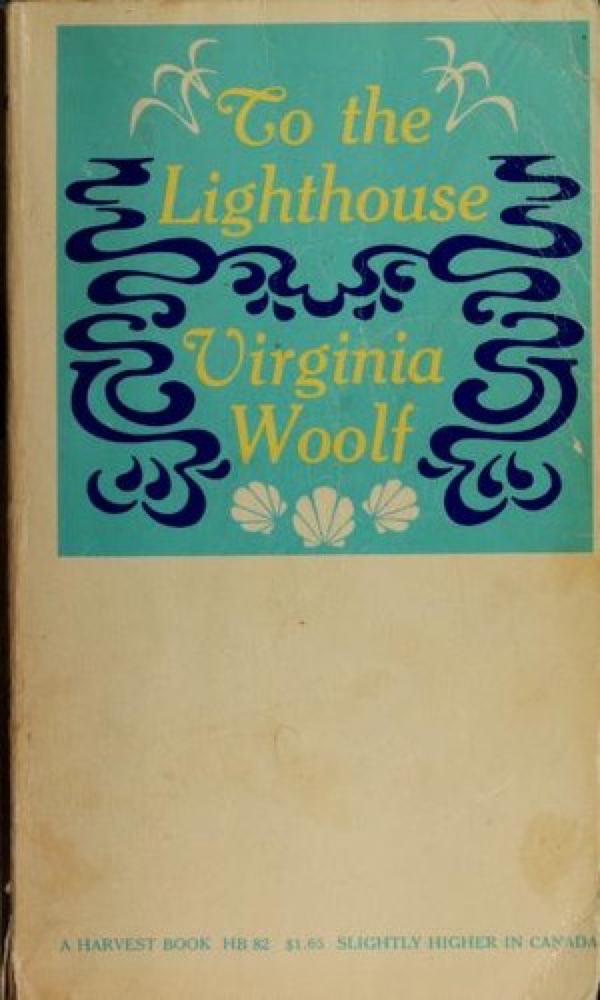

About the book
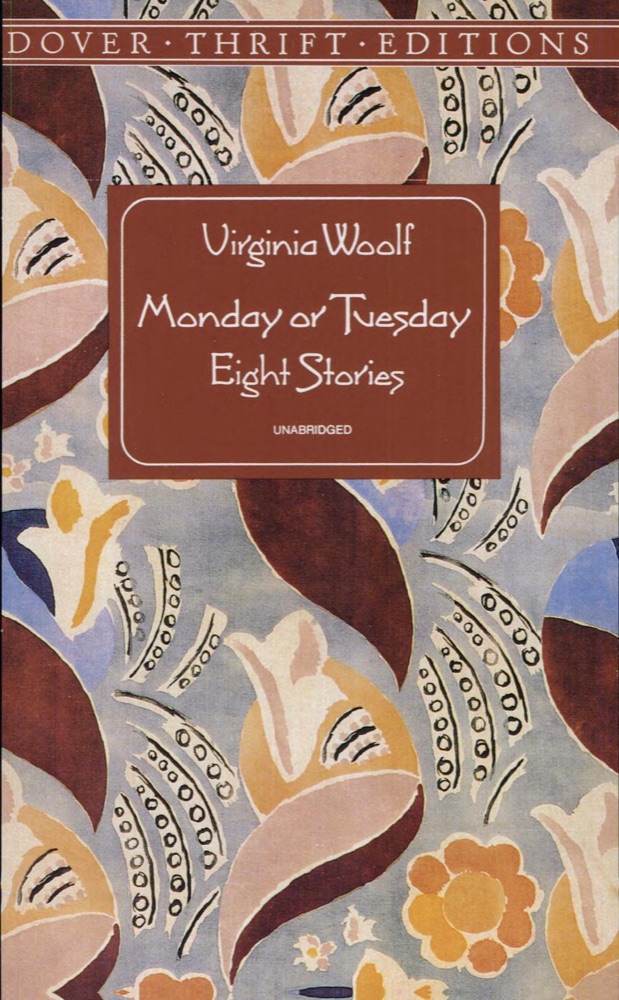
One of the most distinguished critics and innovative authors of the twentieth century, Virginia Woolf published two novels before this collection appeared in 1921. However, it was these early stories that first earned her a reputation as a writer with "the liveliest imagination and most delicate style of her time." Influenced by Joyce, Proust, and the theories of William James, Bergson, and Freud, she strove to write a new fiction that emphasized the continuous flow of consciousness, time's passage as both a series of sequential moments and a longer flow of years and centuries, and the essential indefinability of character.Readers can discover these and other aspects of her influential style in the eight stories collected here, among them a delightful, feminist put-down of the male intellect in "A Society" and a brilliant and sensitive portrayal of nature in "Kew Gardens." Also included
Book details
- First published
- 1921
- Author
- Virginia Woolf
- Genre
- Classics
- Goodreads rating
- 3.62 (4k ratings)
Keep reading
 The Tunnel
 Possession
 Daniel Deronda
 Sexus
Sexus
 In the Heart of the Heart of the Country and Other Stories
 The Common Reader
 The Notebooks of Malte Laurids Brigge
 In Search of Lost Time
 Time Regained
 Winter
 The Secret History
 The Stories of Vladimir Nabokov
 The Abundance
 Winter Hours: Prose, Prose Poems, and Poems
 Swann's Way
 The Paper Menagerie and Other Stories
 The French Lieutenant's Woman
 The Summer Without Men
 Orlando
 Sixty Stories
 The Ground Beneath Her Feet
 Jacob's Room
 The Essays of Ralph Waldo Emerson
 She
She
 The Golden Notebook
 Smoke and Mirrors: Short Fiction and Illusions
 The Children's Book
 The Angel Esmeralda
 Flights
 Old Babes in the Wood: Stories
 A Fisherman of the Inland Sea
 Good Bones and Simple Murders
 Girl with Curious Hair
 Lady Chatterley's Lover
 Nutshell
 The Magic Mountain
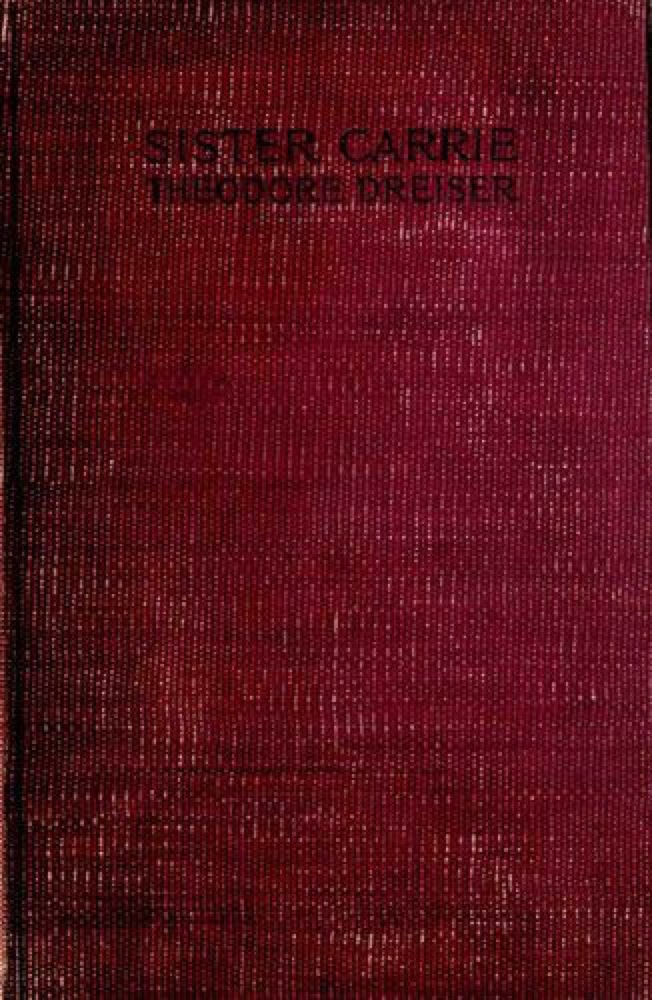 Sister Carry
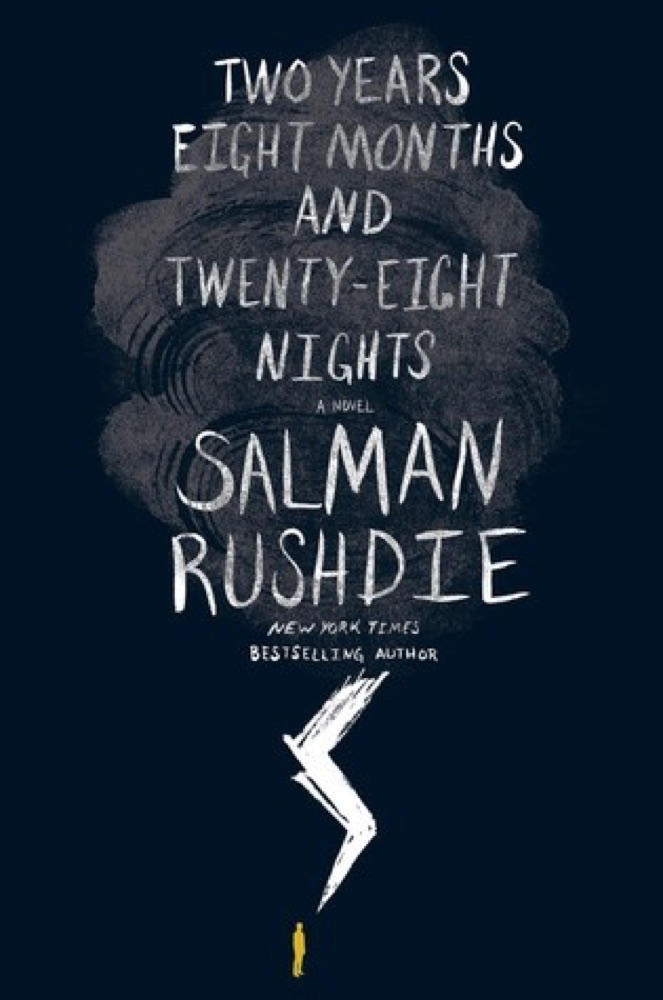 Two Years Eight Months and Twenty-Eight Nights
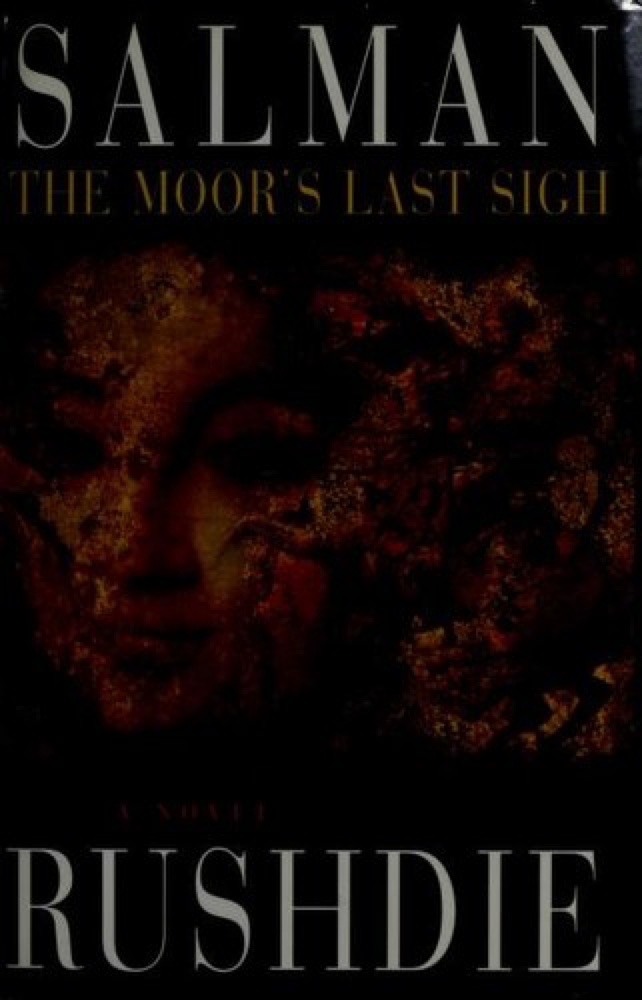 The Moor's Last Sigh
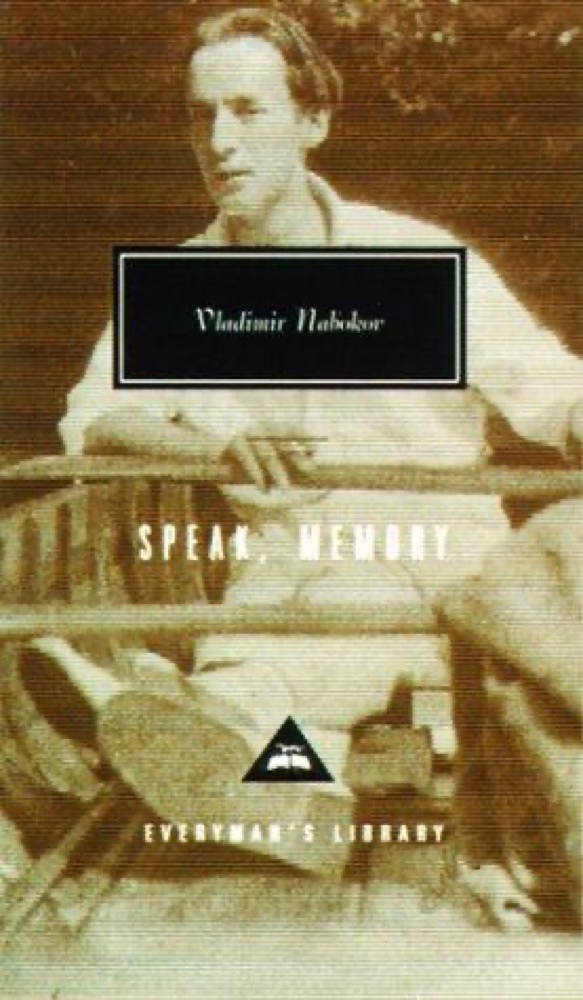 Speak, Memory
 Eyeless in Gaza
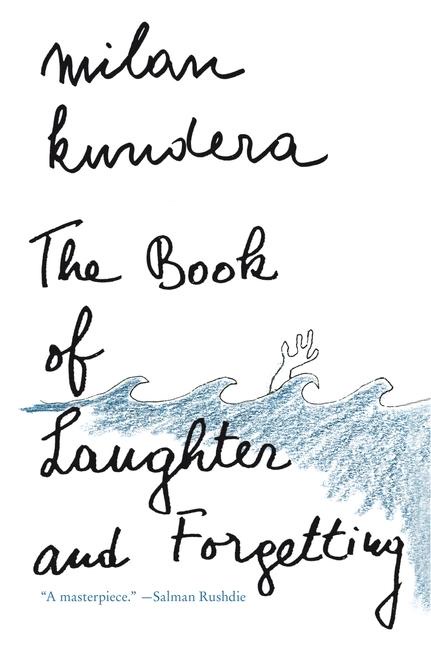 The Book of Laughter and Forgetting
 Drive Your Plow Over the Bones of the Dead
 Oblomov
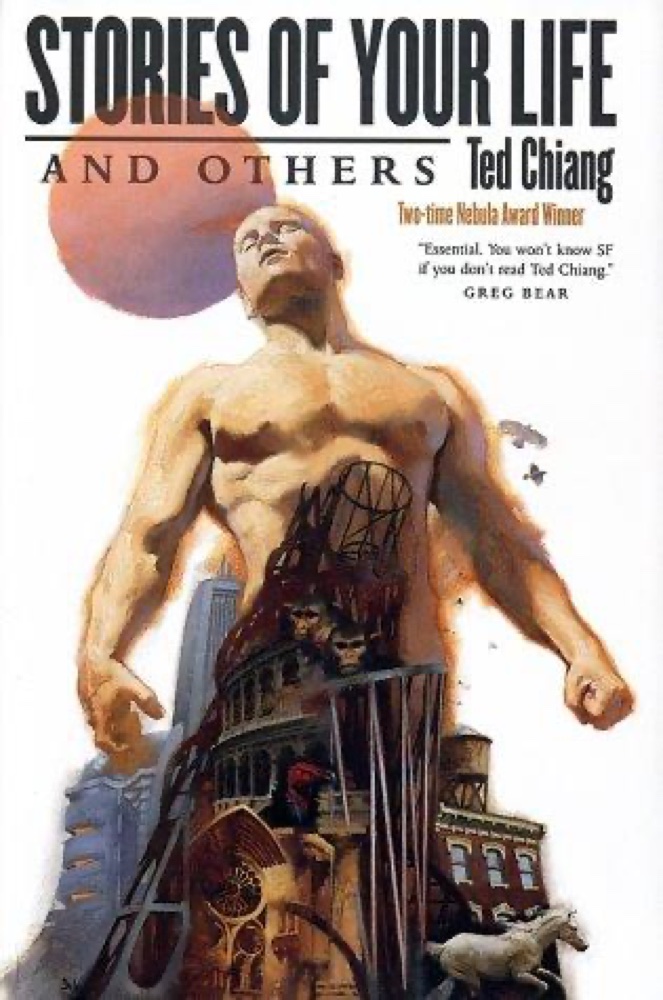 Stories of Your Life and Others
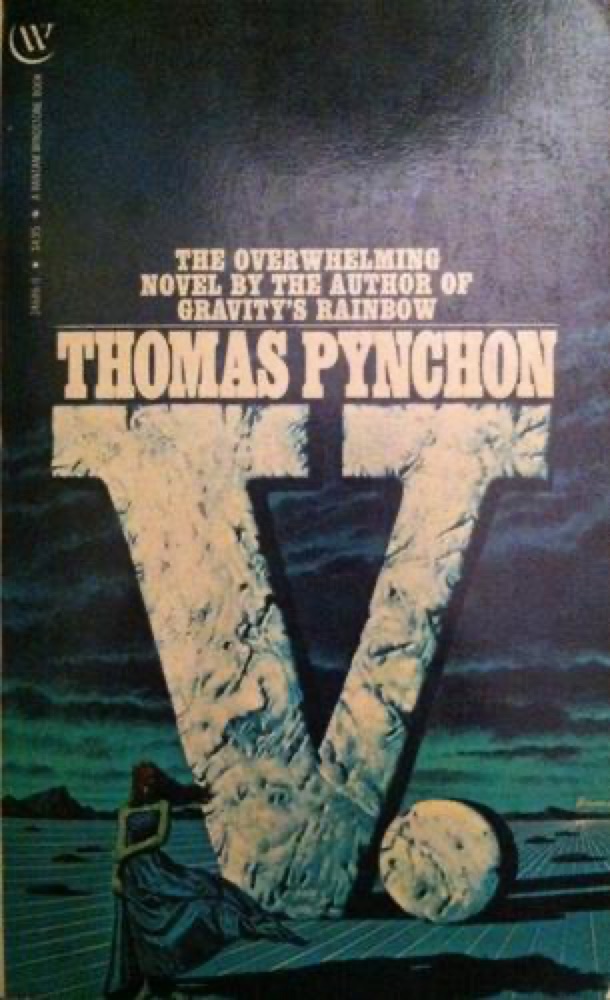 V.
V.
 Tess of the D'Urbervilles
 Sexing the Cherry
 Brideshead Revisited: The Sacred and Profane Memories of Captain Charles Ryder
 Hyperion
 The Stone Diaries
 Checkout 19
 The Swan Thieves
 Asymmetry
 That Hideous Strength
 Selected Poems
 Bradbury Stories: 100 of His Most Celebrated Tales
 Plainwater: Essays and Poetry
 Shirley
 Selected Stories