
 Crucial Conversations: Tools for Talking When Stakes are High
Quotes from the Book
The other often much prefers a clear answer, even if it is No, than continued indecision and waffling.
6
As Martin Luther King Jr. once said, “Our lives begin to end the day we become silent about things that matter.
3
The assistant stayed away from the job—withdrew her cooperation—until the boss came to his senses and accepted her No to bullying (which was actually a Yes to respect).
2
Your Plan B may seem like an imposed consequence since it is you who are the key actor. But remember what your Plan B is—your best alternative should the other refuse to respect your interests. It is not a punishment for the other, but simply the logical path for you to follow in pursuit of your legitimate needs. It is an alternative path to success. Let your Plan B speak for itself. Through your quiet tone and confidence, let the other know you are serious about carrying out your Plan B with its attendant logical consequences.
2
Most attackers are looking for easy victims. They’re not looking for a fight, not even a verbal one. Saying No makes you a less attractive target. Submitting and being nice to attackers in the hope that they will be nice to you in return is not the safest strategy.” Saying “No!” helps you gather your energy, reminds you of your right to say No, draws attention, and expresses your power.
1
Take Away Their Stick If the other’s reaction to our No is to hurt or threaten us, our first instinct may be to hurt them back. A more effective strategy, however, is to neutralize the impact of their behavior. If, as in the story of the Zen master, they are threatening to hit you with a stick, don’t hit them back; just take away the stick. In other words, don’t attack the other, but simply remove their ability to attack you.
1
Speak when you are angry, and you will make the best speech you will ever regret.
1
Yes’ is the key word of community, ‘No’ the key word of individuality. ‘Yes’ is the key word of connection, ‘No’ the key word of protection. ‘Yes’ is the key word of peace, ‘No’ the key word of justice. The great art is to learn to integrate the two, to marry yes and no. That is the secret to standing up for yourself and what you need, without destroying valuable agreements and precious relationships. That is what a ‘Positive No’ seeks to achieve.
No matter how skillful you are, there is no substitute for effective preparation and practice beforehand. Take it from the boxing champ Muhammad Ali, who liked to point out, “I run on the road long before I dance under the lights.
Saying No is a way for you to communicate with yourself. It forces you to breathe, which breaks the freeze response. It gathers your energy. It gets your adrenaline going. It reminds you of the [self-defense] class, your muscle memory, the support of the line [your peers], and the fact that you have the right to fight for your own safety.
In the workplace, managers and leaders who knew how to say No would do a much better job of keeping their organizations strategically focused. People in departments such as finance and human resources who regularly have to say No to internal clients would be able to contribute more effectively to the organization’s success. People in sales would know when and how to say No to customers—and would feel supported in doing so. And everyone would be more empowered to create a healthier balance between work and personal life.
Acknowledge the truth of the difficulties, thank the person, and focus on a positive future.
Effective negotiation requires a persistent focus on what is most important.
Your repetition can be intentional. You can use the same anchor phrase freshly each time, renewed by focusing on your underlying intention— the deeper Yes that lies within you. You can also humanize the repetition with a smile or acknowledgment.
By pausing, if only for a few seconds and taking a few slow, deep breaths, we can begin to slow down our heart rate and relax our tensed muscles. We can then focus more effectively on what response will best advance our interests.
Whether you attack or yield, you are reacting. You are off track, no longer focused on the prize—the protection of your core interests and needs. Yielding rewards the other’s abusive behavior, and counterattacking reinforces it. In either case, you interrupt the other’s process of accepting our No. The choice is yours. The moment you react to the other’s reaction, you are initiating an action-reaction cycle that can go on forever. The alternative is not to react but rather to stay true to your underlying Yes. Keep your focus on what matters to you.
The son changed the focus from the negative (“Sell the house”) to the positive (“Try this new arrangement for six weeks”). In other words, don’t just tell the other to stop doing something you don’t want; ask them to start doing something you do want.
Framing your solution negatively, such as “Don’t shout at me,” tends to focus the other’s attention even more on the unwanted behavior and may unconsciously reinforce it, particularly if you are shouting back at them. It is more effective to say, quietly, “Please talk to me in a quiet tone.” Focus the other’s mind clearly on the positive action you want them to take.
A behavioral proposal focuses on what you’d like the other to do, not on who you’d like the other to be.
If you open a door, however, as Diane Nash did with her persistent questions, you offer the other a way out and all your power can be deployed in persuading them to take it. In short, rather than working to frustrate the other, focus on redirecting their attention to a positive outcome.
Instead of telling your friend, “I’m not going with you to the game,” say, “I’ll catch you after the game.” In other words, put your focus on the positive while creating the boundary you need.
If, however, you would like to see the behavior change, it is more effective not to attack the person outright but to focus hard on the problematic behavior.
She began the conversation with Tom by acknowledging his work and then focused on the problem at hand, sticking strictly to the facts:
Take a deep breath and focus on your purpose—your Yes—in this situation. Ask yourself what you really want and what is really important here. In other words, shift from being reactive and focused on No, to being proactive and focused on Yes.
Interestingly, No can attract more help if you are being attacked than even the word help. So say the trainers at Impact Bay Area, the organization that trains women in self-defense. Shouting “No!” attracts the attention of others naturally and recruits any help that may be available in earshot. Equally important, the trainers say, “saying No is a way for you to communicate with yourself. It forces you to breathe, which breaks the freeze response. It gathers your energy. It gets your adrenaline going. It reminds you of the [self-defense] class, your muscle memory, the support of the line [your peers], and the fact that you have the right to fight for your own safety. Most attackers are looking for easy victims. They’re not looking for a fight, not even a verbal one. Saying No makes you a less attractive target. Submitting and being nice to attackers in the hope that they will be nice to you in return is not the safest strategy.” Saying “No!” helps you gather your energy, reminds you of your right to say No, draws attention, and expresses your power.
Instead of attacking, focused on taking away the stick.
When you say that you have a policy, you are signaling that your No is not a one-time message but an ongoing practice to which you have given a lot of thought. It is a signal of resolve, a sign that you will not budge. Of course, this phrase is not to be used lightly or misleadingly as a rigid adversarial position; it works when it is indeed your policy, something you have thought through.
As Gandhi recognized and demonstrated, perhaps the chief positive power we have in a world of relationships is the ability to withdraw our cooperation if the other refuses to respect our legitimate interests.
By refusing to respect you and your needs, the other is bringing about a certain set of natural consequences, which themselves can become the other’s teacher. Your job is to simply facilitate the learning process, beginning by asking reality-testing questions, and proceeding to warnings.
Watch on YouTube
About William Ury
We have collected 29 quotes from 1 book by William Ury on BookQuoters.
More about the author →About the book
"William Ury brings a marvelous blend of experience, insight, integrity and warmth to his work. In this wonderful book he teaches us how to say No--with grace and effect--so that we might create an even better Yes." --Jim Collins, author of Good to Great
No is perhaps the most important and certainly the most powerful word in the language. Every day we find ourselves in situations where we need to say No-to people at work, at home, and in our communities-because No is the word we must use to protect ourselves and to stand up for everything and everyone that matters to us.
But as we all know, the wrong No can also destroy what we most value by alienating and angering people. That's why saying No the right way is crucial. The secret to saying No without destroying relationships lies in the art of the Positive No, a proven technique that anyone can learn.
This indispensable book gives yo
Book details
- First published
- 2007
- Author
- William Ury
- Genre
- Nonfiction
- Goodreads rating
- 4.00 (4k ratings)
Keep reading
Crucial Conversations: Tools for Talking When Stakes are High
 Never Split the Difference: Negotiating As If Your Life Depended On It
 The Gift of Fear: Survival Signals That Protect Us from Violence
 Getting More: How to Negotiate to Achieve Your Goals in the Real World
 Thank You for Arguing: What Aristotle, Lincoln, and Homer Simpson Can Teach Us About the Art of Persuasion
 Difficult Conversations: How to Discuss What Matters Most
 Radical Candor: Be a Kickass Boss Without Losing Your Humanity
 It Takes What It Takes: How to Think Neutrally and Gain Control of Your Life
 Becoming Bulletproof: Protect Yourself, Read People, Influence Situations, and Live Fearlessly
 Be Your Future Self Now: The Science of Intentional Transformation
 Us: Getting Past You and Me to Build a More Loving Relationship
 Influence Is Your Superpower: The Science of Winning Hearts, Sparking Change, and Making Good Things Happen
 The 7 Habits of Highly Effective People: Personal Workbook
 Tribe Of Mentors: Transformative Wisdom From Icons and Innovators to Help You Navigate Life's Challenges
 Professional Troublemaker: The Fear-Fighter Manual
 How to Win Friends & Influence People
 QBQ! The Question Behind the Question: Practicing Personal Accountability in Work and in Life
 Discipline Equals Freedom: Field Manual
 Excellent Advice for Living: Wisdom I Wish I'd Known Earlier
 How to Talk So Little Kids Will Listen: A Survival Guide to Life with Children Ages 2-7
 Getting to Yes: Negotiating Agreement Without Giving In
 The Last Lecture
 Stay Sexy & Don't Get Murdered: The Definitive How-To Guide
 The Flinch
 The Power of Focus
 The Gift of Anger: And Other Lessons from My Grandfather Mahatma Gandhi
 Yes Please
 It Worked for Me: In Life and Leadership
 Boundaries: When to Say Yes, How to Say No to Take Control of Your Life
 The Success Principles: How to Get from Where You Are to Where You Want to Be
 Necessary Endings: The Employees, Businesses, and Relationships That All of Us Have to Give Up in Order to Move Forward
 The Dance of Connection: How to Talk to Someone When You're Mad, Hurt, Scared, Frustrated, Insulted, Betrayed, or Desperate
 Principles: Life and Work
 Power Thoughts: 12 Strategies to Win the Battle of the Mind
 Surrounded by Idiots
 Be a People Person
 If I Understood You, Would I Have This Look on My Face?: My Adventures in the Art and Science of Relating and Communicating
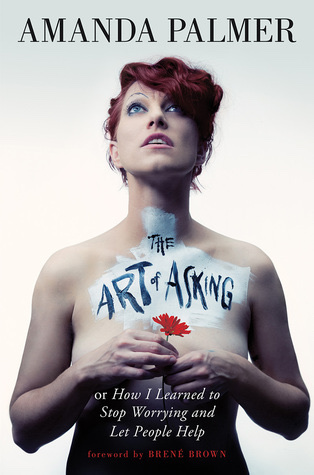 The Art of Asking; or, How I Learned to Stop Worrying and Let People Help
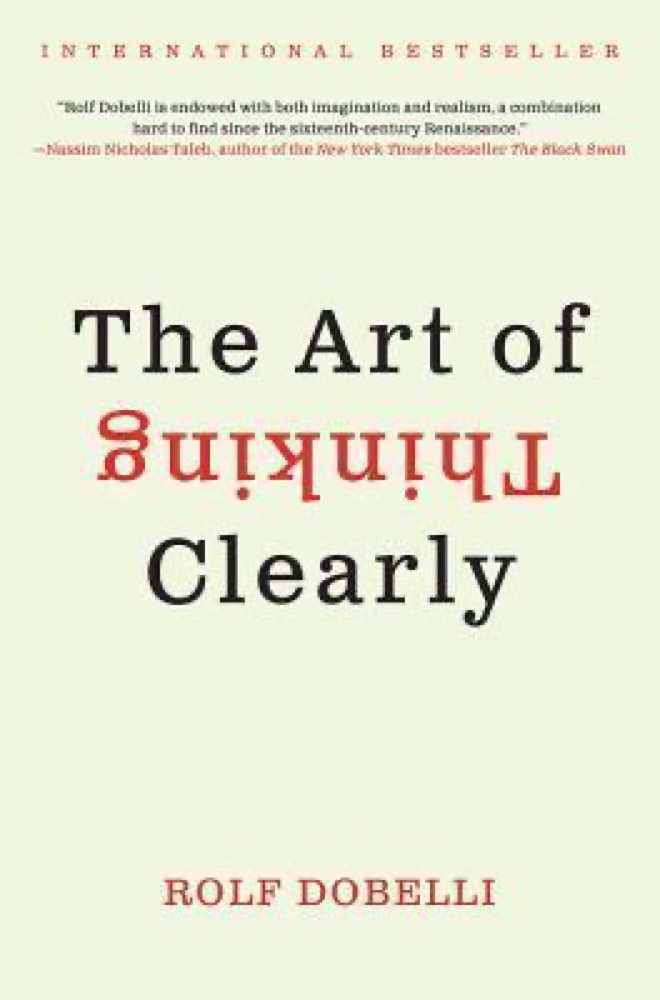 The Art of Thinking Clearly
 Yes Man
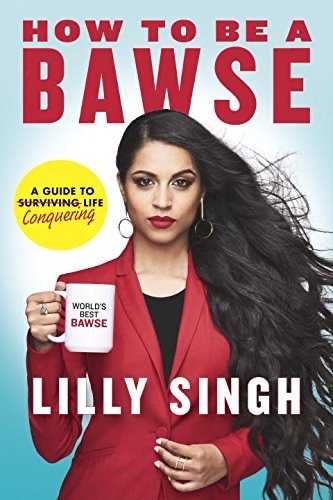 How to Be a Bawse: A Guide to Conquering Life
 Nonviolent Communication: A Language of Life
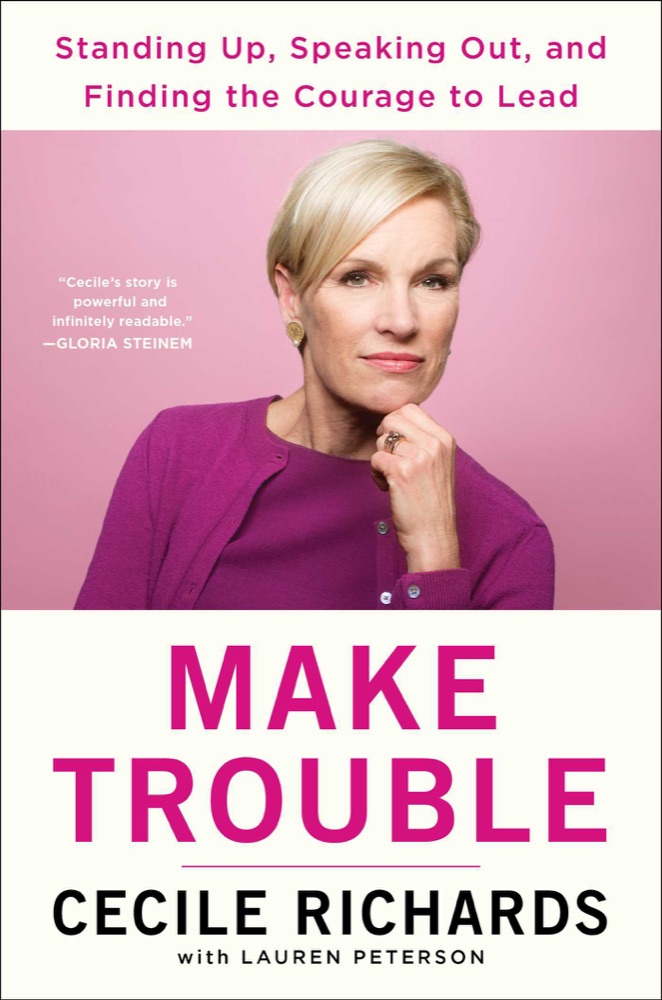 Make Trouble: Standing Up, Speaking Out, and Finding the Courage to Lead
 The Catalyst: How to Change Anyone's Mind
 Dare to Lead
 The Mindful Athlete: Secrets to Pure Performance
 Essentialism: The Disciplined Pursuit of Less
 The 48 Laws of Power
 Your Next Five Moves: Master the Art of Business Strategy
 The 360 Degree Leader: Developing Your Influence from Anywhere in the Organization
 How to Be Successful without Hurting Men's Feelings: Non-threatening Leadership Strategies for Women
 Will
Will
 The Art of Communicating
 A Higher Loyalty: Truth, Lies, and Leadership
 Leadership on the Line: Staying Alive through the Dangers of Leading
 High Conflict: Why We Get Trapped and How We Get Out
 The Obstacle Is the Way: The Timeless Art of Turning Trials into Triumph
 Tools of Titans: The Tactics, Routines, and Habits of Billionaires, Icons, and World-Class Performers
 Gifted Hands: The Ben Carson Story