
 Lift
Lift
Quotes from the Book
That's how it works: someone important believes in us, loudly and with conviction and against all substantiation, and over time, we begin to believe, too - not in our shot at perfection, mind you, but in the good enough version of us that they have reflected.
45
Learn to say no. And when you do, don’t complain and don’t explain. Every excuse you make is like an invitation to ask you again in a different way.
39
Minds don't rest; they reel and wander and fixate and roll back and reconsider because it's like this, having a mind. Hearts don't idle; they swell and constrict and break and forgive and behold because it's like this, having a heart. Lives don't last; they thrill and confound and circle and overflow and disappear because it's like this, having a life.
29
Accepting things as they are is difficult. A lot of people go to war with reality.
25
I love you. The first time the words pass between two people: electrifying. Ten thousand times later: cause for marvel. The last time: the dream you revisit over and over and over again.
20
Being in our lives *as they are* is probably one of the most common struggles people have.
20
Like the padre said, life is a mystery to be lived. Live your mystery.
18
One friend told me her one big takeaway from three years and $11,000 of therapy was Learn to say no. And when you do, don't complain and don't explain. Every excuse you make is like an invitation to ask you again in a different way.
17
But the truth is that I’m always teetering between a mature acceptance of life’s immutables and a childish railing against the very same.
17
I try to be one of the exceptional people who can live with the complexity of things, who are at peace with the unknown and the unknowable, who leave all the cages open. I tell myself: There's so much that you don't know, you can't know, you aren't ever going to know.
16
There’s no greater gift than to help a child see their enoughness, their might.
15
I've come to feel downright uneasy with people who can't say no. What if they yes you to death and then secretly hate you for it? If they never say no, how can you trust their yes? Besides, no makes room for yes, and who doesn't want more room for that?
12
On the matter of God, I've stood in every square on the board: obedient believer, secretly hopeful, open-but-dubious. I've walked away from the board entirely, only to circle back. Today, all I can say is: I don't know what I think about God...I do know that I love many believers and pulse with gratitude that wants a locus and I wonder about the wonders I see around me and feel inside me. But I'm not sure of anything.
12
Do your work, I tell myself. And after? Find a patch of lawn and sit down and hug your knees to your chest and let everything you’ve ever been told and everything you’ve ever seen mingle together in a show just for you, your own eye-popping pageant of existence, your own twelve-thousand-line epic poem. The tickle of the grass on your thighs, the sky moving over you, sunless or blue, echoes from a homily or a wedding toast or a letter your grandmother sent. Remember something good, a sunburn you liked the feeling of, a plate of homemade pasta. Do your work, Kelly. Then lean back. Rest from the striving to reduce. Like the padre said, life is a mystery to be lived. Live your mystery.
11
The skin hungers for touch, from cradle to grave.
10
The other problem with language is that arranging words into sentences requires we flip on our thinking machine, which necessarily claims some of our focus, so that as soon as we start deciding how to explain a feeling, we're not entirely feeling the feeling anymore, and some feelings want to be felt at full capacity.
10
You can't be really loved if you can't bear to be really known.
9
Liberated by the simple act of saying no—which I submit is impressive for any woman, and downright radical for one raised in the Nice’n Easy generation—my mom had always been able to find outs where others could not. Looking back, I think it came down to her impressive willingness to be disliked and her utterly unromantic position that people should take serious—if not total—responsibility for their own happiness.
9
Maybe being wrong is not the same as being bad, I thought, not a sign your insides were rotten. Maybe you can still be a decent-ish person, a person with a personal mission statement, a person who aspires to be someone habitually good and highly effective, and fuck up.
8
There's no expectation of some linear progression from agony to okayness. It goes in circles. It's sloppy.
7
This forgetting, this slide into smallness, this irritability and shame, this disorienting grief: It’s like this. Minds don’t rest; they reel and wander and fixate and roll back and reconsider because it’s like this, having a mind. Hearts don’t idle; they swell and constrict and break and forgive and behold because it’s like this, having a heart. Lives don’t last; they thrill and confound and circle and overflow and disappear because it’s like this, having a life.
7
Resistance is suffering on permanent repeat.
6
According to my mother, the cornerstone of a proper apology is taking responsibility, and the capstone is naming the transgression. Contrition must be felt and conveyed. Finally, apologies are better served plain, hold the rationalizations. In other words, I'm sorry should be followed by a pause or period, not by but and never by you.
6
Rather than trying to make me happy, as cheap songs and misguided greeting cards suggest is the promise of true love, Edward was doing the one thing that would keep us together: taking care of himself. As with my parents, sometimes the art of relationship is declaring your limits, protecting your boundaries, saying no.
6
Makes you wonder what else people might tell you if you just keep asking questions.
6
Reality always comes dressed in a point of view, try as we might to lay it bare.
6
Why we don't value intellectual honesty beyond easy answers is beyond me.
6
Is there a broth more restoring than company?
5
There's hardly a positive intention associated with no. Except self-preservation.
5
Here I thought I was a special person with Special People Problems that would take a long time to diagnose and maybe even require new forms of treatment, or at least a bit of original advice. But I was everybody; a pocket truism that's been circulating for thousands of years would suffice.
5
Watch on YouTube
About Kelly Corrigan
We have collected 73 quotes from 3 books by Kelly Corrigan on BookQuoters.
More about the author →More by Kelly Corrigan
Lift
 Glitter and Glue
About the book
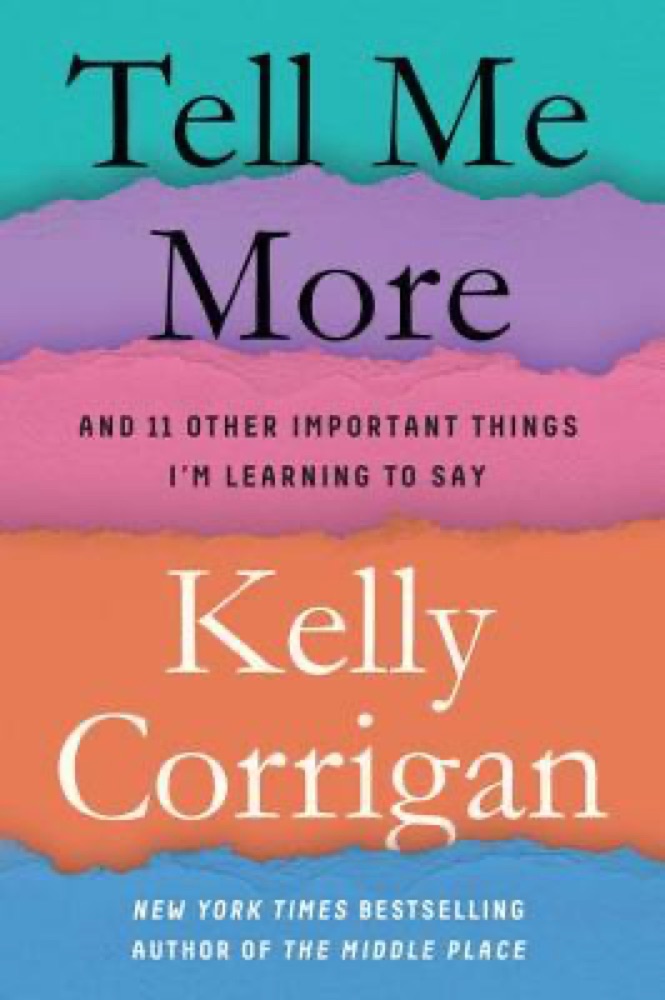
It’s a crazy idea: trying to name the phrases that make love and connection possible. But that’s just what Kelly Corrigan has set out to do here. In her New York Times bestselling memoirs, Corrigan distilled our core relationships to their essences, showcasing a warm, easy storytelling style. Now, in Tell Me More, she’s back with a deeply personal, unfailingly honest, and often hilarious examination of the essential phrases that turn the wheel of life.
In “I Don’t Know,” Corrigan wrestles to make peace with uncertainty, whether it’s over invitations that never came or a friend’s agonizing infertility. In “No,” she admires her mother’s ability to set boundaries and her liberating willingness to be unpopular. In “Tell Me More,” a facialist named Tish teaches her something important about listening. And in “I Was Wrong,” she comes clean about her disastrous role in a family fight—and exp
Book details
- First published
- 2018
- Author
- Kelly Corrigan
- Genre
- Nonfiction
- Goodreads rating
- 4.17 (22k ratings)
Keep reading
 Every Exquisite Thing
 Carry On, Warrior: Thoughts on Life Unarmed
 Like Streams to the Ocean: Notes on Ego, Love, and the Things That Make Us Who We Are
 Stay
Stay
 Maybe You Should Talk to Someone: A Therapist, Her Therapist, and Our Lives Revealed
 Take Me With You
 Sea Wife
 Note to Self
 Infinite Jest
 Lit
Lit
 Change of Heart
 Special Topics in Calamity Physics
 Tell Me Three Things
 Surrender: 40 Songs, One Story
 Chances Are...
 Managing Expectations: A Memoir in Essays – A Poignant Collection of Personal Stories on Acting, Failure, and Motherhood's Joy
 Almost Everything: Notes on Hope
 We Can Do Hard Things: Answers to Life's 20 Questions
 Encyclopedia of an Ordinary Life
 Dear Senthuran: A Black Spirit Memoir
 The Handmaid's Tale
 Here I Am
 On Being Human: A Memoir of Waking Up, Living Real, and Listening Hard
 Embers
 No One Writes Back
 We Learn Nothing
 The Nobleman's Guide to Scandal and Shipwrecks
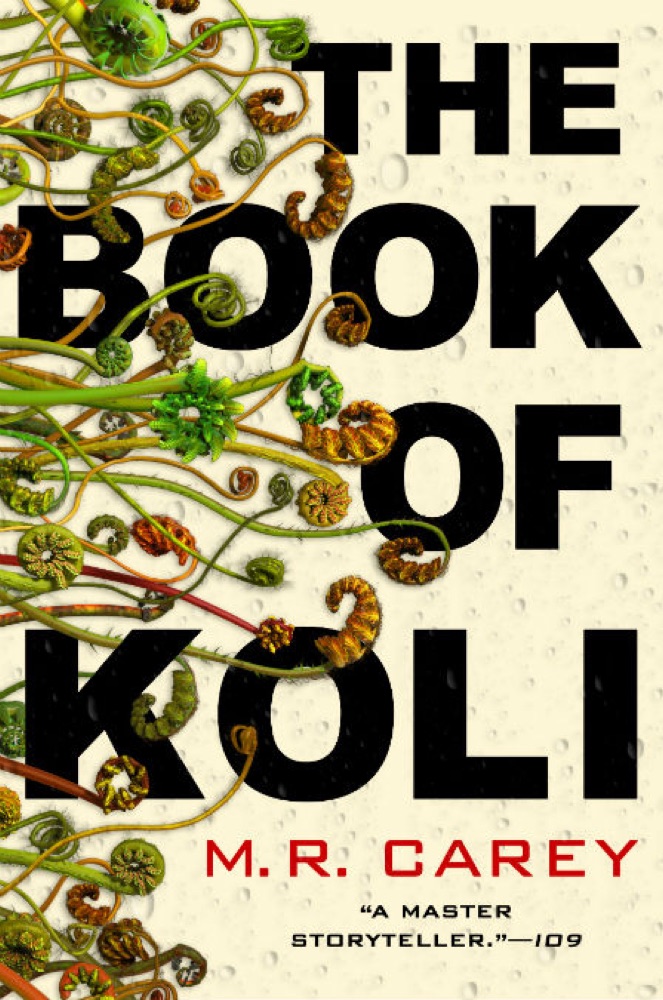 The Book of Koli
 The Hundred Secret Senses
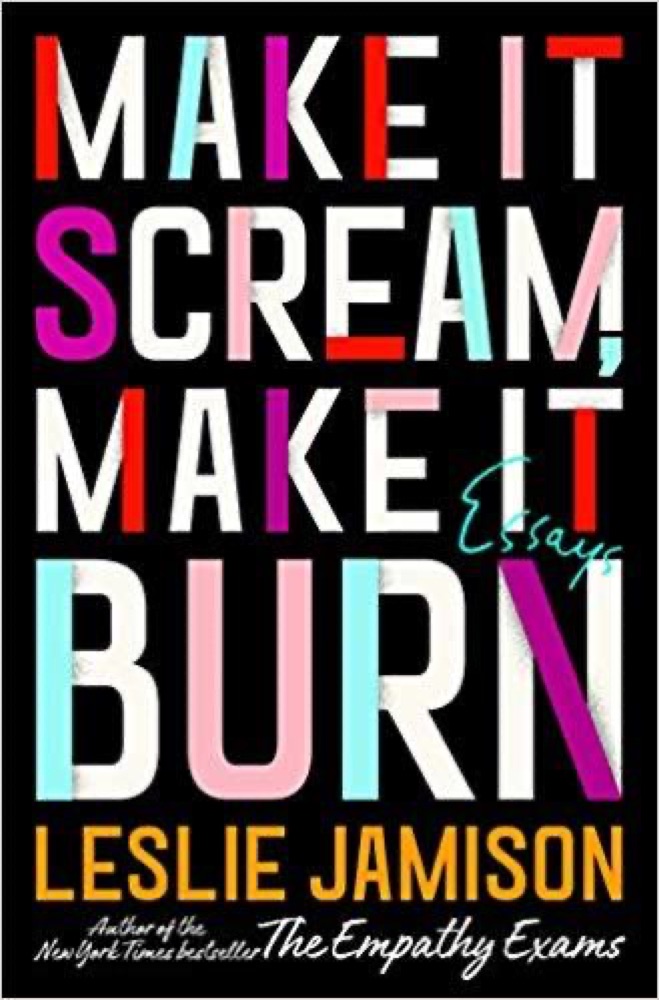 Make It Scream, Make It Burn
 This is All: The Pillow Book of Cordelia Kenn
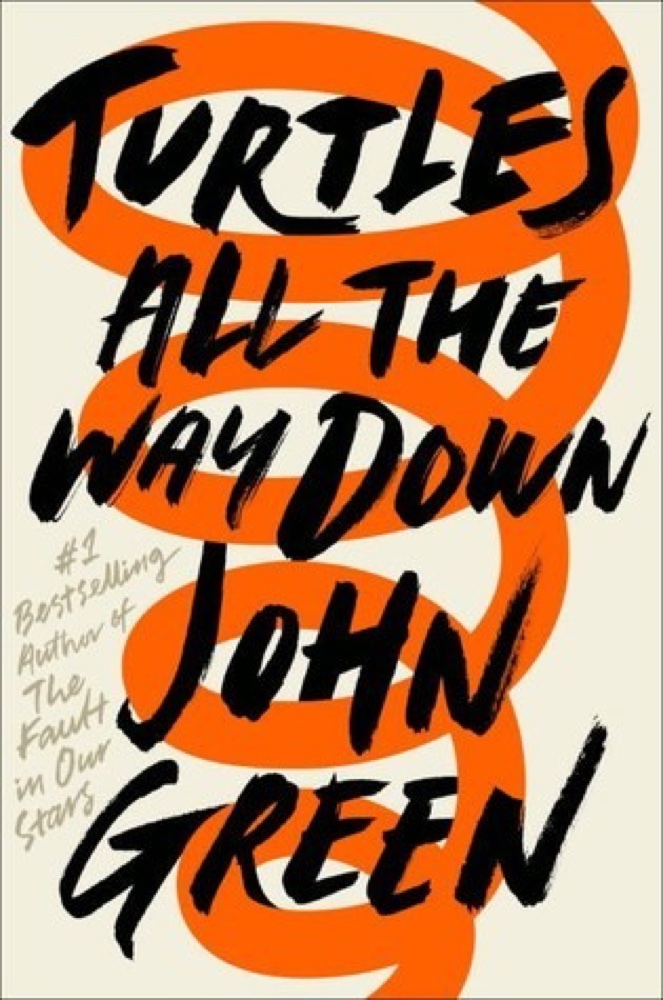 Turtles All the Way Down
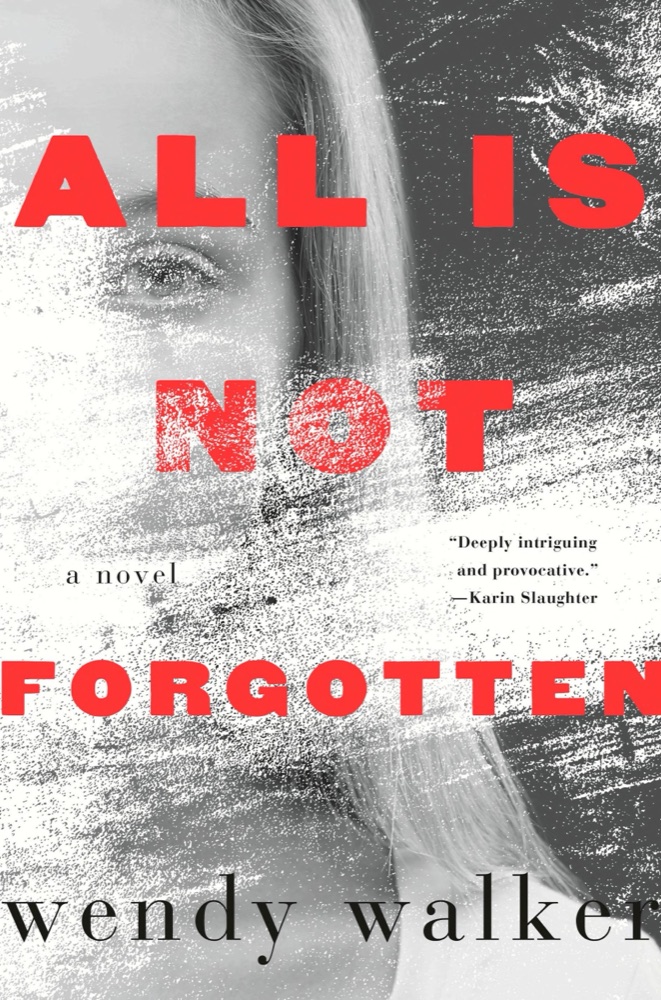 All Is Not Forgotten
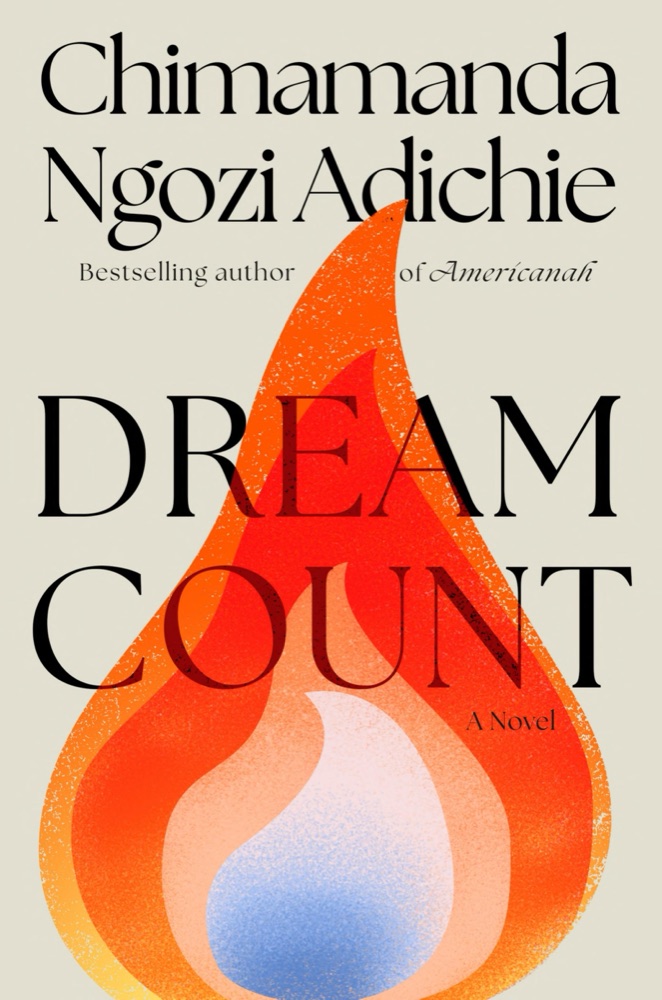 Dream Count
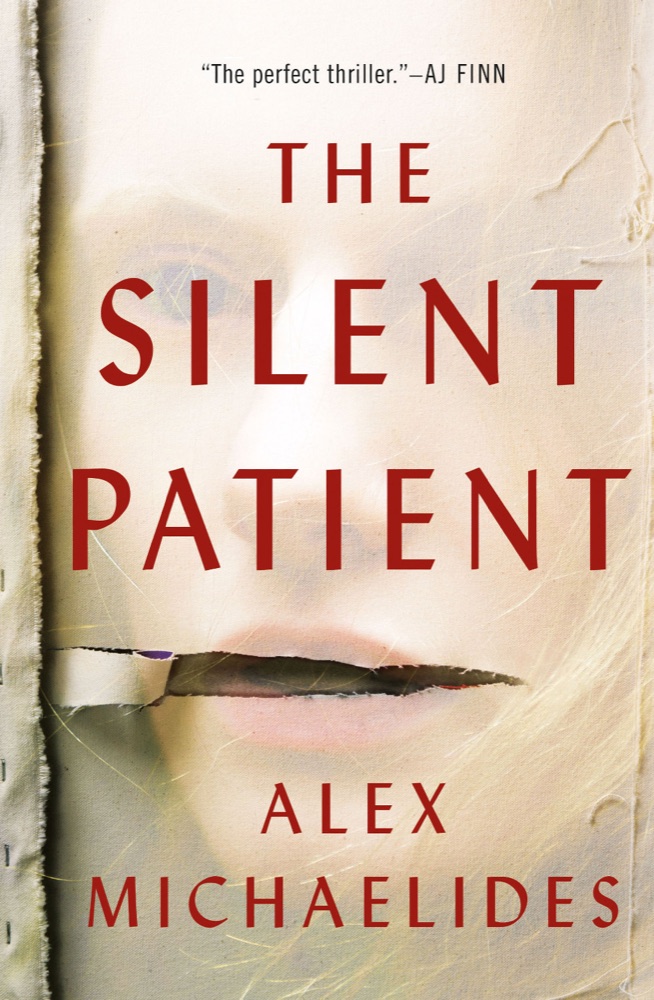 The Silent Patient
 All My Knotted-Up Life: A Memoir
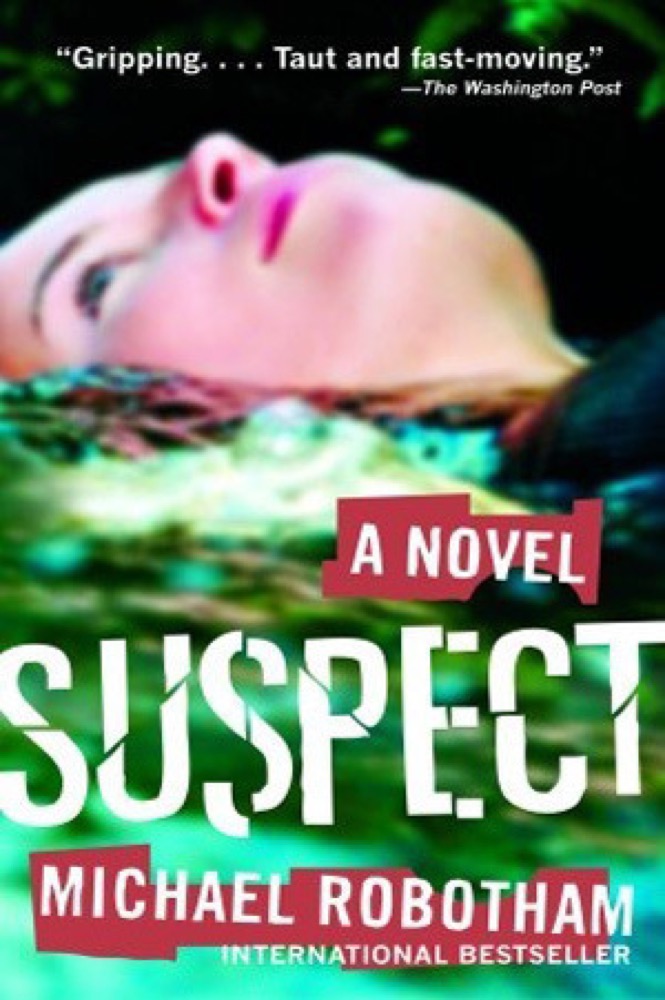 Suspect
 In the Dream House
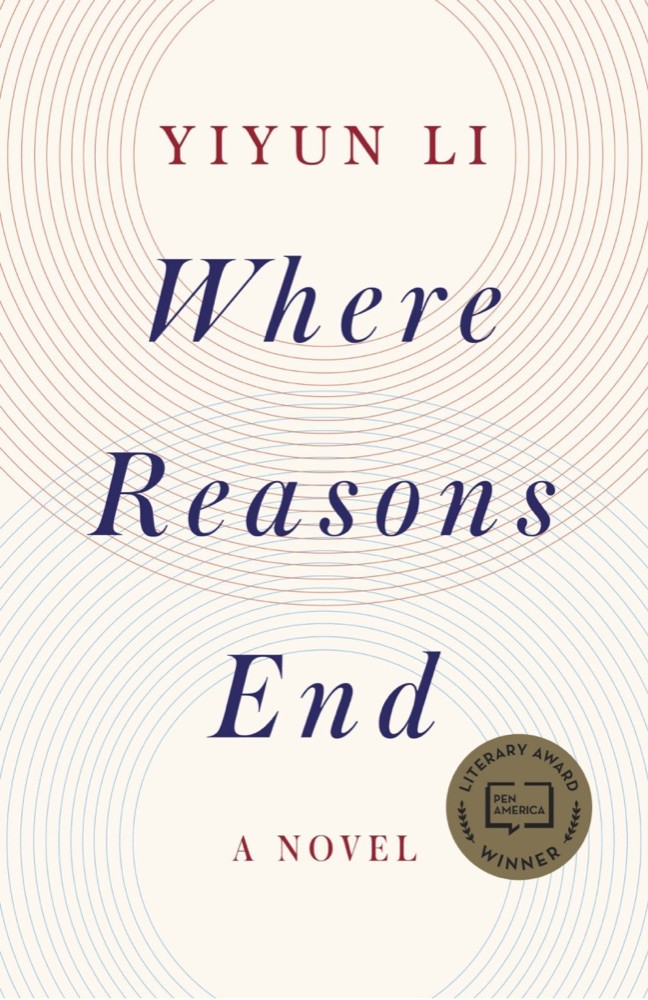 Where Reasons End
 Someday
 Dusk, Night, Dawn: On Revival and Courage
 Say Goodbye for Now
 Children of the Mind
 Bruiser
 Oranges Are Not the Only Fruit
![What Was She Thinking? [Notes on a Scandal]](/i/book/g/08/what-was-she-thinking-notes-on-a-scandal.jpg) What Was She Thinking? [Notes on a Scandal]
What Was She Thinking? [Notes on a Scandal]
 Gone Girl
 The Golden Notebook
 Awaken
 Colorless Tsukuru Tazaki and His Years of Pilgrimage
 Good Dirt
 The Unbound
 It's Okay to Laugh
 Invisibility
 The Argonauts
 Solutions and Other Problems
 What If This Were Enough?: Essays
 The Chalk Man
 In The Blood
 Biography of X