 The 7 Habits of Highly Effective People: Personal Workbook
Quotes from the Book
There’s not a chance we’ll reach our full potential until we stop blaming each other and start practicing personal accountability.
70
Ownership: 'A commitment of the head, heart, and hands to fix the problem and never again affix the blame.
16
Here’s a QBQ twist for all of us: “God, grant me the serenity to accept the people I cannot change, the courage to change the one I can, and the wisdom to know—it’s me!
8
Let's take care of the little things while they're still little.
8
It's better to be one who is told to wait than one who waits to be told.
5
The definition of integrity is this: "Being what I say I am by acting in accordance with my words.
4
If we have not changed, we have not learned
4
Remember: The answers are in the questions.
4
We attend too many seminars. We take too many classes. We buy too many books. We play too many audios in our cars. It's all wasted if we're unclear on what learning really is: Learning is not attending, listening, or reading. Learning is really about translating knowing what to do into doing what we know. It's about changing. If we have not changed we have not learned.
3
I saw the angel in the marble and I chiseled until I set it free. —Michelangelo
3
Accountable people look for solutions, not scapegoats. They blame no one—not even themselves. If a “self-critique” is warranted, they ask QBQs like “What could I have done differently?” and “How can I learn from this experience?
2
Effective communication is not someone else’s job, nor does it begin with being understood. Rather, it’s about understanding the other person.
1
God, grant me the serenity to accept the people I cannot change, the courage to change the one I can, and the wisdom to know—it’s me!
1
Anyone who’s ever heard or asked questions like these: “When will that department do its job right?” “Why don’t they communicate better?” “Who dropped the ball?” “Why do we have to go through all this change?” “When is someone going to train me?” “Why can’t we find better people?” “Who’s going to give us a clear vision?” These questions seem innocent enough, but they indicate a lack of personal responsibility—I prefer the term “personal accountability”—and go right to the heart of many of the problems we face today. Conversely, turning our thinking around and asking more personally accountable questions is one of the most powerful and effective things we can do to improve our organizations and our lives.
1
Don't get me wrong, loyalty is an admirable quality. But the number of years one has been around does not automatically equate with being a good leader, any more than does merely having the title of manager or vice president. And certainly the things we acquire- fine cars, nice homes- are not measures of our leadership ability. Leadership, more than anything else, is about the way we think. It's a moment-to-moment disciplining of our thoughts. It's about practicing personal accountability and choosing to make a positive contribution, no matter what out role or "level".
1
Humility is the cornerstone of leadership.
1
Action, even when it leads to mistakes, brings learning and growth. Inaction brings stagnation and atrophy. • Action leads us toward solutions. Inaction does nothing and holds us in the past. • Action requires courage. Inaction often indicates fear. • Action builds confidence; inaction, doubt.
no public figure is a role model for our kids. That’s our job—yours and mine. It’s a humbling realization at times, but it’s the truth. It’s equally true for all of us. No matter what our role, someone is watching and emulating our behavior and we may be influencing them through our choices and actions. Modeling is the most powerful of all teachers. The QBQ for each of us is “How can I set a better example?” Who’s watching you?
Careful. The easiest thing to spot is gaps of integrity in others.
The practice of personal accountability: We discipline our thoughts. We ask better questions. We take action.
How much better things would be if we all tried to mold and shape our own thoughts and actions rather than those of others.
You may already be familiar with the Serenity Prayer: “God, grant me the serenity to accept the things I cannot change, the courage to change the things I can, and the wisdom to know the difference.” Here’s a QBQ twist for all of us: “God, grant me the serenity to accept the people I cannot change, the courage to change the one I can, and the wisdom to know—it’s me!
(Quick point: If you’ve been trained on the “Five Whys” of problem solving or selling, that’s not what we’re talking about here. Those are useful and appropriate. What we’re referring to are questions that begin with “Why” and have the “poor me” tone that leads straight to the classic pity party.) Anyone
Blame and “Whodunit?” questions solve nothing. They create fear, destroy innovation, inhibit teamwork, build walls, and prevent people from engaging.
Procrastination also increases stress. As things pile up, we begin to feel overwhelmed, which takes the joy out of our work. Bottom line: Procrastination is costly to all involved.
A client once said: “Long-range, strategic planning is a great tool, but we need to get some things done before lunch!
Questions that begin with “When” lead to procrastination.
The truth is, different people have different reactions to the same situation. Stress is a choice. Stress is also the result of our choices.
Watch on YouTube
About John G. Miller
About the book
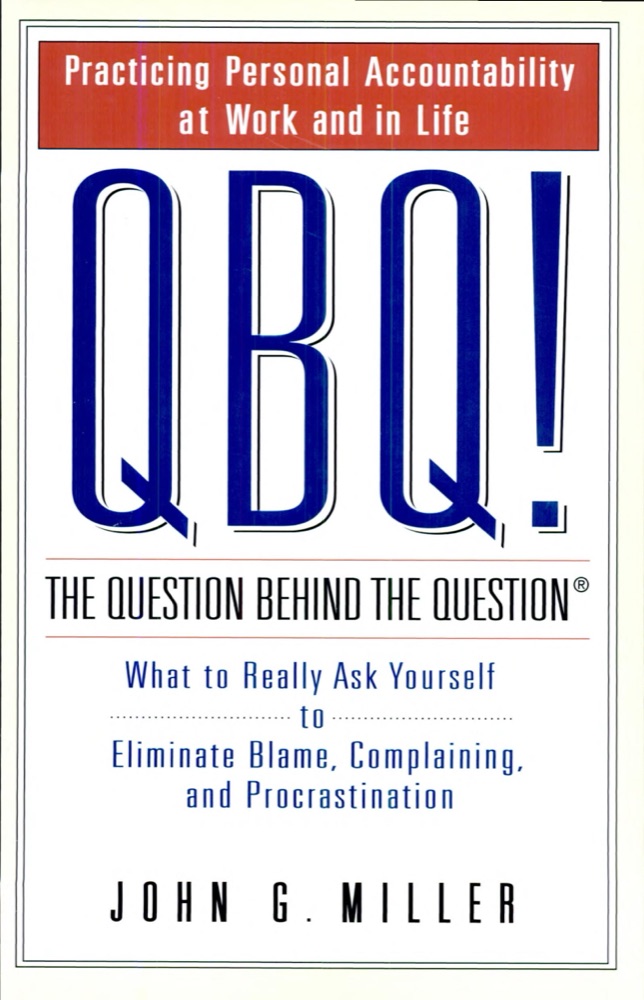
The lack of personal accountability is a problem that has resulted in an epidemic of blame, victim thinking, complaining, and procrastination. No organization—or individual—can successfully compete in the marketplace, achieve goals and objectives, provide outstanding service, engage in exceptional teamwork, or develop people without personal accountability. John G. Miller believes that the troubles that plague organizations cannot be solved by pointing fingers and blaming others. Rather, the real solutions are found when each of us recognizes the power of personal accountability. In QBQ! The Question Behind the Question®, Miller explains how negative, ill-focused questions like “Why do we have to go through all this change?” and “Who dropped the ball?” represent a lack of personal accountability. Conversely, when we ask better questions—QBQs—such as “What can I do to contribute?” or “H
Book details
- First published
- 2014
- Author
- John G. Miller
- Genre
- Nonfiction
- Goodreads rating
- 3.80 (13k ratings)
Keep reading
The 7 Habits of Highly Effective People: Personal Workbook
 It Worked for Me: In Life and Leadership
 The Art of Thinking Clearly
 The 360 Degree Leader: Developing Your Influence from Anywhere in the Organization
 Be Your Future Self Now: The Science of Intentional Transformation
 First Things First
 Ready for Anything: 52 Productivity Principles for Getting Things Done
 Tribe Of Mentors: Transformative Wisdom From Icons and Innovators to Help You Navigate Life's Challenges
 Creativity, Inc.: Overcoming the Unseen Forces That Stand in the Way of True Inspiration
 The Traveler's Gift: Seven Decisions that Determine Personal Success
 Principles: Life and Work
 Crucial Conversations: Tools for Talking When Stakes are High
 Be a People Person
 Boundaries for Leaders: Results, Relationships, and Being Ridiculously in Charge
 The Ride of a Lifetime: Lessons Learned from 15 Years as CEO of the Walt Disney Company
 The Obstacle Is the Way: The Timeless Art of Turning Trials into Triumph
 Radical Candor: Be a Kickass Boss Without Losing Your Humanity
 The Bullet Journal Method: Track Your Past, Order Your Present, Plan Your Future
 The Last Lecture
 Excellent Advice for Living: Wisdom I Wish I'd Known Earlier
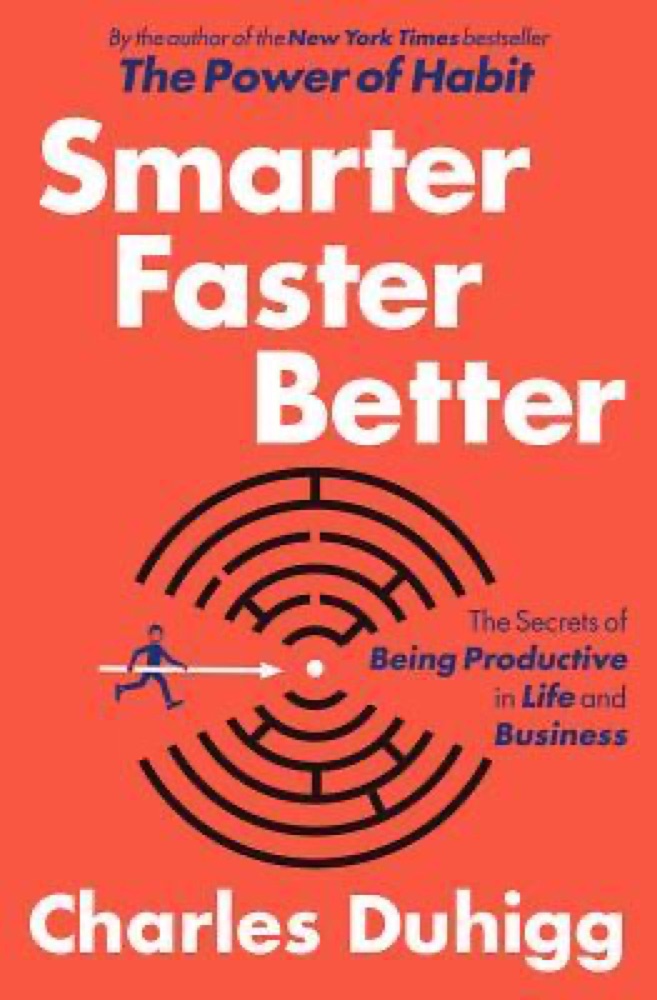 Smarter Faster Better: The Secrets of Being Productive in Life and Business
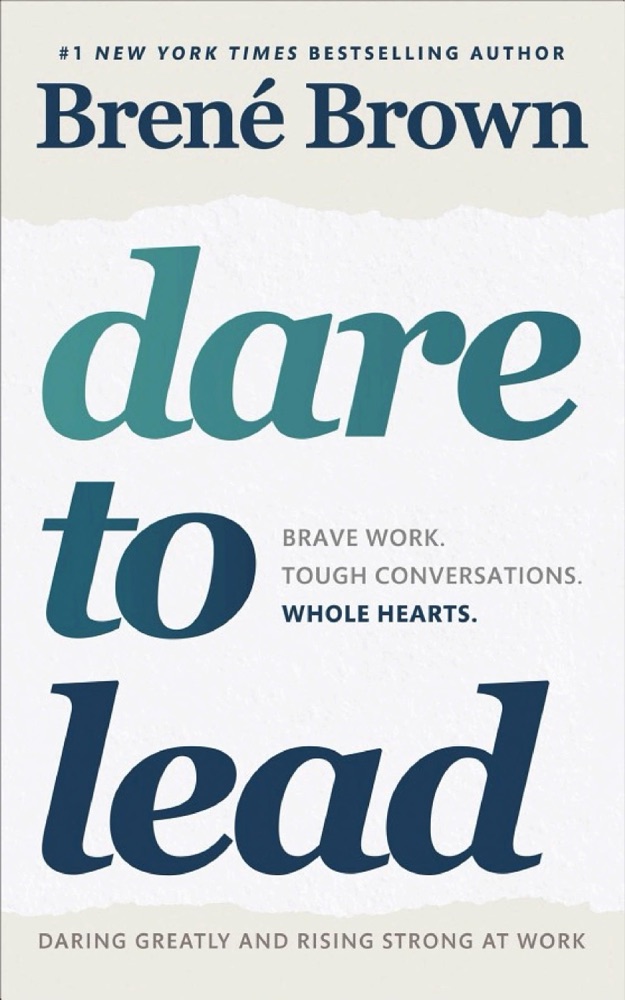 Dare to Lead
 It Takes What It Takes: How to Think Neutrally and Gain Control of Your Life
 Essentialism: The Disciplined Pursuit of Less
 Wooden: A Lifetime of Observations and Reflections On and Off the Court
 Do Epic Shit
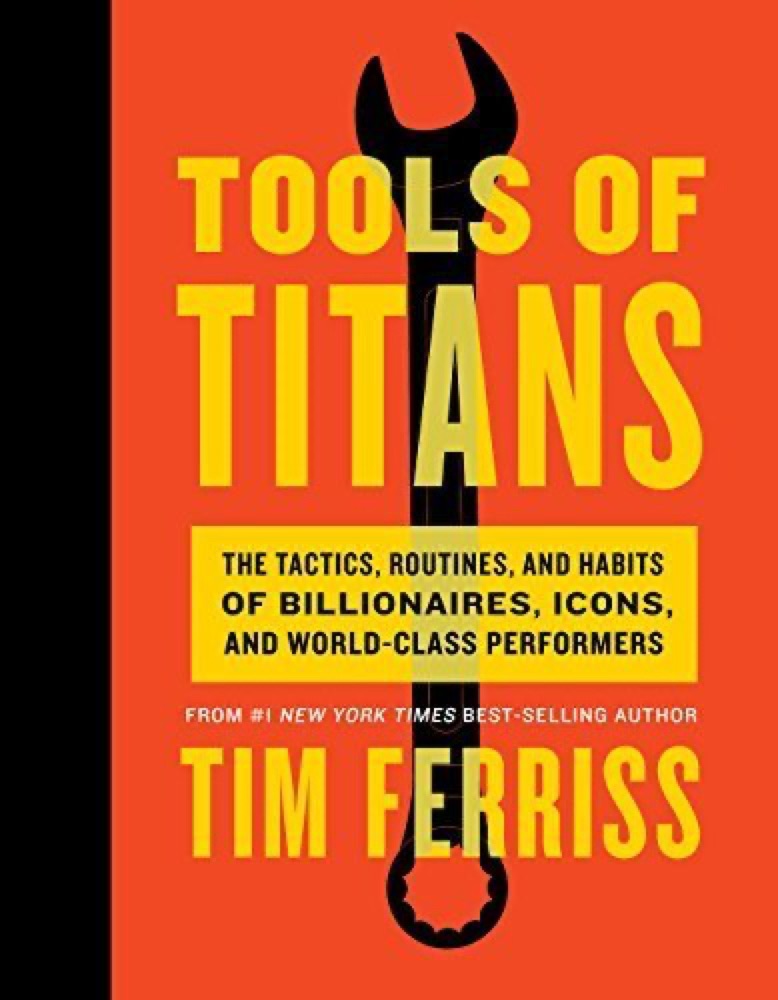 Tools of Titans: The Tactics, Routines, and Habits of Billionaires, Icons, and World-Class Performers
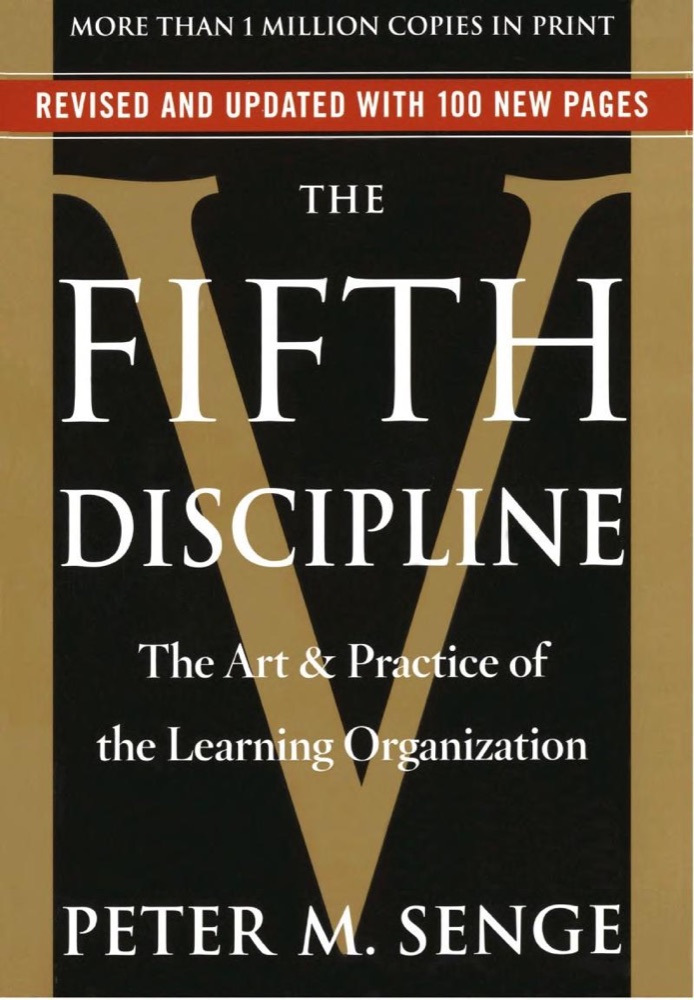 The Fifth Discipline: The Art & Practice of The Learning Organization
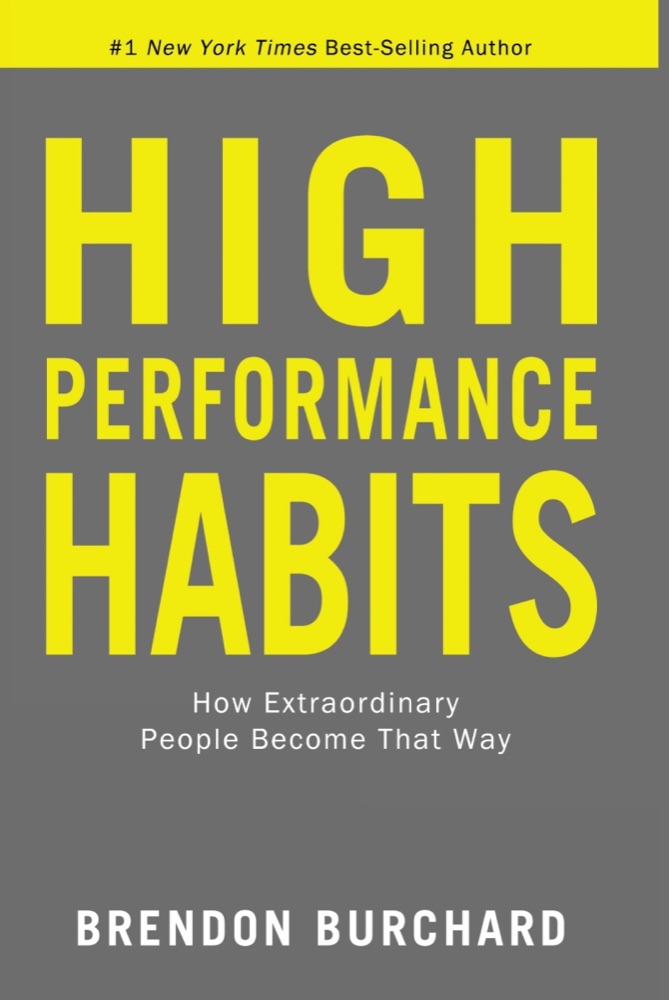 High Performance Habits: How Extraordinary People Become That Way
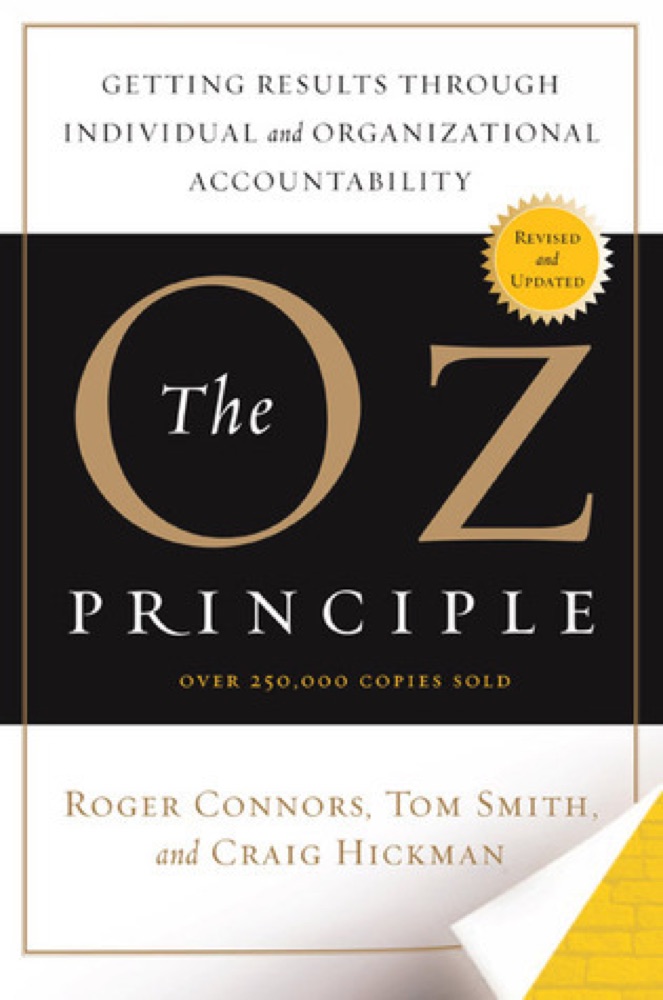 The Oz Principle: Getting Results Through Individual and Organizational Accountability
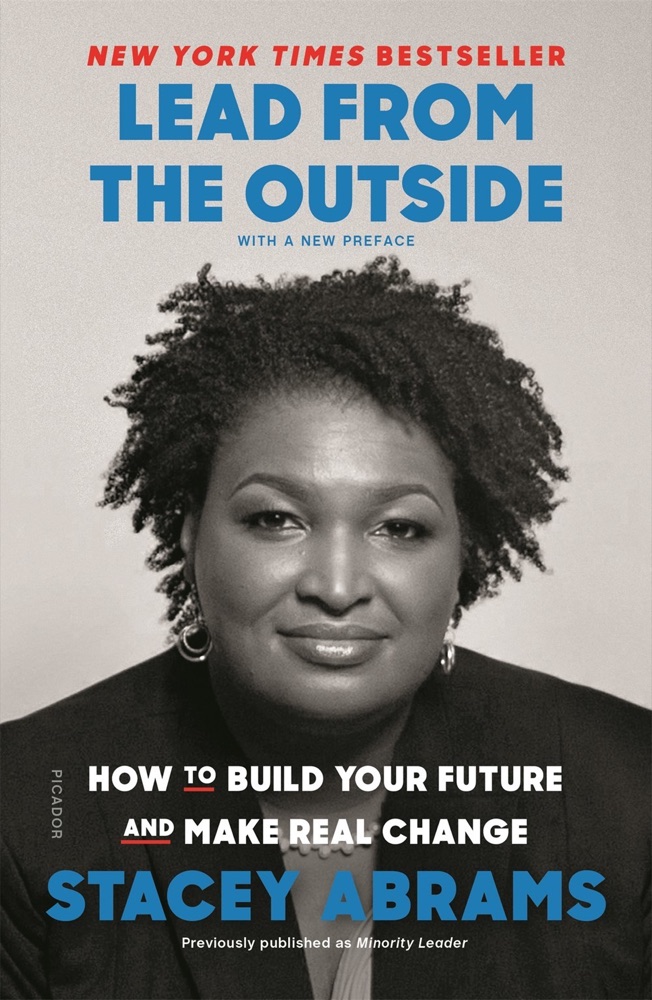 Lead from the Outside: How to Build Your Future and Make Real Change
 Awaken The Giant Within
 A Higher Loyalty: Truth, Lies, and Leadership
 The Success Principles: How to Get from Where You Are to Where You Want to Be
 Necessary Endings: The Employees, Businesses, and Relationships That All of Us Have to Give Up in Order to Move Forward
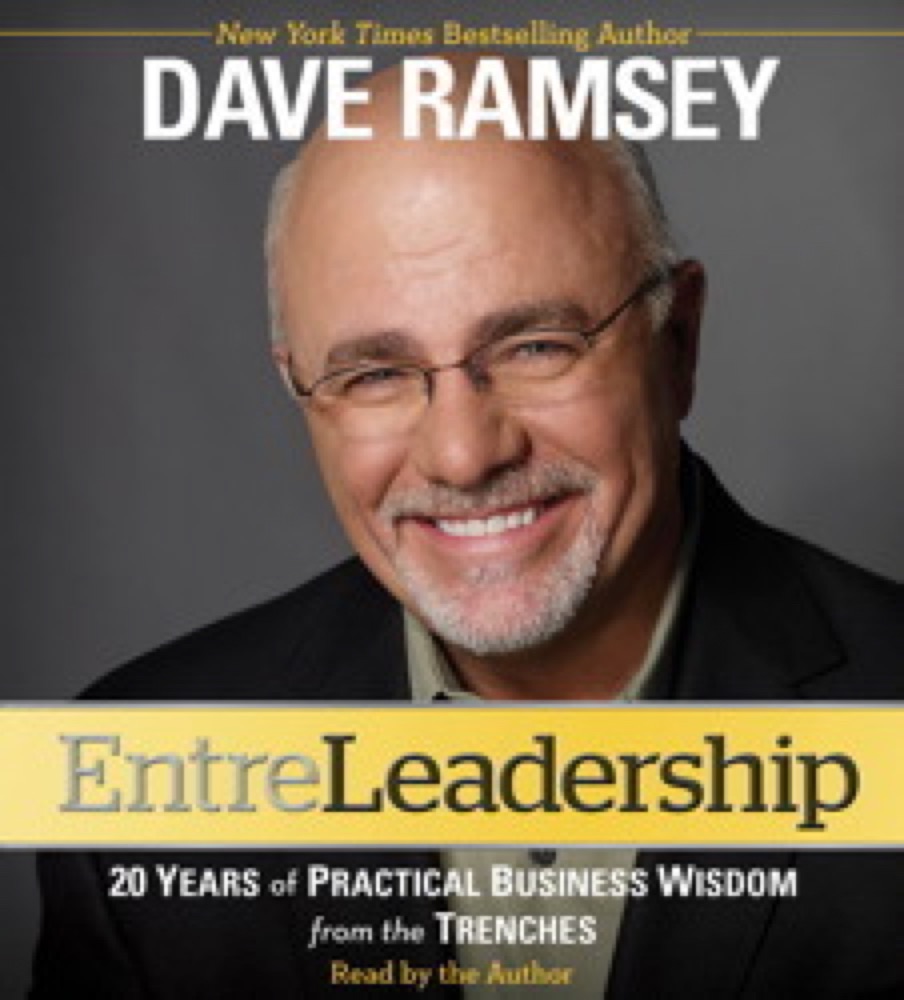 EntreLeadership: 20 Years of Practical Business Wisdom from the Trenches
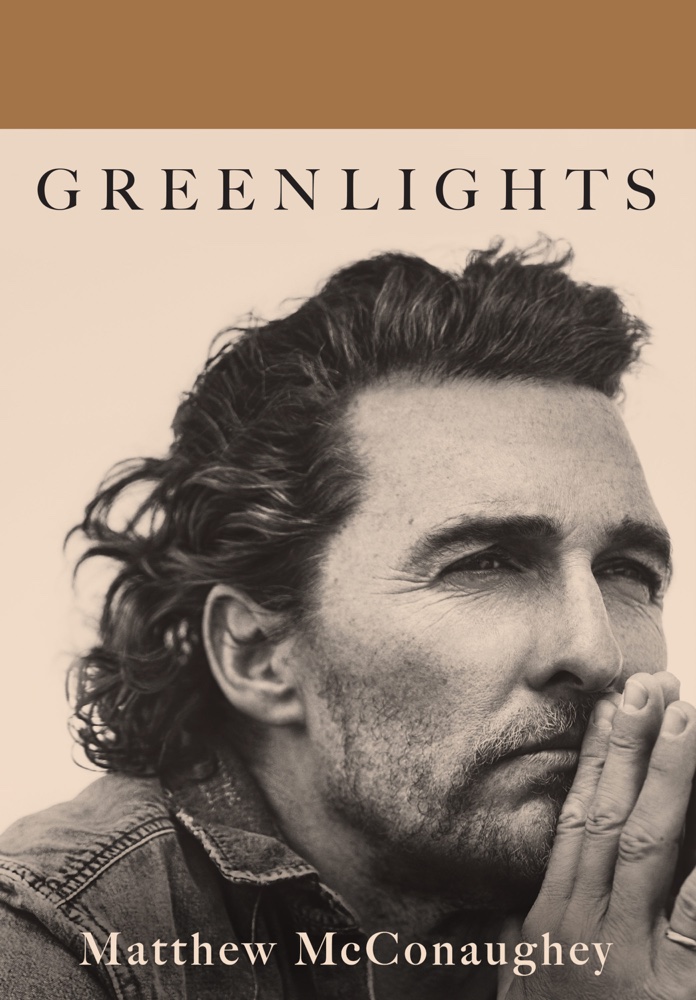 Greenlights
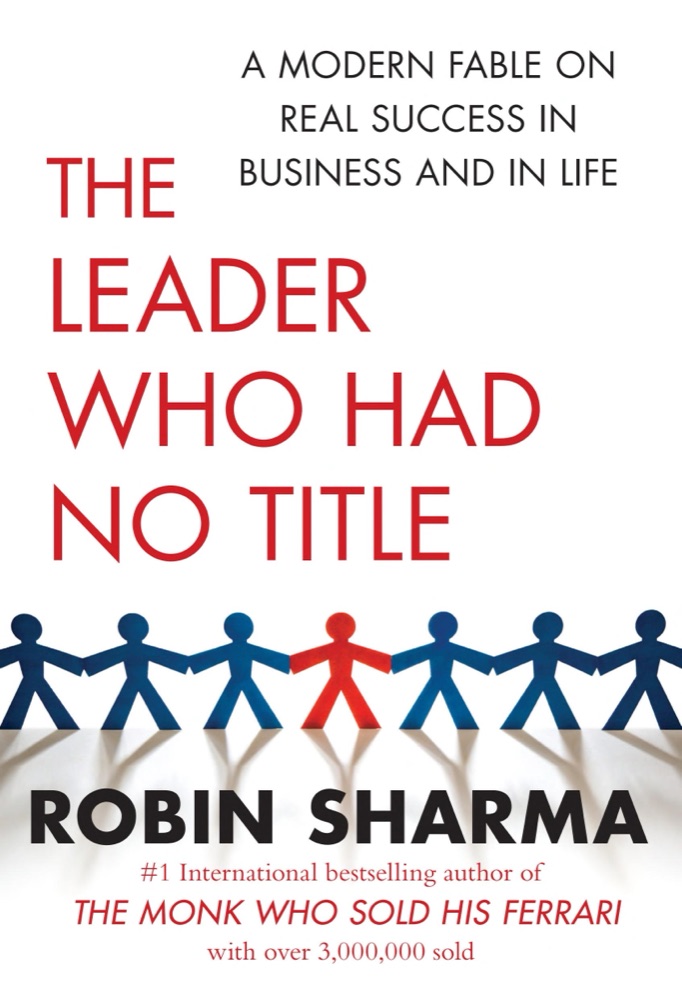 The Leader Who Had No Title: A Modern Fable on Real Success in Business and in Life
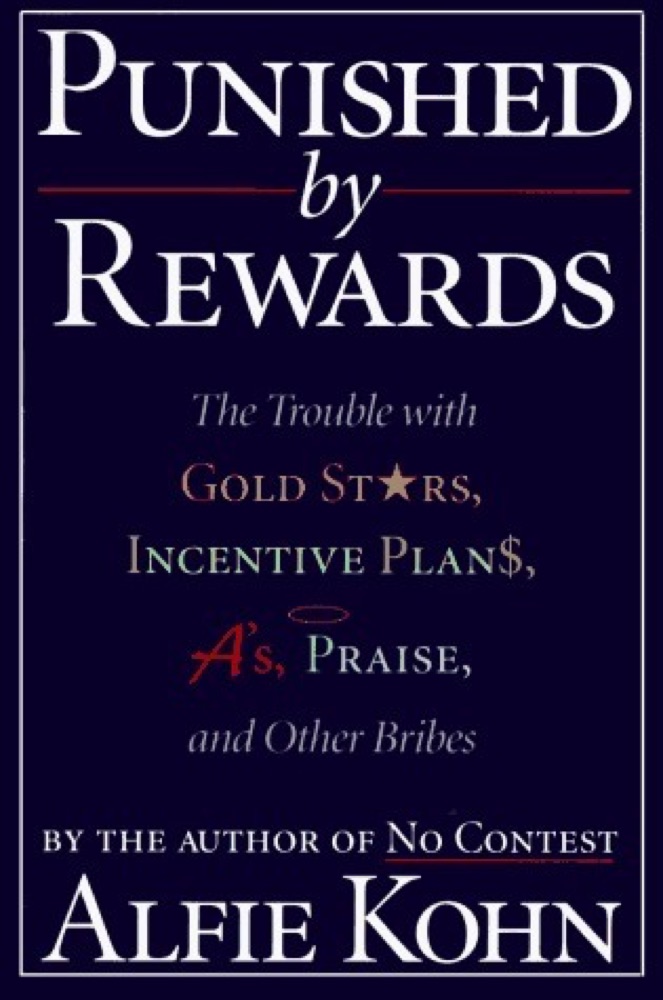 Punished by Rewards: The Trouble with Gold Stars, Incentive Plans, A's, Praise and Other Bribes
 Ego Is the Enemy
 The Noticer: Sometimes, All a Person Needs Is a Little Perspective
 Stillness Is the Key
 The 12 Week Year
 The 7 Habits Of Highly Effective Teens
 Psycho-Cybernetics
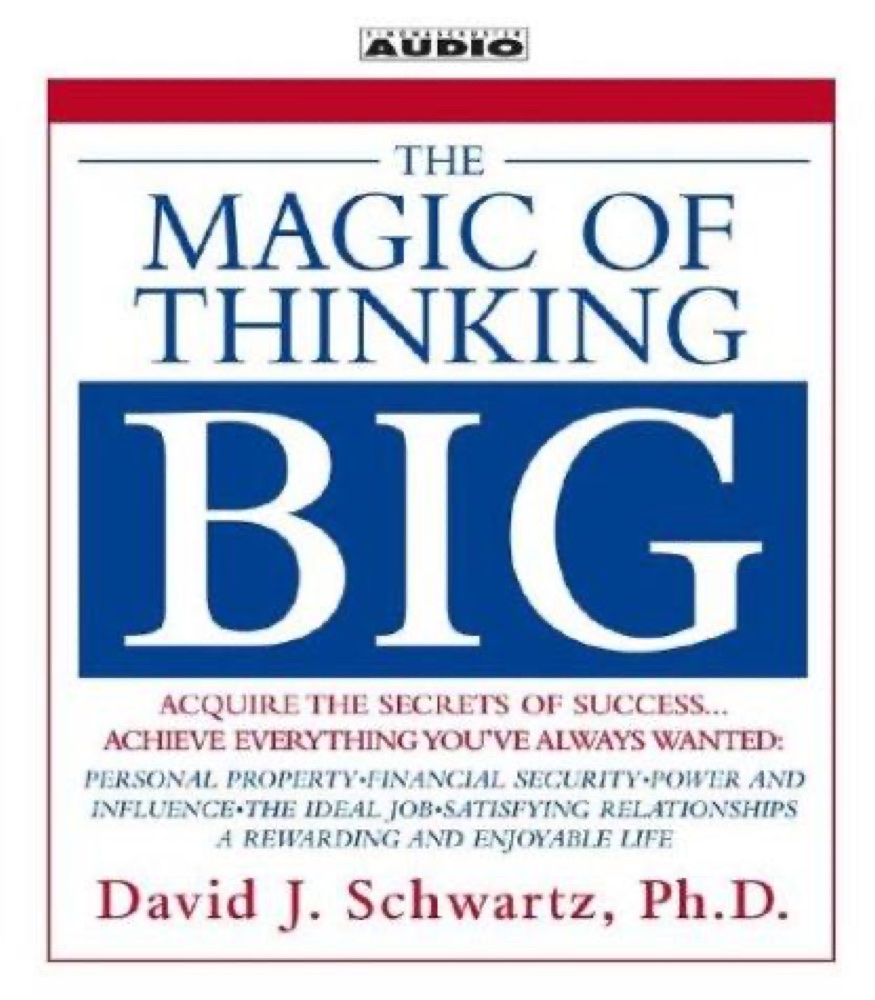 Magic of Thinking Big
 Pour Your Heart Into It: How Starbucks Built a Company One Cup at a Time
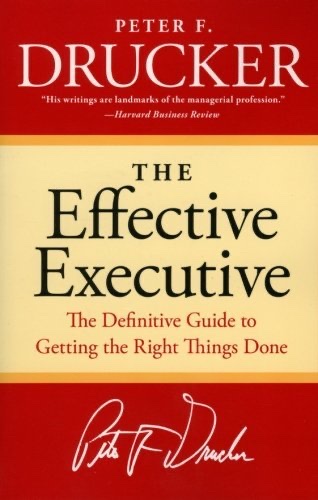 The Effective Executive: The Definitive Guide to Getting the Right Things Done
 A Complaint Free World: How to Stop Complaining and Start Enjoying the Life You Always Wanted
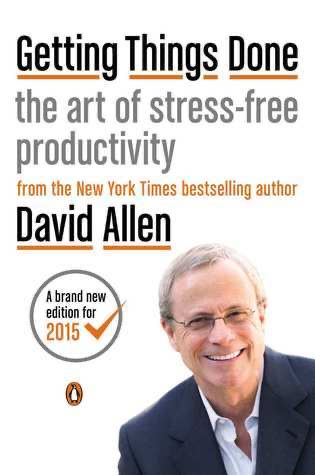 Getting Things Done: The Art of Stress-Free Productivity
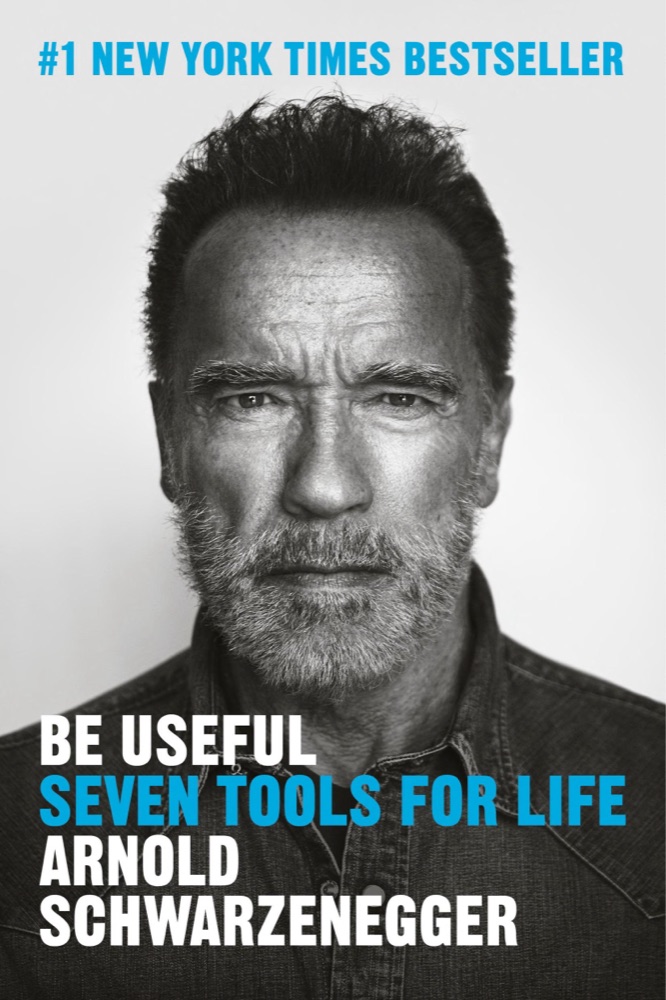 Be Useful: Seven Tools for Life
 The Power of Focus
 The Daily Laws: 366 Meditations
 The Score Takes Care of Itself: My Philosophy of Leadership
 Professional Troublemaker: The Fear-Fighter Manual
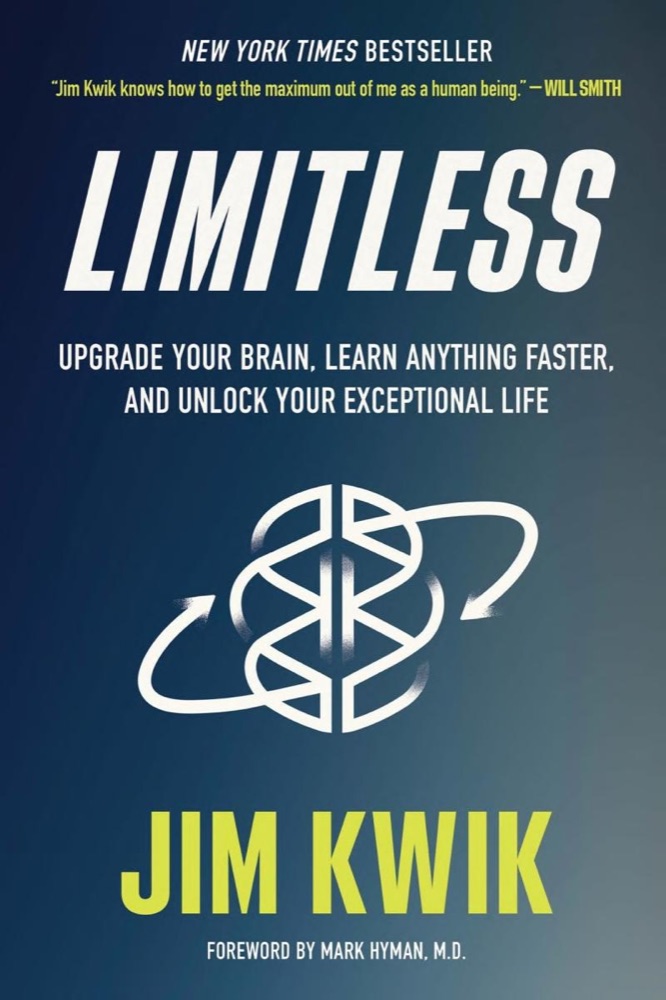 Limitless: Upgrade Your Brain, Learn Anything Faster, and Unlock Your Exceptional Life
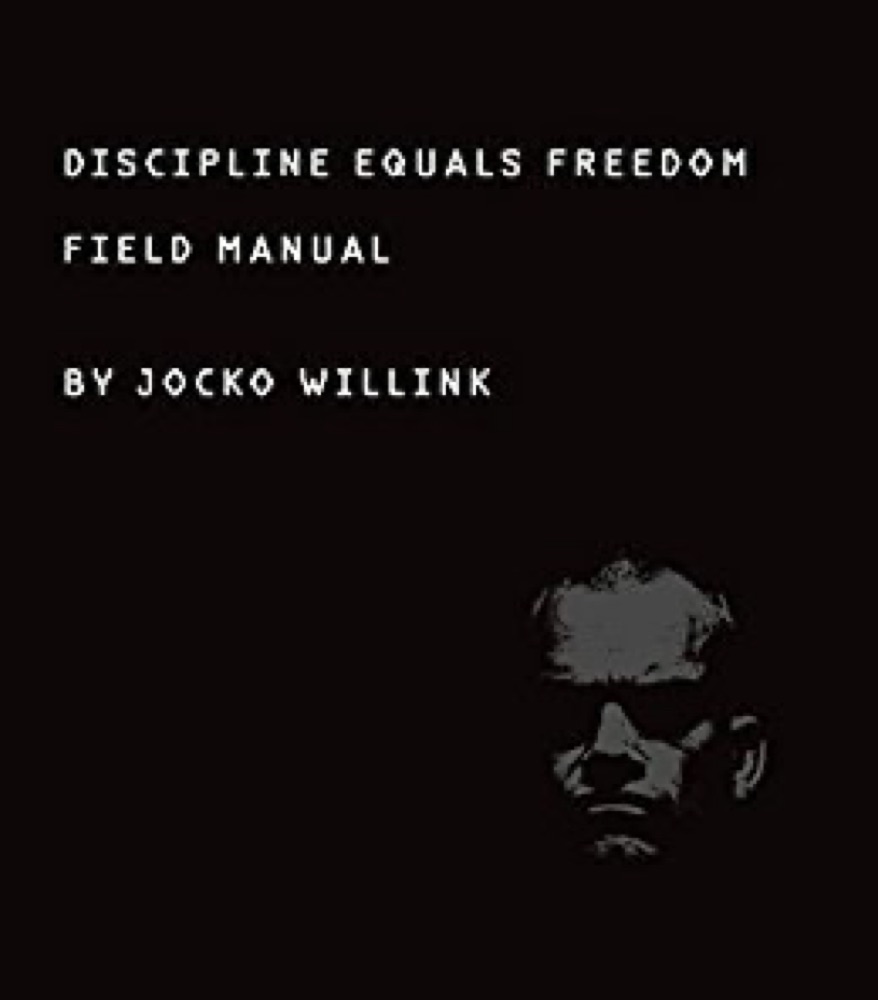 Discipline Equals Freedom: Field Manual
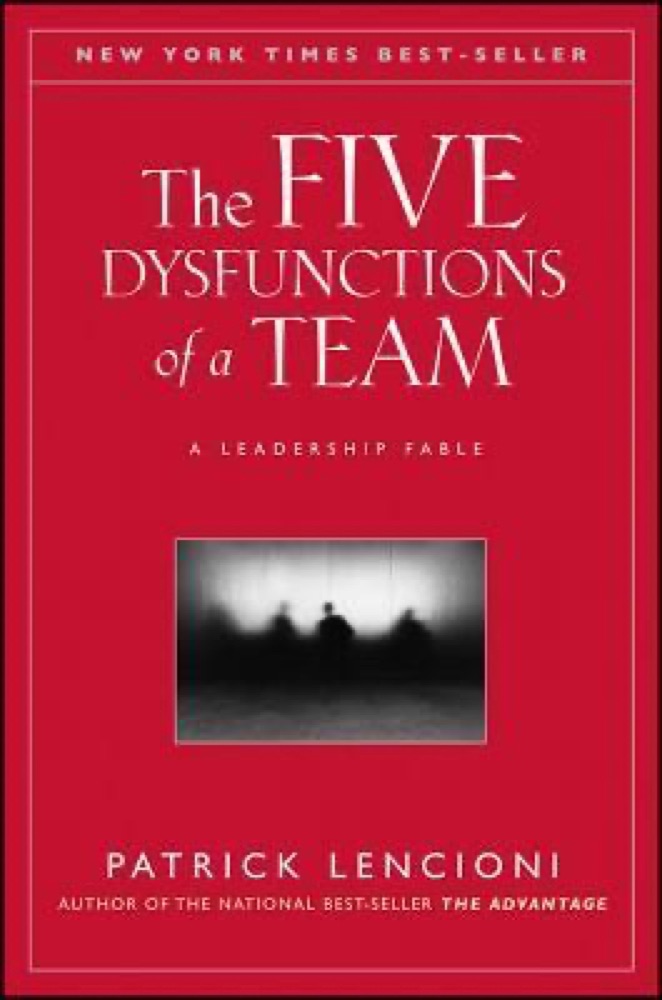 The Five Dysfunctions of a Team
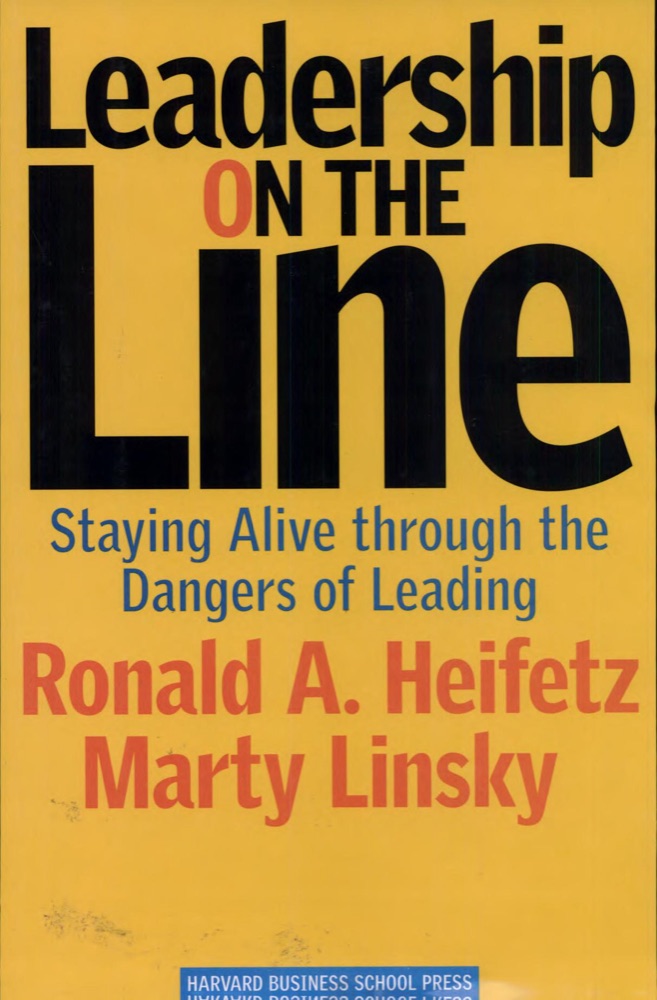 Leadership on the Line: Staying Alive through the Dangers of Leading