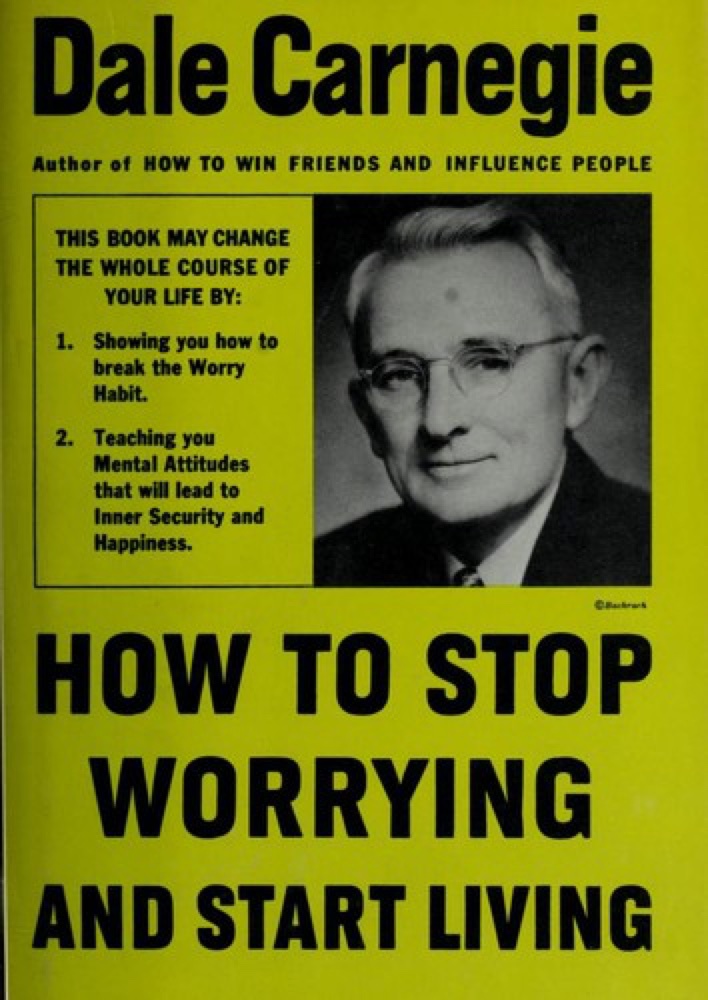
 How to Stop Worrying and Start Living
Quotes from the Book
It isn't what you have or who you are or where you are or what you are doing that makes you happy or unhappy. It is what you think about it.
6.3k
Don't be afraid of enemies who attack you. Be afraid of the friends who flatter you.
1.9k
You can make more friends in two months by becoming interested in other people than you can in two years by trying to get other people interested in you.
1.7k
Any fool can criticize, complain, and condemn—and most fools do. But it takes character and self-control to be understanding and forgiving.
1k
When dealing with people, remember you are not dealing with creatures of logic, but with creatures bristling with prejudice and motivated by pride and vanity.
945
Everybody in the world is seeking happiness—and there is one sure way to find it. That is by controlling your thoughts. Happiness doesn't depend on outward conditions. It depends on inner conditions.
585
Talk to someone about themselves and they'll listen for hours.
476
Actions speak louder than words, and a smile says, ‘I like you. You make me happy. I am glad to see you.’ That is why dogs make such a hit. They are so glad to see us that they almost jump out of their skins. So, naturally, we are glad to see them.
366
Personally I am very fond of strawberries and cream, but I have found that for some strange reason, fish prefer worms. So when I went fishing, I didn’t think about what I wanted. I thought about what they wanted. I didn't bait the hook with strawberries and cream. Rather, I dangled a worm or grasshopper in front of the fish and said: "Wouldn't you like to have that?" Why not use the same common sense when fishing for people?
305
You can't win an argument. You can't because if you lose it, you lose it; and if you win it, you lose it.
245
A man convinced against his will Is of the same opinion still
236
To be interesting, be interested.
228
Names are the sweetest and most important sound in any language.
217
I have come to the conclusion that there is only one way under high heaven to get the best of an argument— and that is to avoid it. Avoid it as you would avoid rattlesnakes and earthquakes.
164
All men have fears, but the brave put down their fears and go forward, sometimes to death, but always to victory” was the motto of the King’s Guard in ancient Greece.
149
Instead of condemning people, let’s try to understand them. Let’s try to figure out why they do what they do. That’s a lot more profitable and intriguing than criticism; and it breeds sympathy, tolerance and kindness. “To know all is to forgive all.
147
If you want to gather honey, don't kick over the beehive.
146
Why talk about what we want? That is childish. Absurd. Of course, you are interested in what you want. You are eternally interested in it. But no one else is. The rest of us are just like you: we are interested in what we want.
142
Criticism is dangerous, because it wounds a person's precious pride, hurts his sense of importance, and arouses resentment.
131
If some people are so hungry for a feeling of importance that they actually go insane to get it, imagine what miracle you and I can achieve by giving people honest appreciation this side of insanity.
118
Once I did bad and that I heard ever. Twice I did good, but that I heard never.
113
By fighting you never get enough, but by yielding you get more than you expected.
109
Only knowledge that is used sticks in your mind.
85
arouse in the other person an eager want. He who can do this has the whole world with him. He who cannot walks a lonely way.
77
If you argue and rankle and contradict, you may achieve a victory sometimes; but it will be an empty victory because you will never get your opponent's good will.
74
A barber lathers a man before he shaves him.
67
Control your temper. Remember, you can measure the size of a person by what makes him or her angry.
66
The chronic kicker, even the most violent critic, will frequently soften and be subdued in the presence of a patient, sympathetic listener— a listener who will be silent while the irate fault-finder dilates like a king cobra and spews the poison out of his system.
66
The world is full of people who are grabbing and self-seeking. So the rare individual who unselfishly tries to serve others has an enormous advantage.
60
Did you know?
- The book grew out of the 14-week courses on public speaking and human relations that Dale Carnegie had been teaching since 1912.
- Simon & Schuster editor Leon Shimkin took one of Carnegie's courses and persuaded him to turn the material into a book.
- It went through numerous printings in its first year and reached the New York Times best-seller list within months of its 1936 release.
- More than 30 million copies have been sold worldwide, making it one of the best-selling books of all time.
- Two sections were dropped in a 1981 revised edition, including chapters on letters that produced results and rules for a happier home life.
- A 2013 Library of Congress survey ranked it among the most influential books in America.
Watch on YouTube
About Dale Carnegie
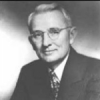
Dale Carnegie (1888-1955) was an American writer, lecturer, and pioneer of self-improvement and interpersonal-skills training. Born on a Missouri farm, he developed courses in public speaking and human relations that grew into a worldwide training organization and inspired several best-selling books.
More about the author →More by Dale Carnegie
How to Stop Worrying and Start Living
 How To Enjoy Your Life And Your Job
 The Art of Public Speaking
About the book
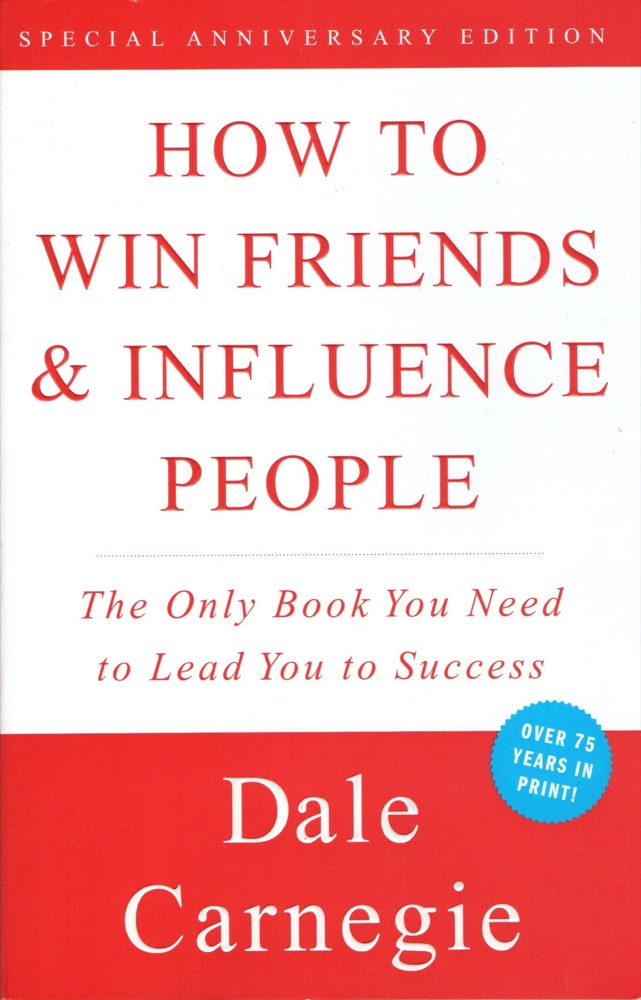
"How to Win Friends and Influence People" is a foundational self-help book by Dale Carnegie, first published in 1936 by Simon & Schuster. Distilled from the human-relations and public-speaking courses Carnegie had been teaching since 1912, it lays out a practical framework of principles for getting along with people, organized into sections such as fundamental techniques in handling people, six ways to make people like you, twelve ways to win people to your way of thinking, and being a leader who changes others without giving offense.
Its core themes center on genuine interest in others, the power of appreciation over criticism, seeing situations from the other person's point of view, and the idea that influence flows from empathy and tact rather than confrontation. Carnegie illustrates each principle with anecdotes drawn from history, business, and everyday life, framing interpersonal skill as something that can be deliberately learned and practiced.
The book became one of the best-selling titles of all time, with more than 30 million copies sold worldwide and continued sales of hundreds of thousands of copies each year. It reached the New York Times best-seller list within months of release, went through numerous printings in its first year, and remains a touchstone of the self-improvement genre, cited on lists of the most influential American books even as some critics have called its approach manipulative.
Book details
- First published
- 1936
- Length
- 291 pages
- Reading time
- 5 hours
- Author
- Dale Carnegie
- Genre
- Nonfiction
- Goodreads rating
- 4.21 (1.2M ratings)
Critical reception
- The book reached the New York Times best-seller list within months of its 1936 publication and went through many printings in its first year.
- Time magazine included it on its list of the 100 most influential nonfiction books.
- A 2013 Library of Congress survey ranked it among the most influential books in America.
- Critics, including writer Sinclair Lewis, have characterized Carnegie's approach as manipulative, though the book's popularity continued undiminished.
The buzz
- Business Insider12 lessons from 'How to Win Friends & Influence People' — a book Warren Buffett credits with transforming his life2017distills the book's core principles through Warren Buffett's lifelong endorsement
- Farnam StreetThe Best Summary of How to Win Friends and Influence People2016pragmatic breakdown of Carnegie's interpersonal techniques and why they endure
If you liked this, read…
- 1Think and Grow RichAnother 1930s American self-help classic on success and mindset.
- 2The 7 Habits of Highly Effective PeopleA later principle-based guide to personal and interpersonal effectiveness.
- 3How to Stop Worrying and Start LivingDale Carnegie's companion self-help work on managing anxiety.
Keep reading
 The Power of One
 Excellent Advice for Living: Wisdom I Wish I'd Known Earlier
 How to Use Your Enemies
 Be a People Person
 Influence: The Psychology of Persuasion
 The Last Lecture
 The 48 Laws of Power
 We Were Three
 The Winner Stands Alone
 Scion of Ikshvaku
 Tools of Titans: The Tactics, Routines, and Habits of Billionaires, Icons, and World-Class Performers
 Discourses and Selected Writings
 The Art of Thinking Clearly
 Think and Grow Rich
 Think Like a Freak
 Stranger in a Strange Land
 Skin in the Game: The Hidden Asymmetries in Daily Life
 The 7 Habits Of Highly Effective Teens
 Crucial Conversations: Tools for Talking When Stakes are High
The Art of Public Speaking
Crucial Conversations: Tools for Talking When Stakes are High
The Art of Public Speaking
 Letters from a Self-Made Merchant to His Son
 How to Be a Bawse: A Guide to Conquering Life
 Will
Will
 Shoe Dog: A Memoir by the Creator of NIKE
 You Learn by Living: Eleven Keys for a More Fulfilling Life
 Letters from a Stoic
 What the Dog Saw and Other Adventures
 Principles: Life and Work
 A Complaint Free World: How to Stop Complaining and Start Enjoying the Life You Always Wanted
 The 7 Habits of Highly Effective People: Personal Workbook
 Surrounded by Idiots
 Yes Please
 Rules of Civility
 Letters to a Young Contrarian
 Do Epic Shit
 The Resistance
 It Worked for Me: In Life and Leadership
 The Nix
 Riding the Elephant: A Memoir of Altercations, Humiliations, Hallucinations, and Observations
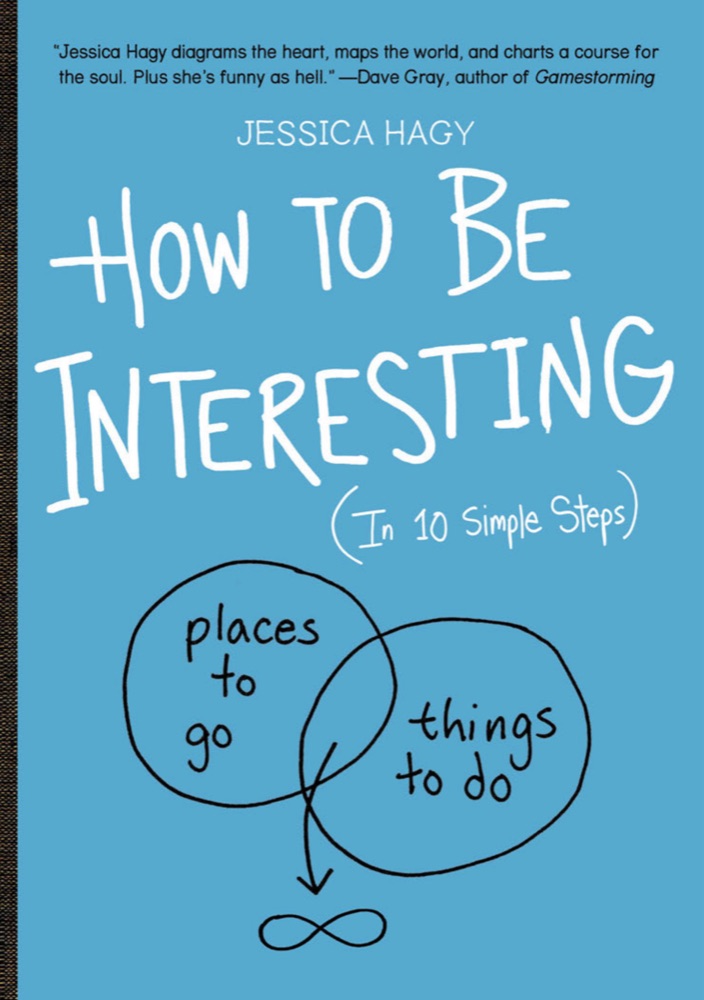 How to Be Interesting: In 10 Simple Steps
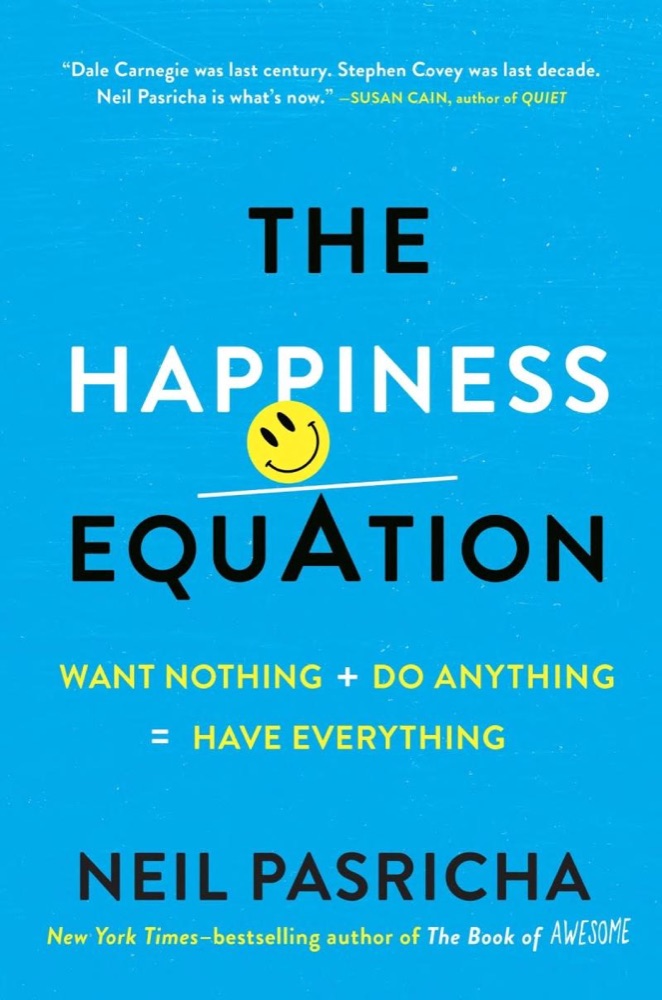 The Happiness Equation: Want Nothing + Do Anything = Have Everything
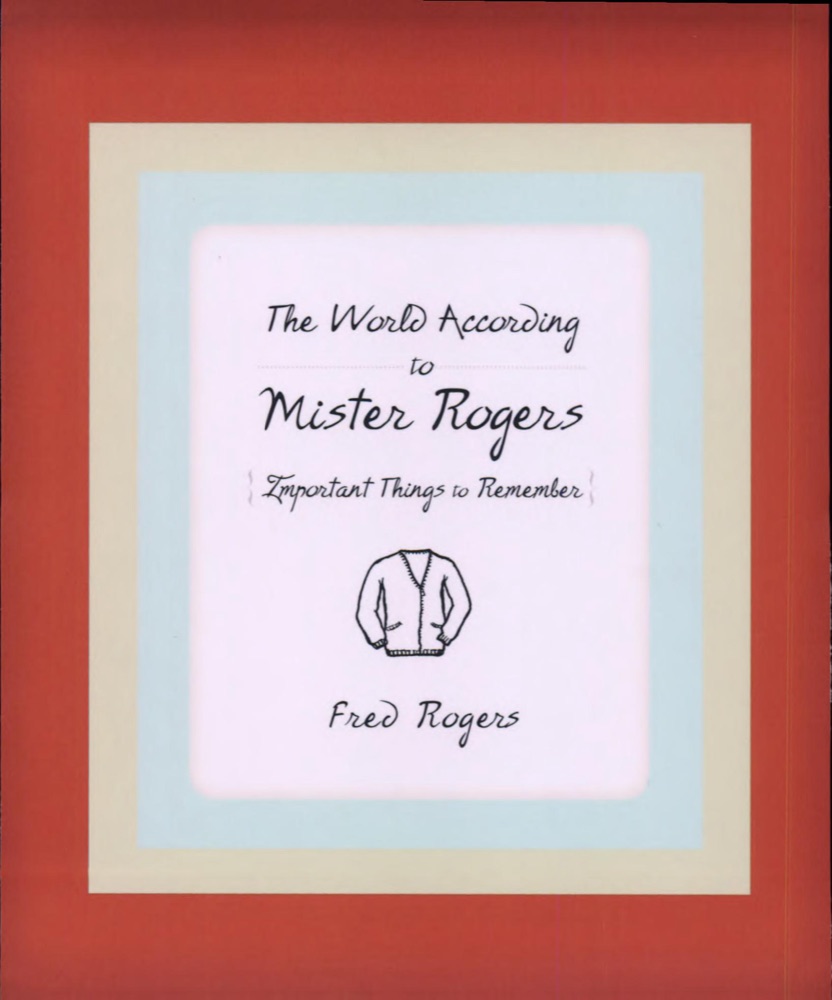 The World According to Mister Rogers: Important Things to Remember
 Illusions: The Adventures of a Reluctant Messiah
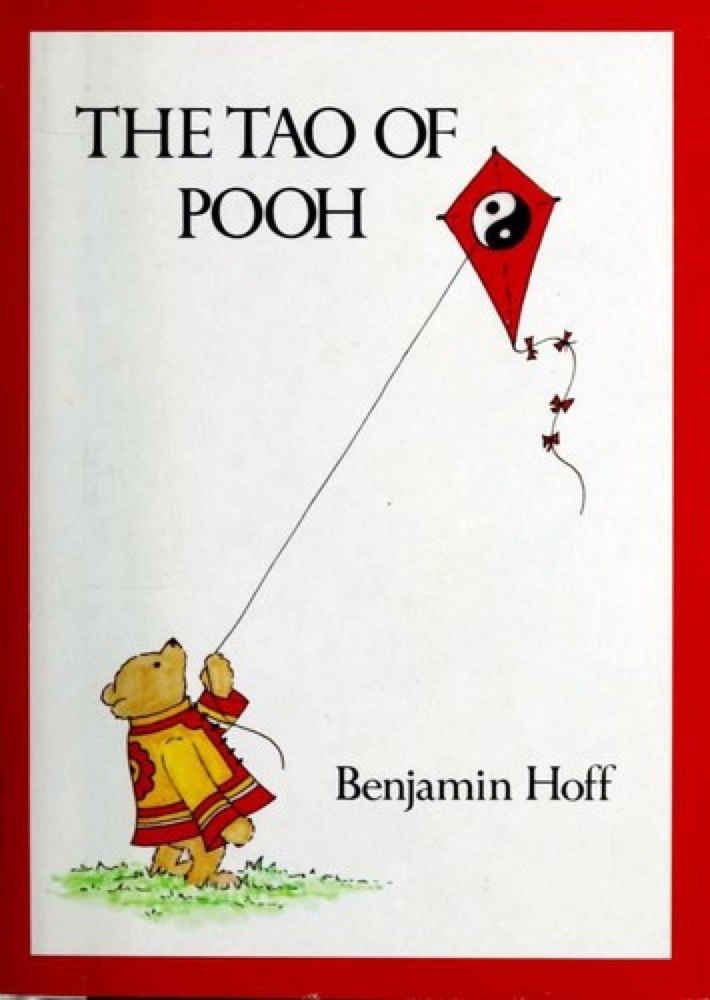 The Tao of Pooh
 The Razor's Edge
 Ego Is the Enemy
 Children of Dune
 The Art of Living: The Classical Manual on Virtue, Happiness and Effectiveness
 The Penultimate Peril
 Shōgun
 The Angel's Game
 An Absolutely Remarkable Thing
 The Stand
 The Downstairs Girl
 Wings of Fire: An Autobiography
 Even Cowgirls Get the Blues
 I Can't Make This Up: Life Lessons
 The Game: Penetrating the Secret Society of Pickup Artists
 A Work in Progress
How to Stop Worrying and Start Living
A Work in Progress
How to Stop Worrying and Start Living