
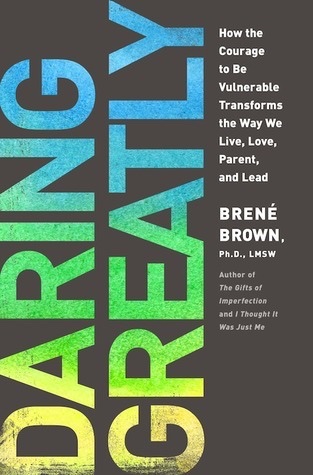
 Daring Greatly: How the Courage to Be Vulnerable Transforms the Way We Live, Love, Parent, and Lead
Quotes from the Book
I define a leader as anyone who takes responsibility for finding the potential in people and processes, and who has the courage to develop that potential.
76
At the end of the day, at the end of the week, at the end of my life, I want to say I contributed more than I criticized.
72
The courage to be vulnerable is not about winning or losing, it’s about the courage to show up when you can’t predict or control the outcome.
65
Clear is kind. Unclear is unkind.
61
If you are not in the arena getting your ass kicked on occasion, I’m not interested in or open to your feedback. There are a million cheap seats in the world today filled with people who will never be brave with their lives but who will spend every ounce of energy they have hurling advice and judgment at those who dare greatly. Their only contributions are criticism, cynicism, and fearmongering. If you’re criticizing from a place where you’re not also putting yourself on the line, I’m not interested in what you have to say.
51
People are opting out of vital conversations about diversity and inclusivity because they fear looking wrong, saying something wrong, or being wrong. Choosing our own comfort over hard conversations is the epitome of privilege, and it corrodes trust and moves us away from meaningful and lasting change.
40
Show up for people in pain and don’t look away.
39
We fail the minute we let someone else define success for us.
35
Don't grab hurtful comments and pull them close to you by rereading them and ruminating on them. Don't play with them by rehearsing your badass comeback. And whatever you do, don't pull hatefulness close to your heart. Let what's unproductive and hurtful drop at the feet of your unarmored self. And no matter how much your self-doubt wants to scoop up the criticism and snuggle with the negativity so it can confirm its worst fears, or how eager the shame gremlins are to use the hurt to fortify your armor, take a deep breath and find the strength to leave what's mean-spirited on the ground. You don't even need to stomp it or kick it away. Cruelty is cheap, easy, and chickenshit. It doesn't deserve your energy or engagement. Just step over the comments and keep daring, always remembering that armor is too heavy a price to pay to engage with cheap-seat feedback.
32
If we want people to fully show up, to bring their whole selves including their unarmored, whole hearts—so that we can innovate, solve problems, and serve people—we have to be vigilant about creating a culture in which people feel safe, seen, heard, and respected.
30
Daring leaders work to make sure people can be themselves and feel a sense of belonging.
28
It turns out that trust is in fact earned in the smallest of moments. It is earned not through heroic deeds, or even highly visible actions, but through paying attention, listening, and gestures of genuine care and connection.
24
the only thing I know for sure after all of this research is that if you’re going to dare greatly, you’re going to get your ass kicked at some point. If you choose courage, you will absolutely know failure, disappointment, setback, even heartbreak. That’s why we call it courage. That’s why it’s so rare.
24
If you have more than three priorities, you have no priorities
23
Why do we insist on dress-rehearsing tragedy in moments of deep joy? Because joy is the most vulnerable emotion we feel. And that’s saying something, given that I study fear and shame. When we feel joy, it is a place of incredible vulnerability—it’s beauty and fragility and deep gratitude and impermanence all wrapped up in
22
We are not here to fit in, be well balanced, or provide exempla for others. We are here to be eccentric, different, perhaps strange, perhaps merely to add our small piece, our little clunky, chunky selves, to the great mosaic of being. As the gods intended, we are here to become more and more ourselves.
21
It is not the critic who counts; not the man who points out how the strong man stumbles, or where the doer of deeds could have done them better. The credit belongs to the man who is actually in the arena, whose face is marred by dust and sweat and blood; who strives valiantly; who errs, who comes short again and again…who at the best knows in the end the triumph of high achievement, and who at the worst, if he fails, at least fails while daring greatly.
19
Only when diverse perspectives are included, respected, and valued can we start to get a full picture of the world:
19
Feeding people half-truths or bullshit to make them feel better (which is almost always about making ourselves feel more comfortable) is unkind
15
neuroscientist Antonio Damasio reminds us, “We are not necessarily thinking machines. We are feeling machines that think.
14
Rather than spending a reasonable amount of time proactively acknowledging and addressing the fears and feelings that show up during change and upheaval, we spend an unreasonable amount of time managing problematic behaviors.
12
If you put shame in a petri dish and cover it with judgment, silence, and secrecy, you’ve created the perfect environment for shame to grow until it makes its way into every corner and crevice of your life. If, on the other hand, you put shame in a petri dish and douse it with empathy, shame loses its power and begins to wither. Empathy creates a hostile environment for shame—an environment it can’t survive in, because shame needs you to believe you’re alone and it’s just you.
11
So often, when someone is in pain, we’re afraid to say, “Yes, this hurts. Yes, this is a big deal. Yes, this sucks.” We think our job is to make things better, so we minimize the pain.
11
The Ham-Foldover Debacle:.....you make yourself the center of something that has nothing to do with you, out of your own fear or scarcity, only to be reminded that you're not the axis over which the world turns
11
to be the person who we long to be—we must again be vulnerable. We must take off the armor, put down the weapons, show up, and let ourselves be seen.
11
One of the signature mistakes with empathy is that we believe we can take our lenses off and look through the lenses of someone else. We can’t. Our lenses are soldered to who we are. What we can do, however, is honor people’s perspectives as truth even when they’re different from ours. That’s a challenge if you were raised in majority culture—white, straight, male, middle-class, Christian—and you were likely taught that your perspective is the correct perspective and everyone else needs to adjust their lens. Or, more accurately, you weren’t taught anything about perspective taking, and the default—My truth is the truth—is reinforced by every system and situation you encounter.
10
For me, that strong back is grounded confidence and boundaries. The soft front is staying vulnerable and curious. The mark of a wild heart is living out these paradoxes in our lives and not giving into the either/or BS that reduces us. It’s showing up in our vulnerability and our courage, and, above all else, being both fierce and kind.
10
Did you know?
- The book's research drew on interviews and data gathered from leaders across a range of organizations and industries.
- Brown uses the acronym BRAVING (Boundaries, Reliability, Accountability, Vault, Integrity, Non-judgment, Generosity) to break trust into observable behaviors.
- The book popularized Brown's maxim that "clear is kind, unclear is unkind."
- It builds on themes from Brown's earlier bestsellers, including "Daring Greatly" and "Rising Strong."
- Brown launched the "Dare to Lead" podcast and a facilitator certification program connected to the book's framework.
About Brené Brown
Brené Brown is an American research professor at the University of Houston who studies courage, vulnerability, shame, and empathy. Her 2010 TEDxHouston talk "The Power of Vulnerability" became one of the most-viewed TED talks, and she is the author of several #1 New York Times bestsellers.
More about the author →More by Brené Brown
Daring Greatly: How the Courage to Be Vulnerable Transforms the Way We Live, Love, Parent, and Lead
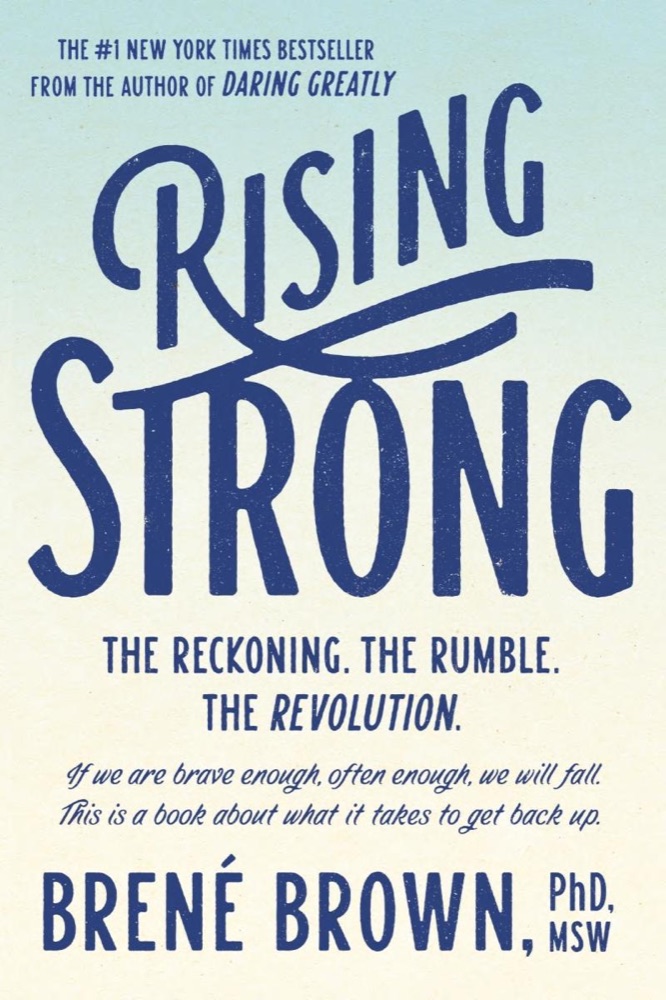 Rising Strong
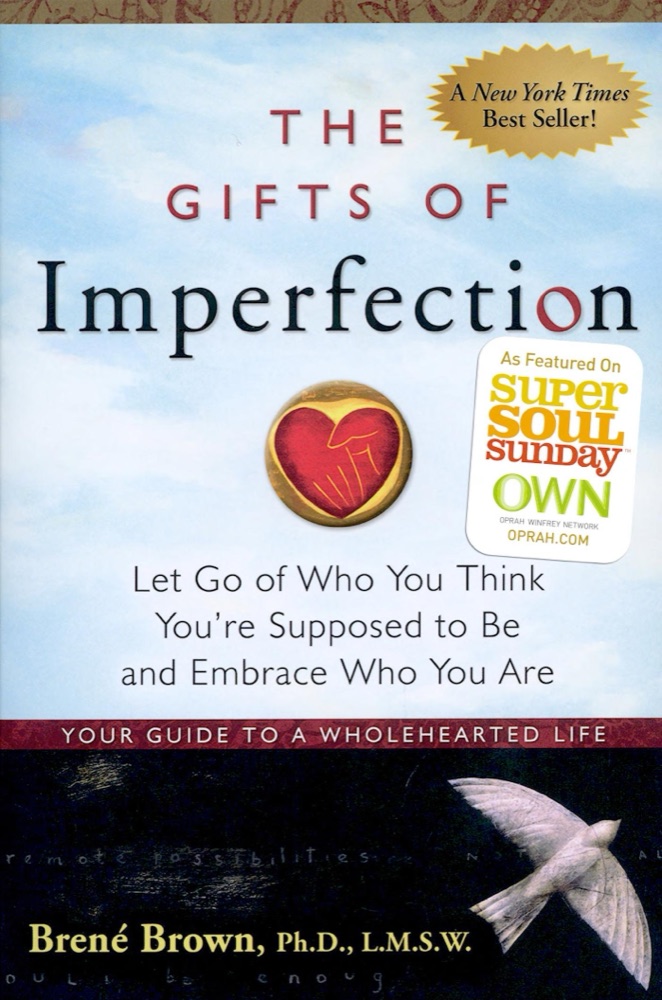 The Gifts of Imperfection
 The Power of Vulnerability: Teachings of Authenticity, Connections and Courage
About the book
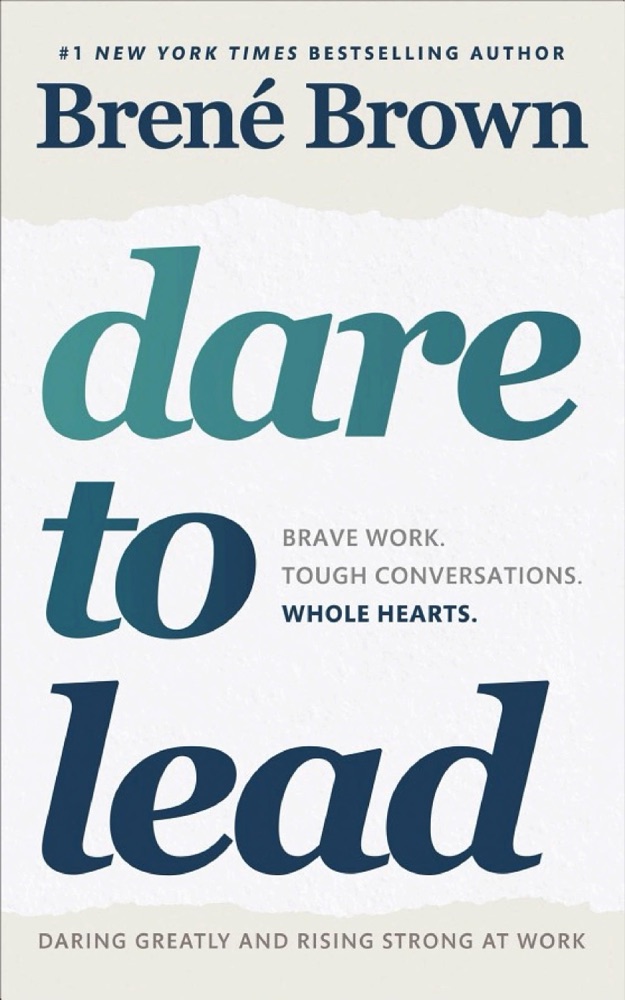
"Dare to Lead: Brave Work. Tough Conversations. Whole Hearts." is Brené Brown's 2018 book translating two decades of her research on vulnerability, courage, shame, and empathy into a framework for leadership. Brown argues that daring leadership is not about titles, power, or having all the answers, but about the courage to recognize potential in people and ideas and the willingness to develop it. She frames the work around four skill sets she contends are teachable, observable, and measurable.
The book's central claim is that vulnerability is the foundation of courage rather than its opposite, and that leaders who choose courage over comfort build stronger cultures. Brown organizes her ideas around concepts such as "rumbling with vulnerability," living into one's values, building trust through an acronym she calls BRAVING, and "learning to rise" after setbacks. Recurring themes include the cost of armored leadership, the difference between empathy and sympathy, and the idea that clear is kind while unclear is unkind.
"Dare to Lead" became a #1 New York Times bestseller and was named one of Bloomberg's Best Books of the Year. Building on the wide popularity of Brown's earlier work and viral TED talk on vulnerability, the book extended her audience into corporate and organizational leadership and spawned a companion podcast and a workshop-based certification program. It is frequently cited in discussions of workplace culture, though some critics note its prescriptions can feel more inspirational than empirically prescriptive.
Book details
- First published
- 2018
- Length
- 320 pages
- Reading time
- 4 hours
- Author
- Brené Brown
- Genre
- Nonfiction
- Goodreads rating
- 4.17 (131k ratings)
Critical reception
- Debuted as a #1 New York Times bestseller.
- Named one of Bloomberg's Best Books of the Year.
- Widely adopted in corporate leadership development and frequently referenced in workplace-culture discussions.
Keep reading
Rising Strong
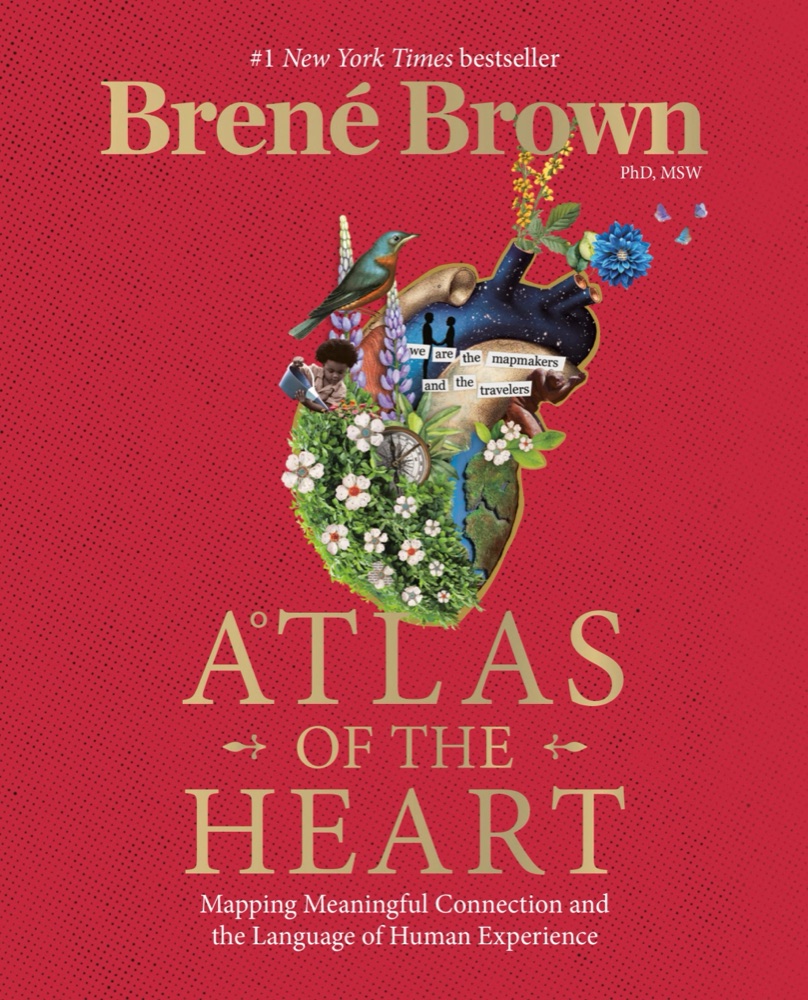 Atlas of the Heart: Mapping Meaningful Connection and the Language of Human Experience
Daring Greatly: How the Courage to Be Vulnerable Transforms the Way We Live, Love, Parent, and Lead
Atlas of the Heart: Mapping Meaningful Connection and the Language of Human Experience
Daring Greatly: How the Courage to Be Vulnerable Transforms the Way We Live, Love, Parent, and Lead
 Professional Troublemaker: The Fear-Fighter Manual
 The Light We Carry: Overcoming in Uncertain Times
 Lead from the Outside: How to Build Your Future and Make Real Change
 Be a People Person
 Brave Enough
 The Dance of Fear: Rising Above Anxiety, Fear, and Shame to Be Your Best and Bravest Self
 Untamed
 Carry On, Warrior: Thoughts on Life Unarmed
 Brave, Not Perfect: Fear Less, Fail More, and Live Bolder
 When Things Fall Apart: Heart Advice for Difficult Times
 Leadership on the Line: Staying Alive through the Dangers of Leading
 A Higher Loyalty: Truth, Lies, and Leadership
 The Person You Mean to Be: How Good People Fight Bias
 We Can Do Hard Things: Answers to Life's 20 Questions
 Becoming
 Nonviolent Communication: A Language of Life
 On Our Best Behavior: The Seven Deadly Sins and the Price Women Pay to Be Good
 Greenlights
 Tribe Of Mentors: Transformative Wisdom From Icons and Innovators to Help You Navigate Life's Challenges
 Six Pillars of Self-Esteem
 How to Be a Bawse: A Guide to Conquering Life
 Becoming Bulletproof: Protect Yourself, Read People, Influence Situations, and Live Fearlessly
 Surrender: 40 Songs, One Story
 Orbiting the Giant Hairball: A Corporate Fool's Guide to Surviving with Grace
 The 7 Habits of Highly Effective People: Personal Workbook
 The Laws of Human Nature
 The Art of Asking; or, How I Learned to Stop Worrying and Let People Help
 The Things You Can See Only When You Slow Down: How to Be Calm in a Busy World
 Heart Talk: Poetic Wisdom for a Better Life
 Burnout: The Secret to Unlocking the Stress Cycle
 The Leader Who Had No Title: A Modern Fable on Real Success in Business and in Life
 Maybe You Should Talk to Someone: A Therapist, Her Therapist, and Our Lives Revealed
 More Than Enough: Claiming Space for Who You Are
 The World According to Mister Rogers: Important Things to Remember
 You Are Your Best Thing: Vulnerability, Shame Resilience, and the Black Experience
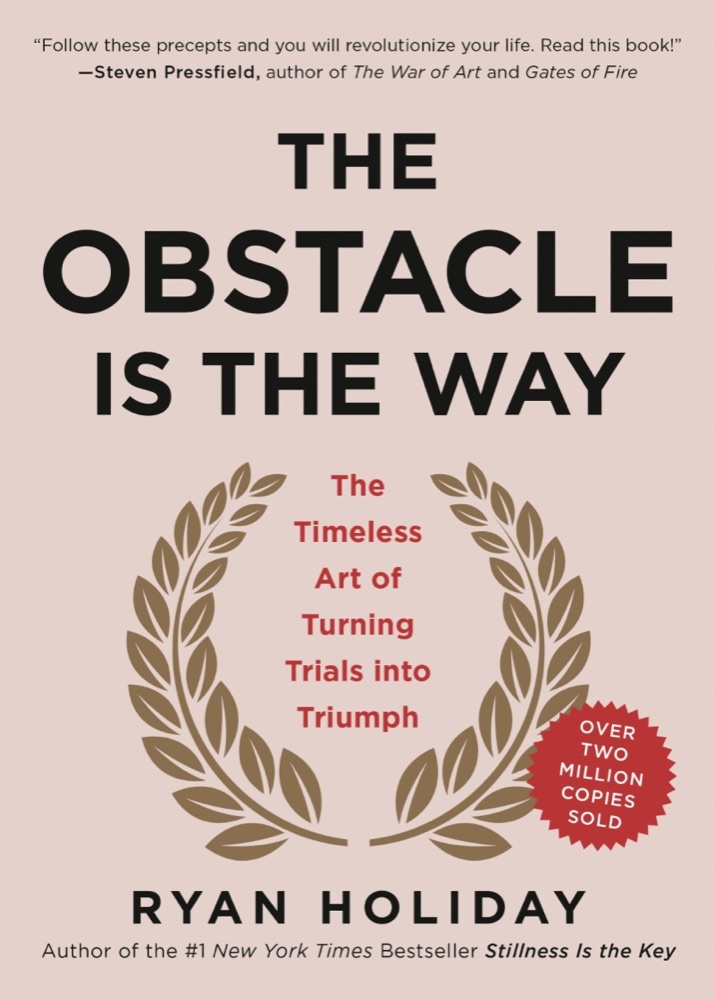 The Obstacle Is the Way: The Timeless Art of Turning Trials into Triumph
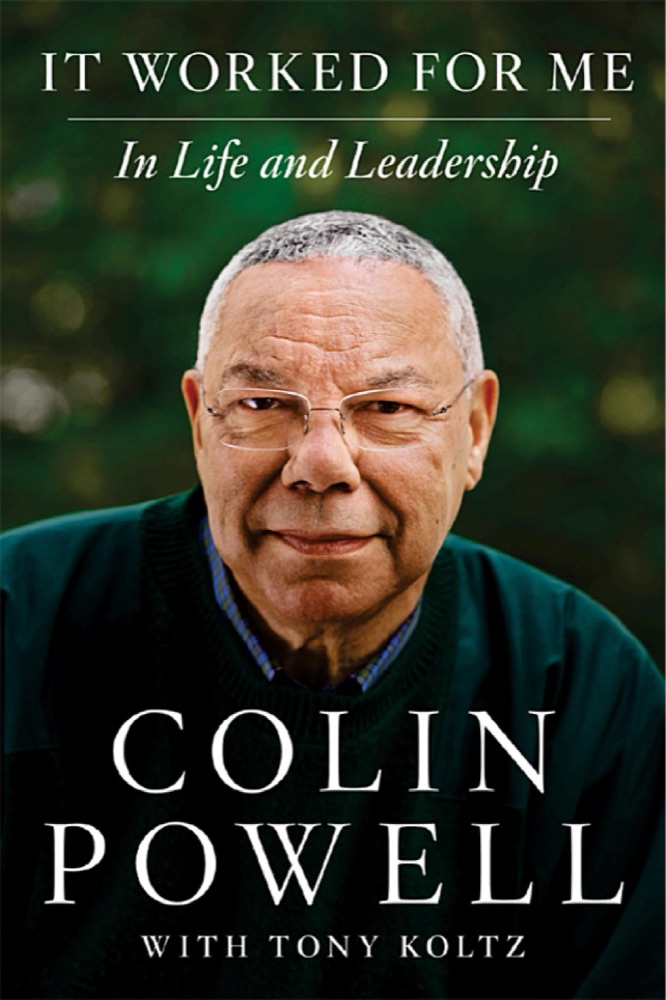 It Worked for Me: In Life and Leadership
 Thrive: The Third Metric to Redefining Success and Creating a Life of Well-Being, Wisdom, and Wonder
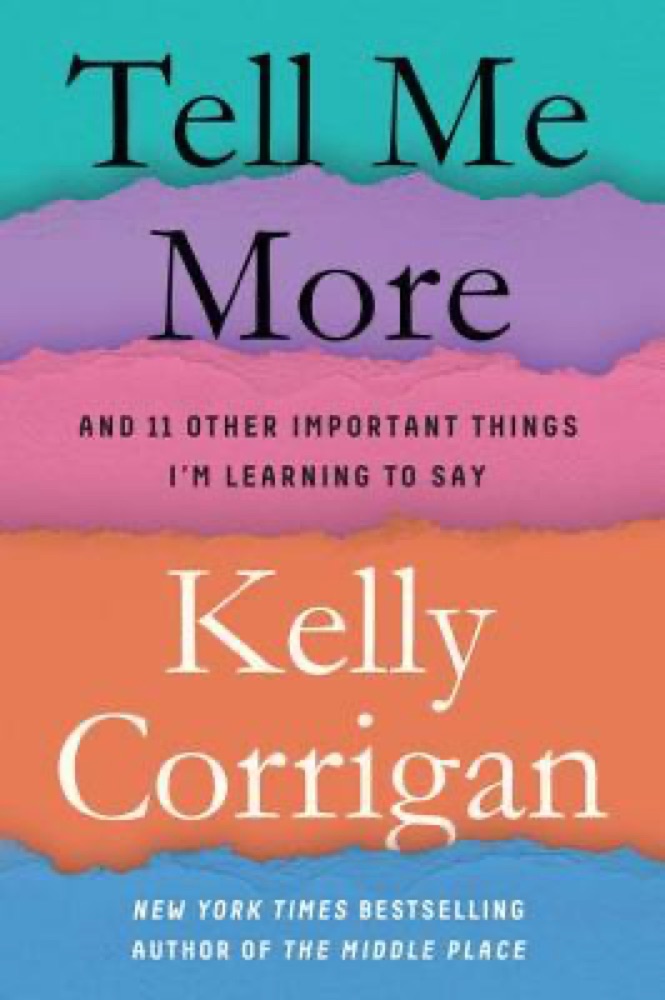 Tell Me More: Stories About the 12 Hardest Things I'm Learning to Say
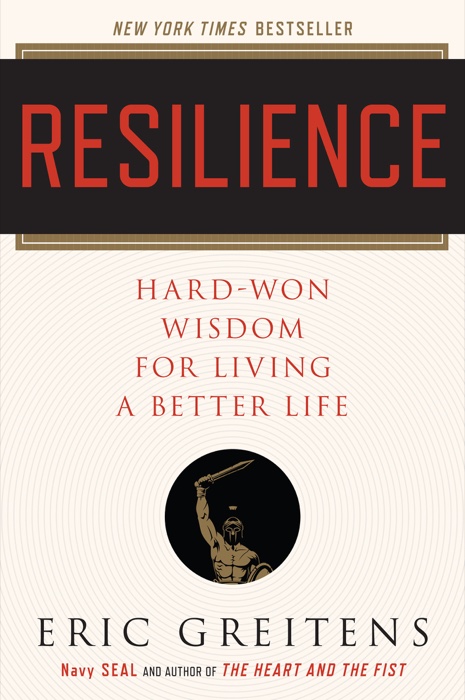 Resilience: Hard-Won Wisdom for Living a Better Life
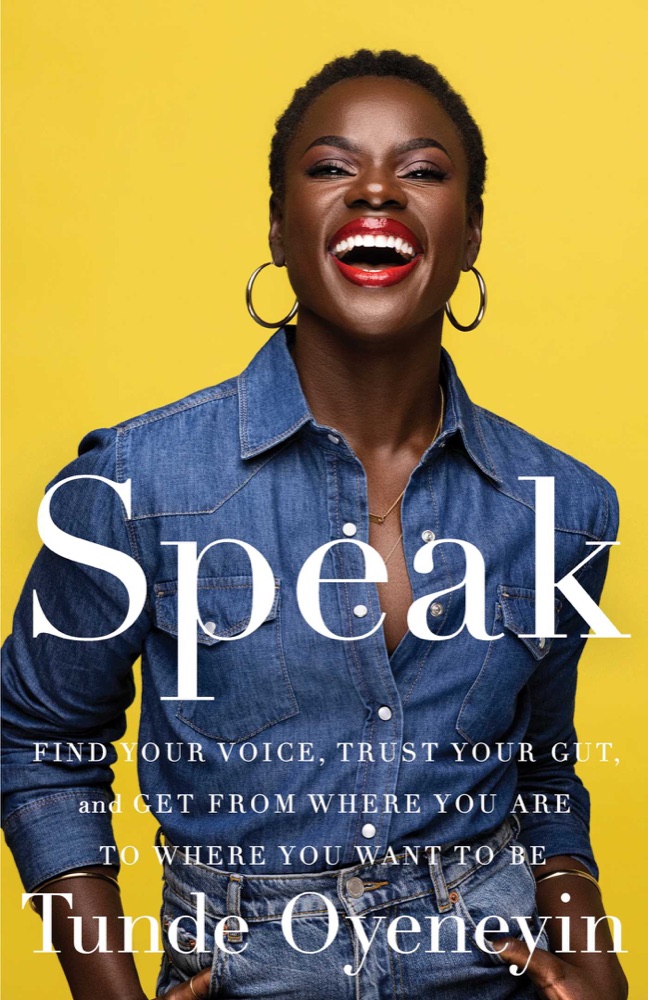 Speak: Find Your Voice, Trust Your Gut, and Get from Where You Are to Where You Want to Be
 Yes Please
 Life Will Be the Death of Me: . . . and you too!
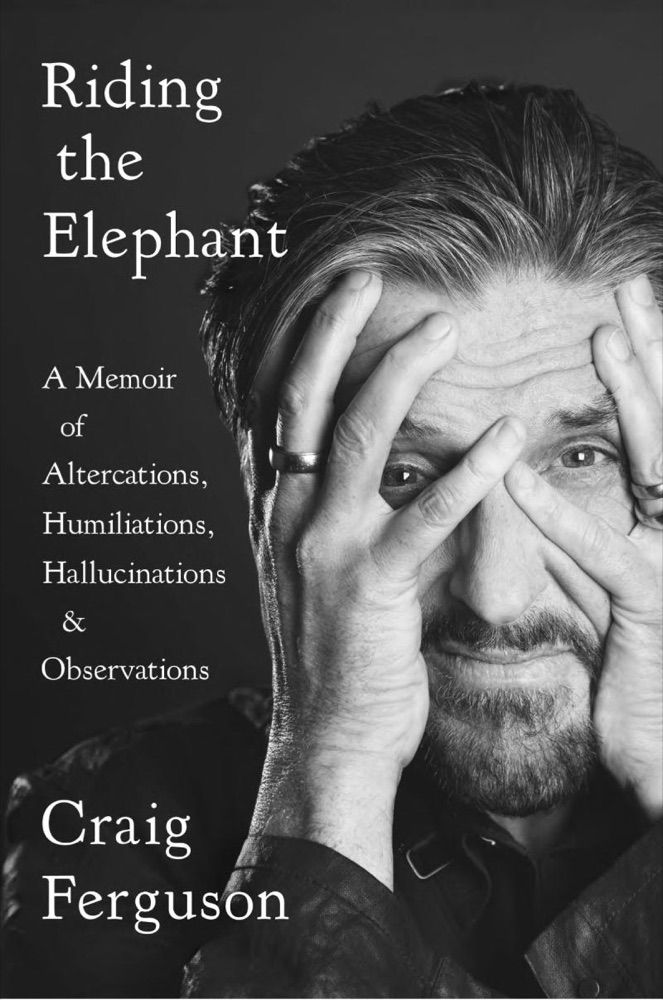 Riding the Elephant: A Memoir of Altercations, Humiliations, Hallucinations, and Observations
 On Connection
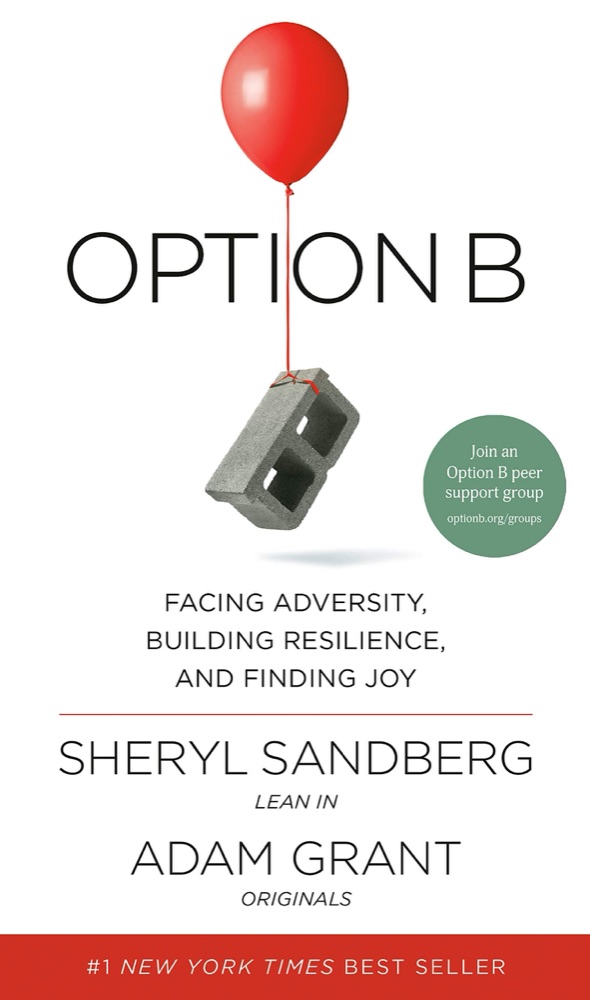 Option B: Facing Adversity, Building Resilience, and Finding Joy
 Like Streams to the Ocean: Notes on Ego, Love, and the Things That Make Us Who We Are
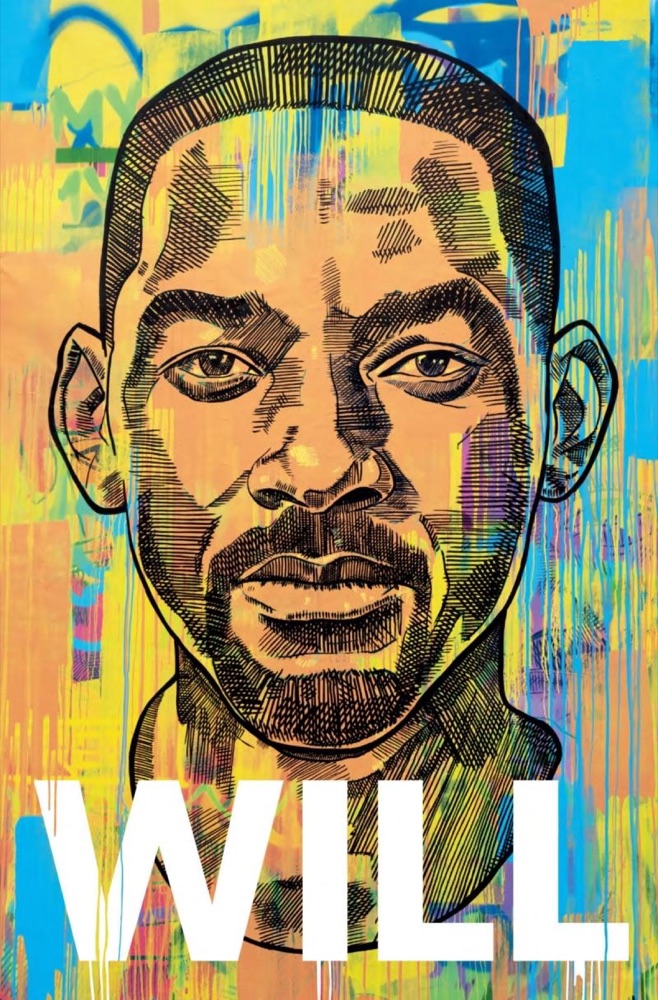 Will
Will
 The 7 Habits Of Highly Effective Teens
 The Places That Scare You: A Guide to Fearlessness in Difficult Times
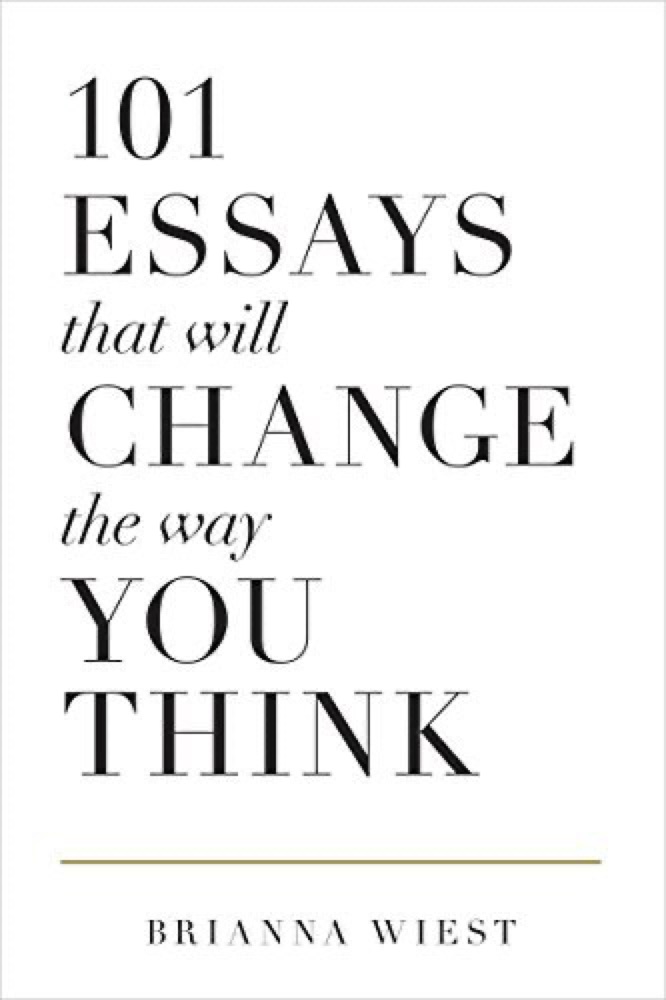 101 Essays That Will Change The Way You Think
 Dusk, Night, Dawn: On Revival and Courage
 The Tools: Transform Your Problems into Courage, Confidence, and Creativity
 Awaken The Giant Within
 The Subtle Art of Not Giving a F*ck: A Counterintuitive Approach to Living a Good Life
 Crucial Conversations: Tools for Talking When Stakes are High