
 Mythologies
Quotes from the Book
I am interested in language because it wounds or seduces me.
1.9k
…the book creates meaning, the meaning creates life.
62
The text you write must prove to me that it desires me. This proof exists: it is writing. Writing is: the science of the various blisses of language, its Kama Sutra (this science has but one treatise: writing itself).
36
...what I enjoy in a narrative is not directly its content or even its structure, but rather the abrasions I impose upon the fine surface: I read on, I skip, I look up, I dip in again. Which has nothing to do with the deep laceration the text of bliss inflicts upon language itself, and not upon the simple temporality of its reading.
24
The pleasure of the text is that moment when my body pursues its own ideas—for my body does not have the same ideas as I do.
19
Boredom is not far from bliss: it is bliss seen from the shores of pleasure.
12
I pass lightly through the reactionary darkness.
11
Cinema captures the sound of speech close up and makes us hear in their materiality, their sensuality, the breath, the gutturals, the fleshiness of the lips, a whole presence of the human muzzle (that the voice, that writing, be as fresh, supple, lubricated, delicately granular and vibrant as an animal's muzzle), to succeed in shifting the signified a great distance and in throwing, so to speak, the anonymous body of the actor into my ear: it granulates, it crackles, it caresses, it grates, it cuts, it comes: that is bliss.
9
Text of pleasure: the text that contents, fills, grants euphoria; the text that comes from culture and does not break with it, is linked to a comfortable practice of reading. Text of bliss: the text that imposes a state of loss, the text that discomforts (perhaps to the point of a certain boredom), unsettles the reader's historical, cultural, psychological assumptions, the consistency of his tastes, values, memories, brings to a crisis his relation with language. Now the subject who keeps the two texts in his field and in his hands the reins of pleasure and bliss is an anachronic subject, for he simultaneously and contradictorily participates in the profound hedonism of all culture (which permeates him quietly under the cover of an "art de vivre" shared by the old books) and in the destruction of that culture: he enjoys the consistency of his selfhood (that is his pleasure) and seeks its loss (that is his bliss). He is a subject split twice over, doubly perverse.
7
Any demand is frigid until desire, until neurosis forms in it.
4
The pleasure of the sentence is to a high degree cultural. The artifact created by rhetors, grammarians, linguists, teachers, writers, parents -- this artifact is mimicked in a more or less ludic manner; we are playing with an exceptional object, whose paradox has been articulated by linguistics: immutably structured and yet infinitely renewable: something like chess.
2
Forma bastardă a culturii de masă este repetarea ruşinoasă:se repetă conţinuturile,schemele ideologice,ştergerea contradicţiilor,dar se variează formele superficiale:mereu alte cărţi,emisiuni,filme noi,fapte diverse,dar întodeauna acelaşi sens
1
El texto que usted escribe debe demostrarme que me desea. Esa prueba existe: es la escritura. La escritura es esto: la ciencia de los gozos del lenguaje, su kamasutra (de esta ciencia no hay más que un tratado: la escritura misma).
No entanto, a narrativa mais clássica (um romance de Zola, de Balzac, de Dickens, de Tolstoi) traz em si mesma uma espécie de mimese enfraquecida: não lemos tudo com a mesma intensidade de leitura; um ritmo se estabelece, desenvolto, pouco respeitoso em relação à integridade do texto; a própria avidez do conhecimento nos leva a sobrevoar ou a passar por cima de certas passagens (pressentidas como “aborrecidas”) para encontrarmos o mais depressa possível os pontos picantes da anedota (que são sempre suas articulações – o que faz avançar a revelação do enigma ou do destino): saltamos impunemente (ninguém nos vê) as descrições, as explicações, as considerações, as conversações; tornamo-nos então semelhantes a um espectador de cabaré que subisse ao palco e apressasse o strip-tease da bailarina, tirando-lhe rapidamente as roupas, mas dentro da ordem, isto é: respeitando, de um lado, e precipitando, de outro, os episódios do rito (qual um padre que engolisse a sua missa). A mimese, fonte ou figura do prazer, põe aqui em confronto duas margens prosaicas; ela opõe o que é útil ao conhecimento do segredo e o que lhe é inútil; é uma fenda. surgida de um simples princípio de funcionalidade; ela não se produz diretamente a estrutura das linguagens, mas apenas no momento de seu consumo; o autor não pode prevê-la: ele não pode querer escrever o que não se lerá. No entanto, é o próprio ritmo daquilo que se lê e do que não se lê que produz o prazer dos grandes relatos: ter-se-á alguma vez lido Proust, Balzac, Guerra e Paz, palavra por palavra? (Felicidade de Proust: de uma leitura a outra, não saltamos nunca as mesmas passagens).
Watch on YouTube
About Roland Barthes
We have collected 115 quotes from 5 books by Roland Barthes on BookQuoters.
More about the author →More by Roland Barthes
About the book
What is it that we do when we enjoy a text? What is the pleasure of reading? The French critic and theorist Roland Barthes's answers to these questions constitute "perhaps for the first time in the history of criticism . . . not only a poetics of reading . . . but a much more difficult achievement, an erotics of reading . . . . Like filings which gather to form a figure in a magnetic field, the parts and pieces here do come together, determined to affirm the pleasure we must take in our reading as against the indifference of (mere) knowledge." --Richard Howard
Book details
- First published
- 1973
- Author
- Roland Barthes
- Genre
- Philosophy
- Goodreads rating
- 4.00 (6k ratings)
Keep reading
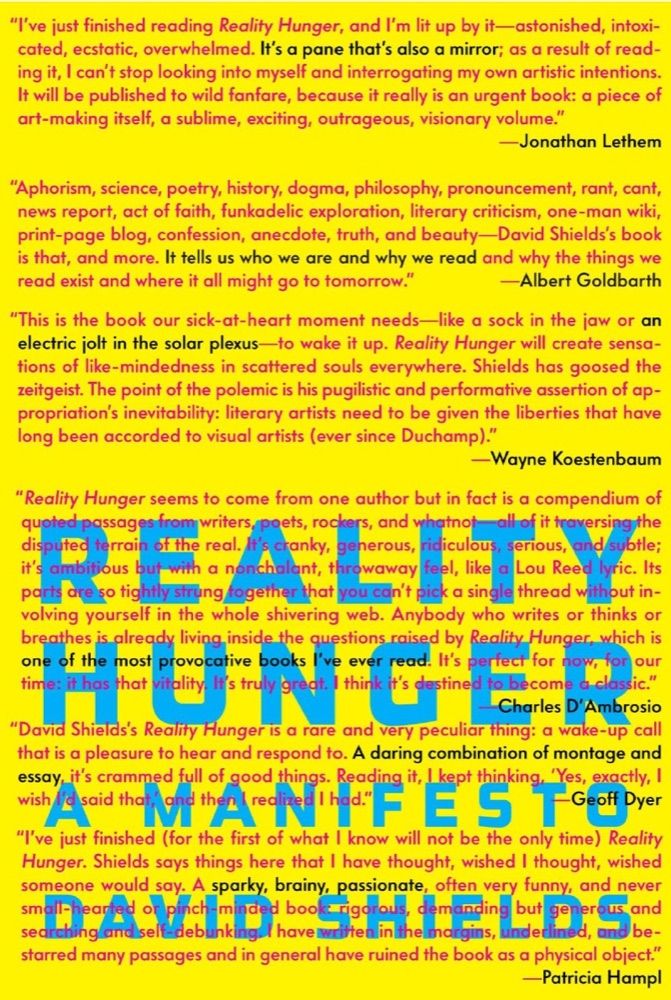 Reality Hunger: A Manifesto
 Selected Non-Fictions
 Illuminations: Essays and Reflections
 Incidental Inventions
 The Book of Delights: Essays
 Lost in Translation: A Life in a New Language
 An Experiment in Criticism
 The Common Reader
 The Names
 Madness, Rack, and Honey: Collected Lectures
 What We See When We Read
 Both Flesh and Not: Essays
 Time Regained
 Seven Nights
 The Diary of Anaïs Nin, Vol. 1: 1931-1934
 A Lover's Discourse: Fragments
 Eros the Bittersweet
 The Swerve: How the World Became Modern
 Spring and All
 Manifestoes of Surrealism
 A Fisherman of the Inland Sea
 The Summer Without Men
 How to Read Literature
 The Temptation to Exist
 Labyrinths: Selected Stories and Other Writings
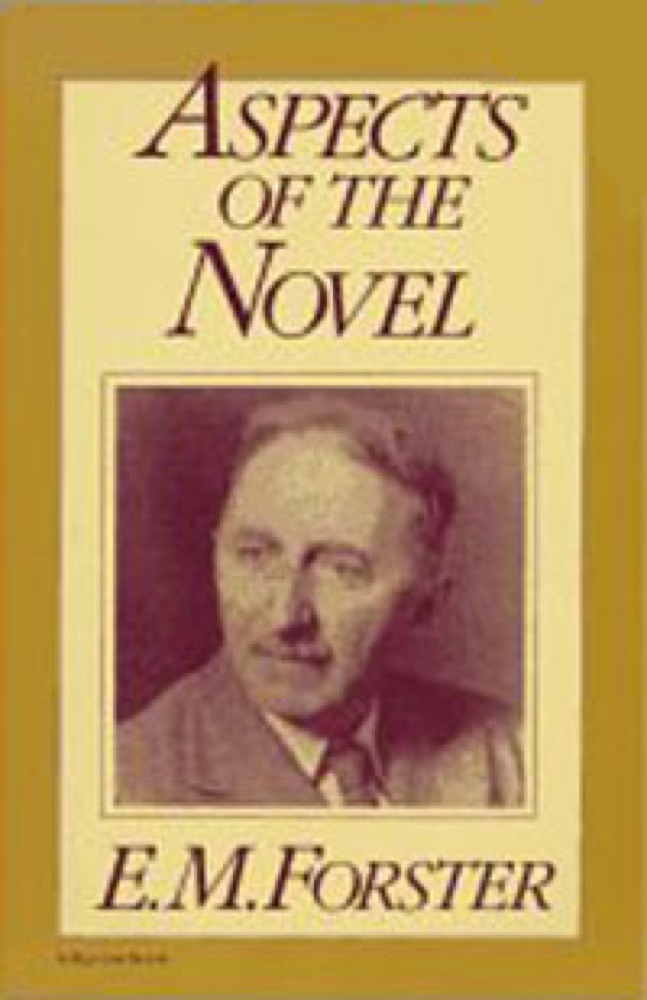 Aspects of the Novel
 Death in Venice and Other Tales
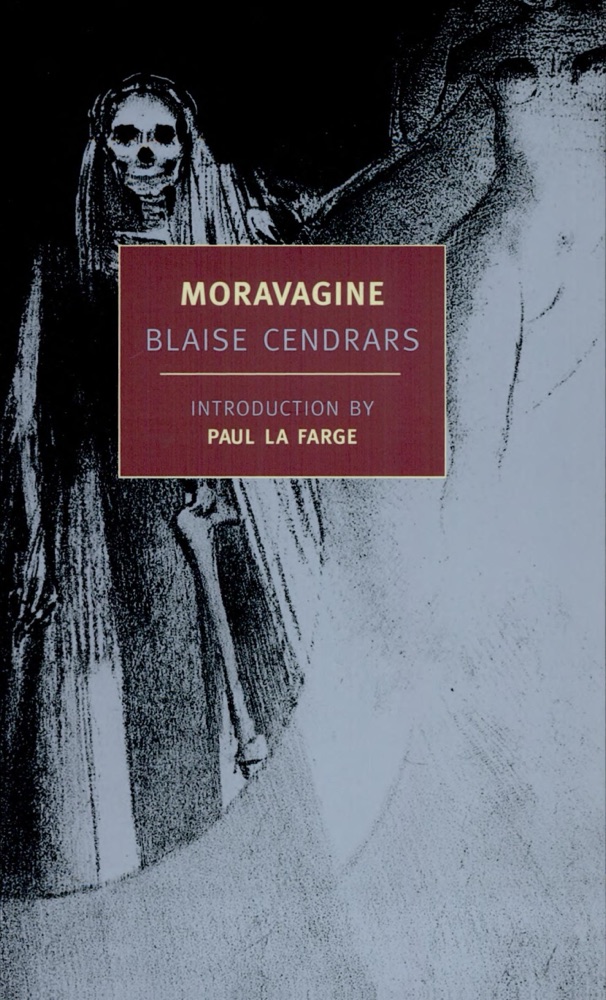 Moravagine
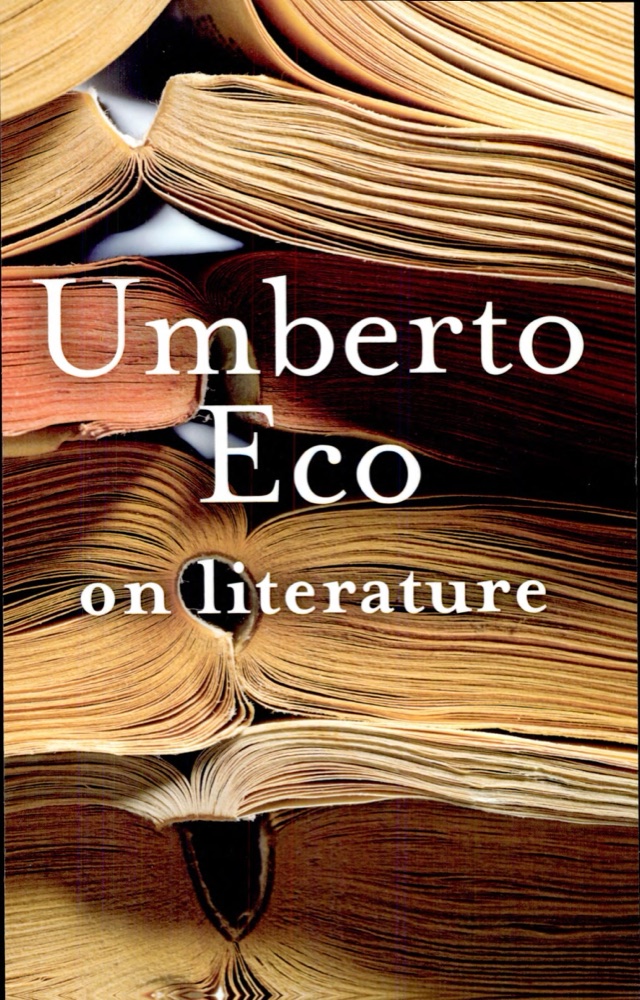 On Literature
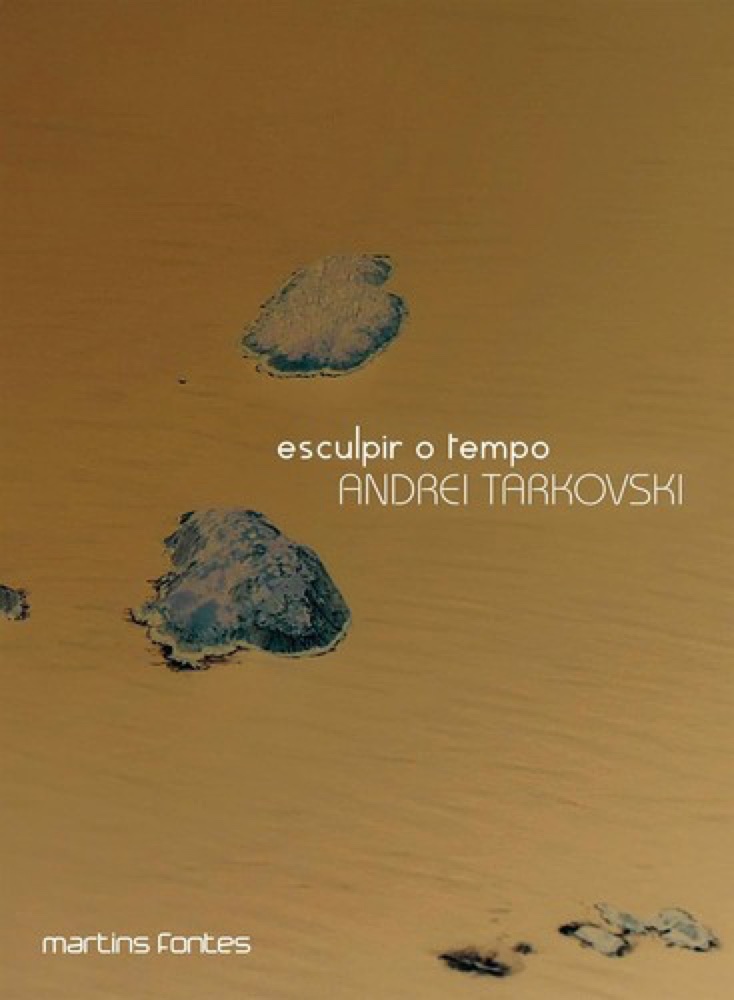 Sculpting in Time
 The Passion According to G.H.
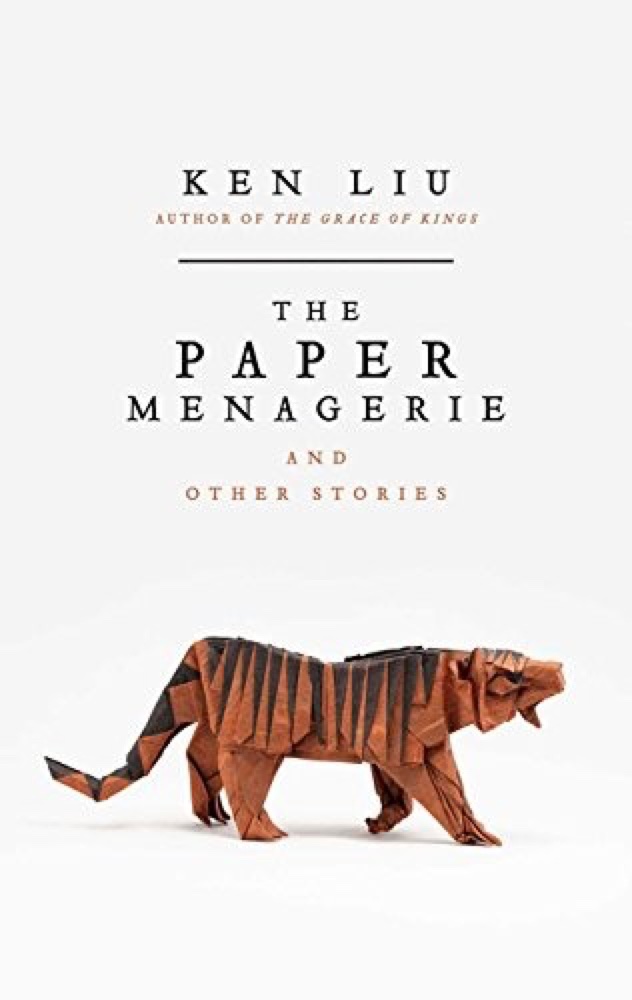 The Paper Menagerie and Other Stories
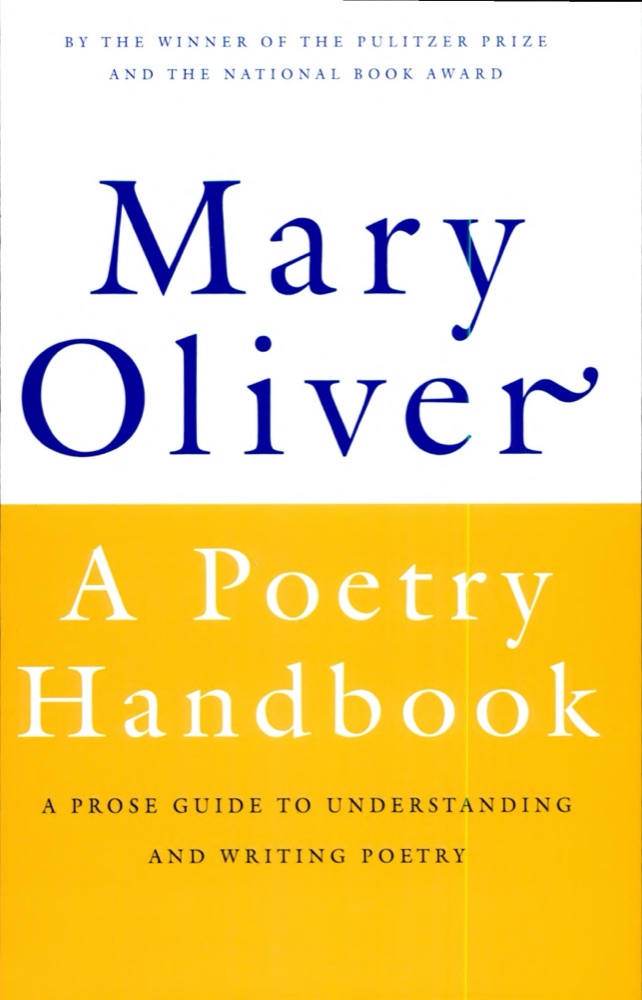 A Poetry Handbook
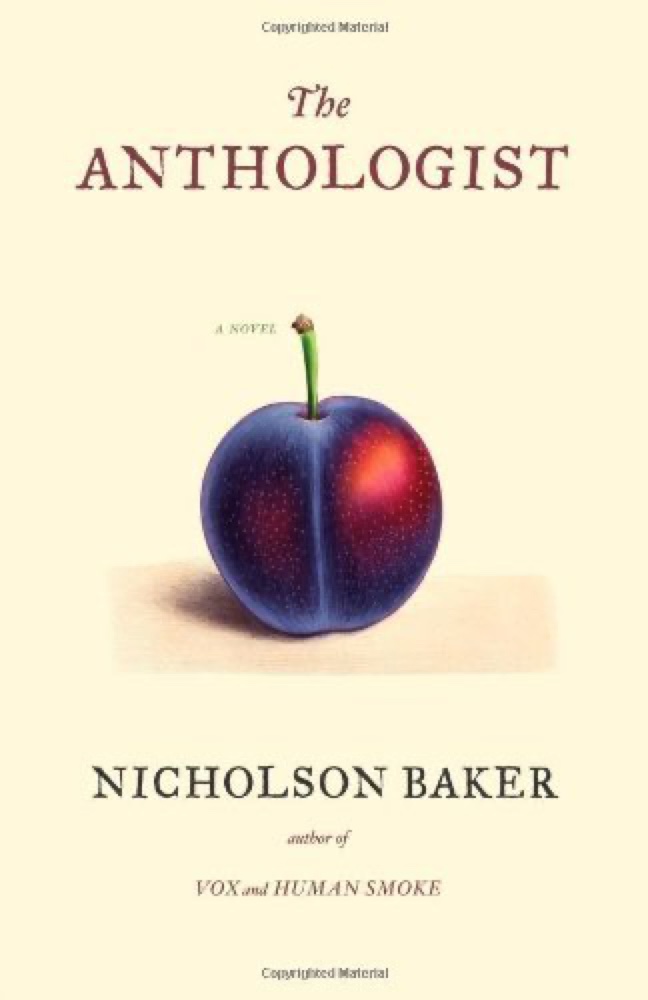 The Anthologist
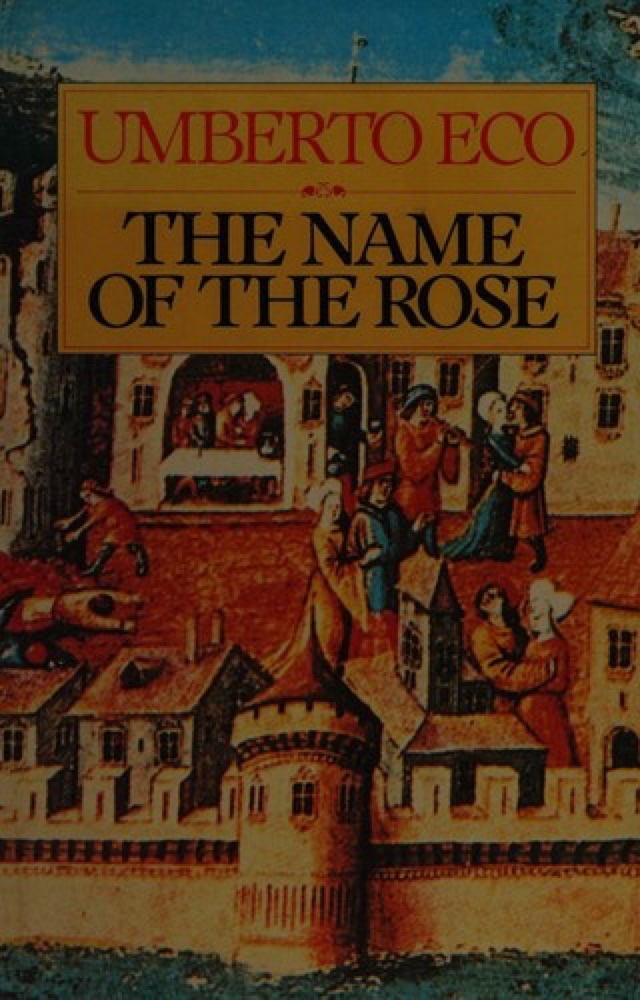 The Name of the Rose
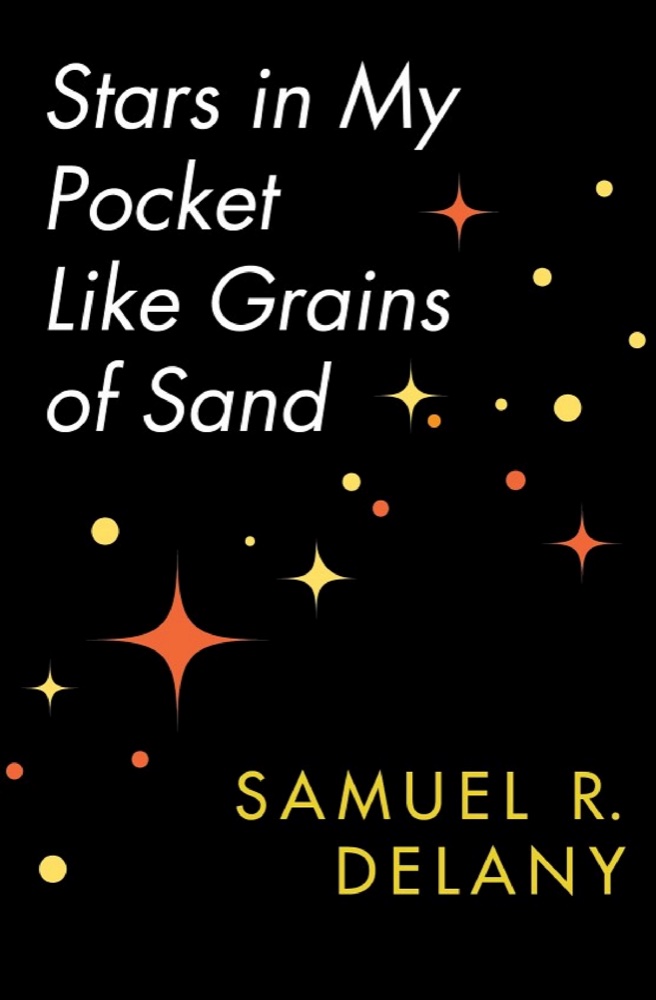 Stars in My Pocket Like Grains of Sand
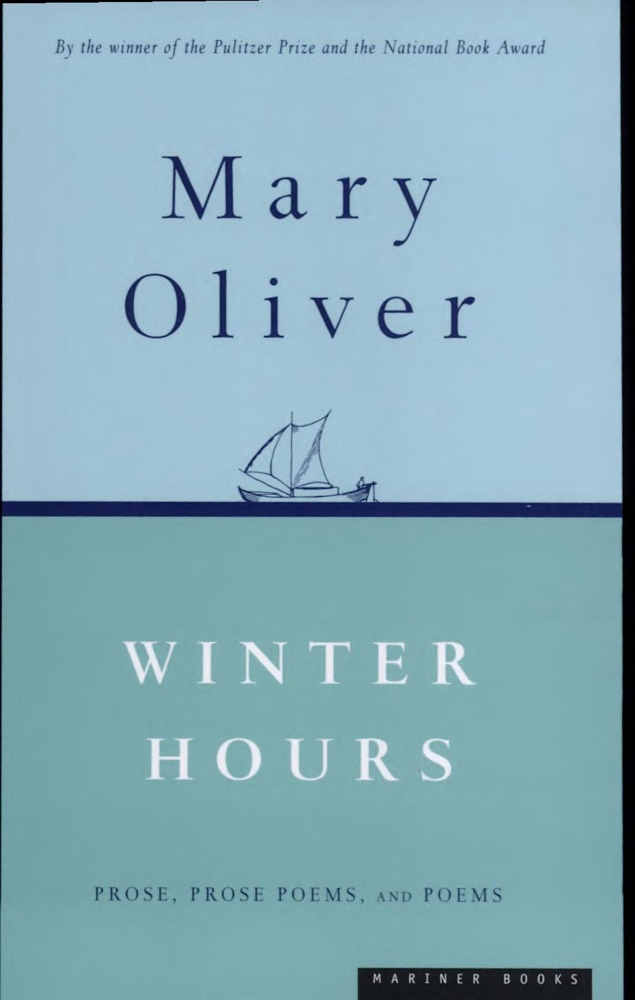 Winter Hours: Prose, Prose Poems, and Poems
 Sexus
Sexus
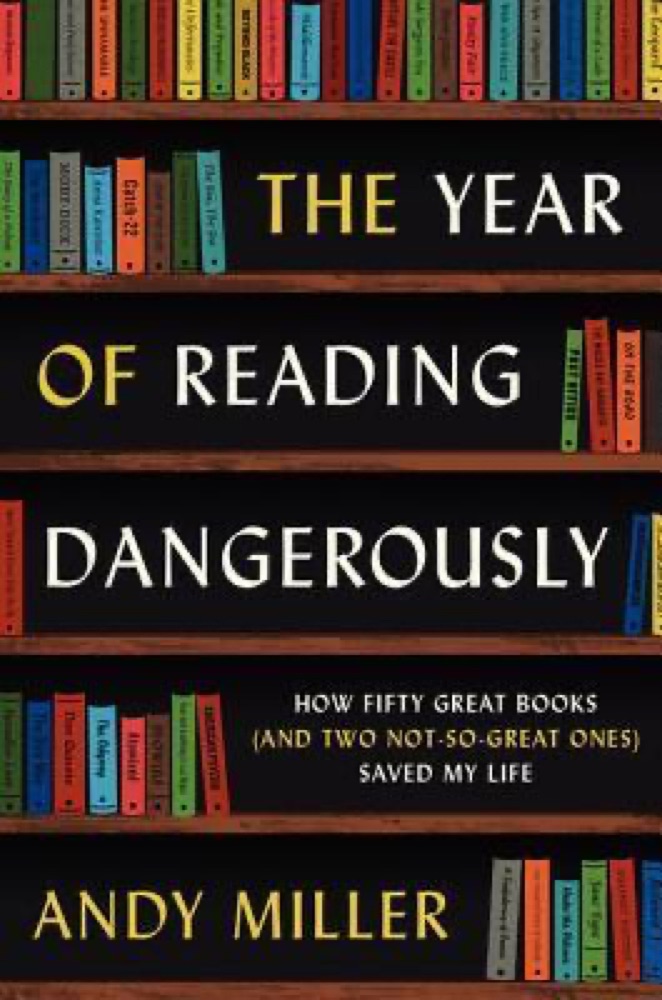 The Year of Reading Dangerously
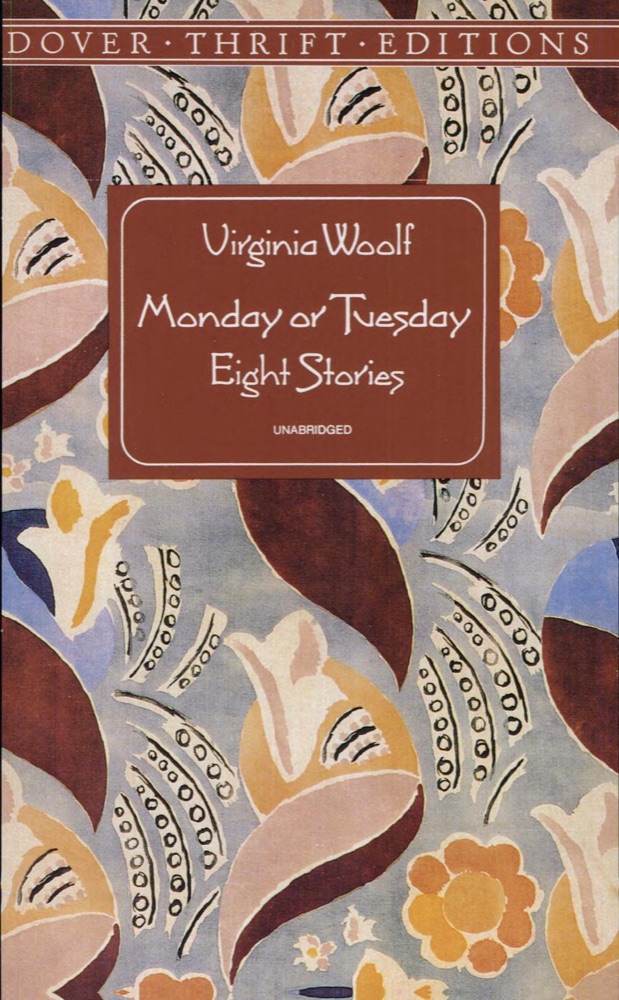 Monday or Tuesday
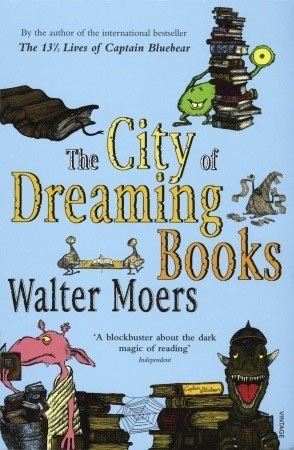 The City of Dreaming Books
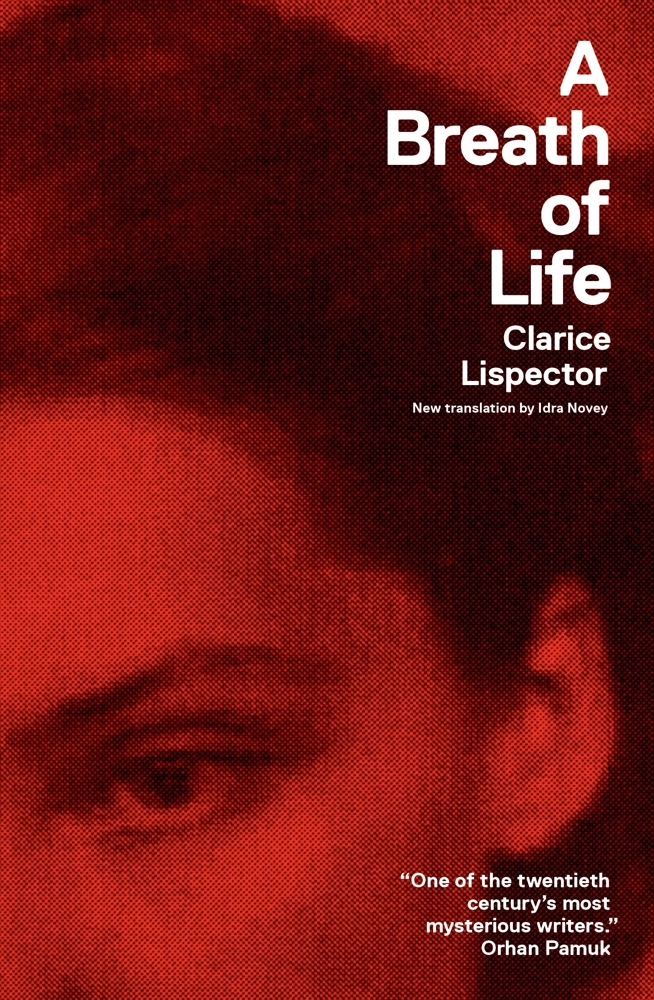 A Breath of Life
 A Writer's Diary
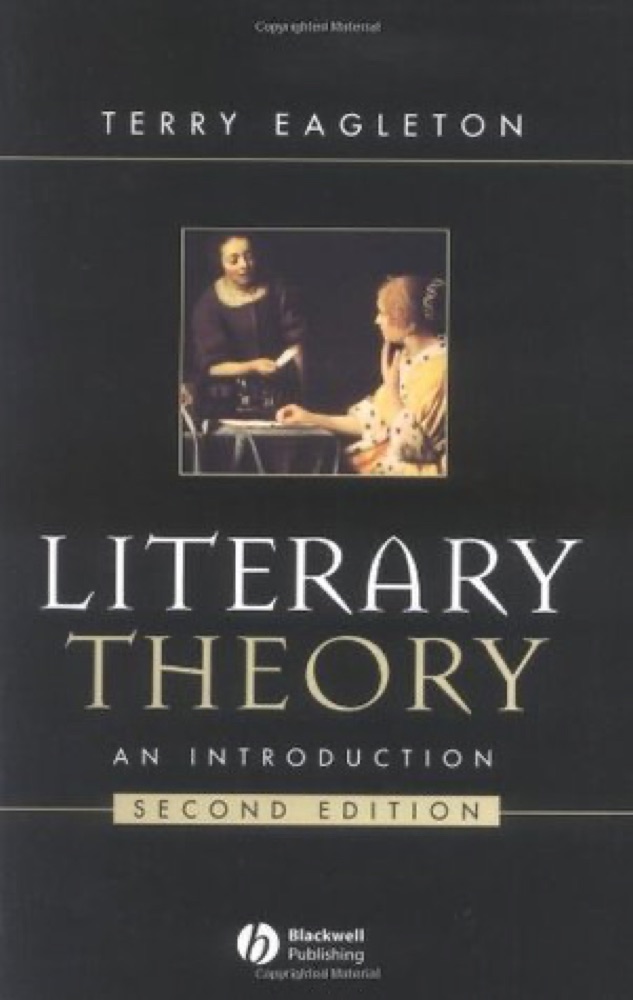 Literary Theory: An Introduction
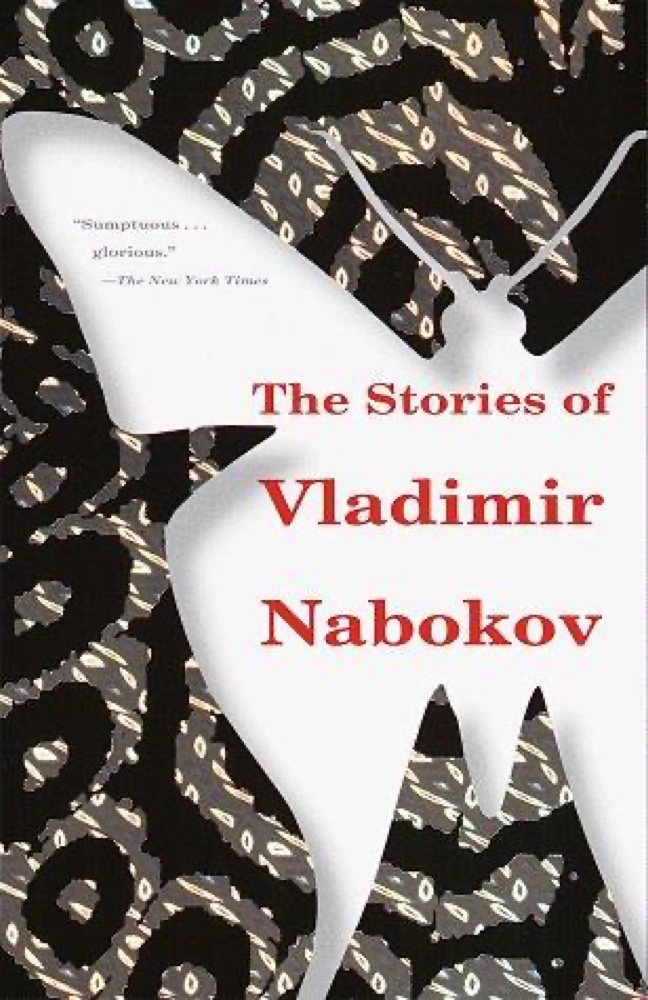 The Stories of Vladimir Nabokov
 Flaubert's Parrot
 A Philosophical Enquiry into the Origin of Our Ideas of the Sublime and Beautiful
 Selected Stories
 The Manuscript Found in Saragossa
 Lectures on Literature
 The Ghost Writer
 Against Interpretation and Other Essays
 The Argonauts
 If on a Winter's Night a Traveler
 The Word Exchange
 Hallucinating Foucault
 At Large and At Small: Familiar Essays
 The Story of My Life
 How to Be Alone
 Speak, Memory