
 The Five Dysfunctions of a Team
Quotes from the Book
Ego is the ultimate killer on a team
9
Ironically, for peer-to-peer accountability to become a part of a team’s culture, it has to be modeled by the leader. That’s right. Even though I said earlier that the best kind of accountability is peer-to-peer, the key to making it stick is the willingness of the team leader to do something I call “enter the danger” whenever someone needs to be called on their behavior or performance. That means being willing to step right into the middle of a difficult issue and remind individual team members of their responsibility, both in terms of behavior and results. But most leaders I know have a far easier time holding people accountable for their results than they do for behavioral issues. This is a problem because behavioral problems almost always precede results. That means team members have to be willing to call each other on behavioral issues, as uncomfortable as that might be, and if they see their leader balk at doing this, then they aren’t going to do it themselves.
4
Teams have to eliminate ambiguity and interpretation when it comes to success
3
I honestly believe that in this day and age of informational ubiquity and nanosecond change, teamwork remains the one sustainable competitive advantage that has been largely untapped.
3
If team members are never pushing one another outside of their emotional comfort zones during discussions, then it is extremely likely that they’re not making the best decisions for the organization.
2
Keep in mind that a real team should be spending considerable time together in meetings and working sessions. In fact, it is not uncommon that as much as 20 percent of each team member’s time is spent working through issues and solving problems with the team as a whole. p. 105
2
Because when a team recovers from an incident of destructive conflict, it builds confidence that it can survive such an event, which in turn builds trust. This is not unlike a husband and wife recovering from a big argument and developing closer ties and greater confidence in their relationship as a result.
2
Adrenaline addiction The unwillingness or inability of busy people to slow down and review, reflect, assess, and discuss their business and their team. An adrenaline addiction is marked by anxiety among people who always have a need to keep moving, keep spinning, even in the midst of obvious confusion and declining productivity
1
Rather than coming together to make the best possible decision for the entire organization, they become lobbyers for their own constituents
1
Employees know that they ultimately pay the price when their manager doesn’t get along with or cooperate with managers of other departments, leaving the staff to navigate the treacherous and bloody waters of organizational politics.
1
Peer pressure and the distaste for letting down a colleague will motivate a team player more than any fear of authoritative punishment or rebuke.
1
I define accountability as the willingness of team members to remind one another when they are not living up to the performance standards of the group.
1
The fundamental attribution error is simply this: human beings tend to falsely attribute the negative behaviors of others to their character (an internal attribution), while they attribute their own negative behaviors to their environment (an external attribution).
1
People who don’t like conflict have an amazing ability to avoid it, even when they know it’s theoretically necessary
1
No quality or characteristic is more important than trust
1
KEY POINTS—FOCUSING ON RESULTS • The true measure of a great team is that it accomplishes the results it sets out to achieve. • To avoid distractions, team members must prioritize the results of the team over their individual or departmental needs. • To stay focused, teams must publicly clarify their desired results and keep them visible.
There is always that little voice in your head saying, “What about me?” Sometimes that little voice drowns out the cry of the team, and the collective results of the group get left behind.
When players on a team stop caring about the scoreboard, they inevitably start caring about something else.
We have a strong and natural tendency to look out for ourselves before others, even when those others are part of our families and our teams.
KEY POINTS—EMBRACING ACCOUNTABILITY • Accountability on a strong team occurs directly among peers. • For a culture of accountability to thrive, a leader must demonstrate a willingness to confront difficult issues. • The best opportunity for holding one another accountable occurs during meetings, and the regular review of a team scoreboard provides a clear context for doing so.
What’s critical is that team members know that the areas that were identified will not go away, and that they will have to answer for their progress in the not-too-distant future.
Help people realize that when they fail to provide peers with constructive feedback they are letting them down personally. By holding back, we are hurting not only the team, but also our teammates themselves.
What is the single most important behavioral characteristic or quality demonstrated by this person that can sometimes derail the team?
The most important challenge of building a team where people hold one another accountable is overcoming the understandable hesitance of human beings to give one another critical feedback.
commitment cannot occur if people are unclear about exactly what is being committed to.
commitment is not consensus. Waiting for everyone on a team to agree intellectually on a decision is a good recipe for mediocrity, delay, and frustration, which is why it amazes me that so many of the teams I work with still seem determined to achieve consensus.
Commitment is about a group of intelligent, driven individuals buying in to a decision precisely when they don’t naturally agree. In other words, it’s the ability to defy a lack of consensus.
Teams that commit to decisions and standards do so because they know how to embrace two separate but related concepts: buy-in and clarity. Buy-in is the achievement of honest emotional support. Clarity is the removal of assumptions and ambiguity from a situation.
Watch on YouTube
About Patrick Lencioni
We have collected 57 quotes from 2 books by Patrick Lencioni on BookQuoters.
More about the author →More by Patrick Lencioni
The Five Dysfunctions of a Team
About the book
Practical exercises and hands-on tools to bring to life the timeless advice found in the author’s best-selling book, The Five Dysfunctions of a Team In the years following the publication of Patrick Lencioni's best seller, The Five Dysfunctions of a Team , fans have been clamoring for more information on how to implement the ideas outlined in the book. In Overcoming the Five Dysfunctions of a Team, Lencioni offers specific, practical guidance for overcoming the five dysfunctions, using tools, exercises, assessments, and real-world examples. He examines questions that all teams must ask themselves: Are we really a team? How are we currently performing? Are we prepared to invest the time and energy required to be a great team? Written concisely and to the point, this guide gives leaders, line managers, and consultants alike the tools they need to get their teams up and running quickly and
Book details
- First published
- 2002
- Author
- Patrick Lencioni
- Genre
- Nonfiction
- Goodreads rating
- 4.11 (5k ratings)
Keep reading
The Five Dysfunctions of a Team
 Peopleware: Productive Projects and Teams
 Legacy: What the All Blacks Can Teach Us About the Business of Life
 Radical Candor: Be a Kickass Boss Without Losing Your Humanity
 Managing Humans: Biting and Humorous Tales of a Software Engineering Manager
 The Oz Principle: Getting Results Through Individual and Organizational Accountability
 QBQ! The Question Behind the Question: Practicing Personal Accountability in Work and in Life
 Leading: Learning from Life and My Years at Manchester United
 The Score Takes Care of Itself: My Philosophy of Leadership
 Boundaries for Leaders: Results, Relationships, and Being Ridiculously in Charge
 Winning
 The Fifth Discipline: The Art & Practice of The Learning Organization
 Wooden on Leadership: How to Create a Winning Organization
 Above the Line: Lessons in Leadership and Life from a Championship Season
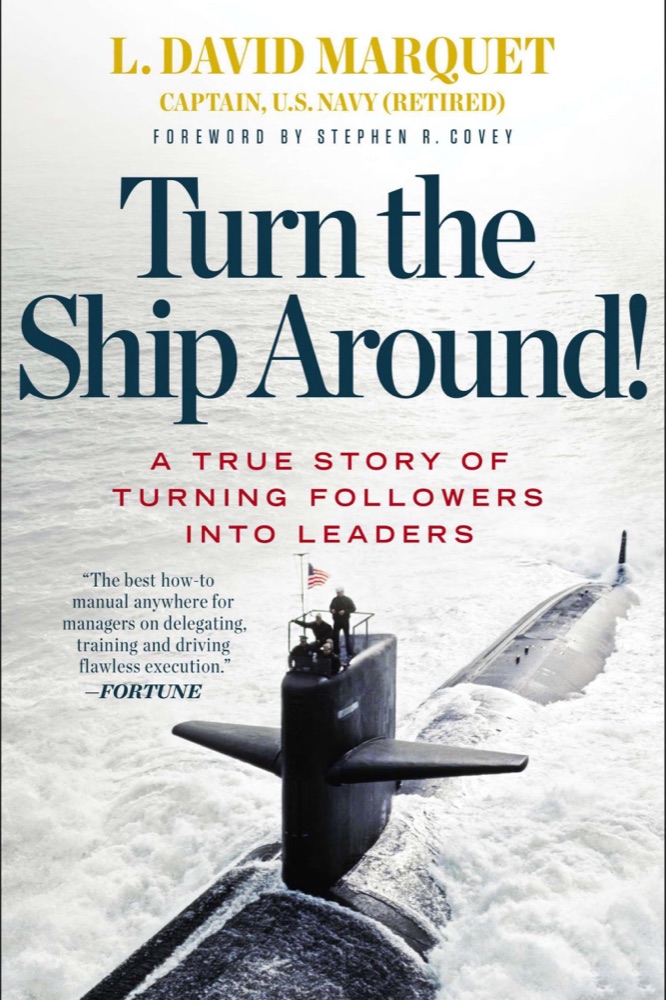 Turn the Ship Around!: A True Story of Turning Followers into Leaders
 Leaders Eat Last: Why Some Teams Pull Together and Others Don't
 Amp It Up: Leading for Hypergrowth by Raising Expectations, Increasing Urgency, and Elevating Intensity
 The Ride of a Lifetime: Lessons Learned from 15 Years as CEO of the Walt Disney Company
 The Effective Executive: The Definitive Guide to Getting the Right Things Done
 The Hard Thing About Hard Things: Building a Business When There Are No Easy Answers―Straight Talk on the Challenges of Entrepreneurship
 The 360 Degree Leader: Developing Your Influence from Anywhere in the Organization
 Getting More: How to Negotiate to Achieve Your Goals in the Real World
 It Worked for Me: In Life and Leadership
 Strengths Based Leadership
 Creativity, Inc.: Overcoming the Unseen Forces That Stand in the Way of True Inspiration
 Leadership on the Line: Staying Alive through the Dangers of Leading
 Measure What Matters
 Integrity: The Courage to Meet the Demands of Reality
 Accelerate: Building and Scaling High Performing Technology Organizations
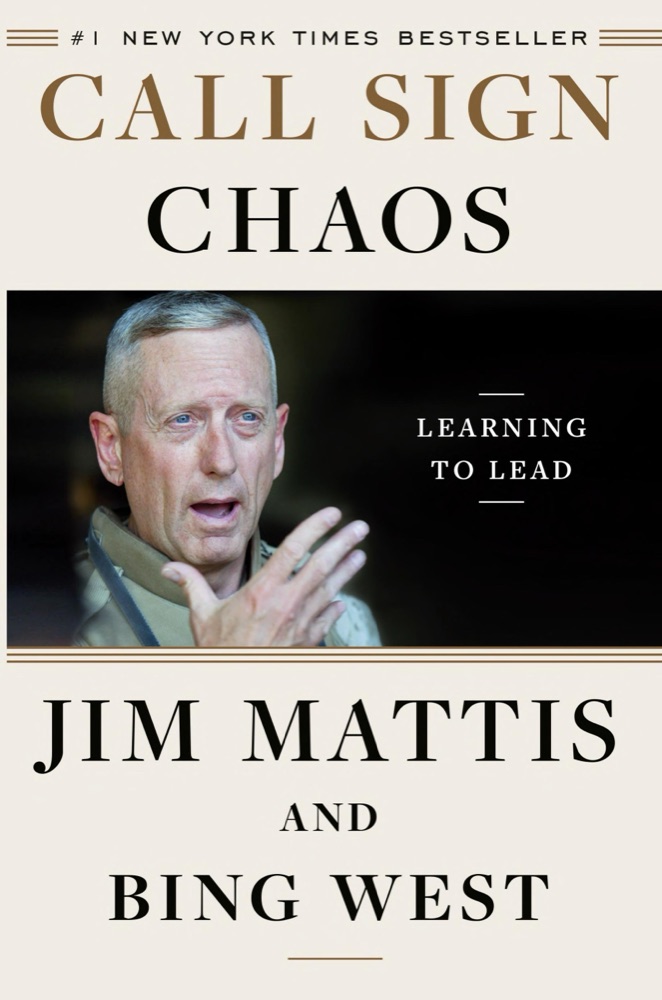 Call Sign Chaos: Learning to Lead
 Right Kind of Wrong: The Science of Failing Well
 It Takes What It Takes: How to Think Neutrally and Gain Control of Your Life
 Smarter Faster Better: The Secrets of Being Productive in Life and Business
 Surrounded by Idiots
 Give and Take: A Revolutionary Approach to Success
 Good to Great: Why Some Companies Make the Leap... and Others Don't
 Tribes: We Need You to Lead Us
 The Invisible Game: Mindset of a Winning Team
 Great by Choice: Uncertainty, Chaos, and Luck—Why Some Thrive Despite Them All
 Drive: The Surprising Truth About What Motivates Us
 The 7 Habits of Highly Effective People: Personal Workbook
 Crucial Conversations: Tools for Talking When Stakes are High
 Hit Refresh: The Quest to Rediscover Microsoft's Soul and Imagine a Better Future for Everyone
 Punished by Rewards: The Trouble with Gold Stars, Incentive Plans, A's, Praise and Other Bribes
 Pour Your Heart Into It: How Starbucks Built a Company One Cup at a Time
 Making Ideas Happen: Overcoming the Obstacles Between Vision and Reality
 Tribal Leadership: Leveraging Natural Groups to Build a Thriving Organization
 The Startup of You: Adapt to the Future, Invest in Yourself, and Transform Your Career
 Principles: Life and Work
 Software Engineering at Google: Lessons Learned from Programming Over Time
 Be a People Person
 Dare to Lead
 Mind Gym: An Athlete's Guide to Inner Excellence
 Sum It Up: 1,098 Victories, a Couple of Irrelevant Losses, and a Life in Perspective
 Originals: How Non-Conformists Move the World
 The Halo Effect: ... and the Eight Other Business Delusions That Deceive Managers
 Getting to Yes: Negotiating Agreement Without Giving In
 The Essential Drucker
 The Win Without Pitching Manifesto
 Predictably Irrational: The Hidden Forces That Shape Our Decisions