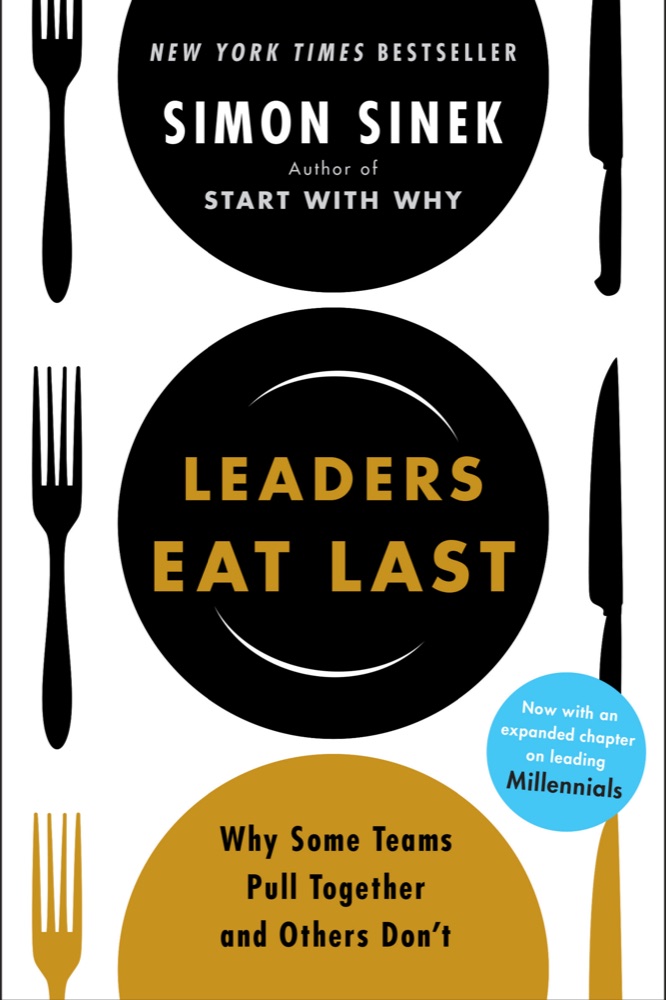
 Leaders Eat Last: Why Some Teams Pull Together and Others Don't
Quotes from the Book
Leadership is communicating to people their worth and potential so clearly that they are inspired to see it in themselves.
23
One of the things that limits our learning is our belief that we already know something.
17
You may be able to “buy” a person’s back with a paycheck, position, power, or fear, but a human being’s genius, passion, loyalty, and tenacious creativity are volunteered only.
14
People who are treated as followers treat others as followers when it’s their turn to lead.
13
The leader-leader structure is fundamentally different from the leader-follower structure. At its core is the belief that we can all be leaders and, in fact, it’s best when we all are leaders. Leadership is not some mystical quality that some possess and others do not. As humans, we all have what it takes, and we all need to use our leadership
9
The problem with specifying the method along with the goal is one of diminished control. Provide your people with the objective and let them figure out the method.
8
If all you need to do is what you are told, then you don’t need to understand your craft. However, as your ability to make decisions increases, then you need intimate technical knowledge on which to base those decisions.
8
Focusing on avoiding mistakes takes our focus away from becoming truly exceptional. Once a ship has achieved success merely in the form of preventing major errors and is operating in a competent way, mission accomplished, there is no need to strive further.
7
The leader-leader model not only achieves great improvements in effectiveness and morale but also makes the organization stronger. Most critically, these improvements are enduring, decoupled from the leader’s personality and presence. Leader-leader structures are significantly more resilient, and they do not rely on the designated leader always being right. Further, leader-leader structures spawn additional leaders throughout the organization naturally. It can’t be stopped.
6
Don’t move information to authority, move authority to the information.
6
When the performance of a unit goes down after an officer leaves, it is taken as a sign that he was a good leader, not that he was ineffective in training his people properly.
5
As you work with individuals in your organization to develop their vision for the future, it is crucial that you establish specific, measurable goals. These goals will help the individuals realize their ambitions. In addition, you as a mentor have to establish that you are sincerely interested in the problems of the person you are mentoring. By taking action to support the individual, you will prove that you are indeed working in their best interest and always keeping the end in mind.
4
leadership is the enabling art.
4
Ultimately, the most important person to have control over is yourself—for it is that self-control that will allow you to “give control, create leaders.” I believe that rejecting the impulse to take control and attract followers will be your greatest challenge and, in time, your most powerful and enduring success.
3
Begin with the End in Mind
3
Taking care of your people does not mean protecting them from the consequences of their own behavior. That’s the path to irresponsibility. What it does mean is giving them every available tool and advantage to achieve their aims in life, beyond the specifics of the job.
3
When an organization does worse immediately after the departure of a leader, what does this say about that person’s leadership?
3
Leadership is not some mystical quality that some possess and others do not. As humans, we all have what it takes, and we all need to use our leadership abilities in every aspect of our work life.
3
What we need is release, or emancipation. Emancipation is fundamentally different from empowerment. With emancipation we are recognizing the inherent genius, energy, and creativity in all people, and allowing those talents to emerge. We realize that we don’t have the power to give these talents to others, or “empower” them to use them, only the power to prevent them from coming out. Emancipation results when teams have been given decision-making control and have the additional characteristics of competence and clarity. You know you have an emancipated team when you no longer need to empower them. Indeed, you no longer have the ability to empower them because they are not relying on you as their source of power.
2
Achieve excellence, don’t just avoid errors (this was introduced in chapter 7). Build trust and take care of your people. Use your legacy for inspiration. Use guiding principles for decision criteria. Use immediate recognition to reinforce desired behaviors. Begin with the end in mind. Encourage a questioning attitude over blind obedience
2
Control, we discovered, only works with a competent workforce that understands the organization’s purpose. Hence, as control is divested, both technical competence and organizational clarity need to be strengthened
2
People who are treated as followers have the expectations of followers and act like followers. As followers, they have limited decision-making authority and little incentive to give the utmost of their intellect, energy, and passion.
2
empowerment still results from and is a manifestation of a top-down structure. At its core is the belief that the leader “empowers” the followers, that the leader has the power and ability to empower the followers.
1
QUESTIONS TO CONSIDER In your organization, are people rewarded for what happens after they transfer? Are they rewarded for the success of their people? Do people want to be “missed” after they leave? When an organization does worse immediately after the departure of a leader, what does this say about that person’s leadership? How does the organization view this situation? How does the perspective of time horizon affect our leadership actions? What can we do to incentivize long-term thinking?
1
It didn’t matter how smart my plan was if the team couldn’t execute it! It was a lesson that would serve me well.
1
Watch on YouTube
About L. David Marquet
We have collected 25 quotes from 1 book by L. David Marquet on BookQuoters.
More about the author →About the book
"David Marquet is the kind of leader who comes around only once in a generation ... his ideas and lessons are invaluable" — Simon Sinek, author of Start With Why
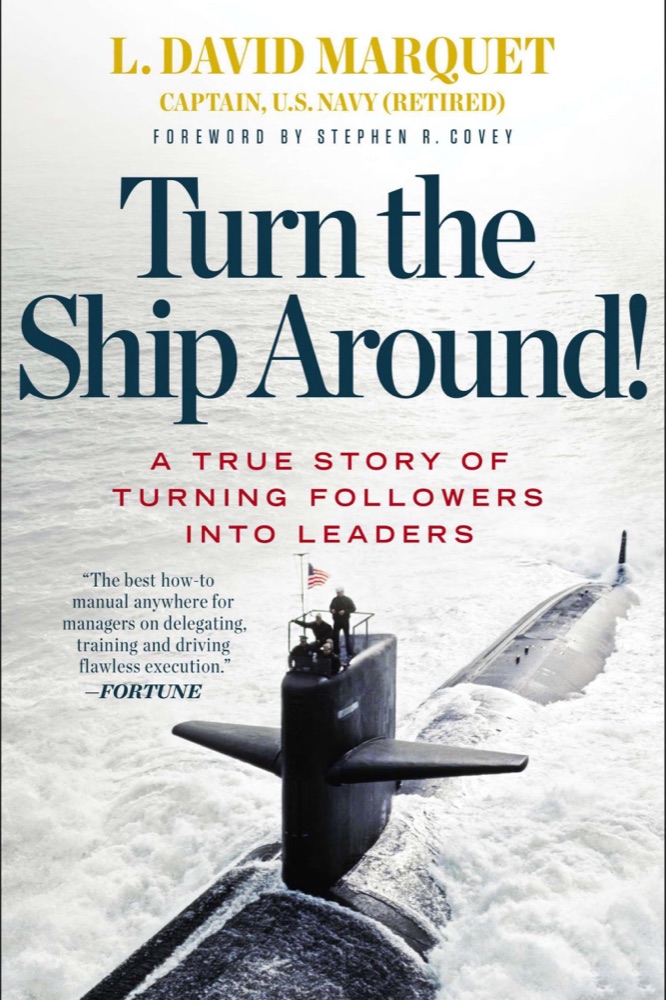
Captain David Marquet was used to giving orders. In the high-stress environment of the USS Santa Fe, a nuclear-powered submarine, it was crucial his men did their job well. But the ship was dogged by poor morale, poor performance and the worst retention in the fleet.
One day, Marquet unknowingly gave an impossible order, and his crew tried to follow it anyway. He realized he was leading in a culture of followers, and they were all in danger unless they fundamentally changed the way they did things.
Marquet took matters into his own hands and pushed for leadership at every level. Before long, his crew became fully engaged and the Santa Fe skyrocketed from worst to first in the fleet.
No matter your business or posi
Book details
- First published
- 2013
- Author
- L. David Marquet
- Genre
- Nonfiction
- Goodreads rating
- 4.23 (22k ratings)
Keep reading
Leaders Eat Last: Why Some Teams Pull Together and Others Don't
 The 360 Degree Leader: Developing Your Influence from Anywhere in the Organization
 Tribes: We Need You to Lead Us
 Boundaries for Leaders: Results, Relationships, and Being Ridiculously in Charge
 Legacy: What the All Blacks Can Teach Us About the Business of Life
 Above the Line: Lessons in Leadership and Life from a Championship Season
 The Ride of a Lifetime: Lessons Learned from 15 Years as CEO of the Walt Disney Company
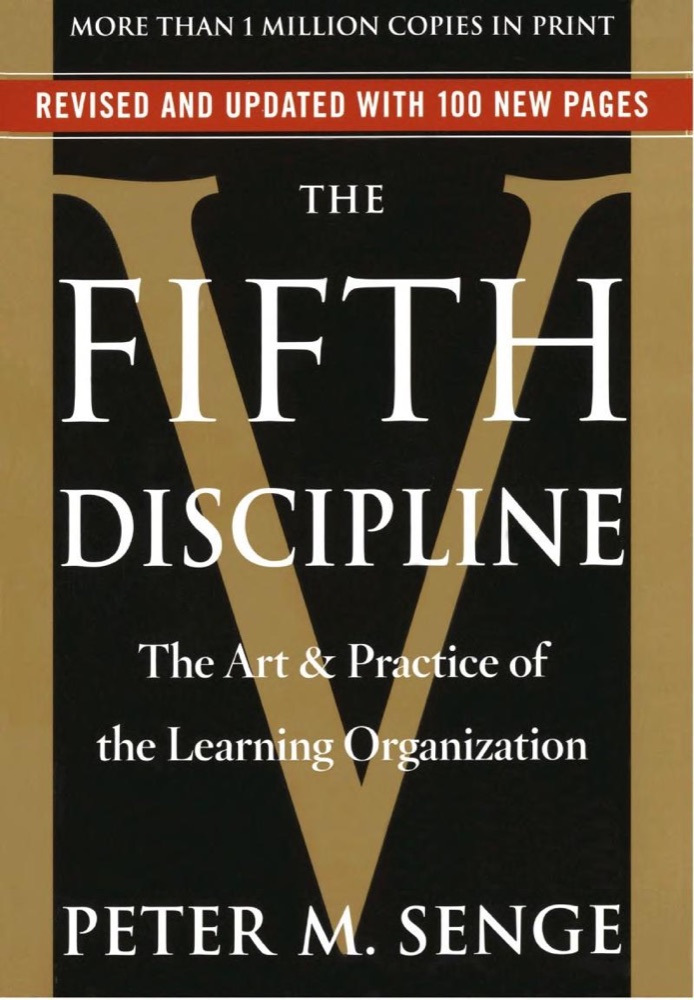 The Fifth Discipline: The Art & Practice of The Learning Organization
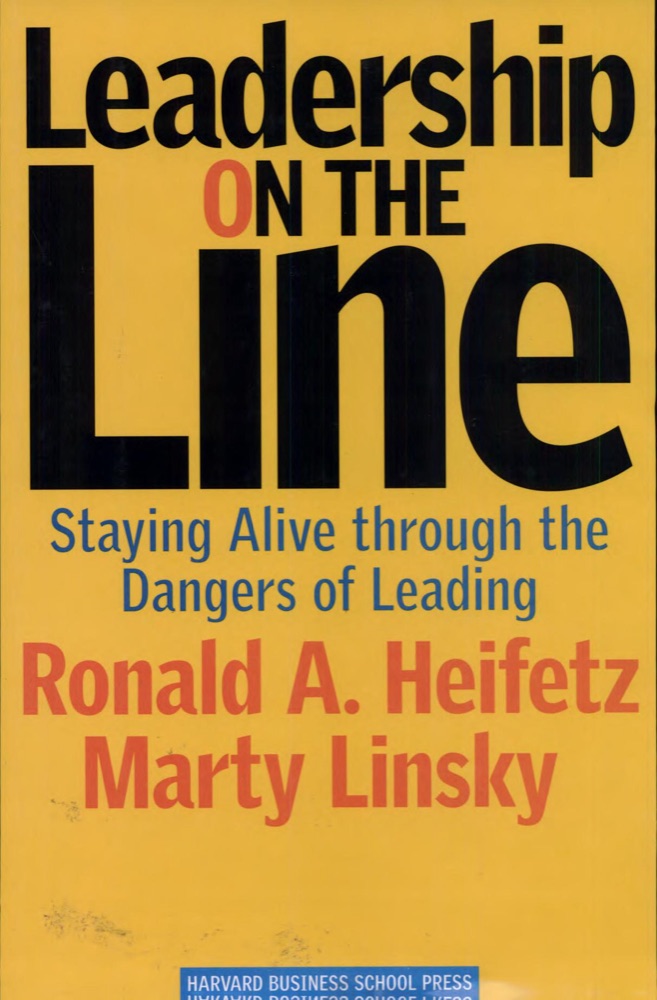 Leadership on the Line: Staying Alive through the Dangers of Leading
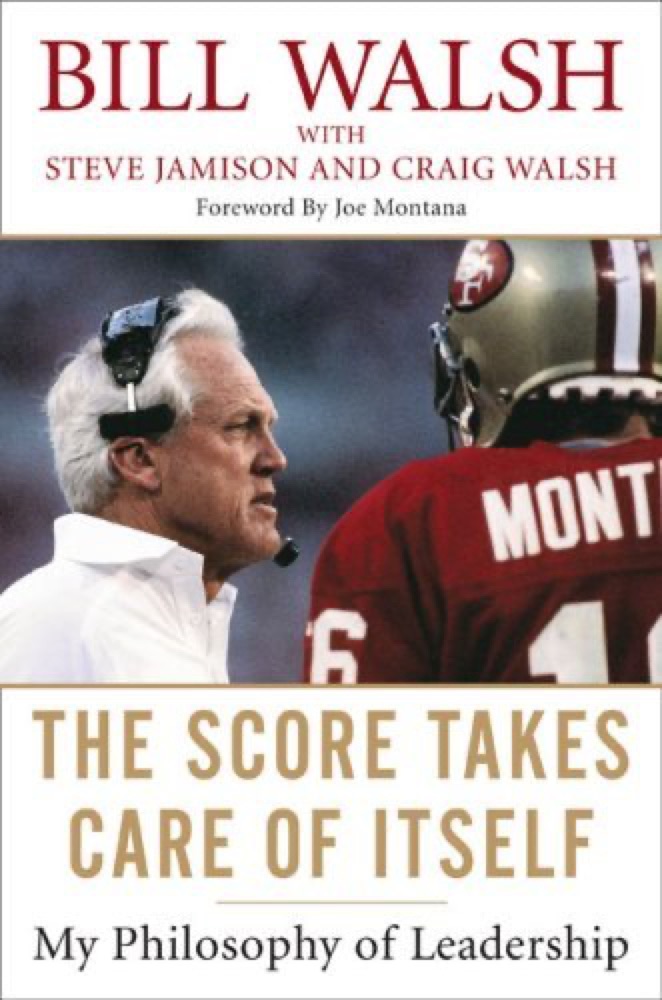 The Score Takes Care of Itself: My Philosophy of Leadership
 Start with Why: How Great Leaders Inspire Everyone to Take Action
 Wooden on Leadership: How to Create a Winning Organization
 Leadership Is an Art
 Call Sign Chaos: Learning to Lead
 The Effective Executive: The Definitive Guide to Getting the Right Things Done
 It Worked for Me: In Life and Leadership
 Radical Candor: Be a Kickass Boss Without Losing Your Humanity
 Winning
 Amp It Up: Leading for Hypergrowth by Raising Expectations, Increasing Urgency, and Elevating Intensity
 QBQ! The Question Behind the Question: Practicing Personal Accountability in Work and in Life
 Managing Humans: Biting and Humorous Tales of a Software Engineering Manager
 Leading: Learning from Life and My Years at Manchester United
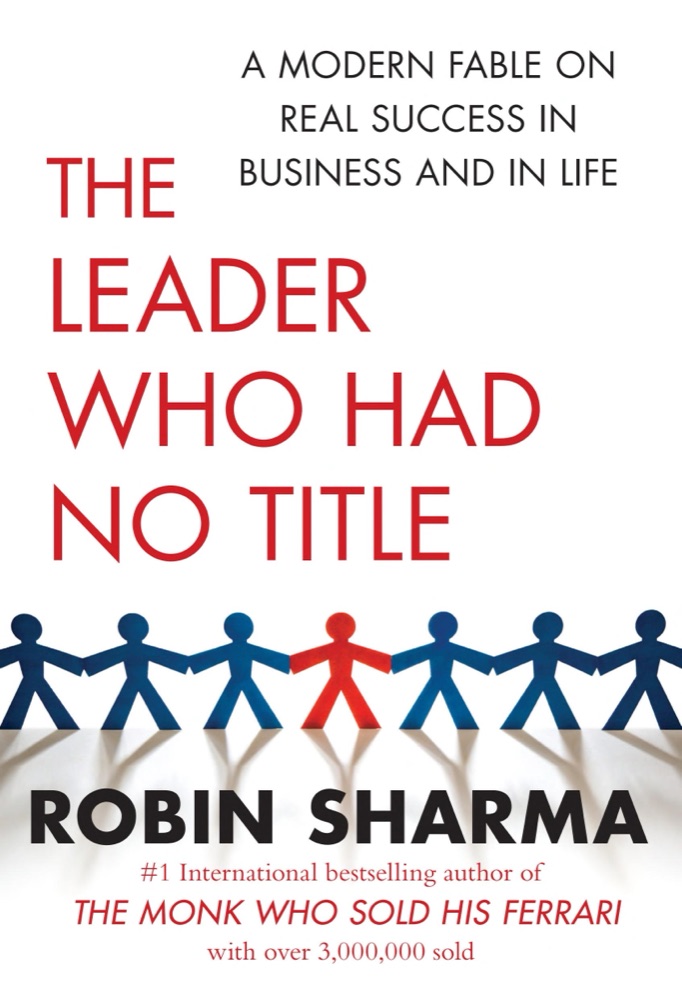 The Leader Who Had No Title: A Modern Fable on Real Success in Business and in Life
 Strengths Based Leadership
 The Five Dysfunctions of a Team
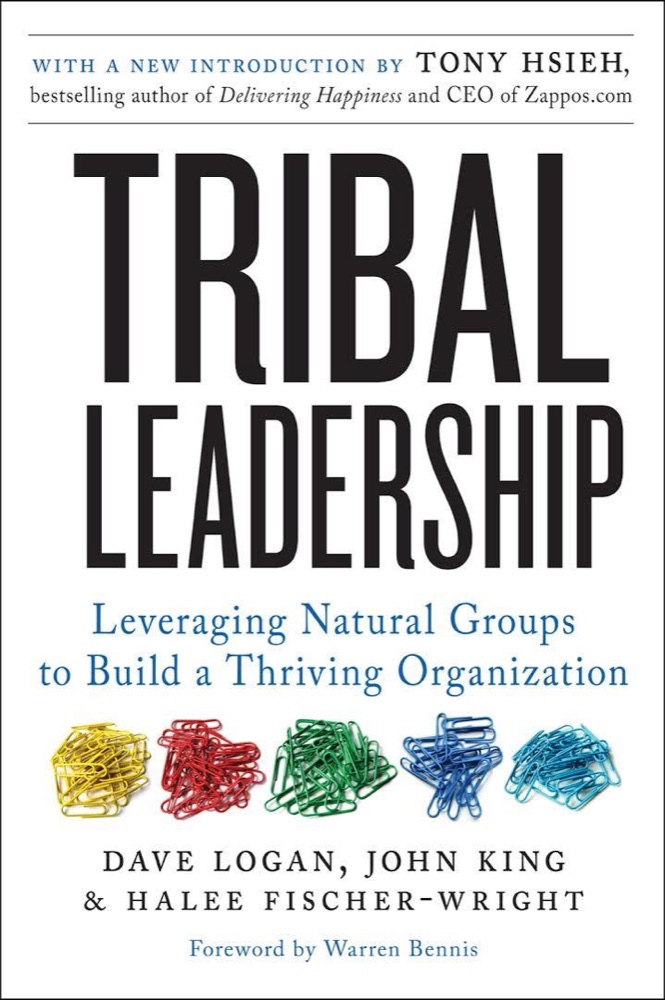 Tribal Leadership: Leveraging Natural Groups to Build a Thriving Organization
 EntreLeadership: 20 Years of Practical Business Wisdom from the Trenches
 A Higher Loyalty: Truth, Lies, and Leadership
 Good to Great: Why Some Companies Make the Leap... and Others Don't
 Spiritual Leadership
 Pour Your Heart Into It: How Starbucks Built a Company One Cup at a Time
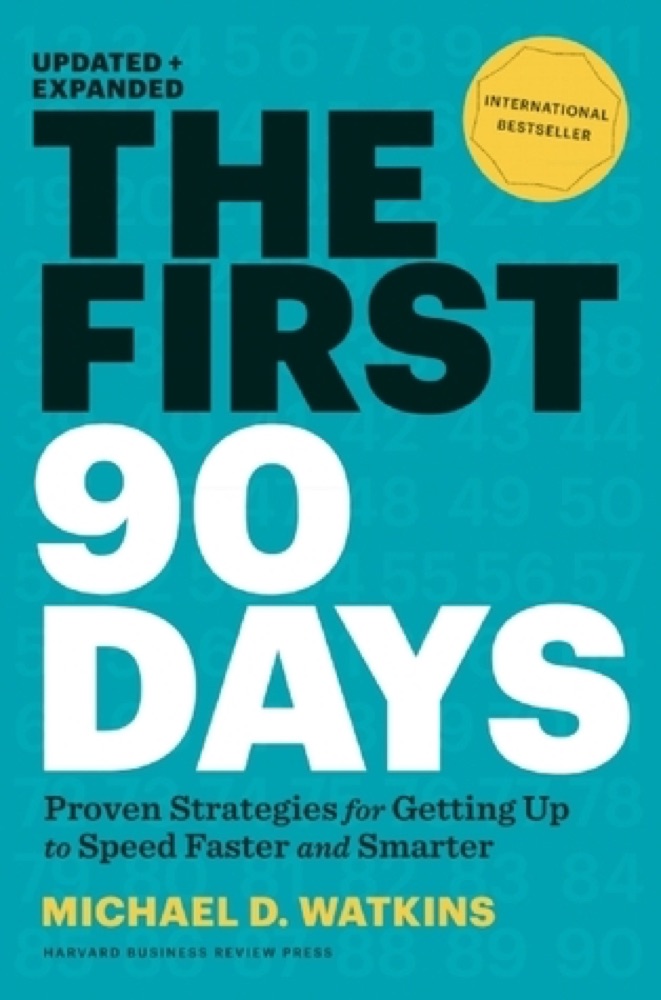 The First 90 Days: Proven Strategies for Getting Up to Speed Faster and Smarter
 Creativity, Inc.: Overcoming the Unseen Forces That Stand in the Way of True Inspiration
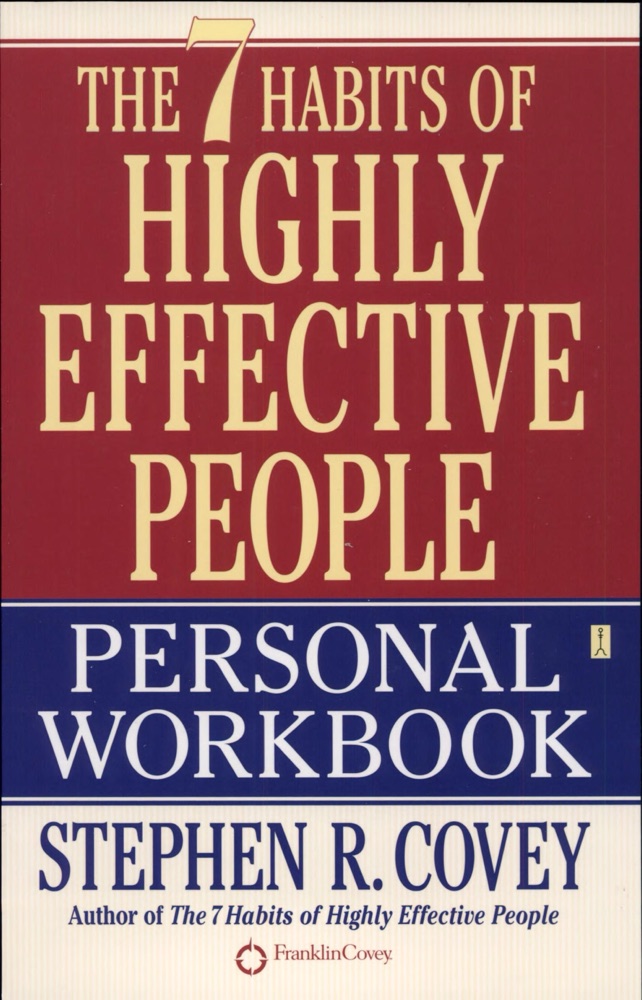 The 7 Habits of Highly Effective People: Personal Workbook
 Smarter Faster Better: The Secrets of Being Productive in Life and Business
 Getting There: A Book of Mentors
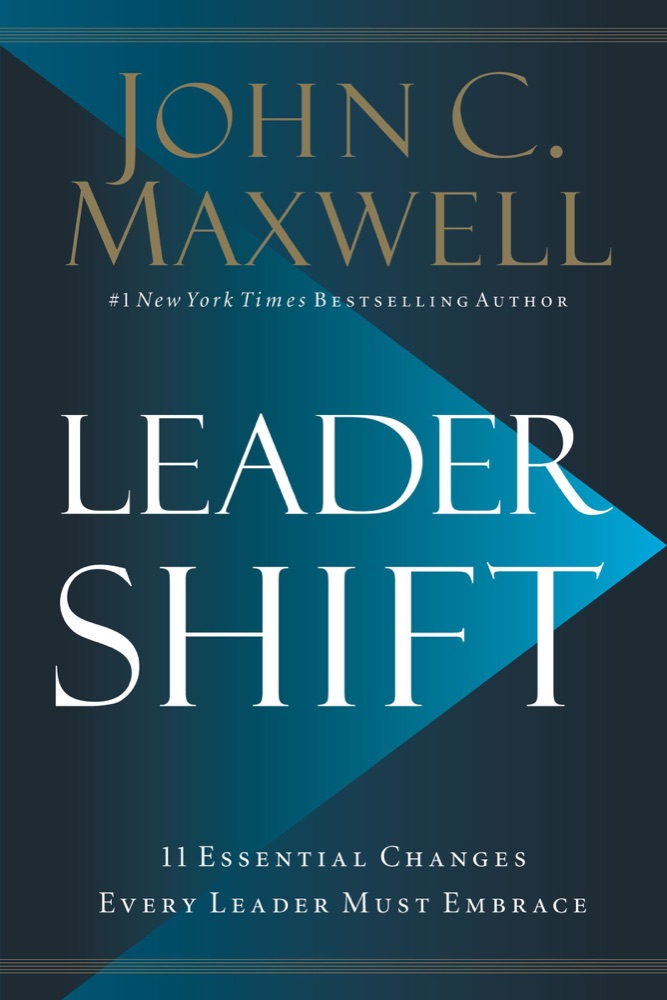 Leadershift: The 11 Essential Changes Every Leader Must Embrace
 Independent Study
 Principles: Life and Work
 Punished by Rewards: The Trouble with Gold Stars, Incentive Plans, A's, Praise and Other Bribes
 Built to Last: Successful Habits of Visionary Companies
 Be a People Person
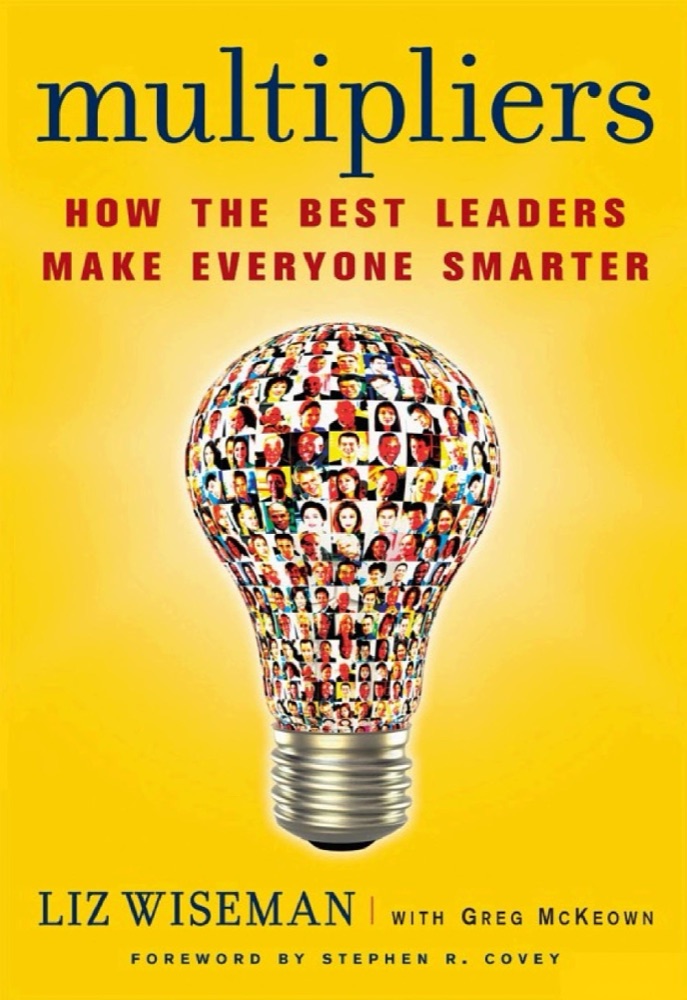 Multipliers: How the Best Leaders Make Everyone Smarter
 It Takes What It Takes: How to Think Neutrally and Gain Control of Your Life
 The Essential Drucker
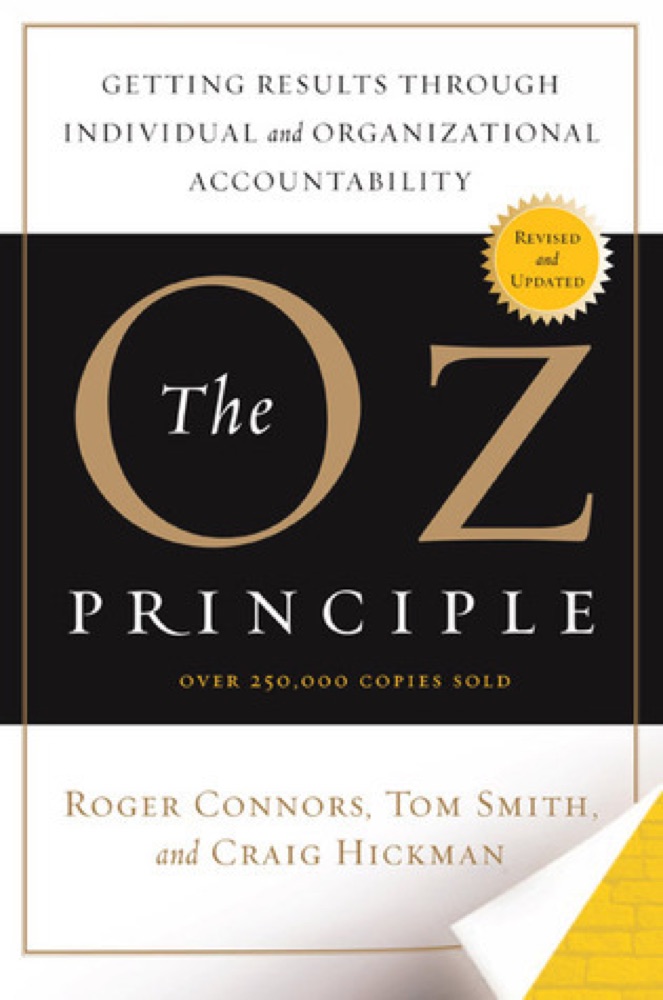 The Oz Principle: Getting Results Through Individual and Organizational Accountability
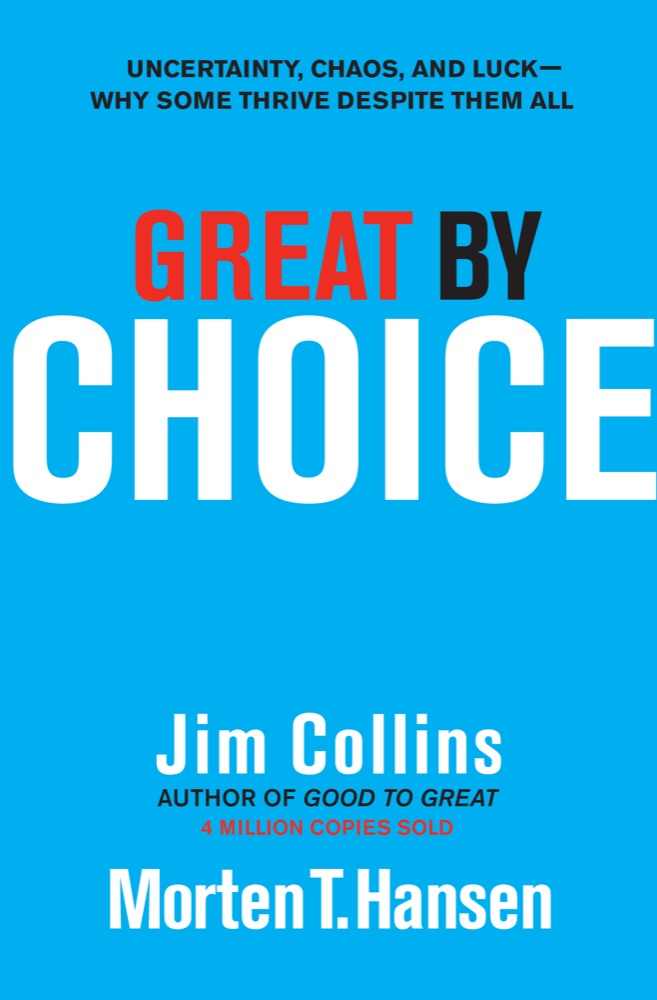 Great by Choice: Uncertainty, Chaos, and Luck—Why Some Thrive Despite Them All
 Peopleware: Productive Projects and Teams
 The E-myth Revisited
 Give and Take: A Revolutionary Approach to Success
 Spiritual Leadership: Moving People on to God's Agenda
 Your Next Five Moves: Master the Art of Business Strategy
 Hit Refresh: The Quest to Rediscover Microsoft's Soul and Imagine a Better Future for Everyone
 Necessary Endings: The Employees, Businesses, and Relationships That All of Us Have to Give Up in Order to Move Forward
 Right Kind of Wrong: The Science of Failing Well
 Overcoming the Five Dysfunctions of a Team: A Field Guide for Leaders, Managers, and Facilitators
 The Monk and the Riddle: The Education of a Silicon Valley Entrepreneur
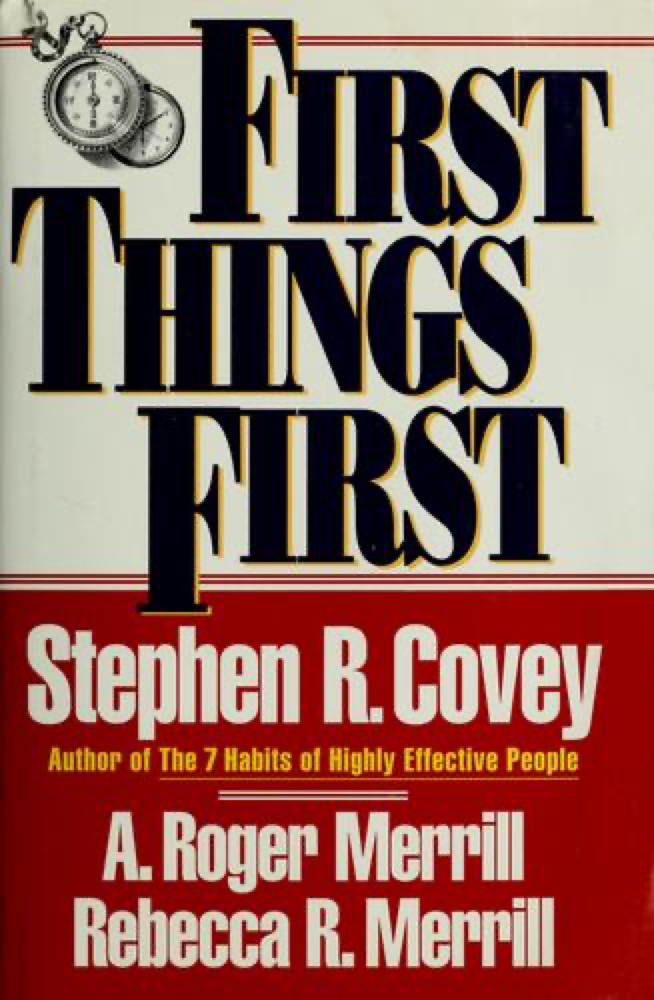 First Things First
 The Success Principles: How to Get from Where You Are to Where You Want to Be
 Firestarters: How Innovators, Instigators, and Initiators Can Inspire You to Ignite Your Own Life