

 The 360 Degree Leader: Developing Your Influence from Anywhere in the Organization
Quotes from the Book
To be successful, you need to mobilize the energy of many others in your organization. If you do the right things, then your vision, your expertise, and your drive can propel you forward and serve as seed crystals.
7
Begin with no; it's easier to say yes later. It's difficult (and damaging to your reputation) to say yes and then change your mind.
4
Aligning an organization is like preparing for a long sailing trip. First, you need to be clear on whether your destination (the mission and goals) and your route (the strategy) are the right ones. Then you can figure out which boat you need (the structure), how to outfit it (the processes), and which mix of crew members is best (the skill bases). Throughout the journey, you keep an eye out for reefs that are not on the charts.
4
Assume that the job of building a positive relationship with your new boss is 100 percent your responsibility. In short, this means adapting to his style.
3
Aim for early wins in areas important to the boss. Whatever your own priorities, figure out what your boss cares about most. What are his priorities and goals, and how do your actions fit into this picture? Once you know, aim for early results in those areas. One good way is to focus on three things that are important to your boss and discuss what you’re doing about them every time you interact.
3
Remember: simply displaying a genuine desire to learn and understand translates into increased credibility and influence.
3
The most important decisions you make in your first 90 days will probably be about people.
3
Leadership ultimately is about influence and leverage. You are, after all, only one person. To be successful, you need to mobilize the energy of many others in your organization.
3
Joining a new company is akin to an organ transplant—and you’re the new organ. If you’re not thoughtful in adapting to the new situation, you could end up being attacked by the organizational immune system and rejected.
3
If it is humanly possible, you should plan to have one or more in-person meetings with your boss early on. It is essential to make face-to-face connections early on to begin to establish a basis of confidence and trust (the same is true if you’re leading a virtual team). So if this means you need to fight for the resources and fly halfway around the world, you should do it.
2
Finally, when your relationship with your boss has matured a bit (roughly the 90-day mark is a good rule of thumb), begin to discuss how you’re doing.
2
Pursue good marks from those whose opinions your boss respects. Your new boss’s opinion of you will be based in part on direct interactions and in part on what she hears about you from trusted others.
2
Don’t run down your checklist. There is a tendency, even for senior leaders, to use meetings with a boss as an opportunity to run through your checklist of what you’ve been doing. Sometimes this is appropriate, but it is rarely what your boss needs or wants to hear. You should assume she wants to focus on the most important things you’re trying to do and how she can help.
2
Don’t stay away. If you have a boss who doesn’t reach out to you, or with whom you have uncomfortable interactions, you will have to reach out yourself.
2
Don’t surprise your boss. It’s no fun bringing your boss bad news. However, most bosses consider it a far greater sin not to report emerging problems early enough.
2
The first task in making a successful transition is to accelerate your learning. Effective learning gives you the foundational insights you need as you build your plan for the next 90 days. So it is essential to figure out what you need to know about your new organization and then to learn it as rapidly as you can. The more efficiently and effectively you learn, the more quickly you will close your window of vulnerability.
2
Remember: You don’t want to be meeting your neighbours for the first time in the middle of the night when your house is burning
2
Secure early wins. Early wins build your credibility and create momentum.
2
Onboarding checklists Business orientation checklist As early as possible, get access to publicly available information about financials, products, strategy, and brands. Identify additional sources of information, such as websites and analyst reports. If appropriate for your level, ask the business to assemble a briefing book. If possible, schedule familiarization tours of key facilities before the formal start date. Stakeholder connection checklist Ask your boss to identify and introduce you to the key people you should connect with early on. If possible, meet with some stakeholders before the formal start. Take control of your calendar, and schedule early meetings with key stakeholders. Be careful to focus on lateral relationships (peers, others) and not only vertical ones (boss, direct reports). Expectations alignment checklist Understand and engage in business planning and performance management. No matter how well you think you understand what you need to do, schedule a conversation with your boss about expectations in your first week. Have explicit conversations about working styles with bosses and direct reports as early as possible. Cultural adaptation checklist During recruiting, ask questions about the organization’s culture. Schedule conversations with your new boss and HR to discuss work culture, and check back with them regularly. Identify people inside the organization who could serve as culture interpreters. After thirty days, conduct an informal 360-degree check-in with your boss and peers to gauge how adaptation is proceeding.
2
Mission is about what will be achieved, vision is about why people should feel motivated to perform at a high level, and strategy is about how resources should be allocated and decisions made to accomplish the mission.
2
Tendrás que disciplinarte en dedicar tiempo a aquellas actividades importantes que no te gustan y que no haces de forma natural.
1
It’s a mistake to believe that you will be successful in your new job by continuing to do what you did in your previous job, only more so. “They put me in the job because of my skills and accomplishments,
1
Take 100 percent responsibility for making the relationship work. This is the flip side of “Don’t stay away.” Don’t expect your boss to reach out or to offer you the time and support you need. It’s best to begin by assuming that it’s on your shoulders to make the relationship work.
1
When you are diagnosing a new organization, start by meeting with your direct reports one-on-one. (This is an example of taking a horizontal slice across an organization by interviewing people at the same level in different functions.) Ask them essentially the same five questions: What are the biggest challenges the organization is facing (or will face in the near future)? Why is the organization facing (or going to face) these challenges? What are the most promising unexploited opportunities for growth? What would need to happen for the organization to exploit the potential of these opportunities? If you were me, what would you focus attention on?
1
Build your team. If you are inheriting a team, you need to evaluate, align, and mobilize its members. You likely also need to restructure it to better meet the demands of the situation. Your willingness to make tough early personnel calls and your capacity to select the right people for the right positions are among the most important drivers of success during your transition and beyond.
1
Strategic direction encompasses mission, vision, and strategy. Mission is about what will be achieved, vision is about why people should feel motivated to perform at a high level, and strategy is about how resources should be allocated and decisions made to accomplish the mission. If you keep in mind the what, the why, and the how, you won’t get lost in debates about what a mission is, what a vision is, and what a strategy is.
1
Once people perceive that change is going to happen, the game often shifts from outright opposition to a competition to influence what sort of change will occur.
1
Failure in a new assignment can spell the end of a promising career.
success or failure during the first few months is a strong predictor of overall success or failure in the job.
Watch on YouTube
About Michael D. Watkins
We have collected 29 quotes from 1 book by Michael D. Watkins on BookQuoters.
More about the author →About the book
Since its original release, The First 90 Days has become the bestselling globally acknowledged bible of leadership and career transitions. In this updated and expanded 10th anniversary edition, internationally known leadership transition expert Michael D. Watkins gives you the keys to successfully negotiating your next move—whether you’re onboarding into a new company, being promoted internally, or embarking on an international assignment.In The First 90 Days, Watkins outlines proven strategies that will dramatically shorten the time it takes to reach what he calls the "breakeven point" when your organization needs you as much as you need the job. This new edition includes a substantial new preface by the author on the new definition of a career as a series of transitions; and notes the growing need for effective and repeatable skills for moving through these changes. As well, updated st
Book details
- First published
- 2003
- Author
- Michael D. Watkins
- Genre
- Nonfiction
- Goodreads rating
- 3.85 (39k ratings)
Keep reading
The 360 Degree Leader: Developing Your Influence from Anywhere in the Organization
 Amp It Up: Leading for Hypergrowth by Raising Expectations, Increasing Urgency, and Elevating Intensity
 Winning
 EntreLeadership: 20 Years of Practical Business Wisdom from the Trenches
 Turn the Ship Around!: A True Story of Turning Followers into Leaders
 Managing Humans: Biting and Humorous Tales of a Software Engineering Manager
 Radical Candor: Be a Kickass Boss Without Losing Your Humanity
 The Ride of a Lifetime: Lessons Learned from 15 Years as CEO of the Walt Disney Company
 The Startup of You: Adapt to the Future, Invest in Yourself, and Transform Your Career
 The Score Takes Care of Itself: My Philosophy of Leadership
 Your Next Five Moves: Master the Art of Business Strategy
 It Worked for Me: In Life and Leadership
 Getting There: A Book of Mentors
 The Hard Thing About Hard Things: Building a Business When There Are No Easy Answers―Straight Talk on the Challenges of Entrepreneurship
 The Art of the Start: The Time-Tested, Battle-Hardened Guide for Anyone Starting Anything
 Pour Your Heart Into It: How Starbucks Built a Company One Cup at a Time
 Above the Line: Lessons in Leadership and Life from a Championship Season
 Wooden on Leadership: How to Create a Winning Organization
 Boundaries for Leaders: Results, Relationships, and Being Ridiculously in Charge
 How Will You Measure Your Life?
 Smarter Faster Better: The Secrets of Being Productive in Life and Business
 Targeting Success, Develop the Right Business Attitude to be Successful in the Workplace
 Tribes: We Need You to Lead Us
 Vision to Reality: Stop Working, Start Living
 Legacy: What the All Blacks Can Teach Us About the Business of Life
 The Success Principles: How to Get from Where You Are to Where You Want to Be
 The 12 Week Year
 Principles: Life and Work
 Delivering Happiness: A Path to Profits, Passion, and Purpose
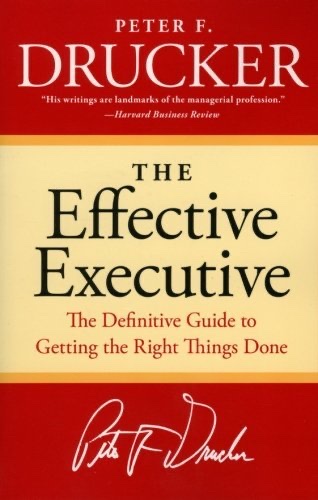 The Effective Executive: The Definitive Guide to Getting the Right Things Done
 What Color Is Your Parachute? A Practical Manual for Job-Hunters and Career-Changers
 How to Be Successful without Hurting Men's Feelings: Non-threatening Leadership Strategies for Women
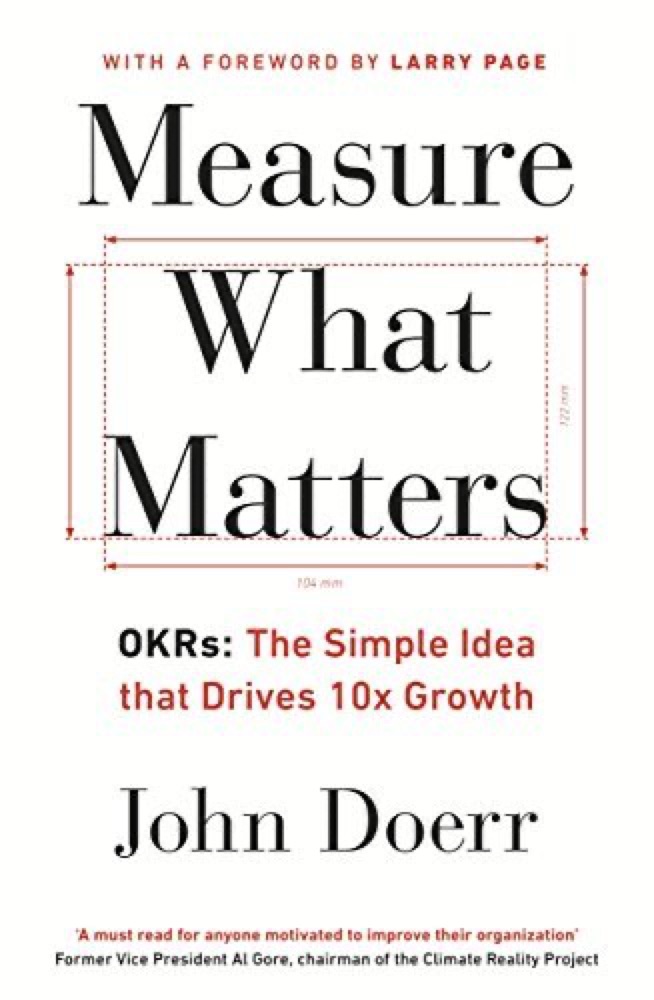 Measure What Matters
 Getting More: How to Negotiate to Achieve Your Goals in the Real World
 The PARA Method: Simplify, Organize, and Master Your Digital Life
 Rework
 The Monk and the Riddle: The Education of a Silicon Valley Entrepreneur
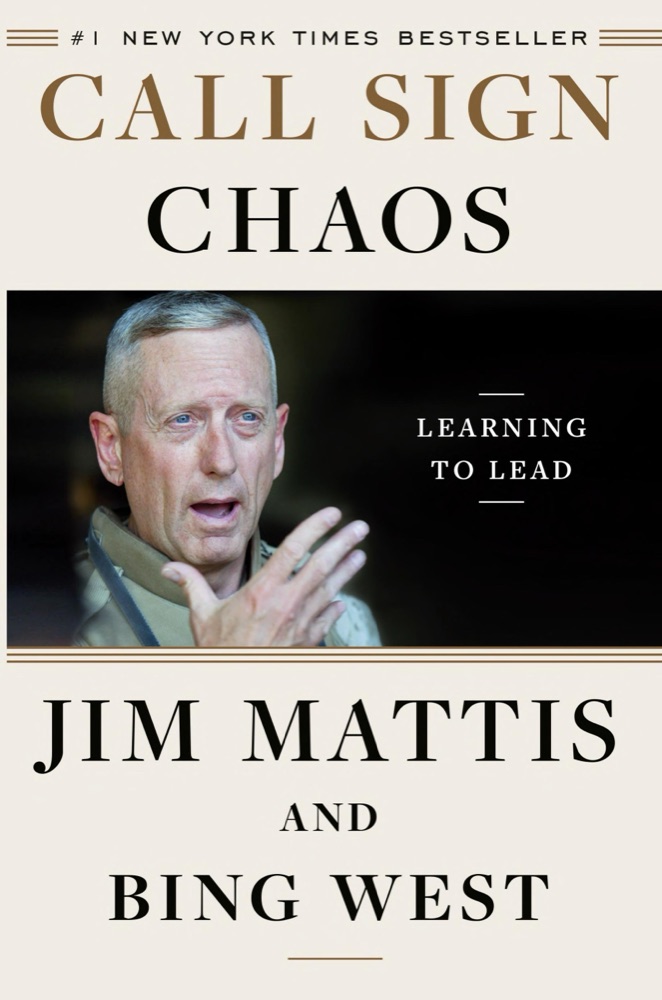 Call Sign Chaos: Learning to Lead
 Be Your Future Self Now: The Science of Intentional Transformation
 The Power of Focus
 High Performance Habits: How Extraordinary People Become That Way
 The Algebra of Wealth: A Simple Formula for Financial Security
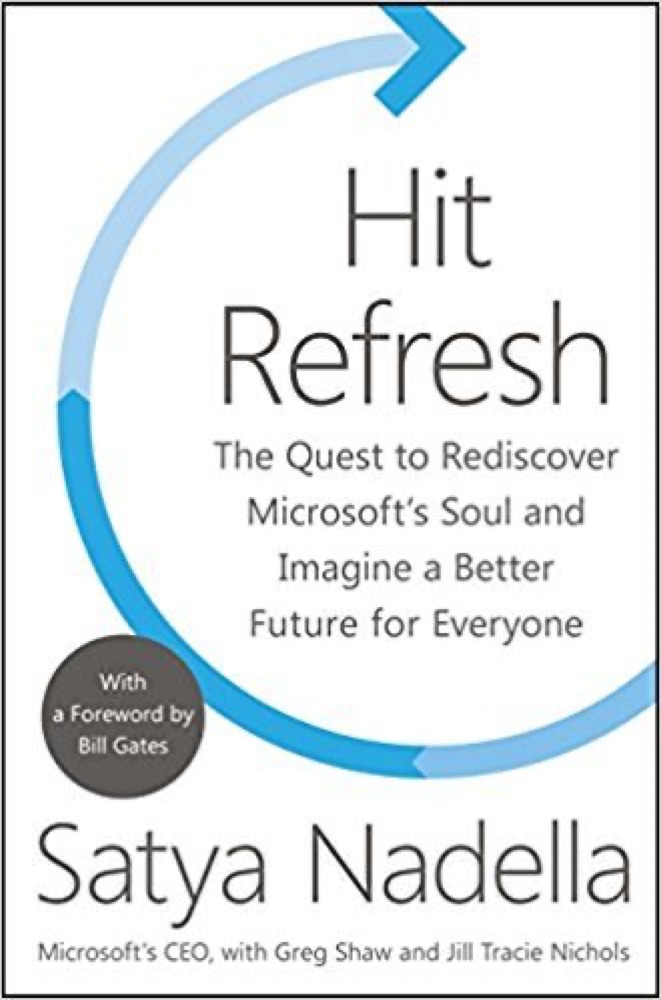 Hit Refresh: The Quest to Rediscover Microsoft's Soul and Imagine a Better Future for Everyone
 Leadership on the Line: Staying Alive through the Dangers of Leading
 Leading: Learning from Life and My Years at Manchester United
 Leadershift: The 11 Essential Changes Every Leader Must Embrace
 The Five Dysfunctions of a Team
 Do Over: Rescue Monday, Reinvent Your Work, and Never Get Stuck
 The E-myth Revisited
 Creativity, Inc.: Overcoming the Unseen Forces That Stand in the Way of True Inspiration
 Stay Hungry Stay Foolish
 Good to Great: Why Some Companies Make the Leap... and Others Don't
 Leave Your Mark
 Start with Why: How Great Leaders Inspire Everyone to Take Action
 Built to Last: Successful Habits of Visionary Companies
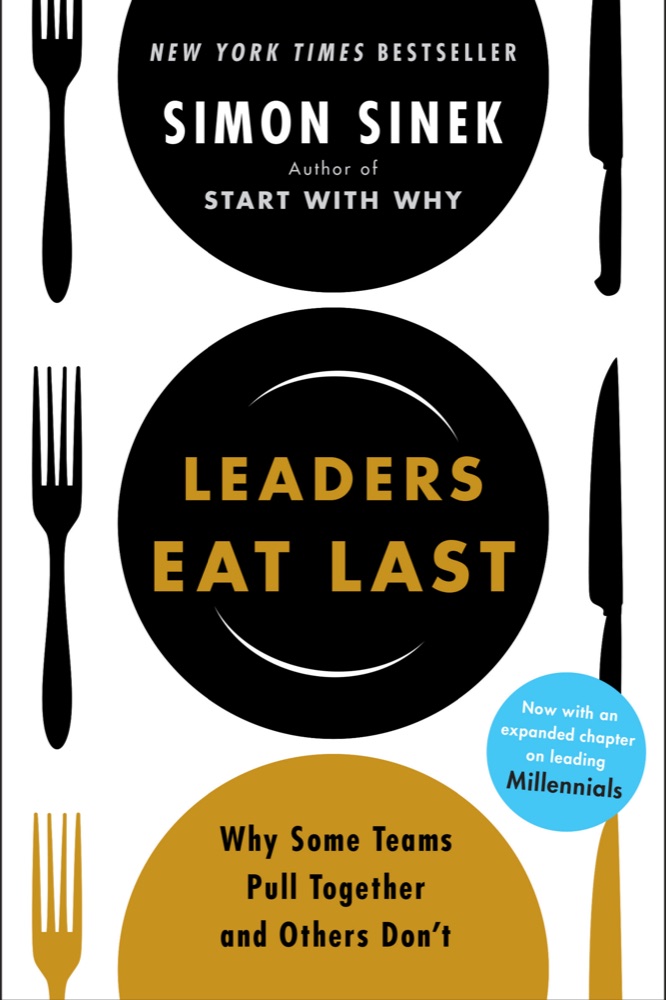 Leaders Eat Last: Why Some Teams Pull Together and Others Don't
 The Compound Effect: Jumpstart Your Income, Your Life, Your Success
 Great by Choice: Uncertainty, Chaos, and Luck—Why Some Thrive Despite Them All
 Things a Little Bird Told Me: Confessions of the Creative Mind
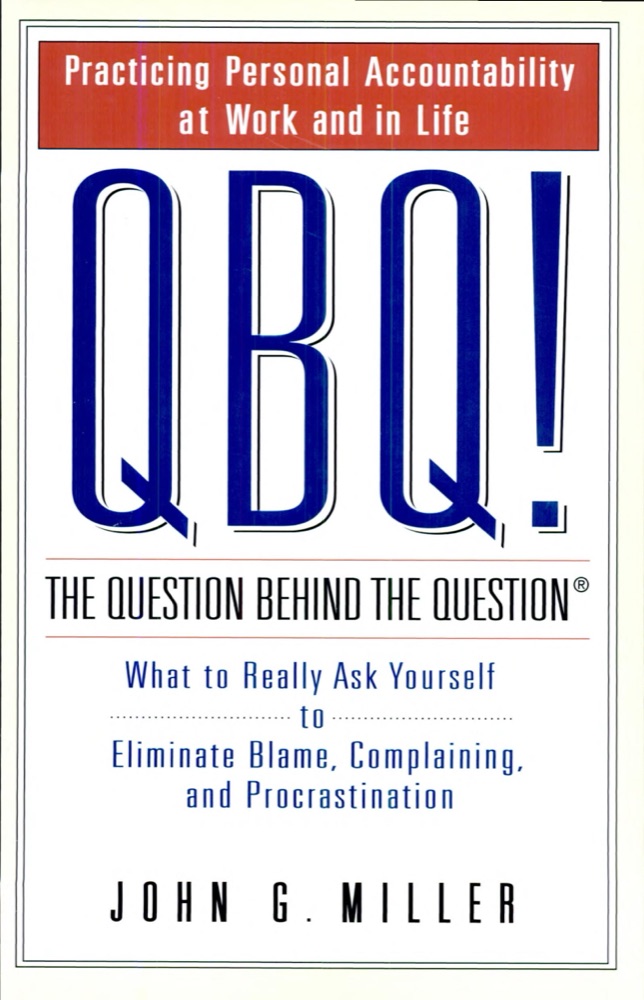 QBQ! The Question Behind the Question: Practicing Personal Accountability in Work and in Life