
 The Effective Executive: The Definitive Guide to Getting the Right Things Done
Quotes from the Book
Management is doing things right; leadership is doing the right things.
577
Management is about human beings. Its task is to make people capable of joint performance, to make their strengths effective and their weaknesses irrelevant.
45
Every enterprise requires commitment to common goals and shared values. Without such commitment there is no enterprise; there is only a mob. The enterprise must have simple, clear, and unifying objectives. The mission of the organization has to be clear enough and big enough to provide common vision. The goals that embody it have to be clear, public, and constantly reaffirmed. Management’s first job is to think through, set, and exemplify those objectives, values, and goals. Management
21
Every enterprise is a learning and teaching institution. Training and development must be built into it on all levels—training and development that never stop.
16
To be sure, the fundamental task of management remains the same: to make people capable of joint performance through common goals, common values, the right structure, and the training and development they need to perform and to respond to change.
10
Not to innovate is the single largest reason for the decline of existing organizations. Not to know how to manage is the single largest reason for the failure of new ventures.
4
right conduct can never be established by procedure.
3
Success always makes obsolete the very behavior that achieved it. It always creates new realities. It always creates, above all, its own and different problems. Only the fairy tale ends, “They lived happily ever after.
2
Any existing organization, whether a business, a church, a labor union, or a hospital, goes down fast if it does not innovate. Conversely, any new organization, whether a business, a church, a labor union, or a hospital, collapses if it does not manage. Not to innovate is the single largest reason for the decline of existing organizations. Not to know how to manage is the single largest reason for the failure of new ventures.
2
Each member of the enterprise contributes something different, but they must all contribute toward a common goal.
2
Knowledge workers who do not ask themselves, “What can I contribute?” are not only likely to aim too low, they are likely to aim at the wrong things. Above all, they may define their contribution too narrowly.
2
Management by drive, like management by ‘bellows and meat ax,’ is a sure sign of confusion. It is an admission of incompetence. It is a sign that management does not know how to plan. But, above all, it is a sign that the company does not know what to expect of its managers – that, not knowing how to direct them, it misdirects them.
2
To supply data is not enough. The data have to be integrated with strategy, they have to test a company’s assumptions, and they must challenge a company’s current outlook. One
2
the best definition of “what our business is, will be, and should be,” will remain a pious platitude. Energy will be used up in defending yesterday. No one will have the time, resources, or will to work on exploiting today, let alone to work on making tomorrow.
1
Even if employed full-time by the organization, fewer and fewer people are “subordinates”—even in fairly low-level jobs. Increasingly they are “knowledge workers.” And knowledge workers are not subordinates; they are “associates.” For, once beyond the apprentice stage, knowledge workers must know more about their job than their boss does—or else they are no good at all. In fact, that they know more about their job than anybody else in the organization is part of the definition of knowledge workers.
1
Modern management and modern enterprise could not exist without the knowledge base that developed societies have built. But equally, it is management, and management alone, that makes effective all this knowledge and these knowledgeable people. The emergence of management has converted knowledge from social ornament and luxury into the true capital of any economy. Not
1
I soon learned that there is no “effective personality
1
The publications immediately took on a highly professional look. But the scientific community for whom these publications were intended stopped reading them. A highly respected university scientist, who had for many years worked closely with the agency, finally told the administrator, “The former director was writing for us; your new man writes at us.
Executives of necessity live and work within an organization. Unless they make conscious efforts to perceive the outside, the inside may blind them to the true reality.
Because its purpose is to create a customer, the business enterprise has two—and only these two—basic functions: marketing and innovation.
An essential step in deciding what our business is, what it will be, and what it should be is, therefore, systematic analysis of all existing products, services, processes, markets, end uses, and distribution channels. Are they still viable? And are they likely to remain viable? Do they still give value to the customer? And are they likely to do so tomorrow? Do they still fit the realities of population and markets, of technology and economy? And if not, how can we best abandon them—or at least stop pouring in further resources and efforts? Unless these questions are being asked seriously and systematically, and unless managements are willing to act on the answers to them, the best definition of “what our business is, will be, and should be,” will remain a pious platitude. Energy will be used up in defending yesterday. No one will have the time, resources, or will to work on exploiting today, let alone to work on making tomorrow.
Watch on YouTube
About Peter F. Drucker
We have collected 78 quotes from 3 books by Peter F. Drucker on BookQuoters.
More about the author →More by Peter F. Drucker
The Effective Executive: The Definitive Guide to Getting the Right Things Done
 Innovation and Entrepreneurship
About the book
Father of modern management, social commentator, and preeminent business philosopher, Peter F. Drucker has been analyzing economics and society for more than sixty years. Now for readers everywhere who are concerned with the ways that management practices and principles affect the performance of the organization, the individual, and society, there is The Essential Drucker -- an invaluable compilation of management essentials from the works of a management legend.
Containing twenty-six selections, The Essential Drucker covers the basic principles and concerns of management and its problems, challenges, and opportunities, giving managers, executives, and professionals the tools to perform the tasks that the economy and society of tomorrow will demand of them.
Book details
- First published
- 2000
- Author
- Peter F. Drucker
- Genre
- Nonfiction
- Goodreads rating
- 4.09 (10k ratings)
Keep reading
The Effective Executive: The Definitive Guide to Getting the Right Things Done
 Managing Humans: Biting and Humorous Tales of a Software Engineering Manager
 Conscious Capitalism
 The Fifth Discipline: The Art & Practice of The Learning Organization
 Built to Last: Successful Habits of Visionary Companies
 Amp It Up: Leading for Hypergrowth by Raising Expectations, Increasing Urgency, and Elevating Intensity
 The E-myth Revisited
 Good to Great: Why Some Companies Make the Leap... and Others Don't
 Zero to One: Notes on Startups, or How to Build the Future
 HBR's 10 Must Reads on Strategy
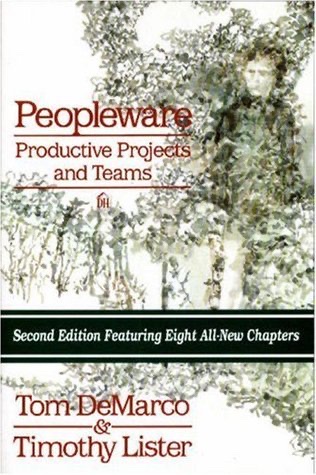 Peopleware: Productive Projects and Teams
Innovation and Entrepreneurship
Peopleware: Productive Projects and Teams
Innovation and Entrepreneurship
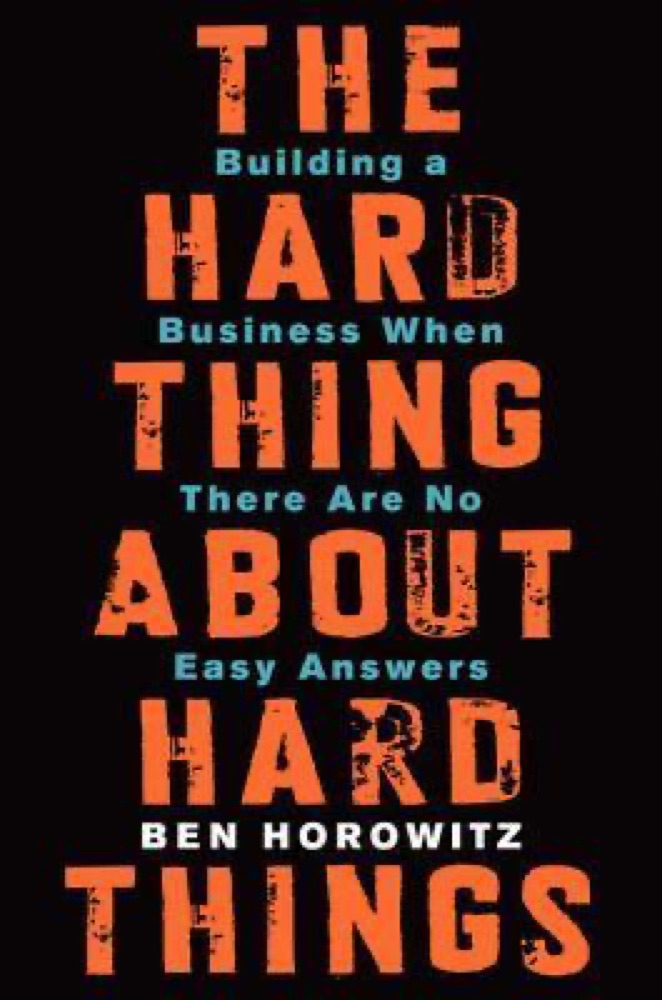 The Hard Thing About Hard Things: Building a Business When There Are No Easy Answers―Straight Talk on the Challenges of Entrepreneurship
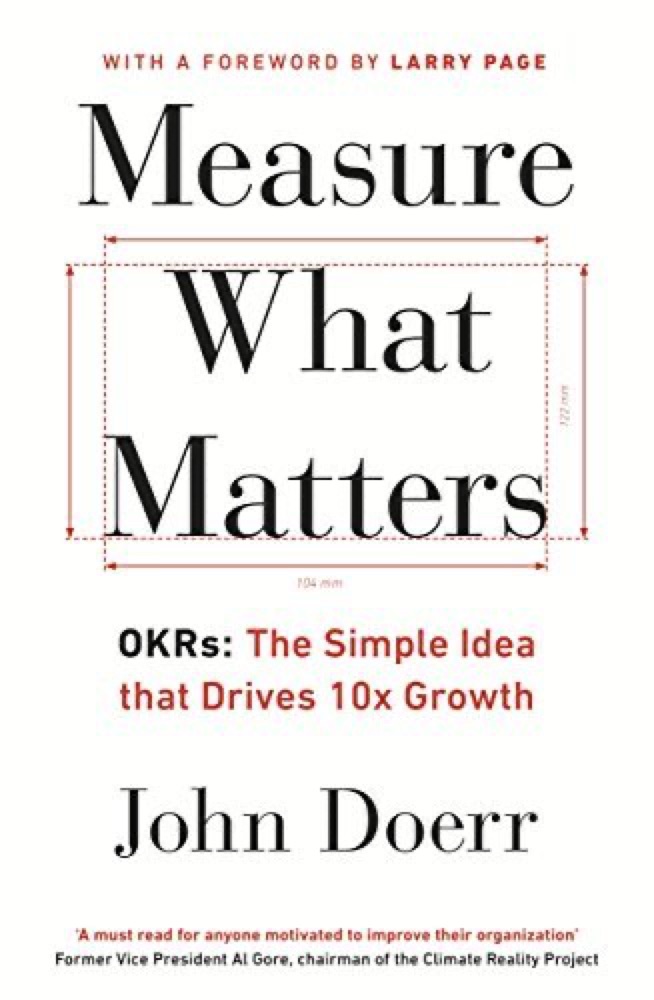 Measure What Matters
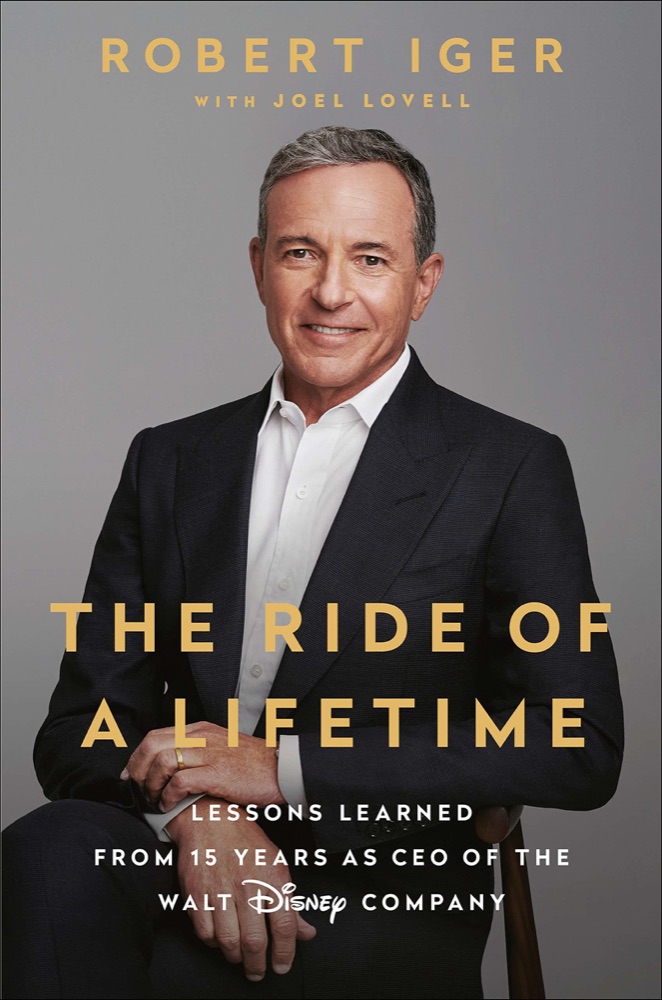 The Ride of a Lifetime: Lessons Learned from 15 Years as CEO of the Walt Disney Company
 The Halo Effect: ... and the Eight Other Business Delusions That Deceive Managers
 Turn the Ship Around!: A True Story of Turning Followers into Leaders
 Pour Your Heart Into It: How Starbucks Built a Company One Cup at a Time
 The Goal: A Process of Ongoing Improvement
 Winning
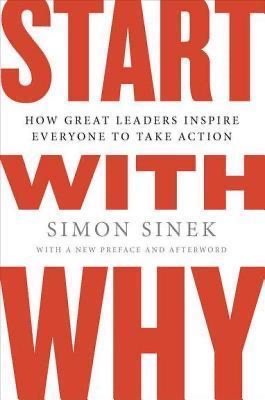 Start with Why: How Great Leaders Inspire Everyone to Take Action
 The Innovator's Solution: Creating and Sustaining Successful Growth
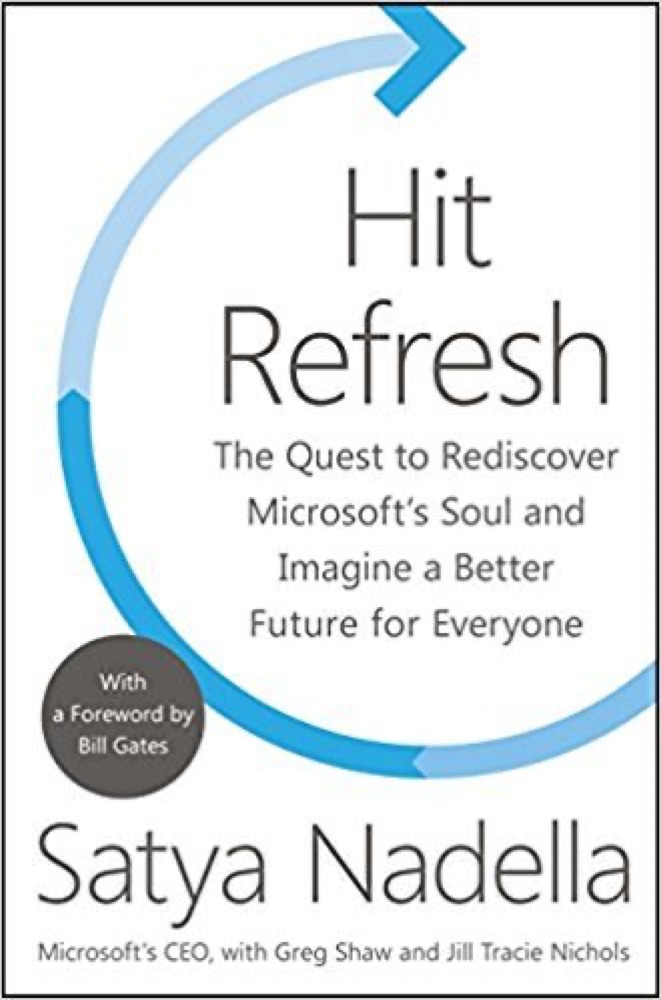 Hit Refresh: The Quest to Rediscover Microsoft's Soul and Imagine a Better Future for Everyone
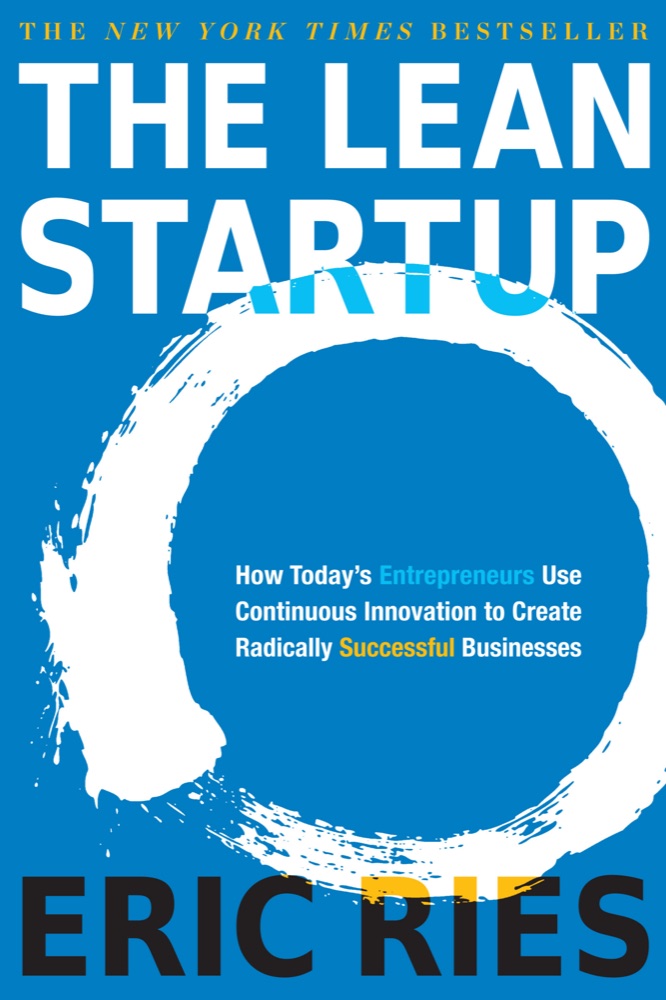 The Lean Startup
 Boundaries for Leaders: Results, Relationships, and Being Ridiculously in Charge
 Blue Ocean Strategy: How to Create Uncontested Market Space and Make the Competition Irrelevant
 Chaos Monkeys: Obscene Fortune and Random Failure in Silicon Valley
 Legacy: What the All Blacks Can Teach Us About the Business of Life
 EntreLeadership: 20 Years of Practical Business Wisdom from the Trenches
 Right Kind of Wrong: The Science of Failing Well
 Creativity, Inc.: Overcoming the Unseen Forces That Stand in the Way of True Inspiration
 The Art of the Start: The Time-Tested, Battle-Hardened Guide for Anyone Starting Anything
 Invent and Wander: The Collected Writings of Jeff Bezos
 Great by Choice: Uncertainty, Chaos, and Luck—Why Some Thrive Despite Them All
 Drive: The Surprising Truth About What Motivates Us
 The Monk and the Riddle: The Education of a Silicon Valley Entrepreneur
 Accelerate: Building and Scaling High Performing Technology Organizations
 A Whole New Mind: Why Right-Brainers Will Rule the Future
 Smartcuts: How Hackers, Innovators, and Icons Accelerate Success
 Running Lean: Iterate from Plan A to a Plan That Works
 Getting There: A Book of Mentors
 The 1-Page Marketing Plan: Get New Customers, Make More Money, And Stand out From The Crowd
 The 360 Degree Leader: Developing Your Influence from Anywhere in the Organization
 The Score Takes Care of Itself: My Philosophy of Leadership
 The Price of Tomorrow: Why Deflation is the Key to an Abundant Future
 Founders at Work: Stories of Startups' Early Days
 Delivering Happiness: A Path to Profits, Passion, and Purpose
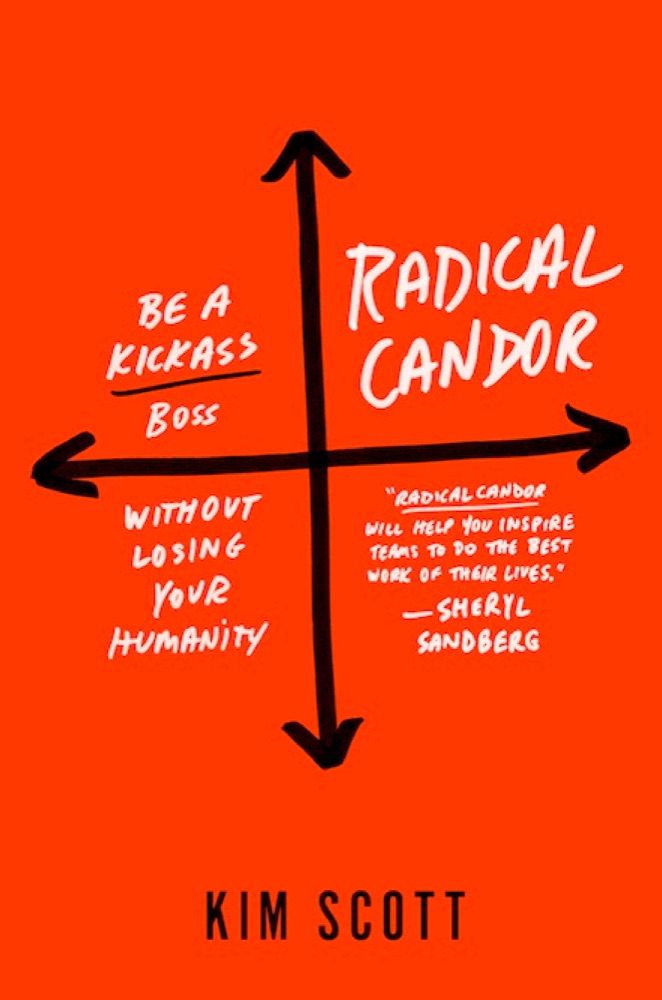 Radical Candor: Be a Kickass Boss Without Losing Your Humanity
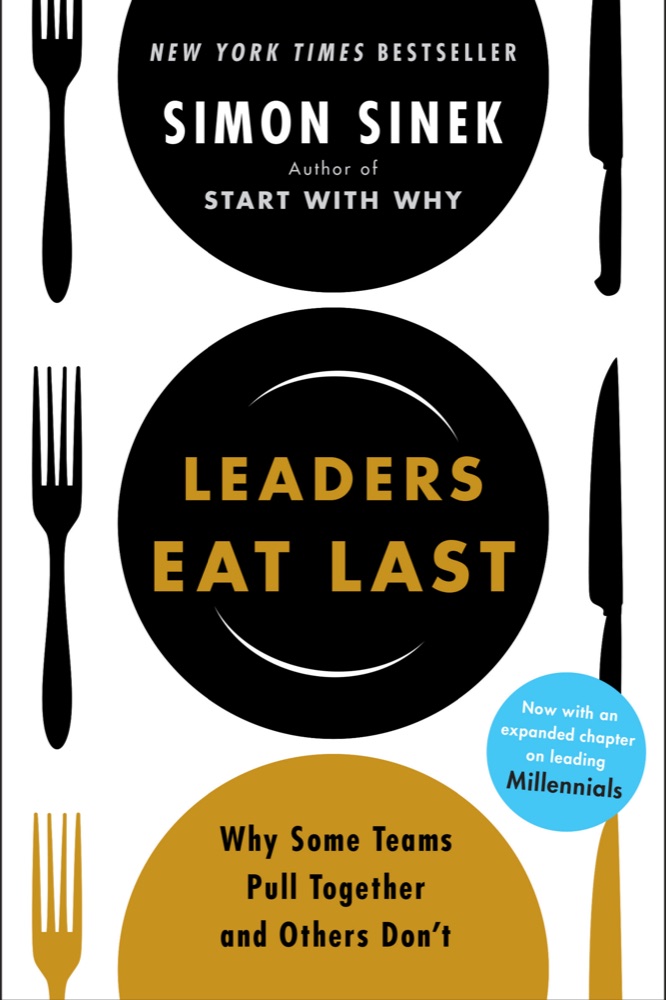 Leaders Eat Last: Why Some Teams Pull Together and Others Don't
 Adapt: Why Success Always Starts with Failure
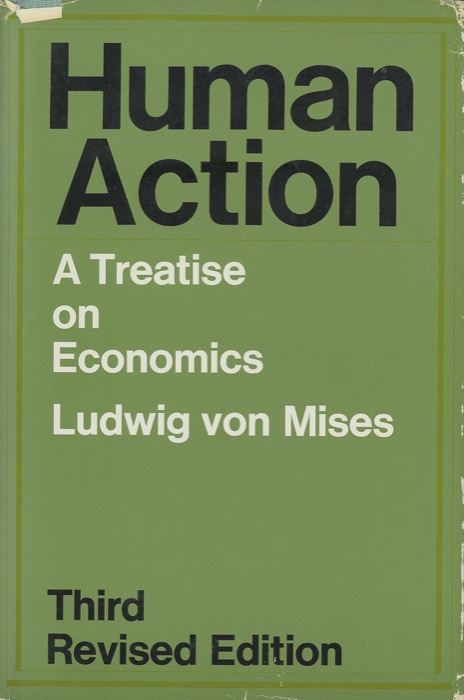 Human Action: A Treatise on Economics
 Wooden on Leadership: How to Create a Winning Organization
 The Oz Principle: Getting Results Through Individual and Organizational Accountability
 Leadership Is an Art
 Thinking In Systems: A Primer
 Tribes: We Need You to Lead Us
 The Essays of Warren Buffett: Lessons for Corporate America
 Loonshots: How to Nurture the Crazy Ideas That Win Wars, Cure Diseases, and Transform Industries
 Software Engineering at Google: Lessons Learned from Programming Over Time
 QBQ! The Question Behind the Question: Practicing Personal Accountability in Work and in Life