
 The Dip: A Little Book That Teaches You When to Quit (and When to Stick)
Quotes from the Book
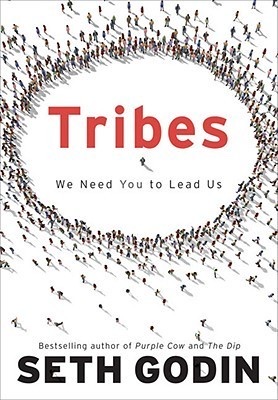
A tribe is a group of people connected to one another, connected to a leader, and connected to an idea. For millions of years, human beings have been part of one tribe or another. A group needs only two things to be a tribe: a shared interest and a way to communicate.
The secret of leadership is simple: Do what you believe in. Paint a picture of the future. Go there. People will follow.
In a battle between two ideas, the best one doesn't necessarily win. No, the idea that wins is the one with the most fearless heretic behind it.
Change isn't made by asking permission. Change is made by asking forgiveness, later.
Leadership, on the other hand, is about creating change you believe in.
How was your day? If your answer was "fine," then I don't think you were leading.
Life's too short" is repeated often enough to be a cliche, but this time it's true. You don't have enough time to be both unhappy and mediocre. It's not just pointless, it's painful. Instead of wondering when your next vacation is, maybe you ought to set up a life you don't need to escape from.
Yes, I think it's okay to abandon the big, established, stuck tribe. It's okay to say to them, "You're not going where I need to go, and there's no way I'm going to persuade all of you to follow me. So rather than standing here watching the opportunities fade away, I'm heading off. I'm betting some of you, the best of you, will follow me.
Leadership is the art of giving people a platform for spreading ideas that work.
Leaders lead when they take positions, when they connect with their tribes, and when they help the tribe connect to itself.
Remarkable visions and genuine insights are always met with resistance. And when you start to make progress, your efforts are met with even more resistance. Products, services, career paths - whatever it is, the forces for mediocrity will align to stop you, forgiving no errors and never backing down until it's over. If it were any other way, it would be easy. And if it were any other way, everyone would do it and your work would ultimately be devalued. The yin and yang are clear: without people pushing against your quest to do something worth talking about, it's unlikely to be worth the journey. Persist.
If your organization requires success before commitment, it will never have either. Part of leadership (a big part of it, actually) is the ability to stick with the dream for a long time. Long enough that the critics realize that you're going to get there one way or another...so they follow.
An individual artist needs only a thousand true fans in her tribe. It's enough.
Everyone will think it's stupid!" "Everyone says it's impossible." Guess what? Everyone works in the balloon factory and everyone is wrong.
Heretics must believe. More than anyone else in an organization, it's the person who's challenging the status quo, the one who is daring to be great, who is truly present and not just punching a clock who must have confidence in her beliefs. Can you imagine Steve Jobs showing up for the paycheck? It's nice to get paid. It's essential to believe.
Anatomy of a Movement Senator Bill Bradley defines a movement as having three elements: (1) A narrative that tells a story about who we are and the future we're trying to build. (2) A connection between and among the leader and the tribe. (3) Something to do - the fewer limits the better. Too often organizations fail to do anything but the third.
The secret of being wrong isn't to avoid being wrong! The secret is being willing to be wrong. The secret is realizing that wrong isn't fatal. The only thing that makes people and organizations great is their willingness to be not great along the way. The desire to fail on the way to reaching a bigger goal is the untold secret of success.
A fundamentalist is a person who considers whether a fact is acceptable to his religion before he explores it. As opposed to a curious person who explores first then considers whether or not he wants to accept the ramifications. A curious person embraces the tension between his religion and something new, wrestles with it and through it, and then decides whether to embrace the new idea or reject it.
It's not time," "Take it easy," "Wait and see," "It's someone else's turn" - none of these stalls are appropriate for a leader in search of change. There's a small price for being too early, but a huge penalty for being too late. The longer you wait to launch an innovation, the less your effort is worth.
Perfect is an illusion, one that was created to maintain the status quo. The Six Sigma charade is largely about hiding from change, because change is never perfect. Change means reinvention, and until something is reinvented, we have no idea what the spec is.
A fundamentalist is a person who considers whether a fact is acceptable to his religion before he explores it. As opposed to a curious person who explores first then considers whether or not he wants to accept the ramifications.
Successful heretics create their own religions....You can recognize the need for faith in your idea, you can find the tribe you need to support you, and yes, you can create a new religion around your faith. Steve Jobs did it on purpose at Apple and Phil Knight is famous for doing it at Nike.
So great leaders don't try to please everyone. Great leaders don't water down their message in order to make the tribe a bit bigger. Instead, they realize that a motivated, connected tribe in the midst of a movement is far more powerful than a larger group could ever be.
Initiating is really and truly difficult, and that’s what leaders do. They see something others are ignoring and they jump on it. They cause the events that others have to react to. They make change.
What most people want in a leader is something that's very difficult to find: we want someone who listens...The secret, Reagan's secret, is to listen, to value what you hear, and then to make a decision even if it contradicts the very people you are listening to. Reagan impressed his advisers, his adversaries, and his voters by actively listening. People want to be sure you hear what they said - they're less focused on whether or not you do what they said.
Real leaders don't care [about receiving credit]. If it's about your mission, about spreading the faith, about seeing something happen, not only do you not care about credit, you actually want other people to take credit...There's no record of Martin Luther King, Jr. or Gandhi whining about credit. Credit isn't the point. Change is.
It’s all a risk. Always. That’s not true, actually. The only exception: it’s a certainty that there’s risk. The safer you play your plans for the future, the riskier it actually is. That’s because the world is certainly, definitely, and more than possibly changing.
Skill and attitude are essential. Authority is not. In fact, authority can get in the way.
In unstable times, growth comes from leaders who create change and engage their organizations, instead of from managers who push their employees to do more for less.
Watch on YouTube
About Seth Godin
We have collected 141 quotes from 6 books by Seth Godin on BookQuoters.
More about the author →More by Seth Godin
The Dip: A Little Book That Teaches You When to Quit (and When to Stick)
 The Icarus Deception: How High Will You Fly?
 Linchpin: Are You Indispensable?
 Small Is the New Big: and 183 Other Riffs, Rants, and Remarkable Business Ideas
Book details
- Author
- Seth Godin
- Genre
- Nonfiction
- Goodreads rating
- 3.80 (43k ratings) →
Keep reading
 Turn the Ship Around!: A True Story of Turning Followers into Leaders
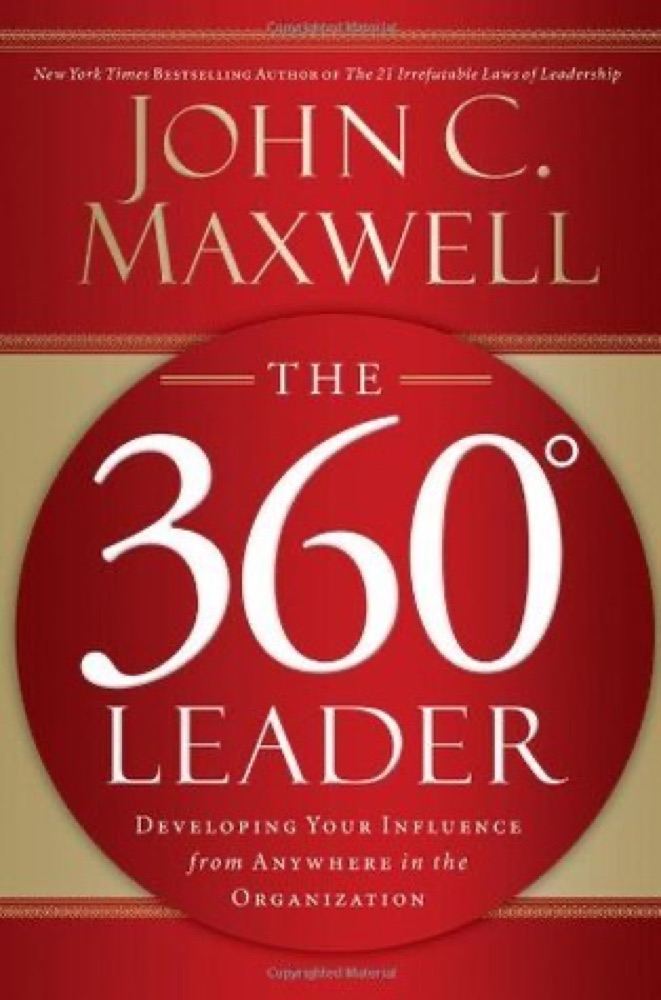 The 360 Degree Leader: Developing Your Influence from Anywhere in the Organization
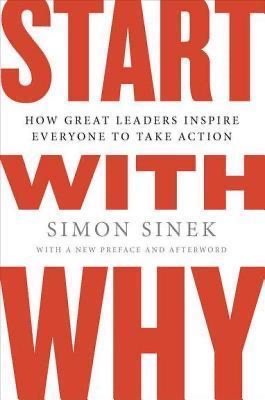 Start with Why: How Great Leaders Inspire Everyone to Take Action
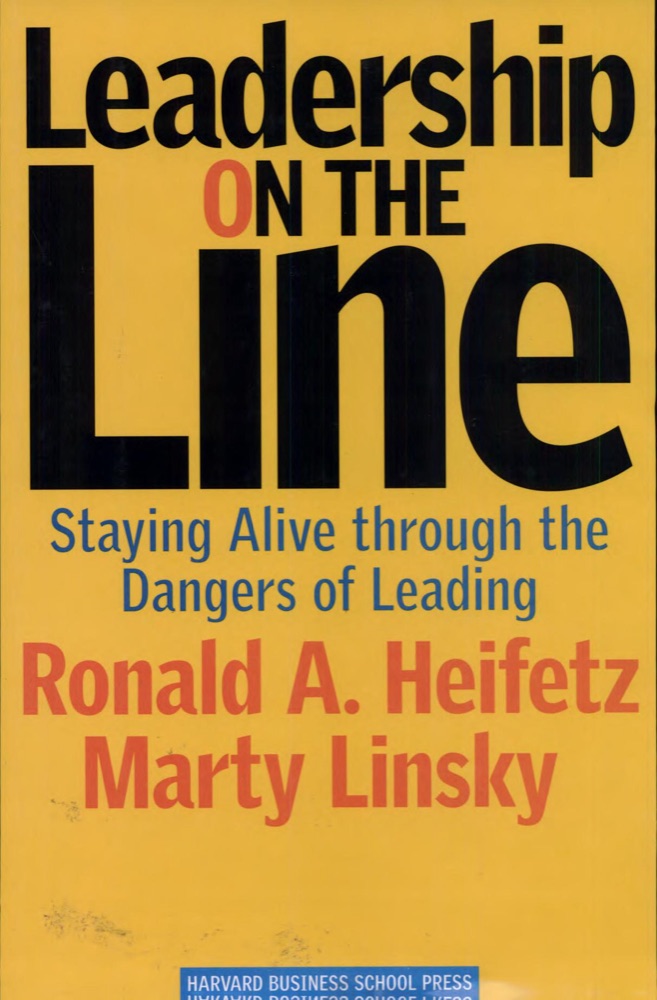 Leadership on the Line: Staying Alive through the Dangers of Leading
 The Ride of a Lifetime: Lessons Learned from 15 Years as CEO of the Walt Disney Company
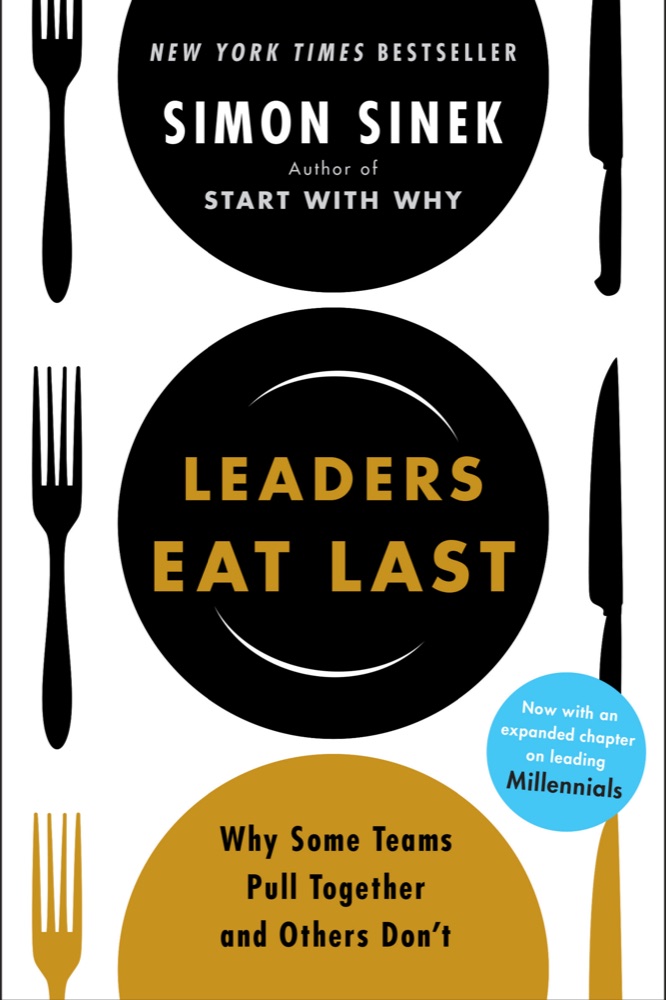 Leaders Eat Last: Why Some Teams Pull Together and Others Don't
 Tribal Leadership: Leveraging Natural Groups to Build a Thriving Organization
 Creativity, Inc.: Overcoming the Unseen Forces That Stand in the Way of True Inspiration
 Above the Line: Lessons in Leadership and Life from a Championship Season
 The Leader Who Had No Title: A Modern Fable on Real Success in Business and in Life
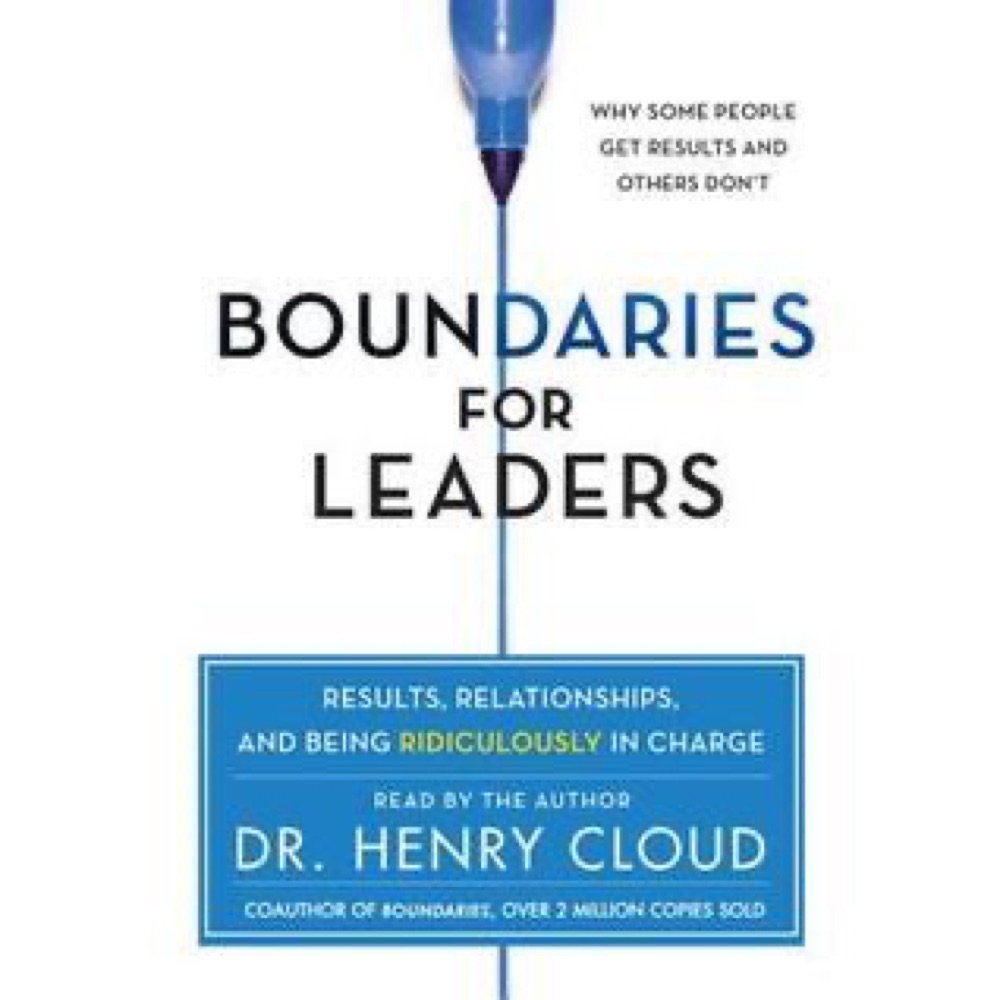 Boundaries for Leaders: Results, Relationships, and Being Ridiculously in Charge
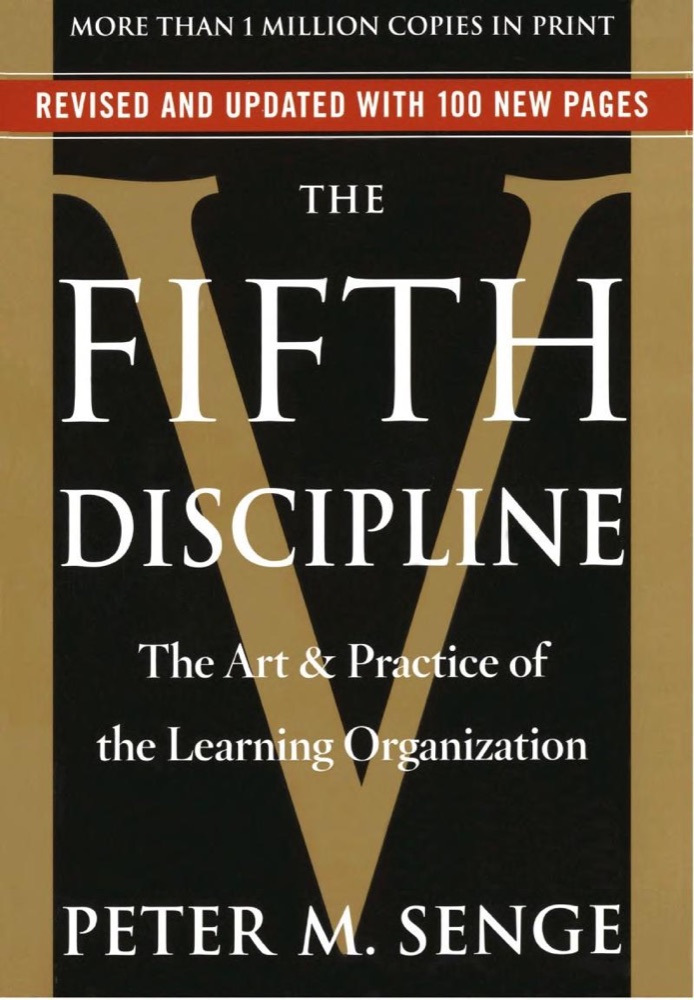 The Fifth Discipline: The Art & Practice of The Learning Organization
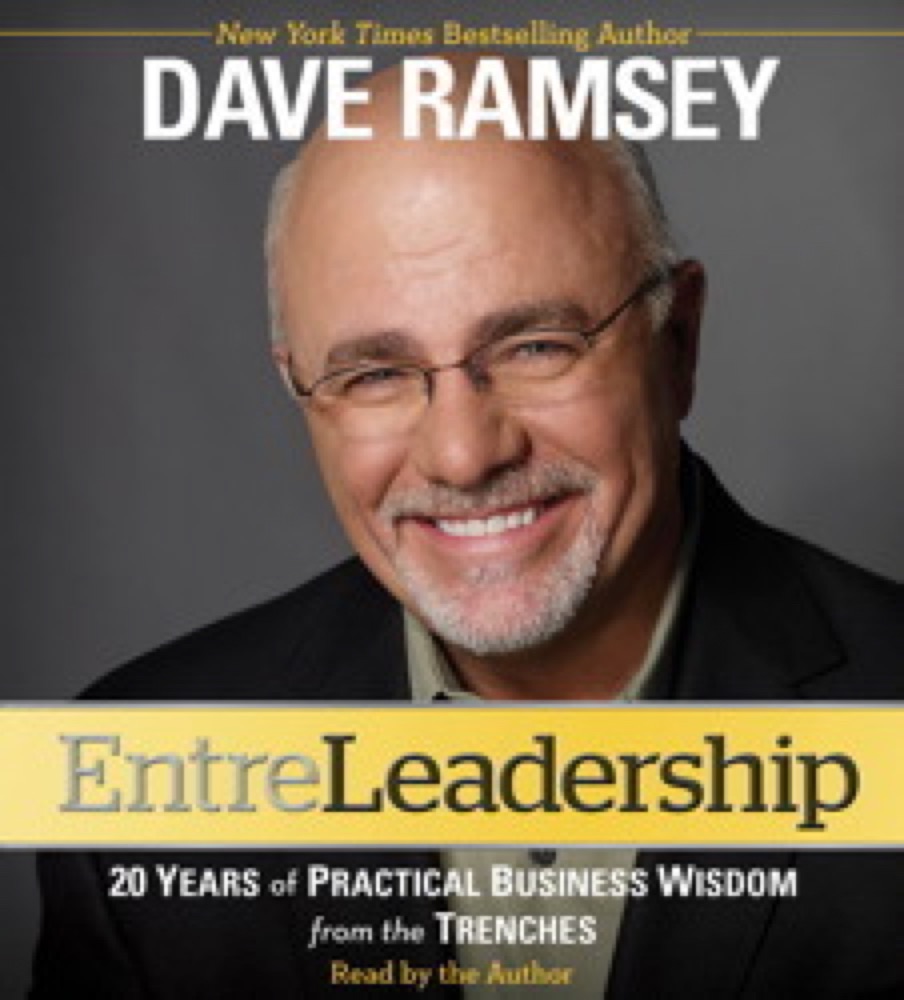 EntreLeadership: 20 Years of Practical Business Wisdom from the Trenches
 Pour Your Heart Into It: How Starbucks Built a Company One Cup at a Time
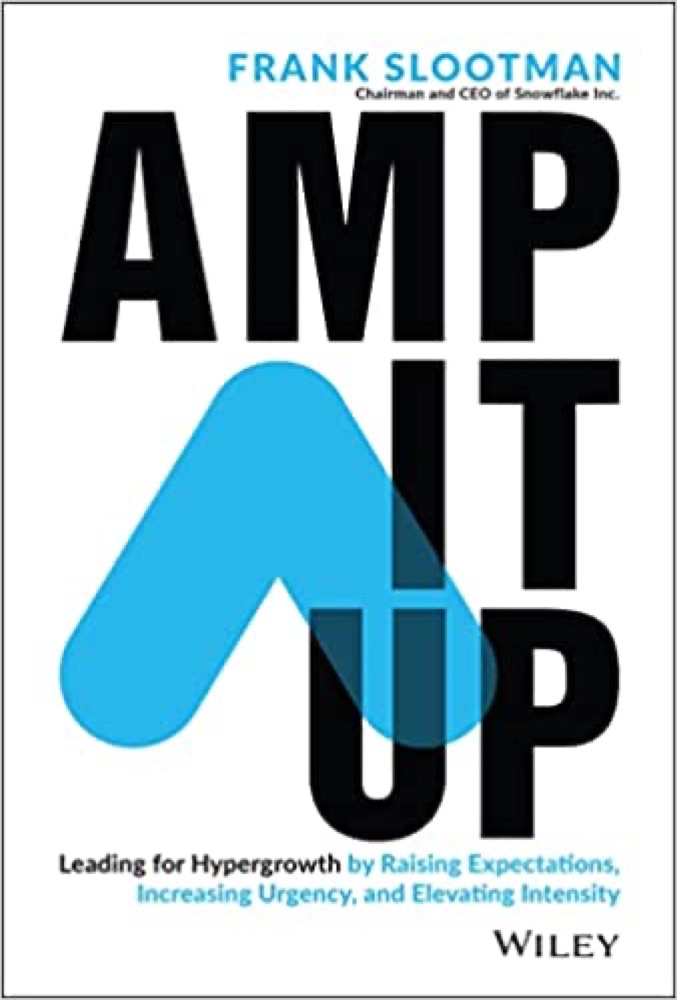 Amp It Up: Leading for Hypergrowth by Raising Expectations, Increasing Urgency, and Elevating Intensity
 Winning
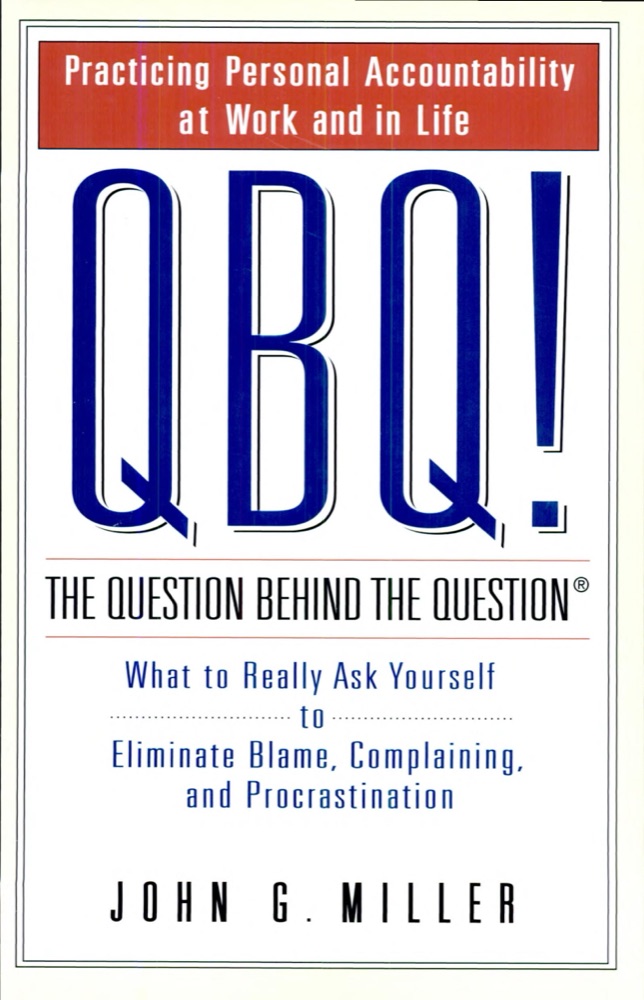 QBQ! The Question Behind the Question: Practicing Personal Accountability in Work and in Life
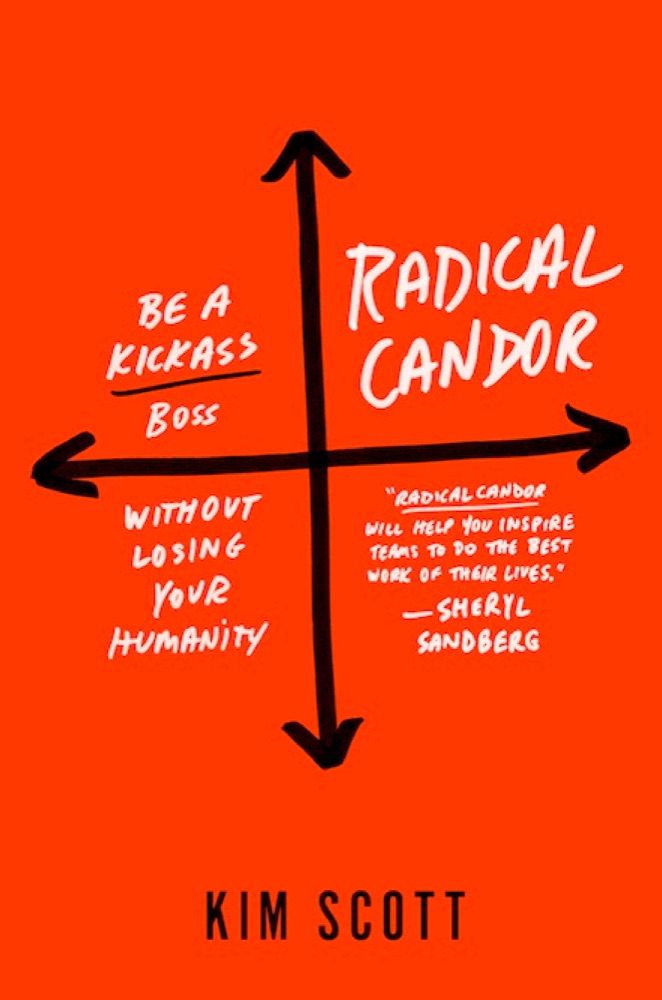 Radical Candor: Be a Kickass Boss Without Losing Your Humanity
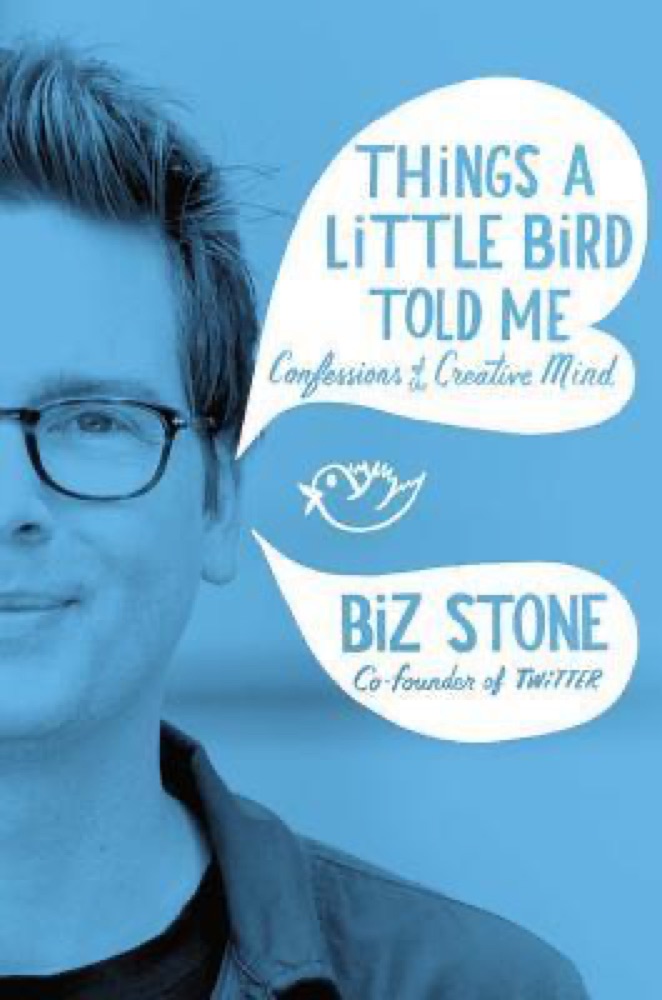 Things a Little Bird Told Me: Confessions of the Creative Mind
 Rework
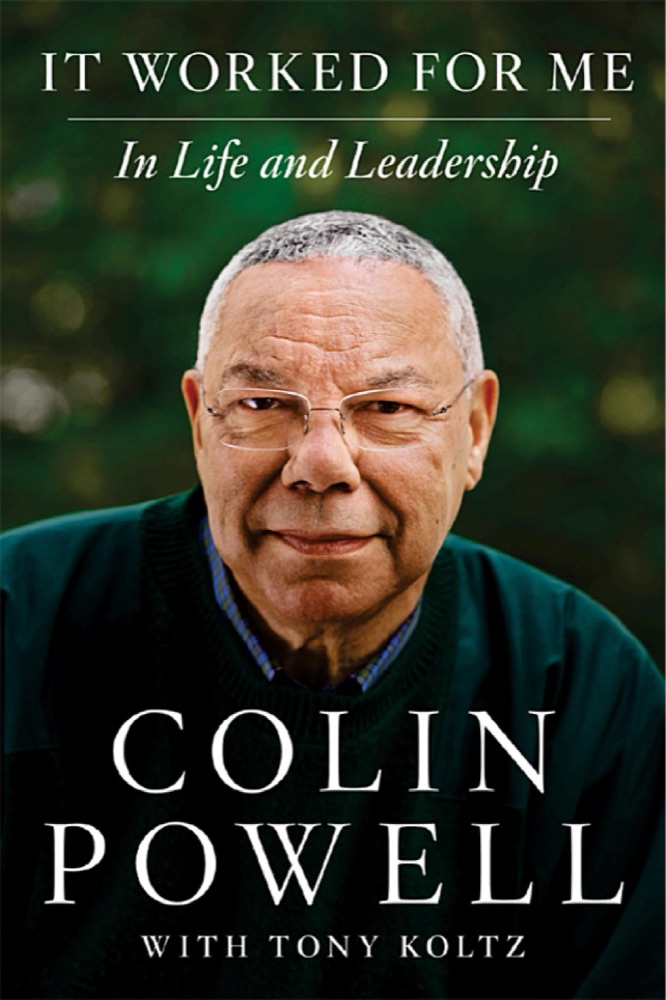 It Worked for Me: In Life and Leadership
 Wooden on Leadership: How to Create a Winning Organization
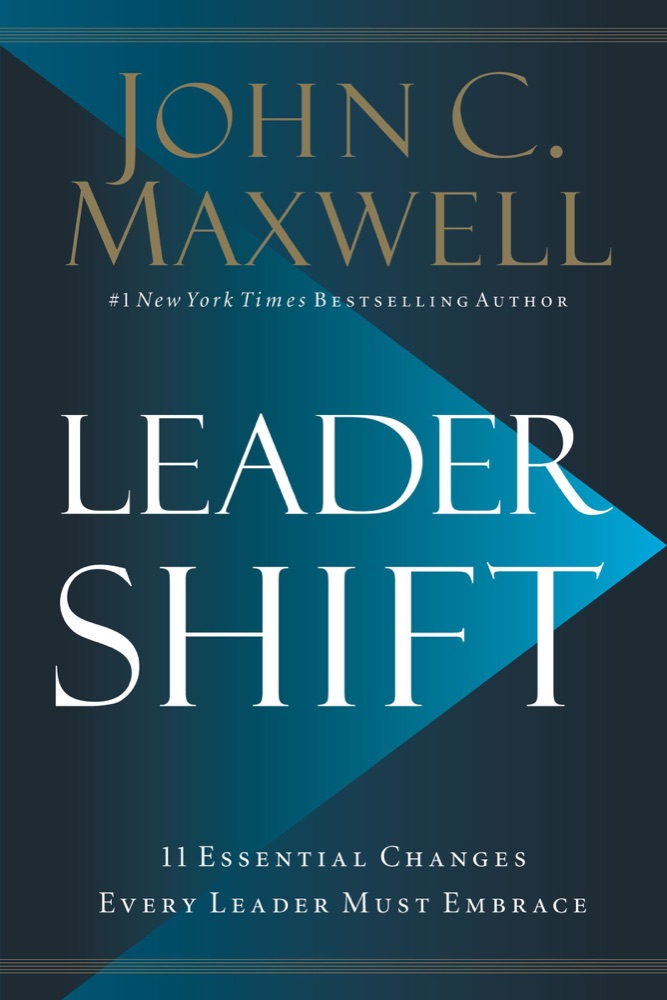 Leadershift: The 11 Essential Changes Every Leader Must Embrace
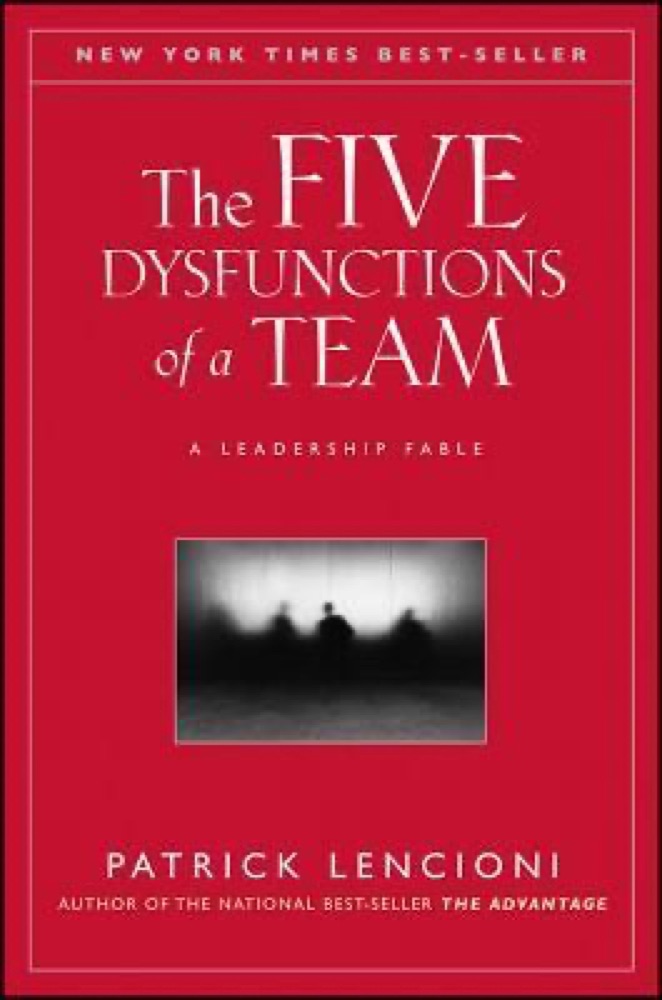 The Five Dysfunctions of a Team
 Managing Humans: Biting and Humorous Tales of a Software Engineering Manager
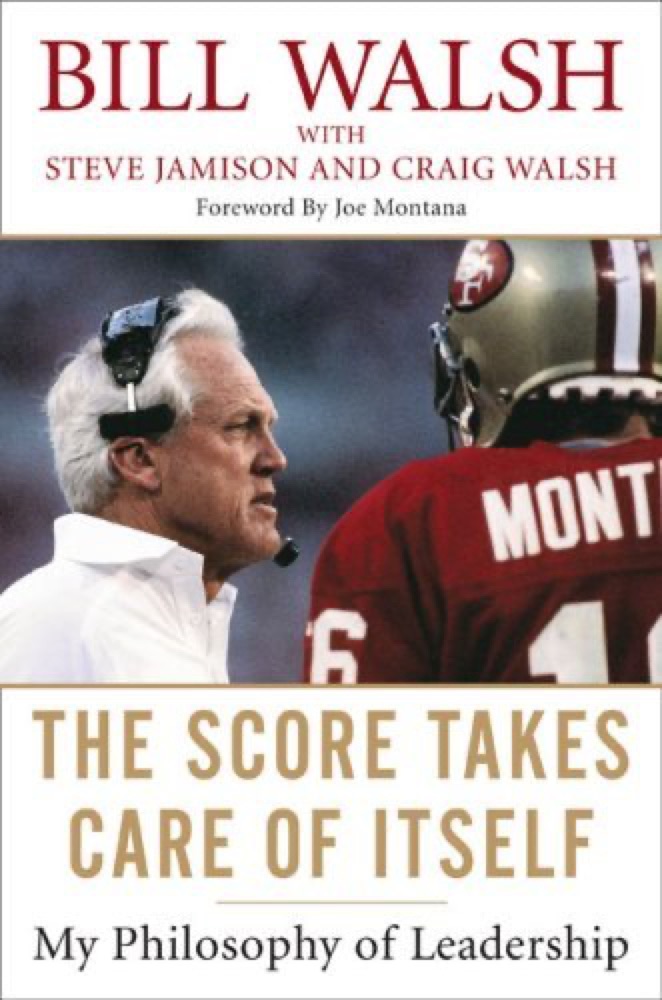 The Score Takes Care of Itself: My Philosophy of Leadership
 Independent Study
 Getting There: A Book of Mentors
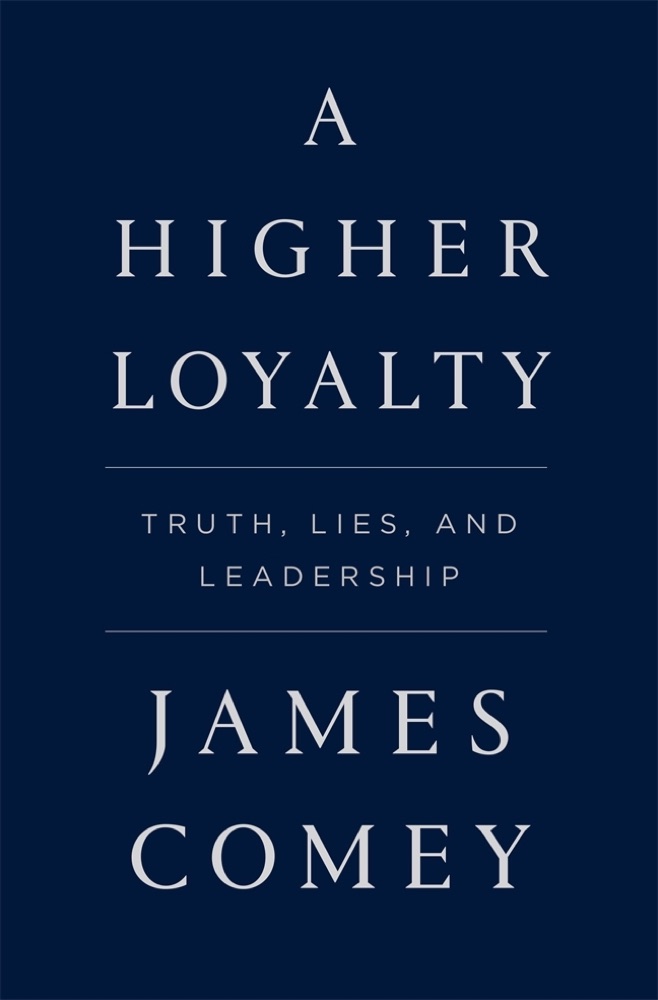 A Higher Loyalty: Truth, Lies, and Leadership
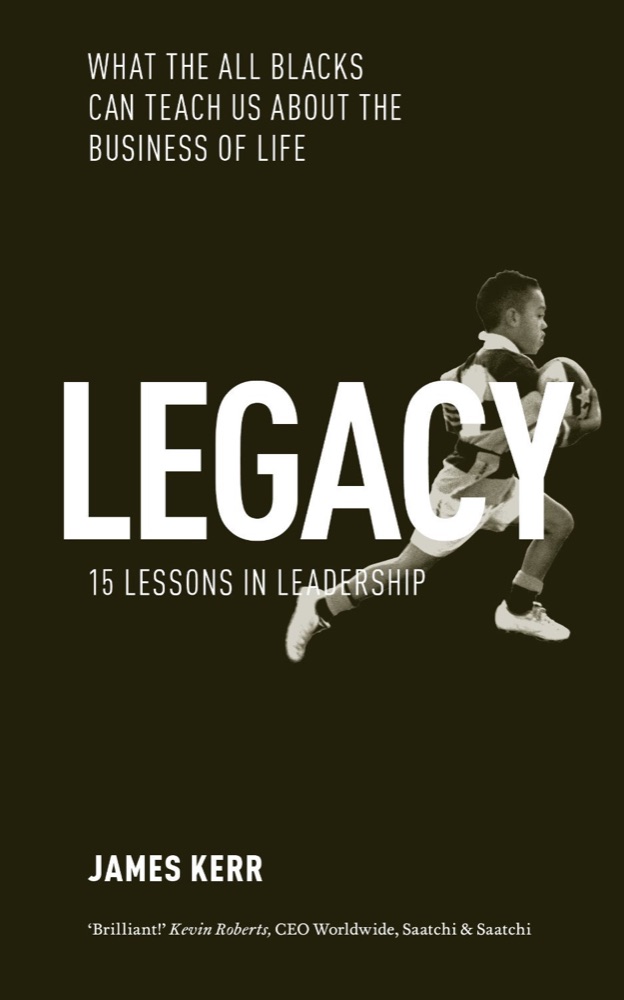 Legacy: What the All Blacks Can Teach Us About the Business of Life
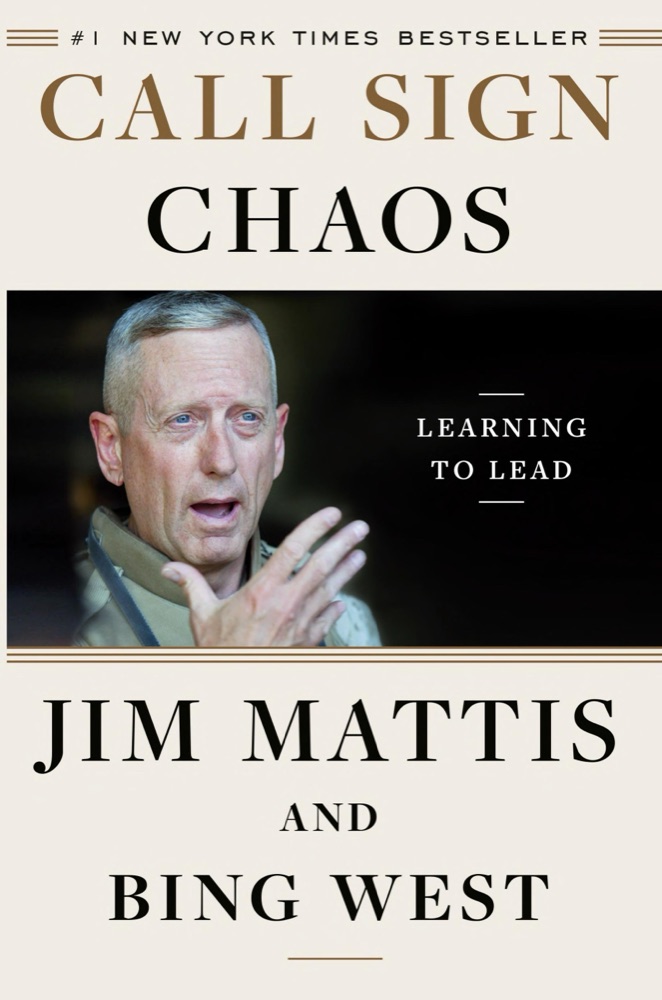 Call Sign Chaos: Learning to Lead
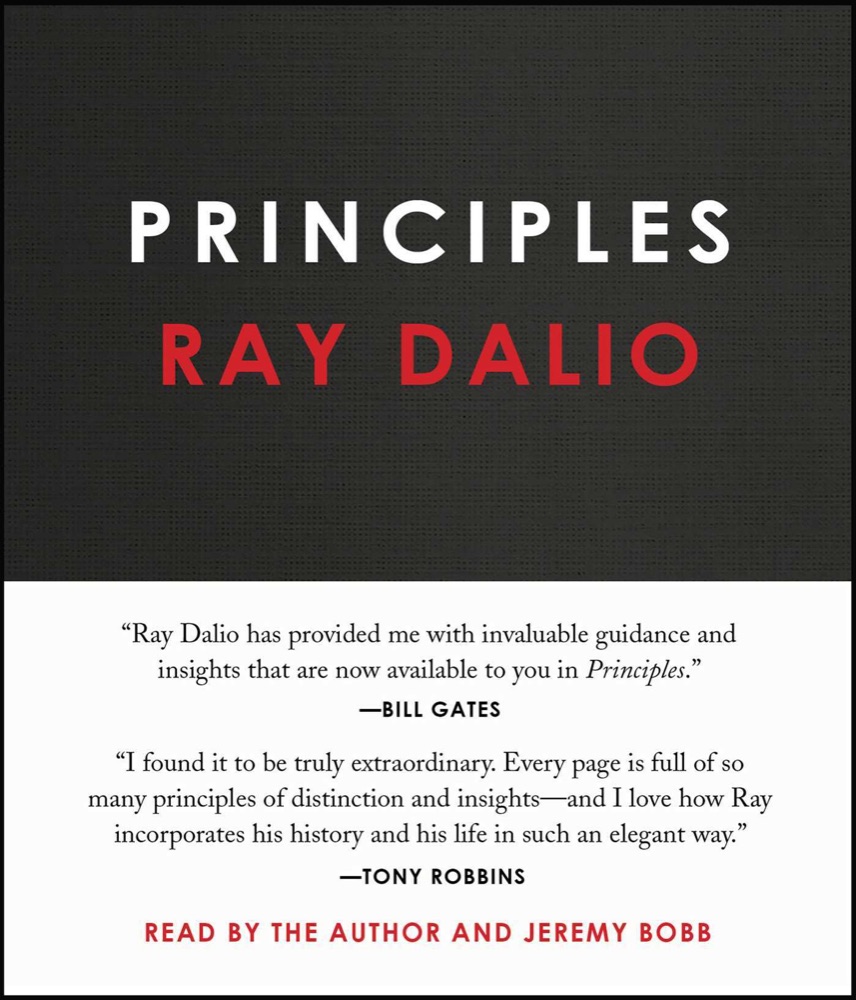 Principles: Life and Work
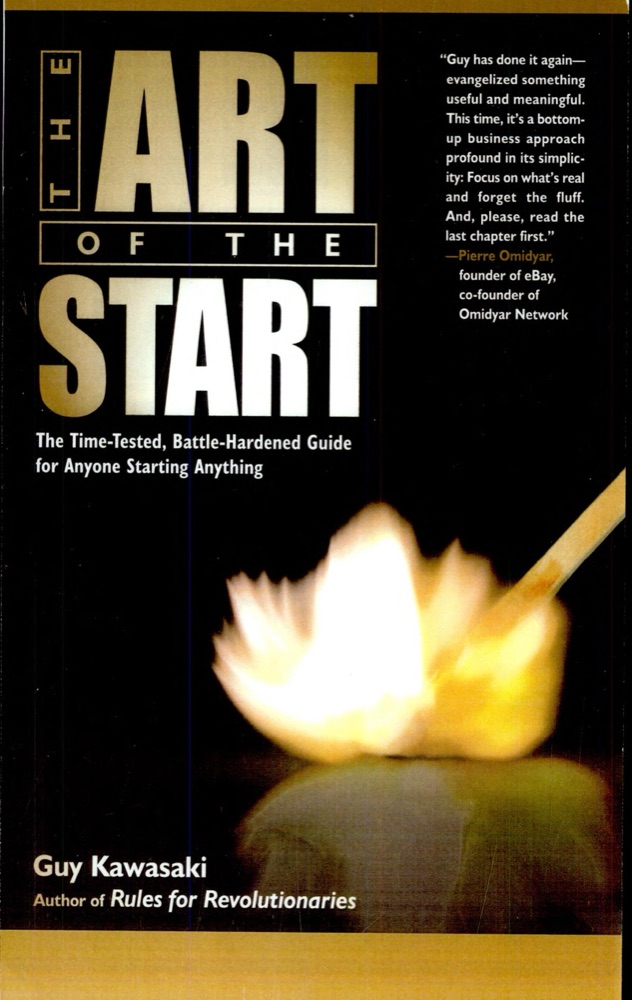 The Art of the Start: The Time-Tested, Battle-Hardened Guide for Anyone Starting Anything
 Dare to Lead
 Good to Great: Why Some Companies Make the Leap... and Others Don't
 Originals: How Non-Conformists Move the World
 Spiritual Leadership: Moving People on to God's Agenda
Linchpin: Are You Indispensable?
Spiritual Leadership: Moving People on to God's Agenda
Linchpin: Are You Indispensable?
 Resonate: Present Visual Stories that Transform Audiences
 The 7 Habits of Highly Effective People: Personal Workbook
 Built to Last: Successful Habits of Visionary Companies
 Magic of Thinking Big
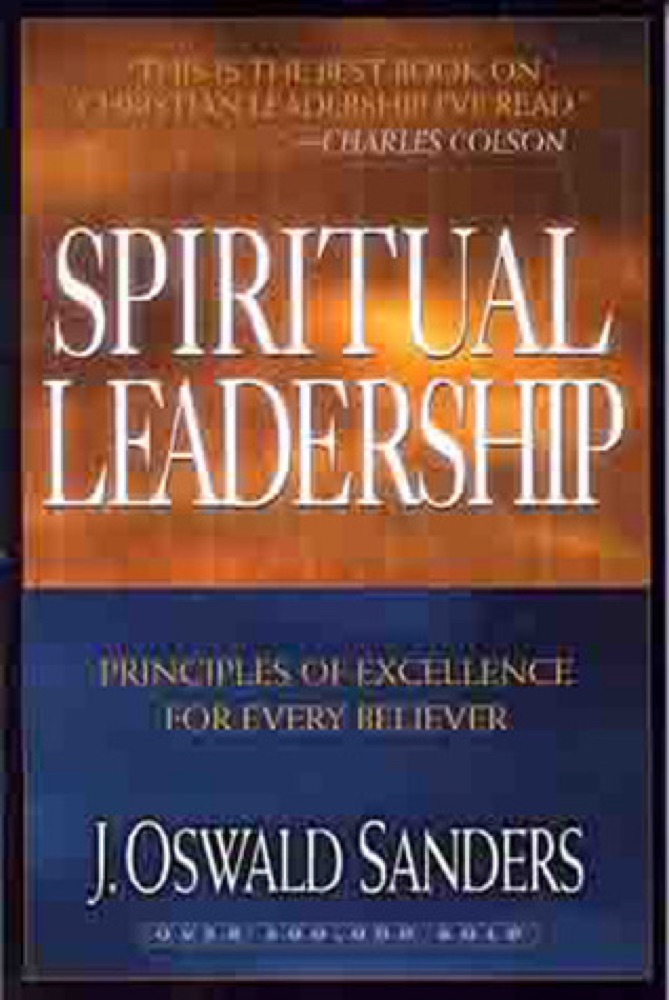 Spiritual Leadership
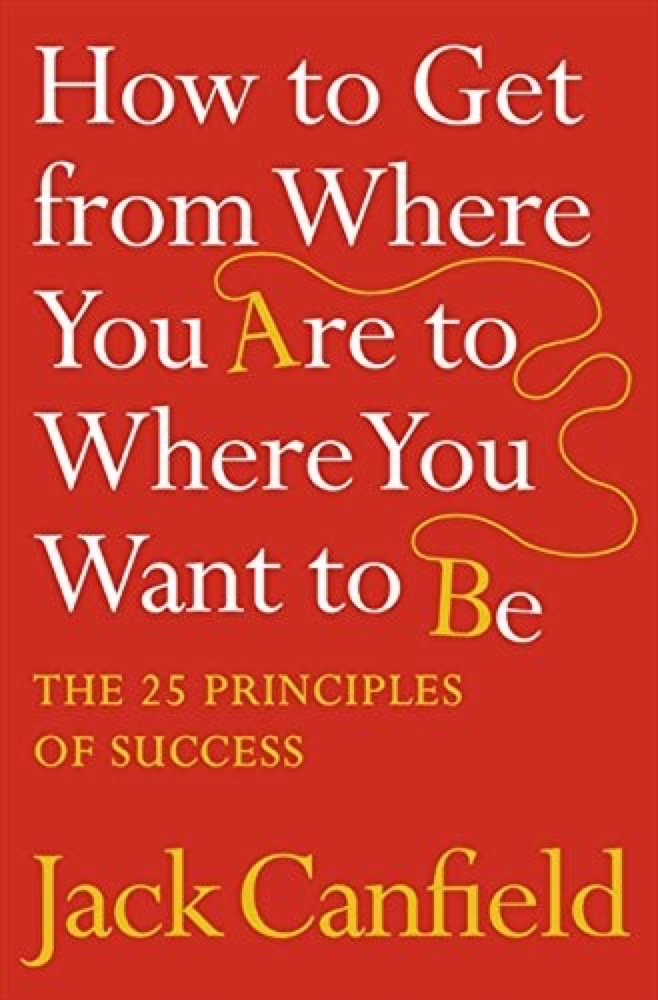 The Success Principles: How to Get from Where You Are to Where You Want to Be
 The E-myth Revisited
 Skin in the Game: The Hidden Asymmetries in Daily Life
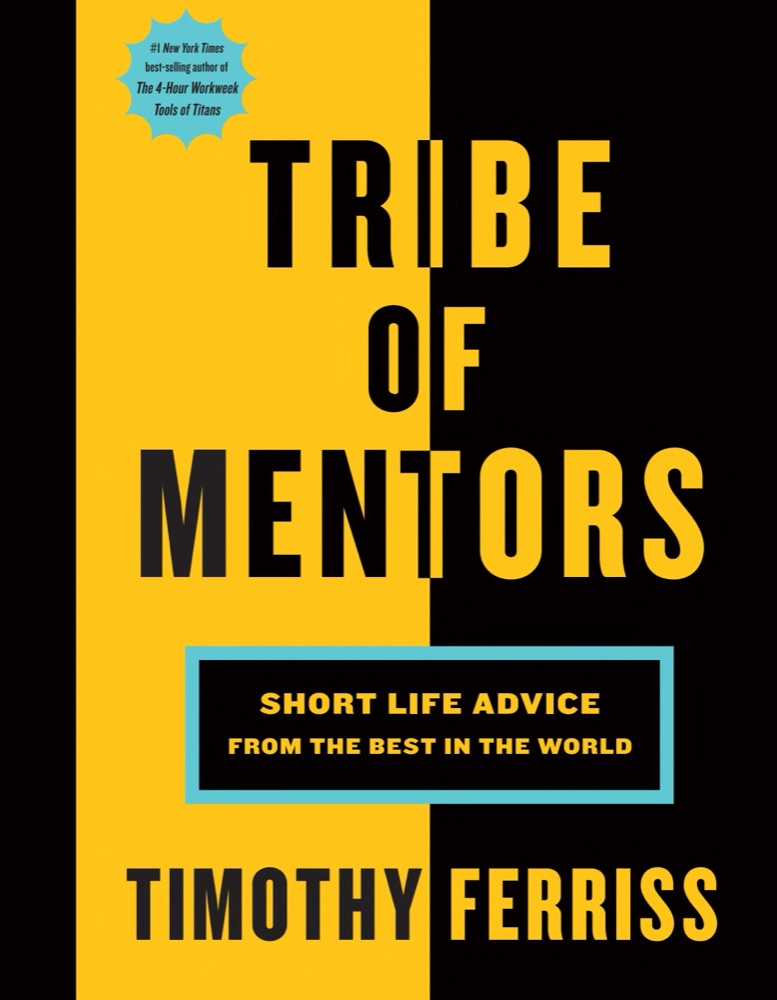 Tribe Of Mentors: Transformative Wisdom From Icons and Innovators to Help You Navigate Life's Challenges
 The Art of Thinking Clearly
 Chaos Monkeys: Obscene Fortune and Random Failure in Silicon Valley
 Delivering Happiness: A Path to Profits, Passion, and Purpose
 Be a People Person
 Lead from the Outside: How to Build Your Future and Make Real Change
 Together Is Better
 The Last Lecture
 Influencer: The Power to Change Anything
 Necessary Endings: The Employees, Businesses, and Relationships That All of Us Have to Give Up in Order to Move Forward
 Be Your Future Self Now: The Science of Intentional Transformation
 The Catalyst: How to Change Anyone's Mind
 How To Get Rich