 Winning
Quotes from the Book
Ideas are easy. Execution is everything.
32
We don’t hire smart people to tell them what to do. We hire smart people so they can tell us what to do. —Steve Jobs
20
Bad companies,” Andy wrote, “are destroyed by crisis. Good companies survive them. Great companies are improved by them.
19
We must realize—and act on the realization—that if we try to focus on everything, we focus on nothing.
17
When people have conflicting priorities or unclear, meaningless, or arbitrarily shifting goals, they become frustrated, cynical, and demotivated.
16
Early on in your career, when you’re an individual contributor, you’re graded on the volume and quality of your work. Then one day, all of a sudden, you’re a manager. Let’s assume you do well and move up to manage more and more people. Now you’re no longer paid for the amount of work you do; you’re paid for the quality of decisions you make.
12
Leaders must get across the why as well as the what. Their people need more than milestones for motivation. They are thirsting for meaning, to understand how their goals relate to the mission.
11
Then come the four OKR “superpowers”: focus, align, track, and stretch.
10
Here are some reflections for closing out an OKR cycle: Did I accomplish all of my objectives? If so, what contributed to my success? If not, what obstacles did I encounter? If I were to rewrite a goal achieved in full, what would I change? What have I learned that might alter my approach to the next cycle’s OKRs?
8
An effective goal-setting system starts with disciplined thinking at the top, with leaders who invest the time and energy to choose what counts.
7
But exactly how do you build engagement? A two-year Deloitte study found that no single factor has more impact than “clearly defined goals that are written down and shared freely. . . . Goals create alignment, clarity, and job satisfaction.
6
As Jim Collins observes in Good to Great, first you need to get “the right people on the bus, the wrong people off the bus, and the right people in the right seats.” Only then do you turn the wheel and step on the gas.
5
KEY RESULTS benchmark and monitor HOW we get to the objective. Effective KRs are specific and time-bound, aggressive yet realistic. Most of all, they are measurable and verifiable. (As prize pupil Marissa Mayer would say, “It’s not a key result unless it has a number.”)
4
We do not learn from experience . . . we learn from reflecting on experience.
4
Contributors are most engaged when they can actually see how their work contributes to the company’s success. Quarter to quarter, day to day, they look for tangible measures of their achievement. Extrinsic rewards—the year-end bonus check—merely validate what they already know. OKRs speak to something more powerful, the intrinsic value of the work itself.
4
It almost doesn’t matter what you know. It’s what you can do with whatever you know or can acquire and actually accomplish [that] tends to be valued here.” Hence the company’s slogan: “Intel delivers.
3
If the heart doesn't find a perfect rhyme with the head, then your passion means nothing. The OKR framework cultivates the madness, the chemistry contained inside. It gives us an environment for risk, for trust, where falling is not a fireable offense- you know, a safe place to be yourself. And when you have that sort of structure and environment, and the right people, magic is around the corner.
3
There are so many people working so hard and achieving so little.
3
Or as Larry Page would say, winning organizations need to “put more wood behind fewer arrows.
2
If you set a crazy, ambitious goal and miss it, you’ll still achieve something remarkable.
2
OKRs are big, not incremental—we don’t expect to hit all of them. (If we do, we’re not setting them aggressively enough.) We grade them with a color scale to measure how well we did: 0.0–0.3 is red 0.4–0.6 is yellow 0.7–1.0 is green
2
Acute focus, open sharing, exacting measurement, a license to shoot for the moon—these are the hallmarks of modern goal science.
2
For anyone striving for high performance in the workplace, goals are very necessary things.
2
Not everything that can be counted counts, and not everything that counts can be counted.
2
For a service business, nothing is more valuable than engaged employees who feel they can make a difference and want to stay with the organization. Turnover is costly. The best turnover is internal turnover, where people are growing their careers within your enterprise rather than moving someplace else. People aren’t wired to be nomads. They just need to find a place where they feel they can make a real impact.
2
Stretch goals can be crushing if people don’t believe they’re achievable.
2
(Wrong decisions can be corrected once results begin to roll in. Nondecisions—or hastily abandoned ones—teach us nothing.)
1
Encourage a healthy proportion of bottom-up OKRs—roughly half. Smash departmental silos by connecting teams with horizontally shared OKRs. Cross-functional operations enable quick and coordinated decisions, the basis for seizing a competitive advantage. Make all lateral, cross-functional dependencies explicit.
1
Watch on YouTube
About John Doerr
About the book
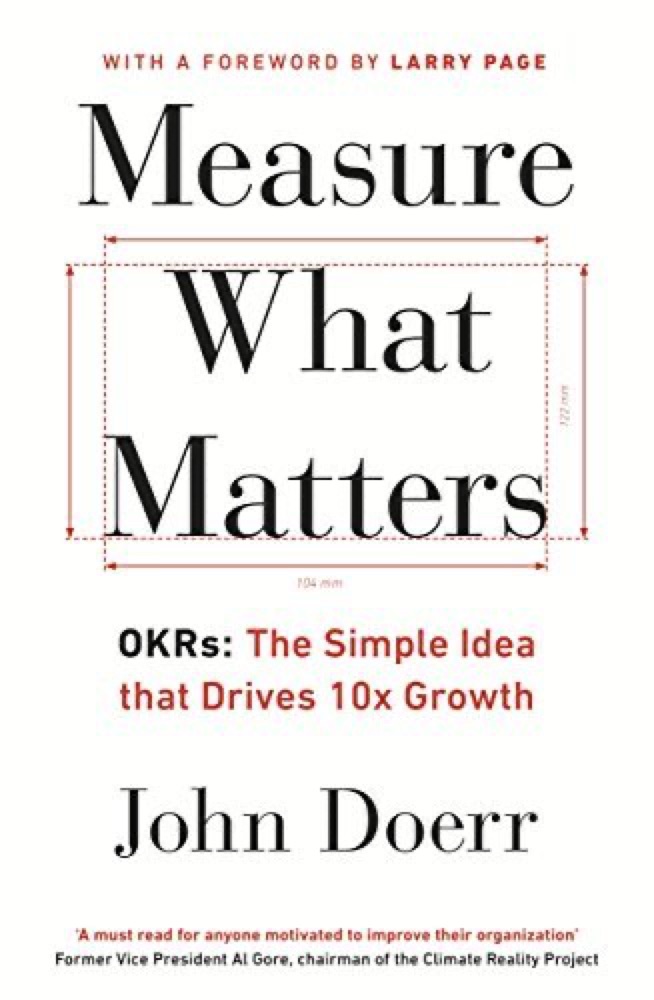
The revolutionary movement behind the explosive growth of Intel, Google, Amazon and Uber. With a foreword by Larry Page, and contributions from Bono and Bill Gates. Measure What Matters is about using Objectives and Key Results (OKRs), a revolutionary approach to goal-setting, to make tough choices in business. In 1999, legendary venture capitalist John Doerr invested nearly $12 million in a startup that had amazing technology, entrepreneurial energy and sky-high ambitions, but no real business plan. Doerr introduced the founders to OKRs and with them at the foundation of their management, the startup grew from forty employees to more than 70,000 with a market cap exceeding $600 billion. The startup was Google. Since then Doerr has introduced OKRs to more than fifty companies, helping tech giants and charities exceed all expectations. In the OKR model objectives define what we seek to ac
Book details
- First published
- 2017
- Author
- John Doerr
- Genre
- Nonfiction
- Goodreads rating
- 3.97 (38k ratings)
Keep reading
Winning
 EntreLeadership: 20 Years of Practical Business Wisdom from the Trenches
 Good to Great: Why Some Companies Make the Leap... and Others Don't
 The Effective Executive: The Definitive Guide to Getting the Right Things Done
 Great by Choice: Uncertainty, Chaos, and Luck—Why Some Thrive Despite Them All
 Amp It Up: Leading for Hypergrowth by Raising Expectations, Increasing Urgency, and Elevating Intensity
 Built to Last: Successful Habits of Visionary Companies
 First Things First
 The 12 Week Year
 The Hard Thing About Hard Things: Building a Business When There Are No Easy Answers―Straight Talk on the Challenges of Entrepreneurship
 Drive: The Surprising Truth About What Motivates Us
 High Performance Habits: How Extraordinary People Become That Way
 Principles: Life and Work
 The Score Takes Care of Itself: My Philosophy of Leadership
 Things a Little Bird Told Me: Confessions of the Creative Mind
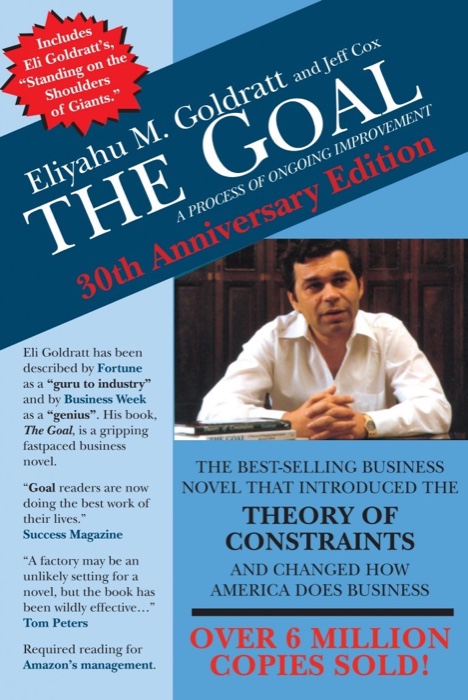 The Goal: A Process of Ongoing Improvement
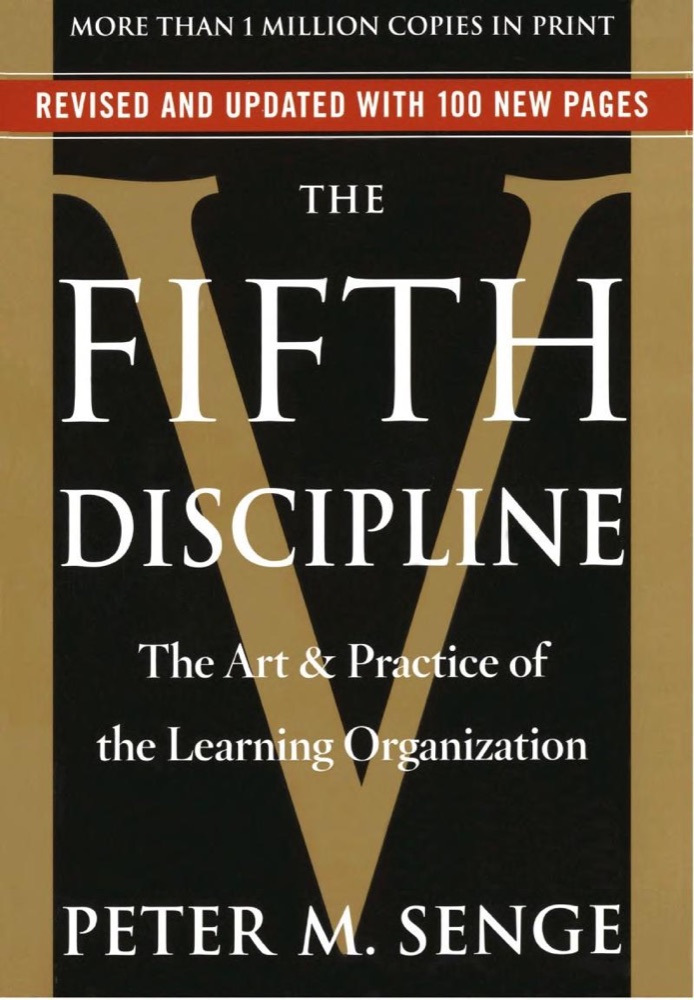 The Fifth Discipline: The Art & Practice of The Learning Organization
 Creativity, Inc.: Overcoming the Unseen Forces That Stand in the Way of True Inspiration
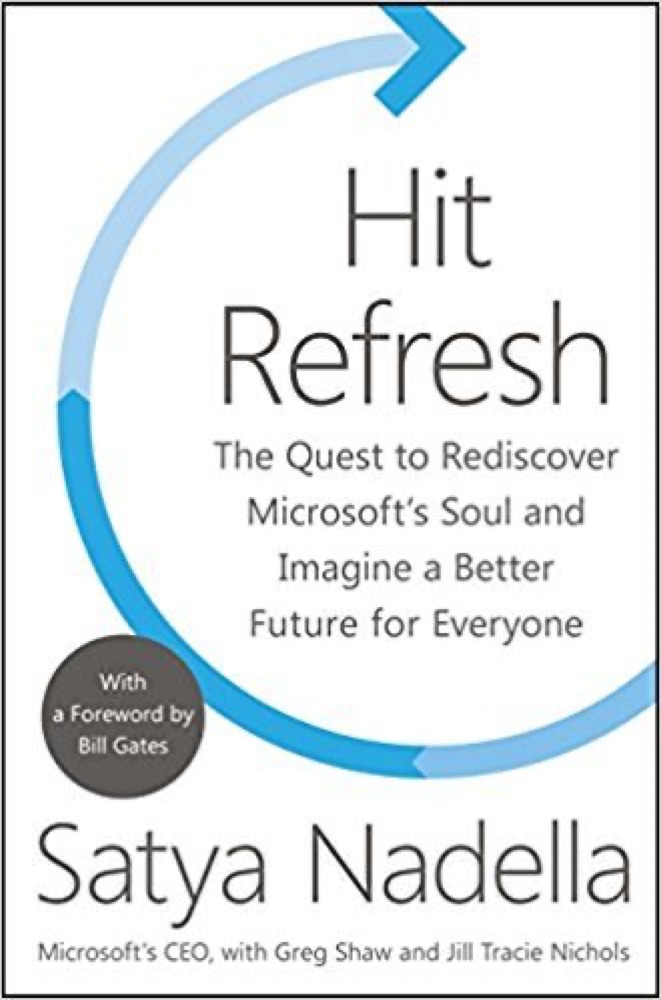 Hit Refresh: The Quest to Rediscover Microsoft's Soul and Imagine a Better Future for Everyone
 Smarter Faster Better: The Secrets of Being Productive in Life and Business
 Smartcuts: How Hackers, Innovators, and Icons Accelerate Success
 Delivering Happiness: A Path to Profits, Passion, and Purpose
 Pour Your Heart Into It: How Starbucks Built a Company One Cup at a Time
 Getting There: A Book of Mentors
 Peopleware: Productive Projects and Teams
 The 80/20 Principle: The Secret to Achieving More with Less
 The Oz Principle: Getting Results Through Individual and Organizational Accountability
 Managing Humans: Biting and Humorous Tales of a Software Engineering Manager
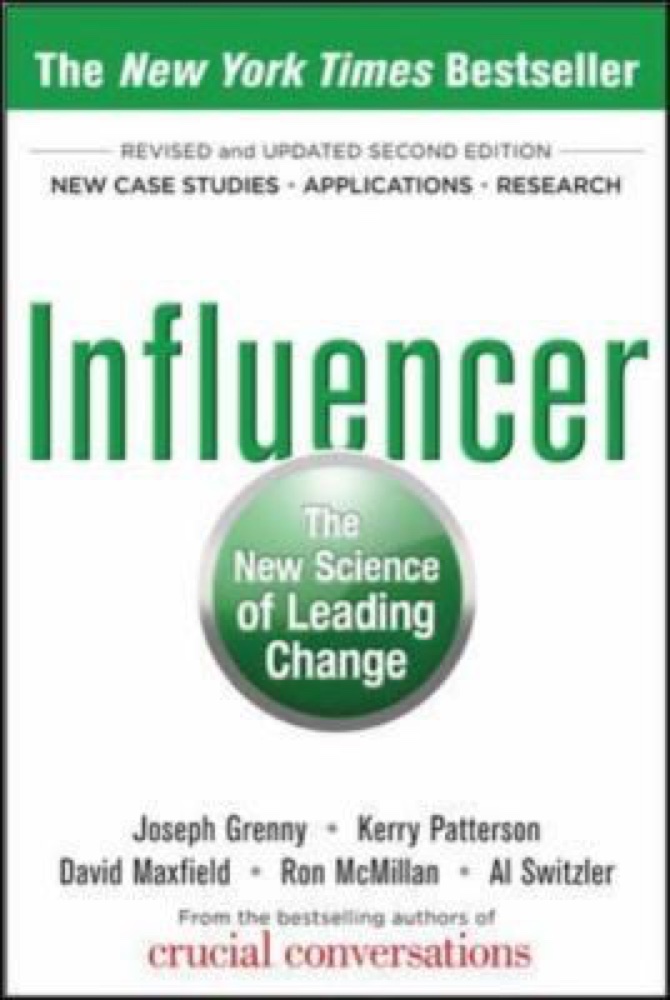 Influencer: The Power to Change Anything
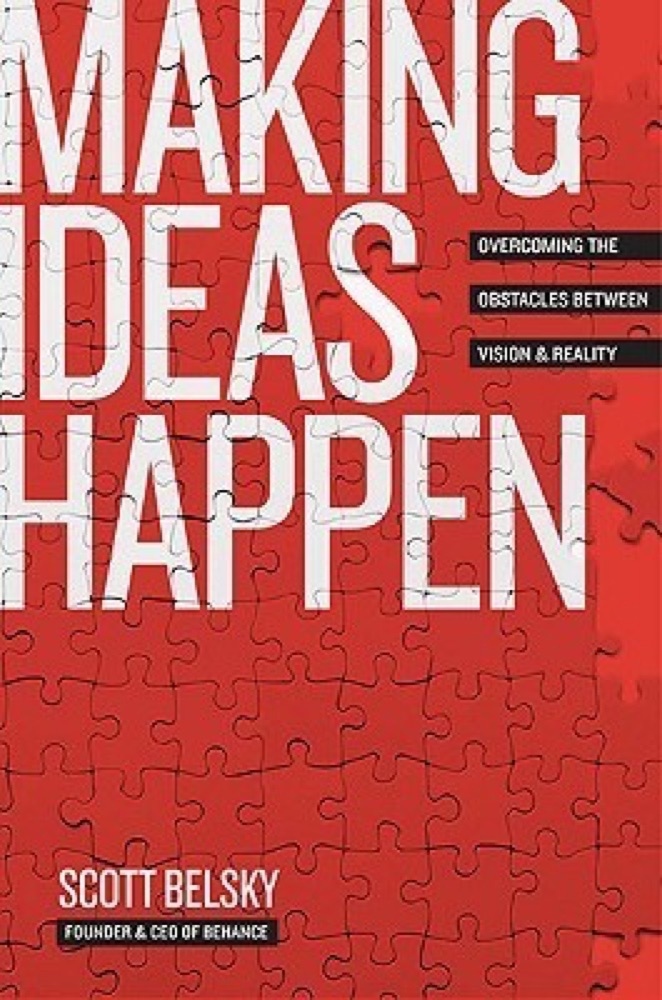 Making Ideas Happen: Overcoming the Obstacles Between Vision and Reality
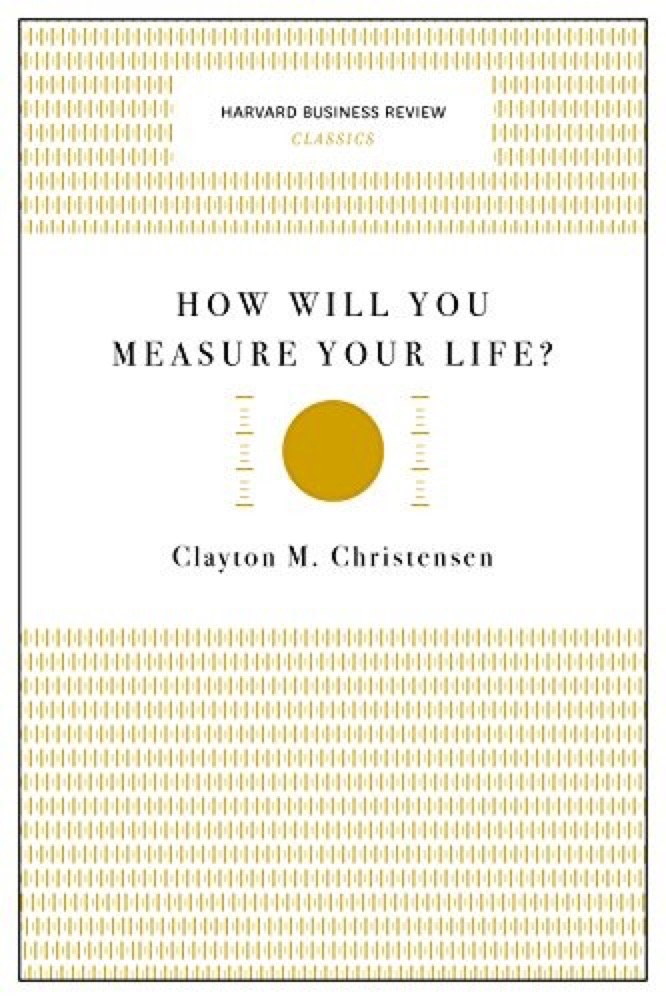 How Will You Measure Your Life?
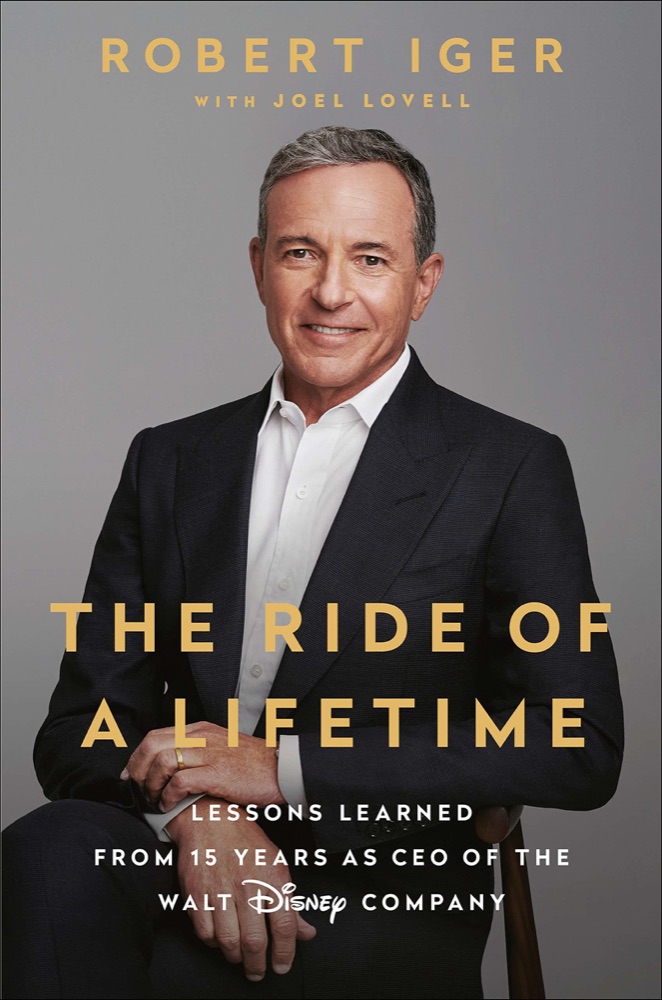 The Ride of a Lifetime: Lessons Learned from 15 Years as CEO of the Walt Disney Company
 Lean Analytics: Use Data to Build a Better Startup Faster
 Barking Up the Wrong Tree: The Surprising Science Behind Why Everything You Know About Success Is (Mostly) Wrong
 Boundaries for Leaders: Results, Relationships, and Being Ridiculously in Charge
 The 360 Degree Leader: Developing Your Influence from Anywhere in the Organization
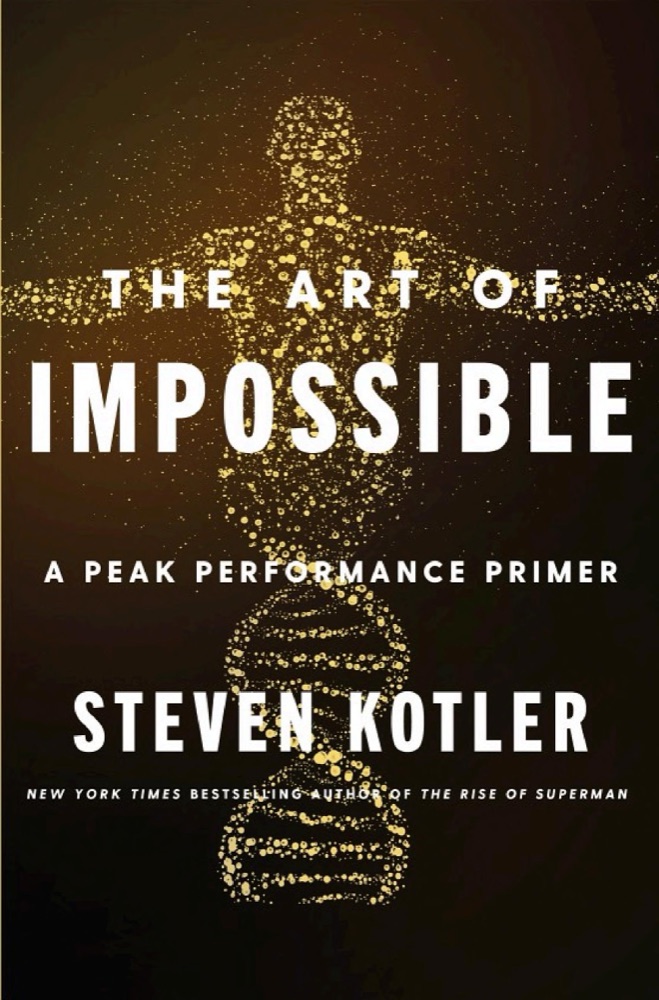 The Art of Impossible: A Peak Performance Primer
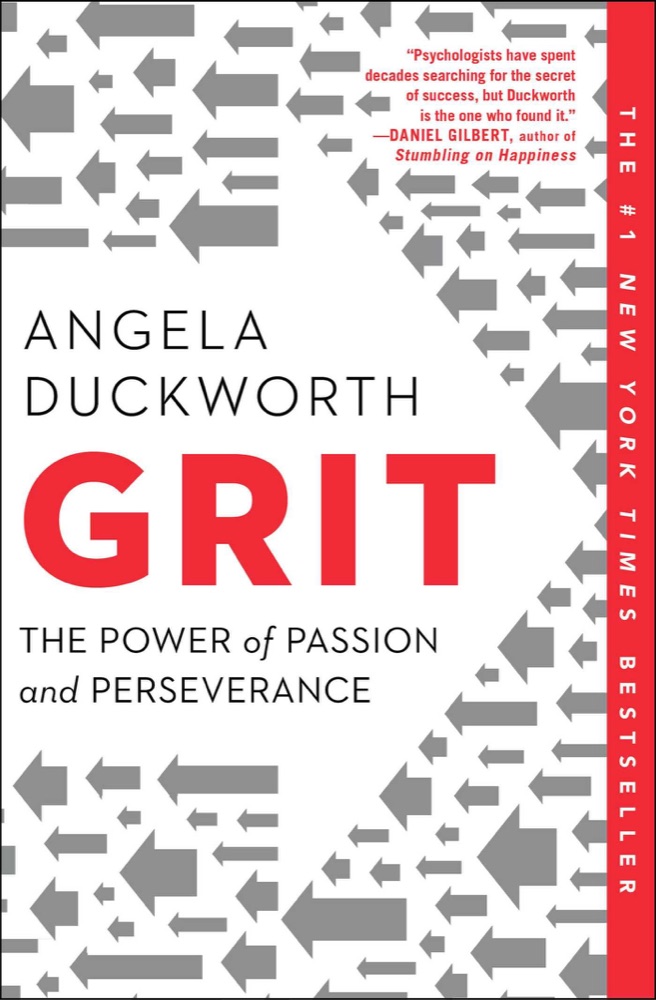 Grit: The Power of Passion and Perseverance
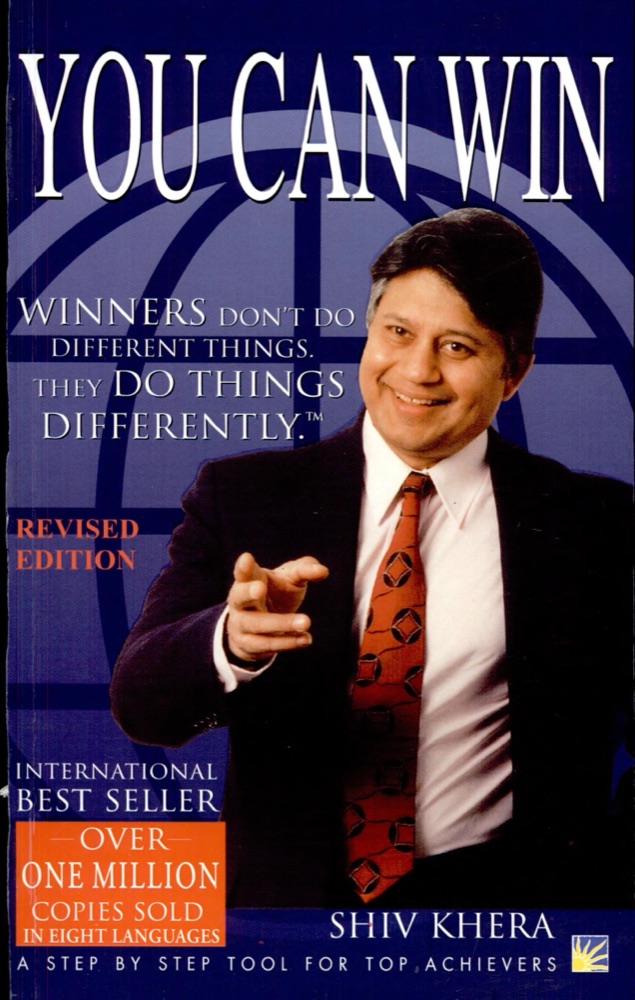 You Can Win: A Step by Step Tool for Top Achievers
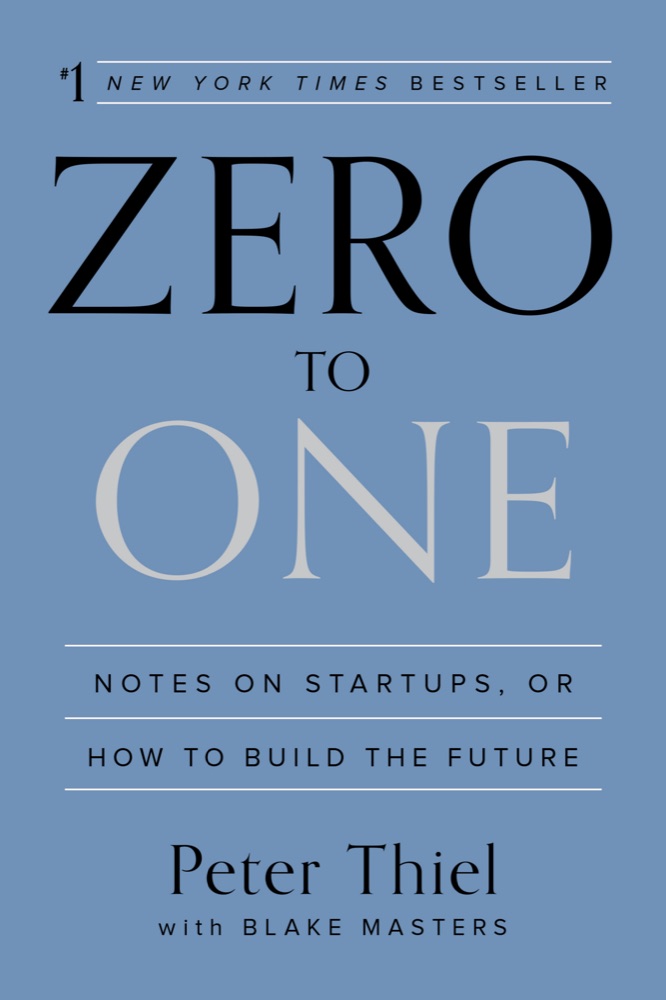 Zero to One: Notes on Startups, or How to Build the Future
 Do Epic Shit
 Ready for Anything: 52 Productivity Principles for Getting Things Done
 Outliers: The Story of Success
 The Accidental Creative: How to Be Brilliant at a Moment's Notice
 The 7 Habits of Highly Effective People: Personal Workbook
 The Compound Effect: Jumpstart Your Income, Your Life, Your Success
 The PARA Method: Simplify, Organize, and Master Your Digital Life
 The Monk and the Riddle: The Education of a Silicon Valley Entrepreneur
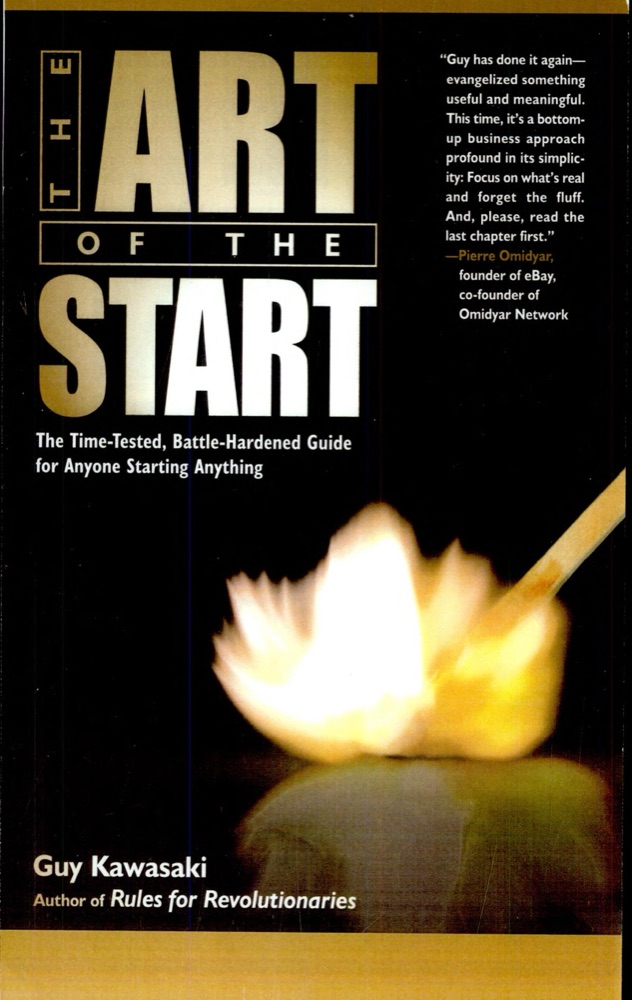 The Art of the Start: The Time-Tested, Battle-Hardened Guide for Anyone Starting Anything
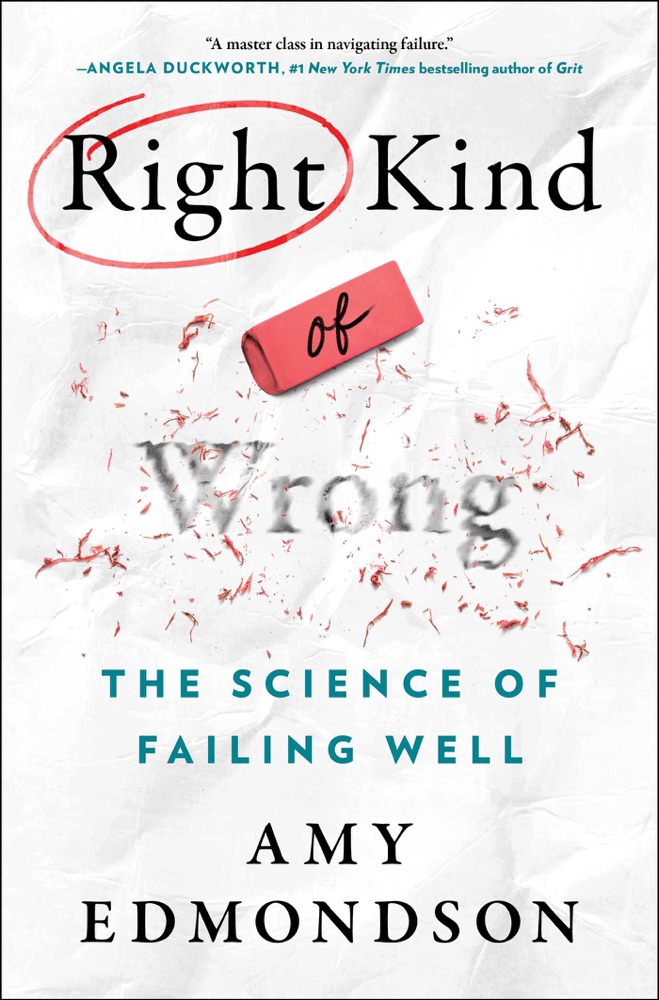 Right Kind of Wrong: The Science of Failing Well
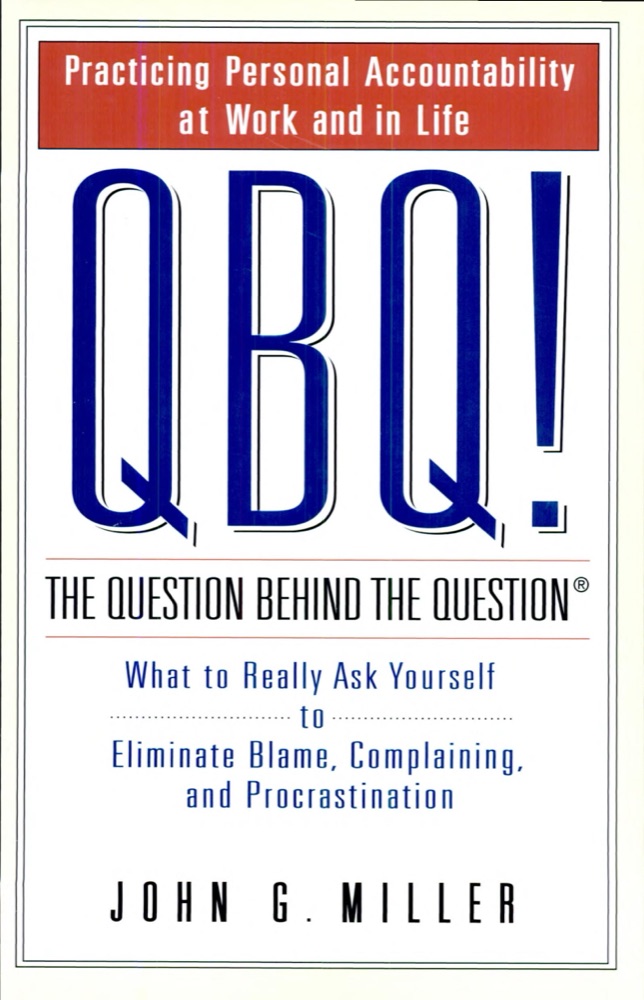 QBQ! The Question Behind the Question: Practicing Personal Accountability in Work and in Life
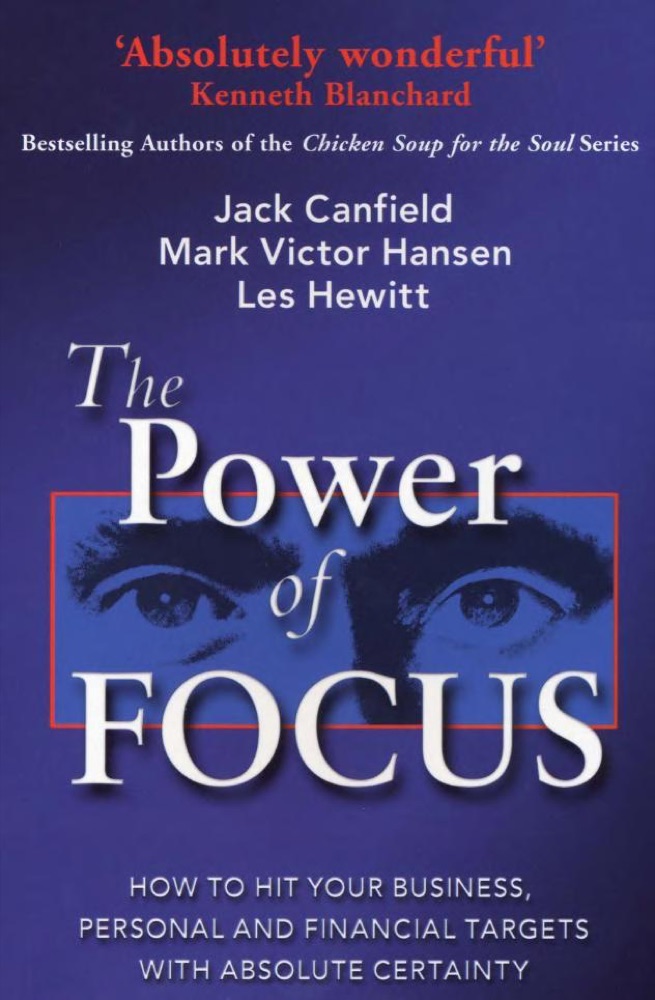 The Power of Focus
 Accelerate: Building and Scaling High Performing Technology Organizations
 Start with Why: How Great Leaders Inspire Everyone to Take Action
 Tools of Titans: The Tactics, Routines, and Habits of Billionaires, Icons, and World-Class Performers
 It Takes What It Takes: How to Think Neutrally and Gain Control of Your Life
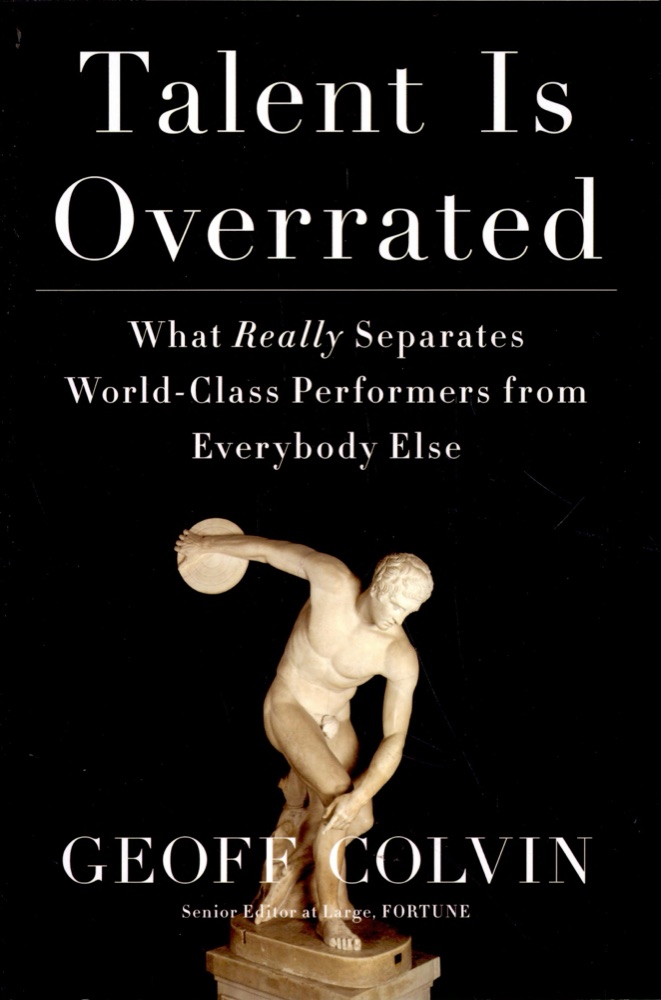 Talent is Overrated: What Really Separates World-Class Performers from Everybody Else
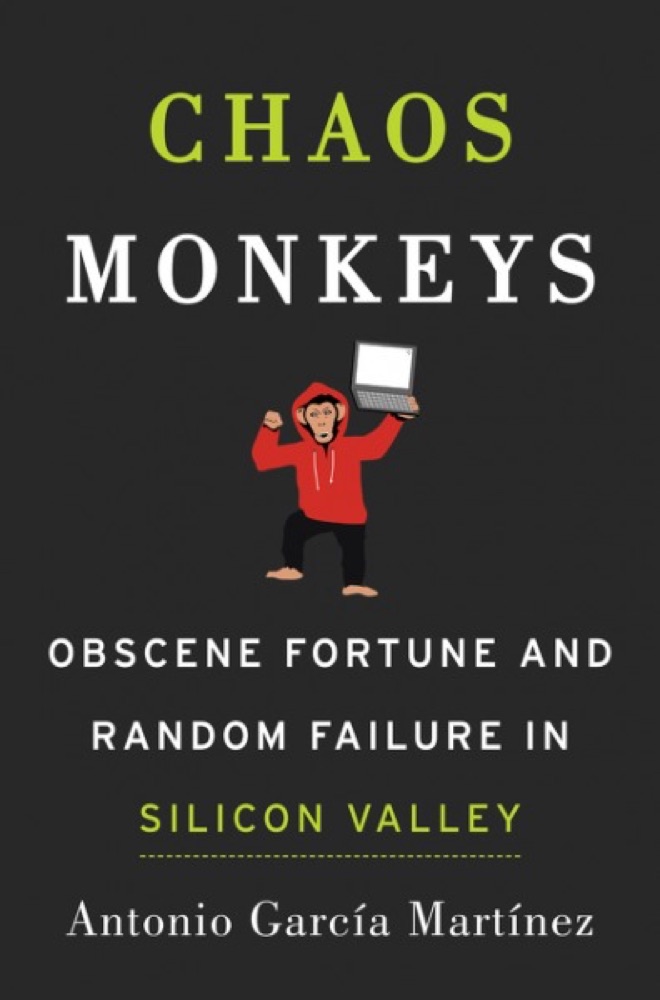 Chaos Monkeys: Obscene Fortune and Random Failure in Silicon Valley
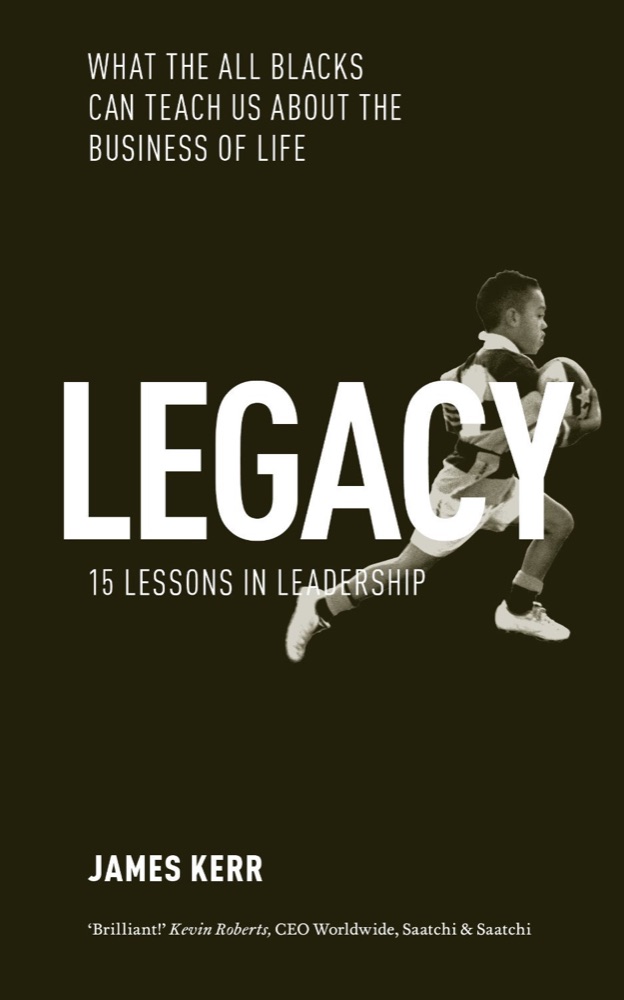 Legacy: What the All Blacks Can Teach Us About the Business of Life
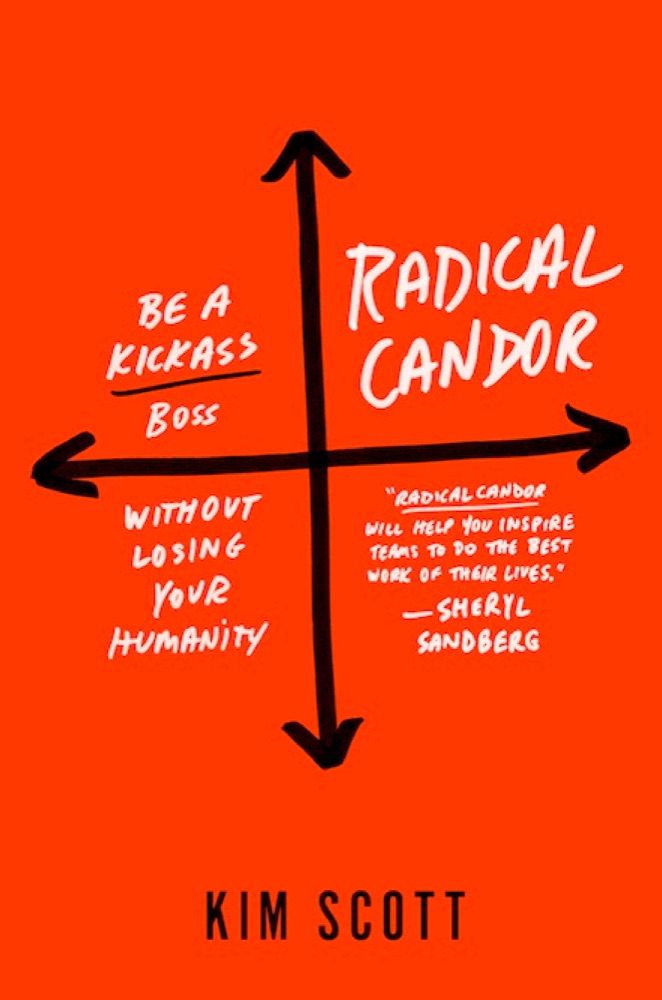 Radical Candor: Be a Kickass Boss Without Losing Your Humanity