
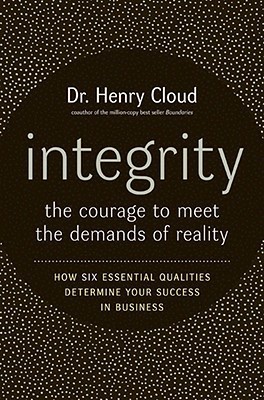
 Integrity: The Courage to Meet the Demands of Reality
Quotes from the Book
hard on the issue, soft on the person.
5
People change their behavior and thinking not because they are “told to be different” but when the conditions are present that require and empower them to figure out what to do and to act on a plan. Try giving teenagers a lot of advice and see if it changes behavior. They probably don’t look at you and say, “Gee, Dad, or Mom, thanks for explaining reality to me. Now I will run out and do it.” But if you provide context—by listening, sharing information and positive examples, setting expectations and consequences, creating a healthy emotional climate, and challenging them to do their best—they will figure it out and implement it. That is a lot better than just “telling them what to do.
4
Being an open system means, basically, that you are not arrogant enough to think that you have all the answers, or that your organization has all the answers, or even that you should. You know that there is experience and energy outside of what you bring that can add to your personal and organizational infrastructure, and you open yourself up to it.
2
As a leader, you are always going to get a combination of two things: What you create and what you allow.
2
no excuses, no blame, and no explanations.
2
leaders get what they create, or what they allow.
1
One of the most important self-boundaries that leaders have to establish is against the tendency to put off changes that they know need to be made.
1
The law is this: the higher you go in leadership, the fewer external forces act upon you and dictate your focus, energy, and direction. Instead you set the terms of engagement and direct your own path, with only the reality of results to push against you.
1
But be aware of the fact that as a leader, your position carries much more psychological and emotional weight than you know. People want to please their leaders; they don’t want to let you down. As a result, they can often hear criticism in ways that you never intended, and that adds to the complexity of your job as a leader.
1
Good boundaries, both those that help us manage ourselves and lead others, always produce freedom, not control.
1
In other words, our brains need to be able to: (a) focus on something specific, (b) not get off track by focusing on or being assaulted by other data inputs or toxicity, and (c) continuously be aware of relevant information at all times.
1
Clarity leads to attention and attention leads to results.
1
The leader’s job is to lead in ways such that people can do what they are best at doing: using their gifts and their brains to get great results.
1
As a leadership coach, one of the questions I always ask myself is, “Does this leader lead in a way that is compatible with humans?” or some version of that. People are designed to function with energy and use their gifts and talents to work toward fruitful outcomes. They do that from the moment they wake up in the morning until they lie down at night. From making the coffee to making computers, people have what it takes to get it done, if the right ingredients are present and the wrong ones are not. The leader’s job is to lead in ways such that people can do what they are best at doing: using their gifts and their brains to get great results.
1
Are we paying attention to what is important, inhibiting the things that will not help or will hurt us, and keeping current?
1
Los buenos límites, tanto los que nos ayudan a manejarnos a nosotros mismos como los que nos ayudan a guiar a otros, no producen control, sino libertad.
What are boundaries? They are made up of two essential things: what you create and what you allow.
By “right kind of action,” I do not mean mere activity. Busyness is not action that builds momentum or results. The action you want is action that specifically drives results. And the accountability you want is the kind that drives success, not the kind that only measures results and keeps score.
The prevailing thinking patterns of a team or an organization—its norms and belief systems—will define what it is and what it does.
You must always hold people accountable for performance. But even if the day comes when you have to let someone go, you will be like the father in the example at the beginning of this chapter. You will say something like, “So sorry that you just lost your job. How can I help you?
How are we doing in what we said we would be doing?
the time and energy that you do invest in people issues should produce better results and create teams and a culture where momentum and energy thrive.
When leaders lead in ways that people’s brains can follow, good results follow as well.
Creamos nuestros lazos con gente que no es perfecta, y seguimos a gente también imperfecta, pero que está venciendo su situación.
distractions, or changes in the demands of the task at hand. Key Words: Begin and Maintain Behavior. Flexibility: They can exercise the ability to be adaptable, think strategically, and solve problems by creating solutions as things change around them, shifting attention and plans as needed. Key Words: Adapt, Think, and Solve. Execution and Goal Attainment: They exhibit the ability to execute the plan within the limits of time and other constraints. Key Words: Execute within Time. Self-regulation: They use self-observation to monitor performance, self-judgment to evaluate performance, and self-regulation to change in order to reach the goal. Key Words: Monitor, Evaluate, Regulate.*
Goal Selection: They can choose goals based on priority, relevance, experience, and knowledge of current realities while also anticipating consequences and outcomes. Key Words: Choose Goals and Anticipate Outcomes. Planning and Organization: They can generate steps and a sequence of linear behaviors that will get them there, knowing what will be needed along the way, including resources, and create a strategy to pull it off. Key Words: Generate Behaviors and Strategy. Initiation and Persistence: they can begin and maintain goal-directed behavior despite intrusions,
Watch on YouTube
About Henry Cloud
We have collected 189 quotes from 7 books by Henry Cloud on BookQuoters.
More about the author →More by Henry Cloud
Integrity: The Courage to Meet the Demands of Reality
 Necessary Endings: The Employees, Businesses, and Relationships That All of Us Have to Give Up in Order to Move Forward
 Boundaries: When to Say Yes, How to Say No to Take Control of Your Life
 Boundaries with Kids: How Healthy Choices Grow Healthy Children
About the book
The coauthor of the classic bestseller Boundaries, with over 2 million copies sold, and an expert on the psychology of business and leadership performance explains the behavioral reasons why some people get great results and others don't.
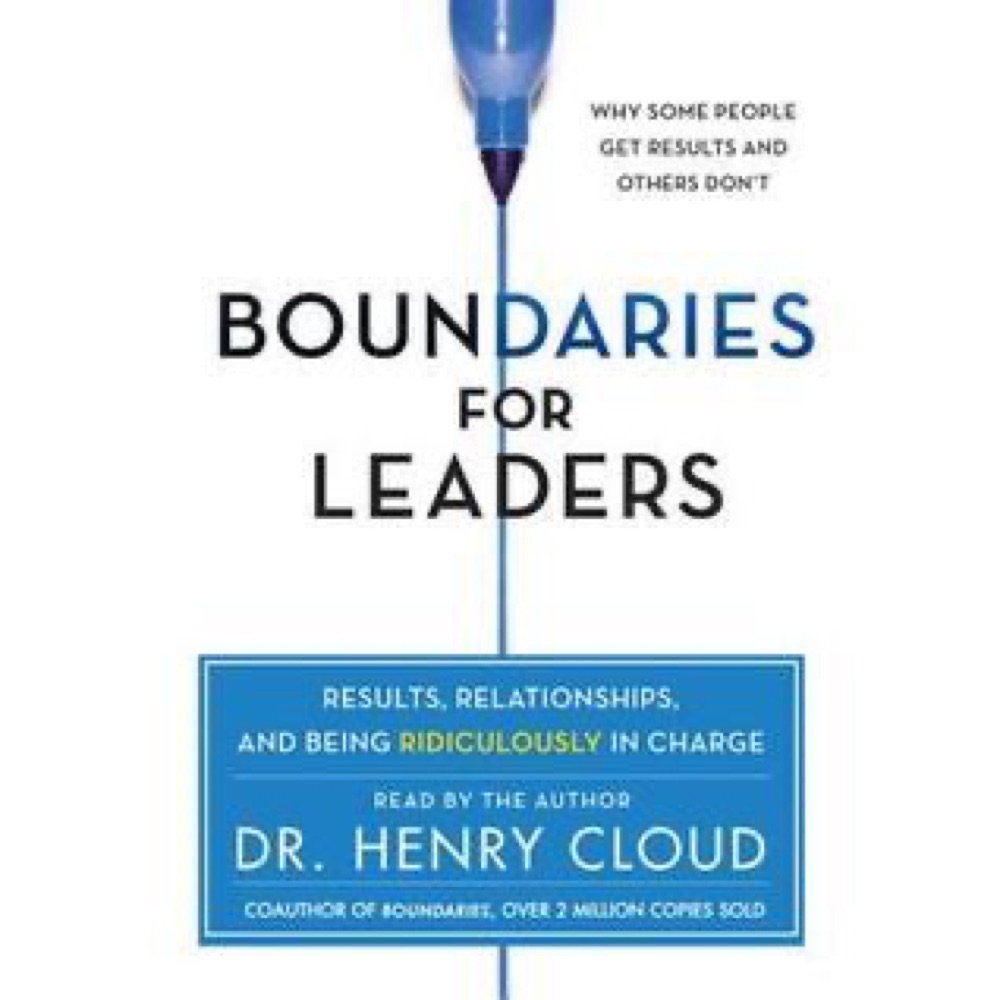
In Boundaries for Leaders, Dr. Henry Cloud gives leaders the tools and techniques they need to achieve the performance they desire—in their organizations and in themselves. Drawing on the latest findings from neuroscience, Dr. Cloud shows why it's critical for leaders to set the conditions that make people's brains perform at their highest levels. How do great leaders do this? One way is through the creation of "boundaries"—structures that determine what will exist and what will not.
Here you will learn seven leadership boundaries that set the stage, tone, and culture for a results-driven organization, including how to:
• help people focus thei
Book details
- First published
- 2013
- Author
- Henry Cloud
- Genre
- Nonfiction
- Goodreads rating
- 4.12 (2k ratings)
Keep reading
 The 360 Degree Leader: Developing Your Influence from Anywhere in the Organization
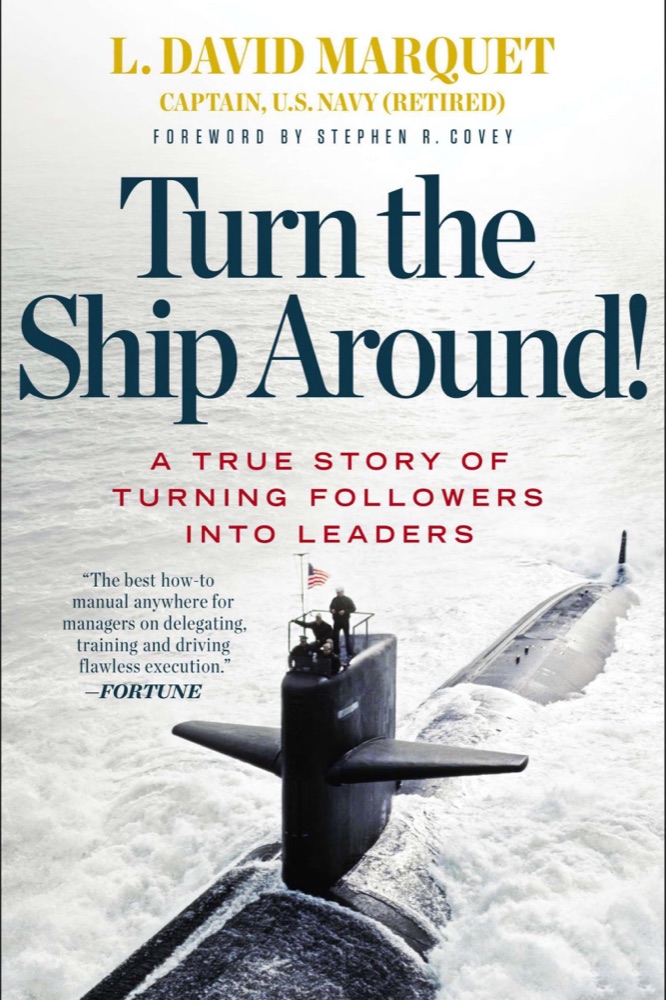 Turn the Ship Around!: A True Story of Turning Followers into Leaders
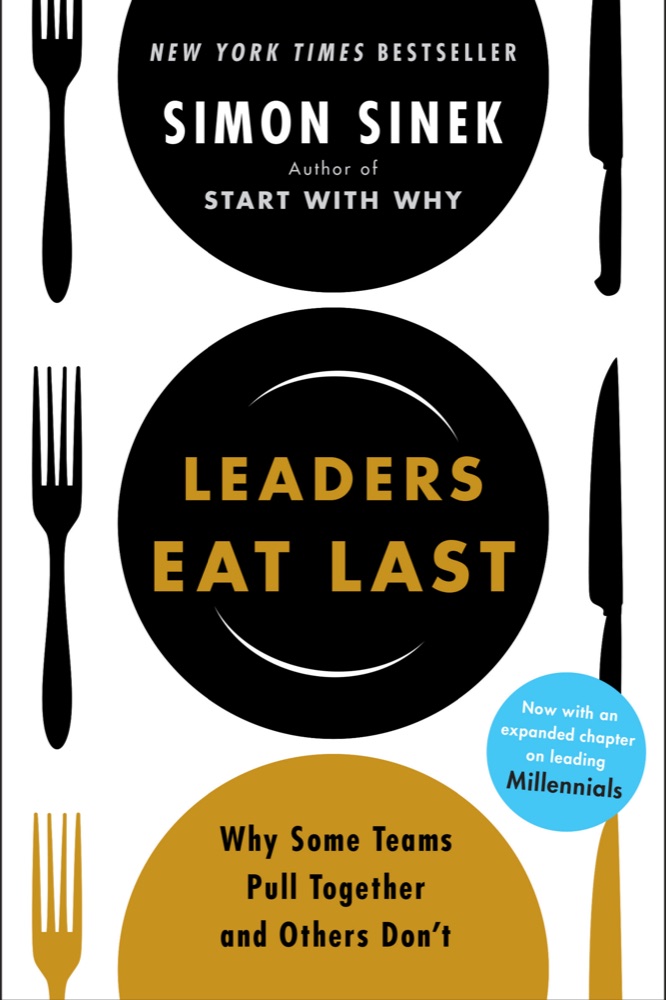 Leaders Eat Last: Why Some Teams Pull Together and Others Don't
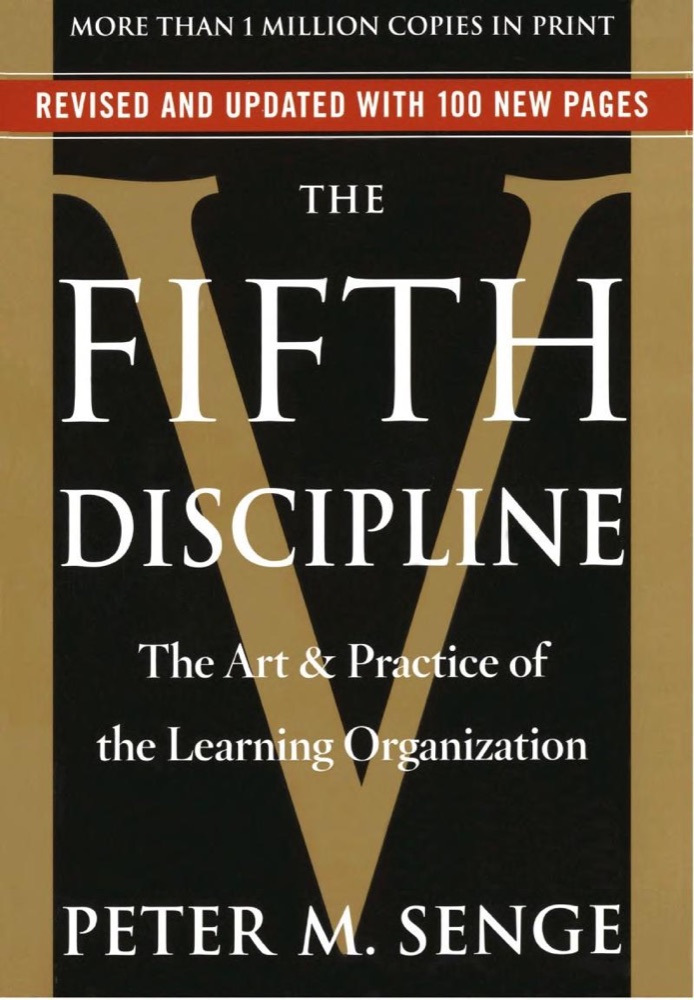 The Fifth Discipline: The Art & Practice of The Learning Organization
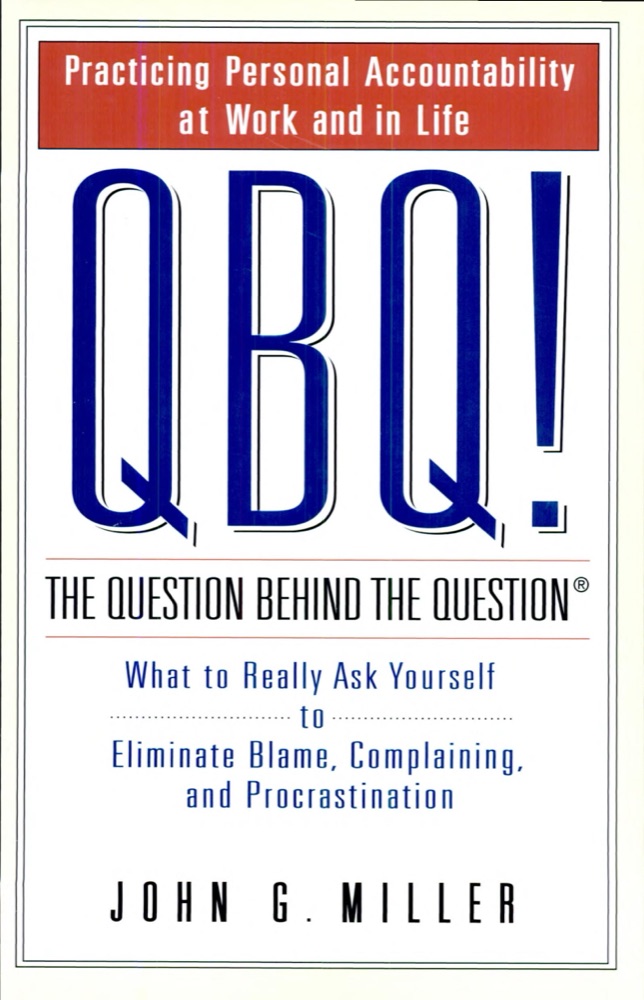 QBQ! The Question Behind the Question: Practicing Personal Accountability in Work and in Life
 The Ride of a Lifetime: Lessons Learned from 15 Years as CEO of the Walt Disney Company
 Winning
 The 7 Habits of Highly Effective People: Personal Workbook
 Legacy: What the All Blacks Can Teach Us About the Business of Life
 Wooden on Leadership: How to Create a Winning Organization
 Smarter Faster Better: The Secrets of Being Productive in Life and Business
 The Effective Executive: The Definitive Guide to Getting the Right Things Done
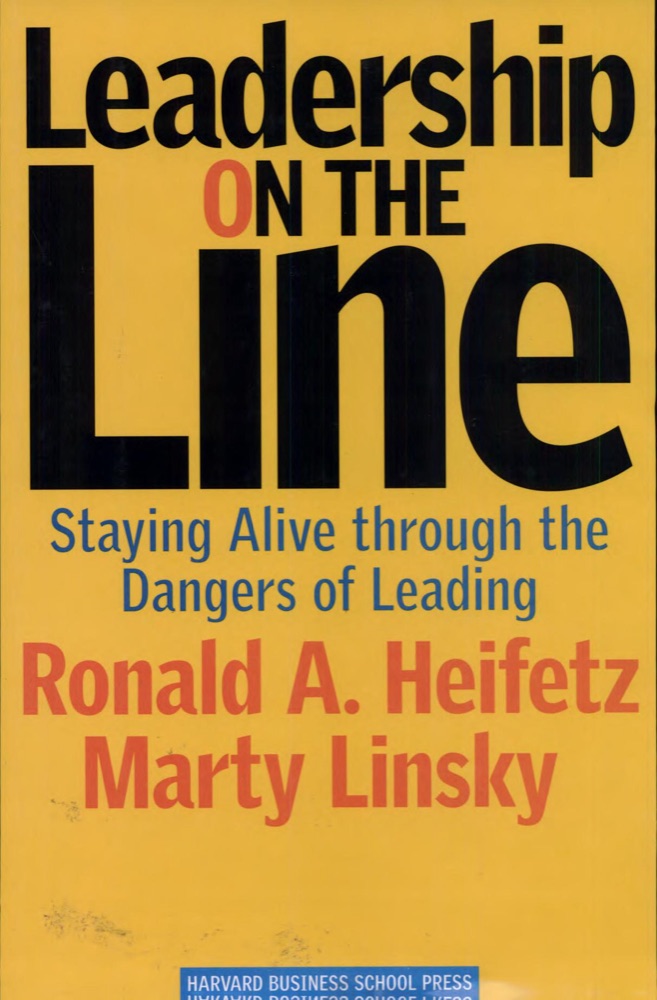 Leadership on the Line: Staying Alive through the Dangers of Leading
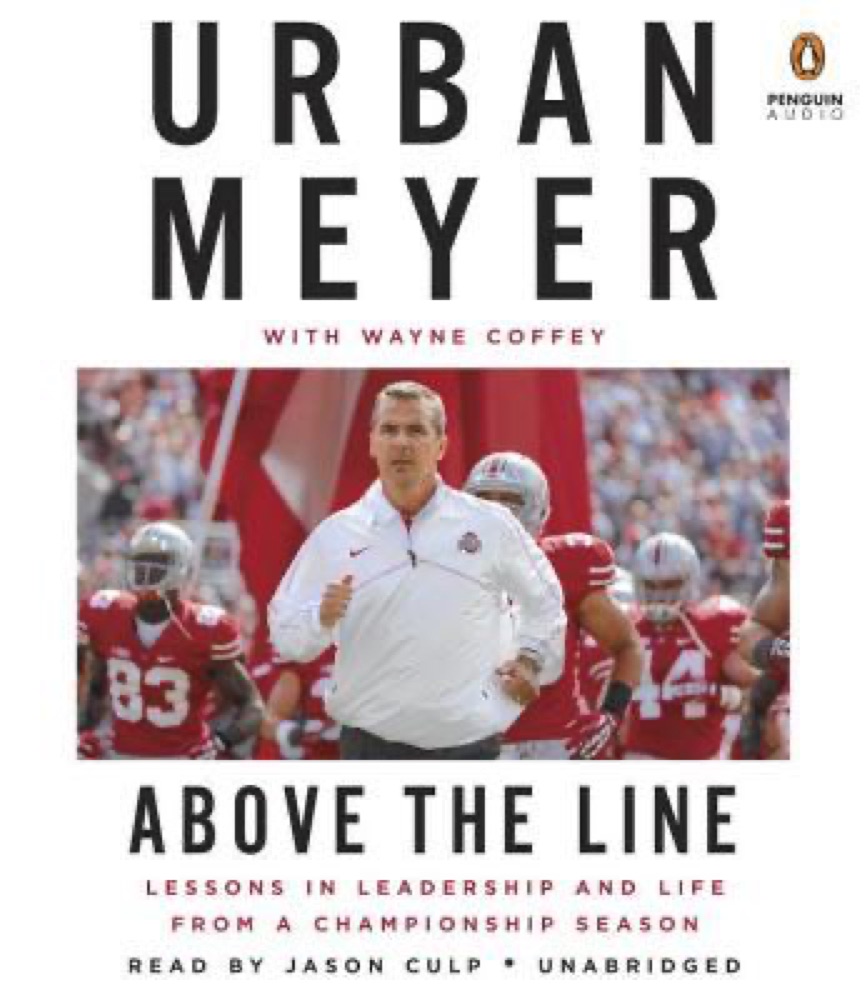 Above the Line: Lessons in Leadership and Life from a Championship Season
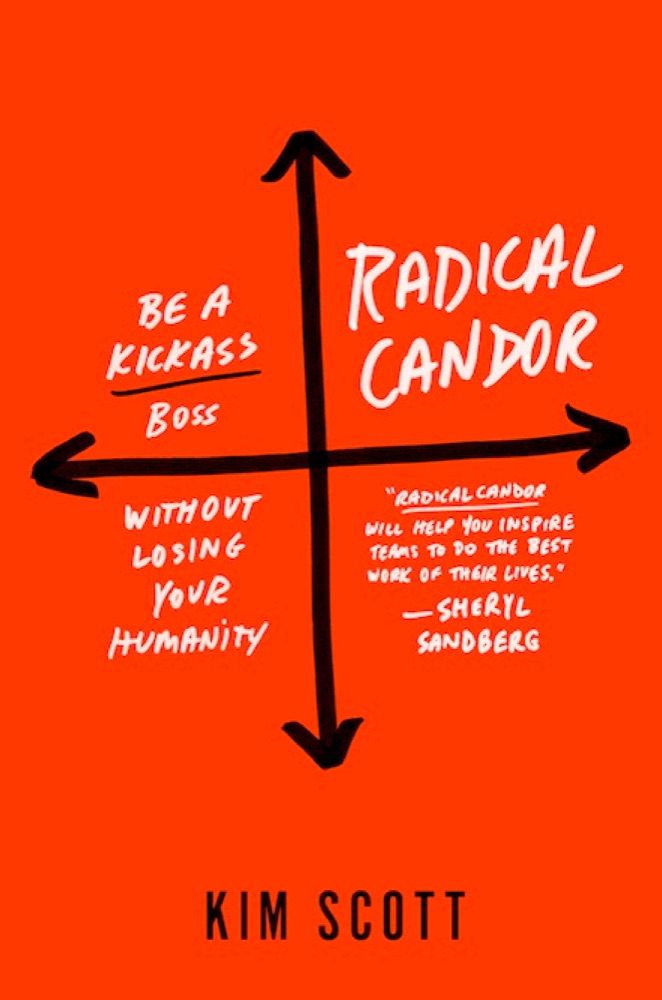 Radical Candor: Be a Kickass Boss Without Losing Your Humanity
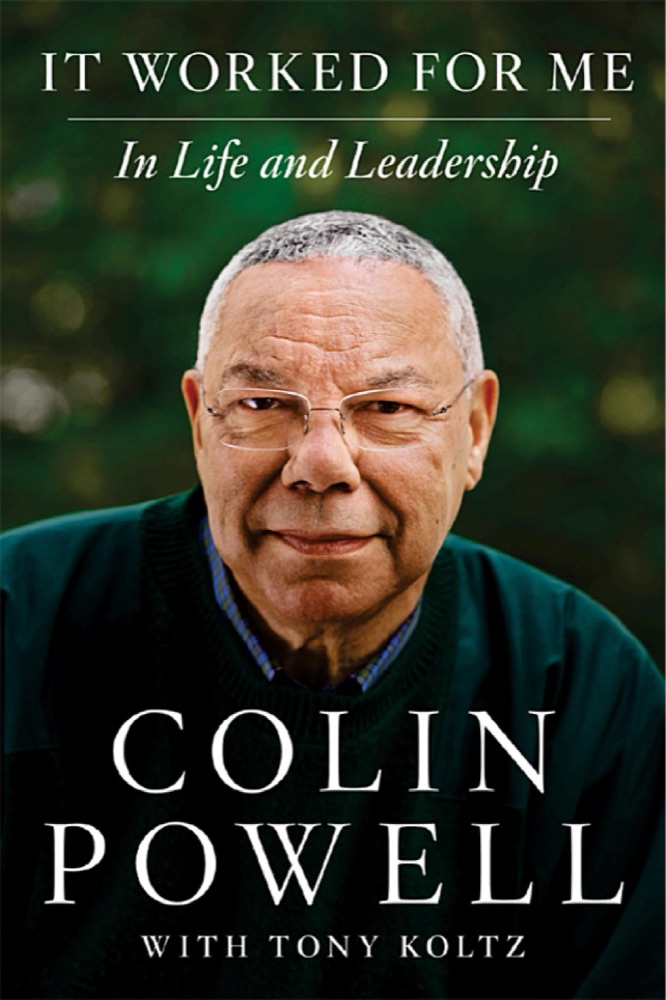 It Worked for Me: In Life and Leadership
 The Score Takes Care of Itself: My Philosophy of Leadership
 It Takes What It Takes: How to Think Neutrally and Gain Control of Your Life
 Start with Why: How Great Leaders Inspire Everyone to Take Action
 Tribes: We Need You to Lead Us
 Drive: The Surprising Truth About What Motivates Us
 Principles: Life and Work
 Influencer: The Power to Change Anything
 EntreLeadership: 20 Years of Practical Business Wisdom from the Trenches
 Great by Choice: Uncertainty, Chaos, and Luck—Why Some Thrive Despite Them All
 First Things First
 High Performance Habits: How Extraordinary People Become That Way
Integrity: The Courage to Meet the Demands of Reality
High Performance Habits: How Extraordinary People Become That Way
Integrity: The Courage to Meet the Demands of Reality
 The Oz Principle: Getting Results Through Individual and Organizational Accountability
 The Power of Focus
 Call Sign Chaos: Learning to Lead
 The Leader Who Had No Title: A Modern Fable on Real Success in Business and in Life
 Leadershift: The 11 Essential Changes Every Leader Must Embrace
 Getting There: A Book of Mentors
 Be a People Person
 Creativity, Inc.: Overcoming the Unseen Forces That Stand in the Way of True Inspiration
 Measure What Matters
 The Five Dysfunctions of a Team
 Be Your Future Self Now: The Science of Intentional Transformation
 Delivering Happiness: A Path to Profits, Passion, and Purpose
 Surrounded by Idiots
 Ready for Anything: 52 Productivity Principles for Getting Things Done
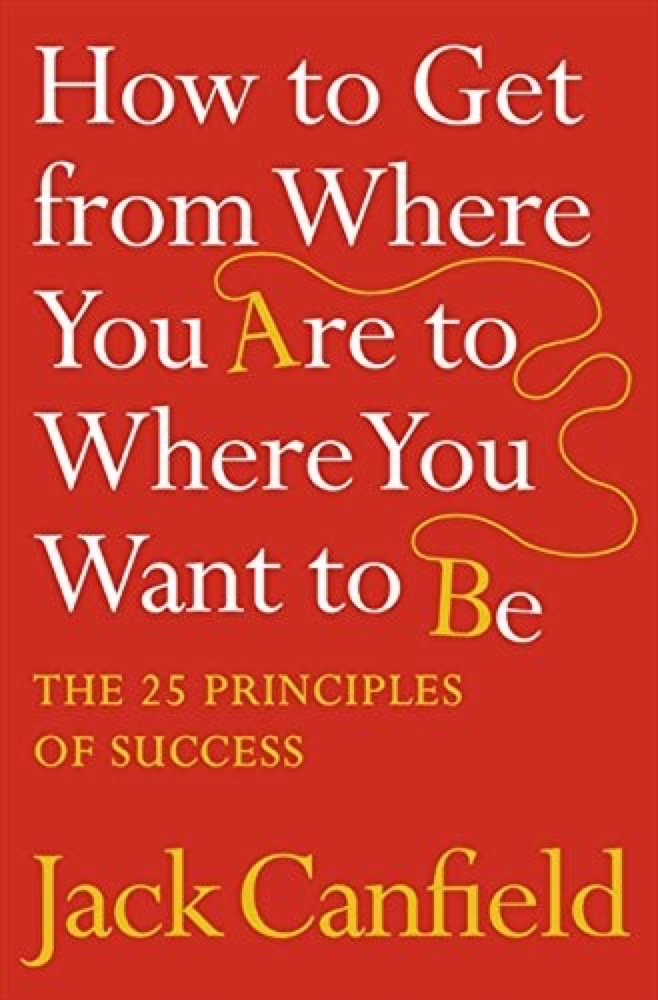 The Success Principles: How to Get from Where You Are to Where You Want to Be
 Managing Humans: Biting and Humorous Tales of a Software Engineering Manager
 Leading: Learning from Life and My Years at Manchester United
 Magic of Thinking Big
 The Hard Thing About Hard Things: Building a Business When There Are No Easy Answers―Straight Talk on the Challenges of Entrepreneurship
 Punished by Rewards: The Trouble with Gold Stars, Incentive Plans, A's, Praise and Other Bribes
 The Art of Impossible: A Peak Performance Primer
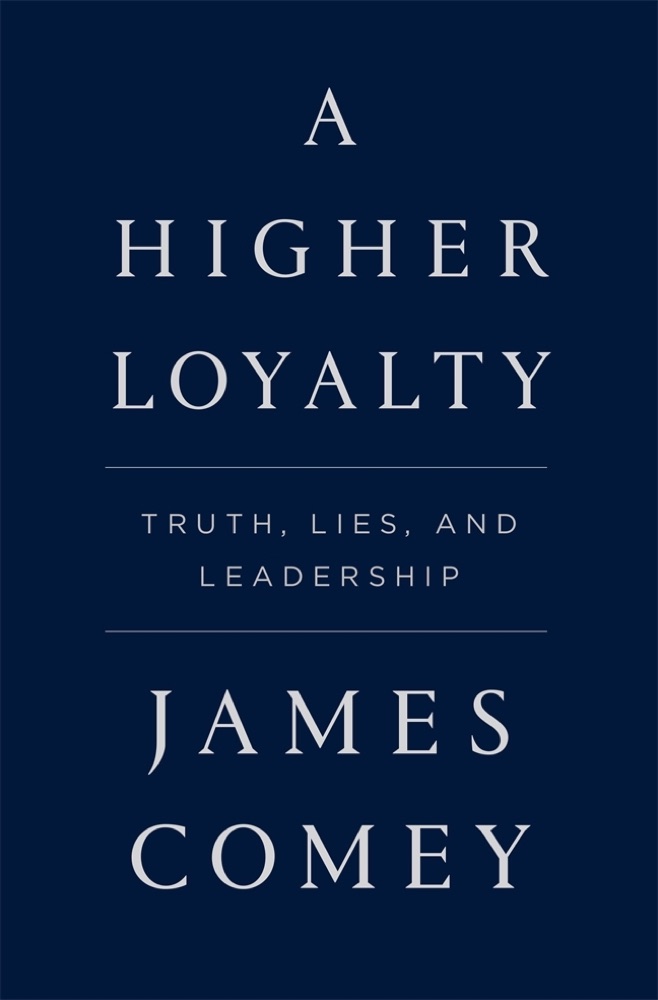 A Higher Loyalty: Truth, Lies, and Leadership
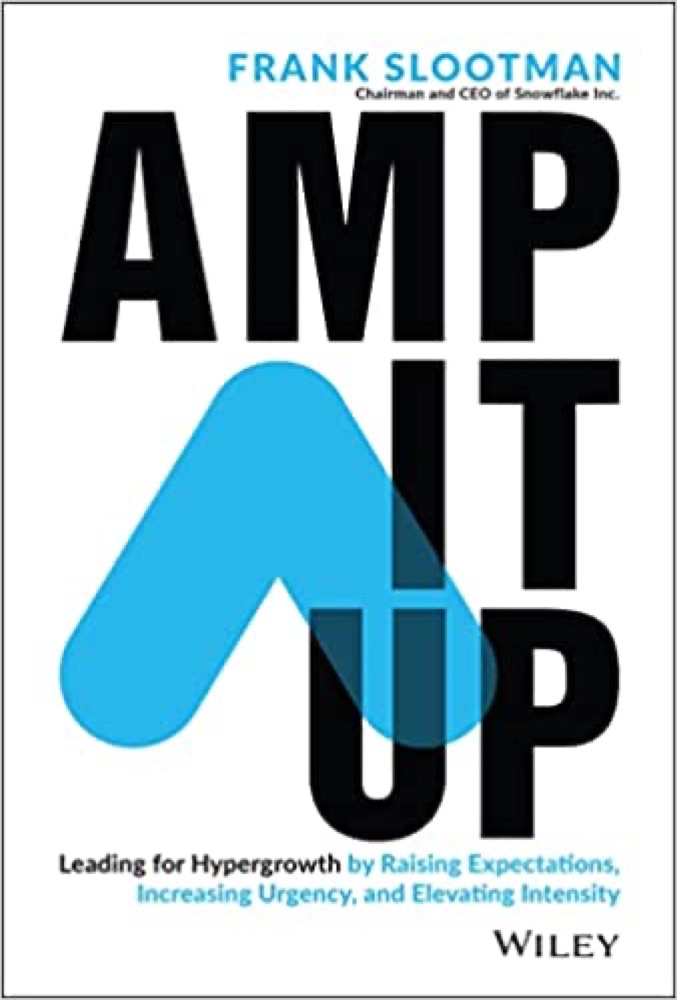 Amp It Up: Leading for Hypergrowth by Raising Expectations, Increasing Urgency, and Elevating Intensity
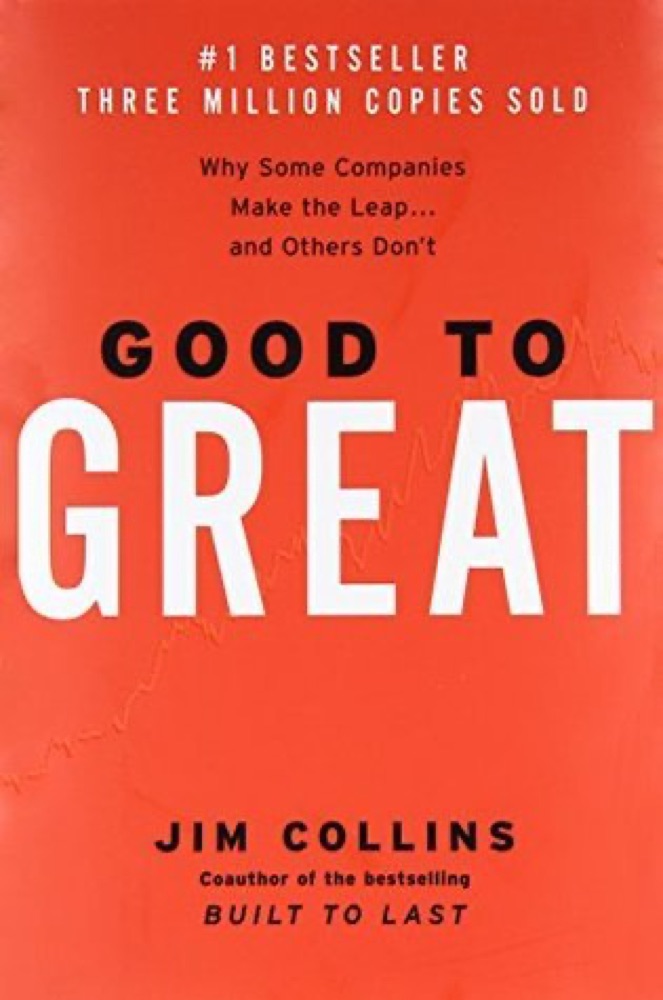 Good to Great: Why Some Companies Make the Leap... and Others Don't
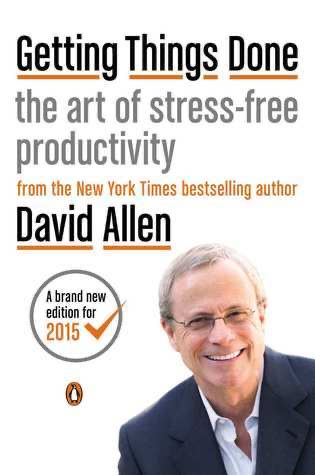 Getting Things Done: The Art of Stress-Free Productivity
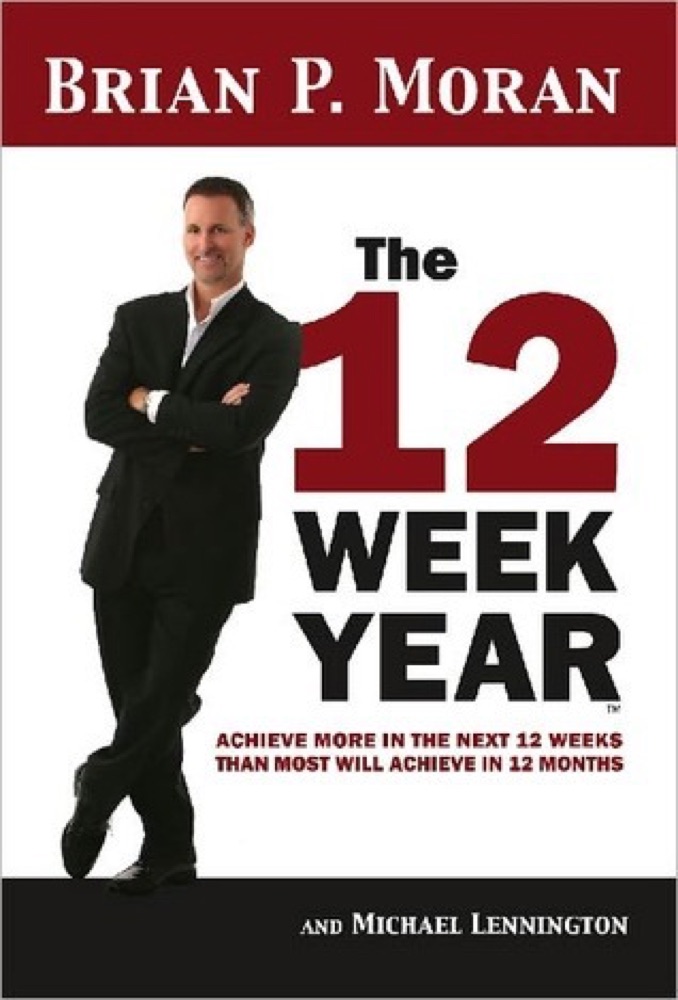 The 12 Week Year
 The Compound Effect: Jumpstart Your Income, Your Life, Your Success
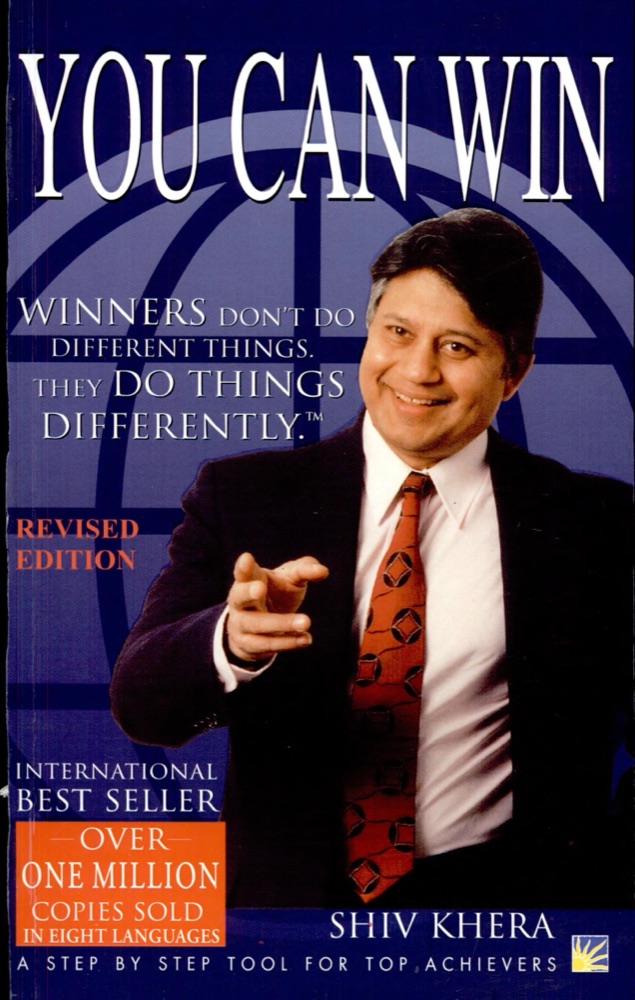 You Can Win: A Step by Step Tool for Top Achievers
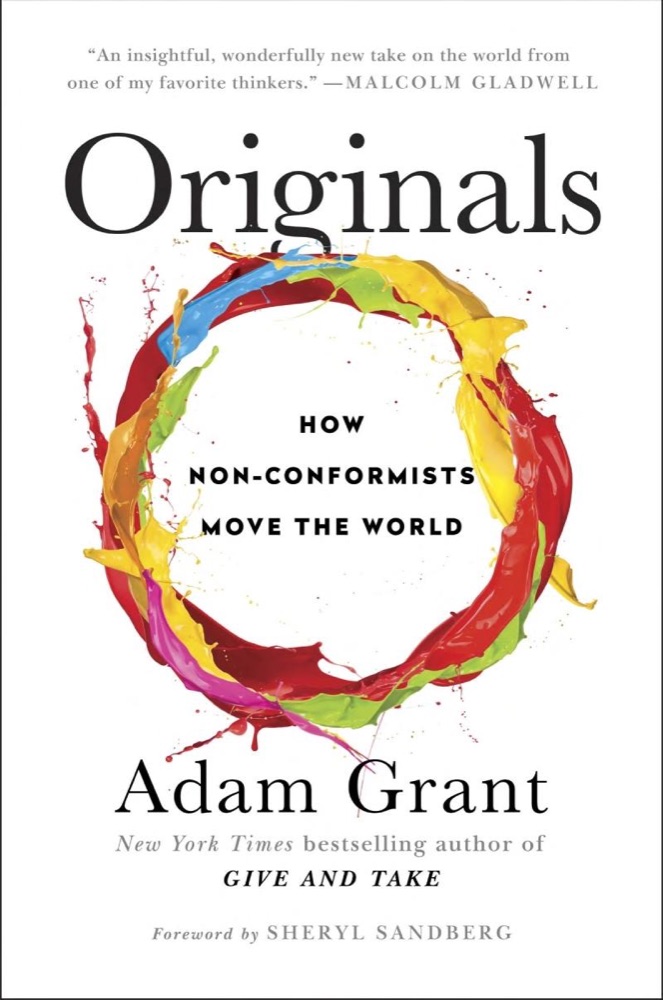 Originals: How Non-Conformists Move the World
 Give and Take: A Revolutionary Approach to Success
 Hit Refresh: The Quest to Rediscover Microsoft's Soul and Imagine a Better Future for Everyone