
 No Self, No Problem: How Neuropsychology Is Catching Up to Buddhism
Quotes from the Book
Just like children, emotions heal when they are heard and validated.
Unfortunately, as a society, we do not teach our children that they need to tend carefully the garden of their minds. Without structure, censorship, or discipline, our thoughts run rampant on automatic. Because we have not learned how to more carefully manage what goes on inside our brains, we remain vulnerable to not only what other people think about us, but also to advertising and/or political manipulation.
Although many of us may think of ourselves as thinking creatures that feel, biologically we are feeling creatures that think
When we are being compassionate, we consider another's circumstance with love rather than judgement... To be compassionate is to move into the right here, right now with an open heart consciousness and a willingness to be supportive.
My left brain is doing the best job it can with the information it has to work with. I need to remember, however, that there are enormous gaps between what I know and what I think I know.
For me, it's really easy to be kind to others when I remember that none of us came into this world with a manual about how to get it all right. We are ultimately a product of our biology and environment. Consequently, I choose to be compassionate with others when I consider how much painful emotional baggage we are biologically programmed to carry around. I recognize that mistakes will be made, but this does not mean that I need to either victimize myself or take your actions and mistakes personally. Your stuff is your stuff, and my stuff is my stuff.
I love knowing that I am simultaneously as big as the universe and yet merely a heap of star dust.
It is interesting to note that although our limbic system functions throughout our lifetime, it does not mature. As a result, when our emotional "buttons" are pushed, we retain the ability to react as though we were a two year old, even when we are adults. As our higher cortical cells mature and become integrated in complex networks with other neurons, we gain the ability to take "new pictures" of the present moment. When we compare the new information of our thinking mind with the automatic reactivity of our limbic mind, we can reevaluate the current situation and purposely choose a more mature response.
Most of us think of ourselves as thinking creatures that feel, but we are actually feeling creatures that think.
Most of the different types of cells in our body die and are replaced every few weeks or months. However, neurons, the primary cell of the nervous system, do not multiply (for the most part) after we are born. That means that the majority of the neurons in your brain today are as old as you are. This longevity of the neurons partially accounts for why we feel pretty much the same on the inside at the age of 10 as we do at age 30 or 77.
Based upon my experience with losing my left mind, I whole-heartedly believe that the feeling of deep inner peace is neurological circuitry located in our right brain.
Our right brain perceives the big picture and recognizes that everything around us, about us, among us and within us is made up of energy particles that are woven together into a universal tapestry. Since everything is connected, there is an intimate relationship between the atomic space around and within me, and the atomic space around and within you - regardless of where we are. On an energetic level, if I think about you, send good vibrations your way, hold you in the light, or pray for you, then I am consciously sending my energy to you with a healing intention. If I meditate over you or lay my hands upon your wound, then I am purposely directing the energy of my being to help you heal.
To experience peace does not mean that your life is always blissful. It means that you are capable of tapping into a blissful state of mind amidst the normal chaos of a hectic life.
To the right mind, no time exists other than the present moment, and each moment is vibrant with sensation. Life or death occurs in the present moment. The experience of joy happens in the present moment. Our perception and experience of connection with something that is greater than ourselves occurs in the present moment. To our right mind, the moment of now is timeless and abundant.
An attitude of gratitude goes a long way when it comes to physical and emotional healing.
I need to remember, however, that there are enormous gaps between what I know and what I think I know. I learned that I need to be very wary of my storyteller's potential for stirring up drama and trauma.
Yelling louder does not help me understand you any better! Don't be afraid of me. Come closer to me. Bring me your gentle spirit. Speak more slowly. Enunciate more clearly. Again! Please, try again. S-l-o-w down. Be kind to me. Be a safe place for me. See that I am a wounded animal, not a stupid animal. I am vulnerable and confused. Whatever my age, whatever my credentials, reach for me. Respect me. I am in here. Come find me.
If I am not persistent with my desire to think about other things, and consciously initiate new circuits of thought, then those uninvited loops can generate new strength and begin monopolizing my mind again. To counter their activities, I keep a handy list of three things available for me to turn my consciousness toward when I am in a state of need: 1) I remember something I find fascinating that I would like to ponder more deeply, 2) I think about something that brings me terrific joy, or 3) I think about something I would like to do.
My favorite definition of fear is “False Expectations Appearing Real,” and when I allow myself to remember that all of my thoughts are merely fleeting physiology, I feel less moved when my story-teller goes haywire and my circuitry is triggered. At the same time, when I remember that I am at one with the universe, then the concept of fear loses its power. To help protect myself from having a trigger-happy anger or fear response, I take responsibility for what circuitry I purposely exercise and stimulate. In an attempt to diminish the power of my fear/anger response, I intentionally choose not to watch scary movies or hang out with people whose anger circuitry is easily set off. I consciously make choices that directly impact my circuitry. Since I like being joyful, I hang out with people who value my joy.
Our visual field, the entire view of what we can see when we look out into the world, is divided into billions of tiny spots or pixels. Each pixel is filled with atoms and molecules that are in vibration. The retinal cells in the back of our eyes detect the movement of those atomic particles. Atoms vibrating at different frequencies emit different wavelengths of energy, and this information is eventually coded as different colors by the visual cortex in the occipital region of our brain. A visual image is built by our brain's ability to package groups of pixels together in the form of edges. Different edges with different orientations - vertical, horizontal and oblique, combine to form complex images. Different groups of cells in our brain add depth, color and motion to what we see.
At the most elementary level of information processing, stimulation is energy, and my brain needed to be protected, and isolated from obnoxious sensory stimulation, which it perceived as noise.
Over the course of several years, if I didn’t respect my brain’s need for sleep, my sensory systems experienced agonizing pain and I became psychologically and physically depleted.
I know it can be very uncomfortable for a healthy person to try to communicate with someone who has had a stroke, but I needed my visitors to bring me their positive energy. Since conversation is obviously out of the question, I appreciated when people came in for just a few minutes, took my hands in theirs, and shared softly and slowly how they were doing, what they were thinking, and how they believed in my ability to recover.
But without the judgment of my left brain saying that I am a solid, my perception of myself returned to this natural state of fluidity. Clearly, we are each trillions upon trillions of particles in soft vibration. We exist as fluid-filled sacs in a fluid world
And I must say, there was both freedom and challenge for me in recognizing that our perception of the external world, and our relationship to it, is a product of our neurological circuitry. For all those years of my life, I really had been a figment of my own imagination!
Via our left hemisphere language centers, our mind speaks to us constantly, a phenomenon I refer to as “brain chatter.” It is that voice reminding you to pick up bananas on your way home and that calculating intelligence that knows when you have to do your laundry. There is vast individual variation in the speed at which our minds function. For some, our dialogue of brain chatter runs so fast that we can barely keep up with what we are thinking. Others of us think in language so slowly that it takes a long time for us to comprehend. Still others of us have a problem retaining our focus and concentration long enough to act on our thoughts. These variations in normal processing stem back to our brain cells and how each brain is intrinsically wired.
I find that using repetitious sound patterns such as mantra (which literally means “place to rest the mind”) is very helpful. By breathing deeply and repeating the phrase In this moment I reclaim my JOY or In this moment I am perfect, whole and beautiful, or I am an innocent and peaceful child of the universe, I shift back into the consciousness of my right mind.
Learning to read again was by far the hardest thing I had to do. I don’t know if those cells in my brain had died or what, but I had no recollection that reading was something I had ever done before, and I thought the concept was ridiculous.
Dr. Kat Domingo proclaims, “Enlightenment is not a process of learning, it is a process of unlearning.
Although the statistics vary depending upon whom you ask, virtually everyone who is right handed (over 85% of the U.S. population) is left hemisphere dominant. At the same time, over 60% of left handed people are also classified as left hemisphere dominant. Let’s take a closer look at the asymmetries of
Watch on YouTube
About Jill Bolte Taylor
We have collected 30 quotes from 1 book by Jill Bolte Taylor on BookQuoters.
More about the author →Book details
- Author
- Jill Bolte Taylor
- Genre
- Nonfiction
- Goodreads rating
- 3.92 (33k ratings) →
Keep reading
No Self, No Problem: How Neuropsychology Is Catching Up to Buddhism
 Mindsight: The New Science of Personal Transformation
 The Brain That Changes Itself: Stories of Personal Triumph from the Frontiers of Brain Science
 The Joy of Living: Unlocking the Secret and Science of Happiness
 Descartes' Error: Emotion, Reason and the Human Brain
 Evolve Your Brain: The Science of Changing Your Mind
 How to Change Your Mind: The New Science of Psychedelics
 Incognito: The Secret Lives of the Brain
 You Are the Placebo: Making Your Mind Matter
 How to Stay Sane
 Andrew's Brain
 Becoming Supernatural: How Common People are Doing the Uncommon
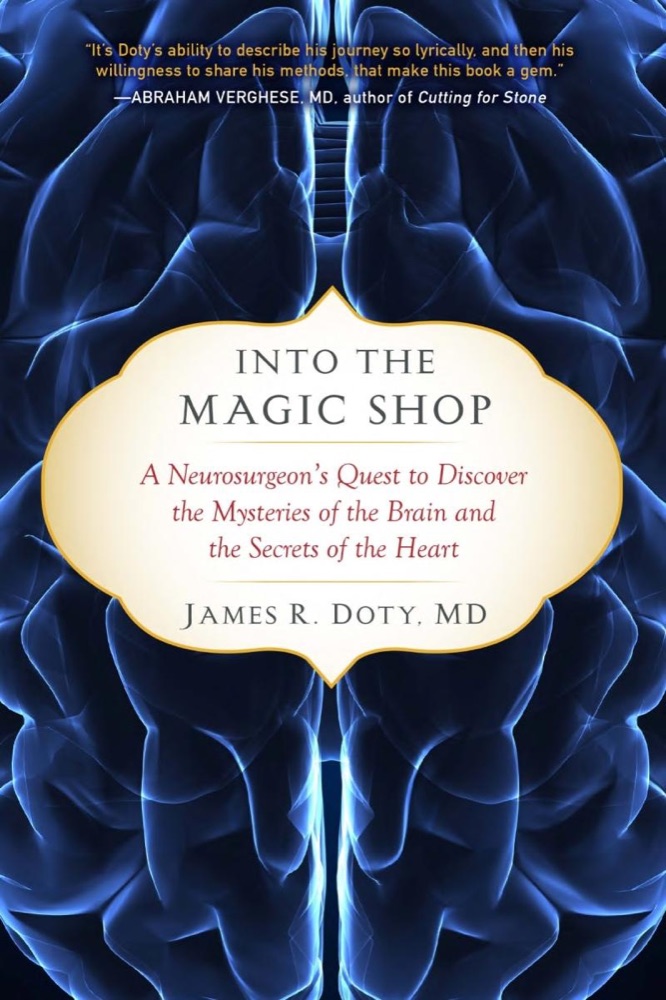 Into the Magic Shop: A Neurosurgeon's Quest to Discover the Mysteries of the Brain and the Secrets of the Heart
 The Book of Secrets: Unlocking the Hidden Dimensions of Your Life
 On Connection
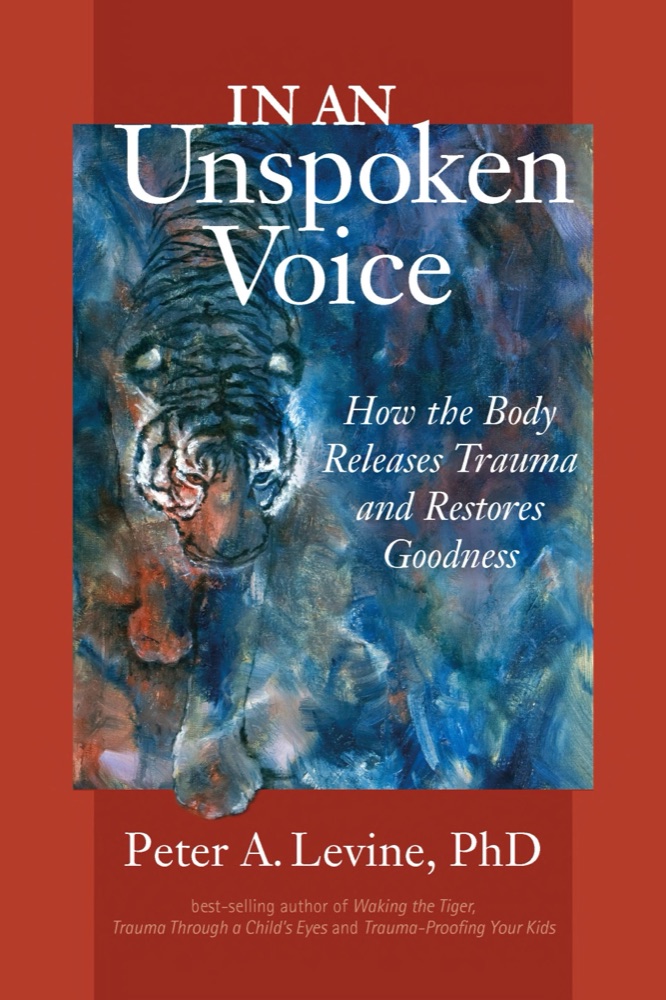 In an Unspoken Voice: How the Body Releases Trauma and Restores Goodness
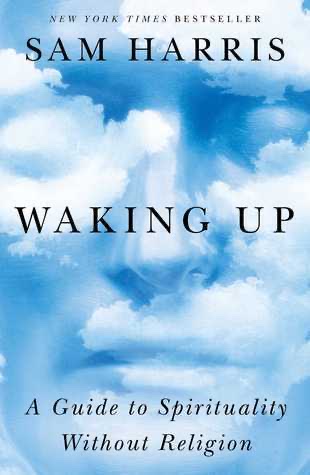 Waking Up: A Guide to Spirituality Without Religion
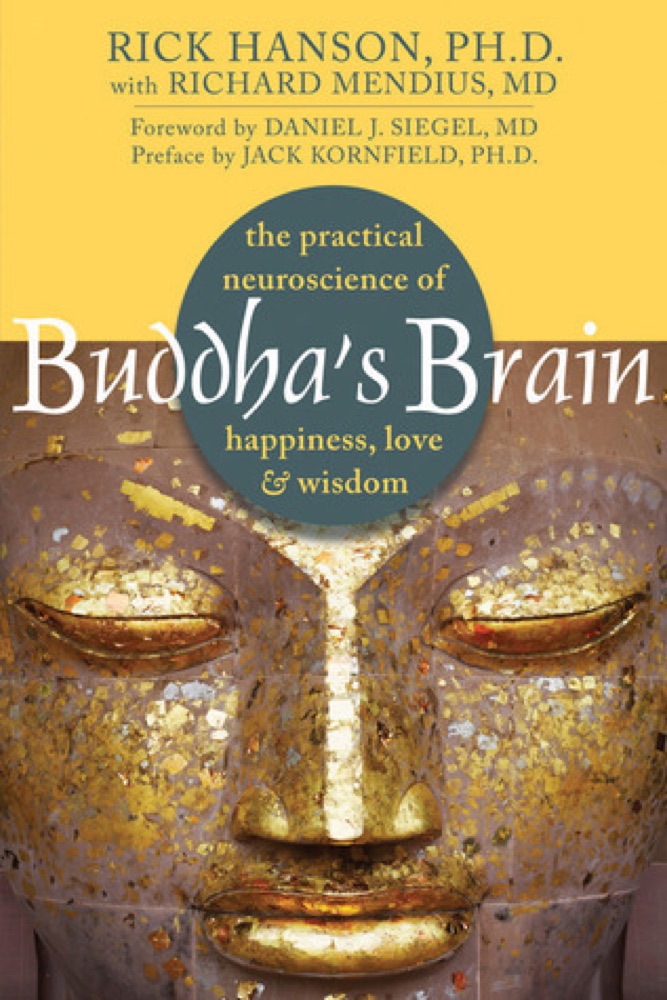 Buddha's Brain: The Practical Neuroscience of Happiness, Love, and Wisdom
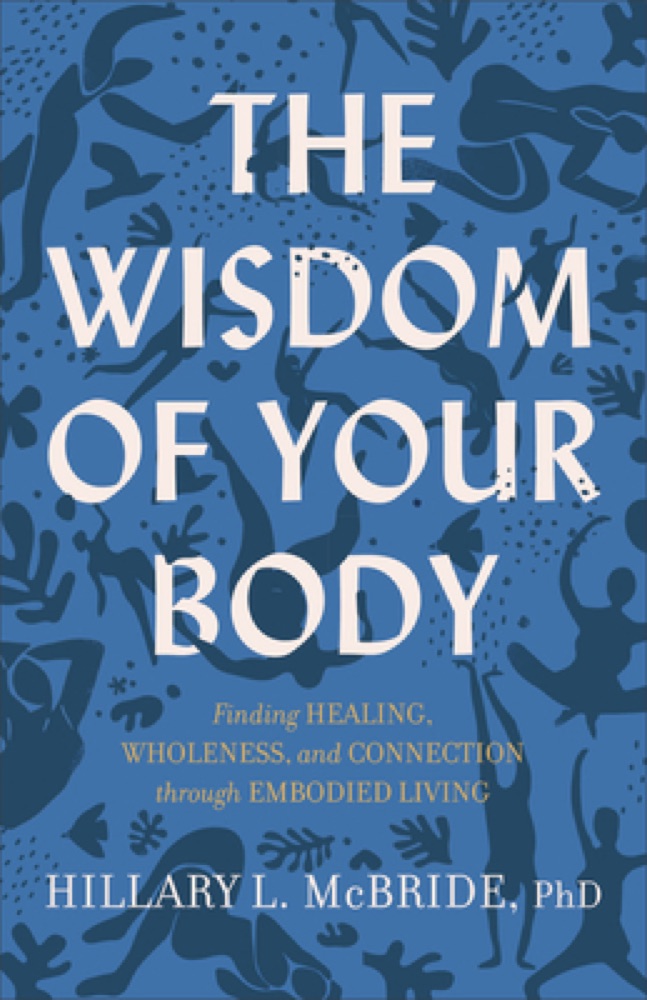 The Wisdom of Your Body: Finding Healing, Wholeness, and Connection through Embodied Living
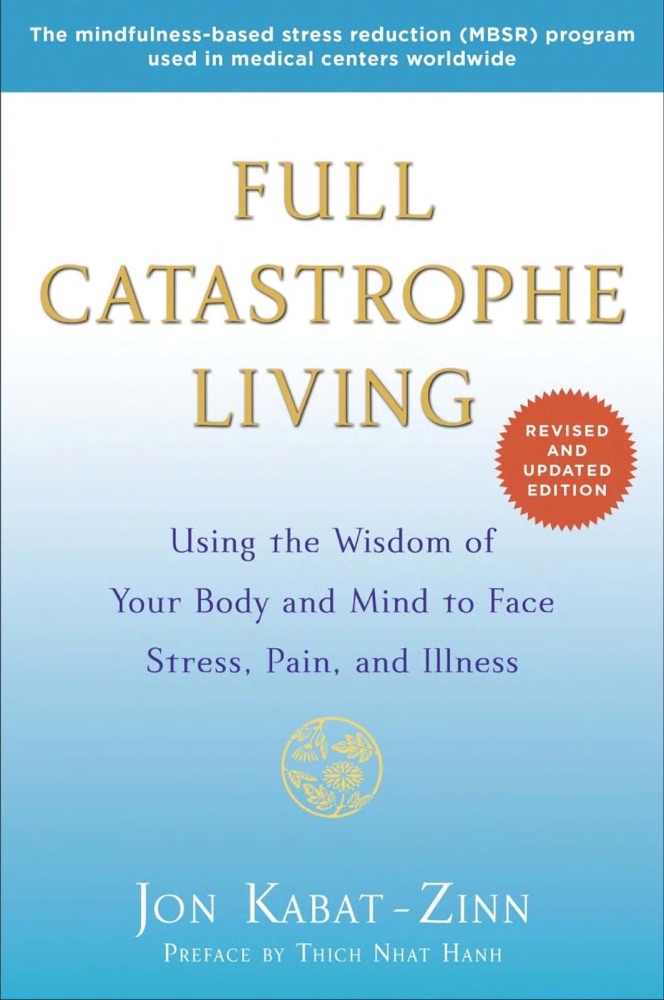 Full Catastrophe Living: Using the Wisdom of Your Body and Mind to Face Stress, Pain, and Illness
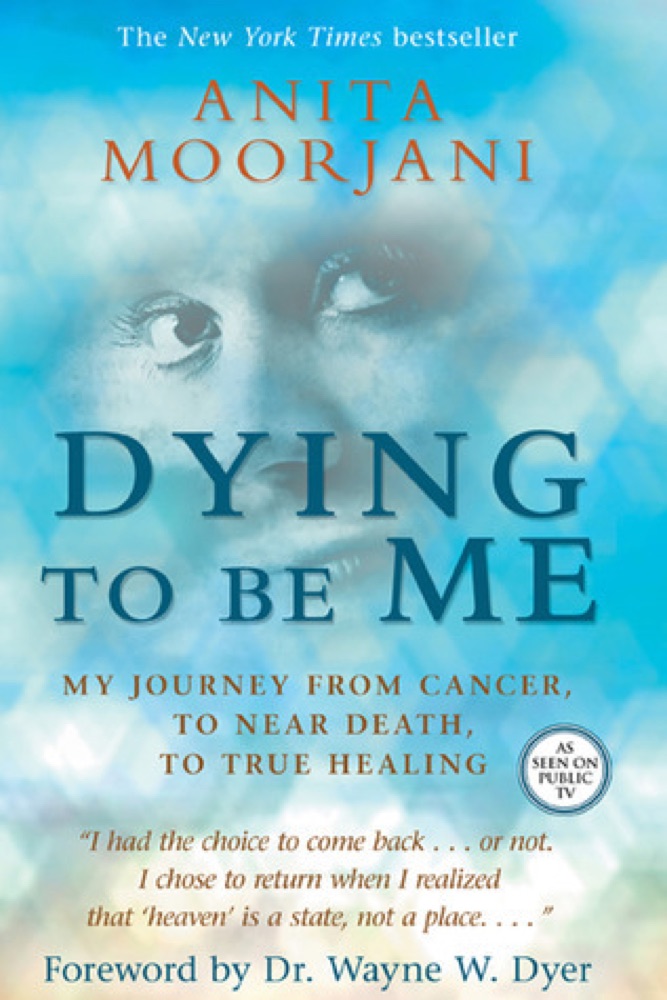 Dying to Be Me: My Journey from Cancer, to Near Death, to True Healing
 A Room Called Earth
 Buffering: Unshared Tales of a Life Fully Loaded
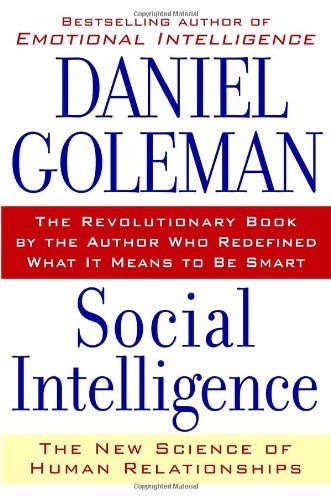 Social Intelligence: The New Science of Human Relationships
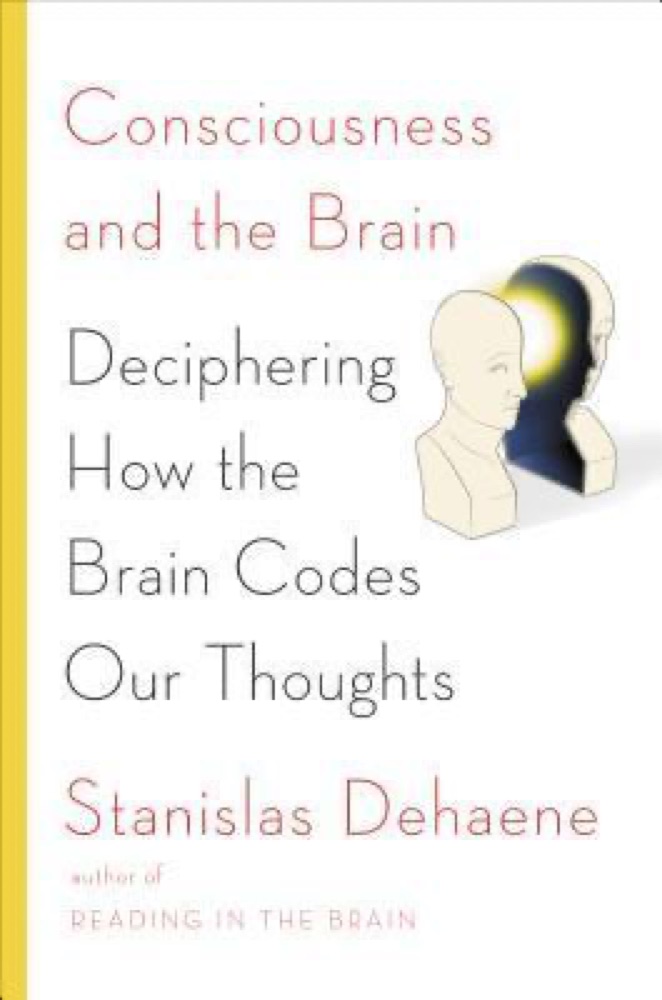 Consciousness and the Brain: Deciphering How the Brain Codes Our Thoughts
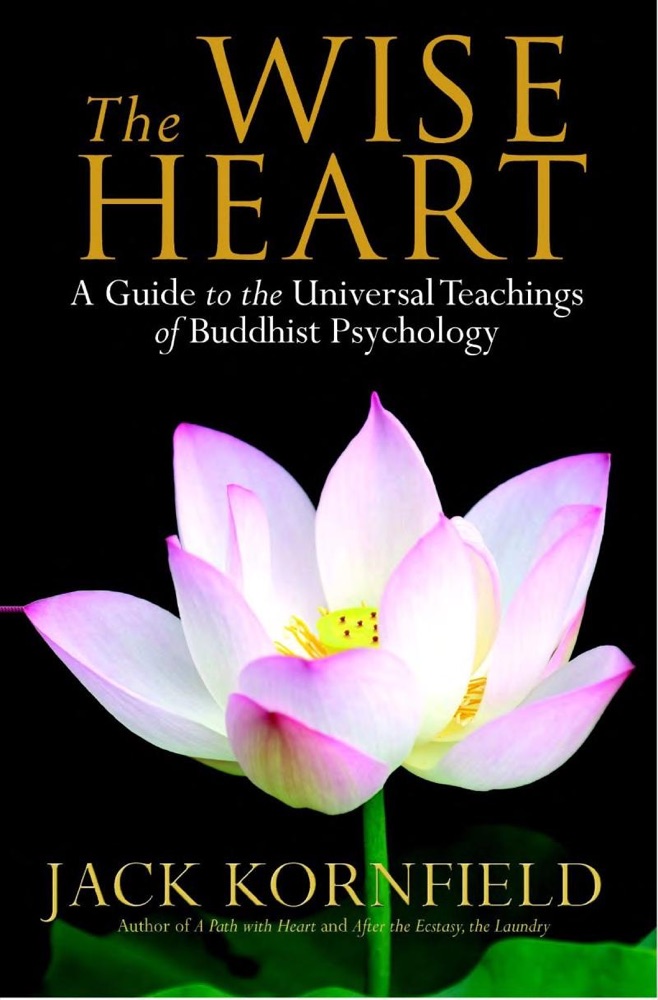 The Wise Heart: A Guide to the Universal Teachings of Buddhist Psychology
 The Dalai Lama's Cat and the Power of Meow
 In Love with the World: A Monk's Journey Through the Bardos of Living and Dying
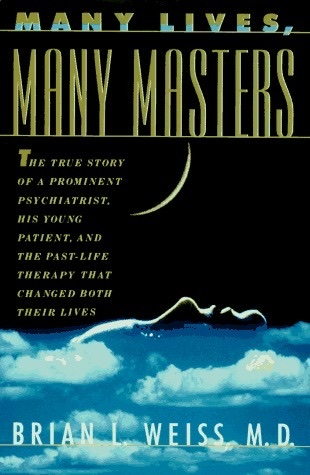 Many Lives, Many Masters: The True Story of a Prominent Psychiatrist, His Young Patient, and the Past Life Therapy That Changed Both Their Lives
 Untangle Your Emotions: Naming What You Feel and Knowing What to Do About It
 An Anthropologist on Mars
 A User's Guide to the Brain: Perception, Attention, and the Four Theaters of the Brain
 The Year of Magical Thinking
 Why Has Nobody Told Me This Before?
 Unfuck Your Brain: Using Science to Get Over Anxiety, Depression, Anger, Freak-Outs, and Triggers
 Living Untethered: Beyond the Human Predicament
 I Am, I Am, I Am: Seventeen Brushes with Death
 Stories of Your Life and Others
 Letting Go: The Pathway To Surrender
 Living Beautifully with Uncertainty and Change
 How We Decide
 Drive Your Plow Over the Bones of the Dead
 The Future of the Mind: The Scientific Quest to Understand, Enhance, and Empower the Mind
 True Refuge: Finding Peace and Freedom in Your Own Awakened Heart
 The Master and His Emissary: The Divided Brain and the Making of the Western World
 A Way of Being
 Enchantment: Awakening Wonder in an Anxious Age
 What Happened To You?: Conversations on Trauma, Resilience, and Healing
 Silence: The Power of Quiet in a World Full of Noise
 Meditation for Fidgety Skeptics: A 10% Happier How-To Book
 A General Theory of Love
 On Being Human: A Memoir of Waking Up, Living Real, and Listening Hard
 Eastern Body, Western Mind: Psychology and the Chakra System as a Path to the Self
 Mastery
 A New Earth: Awakening to Your Life's Purpose
 Mindfulness in Plain English
 Successful Aging: A Neuroscientist Explores the Power and Potential of Our Lives
 The Boy Who Was Raised as a Dog: And Other Stories from a Child Psychiatrist's Notebook
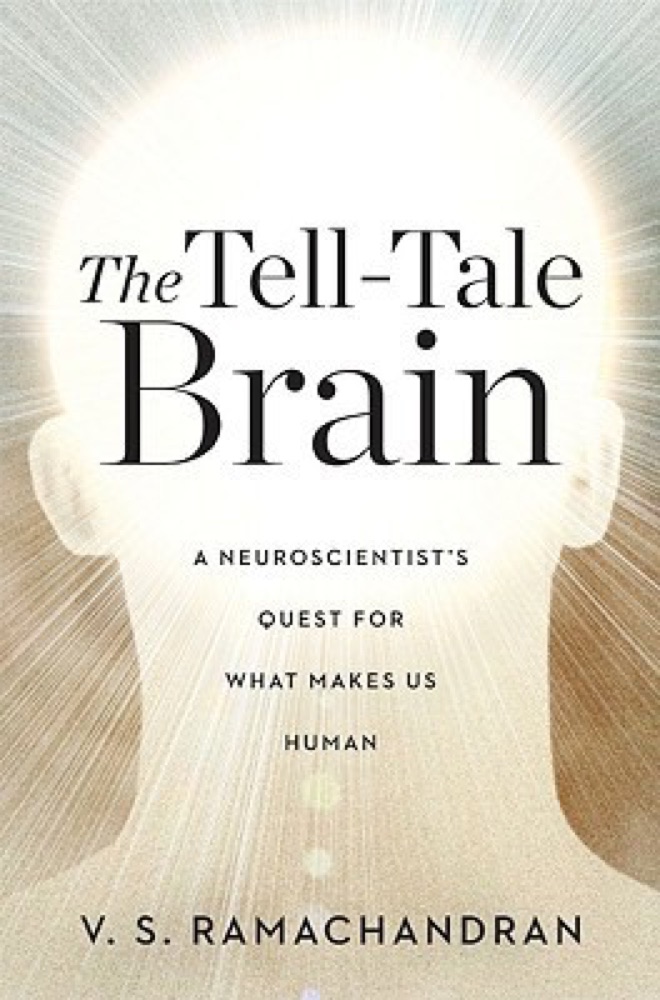 The Tell-Tale Brain: A Neuroscientist's Quest for What Makes Us Human